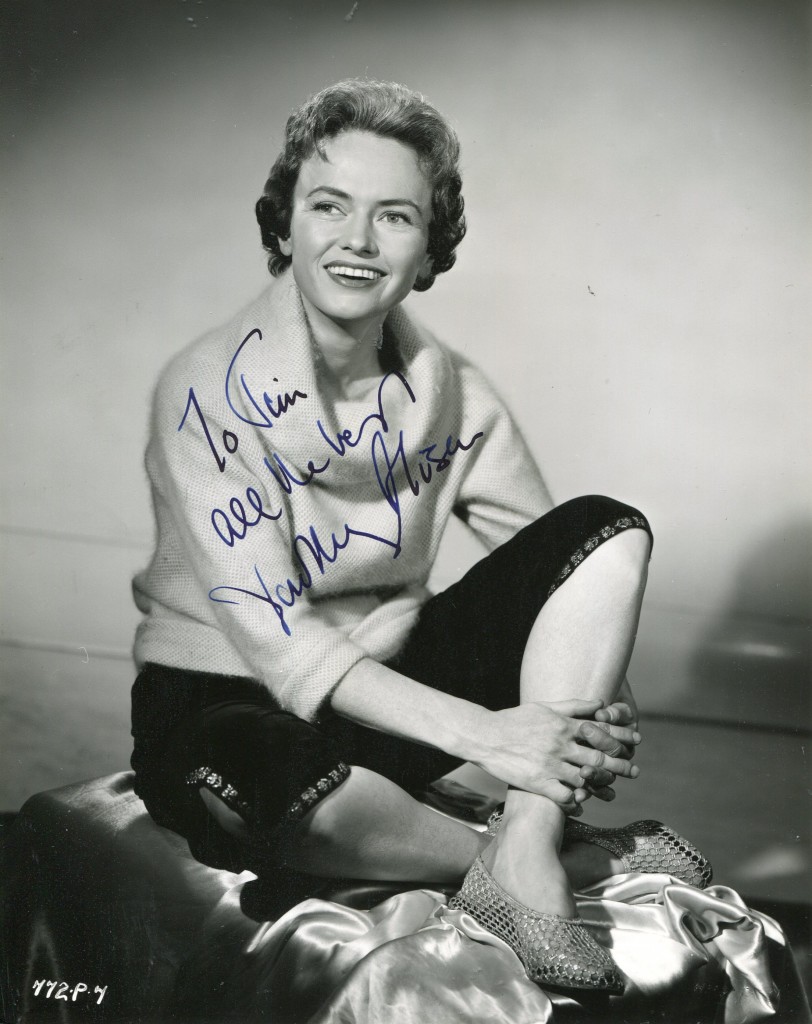
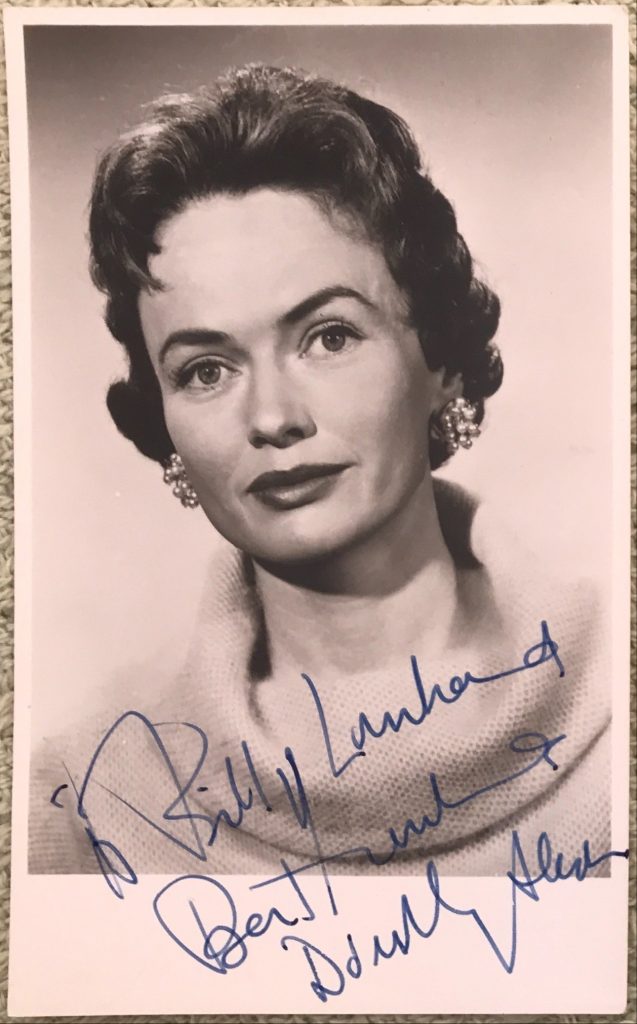
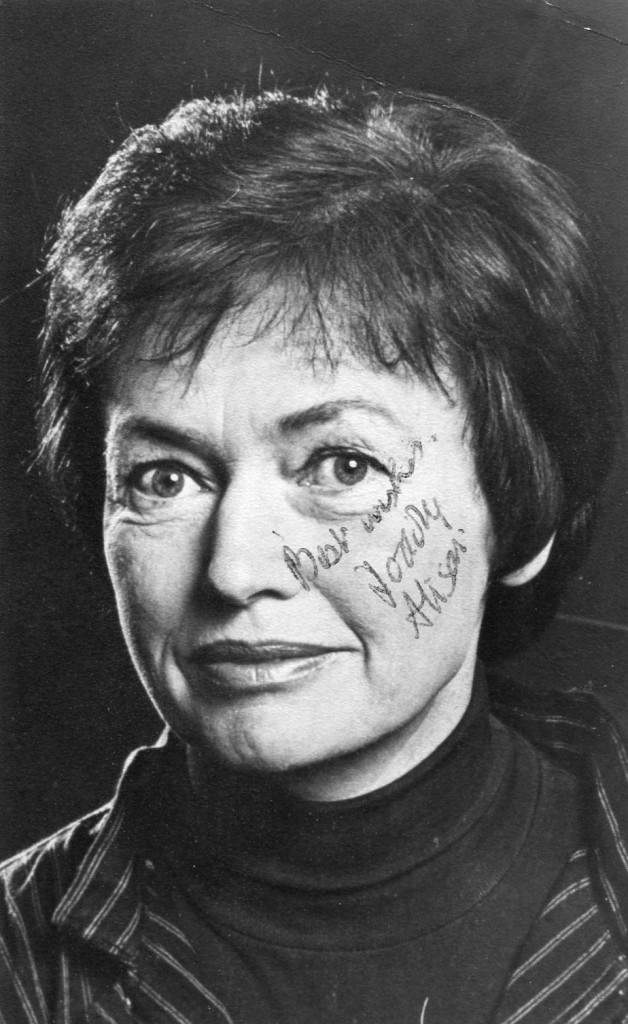
Dorothy Alison (1925–1992) — born Dorothy Dickson in Broken Hill, New South Wales — was one of Australia’s most accomplished mid‑20th century actors, best known for her empathetic, quietly strong portrayals in British cinema and television. Her career bridged Australia and the UK, spanning stage, radio, film, and television, earning her two BAFTA Awards and later a Logie.
Career Overview
Early years and training
Alison grew up in Broken Hill in a family active in local politics and the arts. She took early dance and drama lessons and later trained with Doris Fitton at Sydney’s Independent Theatre. Before leaving for Britain, she worked in Australian radio and for filmmakers Charles and Elsa Chauvel, appearing in Sons of Matthew (1949) and Eureka Stockade (1949)
Breakthrough in Britain
Relocating to London in 1949, she initially worked as a secretary while seeking acting opportunities. Her international breakthrough came with her moving performance as a teacher of a deaf child in Mandy (1952, released in the U.S. as Crash of Silence). The role won her the BAFTA Award for Most Promising Newcomer
imdb.com
. The film’s realism and social conscience aligned Alison with the postwar British cinema of emotional restraint and humanist themes.
Established British career
She remained in Britain during the 1950s and ’60s, taking mainly sympathetic, maternal or professionally grounded roles—nurses, teachers, social workers, and family figures. Critics singled her out for warmth and composure, even in small parts. Her turn as Nurse Brace in Reach for the Sky (1956) earned her a BAFTA for Best British Actress, confirming her reputation for understated emotional truth
Subsequent films—among them The Third Key (1956), Georgy Girl (1966), and Pretty Polly (1967)—kept her visible on screen while she continued steady work on the West End stage.
Return to Australia and later work
In the 1980s, Alison enjoyed a late‑career resurgence in Australia. She appeared in the acclaimed television mini‑series A Town Like Alice (1981), winning the 1982 Logie Award for Best Supporting Actress. Later, she portrayed Lindy Chamberlain’s mother in Evil Angels (A Cry in the Dark) (1988) opposite Meryl Streep, demonstrating the continuity of her quiet authority across decades of performance
She died in London in 1992, after a career spanning over 55 film and television roles
Critical Analysis
Acting style and persona
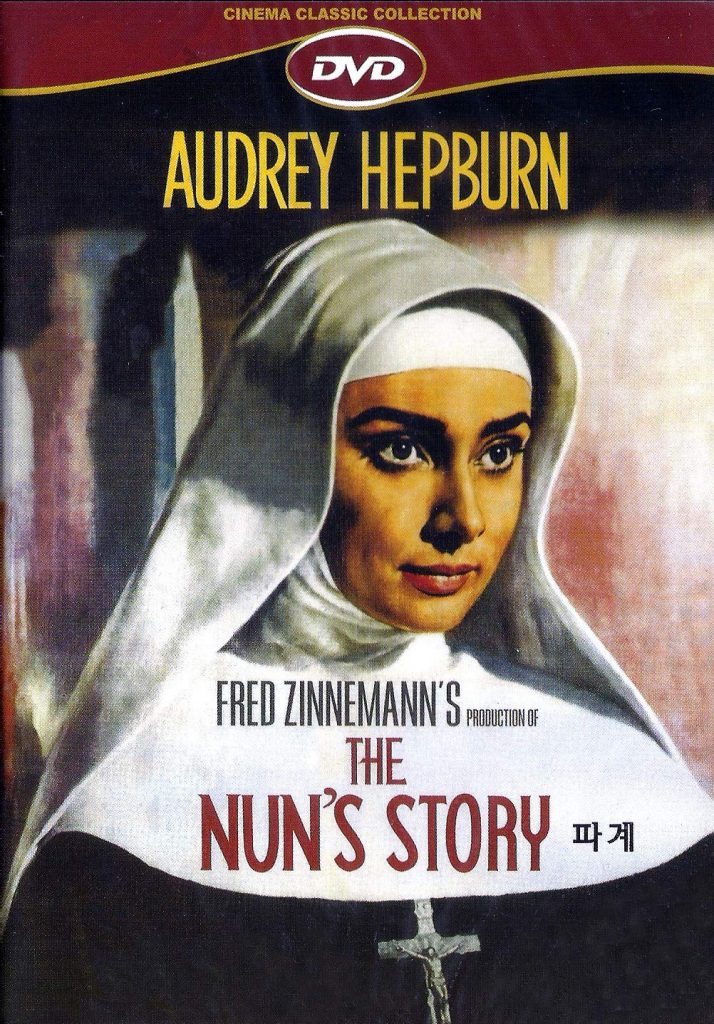
Alison’s hallmark was emotional understatement. She specialized in portraying decency under pressure — professional women or mothers who carry compassion without sentimentality. Her performances are characterized by calm vocal control, a grounded physical stillness, and a subtle awareness of others on screen, as was seen in “The Nun’s Story” in 1959. Directors often used her as a stabilizing moral presence in ensemble casts.
Range and versatility
Although she became associated with maternal warmth, Alison possessed considerable range — equally credible in comedies, war films, and serious dramas. Her precise diction and unforced intelligence let her shift between domestic realism (A Town Like Alice), modern social satire (Georgy Girl), and melodrama (Reach for the Sky). This adaptability allowed her to sustain a multi-decade career as a character actress rather than a fleeting star.
Critical reputation and influence
Contemporaries and later critics often cited Alison as one of the understated craftsmen of postwar British film — less famous than her co‑stars but essential to the credibility of the worlds they inhabited. Her work anticipated the later prominence of nuanced female character acting in British television drama. In Australia, she stands as one of the earliest examples of a performer who achieved sustained international recognition.
Limitations and context
The restraint that defined her best performances also contributed to her relative under‑recognition. She was rarely given showy or leading roles; her filmography is dominated by supporting parts. However, this very modesty became her artistic strength — her ability to infuse small roles with humanity frequently elevated entire films.
Legacy
Dorothy Alison’s career traces the route of a classically trained Australian actor who found in Britain’s mid‑century cinema a natural home for empathy and professionalism. Her work in Mandy and Reach for the Sky remains central to women’s and humanitarian representation in postwar British film. Later generations of Australian actors who crossed into international markets — such as Rachel Griffiths or Judy Davis — followed a path she helped establish: integrity, nuance, and cross‑cultural adaptability anchored by craft rather than celebrity