

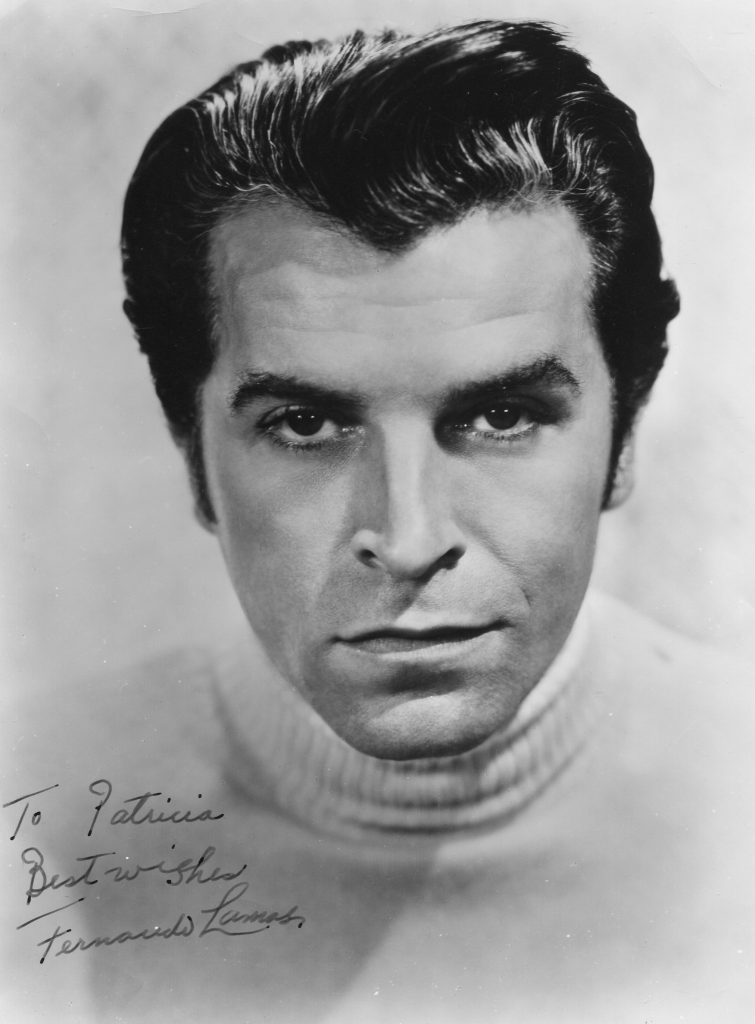
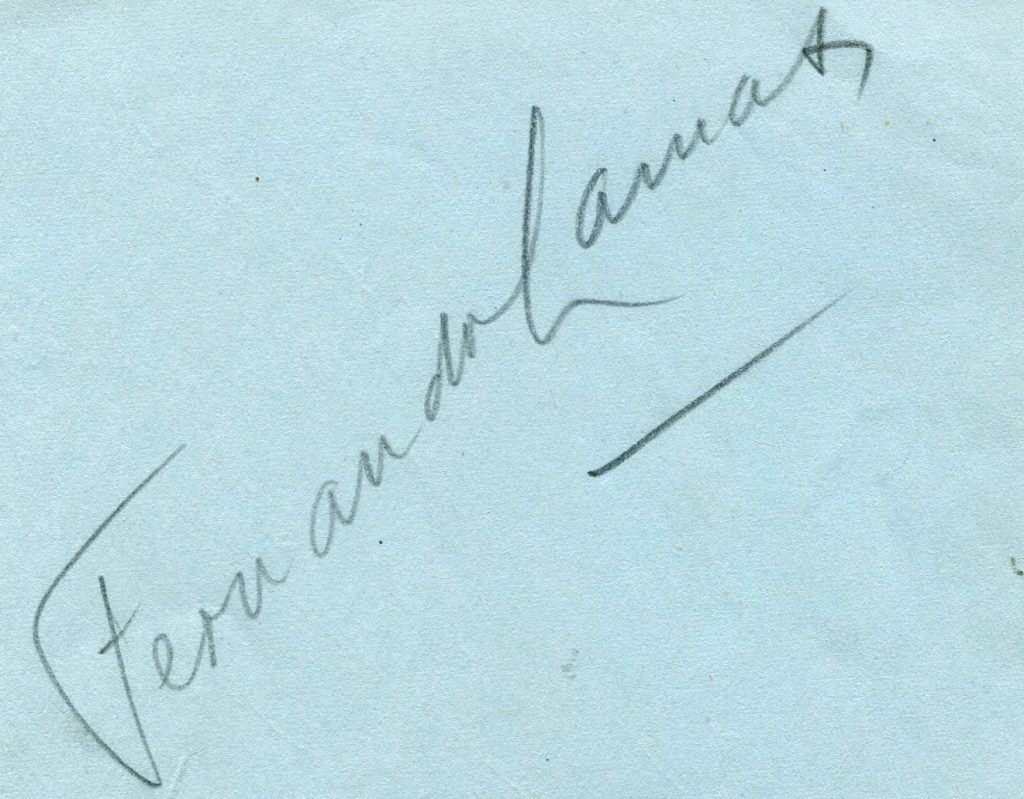

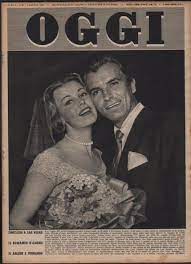
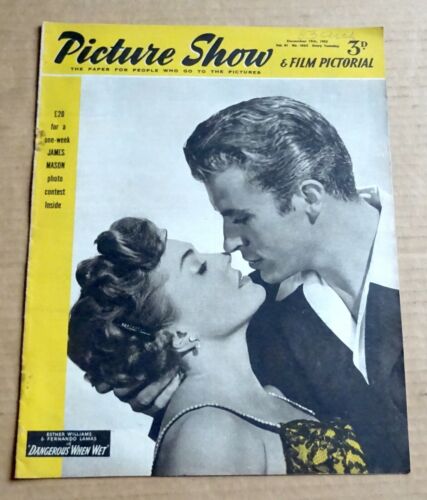
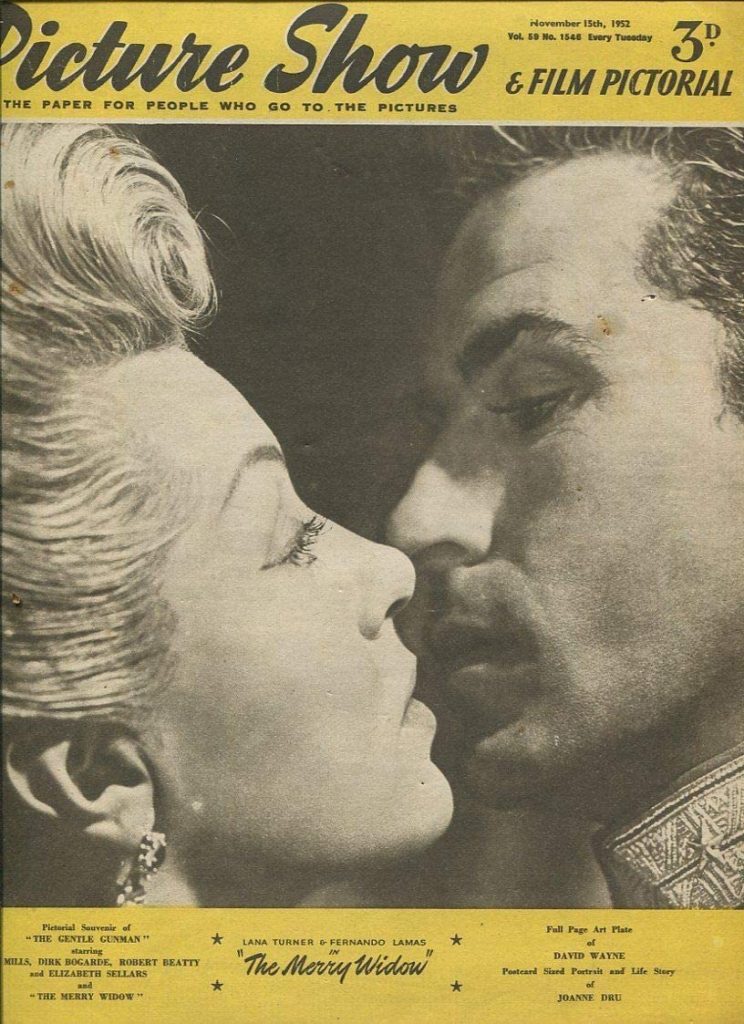
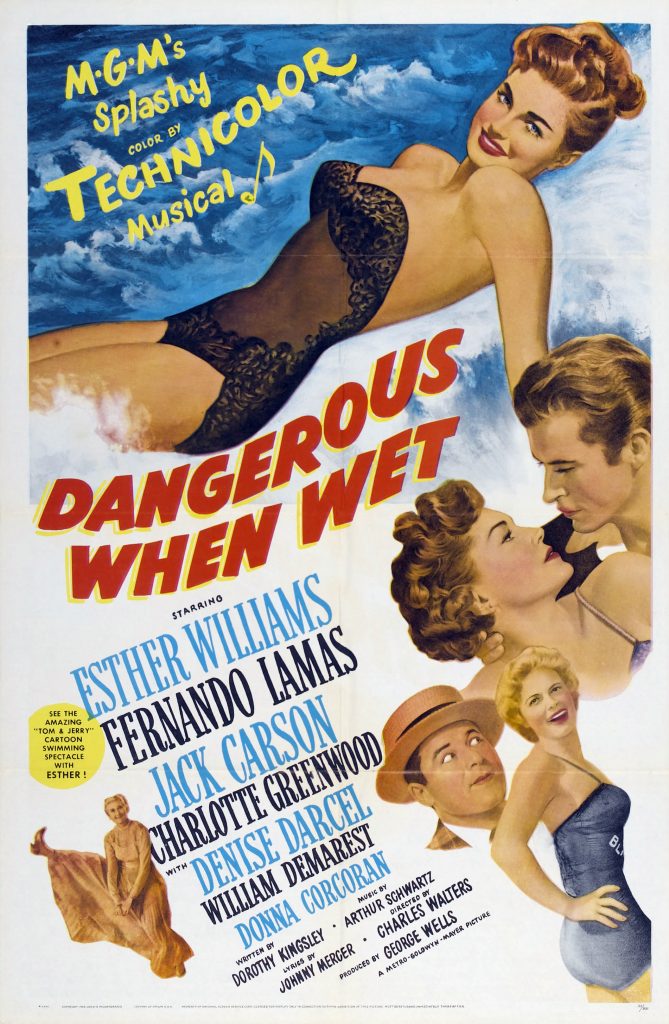
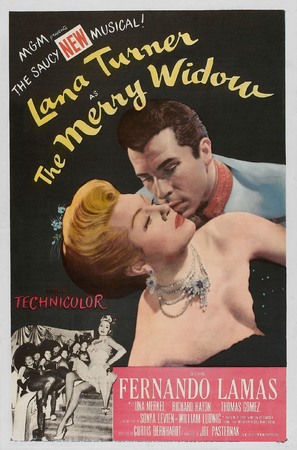
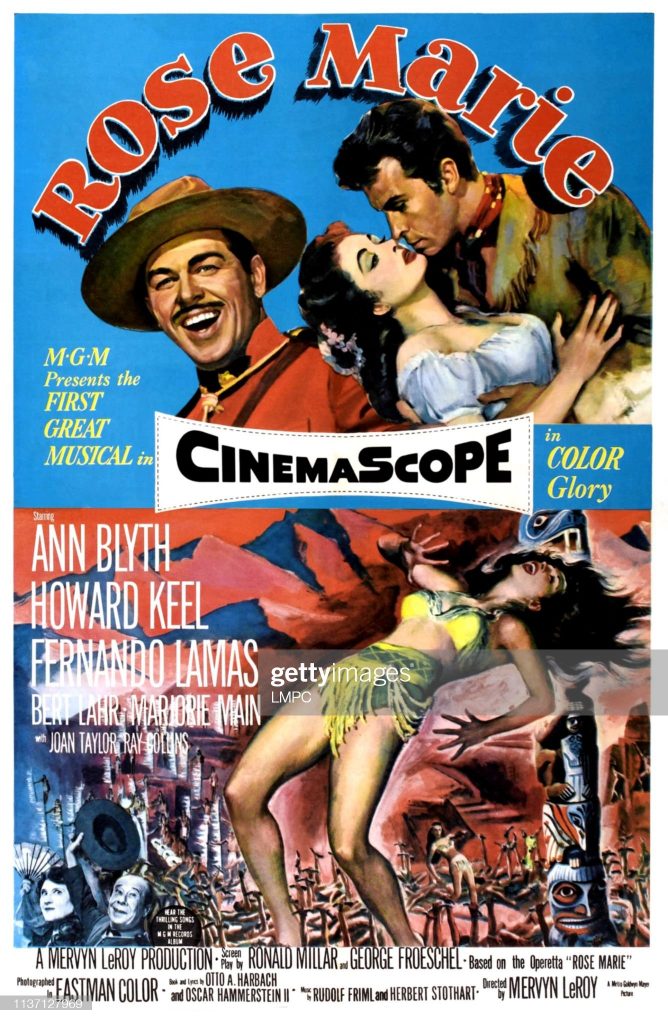
Fernando Lamas was born in 1915 in Buenos Aires, Argentina. He began his career acting in South American films and came to Hollywood in 1951 after he signed a contract with MGM. His films included “The Merry Widow” with Lana Turner, “Rose Marie” with Ann Blyth and “Dangerous When Wet”. In later years he moved to directing. Fernando Lamas was married to Esther Williams. He died in 1982. His son is the actor Lorenzo Lamas.
His IMDB entry:
Handsome, dapper Argentine-born actor who came to Hollywood as a romantic lead in several colourful MGM extravaganzas and then succeeded in living up to his Latin Lover image in real life. Lamas studied drama at school in his native country and later enrolled in a law course at college. His strong leaning towards athletic pursuits prevailed and he abandoned his studies to take up horse riding, winning trophies fencing and boxing (middleweight amateur title) and becoming the South American Freestyle Swimming Champion of 1937. While still in his teens he appeared on stage, then on radio, and by the age of 24 in his first motion picture.
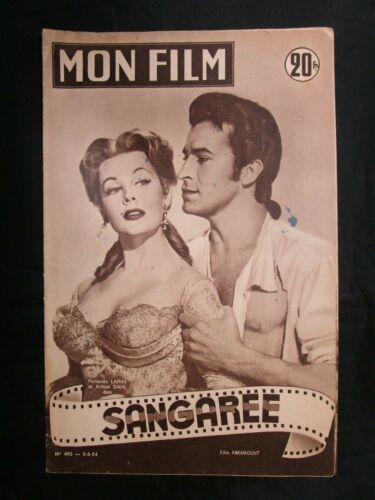
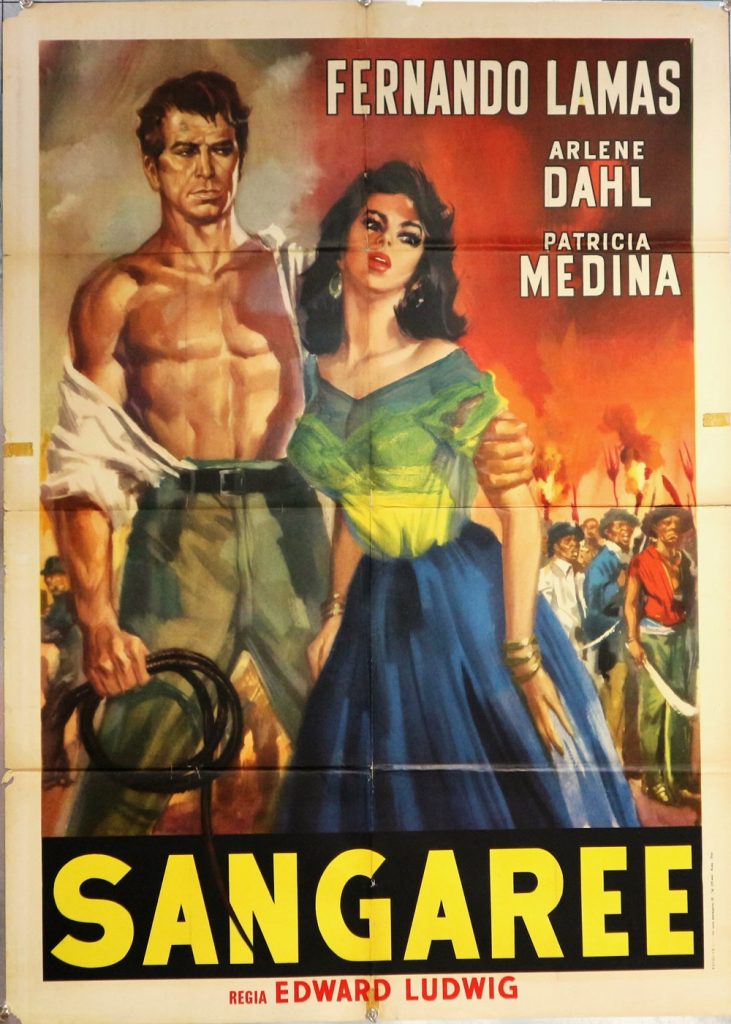
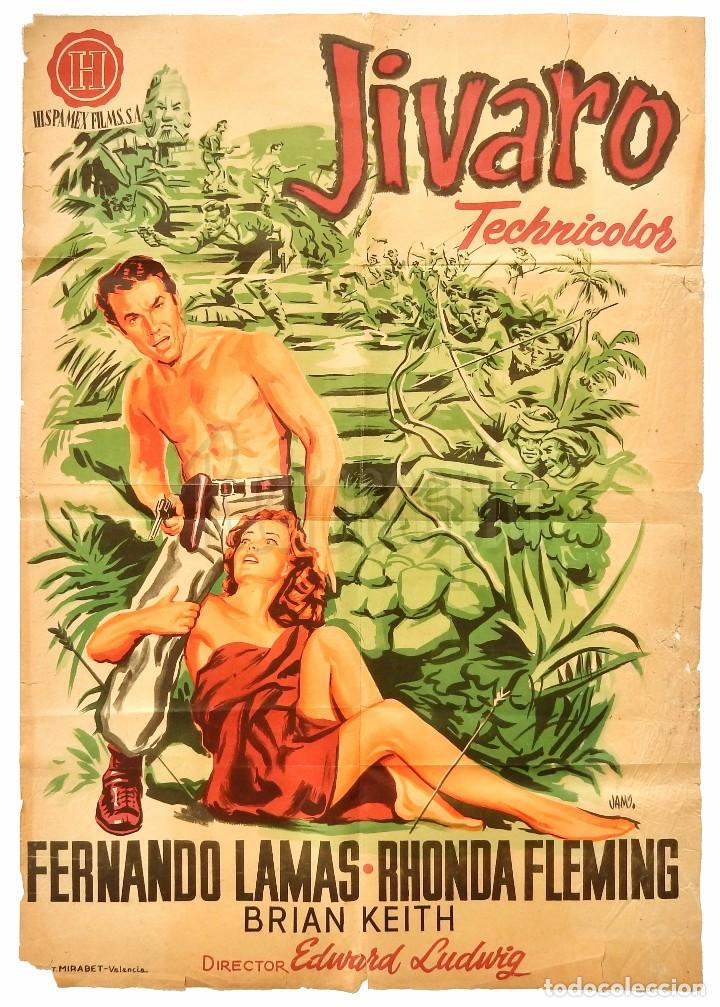
All this sporting publicity aroused interest in Hollywood and, in 1951, Lamas was signed by MGM to charm the likes of Lana Turner and Esther Williams in A-grade productions likeThe Merry Widow (1952) and Dangerous When Wet (1953). He also spent time ‘on loan’ to Paramount who featured him in several Pine-Thomas B-movies, such as the 3-D Technicolour Sangaree (1953) and Jivaro (1954). His sole appearance on Broadway was in the 1957 play ‘Happy Hunting’. There was considerable friction between him and co-starEthel Merman, both on and off-stage. Lamas was nonetheless nominated for a Tony Award as Best Actor, but had the misfortune of coming up against Rex Harrison’s Professor Higgins in ‘My Fair Lady’.
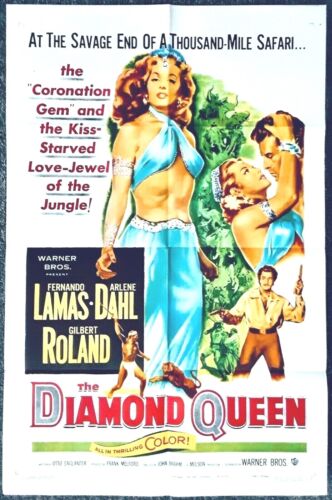
In real life, Lamas proudly lived up to his reputation as a ladies man. With two ex-wives back in Argentina, he conducted well-publicised affairs with most of his female co-stars, including one with Lana Turner which began while filming ‘The Merry Widow’. ActressArlene Dahl, who appeared with him in ‘Sangaree’ and The Diamond Queen (1953), became his third wife, and fellow swimming champion Esther Williams his fourth.
In 1963, Lamas directed the Spanish film ‘La Fuente Magica’, with himself and wife Esther Williams playing the lead roles. From then on, he began to concentrate on television, alternating between acting (notable in a recurring role as playboy Ramon de Vega in Run for Your Life (1965) and directing episodes of shows like Mannix (1967),Alias Smith and Jones (1971), The Rookies (1972) and House Calls (1979).
– IMDb Mini Biography By: I.S.Mowis
The above IMDB entry can also be accessed online here.
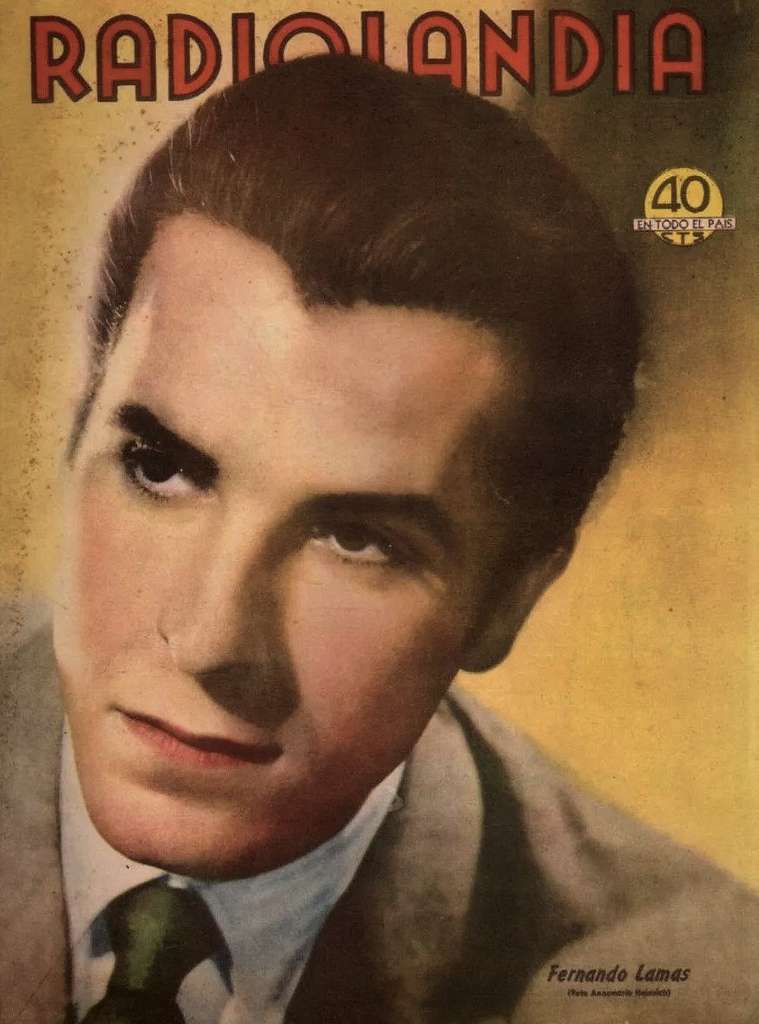
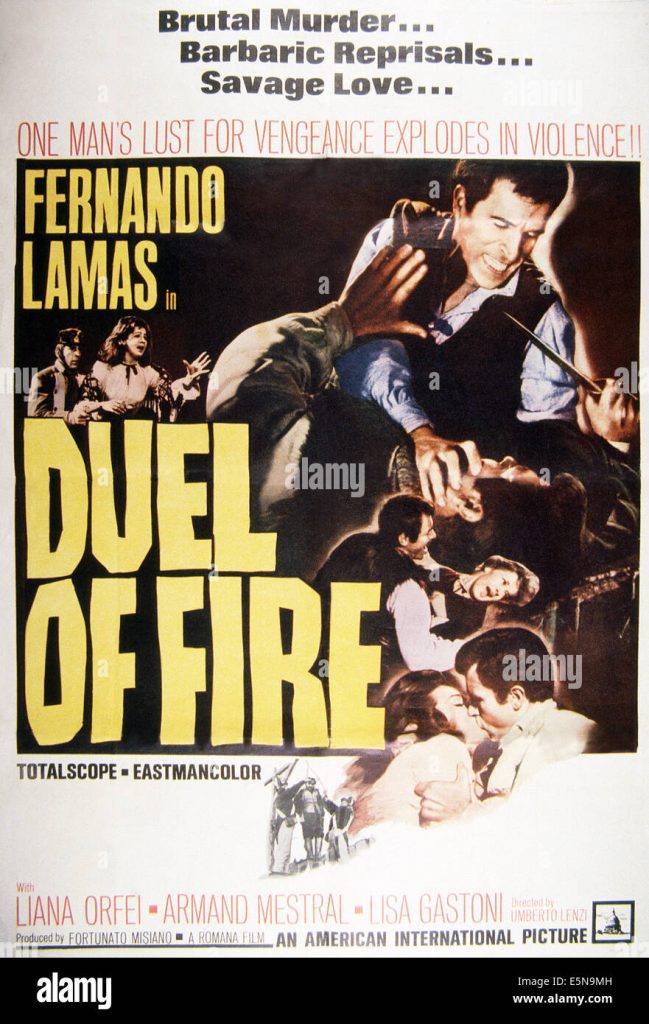
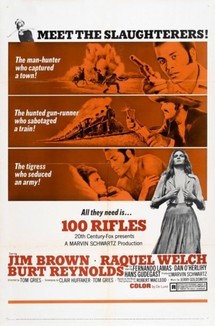
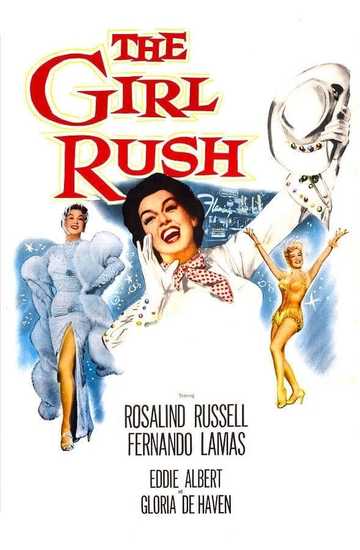
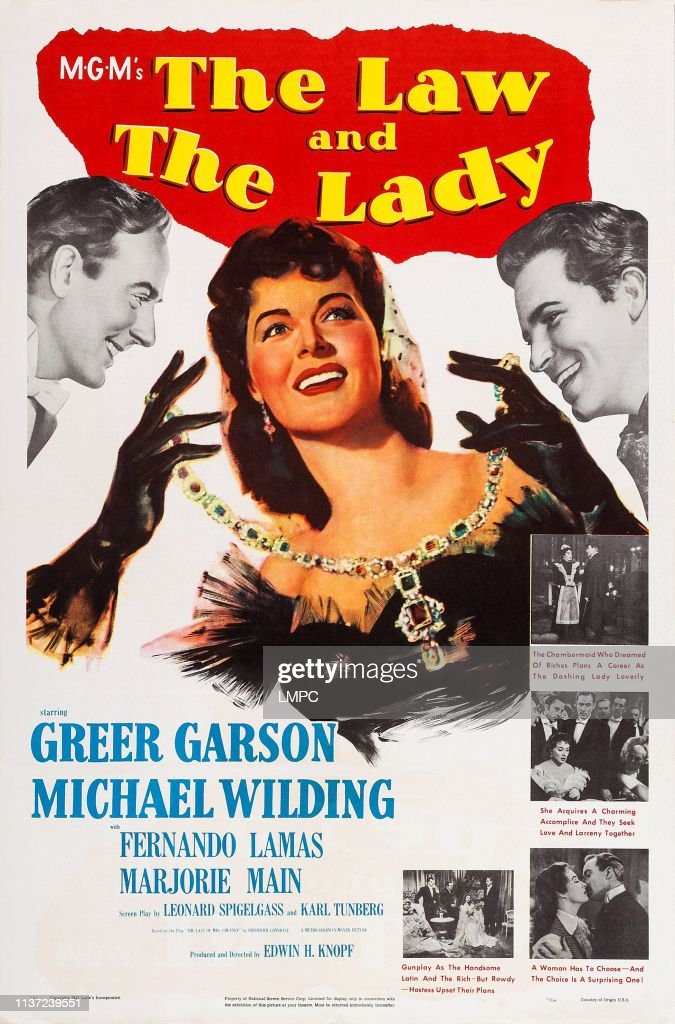

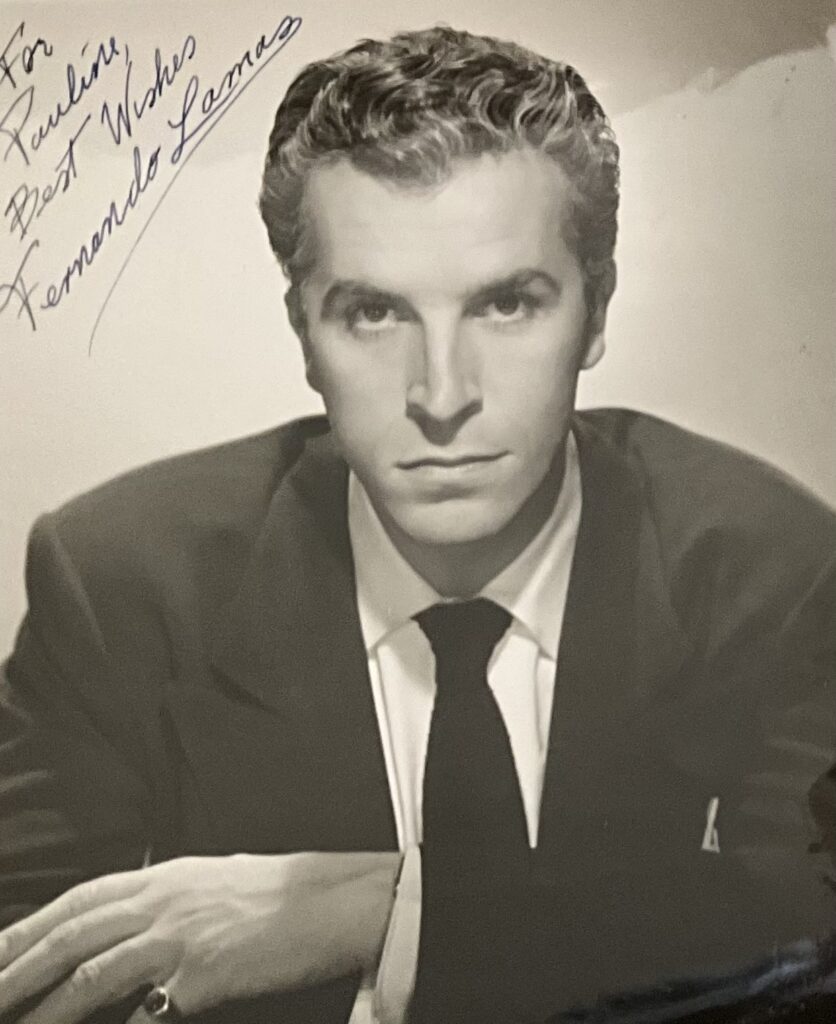
Fernando Lamas (1915–1982) was the quintessential “Latin Lover” of mid-century Hollywood, but a critical look at his career reveals a far more complex figure: a world-class athlete, a Tony-nominated stage presence, and a prolific director who navigated the restrictive typecasting of the studio system.
While his public persona was often reduced to suave charm and “mahvelous” looks (famously parodied by Billy Crystal on SNL), Lamas’s work served as a bridge between the era of Rudolph Valentino and the more multifaceted Latinx representation of the late 20th century.
I. Career Overview: From Buenos Aires to Beverly Hills
The Argentine Star (1930s–1940s)
Before Hollywood, Lamas was a renaissance man in Argentina. He was a champion swimmer, fencer, and boxer. This physical discipline defined his early screen work in South America, where he was already a major leading man in films like The Story of the Tango (1949).
The MGM “Latin Lover” (1951–1960)
Signed by MGM in 1951, Lamas was positioned as a successor to Ricardo Montalbán. He became the studio’s primary exotic romantic interest, often paired with “aquatic” star Esther Williams (his future wife) and Lana Turner. Key films included:
-
The Merry Widow (1952): Solidified his status as a romantic lead.
-
Dangerous When Wet (1953): Highlighted his chemistry with Esther Williams and his physical prowess.
Transition to Director and TV (1960s–1982)
As the “Latin Lover” trope faded, Lamas pivoted. He found a second career as a director, helming episodes of gritty 1970s television shows like Starsky & Hutch, Mannix, and Falcon Crest.
II. Critical Analysis: The Mask of Suavity
1. Navigating the “Latin Lover” Trope
Critics often analyze Lamas through the lens of hyper-masculinity. Unlike earlier “Latin Lovers” who were often portrayed as soft or overly poetic, Lamas brought a grounded, athletic edge to the role.
-
The Paradox: While his roles were often shallow—focusing on his accent and physique—his performances were noted for a high degree of technical professionalism. He didn’t just “play” the heartthrob; he leaned into the artifice of the role with a self-aware wink that predated modern meta-acting.
2. Stage Presence and the 1957 Tony Nomination
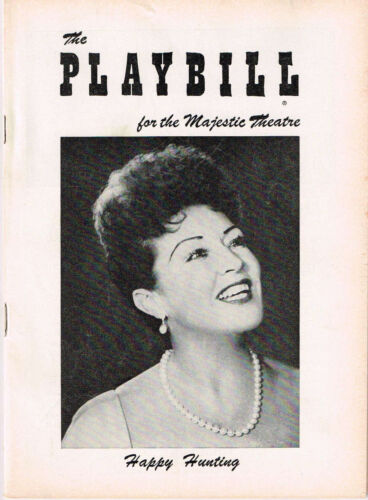
His most critically respected acting work often occurred away from the cameras. In the 1956 Broadway musical Happy Hunting, he starred opposite the legendary Ethel Merman.
-
The Performance: Despite a notoriously volatile off-stage relationship with Merman, Lamas earned a Tony nomination for Best Actor in a Musical. Critics praised his vocal range and his ability to command the stage against Merman’s “powerhouse” style, proving he had the chops of a legitimate theatrical performer.
3. Directorial Realism
Lamas’s work as a director is where his “critical” legacy is most surprising.
-
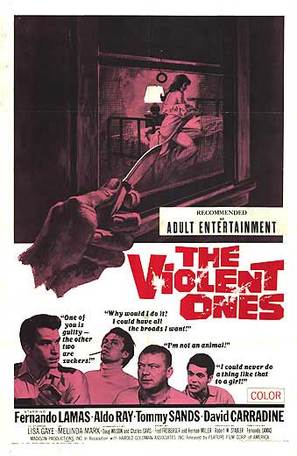
Style: His directorial style was remarkably un-glamorous. In films like The Violent Ones (1967), which he directed and starred in, he explored racial tensions and social friction with a gritty, “New Hollywood” aesthetic.
-
Legacy in TV: His work on Starsky & Hutch is cited for its pacing and visual storytelling, demonstrating that he possessed a deep technical understanding of the medium that far exceeded his “pretty boy” reputation.
III. Major Credits and Cultural Impact
| Era | Work | Role / Credit | Critical Note |
| Film | The Merry Widow (1952) | Count Danilo | The peak of his MGM “heartthrob” era. |
| Stage | Happy Hunting (1956) | Duke of Granada | Proved his legitimacy as a Broadway star. |
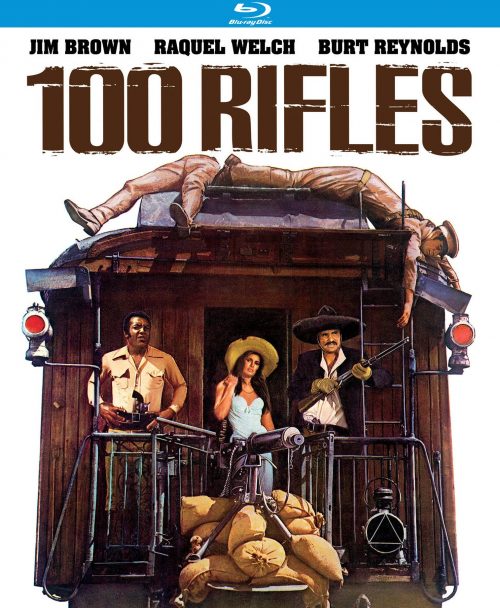
| Film | 100 Rifles (1969) | Gen. Verdugo | Transitioned into more rugged, character-based roles. |
| TV | Run for Your Life (1965–68) | Ramon de Vega | A recurring role that utilized his aging-playboy charm. |
| Directing | Starsky & Hutch (1975–78) | Director | Showcased his talent for action and urban grit. |
Final Reflection
Fernando Lamas’s greatest achievement was perhaps his longevity. He successfully survived the collapse of the studio system that birthed him, transforming himself from a decorative “exotic” actor into a respected craftsman behind the scenes. He is a rare example of a star who was fully aware of his “trope” and used it as a springboard rather than a prison.