

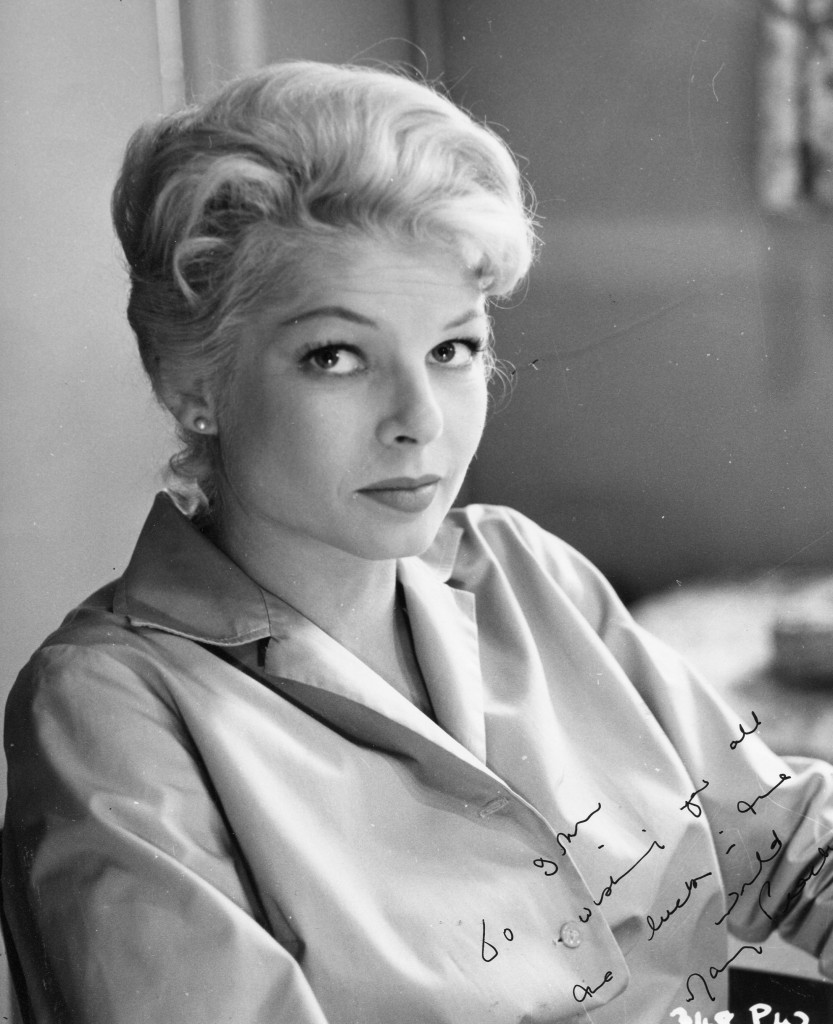
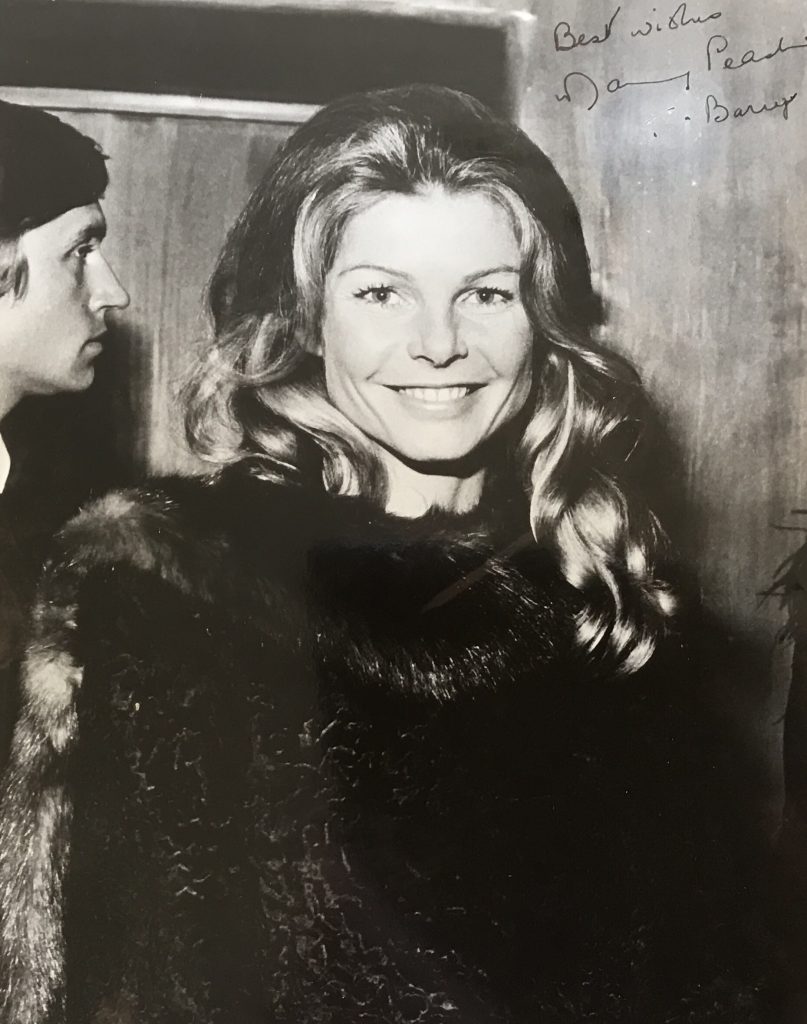
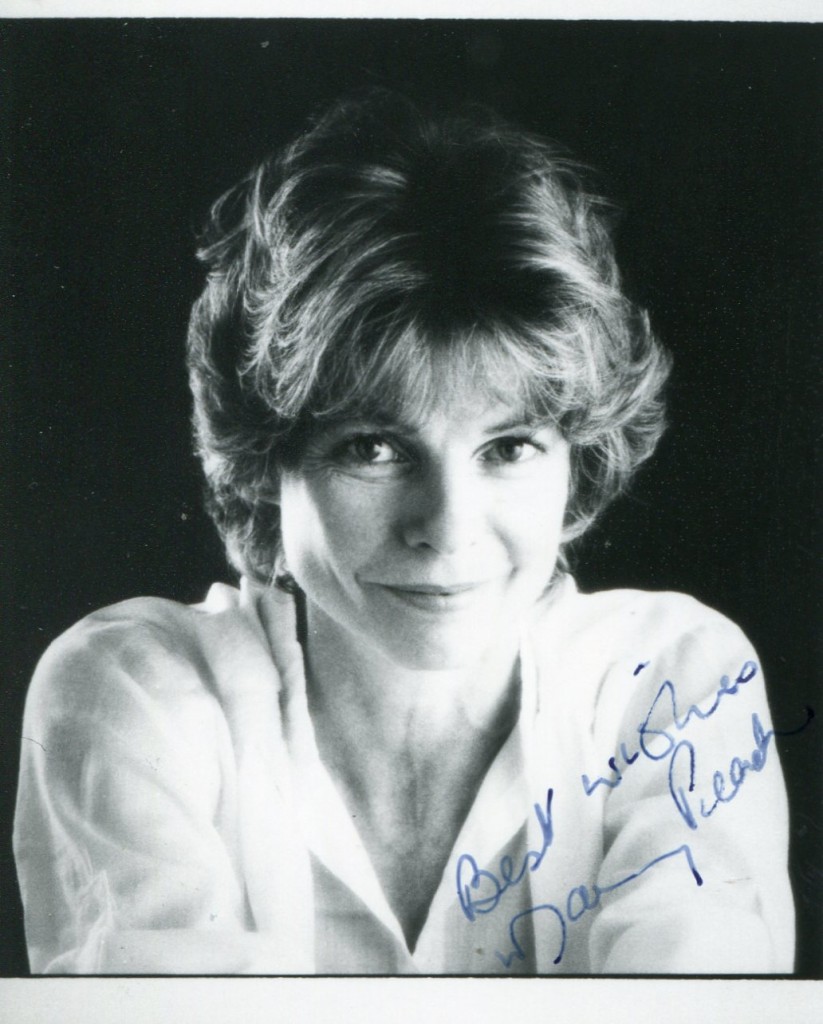
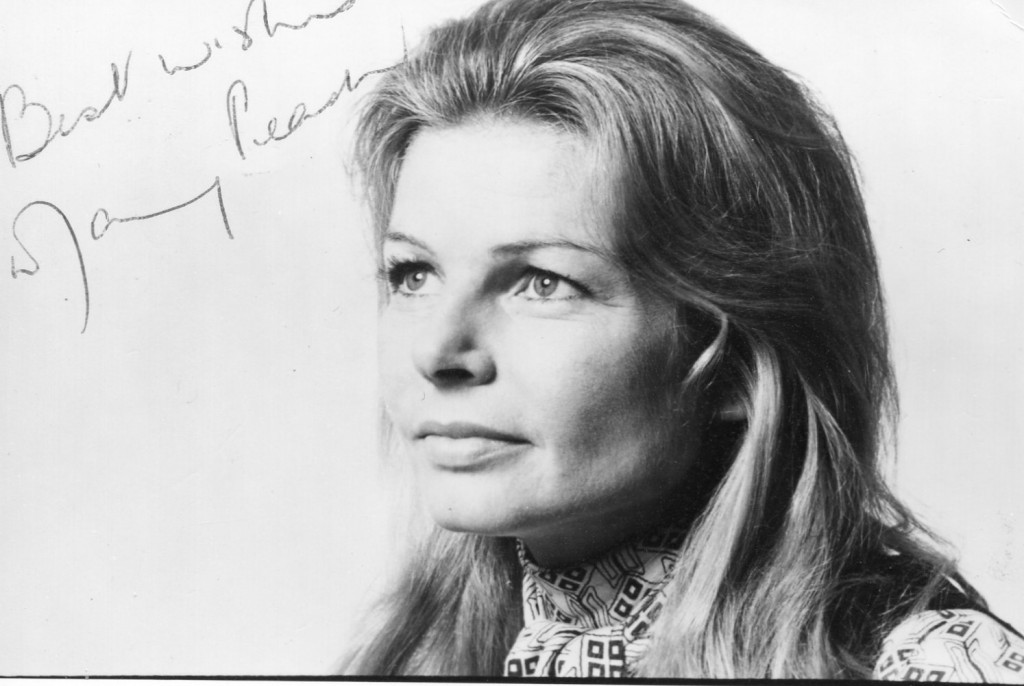
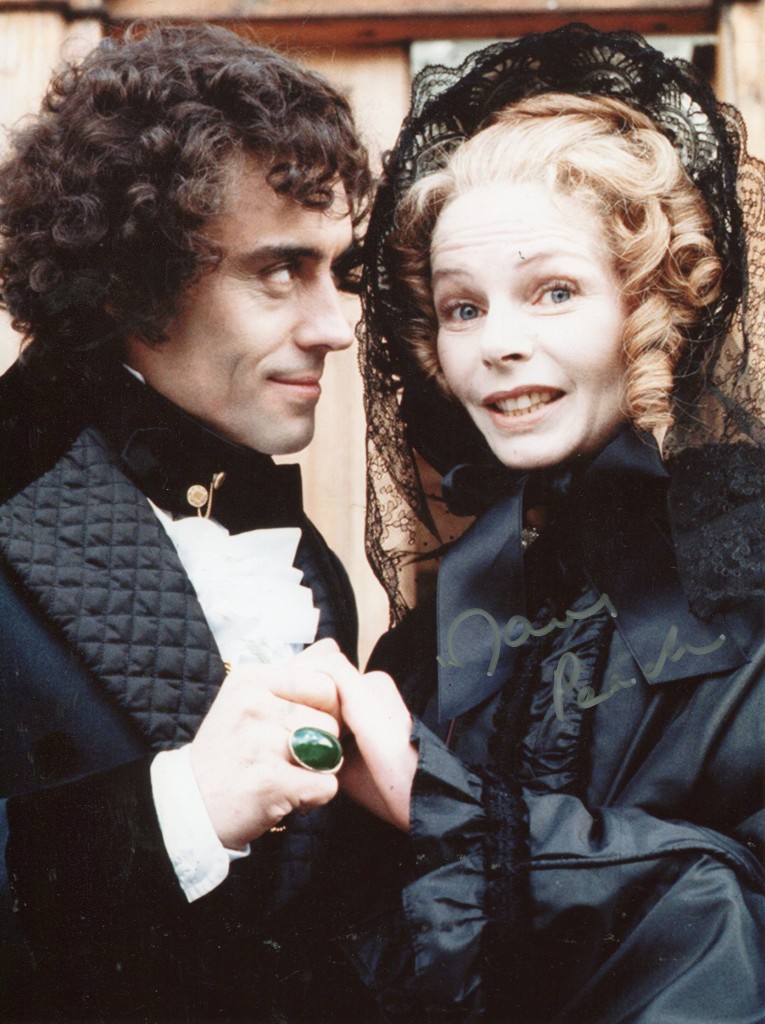
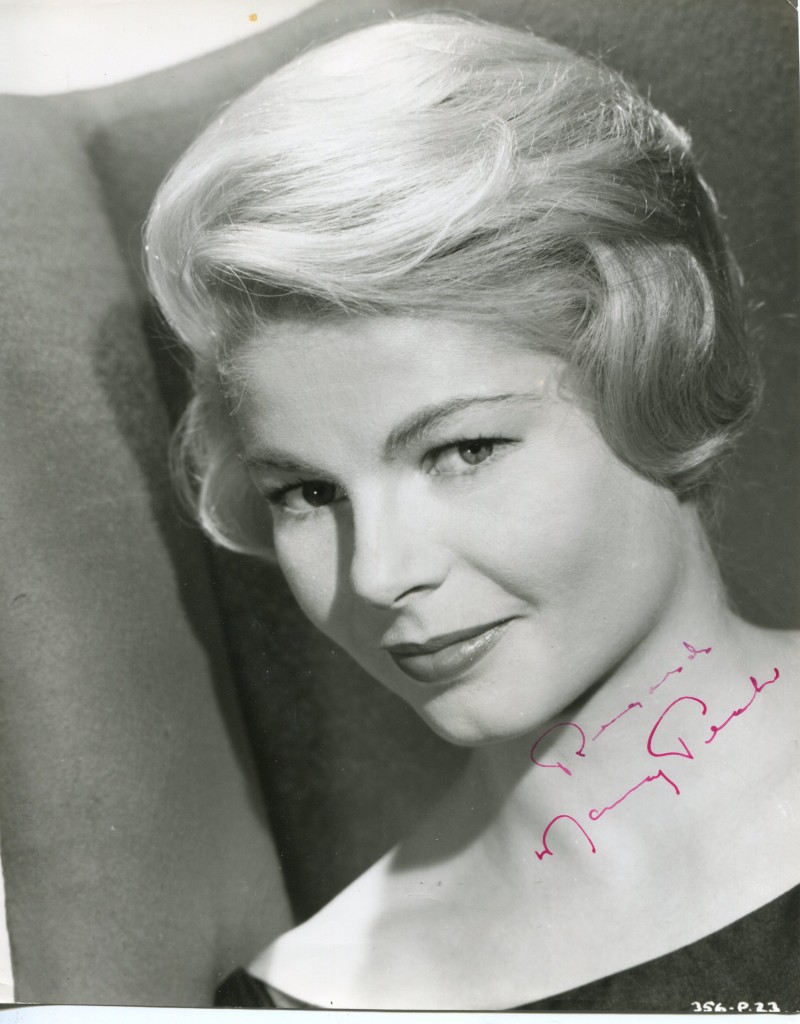
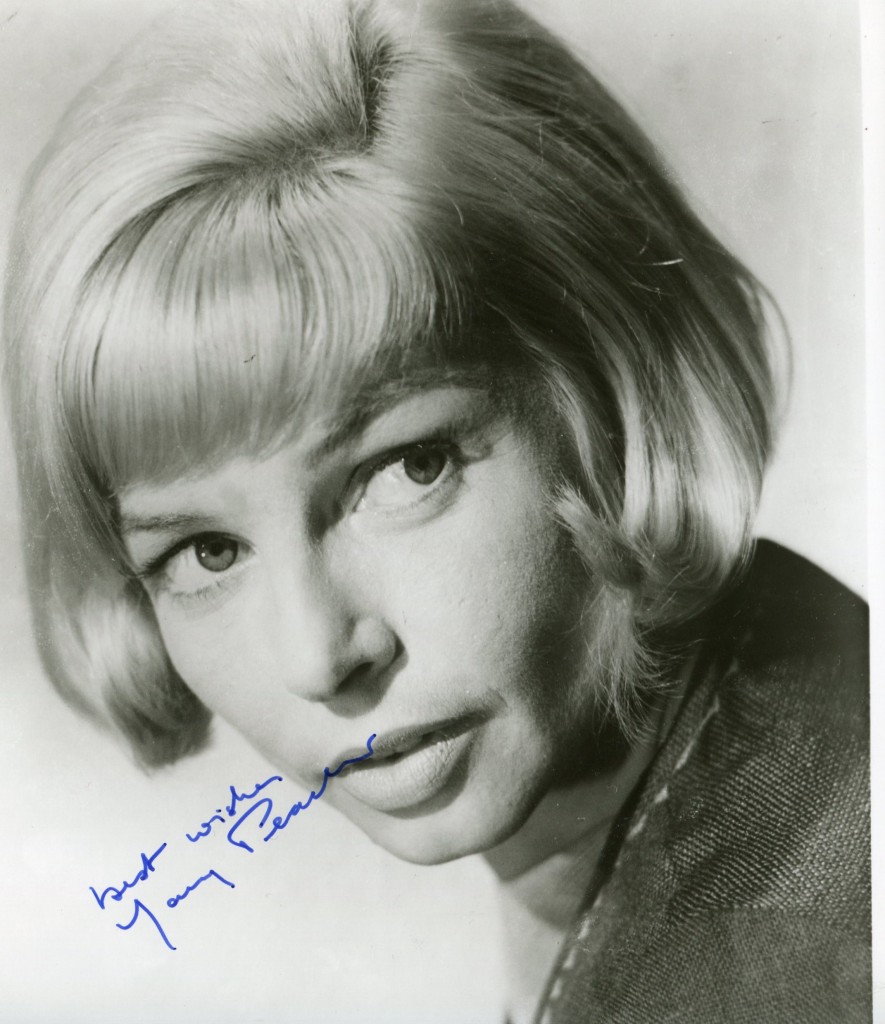
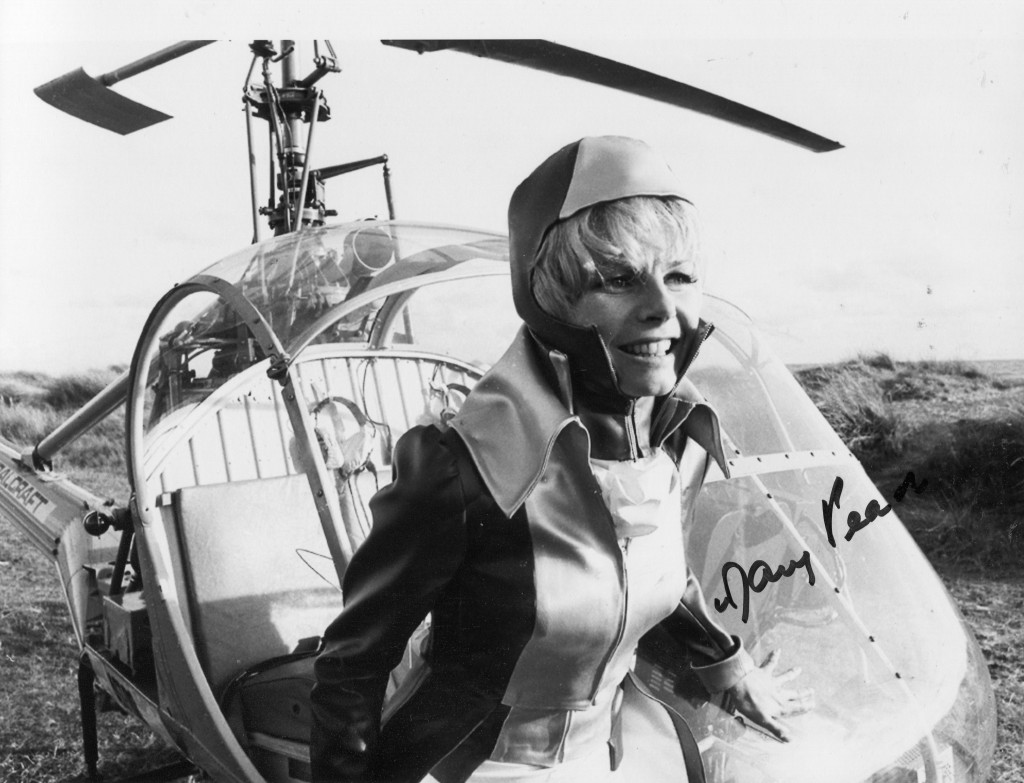
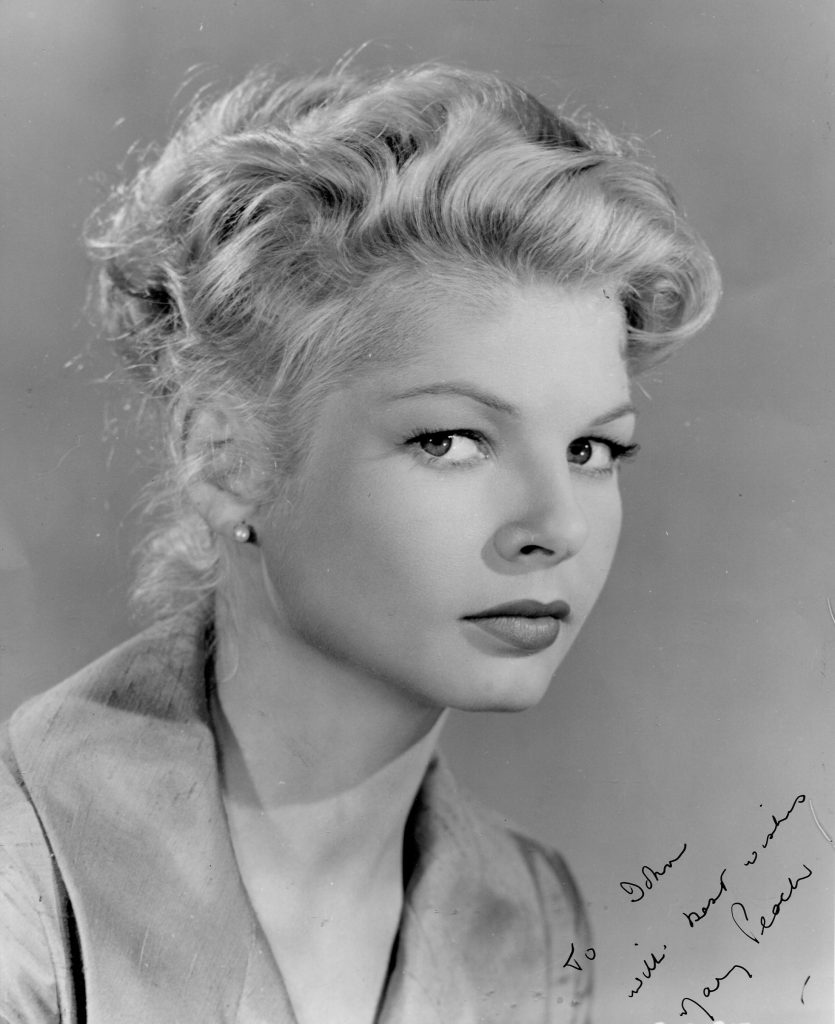
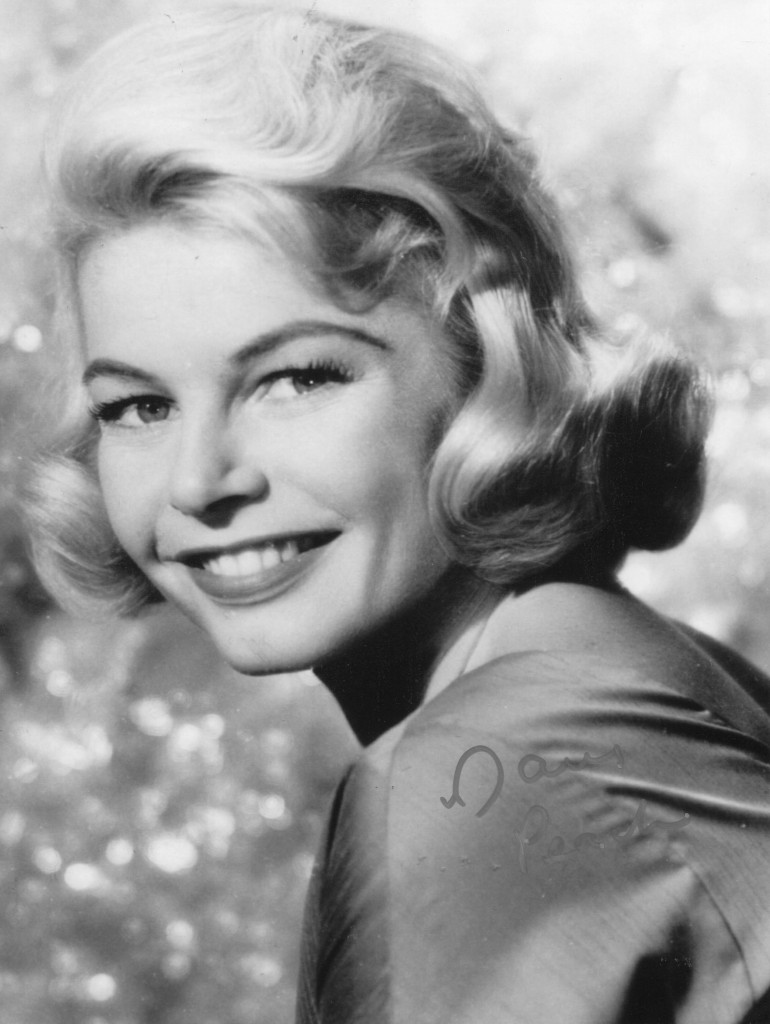
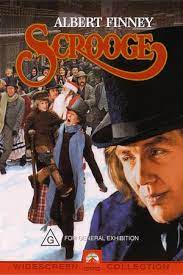
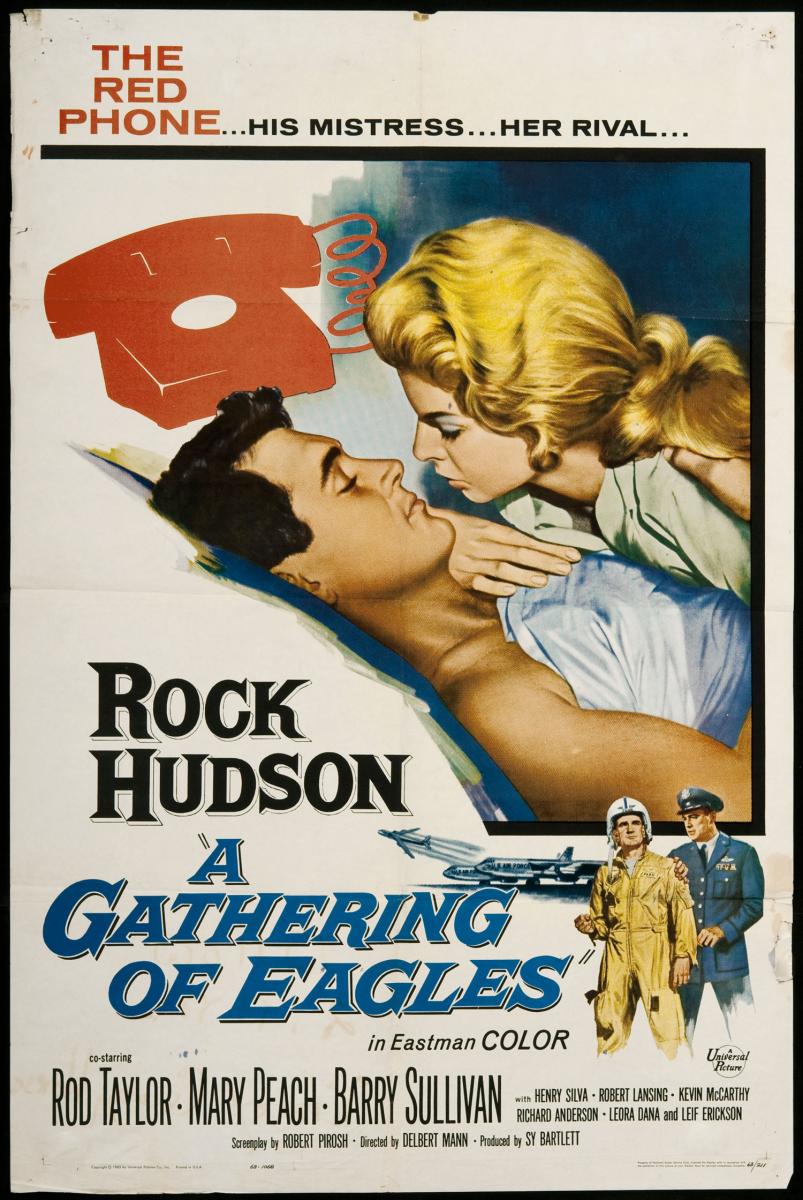
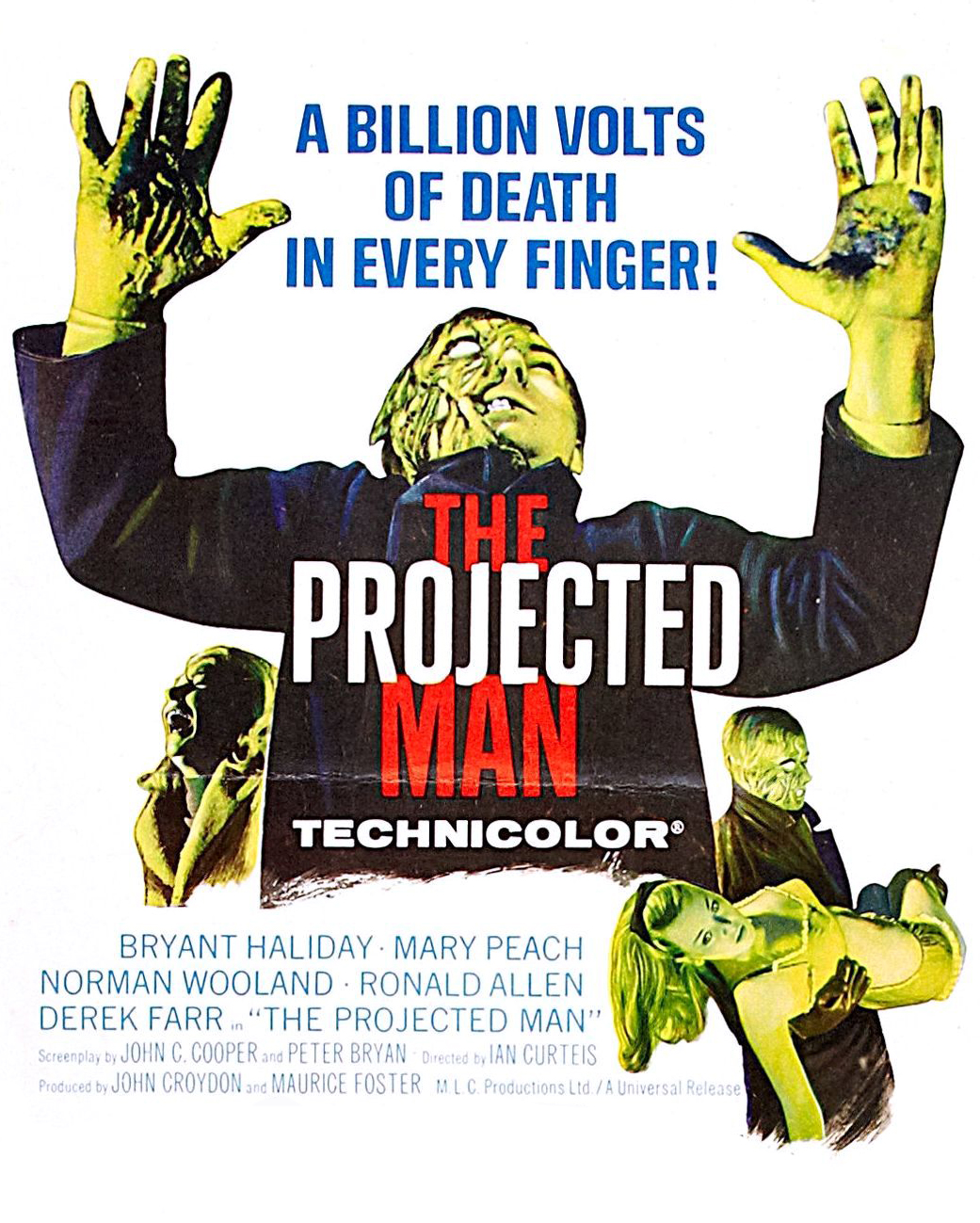
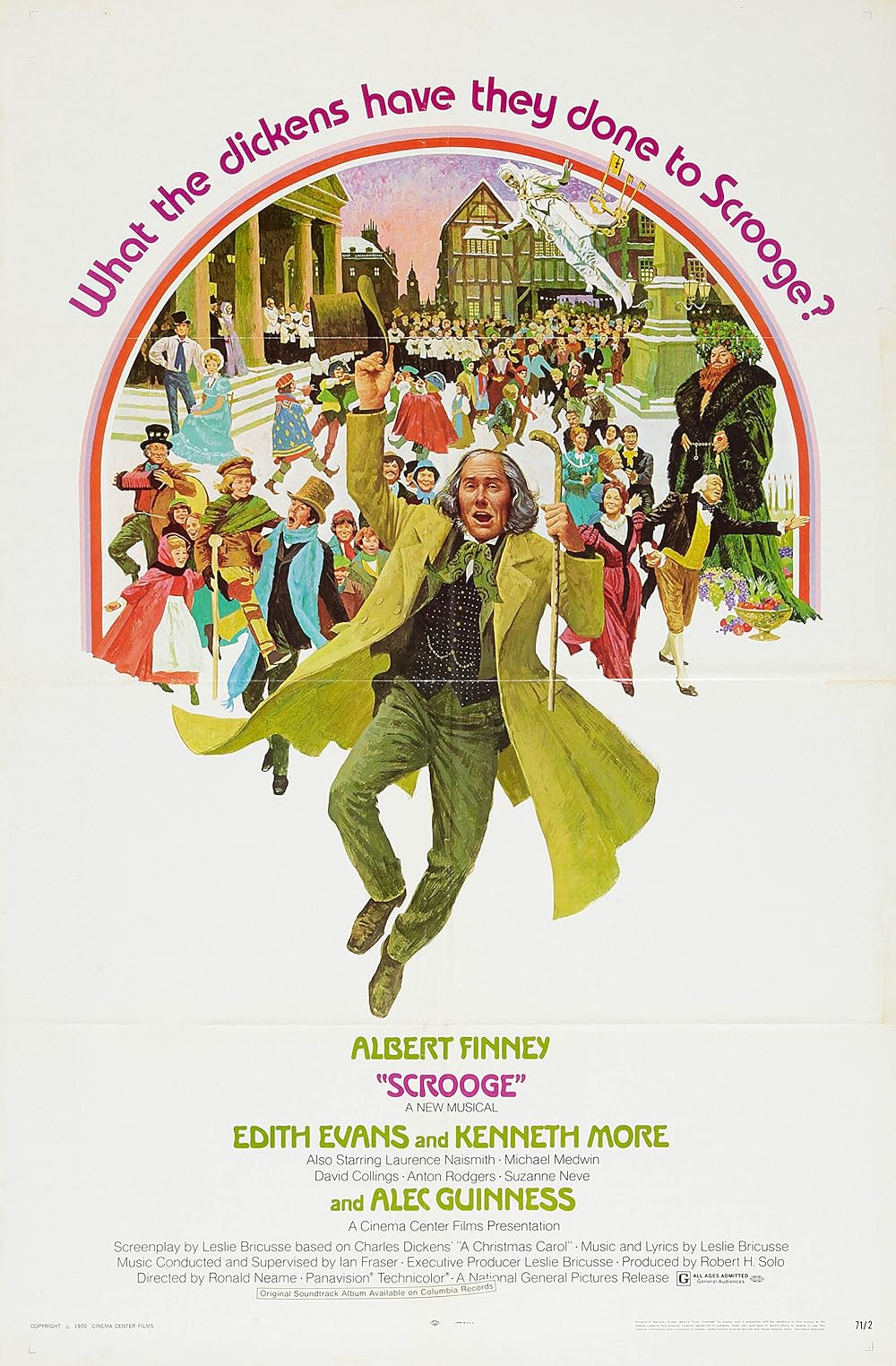
Mary Peach is a South African-born British film and television actress who was born on October 20, 1934, in Durban, South Africa. She is known for her roles in films such as Cutthroat Island (1995), Scrooge (1970), and The Projected Man (1966). She has also appeared in numerous British films and television series over the years, including A Gathering of Eagles (1963) which was made in Hollywood opposite Rock Hudson and Rod Taylor and the BBC adaptation of The Three Musketeers (1966). Peach was married to film producer Thomas Clyde from 1961 until their divorce, and they had two children together. She later married screenwriter and director Jimmy Sangster in 1995, and remained married to him until his death in 2011. Peach was also considered for the role of Steed’s new assistant in The Avengers (1961) after Diana Rigg left the show
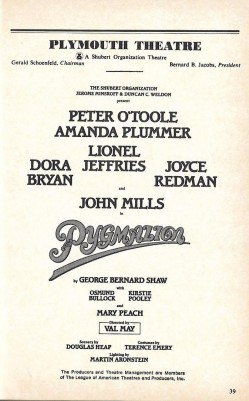
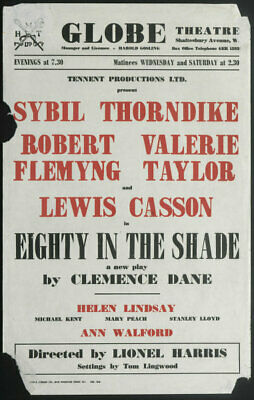

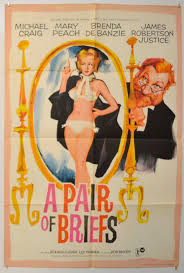
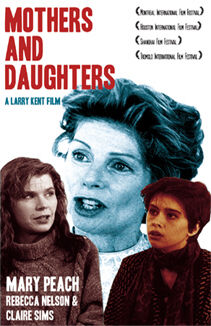
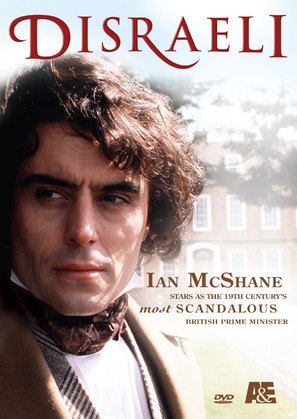
Sadly Mary Peach passed away in January 2025 at the age of 90.
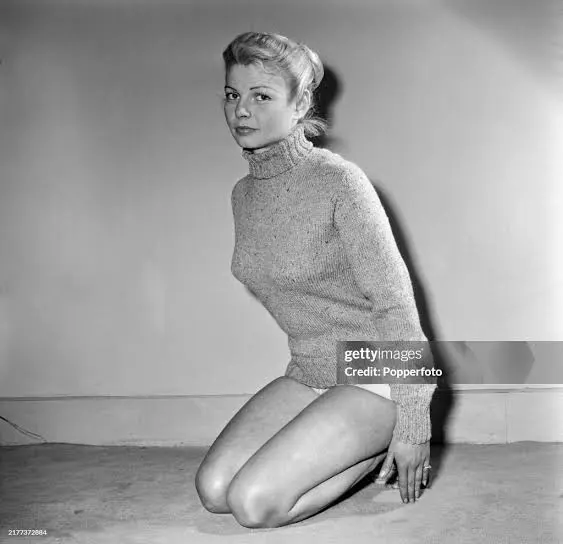
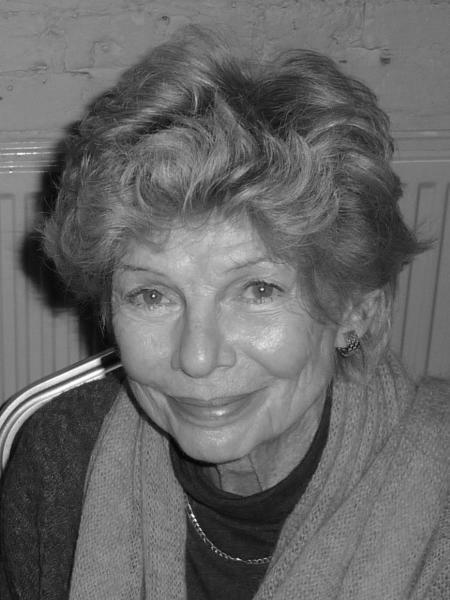
Career overview
Mary Peach (b. 1934, Durban, South Africa) is a South African‑born British film and television actress whose career (1957–1995) traced a distinctive arc from new‑wave breakthrough to reliable small‑screen versatility. Intelligent, attractive, and instinctively poised, she moved easily between romantic leads in British cinema and authoritative character work on television, her combination of warmth and composure making her a representative—and sometimes underestimated—face of post‑war British screen acting.
Early life and emergence
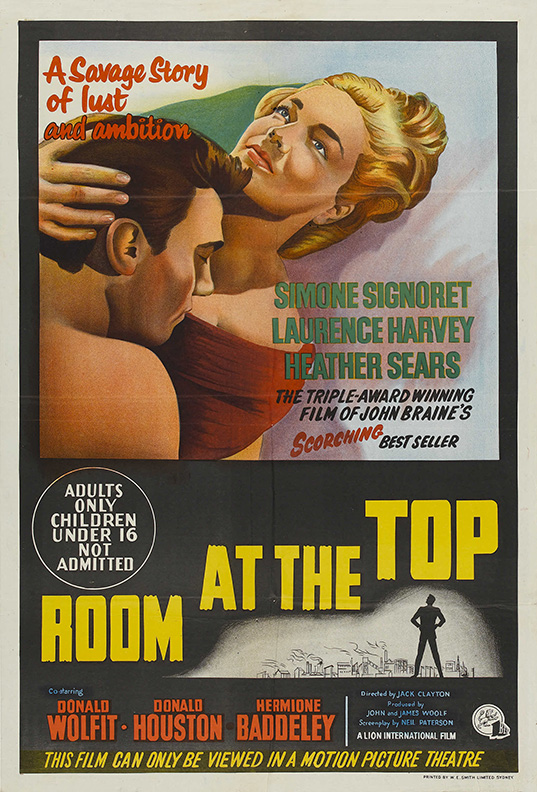
Born to South African parents and raised in Durban, Peach moved to Britain in the 1950s to study acting. Her early stage work in repertory led quickly to television appearances on Armchair Theatreand ITV Playhouse ( ). In 1959 she was cast in Room at the Top, the groundbreaking “kitchen‑sink” drama that helped launch the British New Wave. Her small but memorable role as June Samson earned her a BAFTA nomination for Most Promising Newcomer . That debut positioned her among a cohort of young performers—like Heather Sears and Rita Tushingham—expanding the emotional vocabulary of British social realism.
Film work and transatlantic recognition (1959–1966)
Following her debut Peach alternated between comedies and prestige dramas that showcased her natural modernity:
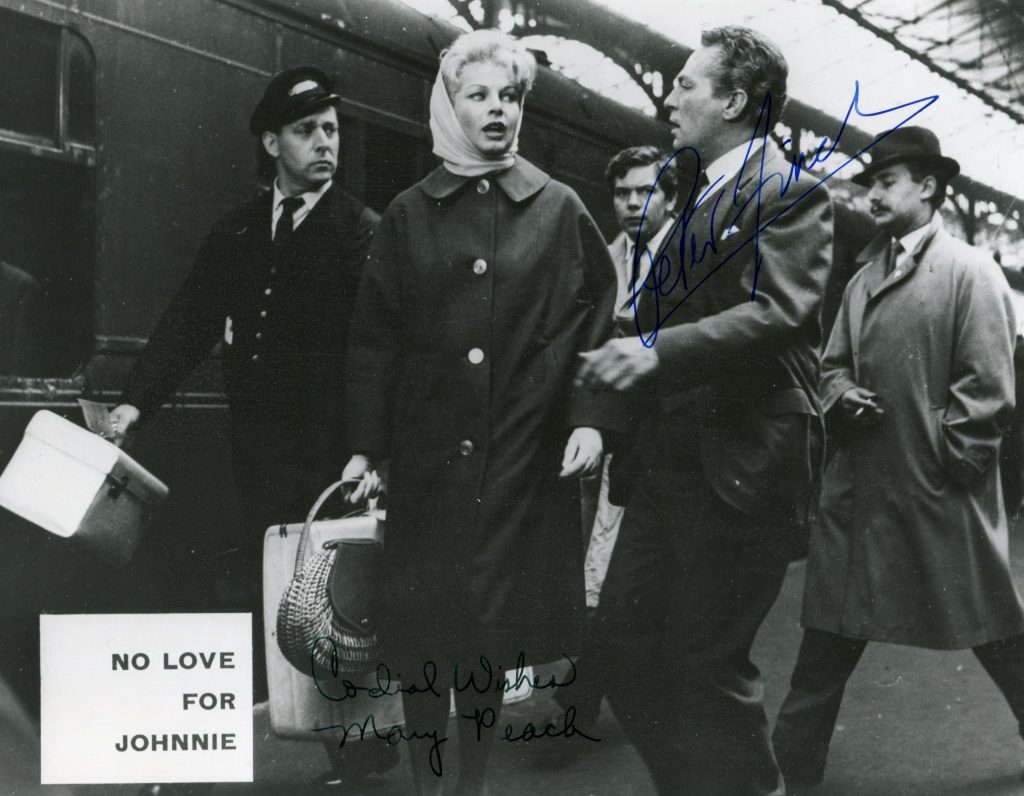
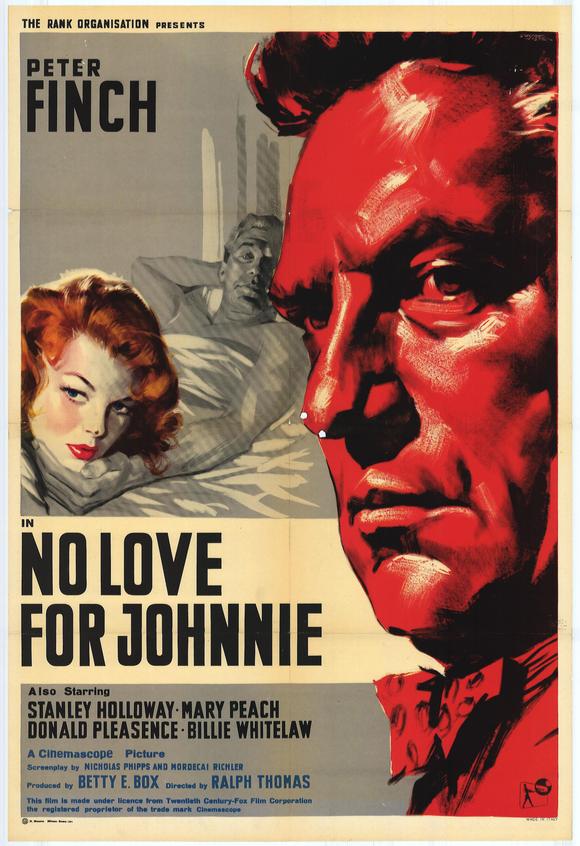
- No Love for Johnnie (1961) – opposite Peter Finch; she gave the political melodrama its emotional ballast, playing a self‑possessed woman disillusioned by cynicism in public life.
- A Pair of Briefs (1962) – a courtroom comedy in which her mix of irony and poise made her one of British cinema’s more credible “career women” of the early 1960s.
- A Gathering of Eagles (1963, Universal) – her Hollywood debut beside Rock Hudson as the wife of an American Air Force officer; U.S. critics cited her for “quiet authority bridging English delicacy and American directness” .
- The Projected Man (1966) – a science‑fiction film now best known among cult audiences (and even featured on Mystery Science Theater 3000). Peach’s intelligent calm amid pulp material typified her professionalism in uneven projects.
Though never promoted as a glamour star, she struck a balance between the accessible “girl next door” and the articulate modern woman—qualities that made her one of the period’s most adaptable leading ladies.
Television prominence (1960s–1980s)
By the late 1960s Peach became a fixture of British television drama at precisely the time TV was overtaking film as the medium of quality writing in Britain. Key appearances include:
- Astrid Ferrier in Doctor Who: The Enemy of the World (1967), notable for her resourceful, courageous characterization of a female companion figure during an era when women were rarely written with such agency .
- The BBC’s The Three Musketeers (1966), as Milady de Winter—a role that played to her elegance and latent irony.
- The Saint episode “The Gadget Lovers” (1967), in which she held her own as Russian spy Colonel Tanya Smolenko opposite Roger Moore’s urbane hero.
- 1970s and 1980s miniseries such as Disraeli (1978), Fox (1980), The Far Pavilions (1984), and A.D. Anno Domini (1985), where she matured into composed matriarchal and aristocratic figures.
Television suited her disciplined craft and clarity of speech. She became one of those actors who lent prestige and steadiness to episodic drama without distracting star mannerisms.
Later career and personal life
Peach appeared sporadically in film thereafter—small parts in Scrooge (1970) and Cutthroat Island (1995) bookend her screen career—but remained a valued television presence through the mid‑1990s ( ). Off‑screen, she married film producer Thomas Clyde (1961–div.), with whom she had two children, and later married screenwriter‑director Jimmy Sangster, best known for his work with Hammer Films, a partnership that lasted until his death in 2011 .
Acting style and screen persona
- Composure and intelligence: Peach’s hallmark was emotional control that hinted at complexity beneath the surface. Even in minor roles she projected thought and decisiveness.
- Modern naturalism: Emerging from the New Wave, she rejected melodramatic affectation; her performances look contemporary even beside today’s understated styles.
- Versatility: Equally at ease in glossy Hollywood assignments and BBC realism, she bridged two acting traditions—American immediacy and British restraint.
- Voice and diction: Her clear, musical delivery made her ideal for period and literary adaptations.
Critical evaluation
Strengths
- Consistency and intelligence: rarely miscast, always credible.
- An ability to suggest interior conflict without overt drama.
- A remarkably smooth transition from ingénue to mature authority on television.
Limitations
- Lack of a single defining star vehicle limited public recognition.
- Her professionalism and poise sometimes read as emotional reserve, making it harder to command publicity in an era favoring showier personalities.
Nevertheless, critics and colleagues acknowledged her as an actor who raised the level of any ensemble she joined—a “working actress” in the best sense.
Legacy
Mary Peach’s career reflects the evolution of British screen acting from the late‑1950s social realism to the character‑driven television drama of the 1970s and ’80s. She occupies an important transitional place: part of the generation that replaced the old studio glamour with middle‑class candor, yet retained classical polish. Her work demonstrates how intelligence, restraint, and emotional truth produce longevity even without star hype.
In retrospection, Peach stands as a subtle craftsman of modern performance—a capable leading lady who aged into a reliable character actress, maintaining credibility and grace for nearly four decades.
Mary Peach died in 2024.