

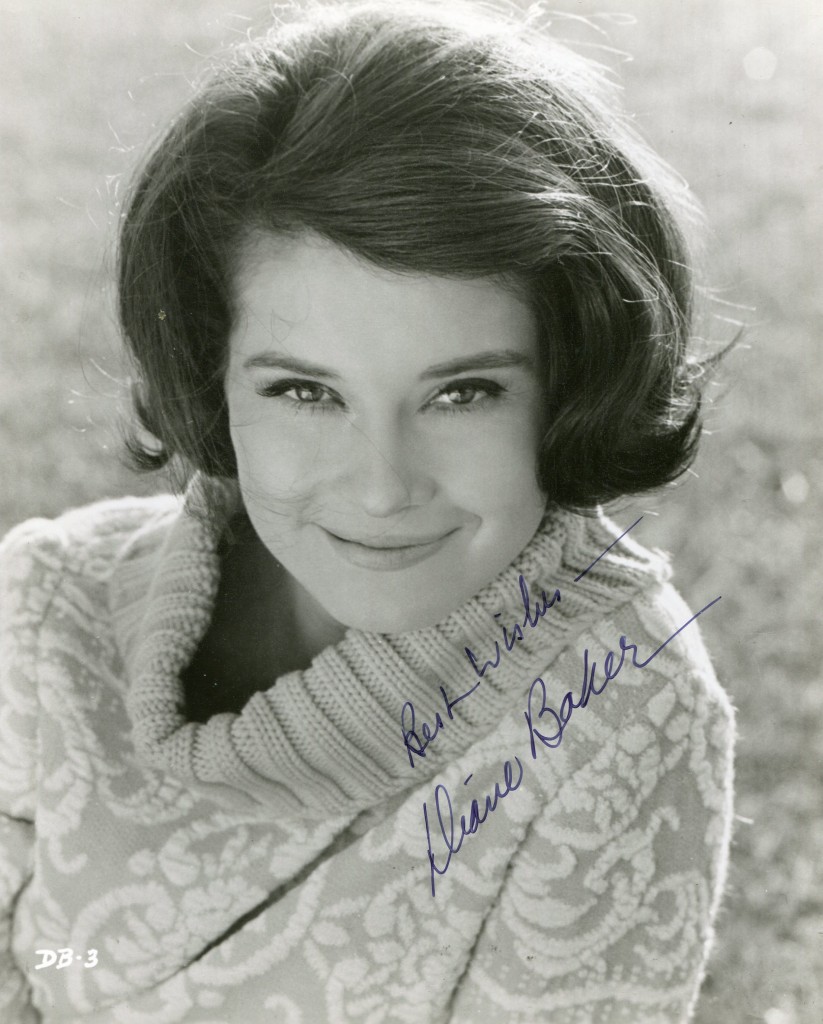
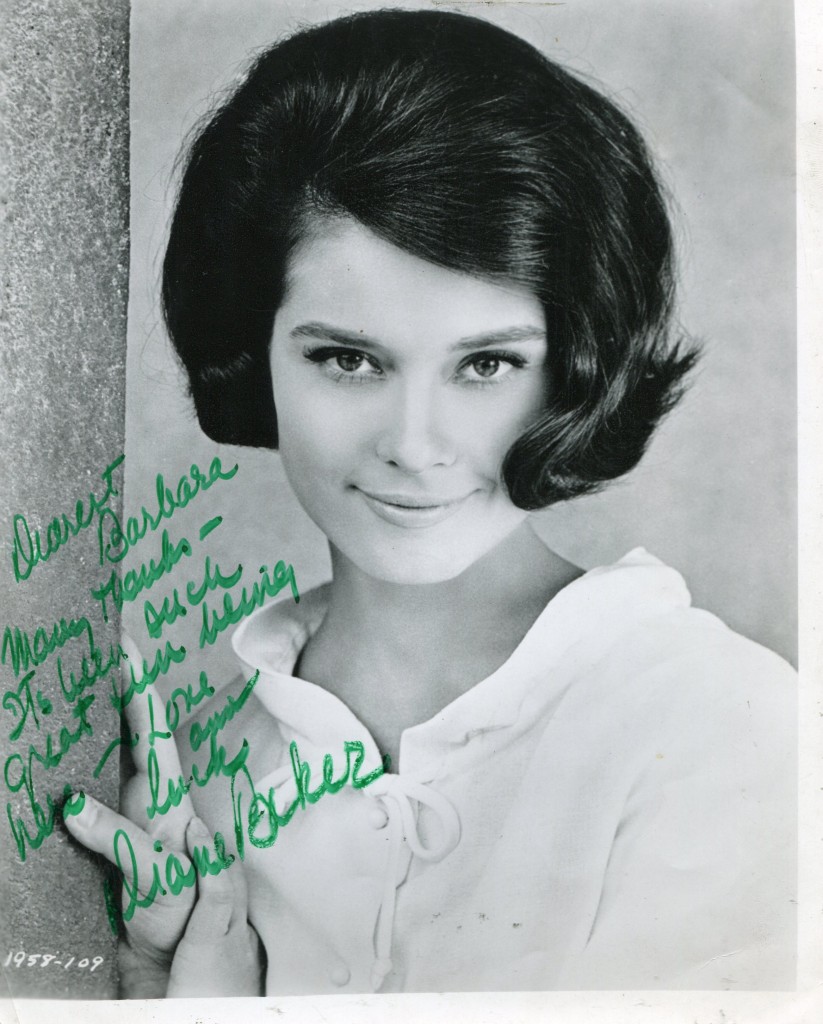



DIANE BAKER (TCM OVERVIEW)
This tall, lean, delicate leading and secondary player made her screen debut as Margot, the older sister, in “The Diary of Anne Frank” (1959) and has gone on to play numerous wives and, in maturity, strong female characters. Diane Baker began her career soon after turning 20 in “Diary”. Also in 1959, she was seen in “Journey to the Center of the Earth” and “The Best of Everything”.
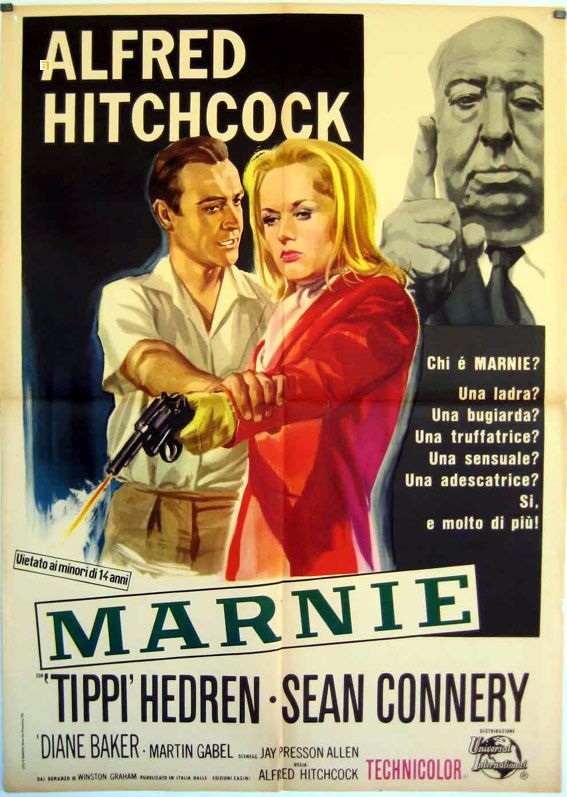
Baker was cast by Alfred Hitchcock in “Marnie” (1964), as Lil, the sister-in-law of Sean Connery who would like to be his next wife.
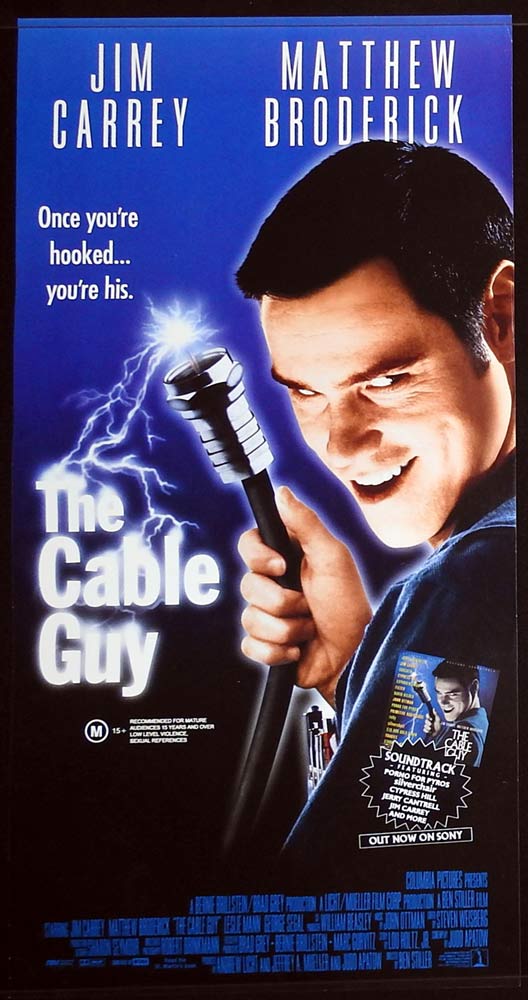
But by the late 60s, film roles became occasional for Baker, and she was often seen in small, albeit key, roles. In “Silence of the Lambs” (1991), she was Senator Ruth Martin seen pleading for the life of her abducted daughter in a noisy, flashy airport hanger. She was mother to Sandra Bullock in “The Net” (1995) and Matthew Broderick in Ben Stiller’s “The Cable Guy” (1996)
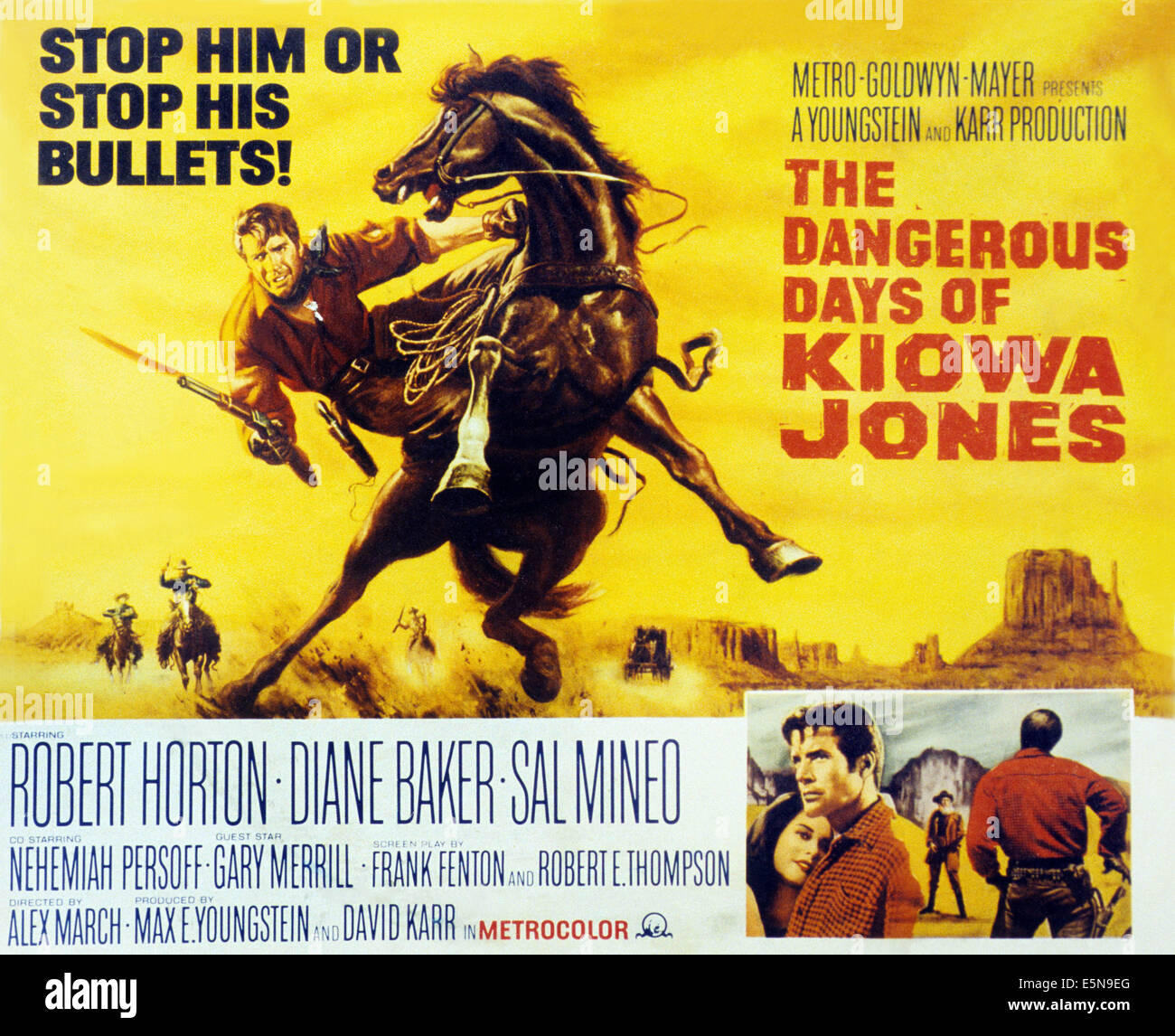
TV has often offered steadier employment. Baker has appeared in numerous anthology series since the early 60s and appeared in one of the first movies made for TV, the 1966 ABC Western, “The Dangerous Days of Kiowa Jones”. She made guest appearances in numerous episodics and appeared in additional TV-movies. Baker was Edward G. Robinson’s doubting daughter-in-law in “The Man Who Cried Wolf” (ABC, 1970) and was Katie Nolan, stalwart Irish-American mother, in the remake of “A Tree Grows in Brooklyn” (NBC, 1974)
In “The Dream Makers” (NBC, 1975), she was the wife of college professor James Franciscus, watching as her husband becomes corrupted by the music industry. Her only regular series was the short-lived “Here We Go Again” (ABC, 1973) which featured two couples, in which each was formerly married to the gender opposite in the other couple. (Larry Hagman played Baker’s current spouse.)
Baker branched out of acting in 1971, producing the Indian-made documentary “Ashiana/The Nest”, which won the Special Jury Award at the 1971 Atlanta Film Festival. In 1976, she formed Artemis Productions and wrote the 1978 ABC Afterschool Special “One of a Kind”, in which she also starred. In 1986, she starred in the CBS Schoolbreak Special “Little Miss Perfect”, in which she played the overbearing mother of a bulimic teen.
The jewel in Baker’s production efforts came in 1985 when she produced the syndicated miniseries “A Woman of Substance”, based on the Barbara Taylor Bradford novel of society romance. Baker personally lured Deborah Kerr out of her Swiss retirement to star in the project








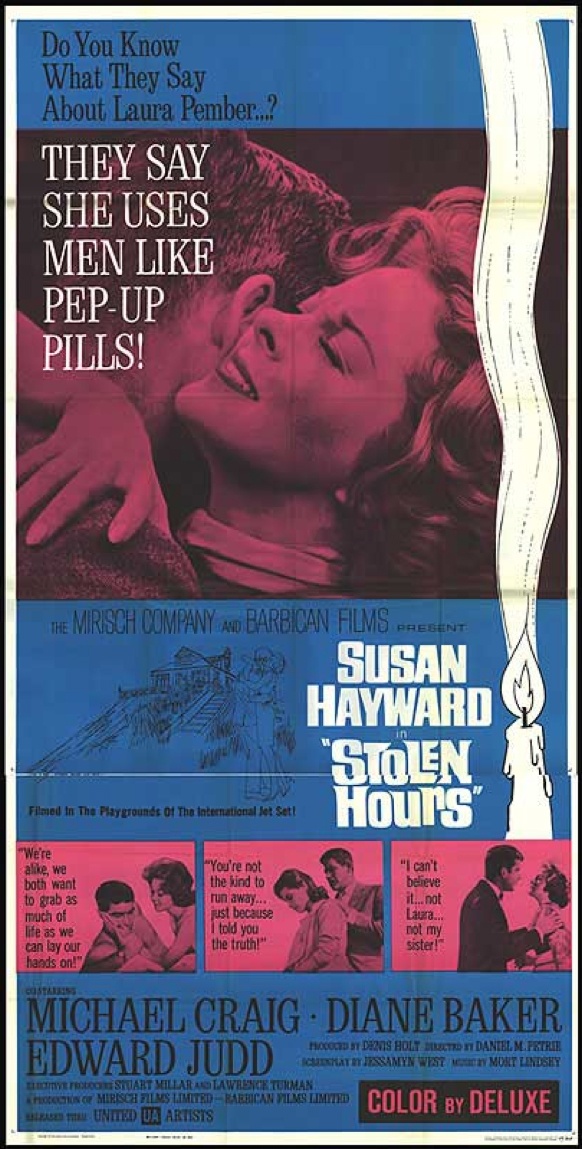

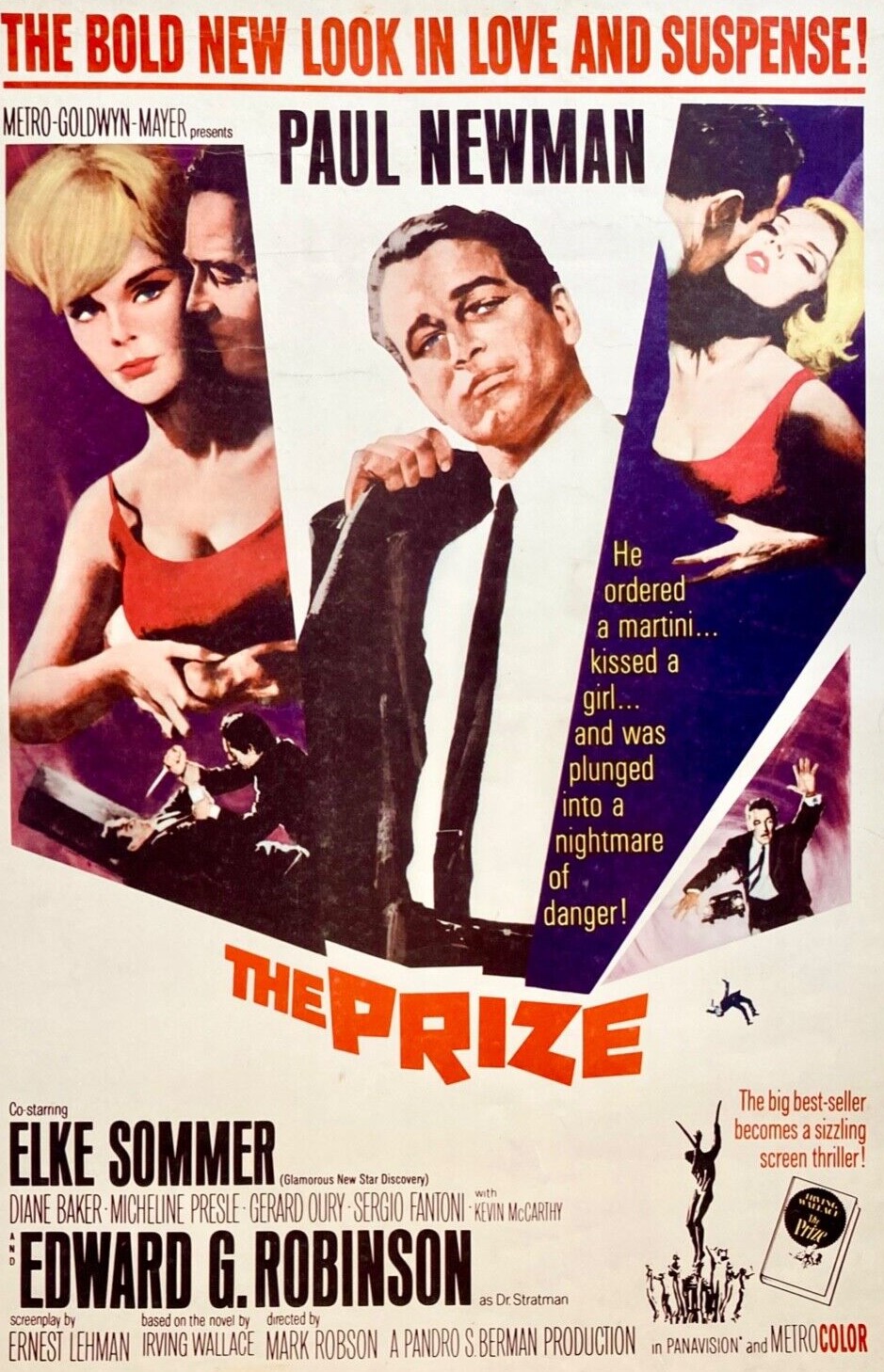
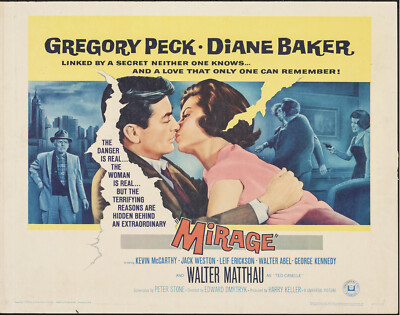
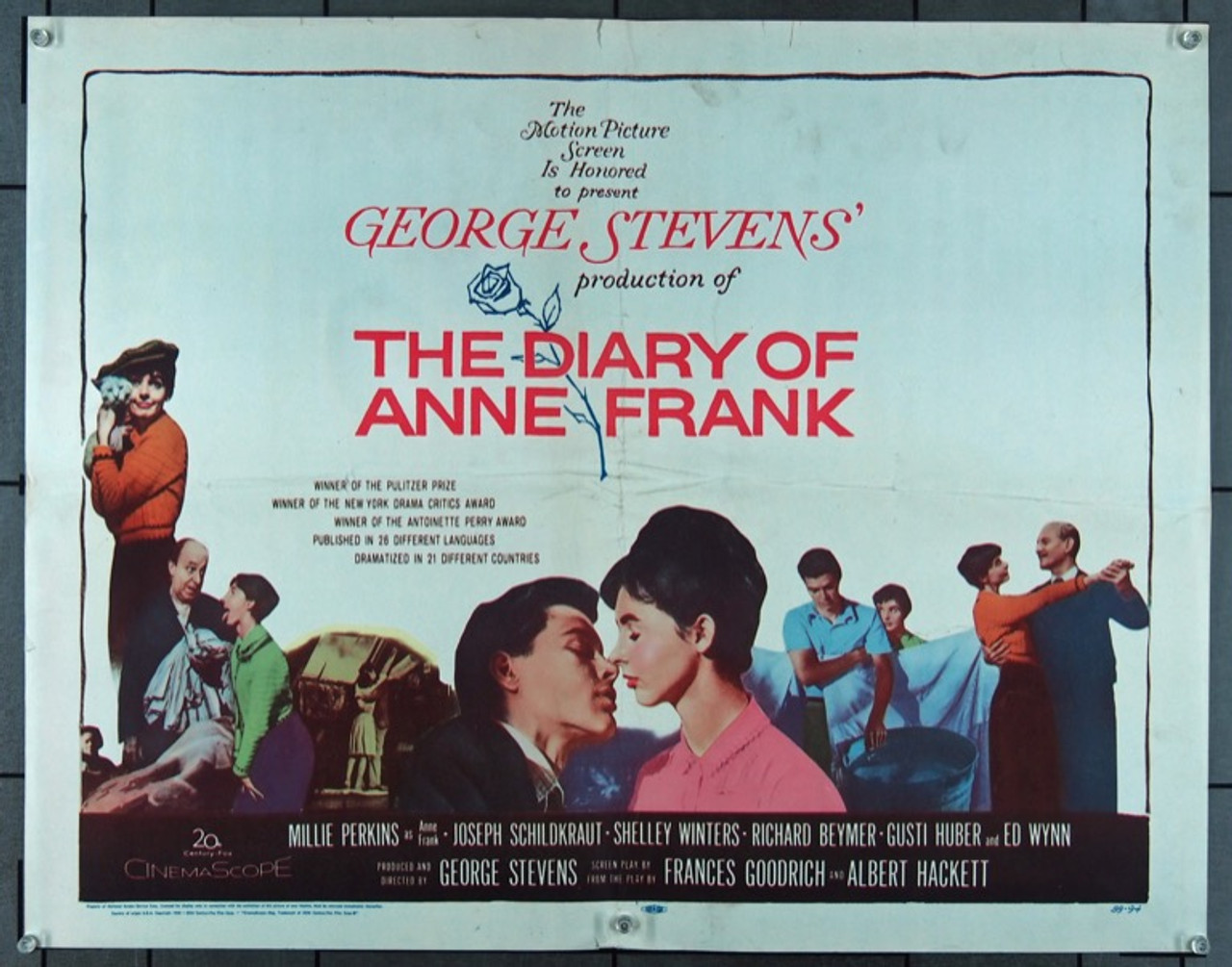
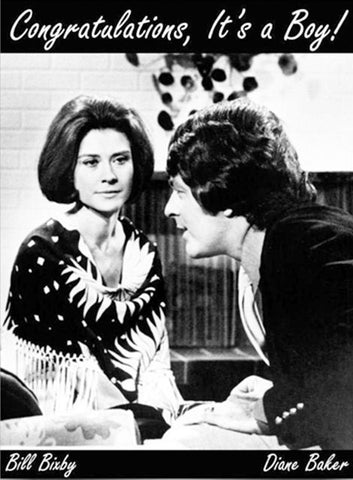





. Diane Baker (born 1938) is an actress of remarkable tectonic stability. Throughout a career spanning seven decades, she has specialized in a specific kind of “interior strength”—playing women who observe the world with a piercing, often stoic intelligence before they choose to act.
Critical analysis of her work reveals an actress who transitioned seamlessly from the classical ingenue of the late 1950s to the formidable matriarch of modern cinema, always maintaining a “coolness” that shields a deeply empathetic core.
I. Career Overview: The Fox Starlet to the Industry Pillar
1. The Directorial Debut (1959)
Baker’s entry into cinema was prestigious. Handpicked by George Stevens for The Diary of Anne Frank(1959), she played Margot Frank.
The “Shadow” Sister: Critically, her performance is a masterclass in supportive presence. She had to embody the “perfect” daughter against whom Anne was measured, a role that required a quiet, saint-like dignity.
The Fox Contract: This led to a prolific run at 20th Century Fox, including the grand adventure Journey to the Center of the Earth (1959) and the “Kitchen Sink” corporate drama The Best of Everything(1959), where she held her own against Joan Crawford.
2. The Hitchcockian and Noir Peak (1964–1965)
In the mid-60s, Baker moved into more psychologically complex territory.
Marnie (1964): In one of her most discussed roles, she played Lil Mainwaring. Hitchcock utilized her “enigmatic” quality to create a character who was both a romantic rival and a sharp-eyed observer of the protagonist’s neuroses.
Mirage (1965): Opposite Gregory Peck, she starred in this high-concept Neo-Noir. Critics frequently cite this as one of her best performances; she played the “mystery woman” with a sophisticated, slightly weary edge that grounded the film’s surreal plot.
3. The Producer and Educator (1970s–Present)
As film roles for women shifted in the 1970s, Baker displayed a “Major Dundee” level of initiative, moving into production.
A Woman of Substance (1985): She executive produced this Emmy-nominated miniseries, showcasing her keen eye for literary adaptation.
The “Late Style” Emergence: She famously re-emerged as Senator Ruth Martin in The Silence of the Lambs (1991), delivering the iconic airport hangar speech that proved her “Commanding Authority” had only sharpened with age.
II. Detailed Critical Analysis
1. The “Stillness” of the Observer
Critically, Baker is analyzed as a master of Reactionary Acting.
The Listening Face: In her early Fox films, Baker was often tasked with being the “moral compass.” She developed a technique of active listening; her face registers the shifts in a scene’s emotional weather before she speaks. This aligns with the 40s Noir tradition where the “Damsel” is often the smartest person in the room but must wait for the right moment to reveal it.
2. Subverting the Ingenue
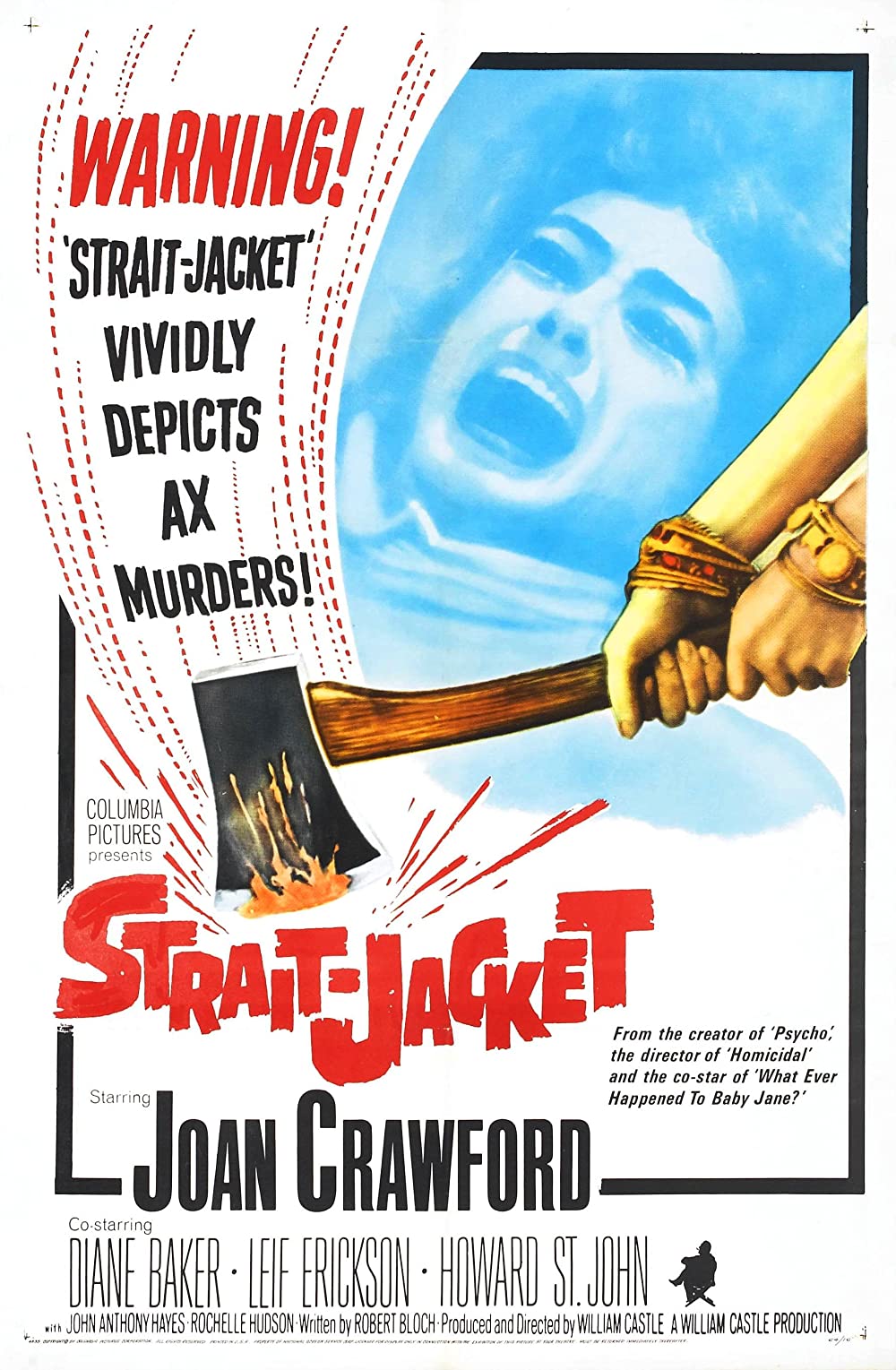
Baker’s work in the 60s, particularly in Strait-Jacket (1964), showed her willingness to deconstruct her “pretty” image.
The Gothic Tension: Working again with Joan Crawford, Baker played a daughter dealing with a mother’s perceived madness. Critics note that Baker brought a “Realistic Dread” to these genre films, elevating them from mere B-movies into psychological studies of trauma. She possessed a “Physical Poetics”—a way of standing that suggested a person who was always ready for the floor to drop out from beneath her.
3. The “Legacy” Voice
In her later roles, such as her recurring turn as Hugh Laurie’s mother in House, Baker used her voice as a precision instrument.
Refined Authority: Her vocal delivery became more resonant and “clipped” over time, suggesting a woman of high social standing who does not suffer fools. Analysts point out that she represents the “Security Blanket” of the Establishment—she is the character you trust to tell the truth, even if that truth is uncomfortable.
Iconic Performance Highlights
| Work | Role | Year | Critical Achievement |
| The Diary of Anne Frank | Margot Frank | 1959 | Defined the “Dignified Ingenue” of the late 50s. |
| Marnie | Lil Mainwaring | 1964 | A masterclass in “Enigmatic Sophistication.” |
| Mirage | Shela | 1965 | Provided the “Human Heart” to a complex Neo-Noir thriller. |
| The Silence of the Lambs | Senator Ruth Martin |