

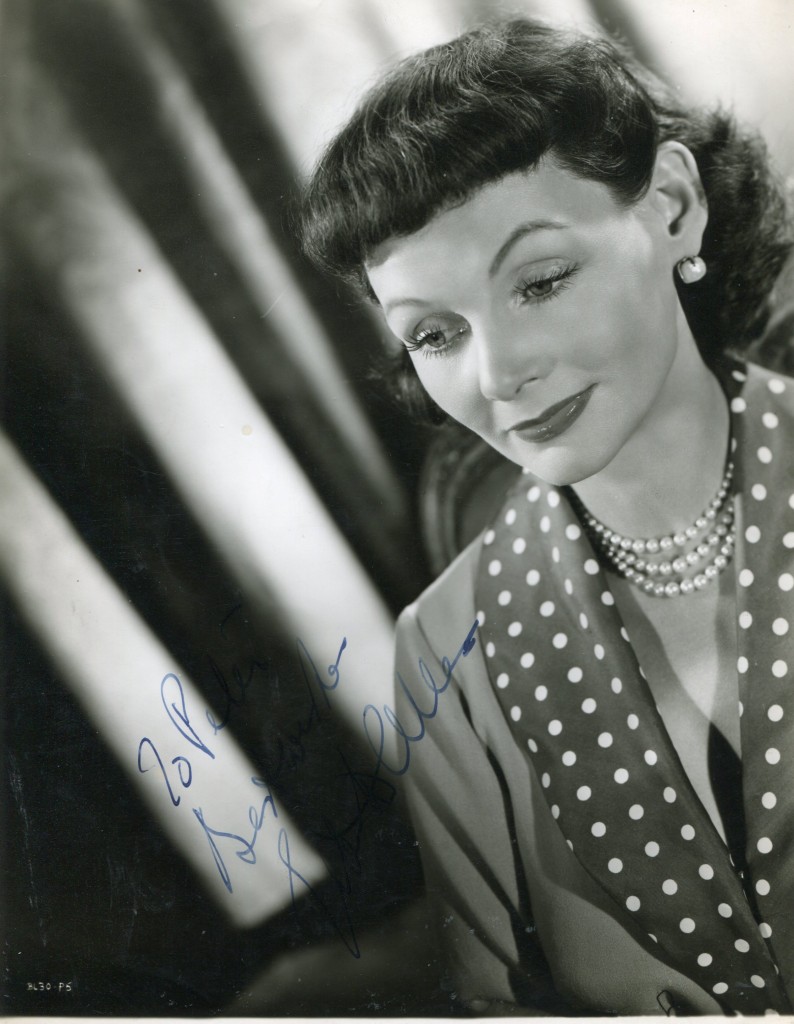
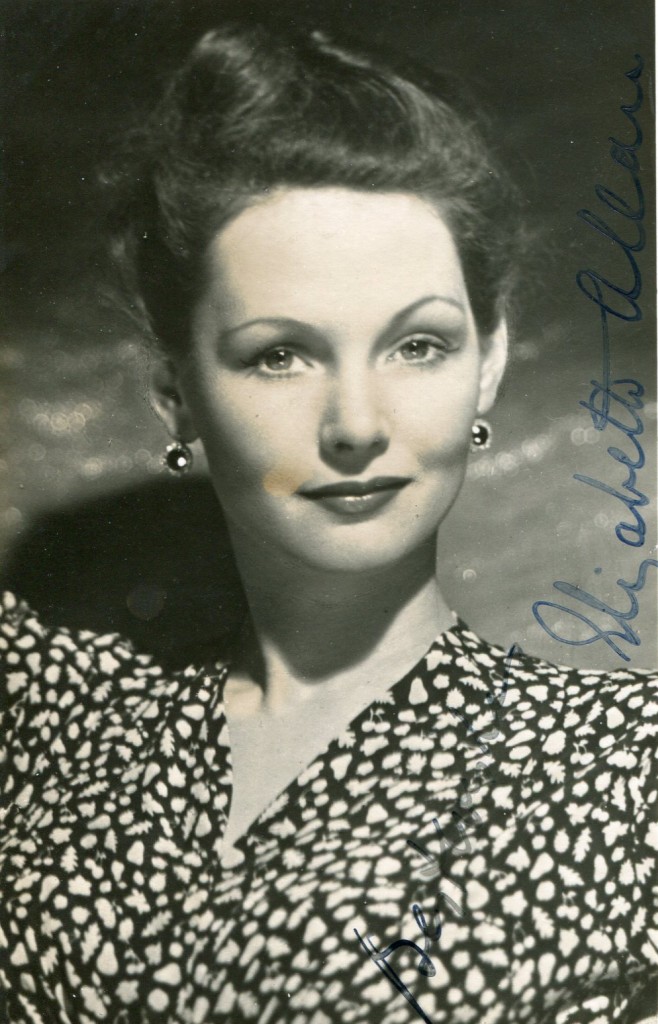
Elizabeth Allan was born in England in 1908. She began her career in British films with “Alibi” in 1931. By 1934 she was in Hollywood where she tended to play gentle roles such as Clara Copperfield, mother of David in “David Copperfield” and Lucy Manette in “A Tale of Two Cities” opposite Ronald Coleman. In 1938 she returned to England and resumed her career there. Among her British films, the better known are “Went the Day Well” in 1942 and “The Heart of the Matter” in 1953. She was married to the famous theatrical agent Bill O’Brien. Elizabeth Allan died in 1990 aged 82.
“Quinlan’s Movie Stars”:
Genteel, gracious dark-haired English leading lady adept as frightened misses early in her career. She was under contract to MGM in Hollywood where she played well-bred heroines, often in period dramas. Returning to Britain in 1938 after a dispute with her studio after she was dropped from “The Citadel”. In the UK she appeared as upper-class wives often in undistinguished films. Latterly become popular on TV on game shows.
A Reminiscence by longtime friend Rob McKay:
Elizabeth Allan was an amazingly beautiful creature. with a perfect 36-24-36 figure. To really understand Liz, you have to realize that the center of her life for 47 years was her husband, theatrical agent Bill O’Bryen. Actor Herbert Marshall introduced Liz and Bill in 1930, and it was truly a marriage made in heaven.
In later years, Liz and Bill helped establish many younger artists in the London Theatre, most notably Paul Scofield.
When Bill suffered several strokes in the early 1970s, Liz nursed him at home until his death in 1977. Afterwards, she went into a very deep depression that lasted for some years. I knew her from this time until her death. She was very religious, a Roman Catholic, and went to church almost every day. I used to stay with her at her seaside house in Hove (Brighton) during my trips to Britain.
Liz was a lovely, dear woman who cared much more for others than herself. Once when I was visiting her, I mentioned that my mother was interested in Majolica pottery. Unknown to me, Liz called all over Brighton and Hove so she could present me with a list of antique dealers who had Majolica in stock.
I really miss her.
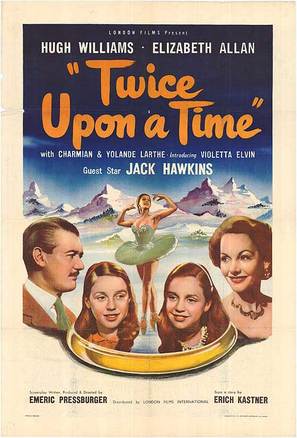
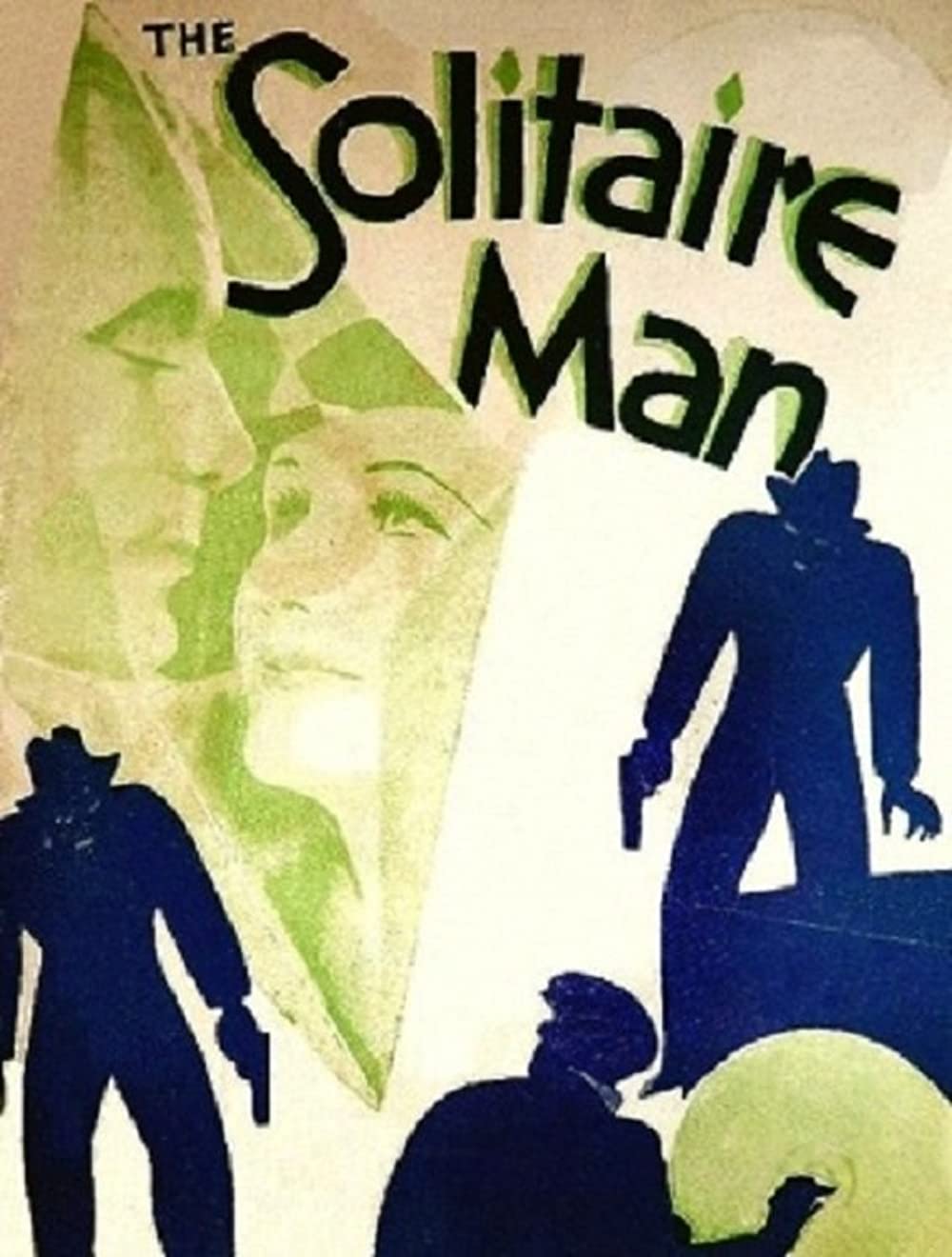
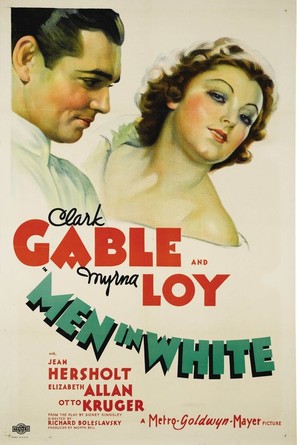
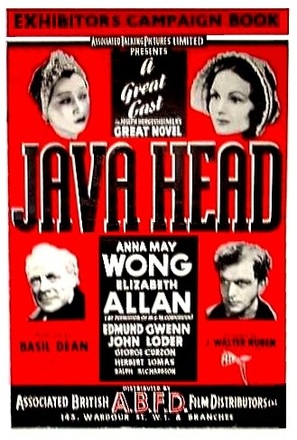
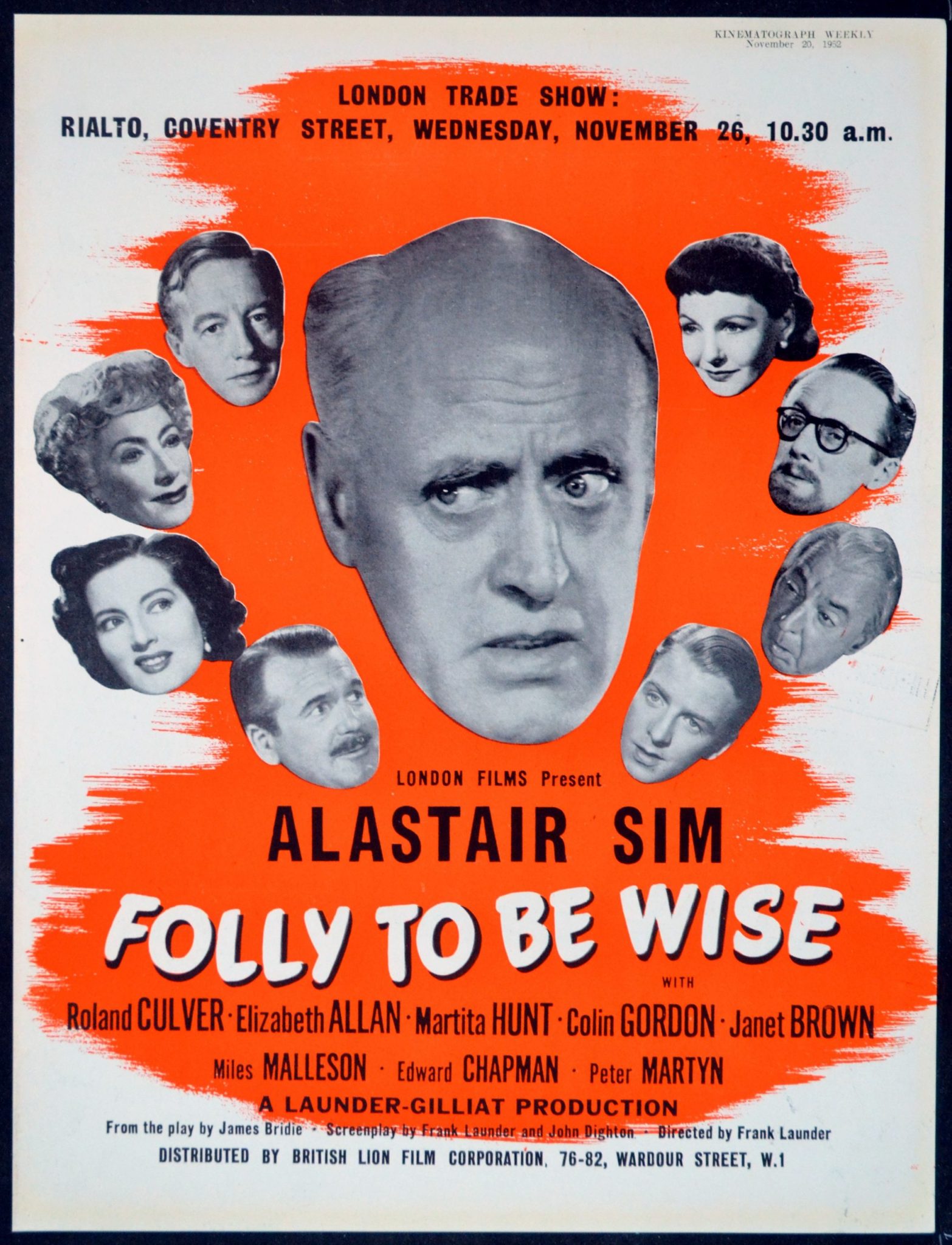
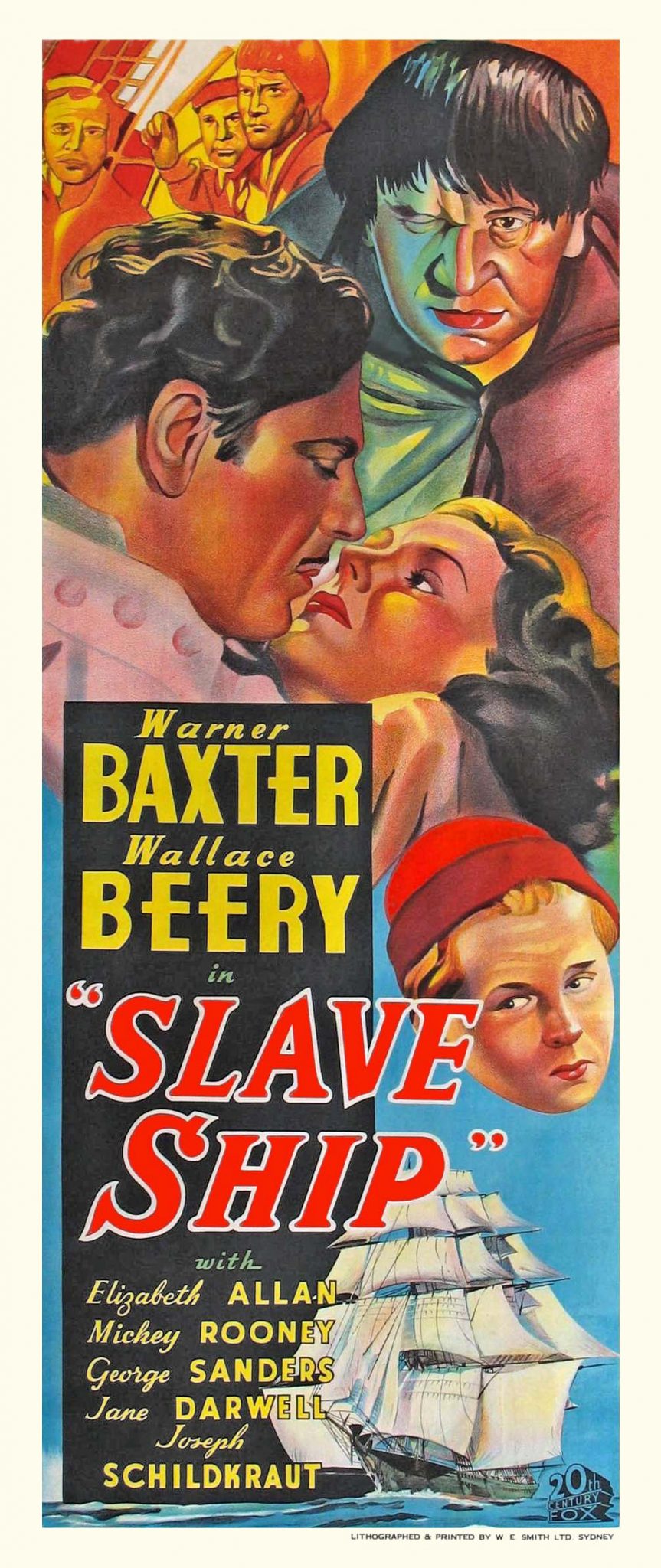
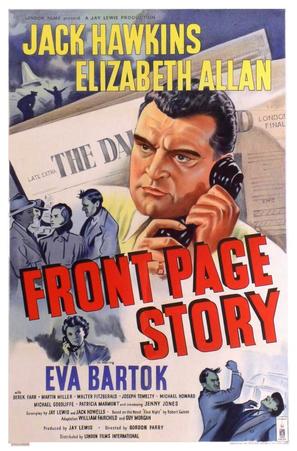
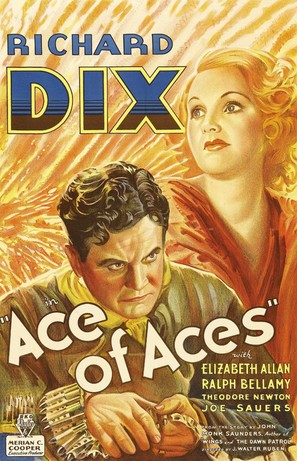
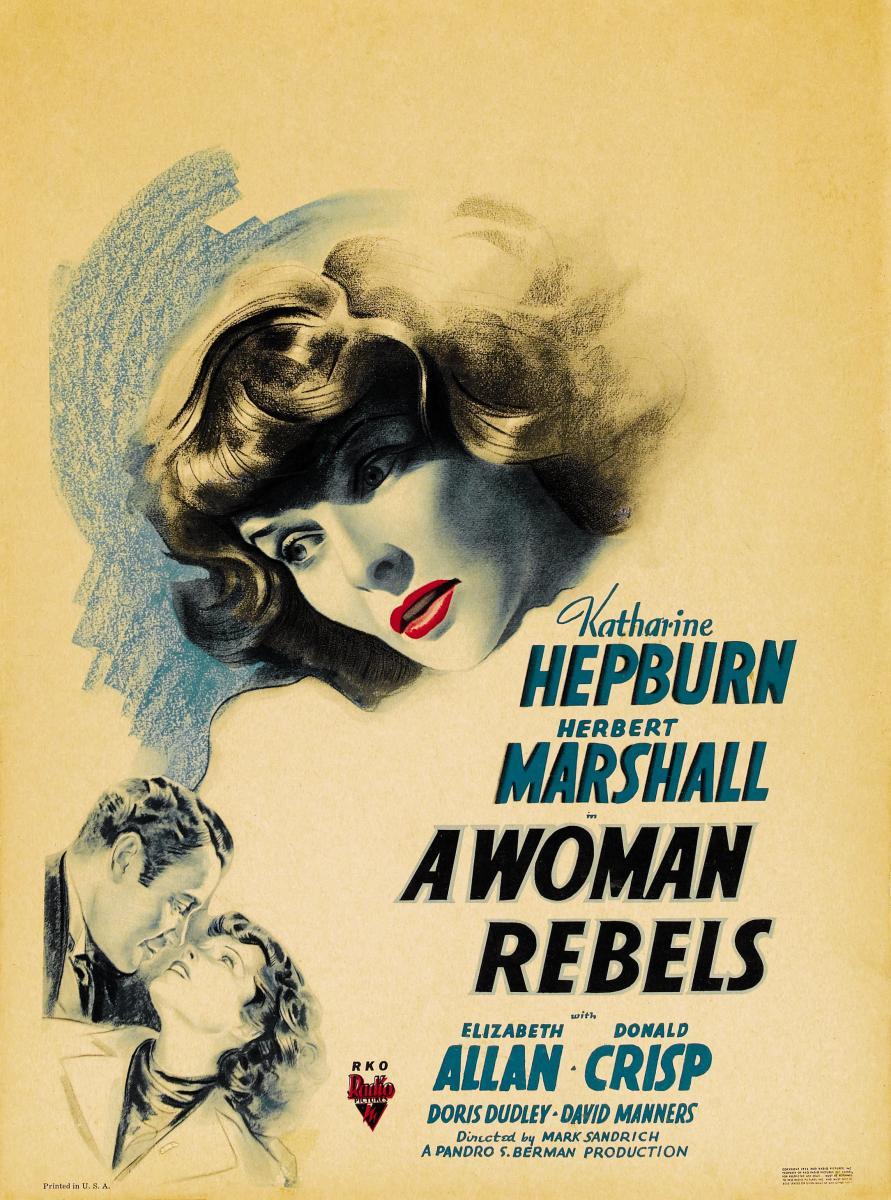
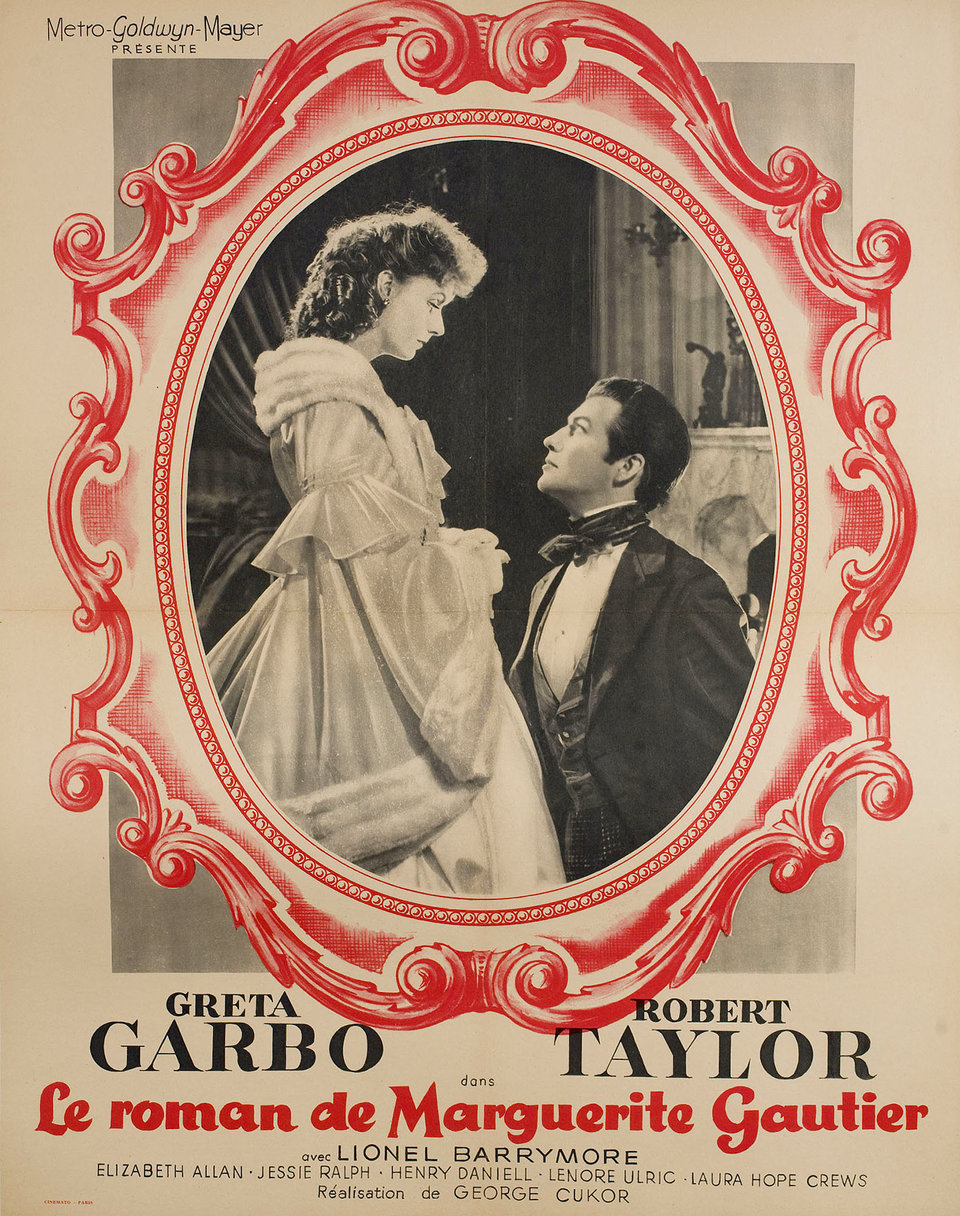
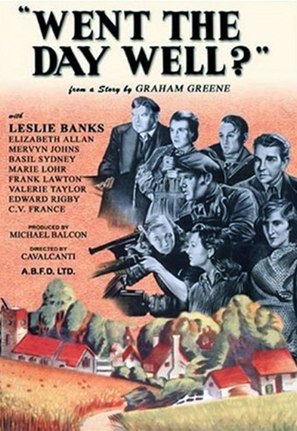
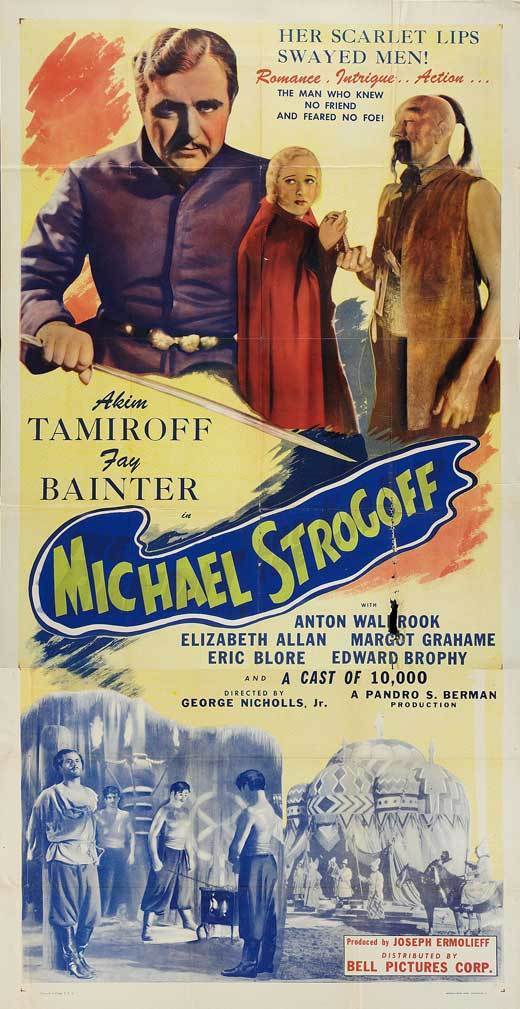
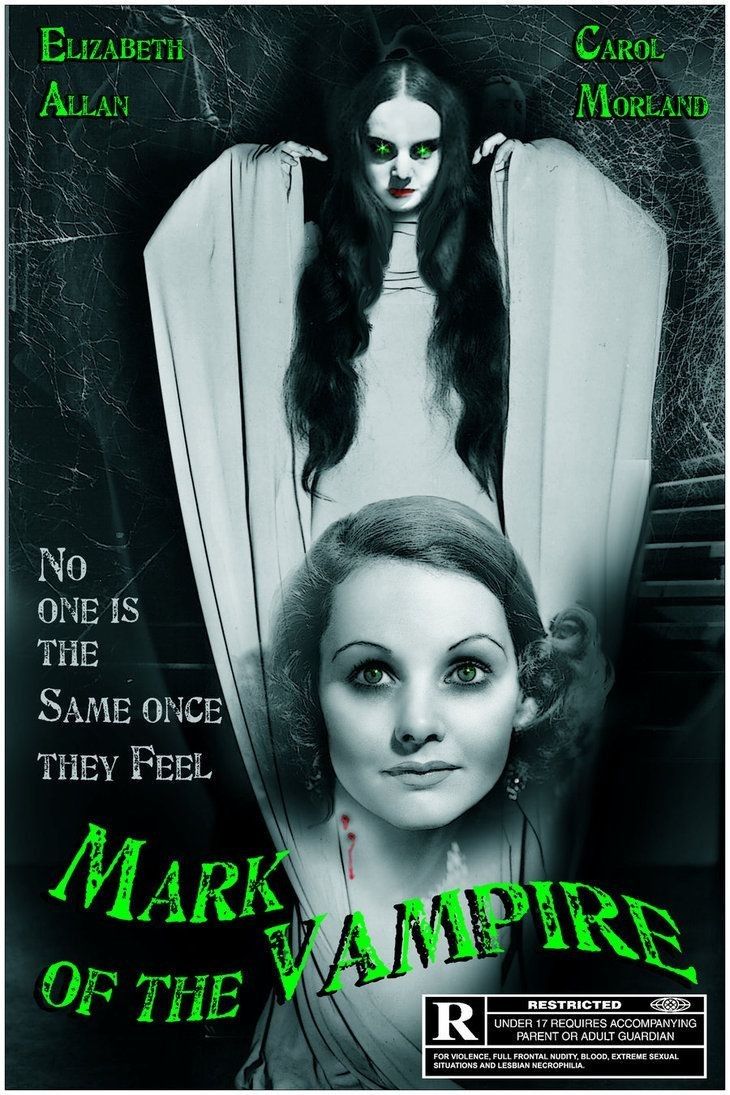
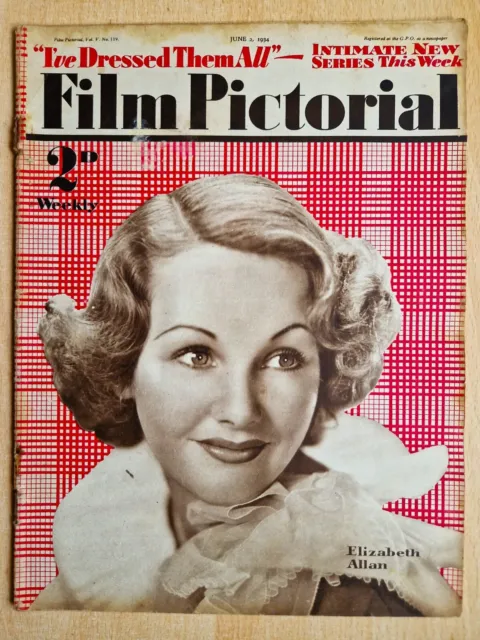
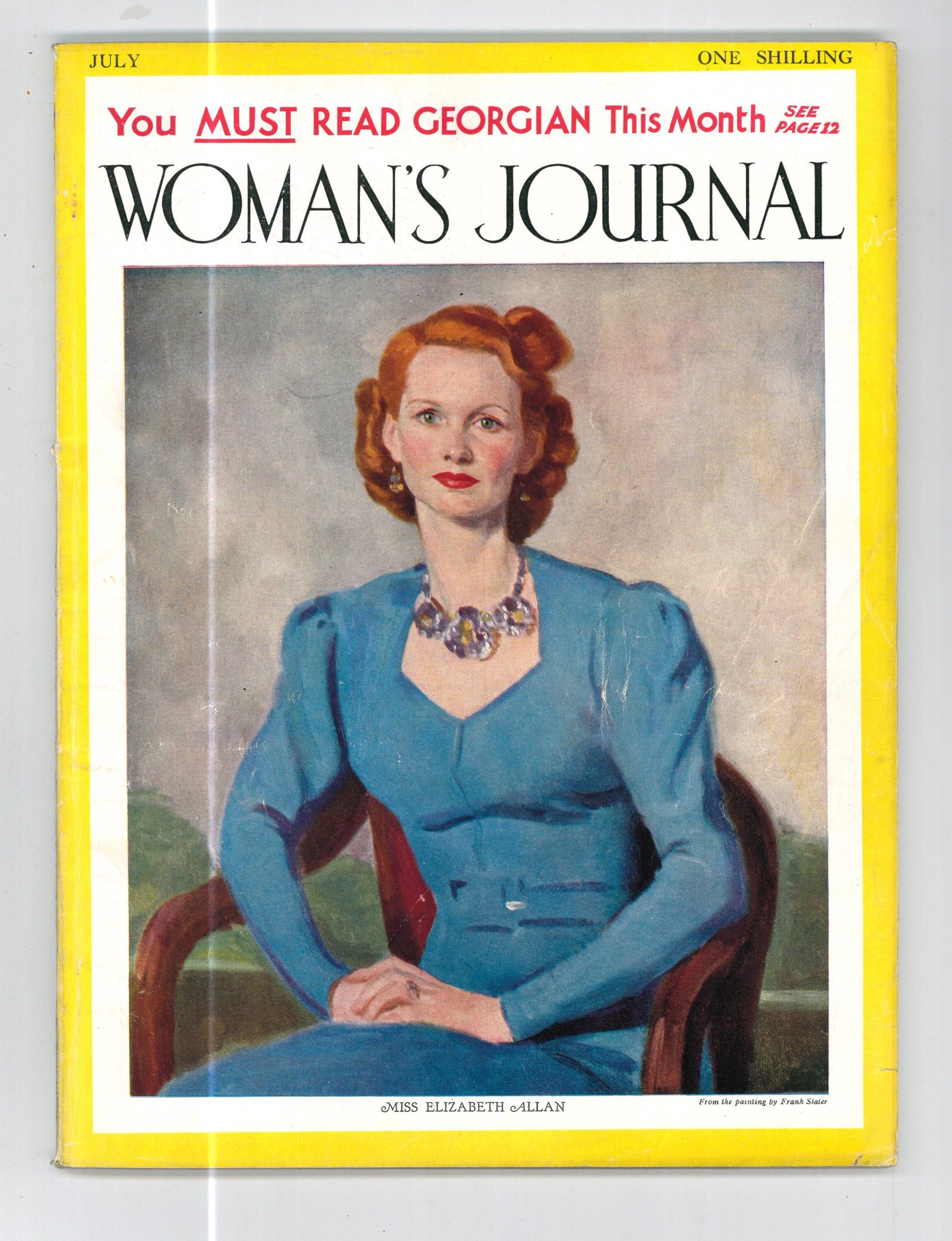
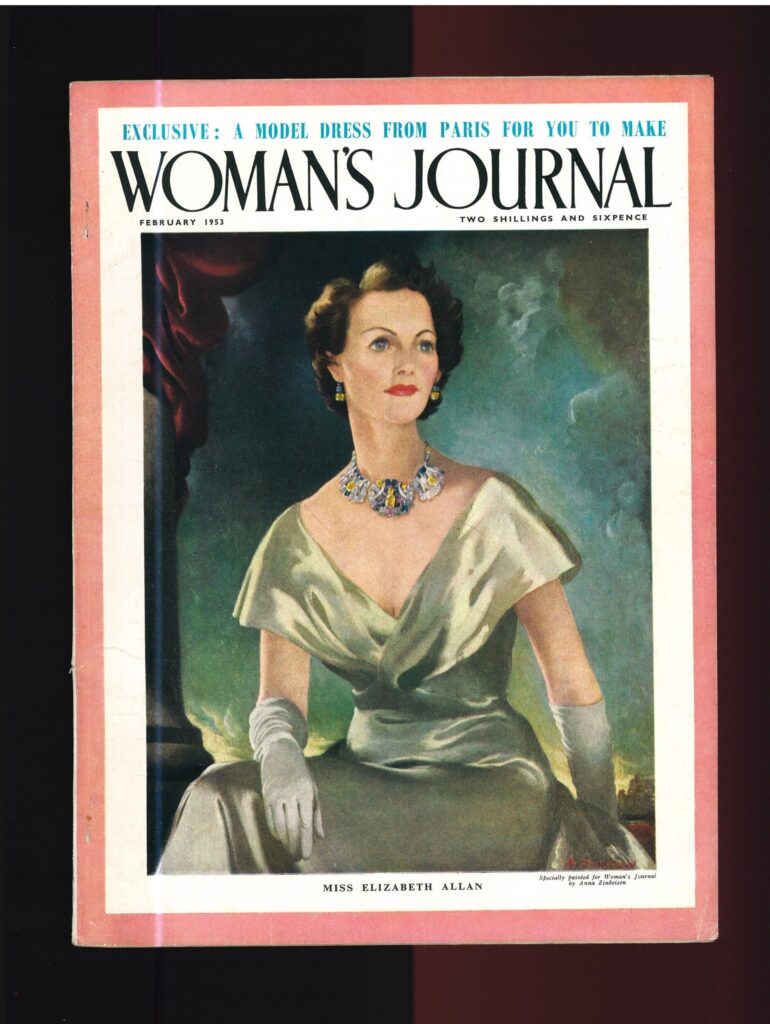
Elizabeth Allan (1910–1990) was a distinguished English actress whose career bridged stage, screen, radio, and television across four decades. Best remembered for her sympathetic portrayals in 1930s British and Hollywood cinema—particularly her Dickensian heroines—Allan’s trajectory offers a fascinating study in both mid-century film artistry and the challenges faced by women navigating the studio system.
Early Training and British Stage Beginnings (1920s–early 1930s)
Born on April 9, 1910, in Skegness, Lincolnshire, Allan was educated at Polam Hall School in Darlington and trained at the Old Vic Theatre School, excelling in Shakespearean repertoire. Beginning her stage career in 1927 with small parts at the Old Vic, she quickly proved adept at roles demanding clarity of diction and emotional restraint—attributes central to interwar British acting.
Her early stage work, culminating in Michael and Mary (1929) with Herbert Marshall and Edna Best, displayed a natural poise and unforced sincerity that distinguished her from many of her contemporaries. As a young actress, she projected a genteel femininity characteristic of early sound-era performance, yet imbued with a humane warmth that later made her ideal for screen interpretations of Victorian women .
Hollywood Years and MGM Conflict (1933–1938)
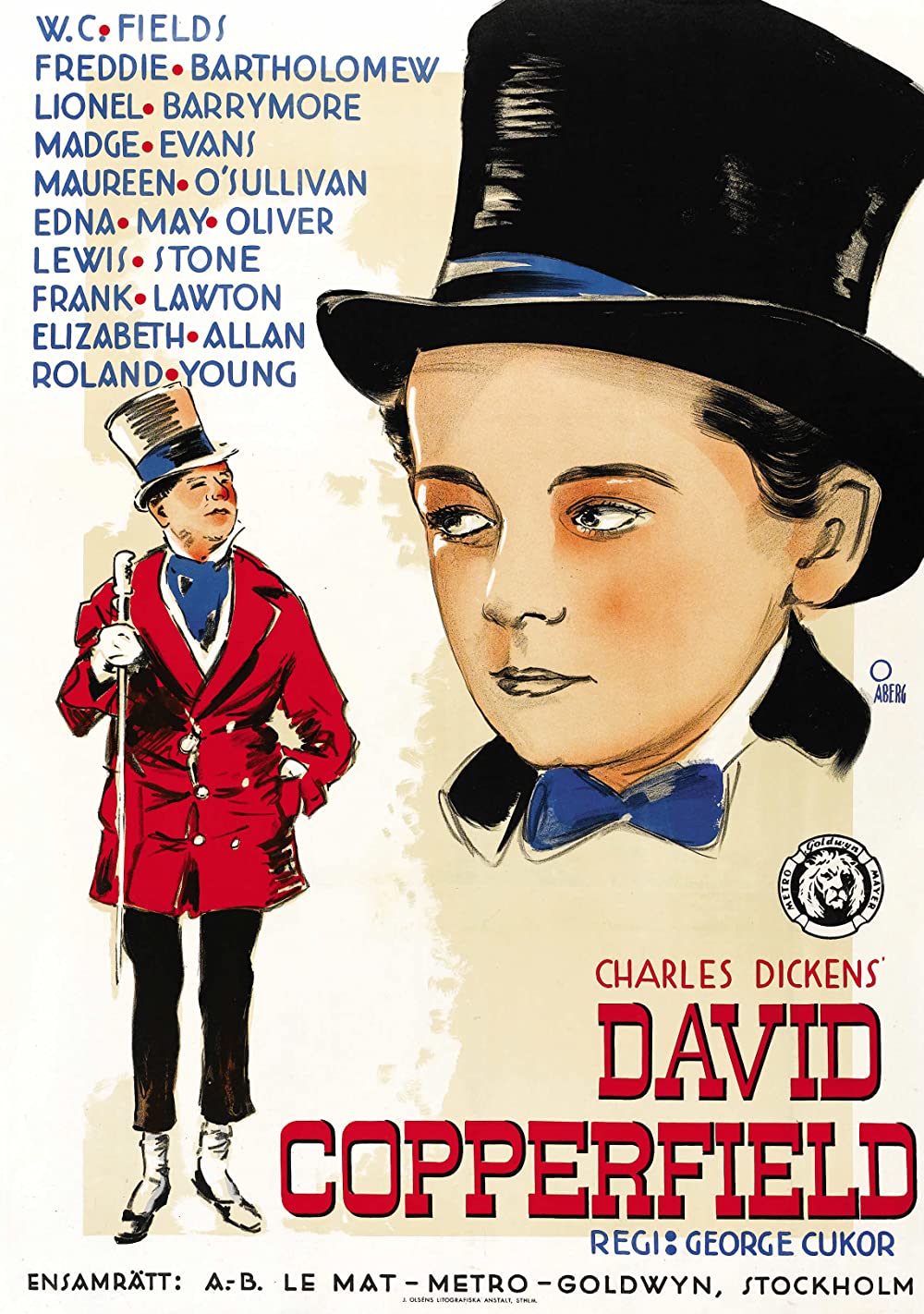
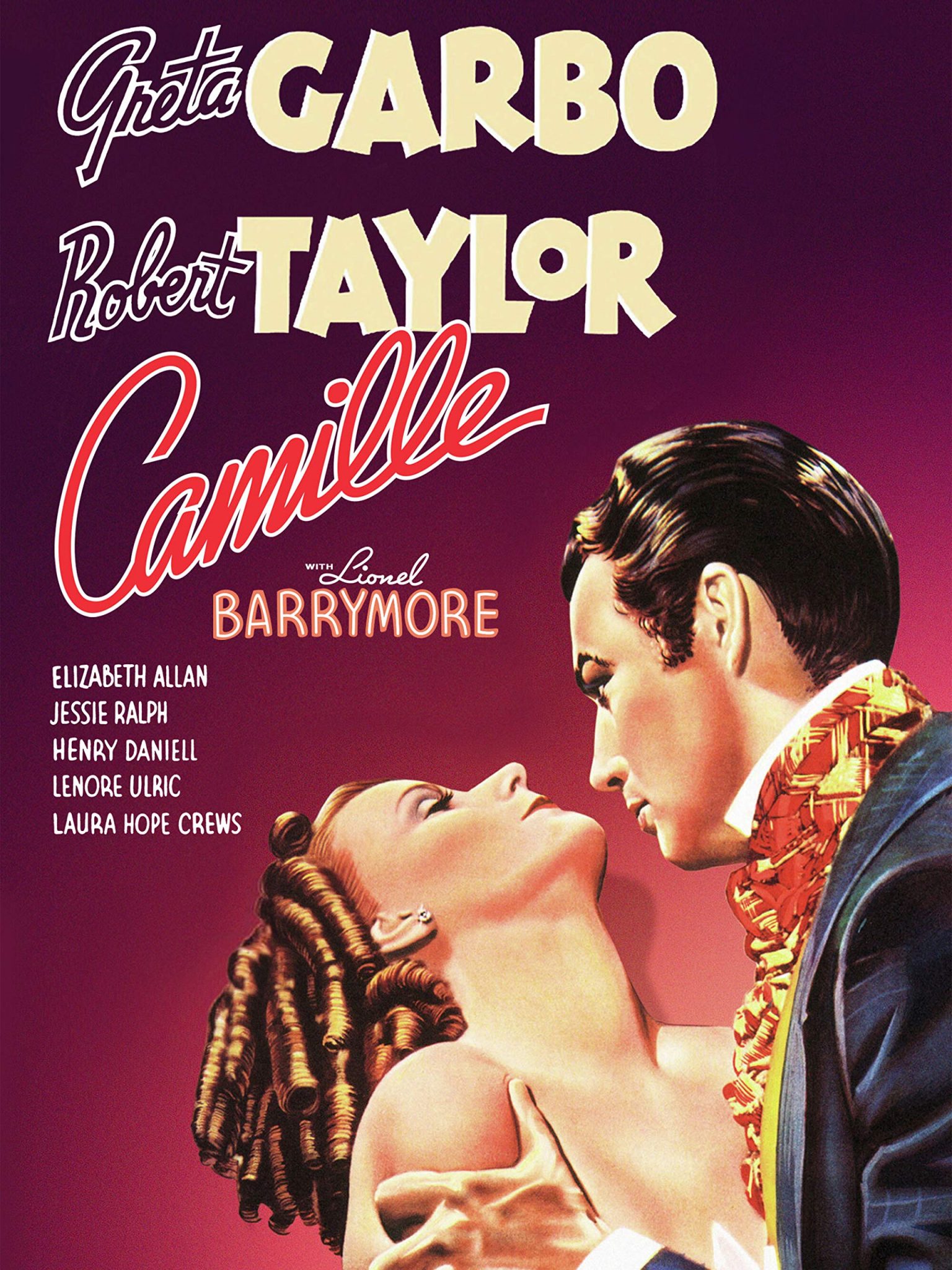
After being spotted by MGM talent scouts, Allan moved to Hollywood in 1933. Her American debut in Looking Forward showcased her quiet strength opposite Lionel Barrymore, and she soon featured in a string of MGM productions such as Men in White (1934), Mark of the Vampire (1935), and two defining Dickens adaptations:
- David Copperfield (1935) – as the tender, doomed Mrs. Copperfield.
- A Tale of Two Cities (1935) – as Lucie Manette, emblem of selfless virtue .
These performances established her as a refined yet emotionally credible actress, capable of evoking moral earnestness without sentimentality. Critics at the time noted her nuanced restraint—distinct from the more melodramatic female acting styles of earlier silent cinema. Her Lucie Manettein particular conveyed Dickensian idealism without diminishing psychological realism.
However, Allan’s Hollywood ascent ended abruptly following disputes with MGM. She was replaced by Rosalind Russell in The Citadel and later by Greer Garson in Goodbye, Mr. Chips. Taking the rare step of suing MGM in 1939 for breach of contract, Allan effectively challenged the studio’s arbitrary treatment of contract actresses—an act that effectively ended her Hollywood prospects .
From a critical standpoint, her lawsuit against Louis B. Mayer prefigured later disputes over actor autonomy, making her a significant—if often overlooked—figure in Hollywood labor history. The moral courage she exhibited echoed the very integrity she embodied on screen.
Return to Britain and Artistic Maturity (1938–1950s)
Back in England, Allan reoriented her career on the stage and in British cinema. She appeared in West End successes like The Innocent Party (1938) and Punch Without Judy (1939), where her comedic precision came to the fore. Her wartime and postwar films—Inquest (1940), The Great Mr. Handel (1942), No Highway in the Sky (1951)—marked a shift from ingénue roles toward mature, character-driven portrayals.
Her performance as Louise Scobie, the disillusioned wife in The Heart of the Matter (1953), based on Graham Greene’s novel, stands as her critical apex. Allan’s understated rendering of isolation and bitterness brings a realist edge to Greene’s moral landscape—demonstrating how far her craft had evolved from the idealized heroines of the 1930s .
In Grip of the Strangler (1958) opposite Boris Karloff, she developed an almost modern subtlety—minimalist, psychologically astute, and quietly tragic—qualities atypical for genre horror of the time.
Television Work and Later Career (1950s–1970s)
Allan transitioned gracefully into early television, becoming a panelist on the British version of What’s My Line? and earning the title Great Britain’s Top Female TV Personality of 1952 . Her polished diction and intelligence suited the medium’s conversational immediacy. She also hosted Swap Shop (1955–1960), where her charm and composure found a new audience.
She retired around 1977, the year her husband and agent Wilfrid J. O’Bryen died, closing a career marked by both artistic integrity and professional resilience.
Critical Assessment and Legacy
Elizabeth Allan’s performances exemplify the transitional acting style between classical stage restraint and modern psychological realism. Her most distinctive qualities were:
- Vocal control and clarity, reflecting her Old Vic training.
- Inner emotional truth, allowing her to humanize archetypal female roles.
- Moral gravitas, which aligned with the ethical tone of both Dickens and mid-century British drama.
She was less flamboyant than contemporaries like Greer Garson or Wendy Hiller but matched them in substance. Critics today regard her Dickens characters as definitive—embodying Victorian virtue with a restraint that avoided both sentimentality and detachment.
Though Hollywood curtailed her rise, Allan’s return to the British industry enriched her artistic depth, allowing her to mature beyond typecasting. Her career thus offers a case study in the interplay of gender, power, and artistry within early 20th-century cinema—a narrative of quiet defiance expressed both in courtrooms and on screens.
Summary:
Elizabeth Allan’s legacy endures not only in her luminous Dickens performances but in her principled independence. A technically precise yet emotionally resonant actress, she navigated the shift from classical theatricality to cinematic realism, standing as one of the most dignified and underappreciated figures of British screen history