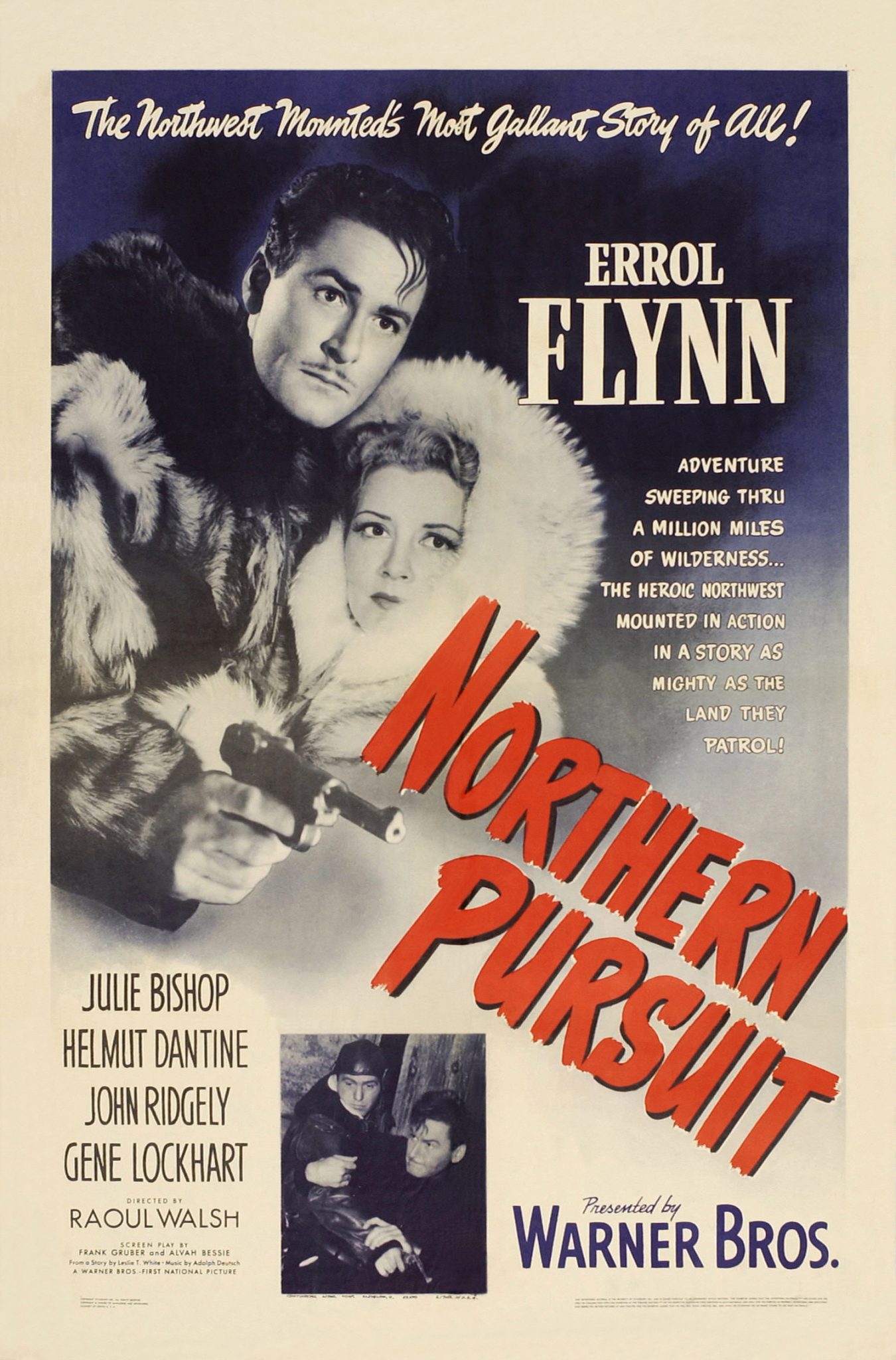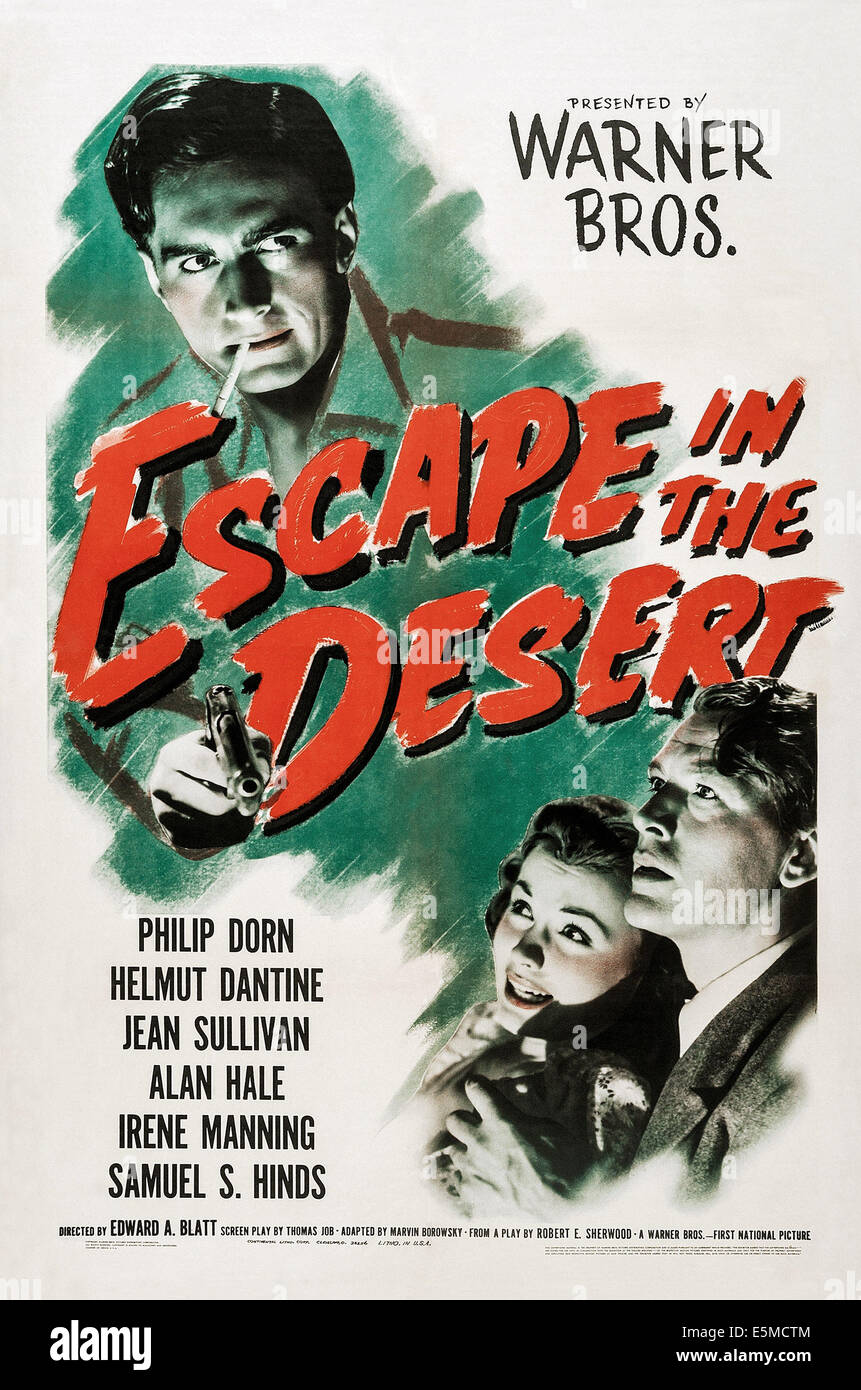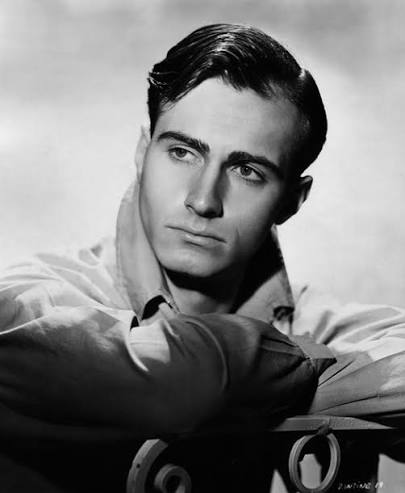

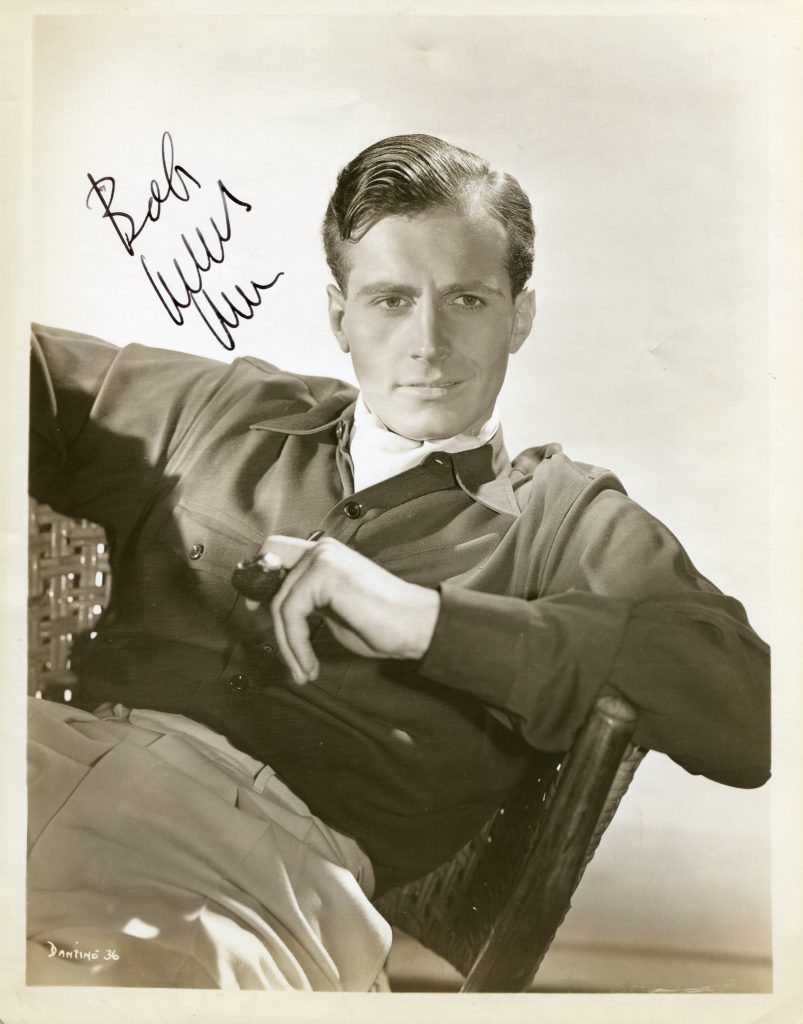
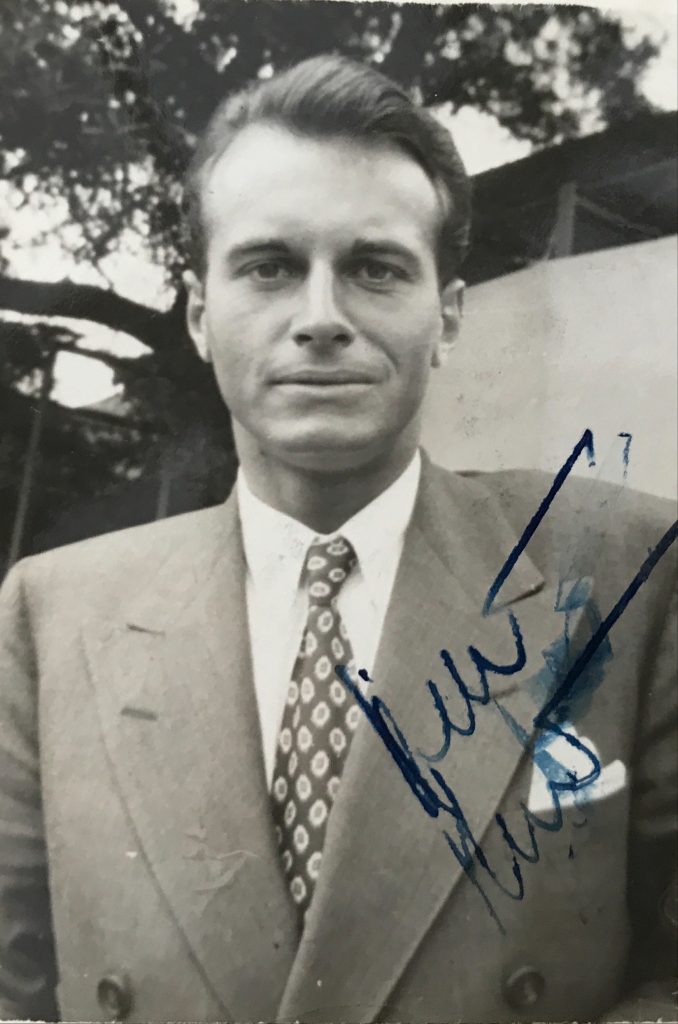
Helmut Dantine (1918–1982) was a quintessential figure of wartime Hollywood, whose career offers a profound irony: a man who was imprisoned by the Nazis in a real concentration camp became the face of the “masculine Nazi menace” on the American screen.
While he is often remembered as a reliable villain of the 1940s, a critical analysis of his work reveals an actor who brought a haunted, “Old World” gravity to his roles, and who eventually successfully pivoted to the business side of the industry as an executive producer for some of the 1970s’ most transgressive films.
I. Career Overview: From Resistance to Resilience
The Refugee Origins (1938–1941)
Born in Vienna, Dantine was a leader in the anti-Nazi youth movement. Following the Anschluss in 1938, the 19-year-old was imprisoned in the Rosserlaende concentration camp. After his family secured his release, he fled to California, where he began his training at the Pasadena Community Playhouse.
The Warner Bros. Icon (1942–1946)
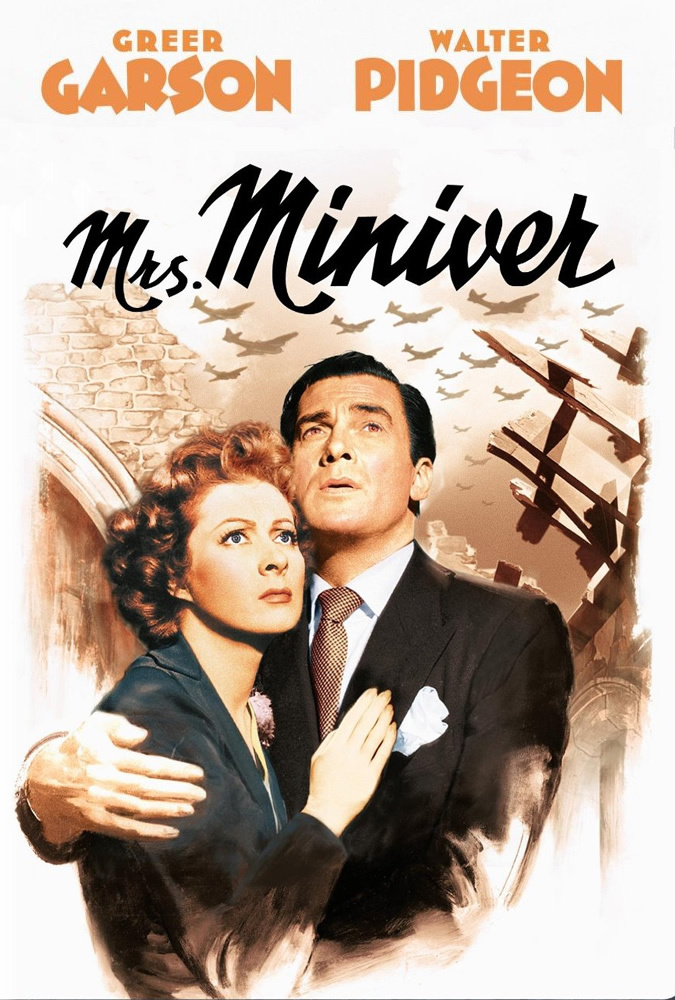
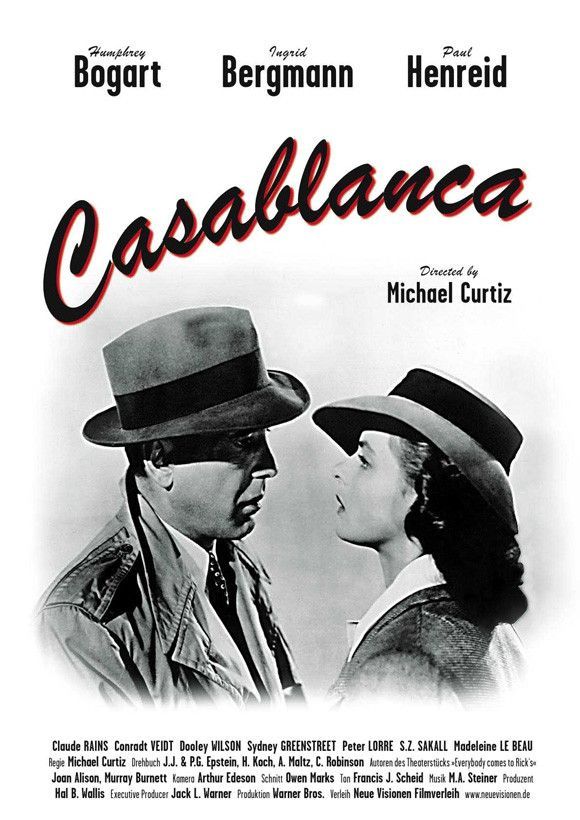
Dantine’s career exploded in 1942. His performance as the downed, unrepentant German flyer in Mrs. Minivermade him an overnight sensation. He became Warner Bros.’ “resident Nazi,” but also played sympathetic refugees, most famously Jan Brandel in Casablanca (the young husband helped by Rick at the roulette table).
The Producing Pivot (1970s)
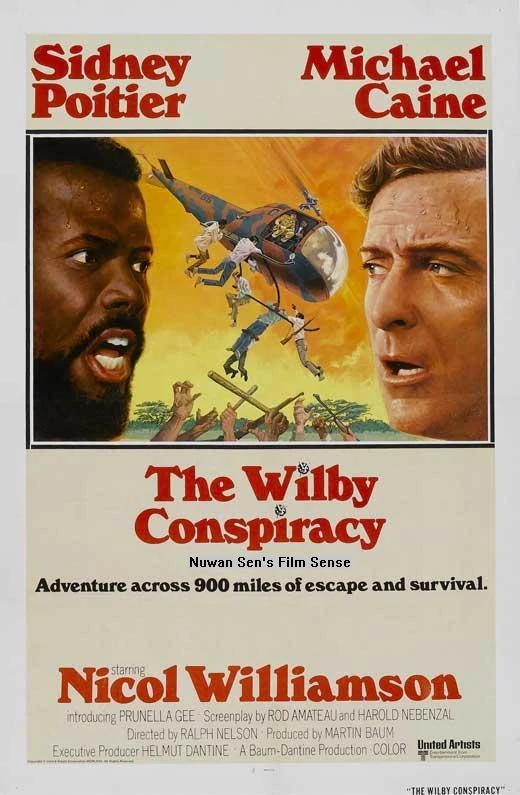
After his leading man status cooled in the 1950s (with notable turns in War and Peace and Alexander the Great), Dantine reinvented himself. He became an executive for Baum/Dantine Productions, serving as the executive producer and a character actor for several Sam Peckinpah cult classics.
II. Critical Analysis: The “Elegant Villain”
1. The Paradox of the “Real” Nazi
Critical analysis of Dantine’s 1940s work often focuses on the authenticity of his intensity. Unlike many American actors who played Nazis with broad, cartoonish villainy, Dantine brought a “cold, intellectual perversion” to his roles.
The “Miniver” Impact: In Mrs. Miniver, his character is not just a soldier; he is a symbol of an uncompromising ideology. Critics at the time noted that Dantine’s performance was “hard, merciless, and bitter,” providing the film with its most realistic threat.
Psychological Realism: Because he had personally survived the regime he was portraying, Dantine avoided the “cliché of the monocle.” He played his villains with a sense of deep-seated trauma, often described as having “eyes that cut like steel.”
2. The Sympathetic Refugee: Humanity in the Margin
His role in Casablanca serves as the perfect counterpoint to his villainous typecasting.
Vulnerability: As Jan Brandel, Dantine portrays the desperation of the European refugee without sentimentality. His performance is a study in nervous dignity, allowing the audience to see the human cost of the war through a singular, intimate struggle.
3. The Peckinpah Era: Deconstructing the Image
In the 1970s, Dantine’s collaboration with director Sam Peckinpah (particularly Bring Me the Head of Alfredo Garcia) represented a radical departure.
From Suave to Gritty: As an executive producer and actor (The Killer Elite, Alfredo Garcia), Dantine helped facilitate a brand of filmmaking that was nihilistic and visceral. This late-career shift is critically viewed as a deconstruction of his earlier “polished” Hollywood image, embracing a darker, more cynical “New Hollywood” aesthetic.
III. Major Credits and Legacy
| Film | Role | Critical Significance |
| Mrs. Miniver (1942) | German Flyer | The performance that defined the “Nazi Menace” archetype. |
| Casablanca (1942) | Jan Brandel | His most iconic “sympathetic” performance. |
| Edge of Darkness (1943) | Capt. Koenig | A masterclass in portraying the cold, bureaucratic evil of occupation. |
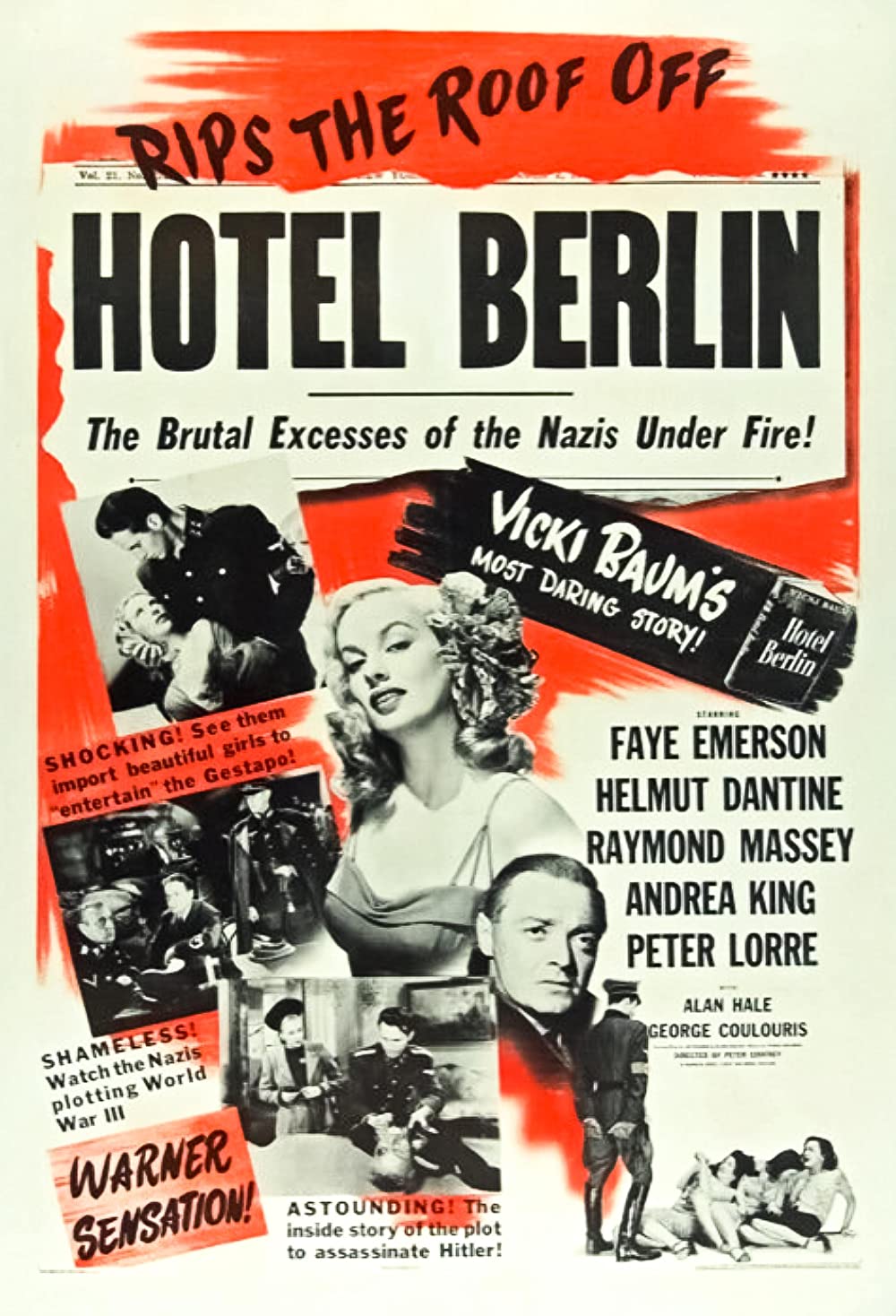
| Hotel Berlin (1945) | Dr. Martin Richter | A rare sympathetic lead as a leader of the German underground. |
| War and Peace (1956) | Dolokhov | Showcased his ability to handle sprawling, historical epics. |
| Bring Me the Head of Alfredo Garcia (1974) | Max (Actor/EP) | His pivot into the gritty, transgressive cinema of the 70s. |
Final Reflection
Helmut Dantine was a man who performed his own history. His career began by portraying the very people who tried to destroy him, yet he did so with a level of professional distance and technical skill that made him one of the most effective dramatic tools in the Allied propaganda machine. His later success as a producer proved that his greatest talent was not just acting, but an innate understanding of the “mechanics of the image