
JACQUES BERGERAC (WIKIPEDIA)
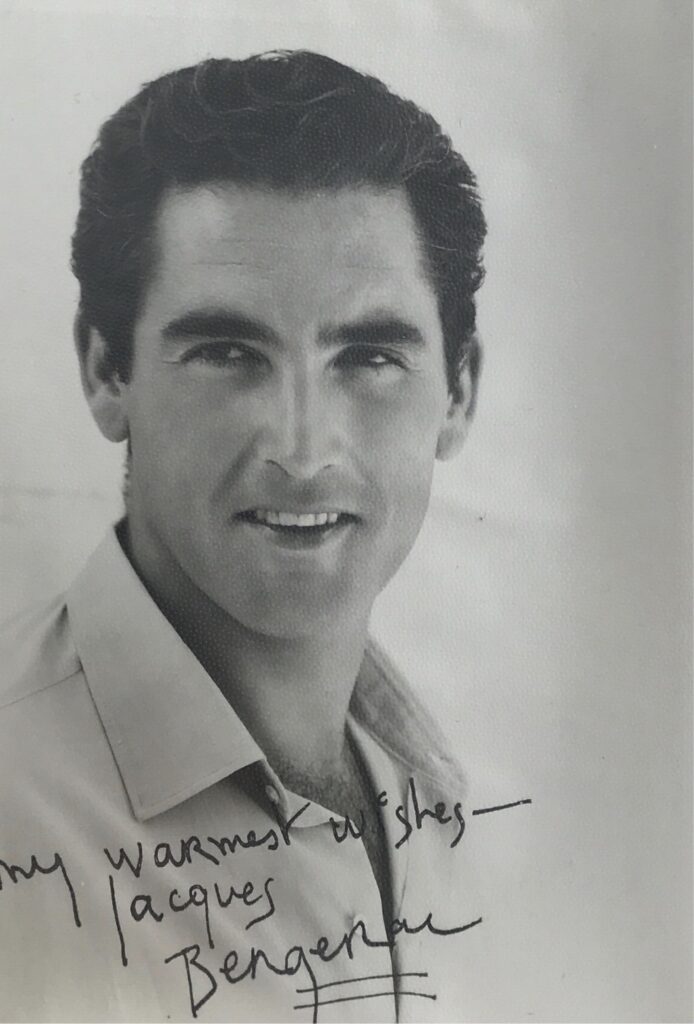
Jacques Bergerac was born in 1927 and was a French actor who later became a business executive with Revlon.
Jacques Bergerac was born in 1927 in Biarritz, France. He was recruited by the Metro-Goldwyn-Mayer studios while a law student in Paris at the age of 25.
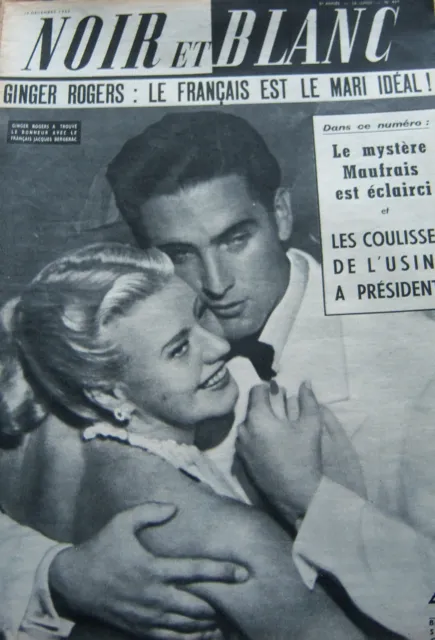
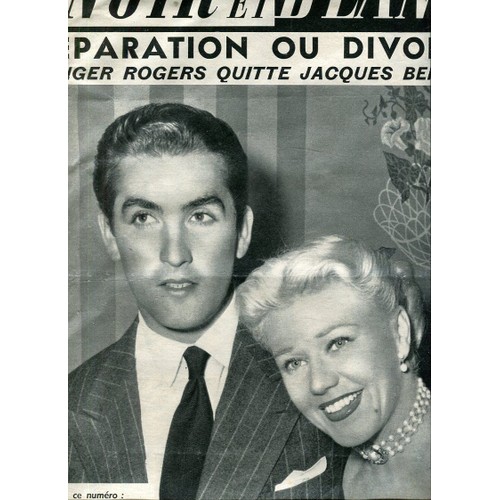
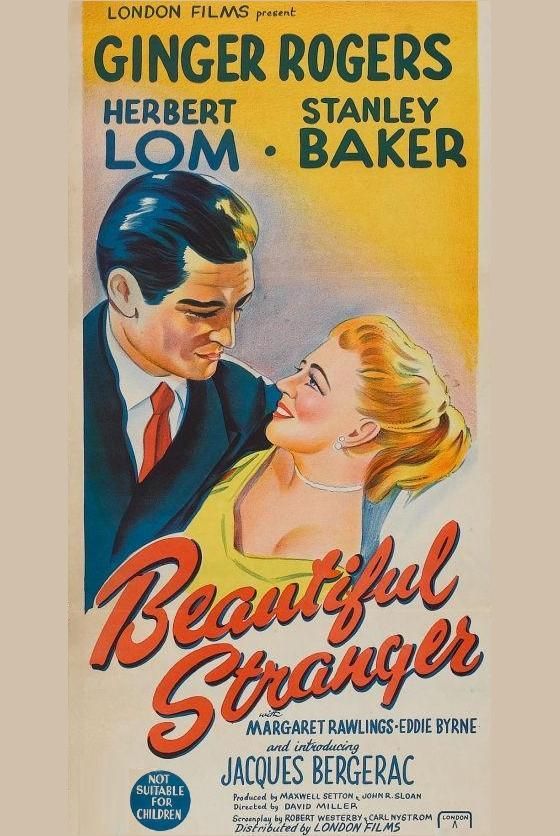
Bergerac met and married Ginger Rogers with whom he appeared in Twist of Fate(1954) (also known as Beautiful Stranger). He then appeared as Armand Duval in a television production of Camille for Kraft Television Theatre, opposite Signe Hasso. He played the Comte de Provence in Jean Delannoy‘s film, Marie Antoinette Queen of France.
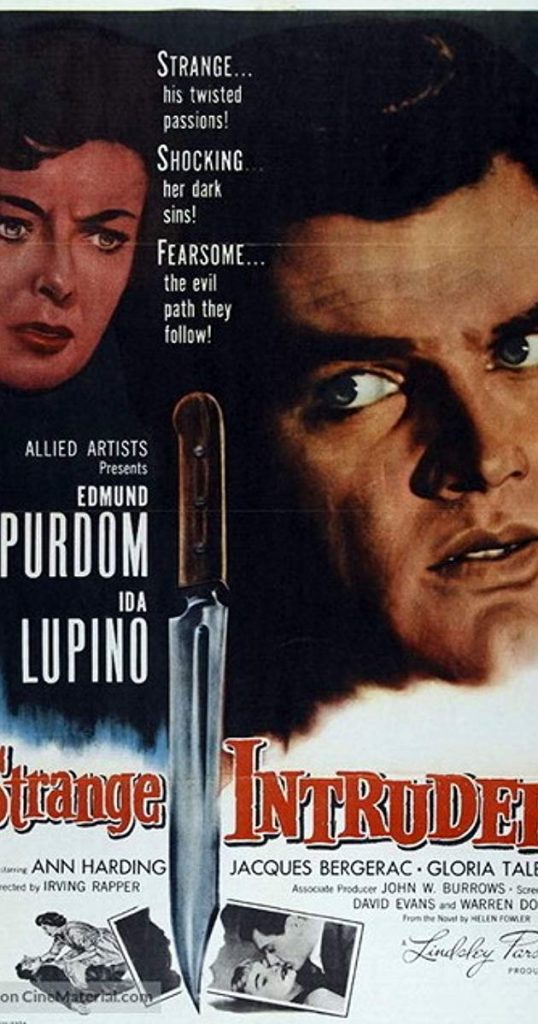
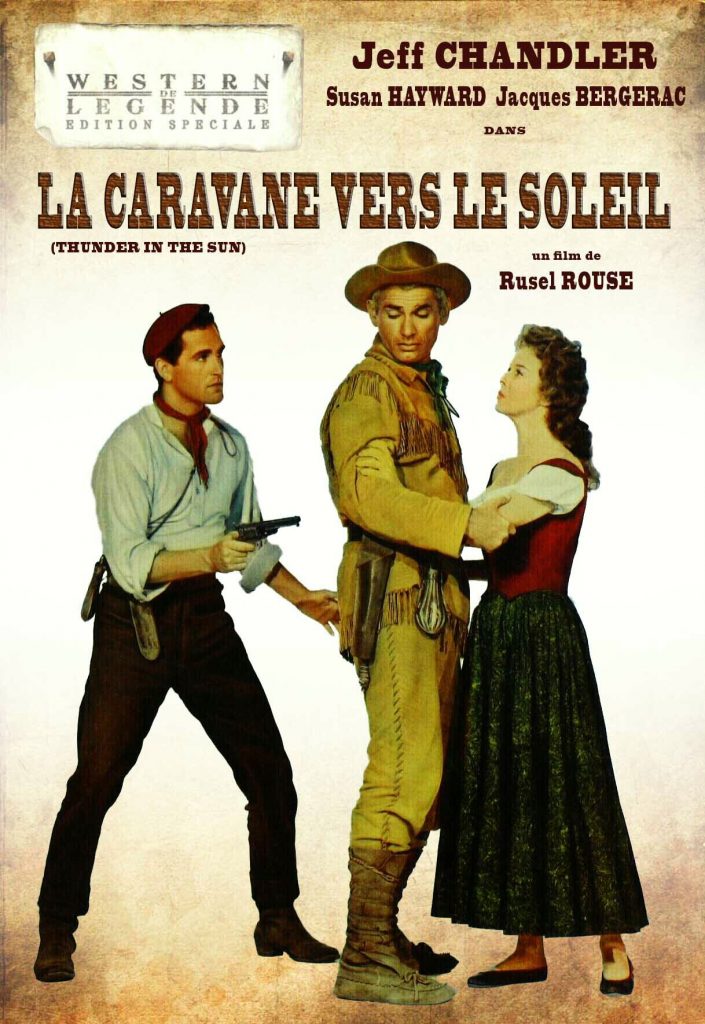
In Strange Intruder (1956), he shared the screen with Edmund Purdom and Ida Lupinoand in Les Girls (1957), he played the second male lead. He also appeared in Gigi(1958), Thunder in the Sun (1959), the cult horror film The Hypnotic Eye (1960) and A Global Affair (1964). In 1957, he received the Golden Globe Award for Foreign Newcomer.
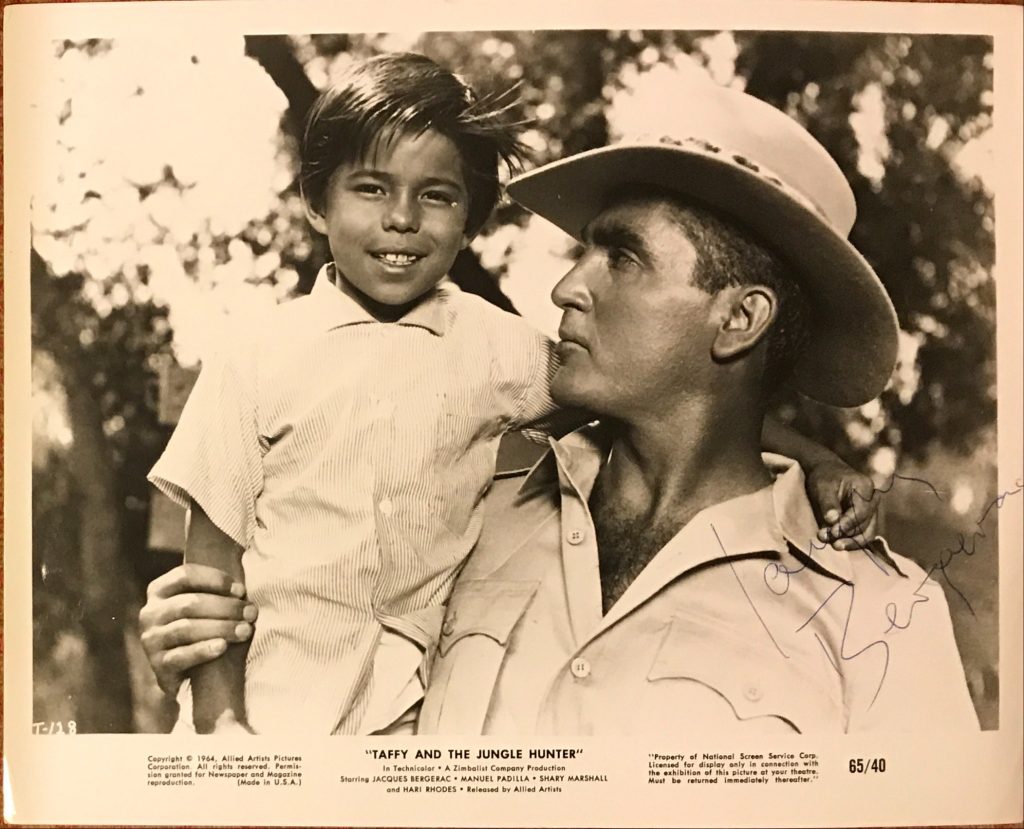
He appeared in a few more films and on television including Batman, 77 Sunset Strip, Alfred Hitchcock Presents (3 episodes), The Lucy Show, Get Smart, The Dick Van Dyke Show and Perry Mason (Season 7, Episode 19).
His last appearance was on an episode of The Doris Day Show in 1969, after which he left show business and became the head of Revlon‘s Paris office and of the Perfumes Balmain company. His younger brother Michel became CEO of Revlon six years later.
He also managed the rugby club Biarritz Olympique from 1980 until 1981.
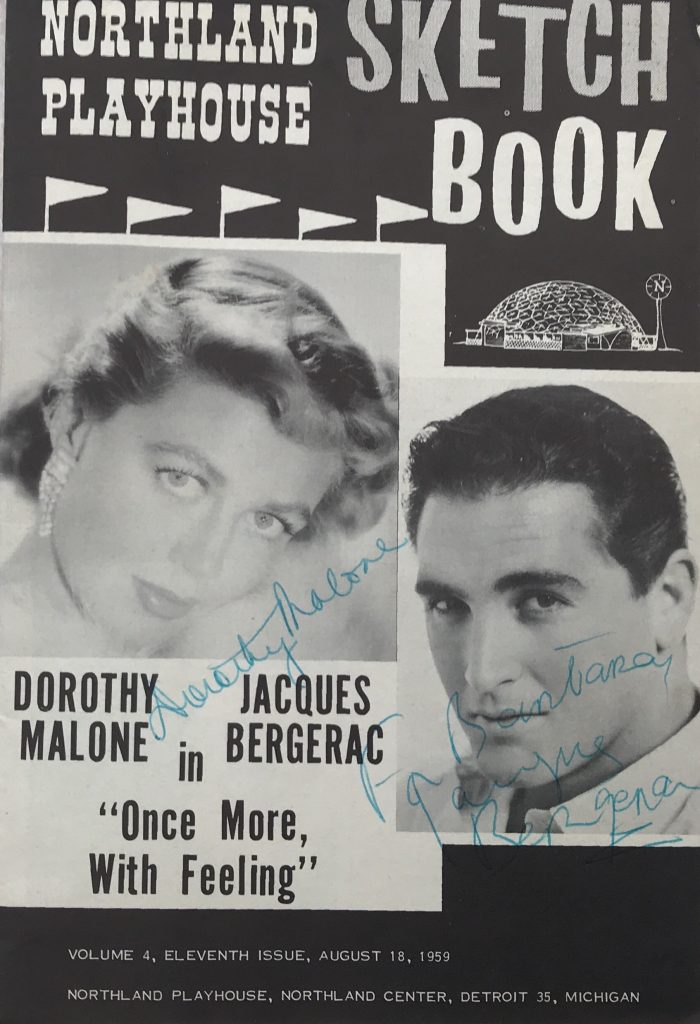
Bergerac married screen star Ginger Rogers in February 1953, and they divorced in July 1957. In June 1959, he married actress Dorothy Malone in Hong Kong, where she was on location for her 1960 film The Last Voyage. They had daughters Mimi and Diane together, and divorced in December 1964.
He died June 15, 2014, at his home in Anglet, Pyrénées-Atlantiques, France
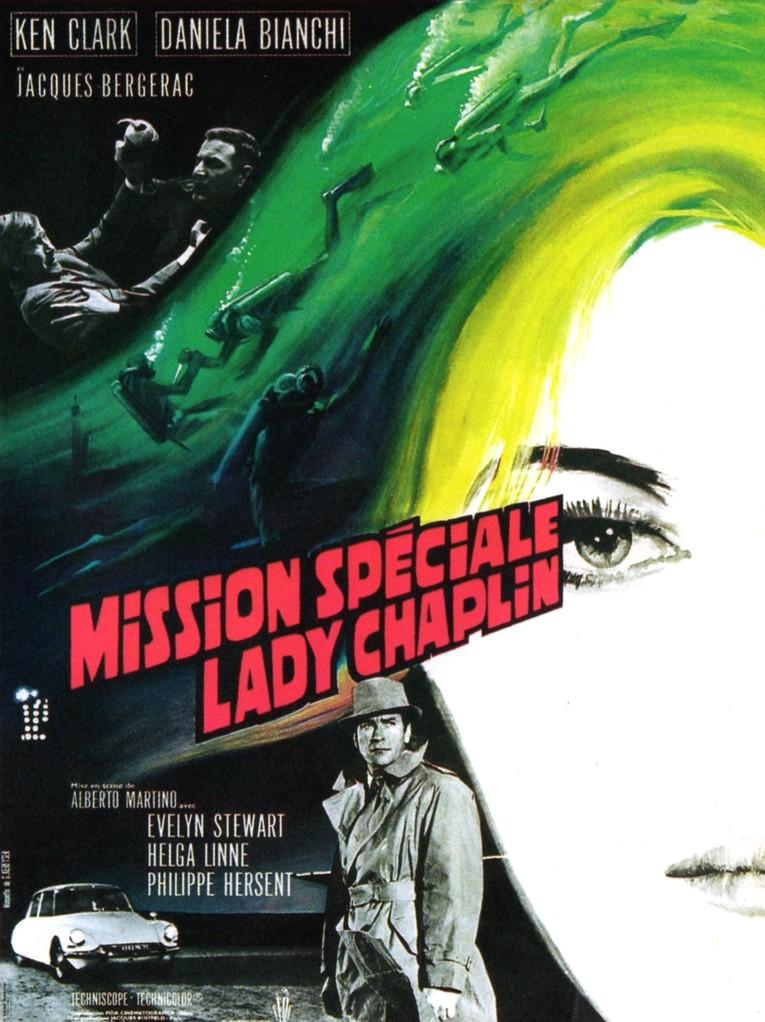
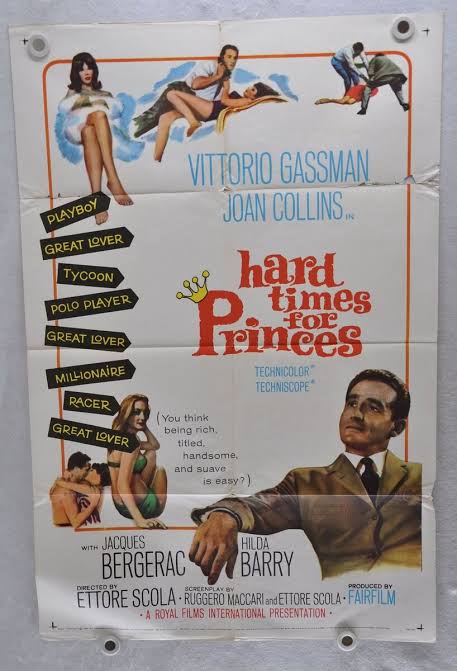
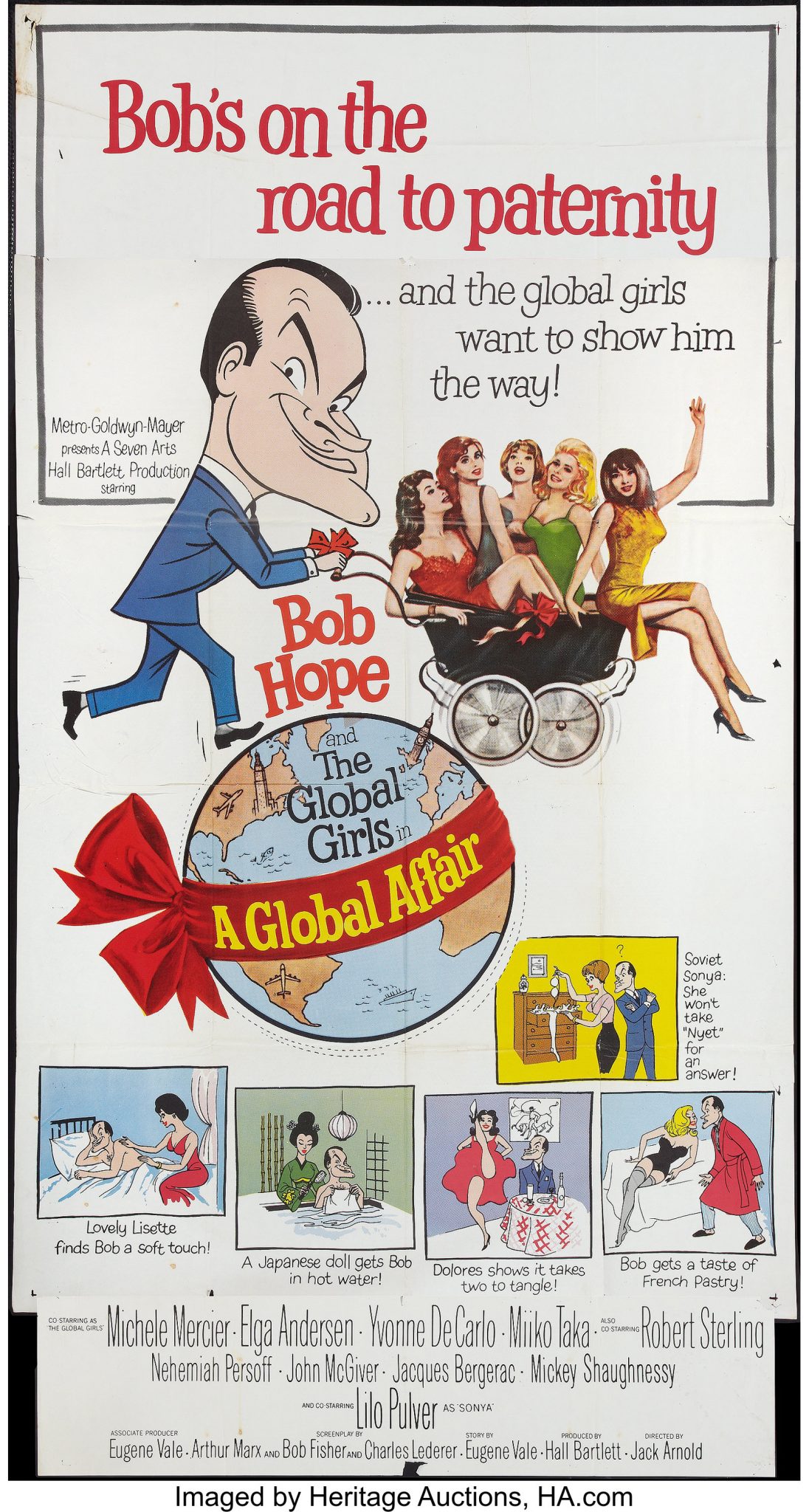
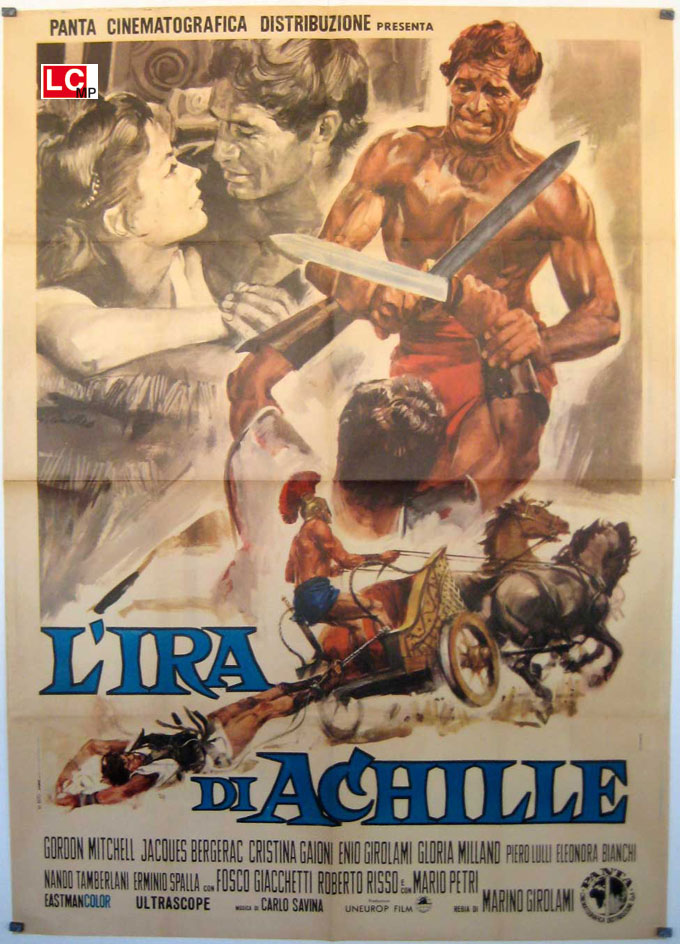
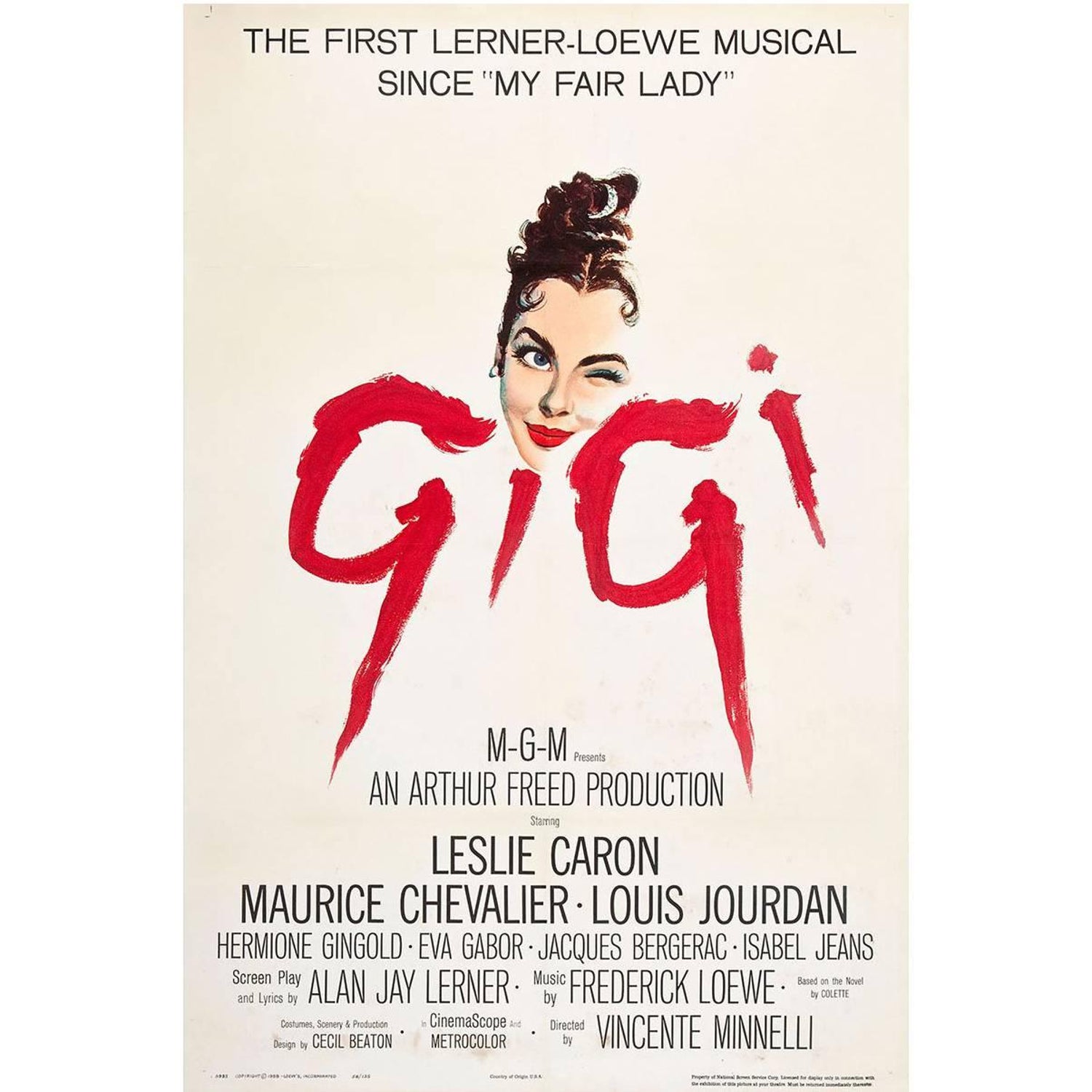
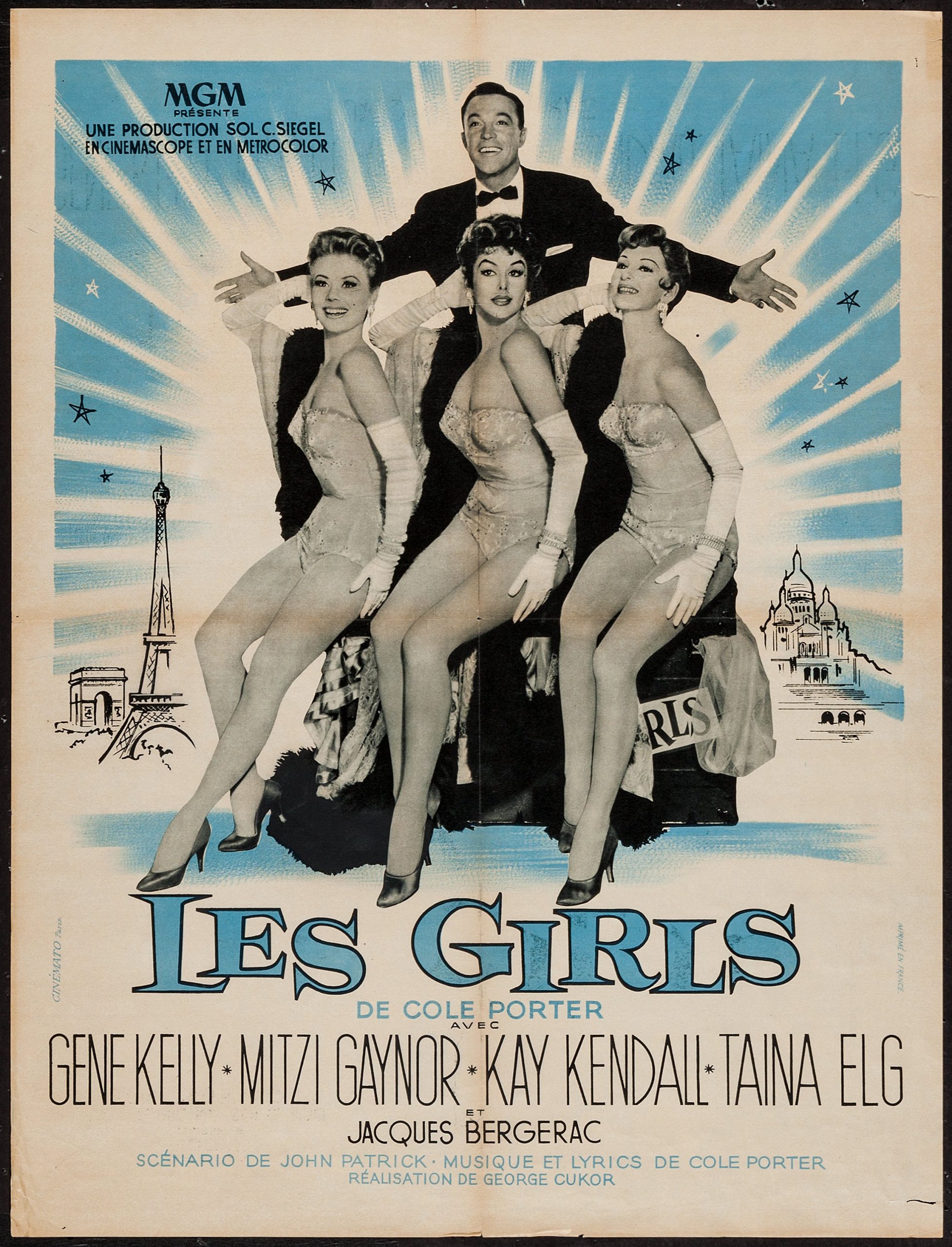
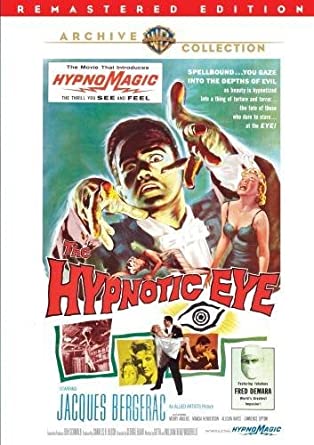
Jacques Bergerac (1927–2014) remains one of the most intriguing “what-if” stories of the mid-century Hollywood studio system. Often unfairly reduced to his high-profile marriages—first to Ginger Rogers and later to Dorothy Malone—Bergerac was, in his own right, a performer of distinct European charm and a surprising capacity for “Continental Noir.”
He represented the post-war American fascination with the “Sophisticated Frenchman”: an archetype that was athletic, impeccably groomed, and possessed an intellectual reserve that made him the perfect foil for Hollywood’s more boisterous leading ladies.
Career Overview: The Law Student to the Silver Screen
1. The “Discovery” (1950s)
Bergerac was a law student in France when he met Ginger Rogers in the early 1950s. His move to Hollywood was a “Cinderella story” in reverse; he was quickly signed by Metro-Goldwyn-Mayer (MGM) and groomed to be the next Charles Boyer. His debut in Twist of Fate (1954), opposite Rogers, showcased a naturalistic screen presence that bypassed the need for formal conservatory training.
2. The MGM/Musical Era: Les Girls (1957)
His most enduring role came in George Cukor’s “Les Girls.” Playing Pierre Ducros, Bergerac held his own in a musical ensemble that included Gene Kelly. This period established him as the go-to actor for roles requiring a “Continental Polish”—characters who were charming but potentially unreliable.
3. The Genre Transition: The Hypnotic Eye (1960)
As the studio system fractured, Bergerac pivoted into more experimental and “B-movie” territory. In the cult horror-thriller The Hypnotic Eye, he played a charismatic but sinister illusionist. This performance is often cited by critics as his most technically complex, moving away from “romantic lead” into “psychological antagonist.”
4. The Corporate Pivot (1969–2014)
Dissatisfied with the trajectory of his acting career and the “playboy” typecasting, Bergerac made a rare and successful transition into the corporate world. He became the head of the Paris office for Revlon, proving that the “executive poise” he displayed on screen was backed by genuine business acumen.
Detailed Critical Analysis: The “Unreadable” Gallic Charm
1. The Subversion of the “Latin Lover”
In the 1950s, foreign actors were often pushed toward a high-energy, “fiery” stereotype. Bergerac resisted this.
Analysis: Bergerac utilized a style of “Quiet Masculinity.” In films like Strange Intruder (1956), he projected a sense of internal conflict through stillness. Critics noted that while his French accent was thick, his emotional delivery was “dry”—avoiding the melodrama of his contemporaries. He brought a “Modern European” sensibility to the screen that was more in line with the burgeoning French New Wave than the fading Golden Age of Hollywood.
2. The “Mask of Civility” in The Hypnotic Eye
In this cult classic, Bergerac played Desmond, a hypnotist who uses his powers for dark ends.
Critical Insight: This role allowed Bergerac to weaponize his own charm. He used a fixed, pleasant expression that never reached his eyes—a technique that created a profound sense of unease in the audience. Critics hailed it as a “chillingly polite” performance. He understood that the most effective villains are the ones who never stop being gentlemen.
3. The Cukor Influence: Les Girls
Under the direction of George Cukor (a master of female-led narratives), Bergerac flourished as a supporting anchor.
Technical Analysis: In Les Girls, Bergerac had to act as the “connective tissue” between three different versions of the same story. He utilized a minimalist technique, reacting differently to each of the three lead women to show how his character was perceived through their subjective lenses. It was a sophisticated, high-concept performance that required immense tonal control.
4. Physicality and “Executive Presence”
Bergerac possessed a “statuesque” quality—he carried himself with the rigid posture of a man used to authority.
Critical View: This physicality made him a perfect fit for Technicolor ensembles. He knew how to wear a suit and how to occupy a frame without dominating it. In his various television guest spots (such as The Dick Van Dyke Show or Batman), he often played the “High-Status Foreigner.” Critics noted that he never “winked” at the camera; he played these often-clichéd roles with an earnest dignity that elevated the material.
Key Filmography & Critical Milestones
| Year | Title | Role | Significance |
| 1954 | Twist of Fate | Johnny | His Hollywood debut; established his romantic persona. |
| 1957 | Les Girls | Pierre Ducros | A prestigious turn in a major MGM musical. |
| 1958 | Gigi | Sacha | A small but visually iconic role in a Best Picture winner. |
| 1960 | The Hypnotic Eye | Desmond | His definitive turn as a “Psychological Villain.” |
| 1964 | The Global Affair | Guy | Showcased his late-career comedic timing. |
Jacques Bergerac was the “Pragmatic Romantic.” He was an actor who understood the mechanics of his own image and used it to bridge the gap between European art-house style and American genre cinema. While his career was relatively short, his performances remain a testament to a specific kind of understated sophistication that has largely disappeared from the screen. He was a man who brought the “Lawyer’s Logic” to the “Actor’s Craft