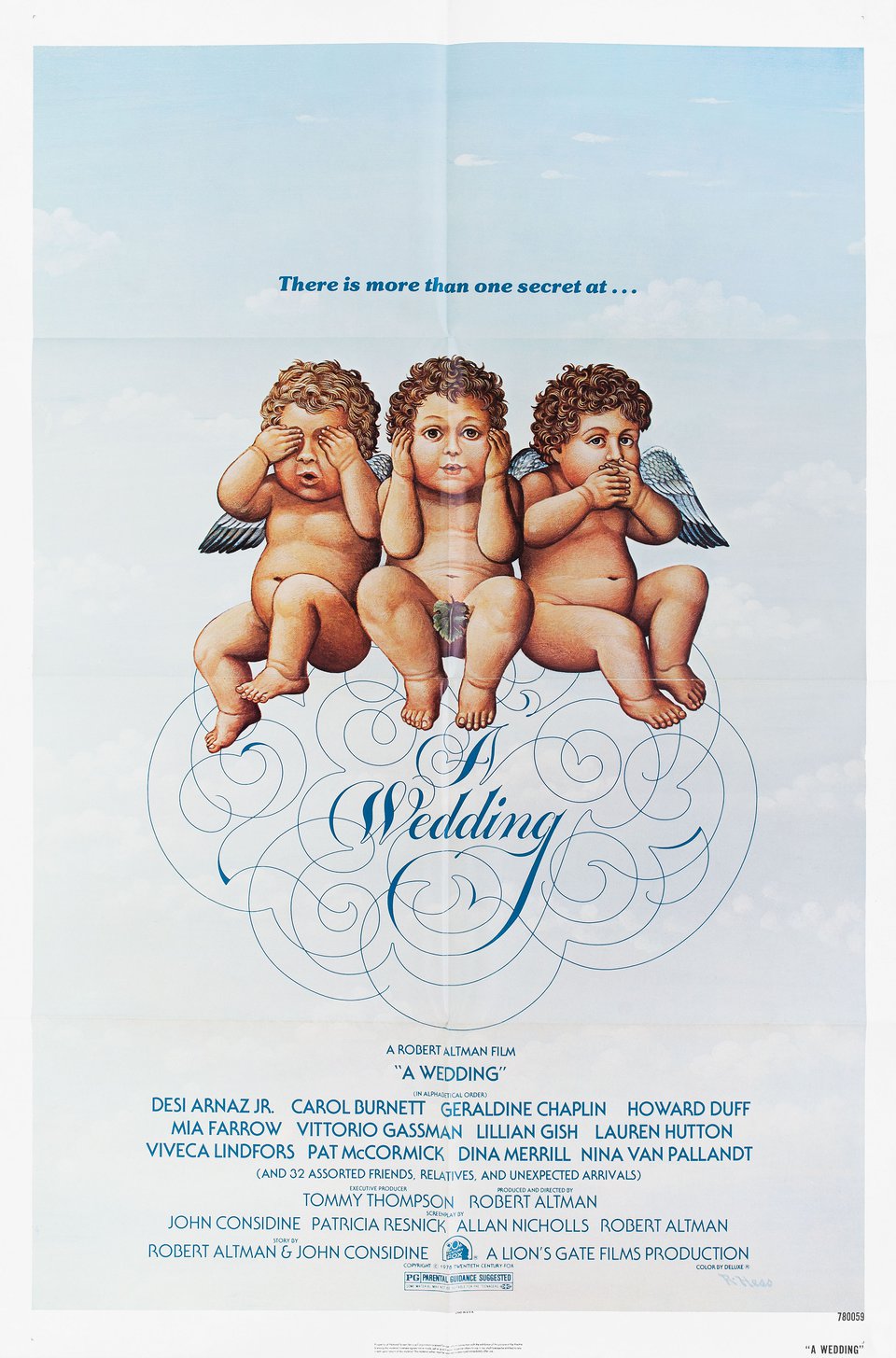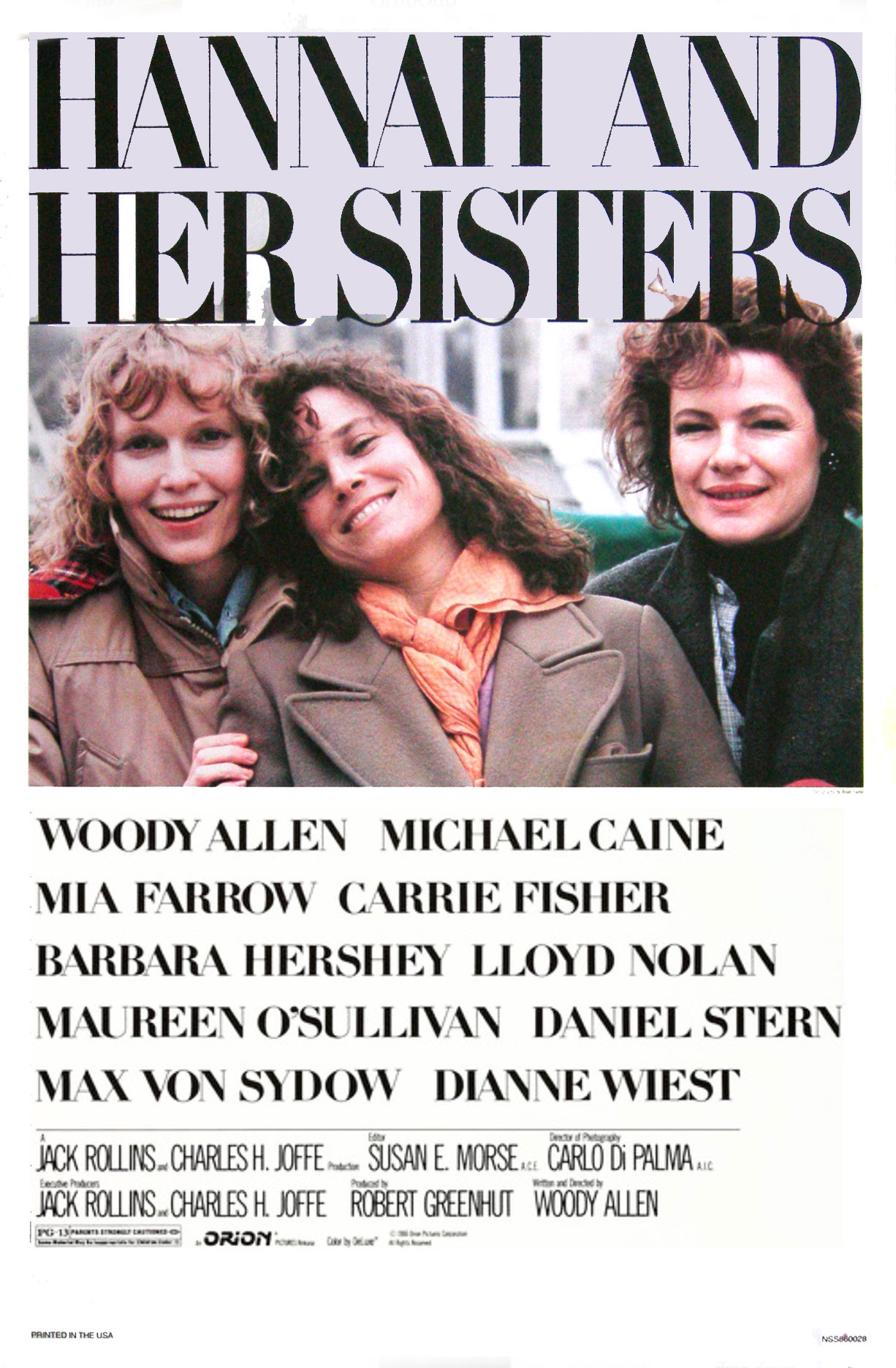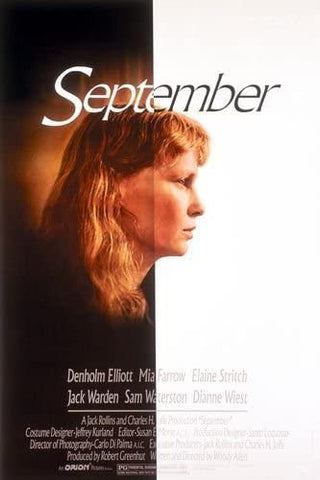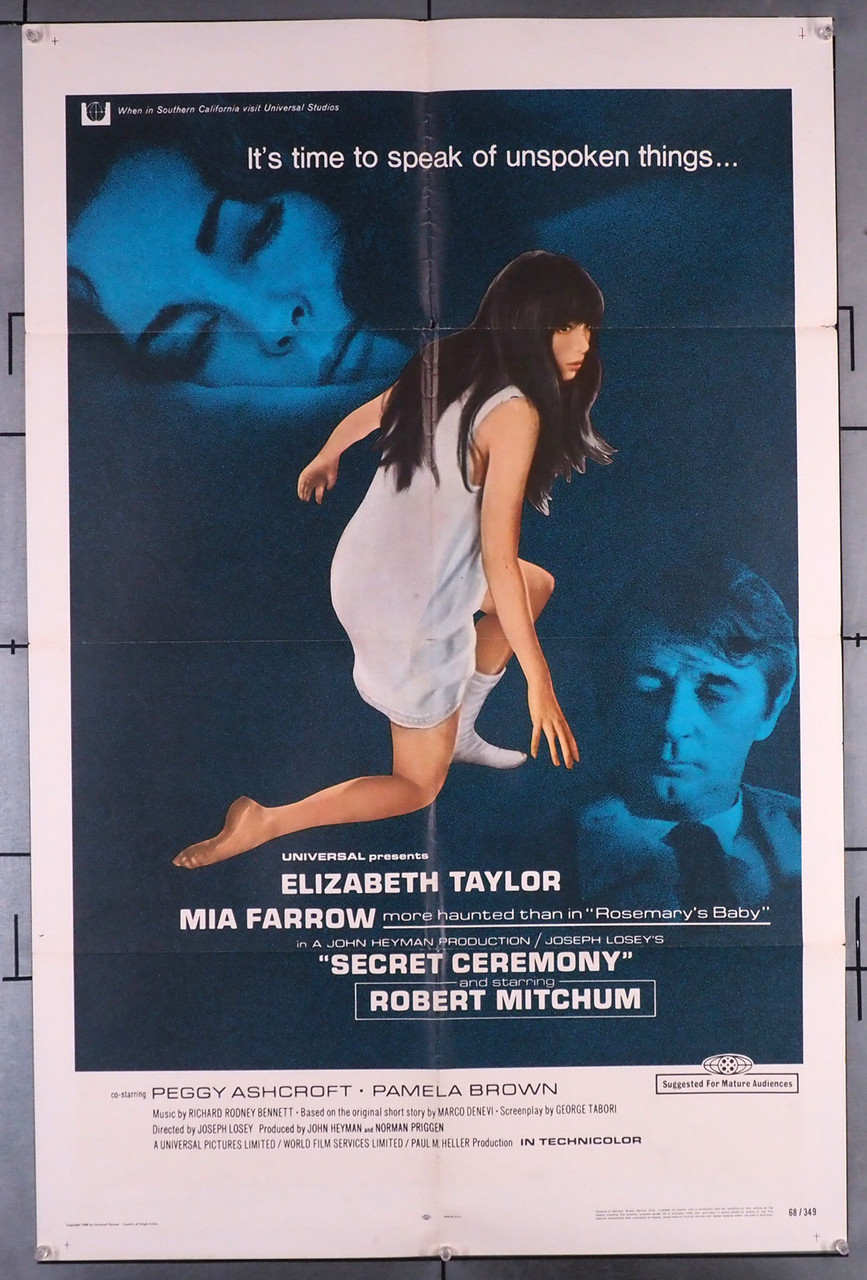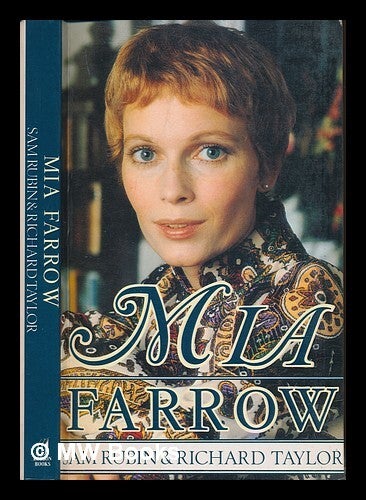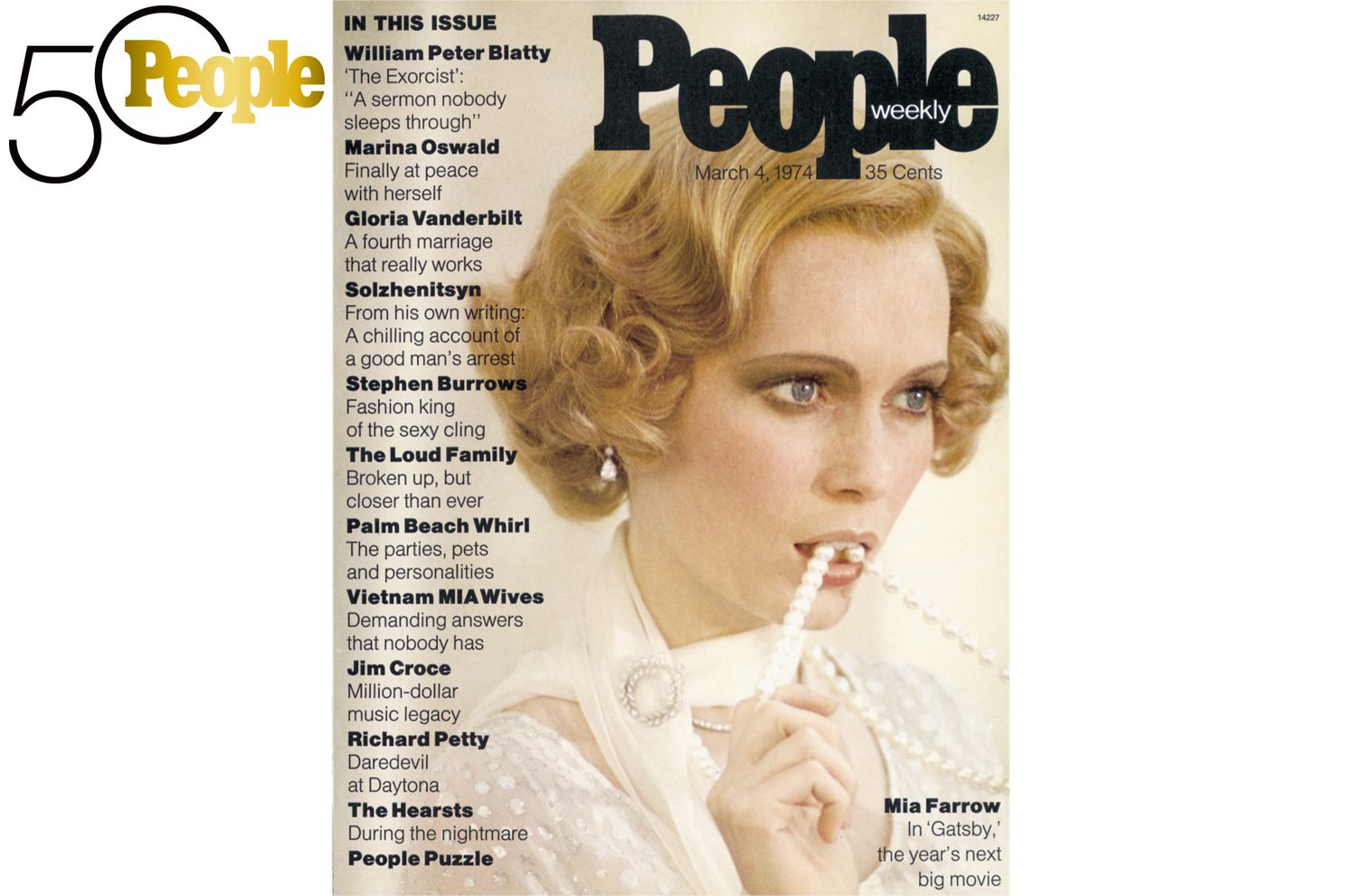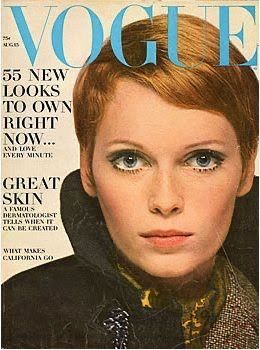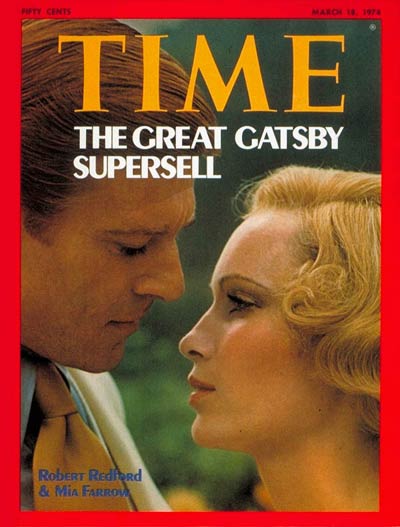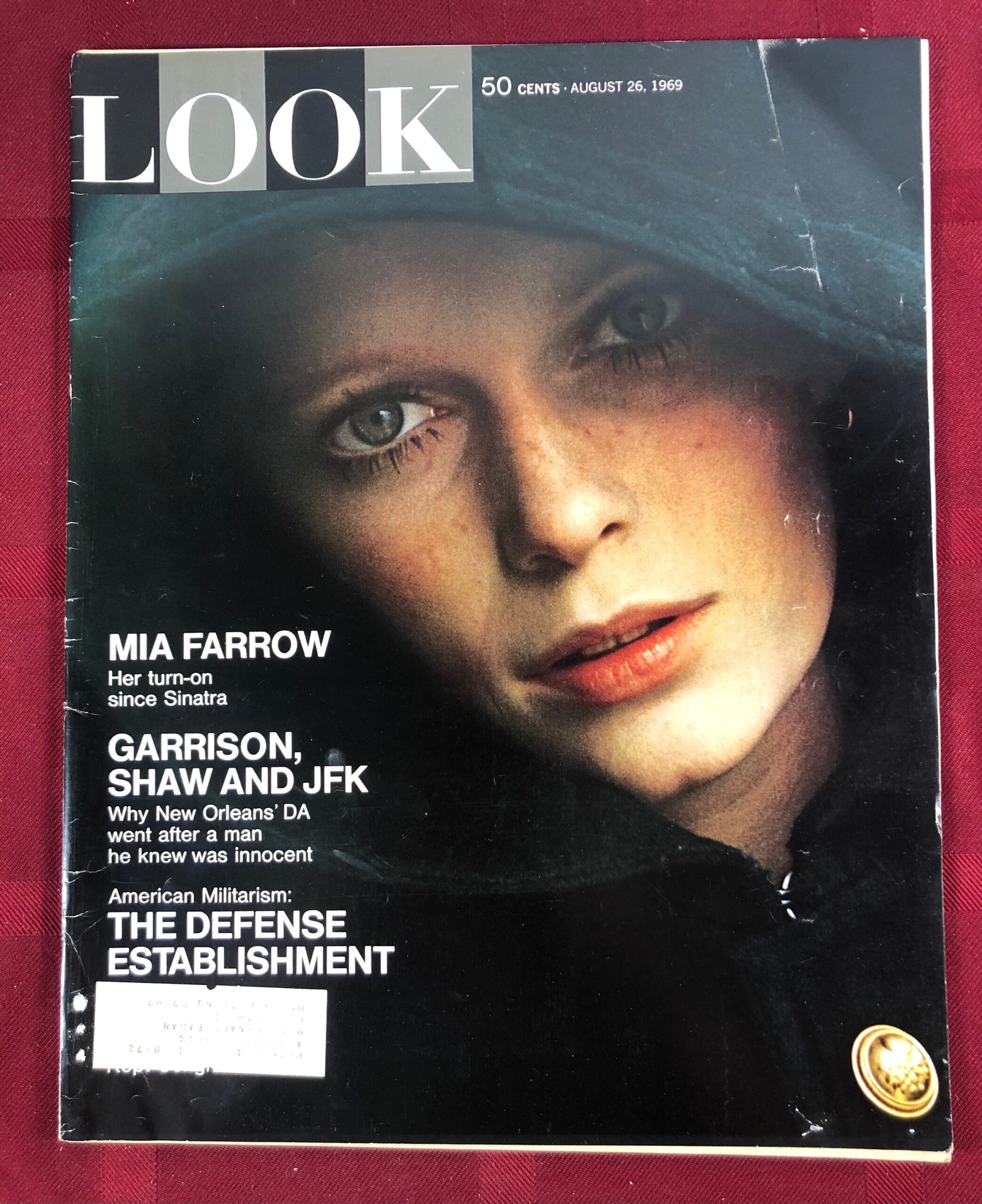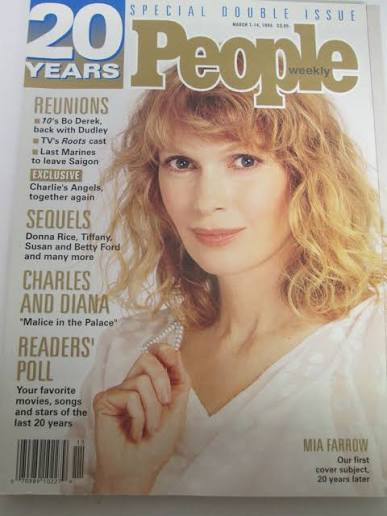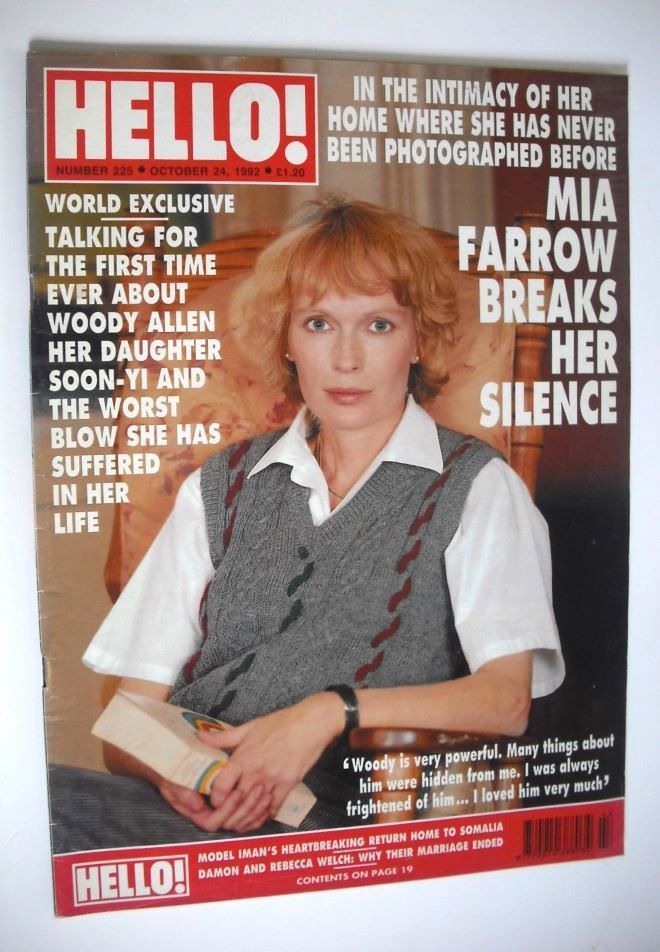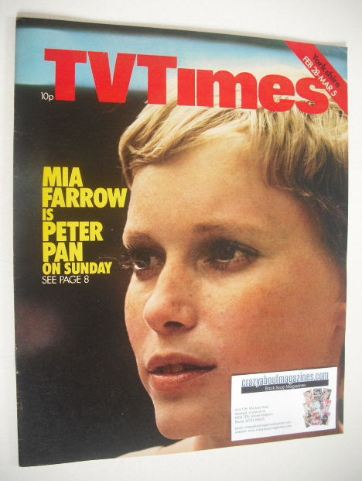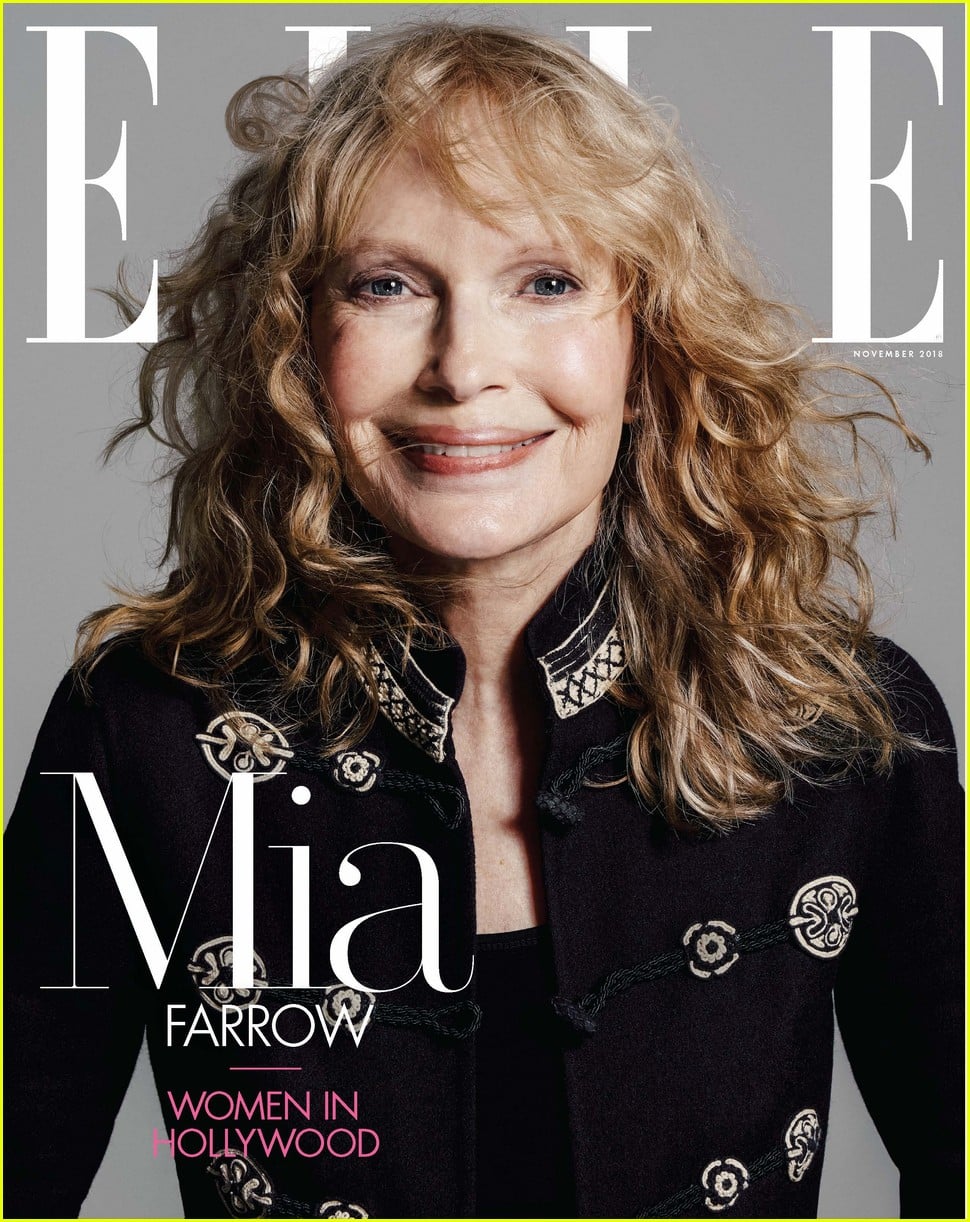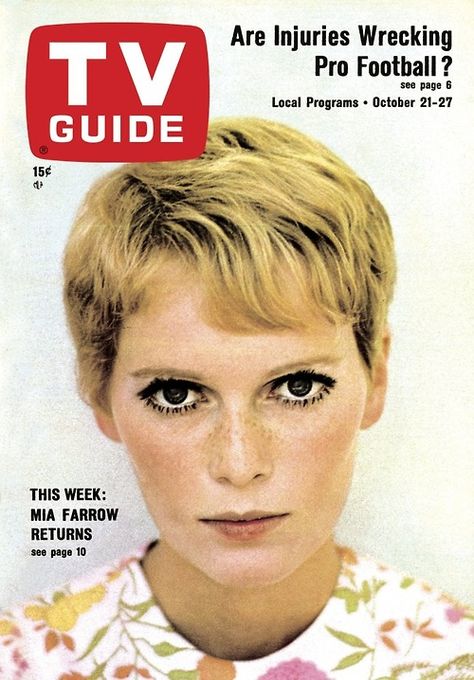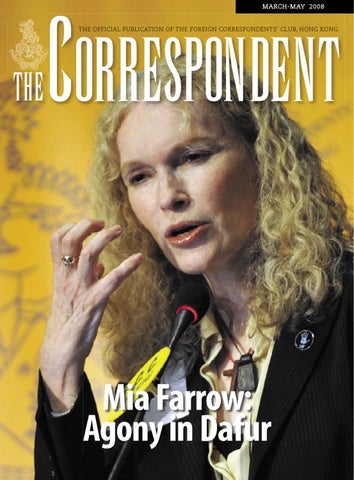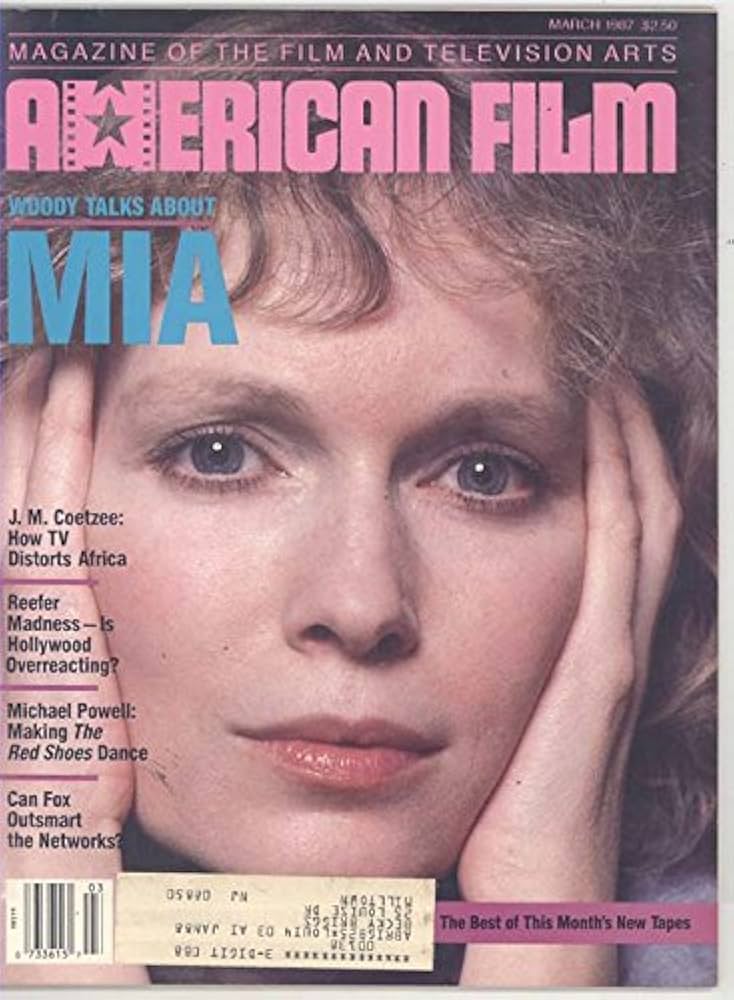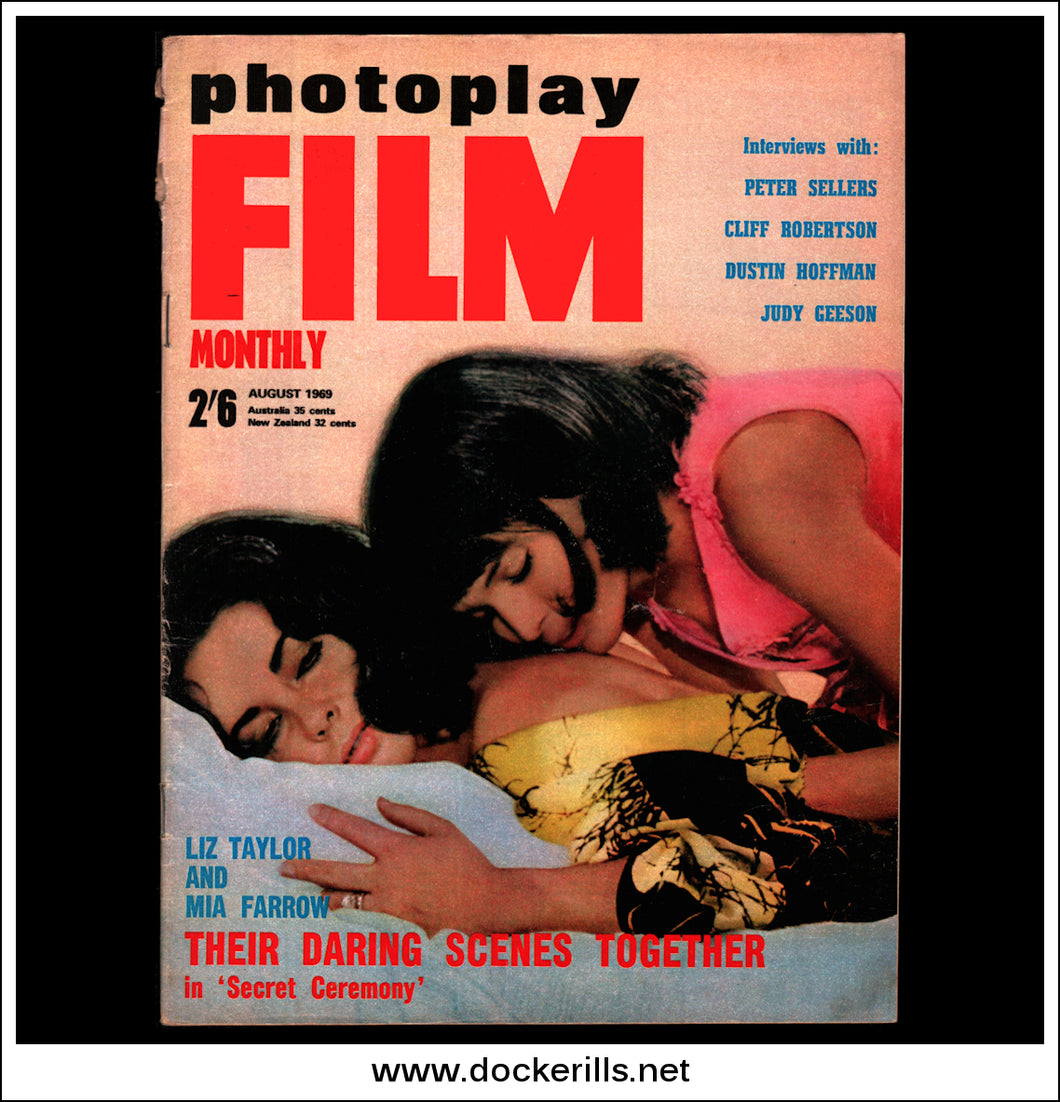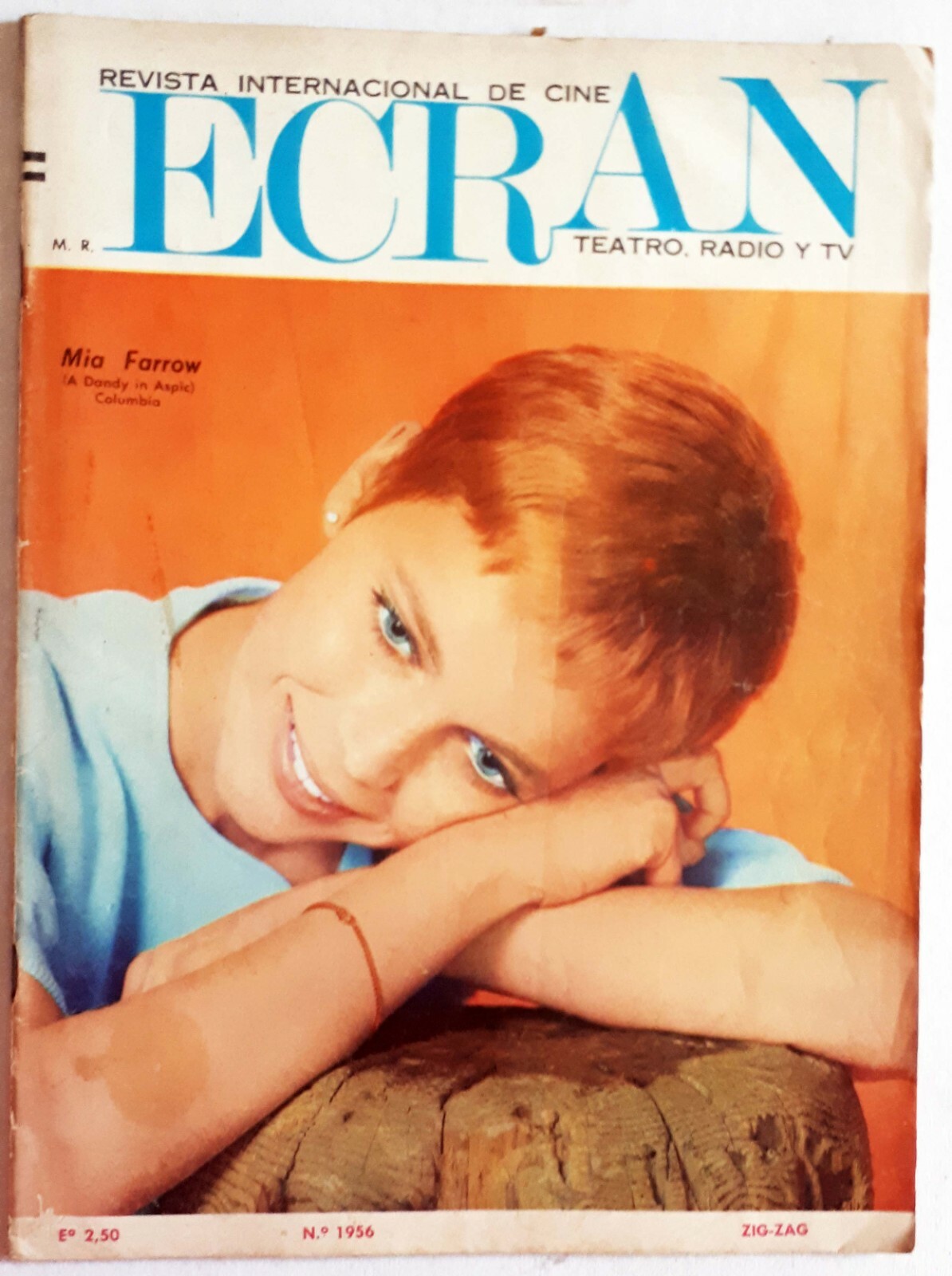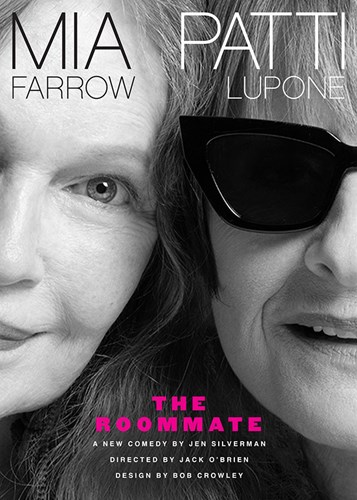

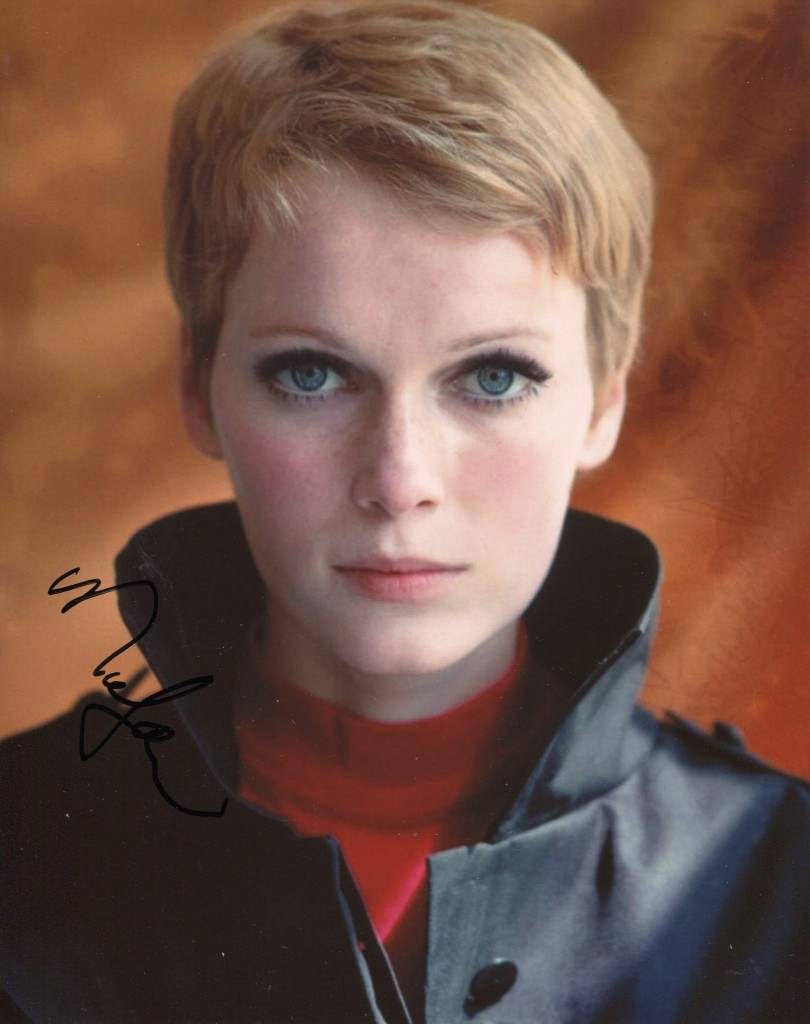
Mia Farrow is the daughter of Hollywood’s aristocracy, being the daughter of Irish actress Maureen O’Sullivan and the Australian film director John Farrow.
Mia Farrow (born 1945) is a figure of ncinematic and cultural complexity. Often characterized by her “ethereal” and “waif-like” appearance, her career is a testament to a resilient, steel-nerved talent that navigated the transition from the twilight of Old Hollywood to the neurosis of the New York art-house scene.
Her acting is defined by a transparency—a rare ability to appear entirely unprotected on screen, making her one of the most effective conduits for psychological horror and high-concept drama.
Career Overview: From Peyton Place to The Berkshires
1. The Television Breakthrough (1964–1966)
Farrow became an overnight sensation as Allison MacKenzie in the prime-time soap Peyton Place. Her departure from the show to marry Frank Sinatra made her a permanent fixture of the global paparazzi, but it was her talent that secured her longevity.
2. The Horror Icon: Rosemary’s Baby (1968)
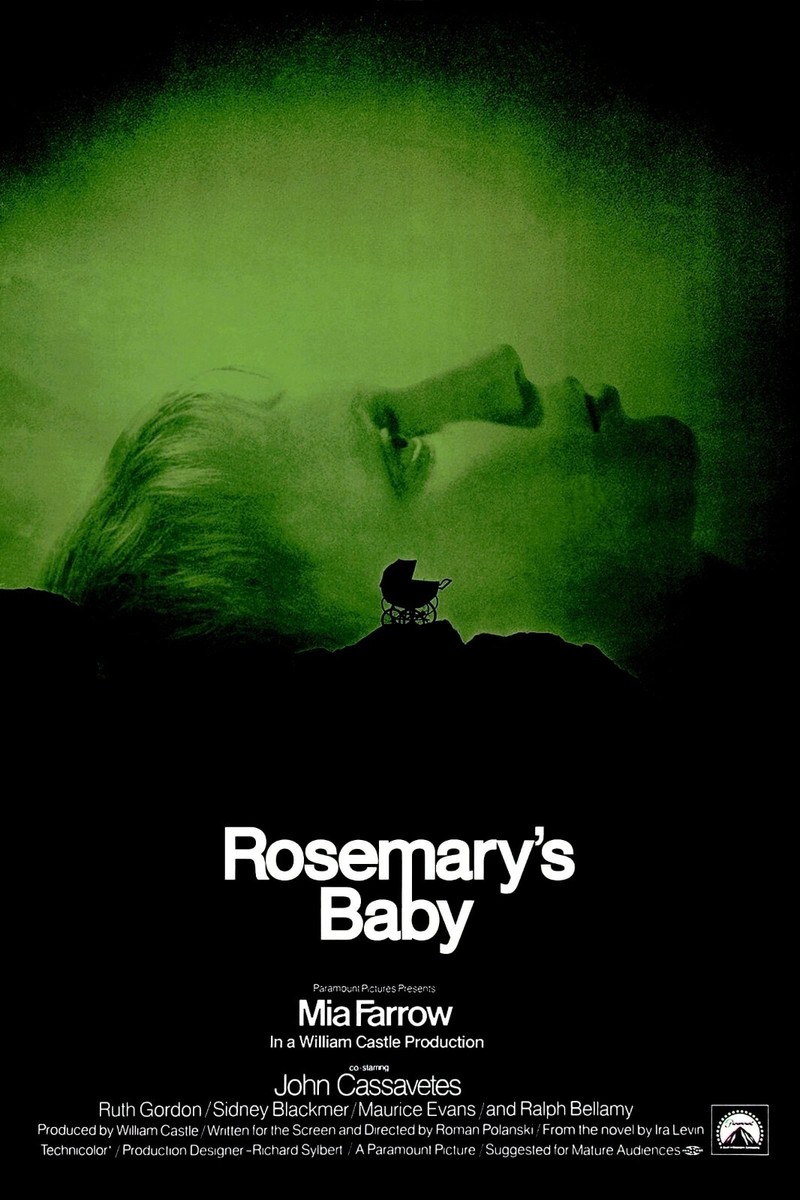
Under the direction of Roman Polanski, Farrow delivered one of the most influential performances in the history of the genre. As Rosemary Woodhouse, she became the face of “Gaslighting,” portraying a vulnerability that felt painfully authentic.
3. The Woody Allen Era (1982–1992)
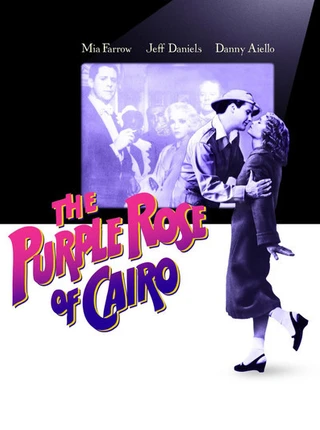
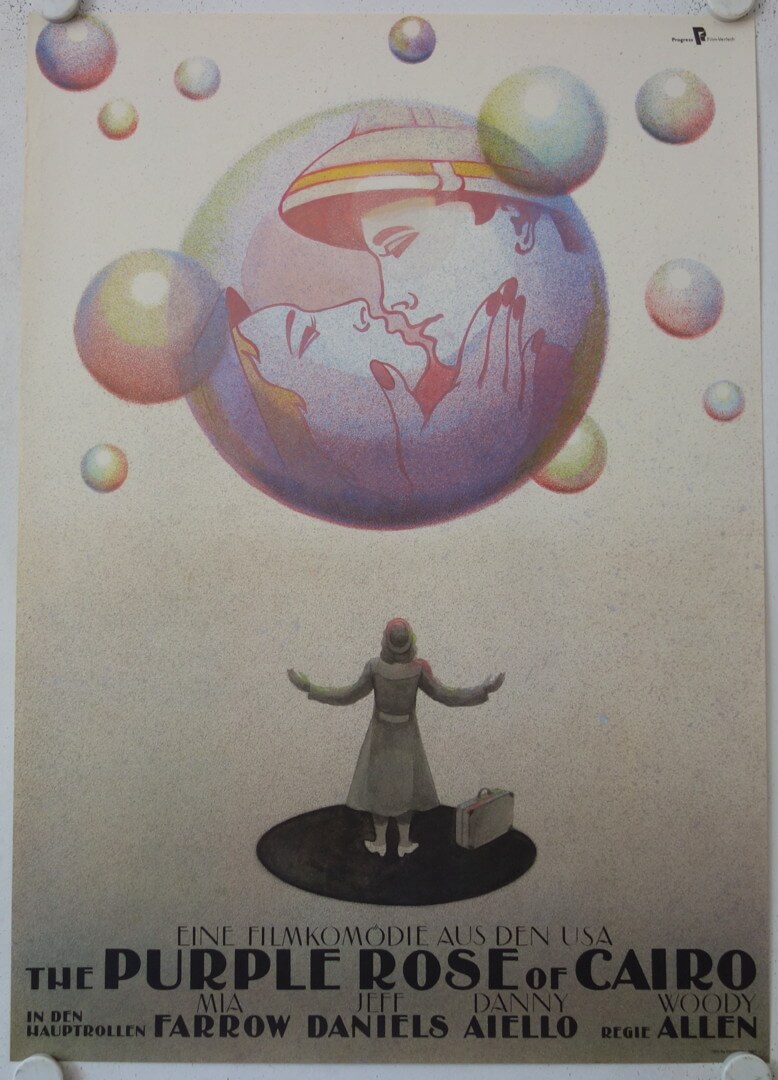
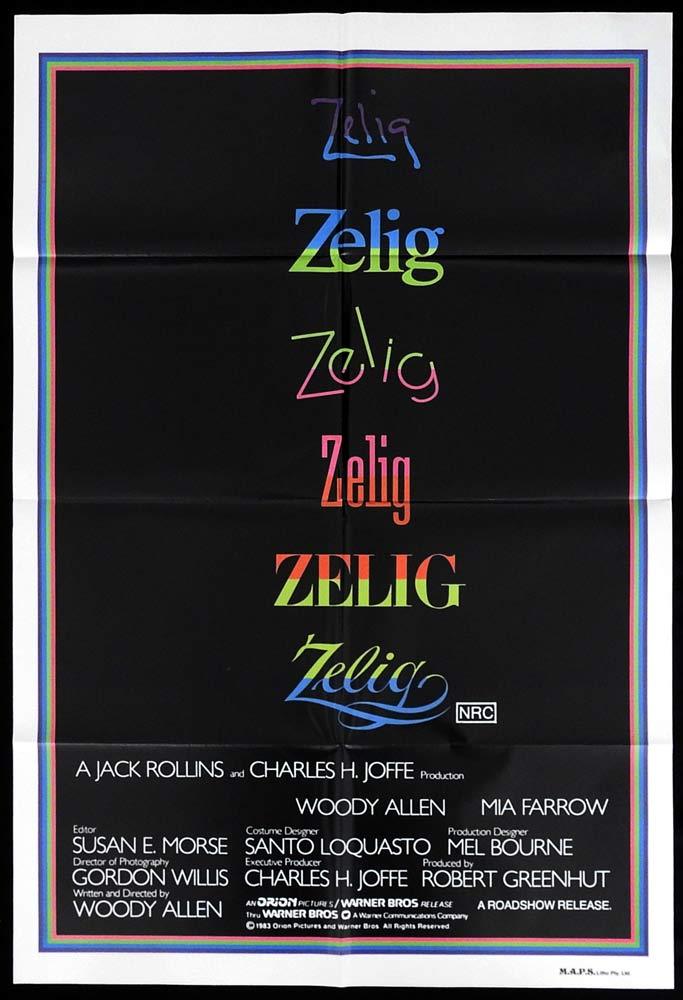
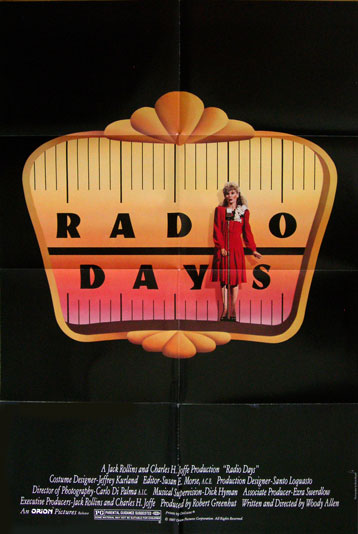
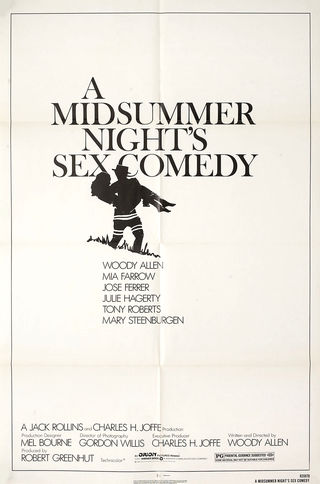
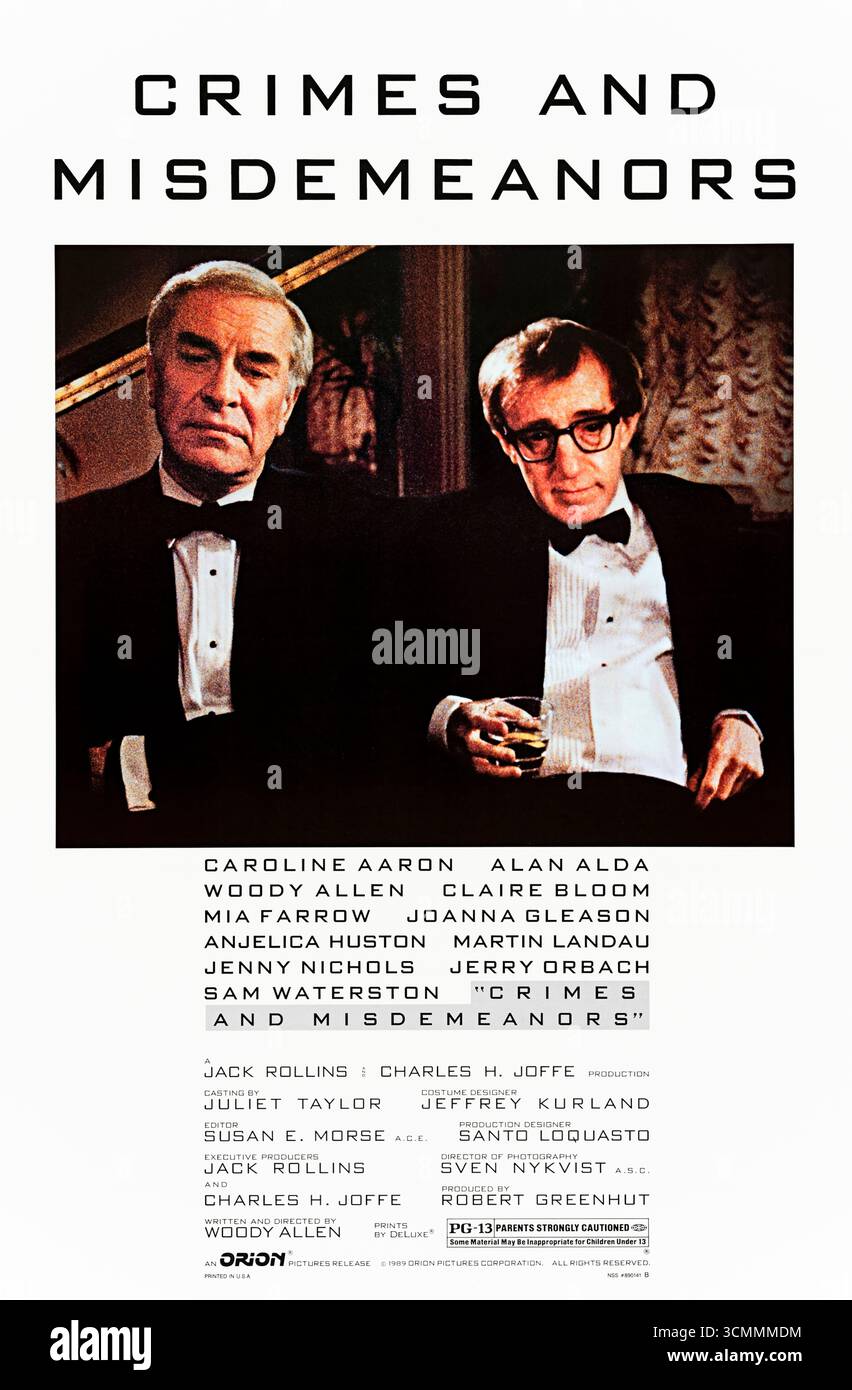
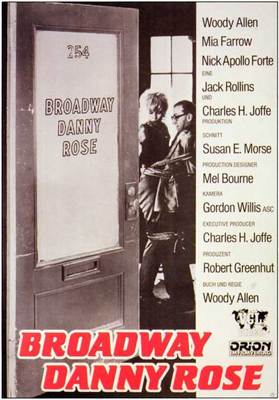
Farrow’s most prolific period was her thirteen-film collaboration with Woody Allen. During this decade, she transformed from a dramatic ingenue into a versatile character actress, mastering everything from slapstick comedy in Broadway Danny Rose (1984) to the tragic elegance of The Purple Rose of Cairo (1985).
4. The Later Years and Advocacy
In the wake of her highly publicized personal turmoils, Farrow shifted her focus toward humanitarian work (UNICEF). However, she continued to deliver sharp supporting turns, notably in the 2006 remake of The Omenand the Netflix series The Watcher (2022).
Detailed Critical Analysis: The “Steel Waif”
1. The Architecture of Vulnerability: Rosemary’s Baby
Farrow’s performance in Rosemary’s Baby is a masterclass in physical deterioration.
Analysis: Farrow famously ate raw liver for the role (despite being a vegetarian) and walked into real New York traffic to capture Rosemary’s disorientation. Critics note that her “bird-like” frame made the character’s pregnancy look like a literal parasitic invasion. She didn’t play “fear”; she played eroding sanity. Her performance grounded the supernatural elements in a terrifyingly recognizable domestic reality.
2. The Chameleon of the Allen Era
The most striking aspect of Farrow’s work with Woody Allen was her tonal range.
Critical Insight: In Zelig (1983), she played a starchy, intellectual psychiatrist; in Broadway Danny Rose, she was unrecognizable as a brassy, sunglasses-wearing mob mistress. Critics hailed her for her lack of vanity. Unlike many stars of her stature, Farrow was willing to hide her famous face behind wigs and accents to serve the character’s internal logic.
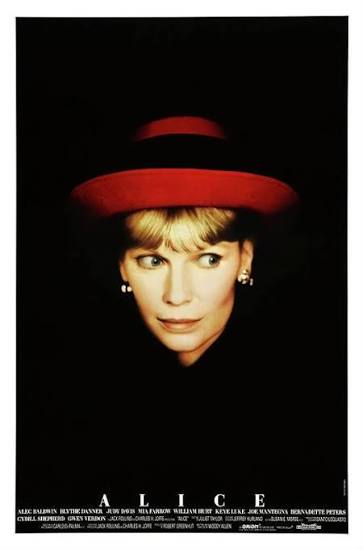
The “Alice” Effect: In Alice (1990), she played a pampered Manhattanite finding her soul through magic herbs. This performance showcased her metaphysical lightness—a quality that allowed her to play characters who felt slightly “untethered” from the real world.
3. The “Silent Film” Face
Critics have often compared Farrow’s face to those of the silent era (Lillian Gish or Bessie Love).
Technical Analysis: Farrow possesses incredibly expressive, oversized eyes that function as a cinematic barometer. In The Purple Rose of Cairo, the final shot of her face watching a movie screen—moving from heartbreak to a flickering, desperate hope—is often cited as one of the greatest close-ups in film history. She is an actress who can tell an entire story without a single line of dialogue.
4. The Subversion of the “Victim”
While she often played characters who were being manipulated, Farrow’s performances always contained a core of resilience.
Critical View: Whether it was Rosemary fighting for her child or Cecilia in Purple Rose surviving a drab life, Farrow never played “weak.” She played “sensitive,” which is a distinct difference. Her characters often have a quiet, internal moral compass that remains intact even when their world collapses.
Key Credits & Critical Milestones
| Year | Title | Role | Significance |
| 1968 | Rosemary’s Baby | Rosemary Woodhouse | Golden Globe nominee; established her as a major star. |
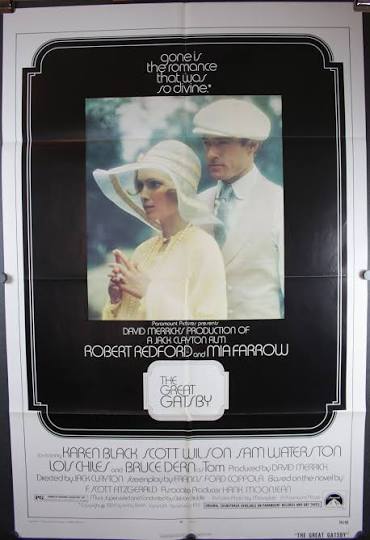
| 1974 | The Great Gatsby | Daisy Buchanan | A polarizing but visually definitive portrayal of the icon. |
| 1985 | The Purple Rose of Cairo | Cecilia | BAFTA and Golden Globe nominee; a peak of her Allen era. |
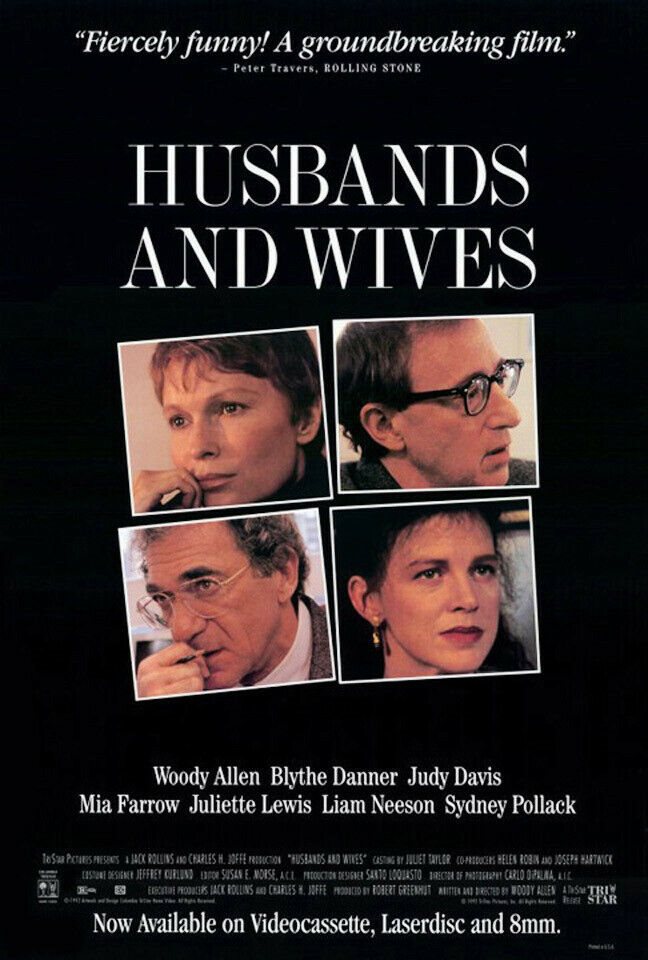
| 1992 | Husbands and Wives | Judy Roth | A raw, documentary-style performance of marital decay. |
| 2022 | The Watcher (TV) | Pearl Winslow | Showcased her late-career ability to play “unsettling” roles. |
Mia Farrow brought a delicate, high-art sensibility to the mainstream, proving that a “quiet” screen presence could be just as commanding as a loud one. Her legacy is one of unflinching emotional honesty; she allowed the audience to see the cracks in her characters’ psyches, making her one of the most relatable and haunting performers of the 20th century