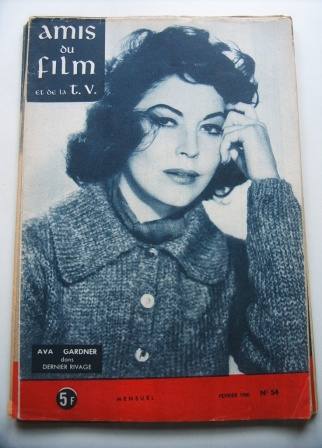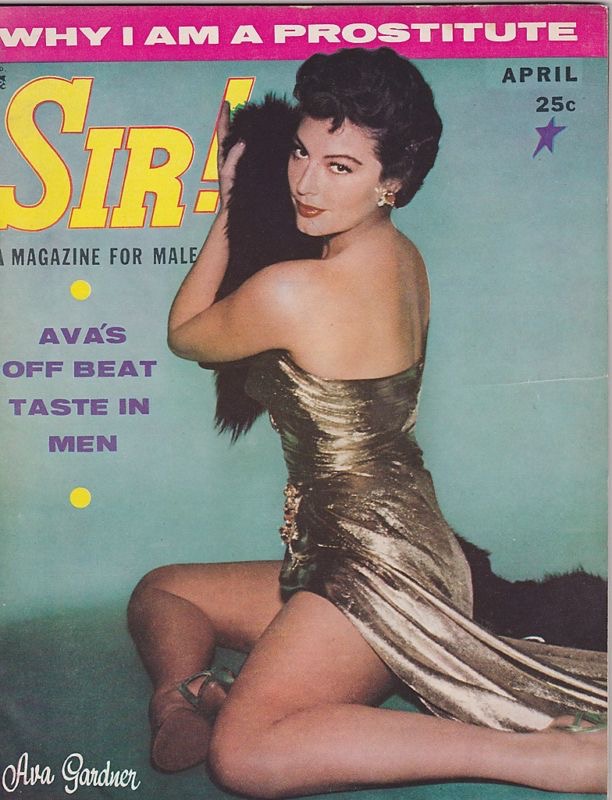

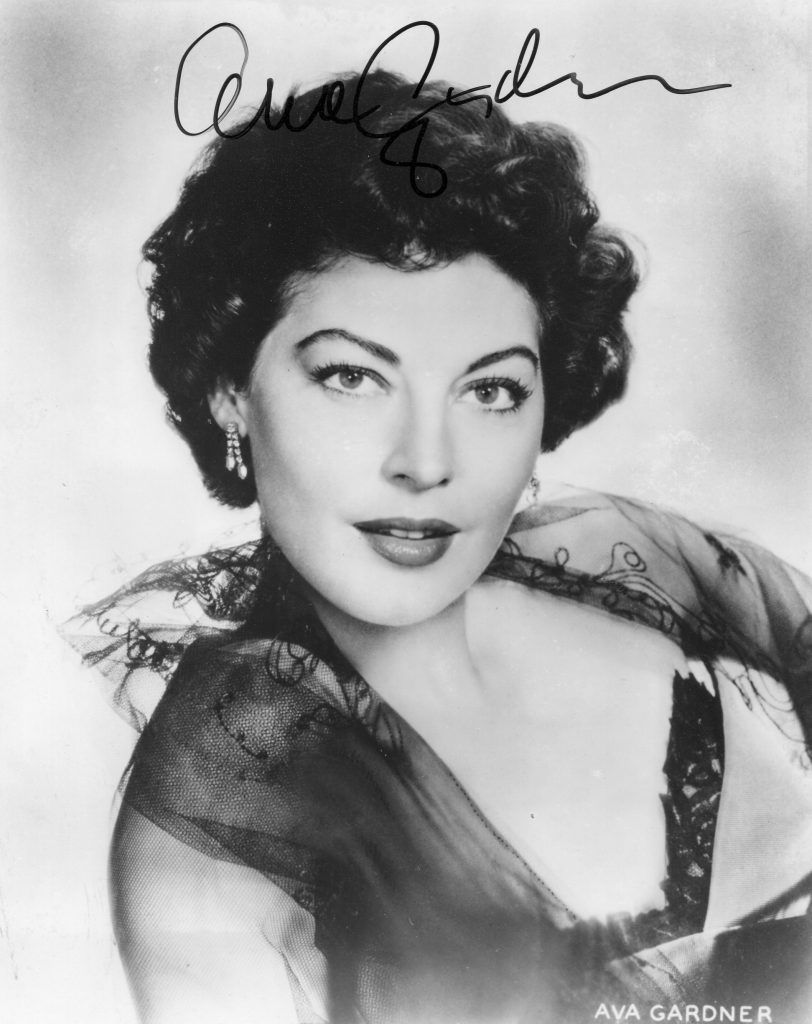
New York times obituary in 1990.
Ava Gardner, a North Carolina sharecropper’s daughter who became one of the most bewitching movie actresses in the world, died of pneumonia yesterday at her home in the Kensington section of London. She was 67 years old.
The star’s death was announced by Paul Mills, a longtime friend and film producer, who said she had been ill for some time, particularly with respiratory problems, and had a stroke more than three years ago.
The actress had lived quietly in London for more than 30 year after being hounded for decades by photographers and reporters who publicized her marriages to Mickey Rooney, the band leader Artie Shaw and Frank Sinatra and her flamboyant escapades with matadors, international playboys and writers.
Working on Her Memoirs
Miss Gardner, who had been completing her memoirs, said in a recent interview, ”If you don’t tell your side, the self-appointed biographers step in, adding to the abysmal lies“.
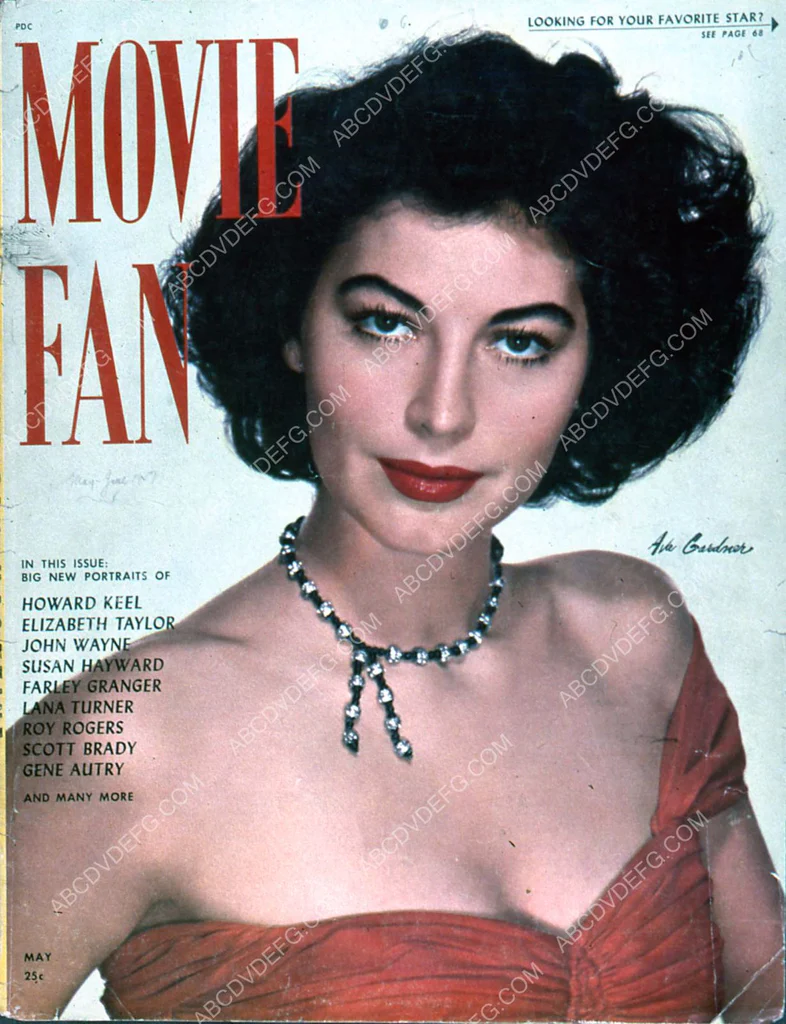
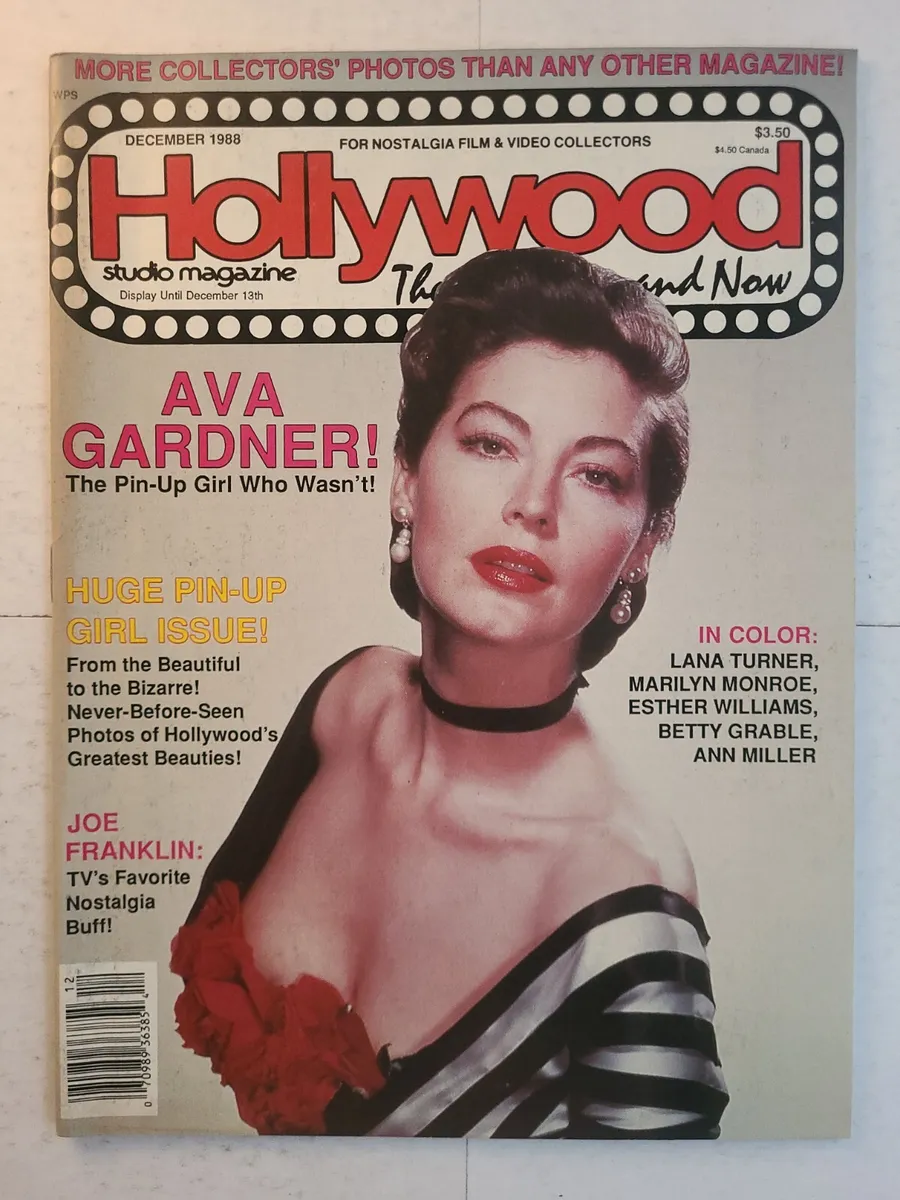
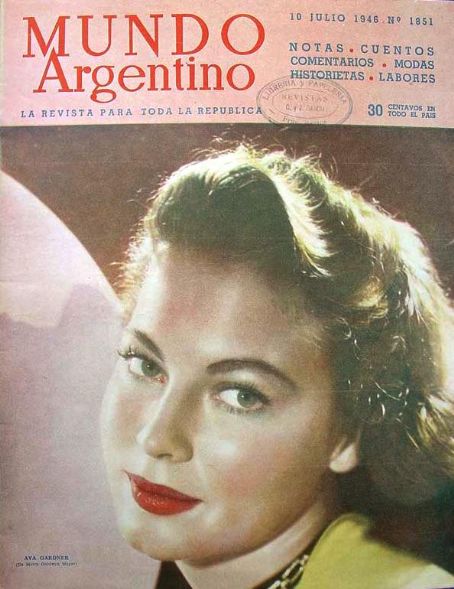
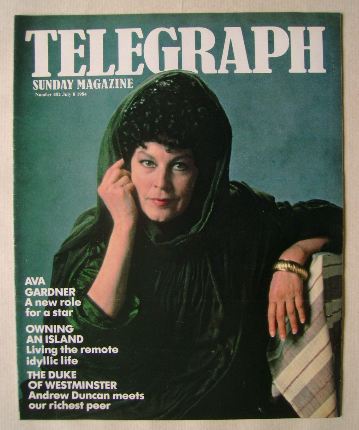
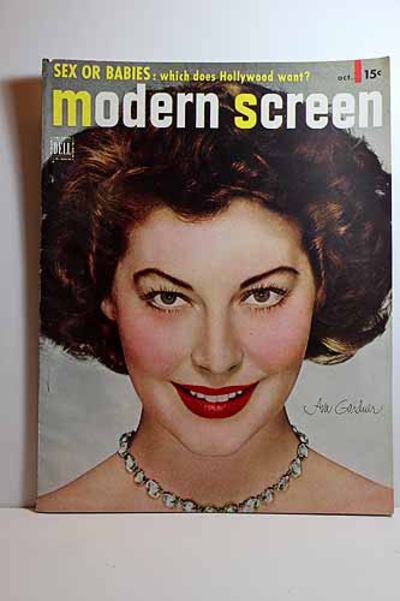
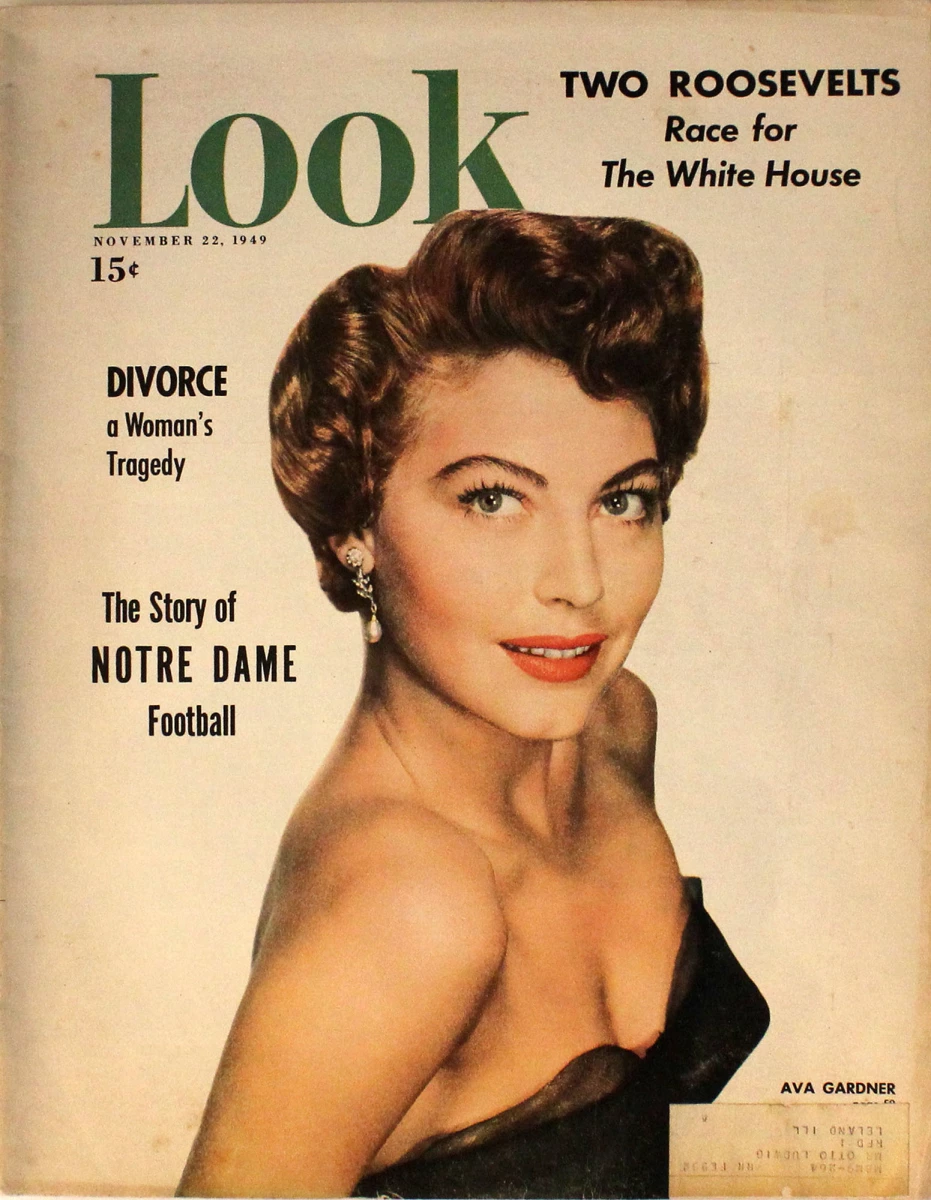
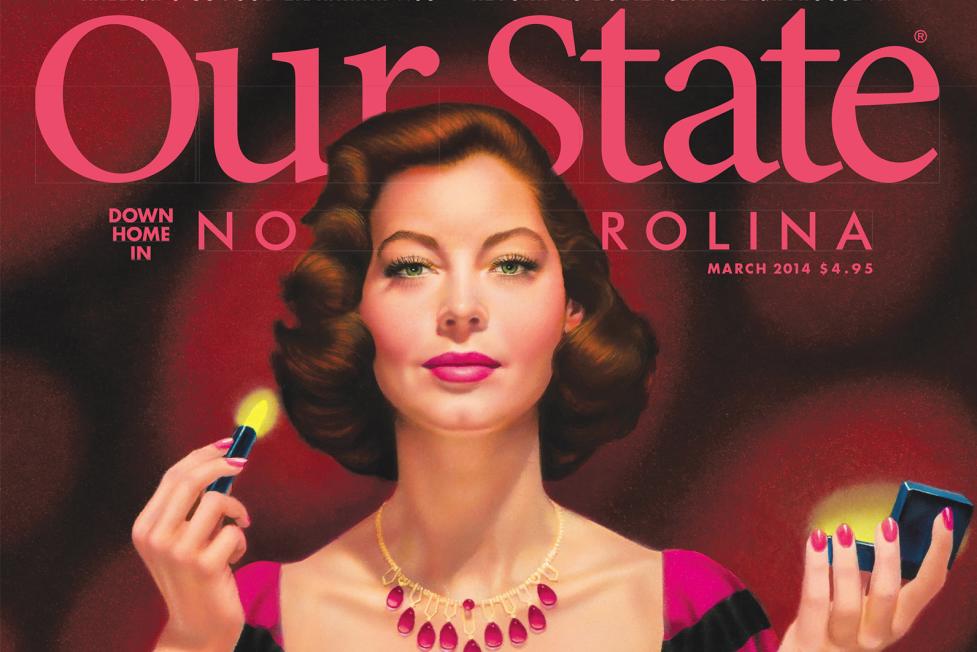
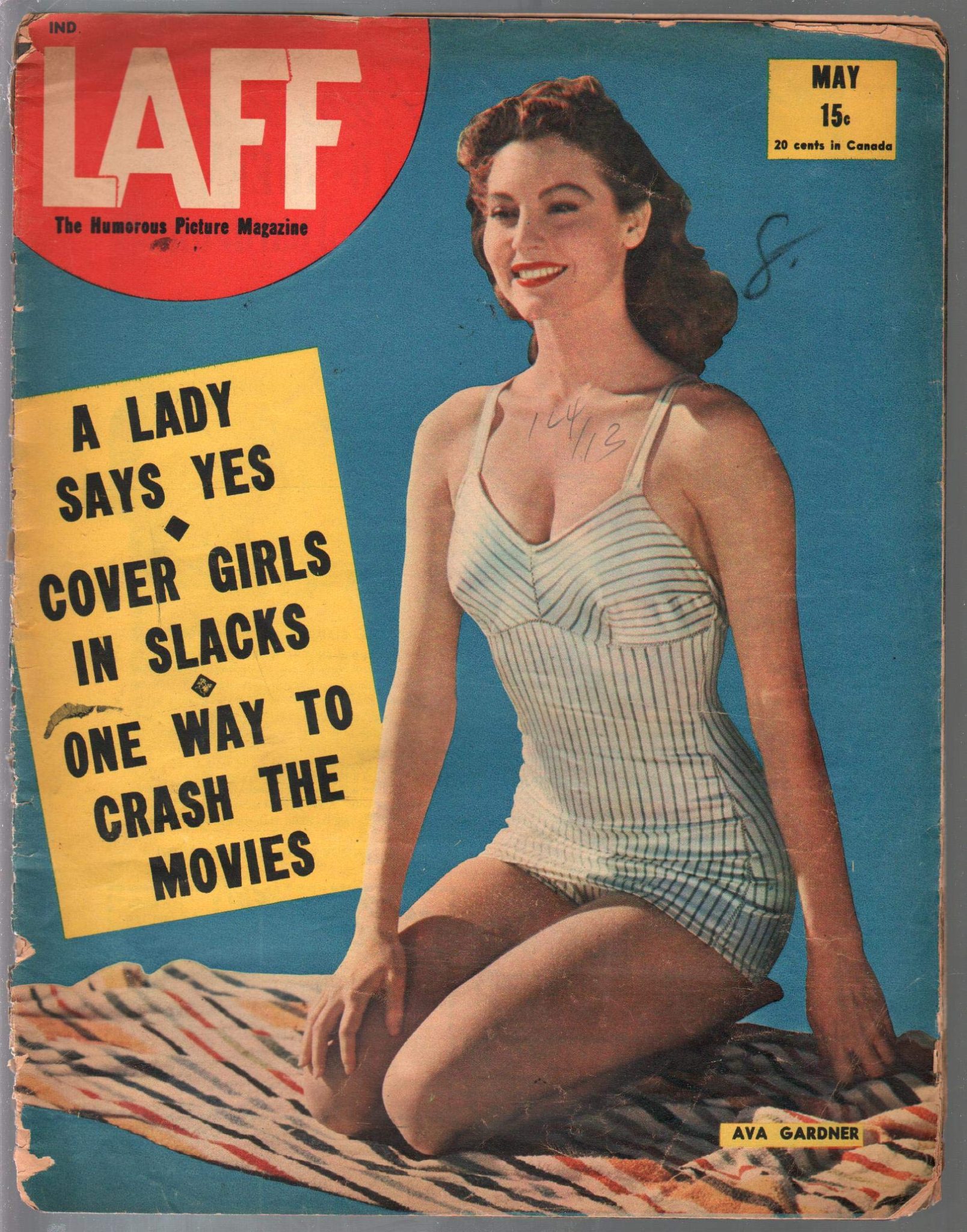
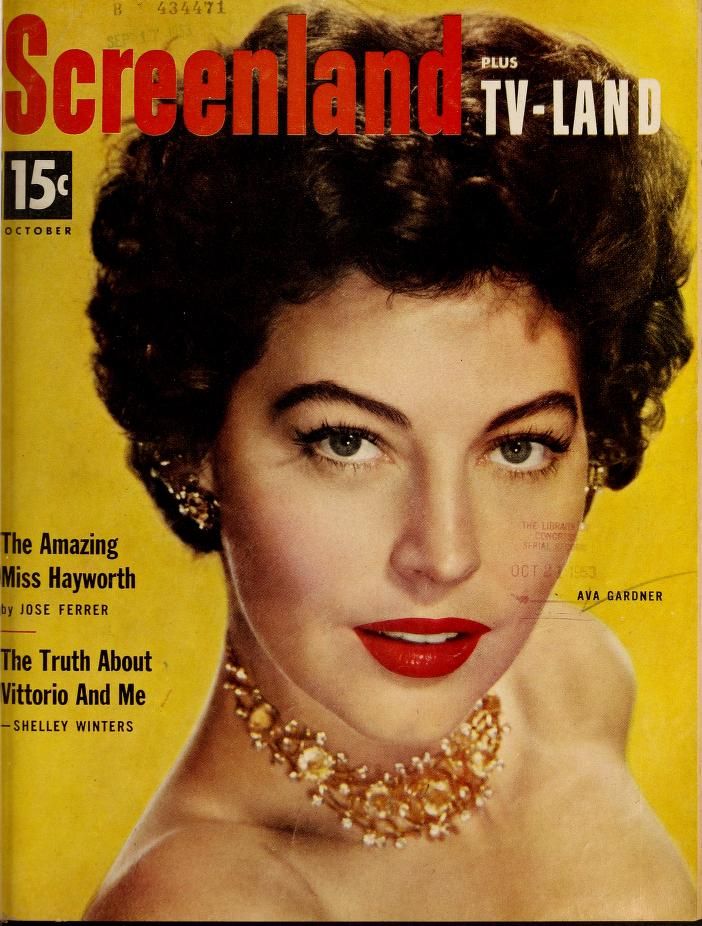
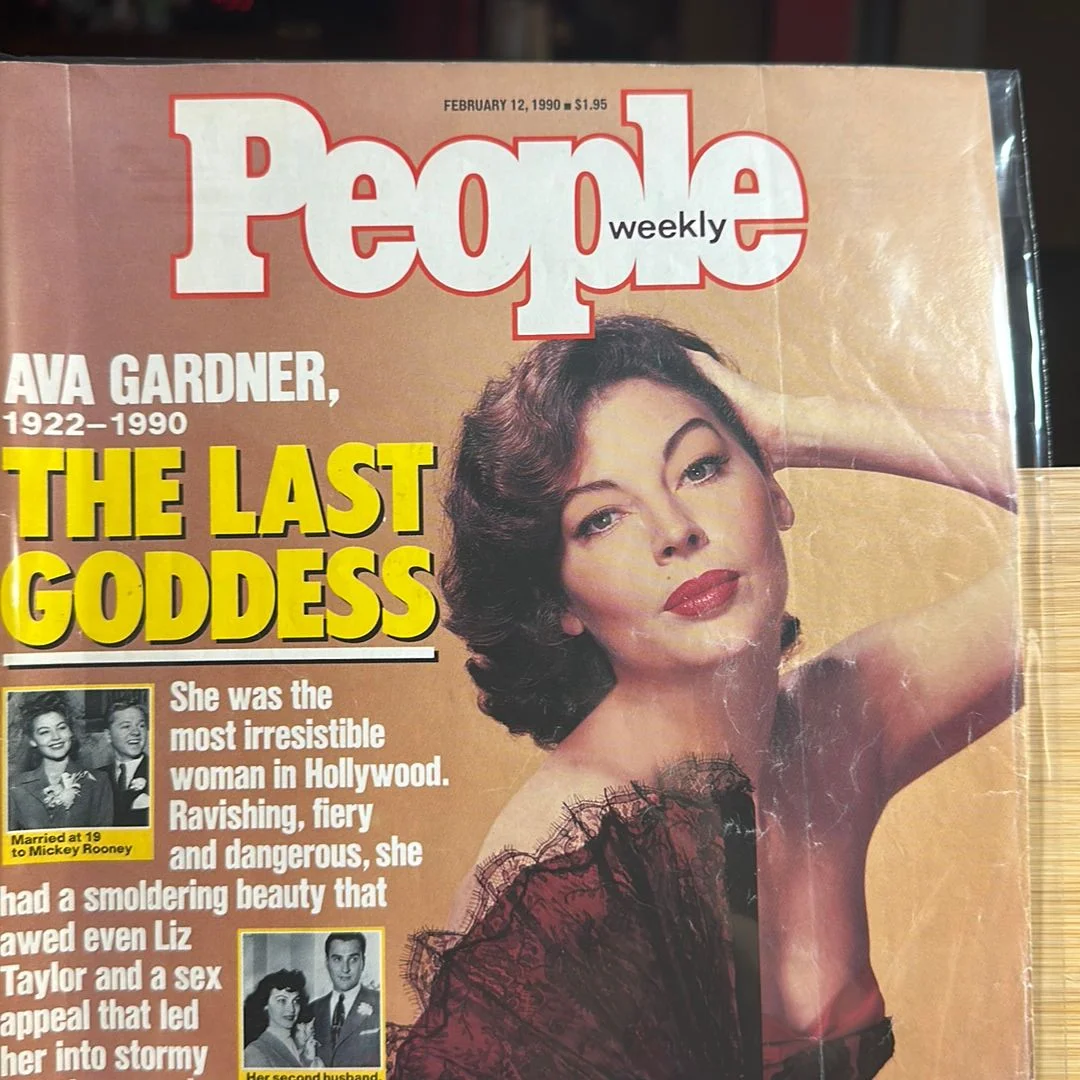
The actress, whose green eyes, chestnut hair, high cheekbones and sensual lips made her eminently photogenic, was known for femme fatale portrayals.
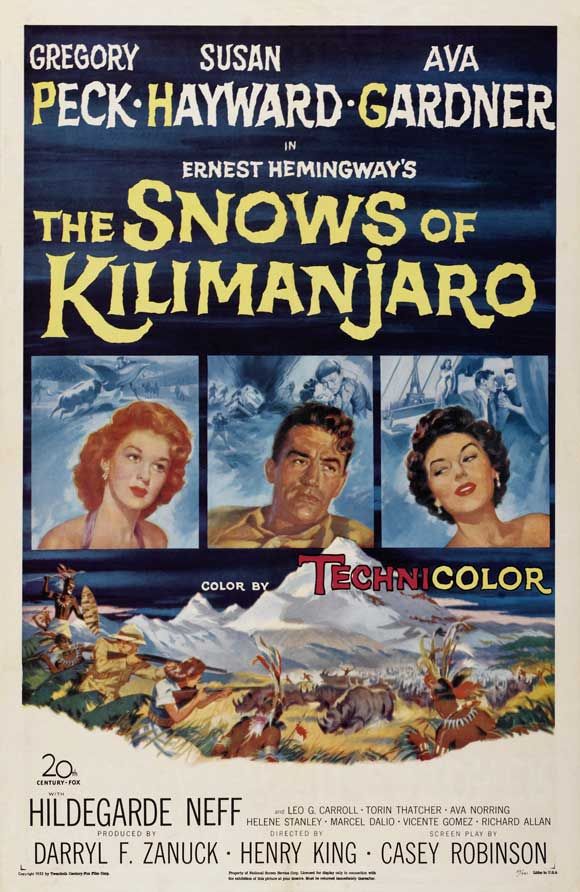
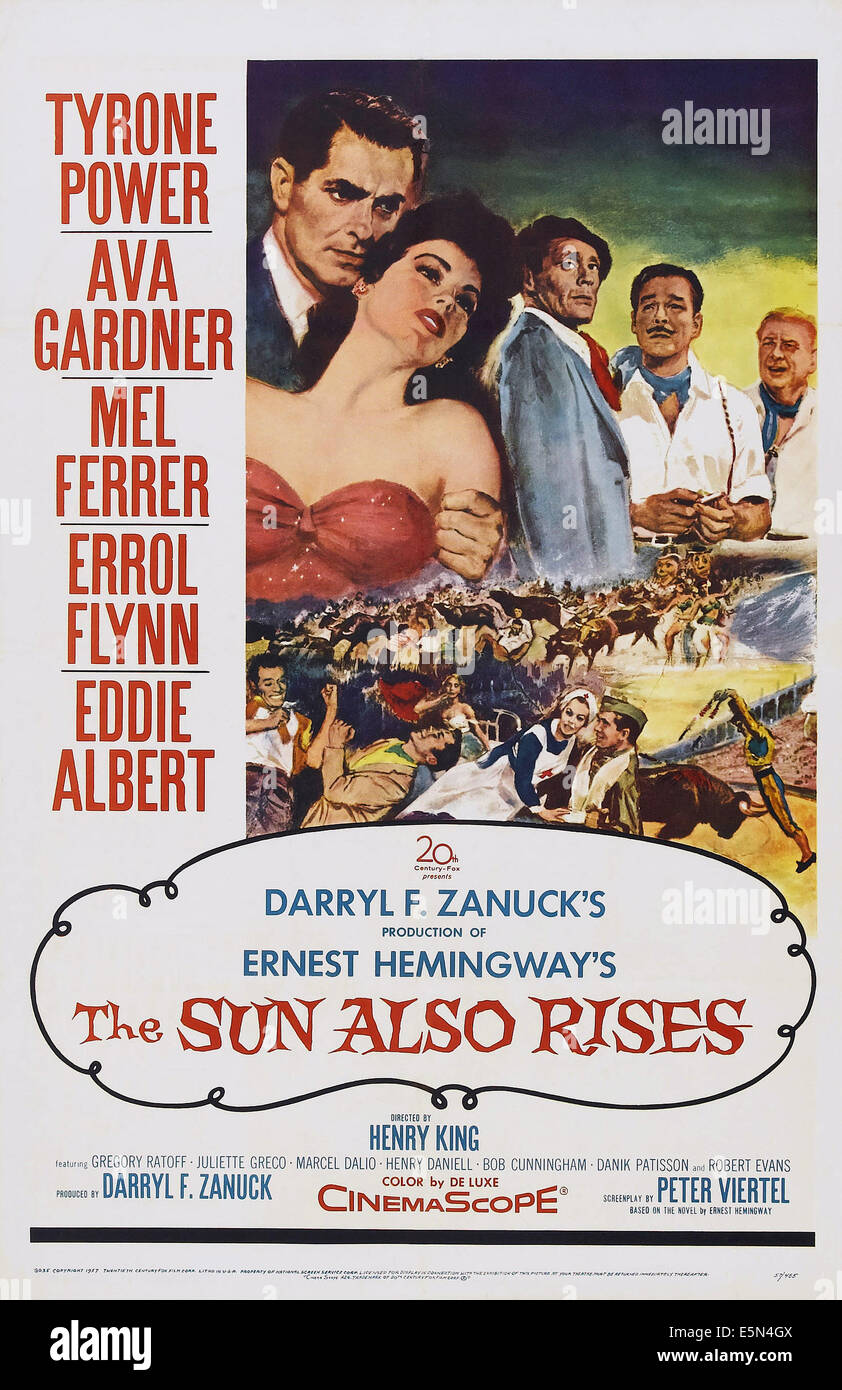
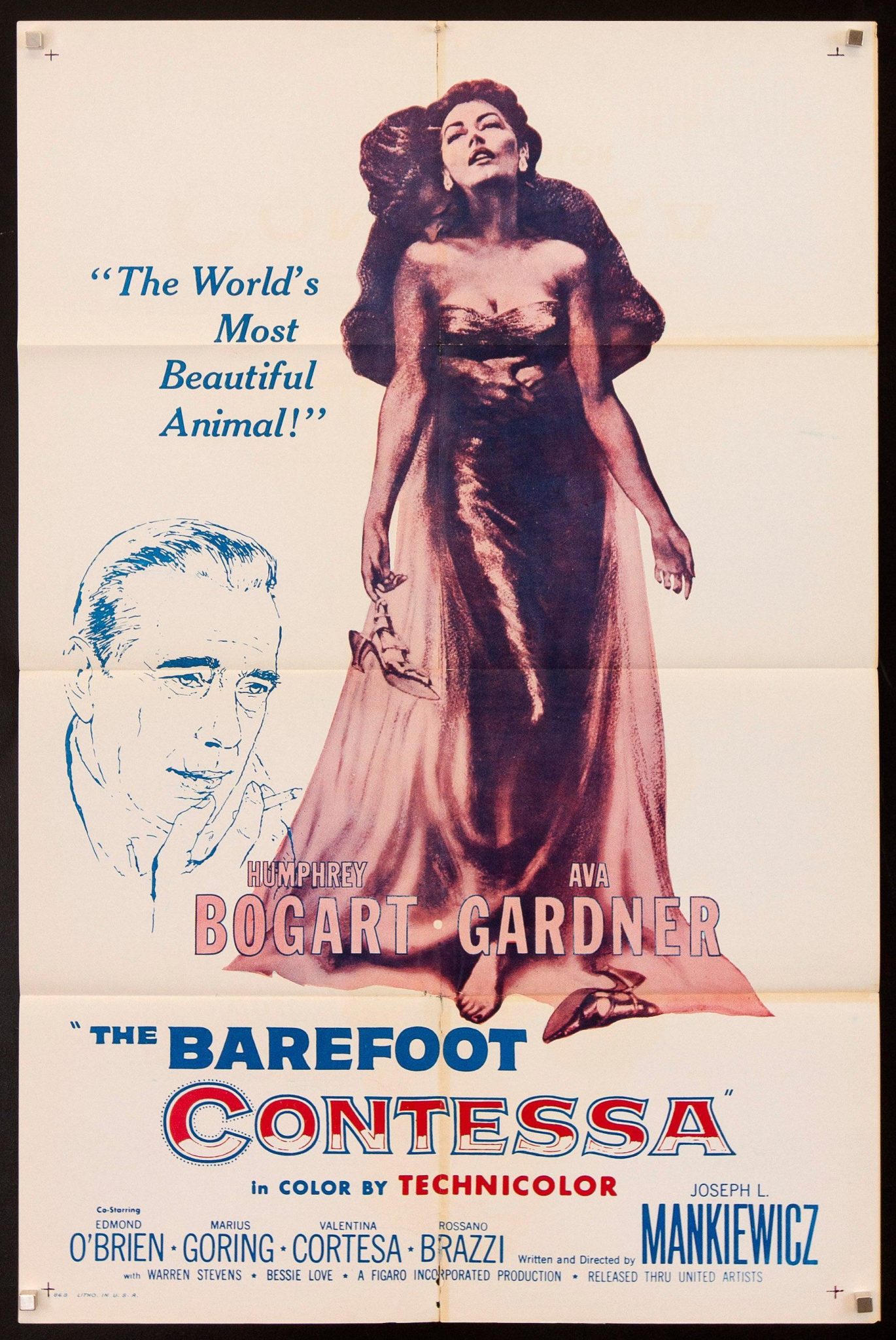
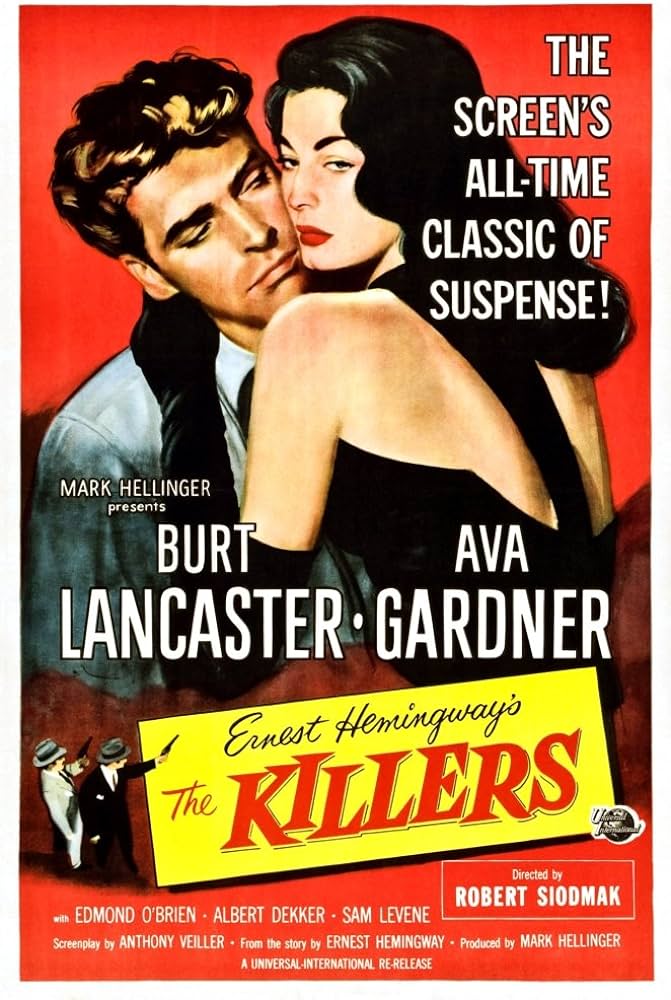
She brought a tigresslike seductiveness and a husky-voiced irreverence to roles as worldly, devil-may-care women, becoming adept at playing exotic vamps and free-spirited protagonists, as in films of such Ernest Hemingway stories as ”The Killers” (1946), ”The Snows of Kilimanjaro” (1952) and ”The Sun Also Rises” (1957). In the loosely autobiographical ”Barefoot Contessa” (1954), she played a fiery dancer who becomes a movie star.
Praise for Later Roles
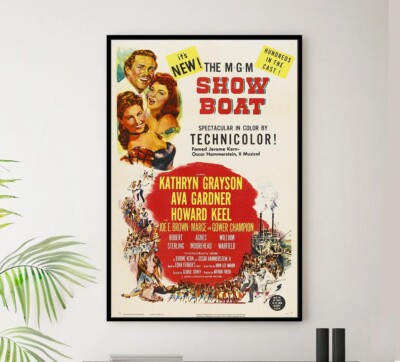
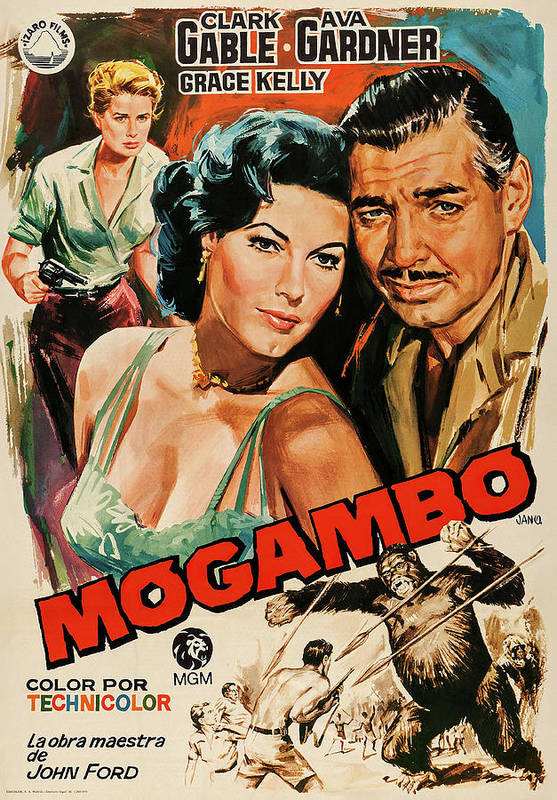
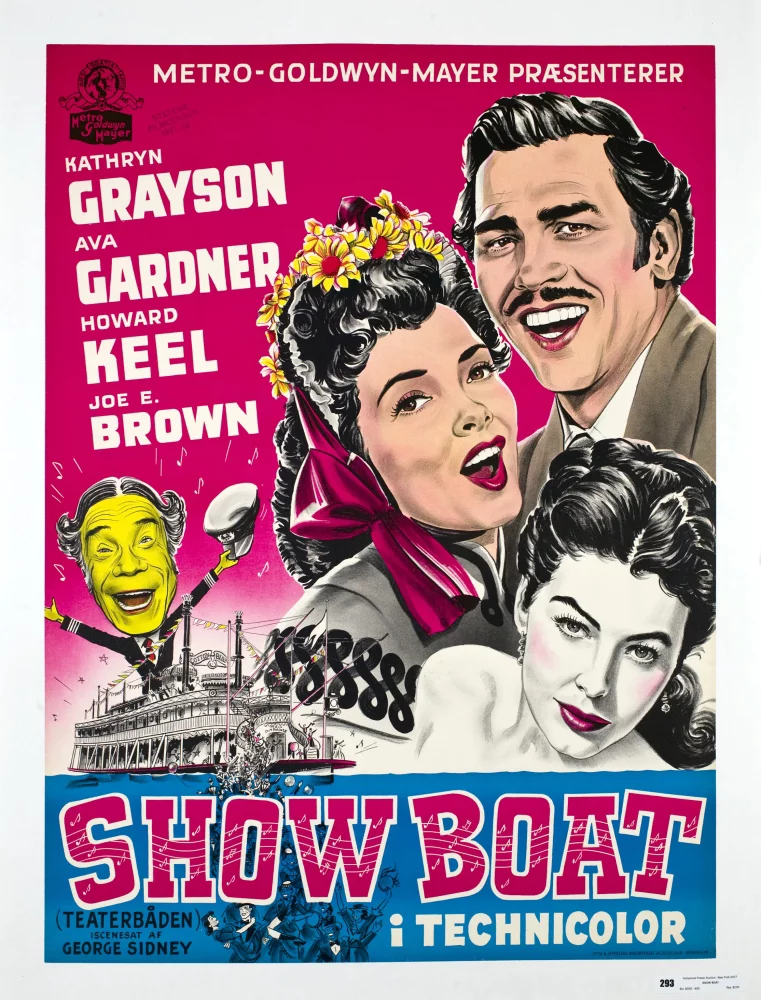
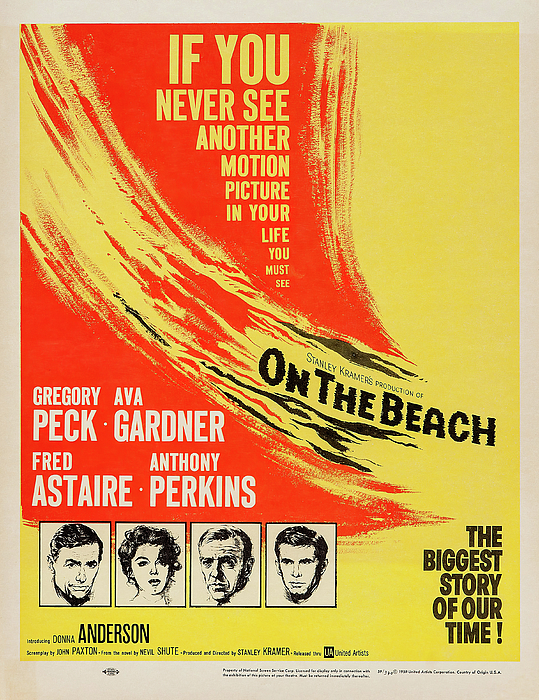
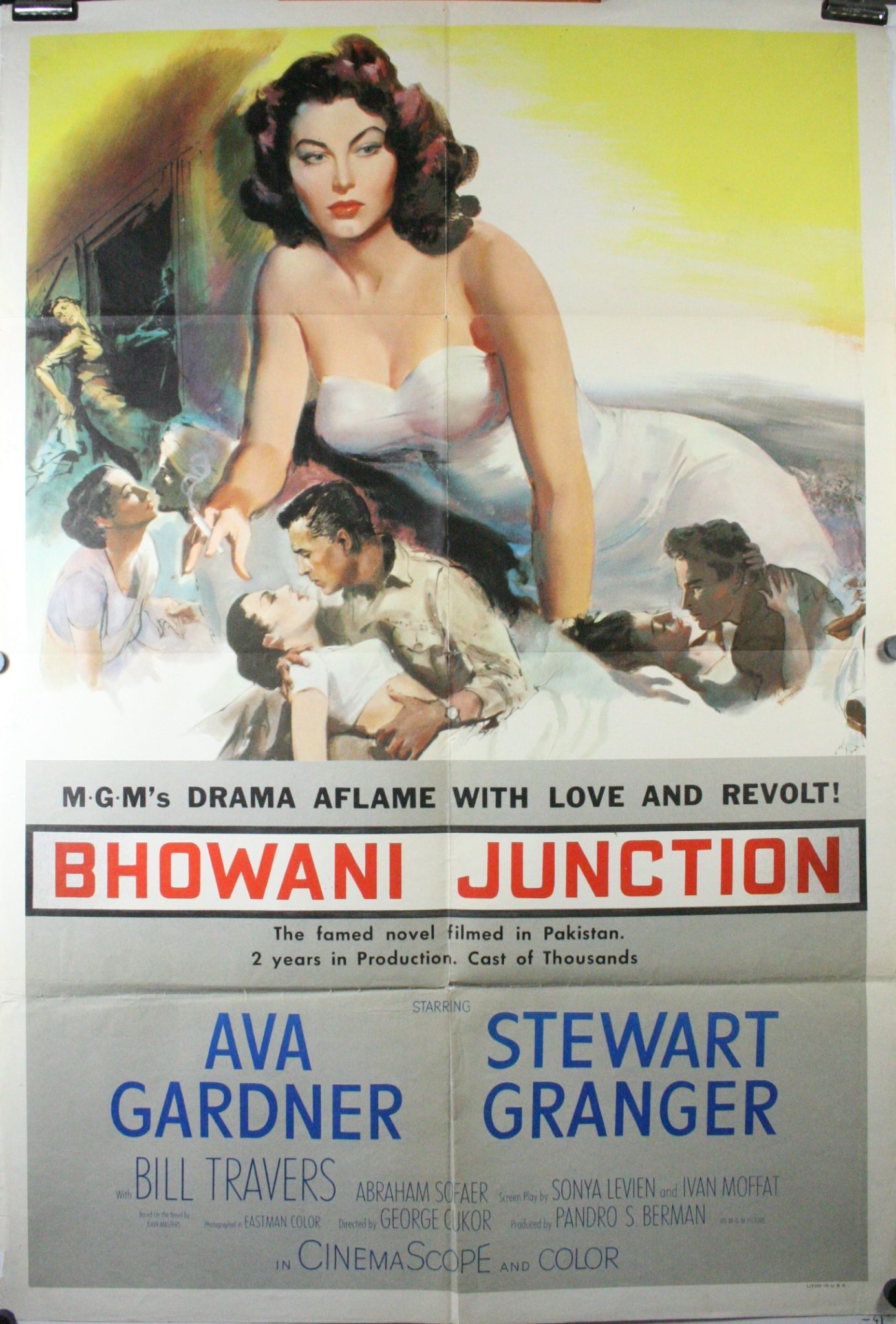
She portrayed torch singers in ”The Hucksters” (1947) and ”Show Boat” (1951); an irrepressible playgirl in ”Mogambo” (a 1953 role for which she won an Academy Award nomination); a tormented Anglo-Indian in ”Bhowani Junction” (1956); a thoughtful cosmopolitan in ”On the Beach” (1959), and a blowsy innkeeper in the film of Tennessee Williams’s ”Night of the Iguana” (1964).
Although she was mainly decorative in most of her early roles and many reviewers said her acting range was narrow, she won wide praise for many later performances. Nonetheless, she consistently denigrated her talent, remarking to a 1985 interviewer: ”Listen, honey, I was never really an actress. None of us kids who came from M-G-M were. We were just good to look at.”
Poverty in Childhood
Ava Lavinia Gardner was born on Dec. 24, 1922, in Grabton, a poor community outside Smithfield, N.C., to Jonas Bailey Gardner, a tobacco and cotton farmer, and Mary Elizabeth Gardner. Her father died when she was 16, and her mother then managed a boardinghouse.
Her childhood was marked by poverty and a wardrobe so meager it prompted ridicule from schoolmates. She took commercial courses in high school, and an older brother paid her tuition so she could continue secretarial studies for a year at Atlantic Christian College in Wilson, N.C.
At 18, she visited her eldest sister, Beatrice, in New York City, on a journey that transformed her life. Her brother-in-law, Larry Tarr, a commercial photographer, took a portfolio of pictures of her and sent them to Metro-Goldwyn-Mayer. She was given a screen test in New York that was made without sound because of her heavy Southern drawl. The 1941 test won her a seven-year M-G-M contract and intensive diction lessons as well as a starlet’s standard classes in acting, calisthenics, makeup and fashion.
Her next five years were notable for tiny roles in a score of mostly forgettable movies, a blizzard of publicity pictures – and two brief marriages, to Mickey Rooney and Artie Shaw. Each marriage ended in separation after less than a year and finally in divorce.
The 69-year-old Mr. Rooney, upon learning of her death, said yesterday, ”My heart is broken with the loss of my first love.”
Stardom at 24
Miss Gardner later attributed the brevity of the first marriage to the couple’s youth and to other people’s domination of their lives. A press agent invariably accompanied them, even on their honeymoon. Of the second marriage, Miss Gardner said, Mr. Shaw insisted she read scores of books and insulted her intelligence in public
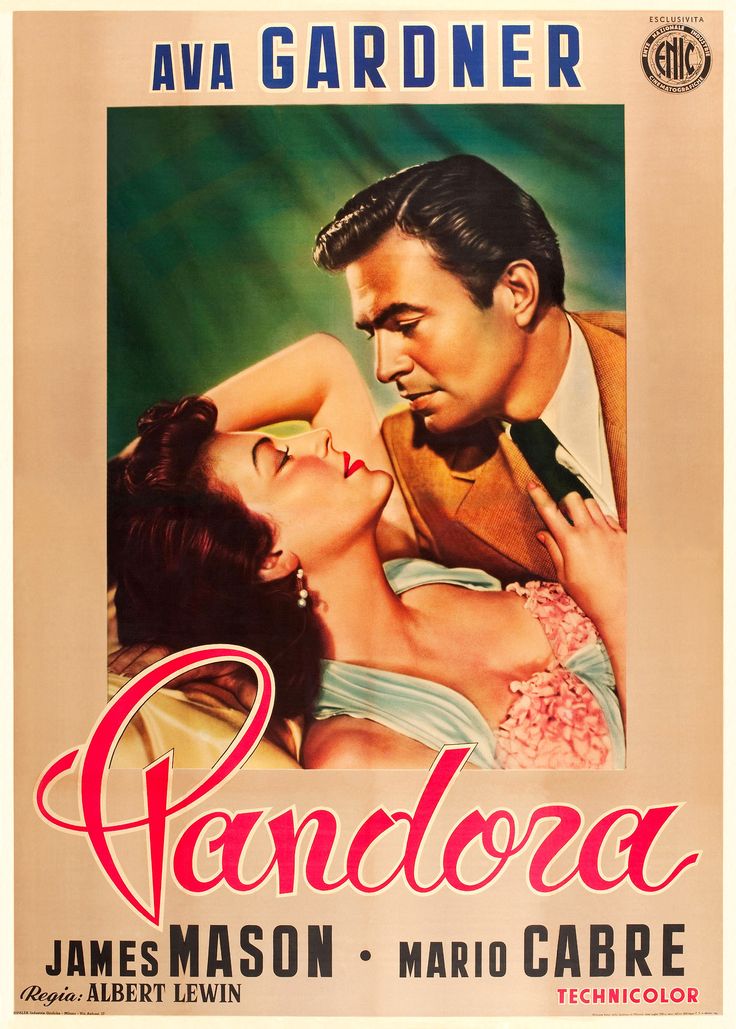
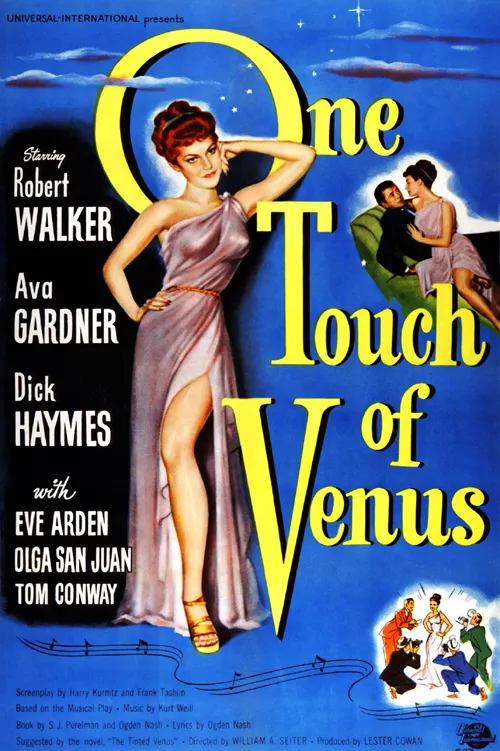
Despite the personal setbacks, Miss Gardner won stardom at the age of 24 as a gun moll who betrays her lover (Burt Lancaster in his film debut) in ”The Killers.” Other early starring roles were in a musical, ”One Touch of Venus” (1948); a melodrama, ”The Great Sinner” (1949), and a fantasy, ”Pandora and the Flying Dutchman” (1951).
Miss Gardner’s third marriage, to Frank Sinatra in 1951, was one of the most publicized Hollywood unions of the time. The couple had bitter public quarrels and separated in 1953 but tried a series of brief cross-country, trans-Atlantic reconciliations. They were finally divorced in 1957.
In a 1986 book, ”His Way: The Unauthorized Biography of Frank Sinatra,” Kitty Kelley attributed the following quotation to the actress:
”You start with love, or what you think is love, and then comes the work. I guess you have to be mature and grown up to know how to work at it. But I was the youngest of seven kids and was always treated like the baby, and I liked it and played the baby. Now I’m having a helluva time growing up.”
On TV as Nero’s Mother
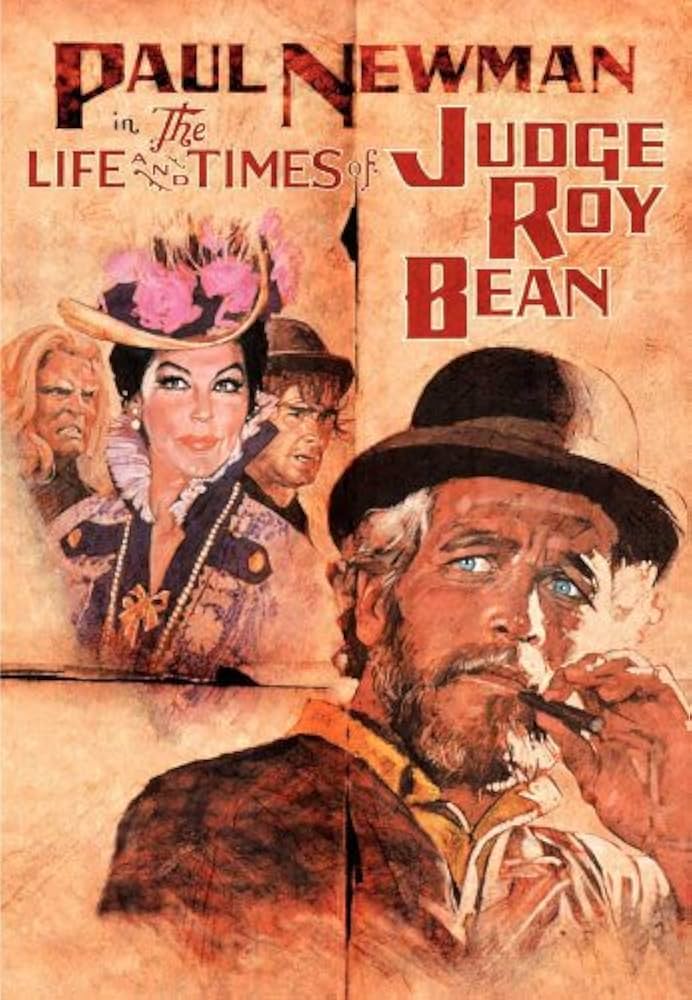
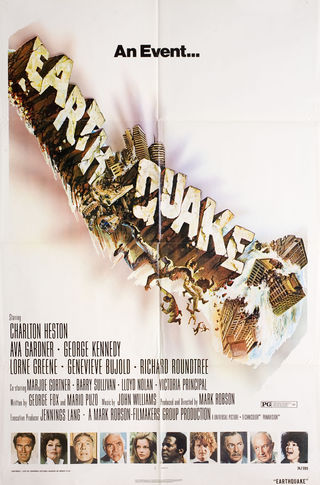
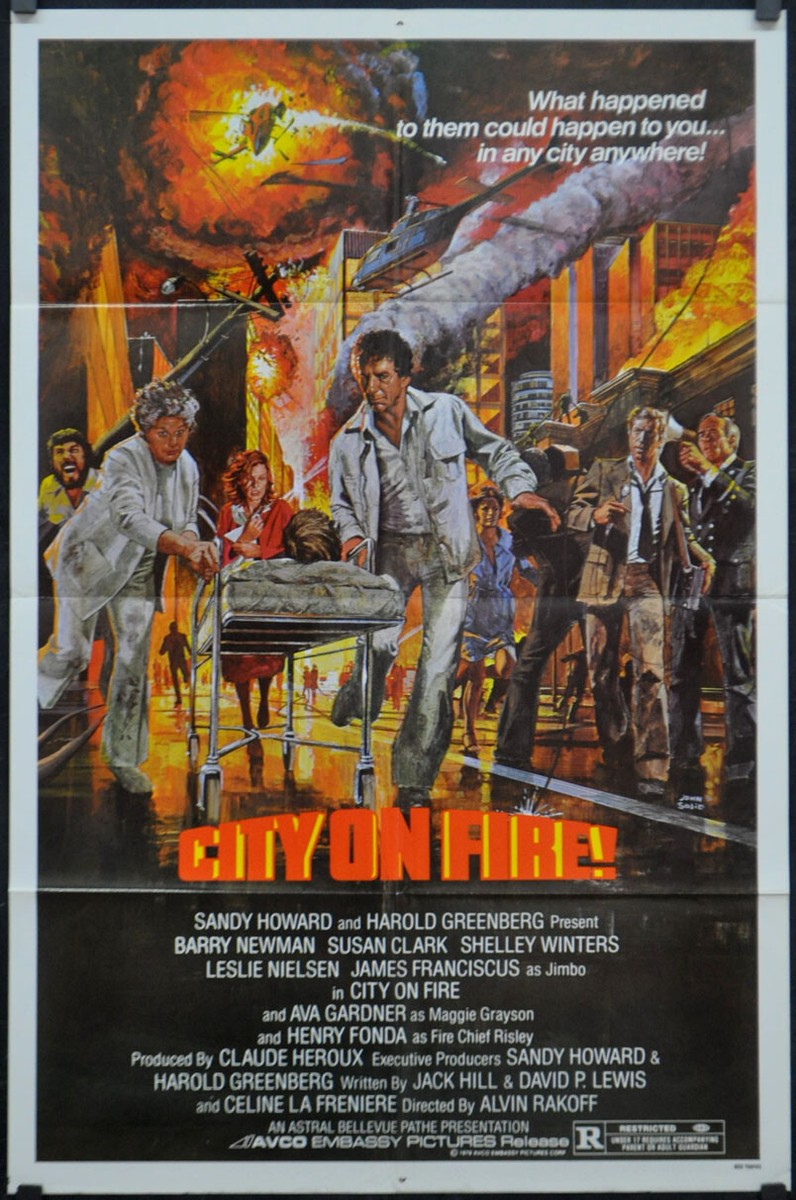
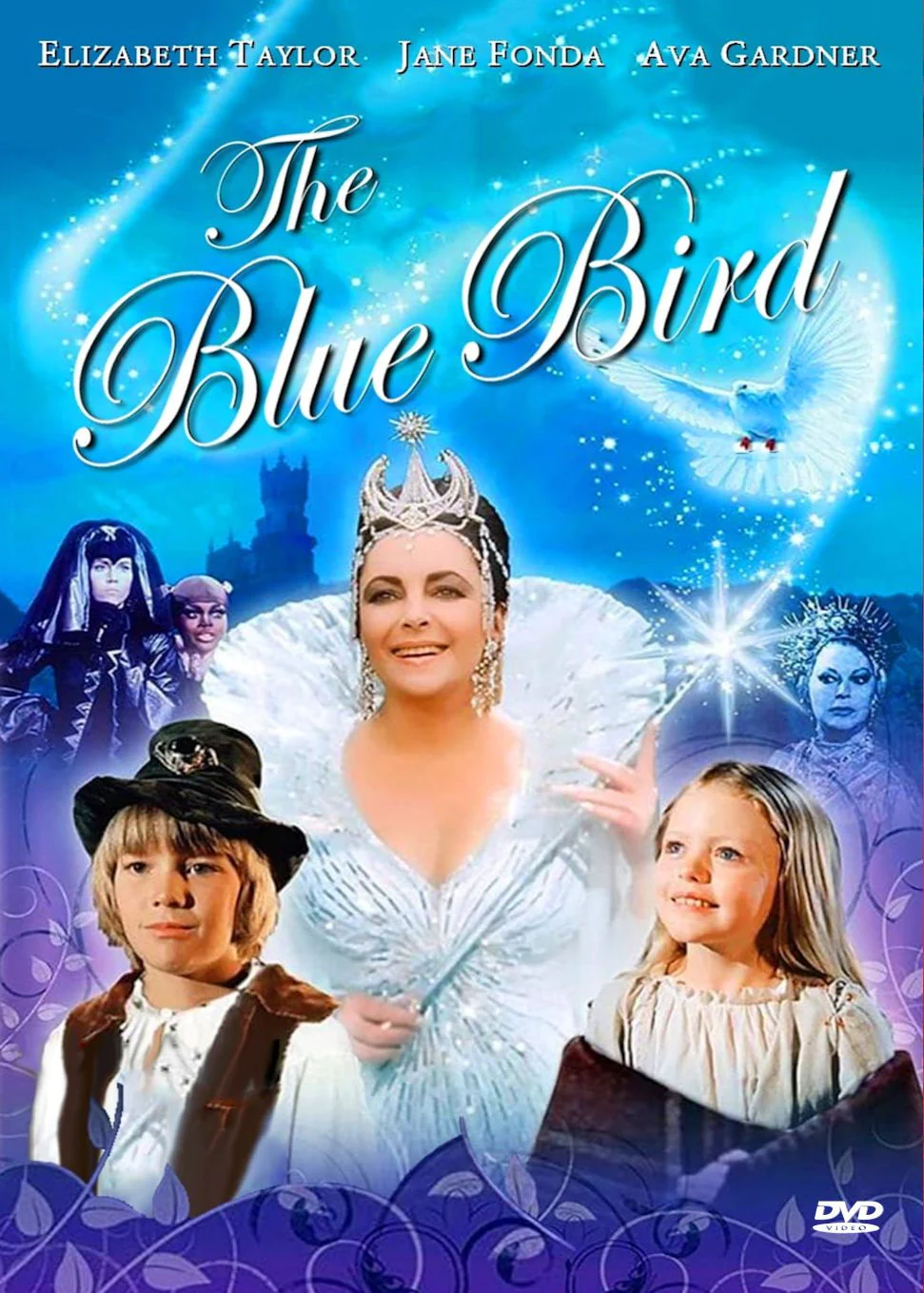
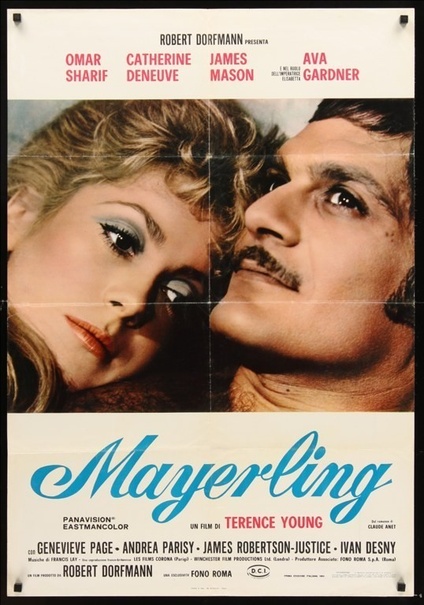
In 1958 Miss Gardner left M-G-M and became an independent actress, earning up to $400,000 a movie, most of them made in Europe. Her films included ”55 Days at Peking” (1963), ”Seven Days in May” (1964), ”Mayerling” (1969), ”The Life and Times of Judge Roy Bean” (1972), ”The Blue Bird” (1976) and a handful of disaster epics.
She did not appear on television until 1985, portraying Agrippina, Nero’s scheming mother, in ”A.D.,” a lavish mini-series about the first Christian century, and reviewers hailed her as still very much a star. Asked about her reluctance to accept television roles, she replied: ”Television is a lovely thing for people of my age to watch, but it’s for young people to make. The kids were very nice to me
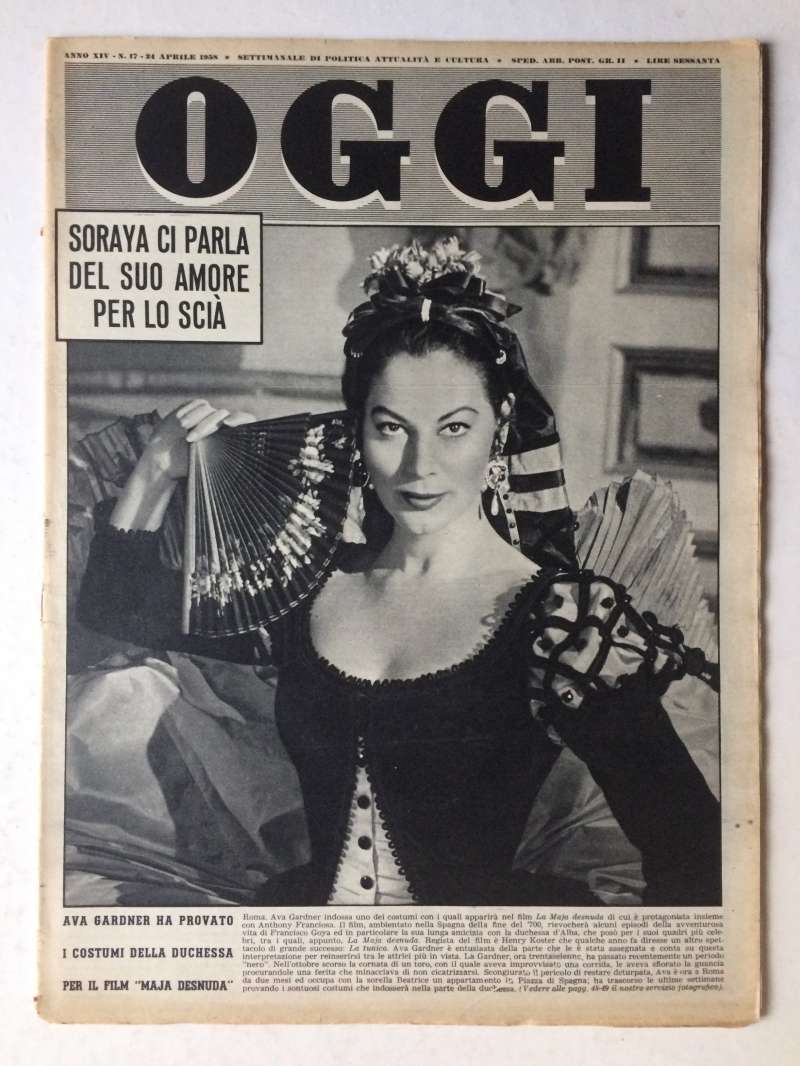
In the 1950’s, the actress was deeply in love with Spain, bullfighting and, reportedly, a succession of bullfighters.
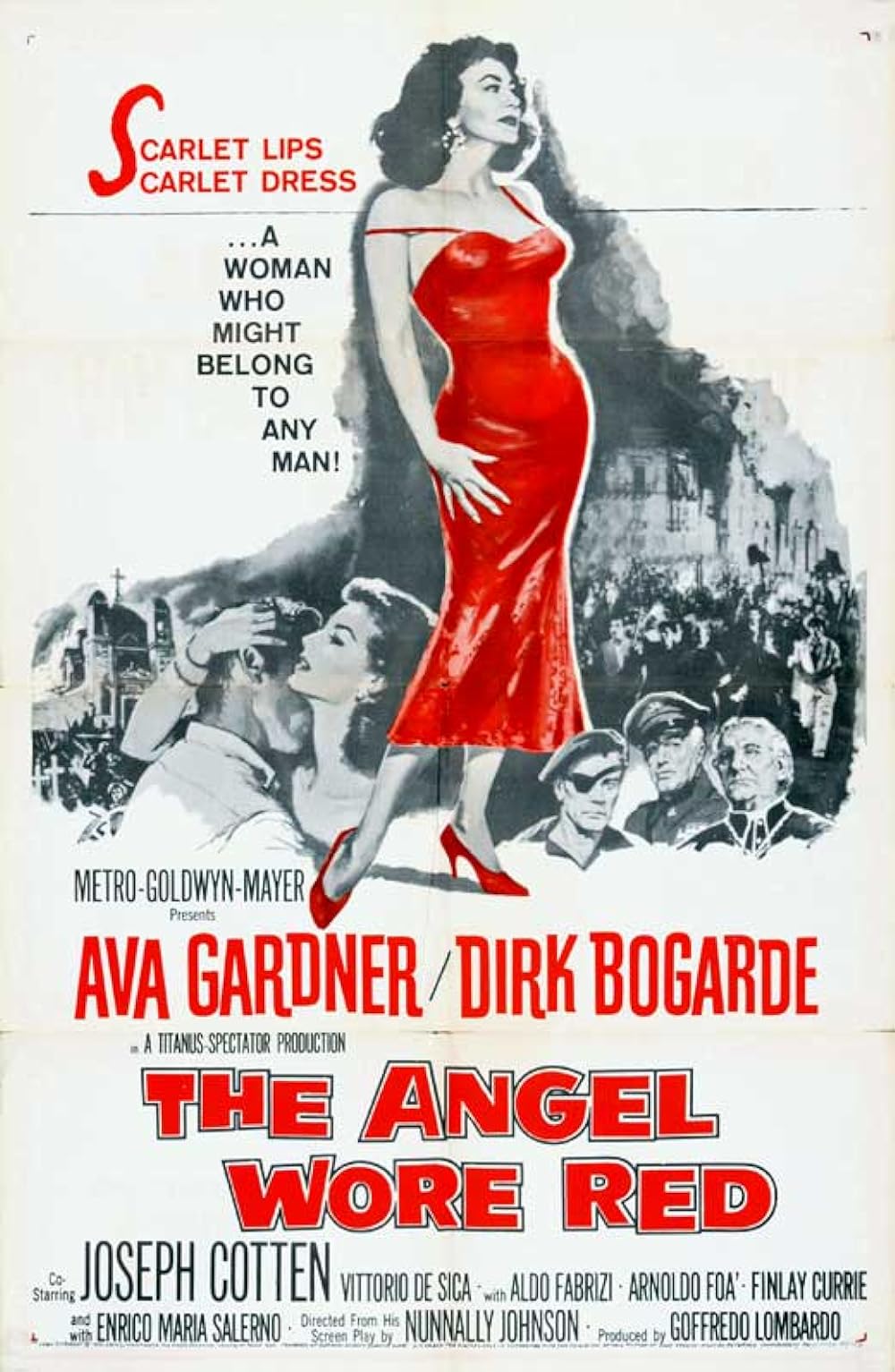
Her celebrated candor made her friends and enemies. When she arrived in Australia to make ”On the Beach,” she enraged many people by remarking, ”I’m here to make a film about the end of the world, and this sure is the place for it.”
Sympathetic interviewers described her as an outgoing, earthy woman who had a lively sense of humor, particularly about herself, and deep family loyalty. Looking ahead to retirement, Miss Gardner once remarked: ”When I’m old and gray, I want to have a house by the sea. And paint. With a lot of wonderful chums, good music and booze around. And a damn good kitchen to cook in.”
Survivors include two sisters, Beatrice, of Hollywood, and Myra, of Smithfield, N.C., and nieces and nephews.
At her wish, she is to be buried beside her parents in North Carolina
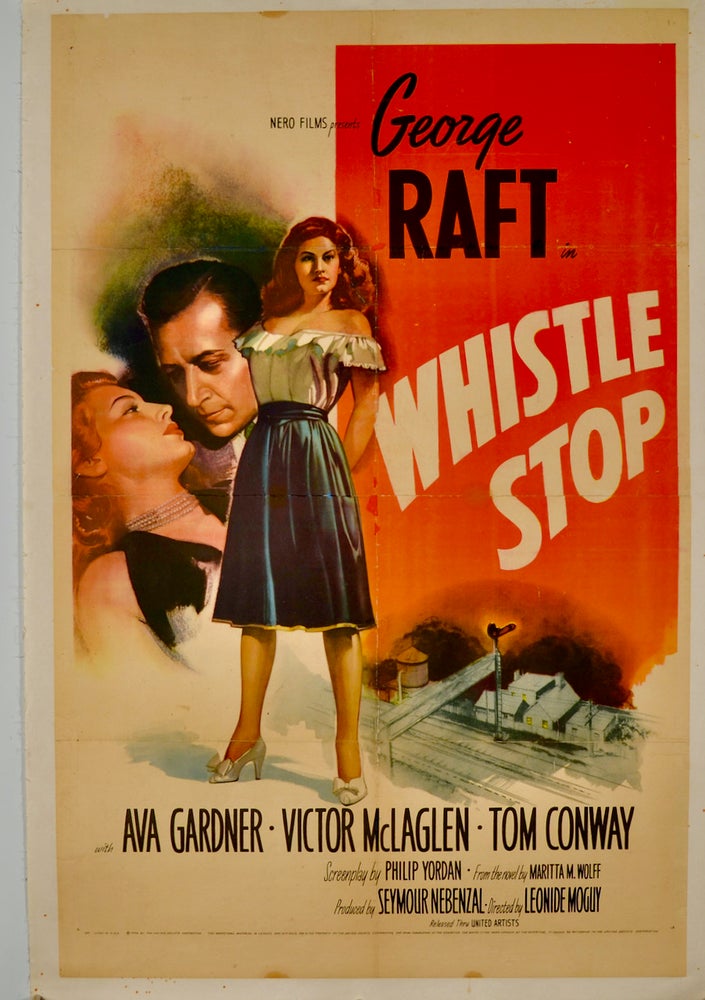
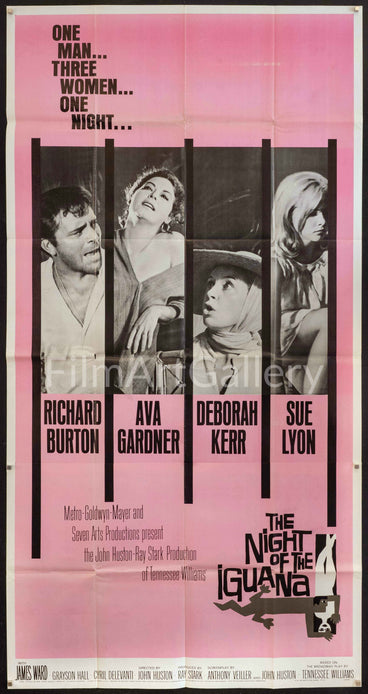
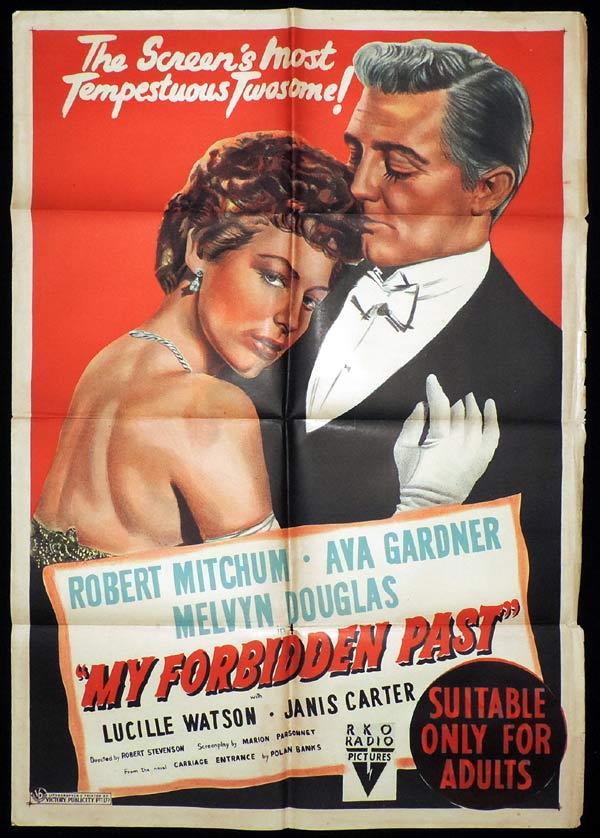
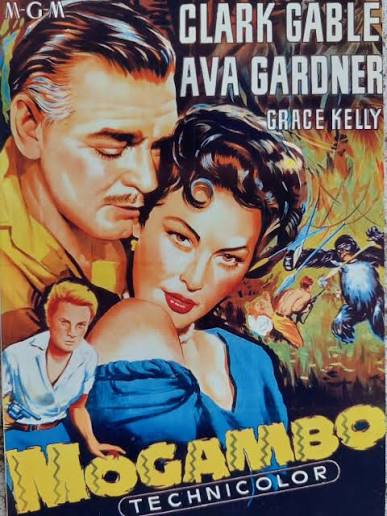
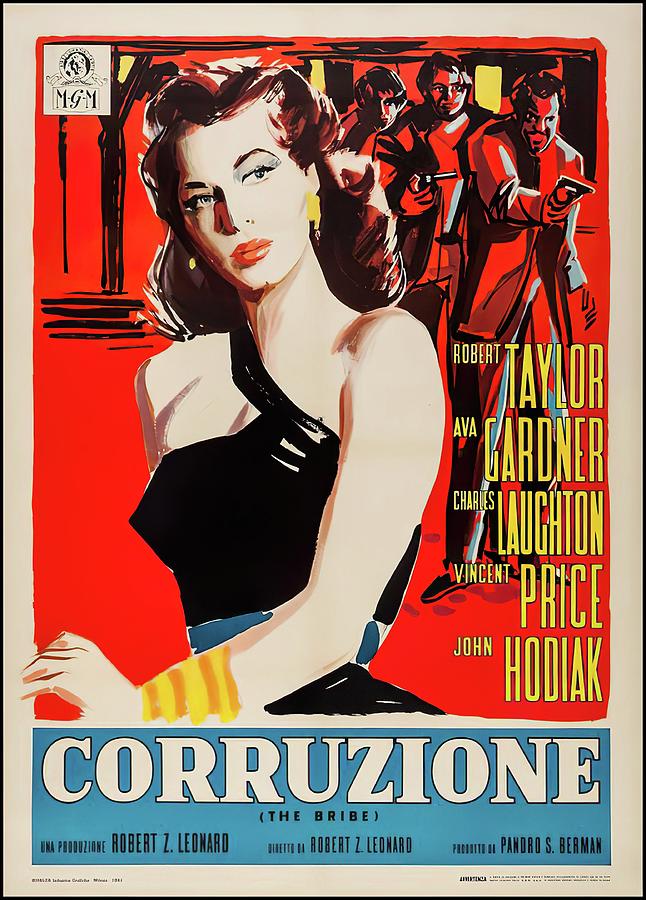
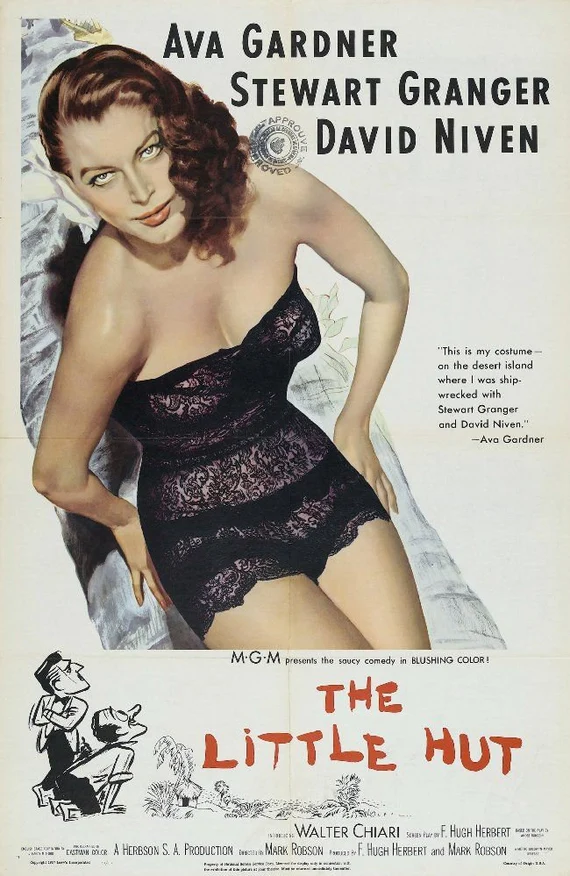
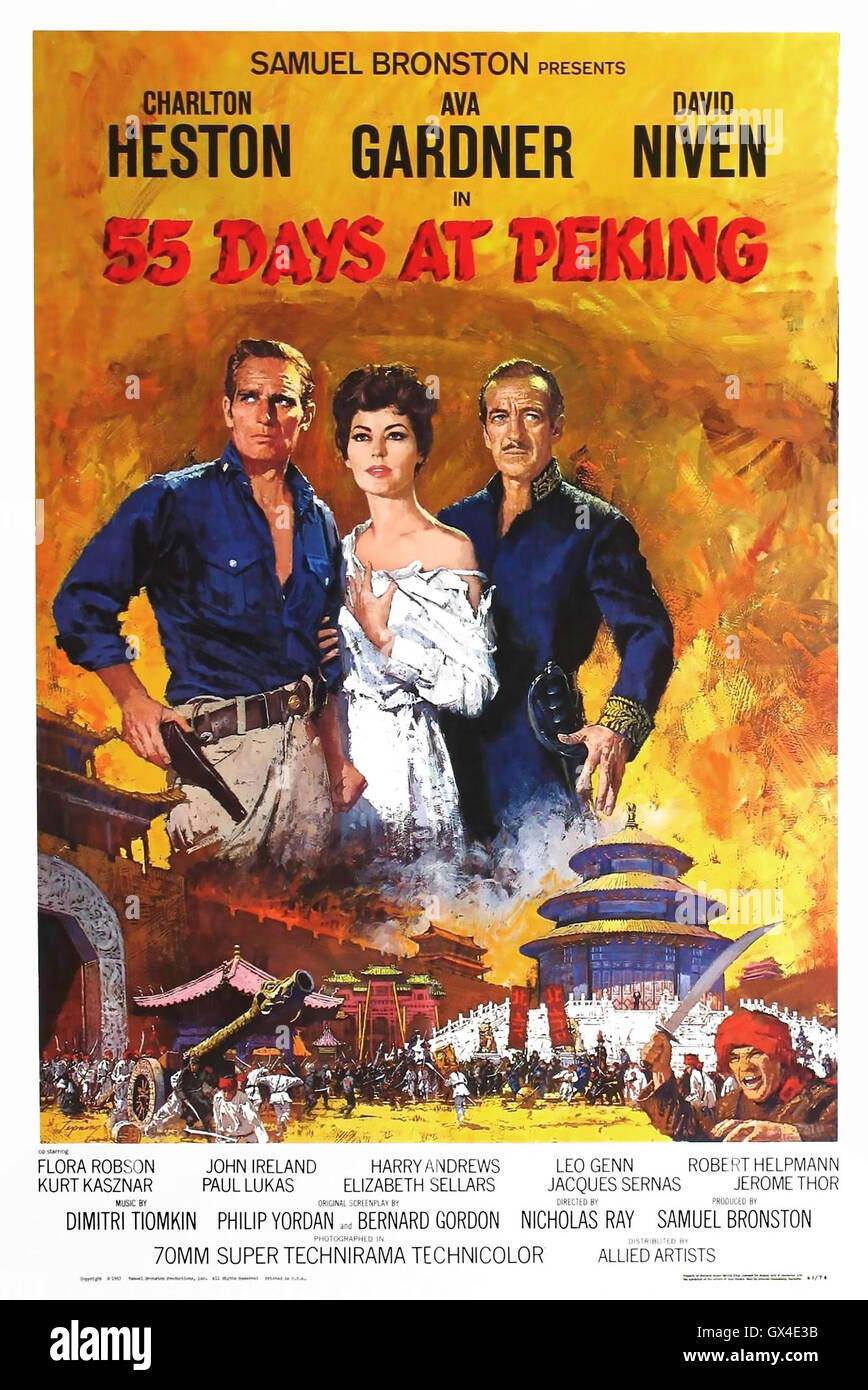
Gemini said
Ava Gardner’s career is a fascinating case study of the “Studio System” at both its most efficient and its most limiting. Often dismissed in her time as merely a “statue” or the “World’s Most Beautiful Animal,” a critical look at her filmography reveals an actress who possessed a raw, modern naturalism that frequently outclassed the material she was given.
1. Career Evolution: From Pin-up to Powerhouse
Ava’s career can be divided into three distinct phases:
The Starlet Phase (1941–1945)
Discovered via a photograph in a New York window, Gardner was signed by MGM purely for her aesthetics. For five years, she was “window dressing,” appearing in over 20 films in uncredited or bit parts. Critically, this period is notable for the studio’s attempt to erase her North Carolina accent and “standardize” her beauty, nearly stifling the earthy charisma that would later define her.
The Noir & Leading Lady Era (1946–1952)
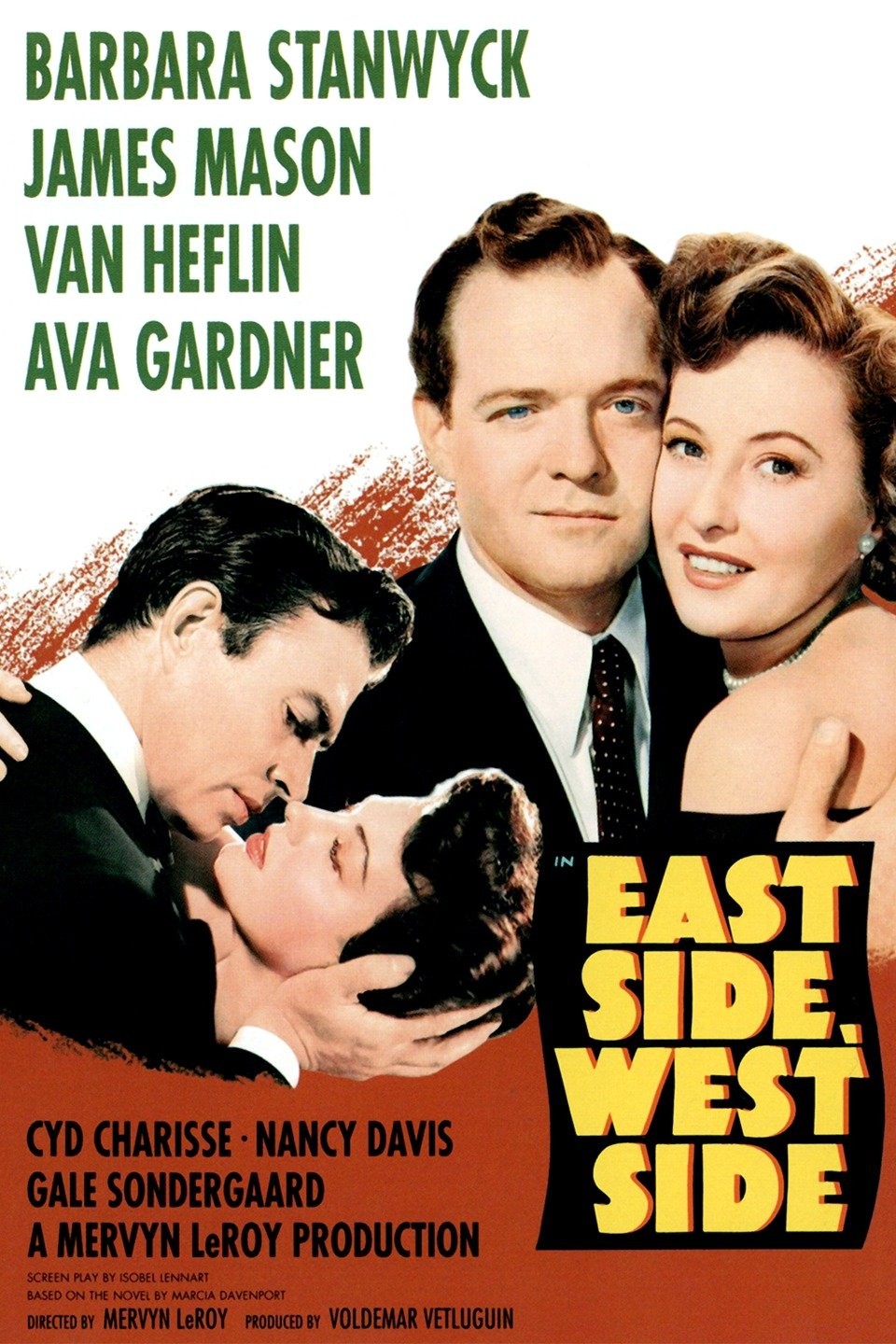
The turning point came with The Killers (1946), where she was loaned to Universal. As Kitty Collins, Gardner redefined the femme fatale. Unlike the “icy” vamps of the era (like Barbara Stanwyck), Gardner’s Kitty felt dangerously human—a blend of vulnerability and predatory instinct. This led to a string of hits including Show Boat (1951) and Pandora and the Flying Dutchman (1951).
The Critical Peak (1953–1964)
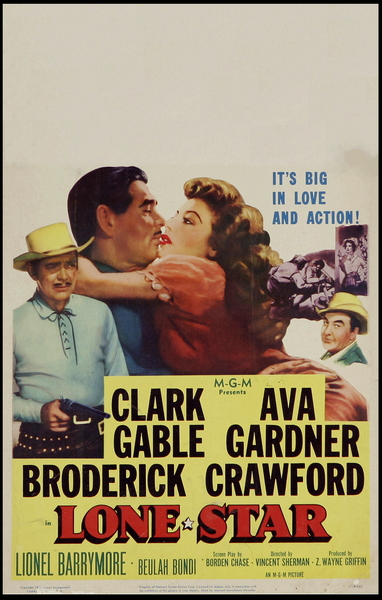
Gardner finally earned the respect of critics during this decade. Her performance in Mogambo (1953) earned her an Oscar nomination, proving she could hold her own against Clark Gable and outshine a young Grace Kelly. She transitioned into “broken” or world-weary roles in The Barefoot Contessa and The Night of the Iguana, which are now considered her finest dramatic works.
2. Critical Analysis: The Gardner Persona
To analyze Gardner’s work is to look at the tension between glamour and authenticity.
The “Natural” vs. The “Manufactured”: In an era of highly stylized acting (the “Method” vs. classical stage training), Gardner was famously untrained. Critics like Molly Haskell have noted that her acting felt “unmediated.” She didn’t “act” being bored or seductive; she simply was. This gave her a modern quality that makes her films more watchable today than many of her contemporaries.
The Exoticized “Other”: MGM often cast her as characters of mixed heritage (Show Boat) or “exotic” origins (Bhowani Junction). Critical analysis suggests this was a way for Hollywood to “explain” her intense, unconventional beauty. She was frequently used to represent a sexuality that was “too much” for the standard American housewife archetype.
The Earthy Tragedian: Her best roles (Maxine in Night of the Iguana, Maria in Barefoot Contessa) utilized her real-life reputation for hard living. She excelled at playing women who had “seen it all” but remained spiritually unbowed.
3. Essential Filmography & Analysis
| Film | Role | Critical Significance |
| The Killers (1946) | Kitty Collins | Established the “sultry” template; used her silence as a narrative weapon. |
| Pandora and the Flying Dutchman (1951) | Pandora Reynolds | A technicolor masterpiece that turned her into a literal mythic figure. |
| Mogambo (1953) | Eloise “Honey Bear” Kelly | Proved her comedic timing and ability to play a “loose” but lovable character. |
| The Barefoot Contessa (1954) | Maria Vargas | A meta-commentary on her own life; explores the tragedy of being a “sex symbol.” |
| The Night of the Iguana (1964) | Maxine Faulk | Her most raw performance; she embraced aging and messiness over glamour. |
4. Legacy: The Independent Spirit
Ultimately, Ava Gardner’s greatest critical contribution was her independence. She was one of the first major stars to break away from the Hollywood “gilded cage,” moving to Spain in the mid-1950s to live life on her own terms. This defiance bled into her later performances, lending them a grit and “lived-in” quality that few stars of the Golden Age dared to show.
“I haven’t the slightest desire to be a great actress. I’ve never been one of those who felt that the stage was a sacred place.” — Ava Gardner (demonstrating the lack of pretension that made her acting so accessible