

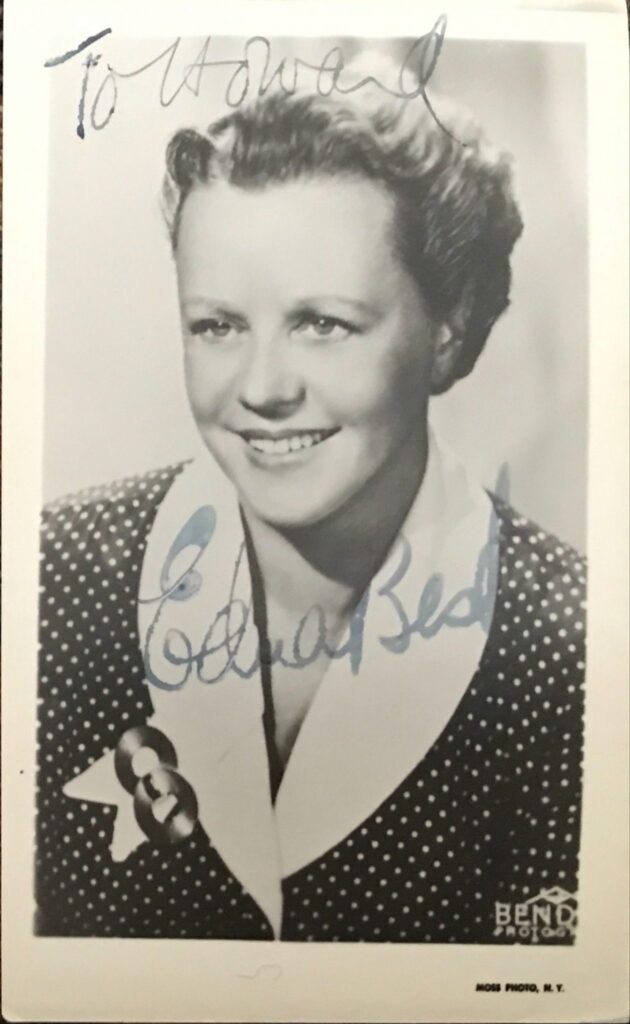
IMDB Entry:
Genteel, lady-like British actress who was a much respected theatrical star in the 1920’s and 30’s, both in her own country and in the United States. Born in Hove, Sussex, in March 1900, she took to the stage at the age of seventeen, as Ela Delahay in ‘Charley’s Aunt’. She played Peter Pan three years later and married the first of her actor husbands, Seymour Beard. By the mid-1920’s, Edna had become the toast of London for her performances in ‘Fallen Angel’ (with Tallulah Bankhead), and, a role she made her own, as Teresa (Tessa) Sanger, in ‘The Constant Nymph’ (opposite Noel Coward and, later,John Gielgud). With the part of Tessa, she also enjoyed a successful run on Broadway in 1926, which was followed by another Margaret Kennedy play, ‘Come With Me’. She married her co-star, Herbert Marshall after divorcing Beard in 1928.
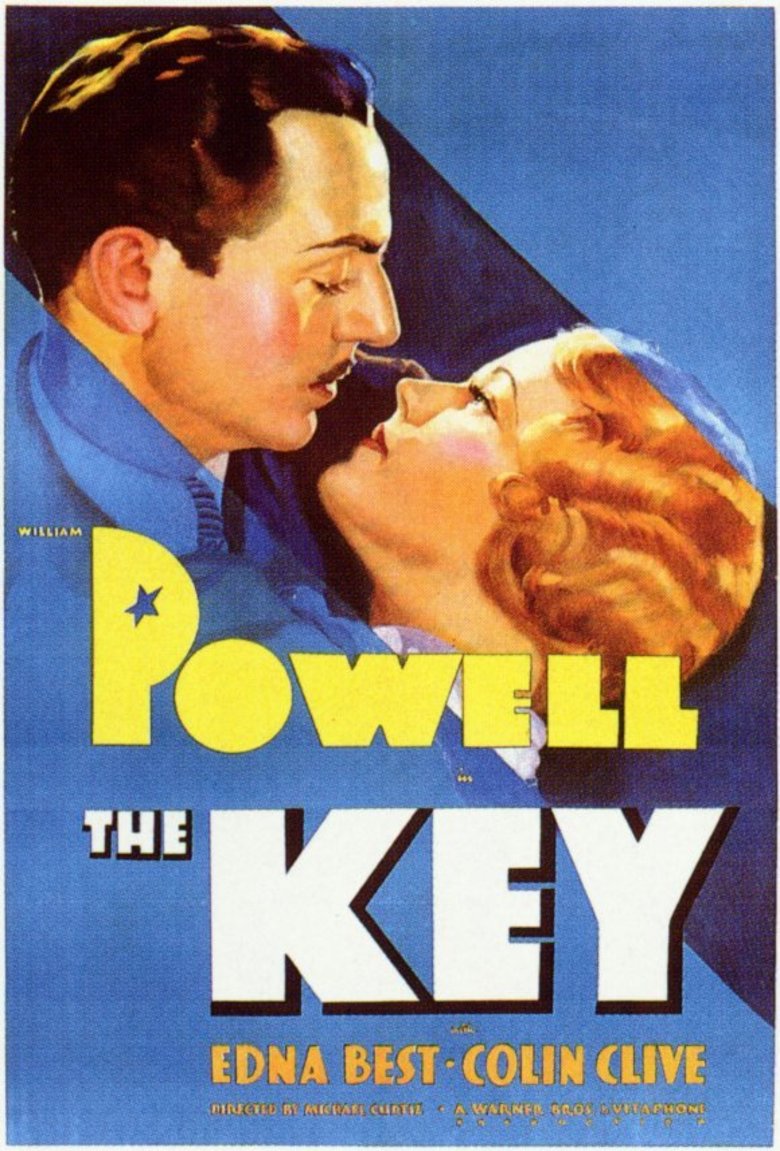
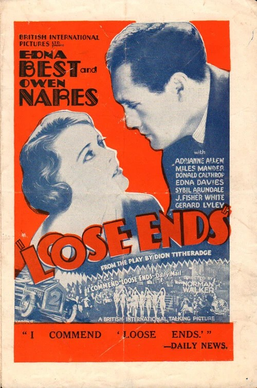
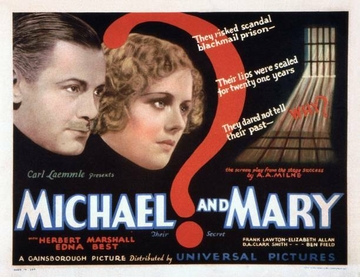
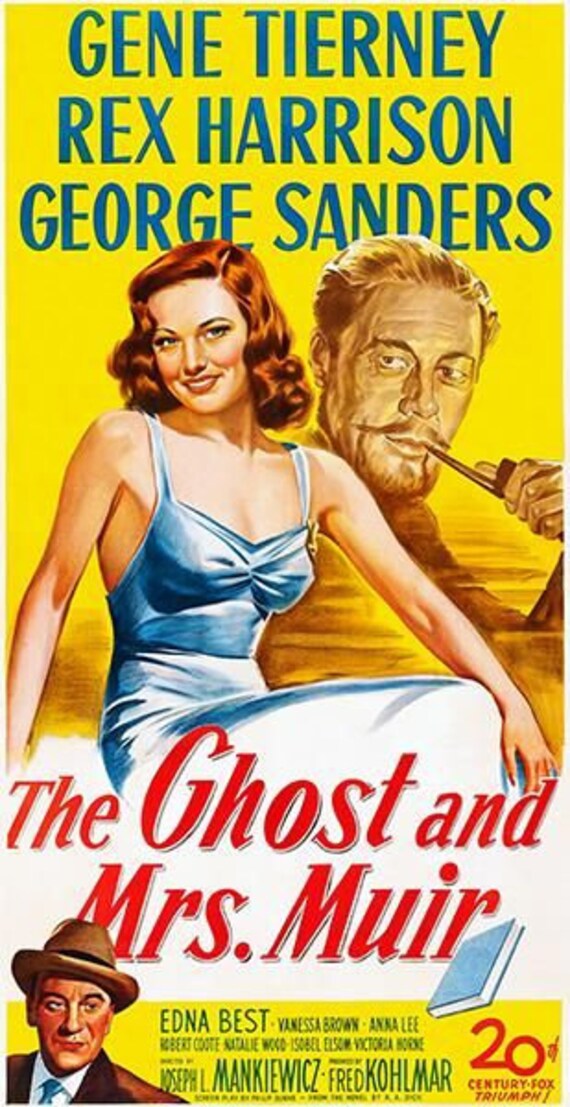
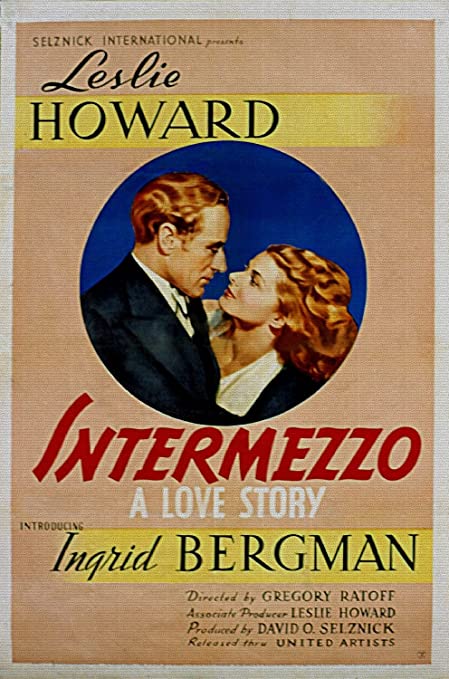
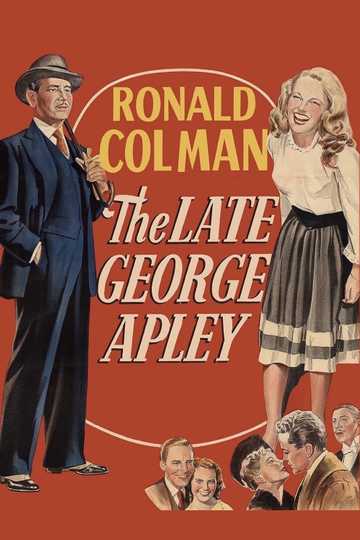
Edna started in films as early as 1921, but made little headway until Michael and Mary(1931), in which she recreated her role from the London stage. She then co-starred again with husband Herbert Marshall in Faithful Hearts (1932), but neither of these films received much international exposure. Her only Hollywood film at this time was The Key(1934), which, though directed by Michael Curtiz, was ,alas, ‘low-key’ as far as critical plaudits or box office were concerned. She had smallish parts in other British films, South Riding (1938), and the original version of Alfred Hitchcock‘s The Man Who Knew Too Much(1934), as the mother of kidnapped Nova Pilbeam. Not until 1939, did a worthy motion picture role come her way in the shape of the forlorn wife, whom violinist Leslie Howarddeserts for Ingrid Bergman in Intermezzo: A Love Story (1939). Other noteworthy screen roles were her Catherine Apley in The Late George Apley (1947), and the housekeeper Martha of The Ghost and Mrs. Muir (1947) which the New York Times review of June 27 considered ‘by far the best performance’ in the picture. Edna’s film appearances were few and far between, and only a handful adequately showcased her talents as an actress, which are so abundantly evident from the body of her work in the theatre.
BFrom 1939 a U.S. resident and a nationalised citizen by the early 1950’s, Edna continued her frequent triumphant returns to the stage. Her most celebrated performances on Broadway were in Terence Rattigan‘s ‘The Browning Version’, as downtrodden housewife Millie Crocker-Harris, and ‘Harlequinade’ (1949), both co-starring Maurice Evans; and as the titular character ‘Jane’ (1952), a play adapted by S.N. Behrman from a W. Somerset Maugham short story. Brooks Atkinson described her performance as the timorous spinster as both ‘comic’ and ‘forceful’. In her last significant role on stage, she co-starred with Brian Aherne and Lynn Fontanne in the romantic comedy ‘Quadrille’ (1954-55), directed by Alfred Lunt and outfitted by Cecil Beaton, who also designed the costumes. Edna retired from acting in the early 1960’s and died in a clinic in Geneva, Switzerland in 1974.
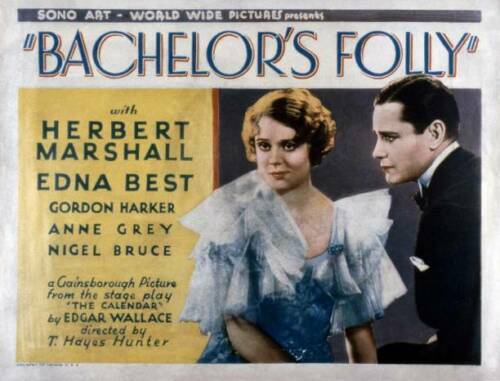
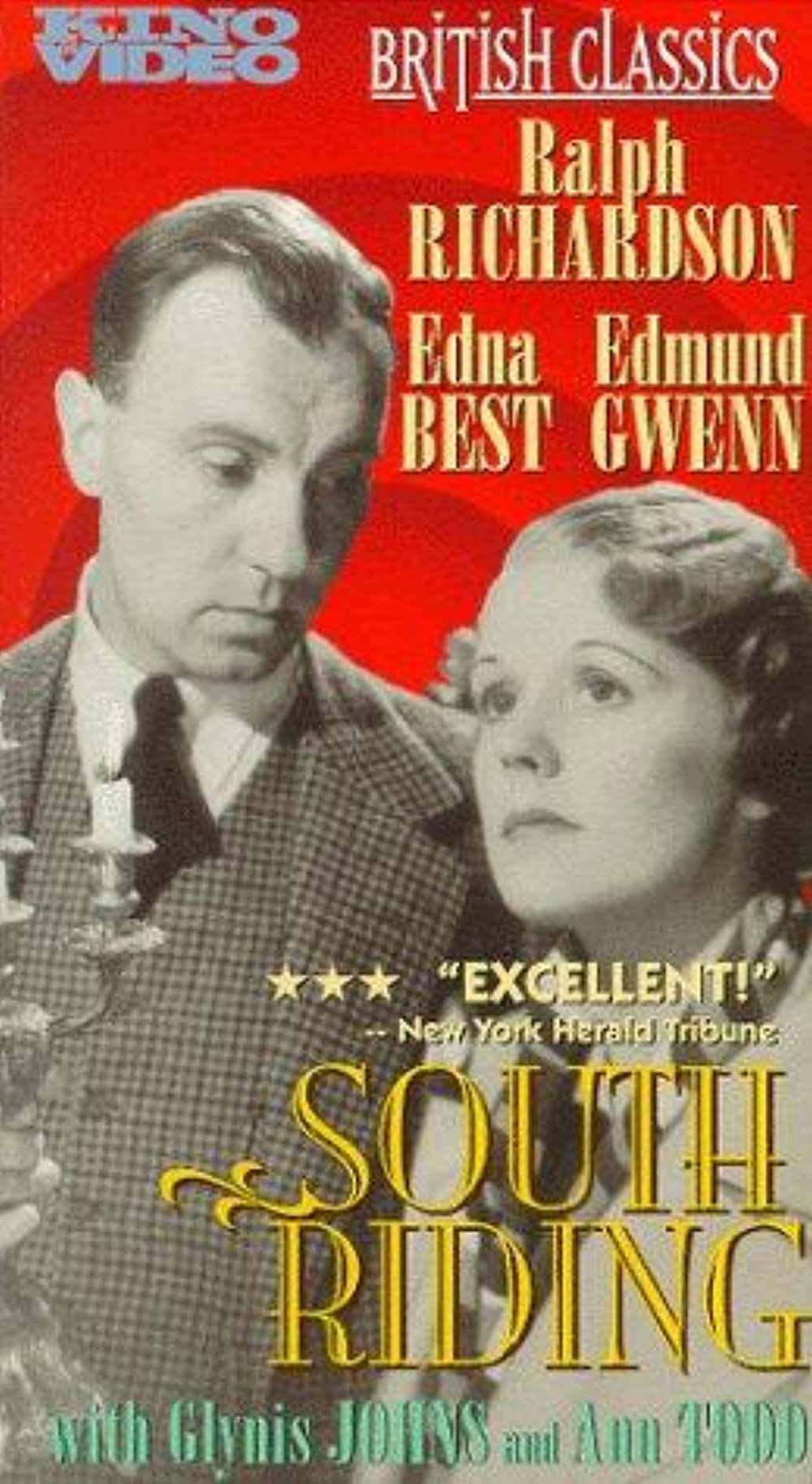
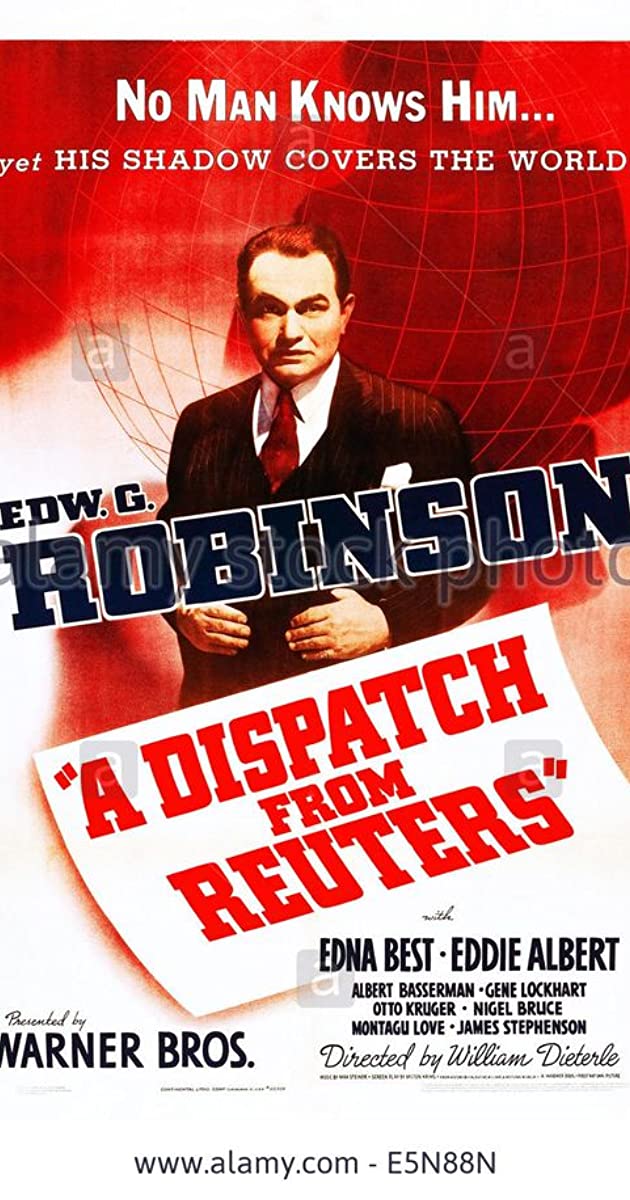
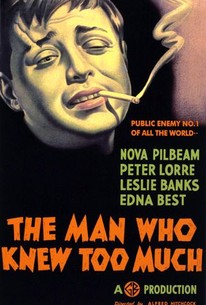
Edna Best (1900–1974) was a cornerstone of British stage and screen during the interwar years, a performer whose career mirrored the transition from the silent era to the psychological realism of the 1940s. While often remembered as a “genteel” British actress, a critical look at her work reveals a formidable technician who specialized in portraying the quiet endurance of the “modern woman.”
Career Overview: From “The Constant Nymph” to Hitchcock
1. The Stage Phenomenon (1917–1930)
Best began her career at 17 and became the “toast of London” in the 1920s. Her defining role was as Tessa in The Constant Nymph (1925), a performance so successful she reprised it on Broadway. During this era, she was frequently paired with her second husband, Herbert Marshall; together, they were the “Golden Couple” of the British stage, known for their sophisticated chemistry in plays like There’s Always Juliet.
2. The Hitchcock and Hollywood Years (1930s)
Best’s film career is anchored by her role in Alfred Hitchcock’s original The Man Who Knew Too Much (1934). As Jill Lawrence, she broke the mold of the “damsel in distress” by playing a champion sharpshooter who ultimately saves her family. This period saw her move between London and Hollywood, though she famously walked out on a major MGM contract with John Gilbert because she was homesick for Marshall—a move that likely hindered her trajectory toward “top-tier” Hollywood stardom.
3. The Mature Character Actress (1940s–1959)
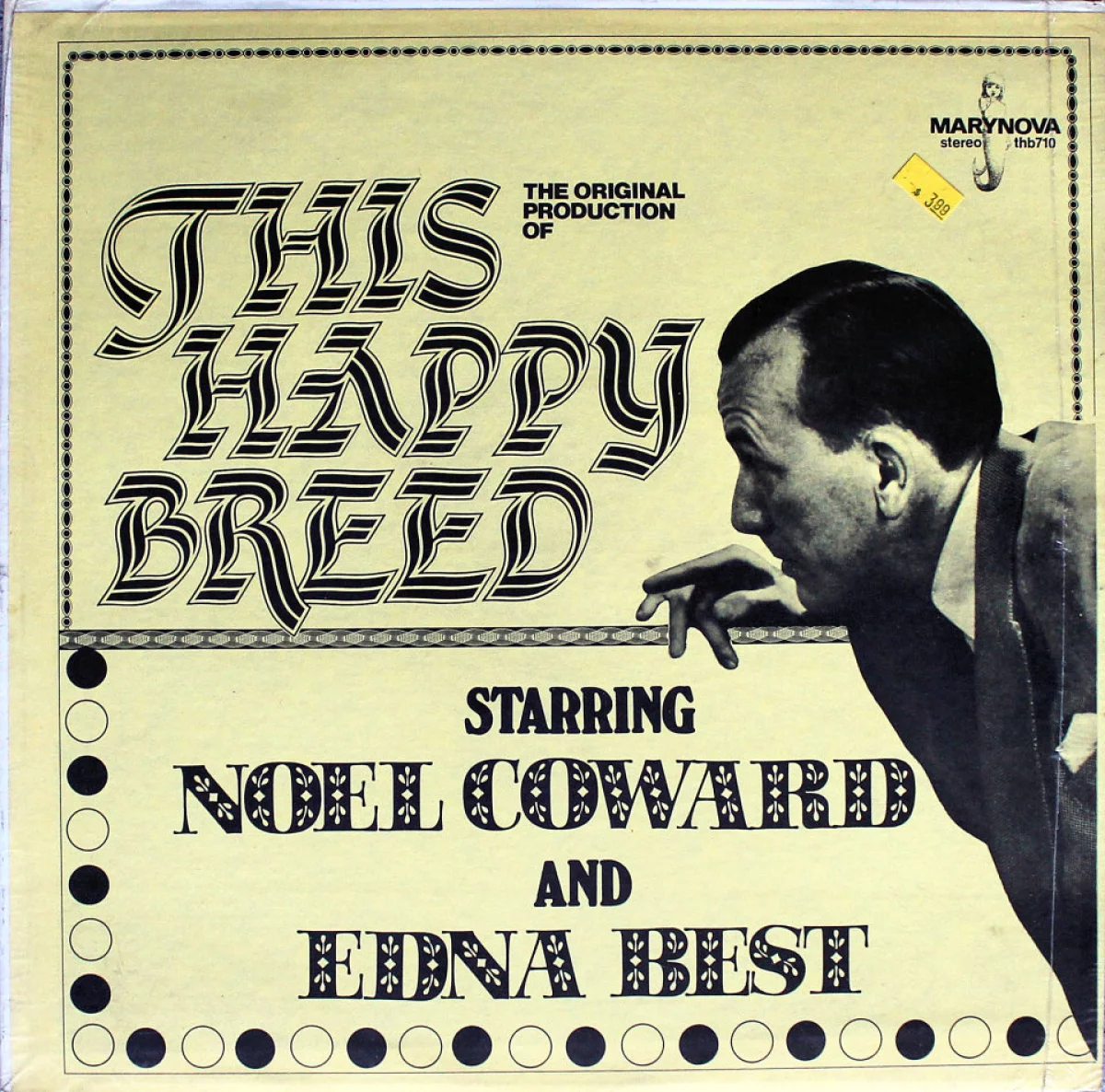
After her divorce from Marshall in 1940, Best transitioned into poignant character roles. She became the go-to actress for playing “the neglected wife” or the “loyal domestic,” most notably in Intermezzo (1939) and The Ghost and Mrs. Muir (1947). She ended her career with a prestigious Emmy nomination for This Happy Breed (1957) before retiring in 1959.
Detailed Critical Analysis
The Aesthetic of “Subterranean Strength”
Critically, Best was a master of unshowy realism. At a time when many stage-trained actors were declamatory, Best utilized a “soft-spoken” and “ladylike” exterior to mask a surprising steeliness.
The Sharpshooter Archetype: In The Man Who Knew Too Much, her character’s skill with a rifle is not just a plot device but a metaphorical extension of her personality: precise, calm under pressure, and lethal when provoked. Critics have noted that she provided a blueprint for the “capable” Hitchcock heroine later seen in actresses like Grace Kelly.
The Dignity of the Scorned: In Intermezzo, she played the wife of a man (Leslie Howard) who leaves her for a younger woman (Ingrid Bergman). Critics at the time praised Best for not playing the character as a pathetic victim, but as a woman of “devastatingly quiet dignity,” which made the protagonist’s betrayal feel more profound.
The “Auteur’s Practicality”
Best was a favorite of directors who valued technical efficiency.
Hitchcock’s Efficiency: Hitchcock appreciated her lack of “movie star ego.” In his British films, she was often cast because she could convey complex domestic dynamics through small gestures—a glance or the way she held a cigarette—allowing him to focus on the suspense mechanics.
The “Best” Performance: In The Ghost and Mrs. Muir, despite being a supporting player (the housekeeper Martha), The New York Times review famously stated she gave “by far the best performance in the picture.” This highlights a recurring theme in her critical reception: she often outshone the leads by being the most “grounded” person on screen.
Personal Life as a Career Constraint
From a historical-critical perspective, Best’s career is often studied as a case of “career sabotage” for love. Her decision to abandon Hollywood in 1931 and her focus on the Marshall-Best “brand” meant that she never became a singular, towering icon in the vein of a Bette Davis or Greer Garson. However, this also allowed her to remain a “pure” actor, moving between radio, TV, and stage without the burden of a static “star persona.”
Iconic Role Comparison
| Character | Work | Archetype | Critical Element |
| Tessa | The Constant Nymph | The Tragic Muse | Established her as the face of “innocence in love.” |
| Jill Lawrence | Man Who Knew Too Much | The Capable Mother | One of the first “active” female leads in a thriller. |
| Margit Brandt | Intermezzo | The Dignified Wife | A masterclass in “stillness” and emotional restraint. |
| Martha | Ghost and Mrs. Muir | The Loyal Anchor | Proved her power as a scene |
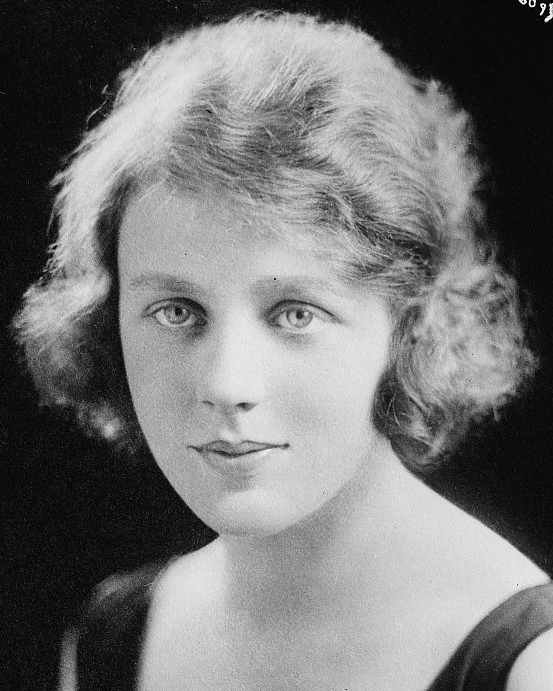
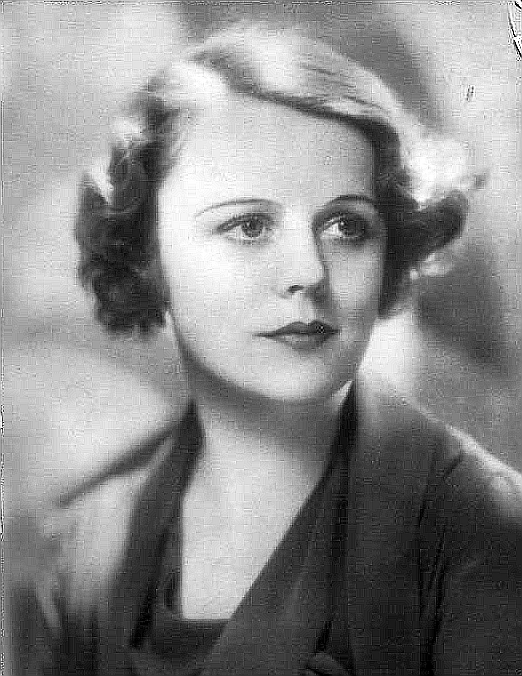
The 1931 MGM walkout of Edna Best is one of the most famous examples of an actor choosing personal devotion over a potential “superstar” trajectory in the rigid Hollywood studio system.
The “Phantom” Exit (1931)
Edna Best had been brought to Hollywood under a lucrative contract with Metro-Goldwyn-Mayer, then the most powerful studio in the world. She was slated to star as the female lead in The Phantom of Paris (1931) opposite John Gilbert, who was then struggling to maintain his “Great Lover” status in the transition to talkies.
The Catalyst: While on the verge of filming, Best reportedly became overwhelmed by homesickness for her husband, actor Herbert Marshall, who was then performing on stage in New York.
The Defiance: In an era when walking out on a contract usually meant industry-wide blacklisting, Best simply stopped. She took a train to New York to be with Marshall, turning her back on the John Gilbert project and her MGM contract.
The Studio Response: MGM was incensed. The role was quickly recast (with Leila Hyams), and the studio brass viewed the move as a sign of British “unprofessionalism.” Marshall, however, famously defended her to the press, stating:
“I’m sorry if Hollywood is annoyed, but Edna and I happen to be in love with each other and we want to be together.”
Detailed Critical Analysis of the Walkout
1. The Death of a “Top-Tier” Persona
Critically, this event is seen as the moment Best traded “Movie Stardom” for “Character Acting.”
MGM’s Vision: MGM intended to market her as a sophisticated, romantic lead—a British rival to their domestic stars. By walking out, she broke the “momentum” required to become a household name in America.
The Price of Independence: While she continued to work in high-quality films, she was never again considered a “Priority One” star by Hollywood studios. She became a “journeyman” of the highest order rather than a “Leading Lady.”
2. The “Marshall-Best” Brand vs. Solo Success
The walkout highlights a critical theme in her career: she functioned best as part of a theatrical duo.
Analysts suggest that Best viewed her career as secondary to her marriage and her partnership with Marshall. This “co-dependency” in their work (appearing together in The Calendar and Michael and Mary) meant her solo identity was often obscured.
Ironically, this lack of solo ambition is exactly what allowed her to be so effective in later supporting roles like The Ghost and Mrs. Muir; she lacked the “ego-clutter” that often hampers former leading stars when they transition to character work.
3. A Clash of Cultural Values
Historians often point to the walkout as a collision between British stage values and Hollywood studio mechanics.
To the British stage-trained Best, acting was a job, and personal life was the priority.
To MGM (led by Louis B. Mayer and Irving Thalberg), acting was a 24/7 commitment to a brand. Best’s refusal to play the game was a radical act of self-autonomy that predicted the later “contract rebellions” of stars like Olivia de Havilland and Bette Davis.
Comparison of the “Two Paths”
| The “MGM Path” (If she stayed) | The “Reality Path” (After the walkout) |
| Likely leading lady in “Woman’s Pictures.” | Became a premier “character” specialist. |
| Potential rival to Greer Garson. | Retained a “cult” reputation in British cinema. |
| Subject to the “Star Machine” (forced publicity). | Maintained a private life and artistic dignity. |