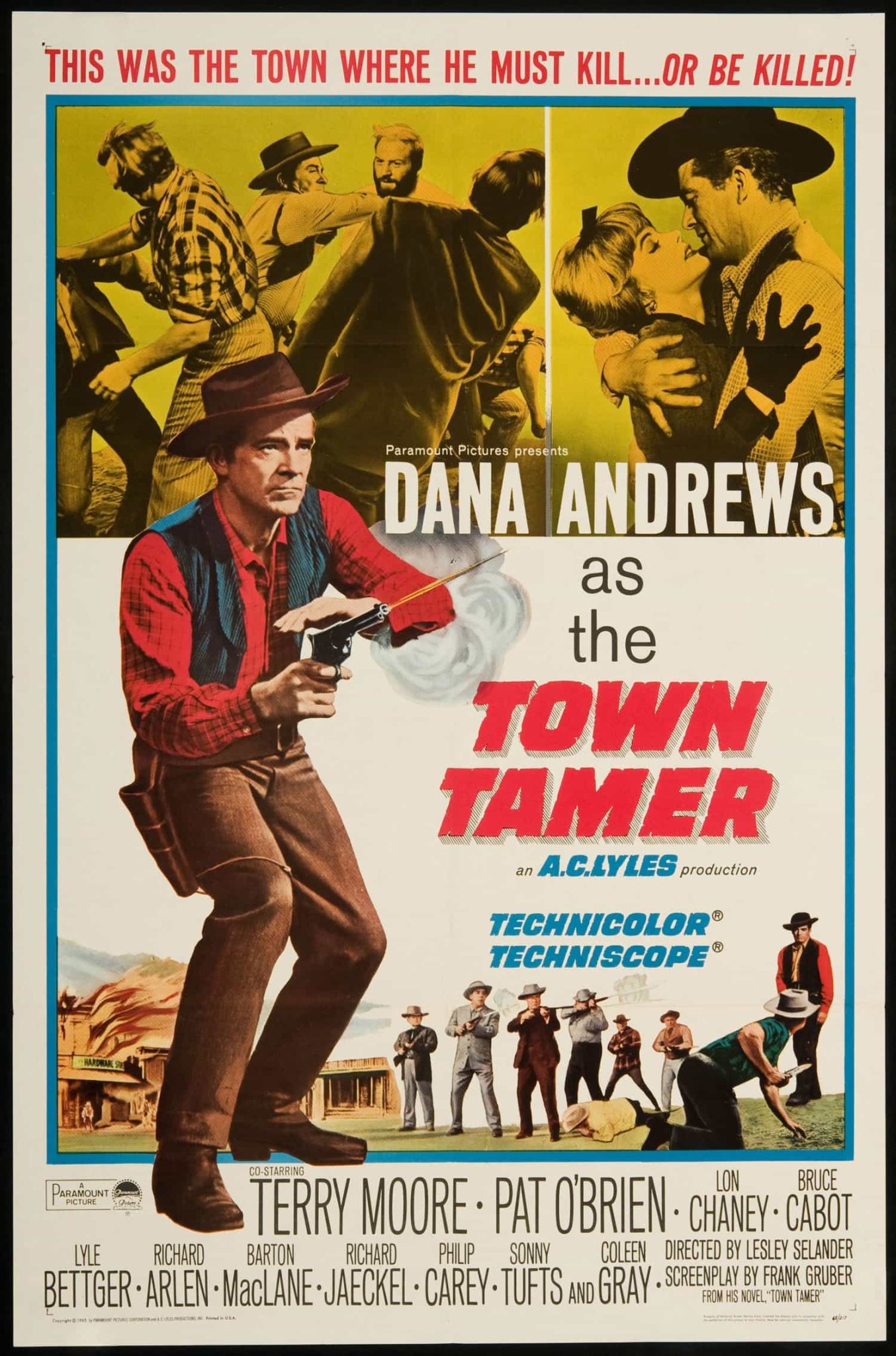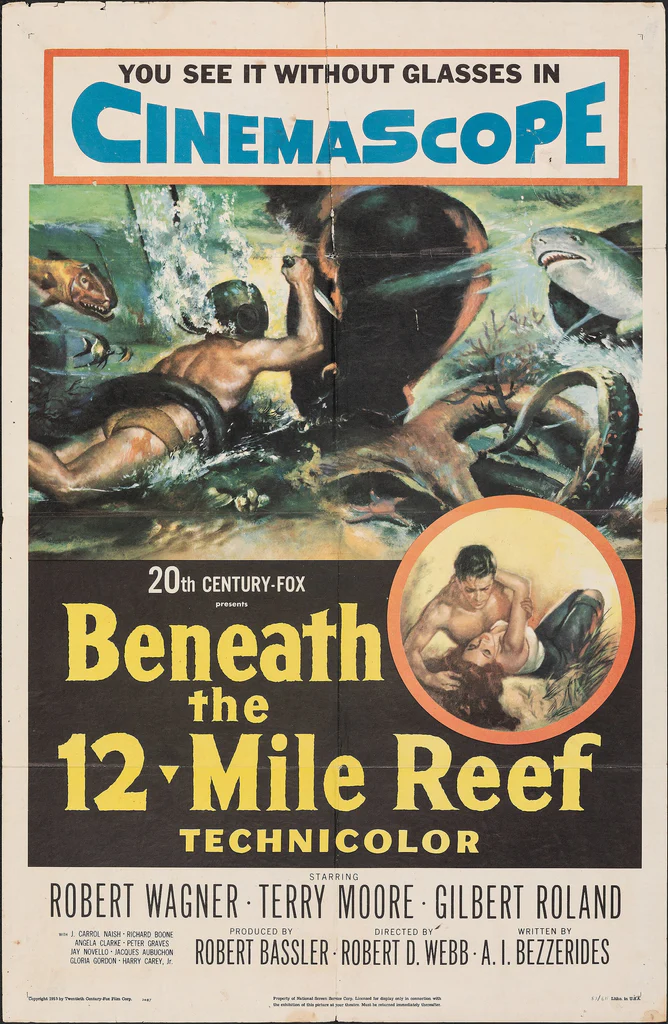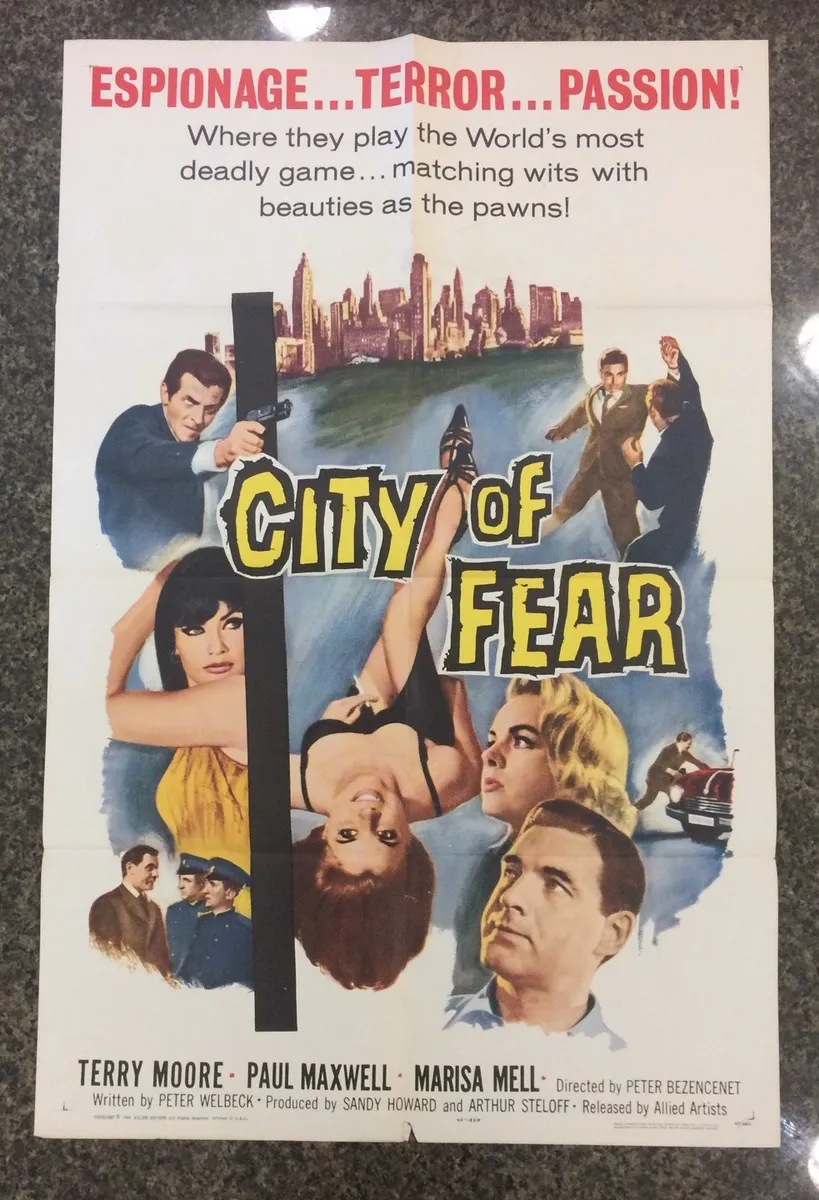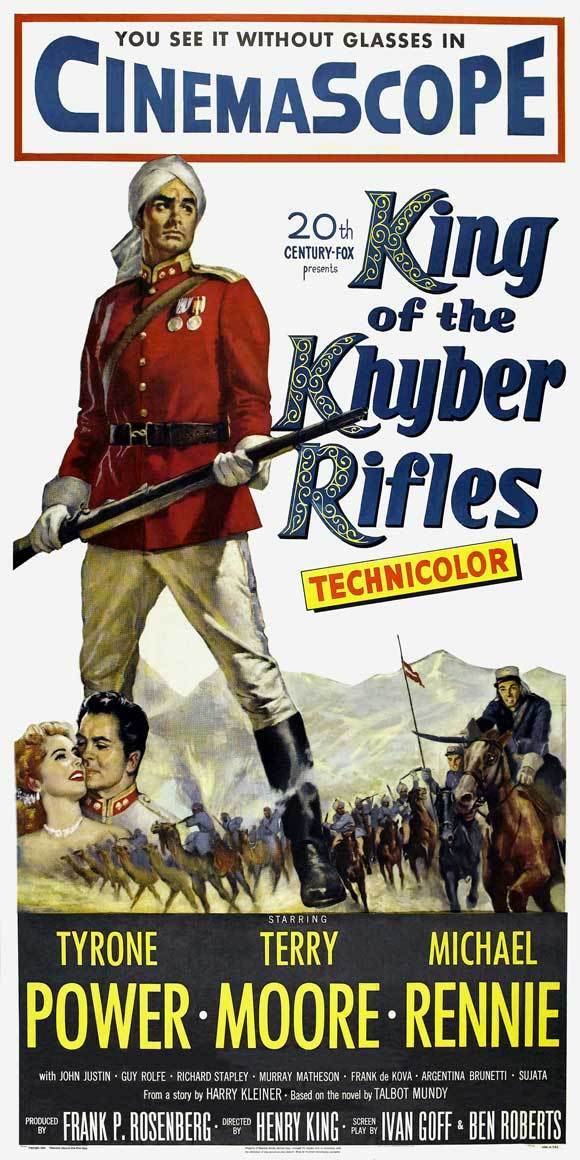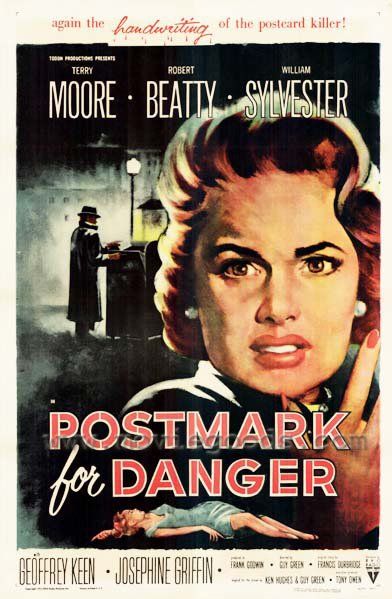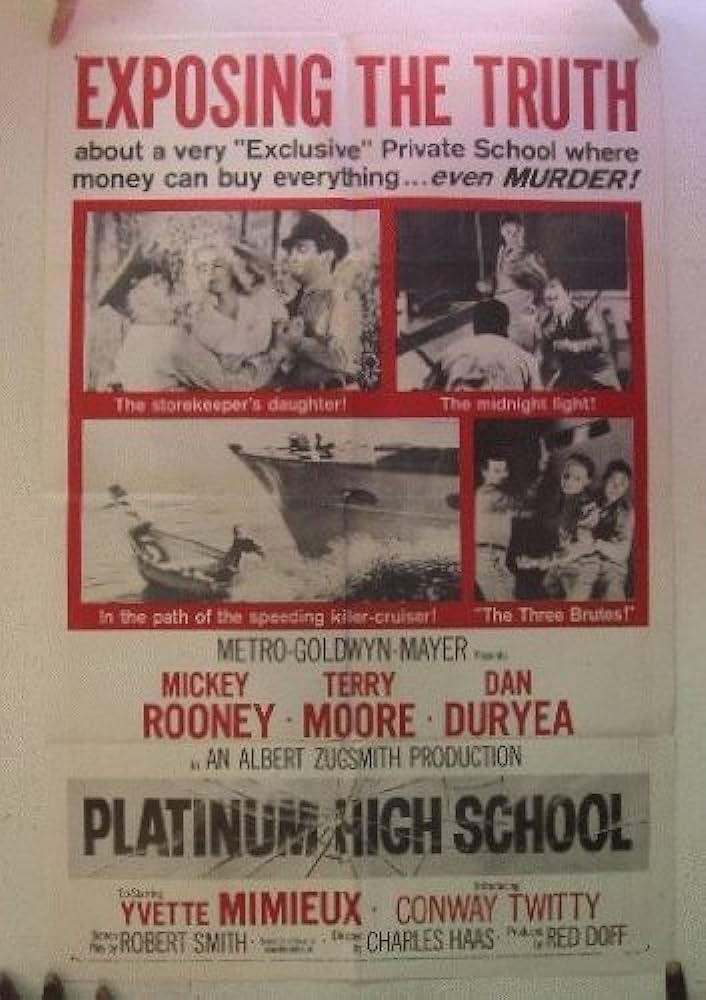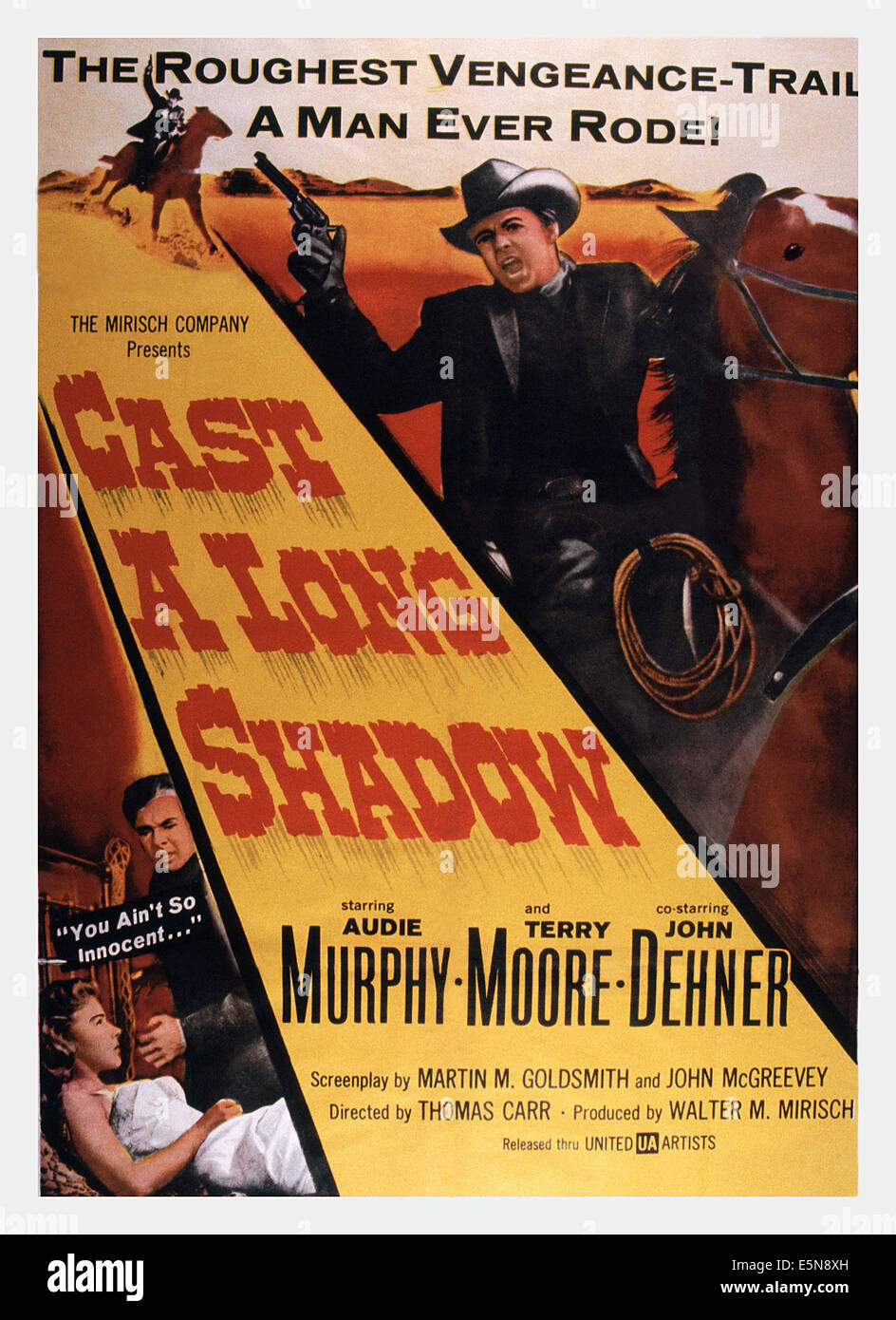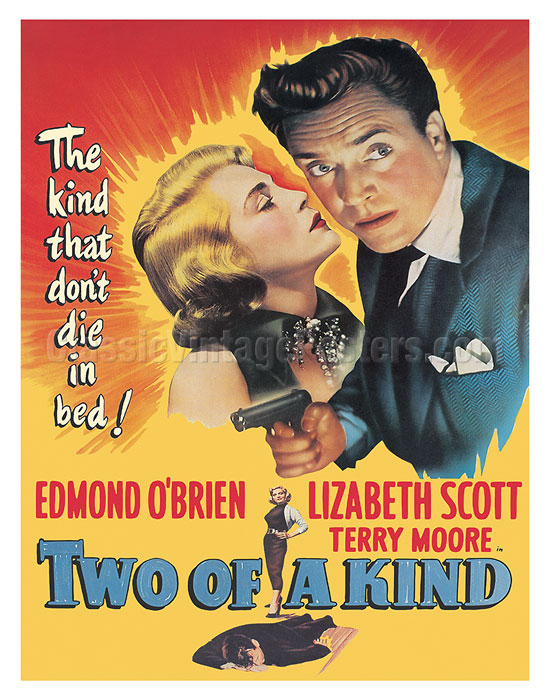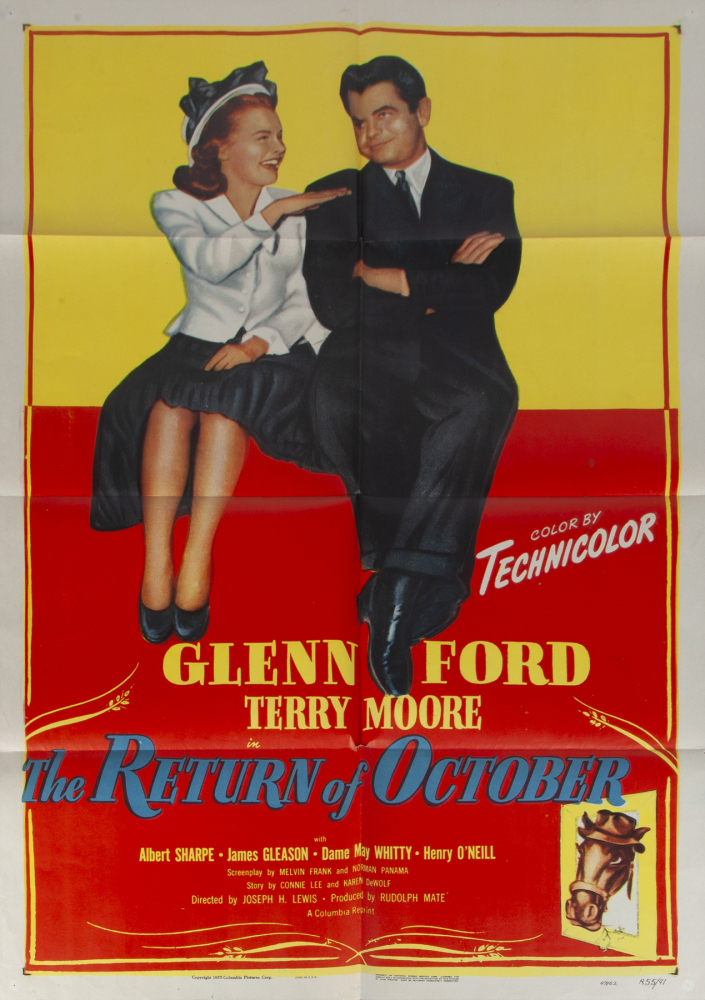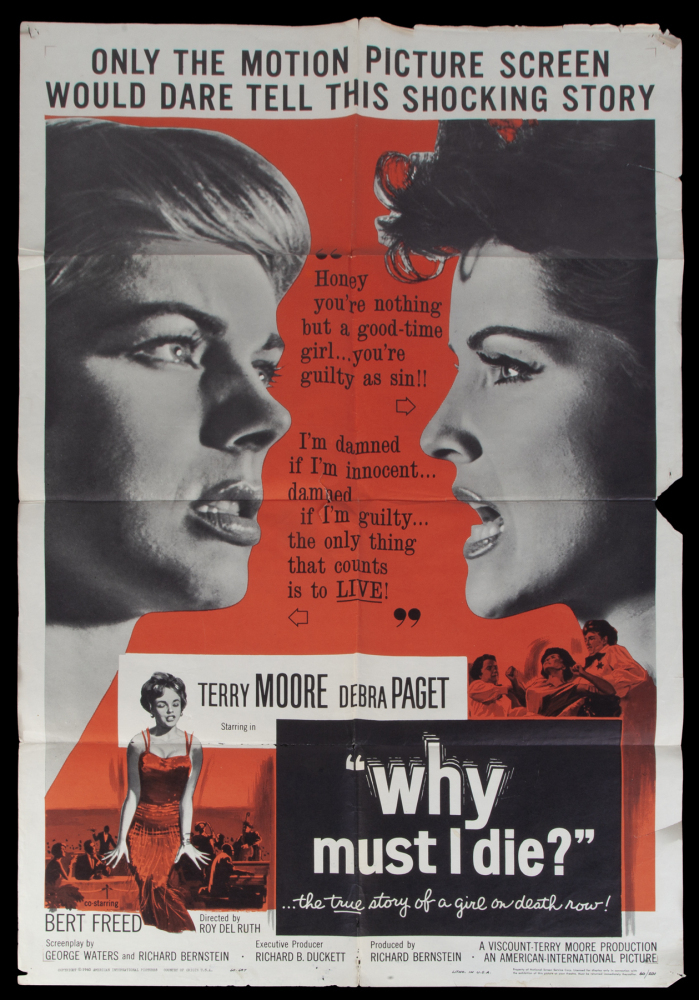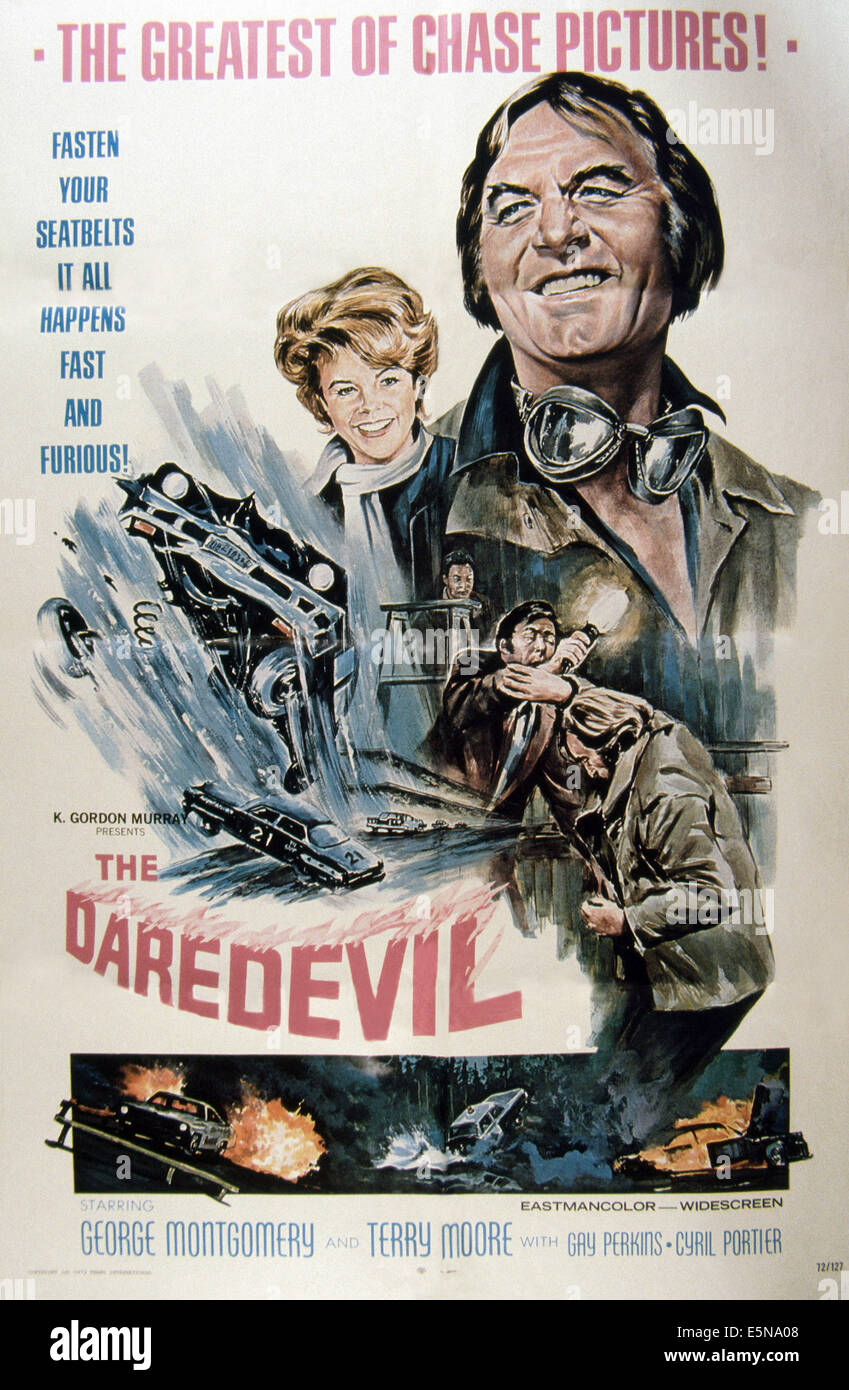

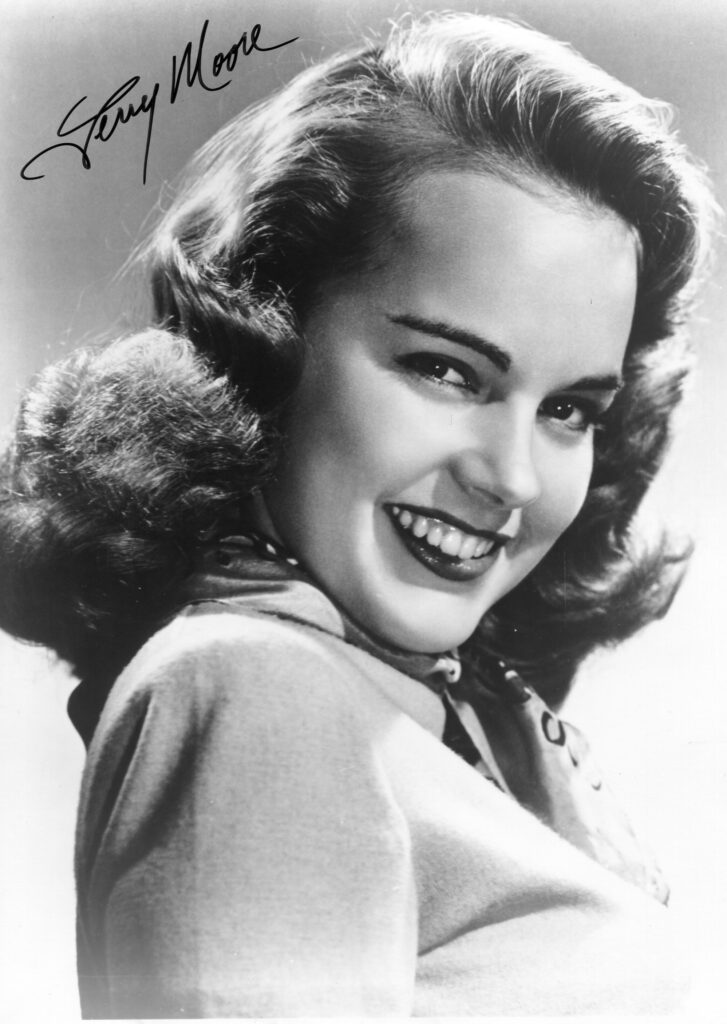
Terry Moore (born 1929) is one of the last living links to the Golden Age of Hollywood. A former child star who successfully transitioned into a quintessential “girl next door” of the 1950s, her career is a fascinating study of an actress who navigated the rigid expectations of the studio system while maintaining a public persona that was often more complex—and controversial—than her onscreen roles.
I. Career Overview: From “Helen Koford” to Terry Moore
1. The Child Professional (1940s)
Starting under her birth name, Helen Koford, Moore was a highly disciplined child actor.
The Apprentice: She appeared in minor roles in classics like Gaslight (1944) and The Son of Lassie(1945). Critics noted even then her “naturalistic poise,” a trait that helped her avoid the “precocious” trap many child stars fell into.
2. Stardom and the Oscar (1949–1953)
The early 50s marked her peak as a leading lady at 20th Century Fox and Columbia.
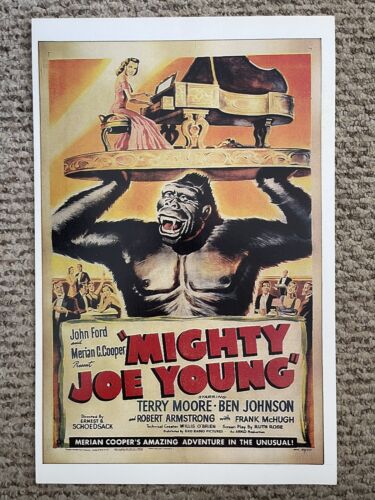
Mighty Joe Young (1949): Playing the “beauty” to the giant ape’s “beast,” Moore became a global face. While the film was an effects extravaganza, her sincere performance grounded the fantasy.
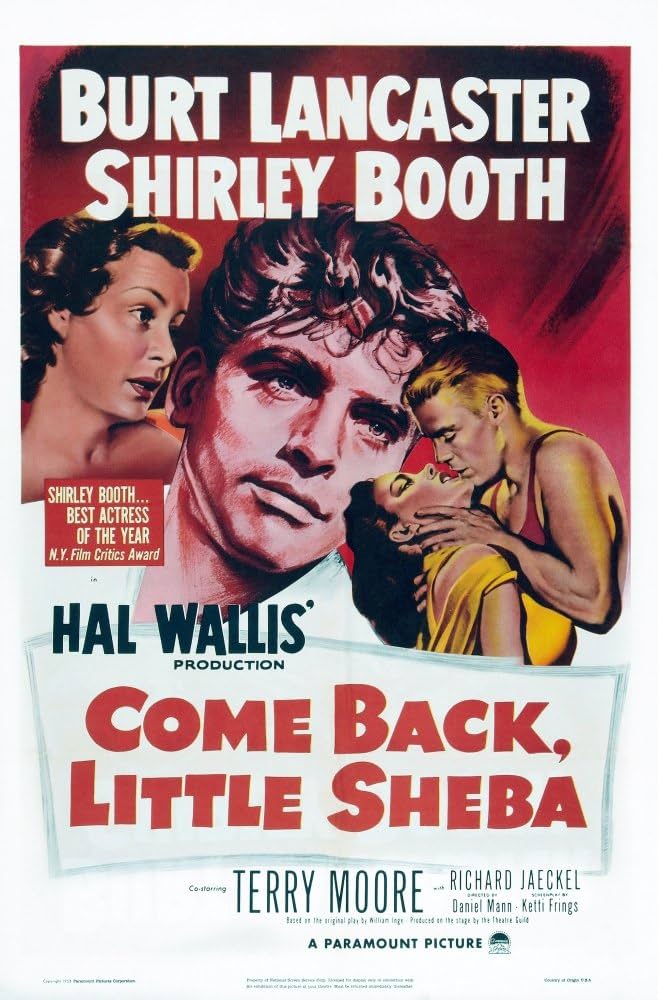
Come Back, Little Sheba (1952): This was her critical zenith. Playing Marie, the seductive yet naive boarder who inadvertently exposes the cracks in a middle-aged couple’s marriage (Burt Lancaster and Shirley Booth), Moore earned an Academy Award nomination for Best Supporting Actress.
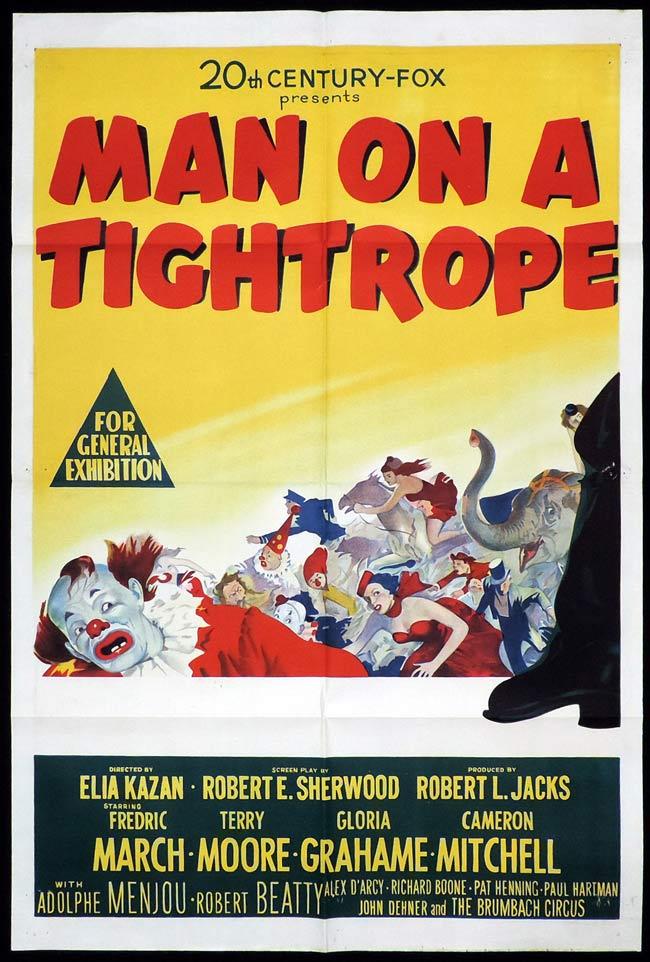
Man on a Tightrope (1953): Directed by Elia Kazan, this showcased her ability to handle grittier, more European-style drama.
3. The 1950s Pin-Up and Television (1955–1980s)
As the “ingenue” roles faded, Moore leaned into her status as a Hollywood socialite and pin-up.
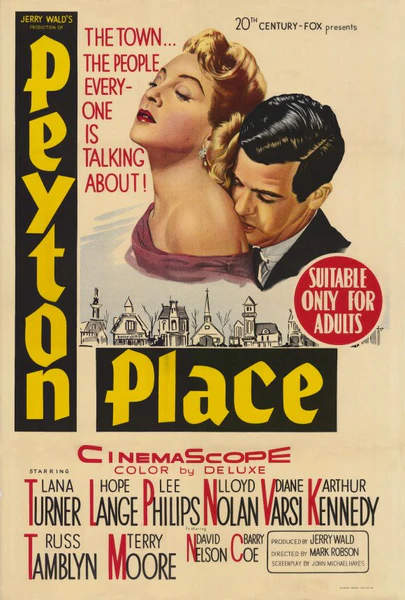
Peyton Place (1957): She played the rebellious Betty Anderson in this scandalous blockbuster, a role that bridged the gap between her “sweet” image and the more “sensual” characters of the late 50s.
The TV Transition: She starred in the series Empire (1962) and became a ubiquitous guest star on shows like Batman (as Venus) and The Love Boat.
II. Detailed Critical Analysis
1. The “Subversive Ingenue”
Critically, Moore is often analyzed for how she balanced wholesomeness with a burgeoning sexuality.
The “Marie” Archetype: In Come Back, Little Sheba, her performance is a masterclass in “unconscious provocation.” She didn’t play a femme fatale; she played a girl who was unaware of the effect her youth and vitality had on the broken adults around her. Critics praised her for not making the character a villain, but a “catalyst of nature.”
The Fox Strategy: Her studio, 20th Century Fox, often marketed her as a “clean-cut” alternative to Marilyn Monroe, but Moore’s best work always contained a “steely” undercurrent that suggested her characters were smarter than they let on.
2. The Howard Hughes Influence
It is impossible to analyze Moore’s career without discussing her relationship with Howard Hughes.
The “Lost” Years: Moore later claimed she was secretly married to Hughes from 1949 until his death. Critics have noted that her association with the reclusive billionaire likely both helped and hindered her career—giving her a “mystique” that kept her in the tabloids, but perhaps distracting from her genuine acting credentials.
Economic Autonomy: Like Hughes, Moore was remarkably business-savvy. She was one of the few actresses of her era to maintain financial independence and navigate the transition to the “independent” film era of the 60s without a studio safety net.
3. Longevity and “The Last Survivor”
In recent decades, Moore has been re-evaluated as a technician of the “Studio Style.”
Consistency: Whether in a giant ape movie or a Kazan drama, Moore maintained a high level of “technical transparency.” Her acting never felt “heavy” or overly rehearsed.
The Final Bond: As of 2026, her presence at film festivals and retrospectives is seen as an essential “living library.” Critics appreciate her later-life candor about the “casting couch” culture and the mechanics of 1950s stardom, which has added a layer of historical weight to her filmography.
Iconic Performance Comparison
| Character | Work | Archetype | Key Critical Legacy |
| Jill Young | Mighty Joe Young | The Adventuress | Proved she could carry a major “Spectacle” film. |
| Marie Buckholder | Come Back, Little Sheba | The Innocent Siren | Her most “literary” and acclaimed performance. |
| Tereza Cernik | Man on a Tightrope | The Refugee | Displayed a “rawer” dramatic edge under Kazan. |
| Betty Anderson | Peyton Place | The Rebel | Defined the “Small Town Scandal” era of the late 50s. |
Terry Moore was the “Girl Next Door” who lived a life of Hollywood intrigue. While her Oscar-nominated work in Sheba remains her artistic high-water mark, her true legacy is her 80-year survival in an industry that rarely allows child stars to become icons of longevity