
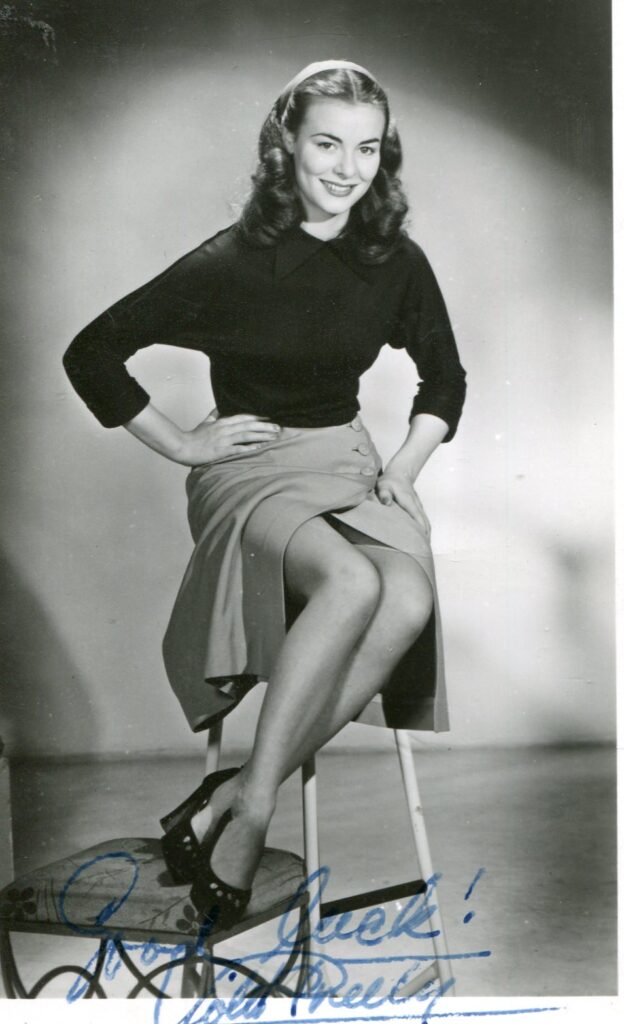
THE TELEGRAPH OBITUARY IN 2023.
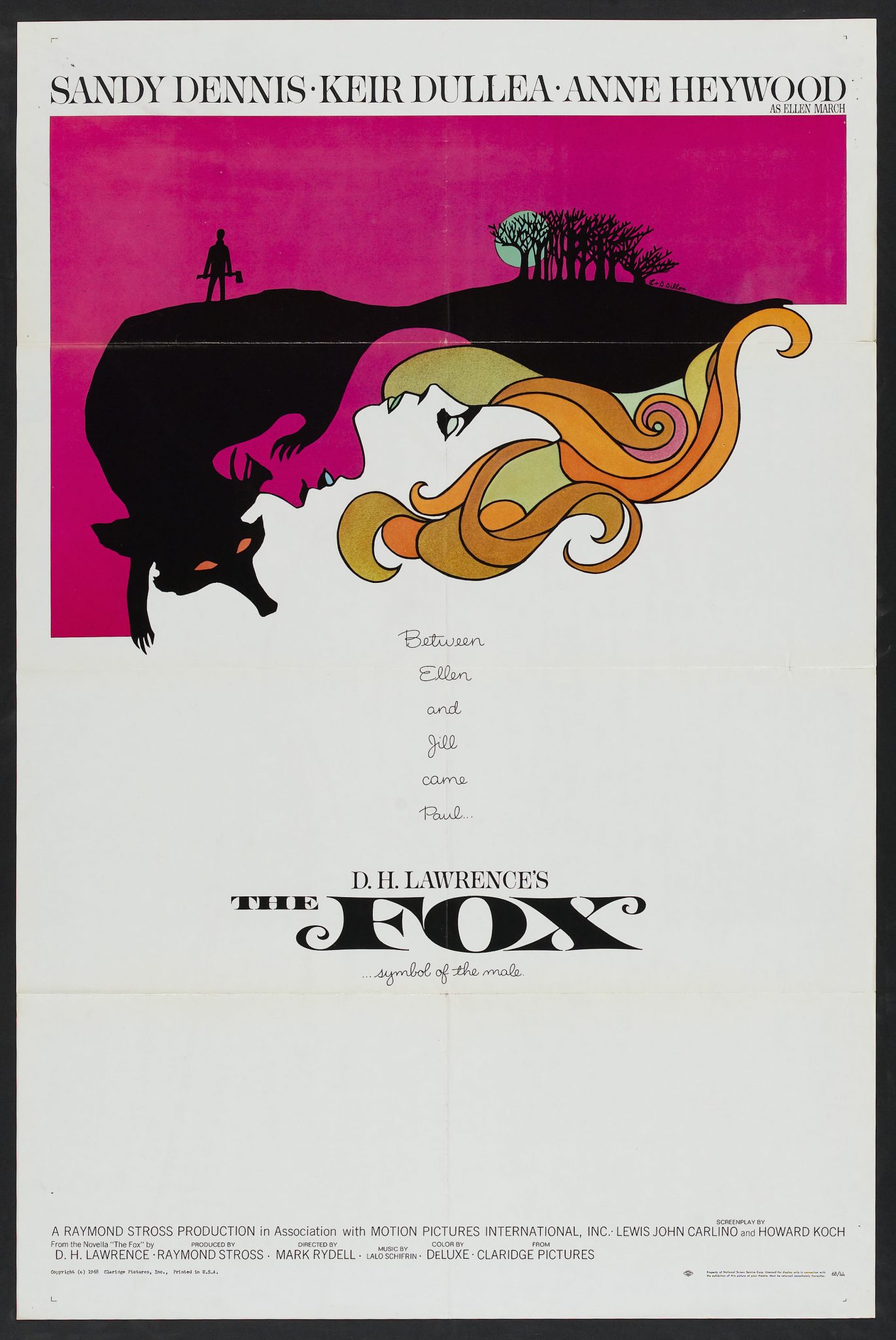
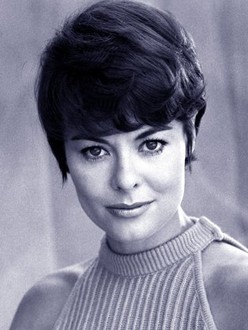
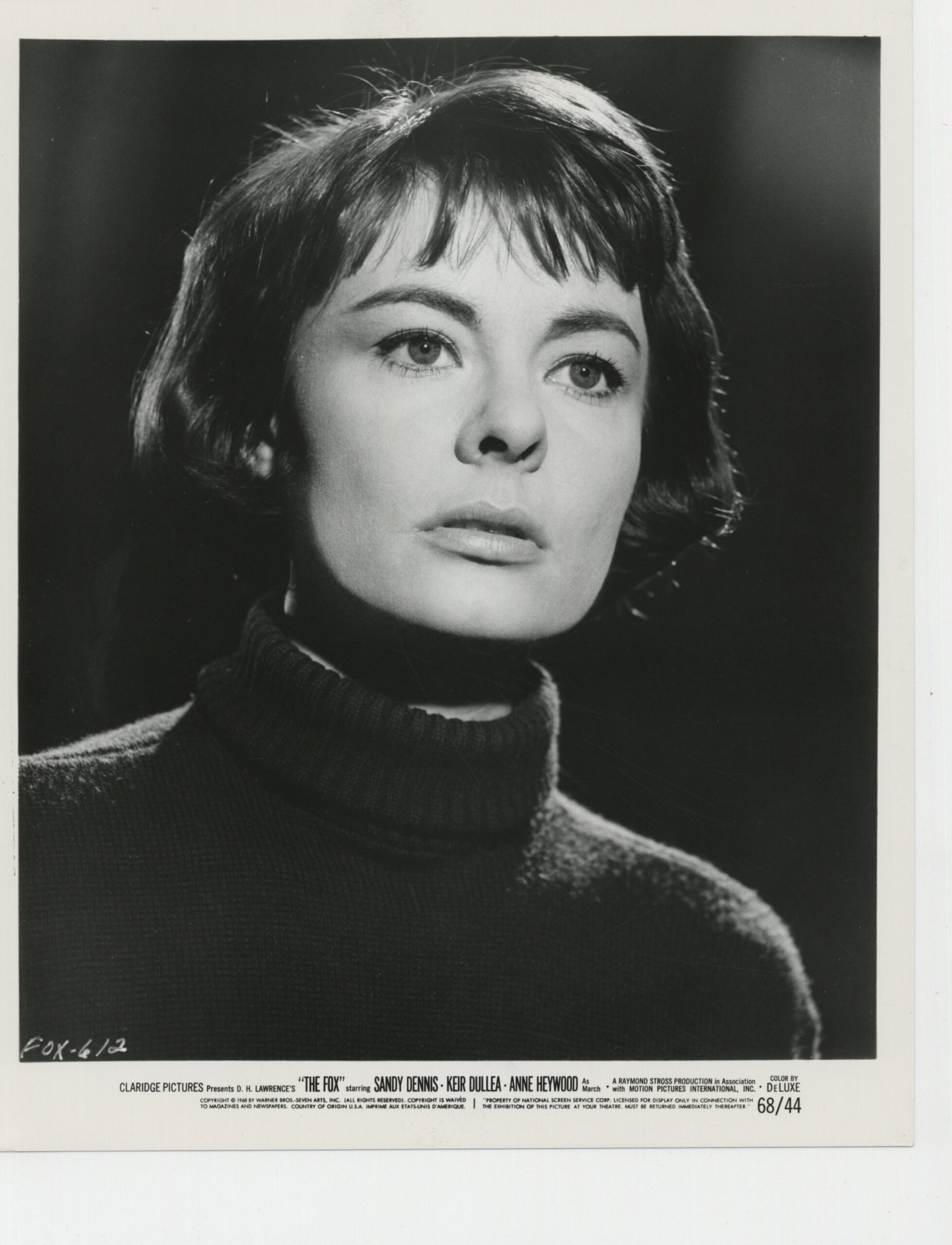
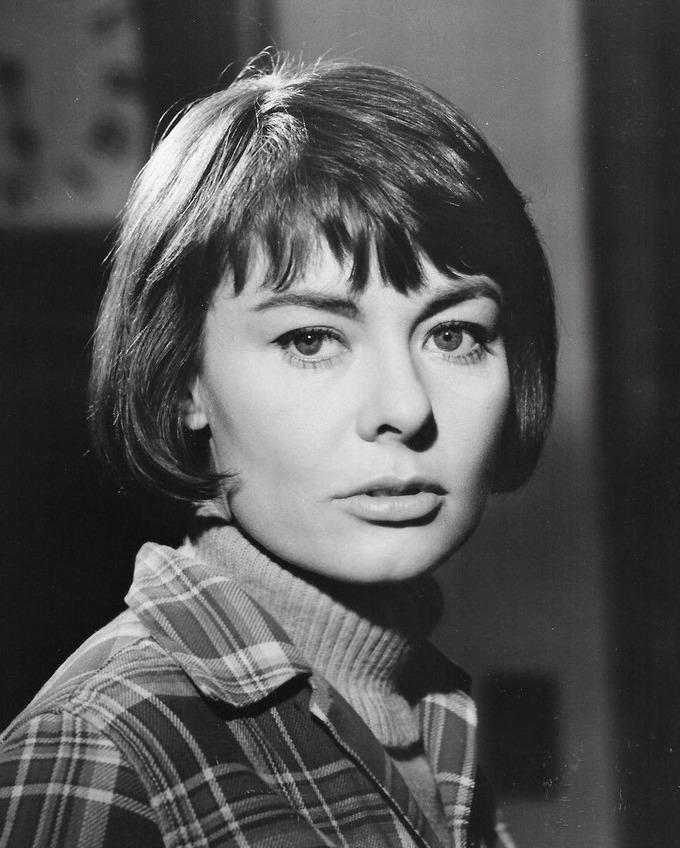
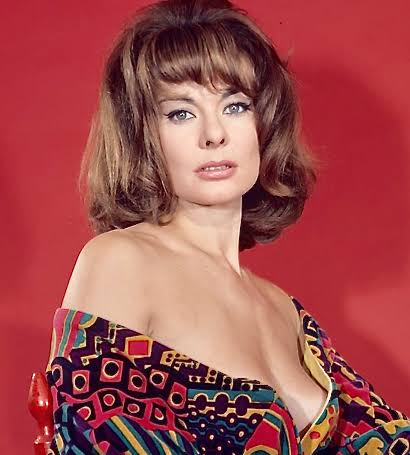
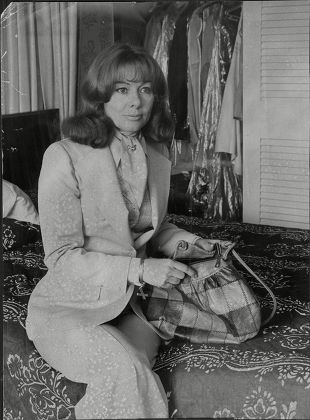
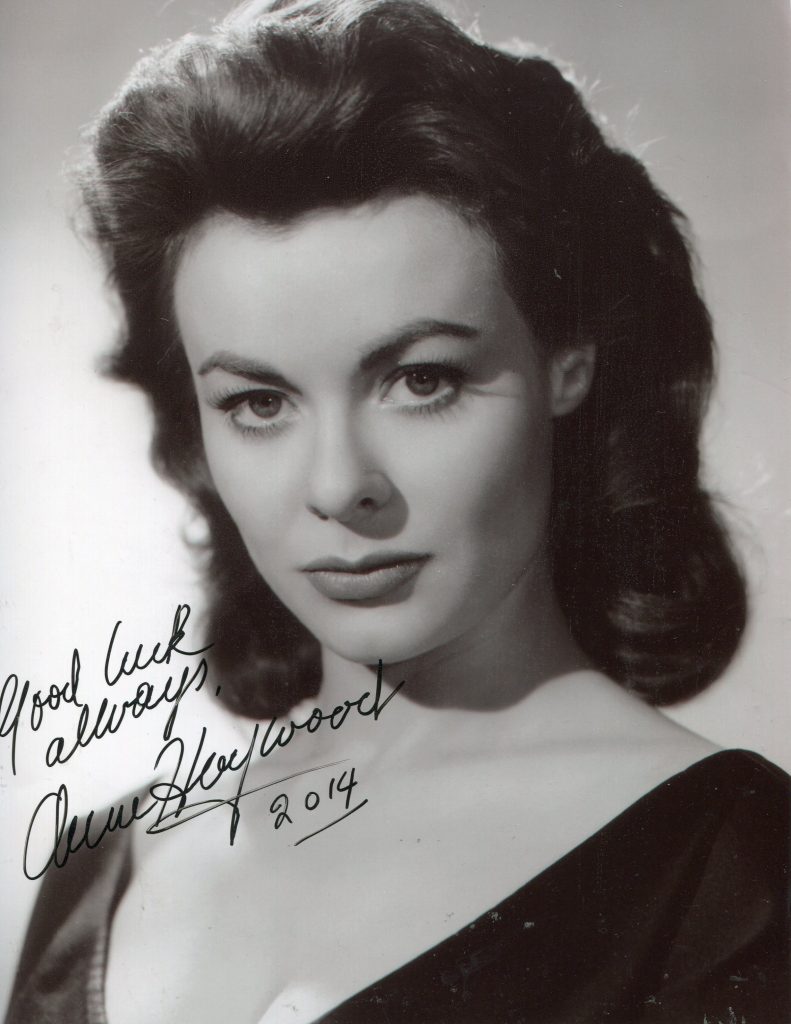
Anne Heywood, the actress who has died aged 92, was a former Miss Great Britain who was brave in her choice of taboo-busting film roles, gaining her greatest fame for a lesbian scene in the 1967 adaptation of D H Lawrence’s novella The Fox.
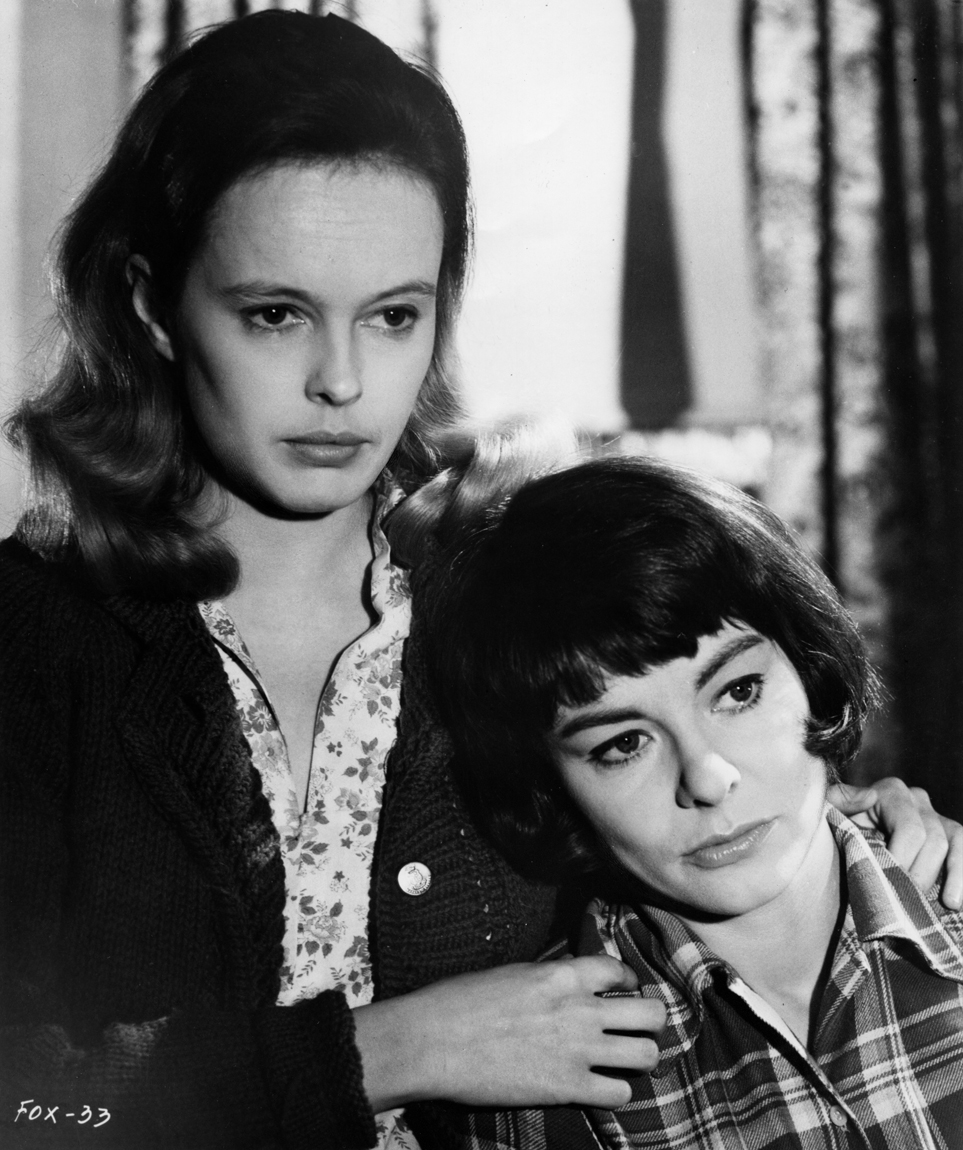
With her husband, Raymond Stross, producing the low-budget Canadian movie, she and Sandy Dennis starred as two women raising chickens on a remote farm who end up making love after Anne Heywood’s character, Ellen, turns down a merchant sailor’s marriage proposal.
The actress had no qualms about performing the daring scene, telling the critic Roger Ebert in 1969 that it was done with “delicacy and taste” and adding: “Ellen isn’t a lesbian at all, in fact. She’s more of a modern, independent woman.”.
The film was released in the US just as Hollywood abandoned the Hays Code, which had prohibited the depiction of certain “sexual persuasions”. That did not stop a Mississippi court convicting a cinema owner of obscenity after screening the film, but Golden Globe judges named it Best Foreign Film (English Language) and nominated Anne Heywood as Best Actress. At the British box office it was the fifth highest-grossing release of 1968.
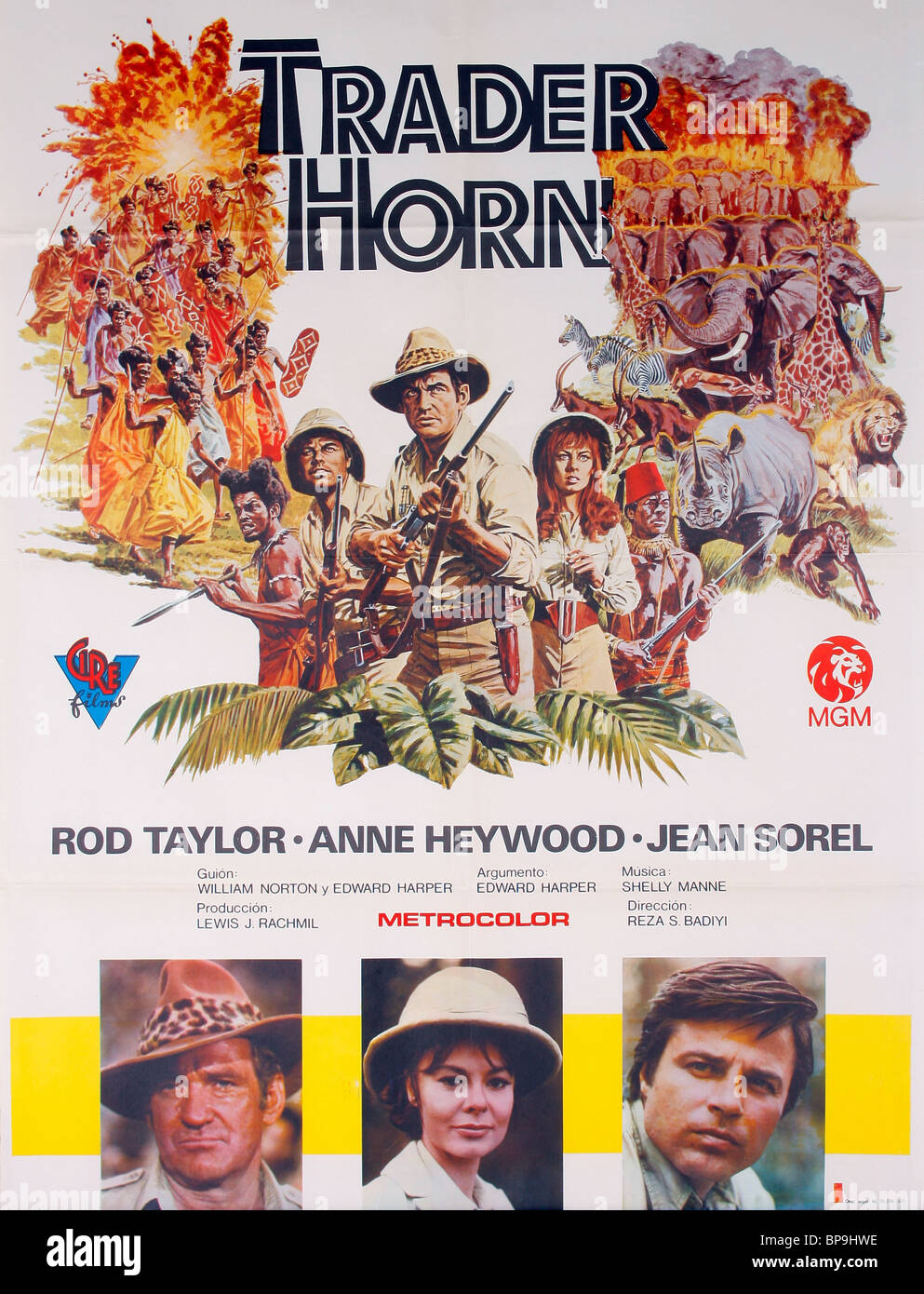
Although The Fox revived Anne Heywood’s career, she never became a Hollywood star, despite opportunities. In 1973 she played Rod Taylor’s fiancée, grappling with leeches and swamps on an MGM backlot in Trader Horn (1973), a flop remake of a 1930s yarn about a “great white hunter” in the African jungle.
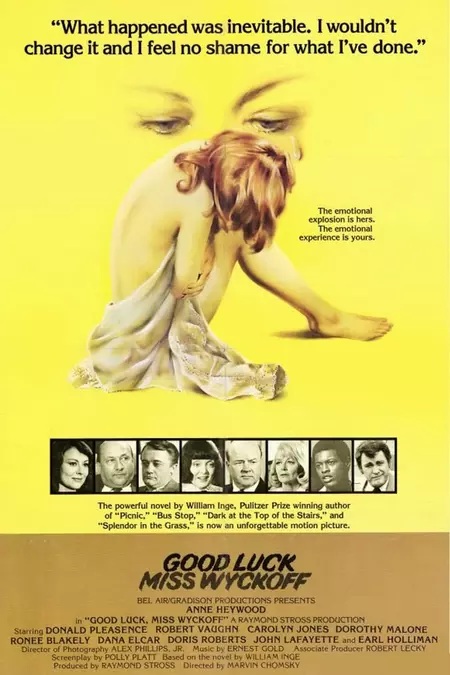
Six years later, in Good Luck, Miss Wyckoff, she was fearless again playing the virgin Kansas schoolteacher of the title who is raped by a janitor. In subsequent video releases it was salaciously retitled, variously, The Sin, The Shaming and Secret Yearnings.
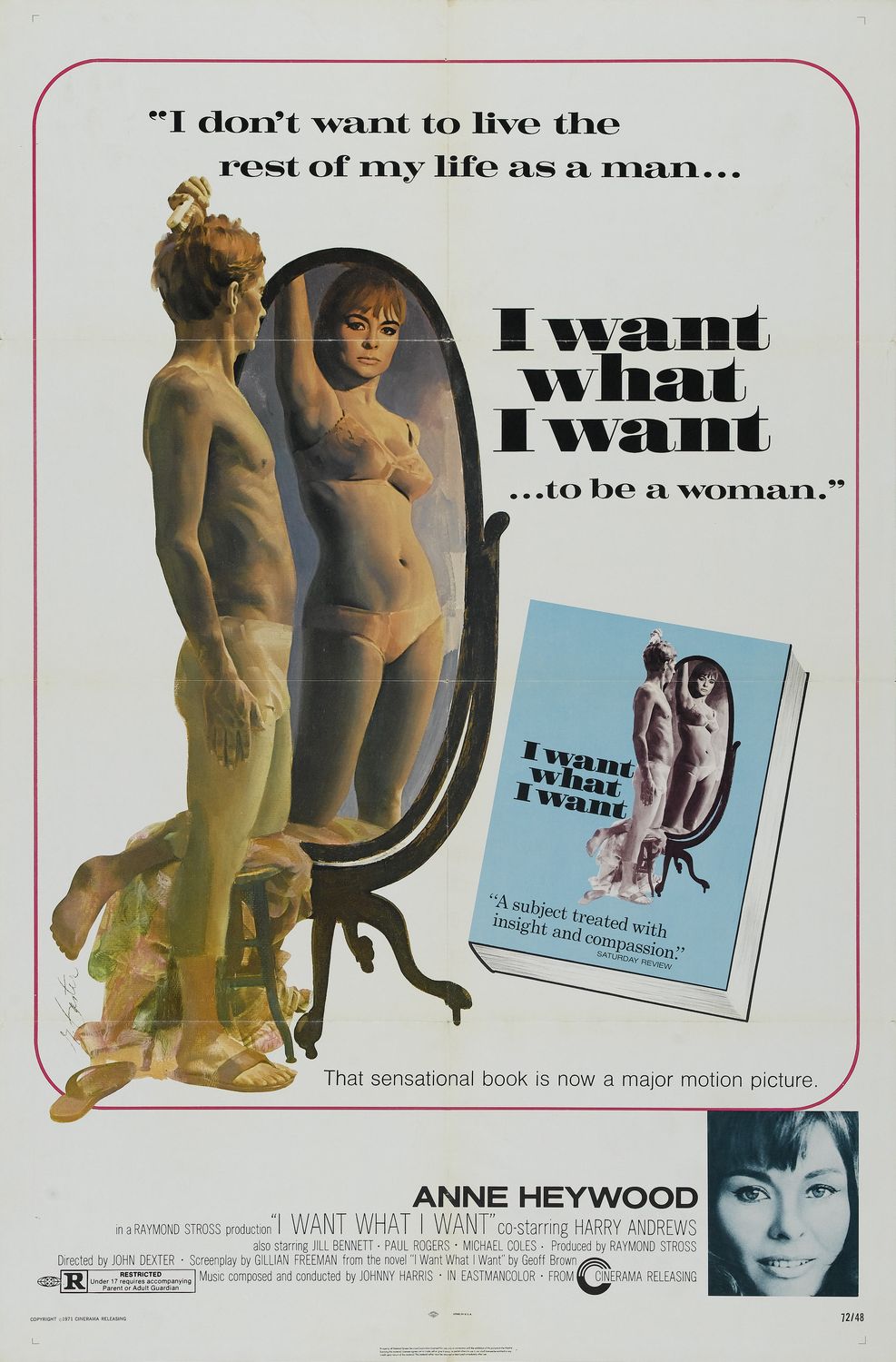
“I’m attracted to strange parts,” she said, “because they are more complicated than those of straightforward persons. You have to dig deep to find out how they tick.” In I Want What I Want (1972) she played Roy/Wendy, a male soldier who feels like a woman trapped in a man’s body.
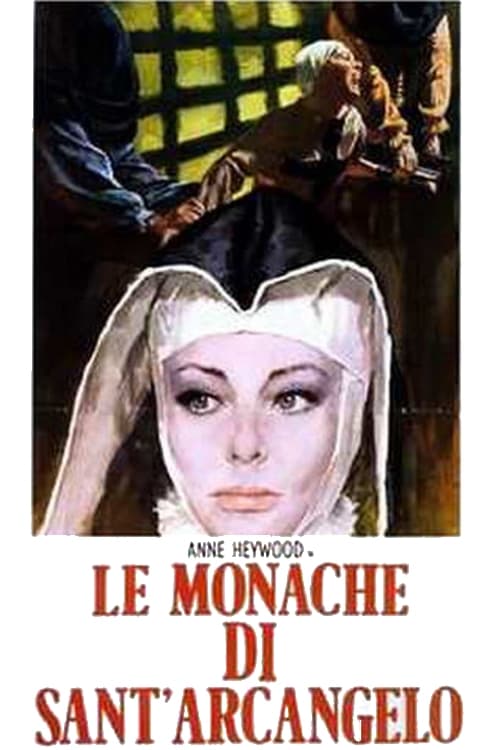
Her career took another turn when she starred in two Italian “nunsploitation” films. In The Awful Story of the Nun of Monza (1969), she ignored celibacy rules while plotting murder, and in The Nun and the Devil (1973), featuring nuns in both lesbian and heterosexual acts, she played a sister bent on succeeding a dying mother superior.
She was born Violet Joan Pretty in Birmingham on December 11 1931 to Edna, née Lowndes, and Harold Pretty, a factory worker who had played the violin in orchestras. When she was 12, her mother died.
Two years later, after her elder sister Doreen went away to work, she left Fentham Secondary Modern School, Erdington, to take over the care of her other three sisters and two brothers.
She earned money as an usherette at the ABC Cinema in Erdington, studied at the Birmingham School of Speech Training and Dramatic Art, and performed at the Highbury Little Theatre in Sutton Coldfield.
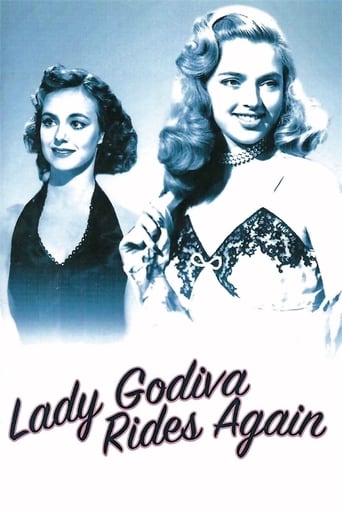
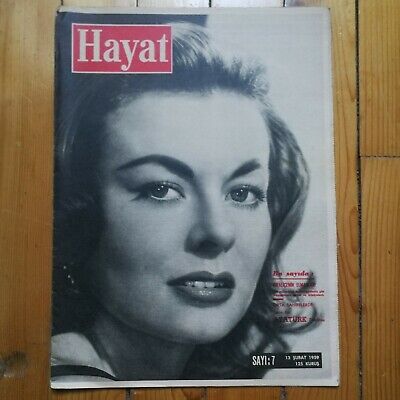
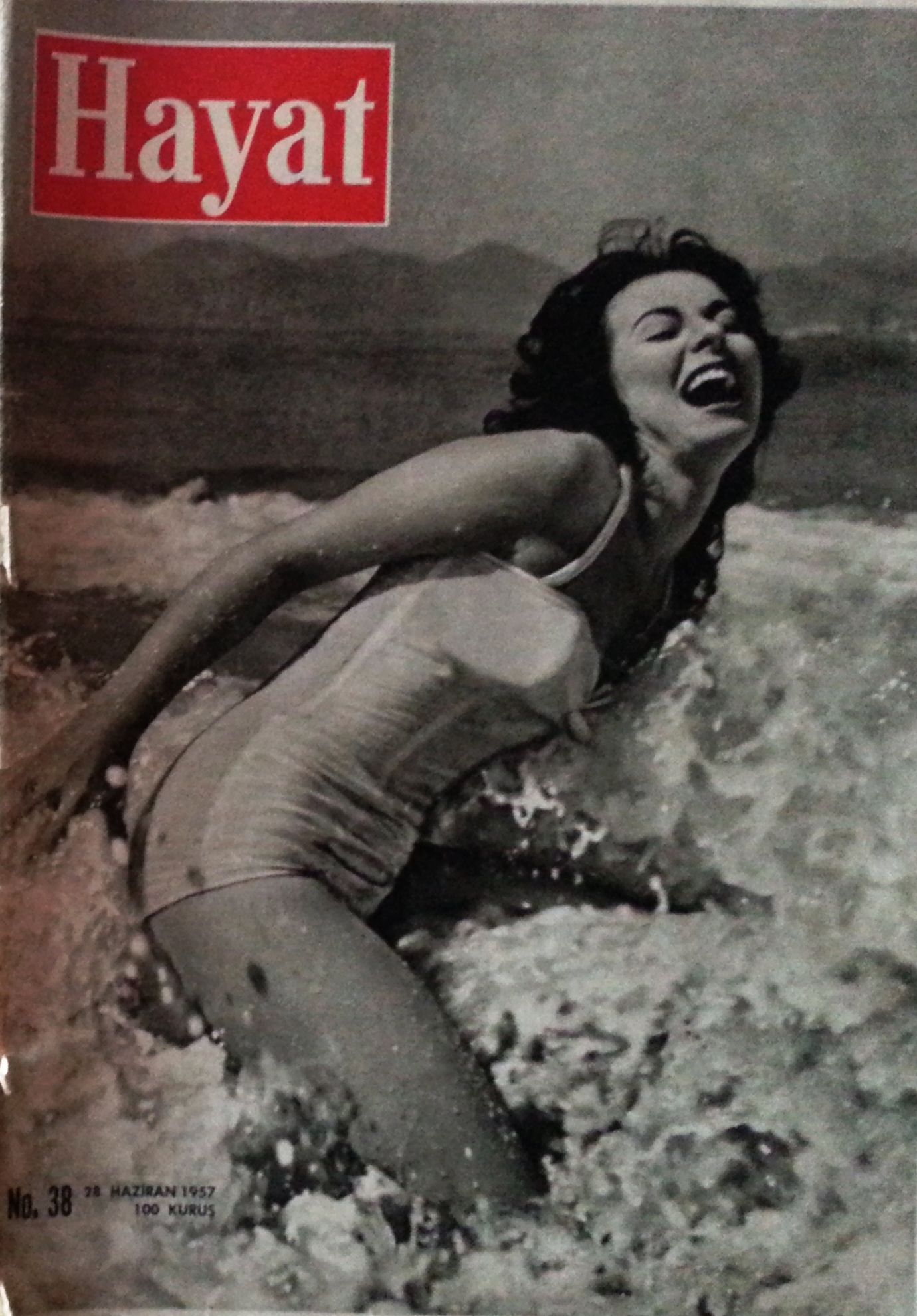
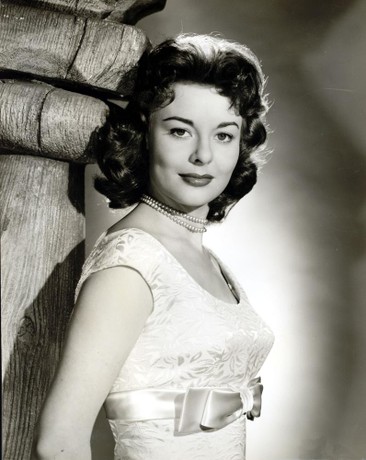
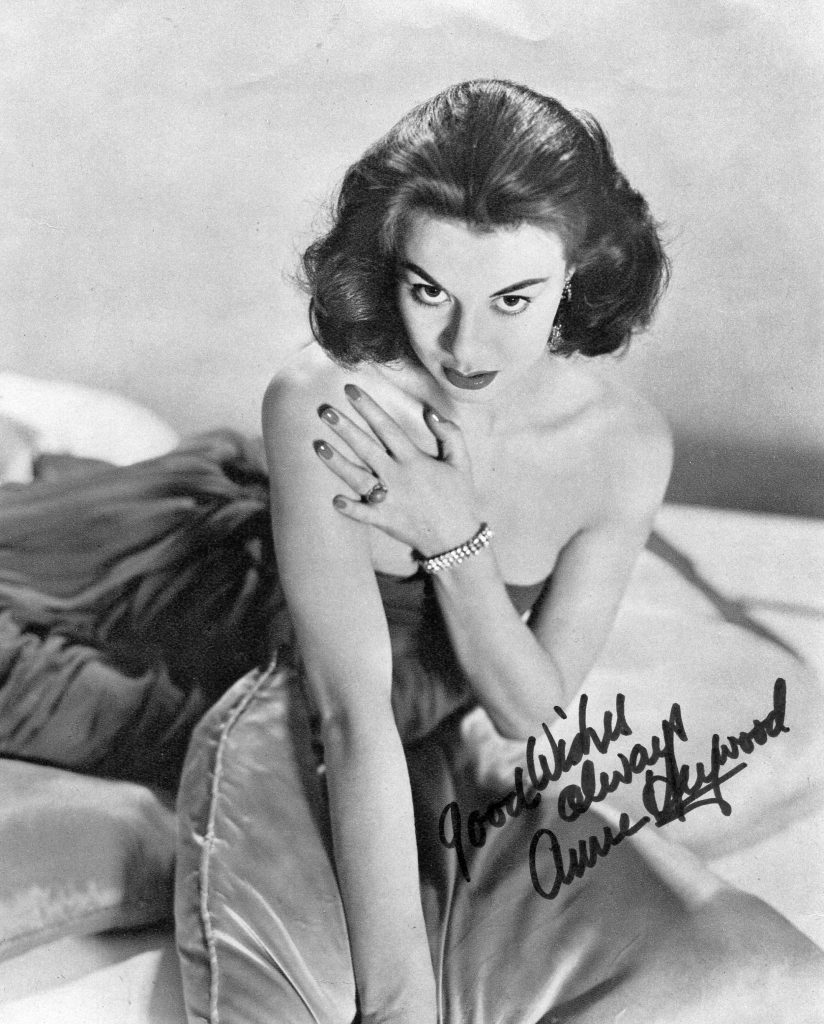
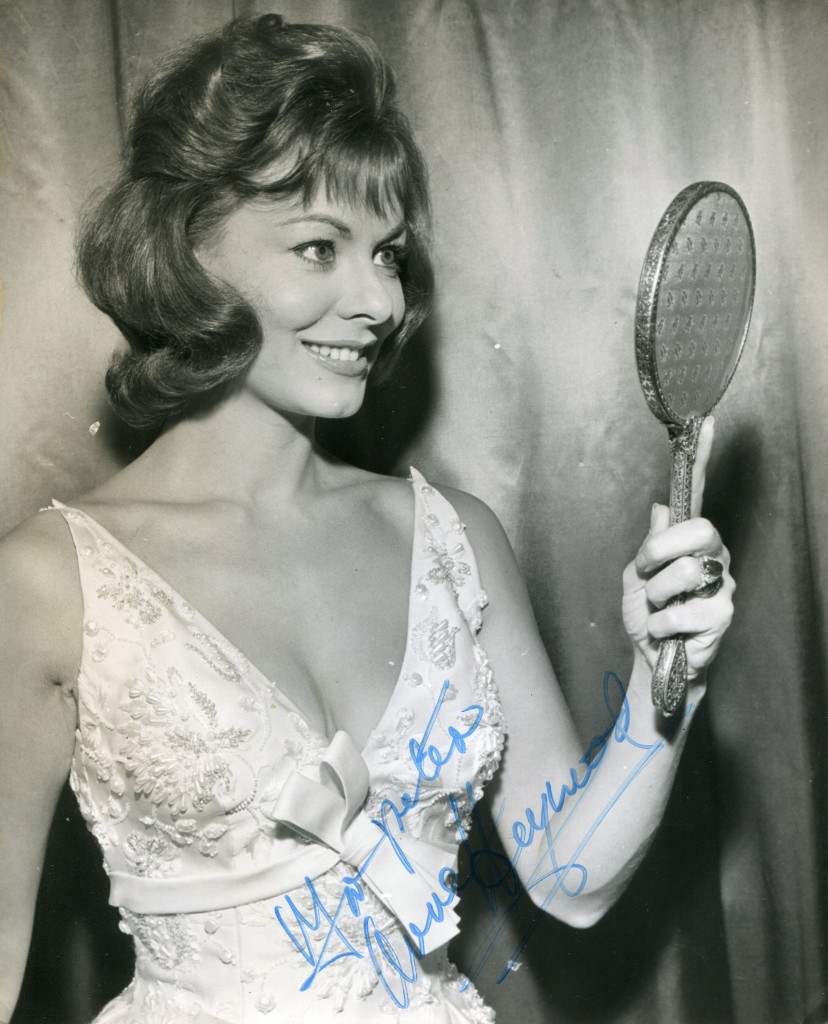
From age 16 she won beauty contests, culminating in the 1950 Miss Great Britain title. This led her to be cast as such a contestant in the 1951 Launder and Gilliat comedy Lady Godiva Rides Again, in which Joan Collins also had a bit part.
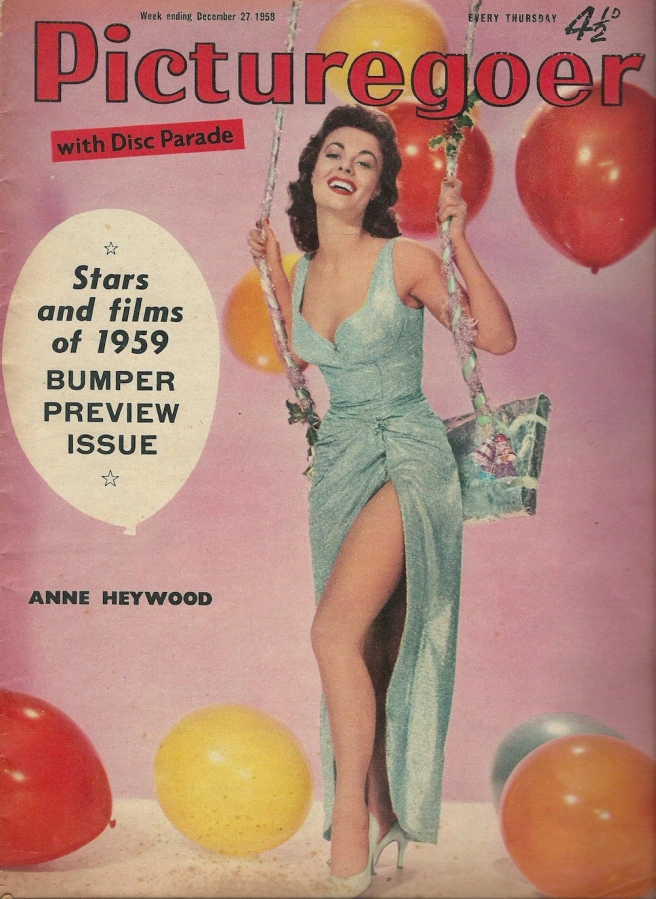
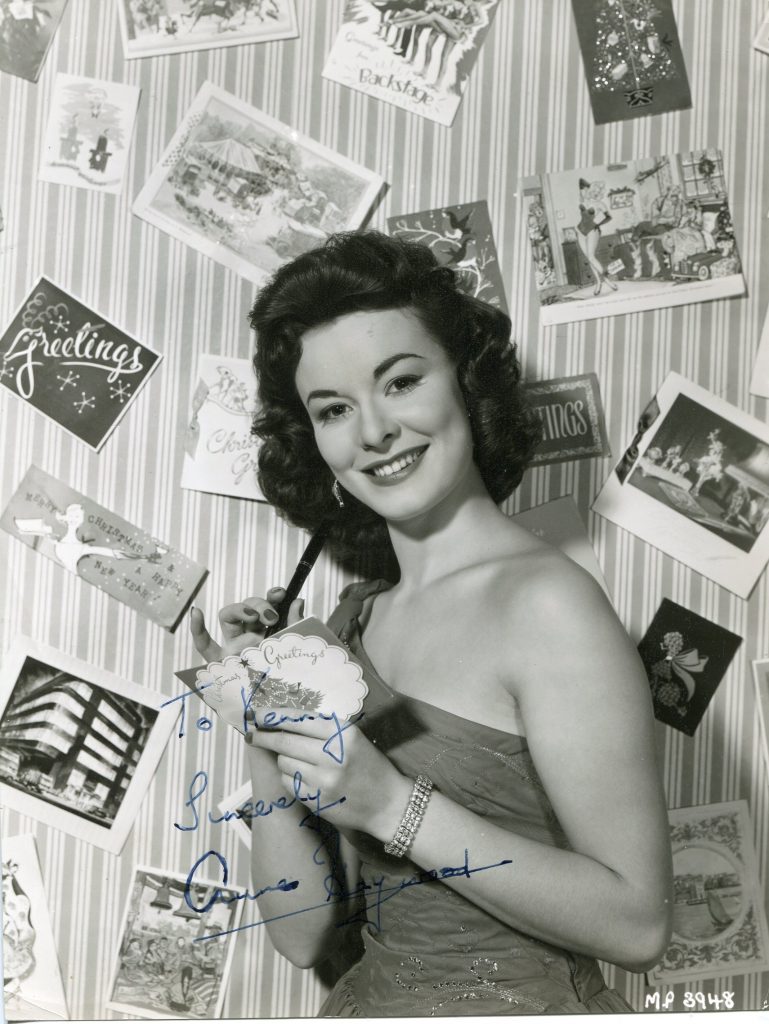
She then toured theatres in the talent-spotter Carroll Levis’s “Discoveries” shows, often topping the bill, and sang in his TV and radio programmes. In 1955 she signed with the Rank Organisation, taking the professional name Anne Heywood..
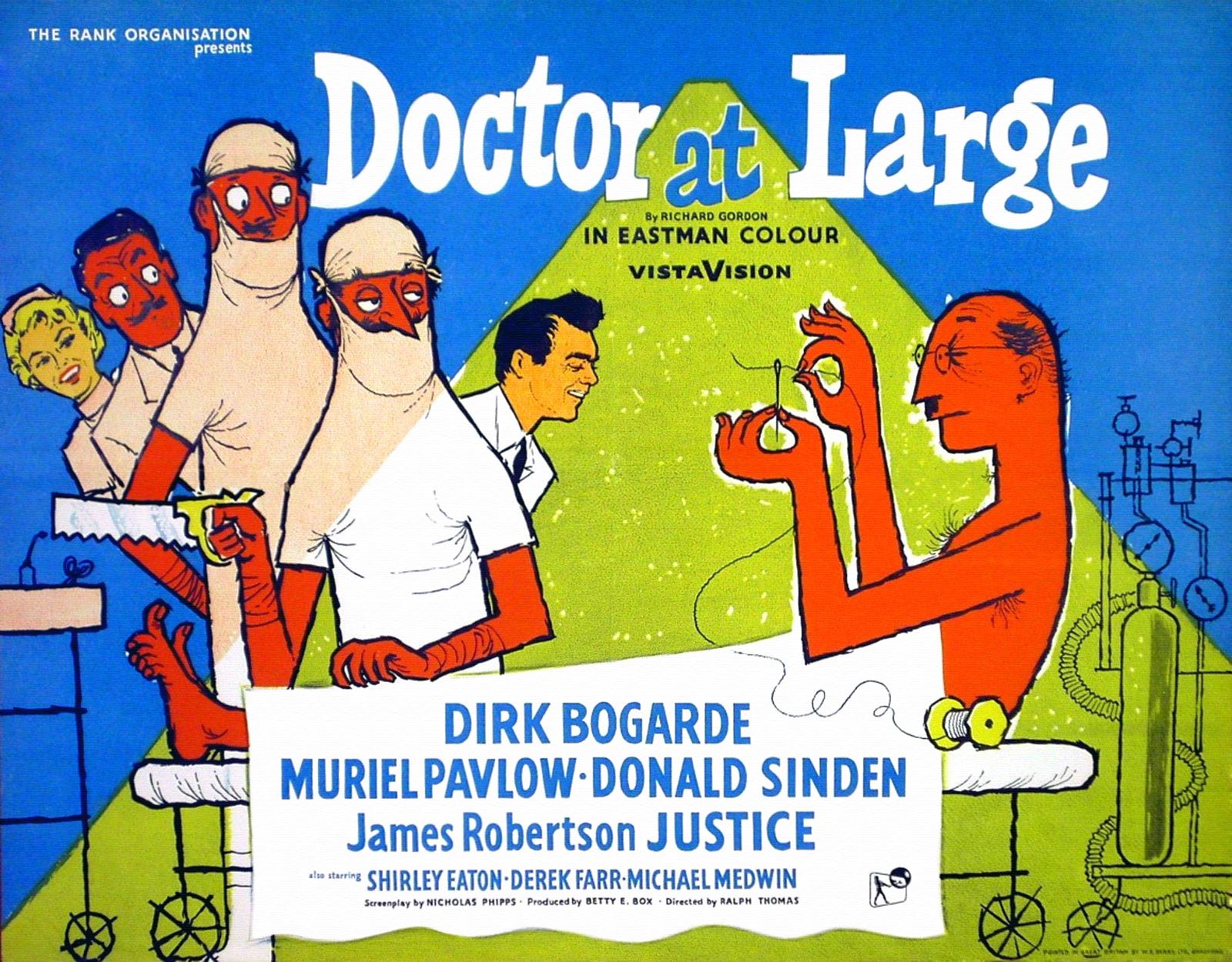
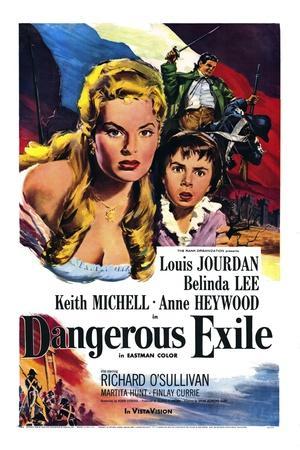
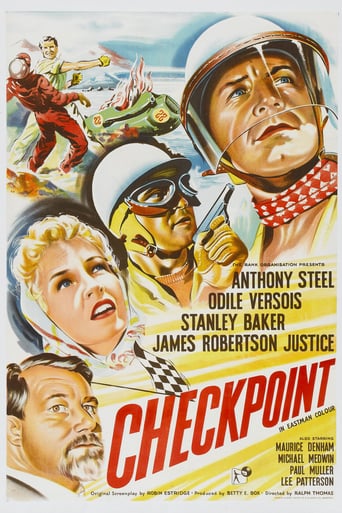
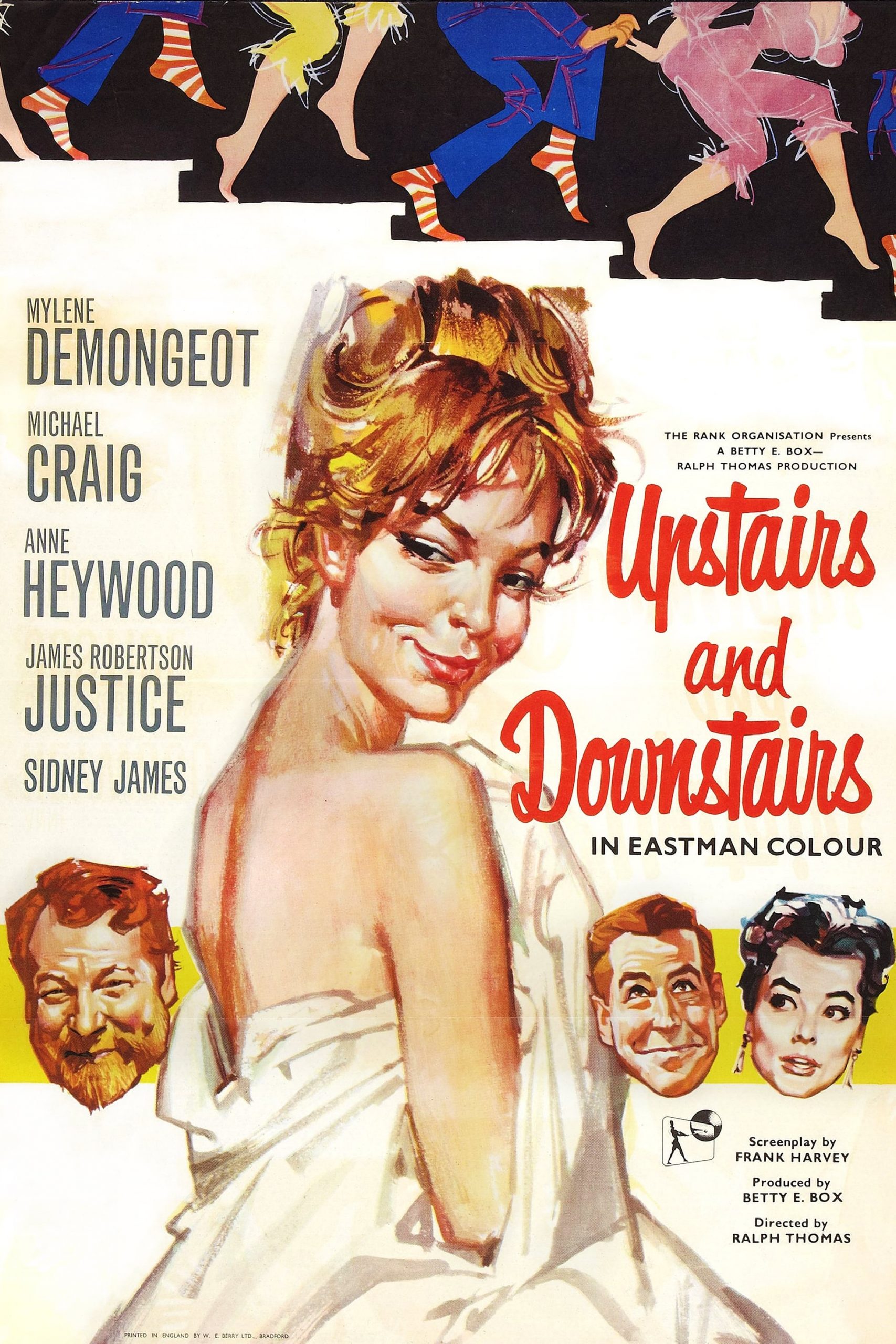
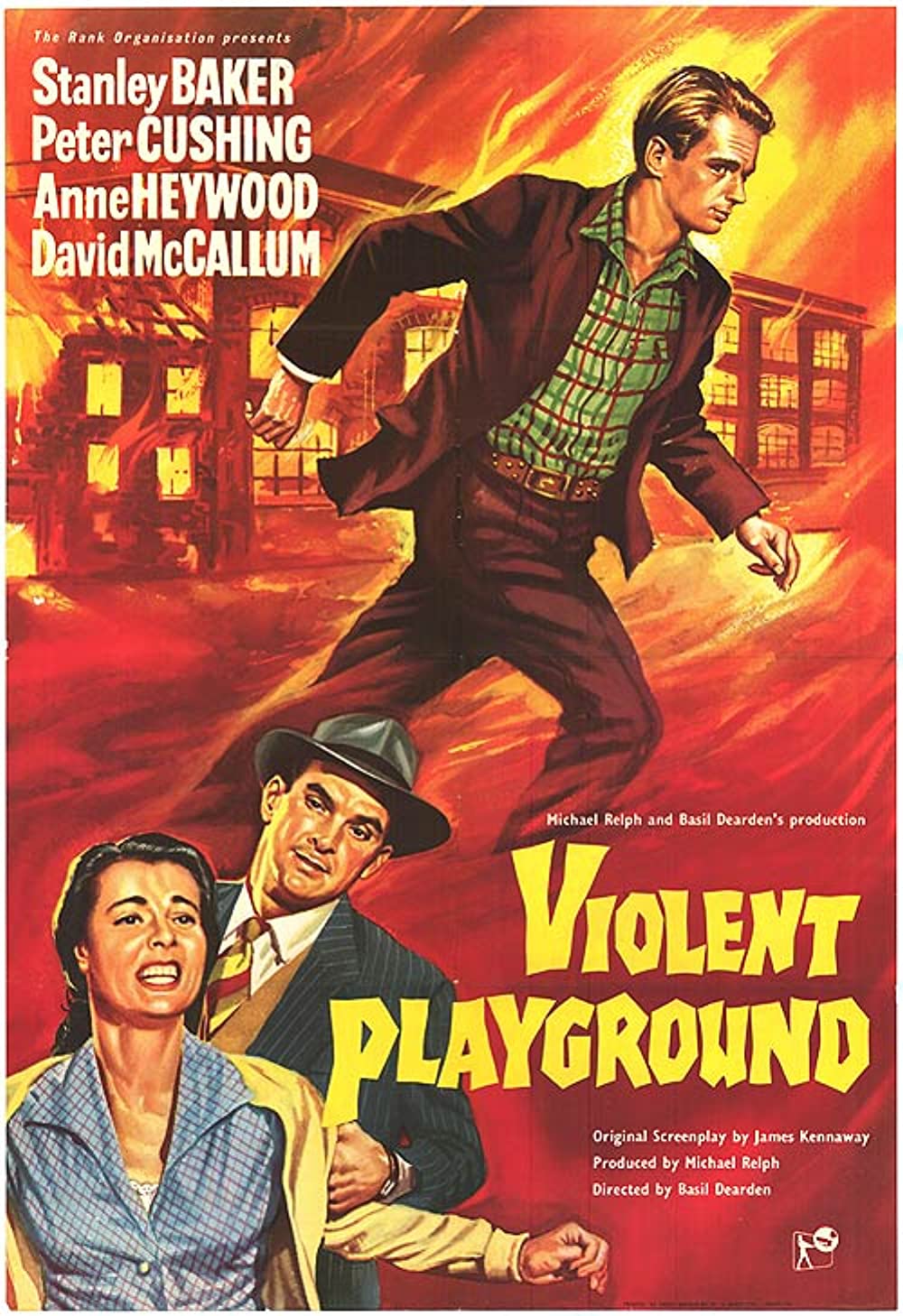
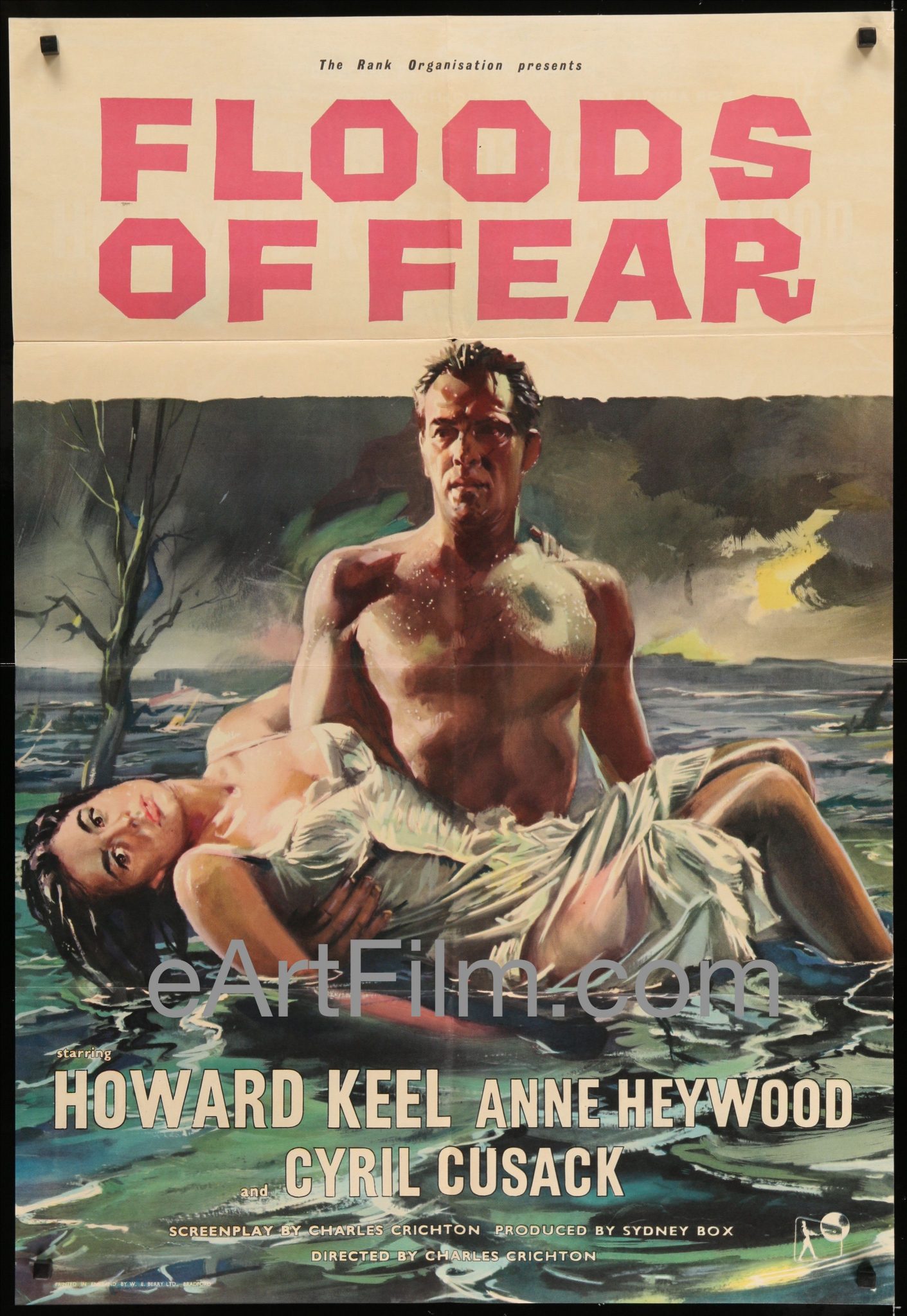
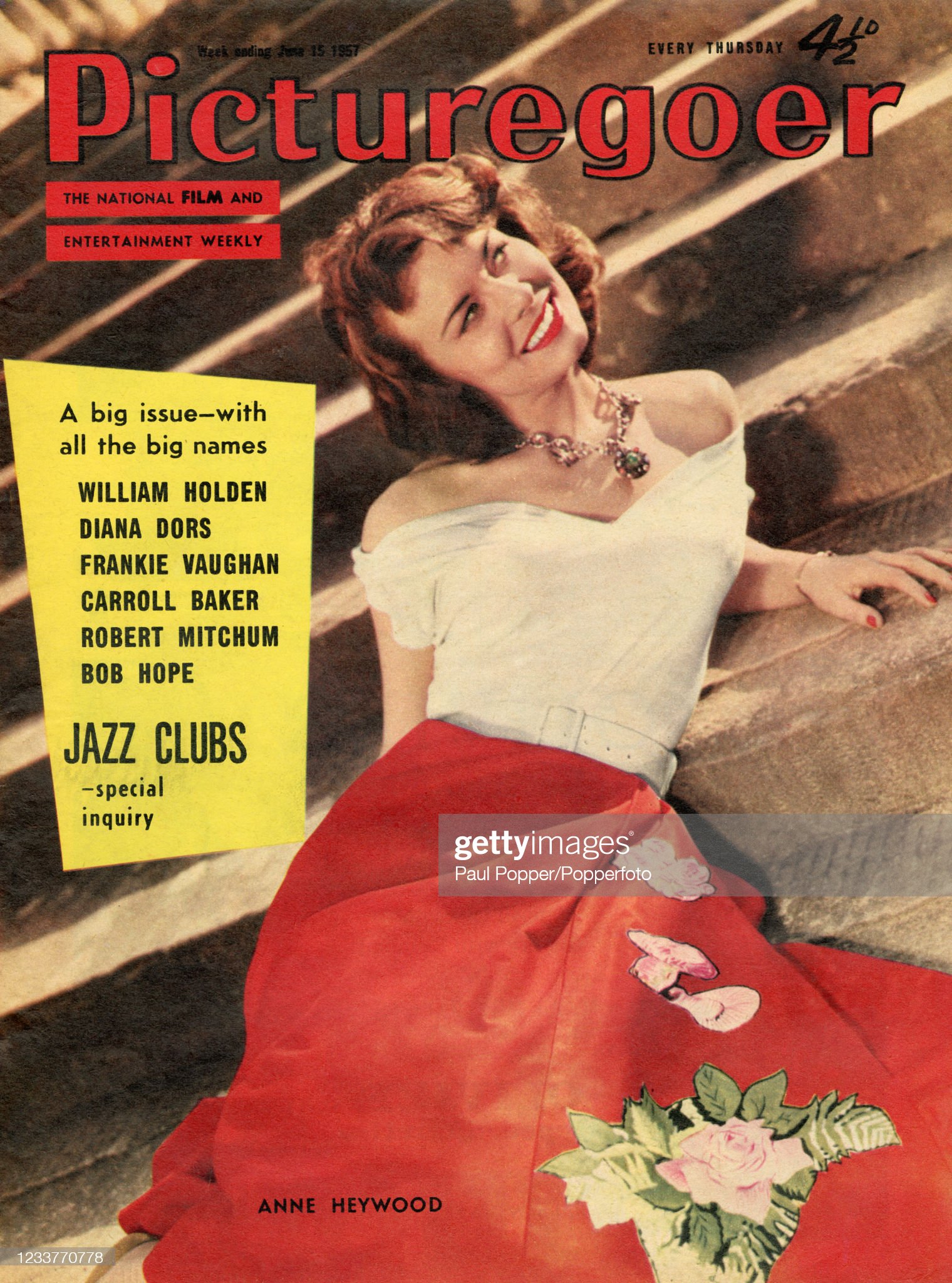
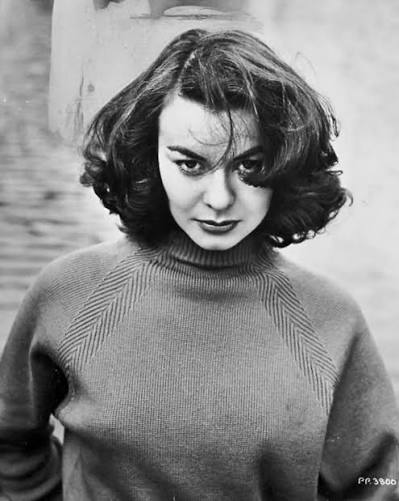
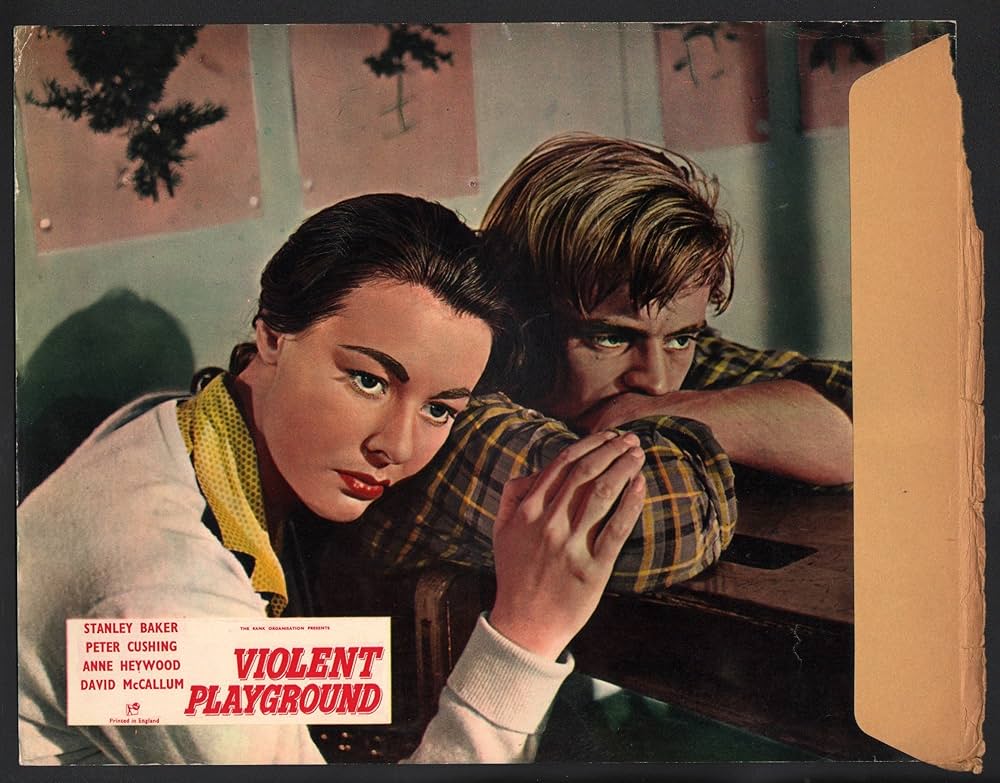
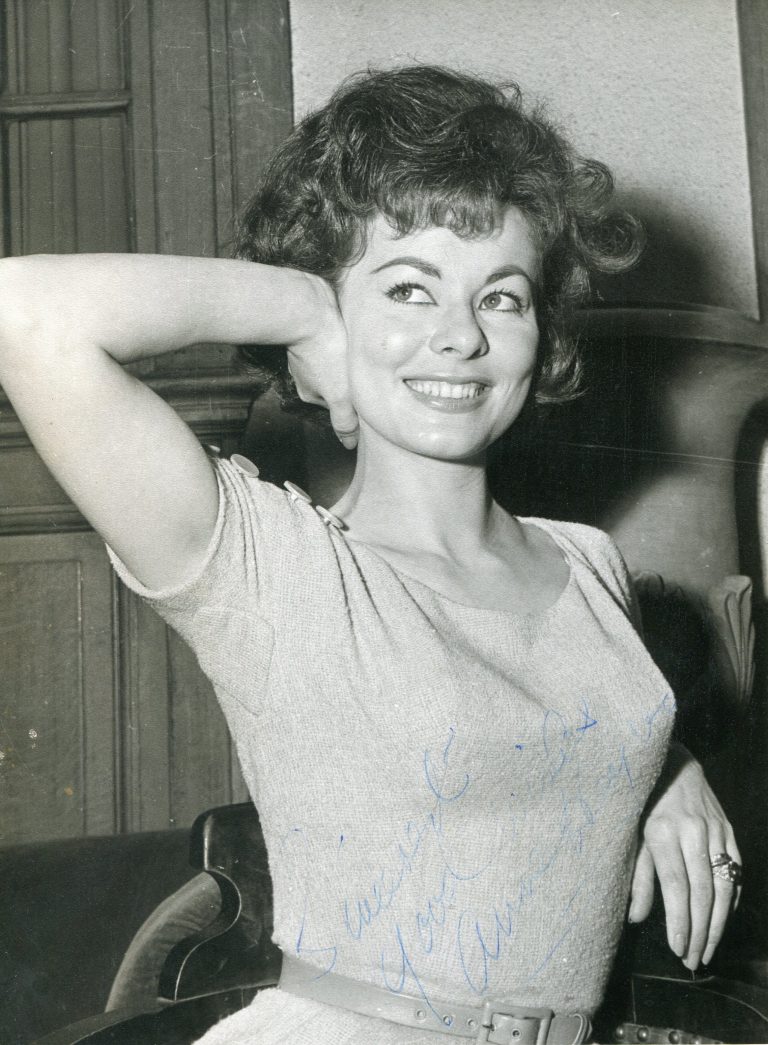
From small parts in movies such as Doctor at Large (1957), she starred as the femme fatale in the crime thriller Depraved (1957) and had leading roles alongside Stanley Baker in Violent Playground (1958), Howard Keel in Floods of Fear (1958), Frankie Vaughan in The Heart of a Man (1959) and Michael Craig in Upstairs and Downstairs (1958).
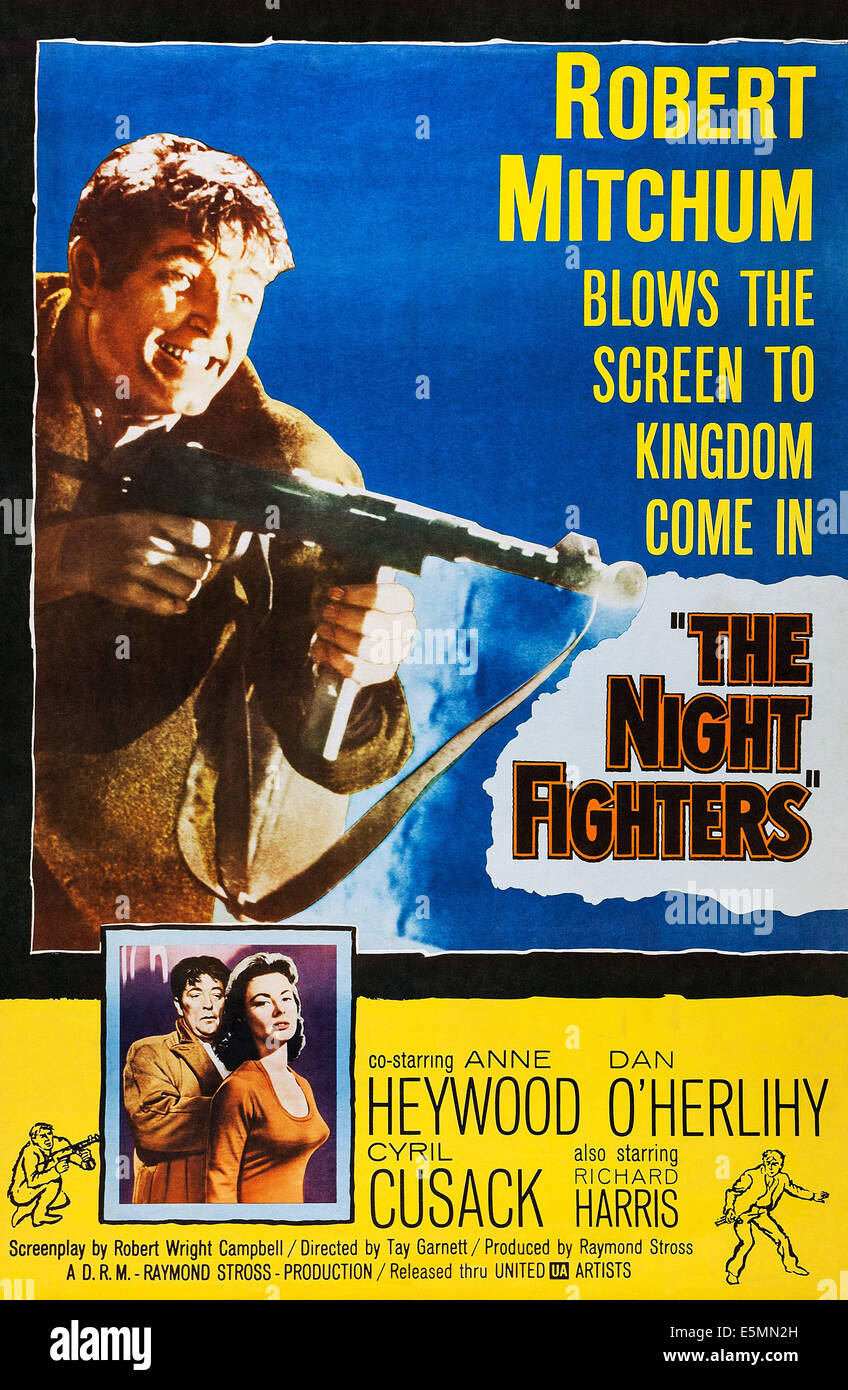
Rank had dropped her by the time she appeared with Robert Mitchum in A Terrible Beauty (1960), produced by Stross, whom she married that year. Stross steered the next phase of her career and they eventually settled in the US.
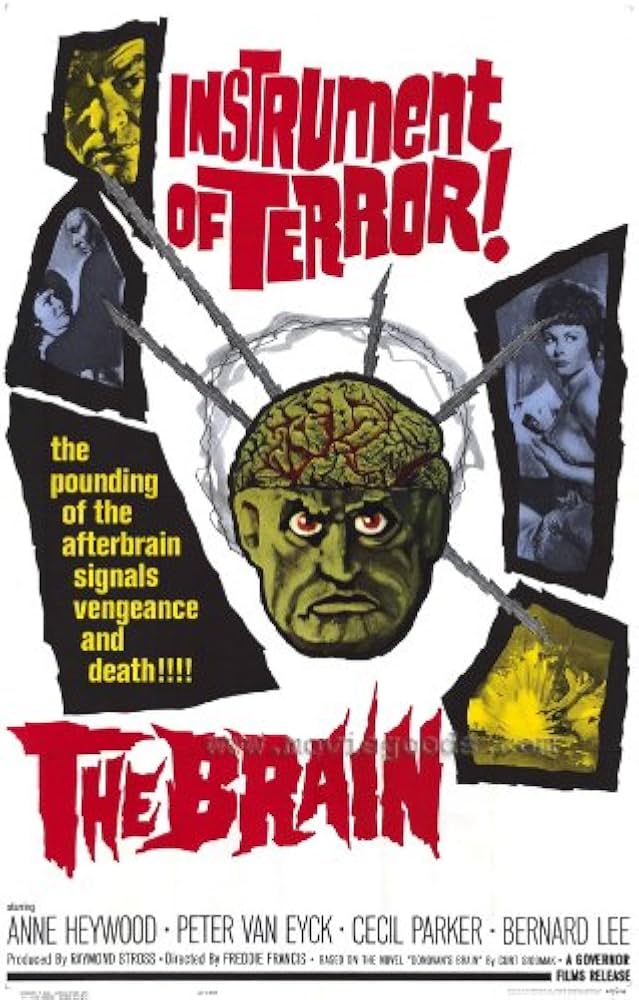
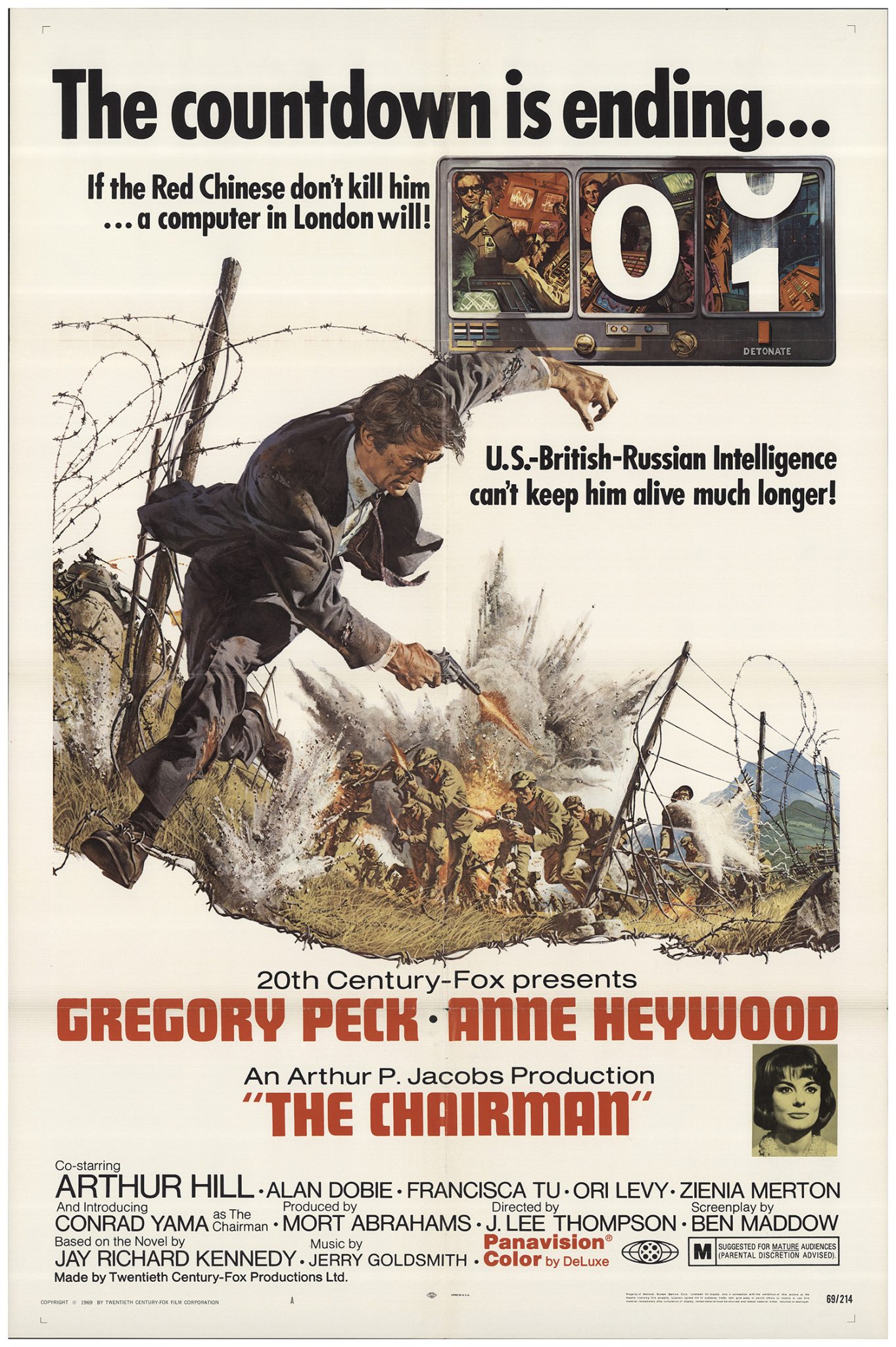
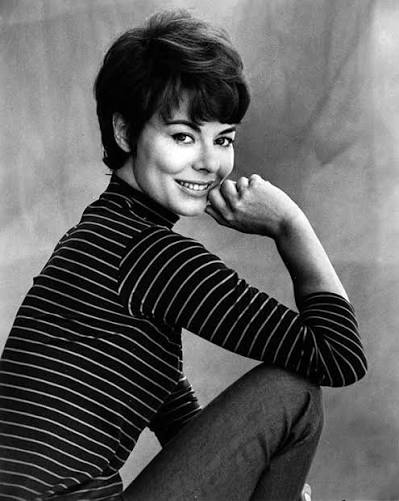
Her other Stross-produced films included The Brain (1962), 90 Degrees in the Shade (1965), and (with Fred Astaire) the 1969 crime comedy A Run on Gold. In the same year, she starred opposite Gregory Peck in the espionage drama The Most Dangerous Man in the World.
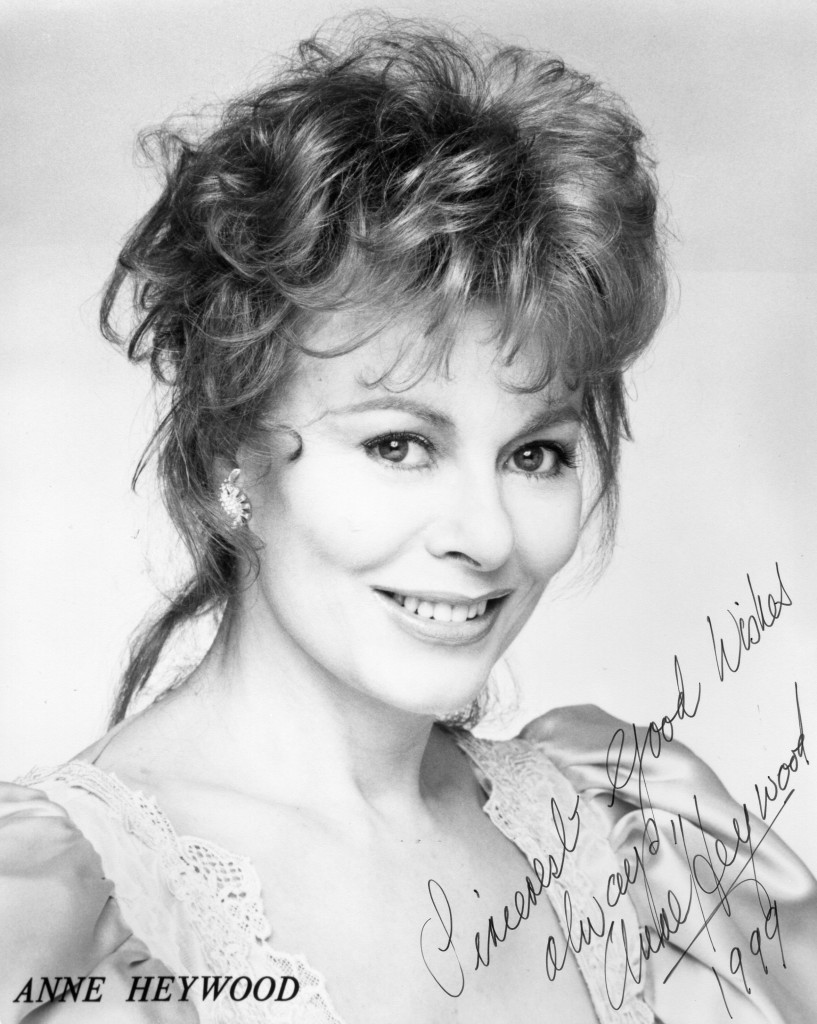
Anne Heywood retired after Stross’s death in 1988. In 1991 she married, secondly, George Druke, a former New York assistant attorney-general, who died in 2021. News of her death has only just emerged. She is survived by the son of her first marriage.
Anne Heywood, born December 11 1931, died October 27 2023.
Appraisal:
Anne Heywood (born Violet Joan Pretty; 1931–2023) was one of the most daring and unconventional figures of British and international cinema. While her name may not carry the same immediate recognition as her contemporaries like Joan Collins or Diana Dors, her filmography is arguably more radical, defined by a fearless willingness to tackle taboo subjects and sexually charged roles that many of her peers avoided.
Career Overview: From “Miss Great Britain” to Taboo-Breaker
The Beauty Queen Beginnings (1950–1955): Born in Birmingham, she rose to fame after winning the title of Miss Great Britain in 1950. This led to her debut as a beauty contestant in Lady Godiva Rides Again (1951). Like many “Rank Starlets,” she was initially cast as the “nice girl” in supporting roles.
The Stross Era and The Breakthrough (1960s): Her career shifted significantly after marrying producer Raymond Stross. Together, they curated a series of increasingly provocative projects. The apex was The Fox (1967), an adaptation of a D.H. Lawrence novella. Her performance as a woman in a lesbian relationship was groundbreaking, earning her a Golden Globe nomination and cementing her as a serious dramatic actress.
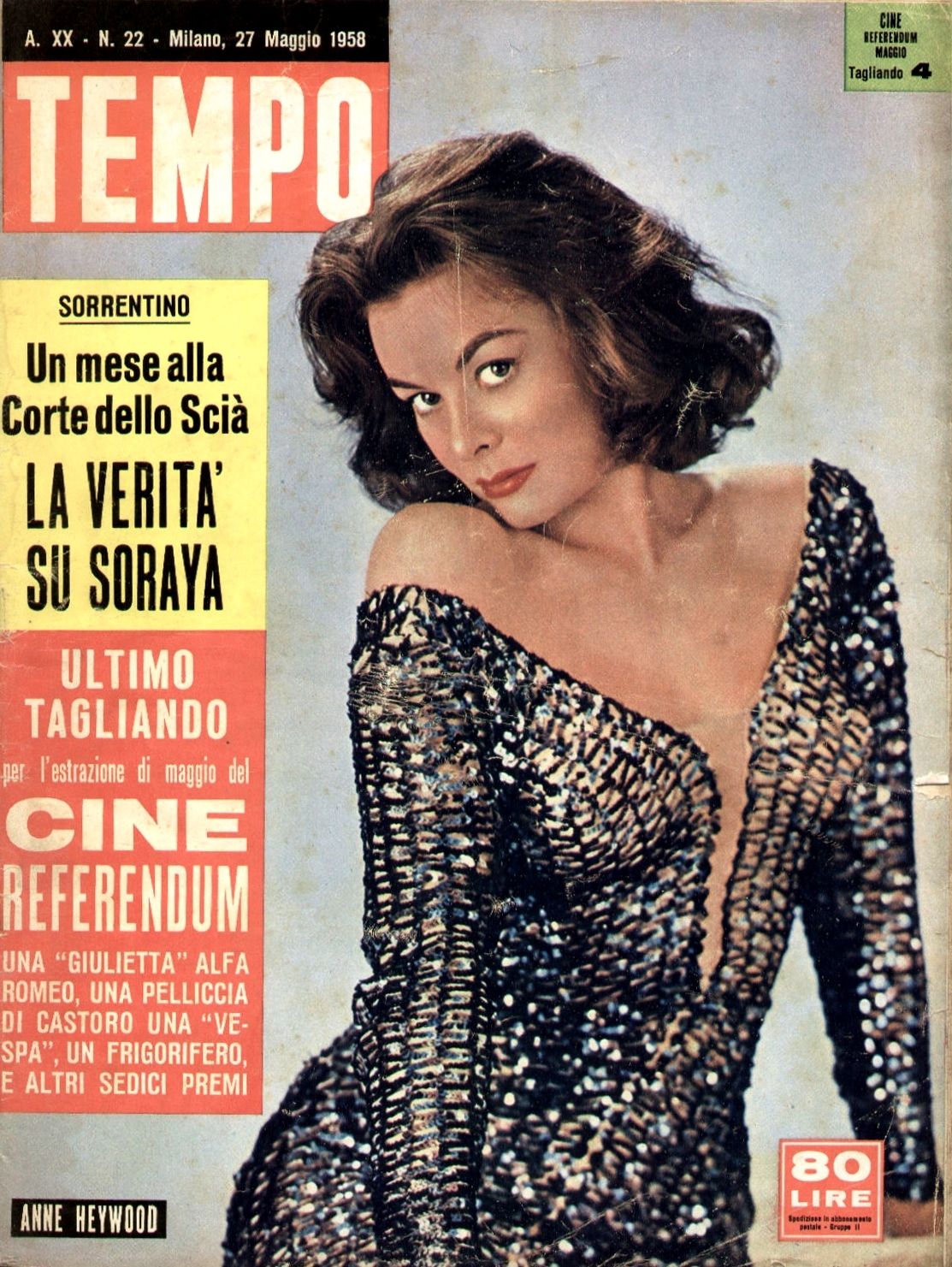
The International and “Cult” Phase (1970s): While Hollywood superstardom remained elusive, she became a major star in Italy, appearing in giallo thrillers and “nunsploitation” films like The Lady of Monza. She continued to take high-risk roles, such as playing a transgender character in I Want What I Want (1972).
Retirement: Following the death of her husband in 1988, Heywood retired from the screen, making her final appearances in the TV series The Equalizer.
Detailed Critical Analysis
1. The “Taboo-Buster” Archetype
Heywood’s career was defined by provocation. At a time when mainstream actresses prioritized “likability,” Heywood sought out characters who were socially marginalized or psychologically frayed.
The Fox (1967): Critics, including Roger Ebert, praised her “natural ease” and the way she matched the intensity of co-stars Sandy Dennis and Keir Dullea. She avoided the “predatory” or “tragic” stereotypes of lesbianism common in that era, playing the role with a weary, grounded dignity.
Transgression as Art: Whether playing a nun breaking her vows or a woman seeking a gender-reassignment surgery (I Want What I Want), Heywood’s performances were rarely sensationalist. She brought a “Method-adjacent” gravity to scripts that, in lesser hands, might have been dismissed as mere pulp.
2. Physicality and Stillness
A hallmark of Heywood’s technique was her economy of movement. Because of her beauty queen background, directors often initially tried to use her as a decorative object, but she frequently subverted this by using a cold, watchful stillness.
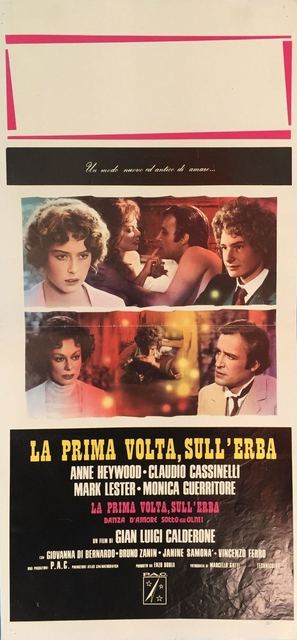
Critical Insight: In her Italian work, particularly the giallo thrillers, she mastered the “haunted protagonist” style—using her eyes to convey deep internal paranoia. She was an actress of “internal weather,” where her face often suggested a storm of conflict beneath a calm surface.
3. The “Anti-Hollywood” Trajectory
Heywood represents a fascinating case of an actress who was “too modern” for the traditional studio system but perhaps “too classical” for the radical shifts of the late 70s.
Success vs. Fame: She was more successful in Europe than in America because European cinema of the 60s and 70s was more comfortable with her blend of overt sexuality and intellectual coldness.
Auteur Muse: Her career is a testament to the power of the director-producer-actor partnership. By working so closely with Stross, she had more creative control over her “image” than almost any other actress of her level, allowing her to bypass the “pretty girl” trap that swallowed many of her Rank contemporaries