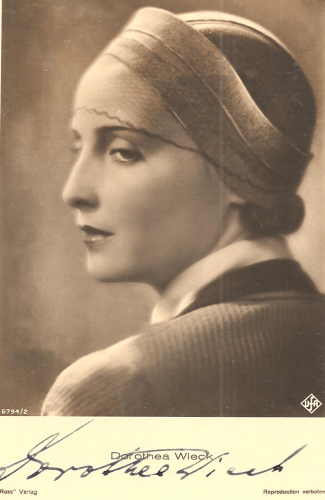
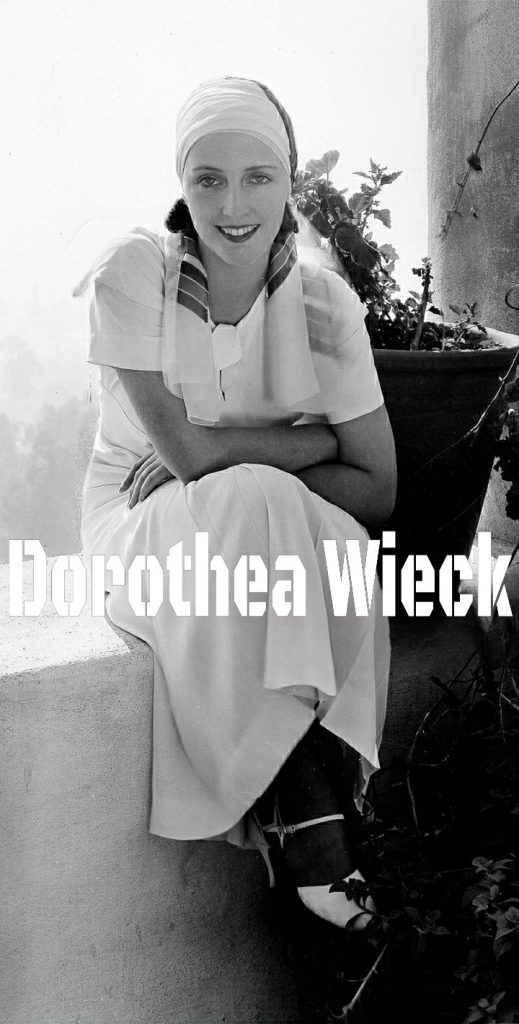
Dorothea Wieck (1908–1986) occupies a hauntingly beautiful and complex position in the history of world cinema. While she is internationally immortalized for a single, revolutionary role in the Weimar Republic, her career is a study of the tension between artistic integrity and the suffocating political realities of 1930s Germany.
Critically, Wieck is analyzed as the “architect of the maternal-erotic,” an actress who could convey a profound, spiritualized love that challenged the rigid social and cinematic norms of her time.
I. Career Overview: From Weimar Icon to Hollywood Outsider
Act 1: The Revolutionary Breakthrough (1920s–1931)
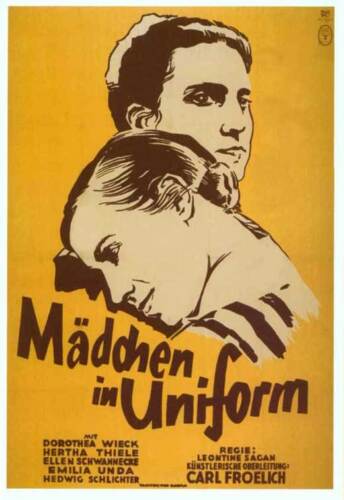
Wieck began her career in the theater under the legendary Max Reinhardt, where she developed a “classical” discipline. Her life changed forever when she was cast as Fräulein von Bernburg in Leontine Sagan’s Mädchen in Uniform (1931). The film was a global sensation, and Wieck’s portrayal of the compassionate teacher became a symbol of resistance against authoritarianism.
Act 2: The Hollywood “Miscasting” (1933–1934)
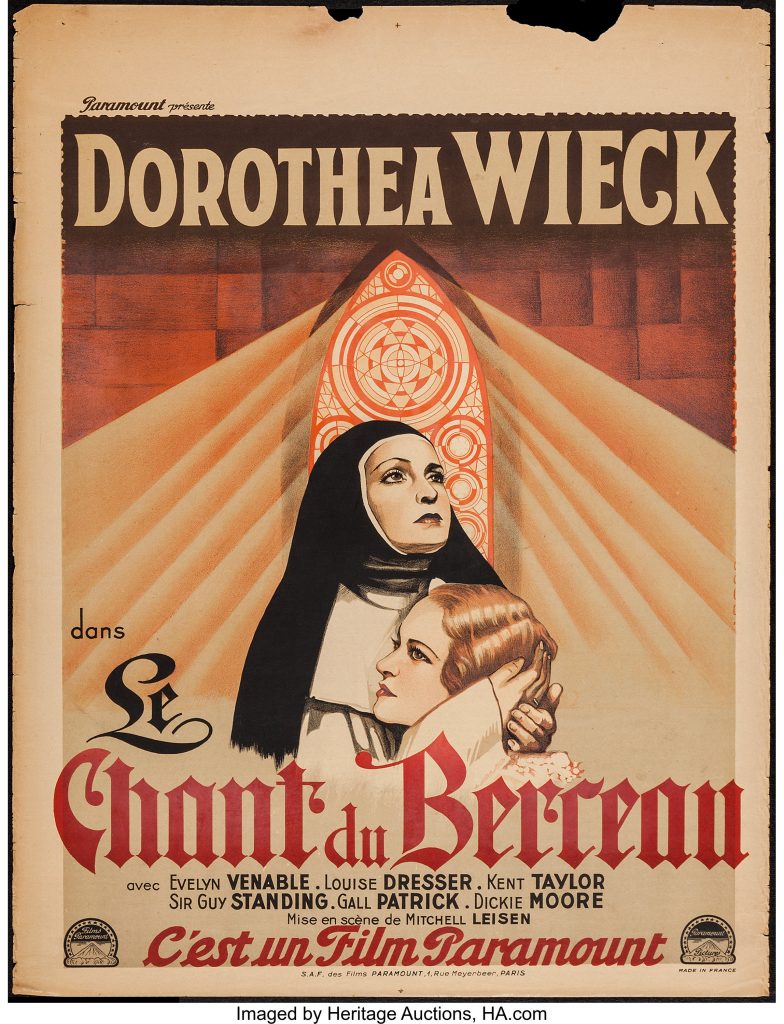
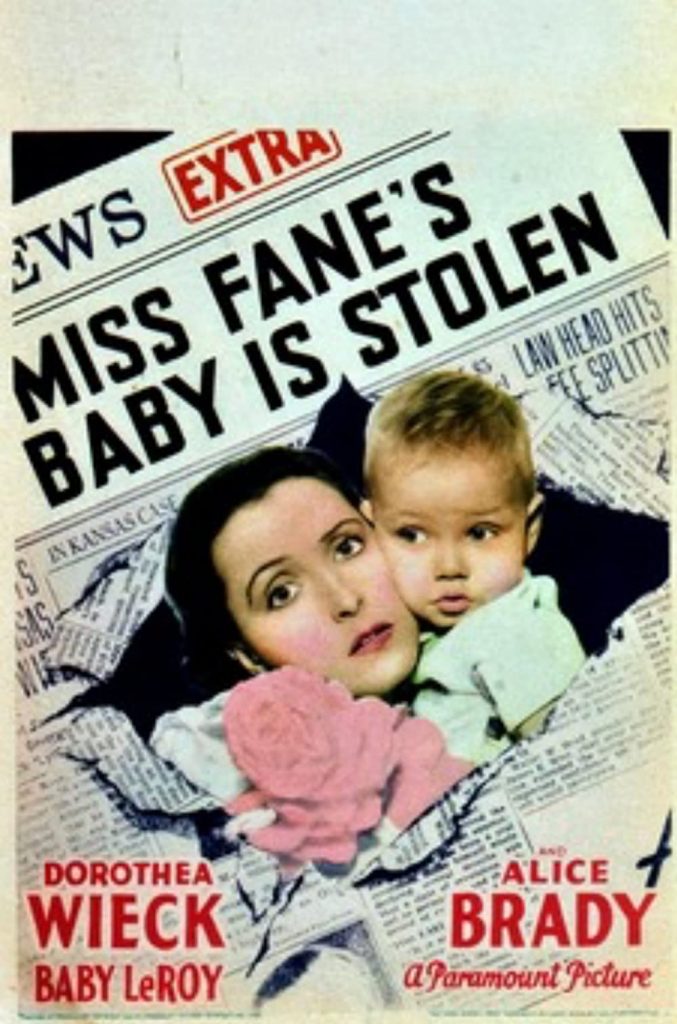
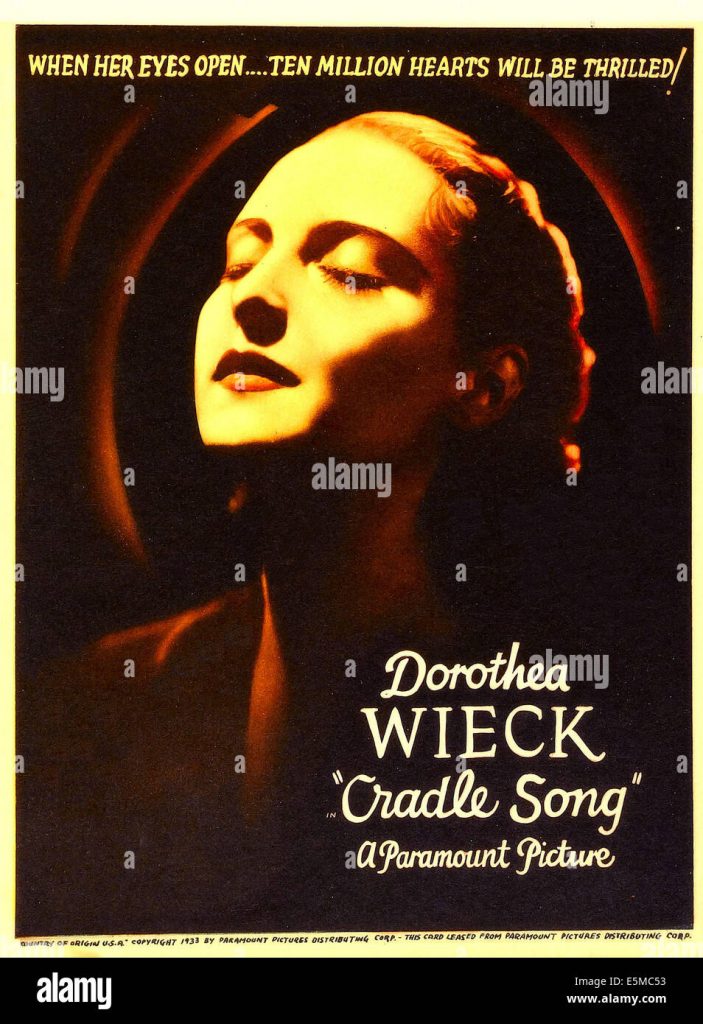
Paramount Pictures, hoping to find a “new Greta Garbo,” brought Wieck to Hollywood. She starred in Cradle Song (1933) as a nun, a role that leaned into her “spiritual” image. However, Hollywood failed to understand her nuanced, European sensibility. After the thriller Miss Fane’s Baby Is Stolen (1934), she felt stifled by the studio system and returned to Germany.
Act 3: Survival and Character Work (1935–1960s)
Back in Germany during the Third Reich, Wieck maintained her career but often found herself in conflict with the Propaganda Ministry due to her “un-German” (read: international and empathetic) screen presence. Post-WWII, she transitioned into respected “Great Lady” roles in West German cinema and television, including a notable appearance in the Douglas Sirk-esque drama A Time to Love and a Time to Die (1958).
II. Critical Analysis: The Wieck Aesthetic
1. The Subversive “Mädchen” Performance
In Mädchen in Uniform, Wieck’s performance is a masterclass in understated defiance.
-
The Technique: At a time when acting was often loud and theatrical, Wieck utilized a “luminous stillness.” Her chemistry with Hertha Thiele (the student Manuela) was revolutionary.
-
The Critical View: Historians analyze Wieck’s Fräulein von Bernburg as a “Humanist Saint.” She didn’t just play a teacher; she played a woman who refused to let “Prussian discipline” crush the human soul. Her performance is credited with introducing a specifically lesbian subtext that was handled with unprecedented dignity and lack of salaciousness.
2. The “Madonna” vs. The “Professional”
Paramount attempted to market Wieck as a “Madonna-like” figure—ethereal, untouchable, and saintly.
-
The Conflict: Wieck’s actual strength lay in her professionalism and intelligence. Critics note that in her Hollywood films, there is a visible friction; she tries to bring psychological depth to characters that the script intended to be “living icons.”
-
The Impact: Because she refused to play the “vamp” or the “glamour girl,” she became an early victim of Hollywood’s inability to market high-intelligence female performers who didn’t fit a specific sexual trope.
3. The “Voice of Reason” in Late Career
As Wieck aged, her “marble-like” features softened into a look of profound, weary wisdom.
-
The Sirk Connection: In A Time to Love and a Time to Die, she provided a bridge between the old Weimar style and the new Technicolor melodrama. Critics praised her for her ability to suggest a “secret history” behind her characters—a hallmark of actors who had lived through the trauma of mid-century Europe.
III. Major Credits and Comparative Roles
| Work |
Role |
Context |
Significance |
| Mädchen in Uniform (1931) |
Fräulein von Bernburg |
German Weimar Cinema |
Her definitive role; a masterpiece of empathetic acting. |
| Cradle Song (1933) |
Sister Joanna |
Hollywood Debut |
Showcased her “spiritual” leading-lady potential. |
| Miss Fane’s Baby Is Stolen(1934) |
Madeline Fane |
Hollywood Thriller |
A rare “modern” role for her in the U.S. |
| Der Student von Prag (1935) |
Julia |
German Gothic |
A return to her European roots in a classic “Double” story. |
| A Time to Love and a Time to Die (1958) |
Frau Witte |
International Co-production |
Established her as a premier European character actress. |
Final Reflection
Dorothea Wieck was an actress of moral weight. Her legacy is not found in the quantity of her films, but in the quality of her presence. She was one of the first actresses to prove that “softness” is not weakness, and that “love” could be a radical, political act on screen. In the canon of queer cinema and feminist film theory, she remains a foundational figure whose gaze—calm, knowing, and kind—continues to resonate.