
Brittish Actors

Collection of Classic Brittish Actors

Ben Kingsley
Ben Kingsley

Ben Kingsley was born in 1943 in Scarborough, Yorkshire.   His mother was English and his father was from Kenya and of Indian origin.   His movie debut came in 1972 in “Fear Is The Key”.   Ten years later he made “Gandhi”.   His other movies include “Turtle Diary”, “Schindler’s List” and “Sexy Beast”.   He was made a Knight in 2002.

TCM overview:

Exuding an air of gravitas in whatever role he played, Academy Award winner Sir Ben Kingsley made a specialty of playing historical characters, ranging from Dmitri Shostakovich in “Testimony (1987) to mobster Meyer Lansky in “Bugsy” (1991). His most acclaimed performance, however, was in Sir Richard Attenborough’s epic biopic “Gandhi” (1982), in which he played the title role of one of the 20th Century’s most revered and influential figures. Thanks to that Oscar-winning performance, Kingsley went from being a relatively obscure character actor to an international star overnight. In the 1990s, Kingsley dramatically reinvented himself by taking on shadier, more morally ambiguous characters, such as the smarmy bad guy in “Sneakers” (1992), the trusted associate of Oskar Schindler in “Schindler’s List” (1993), and the physician-torturer of “Death and the Maiden” (1994). Kingsley later delivered one of the most explosive performances of his career as the uninhibitedly ferocious criminal Don Logan in the British gangster feature “Sexy Beast” (2001), a role that transformed his image while earning a ton of award buzz. He went on to a variety of roles in the dark character drama “House of Sand and Fog” (2003), Roman Polanski’s adaptation of Charles Dickens’ “Oliver Twist” (2005), the high-energy crime thriller “Lucky Number Slevin” (2006), and Martin Scorsese’s psychological thriller “Shutter Island” (2010). By the time he co-starred in the fantastical “Hugo” (2011), Kingsley was long established as one of Hollywood’s most gifted and esteemed performers.

Born Krishna Bhanji in Scarborough, Yorkshire, England on Dec. 31, 1943, Kingsley was the son of English model-actress Anne Lyna Goodman and her husband, Rahimtulla Harji Bhanji, a Muslim Indian physician. Raised in Pendlebury, Salford, Kingsley attended Manchester Grammar School and later won admission to the University of Salford. Kingsley began his acting career in 1966, making his London stage debut as the narrator in “A Smashing Day,” a musical produced by Brian Epstein, manager of The Beatles. Impressed with Kingsley’s voice and guitar playing, Epstein introduced the young actor to John Lennon and Ringo Starr, who both urged young Kingsley to pursue a career in music. He chose instead to remain with his first true love, acting. His decision proved to be a savvy one. Within a year, Kingsley was invited to join the prestigious Royal Shakespeare Company and a career was officially off and running. Though he continued to go by his birth name of Krishna Bhanji well into the 1970s, Kingsley eventually found his exotic name a liability. Fearful that he would be pigeonholed as a strictly “ethnic actor,” Bhanji officially adopted the far more Anglo-sounding “Ben Kingsley” as his stage name while in his mid-thirties. The name was, in part, a homage to his paternal grandfather, a Zanzibar spice trader whose nickname was “The Clove King.” Kingsley’s first film role was a supporting turn in the thriller “Fear Is the Key” (1972). Based on the 1961 novel by Alistair MacLean, Kingsley’s performance earned him positive reviews which opened the door to small television roles. For the most part, however, Kingsley’s career chugged along unremarkably and he seemed destined to be a bit player for the rest of his career.

All of that changed, however, in 1980, when acclaimed director Sir Richard Attenborough held a massive casting call for an unknown to play the lead in his sweeping over three-hour biopic of Mohandas Gandhi. Chosen partly for his ethnic background, Kingsley was, ironically enough, pressured by the filmmakers to go on a worldwide campaign to promote his Indian heritage after having spent years downplaying it. One of the most elaborate productions of its time, “Gandhi” was a relative bargain in terms of Hollywood dollars. Made for an extremely lean $22 million, the film’s superb production values suggested a budget at least twice that. Case in point: for the film’s climactic funeral scene, the movie employed close to 300,000 Indian extras, most of whom worked for free. Kingsley’s decades-spanning performance as the revered Indian leader proved a revelation. Despite its long running time, “Gandhi” lured enough audiences to become a worldwide hit, earning nearly $53 million in the U.S. alone. Critics were equally impressed. For his efforts, Kingsley was justly honored with the 1982 Academy Award for Best Actor.

Unfortunately, “Gandhi” also succeeded in typecasting Kingsley for years to come. Often called upon to carry the moral weight of his films, Kingsley’s post-“Gandhi” roles consisted mainly of playing effete intellectuals and non-threatening good guys in such mediocre films as “Turtle Diary” (1985), “Harem” (1985) and “Without a Clue” (1988). Fortunately, Kingsley would make a welcome return to the mainstream in 1991 with an excellent supporting turn in “Bugsy.” Cast as paternal mobster Meyer Lansky, Kingsley served as the film’s voice of reason to Warren Beatty’s mercurial, hot-headed Benjamin “Bugsy” Siegel. While his portrayal of Lansky would earn Kingsley his second Oscar nod – this time for Best Supporting Actor – his most impressive performance post-“Gandhi” came in Steven Spielberg’s Academy Award-winning Best Picture, “Schindler’s List” (1993). Disappearing with subtlety and strength into his role of Itzhak Stern, the clever Jewish accountant who was the brains behind the empire of industrialist, Oskar Schindler, Kingsley’s interplay with Liam Neeson as Schindler personified the warmth of a relationship that was a rare point of sanity in an insane world.

Later that year, Kingsley popped up as an ambitious vice president in the Ivan Reitman comedy, “Dave” (1993), and as the chess master Bruce Pandolfini in Steve Zaillian’s underrated “Searching for Bobby Fisher” (1993). Kingsley was especially potent the following year in director Roman Polanski’s atmospheric and absorbing film “Death and the Maiden” (1994). A three-character story set in an unspecified South American country, the film starred Sigourney Weaver as a former kidnap victim who encounters her torturer (Kingsley) a decade later after he innocently gives her stranded husband a lift home. After a forgettable stab at sci-fi in “Species” (1995), Kingsley returned to the classics as Feste in Trevor Nunn’s “Twelfth Night” (1996) before helping train Aidan Quinn to pursue Carlos the Jackal (also played by Quinn) in Christian Duguay’s “The Assignment” (1997). Unlike most actors of his caliber, Kingsley rarely shied away from the small screen. Calling television an excellent and nurturing environment for the serious British performer, Kingsley debuted on American screens as Armand’s crusty father in “Camille” (CBS, 1984) and followed with the acclaimed miniseries “Oxbridge Blues” (A&E, 1986). He also starred in the excellent British import “Silas Marner” which aired on the PBS series, “Great Performances” in 1987. Kingsley’s proudest small screen moment, however, was probably his outstanding portrayal of famed Nazi hunter Simon Wiesenthal in “Murderers Among Us: The Simon Wiesenthal Story” (HBO, 1989).

Although his performances were always admired by critics, audiences, and especially his fellow actors, Kingsley’s turn as Don Logan in “Sexy Beast” reintroduced him to a whole new generation of moviegoers. Moving like a stealth panther through every one of his scenes, Kingsley imbued a sense of virile menace to his jewel thief character and especially shone in his scenes opposite co-star Ray Winstone. Kingsley would deliver yet another masterful, career-defining performance in “House of Sand and Fog” (2003), playing an expatriate Iranian colonel who is forced to battle his conscience and the ghosts of his past. The film’s tragic twists and turns provided Kingsley with one of his most complex and nuanced film appearances of his career, expertly essaying both the flawed and noble characteristics of his character. “House of Sand and Fog” earned Kingsley a wealth of critical acclaim and his second Academy Award nomination as Best Actor, along with Golden Globe and Independent Spirit Award nominations.

Few moviegoers turned out to see Kingsley’s embarrassing 2004 follow-up, a live-action adaptation of the puppet-driven sci-fi series from Britain, “Thunderbirds” (1964-66) with Sir Ben as the villainous The Hood. The actor admitted he took the role because he needed a sillier role after the heaviness of “House of Sand and Fog” and had fond memories of watching hours of the cult hit TV show with his children. Next the actor essayed the titular serial killer who murders serial killers in the mostly atmospheric thriller “Suspect Zero” (2004), with Kingsley’s performance providing the lion’s share of the film’s few pleasures. Kingsley was game for another over-the-top performance in “A Sound of Thunder” (2005), a futuristic thriller about the dangers of using time travel for fun and profit. He played a greedy businessman whose head of white hair is about the only thing more impressive than his successful venture, Time Safari, Inc., In the film, he ends up sending a team back into the past to make things right when “time waves” begin to ripple from Prehistoric days, after an expedition to hunt dinosaurs goes awry. In a more serious vein, Kingsley reunited with Roman Polanski to play the manipulative street urchin mentor Fagin in an adaptation of the Charles Dickens classic, “Oliver Twist” (2005). Of note was the fact that Kingsley’s Fagin was a more dimensional depiction than usual; instead of portraying him solely as an out-and-out evil exploiter of homeless children, Kingsley and Polanski delivered a Fagin that, although he was profiting off of the his band of pickpockets, he was also somewhat kind to them and offered them at least some sort of purpose and community that they might otherwise not have known.

Once again inexplicably reverting to schlocky fare, Kingsley played an evil vampire being hunted by a half-human, half-vampire (Kristanna Loken) after he raped and later killed her mother in Uwe Boll’s “BloodRayne” (2006). In the stylish noir thriller “Lucky Number Slevin” (2006), Kingsley was a New York City crime boss named The Rabbi engaging in a war with a rival, The Boss (Morgan Freeman), while simultaneously trying to hunt down an innocent man (Josh Hartnett) wrongly assumed to be his old and deeply indebted friend (Sam Jaeger). Returning to more highly regarded work, Kingsley starred in “Mrs. Harris” (HBO, 2006), playing the real-life Dr. Herman Tarnower, the famed cardiologist and creator of the Scarsdale Diet who was shot to death by his lover, Jean Harris (Annette Bening), an emotionally disturbed headmistress of The Madeira School who made the tabloid covers after the sensational 1980 murder. Kingsley earned himself a nomination for a Golden Globe Award for Best Performance by an Actor in a Miniseries or Motion Picture Made for Television. Continuing his prolific streak in 2007, Kingsley appeared as a Polish-American gangster in “You Kill Me,” a mafia comedy-thriller directed by John Dahl. That same year, Kingsley played dual roles as Ambrosinus and Merlin in the little-seen Arthurian epic, “The Last Legion.”

In a refreshing change of pace, Kingsley’s next project had him tackling broad comedy as a wise sex guru named Maharishi Tugginmypudha in “The Love Guru” (2008), a much-maligned film from the mind of comedian Mike Meyers. After playing an inquisitive Russian narcotics officer in the international thriller “Transsiberian” (2008), Kingsley was the lead psychiatrist at a hospital for the criminally insane in Martin Scorsese’s creepy “Shutter Island” (2010), starring Leonardo DiCaprio as a U.S. Marshal investigating the disappearance of a patient. He next had a supporting role as the uncle of an adopted orphan (Jake Gyllenhaal) in the disappointing blockbuster “Prince of Persia: The Sands of Time” (2010), before portraying pioneering silent film director George Méliès in Scorsese’s Oscar-nominated family adventure, “Hugo” (2011). Kingsley followed that by co-starring with Sacha Baron Cohen in the critically derided comedy “The Dictator” (2012), where he played the traitorous uncle of Cohen’s titular head of state. The veteran actor clearly had fun playing a multifaceted villain in the superhero blockbuster “Iron Man 3” (2013), and starred in the straight-to-video action movie “A Common Man” (2013) before portraying half-Maori war veteran Mazer Rackham in the sci-fi film “Ender’s Game” (2013).

The above TCM overview can also be accessed online here.
Nickolas Grace
Nickolas Grace
Nickolas Grace

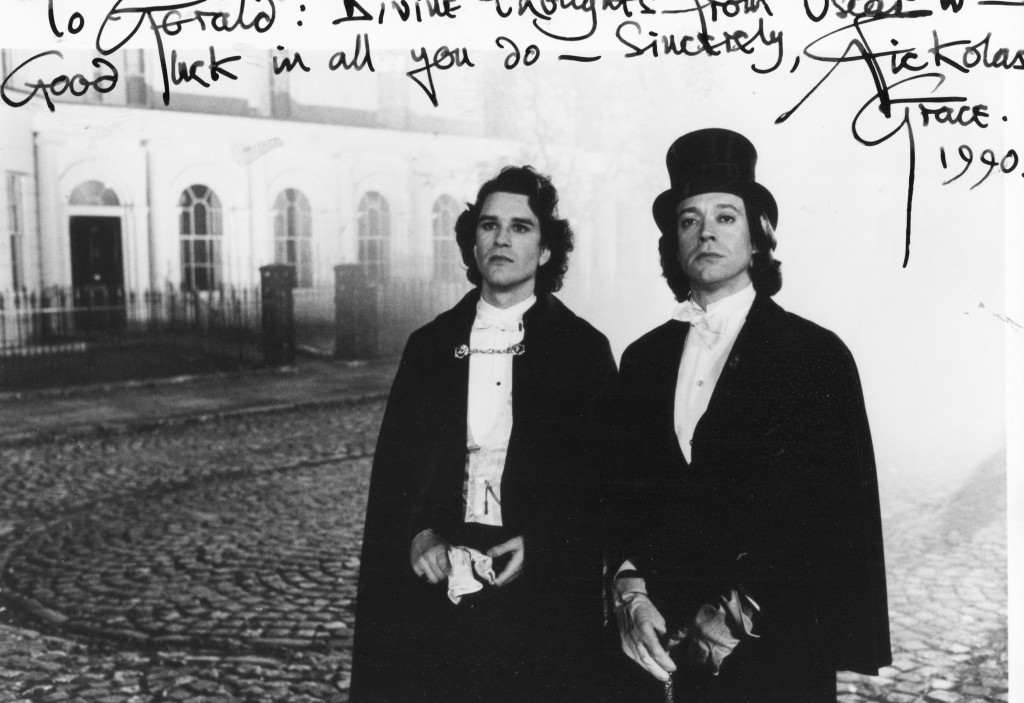
Nickolas Grace was born in 1947.   He achieved public recognition for his role in the TV series “Brideshead Revisited” in 1981.   Other films include “Heat & Dust”.

IMDB entry:

Nickolas Grace was born in England and trained at the Central School of Speech and Drama. After repertory experience he appeared in numerous London Stage Productions as well as Shakespeare at Stratford and in New York. He has been in innumerable films, television, plays and radio dramas and musicals. He is also an experienced stage director.

– IMDb Mini Biography By: Christine Haire <ChrisRHood@aol.com>

Further and current info. can be gotten by joining the official Robin of Sherwood Fan Club. SASE or IRC to Spirit of Sherwood, 1276 W. Marshall, Ferndale, MI 48220, USA. (Email: ChrisRHood@aol.com)
Prides himself with being the only sheriff of Nottingham on film, stage or television to actually kill Robin Hood.
 
He was nominated for a Laurence Olivier Award in 1989 (1988 season) for “Outstanding Performance of the Year by an Actor in a Musical” for his performance in Candide at the Old Vic theatre.
Personal Quotes (2)
“Let’s pretend” is one of the best parts of the job! It’s the “let’s pretend” side I adore, but that’s not the most important. The most important thing for me as an actor is when the performance has a profound effect on the audience. What I like most of all is affecting people, I hope, for the good. I can only say that subjectively, but I hope for the good. I want to send people away from the theater, or from having seen me give a performance on television or in the camera, uplifted so that, for a while, I might have taken them out of anything that’s dire and awful in their lives — to give them some escape. I think it’s really important that people can escape and have a good time, to get away from the mundane side of life.
The one thing I’ve always done — been lucky enough to do — in my career: Take on challenges. I like things that are dangerous. I like a sense of danger.
The above IMDB entry can also be accessed online here.
Clive Owen
Clive Owen
Clive Owen

Clive Owen was born in 1964 in Coventry.   He first came to prominence in the UK with his performance in the lead in the cult TV series “Chancer” in 1990 and 1991.   His cinema fame came with “Close My Eyes” in 1991.   He has since made films in Hollywood and on the international scene.   His movies include “Gosford Park”, “The Bourne Identity”, “Closer” and “Sin City”.

TCM overview:

After a decade of steady work on British television, actor Clive Owen broke out internationally with American art house success of the taut crime-thriller “Croupier” (2000). With his rugged good looks and low key charm, comparisons to the great Sean Connery seemed inevitable as he delivered a series of strong performances in such films as “Gosford Park” (2001) and “The Bourne Identity” (2002). Nearly unanimous praise was heaped on the actor for his wicked performance in Mike Nichols’ brutal relationship drama, “Closer” (2005) – in a role he had originated on the stages of London – followed by a stylistic about-face as part of Robert Rodriguez’s hyper-stylized neo-noir “Sin City” (2005), adapted from Frank Miller’s graphic novel. His work in the intelligent, affecting and ultimately terrifying look into the near-future “Children of Men” (2006) secured Owen’s status as one of Hollywood’s top talents. He showed exceptional comic timing opposite Julia Roberts in the sexy satire “Duplicity” (2009) in addition to a willingness to tackle historical icons in acclaimed work like “Hemingway & Gellhorn” (HBO, 2012). While harkening back to the leading men of film’s golden era, Owen also brought to the table an unmistakably 21st-Century artistic sensibility, making him both an actor’s actor and bona fide movie star.

Born on Oct. 3, 1964 in the small town of Coventry, England, Owen was raised in a fairly rough neighborhood by his country music singing father, who was divorced from his mom in 1968. Owen knew early on that he wanted to be an actor after playing the Artful Dodger in a school production of “Oliver!” When he was 13 years old, he joined a youth group run by the Coventry Theatre while a student at Binley Comprehensive. Accustomed to poverty and occasional violence, Owen spent two years after graduating high school on the dole while trying to jump-start his acting career. He previously tried applying to the Royal Academy of Dramatic Art (RADA), but decided instead to drop out of civil society and make it on his own terms. Two soul-sucking years later, Owen reapplied to RADA and got in. He was fortunate enough to be working with a group in school that was workshopping a Howard Barker play that had yet been put to market. The play later opened at the Royal Court, attracting agents wishing to represent young Owen before he had the chance to even graduate.

After graduation, he took to the stage at the Young Vic, playing Romeo in “Romeo and Juliet” – where he met his soon-to-be wife, Sarah-Jane Fenton, who played Juliet – and Claudio in “Measure for Measure.” Owen made his feature debut in “Vroom” (1988), a story about three people – Owen, David Thewlis and Diana Quick – who escape their dreary surroundings and go on a road trip that suddenly turns disastrous. That same year, he displayed his darker side as a psychopath in the BBC adaptation of “Precious Bane,” which aired in America on PBS’ “Mystery!” before turning roguishly heroic for the British TV series, “Chancer” (1990-91). Owen delivered a strong portrayal of an ambitious businessman who is seduced by his older sister (Saskia Reeves), then becomes obsessed when she tries to break the affair off in Stephen Poliakoff’s excellent drama “Close My Eyes” (1991). Owen was tapped again by Poliakoff, this time to play a Jewish doctor who clashes with the head of a medical center (Charles Dance) in the period piece “Century” (1993).

Owen crossed the Atlantic to appear in the ABC drama “Class of ’61” (1993), as an Irish graduate of West Point who goes off to fight in the Civil War. Owen received strong notices for his seductive hedonist in “The Return of the Native” (CBS, 1994) and as Halle Berry’s lover in “The Rich Man’s Wife” (1996). After starring as a British private investigator in the series “Sharman” (1996), Owen essayed his most challenging role to date, playing a concentration camp inmate in Sean Matthias’ film version of “Bent” (1997). As Max, the actor gave a powerful performance, skillfully negotiating the characters evolution from selfish and debonair decadent to caring individual. Owen and co-star Lothaire Bluteau worked off one another to great effect, with both delivering star-making performances.

After co-starring on the London stage in “Closer” (1997), the actor appeared opposite Alex Kingston in director Mike Hodges’ absorbing crime drama “The Croupier” (1999), the film that would provide his breakthrough role. As a hard-boiled dealer who conspires to defraud a casino, Owens’ performances prompted critic Roger Ebert to compare his steely reserve to that of Sean Connery, noting “he doesn’t give himself wholly to the action, but seems to be keeping a part of his mind outside of it, measuring and calculating.” Not surprisingly, Owen quickly began topping the lists of potential successors to the James Bond role after Pierce Brosnan. Meanwhile, the actor’s popularity increased when he starred in a series of four “Second Sight” telepics for the BBC, playing hot shot British detective Ross Tanner in 1999 and 2000, and he became an icon of cool as The Driver in a series of avant-garde action shorts sponsored by BMW and helmed by directors John Woo, Ang Lee, Guy Ritchie, Tony Scott, Joe Carnahan and John Frankenheimer.

On the big screen, Owen again impressed with his turn in “Gosford Park” (2001), director Robert Altman’s delightful ensemble riff on British drawing room murder mysteries, playing the brooding Robert Park, who emerges as a central figure in the storyline. Off that success, he was cast in the big budget studio adaptation of Robert Ludlum’s spy thriller “The Bourne Identity” (2002) as the ruthless, steel-nerved assassin, The Professor. Owen next starred opposite Angelina Jolie in the disappointing melodrama “Beyond Borders” (2003), the story of a disaster-relief worker who falls in love with a socially conscious wealthy woman. He rebounded strongly, however, when he reunited with Hodges for the noirish “I’ll Sleep When I’m Dead” (2004), playing a retired British gangster who emerges from his secluded countryside life to investigate the death of his brother.

Next up was Antoine Fuqua’s supposedly “demystified” retelling of the legend of “King Arthur” (2004), a big budget, action-oriented film that cast Owen as England’s once and future king, this time set in a more historically correct context, if indeed a King Arthur actually existed. Owen’s next role made him an overnight star in the States. The highly literate, often romantically brutal drama “Closer,” directed by Mike Nichols followed the complex relationships between two couples (Owen, Natalie Portman, Julia Roberts and Jude Law) who become messily intertwined in a love/sex gender war. Despite such starpower, it was the relatively unknown Owen’s hard-edged performance that was the most heavily cited by critics and viewers. Not surprisingly, Owen took home the Golden Globe for Best Performance by a Supporting Actor and was nominated for an Oscar in the same category.

Amid furious rumors that he was being courted to become the next James Bond – he later admitted he wasn’t interested in the role, which ultimately went to Daniel Craig – Owen appeared to splendid effect in director Robert Rodriguez and writer-artist Frank Miller’s co-venture “Sin City” (2005), a visceral, visually stunning adaptation of Miller’s crime noir comic book series. Headlining the segment drawn from Miller’s story arc “The Big Fat Kill,” Owen played the hard-edged but noble Dwight McCarthy, who becomes embroiled in a sudden, violent battle over control of Sin City’s Old Town, where prostitutes armed to the teeth reign. A portion of Owen’s storyline, the eerie sequence in which he drives the talking corpse of the corrupt cop Jackie Boy (Benicio del Toro) was also directed by Quentin Tarantino. Next was the thriller “Derailed” (2005), which cast Owen and Jennifer Aniston as two married business executives having an affair who are forced into violent and illicit acts by a sadistic criminal, and must turn the tables to save their families.

After the blackmail thriller came and went without much notice, Owen starred in Spike Lee’s impressive genre piece, “Inside Man” (2006), playing a brilliant and cool-headed thief who remains one step ahead of a smooth-talking hostage negotiator (Denzel Washington) in an effort to pull off the perfect heist. Owen rounded out the year on a high note, starring in Alfonso Cuarón’s multi-award nominated “Children of Men” (2006), a futuristic dystopian tale about a former political activist (Owen) turned down-and-out bureaucrat who is convinced by a former lover (Julianne Moore) to help transport a young woman pregnant (Clare-Hope Ashitey) with the infertile world’s only child to the fabled Human Project in order to save the future. He was next cast as Sir Walter Raleigh in “Elizabeth: The Golden Age” (2007), Shekhar Kapur’s follow up to “Elizabeth” (1998) in which the Virgin Queen (Cate Blanchett) becomes involved in a relationship with the famed poet and explorer during one of the British Empire’s many entanglements with Spain.

Proving himself comfortable in virtually any and all imaginable genres, Owen starred opposite a scenery-chewing Paul Giamatti in the cartoonishly violent “Shoot ‘Em Up” (2007), as a nameless, carrot-chomping gunslinger, united with a beautiful prostitute (Monica Bellucci) in the guardianship of an infant targeted by a ruthless criminal (Giamatti). Far more somber in its tone was the espionage thriller “The International” (2009), in which Owen played an Interpol agent investigating a global banking organization involved in money laundering, arms trading and murder. Also that year he demonstrated nearly irresistible chemistry with co-star Julie Roberts in the jaunty “Duplicity” (2009), a romantic comedy in which they played two corporate spies conning a pair of captains of industry, even as they alternately scammed and wooed each other. Working with actor-turned-director, David Schwimmer, Owen gave a heart-wrenching performance in the drama “Trust” (2010) as a father whose world is turned upside down after his teenage daughter (Liana Liberato) is stalked and later raped by a man she met on the Internet. Returning to pure action, he paired with Robert De Niro and Jason Statham for the thriller “Killer Elite” (2011), prior to working alongside actress Nicole Kidman in the lauded period biopic “Hemingway & Gellhorn” (HBO, 2012), which covered the great American writer’s (Owen) love affair with war correspondent Gellhorn (Kidman) during the Spanish Civil War. His performance as Hemingway earned him an Emmy Award nomination for Outstanding Lead Actor in a Miniseries or a Movie – the first such honor of his career. He also received a SAG nod in the same category.

 The above TCM overview can also be accessed online here.
Gordon Warnecke
Gordon Warnecke
Gordon Warnecke

IMDB entry:

Gordon Warnecke was born on August 24, 1962 in London, England. He is an actor and director, known for My Beautiful Laundrette (1985), Boon (1986) and Exitz (2007).

Has one son (born 1993).
Lives in North London.
Skills: Guitar, Jazz Dancing, Latin American, Rock Singing, Tango. Sports: Baseball, Football, Rugby, Running, Shooting, Skiing, Snooker, Squash, Tennis.
British-born of South American and German ancestry.


Carole Shelley
Carole Shelley
Carole Shelley

Carole Shelley was born in 1939 in London.   She made her Broadway debut in 1965 as one of the Pigeon sisters in the play “The Odd Couple”.   She subsequently repeated the role on film with Jack Lemmon and Walter Matthau.   She also played in the TV series with Tony Randall and Jack Klugman.   She also featured in the film “Bewitched” with Nicole Kidman.   Carole Shelley died in 2018.

Deborah Findlay
Deborah Findlay
Deborah Findlay

Deborah Findlay was born in 1947 in Surrey.   She made her television debut in “Play for Today” in 1982.   Films include “Truly, Madly, Deeply” in 1990 and “The House of Bernarda Alba” with Glenda Jackson.   Went to the U.S. to make “Torchwood” in 2008 on US television and then starred with Judi Dench and Eileen Atkins in “Cranford” for the BBC.

Dorothy Bromiley
Dorothy Bromiley
Dorothy Bromiley
 

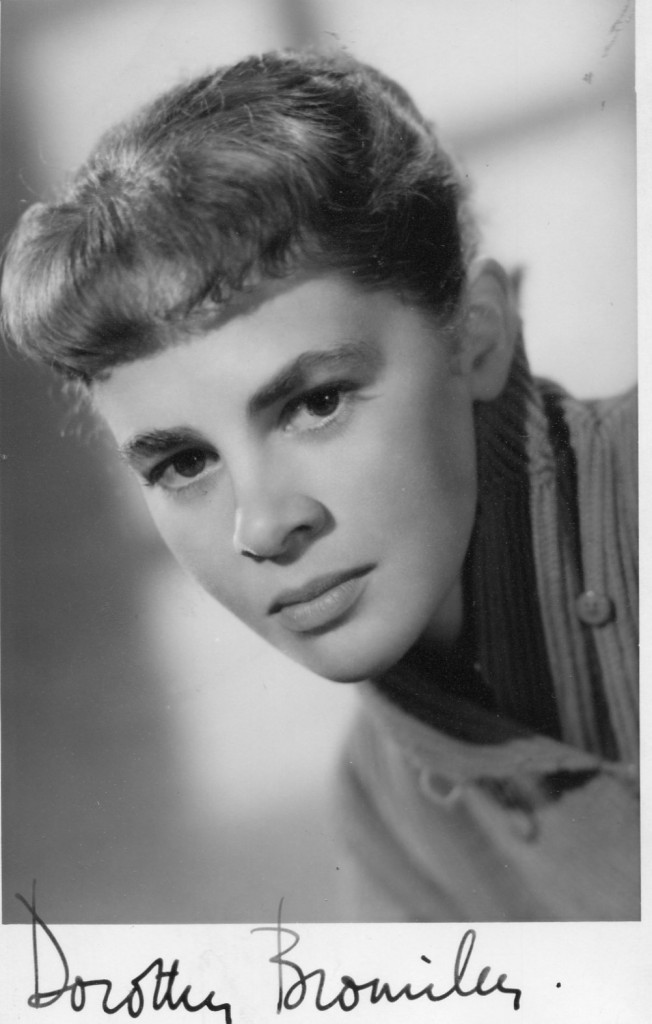
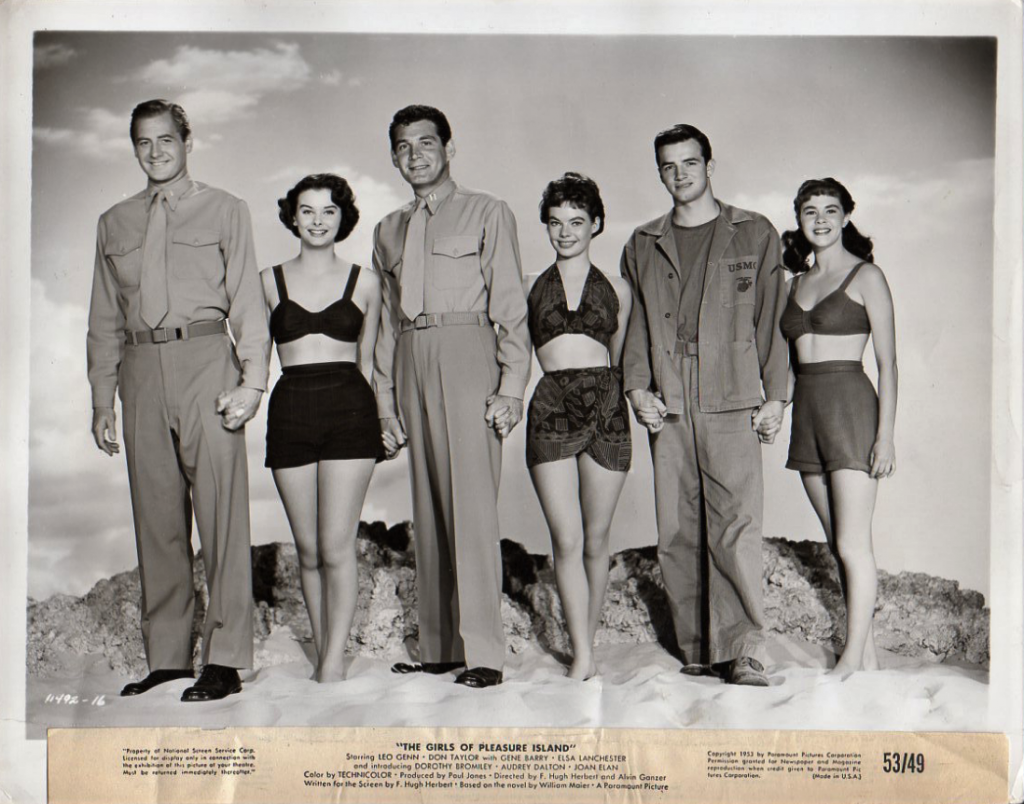
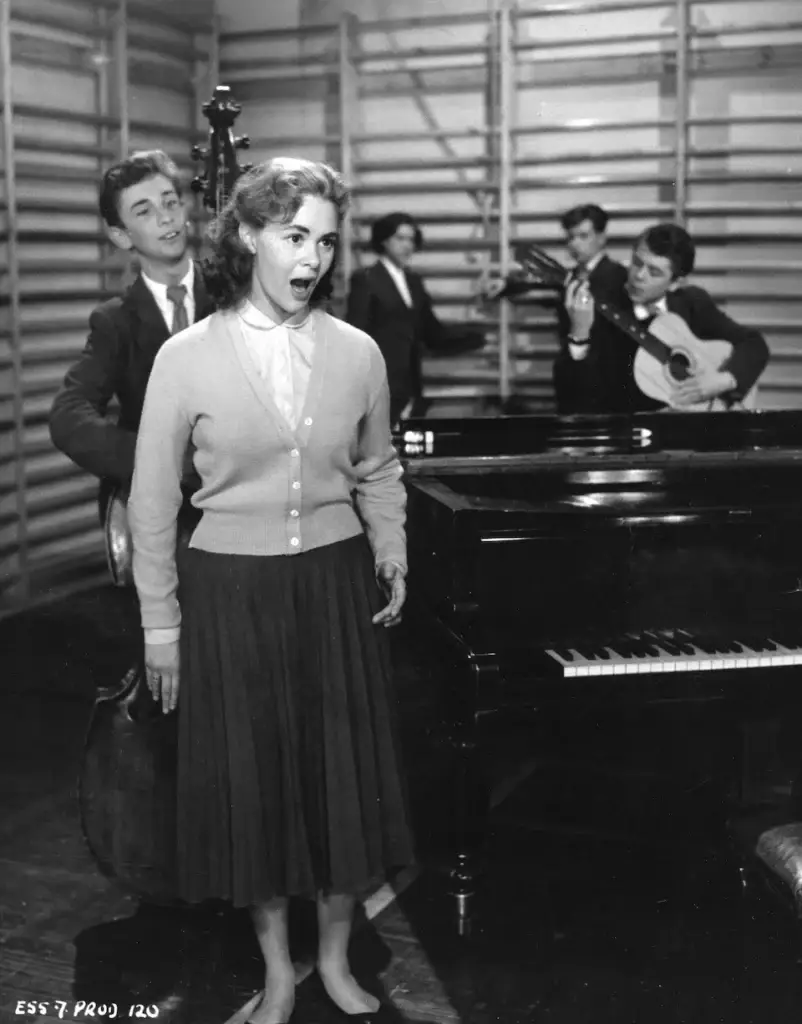
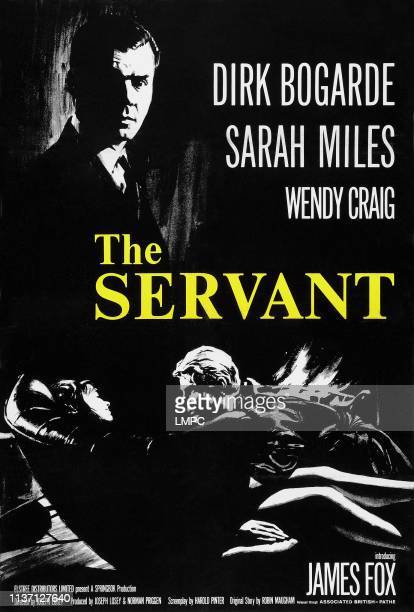
Dorothy Bromiley was born in 1930 in Manchester.   In 1952 she, along with Joan Elan and Audrey Dalton won major parts in the movie”The Girls of Pleasure Island” which was made in Hollywood.   Ms Bromiley did not stay in the U.S. but pursued her career in Britain.   Among her other films are “It’s Great to be Young” with John Mills in 1956 and “The Servant” which was directed by her one time husband Joseph Losey.   An interesting article on Dorothy Bromiley can be accessed here.

Dorothy Bromiley

Dorothy Bromiley

Dorothy Bromiley Phelan (born 18 September 1930) is a British former film, stage and television actress and authority on historic domestic needlework.

Born in ManchesterLancashire, the only child of Frank Bromiley and Ada Winifred (née Thornton). Bromiley played a role in a Hollywood film before returning to the UK where, in 1954, she started work as assistant stage manager at the Central Library Theatre, Manchester; followed by a West End stage role in The Wooden Dish directed by the exiled US film and theatre director Joseph Losey(who became Bromiley’s husband from 1956 to 1963). They have a son by this relationship, the actor Joshua Losey. Since 1963 Bromiley has lived with the Dublin-born actor and writer Brian Phelan (who appeared in the 1965 film Four in the Morning), they have a daughter, Kate.

Bromiley attended the Royal Academy of Dramatic Art.

Bromiley successfully auditioned for the role of Gloria in the Hollywood film The Girls of Pleasure Island (Paramount, 1952). Her major roles in several British films include sixth former Paulette at Angel Hill Grammar School (aged 26 at the time) in It’s Great to Be Young (1956) in which Bromiley’s singing voice for the Paddy Roberts/ Lester Powell Ray Martin song “You are My First Love” was dubbed by Edna Savage (and by Ruby Murray in the pre-credits sequence), Rose in A Touch Of The Sun (1956) co-starring with Frankie Howerd, Sarah in Zoo Baby (1957) with Angela BaddeleySmall Hotel (1957), Angela in The Criminal (1960) and a minor role in The Servant (1963), the latter two directed by Losey.

Bromiley made her television drama debut as Pauline Kirby in “The Lady Asks For Help” (1956) an episode of Television Playhouse produced by Towers of London for ITV.  This was followed by the role of Ann Fleming in “Heaven and Earth” (1957) part of the Douglas Fairbanks Presents series for ATV. Directed by Peter Brook, it also starred Paul Scofield and Richard Johnson, and was set on board a plane that develops engine trouble.  Bromiley also had roles in such popular television series as The Adventures of Robin Hood (1956) as Lady Rowena (“Hubert” episode), Armchair Theatre (1957), Play of the Week (“Arsenic and Old Lace”) (1958), Saturday Playhouse (“The Shop at Sly Corner”) (1960), Z-Cars (1964), The Power Game (1966) and No Hiding Place (1965, 1966), and the television play Jemima and Johnny (1966).  Her last television drama role was as Sarah Malory in Fathers and Families (BBC Television, 1977) directed by Christopher Morahan.

Dorothy Bromiley taught at the London Academy of Music and Dramatic Art (LAMDA) between 1966–72 and left to create The Common Stock Theatre Company, staging socially relevant theatre in colleges and non-traditional halls.

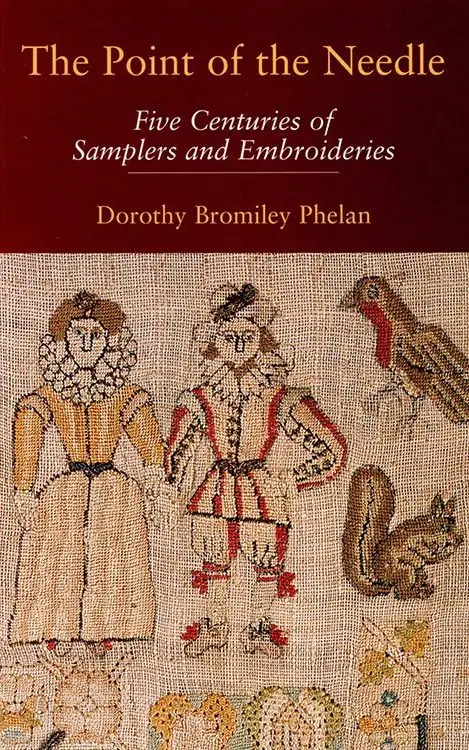
Retired from acting, Dorothy Bromiley lives in Dorset, and has developed an interest in 16th and 17th century amateur domestic needlework, writing on the subject, and curating two major exhibitions

The Telegraph obituary in 2024.

Dorothy Bromiley, who has died aged 93, was a Mancunian actress plucked from drama school to star in the Hollywood comedy The Girls of Pleasure Island (1953); she subsequently married the mercurial American director Joseph Losey, and later became a leading authority on the history of domestic needlework.

Dorothy Ann Bromiley was born in Levenshulme, Manchester, on September 18 1930. Her father, Frank, was a sports reporter and sometime designer of cotton bedspreads; her mother Ada, née Thornton, was a Court dressmaker.

Dorothy won a scholarship to Levenshulme High School and later moved to London to study at the Central School of Speech and Drama, then based at the Royal Albert Hall.

The extraordinary start to her career would have made for a Hollywood storyline in itself. In 1952, aged 21, she auditioned along with some 900 other young actresses for the American screenwriter and director F Hugh Herbert, who was looking for three “typical” English girls for his next film. The young student from Manchester fitted the bill, and Herbert invited her to give up her course and sign a contract with Paramount Studios.

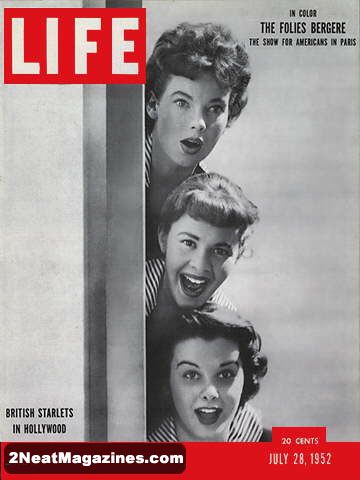
There was much US press interest in the arrival of Dorothy Bromiley and her fellow Brits, Audrey Dalton and Joan Elan. They made the cover of Life magazine in July 1952; inside, a photoshoot demonstrating the differences between English and American girls showed them drinking tea and dancing demurely.

A Paramount insider, asked to sum up the differing appeal of the girls, told the magazine: “The Bromiley dame is a pixie.” In The Girls of Pleasure Island, shot on the Paramount backlot, she played a 16-year-old, the youngest of three girls living with their uptight English father (Leo Genn) – the only man they have ever seen – on a largely uninhabited Pacific island. Romantic chaos ensues when 1,500 marines turn up to establish an aircraft base.

When the film was released in April 1953 the young stars visited 35 cities on a five-week publicity tour. Thereafter, however, Paramount, unable to find suitable roles for Dorothy Bromiley, left her idle.

Since her dream had always been to have a stage career, she happily returned to England in 1954. “I… went immediately to work as an assistant stage manager at the Central Library Theatre, Manchester, much to the disgust of my agents, MCA Ltd,” she recalled.

Within a few months, however, she secured a role in the West End in Edmund Morris’s The Wooden Dish; it marked the British stage-directing debut of Joseph Losey, who had been blackballed in Hollywood as a Communist.

She became his third wife in 1956. “The morning we were married, he gave me a ring and said, ‘For my child bride,’” she recalled. “I felt we had a Pygmalion and Galatea relationship.

Dorothy Bromiley’s youthful appearance saw her continue to be cast in juvenile roles. She was Wendy to Barbara Kelly’s Peter Pan in the 50th anniversary revival of JM Barrie’s play at the Scala Theatre, and played a rebellious sixth-former trying to save John Mills’s inspirational music teacher from the sack in the boisterous film It’s Great to Be Young (1956), written by Ted Willis.

She also played leading roles in the tepid comedies A Touch of the Sun (1956), with Frankie Howerd, and Zoo Baby (1957).

A juicy role she was offered in her husband’s melodrama The Gypsy and the Gentleman (1958) might have boosted her movie career, but she gave the part up when she became pregnant with their son, Joshua. Thereafter her only notable cinema role was a memorable cameo in Losey’s masterly chiller The Servant (1964), as a woman badgering Dirk Bogarde to vacate a telephone box.

By then she and Losey had divorced: “I think it was the most unselfish thing I’ve ever done, as I didn’t want the relationship to end,” she recalled. She always remembered him lovingly, although one of his lovers, Ruth Lipton, attested that “he spoke to her as if she was an idiot, [and] treated her… as a not very good servant.”

On television Dorothy Bromiley appeared in Z-Cars, The Power Game and No Hiding Place. From 1966 she was a teacher at the London Academy of Music and Dramatic Art, and then in 1972 left to co-found the Common Stock Theatre Company, which brought “relevant theatre” to state-school teenagers and other non-traditional audiences. Enervated by battling with the Arts Council for funding, she retired to Dorset in 1976.

Having inherited a love of embroidery from her parents, in 1982 she found “my second calling” running a specialist needlework shop in Sherborne.

She went on to curate highly acclaimed needlework exhibitions for the Holburne Museum, Bath, in 2001, and the Dorset County Museum in 2003-04. The earliest exhibits included Elizabethan pillow covers and nightcaps, but one of her favourite pieces was a bucolic English scene embroidered by a Mrs Constance Dickinson on to linen cut from a pair of shorts while she was a PoW in Changi Prison.

Dorothy Bromiley’s books, which included The Point of the Needle (2001) and The Goodhart Samplers (2008), were published under the name Dorothy Bromiley Phelan. From 1963 her partner was the Irish actor and screenwriter Brian Phelan, although they never married.

She predeceased him by five days and is survived by their daughter, Kate, and her son.

Dorothy Bromiley, born September 18 1930, died May 3 2024


Career Overview

Early Life and Training

Dorothy Bromiley was born in Manchester on 18 September 1930. She trained formally at the Royal Central School of Speech and Drama in London, a prestigious institution that grounded her in classical acting techniques. 

Her education reflected a serious commitment to craft rather than instant stardom, and this training underpinned her later versatility across stage, film, and television work. 


Breakthrough in Hollywood (1952–1953)

Bromiley’s first significant breakthrough came while still a student: she was one of three British actresses selected to play the sisters in the Hollywood romantic comedy The Girls of Pleasure Island (Paramount, 1953). 

This opportunity — unusual for a relatively unknown British actress at the time — exposed her to Hollywood production systems and promotional media attention early in her career. However, despite extensive publicity, the film did not translate into a sustained Hollywood career, and she returned to the UK. 

Critical takeaway: Her early promise in Hollywood showcased her photogenic screen presence and charm, but the lack of subsequent roles pointed to early industry challenges in managing and developing international talent beyond initial hype.


British Film Work (Mid‑1950s to Early 1960s)

Back in Britain, Bromiley featured in several films that represented popular British cinema of the 1950s and early 1960s:

  • It’s Great to Be Young (1956) — a youthful musical‑comedy vehicle in which she played a spirited schoolgirl, despite being in her mid‑20s at the time. 
  • A Touch of the Sun (1956) and Zoo Baby (1957) — light‑hearted comedies. 
  • Small Hotel (1957) — a character part in another popular British comedy. 
  • The Criminal (1960) — a more edgy crime film directed by then‑husband Joseph Losey. 
  • The Servant (1963) — also directed by Losey, a critically acclaimed film in which she had a minor but memorable role as a woman in a telephone box. 

Critical analysis:
On screen, Bromiley’s performances were generally in supporting or ensemble roles rather than starring vehicles. In comedies like It’s Great to Be Young, she brought youth and energy, aligning with the post‑war British cinema’s focus on optimism and social mobility. In more serious films like The Criminal and The Servant, her work — though often brief — demonstrated her ability to adapt to varied genres, from crime thriller to psychological drama. 

However, she was not always given opportunities to display deep emotional range or complex character arcs in these films, a limitation likely due to the kinds of roles available to women of her age and type in British cinema at the time.


Television Career (1956–1977)

Bromiley’s television work was broad and steady over two decades. Her roles included:

  • Television Playhouse (1956) and Douglas Fairbanks Presents (1957) — early dramatic anthology appearances. 
  • The Adventures of Robin Hood (1956), Armchair Theatre (1957), Saturday Playhouse (1960), Z‑Cars (1964), The Power Game (1966), No Hiding Place (1965–66) — popular series showcasing her range in crime, drama, and period contexts. 
  • Jemima and Johnny (1966) — a television play with social resonance. 
  • Fathers and Families (BBC, 1977) — her last screen role, marking the end of her acting career. 

Critical perspective:
Bromiley excelled as a character actress in television, capable of inhabiting diverse roles across genres. Her work on Armchair Theatre and police dramas like Z‑Cars illustrated both agility and seriousness. Though rarely the lead, she consistently brought credibility and nuance to her characters, contributing to some of Britain’s most iconic television series of the era. 


Theatre Involvement and Teaching

While film and television anchored her public visibility, Bromiley’s work in theatre was significant:

  • Assistant stage manager at the Central Library Theatre, Manchester, early in her career. 
  • West End role in The Wooden Dish, directed by Joseph Losey — a formative stage role that helped establish her theatrical credibility. 
  • Later, she taught at the London Academy of Music and Dramatic Art (LAMDA) from 1966 to 1972. 
  • She then founded The Common Stock Theatre Company, which aimed to produce socially relevant theatre for non‑traditional audiences. 

Critical observation:
Her investment in theatre education and socially oriented theatre reveals a commitment to the craft and community impact of performance, beyond commercial screen work. This phase of her career reflects an intellectual and pedagogical engagement with acting, contributing to a generation of students and new theatre approaches.


Later Life and Second Career

After retiring from acting in the late 1970s, Bromiley developed a reputation as an authority on historic domestic needlework, writing books and curating exhibitions. This second career demonstrated her intellectual breadth and ability to translate her artistic sensibilities into cultural scholarship. 


Overall Critical Analysis

Strengths

Versatility Across Media:
Bromiley worked in film, television, and theatre with adaptability and professionalism, often bringing expressive naturalism to ensemble roles. 

Pedagogical Influence:
Her work at LAMDA and in founding an independent theatre company shows a commitment to evolving performance traditions and expanding access to drama education. 

Cultural Span:
She blended mainstream entertainment (films and popular TV) with arts‑driven and socially relevant theatre work, showing depth and range. 


Limitations and Challenges

Typecasting and Limited Leading Roles:
Despite early Hollywood exposure, Bromiley never secured continuing star status in film, possibly due to industry typecasting and limited substantive roles for women in British cinema at the time. 

Under‑recognition in Film Histories:
Many of her screen parts, though competent and engaging, were supporting rather than transformative. As a result, her work has sometimes been overlooked in mainstream critical retrospectives. 


Legacy

Dorothy Bromiley’s career reflects the journey of a mid‑20th‑century British actress who navigated the worlds of studio cinema, television drama, and theatrical innovation. While she may not have become a household name internationally, her body of work demonstrates consistency, craft, and thoughtful engagement with performance, as well as a remarkable second life as a cultural scholar

1. The Girls of Pleasure Island (1953)

  • Role: One of three sisters
  • Context: Early Hollywood film, shot while she was still a student
  • Critical Commentary:
    Bromiley’s performance showed natural charm and screen presence, holding her own among more experienced actors. Critics noted her freshness and youthful energy, though the film itself was light and largely promotional in tone. This role gave her international exposure but limited her chances to develop depth in dramatic acting at this stage.

2. It’s Great to Be Young (1956)

  • Role: Spirited schoolgirl/student
  • Context: British musical-comedy
  • Critical Commentary:
    In this film, Bromiley demonstrated verve, timing, and musicality, embodying the optimistic post-war youth culture. She excelled in conveying innocence mixed with mischief, a skill that became her signature in early screen roles. However, the genre’s light-heartedness constrained her opportunities to display emotional depth or dramatic nuance.

3. The Criminal (1960)

  • Role: Supporting character
  • Context: Crime thriller directed by Joseph Losey
  • Critical Commentary:
    Here, Bromiley began exploring more mature, dramatic material. Though her screen time was limited, she contributed credibility and subtle tension to the ensemble cast. Her ability to adapt from comedic lightness to a darker, more suspenseful tone highlighted her versatility, even when the role did not allow a full showcase of her talent.

4. The Servant (1963)

  • Role: Woman in a telephone box (brief but notable)
  • Context: Critically acclaimed psychological drama, Losey and Harold Pinter collaboration
  • Critical Commentary:
    Bromiley’s brief appearance is a testament to her skill as a character actress: she brings authenticity and realism to a minor role, grounding the narrative and enhancing the tension. While fleeting, this performance demonstrates her ability to make even small parts memorable, a mark of professional rigor.

5. Jemima and Johnny (1966, TV)

  • Role: Adult supporting role in socially themed television play
  • Context: Focus on racial tensions and youth interactions
  • Critical Commentary:
    Bromiley’s work on television allowed her to combine subtlety and social awareness. Unlike the often “typecast” film roles, TV dramas offered her opportunities for emotional expressiveness and engagement with socially relevant material, showing a mature and nuanced stage of her career.

6. Armchair Theatre & Z-Cars (1957–1966)

  • Role: Multiple guest appearances
  • Context: Popular anthology drama and crime series
  • Critical Commentary:
    Bromiley excelled in episodic television, bringing credibility to a wide range of characters. Her performances were grounded, naturalistic, and disciplined, making her a reliable presence in ensemble casts. She adapted fluidly to different genres — crime, domestic drama, or social issues — demonstrating versatility and professional consistency.

Overall Performance Analysis

  1. Strengths:
    • Naturalistic and adaptable acting style
    • Strong ensemble presence; makes minor roles feel significant
    • Ability to shift between comedy, drama, and socially conscious material
    • Pedagogical and theatre experience informed her screen performances
  2. Limitations:
    • Rarely cast in leading roles in film, limiting the visibility of her range
    • Early typecasting in “youthful, charming” roles
    • Some performances constrained by the genre conventions of 1950s–60s British cinema
  3. Legacy of Acting Work:
    Dorothy Bromiley represents the highly skilled character actress who elevates every scene she’s in. While she never achieved international stardom, her performances across film, television, and theatre illustrate versatility, discipline, and subtlety, earning her respect among peers and students alike.