Midsomer Murders star Neil Dudgeon has a hunch – like all good policemen – as to why the everyday story of country folk killing each other makes ideal festive viewing.
As villagers drop like flies in more and more inventive ways, perhaps crushed to death by a wheel of cheese or poisoned by frogs, it apparently gives fans ideas.
‘Christmas is wonderful, but it can make you want to murder your nearest and dearest,’ laughs Neil, who plays DCI John Barnaby in the long-running show. ‘Then you see it all acted out on TV and you think, “If only I’d thought of that! If only we had a gargoyle, I could get on the roof now, get them in the garden and push the gargoyle off!”
This year’s festive offering The Christmas Haunting, which launches a new series of five episodes, sees a philandering furniture-maker fatally stabbed with an antique sword during a manor house’s ghost hunt
‘But seriously, the murders in Midsomer always have that slightly hilarious quality that allows people to enjoy them. People who live in London are afraid of things like being mugged on the way home from the Tube, but it’s very rarely reported on the news that a man in London has been crushed by a falling gargoyle or beaten to death with a round of Midsomer Blue cheese. They’re sort of safe murders, if you can have such a thing.’
This year’s festive offering The Christmas Haunting, which launches a new series of five episodes, sees a philandering furniture-maker fatally stabbed with an antique sword during a manor house’s ghost hunt.
Prime suspects? Well, Les Dennis heads the list of guest stars alongside Elizabeth Berrington, Mark Heap, James Murray, Emily Joyce and Hannah Tointon. Neil’s keeping the case-file close to his chest but is prepared to reveal, ‘There’s plenty of snow and it’s very festive. Sykes the dog is quite be-Christmased, as you would expect.’
And Neil gets another present too: a new right-hand man. DS Ben Jones (Jason Hughes) has been promoted and transferred away from the area, and his replacement, DS Charlie Nelson (Gwilym Lee), arrives on the eve of the festivities. Gwilym – who’s been in Inspector Lewis, Waterloo Road and Ashes To Ashes – admits it’s ‘a bit of a dream’ to land the part of the green tea-drinking health freak from the city. Already a Midsomer fan, the 29-year-old says, ‘It’s like the British Television Repertory Company. You see all these familiar faces around. It’s fantastic!’
Neil agrees, saying that working with some of British TV’s legendary stars is one of the highlights of the show for him. ‘I have a soft spot for the older actors I remember from watching television as a boy. June Whitfield and Bernard Cribbins are in one episode that features a couple of brilliant aeroplane-related fatalities. I can say no more.
Robert Bathurst is also in it – an old friend of mine who I first worked with years ago. Every time there was a cut in one scene Robert and I started pestering June with questions like, “So June, Tony Hancock, what was he really like?” We’d do another take and then we’d say, “June, June, what was Wilfred Pickles like?” It was just hilarious. Brilliant stuff. Bernard claims to be in his mid-80s but it’s like he’s in his mid-50s. He’s extremely funny and charming with it.’
The familiar faces in the Christmas Special had to suffer for their art though. The snowy scenes were filmed during the July heatwave when temperatures reached 31°C.
‘It was hilarious,’ laughs Neil. ‘We film through the summer months, so we were all saying, “Once we start the Christmas episode, we’re going to have to wear coats and scarves and say, “Brrrrrr!” but there’ll probably be a heatwave.’
And there was. ‘Every time we came out of a building we had to say, “Oh, it’s cold!” The director would say, “Yes, that looks great, apart from the fact you’re sweating too much. Can you try not to sweat or have the sun bouncing off your face?” It was a bit tricky.’ Gwilym adds, ‘But no matter how hot and sweaty we were, at least we weren’t in a Father Christmas outfit like Les Dennis. That was a bonus!’
The banter between Neil and Gwilym bodes well for the future. Les Dennis likened their chemistry to that of Captain Mainwaring and Sergeant Wilson in Dad’s Army. Quite a compliment from a man who knows his comedy. ‘The highest praise,’ nods Neil.
Midsomer Murders is now exported to 225 territories around the world, and it’s such a massive hit in Denmark – even bigger than The Killing – that they filmed its forthcoming 100th episode there and some of the stars of The Killing – Ann Eleonora Jorgensen, Marie Askehave and Nicolaj Kopernikus – make cameos alongside Borgen’s Birgitte Hjort Sorensen.
Midsomer Murders is now exported to 225 territories around the world, and it’s such a massive hit in Denmark – even bigger than The Killing – that they filmed its forthcoming 100th episode there
Were they mobbed when they arrived in Denmark? ‘It was like The Beatles arriving with the Pope in the back of the car!’ laughs Neil. ‘In a population of just five and a half million, they’ve sold around four million Midsomer Murders DVDs.
Something like 80 per cent of households have at least one DVD, and it airs in a primetime Saturday-night slot. Ann Jorgensen – who played the mother in series one of The Killing – said when she told her family, “I’m doing this thing called The Killing” nobody was very interested. As soon as she said, “I’m doing an episode of Midsomer Murders” they begged her, “Can you get us pictures?”
‘Everybody was tremendously excited. We’re really cool in Scandinavia. All the Danes thought it was thrilling to be in the show.’
With the death toll now standing at more than 300, and that landmark 100th episode airing in February, Midsomer Murders really is making a killing.
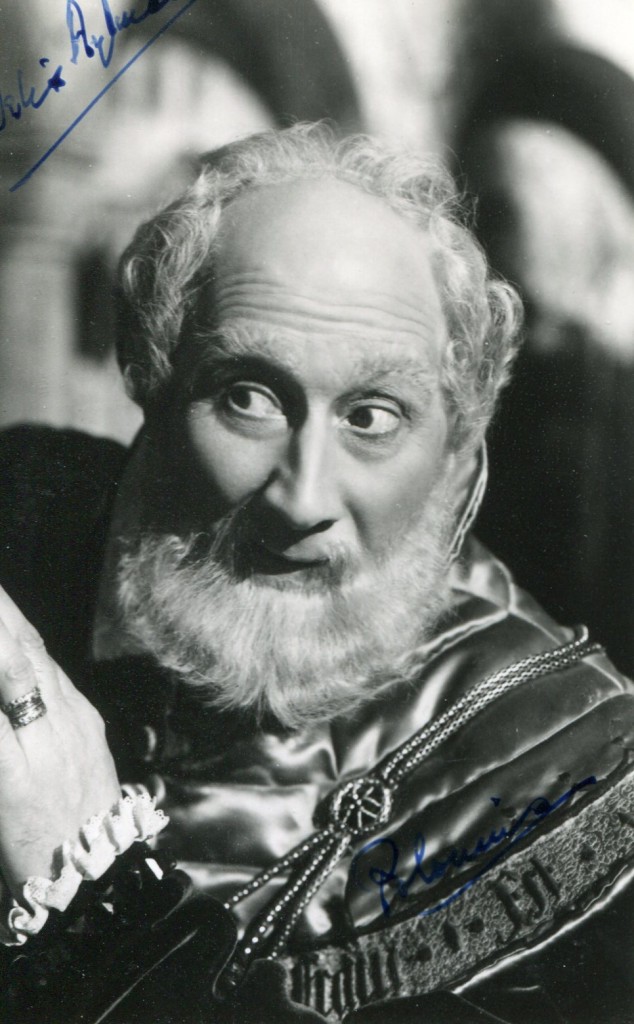
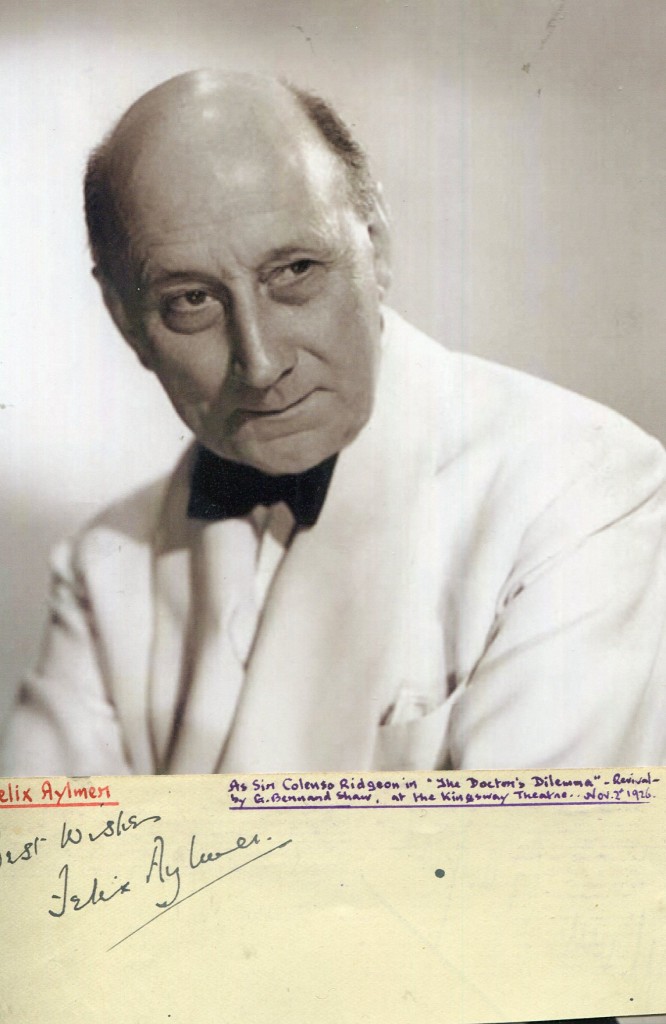
Accomplished stage performer, for many years president of the actors organization Equity, who entered film in the early 1930s and often played doddering clerics, bureaucrats or schoolteachers. Aylmer was twice cast as the Archbishop of Canterbury (in “Henry V” 1944 and “Becket” 1964) and played Polonius in Laurence Olivier’s film, “Hamlet” (1948). He was knighted in 1965.
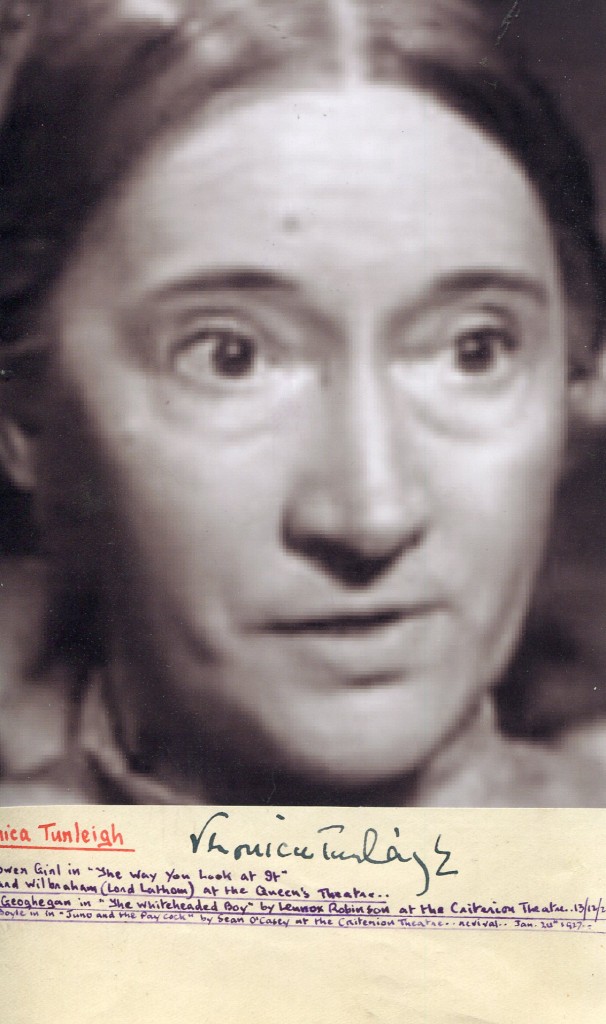
IMDB entry: Veronica Turleigh was born on January 14, 1903 in County Donegal, Ireland as Bridget Veronica Turleigh. She was an actress, known for The Horse’s Mouth (1958), The Promoter (1952) and Smiling at Grief (1939). She was married to James Laver. She died on September 3, 1971 in England.
Brendan Price was born on June 24, 1947 in Coventry, Warwickshire, England as Brendan T. Price. He is an actor, known for Dagon (2001), The Nameless (1999) and Google and the World Brain (2013).
Robert LindsayOriginal Cinema 1-Sheet Poster – Movie Film Posters
TCM overview:
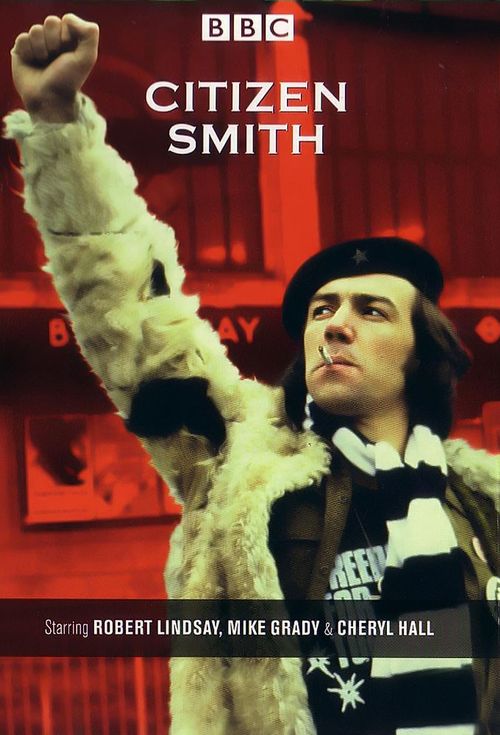
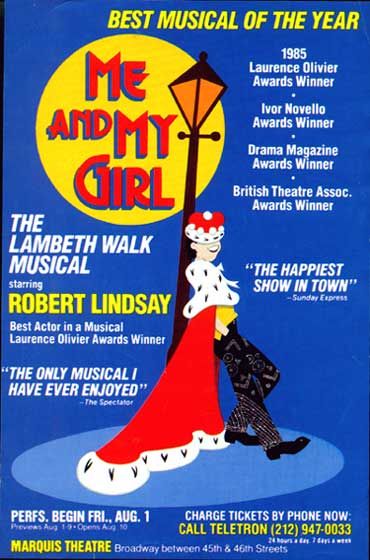
This dark-haired, pleasant-faced British actor is equally at home in musical comedy or drama. Often cast as working-class blokes, Robert Lindsay made a splash on both sides of the Atlantic in the mid-1980s starring in the revival of “Me and My Girl”. The RADA-trained actor had already become known to his countrymen as the pub-bound, would-be revolutionary Wolfie Smith in the British sitcom “Citizen Smith” (BBC, 1977-80).
In 1970, shortly after completing his training, Lindsay debuted as Jesus in a London production of “Godspell”. He alternated between TV and stage, joining the Royal Exchange Theatre Company in the late 70s, where he earned attention for playing “Hamlet” in 1983. Starring opposite Emma Thompson, he earned raves as the Cockney chap who proves to be of royal blood in “Me and My Girl”. Thompson was not allowed to recreate her stage role in the USA (Maryann Plunkett inherited the part) but Lindsay was, earning numerous accolades including a Best Musical Actor Tony Award. Subsequent stage roles have included heralded portrayals of Henry II in “Becket” in 1991 and Fagin in a revival of “Oliver!” in 1996.
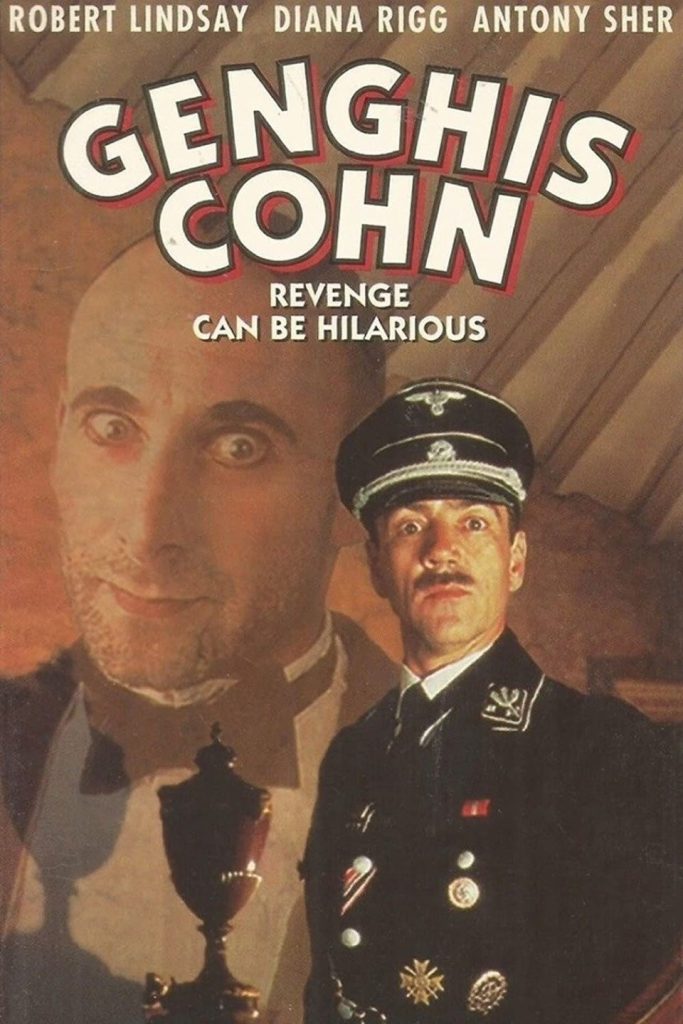
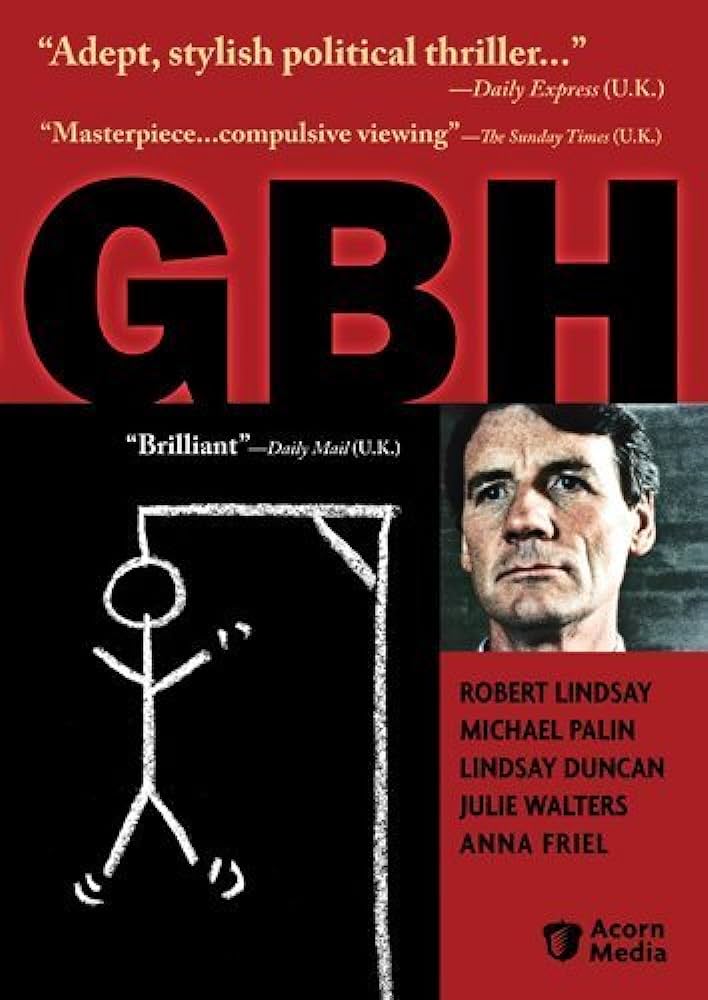
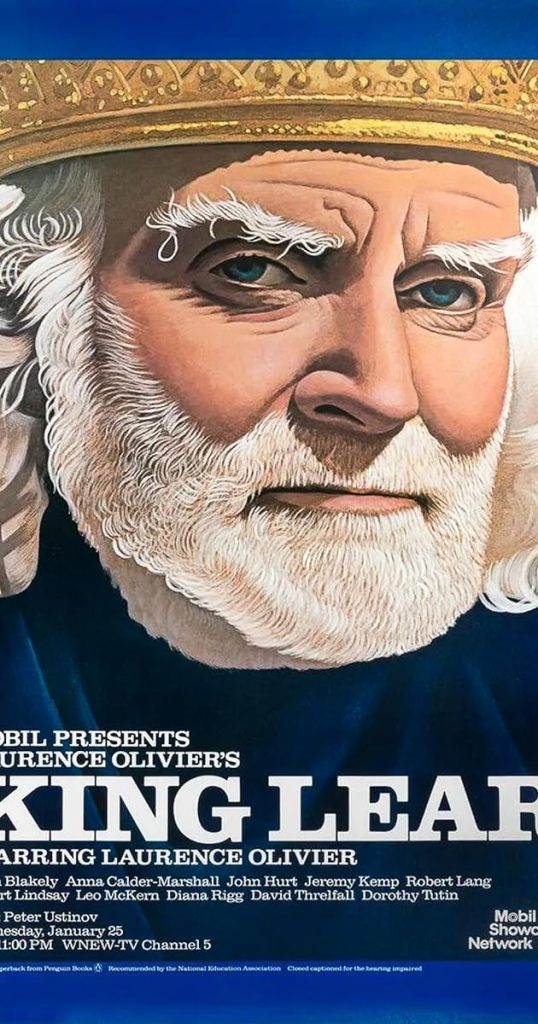
Before he landed his breakthrough stage role, Lindsay worked often on British TV. He was among the members of the RAF in the 1950s in the Thames TV sitcom “Get Some In!” (1975-78) before landing the role of “Citizen Smith”. He perfected his Cockney accent as a pool hall denizen alongside Paul McGann in “Give Us a Break” (1983) before landing more prestigious parts like Edmund to Laurence Olivier’s “King Lear” in 1984. Lindsay delivered a brilliant performance as a KGB saboteur posing as a priest in “Confessional” (Granada TV, 1990) and received a BAFTA Award as a ruthless politician in “GBH” (BBC, 1991). Lindsay also won much attention as a former SS officer being tormented by the ghost of a Jewish comedian (Antony Sher) killed in a concentration camp in “Gengis Cohn” (1993; aired in the USA on A&E).
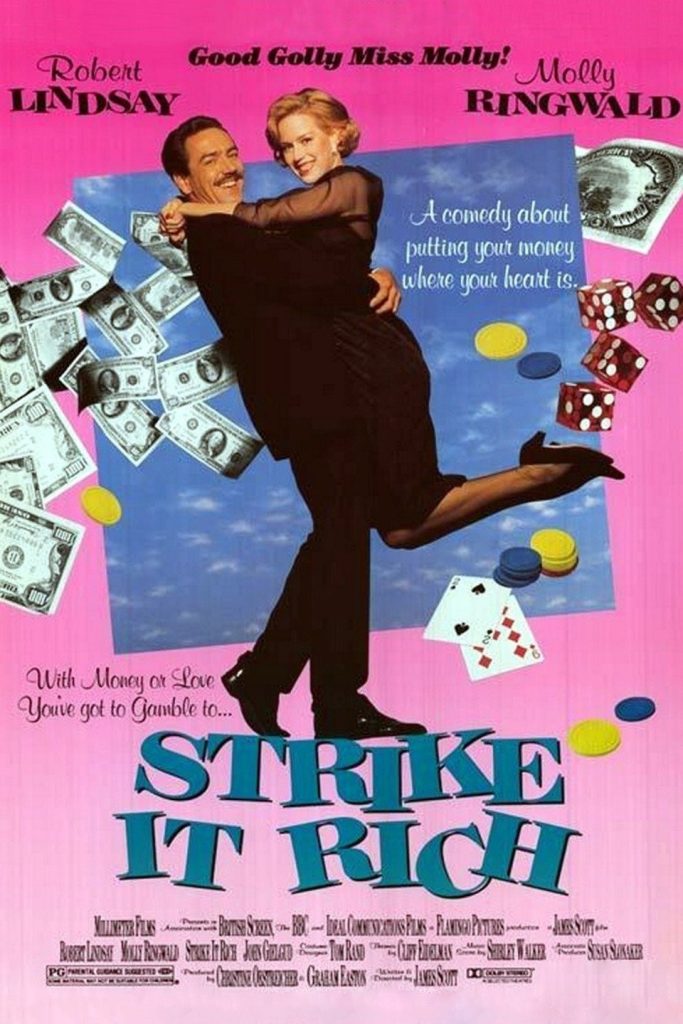
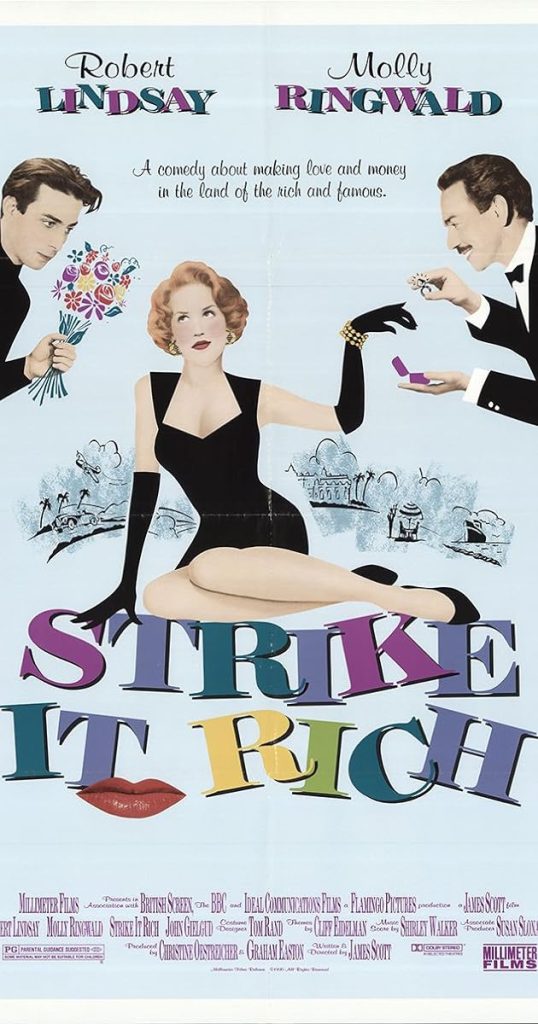
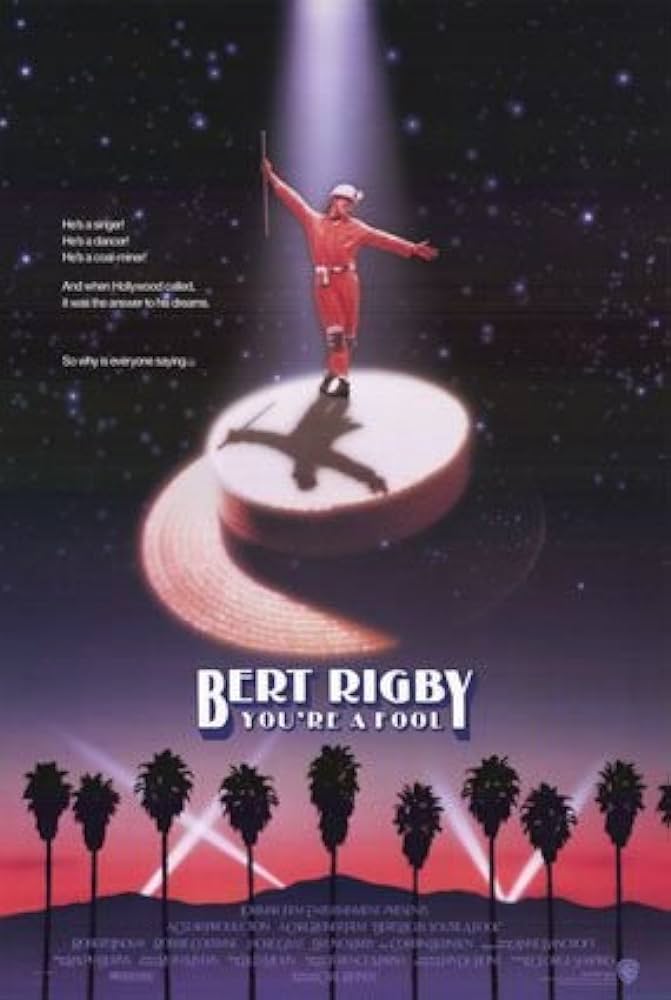
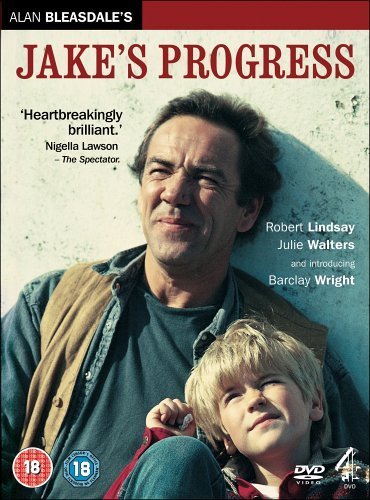
Lindsay’s film appearances have been rare. His talents were supposed to be showcased as a coal miner with showbiz aspirations in Carl Reiner’s “Bert Rigby, You’re a Fool” (1989), but the film did almost no box office. “Strike It Rich” (1990), an inferior remake of 1956’s “Loser Takes All”, teamed the actor with Molly Ringwald in a tale of a honeymooner in Monte Carlo who supposedly perfects a system for winning at roulette. More recently, he was among the zookeepers fighting for their jobs in the uneven “Fierce Creatures” and a smooth-talking businessman who revisits an old love in the comedy “Remember Me” (both 1997). Lindsay then co-starred with Julie Walters (who had played his mother in “GBH”!) as a married couple trying to change their fortunes by offering strip shows at their dingy pub in “Brazen Hussies” (lensed 1997).
The above TCM overview can also be accessed online here.
She made a 20-minute drama for With Light Productions in 2007 for director Anita Parry entitled The Lights of Santa Cruz. It co-starred Christian Rodska and was the story of two middle-aged divorcees doing up a boat on theSomerset coast. It was filmed in Watchet, Somerset (a small shipping port on the south west coast of England) over a four-day period, mostly on a refitted Swedish fishing boat, the Josefine. The film was entered into Bristol‘s Brief Encounters Festival and is currently looking for distribution.
Trained RADA. Stage Actor in Rep and West End (six productions). Many TV Plays and episodes of series. Written 37 TV Scripts including BBC play “The Interview”. Moved from Acting to Directing and writing in 198O. Has directed over fifty productions in London, Sydney, Frankfurt, Sheffield, Florida and major UK provincial Theatres.
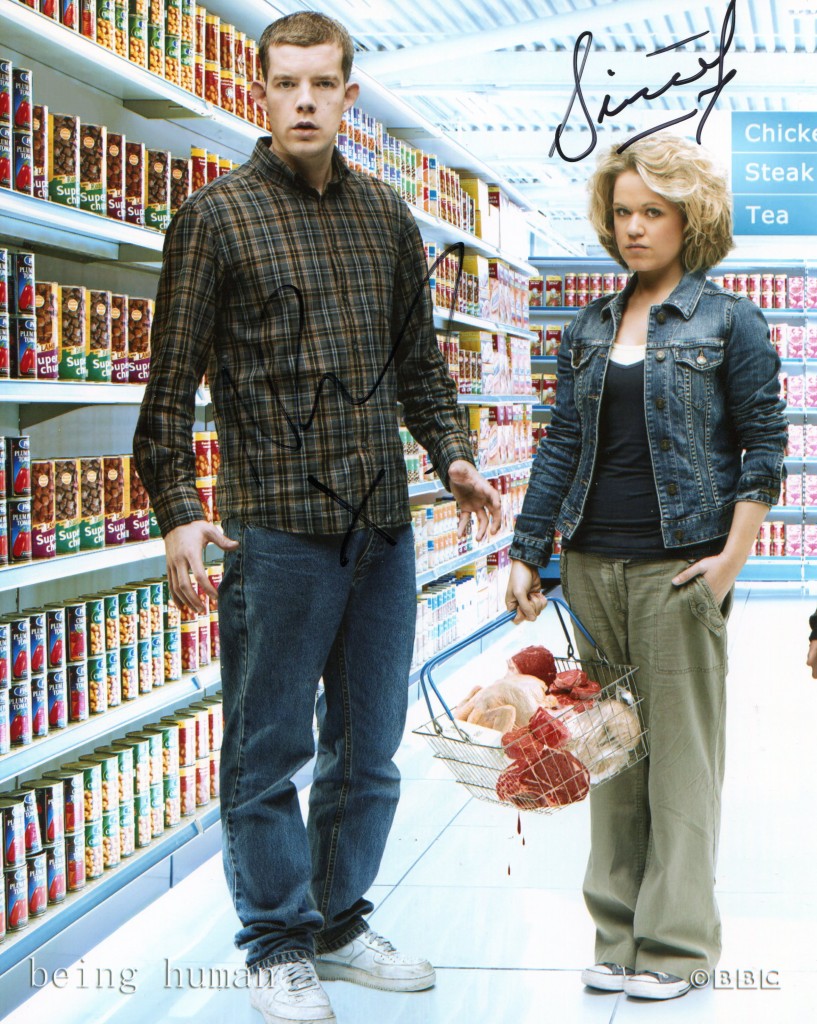
You want laddish? Russell Tovey‘s your man. In the beautifully observed TV sitcom Him & Her, he plays Steve, an unemployed procrastinator whose ambitions stretch to drinking, watching porn and shagging his girlfriend. As bewildered werewolf George Sands Junior in the supernatural dramaBeing Human, he makes his girlfriend pregnant but just wants to be one of the boys. In the new TV whodunnit What Remains, Tovey’s Michael is again preparing, reluctantly, to be a father. He tends to play boy-men who find themselves in grown-up situations against their better judgment. He often gets the girl, but you’re never sure why, or whether he’ll keep her. There are few actors who exude such irrepressible down-the-pub blokeishness. Tovey is also one of Britain’s few out gay actors.
We meet at a park in London’s Soho. Tovey is accompanied by his gorgeous French bulldog, Rocky, or the Rock if you know him well. There’s something instantly likable about both of them. Rocky introduces himself by giving me a thorough face wash, and Tovey starts telling me why he didn’t join his parents’ coach company (they own the Gatwick Flyer, which runs between Essex and Gatwick airport), how he got into trouble at school time and again, and how his ambition as a nine-year-old was to be a father by the time he was 14.
Tovey grew up in Billericay, Essex, to parents who worked all hours to build their business. He had one of the highest IQs in his year at school, but applied himself only to things that interested him. He was easily bored, and liked to make people laugh. That’s how he got into trouble. He never did anything really bad, just daft or disrespectful – like the time he called his French teacher sweetheart. “I got escorted by the head of PE and a security guard to the office of the deputy headmistress, Mrs Palmer.” Mrs Palmer asked if he would call her sweetheart, and he said, only if he knew her better. Tovey was suspended for two days. His next suspension was for eating cake. Well, if we’re being pedantic, for following girls into the toilet after they had refused to give him some of the cake they had made in Home Economics, and stealing it from them. “I turned round with a mouth full of victoria sponge and there was Mrs Palmer.”
Then there was the time he was thrown out of Barking & Dagenham College. He left school at 16, was doing a BTec in performing arts, and was due to be in the chorus of the college production of Rent when he was offered a part in a commercial. “They said, if you take this we’re not going to invite you back, and also if you leave you’ll never work again. Anyway, I left.” The college now cites him as one of its famous former students.
Tovey says he spent one school holiday just watching movies, and that was that. “Dead Poets Society was a big one, Home Alone, Stand By Me, Labyrinth, things like that. I thought the films were brilliant, but more than anything I wanted to be a part of them rather than just watching.”
His first part was as an extra in The Bill in the last year of junior school. He played a traveller who shouted “Oi” and threw a football at a police officer. It wasn’t much but he loved it. He started making money while at school, but says nobody noticed because most of the children had loaded parents anyway. Tovey’s mother always warned him not to show off about his work, so he kept quiet. “Mum said, if people ask you about it, it’s fine, but don’t boast, don’t talk about anything. So it’s always felt very private, what I do. If you’ve seen me, great, and if you want to talk about something, brilliant, but I’m not going to come in and say, ‘Did you see me on this, what did you think?’ That’s just not in my nature… Oh my God! Look at that, he’s trying to hump you!” His voice rises a couple of notches in shock. “Rocky! Don’t do that! What’s wrong with you?” He gives Rocky a severe talking to, apologises on his behalf, then tells me it’s not easy being a French bulldog. “If you’re human and you feel sexed up, you can do something about it. But if you’re a dog I don’t think you can, can you?” He looks at Rocky’s underbelly. “Rocky can’t reach his,” he says sympathetically.
A holidaying Brazilian family walk over and ask what breed Rocky is. It’s funny, Tovey says when they’ve gone, he worried that Rocky might make him more recognisable, but it’s worked the other way – strangers approach him all the time, ask about the dog, have a few strokes and toddle off without so much as a hint of, “Aren’t you …?”
From 11 onwards, Tovey acted regularly in professional productions. But it was only in his early 20s that he made his name with Alan Bennett’s The History Boys, alongside Dominic Cooper and James Corden. Tovey was already out, and Bennett could happily have cast him as Posner, an angsty gay boy infatuated with one of his fellow students. But somehow it didn’t seem right; Tovey was always going to be more convincing as sporty, plain-speaking Rudge, who is given the brilliant line: “How do I define history? It’s just one fuckin’ thing after another.”
In fact, Tovey auditioned for Dakin, the handsome smoothie eventually played by Cooper, even though he knew he was unlikely to get the part. “I had loads of spots, but I went in and said, look, I want to play this part. Dakin was meant to be the lead, lothario, sex object, and nobody was going to lust after me, this spotty, pasty, big-eared thing. But Alan Bennett really liked me and he thought, well, he obviously wants a bigger part, so he wrote up the part of Rudge for me.” Tovey’s skin problem almost led to him quitting the production. “My skin was so bad, I thought, I just want to leave. It was really affecting me psychologically. You go into makeup and they’d paint each spot. It was self-esteem-crushing. Horrible.”
Tovey has perfect skin today, but he has had to work at it with medication. “I still feel I’m going to wake up any moment and my skin’s going to break out all over. If I get one spot now, this absolute cloud comes over me.”
Despite this, he was never exactly lacking in confidence.”I thought I could charm people. I never felt I was attractive to women. I felt I was attractive to men when I was growing up. And even now, if a woman fancies me, I find that a bit alienating. A bit like, ‘You’re sure you’re not taking the piss?’ Because, having the skin, it always felt, I don’t know, not good enough. Whereas with men it was a bit like, it’s rough, it’s fine, don’t worry. Do you know what I mean? Growing up having sticky-out ears, pasty skin, then going through teenage years with spots.” Did he consider having his ears pinned back? He looks appalled. “No. I’ve never felt anything apart from love for my ears. My eldest nephew’s got them now, and he’s so proud of them because he’s got his uncle Russell’s ears. They’re my trademark.”
At school he always had girlfriends. It was only when he got into his mid-teens that he realised they didn’t do that much for him, that he was attracted to boys. “Looking back, I always knew. But you don’t reallyknow till you get to a point where you go, oh, that’s what makes me happier.” At 18, he came out to his family and his father tried to talk him out of it. “My dad was of that generation where it’s changeable if you get it early enough.”
How would he have changed you?
“Hormone therapy or shock treatment, all of these horror things that you watch. You see, they had all this Aids thing. It was all, ‘Don’t die of ignorance.’ My nan thought being gay was a disease. It’s just a generational, educational thing. And Dad was like, ‘I wish you would have told us sooner because we would have done something about it.'”
Were you surprised by the reaction?
“No, I was prepared for it.”
Was it based on prejudice or fear?
“Not knowing. Not knowing anybody else who is gay, not experiencing it, hearing of people dying of Aids and seeing, say, Larry Grayson on TV and thinking, that’s it. Seeing gay men appear in stories in which they were miserable and sad. And I think he felt sad and worried for me, that I’d have a terrible life if I made this choice. And he thought it was a choice, because being straight is so natural, why would you want to be anything different from that?”
It’s touching how determined Tovey is to understand his family’s fears of his sexuality.
“You want your kids to be perfect and at that time it felt like it was an imperfection. Whereas now a lot of people are like [enthusiastic voice], ‘Are you? Cool! Well, make sure you look after yourself.’ It seems like it’s a different time. I sense that with younger generations, when they have after-school clubs where they talk about being gay. I meet a lot of kids who’ve come out at school, and I’m like, ‘What! You came out at school! Did you get bullied?’ ‘No!'”
He smiles. He’s just remembered something that amuses him. “My mum used to think it was the pill that made you gay. There was too much oestrogen in the water, and people started taking the pill in the 60s and it made everybody gay.”
On screen, Tovey is forever snogging girlfriends or flashing his bum. Does he enjoy his sex scenes? “I have quite enjoyed my sex scenes.” Hurrah! He’s the first actor I’ve ever heard admit that.
“I don’t get embarrassed by sexual parts. I want to protect the girl. Nine times out of 10, girls are more embarrassed.” He thinks about it. “You know what? Actually, if I was doing a gay sex scene, I’d probably feel really embarrassed.”
Do women playing his love interest see him as a challenge? “No, because most of my leading ladies are in relationships, and their partners are thrilled when I get cast with them in these intimate roles because I’m not a threat. I think if I’d been straight I would have slept with a lot of actresses by now and there’d be a lot of broken relationships.”
Really? He laughs. “Is that quite an egotistical thing to say? It’s just the leading man/leading lady thing, which happens again and again. You’re playing being in love and you fall in love.”
Tovey says he’s looking forward to his next part in What Remains because his character is a bit darker than normal. There’s also a new series of Him & Her coming up, which he loves. (“It feels very Pinteresque to me. If I wasn’t in it, I’d watch it religiously.”) And he’s busy writing: he’s written three plays so far, which have been read at the Soho theatre and National theatre studio but have yet to be performed. He describes them as being “about people in the margins”.
I ask Tovey if there was one thing he could change in the world, what it would be? “Right now? I feel, as a taxpayer who’s self-employed, I hate the fact that you have to pay on your projected earnings for the following year. Can’t we get rid of that? Let me earn it, then I’ll pay it back to you. Don’t say, well, you owe us half of what you might earn next year. That’s it. Haha!” Blimey, he sounds like a proper Tory Essex boy. “Tory? No, absolutely not. I was in the House of Lords recently for the whole debate about gay marriage. It was incredible, just sitting there watching all these really old white, middle-class, crusty men talking about how they thought it was wrong. They feel very removed from what is happening in the real world outside.”
It’s interesting that Tovey says it’s so much easier to come out today than when he was a boy. If anything, among actors, the opposite appears to be true. Whereas years ago the likes of Ian McKellen, Anthony Sher and Rupert Everett came out (admittedly in middle age or when already established), there are few openly gay stars of Tovey’s generation. “Well, there’s the guy who plays Spock in the new Star Trek film, Zachary Quinto.” He tries to think of others, but fails.
The fact that you can name only one gay actor in Hollywood suggests there is still a taboo, I say. What about well-known young British actors? He racks his brain. No, no one he can name – not publicly, anyway. “I assume there are a few. Whether they are out or not is not for me to say.” That is crazy, I say. “Well, I hope it’s changing… I’ve found out over the years that the conversation about casting me has come up: would it affect the show and the audience if I’m a gay man playing a straight character? These conversations are being had still.” Everett has said that coming out crippled his career, that now he’s largely restricted to playing gay. Perhaps the difference for Tovey is that he was out from the start, and because he didn’t make much fuss about it, nor did anybody else. As for the viewing public, he says they couldn’t care less. “You’ve got to remember that of the millions who watch TV, most people don’t give a fuck about your private life or know who you are.”
Tovey says he is keen to play a gay man, but there are very few good parts. “I really want to do it properly, with something that is clever and moving everything forward rather than covering old ground. Not someone who’s gay and miserable, dying of Aids, secluded, a bit weird. I want to play someone who’s normal and just happens to be gay.”
Shortly after I meet Tovey, the actor Ben Whishaw issues a statement saying he is gay and happily married. I contact Tovey to ask what he thinks. “I’m just happy he is a well-adjusted dude and out now, another good role model who isn’t defined professionally by who he wants to share his personal life with.”
Tovey has been with his boyfriend for four years. They live together, are very happy, and that’s all he wants to say because it’s private. He’s wearing a couple of rings. I ask about their history. The one on his middle finger, he says, is his father’s old ring and he never takes it off. And the other? He blushes. “It’s just another ring. It’s on that finger… which means something. I’m not married or anything. It’s just a symbol of commitment, I suppose.” Yes, he says, he would like to get married, and still fancies being a father.
Tovey says he always knew it was important for him to be open about his sexuality. Why? Simple, he says. “I love my personal life and having a social life. And I didn’t ever want to have to compromise. I could imagine being at this stage now and having skeletons in the closet, and you sitting here going, ‘So have you got a girlfriend?’ and me saying, ‘I’ve not got a girlfriend at the moment, I’ve not met the right girl, there’s a few people around.’ And in my head going, I’m going back home to my boyfriend in five minutes.” He pauses. “D’you know what I mean? I just can’t be arsed with that.”
The above “Guardian” article can also be accessed online here.
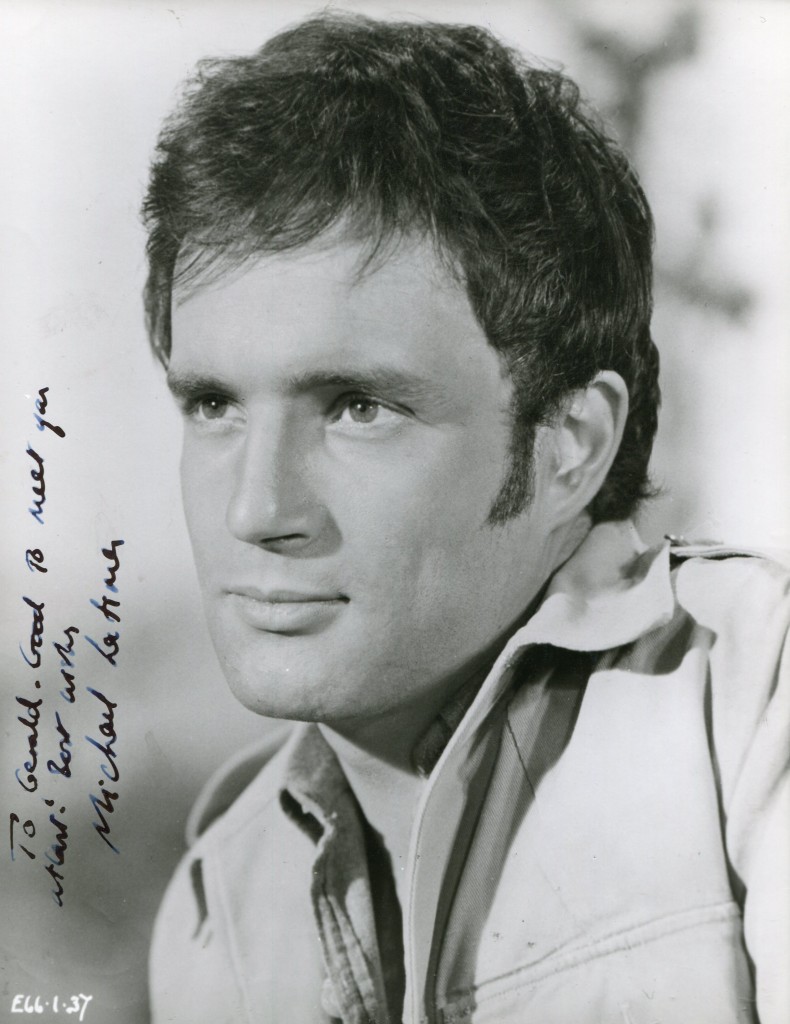
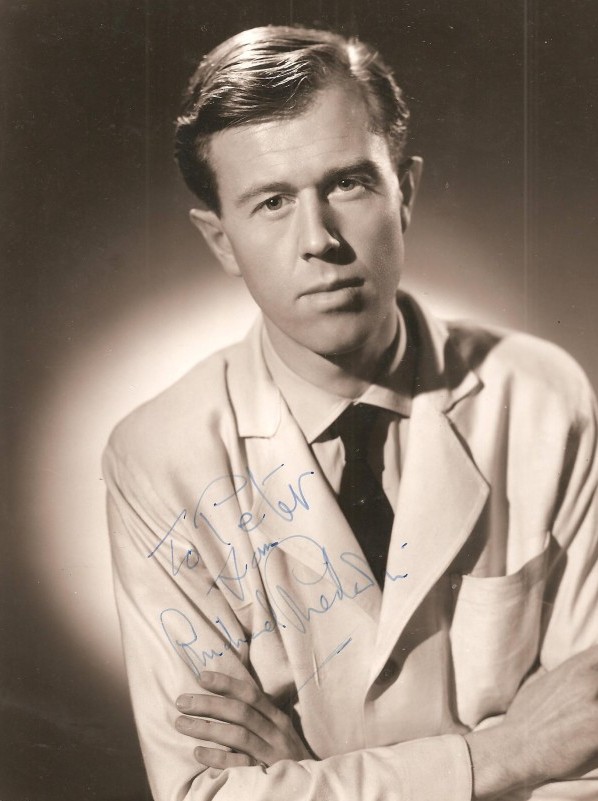
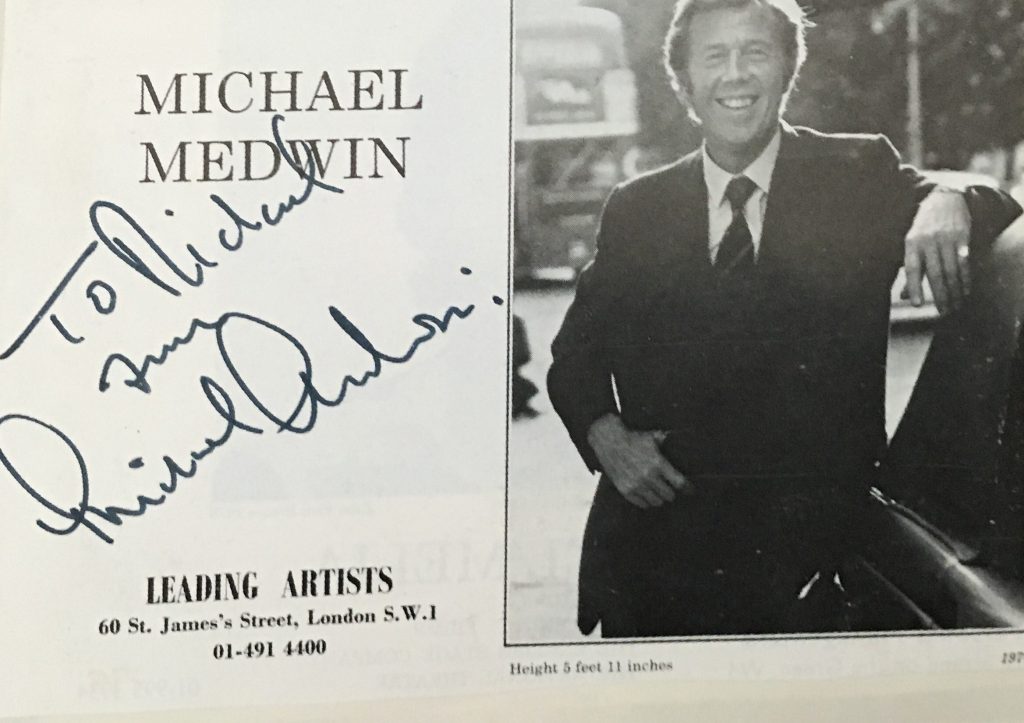
Michael Medwin was born on July 18, 1923 in London, England as Michael Hugh Medwin. He is an actor and producer, known for The Duchess (2008), Three Live Wires (1961) and Scrooge (1970).
Michael Medwin
Michael Medwin obituary in “The Guardian” in 2020.
Best known for countless character roles in films and as the wide-boy Corporal Springer in the highly acclaimed 1950s TV series The Army Game, the actor Michael Medwin, who has died aged 96, also enjoyed success in other areas of show business across seven decades.
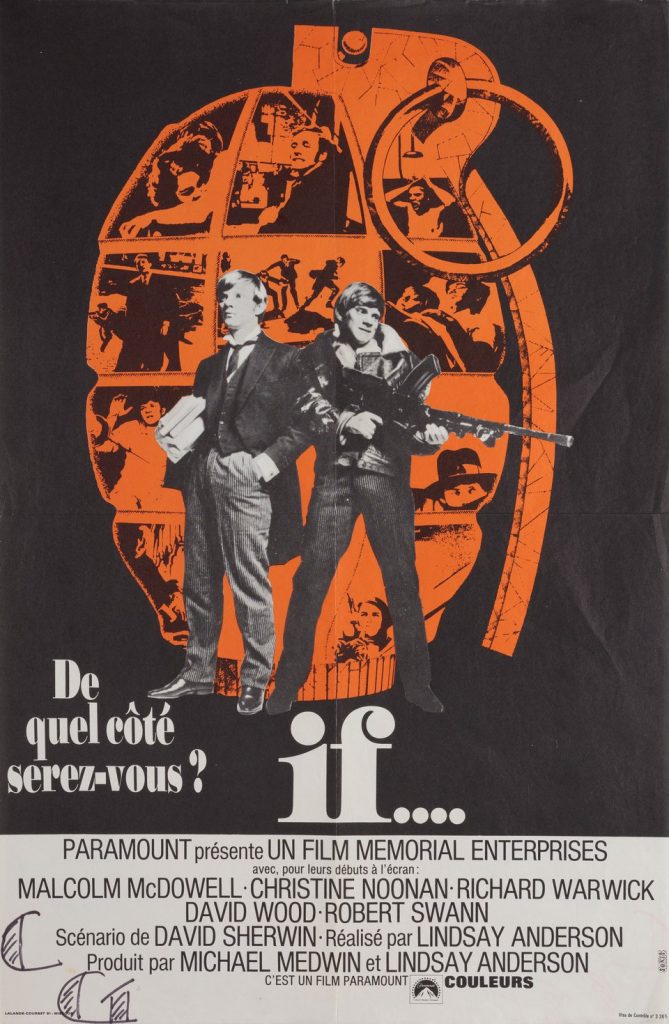
He began his career in the theatre and co-scripted several of the films in which he appeared, including My Sister and I (1948), Children of Chance (1949) and the musical Scrooge (1970), in which he was nephew to a Scrooge played by Albert Finney. He founded a production company, Memorial, with Finney and produced several British classics, including Lindsay Anderson’s If… (1968).
Memorial’s first film, Charlie Bubbles (1968), directed by Finney, was a quirky comedy drama about a novelist returning to his northern roots. It featured a miscast Liza Minnelli and, because of its fragmented narrative, enjoyed only modest commercial success. However, it boasted fine technical and artistic credits that characterised the company’s subsequent productions.
They moved on to the spirited and subversive If…, co-produced and directed by Anderson. This powerful study of rebellious youth became a key movie of the decade and Memorial’s most significant production. Others included Bill Naughton’s Spring and Port Wine (1970), which had originated on radio, and Stephen Frears’s spoof thriller Gumshoe (1971), a stylish success that starred Finney as the eponymous detective.
Medwin again collaborated with Anderson on the satire O Lucky Man! (1973) and a year later worked in the US co-producing and playing a cameo in Ivan Passer’s uneven comedy, Law and Disorder. There was a gap until Memoirs of a Survivor (1981), an ambitious attempt at filming Doris Lessing’s novel. It failed commercially and proved to be Memorial’s swansong.
Medwin was born in London, and adopted by Dr Mary Jeremy and Ms Clopton-Edwards, whom he described as “two maiden aunts”. He was educated at Canford school, Dorset, before training for the theatre at the Italia Conti school in London, and made his acting debut in Where the Rainbow Ends at the New theatre in 1940.
After a busy period on stage, he had a couple of walk-on parts in the films Piccadilly Incident (1946) and The Root of All Evil (1947), before the director Herbert Wilcox cast him as Edward Courtney in the glamorous and highly successful The Courtneys of Curzon Street (also known as Katy’s Love Affair, 1947). Medwin was up and running in the heyday of postwar British cinema, notching up around 20 roles in five years.
They varied from the guileless Just William’s Luck (1948) and Woman Hater (1948) to Cavalcanti’s formidable For Them That Trespass (1949) and Thorold Dickinson’s The Queen of Spades (also 1949). Medwin played a spiv in Night Beat (1947), a cabby in Forbidden (1949), an elderly doctor in Anna Karenina (1948) and, alongside his fellow youngsters Roger Moore and Christopher Lee, was a marquis in Trottie True (also known as The Gay Lady, 1949).
Despite specialising in brash roles, he proved exceptionally versatile, and Michael Caine, who appeared with him in the war movie A Hill in Korea (1956), wrote: “I was amazed when I met him to discover that he had a very upper-crust accent. Cockney is a hard accent to do and he did it brilliantly.” By the time that film came out, Medwin was playing leading roles, but his attitude to work remained modest and he said later: “I’ve never been ambitious. Being a character actor in a high-risk business can be difficult, so it was a joy to be employed. I had no Everest to climb.”
The parts grew better, including one as the sparky British soldier in Four in a Jeep (1951), an intriguing portrait of the “four-way divide” in postwar Vienna. He was the title character in the spy story The Teckman Mystery (1954), and landed the best role of his career in The Intruder (1953), adapted by Robin Maugham from his novel Line on Ginger. Medwin was Ginger, a former soldier caught by his commanding officer (Jack Hawkins) while burgling the officer’s home. It was an intelligent snapshot of postwar Britain, with Medwin brilliant as the sympathetic, yet gutsy, unemployed “villain”, and a precursor to the social movies with which he and Finney would later be involved.
Until then, Medwin remained busy, acting in the thriller Bang, You’re Dead (AKA Game of Danger, 1954) and Joseph Losey’s bizarre short A Man on the Beach (1956), and giving valuable support to Max Bygraves in Charley Moon (1956), Frankie Vaughan in The Heart of a Man (1959) and Tommy Steele in The Duke Wore Jeans (1958). He was also on call for the Doctor and Carry On series and ubiquitous war films.
He had made his television debut as a boxer in Kid Flanagan (1948). In The Army Game (1957-58), he was Springer, the ringleader to four privates who regard national service as a licence for anarchy. In the series The Love of Mike (1960) he starred as the jazz musician Mike Lane, and in Shoestring (1979-80), he was the radio station boss Don Satchley to Trevor Eve’s phone-in detective Eddie Shoestring. He was in the Mel Smith comedy series Colin’s Sandwich (1988), the spy miniseries The Endless Game (1989), which starred Finney, and played the Red King in a TV version of Alice Through the Looking Glass (1998).
Later film roles included a theatre surgeon in Anderson’s Britannia Hospital (1982), a doctor in the Bond saga Never Say Never Again (1983), a producer in Hôtel du Paradis (1986) and a speechmaker in The Duchess (2008).
He had appeared in many theatre productions, including Man and Superman, Joe Orton’s What the Butler Saw and Noises Off. In 2010, playing Paris, he was the oldest cast member of a Bristol Old Vic production of Romeo and Juliet that starred the 76-year-old Siân Phillips as Juliet and Michael Byrne, in his late 60s, as Romeo. In 1988 he was a co-founder of David Pugh Ltd, a London and Broadway theatre production company and he remained a director well after announcing his retirement from acting in 2008.
He was appointed OBE in 2005 for services to drama.
His marriage to Sunny Sheila Back ended in divorce in 1971.
• Michael Hugh Medwin, actor and producer, born 18 July 1923; died 26 February 2020