Joanne Froggatt is currently riding high with her performance in the classic TV series “Downton Abbey” in which she plays maid ‘Anna Smith’. Previously she was featured as the teenage ‘Zoe’ in “Coronation Street”.
TCM overview:
British actress Joanne Froggatt leapt from relative obscurity to worldwide fame in 2010 as the loyal maid Anna Smith in the popular U.K. drama series “Downton Abbey” (ITV/PBS, 2010- ). The role was the culmination of a series of critically regarded turns on British television that saw Froggatt tackle some exceptionally complex female characters, from a teenaged mother on “Coronation Street” (ITV, 1960- ) to child killer Myra Hindley in “See No Evil: The Moors Murders” (ITV, 2006). After proving her ability to carry a motion picture with the intense drama “In Our Name” (2010), Froggatt began her tenure on “Downton Abbey” as Anna Smith, whose romance with the ill-fated Mr. Bates (Brendan Coyle) was among the show’s emotional high points. Froggatt received widespread praise for her performance, which served as the official beginning of her transition from featured player to breakout star.
The daughter of sheep farmers, Froggatt was born Aug. 21, 1980 in the North Yorkshire village of Littlebeck, England. She developed an interest in performing at a very early age, requesting ballet lessons at two years old. After making her acting debut with a theater troupe in Scarborough, Froggatt convinced her parents to send her to the Redroofs Theatre School when she was 12 years old. Three years later, she postponed her desire to attend the Royal Academy of Dramatic Arts to make her television debut in “The Bill” (ITV, 1984-2010), and then segued into a recurring role as a teenaged mother on “Coronation Street.” Froggatt worked steadily on television throughout the late 1990s, eventually gaining considerable acclaim as a teenaged girl who witnessed the murder of her boyfriend in “Danielle Cable: Eyewitness” (ITV, 2003), which earned her a Best Actress nomination from the Royal Television Society.
In 2006, Froggatt played convicted killer Myra Hindley in “See No Evil: The Moors Murders,” a docudrama about a monstrous murder spree conducted by two English teens during the early 1960s. She followed with an equally controversial role in “Joanna Lees: Murder in the Outback” (Channel Ten/ITV, 2007), playing a woman implicated in the murder of her boyfriend (Laurence Bruels) during a trip to the Australian outback. That same year, she returned to the stage in a production of All About My Mother at the Old Vic Theatre, which she followed up with more work on television before making her feature film debut in “In Our Name” (2010). A moving drama about a female soldier (Froggatt) who struggled with paranoia after returning from a tour of duty in Iraq, the film earned Froggatt a British Independent Film Award for Most Promising Newcomer.
That same year, Froggatt began her supporting role as Anna Smith, head housemaid at “Downton Abbey,” which brought her to the attention of a worldwide audience. A well-liked member of the servant staff, Anna served as a confidant for Lady Mary Crawley after her ill-fated one-night stand with Kernal Pamuk. She later became romantically entangled with valet John Bates, but their romance was interrupted by his conviction for the murder of his wife, for which he received the death penalty. For her performance, Froggatt received an Emmy nomination for Outstanding Supporting Actress in a Drama Series in 2012.
By Paul Gaita
The above TCM overview can also be accessed online here.
David Bradley was born in 1942 in York. He is best known for his performance in the Harry Potter series as ‘Argus Filch’. He also starred in“Our Friends in the North”.
IMDB entry:
David Bradley was born on April 17, 1942 in Yorkshire, England. He is an actor, known forHarry Potter and the Prisoner of Azkaban (2004), Harry Potter and the Sorcerer’s Stone(2001) and Captain America: The First Avenger (2011). He was awarded the Laurence Olivier Theatre Award in 1991 (1990 season) for Best Actor in a Supporting Role for “King Lear” at the Royal National Theatre. Became an actor in 1971. At the Duke of York Theatre, London, performing in Harold Pinter‘s “No Man’s Land”, withMichael Gambon and David Walliams. [December 2008] When he asked if I would interested, I almost bit his hand off! Mark [Mark Gatiss] has written such a wonderful script not only about the birth of a cultural phenomenon, but a moment in television’s history. William Hartnell was one of the finest character actors of our time and as a fan I want to make sure that I do him justice. I’m so looking forward to getting started.
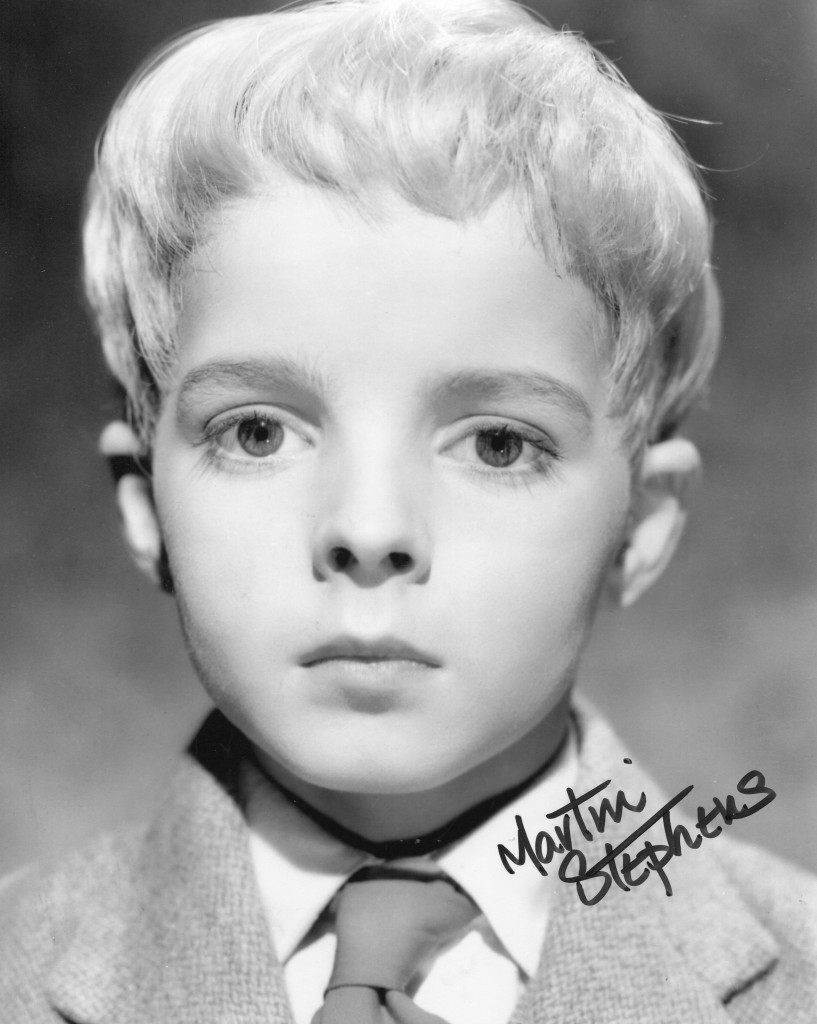
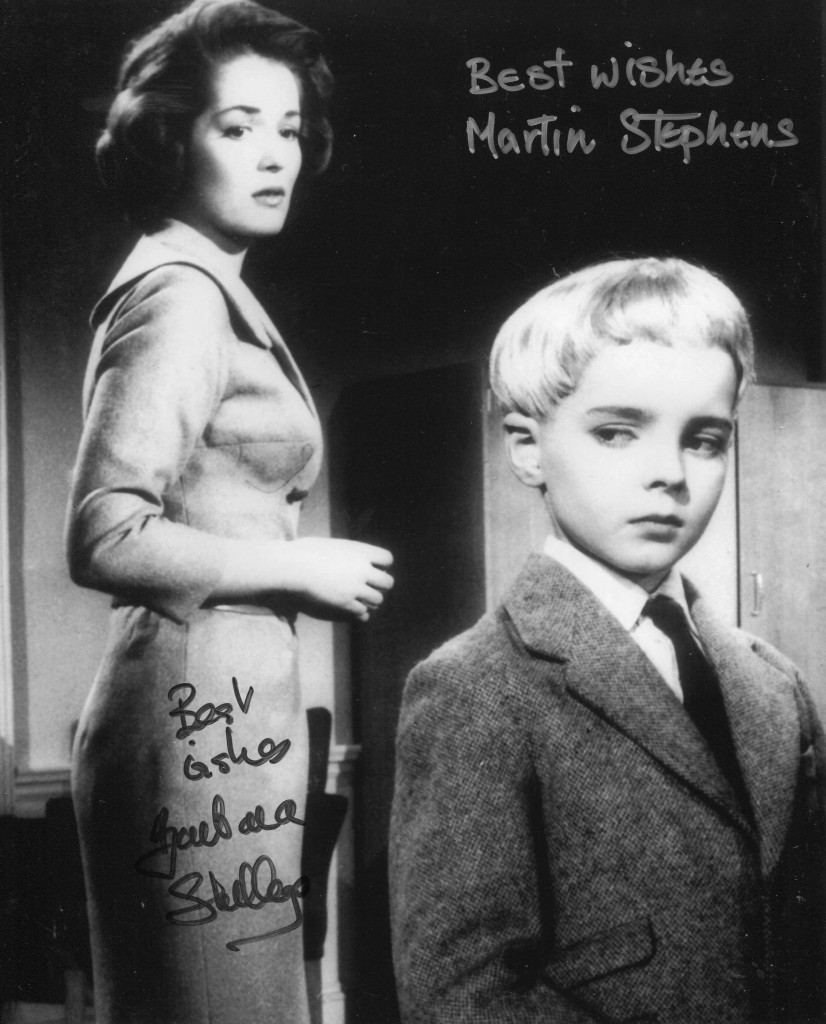
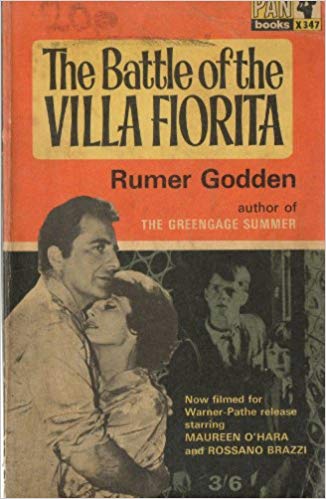
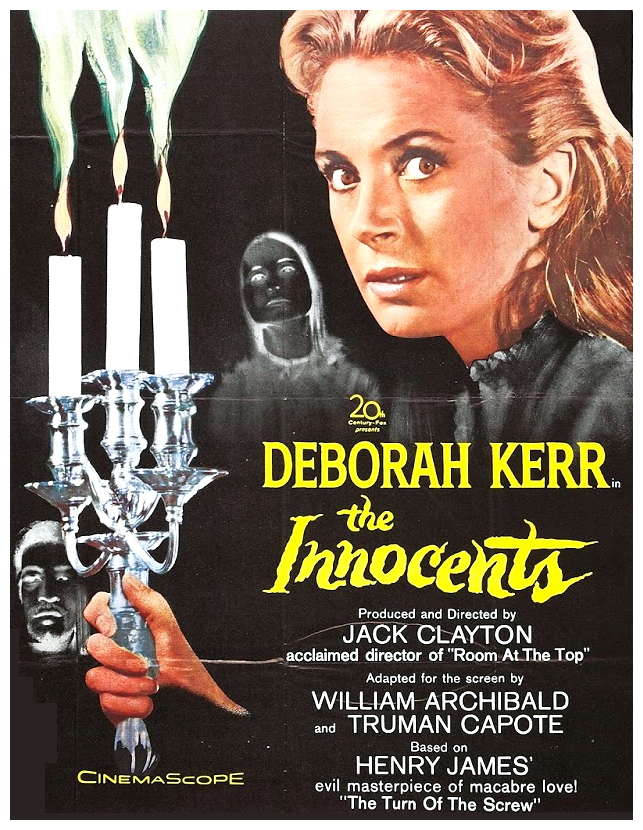
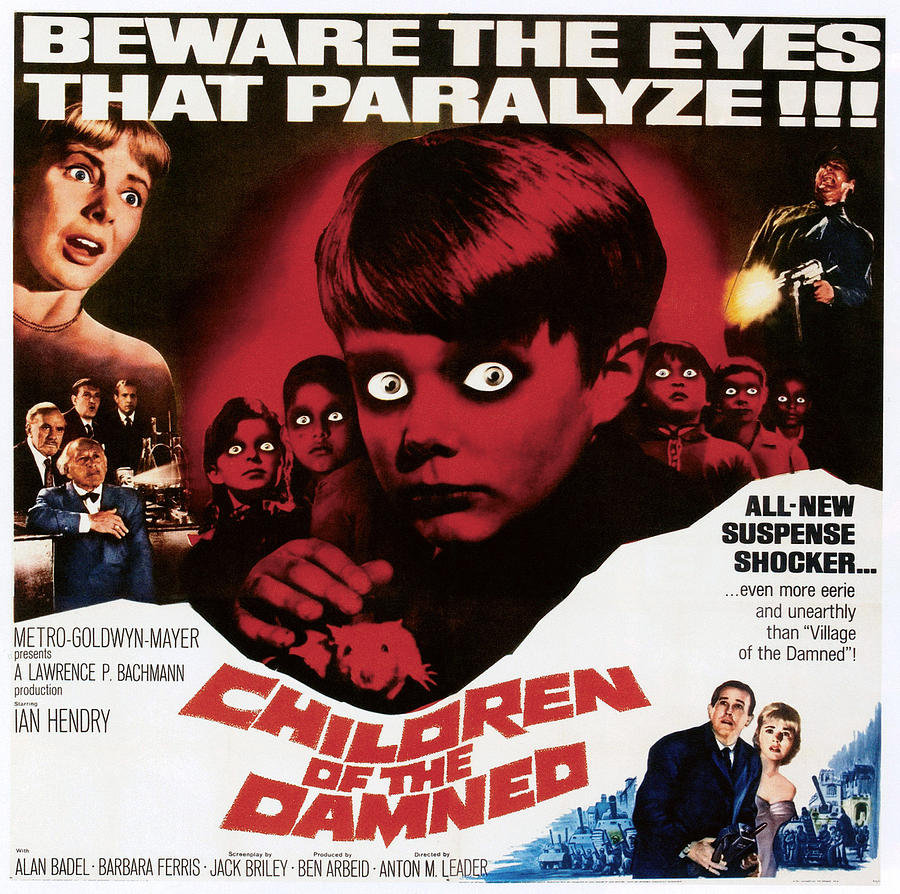
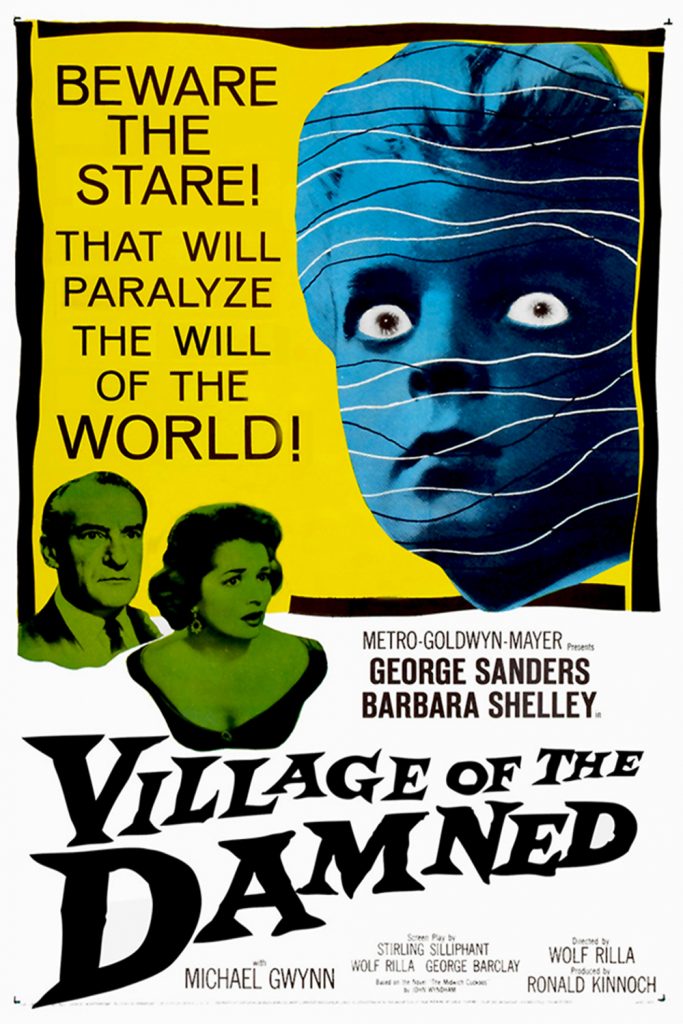
Martin Stephens was a very popular child actor in the UK in the late 1950’s until the mid 1960’s. He was born in 1949 in Southgate, London. He made his movie debut as the son of Sean Connery and Glynis Johns in “Another Time, Another Place” and was very powerful in “The Village of the Damned” and “The Innocents”. His final movies were “The Battle of the Villa Fiorita” as the son of Richard Todd and Maureen O’Hara and in 1966, “The Witches” with Joan Fontaine. He went on to university to qualify as an architect.
Film Society of Lincoln Center interview:
Barbara Shelley & Martin Stephens
I went to Hollywood, I went to India, I went to all these sorts of places. For a young child to do that in the platinum age of film was extraordinary,” Martin Stephens, child star of Village of the Damned told the filmlinc blog. Stephens also admitted the challenges of being thrust into the limelight at such a young age.
“To some extent you’ve got to acknowledge there’s some degree of exploitation of children,” he said. “Twelve-hour days were standard for me.” Excerpts of his interview with Film Comment’s Benjamin Schultz-Figueroa appear below.
BS-F: How were able to create such complete characters at such a young age?
MS: I can’t say that I was a natural actor but what I would say is that I was very directable. If you look at my fifteen, sixteen, eighteen films, whatever it was, you will see that when it was a good director I tended to be reasonably good and when it was a weak or poor director I was relatively mediocre. I would absorb what was going on. Also, to be honest, I didn’t have much of an ego in terms of what I was doing. To me it was just a job. And I have to thank my family for that, in that we never were, my sisters included, treated as special. You know it was just a job of work, and remember we’re going back fifty years or so with some of this, the whole milieu at that time, the whole celebrity culture, particularly with children, was pretty much non-existent.
BS-F: Although you gained a certain amount of celebrity.
MS: Certainly I did, but nothing like . . . I mean look at Home Alone and that sort of stuff. The kid makes a couple of movies and he’s earning millions and known around the globe. Whereas I was hammering away at it for twelve or fourteen years and never got anything like that level of exposure—or that sort of money. It was a very different time that we were working in. There wasn’t the sort of global communication that there is now. The speed that people can be made famous, and unmade, it just wasn’t there at that time.
BS-F: But people still relate to your iconic roles?
MS: Most people don’t know who I am (laughs). I think my wife does. And to be honest, I’ve never really felt the motive—since I’ve left the profession, I left it. It’s a little bit like a Native American walking backwards, you know, brushing the ground that he’s just trodden upon. Just leaving no trace. I’ll give you an example. I played Oliver in the musical in London when I was twelve. I did that for about seven months and my mom used to come a collect me. Every day she would come up and sometimes she would be a few minutes early so she would go into the wings and see the final curtain calls before she would whisk me off to go to bed. One day the stage manager actually turned to her and said—as I was taking the bows and there was uproarious applause going on, and curtain call after curtain call—the stage manager actually turned to her and said “do you know that Martin couldn’t care less?” It was just doing a job. I was enjoying it, but it didn’t really matter to me too much, I didn’t invest my ego into it.
Michalle Fairley was born in Coleraine, Northern Ireland in 1964. She began her career on British television in such series as “Holby City”, “The Bill” and “Inspector Morse”. She starred as ‘Mrs Granger’ in “Harry Potter and the Deathly Hallows” and now stars in “Game of Thrones”.
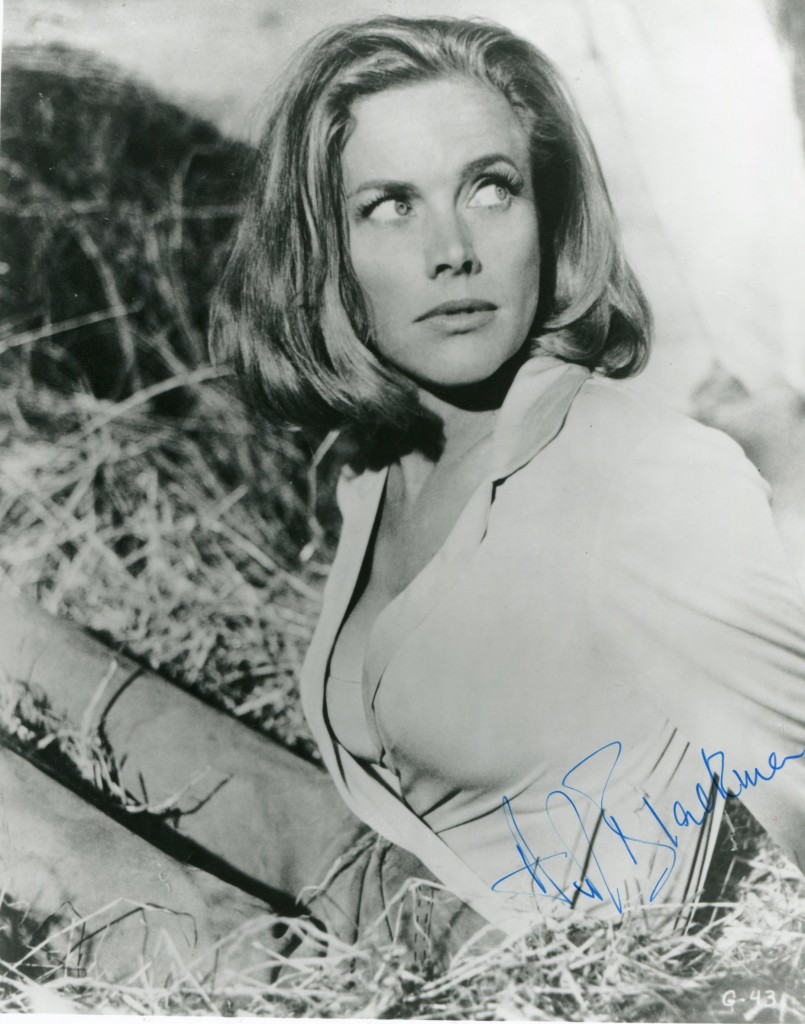
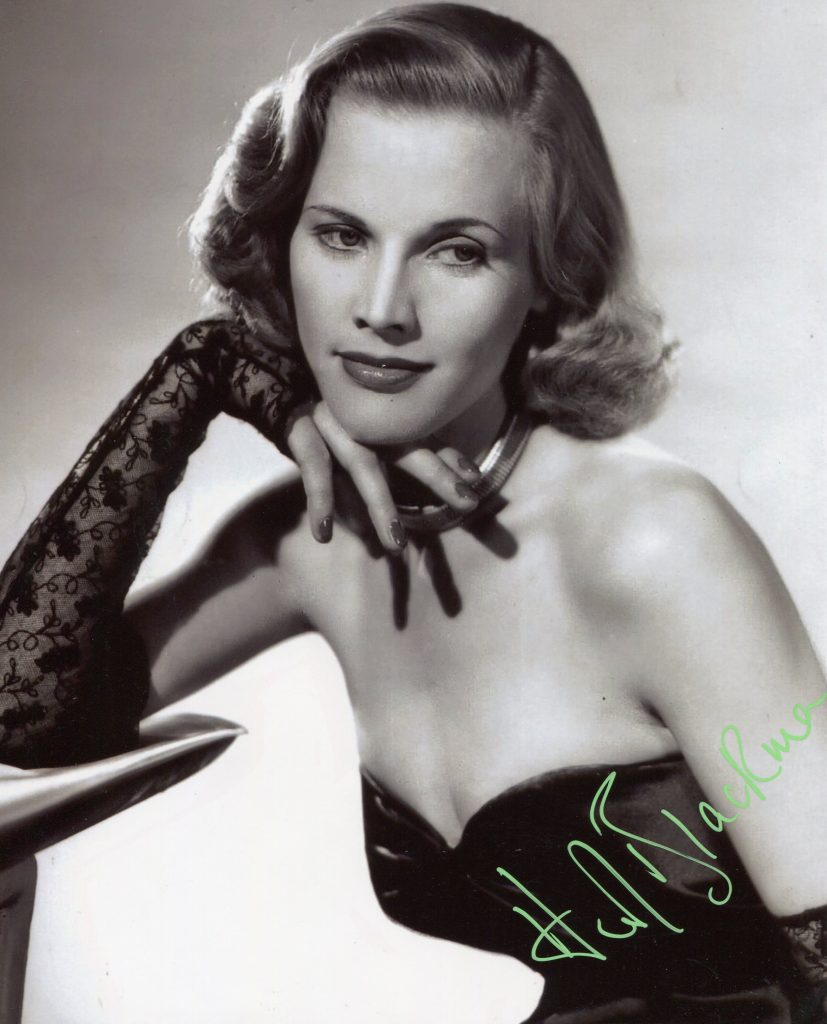
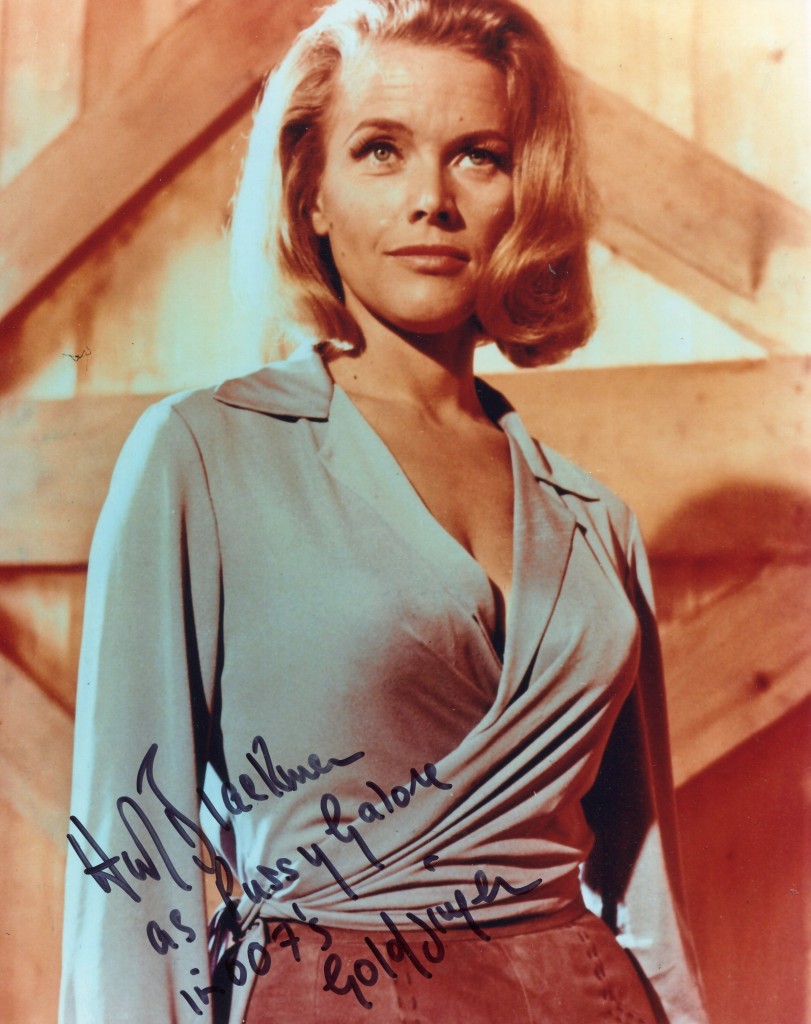
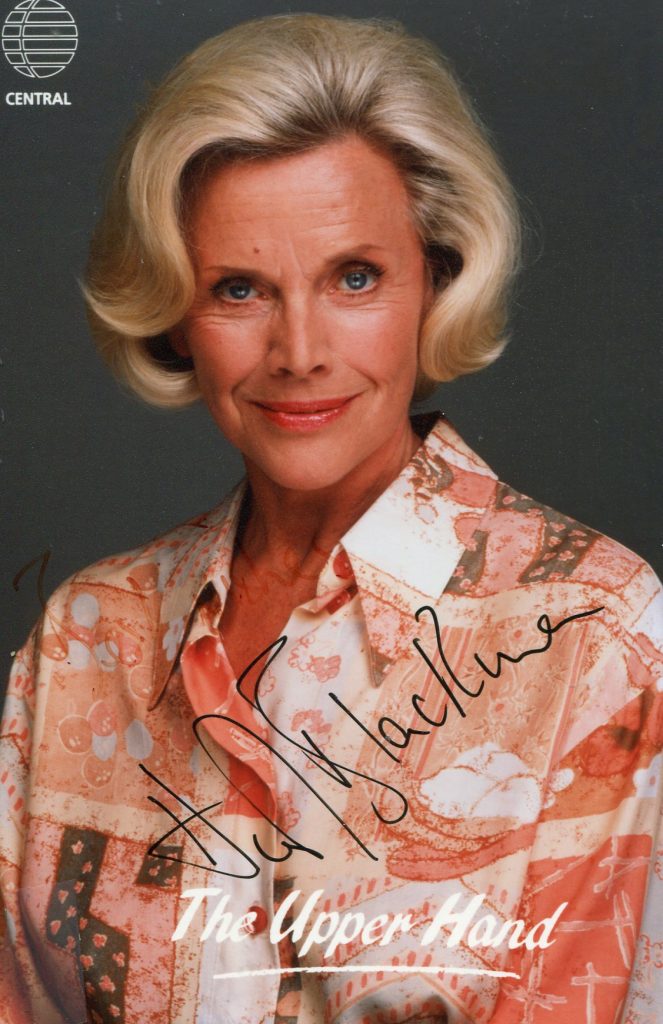
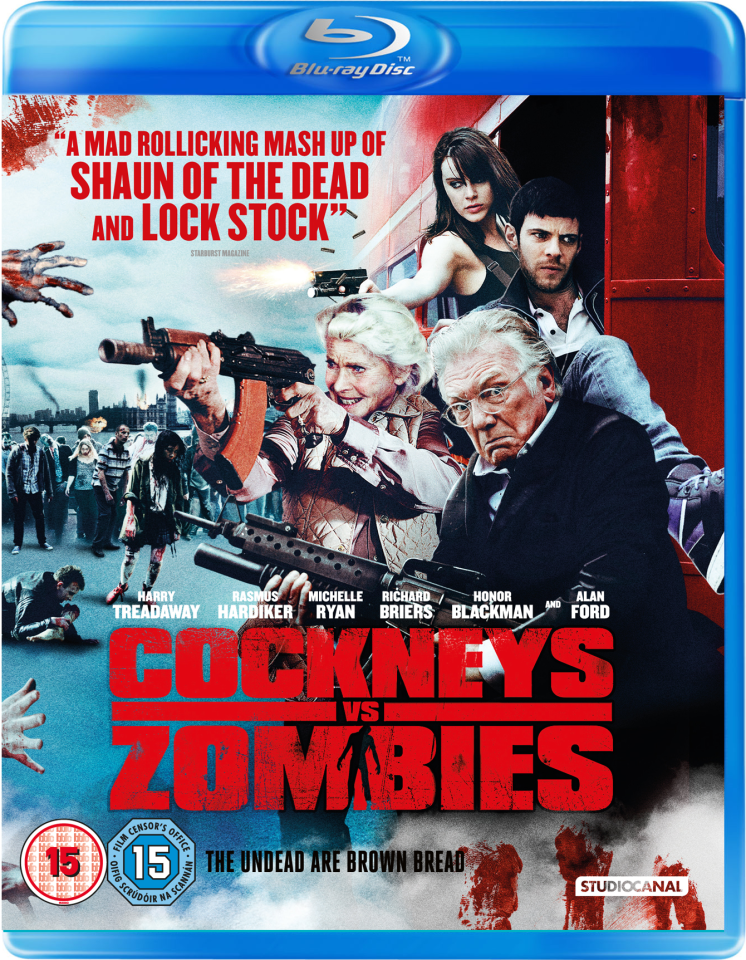
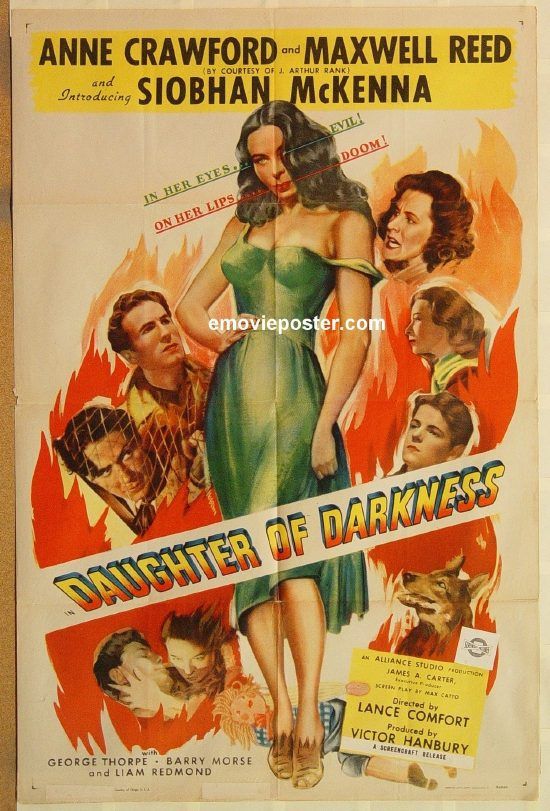
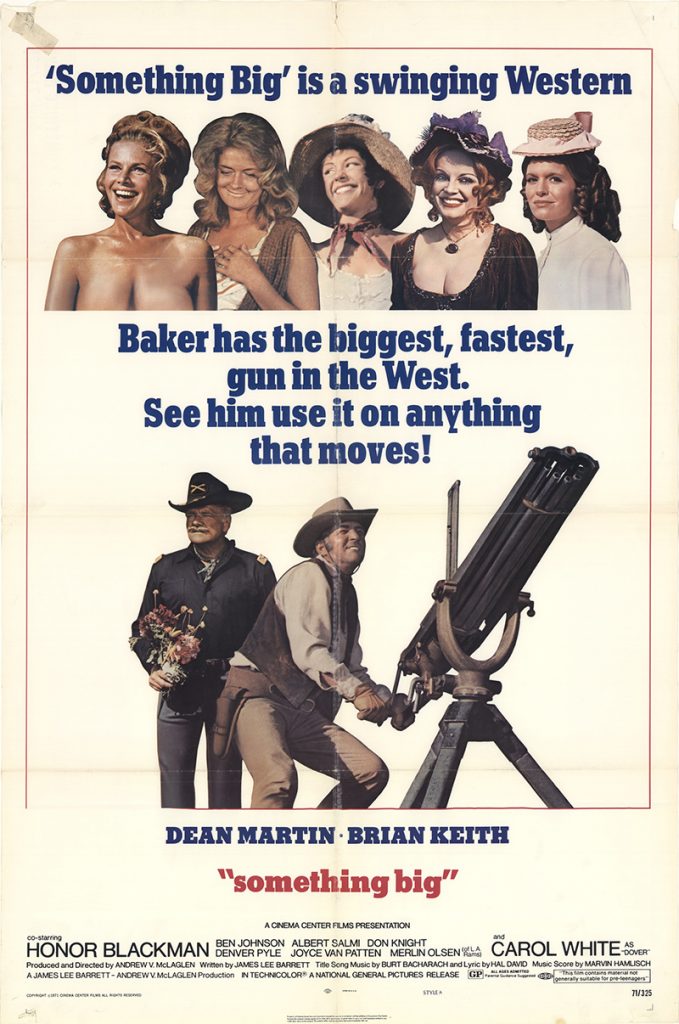
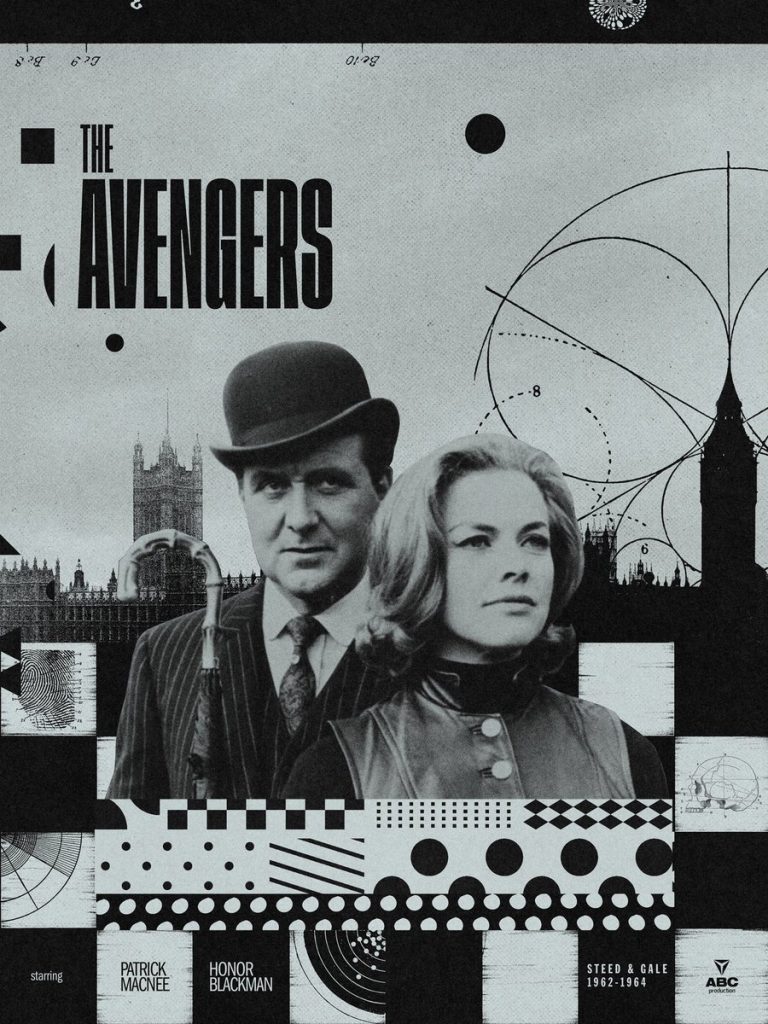
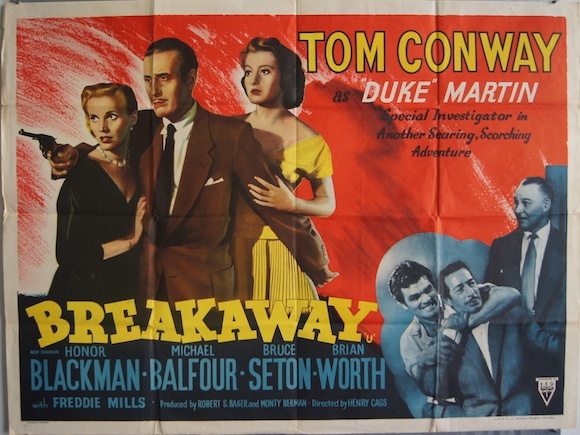
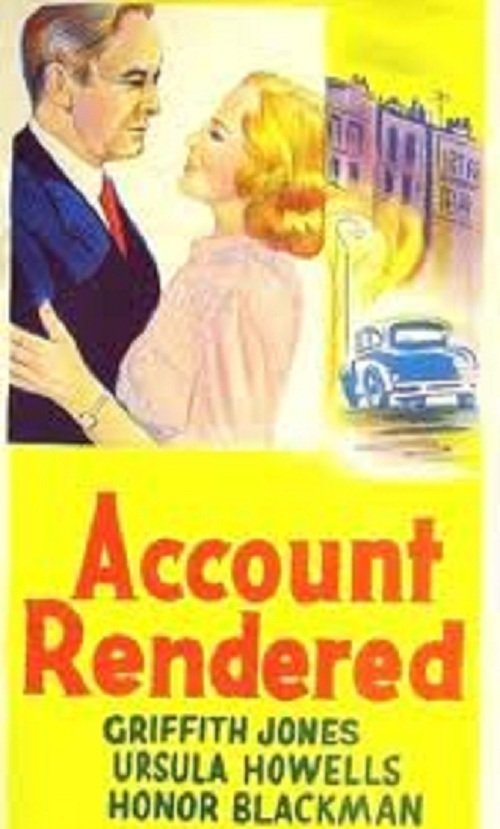
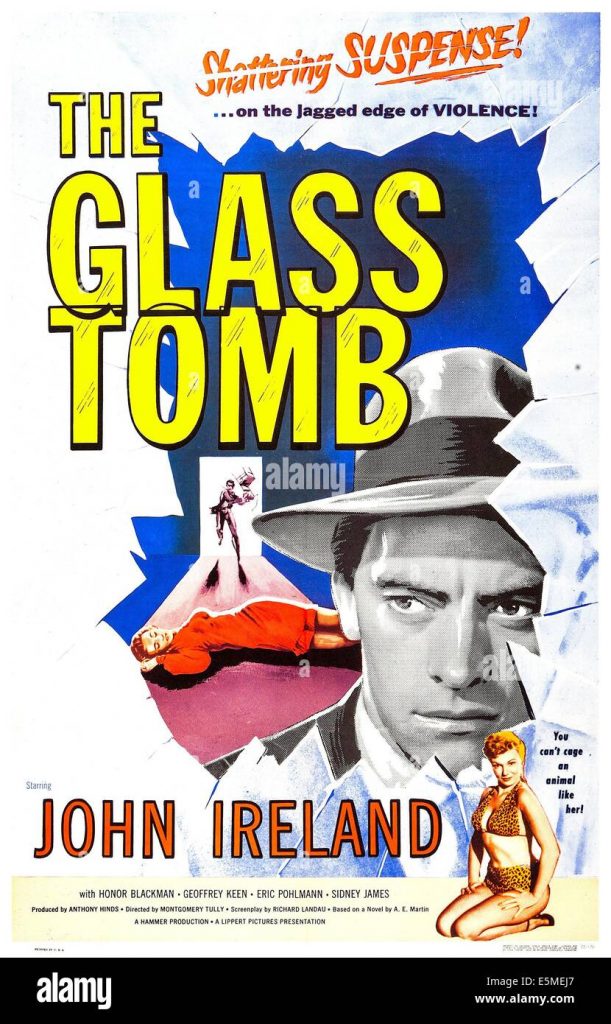
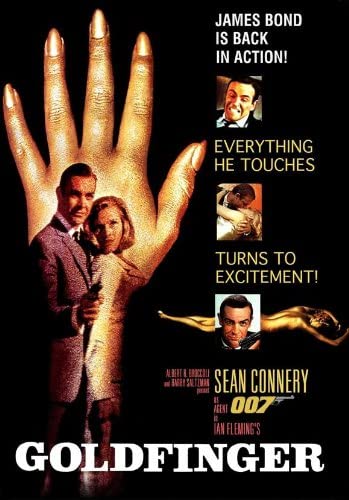
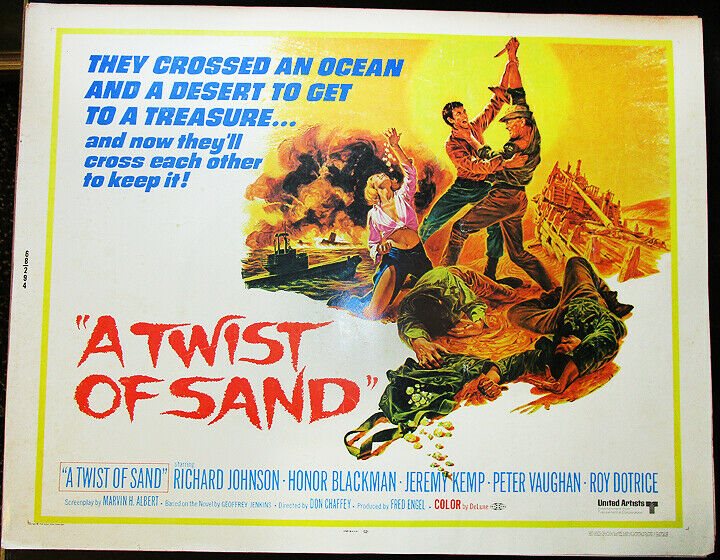
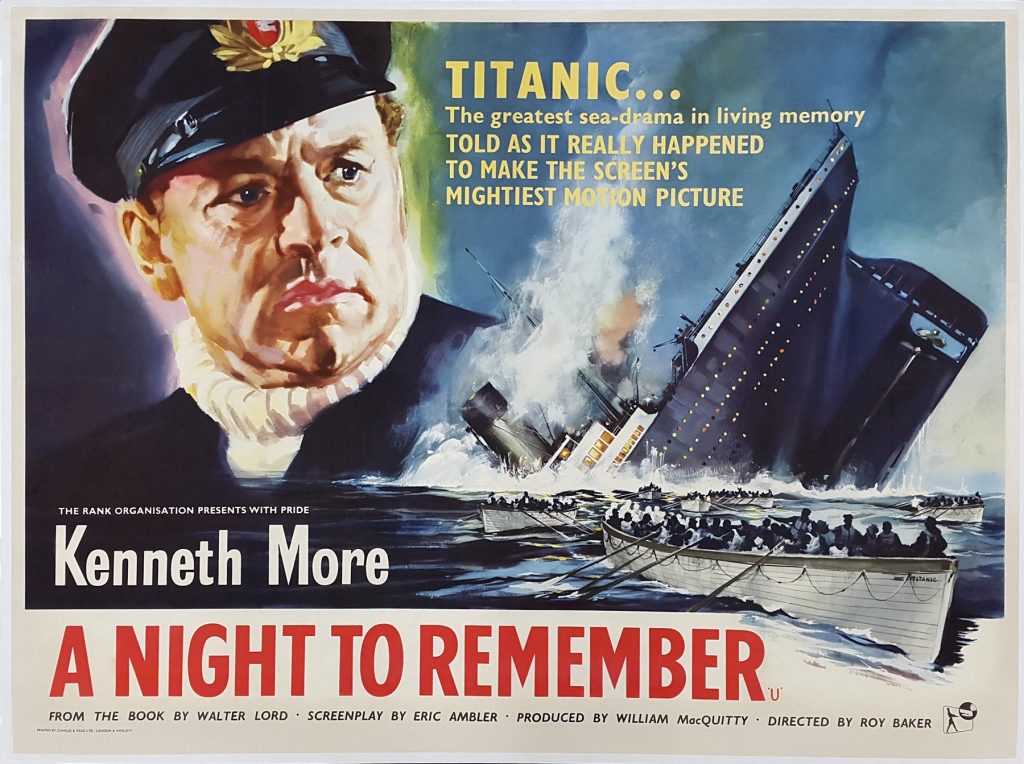
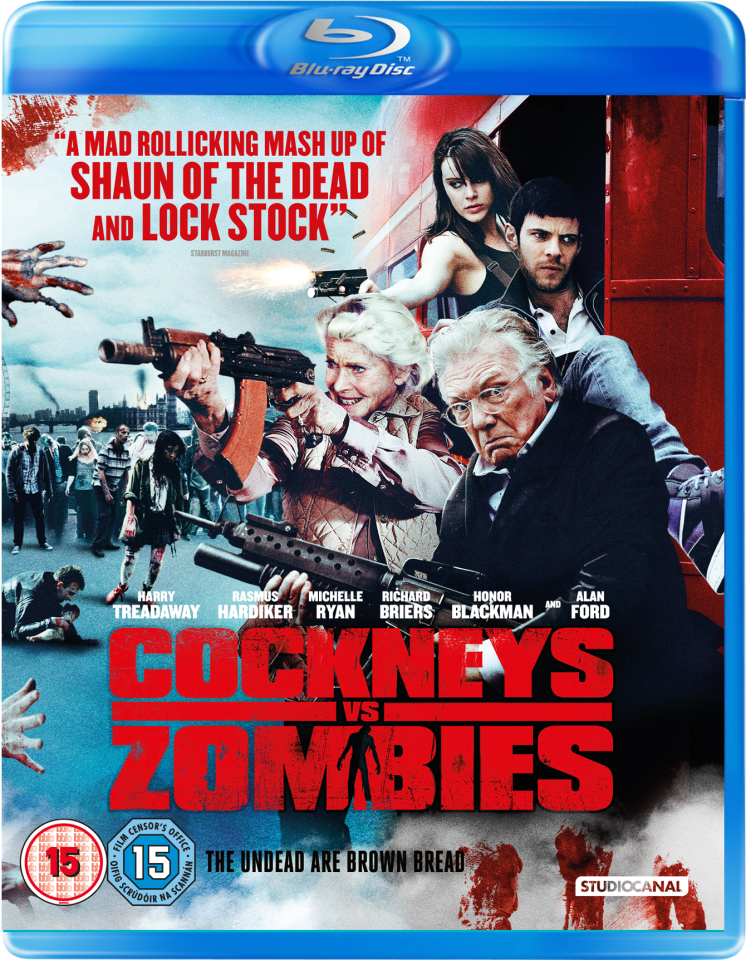
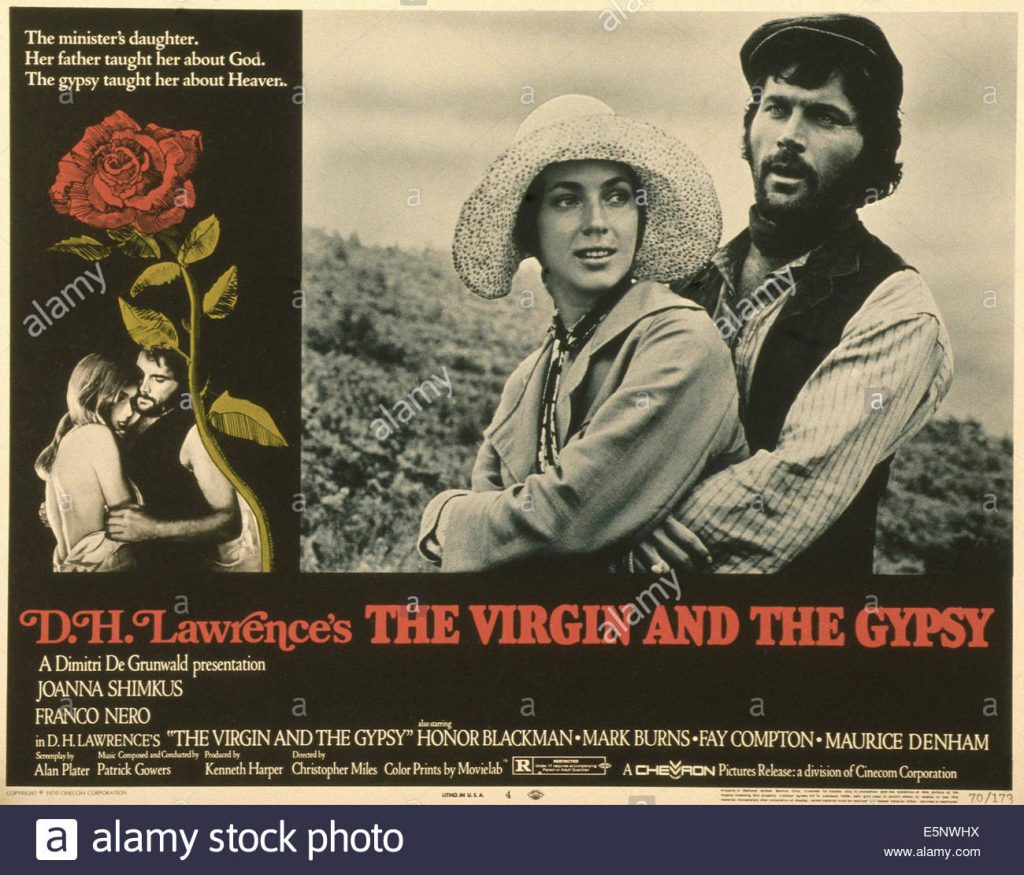
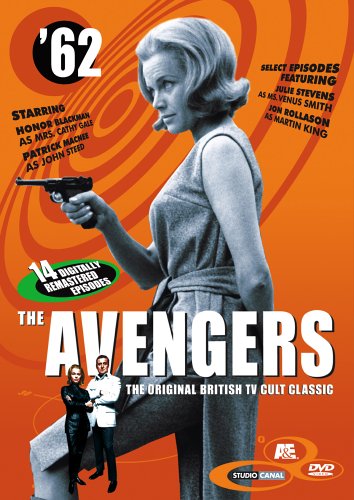
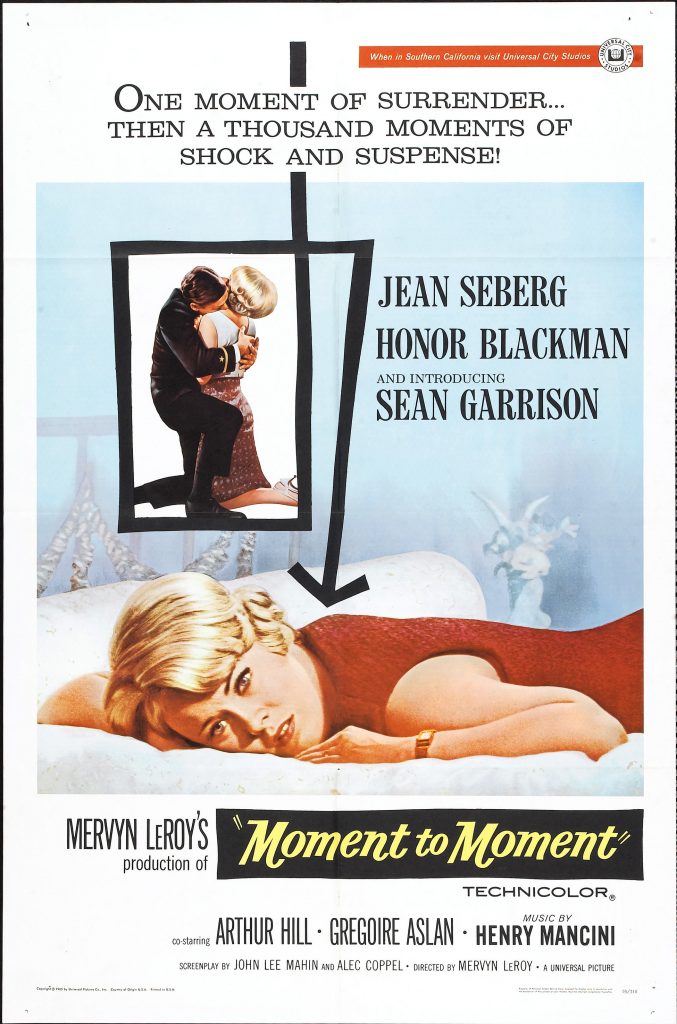
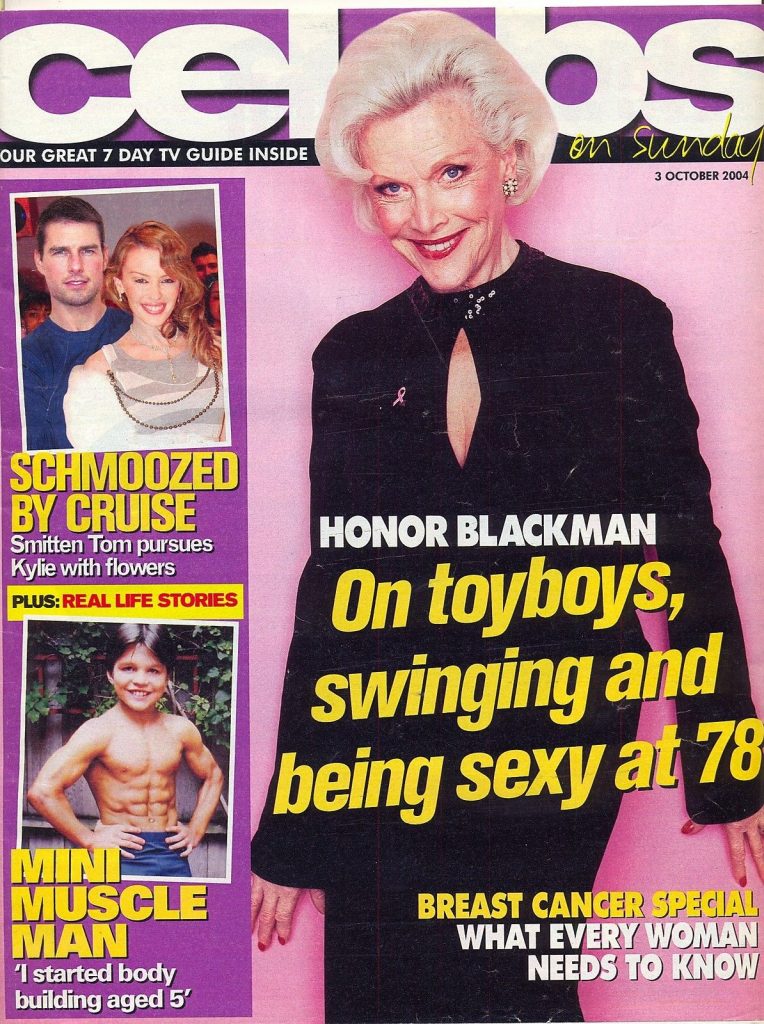
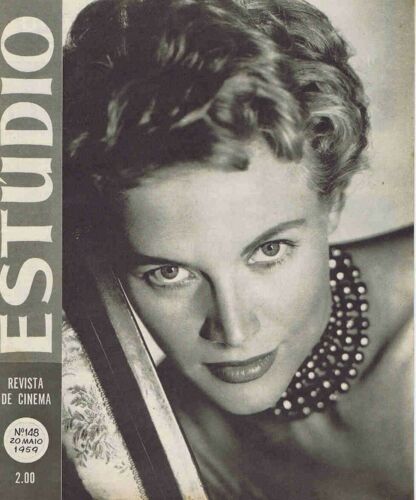
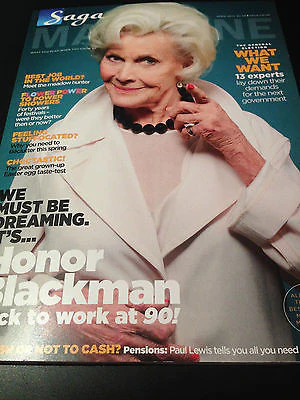
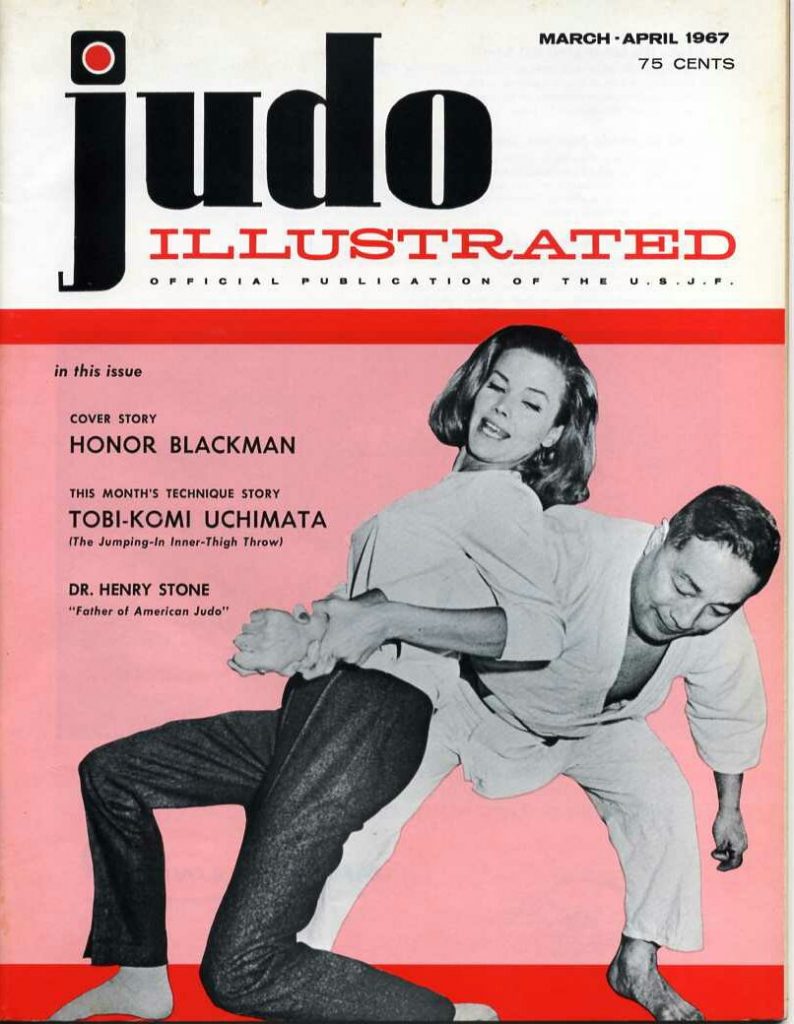
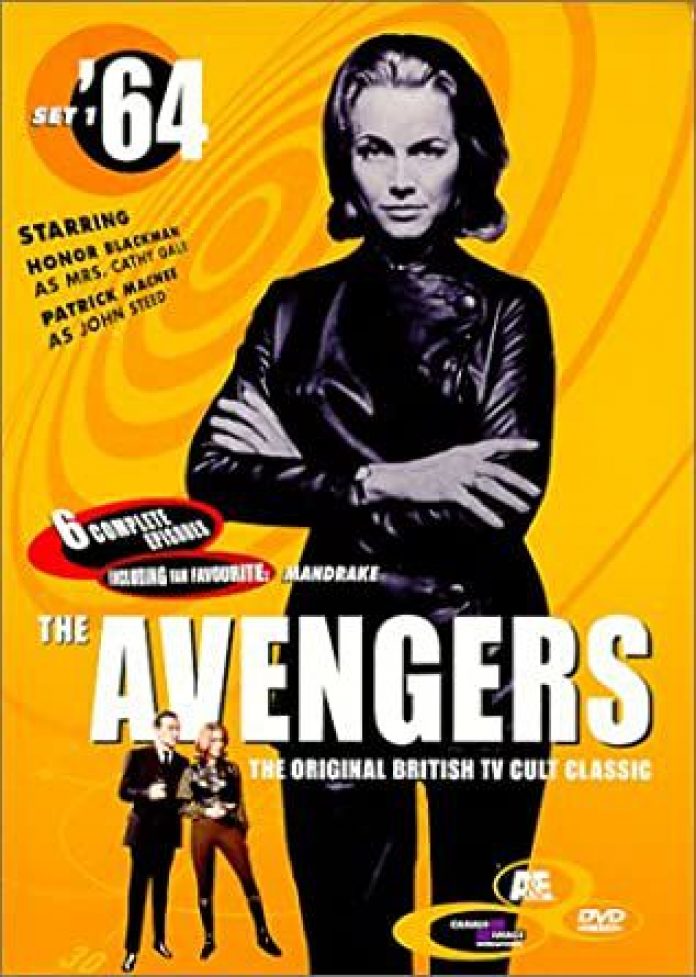
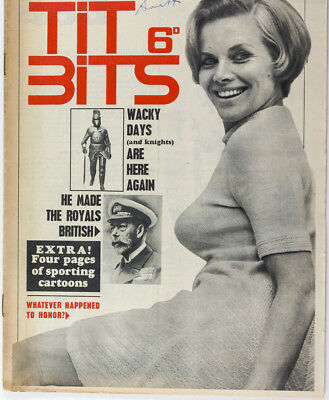
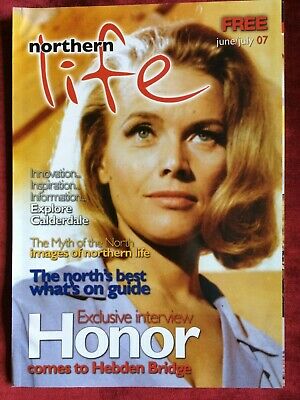
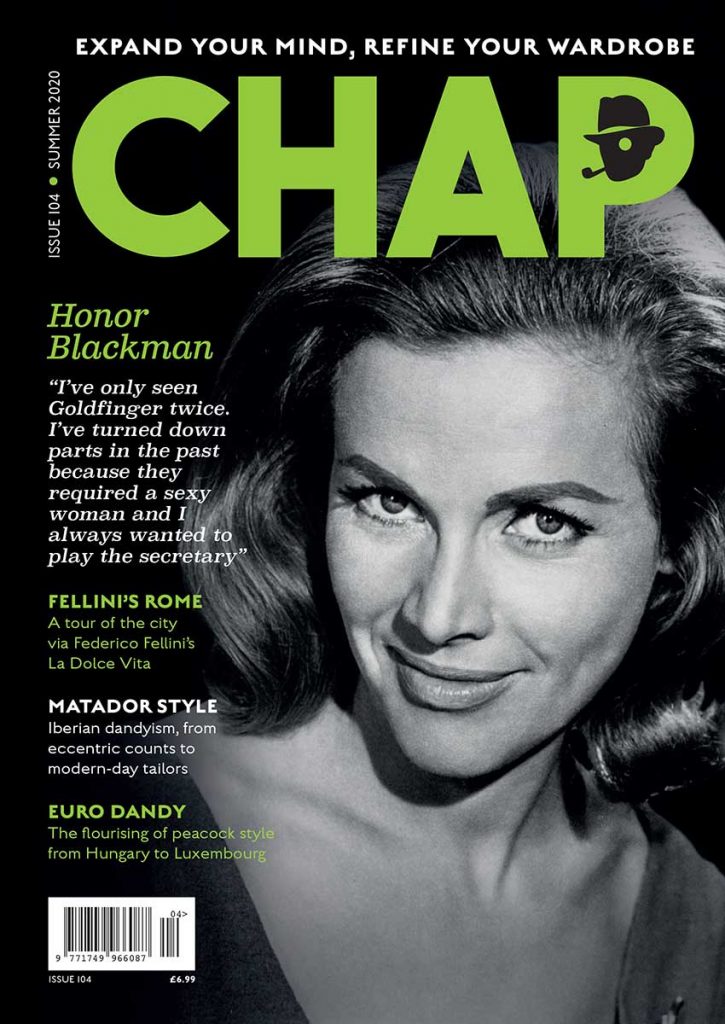
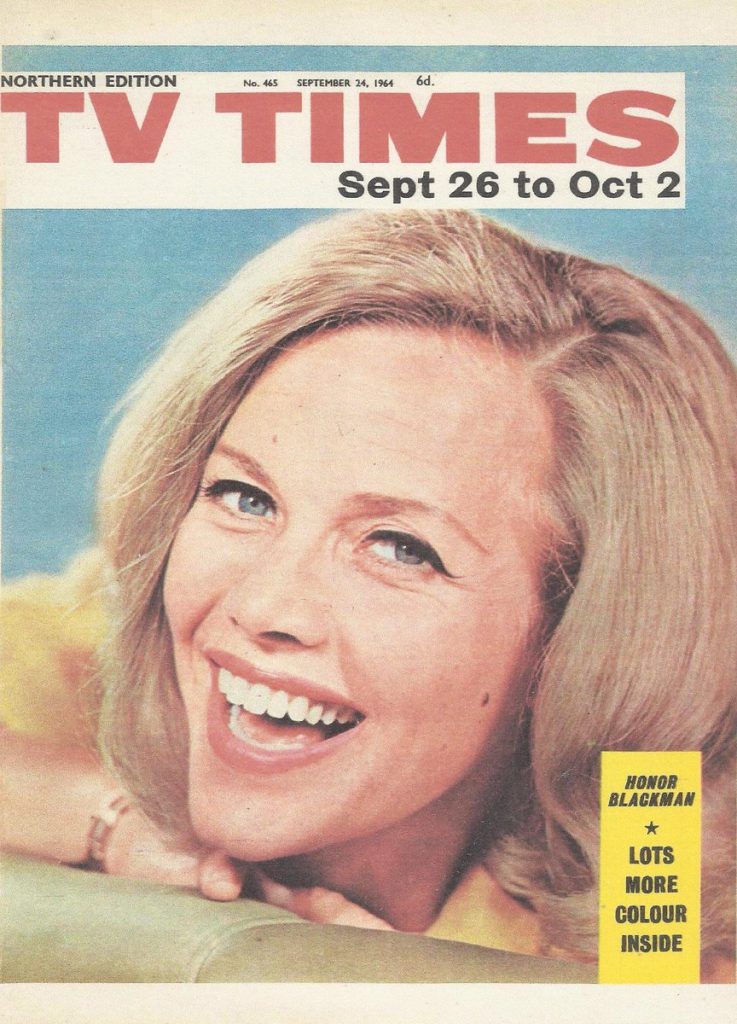
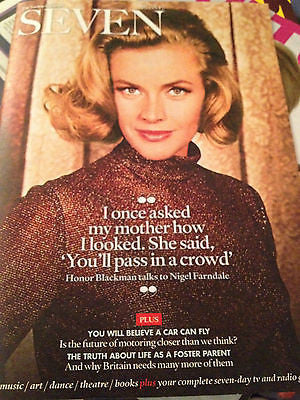
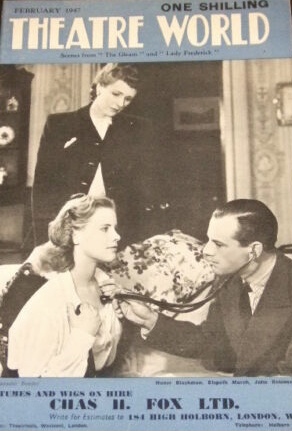
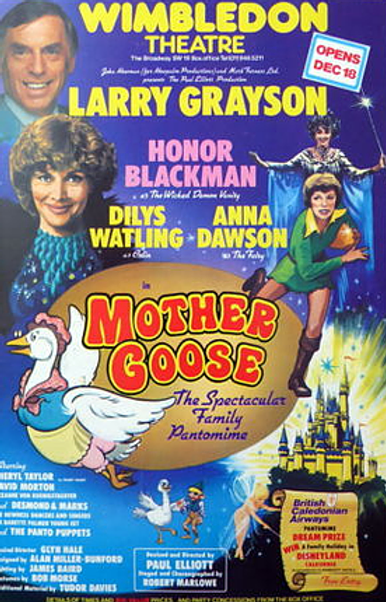
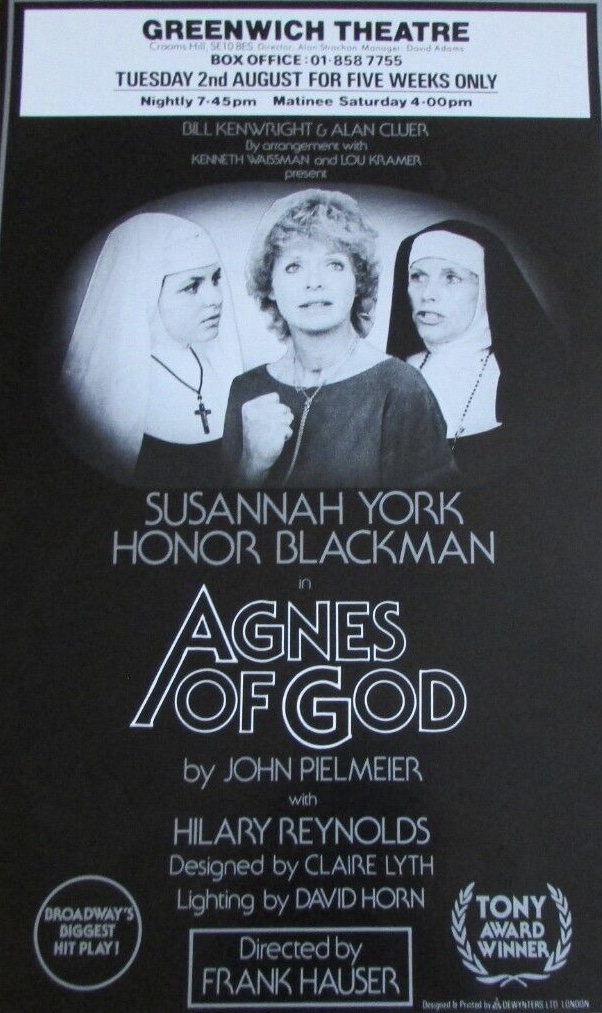
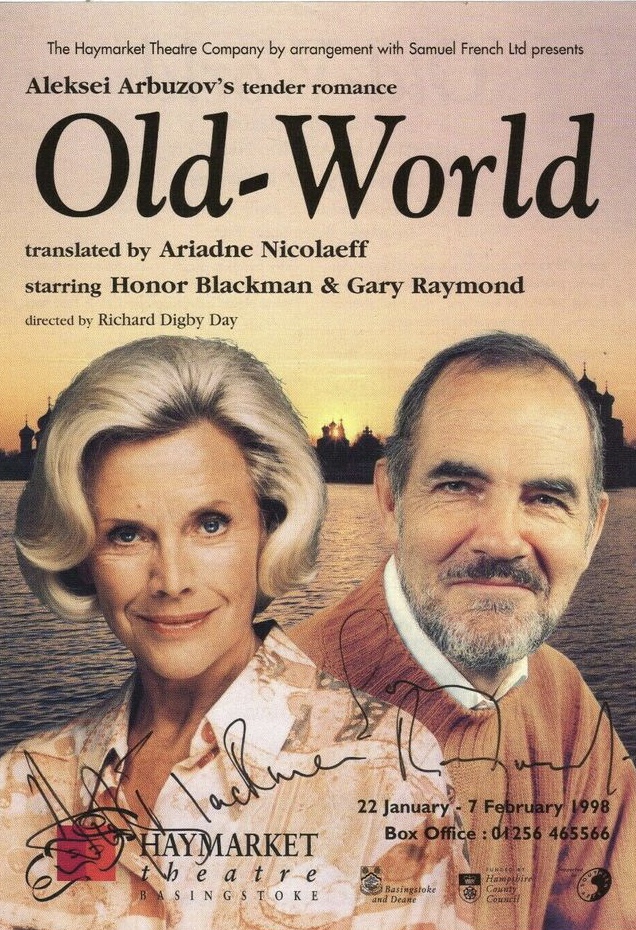
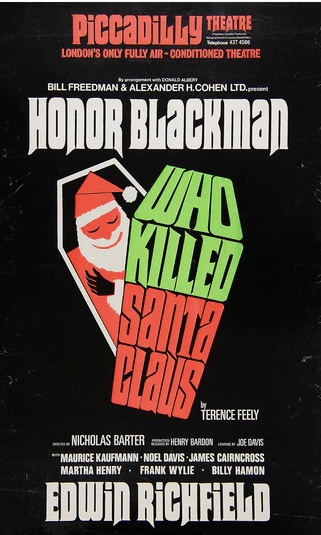
Honor Blackman is to my mind the best of the Bond babes. She starred as ‘Pussy Galore’ in “Goldfinger” in 1964 opposite Sean Connery. She also starred as Cathy Gale in the groundbreaking televisionseries “The Avengers”. Her other movies include “Daughter of Darkness” in 1947, “A Night to Remember” in 1958, “Moment to Moment” in 1966 and “Something Big” in 1971 which was a Western with Dean Martin. She recently played a senior citizen fighting off zombies in “Cockney’s vs Zombies” at the age of 87. Honor Blackman died in April 2020.
Honor Blackman obituary in “The Guardian” in 2020
Many actors might have objected to being associated throughout their careers with a char- acter called Pussy Galore. But Honor Blackman, who has died aged 94, revelled in the notoriety of the role of the aviator she played in the James Bond film Goldfinger (1964).
Having been knocked out with a tranquilliser gun by a hench- man, the first thing Bond (Sean Connery) sees when he regains consciousness is Blackman’s face leaning over him. “Who are you?”, he asks. “My name is Pussy Galore,” she says. “I must be dreaming,” he replies. Later, after trying a few judo moves on each other, they fall into a different kind of clinch.
SONY DSC
Blackman thus became, and remained, according to most polls, the top Bond girl, helped to a certain extent by the double entendre name. The producers thought about changing the character’s name but decided against it. However, the US censors refused to allow Pussy Galore to appear on promotional materials and she was consequently billed as Miss Galore. During promotion in the US, Blackman, who had already found fame in Britain as the agile, black leather-clad Cathy Gale in the television series The Avengers, took delight in embarrassing interviewers by repeatedly mentioning the character’s name.
Born in Plaistow, east London, Blackman always called herself a cockney. Her father, Frederick, a civil service statistician, who believed he was passed over for promotion because of his accent, was determined that his four children should have better opportunities.
For Honor’s 15th birthday, he offered her the choice between a bicycle and elocution lessons, and she chose the latter. “My teacher was wonderful,” Blackman recalled. “She introduced me to poetry and plays and convinced my father that I had some talent. So, after attending North Ealing primary school and Ealing County grammar school for girls, I went to the Guildhall School of Music and Drama, though only one evening a week.”
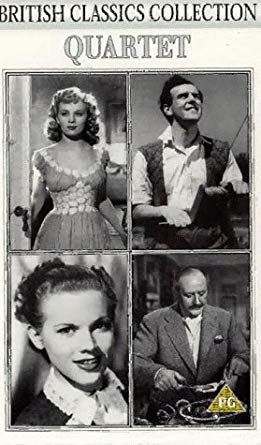
At the age of 22, Blackman started to get ingenue parts, palely loitering in mostly J Arthur Rank films. Among her better early roles was that of a middle-class girl hoping that her fiance (Dirk Bogarde) will get his idea of becoming a concert pianist out of his system in the The Alien Corn episode of the anthology film Quartet (1948); and Susie Bates, one of the three title roles in the rather dated A Boy, a Girl and a Bike (1949).
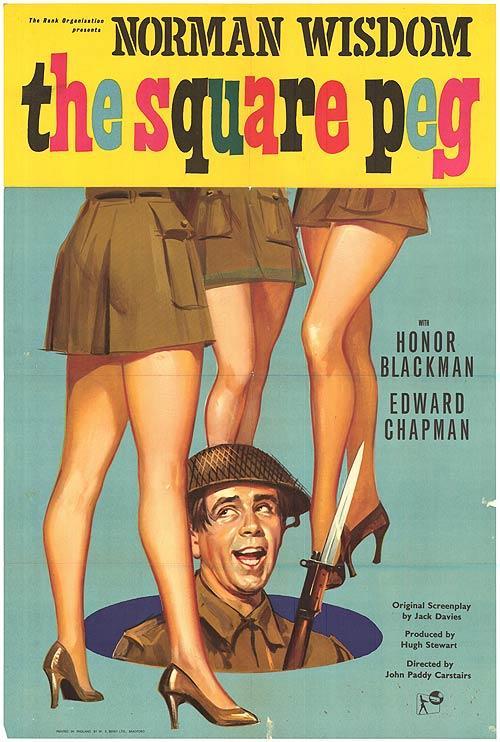
In A Night to Remember (1958), Blackman was one of the first-class passengers on the Titanic, determined not to leave the ship without her husband, and she was Norman Wisdom’s love interest as a secret agent in the second world war farce The Square Peg (1958). Her final pre-Goldfinger film was as the Greek goddess Hera in Jason and the Argonauts (1963), bickering with her husband Zeus on Mount Olympus.
In 1962, as Cathy Gale, who could get the better of any villain in a fight, Blackman joined Patrick Macnee in the second season of the TV series The Avengers, setting the pattern for intelligent, stylish and assertive women who followed her in the show and elsewhere on films and television. The song that she recorded with Macnee, Kinky Boots, did not make a great impression when released in 1964, but fared better as a piece of 1960s nostalgia when reissued in 1990.
Because of The Avengers, Blackman was cast as Pussy Galore. She later stated that when she was playing the role of Pussy, she knew her character had been written as a lesbian in the novel, unlike in the film where, despite claiming to be immune to his charms, she is eventually bedded by Bond.
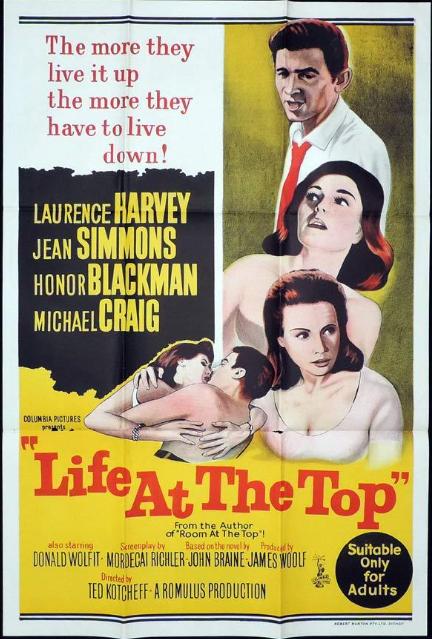
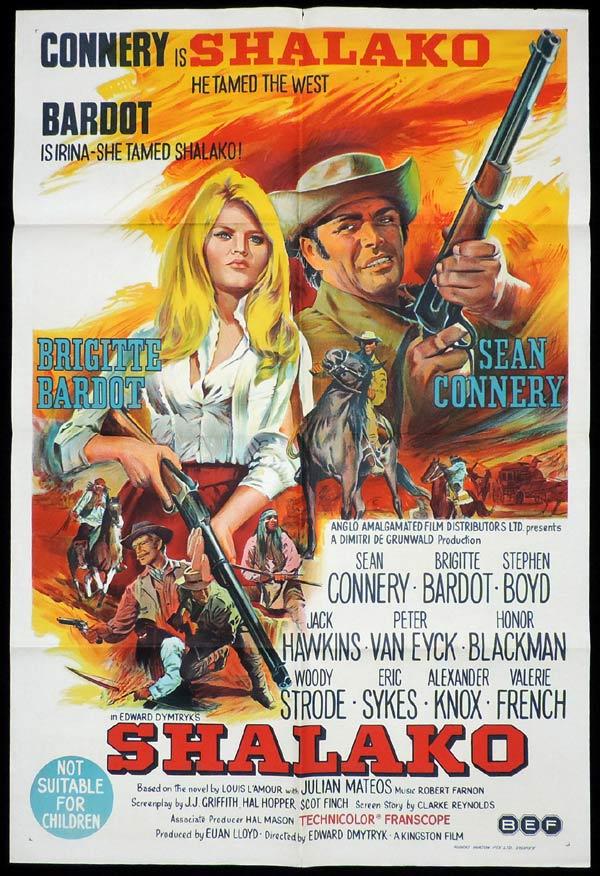
Her early demure days at Rank long behind her, Blackman settled into a number of secondary “other woman” roles. In Life at the Top (1965), Blackman was seductive and sly as a TV commentator who lures Joe Lampton (Laurence Harvey) away from his wife, and as the unfulfilled wife of a pompous aristocrat (Jack Hawkins), she has a tumble in the hay with Bosky Fulton (Stephen Boyd) in the mediocre British western Shalako (1968), though the leads were Connery and Brigitte Bardot.
After a topless scene in the unremarkable Canadian-set drama The Age of Innocence (1977) and appearing in the creaky gothic horror film The Cat and the Canary (1978), Blackman was not seen on the big screen for another two decades.
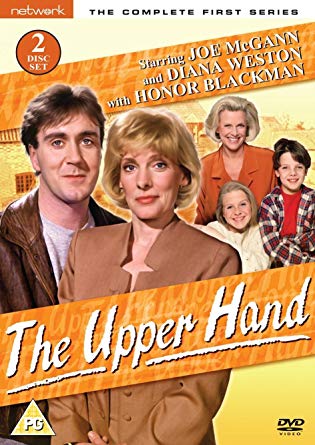
Meanwhile, she was appearing regularly on television – principally as a glamorous, young-at-heart, man-eating mother in all 96 episodes of the sitcom The Upper Hand (1990-96) – and consistently on stage.
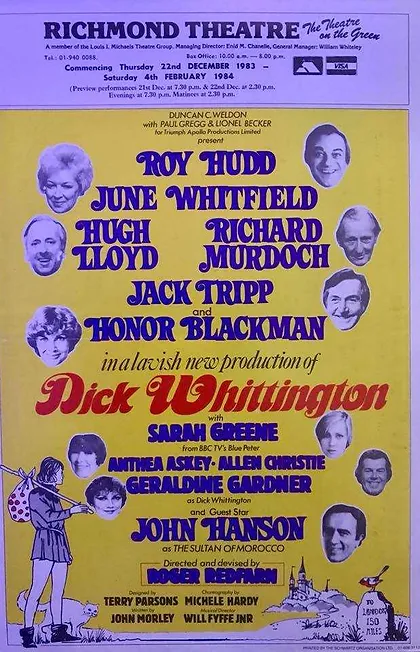
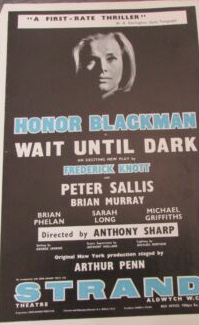
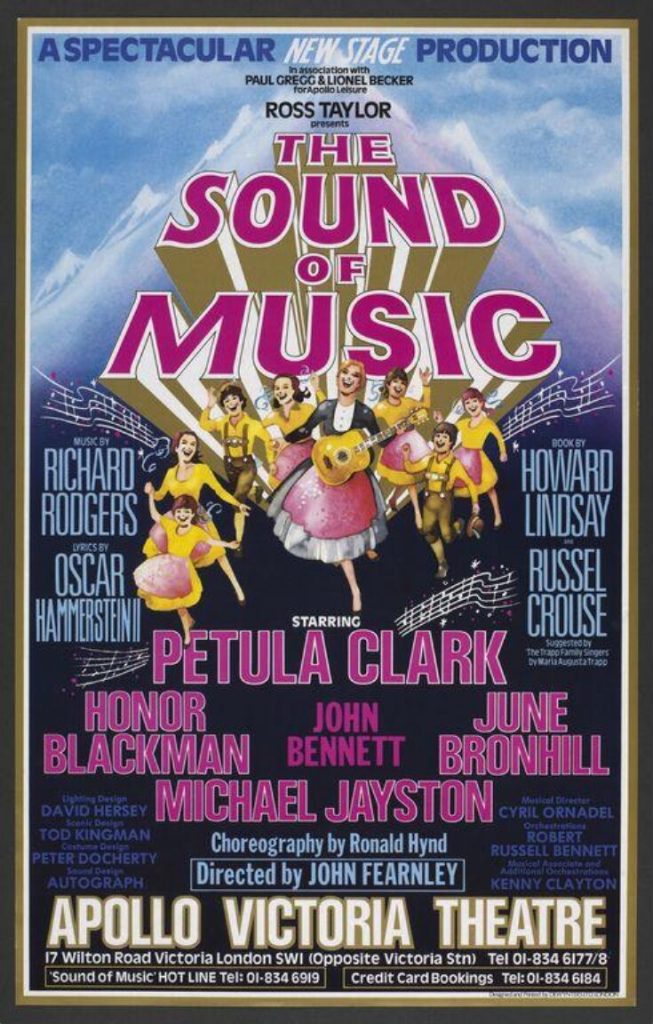
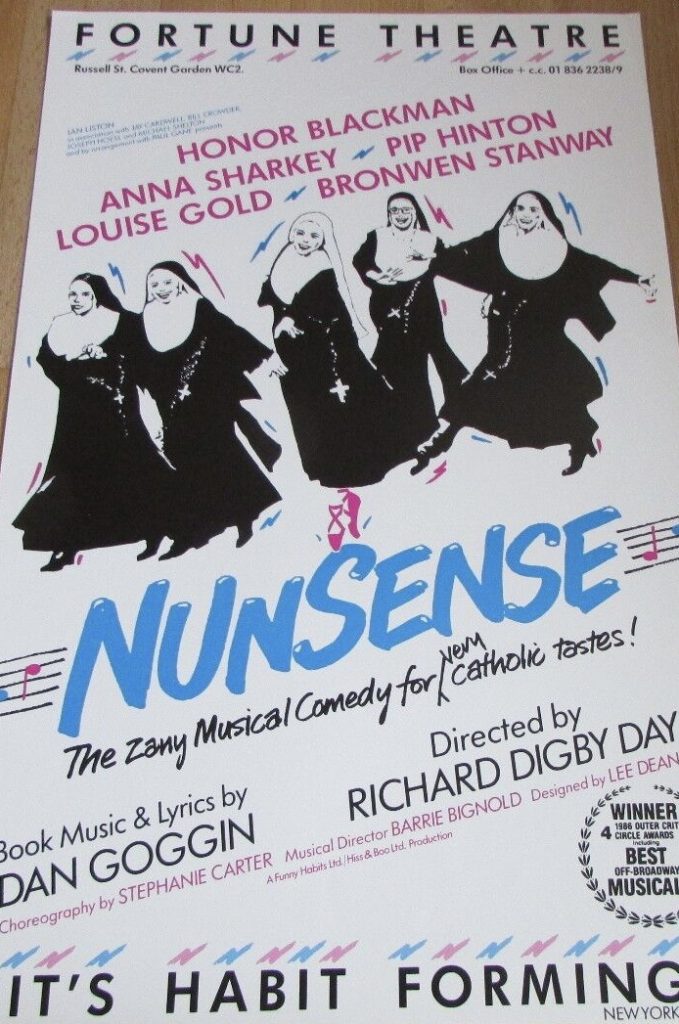
Blackman’s West End appearances included Wait Until Dark (1966) and The Deep Blue Sea (1977) and transfers of Broadway musicals, as the baroness in The Sound of Music (1981), Peggy in On Your Toes (1984), Mrs Higgins in My Fair Lady (2006) and Fräulein Schneider in Cabaret (2007). She spent most of 1987 as Mother Superior in the musical Nunsense at the Fortune theatre.
Her return to feature films in the late 90s included a portrayal of Joy Adamson in To Walk With Lions (1999) and roles in Bridget Jones’s Diary (2001) and Cockneys vs Zombies (2012), a horror-comedy in which Blackman, returning to her roots, is a gun-toting senior citizen. In her late 80s, she toured with her one-woman show Honor Blackman as Herself, in which she sang songs , recited and told personal anecdotes.
Blackman, a keen Liberal Democrat, was never afraid to express her political views. In 2002, she refused a CBE because she was a supporter of Republic, the campaign to replace the monarchy.
“They ring you beforehand to ask if you’d like to accept, and I think they were quite shocked when I declined,” she commented. “But since I’m a republican I thought it would be somewhat hypocritical to pop up to the palace.” She always had sharp things to say about Margaret Thatcher’s period as prime minister and even took Connery to task for his status as a tax exile.
Blackman was twice married and divorced. She is survived by two children, Lottie and Barnaby, from her second marriage, to the actor Maurice Kaufmann.
Gary Brumburgh’s entry:
Comparing this sultry-eyed blonde to Greta Garbo and Marlene Dietrich may seem a bit overzealous, but Honor Blackman’s stylish allure over the years cannot be denied.
One of four children, Blackman was born in London’s East End to a statistician father, employed with the civil service, and homemaker mother. She received diction lessons as a teenager and later attended the Guildhall School of Music and Drama. She temporarily followed in her father’s footsteps with a job in the civil service, then worked as, of all things, a dispatch rider during World War II. This is where she developed some of her trademark athleticism.
Blackman received her first acting work on stage in London’s West End as an understudy for “The Guinea Pig”. She continued with roles in “The Gleam” (1946) and “The Blind Goddess” (1947), before moving into film. She debuted with Fame Is the Spur (1947), starring Michael Redgrave. In this picture, Blackman dies from a horse-riding accident. This film established the strange pattern where many of her movie characters meet untimely deaths.
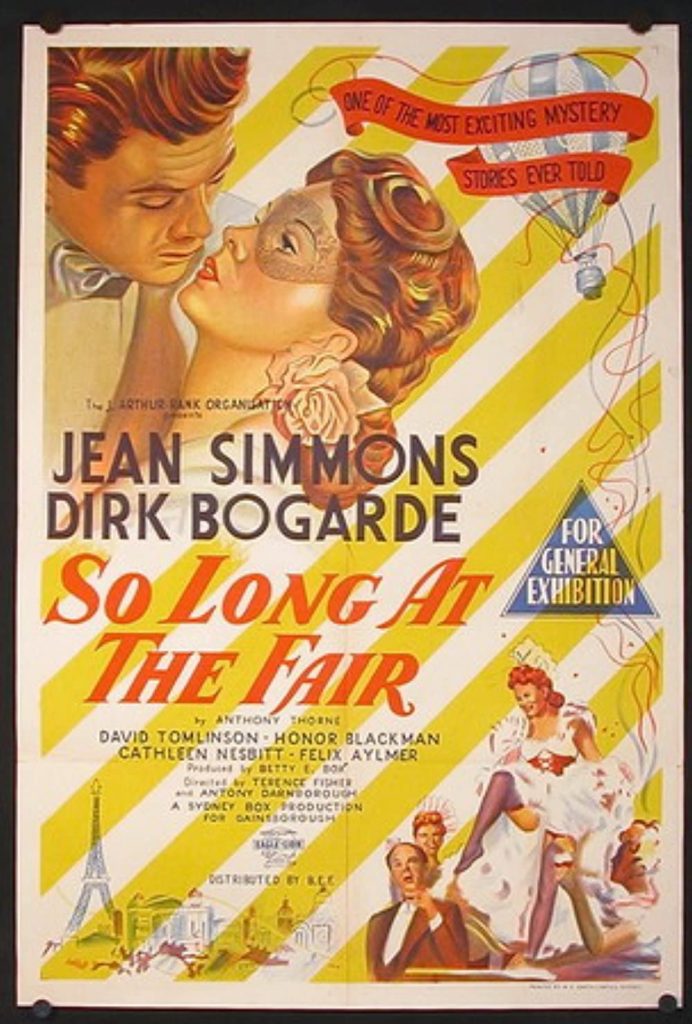
Signed up with the Rank Organization, Blackman joined several other starlet hopefuls who were being groomed for greater fame. She was initially cast as demure, pleasant young things or “English Rose” types and received dependable but unmemorable co-star billing in films, such as Daughter of Darkness (1948) (1948),Quartet (1948), A Boy, a Girl and a Bike (1949) (1949), So Long at the Fair (1950) (1950) and Green Grow the Rushes (1951) (1951), the last starring a young Richard Burton. Hollywood also took brief notice when she was cast as the second lead femme in MGM’sConspirator (1949) (1949), starring Elizabeth Taylor and Robert Taylor.
The stress and struggles of advancing her career coupled with a divorce from her first husband, Bill Sankey, and Blackman suffered a nervous collapse in the mid-1950s. After a brief time recovering in a hospital, she regained her health and began rebuilding her career with rather obligatory “B” level fare, at first. This re-entry culminated with a co-starring role in one of the more famous re-tellings of the tragic “Titanic” tale, A Night to Remember (1958) (1958), co-starring Kenneth More and David McCallum. Developing a solid footing again, she filmed The Square Peg (1958) (1959), with comedian Norman Wisdom, and A Matter of WHO (1961) (1961), with Terry-Thomas.
TV series work then also came her way, notably with the highly popular The Avengers(1961), co-starring Patrick Macnee as John Steed. As the leather-clad “Mrs. Cathy Gale”, Blackman showcased her incredible beauty, self-confidence, and athletic derring-do. Her admirable qualities made her not only a catch for the men, but an inspirational figure for the 1960s feminist movement. Blackman left the show at its peak, however, and was replaced by the equally-assertive and popular Diana Rigg as “Mrs. Emma Peel”.
Not out of work long, Blackman took on the role of the Greek goddess, “Hera”, in the popular movie adventure, Jason and the Argonauts (1963) (1963), with marvelous Ray Harryhausen, and the melodrama, Life at the Top (1965) (1965), with Laurence Harvey. She then filmed the most popular role of her career: “Pussy Galore”. In the classic “James Bond” movie, Goldfinger (1964) (1964), Blackman went toe-to-toe with Sean Connery‘s womanizing “007” and created major sparks on screen, managing to outclass the (wink-wink) double-meaning of her character’s name.
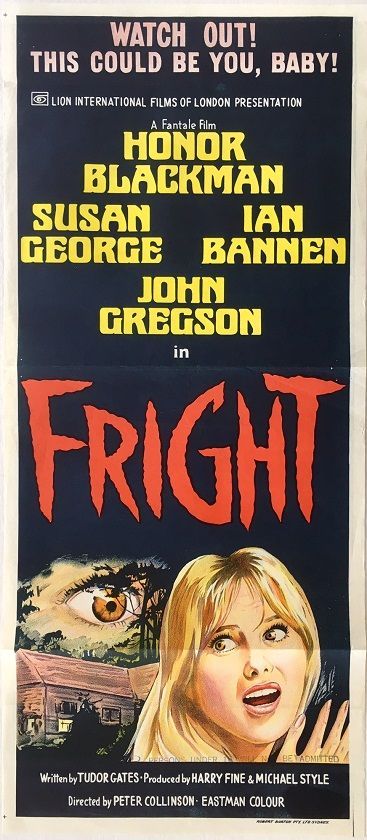
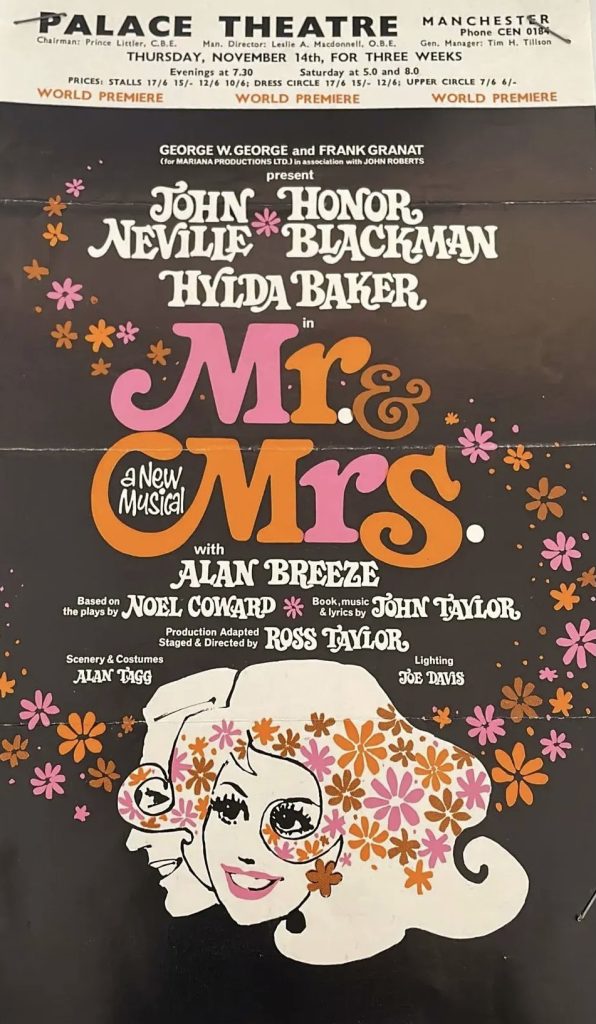
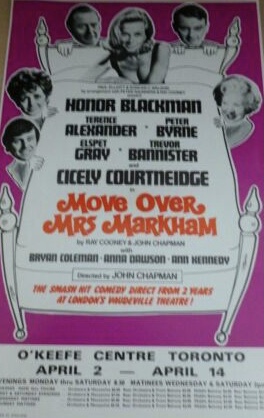
This resurgence of popularity should have lead to better film opportunities but did not. Blackman toiled for the most part in low-level melodramas and routine adventures. She earned raves on stage, however, as the blind heroine of the thriller, “Wait Until Dark”, as well as for her dual roles in “Mr. and Mrs.”, a production based on two of Noel Coward‘s plays. She also enjoyed working occasionally with her second husband, actor Maurice Kaufmann, in the play, “Move Over, Mrs. Markham”, and the film thriller, Fright (1971), with Susan George. On stage, she became a throaty-voiced sensation in various musicals, such as “A Little Night Music”, “The Sound of Music”, “On Your Toes” and “Nunsense”.
Divorced from Kaufmann in 1975 (he died in 1997), Blackman never remarried. The couple adopted two children in the late 1960s, Lottie and Barnaby. Now a octogenarian, the ever-lovely and still glamorous star performs frequently, more recently working in the long-running, English hit comedy series, The Upper Hand (1990), and in her one-woman stage show, “Wayward Ladies”.
– IMDb Mini Biography By: Gary Brumburgh / gr-home@pacbell.net
TCM overview:
Lovely, seductive, and absolutely able to take care of herself in a jam, Honor Blackman helped to establish the tough girl persona that would be adopted and honed in later decades by successors like Milla Jovovich and Kate Beckinsale. The London native moved from stage to screen for roles in features like “Quartet” (1948) and “A Night to Remember” (1958), but would first find genuine fame on television with the droll adventure series “The Avengers” (ITV, 1961-69). As leather-clad tough girl Cathy Gale, Blackman wowed viewers with her femininity and physicality, and that appealing combination led her to be cast in the classic James Bond film “Goldfinger” (1964) as the memorably monikered Pussy Galore. Although many of the female leads in 007 adventures fell victim to the so-called “Bond Girl Curse,” Blackman’s career moved along in the wake of “Goldfinger,” though the majority of her subsequent films proved to be minor and/or forgettable. She instead found satisfaction working on the stage in productions like “Wait Until Dark” and made periodic appearances on both American and British television. Although Blackman never became a top-tier star, she essayed two iconic characters and proved to be a dependable and desirable performer, expanding her already impressive résumé with assignments right up through her mid-eighties.
Honor Blackman was born on Dec. 12, 1927 in London, England. Blackman’s childhood was marred by a difficult relationship with her father, a World War I veteran-turned-civil servant. A strict authoritarian, he was especially hard on both his homemaker wife and daughter, who found him unreasonably demanding. Verbally abusive to Honor, he also occasionally beat her with a belt and rarely offered any sort of praise or affection. On the plus side, however, he did offer to pay for either a bicycle or elocution lessons. Already interested in performing, thanks to her participation in her school’s drama class, Blackman chose the latter and shed her Cockney accent in the process. Her father also insisted that she study self-defense and the dexterity Blackman developed from her judo classes proved invaluable in later life.
After her father hit her in the face for wearing lipstick, Blackman moved out at age 18, staying at first with a friend’s family and then on her own. Fortunately, Blackman’s studies at the Guildhall School of Music and Drama paid off and acting roles soon started to come. During that period, she also married her first husband, businessman Bill Sankey. Blackman made her film debut in the British drama “Fame is the Spur” (1947) and quality work opposite Dirk Bogarde in the acclaimed anthology picture “Quartet” (1948) announced her talents to the motion picture world. She also earned a supporting part in the Robert Taylor and Elizabeth Taylor vehicle “Conspirator” (1949), an MGM production shot in England. Just as her career was gaining momentum, Blackman discovered she was pregnant and opted to have an abortion, an illegal procedure in England at the time.
She went on to appear in such notable movies as “So Long at the Fair” (1950) and “The Rainbow Jacket” (1954), but her marriage to Sankey came to an end in 1954, the result of extensive jealousy on his part and an unhappy reminder of the behavior that had soured Blackman’s relationship with her father. The strain contributed to a nervous breakdown and she spent a month in a psychiatric facility.
She was soon able to resume her career and landed the female lead in “A Night to Remember” (1958), the Rank Organization’s celebrated drama about the sinking of the RMSTitanic. She also gained some small screen experience on programs like “Probation Officer” (ITV, 1959-1962) and “The Four Just Men” (ITV, 1959-1960). In 1961, Blackman wed her second husband, actor Maurice Kaufmann, who had a lengthy career in British films, television and stage productions, and the couple went to adopt two children.
On the heels of that big life event, Blackman was cast as one of her most beloved characters. In 1962, she joined “The Avengers” (ITV, 1961-69) as Cathy Gale, the very able partner of suave John Steed (Patrick MacNee). Looking most fetching in a catsuit and able to best virtually any opponent in a fight, thanks to Gale’s mastery of judo, the impressively lithe Blackman was an instant success and soon found herself a popular pin-up girl. During her second season on the show, she and MacNee even recorded a comic single called “Kinky Boots.” The Cathy Gale catsuit look later became a standard fashion accessory for successors like Milla Jovovich and Kate Beckinsale in their respective genre film outings. A newly famous Blackman returned to the silver screen as the Goddess Hera in the fantasy adventure “Jason and the Argonauts” (1963), but her career possibilities in that arena would soon accelerate considerably.
At that point, “The Avengers” had yet to play on American television, but James Bond producer Albert “Cubby” Broccoli knew from her charismatic work on the program that Blackman would be a perfect addition to the 007 universe. Thus, she was given the opportunity of being cast in “Goldfinger” (1964), one of the series’ finest entries; unfortunately, she was also saddled with the single most – for obvious reasons – infamous “Bond Girl” name in the 007 universe: Pussy Galore. Embarrassing moniker aside, the ever lethal Blackman made for one of the series’ most memorable leading ladies and proved to be a novel challenge for Sean Connery’s suave agent. Her brand of femme fatale was still fairly novel at the time, but would eventually become a staple of action movies in the decades to come. While the sexism of “Goldfinger” was very much of its time – including the belief that even the seemingly lesbian Galore was not immune to Bond’s seductive powers – Blackman still became a favorite of feminists. Atypically mature at age 37 when was cast, Blackman also proved to be one of the few Bond Girls to benefit from the series’ wide exposure.
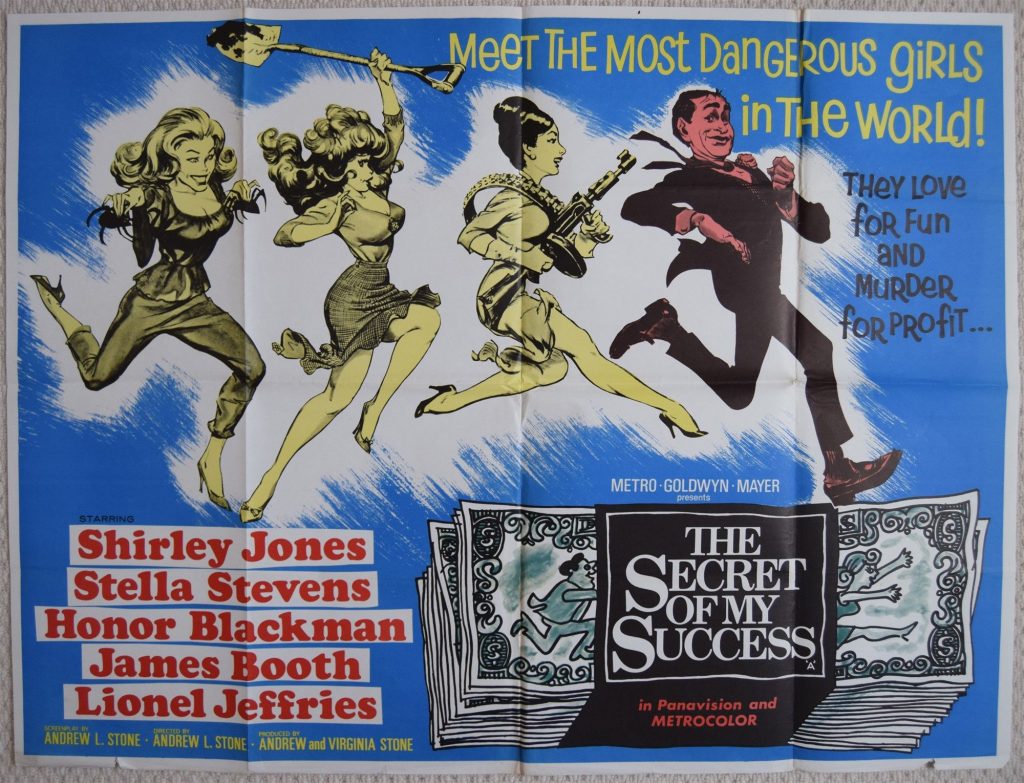
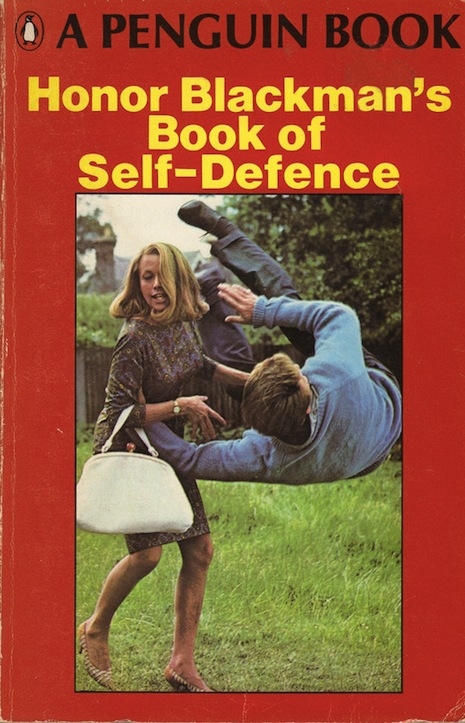
Her career was not without its rough passages, however. Blackman departed from “The Avengers” after two years in favor of more film work, though limp formula fare like “The Secret of My Success” (1965) did little to achieve that goal. She capitalized on her new image with Honor Blackman’s Book of Self Defense (1965) and starred in a West End production of “Wait Until Dark,” but a second go-around with Connery in the European Western “Shalako” (1968) proved disappointing. Following equally limp efforts like “Lola” (1970) and the horror thriller “Fright” (1971), it seemed like Blackman’s motion picture career would not amount to much in the long run.
After finishing her role in the awful Dean Martin western “Something Big” (1971), Blackman stepped away from movies for a few years and concentrated on television, guesting on programs like “Columbo” (NBC, 1971-2003). Her marriage with Kaufmann ended in 1975, but they remained friends. She returned to the film world in “To the Devil a Daughter” (1976), one of Hammer’s final horror efforts and a lesser one at that. On the other end of the scale was Radley Metzger’s sly and well produced “The Cat and the Canary” (1978), an affectionate homage to more old-fashioned, less explicit scare fare. Globe-hopping television engagements in the miniseries “Lace” (ABC, 1984) and the original run of “Doctor Who” (BBC, 1963-1989) alternated with stage work in productions like “Nunsense.” She also re-entered the world of episodic television in the cast of “The Upper Hand” (ITV, 1990-96), a U.K. comedy inspired by the popular Tony Danza sitcom “Who’s the Boss?” (ABC, 1984-1992).
By now in her seventies, Blackman’s schedule slowed down somewhat, but certainly did not come to a standstill. After a 20-year absence from cinema, Blackman co-starred in the horror thriller “Tale of the Mummy” (1998) and essayed a supporting role in the Renée Zellweger hit “Bridget Jones’s Diary” (2001) as Penny Husbands-Bosworth. On the personal front, Blackman expressed her belief that the time for a monarchy in England had passed. When offered the honor of a C.B.E. (Commander of the Most Excellent Order of the British Empire) in 2001, she stuck by her convictions and turned the designation down.
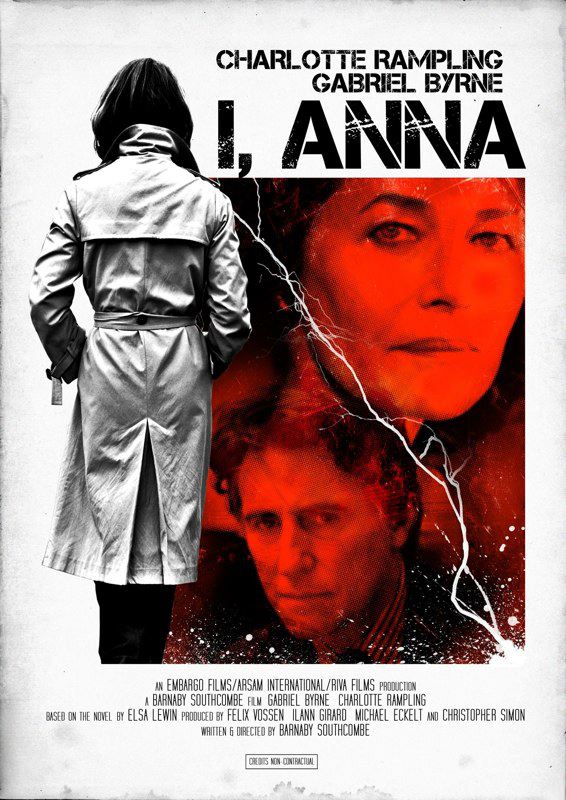
With finances somewhat tight after the collapse of a pension fund that she had invested in heavily, Blackman continued to work, but was usually able to choose projects of some distinction, including a turn on the legendary soap opera “Coronation Street” (ITV, 1960- ). She also entered into what turned out to be a lengthy run as a spokeswoman for the Marks & Spencer department store chain. In 2005, Blackman’s still stunning looks were complimented by Good Housekeeping, which named her “the sexiest woman in her 70s.” That same year, she also acted in a touring company of “My Fair Lady” and followed up with “Cabaret,” her first work in a West End production for two decades. Alternating between homes in England and Spain, Blackman remained active into her mid-eighties, appearing in the thriller “I, Anna” (2012) and the comic horror tale “Cockneys vs. Zombies” (2012).
By John Charles
The above TCM overview can also be accessed online here.
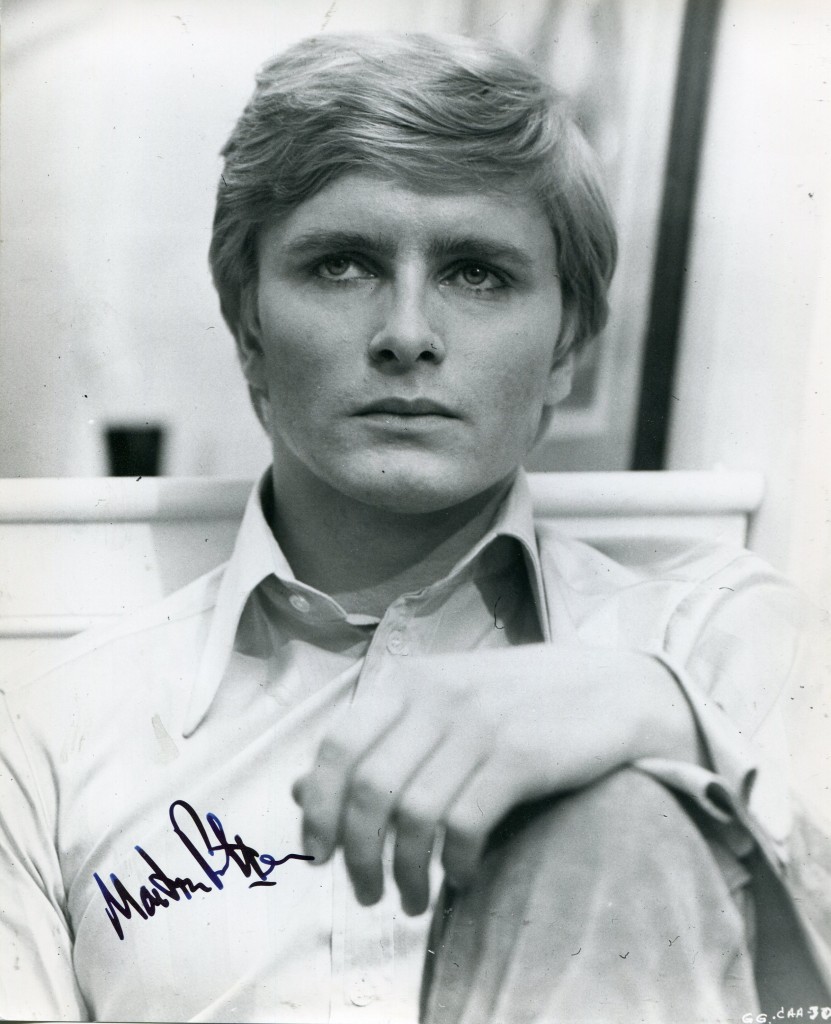
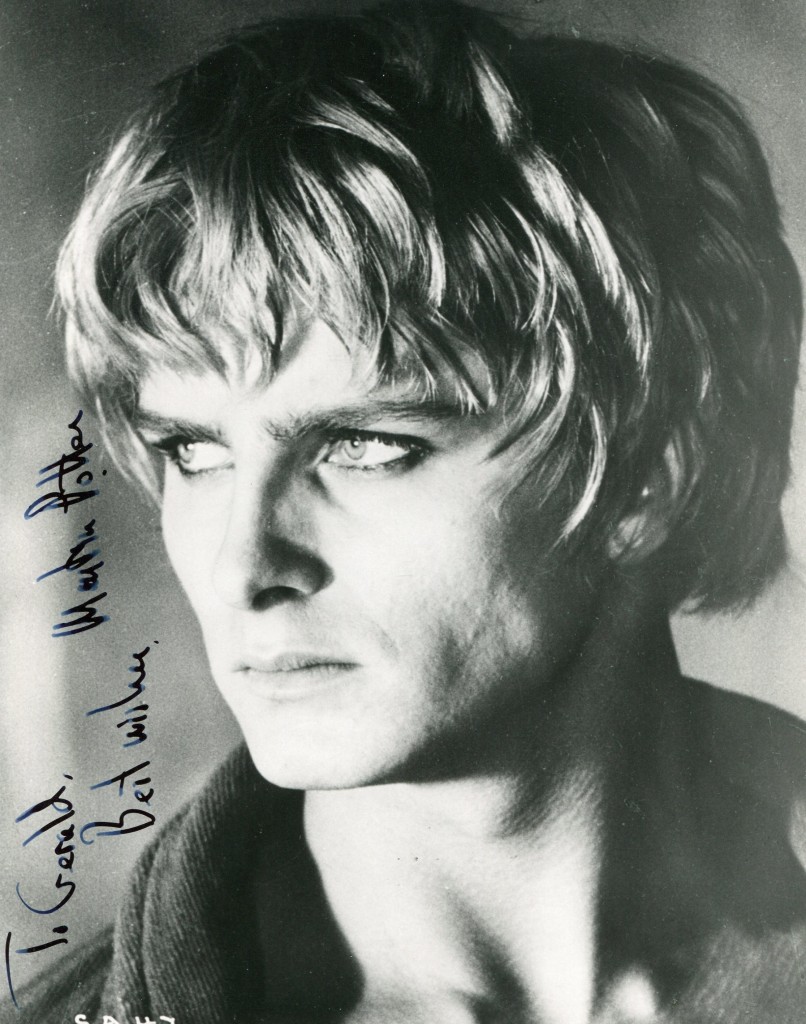
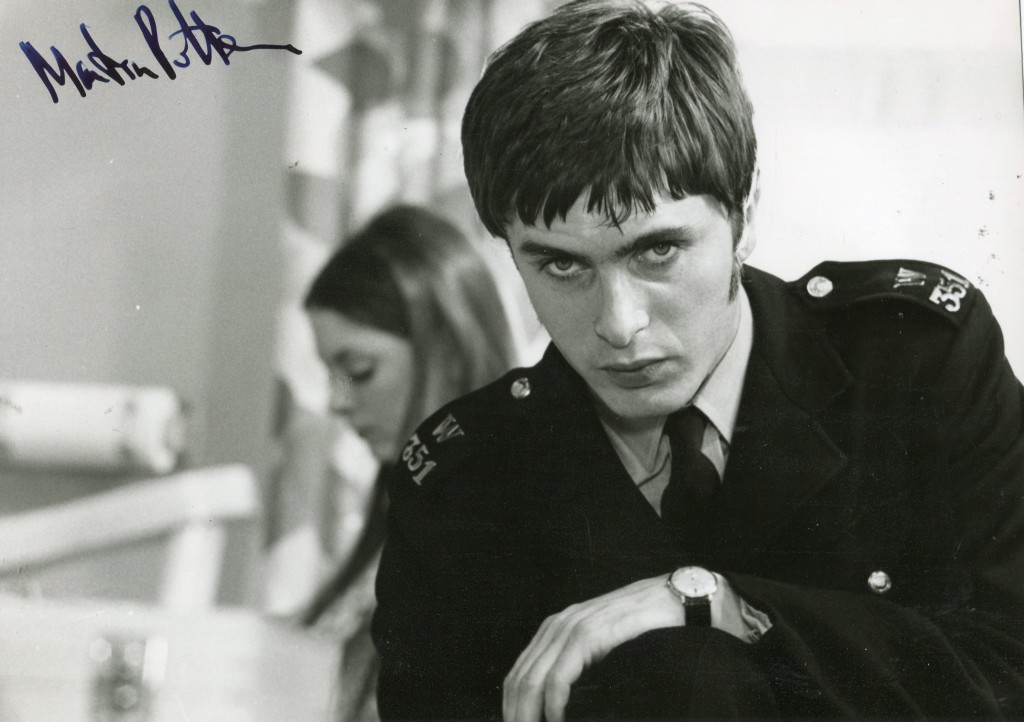
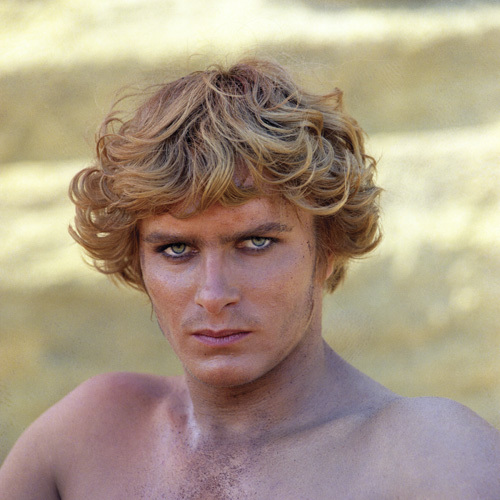
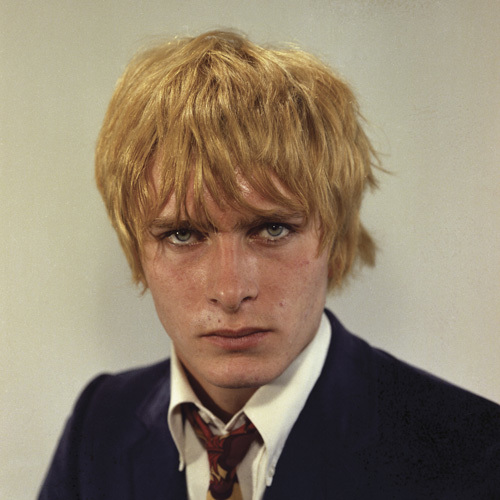
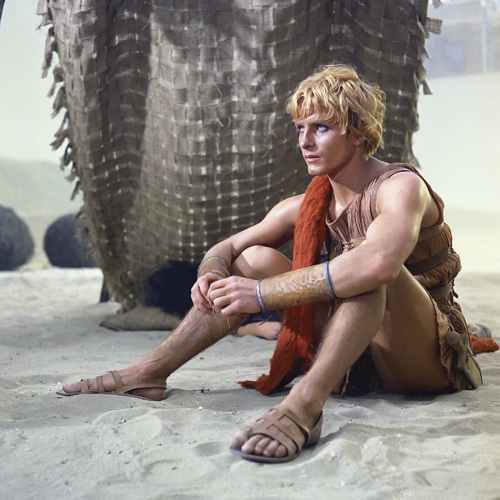
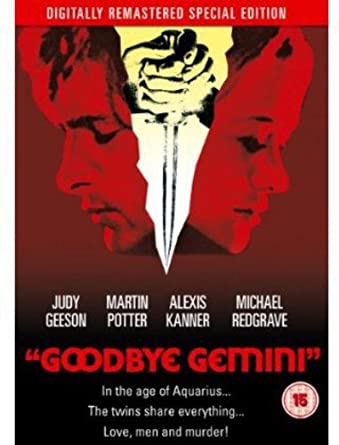
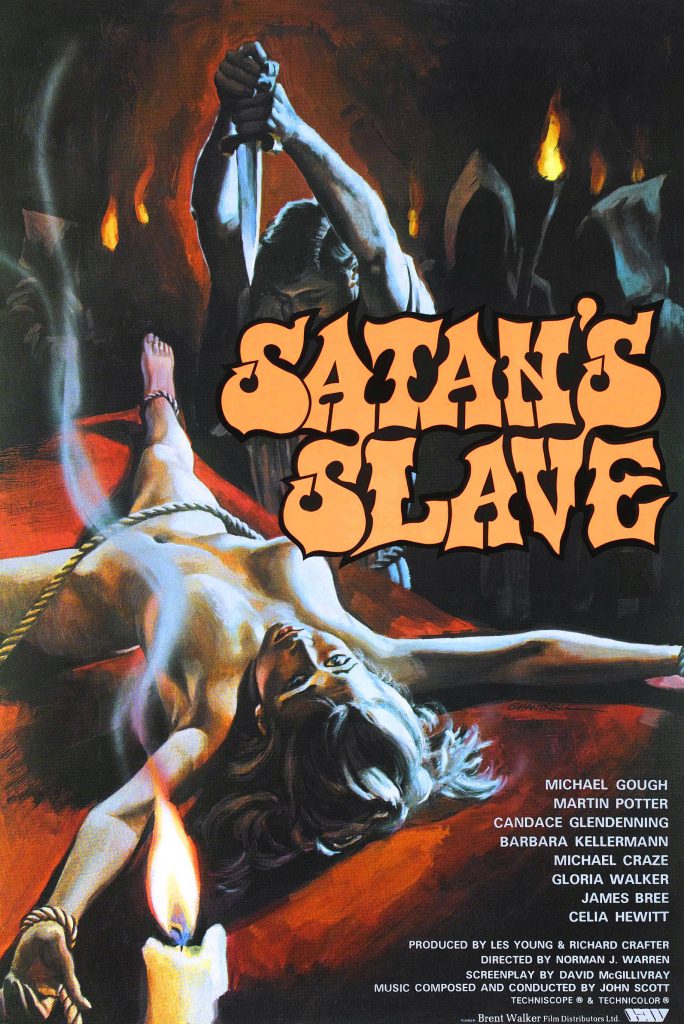
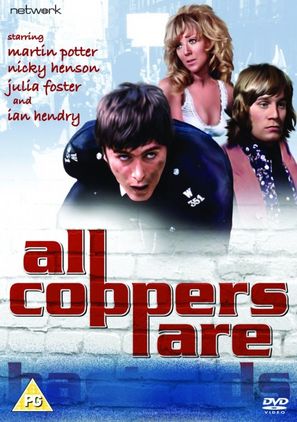
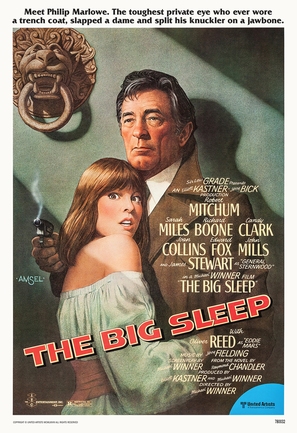
Martin Potter was born in 1944 in Nottingham. He began his career with small parts in British cinema and television in such roles as “The Bonegrinder” in 1968 and “Goodbye Gemini” in 1970. The great director Fellini chose him as the star of “Satyricon”. His other movies include “Nicholas and Alexandra” and “The Big Sleep” in 1978. Married to actress Susie Blake.
One year later Potter’s career took off with a much larger role. The Italian director Federico Fellini chose him for the main role of Encolpius in his film Satyricon. Terence Stamp, Fellini’s original choice for the main role, was not available, and Fellini was looking for someone of a similar appearance.
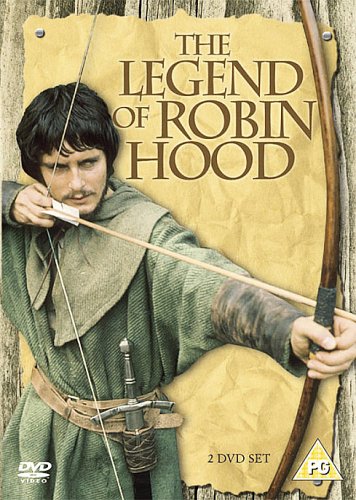
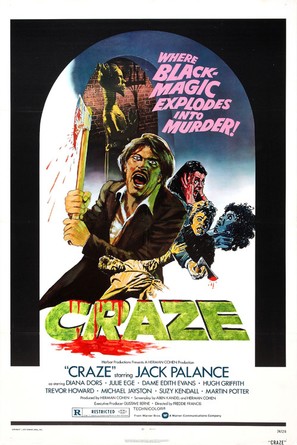
After this star role, Potter’s career tended back to smaller roles again: mostly B-films and television productions like the film adaptation of W. Somerset Maugham‘s Olive. Among his more well-known parts are the history filmNicholas and Alexandra (1971) and the film The Big Sleep (with Robert Mitchum as private detective Philip Marlowe). He also appeared in horror films, including Craze with Jack Palance, and television series such as Doctor Who. In 1975 he achieved some popularity with the title part of Robin Hood in a TV mini-series The Legend of Robin Hood. In 1985 he again took a part in a production concerning Ancient Rome: the American mini-series A.D. in which he portrayed the Roman politician and opponent of Nero, Gaius Calpurnius Pis
The above “Wikipedia” entry can also be accessed online here.
“Satyricon”
Martin Potter
1969
** I.V.C.“Satyricon”
Martin Potter
1969
** I.V.C.“Satyricon”
Martin Potter
1969
** I.V.C.
The great Eddy Grant is best remembered for his music especially the early 1980’s hit “I Dont Wanna Dance”. He has contributed his music to many movies and appeared as an actor twice including “Mustard Bath” in 1993. He was born in 1948 in British Guiana. Grant had his first number one hit in 1968, when he was the lead guitarist and main songwriter of the groupThe Equals, with his self-penned song “Baby Come Back“.[3] The tune also topped the UK Singles Chart in 1994, when covered by Pato Banton featuring Robin and Ali Campbell of the reggae group UB40.[4] Notably, he openly used his songwriting for political purposes, especially against the then-current apartheid regime of South Africa. The Clash recorded a version of “Police On My Back” for their Sandinista! set. (“Wikipedia)
Tim Roth has built up a considerable body of fine work in film since his debut in 1982 in “Made In Britain” as a white power skinhead. He has worked with Quentin Tarentino in “Reservoir Dogs” and “Pulp Fiction”.
TCM overview:
With a resume that boasted an assortment of villains and ne’er-do-wells, actor Tim Roth often had to avoid being typecast in order to play roles that demonstrated his extraordinary talents. Equally at home in both comedy and drama, Roth made an immediate impression as an unrepentant skinhead – complete with swastika tattoo on his forehead – in his first onscreen performance, “Made in Britain” (1982). He quickly became in demand after playing an assassin-in-training in “The Hit” (1984), then made a name for himself in the United States as a troubled Vincent Van Gogh in Robert Altman’s “Vincent & Theo” (1990). But it was his work with Quentin Tarantino in “Reservoir Dogs” (1992) and “Pulp Fiction” (1994) that cemented his status as one of the top stars of the independent world. Following an Oscar-nominated turn in “Rob Roy” (1995), Roth settled into playing varying degrees of malcontents before cracking big budget Hollywood with a major role in “Planet of the Apes” (2001) and stealing the show from everyone else. After disappearing into several foreign-made films, Roth re-emerged to play the arch-villain in “The Incredible Hulk” (2008), once again solidifying – and perhaps perpetuating – his image as Hollywood’s go-to bad guy.
Born May 14, 1961 in London, England, Roth was raised in middle-class Dulwich by his father, Ernie, a journalist and former member of the British Communist Party, and Anne, a landscape painter and school teacher. Forced to switch from a comfortable primary school to The Strand comprehensive in nearby Brixton, Roth encountered a rougher crowd unappreciative of his proper English accent. After quickly developing his cockney accent, Roth resigned himself to a life of taking speed and digging art in the midst of a nascent punk movement. While in school, he auditioned for a part in a musical version of “Dracula,” which sparked a previously nonexistent desire to pursue an acting career. He eventually made his way to Camberwell College of Arts, where he continued to delve into drugs, art and co-eds. But he soon dropped out of school and secured his Equity card while taking on a job selling advertising space while he worked fringe theater at night. Though many of the theaters were out in the middle of nowhere, Roth did manage to hone his chops on the works of Jean Genet and August Strindberg, though that sometimes meant performing to an audience of one.
Roth stumbled around for several years until he had one of those spontaneous, life-changing moments. In the early 1980s, while repairing a flat bicycle tire outside the Oval House, a community theater that was hosting auditions for a television movie to be directed by Alan Clarke. Instead of getting a tire pump, he was granted an audition, subsequently landing the leading role of Trevor, a violent and remorseless skinhead rebelling against anything that dares cross his path, in “Made in Britain” (1982). Roth was downright terrifying with a visceral performance, attracting immediate attention from audiences and critics. Roth made his feature debut with Mike Leigh’s wry working-class drama, “Meantime” (1983), playing a shy young man down on his luck struggling with his family to make ends meet. But it took Stephen Frears and a bottle of bleach to catapult Roth into the limelight. As the dyed blond apprentice killer learning his new trade from an old pro (John Hurt) in “The Hit” (1984), Roth offered a strong turn that was both brutal and endearing.
With a heavy helping of positive reviews, Roth was able to parlay his role in “The Hit” into a budding career, playing variations-on-a-thug in films like “Return to Waterloo” (1985), “Murder With Mirrors” (CBS, 1987) and “The Cook, the Thief, His Wife and Her Lover” (1989). In a change of pace, Roth played a troubled character of an altogether different sort in Robert Altman’s biopic “Vincent & Theo” (1990), which examined the relationship between the Van Gogh brothers. Playing against actor Paul Rhys’ controlled take on Theo, Roth’s Vincent was rife with the energy and desperation of a creative, but ultimately troubled mind. He lent the same kind of force to his pairing with Gary Oldman in Tom Stoppard’s screen version of “Rosencrantz and Guildenstern Are Dead” (1990), a wildly absurdist take on Shakespeare’s most notorious pair of supporting players. Roth’s game performance impressed aspiring filmmaker Quentin Tarantino enough to offer Roth the role of Mr. Orange, a critically-wounded undercover cop posing as a thief in the brutally violent crime thriller, “Reservoir Dogs” (1992). Adopting a flawless American accent and spending most of the movie wallowing in a pool of his own blood after a jewelry heist gone bad, Roth more than held his own with the likes of Harvey Keitel, Michael Madsen, Chris Penn and Steve Buscemi.
In the obscure, bleak independent drama “Jumpin’ at the Boneyard” (1992), Roth played a man who nearly beats his crack-addled brother (Alexis Arquette) to death after catching him in a robbery. Roth followed as real-life serial killer Charles Starkweather in the two-part miniseries “Murder in the Heartland” (ABC, 1993), earning critical plaudits for his frighteningly realistic performance. Reuniting with Quentin Tarantino, Roth memorably portrayed a small-time stickup artist who gets an unexpected comeuppance from a reforming hit man (Samuel L. Jackson) while trying to rob a coffee shop with his Honey Bunny (Amanda Plummer) in “Pulp Fiction” (1994). Buried beneath the hoopla surrounding “Pulp Fiction” was another crime thriller, “Little Odessa” (1994), starring Roth as a hit man for the Russian mob, assigned to do a job in his old neighborhood of Brighton Beach in Brooklyn. Though he received notice and acclaim for both parts, Roth found himself sinking deeper into the mud of being typecast as a crook or killer. Even a supporting turn in “Rob Roy” (1995), playing the scheming, obsequious fop Archibald Cunningham, was ultimately along the same lines. He did, however, wow critics and audiences enough to earn an Academy Award nomination for Best Supporting Actor.
While he tried to break the tide with a comic turn as a bellhop – the unifying element in the four-part anthology “Four Rooms” (1995) – the results were mixed. Roth gamely tried to be what each director wanted, but came off more mannered than amusing. Meanwhile, he returned to form as the recently released convict whose attraction to a debutante upends her nuptial plans in Woody Allen’s musical “Everyone Says I Love You” (1996). Roth displayed a modest set of pipes when called upon to warble two songs. Paired with rapper Tupac Shakur in “GRIDLOCK’d” (1997), Roth once again plumbed the depths of a troubled man; this time, a drug-addicted musician trying to clean up. After appearing as the ruthless real-life Dutch Schultz in “Hoodlum” (1997), Roth went against type a bit in “Deceiver” (1997), playing a wealthy yuppie suspected of murder. Roth finally shed his bad guy image in Giuseppe Tornatore’s English-language debut, “The Legend of 1900” (1998). Cast as the adult incarnation of a music prodigy who spent his entire life on a luxury liner – a character that was more symbolic than real – Roth delivered a sweetly touching performance that allowed him to spread his wings.
Like many actors, Roth secretly harbored a desire to become a director. He eventually made his debut with “The War Zone” (1999), an intense family drama about a brother and sister who willingly engage in incest. In translating Alexander Stuart’s controversial novel to the screen, Roth took great pains not to sensationalize the material. Using an evenhanded approach, he meticulously crafted a powerful and devastating film. Displaying virtuosity with his actors, including the relatively unknown Lara Belmont and Freddie Cunliffe, Roth elicited amazing work and proved that if he ever grew weary of playing screen villains, he could easily find a home behind the cameras. His career in front of the camera continued unabated with a supporting role as the Marquis de Lauzun in the costume drama “Vatel” (2000), which he followed with a supporting role as a sleazy owner of a strip club in the dismal crime comedy “Lucky Numbers” (2000). After playing the lethal right-hand of a scheming Cardinal (Stephen Rea) in the martial arts-tinged actioner, “The Musketeer” (2001), Roth donned a prosthetic monkey suit to portray the militant General Thade in “Planet of the Apes” (2001). Though the film was a major disappointment, his portrayal was cited as the best, eliciting true fear in viewers.
Having settled into a comfortable career that encompassed both major Hollywood blockbusters and little-seen independents, Roth continued to play stock-in-trade roles as unrepentant thugs while delving every now and then into unchartered waters. He played a stage hypnotist in 1930s Germany with dreams of starting a Ministry of the Occult in Hitler’s government in “Invincible” (2002), then portrayed Oliver Cromwell, who helped depose Charles I (Rupert Everett) with General Thomas Fairfax (Dougray Scott), in “To Kill a King” (2003). After forgettable supporting roles in the drama “The Beautiful Country” (2004) and the supernatural thriller “Dark Water” (2005), Roth joined an ensemble all-star cast that included Danny DeVito, Kim Basinger and Ray Liotta for “Even Money” (2006), a compelling, but flawed drama that depicts various lives being destroyed by drugs and gambling during the weeks leading up to a championship basketball game. Roth then starred in Francis Ford Coppola’s return to directing, “Youth Without Youth” (2007), playing a septuagenarian professor struck by lighting who suddenly finds himself aging backwards and going on the run from international authorities.
Returning to the blockbuster world, Roth played Emil Blonsky/Abomination, chief adversary to Edward Norton’s “The Incredible Hulk” (2008) – a major blockbuster that became one of the summer’s biggest hits despite relatively mixed reviews. From there, the actor took on a rare leading role on the small screen with “Lie to Me” (Fox, 2009-2011), a procedural drama where he played a clinical researcher who uses his skills of interpreting facial expressions and body language to solve crimes for police and the FBI. The show received mainly good reviews from critics and started its three season run on a positive note with enough of an audience to make it a hit. But by the end of that initial season, however, viewership dropped off significantly – a trend that continued throughout the following two seasons until the network finally canceled the show in May 2011. Meanwhile, Roth continued to appear on the big screen, starring as an owl-like angel in the British-made suburban fantasy “Skellig” (2009). After playing a legendary action director who winds up dead in the indie showbiz comedy “Pete Smalls Is Dead” (2010), Roth was a New York detective who holds a key piece of evidence that can take down a shady businessman (Richard Gere) in the financial thriller “Arbitage” (2012).
The above TCM overview can also be accessed online here.