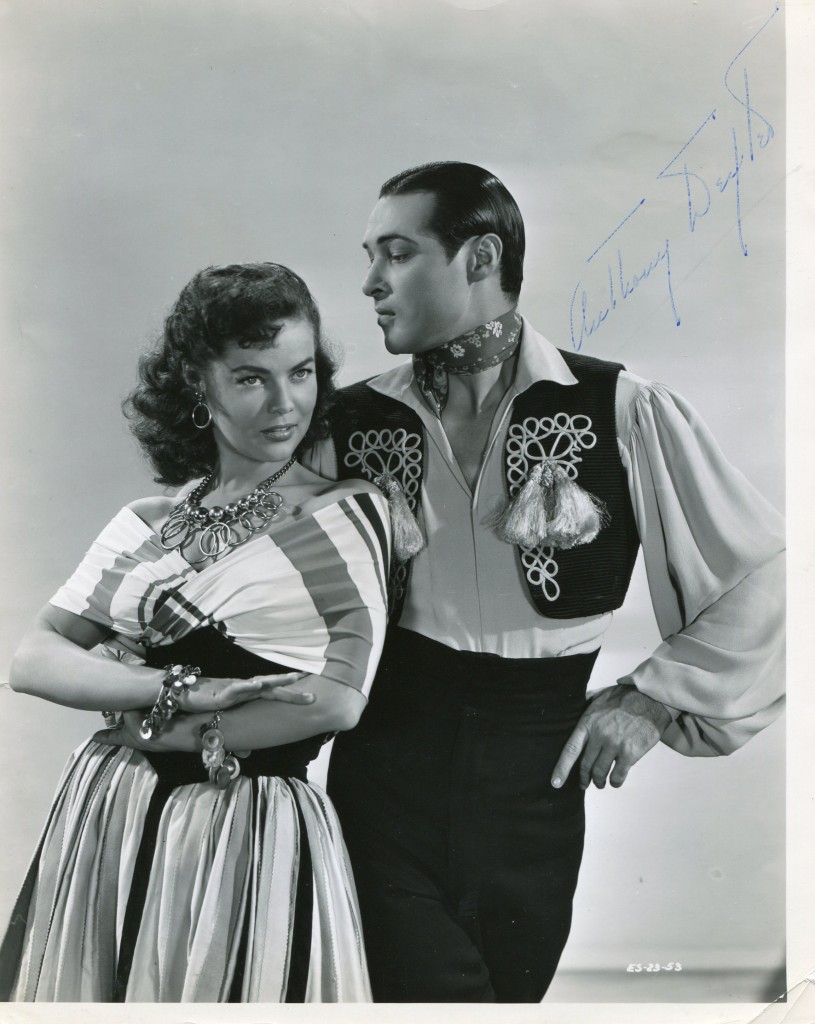
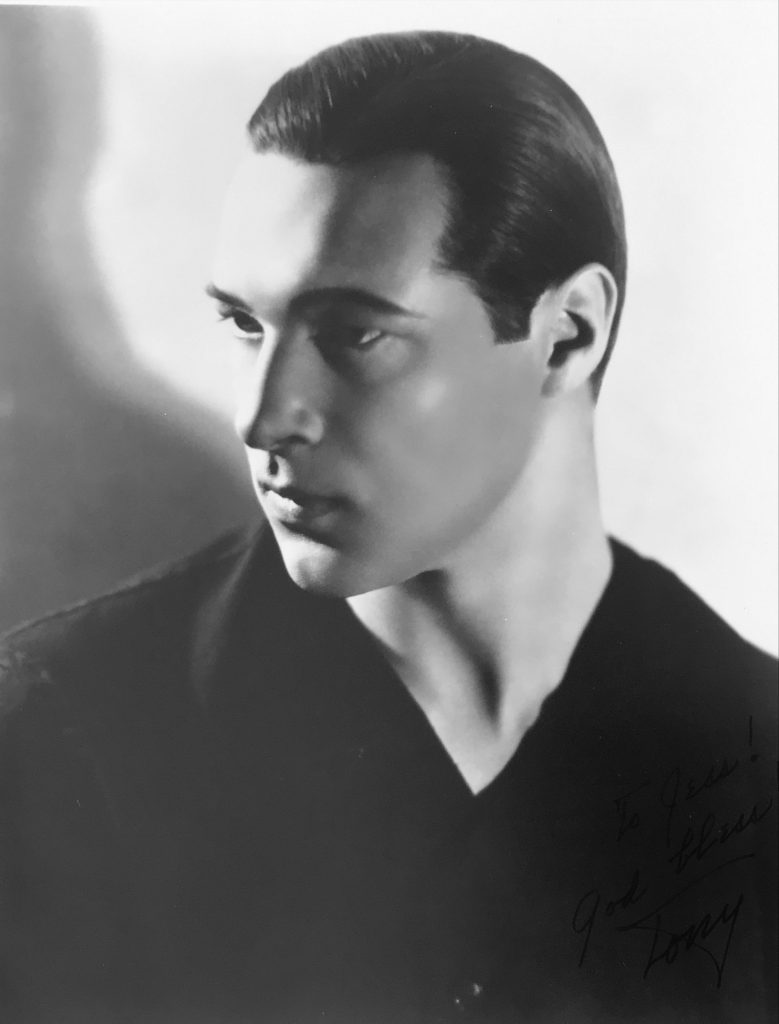
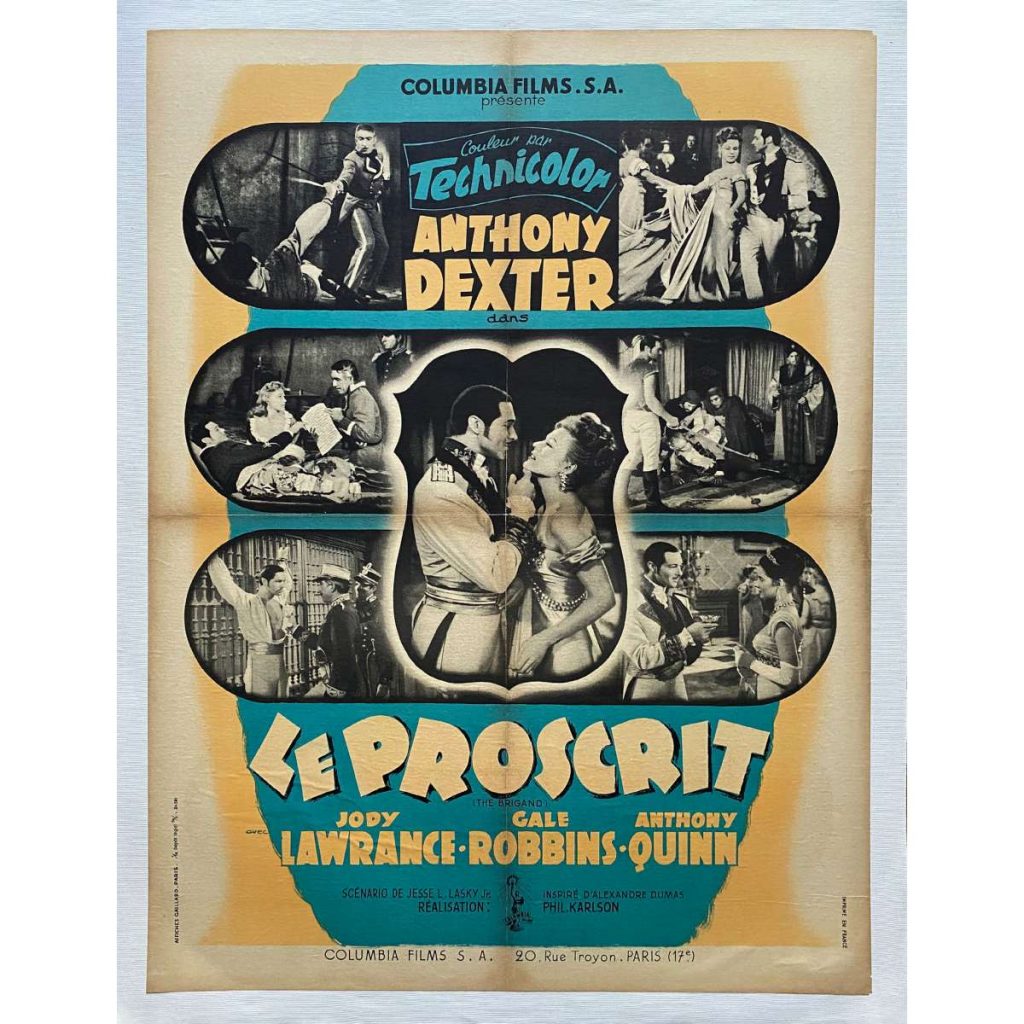
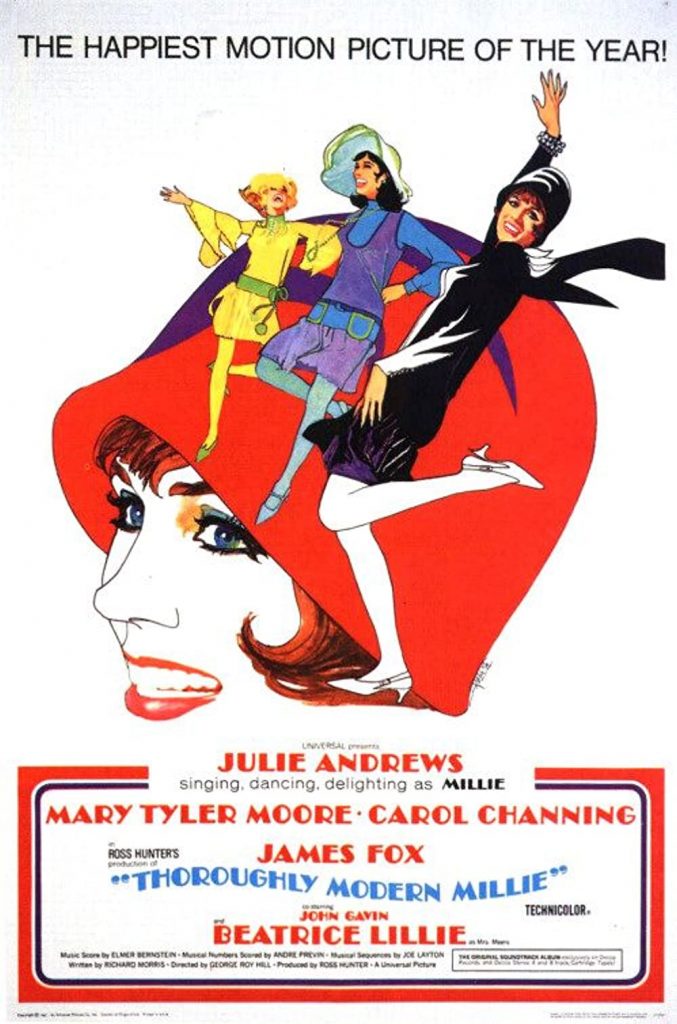
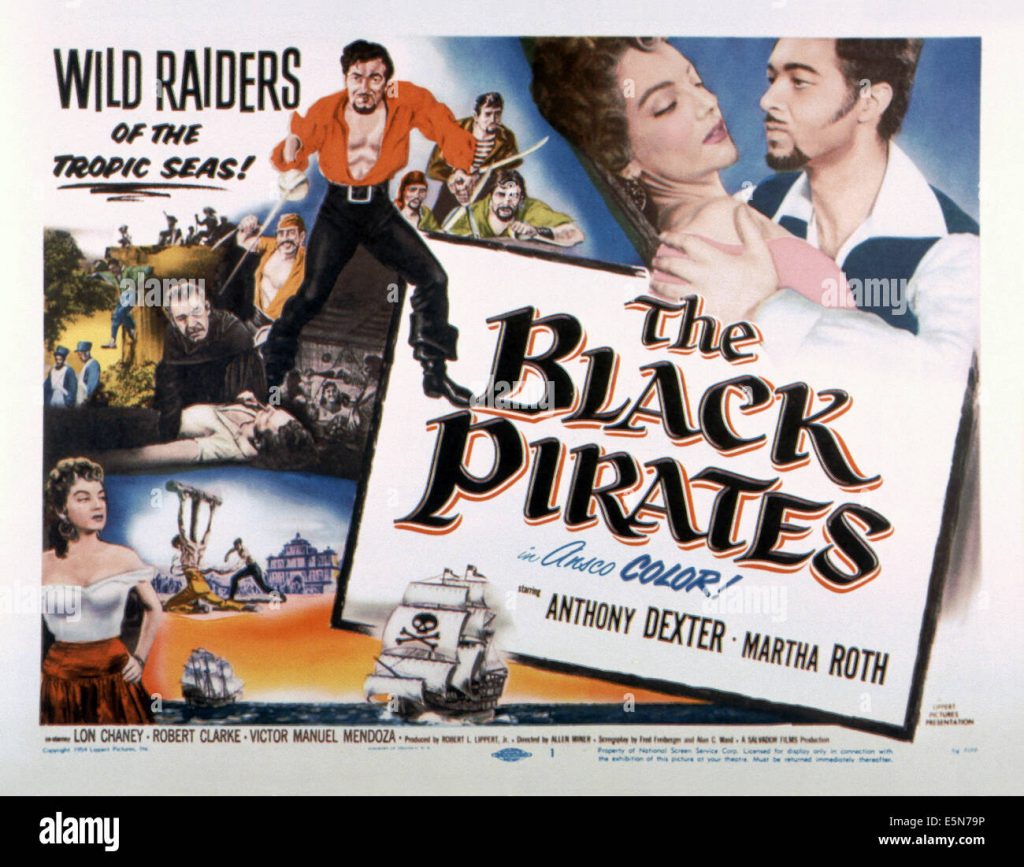
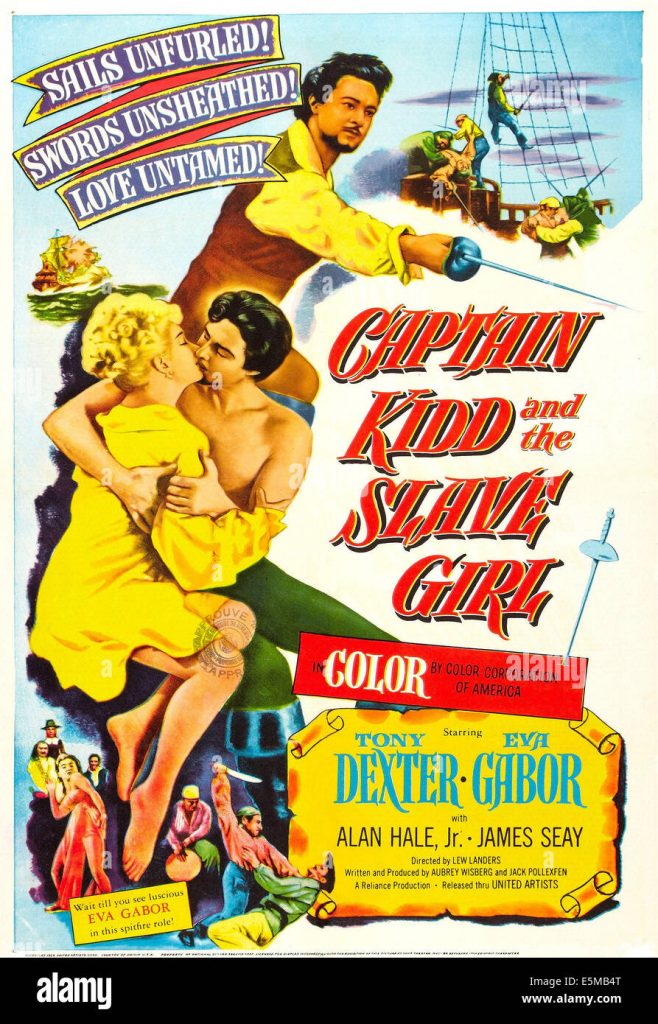
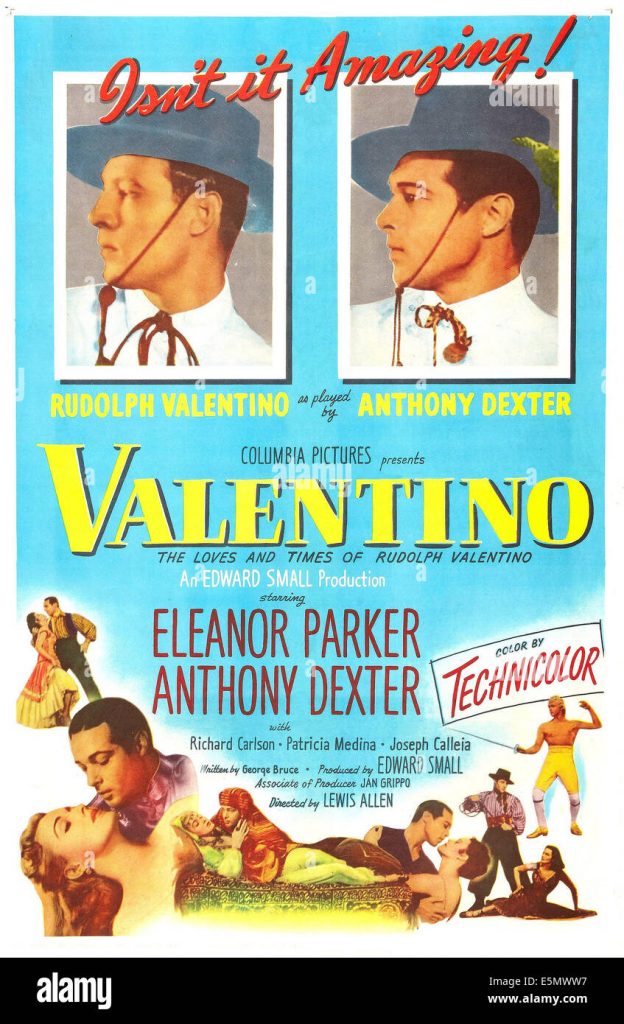
Anthony Dexter was born in 1913 in Nebraska. He served in Europe with the American forces during World War Two. He won the lead role of Rudolph Valentino in his first film “Valentino” in 1951. His films include “The Brigand”, “Captain Kidd and the Slave Girl” and his final film in 1967, “Thoroughly Modern Millie”. He died in 2001.
IMDB entry:
Sporting the name Walter Craig when out of the limelight and the stage name Anthony Dexter when in it, he rounded out his years teaching high school English, Speech, and Drama classes at Eagle Rock High School (circa 1968-78) in the Los Angeles area. His best-known role as an actor, however, occurred when he landed the part of Rudolph Valentino in the actor’s biopic Valentino (1951). He was reputed to have won the role from a competitive field of 75,000 aspiring Valentinos. The film’s producer, ‘Edward Small’, claimed to have made 400 screen tests for the part until discovering Dexter–the perfect fit. So much alike was Dexter in appearance to Valentino that Valentino fan clubs, upon learning of Dexter, applauded the choice of him to play their star. Even the press lauded Dexter as “incredible. The same eyes, ears, mouth–the same grace in dancing” (according to a 1950 Los Angeles Times article quoting George Melford, who directed Valentino in The Sheik (1921). Although “Valentino” was not the success its producers had hoped for, Dexter managed to garner future parts in movies similar to the roles the real Valentino had played: John Smith in Captain John Smith and Pocahontas (1953); Captain Kidd in Captain Kidd and the Slave Girl (1954); a pirate leader in The Black Pirates (1954); Christopher Columbus in The Story of Mankind (1957). After these roles, his career gradually diminished until ultimately he was cast in a bit part in Julie Andrews‘ vehicle Thoroughly Modern Millie (1967).
Dexter grew up on a farm in Talmadge, Nebraska, where he played such good football in high school that he earned a scholarship to St. Olaf’s College in Minnesota. There he began his pursuit of stage and screen, singing first in the college’s choir before going on to the University of Iowa to get his M.A. in speech and drama. Even during World War II, Dexter–then a sergeant with the Army Special Services–toured England and other parts of the European theater of war doing the show “Claudia.” Having not limited himself to movies, he did at least one notable run at summer theatre in San Francisco in “The King and I” and added to his credits parts in the Broadway shows “The Three Sisters,” “Ah, Wilderness” and “The Barretts of Wimpole Street.” He died at the age of 88 in Greeley, Colorado.
– IMDb Mini Biography By: Patrick King <patrick_king@hotmail.com> (qv’s & corrections by A. Nonymous)
The above IMDB entry can also be accessed online here.
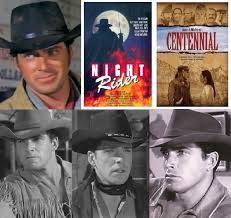
The Parson And The Outlaw, poster, US poster art, Anthony Dexter (right & insert), Charles Buddy Rogers (left, lower insert),1957. (Photo by LMPC via Getty Images)
Jacqueline Bisset was born in 1944 in Weybridge, Surrey. She began her career in British films and came to prominence in 1967 in “Two for the Road” with Audrey Hepburn anf Albert Finney. The following year she was in Hollywood making “The Detective” with Frank Sinatra and Lee Remick followed by “Bullit” with Steve McQueen. She has had a very profilic career starring opposite major actors like Jon Voight, Charles Bronson, Paul Newman and Michael York. Her most recent film is “The Last Film Festival” with Dennis Hopper.
TCM Overview:
British actress Jacqueline Bisset rose to fame in the 1970s as the object of desire for numerous top actors in features like “Bullitt” (1968), “Airport” (1970), “The Deep” (1977) and “The Greek Tycoon” (1978). Few of these roles allowed her to express anything more than slow-simmering sexuality, but gradually films like Francois Truffaut’s “Day for Night” (1973), George Cukor’s “Rich and Famous” (1981) and John Huston’s “Under the Volcano” (1983) revealed her talent for intelligent, complex performances. Unlike many actresses as they approached their fourth and fifth decades, Bisset remained active and in demand, playing a wide range of parts from stalwart mothers to seductive socialites. What remained constant throughout her four-decade career was her cool elegance, which preserved her iconic status as one of the screen’s great international beauties.
Born Winifred Jacqueline Bisset in the town of Weybridge in Surrey, England on Sept. 13, 1944, she was the daughter of Scottish doctor Max Bisset and his French wife, Arlette, a former lawyer who taught her daughter to speak her native tongue fluently. Bisset’s initial passion was ballet, which she studied as a child, but as she grew into a willowy adolescent, she was considered too tall to pursue dance as a career. Bisset’s teenage years were marked by major upheaval in her family life. After her mother was diagnosed with multiple sclerosis, her father left the family, forcing his daughter to support her mother and younger brother, Max through modeling. The latter job led to an interest in acting, and Bisset made her screen debut as an uncredited extra in Richard Lester’s “The Knack and How to Get It” (1965), which also launched the film careers of Charlotte Rampling and Jane Birkin.
She earned her first lines in Roman Polanski’s “Cul-de-Sac” (1966), but soon settled into a series of ornamental roles that were largely defined by her next picture, the all-star James Bond spoof, “Casino Royale” (1966), which cast her as Miss Goodthighs. Bit roles soon blossomed into supporting parts in “The Detective” (1968), where she replaced Mia Farrow as the wife of a murder victim investigated by Frank Sinatra, and “The Sweet Ride” (1968), a counterculture drama that earned her a Golden Globe nomination as a mystery woman who came between beach bums Tony Franciosa, Michael Sarrazin and Bob Denver. In 1969, she was an innocent teen whose trip to America ends in romantic failure and prostitution in Jerry Paris’ relentlessly downbeat “The Grasshopper.”
Bisset’s star-making role finally came in 1968 with “Bullitt,” where her cool beauty was matched perfectly by Steve McQueen’s frosty dramatics as a tough San Francisco detective with a penchant for hard driving. The film’s popularity elevated Bisset to major Hollywood features in the 1970s, though not more substantive roles; she was pilot Dean Martin’s pregnant mistress – and perhaps the first actress to belt Helen Hayes across the face – in the big-budget disaster film “Airport” (1970), then played elegant love interests for such actors as Alan Alda in “The Mephisto Waltz” (1971), Paul Newman in “The Life and Times of Judge Roy Bean” (1972), Ryan O’Neal in “The Thief Who Came to Dinner” (1973), Charles Bronson in “St. Ives” (1976) and Anthony Quinn, as a thinly disguised Aristotle Onassis, who romanced Bisset’s ersatz Jacqueline Kennedy in “The Greek Tycoon” (1978). Her most memorable turn of the decade came in “The Deep” (1977), Peter Yates’ adaptation of the popular thriller by Peter Benchley. The film boosted her status as a pin-up thanks to its opening sequence, in which Bisset appeared in a wet t-shirt that left little to the imagination. She later denounced the scene, stating that producer Peter Guber had assured her that it would not be shot in an exploitative way.
Feeling frustrated by the lack of quality projects from Hollywood, Bisset returned to Europe throughout the 1970s, where she played a British actress on the verge of a nervous breakdown in Francois Truffaut’s backstage drama “Day for Night” (1973). The picture, which she later declared as her most fulfilling film role, reversed most critics’ perception of her as little more than a pretty face, and led to more work overseas, including Philippe Broca’s spy spoof “Le Magnifique” (1973), with French movie idol Jean-Paul Belmondo; Sidney Lumet’s Oscar-winning, all-star adaptation of Agatha Christie’s “Murder on the Orient Express” (1974); and the German thriller “End of the Game” (1975) for director Maximilian Schell. She and Schell also later shared godparent duties for Angelina Jolie, daughter of the film’s star, Jon Voight. Bisset ended the 1970s with a Golden Globe nomination for her turn as a pastry chef targeted by a killer in the charming comedy-thriller, “Who is Killing the Great Chefs of Europe?”
Bisset began the 1980s on a sour note with huge back-to-back flops in Irwin Allen’s disaster film “When Time Ran Out” (1980) and the epic Korean War drama “Inchon” (1981), which earned brickbats for receiving funding by the Unification Church. But she quickly rebounded with a string of successful and mature dramas, starting in 1981 with “Rich and Famous.” Directed by the legendary George Cukor, the film followed a pair of friends (Bisset and Candice Bergen) through four turbulent decades of romances, successes and failures. The film also marked Bisset’s sole effort as a producer in an earnest attempt to wrest control over her career.
Though “Class” (1983), an ironically class-free sex comedy about a prep school student (Andrew McCarthy) sleeping with friend Rob Lowe’s mother (Bisset) was undoubtedly her most financially successful film of the decade, her subsequent choices were critically acclaimed dramas, including several for American television, which helped to finally establish Bisset as a capable and versatile actress. She earned a Golden Globe nomination as the wife of an alcoholic consul (her “Two for the Road” co-star Albert Finney) in John Huston’s “Under the Volcano” (1984), and then received a CableACE nod as German countess Nina von Halder, who hid her Jewish boyfriend (Jurgen Prochnow) from the Nazis in “Forbidden” (1985). Clare Peploe’s “High Season” (1987) gave her a leading role as a photographer who becomes embroiled in small town dramas on the Greek island of Rhodes, while Paul Bartel’s “Scenes from the Class Struggle in Beverly Hills” (1989) allowed her a rare shot at comedy as a wealthy widow beset by everything from amorous employees to the ghost of her husband (Paul Mazursky).
As the 1990s ushered Bisset into her fifth decade, she worked largely in independent features and TV movies on both sides of the Atlantic, most notably in Claude Chabrol’s “La Ceremonie” (1995), which earned her a Cesar nomination as a wealthy woman whose cruel treatment of her dyslexic servant (Sandrine Bonnaire) is repaid with violence. In 1999, she received Emmy and Golden Globe nominations as Isabelle d’Arc, mother of French martyr “Joan of Arc” (CBS), then moved to a more historical matriarch – specifically, Mary of Nazareth and Sarah, wife of Abraham – in the miniseries “Jesus” (CBS, 2000) and “In the Beginning” (NBC, 2000), respectively. Her legendary allure also made her a go-to for mature, glamorous and sexually confident women of power, which she essayed in features like “Dangerous Beauty” (1998), where her 16th century courtesan instructed her daughter (Catherine McCormack) in the family business, and “Domino” (2005), which cast her as fashion model Paulene Stone, whose daughter, Domino Harvey, became a bounty hunter. Her versatility allowed her to play both the ruthless head of a black market organ ring in the fourth season of “Nip/Tuck” (FX, 2003-2010), and a kindly 19th century grandmother in “An Old Fashioned Christmas’ (Hallmark Channel, 2008). In 2010, she received the Legion of Honor from French president Nicholas Sarkozy. Bisset co-starred opposite Chiwetel Ejiofor in the 1930s period piece “Dancing on the Edge” (Starz 2013), a miniseries about a black jazz band’s arrival in London society. Her performance as Lady Cremone won Bisset the Golden Globe for Best Performance by an Actress in a Supporting Role in a Series, Mini-Series or Motion Picture Made for Television, but her win was overshadowed by her strange, meandering acceptance speech, punctuated by long silences. It became the most talked-about moment of the 2014 Golden Globes, including a parody on “Saturday Night Live” (NBC 1975- ).
The above TCM overview can be accessed online here.
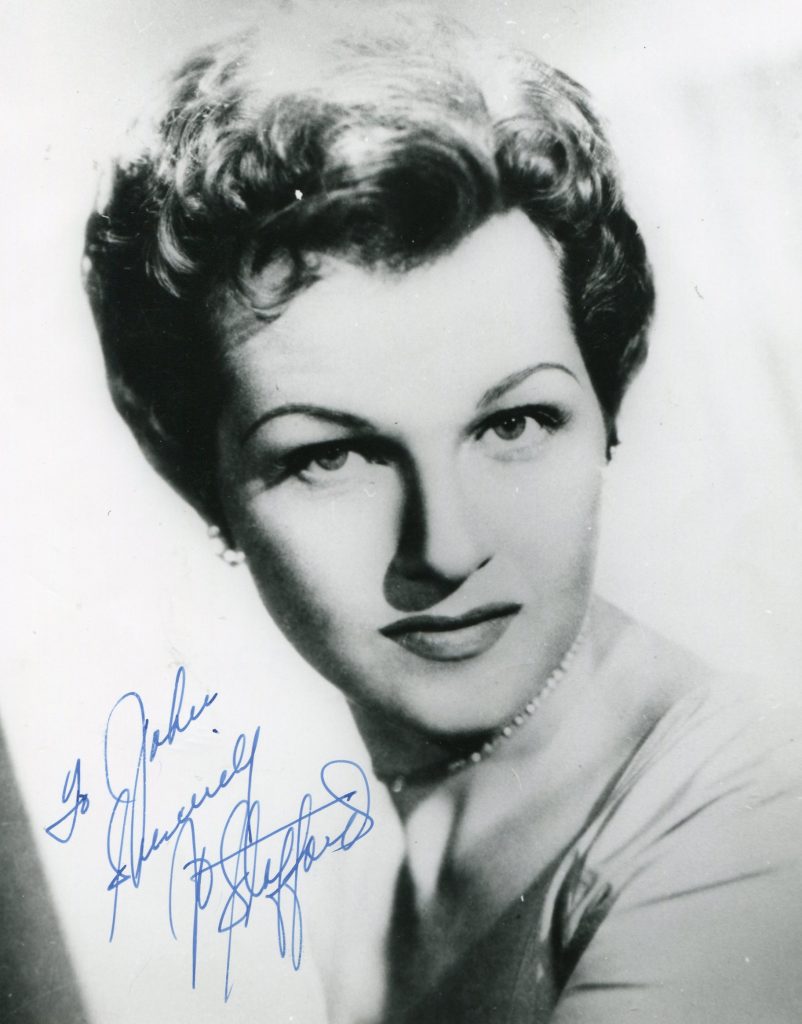
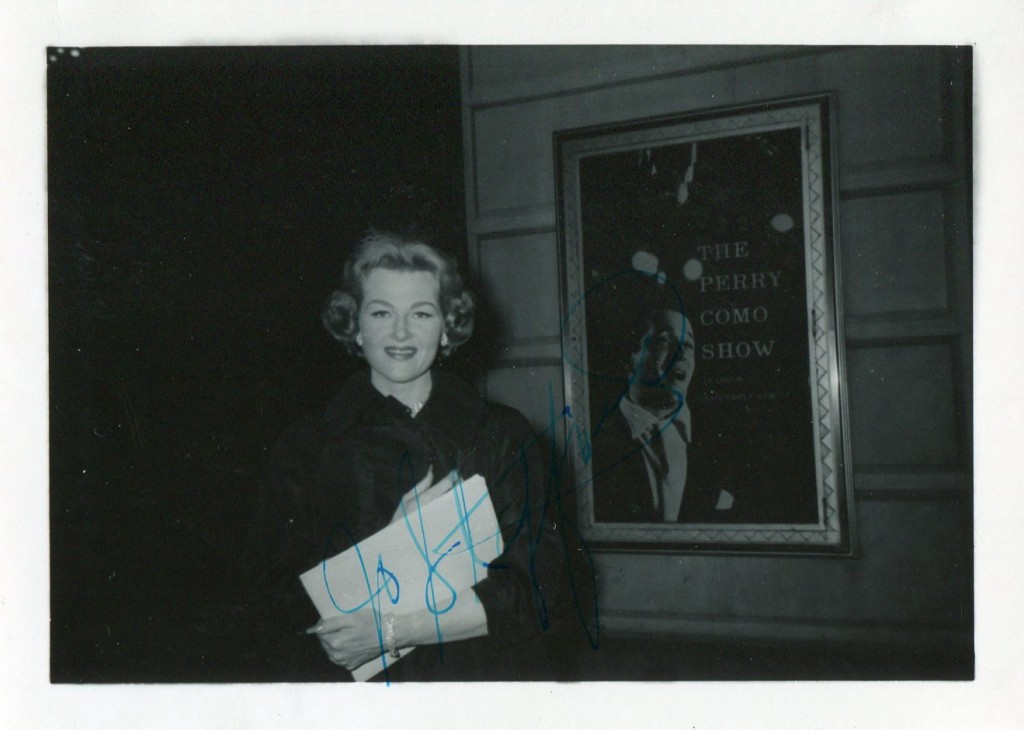
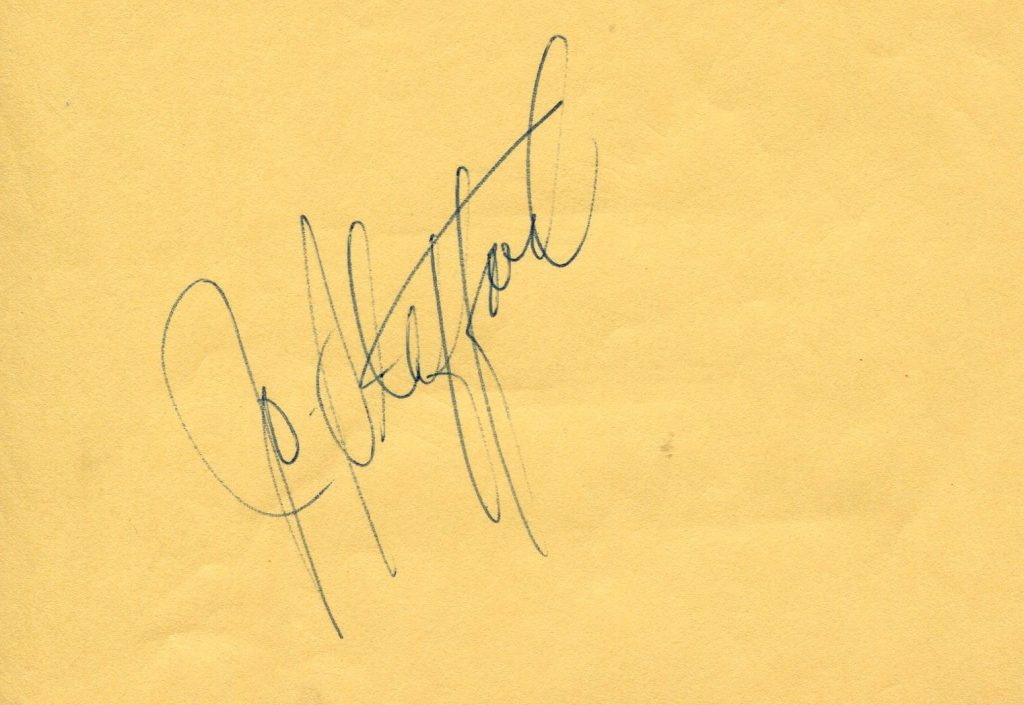
Jo Stafford was one of the most popular recording artists in the 1950’s. Her songs such as “You Belong to Me”, “Allentown Jail” and “Shrimp Boats” are still played to-day. She was born in 1917 in California’s San Joaquin Valley. She became the lead female singer with the legendary Tommy Dorsey Orchestra. She left the band in 1944 to go solo and had hit after hit.She was featured in the films “Biloxi Blues” in 1988 and “The Two Jakes” in 1990. Jo Stafford was married to the band leader Paul Weston. She died at the age of 90 in 2008.
Her “Guardian” obituary by Veronica Horwell:
The obituary below, of the singer Jo Stafford, incorrectly attributed a quote that she was “a highly educated folk singer working mostly in other idioms of American music” to Nancy Franklin of the New Yorker.
One female voice reigned over American music in the era between Frank Sinatra’s swooning bobbysoxers in the mid-1940s and Elvis Presley getting their little sisters all shook up in 1957. It was freighted with knowledge of trouble and loss but soared sure and clear; the voice of Jo Stafford, who has died aged 90. She was a diamond, gold and platinum disc seller of 25m records in every genre.
She was what she mocked, the third of four daughters of an Appalachian hill country couple, Anna York and Grover Cleveland Stafford. Jo was born at Lease 35, raw land near Coalinga, California, where the family had followed oilfield roughneck Grover in search of work.
They remained Tennessee in accent and music. Anna played five-string banjo. The older girls taught Jo to sing, and as her voice expanded to an octave and a half in a decade, Anna insisted she train as an operatic coloratura. She managed only five years, for lack of cash. The Stafford Sisters sang on radio and in movie musicals, then Jo went into a group, as the sole female – a short, hungry dumpling in horn-rimmed glasses – among seven male Pied Pipers.
Paul Weston, arranger for Tommy Dorsey’s band, heard their balanced voices with lead Stafford shaping the sound. In 1938 he recruited them for Dorsey’s radio show in New York, a gig that ended when the sponsor heard and hated their scat lyrics. But Dorsey summoned the octet, reduced to a quartet, on tour. “Most of the time you never even saw a bed,” she recalled. “You slept and dressed on the band bus.” After another thousand times around the block in the bus, she made a record, Little Man With a Candy Cigar (1941).
Weston gave her a break. He worked with Bing Crosby at Paramount Pictures, and met songwriter Johnny Mercer, co-founder of Capitol Records. Weston formed an orchestra, adding strings and voices to big band ensembles to create what came to be called mood music. Mercer appointed him Capitol’s music director, and in 1944, after Stafford sang for 26 weeks on Mercer’s radio show, signed her as Capitol’s first contract singer.
She could deliver anything with grace. Nancy Franklin wrote in the New Yorker that she was “a highly educated folk singer working mostly in other idioms of American music”, who unconsciously used both operatic pitch vibrato and country and western volume vibrato. Stafford said she simply concentrated on “thinking the tone just before I make it… The voice is a muscle.”
Her first hit was a freak. She was in a studio corridor when Joe “Country” Washburn discovered he was minus a vocalist to record Tim-Tay-Shun (1947). Hidden behind the alias Cinderella G Stump, she sold a couple of million, without royalties. She otherwise chose in the 1940s from material laid before her (90 of her singles charted) or took advice from Weston. He did a full orchestral accompaniment in 1946 for The Nightingale, a song Anna had taught Jo. He retrieved the religious duet Whispering Hope from an old phonograph disc – Jo’s 1949 version, with Gordon Macrae.
Stafford was a character player, her own self ignored in the narrative of the number. She avoided live solo performances, initially because of her weight (at more than 13 stone she flopped at her only nightclub booking, New York’s Cafe Martinique, then dieted, achieving photographable size in time to switch from radio to television). She did not have and would not simulate an entertainer’s personality: “I wasn’t driven. I just loved what I did.”
Her engagement was with a microphone in subdued studio light, and through it, with listeners in distant darknesses. Her broadcasts for Radio Luxembourg and Voice of America made her “GI Jo” to US servicemen posted globally. She did record covers of second world war songs – I’ll Be Seeing You and No Love, No Nothin’ – but neither was released until 1959.
Stafford followed Weston when he left Capitol for Columbia in 1950, which subjected her to the novelty regime of Mitch Miller. At best, he supplied her with VistaVision scenarios, mostly recorded from 1950 to 1952 – You Belong to Me, Jambalaya, and Shrimp Boats. He also required her to cut turkeys – Chow Willy, and later Underneath the Overpass (1957). Her fine peak albums – American Folk Songs (1950) and Jo+Jazz (1960) – went unpromoted, and she was relieved to give up the 15 minutes of shivers that preceded TV broadcasts.
Her marriage to Pied Piper John Huddleston over, she converted to Catholicism and married Weston in 1952. They had two children, Tim and Amy, and settled in Beverly Hills.
Stafford and Weston got their revenge on Miller anyway. After recording his worst, she and the band reprised them as they deserved, with Stafford squarely missing each note. Then, at a Columbia sales convention in 1957, Weston dined with A&R staff in a restaurant with a bad piano player. Weston mimicked the pianist’s meandering hands and crumbling thirds. The A&R people imagined an album of this ineptitude – Paul would be “Jonathan Edwards”, Jo his chanteuse wife “Darlene”.
The resulting discs – The Original Piano Artistry of Jonathan Edwards (1957) and its sequels – were bestsellers, even after Time magazine outed their perpetrators. Jo admired Darlene’s quartertones and the fifth beat she added to a 4/4 bar for “an extra stride”.”She’s a nice lady from Trenton, New Jersey, and she does her best,” said Jo of Darlene, otherwise “the only singer to get off the A train between A and B-flat”. The album Jonathan and Darlene in Paris won Stafford’s only Grammy – for comedy in 1960.
The following year the couple spent the summer in London, recording the last series of the Jo Stafford Show for the ATV network.
When in the late 1960s, her voice no longer met her standards – the red needle on the meter must not flicker – she retired, performing one last time, safely in a group, at a tribute to Frank Sinatra (and again as Darlene, for charity). Until his death in 1996, Weston managed the couple’s Corinthian label, which reissued their recordings. Darlene’s pitch was even more challenged when digitally remastered.
Stafford’s offduty passion was the history of the second world war. She knew where the boys had been. A naval officer once contradicted her on a detail of a Pacific action, saying: “Madam, I was there!” A few days later he wrote to apologise. He had consulted his logs. He was wrong.
She is survived by her two children, both of whom went into the music business.
· Josephine Elizabeth Stafford, singer, born November 12 1917; died July 13 2008
The above “Guardian” obituary can also be accessed online here.
Gary Crosby was born in 1933 in Los Angeles. He was the son of Bing Crosby and Dixie Lee. He performed on radio and television with his father and three brothers. He made his movie debut in “Mardi Gras” with Pat Boone in 1958. His other films include “Holiday for Lovers” and “A Private’s Affair”. Gary Crosby died in 1995.
Gary Brumburgh’s entry:
The stocky-framed, lookalike son of singing legend Bing Crosby who had that same bemused, forlorn look, fair hair and jug ears, Gary was the eldest of four sons born to the crooner and his first wife singer/actress Dixie Lee. The boys’ childhood was an intensely troubled one with all four trying to follow in their father’s incredibly large footsteps as singers and actors. As youngsters, they briefly appeared with Bing as themselves in Star Spangled Rhythm (1942) and Duffy’s Tavern (1945). Gary proved to be the most successful of the four, albeit a minor one. As a teen, he sang duet on two songs with his famous dad, “Sam’s Song” and “Play a Simple Melody,” which became the first double-sided gold record in history. He and his brothers also formed their own harmonic singing group “The Crosby Boys” in subsequent years but their success was fleeting. Somewhere in the middle of all this Gary managed to attend Stanford University, but eventually dropped out.
Gary concentrated a solo acting career in the late 50s and appeared pleasantly, if unobtrusively, in such breezy, lightweight fare as Mardi Gras (1958), Holiday for Lovers(1959), A Private’s Affair (1959), Battle at Bloody Beach (1961) (perhaps his best role),Operation Bikini (1963), and Girl Happy (1965) with Elvis Presley. Making little leeway, he turned to TV series work. The Bill Dana Show (1963) and Adam-12 (1968) as Officer Ed Wells kept him occasionally busy in the 60s and early 70s, also guesting on such shows as Twilight Zone (1959) and Matlock (1986). Getting only so far as a modestly-talented Crosby son, Gary’s erratic career was hampered in large part by a long-standing alcohol problem that began in his teens. In 1983, Gary published a “Daddy Dearest” autobiography entitled “Going My Own Way,” an exacting account of the severe physical and emotional abuse he and his brothers experienced at the hands of his overly stern and distant father, who had died back in 1977. Mother Dixie, an alcoholic and recluse, died long before of ovarian cancer in 1952. All four boys went on to have lifelong problems with the bottle, with Gary hitting bottom several times. The tell-all book estranged Gary from the rest of his immediate family and did nothing to rejuvenate his stalled career. Two of his brothers, Dennis Crosby and Lindsay Crosby, later committed suicide. Gary was divorced from his third wife and was about to marry a fourth when he learned he had lung cancer. He died on August 24, 1995, two months after the diagnosis.
– IMDb Mini Biography By: Gary Brumburgh / gr-home@pacbell.net
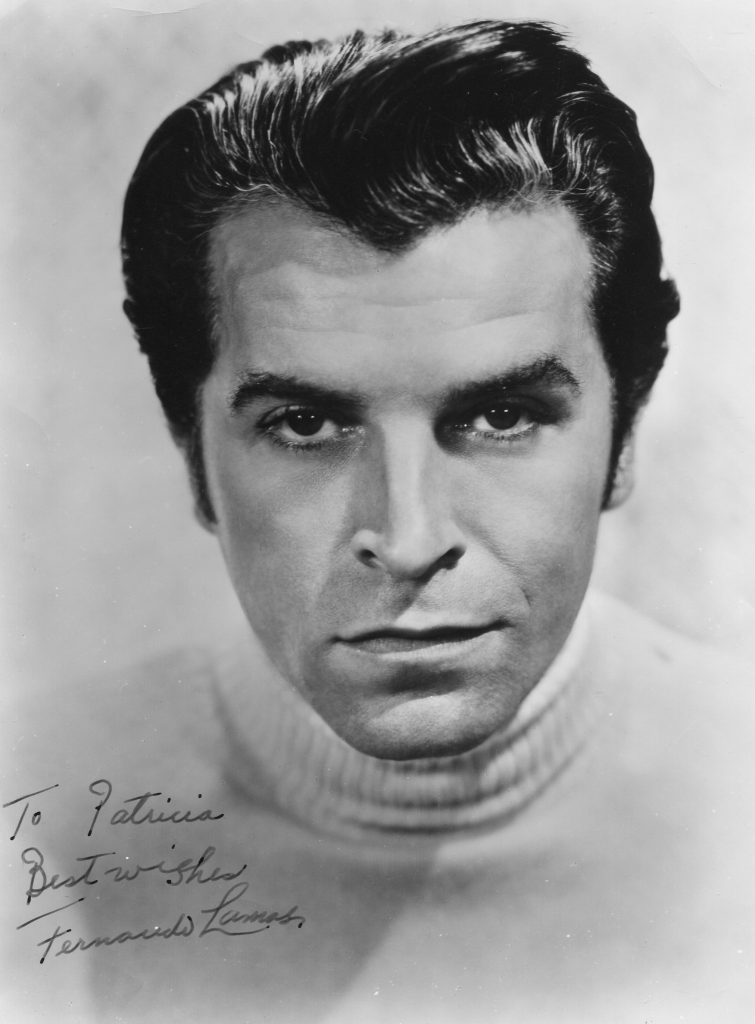
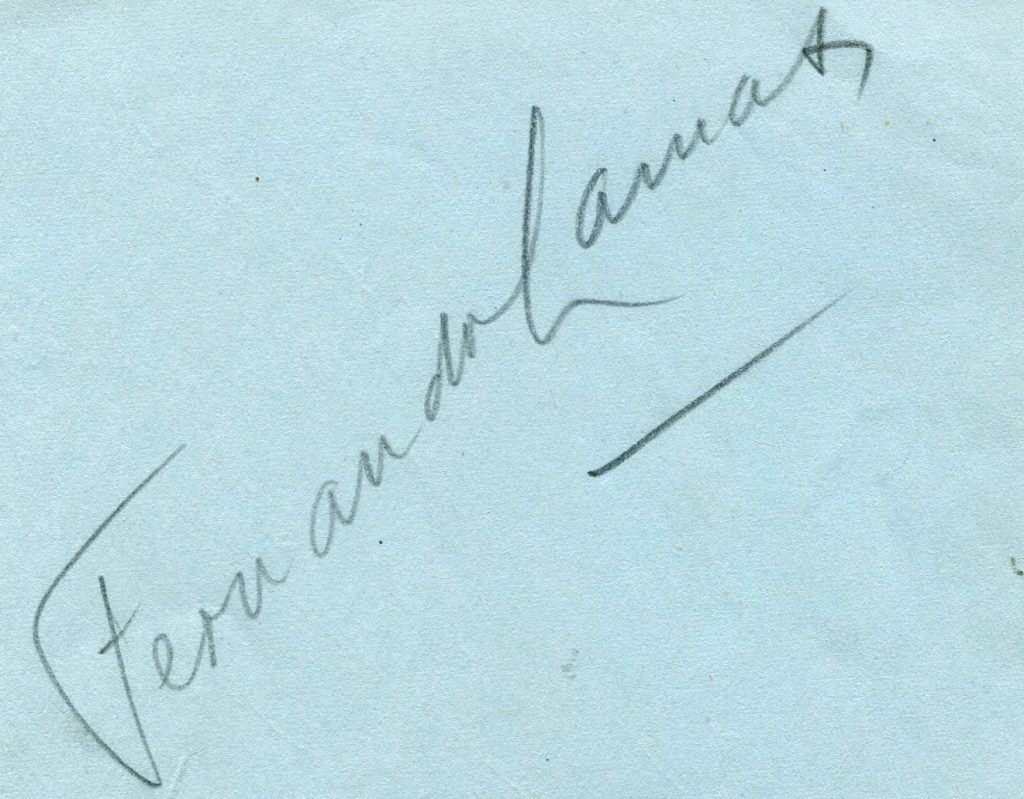
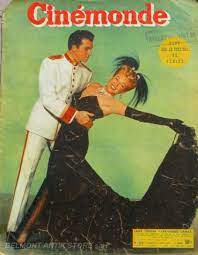
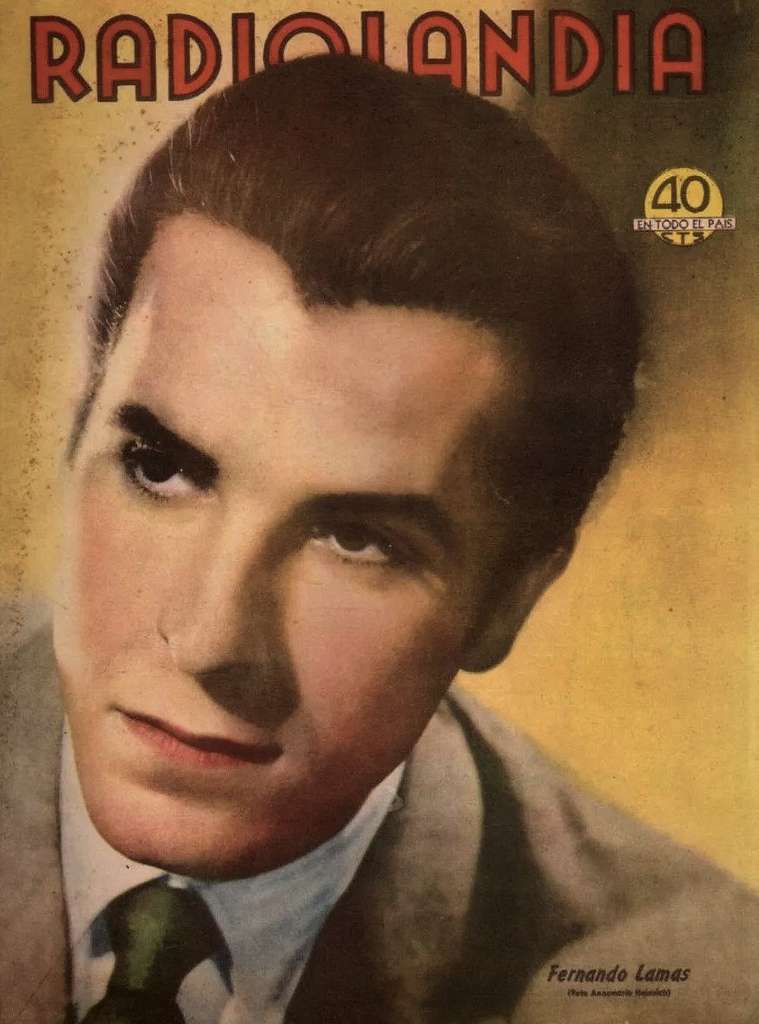
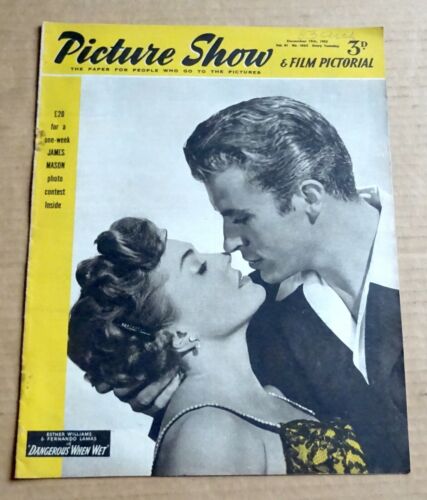
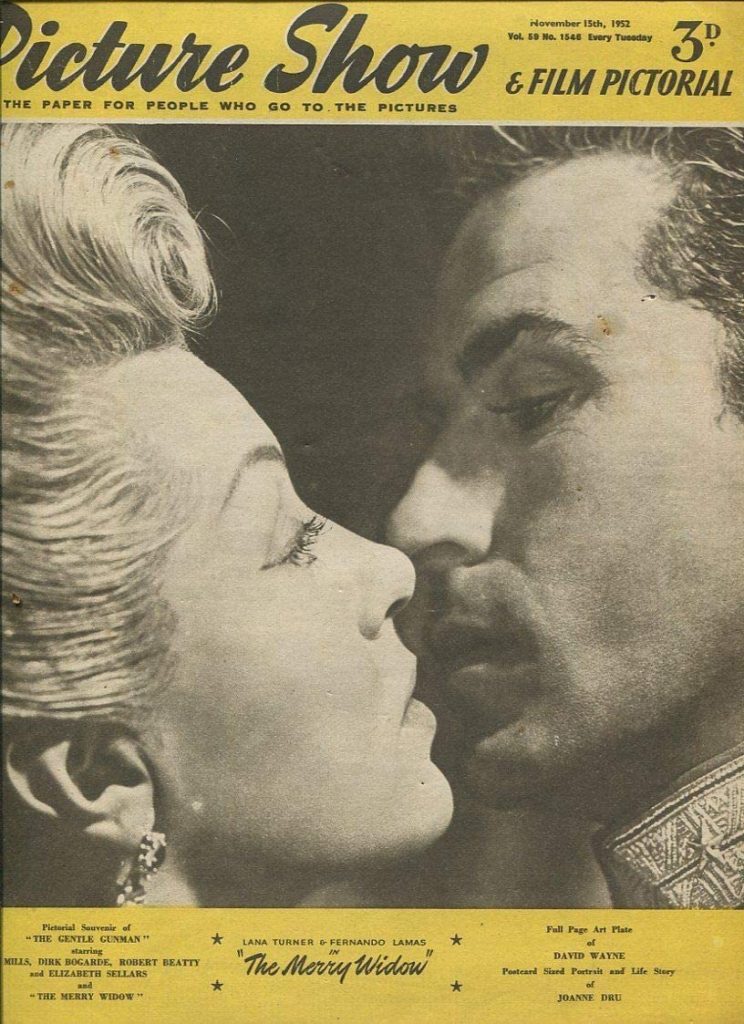
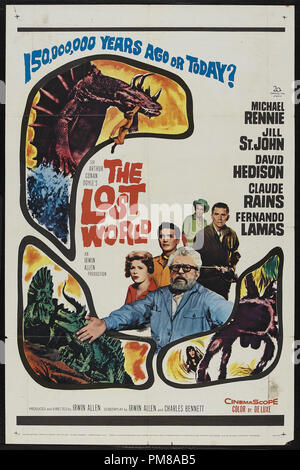
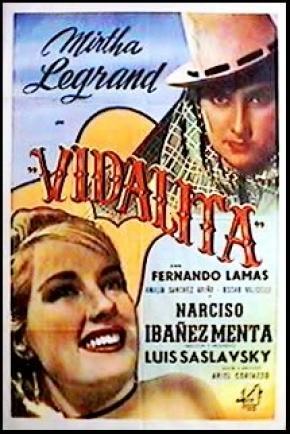
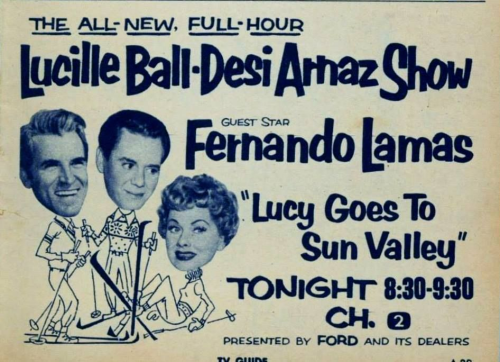
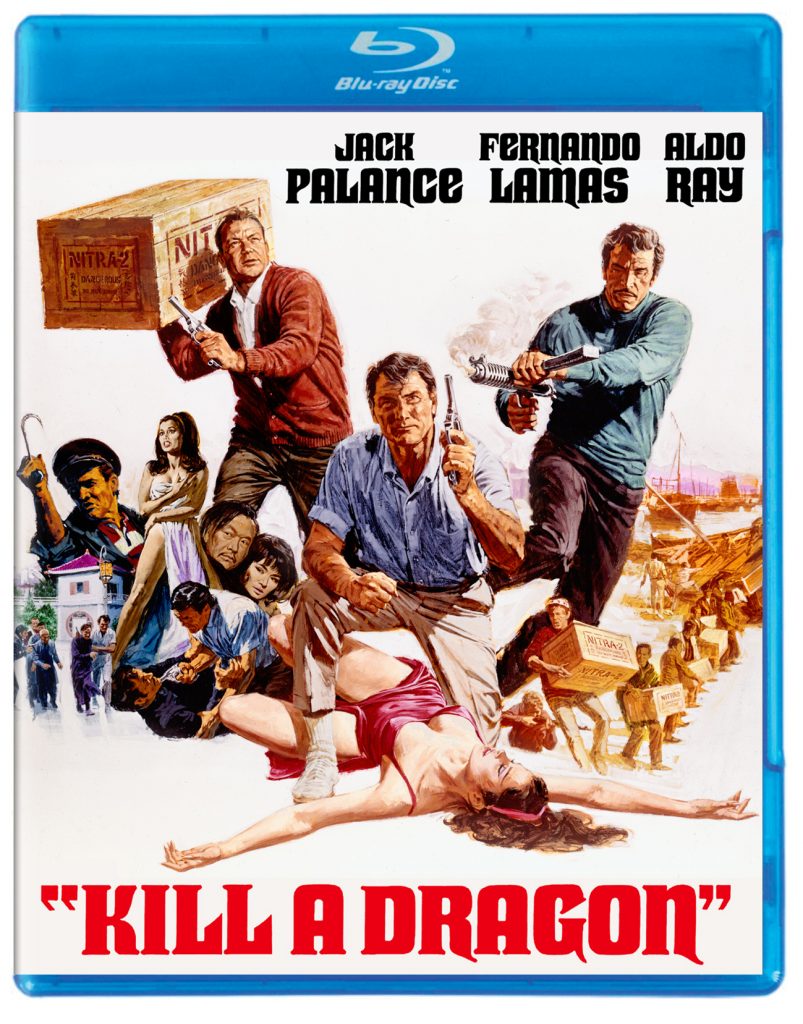
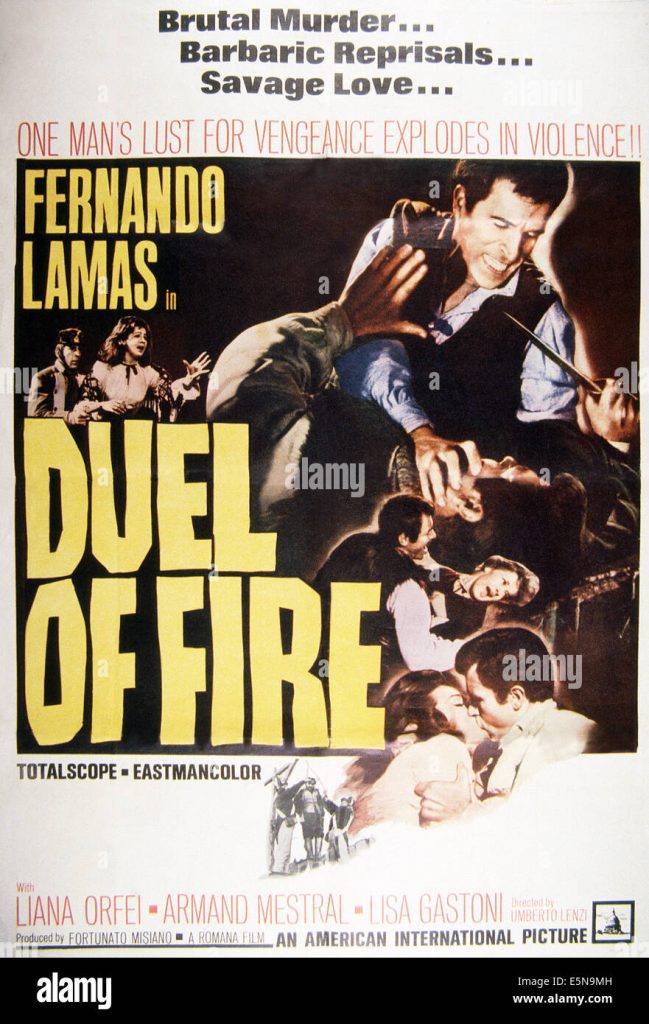
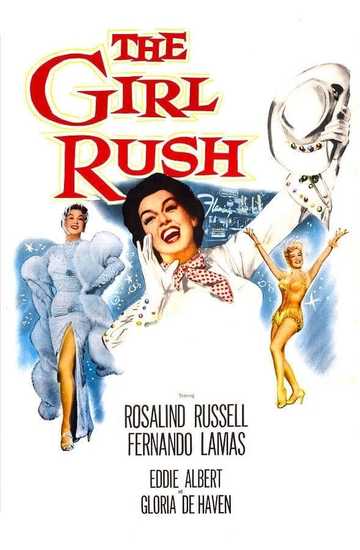
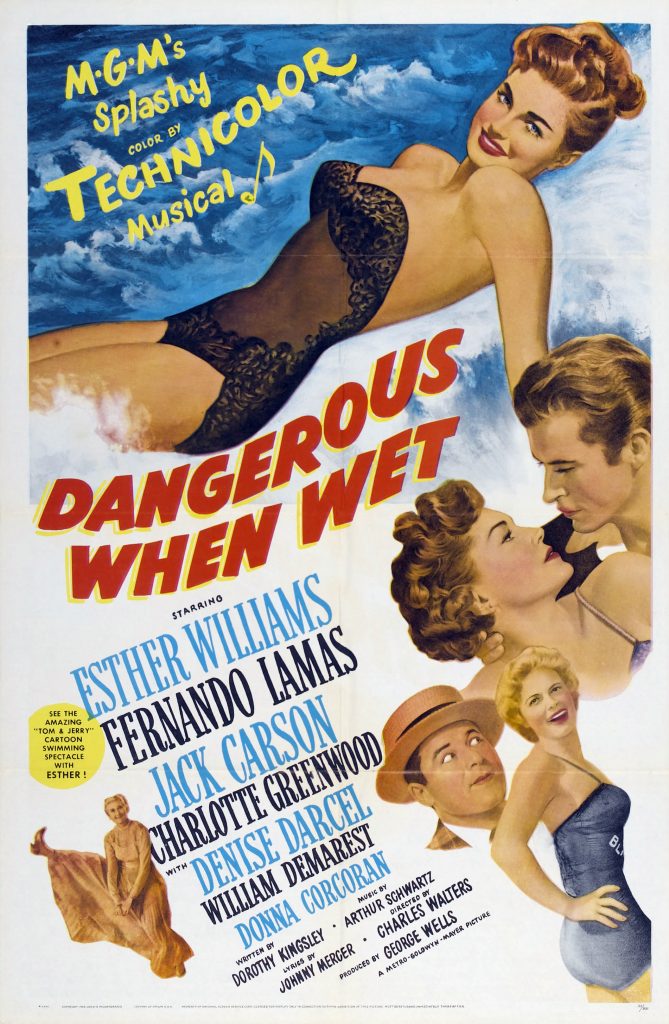
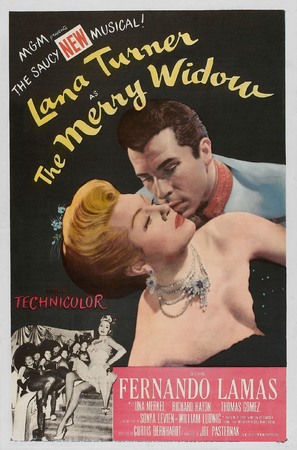
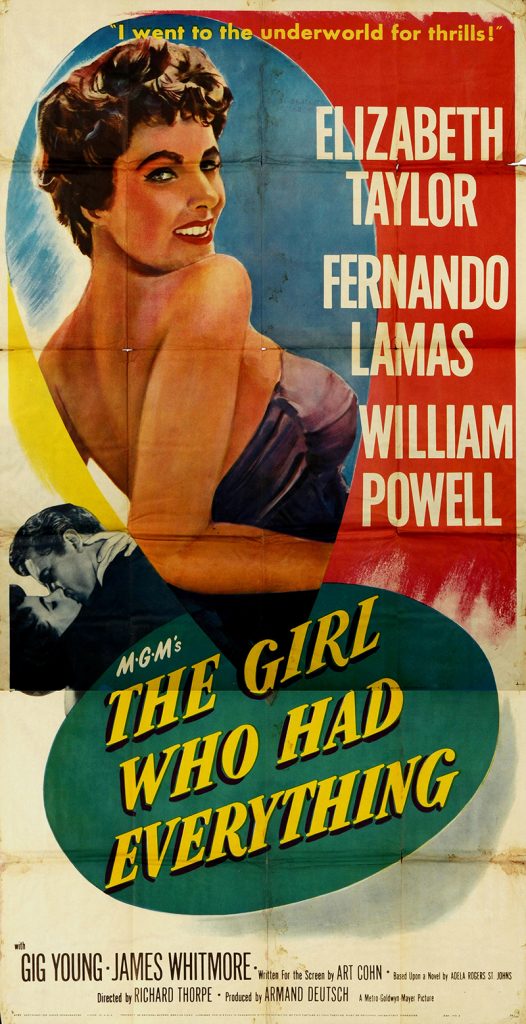
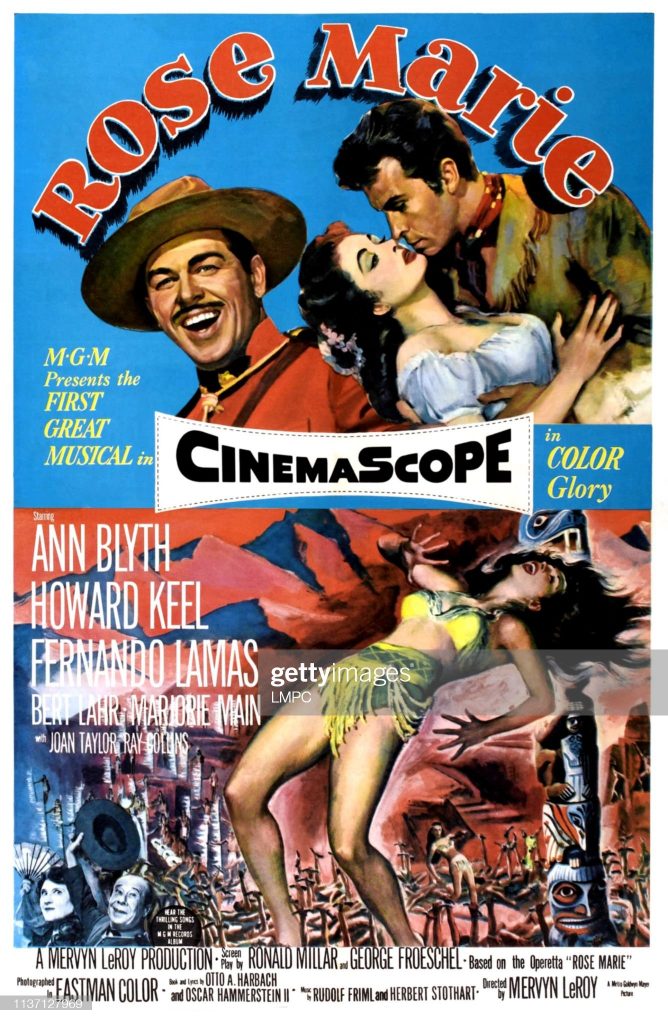
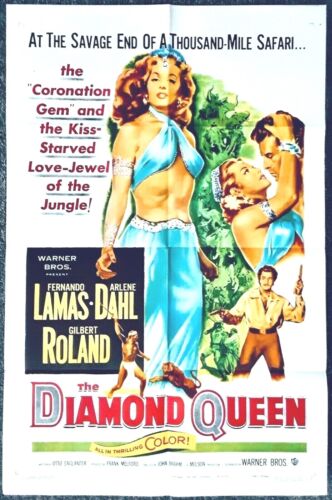
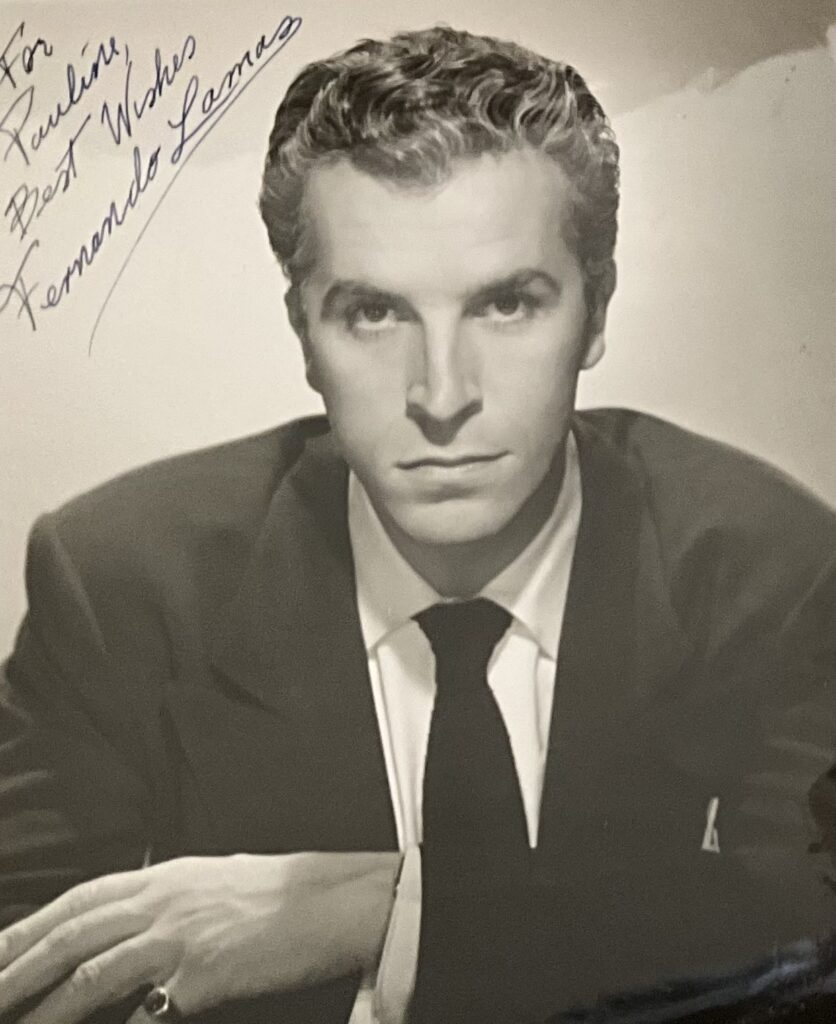
Fernando Lamas was born in 1915 in Buenos Aires, Argentina. He began his career acting in South American films and came to Hollywood in 1951 after he signed a contract with MGM. His films included “The Merry Widow” with Lana Turner, “Rose Marie” with Ann Blyth and “Dangerous When Wet”. In later years he moved to directing. Fernando Lamas was married to Esther Williams. He died in 1982. His son is the actor Lorenzo Lamas.
His IMDB entry:
Handsome, dapper Argentine-born actor who came to Hollywood as a romantic lead in several colourful MGM extravaganzas and then succeeded in living up to his Latin Lover image in real life. Lamas studied drama at school in his native country and later enrolled in a law course at college. His strong leaning towards athletic pursuits prevailed and he abandoned his studies to take up horse riding, winning trophies fencing and boxing (middleweight amateur title) and becoming the South American Freestyle Swimming Champion of 1937. While still in his teens he appeared on stage, then on radio, and by the age of 24 in his first motion picture.
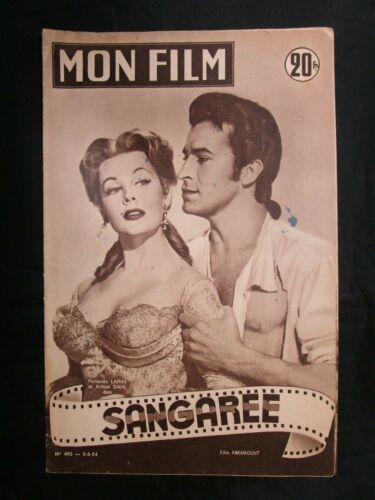
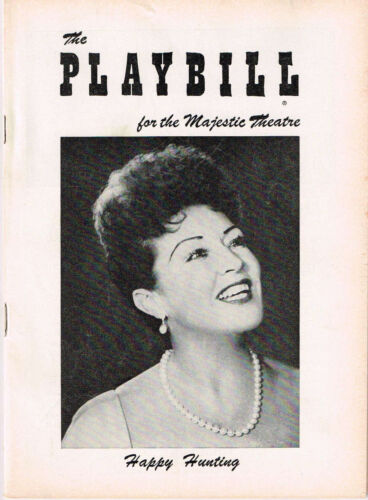
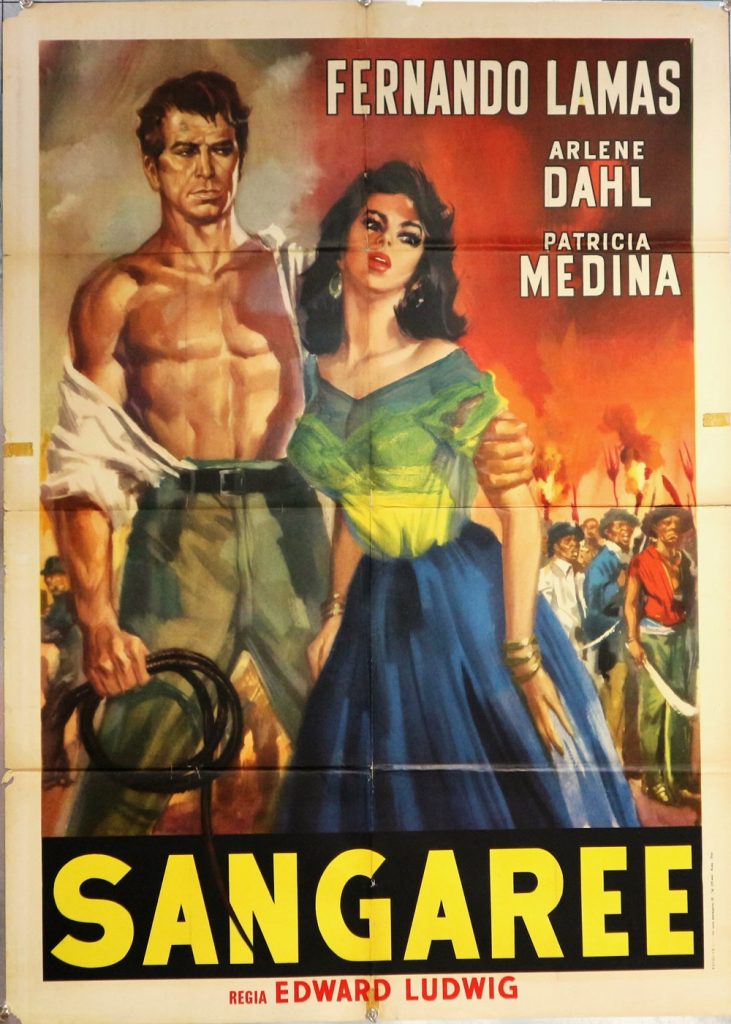
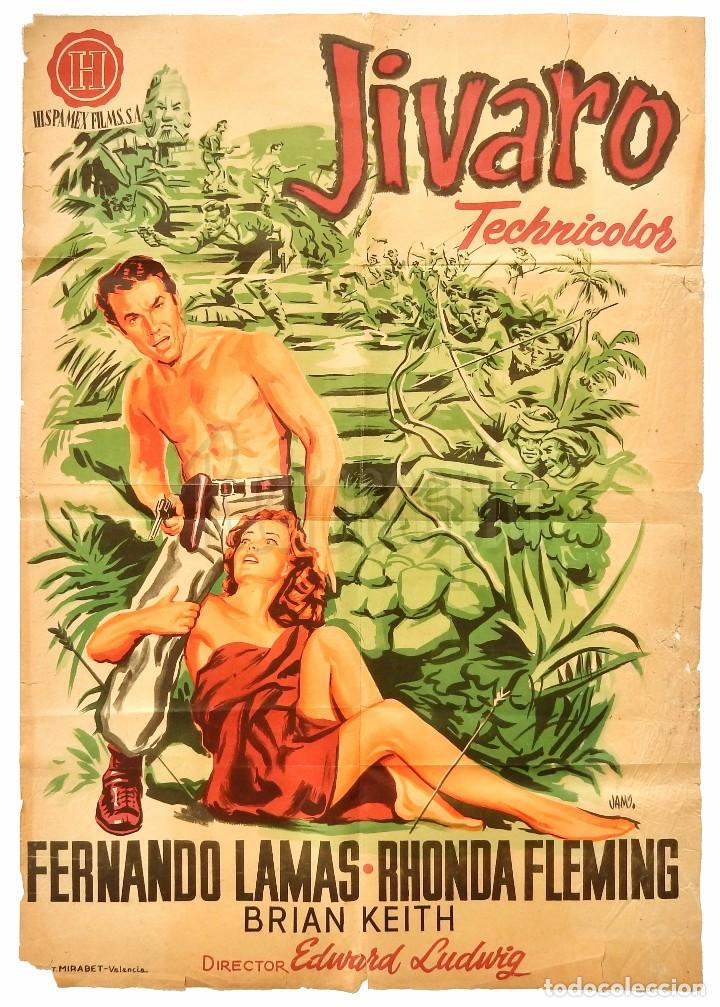
All this sporting publicity aroused interest in Hollywood and, in 1951, Lamas was signed by MGM to charm the likes of Lana Turner and Esther Williams in A-grade productions likeThe Merry Widow (1952) and Dangerous When Wet (1953). He also spent time ‘on loan’ to Paramount who featured him in several Pine-Thomas B-movies, such as the 3-D Technicolour Sangaree (1953) and Jivaro (1954). His sole appearance on Broadway was in the 1957 play ‘Happy Hunting’. There was considerable friction between him and co-starEthel Merman, both on and off-stage. Lamas was nonetheless nominated for a Tony Award as Best Actor, but had the misfortune of coming up against Rex Harrison’s Professor Higgins in ‘My Fair Lady’.
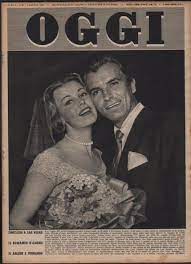
In real life, Lamas proudly lived up to his reputation as a ladies man. With two ex-wives back in Argentina, he conducted well-publicised affairs with most of his female co-stars, including one with Lana Turner which began while filming ‘The Merry Widow’. ActressArlene Dahl, who appeared with him in ‘Sangaree’ and The Diamond Queen (1953), became his third wife, and fellow swimming champion Esther Williams his fourth.
In 1963, Lamas directed the Spanish film ‘La Fuente Magica’, with himself and wife Esther Williams playing the lead roles. From then on, he began to concentrate on television, alternating between acting (notable in a recurring role as playboy Ramon de Vega in Run for Your Life (1965) and directing episodes of shows like Mannix (1967),Alias Smith and Jones (1971), The Rookies (1972) and House Calls (1979).
– IMDb Mini Biography By: I.S.Mowis
The above IMDB entry can also be accessed online here.
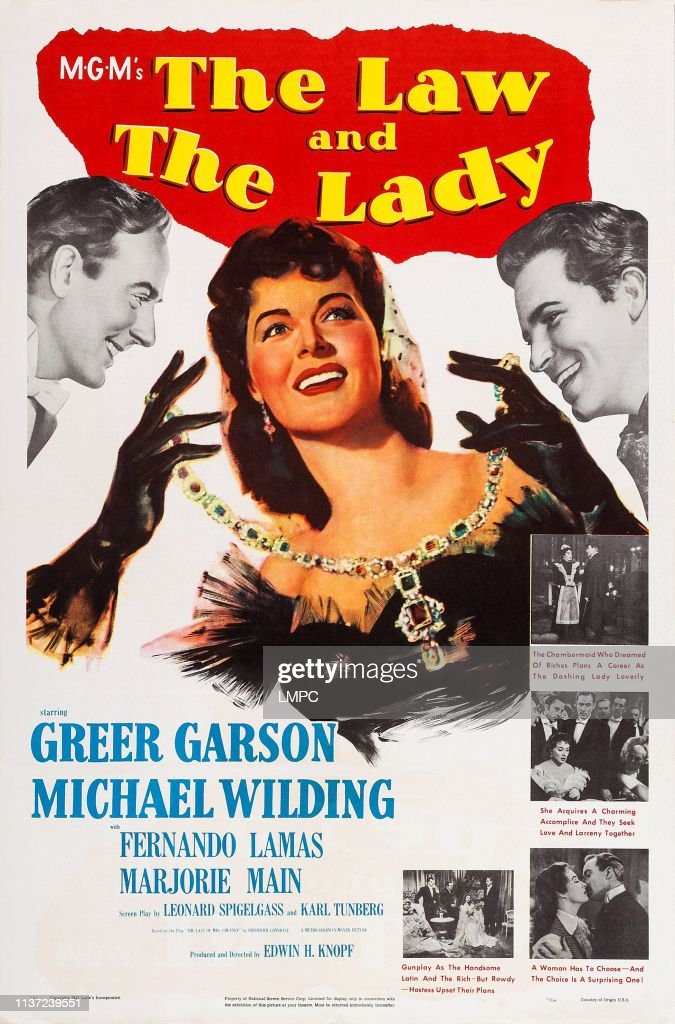
The Law And The Lady, poster, l-r: Michael Wilding, Greer Garson, Fernando Lamas on poster art, 1951. (Photo by LMPC via Getty Images)Rose Marie, poster, Howard Keel, Ann Blyth, Fernando Lamas, 1954. (Photo by LMPC via Getty Images)
Fernando Lamas (1915–1982) was the quintessential “Latin Lover” of mid-century Hollywood, but a critical look at his career reveals a far more complex figure: a world-class athlete, a Tony-nominated stage presence, and a prolific director who navigated the restrictive typecasting of the studio system.
While his public persona was often reduced to suave charm and “mahvelous” looks (famously parodied by Billy Crystal on SNL), Lamas’s work served as a bridge between the era of Rudolph Valentino and the more multifaceted Latinx representation of the late 20th century.
I. Career Overview: From Buenos Aires to Beverly Hills
The Argentine Star (1930s–1940s)
Before Hollywood, Lamas was a renaissance man in Argentina. He was a champion swimmer, fencer, and boxer. This physical discipline defined his early screen work in South America, where he was already a major leading man in films like The Story of the Tango (1949).
The MGM “Latin Lover” (1951–1960)
Signed by MGM in 1951, Lamas was positioned as a successor to Ricardo Montalbán. He became the studio’s primary exotic romantic interest, often paired with “aquatic” star Esther Williams (his future wife) and Lana Turner. Key films included:
The Merry Widow (1952): Solidified his status as a romantic lead.
Dangerous When Wet (1953): Highlighted his chemistry with Esther Williams and his physical prowess.
Transition to Director and TV (1960s–1982)
As the “Latin Lover” trope faded, Lamas pivoted. He found a second career as a director, helming episodes of gritty 1970s television shows like Starsky & Hutch, Mannix, and Falcon Crest.
II. Critical Analysis: The Mask of Suavity
1. Navigating the “Latin Lover” Trope
Critics often analyze Lamas through the lens of hyper-masculinity. Unlike earlier “Latin Lovers” who were often portrayed as soft or overly poetic, Lamas brought a grounded, athletic edge to the role.
The Paradox: While his roles were often shallow—focusing on his accent and physique—his performances were noted for a high degree of technical professionalism. He didn’t just “play” the heartthrob; he leaned into the artifice of the role with a self-aware wink that predated modern meta-acting.
2. Stage Presence and the 1957 Tony Nomination
His most critically respected acting work often occurred away from the cameras. In the 1956 Broadway musical Happy Hunting, he starred opposite the legendary Ethel Merman.
The Performance: Despite a notoriously volatile off-stage relationship with Merman, Lamas earned a Tony nomination for Best Actor in a Musical. Critics praised his vocal range and his ability to command the stage against Merman’s “powerhouse” style, proving he had the chops of a legitimate theatrical performer.
3. Directorial Realism
Lamas’s work as a director is where his “critical” legacy is most surprising.
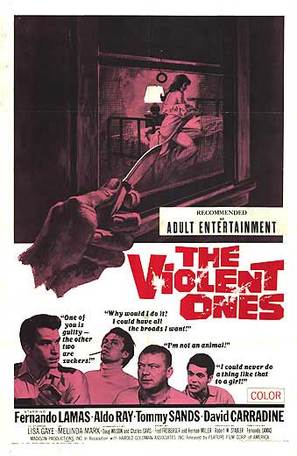
Style: His directorial style was remarkably un-glamorous. In films like The Violent Ones (1967), which he directed and starred in, he explored racial tensions and social friction with a gritty, “New Hollywood” aesthetic.
Legacy in TV: His work on Starsky & Hutch is cited for its pacing and visual storytelling, demonstrating that he possessed a deep technical understanding of the medium that far exceeded his “pretty boy” reputation.
III. Major Credits and Cultural Impact
Era
Work
Role / Credit
Critical Note
Film
The Merry Widow (1952)
Count Danilo
The peak of his MGM “heartthrob” era.
Stage
Happy Hunting (1956)
Duke of Granada
Proved his legitimacy as a Broadway star.
Film
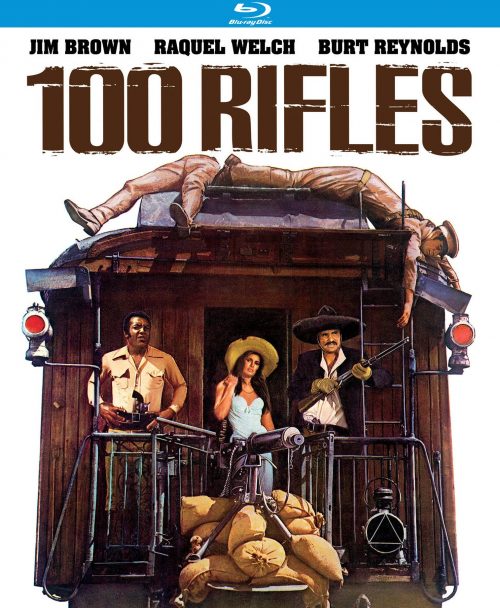
100 Rifles (1969)
Gen. Verdugo
Transitioned into more rugged, character-based roles.
TV
Run for Your Life (1965–68)
Ramon de Vega
A recurring role that utilized his aging-playboy charm.
Directing
Starsky & Hutch (1975–78)
Director
Showcased his talent for action and urban grit.
Final Reflection
Fernando Lamas’s greatest achievement was perhaps his longevity. He successfully survived the collapse of the studio system that birthed him, transforming himself from a decorative “exotic” actor into a respected craftsman behind the scenes. He is a rare example of a star who was fully aware of his “trope” and used it as a springboard rather than a prison.
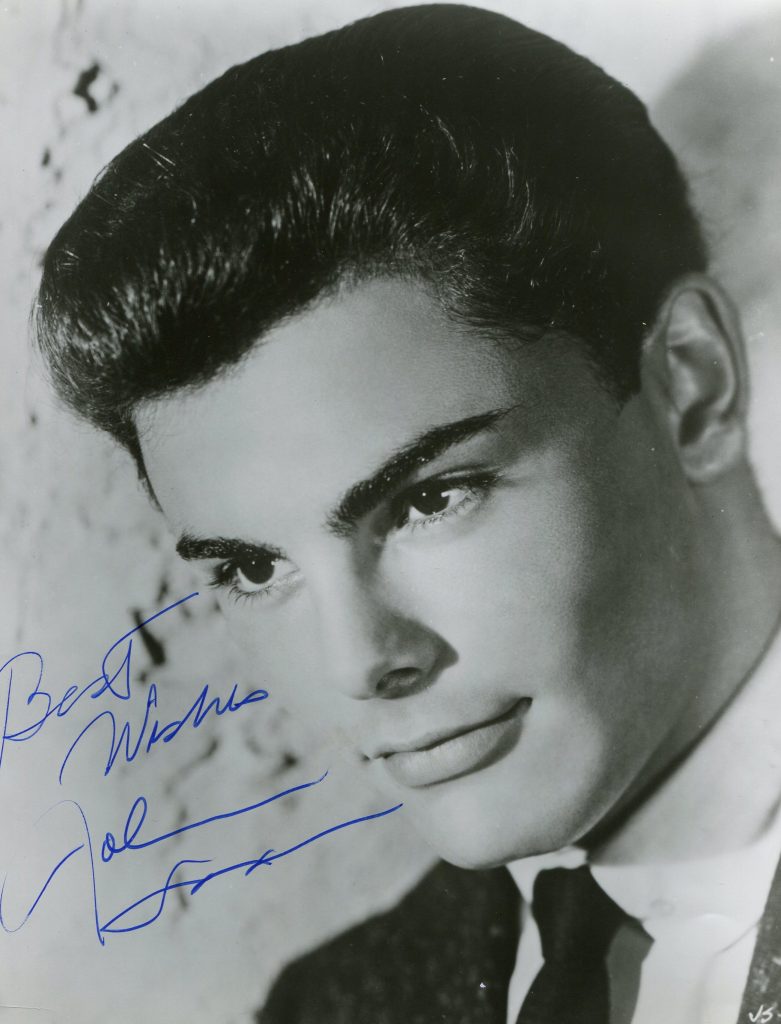
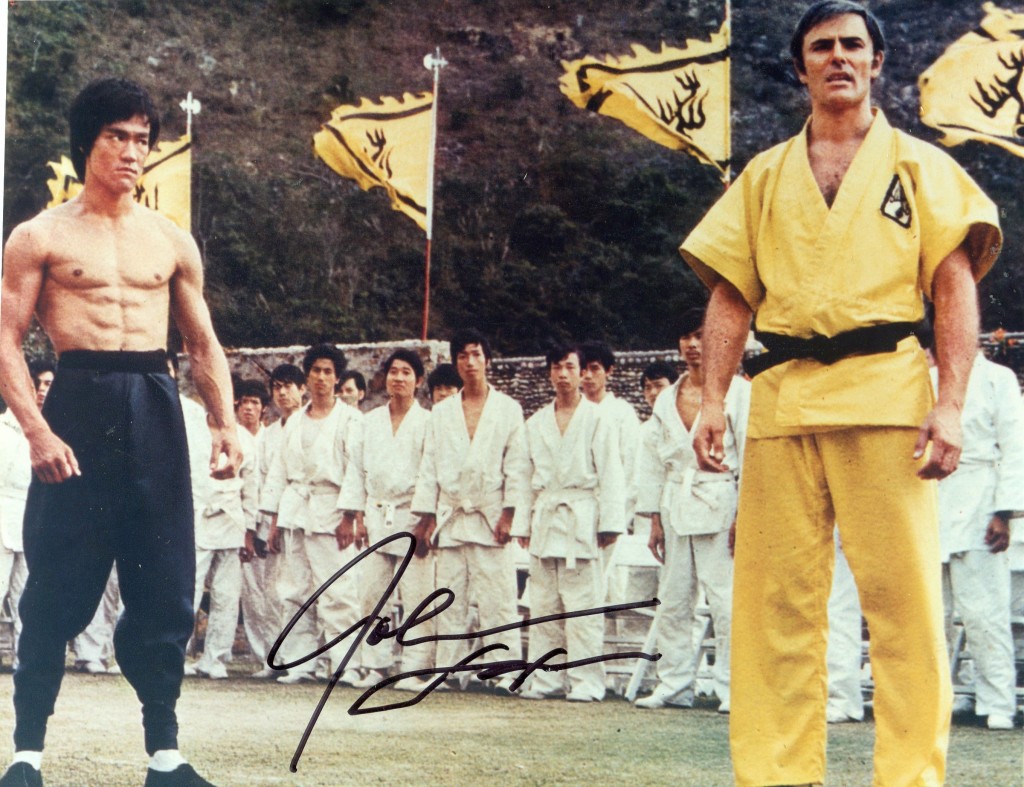
John Saxon, the actor, who has died aged 83, was probably best-known for his role as the martial artist Roper in Enter the Dragon (1973), Bruce Lee’s final film and the one which made him a star beyond Asia.
By then, Saxon had already tasted stardom himself, and though often still cast for his handsome looks he was leaving behind his years as a leading man to become more of an authority figure character actor. Paradoxically, this ultimately enabled him to show the range of which he was capable in what proved, for a teen idol of the 1950s, a notably long career.
Spotted by a scout coming out of a cinema in Times Square when he should have been in high school, Saxon began as a photographic model. The agent Henry Willson, who promoted good-looking “beefcake” actors such as Rock Hudson, soon noticed a magazine shot of Saxon. Within days, he had a Hollywood contract – though as he was under age his parents signed it for him.
A brief early part was as an usher in the Judy Garland version of A Star is Born (1954). A strong performance as a stalker, of Esther Williams, in The Unguarded Moment (1955) raised his profile, and by the time he was paired with Sandra Dee in The Restless Years (1957) he was receiving 3,000 fan letters a week.
The following year, he shared the Golden Globe award for New Star with James Garner, and appeared with Dee and Rex Harrison in The Reluctant Debutante, and opposite Debbie Reynolds in This Happy Feeling, directed by Blake Edwards.
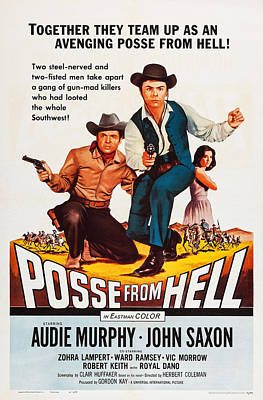
Saxon – a stage name – was of Italian descent, and his looks allowed him in the Hollywood of the day to be cast as many races, notably as a Mexican outlaw in The Appaloosa (1966), with Marlon Brando, for which Saxon was nominated for a Golden Globe. He was also teamed with Clint Eastwood in Joe Kidd (1972).
This Happy Feeling, poster, US poster art, from left: Debbie Reynolds, John Saxon, Curd Jurgens, 1958. (Photo by LMPC via Getty Images)HyperFocal: 0
The following year came Enter the Dragon, in which Saxon – who had studied some judo and karate – had top billing as a gambler forced by debt to take part in a deadly martial arts tournament on a mysterious island.
Saxon’s standing was such that the script was changed to accommodate his wish that his character, rather than Jim Kelly’s black karate champion, survives the film. Yet while it was Lee’s charisma and skills which made the picture a colossal hit, Saxon was able to display some of the charm and self-deprecating wit that in other circumstances might have made him a bigger star.
The eldest of three children, he was born Carmine Oricco in Brooklyn on August 5 1936. His father was a painter and decorator, and as a boy Saxon worked on the fairground stalls at Coney Island.
From the 1970s onwards, he appeared mainly on television, for instance as a recurring character in The Six Million Dollar Man and The Bionic Woman. He also had spells in Falcon Crest and Dynasty, and guest-starred in shows such as Starsky & Hutch and The A-Team.
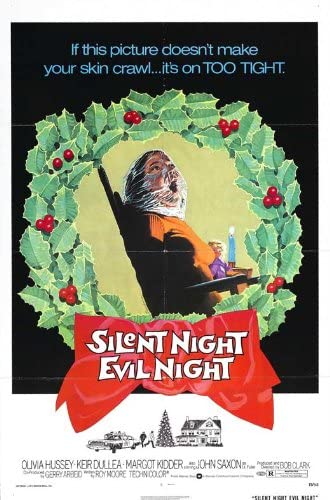
On the big screen in that era, he was perhaps best remembered as the father of Freddy Krueger’s adversary Heather in the Nightmare on Elm Street series of horror films. Saxon had been seen over the years in several Italian horror films, or gialli, working with directors such as Mario Bava and Dario Argento, and it became one of his favourite genres. He also featured, with Dennis Hopper, in Roger Corman’s Queen of Blood (1966).
His final roles included From Dusk Till Dawn (1996), which was co-written by Quentin Tarantino, and an episode of CSI directed by him.
John Saxon is survived by his third wife, Gloria, and by two sons.
David Brian was born in 1914 in New York City. He was signed to a contract by Warner Brothers in 1949 and starred opposite Joan Crawford in “The Damned Don’t Cry. His other films include “The High and the Mighty” in 1954 with John Wayne and “The Rare Breed” with James Stewart and Maureen O’Hara. He was married to Adrian Booth. David Brian died in 1993 at the age of 78.
IMDB entry:
New Yorker, who, after schooling at City College, found work as a doorman, before entering show business with a song-and-dance routine in vaudeville and in night clubs. He did a wartime stint with the Coast Guard and returned to acting on the New York stage after the war. Persuaded by Joan Crawford to try his hand at film acting, he joined her in Hollywood and, in 1949, signed a contract with Warner Brothers. In his feature debut, Flamingo Road (1949), he played a political boss infatuated with Crawford’s carnival girl. Brian’s most critically acclaimed performance was as the fair-minded, resourceful Southern lawyer defending condemned, but innocent Juano Hernandez from a vicious, bigoted lynch mob, in Intruder in the Dust (1949). For this role, he was nominated for a Golden Globe Award as Best Supporting Actor.
Brian portrayed a powerful gang leader in The Damned Don’t Cry (1950), again opposite Crawford. In spite of his commanding presence in the film, his performance was somewhat compromised by a cliche-laden script. In This Woman Is Dangerous (1952), it was Crawford who played the criminal, and Brian the role of her insanely jealous paramour. For the remainder of the decade and into the 1960’s, Brian played an assortment of western heavies on the big screen notably raider leader Austin McCool in Springfield Rifle (1952) and saloon owner Dick Braden in Dawn at Socorro (1954) – and did the same with equal verve on television, in Gunsmoke (1955). An incisive actor with sardonic looks and a hard-edge to his voice, Brian was more often than not typecast as ruthless or manipulating types. Somewhat against character, he essayed a weakling in the ground-breaking airborne drama The High and the Mighty (1954).
On the right side of the law, he starred as crusading D.A. Paul Garrett in his own courtroom drama series, Mr. District Attorney (1954), reprising his earlier role on radio. In 1968, he also made a contribution to Star Trek (1966), as John Gill, a Federation cultural observer on the planet Ekos, whose experiment in creating a government based on National Socialist principles goes disastrously wrong.
In private life, Brian was a noted fundraiser for the Volunteers of America, a well-known non-profit charitable organisation.
– IMDb Mini Biography By: I.S.Mowis
The above IMDB entry can also be accessed online here.
David Brian (1914–1993) was an American actor whose career is a fascinating study in the “authoritative heavy.” While he began as a song-and-dance man in vaudeville, he transitioned into a screen persona defined by a towering physical presence, a hard-edged voice, and a cynical, sophisticated air that made him one of the most effective noir antagonists of the late 1940s and early 1950s.
1. The Joan Crawford Connection & Warner Bros. Debut
Brian’s film career was famously jumpstarted by Joan Crawford, who discovered him and insisted Warner Bros. sign him. This partnership defined his early critical standing.
Flamingo Road (1949): In his debut, he played Dan Reynolds, a political boss.
Critical Analysis: Brian bypassed the usual “learning curve” for new actors. Critics noted he possessed an immediate, seasoned gravitas. He didn’t play the “heavy” with thuggery; instead, he used a “refined ruthlessness” that made him a believable romantic interest for Crawford while maintaining his status as a formidable power player.
The Damned Don’t Cry (1950): Playing George Castleman, a sophisticated crime syndicate leader.
Analysis: This is arguably his most iconic “villain” role. Brian utilized a “lizard-like stillness”—often reclining and watching his costars with a smug, detached intensity. Critics praised his ability to blend “oily” charm with genuine sadism, providing a perfect foil to Crawford’s high-octane emotionalism.
2. The High-Water Mark: Intruder in the Dust (1949)
Despite his reputation for playing “cads,” Brian’s most critically acclaimed work was a departure into heroism.
The Role: John Gavin Stevens, a Southern lawyer defending a Black man (Juano Hernandez) against a lynch mob in this Faulkner adaptation.
Critical Analysis: Brian received a Golden Globe nomination for this performance. He was lauded for his resourceful, fair-minded portrayal, stripping away his usual sardonic edge to play a man of quiet, moral steel. His performance is often cited by historians as a vital piece of “social realism” in post-war cinema, proving he could lead a prestige drama with intellectual weight.
3. Genre Transition: Westerns and Television
As the noir era faded, Brian’s “hard-boiled” persona translated seamlessly into the Western genre and the burgeoning medium of television.
Springfield Rifle (1952) & The Rare Breed (1966): He became a staple “Western Heavy,” often playing the corrupt landowner or the raider leader.
Analysis: In these roles, he leaned into his vocal authority. His voice—described by critics as having a “sardonic rasp”—allowed him to dominate scenes even when sharing the screen with legends like Gary Cooper or John Wayne.
Mr. District Attorney (1954–1955): Brian moved to the “right side of the law” as the lead in this popular series.
Analysis: This role solidified his image as a pillar of the establishment. He brought a “crusading intensity” to the character, though some critics argued his natural “edge” was somewhat softened by the repetitive nature of 1950s procedural television.
Critical Analysis of Acting Technique
Technique
Execution
Impact
Sophisticated Menace
Combined high-fashion tailoring with a cold, unblinking gaze.
Redefined the “gangster” from a street thug to a corporate shark.
Voice as a Tool
Utilized a crisp, rhythmic delivery with a hint of a sneer.
Made him exceptionally effective in “talky” courtroom or political dramas.
Physical Stature
At 6’3″, he used his height to loom over costars without being overtly aggressive.
Created a sense of “passive dominance” that made his characters feel untouchable.
Ensemble Foil
He was a “reactive” actor, specifically tailored to balance out “high-strung” leading ladies.
His groundedness made the melodramatic performances of stars like Bette Davis and Joan Crawford feel more realistic.
Key Career Milestones
Golden Globe Nominee: Best Supporting Actor for Intruder in the Dust (1949).
Star Trek Iconography: Played John Gill in the 1968 episode “Patterns of Force,” a role that utilized his “authoritative figure” persona to explore the dangers of absolute power.
Hollywood Walk of Fame: Received a star in 1960 for his contributions to television.
Legacy Summary: David Brian was the “Suave Enforcer” of mid-century cinema. While he possessed the range for heroic drama (as seen in Intruder in the Dust), his greatest contribution was the creation of a literate, well-dressed villainy. He was the actor you hired when the antagonist needed to be just as smart, just as charming, and twice as dangerous as the hero.
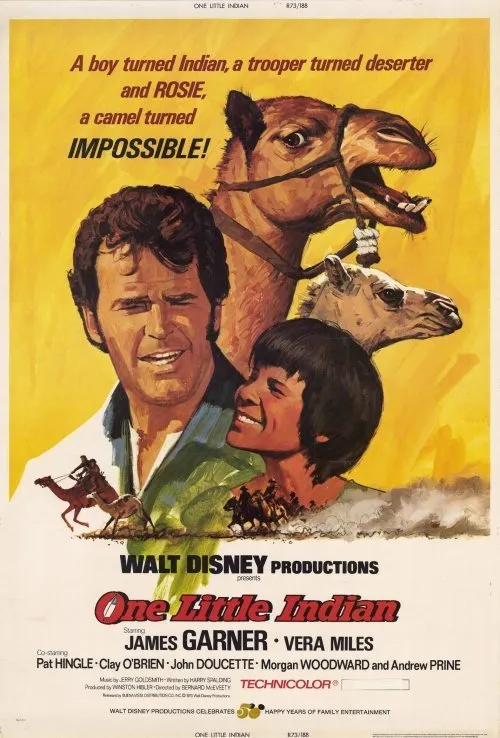
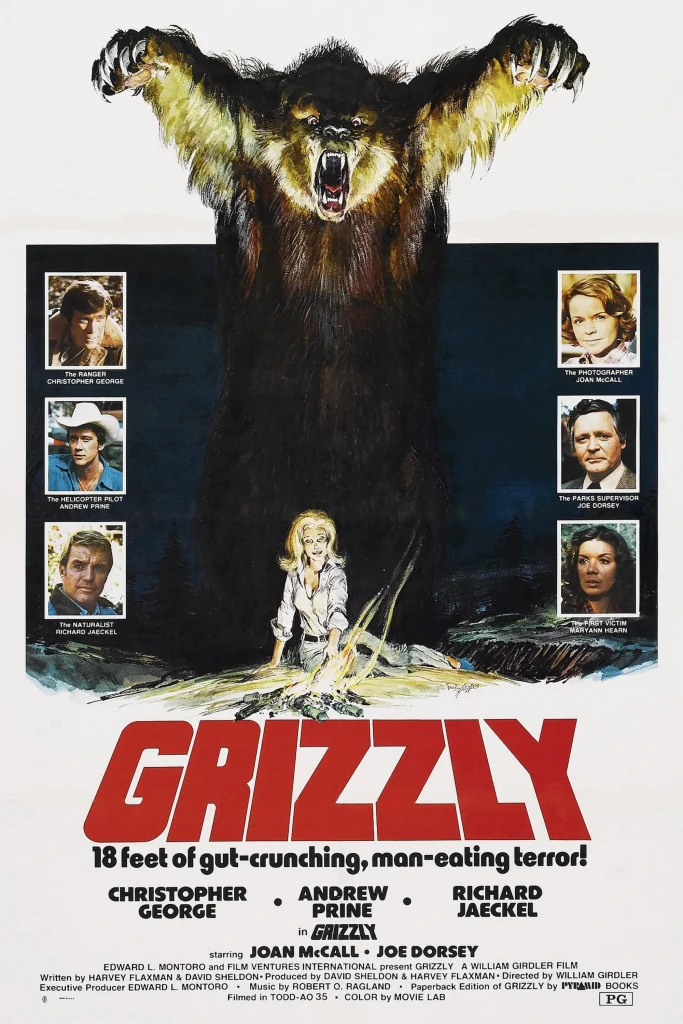
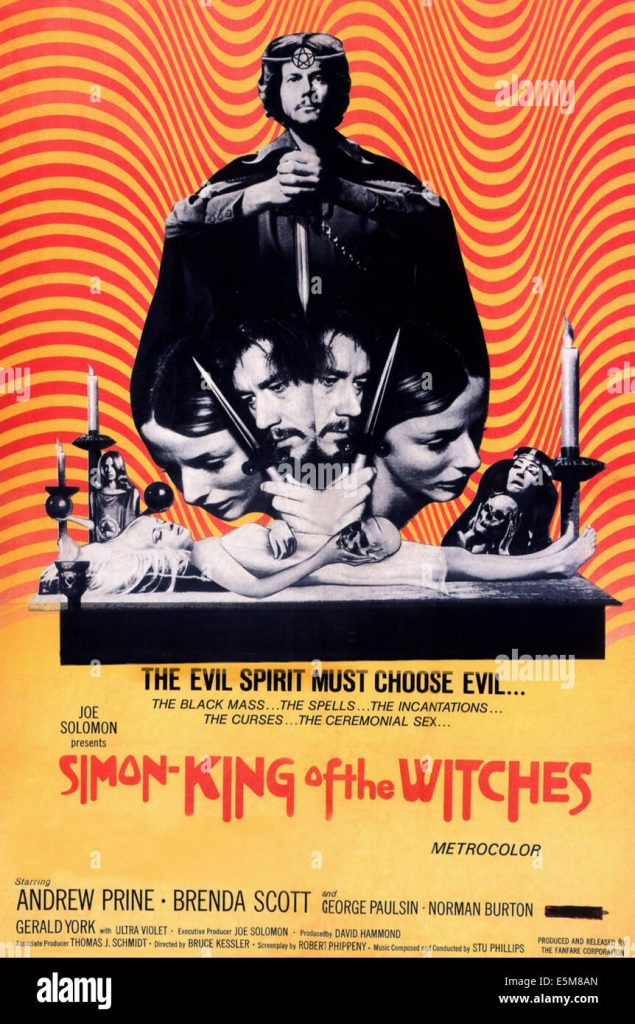
Andrew Prine was born in 1936 in Florida. He appeared in the 1959 Broadway production of Thomas Wolfe’s “Look Homeward Angel”. In 1962 he starred on television with Earl Holliman in the series “The Wide Country”. His films include “Texas Across the River” in 1966, “The Devil’s Brigade”and “Chisum” in 1970 with John Wayne. He has starred and guest starred on most of the major television series over the past 40 years.
Appearing on Broadway, Andrew Prine soared to recognition in the leading role of the Pulitzer Prize winning play, Look Homeward Angel, and in his film role in the Academy award winner, The Miracle Worker (1962). He has worked with Hollywood legends such as John Wayne, Jimmy Stewart, William Holden, Glenn Ford, Dean Martin, Ben Johnson, Carl Reiner, Raquel Welch, and Anne Bancroft. When Westerns were king on television, he was the frequent guest star almost every week on the all the shows.
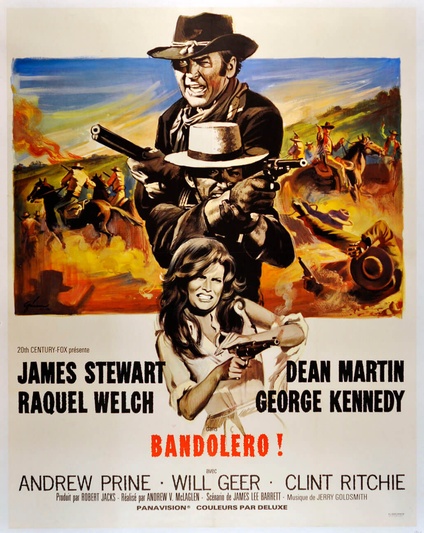
His appearance in Western theatrical feature films include Chisum (1970), Bandolero! (1968), Texas Across the River (1966), and Gettysburg (1993). Not only appearing on television in war dramas, Prine had to learn to ski while filming The Devil’s Brigade (1968), shot in Italy with an all star cast that included William Holden, Cliff Robertson, Richard Jaeckel and Claude Atkins. Andrew starred in several television series, beginning with Earl Holiman in the series,Wide Country (1962), and joined forces with Barry Sullivan in, The Road West(1966), and in W.E.B. (1978), he portrayed the network executive, Dan Costello.
Adept at comedy, he co-starred in the series, Room For Two (1992), and was featured in the cast of, Weird Science (1994). A member of the prestigious Actor’s Studio, Andrew’s work in theatre includes Long Day’s Journey Into Night with Charlton Heston and Deborah Kerr, The Caine Mutiny directed by Henry Fonda, and Sam Shepard’s Buried Child where he received his second Dramalogue Critics Award for Best Actor the leading role. Displaying his acting range by portraying a variety of characters in his long career, Andrew Prine has delighted fans of many genres; Westerns, Military, Science Fictions and Horror, and is considered one of Hollywood’s consummate actors.
– IMDb Mini Biography By: Author: Deborah Miller
The above IMDB entry cn also be accessed online here.
Andrew Prine died while on vacation in Paris at the age of 86.
Daily Star Trek News obituary in 2022:
NOVEMBER 7, 2022 – He was a self-described “working actor,” who made over 180 film and television appearances and “never met a film role [he] didn’t like.” Andrew Prine died of natural causes last Monday in Paris at the age of 86, according to The Hollywood Reprter.
Star Trek fans will remember Prine for his roles as the Tilonian military officer, Suna, in Star Trek: The Next Generation’s season six episode, “Frame of Mind” and as the Cardassian, Legate Turrel, in Star Trek: Deep Space Nine’s season three episode, “Life Support.”
Prine started out on Broadway, taking over for Anthony Perkins in Look Homeward Angel, about which he said, “Fortunately, I did Look Homeward for two years, and what I did while playing the lead and being paid was learn how to act. The stage manager came backstage every night with copious notes, and his job was to keep me on target. I learned how to act, really, on Broadway.”
He soon made his way to Hollywood after being scouted for a role in Wide Country, with Earl Holliman. He appeared in many westerns, both in film and on television, and received a Golden Boot Award in 2001. The Golden Boots were sponsored and presented by the Motion Picture & Television Fund from 1983 – 2007 to honor actors, actresses, and crew members who made significant contributions to the genre of Westerns in television and film.
Prine also made many appearances outside the western genre, ranging from Doctor Kildare and Gene Roddenberry’s The Lieutenant to the Weird Science TV series and Boston Legal.
Prine’s wife, actress-producer Heather Lowe, said of Prine, “He was the sweetest prince
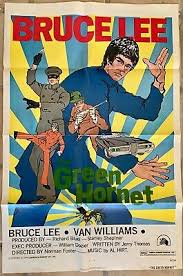
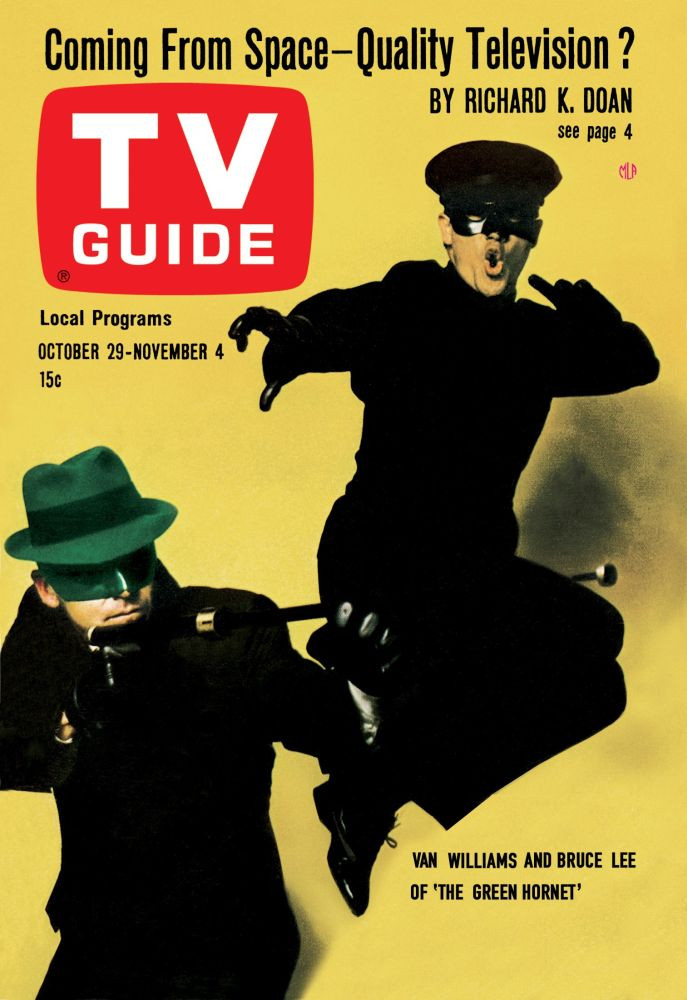
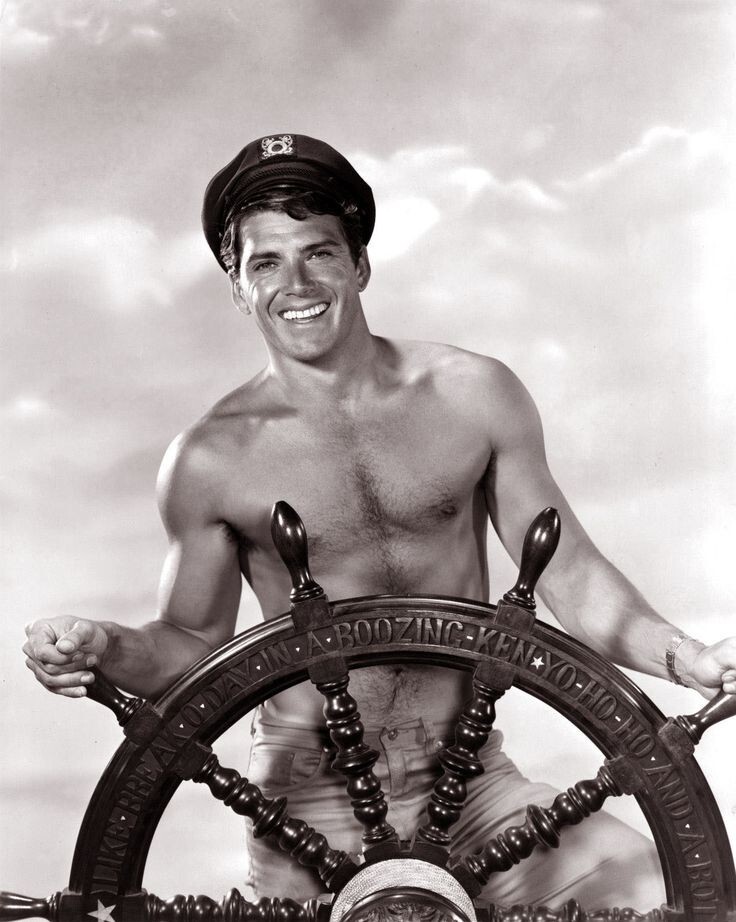
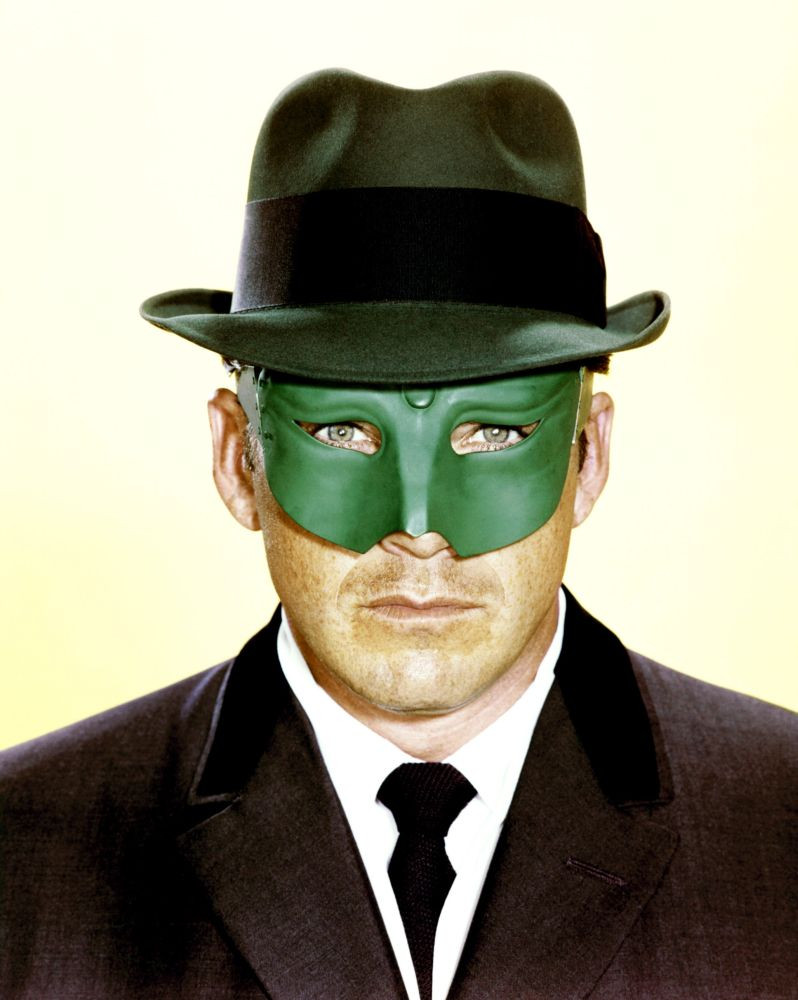
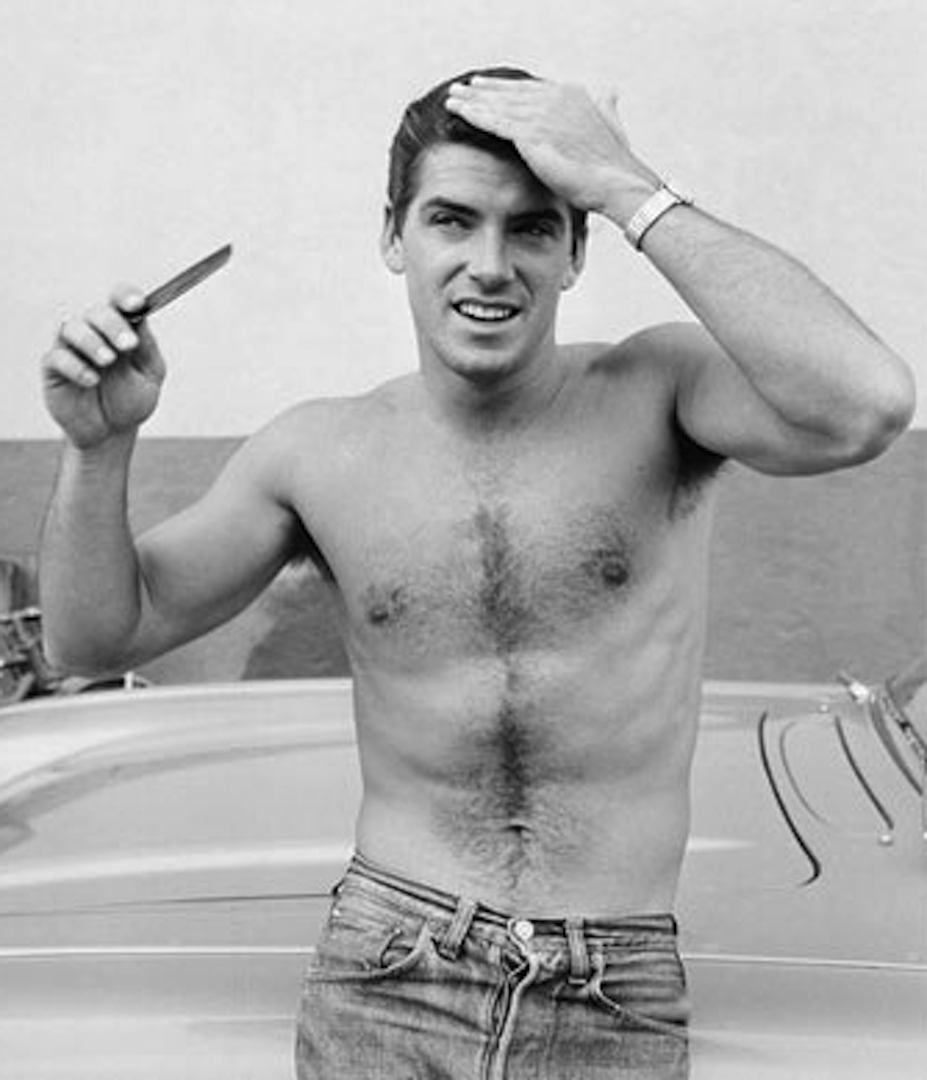
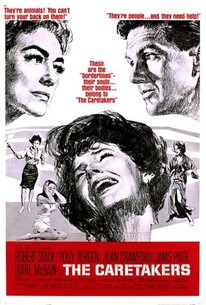
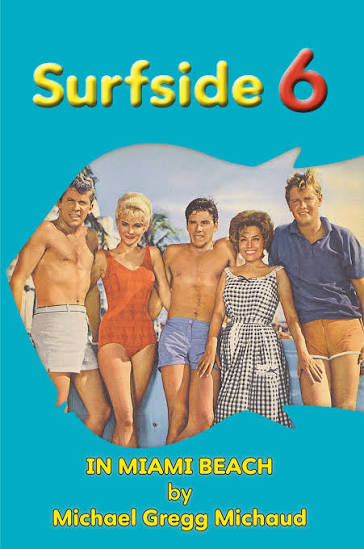
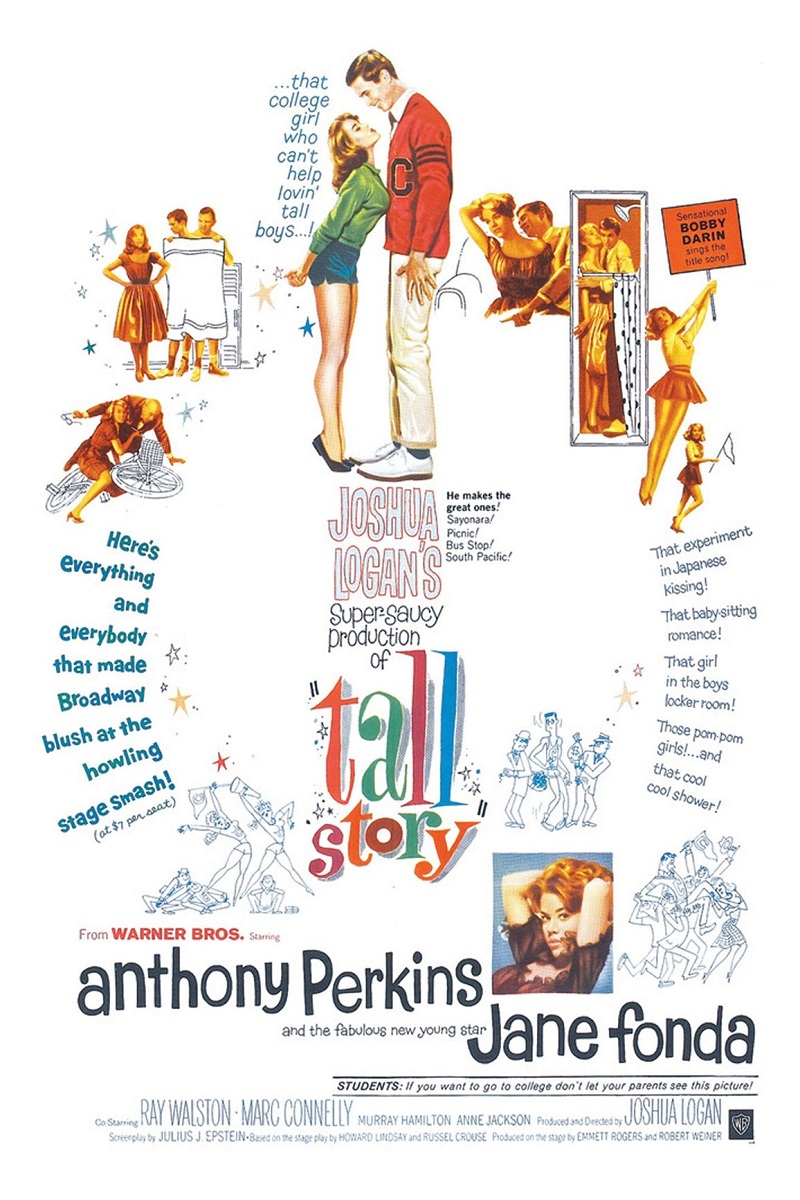
Van Williams was born in Fort Worth, Texas in 1934. He is best remembered for his role in the 1960’s television series “The Green Hornet” which also featured Bruce Lee. A prior television series of his was “Surfside Six” in 1960 which also featured Troy Donahue and Lee Patterson, all pictured above. His films include “Tall Story” and “The Caretakers”. He died in 2016 at the age of 82.
Gary Brumburgh’s entry:
You could shoehorn actor Van Williams right in there between the other tall, dark and drop-jaw gorgeous heartthrobs Tom Tryon and John Gavin of the late 1950s/early 1960s who conveyed a similar bland, heroic image. All three were too often given colorless heroes to play on film and/or TV — roles that played off their charm but seldom tested their talent.
Born on February 27, 1934 as Van Zandt Jarvis Williams, he was the son of a cattle rancher. He majored in animal husbandry and business at Texas Christian University but moved to Hawaii which changed the course of his life. While operating a salvage company and a skin-diving school during the mid-1950s, he was approached by Elizabeth Taylor and husband/producer Mike Todd, who were filming there. Encouraged by Todd to try his luck, Van arrived in Hollywood with no experience. Todd perished in a plane crash before he was able to help Van, but the young hopeful ventured on anyway, taking some acting/voice lessons, and was almost immediately cast in dramatic TV roles.
Warner Brothers had a keen eye for this type of photogenic hunk and smartly signed Van. Fitting in perfectly, he was soon showing just how irresistible he was as a clean-cut private eye on the series Bourbon Street Beat (1959). Although the show lasted only one season, Warners carried his Kenny Madison character into the more popular adventure drama Surfside 6 (1960) opposite fellow pin-up / blond beefcake bookend Troy Donahue. Series-wise, Van tried comedy next opposite Walter Brennan in The Tycoon (1964) . After his contract expired at Warners, 20th Century-Fox handed him his most vividly recalled part, that of the emerald-suited superhero The Green Hornet (1966) with the late Bruce Lee as his agile, Robin-like counterpart Kato. The show, inspired by the huge cult hitBatman (1966) enjoyed a fast start but, like its predecessor, met an equally untimely finish.
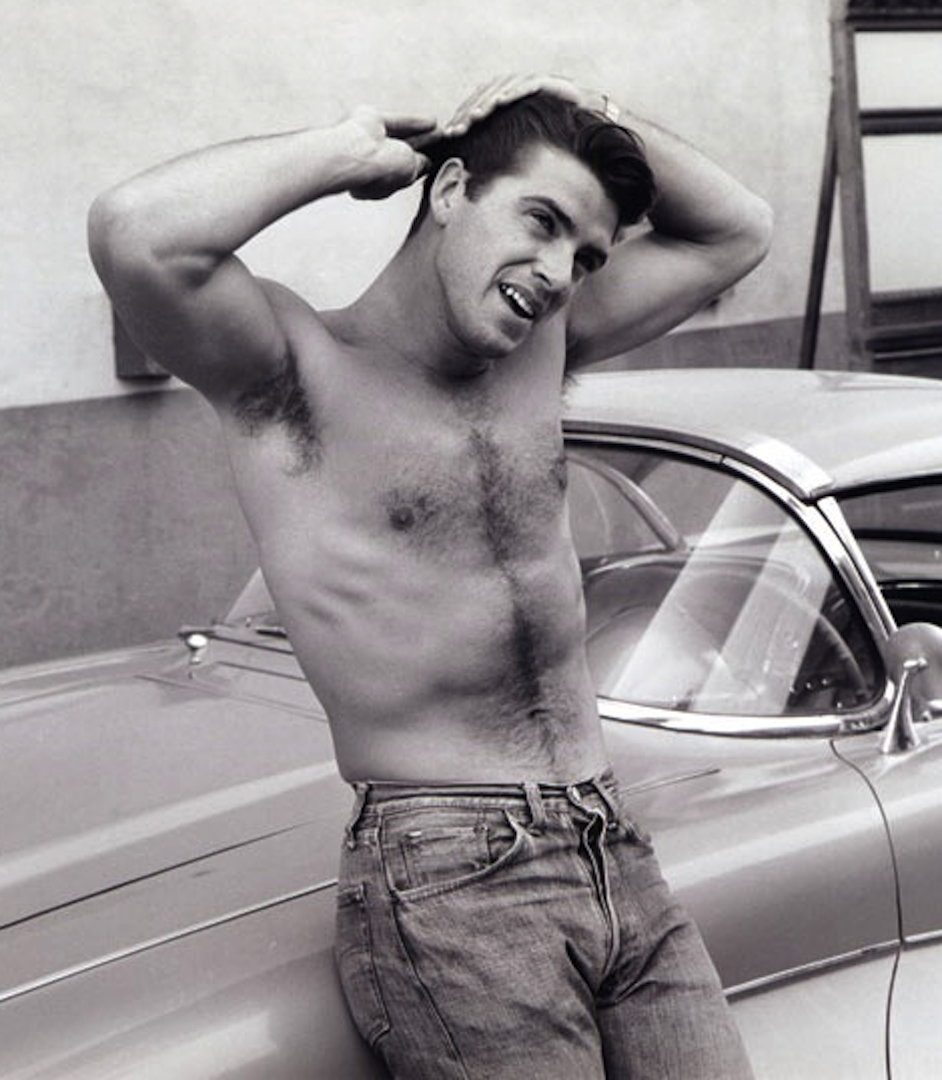
Never a strong draw in films, Van revealed quite a bit of himself (literally) in his debut inTall Story (1960) coming out of a shower. He was handed a typically staid second lead inThe Caretakers (1963). Continuing well into the 1970s to guest sporadically on the TV scene in classics like The Dick Van Dyke Show (1961), Love, American Style (1969),Mission: Impossible (1966), The Big Valley (1965)”, Nanny and the Professor (1970),Barnaby Jones (1973), and The Rockford Files (1974). Another starring series attempt with Westwind (1975) failed to make the grade and he soon let his career go. Van went on quite successfully in business with telecommunications, real estate and law enforcement supplies among his ventures. With his glossy, pretty-boy years far behind him, he has not felt the need to look back except for an occasional autograph convention.
– IMDb Mini Biography By: Gary Brumburgh / gr-home@pacbell.net
The guardian obituary in 2016
The actor Van Williams, who has died aged 82, achieved brief fame as the masked comic-book hero the Green Hornet in the 1960s US television series of the same name. As Britt Reid, a playboy media mogul who owns a newspaper and TV station, he was seen transforming into his alter ego to tackle criminals with hand-to-hand combat and two deadly weapons, a gas gun and the Hornet’s Sting sonic blaster. He was aided by Bruce Lee (in his first TV role) as Kato, his valet and martial arts expert, and Black Beauty, a customised Chrysler Crown Imperial sedan fitted with infra-green headlights, hood-mounted machine guns, a grille-mounted flame thrower and Stinger missiles stashed in the bumpers.
Unfortunately for Williams, the masked vigilante – created for radio in the 30s by George Trendle and Fran Striker – was unleashed on television viewers in 1966 shortly after the launch of the hugely popular, camped-up Batman TV series, from the same producers. “One of the things I absolutely insisted upon was that I was going to play it straight,” said Williams. “None of this ‘wham, bam, thank you, ma’am’ stuff that was going on with Batman.” But one critic described the star in costume as looking like an “overgrown grasshopper” and the drama was cancelled after just one run of 26 episodes
Williams was born in Fort Worth, Texas, the son of Priscilla (nee Jarvis) and Bernard Williams, who ran a ranch. After attending Arlington Heights high school and studying animal husbandry and business at Texas Christian university, Williams headed for the South Pacific in 1956 to work as a salvage diver.
The following year, Mike Todd, the theatre and film producer, spotted him and suggested he go into acting. He took vocal and drama lessons, worked on contract to Revue Studios for six months, soon landed bit parts on TV, then signed up for six years to Warner Bros. His big break came in the detective drama Bourbon Street Beat (1959-60) with the role of Kenny Madison, a private eye operating from above a restaurant in the French quarter of New Orleans. He reprised the role in another crime series, Surfside 6 (1960-62), featuring detectives with an office on a Miami houseboat.
Switching to sitcom, Williams played Pat Burns, assistant to the cantankerous billionaire Walter Andrews (played by Walter Brennan) and pilot of his private plane, in The Tycoon (1964-65). He later took the role of Steve Andrews, the father in a family on a journey around Pacific islands, in the children’s adventure series Westwind (1975) and appeared on and off (1976-78) as Captain MacAllister in How the West Was Won
The actor Van Williams, who has died aged 82, achieved brief fame as the masked comic-book hero the Green Hornet in the 1960s US television series of the same name. As Britt Reid, a playboy media mogul who owns a newspaper and TV station, he was seen transforming into his alter ego to tackle criminals with hand-to-hand combat and two deadly weapons, a gas gun and the Hornet’s Sting sonic blaster. He was aided by Bruce Lee (in his first TV role) as Kato, his valet and martial arts expert, and Black Beauty, a customised Chrysler Crown Imperial sedan fitted with infra-green headlights, hood-mounted machine guns, a grille-mounted flame thrower and Stinger missiles stashed in the bumpers.
Unfortunately for Williams, the masked vigilante – created for radio in the 30s by George Trendle and Fran Striker – was unleashed on television viewers in 1966 shortly after the launch of the hugely popular, camped-up Batman TV series, from the same producers. “One of the things I absolutely insisted upon was that I was going to play it straight,” said Williams. “None of this ‘wham, bam, thank you, ma’am’ stuff that was going on with Batman.” But one critic described the star in costume as looking like an “overgrown grasshopper” and the drama was cancelled after just one run of 26 episodes.
Van Williams as the Green Hornet
Williams was born in Fort Worth, Texas, the son of Priscilla (nee Jarvis) and Bernard Williams, who ran a ranch. After attending Arlington Heights high school and studying animal husbandry and business at Texas Christian university, Williams headed for the South Pacific in 1956 to work as a salvage diver.
The following year, Mike Todd, the theatre and film producer, spotted him and suggested he go into acting. He took vocal and drama lessons, worked on contract to Revue Studios for six months, soon landed bit parts on TV, then signed up for six years to Warner Bros. His big break came in the detective drama Bourbon Street Beat (1959-60) with the role of Kenny Madison, a private eye operating from above a restaurant in the French quarter of New Orleans. He reprised the role in another crime series, Surfside 6 (1960-62), featuring detectives with an office on a Miami houseboat.
Switching to sitcom, Williams played Pat Burns, assistant to the cantankerous billionaire Walter Andrews (played by Walter Brennan) and pilot of his private plane, in The Tycoon (1964-65). He later took the role of Steve Andrews, the father in a family on a journey around Pacific islands, in the children’s adventure series Westwind (1975) and appeared on and off (1976-78) as Captain MacAllister in How the West Was Won.
Van Williams, left, with Adam West, centre, and Bruce Lee in 1967. Photograph: Everett/Rex/Shutterstock
Williams became a reserve deputy in the Los Angeles county sheriff’s department in 1971, working part time at its Malibu station, where he also captained the mountain rescue team and was a volunteer firefighter. In 1982, he retired from acting to concentrate on running the telecommunications company he had set up in Santa Monica 13 years earlier. He was a partner in a 4,000-acre ranch in Hawaii and he enjoyed hunting geese, duck, elk and other game.
“I didn’t really care that much for the acting business,” Williams said. “I didn’t like the people in it, the way they operated and all the phoniness and back-stabbing. It was not a very pleasant education for a guy from Texas whose handshake was his word. Plus, I’d gone into acting looking at it as a business, not wanting necessarily to be a celebrity.”
Nevertheless, he jumped at the opportunity to take a cameo as the director of The Green Hornet in the film biopic Dragon: The Bruce Lee Story (1993).
Williams is survived by his second wife, Vicki Flaxman, whom he married in 1959, and their children, Nina, Tia and Britt; and by Lisa and Lynne, the twin daughters of his first marriage, to Drucilla Greenhaw, which ended in divorce.
Gemini said
Van Williams (1934–2016) was the “straight arrow” of 1960s television—an actor of rugged, traditional masculinity who became the face of the era’s sophisticated detective and superhero genres. While he is often remembered in the context of his legendary co-star, Bruce Lee, a critical look at his career reveals an actor who intentionally prioritized professional stability and personal ethics over the “phoniness” of Hollywood stardom.
I. Career Overview: The Warner Bros. Workhorse
1. The “Kenny Madison” Cycle (1959–1962)
Discovered while working as a diving instructor in Hawaii by producer Mike Todd, Williams was the quintessential Warner Bros. contract player.
The Recycled Hero: He played the same character, Kenny Madison, across two different series: Bourbon Street Beat (set in New Orleans) and its spin-off Surfside 6 (set in Miami).
The “Clean-Cut” P.I.: Alongside co-stars like Troy Donahue and Lee Patterson, Williams represented a new breed of televised detective: young, affluent, and impeccably dressed, moving the genre away from the grit of 1940s film noir into the “Jet Age” glamour of the early 60s.
2. The Green Hornet (1966–1967)
Williams’ most iconic role was Britt Reid/The Green Hornet. Produced by William Dozier (who also produced Batman), the show was a tonal anomaly.
The Masked Vigilante: Unlike the campy, “Wham! Pow!” style of Adam West’s Batman, Williams insisted on playing the Green Hornet as a serious, hard-edged crime fighter.
The Crossover: He appeared as the Hornet in a famous two-part crossover with Batman, which served as a fascinating study in contrasting acting styles—West’s theatrical irony vs. Williams’ stoic sincerity.
3. Retirement and Public Service (1970s–1982)
Dissatisfied with the “back-stabbing” nature of the industry, Williams walked away from acting at the height of his recognition. He became a successful businessman in telecommunications and a Reserve Deputy Sheriff for Los Angeles County, famously performing his duties with the same quiet competence he had portrayed on screen.
II. Detailed Critical Analysis
1. The “Straight Man” Aesthetic
Critically, Williams is often unfairly overshadowed by the charismatic “wilder” energy of his co-stars (Troy Donahue or Bruce Lee). However, he was the essential anchor of his productions.
The Foundation of Realism: In The Green Hornet, Williams provided the “gravitational pull” that made the show’s world believable. Without his rigid, earnest portrayal of Britt Reid, Bruce Lee’s revolutionary martial arts as Kato would have lacked a grounded context.
Minimalist Authority: His acting style was defined by a lack of affectation. He utilized his deep voice and steady gaze to project a “Texas-born” sense of authority that felt unforced and reliable.
2. The “Tycoon” and Financial Autonomy
A unique aspect of Williams’ critical legacy is his status as the “Banker with a Sting.”
Acting as Business: Unlike many actors who were desperate for fame, Williams viewed acting as a commercial venture. He invested his earnings into real estate and communications early on.
Critical Impact on Performance: This financial independence gave his performances a distinct quality of casual confidence. Because he didn’t “need” the job, he never appeared desperate for the camera’s attention, which translated into a cool, detached charisma that suited the mid-century leading man archetype.
3. The Tragedy of the “Batman” Comparison
Historians often analyze The Green Hornet as a victim of its own production stable.
The Tonal Clash: Critics argued that audiences in 1966 weren’t ready for a “straight” superhero show when Batman was satirizing the genre so successfully. Williams’ refusal to play for laughs was a bold artistic choice that may have led to the show’s early cancellation, but it has also ensured its enduring status as a cult classic for fans of “pulp” authenticity.
Iconic Performance Comparison
Character
Work
Archetype
Key Critical Note
Kenny Madison
Surfside 6
The Playboy P.I.
Defined the “Warriors in Ivy League Suits” era of TV.
Britt Reid
The Green Hornet
The Masked Editor
A masterclass in maintaining dignity within a “superhero” costume.
Pat Burns
The Tycoon
The Right-Hand Man
Showed a softer, comedic chemistry with legend Walter Brennan.
Steve Andrews
Westwind
The Family Patriarch
Represented his transition into “wholesome” late-career roles.