
Hollywood Actors

Collection of Classic Hollywood Actors

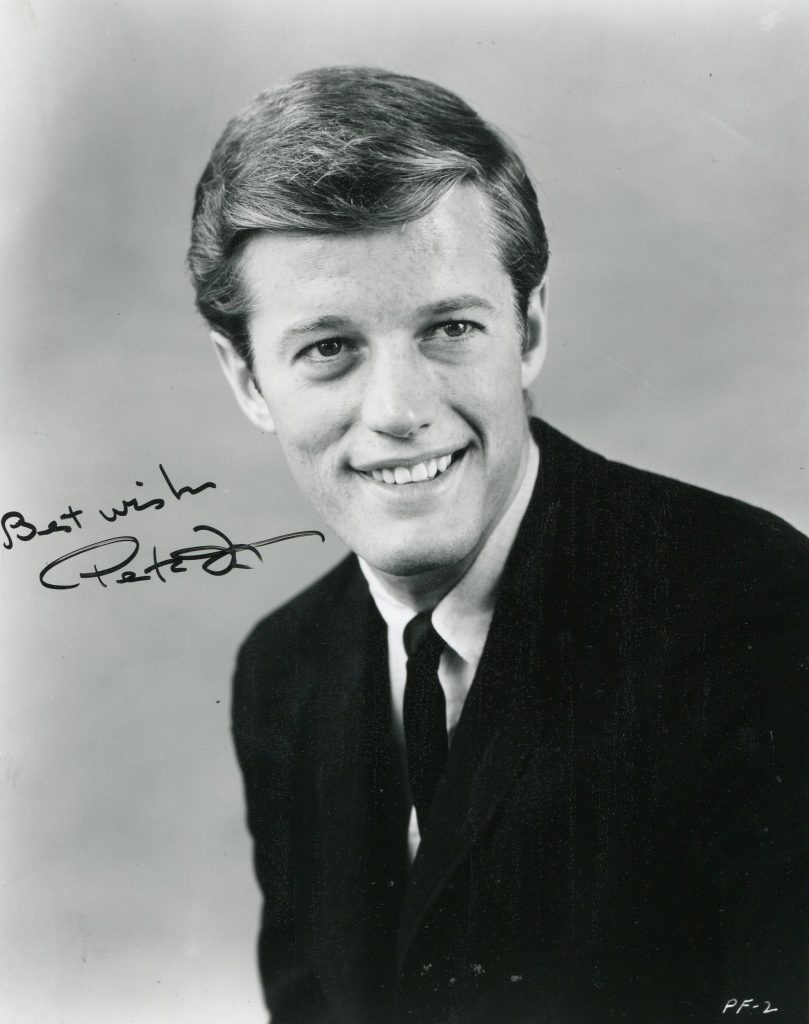
Peter Fonda.
Peter Fonda
Peter Fonda

Peter Fonda obituary in “The Guardian” in 2019 by Ronald Bergan

The reputation of Peter Fonda as an actor could never match that of his father, Henry, or his older sister, Jane. Even taken on its own terms, his career was alarmingly erratic. Its peak was probably reached when Fonda, who has died aged 79 of lung cancer, played Captain America in the 1969 road movie Easy Rider, although he took everyone by surprise when, after years in the cinematic wilderness, he gave the best performance of his career (and gained an Oscar nomination) for Ulee’s Gold (1997).

Like his sister, Peter had a troubled childhood. In his 1998 memoir, Don’t Tell Dad, he chronicled his difficult, distant relationship with his famous father. Describing Henry’s role in John Ford’s Fort Apache (1948) as “an unsmiling, bitter, strict hard-ass,” he added, “When people ask me what it was like growing up as Henry Fonda’s son, I ask them if they have seen Fort Apache.”

Born in New York, he and Jane were sent to live with an aunt and uncle in Nebraska following the suicide of their mother, Frances Ford Seymour, in 1950, when Peter was 10. On his 11th birthday, he accidentally shot himself in the stomach and nearly died. Years later, he told John Lennon, during an LSD session, that “I know what it’s like to be dead”, a phrase which ended up becoming part of the lyrics for the Beatles’ song She Said, She Said.

Fonda decided at an early age that he wanted to become an actor, and after studying at the University of Nebraska in Omaha, his father’s hometown, he began performing in the local theatre. His first success was as the lead in Harvey, about an alcoholic who believes he sees a giant rabbit. He made his Broadway debut in 1961 in Blood, Sweat and Stanley Poole, an army comedy for which he won a Theatre World award for best actor.

Although being his father’s son became as much of a blessing as a curse, initially it was no drawback. The rangy, goodlooking Fonda, who had something of the laidback, physical grace of his father, made a pleasant enough Hollywood debut in 1963 as the romantic lead, opposite the vibrant teen star Sandra Dee, in Tammy and the Doctor (1963). In the same year, in Carl Foreman’s almost three-hour second world war drama The Victors, which follows a squad of American soldiers in Europe, Fonda is a new recruit who has to watch meekly as some nasty GIs have themselves a little fun testing their prowess as marksmen on a small dog he has adopted.Advertisement

But it was in his third feature, Lilith (1964), Robert Rossen’s strange and intelligent study of schizophrenia, in which he played a vulnerable, bookish, love-stricken mental health patient who veers between violent outbursts and extreme calm, that he first had the chance to prove that there was another Fonda around to be reckoned with.

In 1966, The Wild Angels provided a complete change of image for the young star. In a time of counterculture, when standard Hollywood output was found wanting, Fonda turned away from his father’s sphere of influence by going to Roger Corman’s independent setup for this hit biker picture. Fonda starred as Heavenly Blues, a sulky, long-haired, leather-clad Hell’s Angels leader, who announces: “We wanna be free! We wanna be free to do what we wanna do. We wanna be free to ride. We wanna be free to ride our machines without being hassled by the man! … And we wanna get loaded. And we wanna have a good time. And that’s what we are gonna do…” (The line was sampled at the start of the 1990 Primal Scream hit Loaded). At the end, when the cops come to arrest some of the gang, his girlfriend (Nancy Sinatra) begs him to leave. He replies, “There’s nowhere to go.”

Peter Fonda
Peter Fonda

However, at that stage, Fonda knew where he was going. Following the success of Wild Angels, Fonda starred in Corman’s The Trip (1967), shot, according to the posters, in “psychedelic colour”. He plays a confused TV commercial director who takes his first “trip” on LSD, and experiences visions of sex, death, strobe lights, dancing girls, witches, hooded riders and a torture chamber. The Trip, which was written by Jack Nicholson, also featured Dennis Hopper as an acidhead.

It was during a publicity tour for The Trip, after smoking some grass and drinking some beer in his Toronto hotel room, that he claimed, “I understood immediately just what kind of motorcycle, sex, and drug movie I should make next.” Fonda and Hopper then conceived, wrote (with Terry Southern, the three gaining an Oscar nomination), raised the finance for, and starred in Easy Rider. Hopper’s first feature as director, and Fonda’s as producer, was made for $400,000, and took more than $16m at the box office, which rose to more than $60m worldwide in the next three years.

The counterculture hit followed two hippies (Hopper and Fonda), who hit the road on motorcycles “in search of the real America” but instead find hostility from small-town bigots. The odyssey ends when the two are shot down by a truck driver who despises their iconoclastic lifestyle. Stupidity, corruption and violence are set against the potential freedom of America that Fonda and Hopper represent. Tall, thin and cool in black leathers and shades, and wearing a jacket which bore a large American flag across the back, Fonda’s Captain America became an icon of martyrdom.

From then on, Fonda’s career took an uncertain turn, lurching from one Easy Rider rip-off to another. In Dirty Mary Crazy Larry (1974), he is on the lam in a souped-up car after stealing cash from a supermarket. The film provided plenty of high-speed chases and crashes, as did Race With the Devil (1975), in which Fonda flees after coming across satanic rituals in Texas.

One exception was Spirits of the Dead (1968), three episodes based on the macabre stories of Edgar Allan Poe. In the one episode directed by Roger Vadim, a frisson was caused by the casting of Fonda as the lover of a character played by his sister Jane (Vadim’s wife at the time).

Fonda had three tries at directing features, the first being The Hired Hand (1971), a slow, hippy western, which has a masochistic death-of-the-hero ending popularised by Easy Rider. The director himself starred as a cowboy drifter, but he remained off camera for his second feature, Idaho Transfer (1973). A dirt-cheap time-travel movie set in 2027, it is redolent of the early 1970s.

Fonda returned to show his face again in Wanda Nevada (1979), in which he and a 13-year-old orphan (Brooke Shields) go prospecting for gold. One of the few interesting aspects of the film is that it was the only time Peter and Henry Fonda appeared together on screen, the latter in a cameo role of a loony, grizzled prospector.

From the early 80s to the mid-90s, Fonda’s lifestyle left him virtually unemployable in mainstream films. He picked up a few reasonable parts, but his cool laidback style now looked simply cold and bored. Whether out of choice or necessity, he continued to work in independent low-budget productions, often for a drive-in circuit that hardly existed any more.

But in 1997, Fonda starred in Ulee’s Gold, a low-key drama in which he played a Vietnam-vet beekeeper in Florida, whose quiet life is disturbed by villains. According to Janet Maslin in the New York Times: “This film calls for deep reserves of backbone from its terse hero, and Fonda supplies them with supreme dignity and grace.” However, Fonda could never win. According to the San Francisco Chronicle, “Had he made such a film during Henry Fonda’s life, it would have been about as welcome as Frank Sinatra Jr singing My Way. But time has passed … We look at the screen and there’s Peter, wearing little round glasses and doing a Henry gesture: he looks up, winces a little, smiles a little, and looks shy, dignified and quiet. That’s when we realise we’ve been missing Henry Fonda all this time and just didn’t know it.”Advertisement

Ulee’s Gold all but buried the emblematic hippy rebel, resurrecting him as a man of sobriety and responsibility. However, there was still nostalgia in Steven Soderbergh’s The Limey (1999), in which Fonda portrayed a wealthy, super-sleek record producer whom Terence Stamp (another 60s icon) believes had a hand in killing his daughter. This nostalgia is underscored by Fonda saying: “Did you ever dream about a place you never really recall being to before? A place that maybe only exists in your imagination? Some place far away, half-remembered when you wake up. When you were there, though, you knew the language. You knew your way around. That was the 60s.”

Thereafter Fonda seemed content to slip down the credits in supporting roles in dispensable movies. Some of his better late roles were as an orange-eyed Mephistopheles who makes a Faustian deal with a motorcycle stuntman (Nicolas Cage) in Ghost Rider, and as an unscrupulous bounty hunter in 3:10 to Yuma (both 2007).

Fonda made appearances in several horror movies, among them The Harvest, as a well-meaning grandfather, and House of Bodies (both 2013), as a serial killer. In The Runner (2015), a political drama about the BP Deepwater Horizon oil spill – a subject close to Fonda’s heart – he played an ex-politician whose career was ruined by booze. Unfortunately, in one of his better movies, the old-fashioned western The Ballad of Lefty Brown (2017), Fonda doesn’t survive very long.

He is survived by his third wife, Parky (Margaret) DeVogelaere, whom he married in 2011, and by his children, Bridget, an actor until her retirement in 2002, and Justin, from his first marriage, to Susan Brewer.

• Peter Henry Fonda, actor, born 23 February 1940; died 16 August 2019

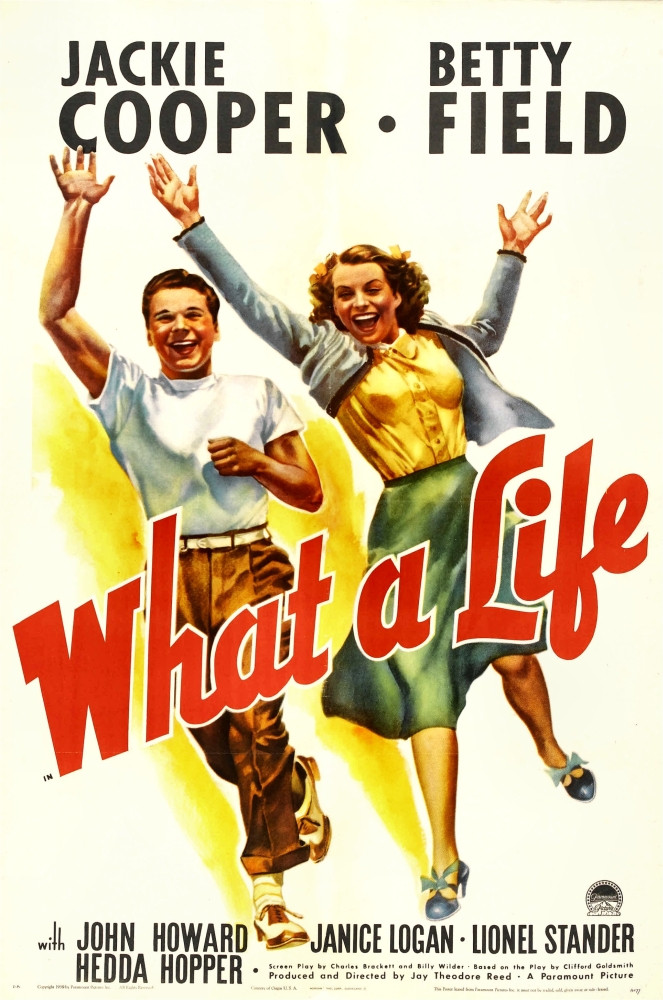
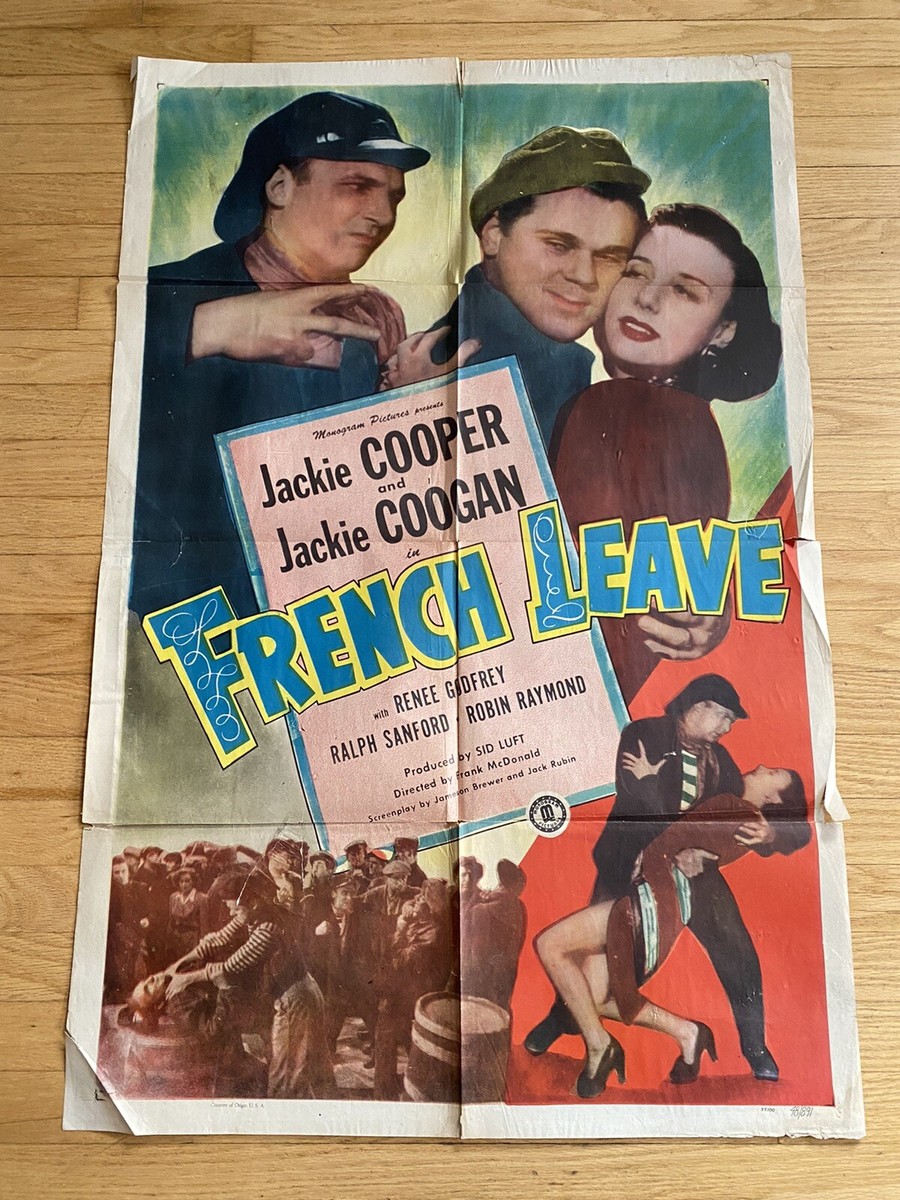
Jackie Cooper
Jackie Cooper.
Jackie Cooper.
Jackie Cooper
Jackie Cooper

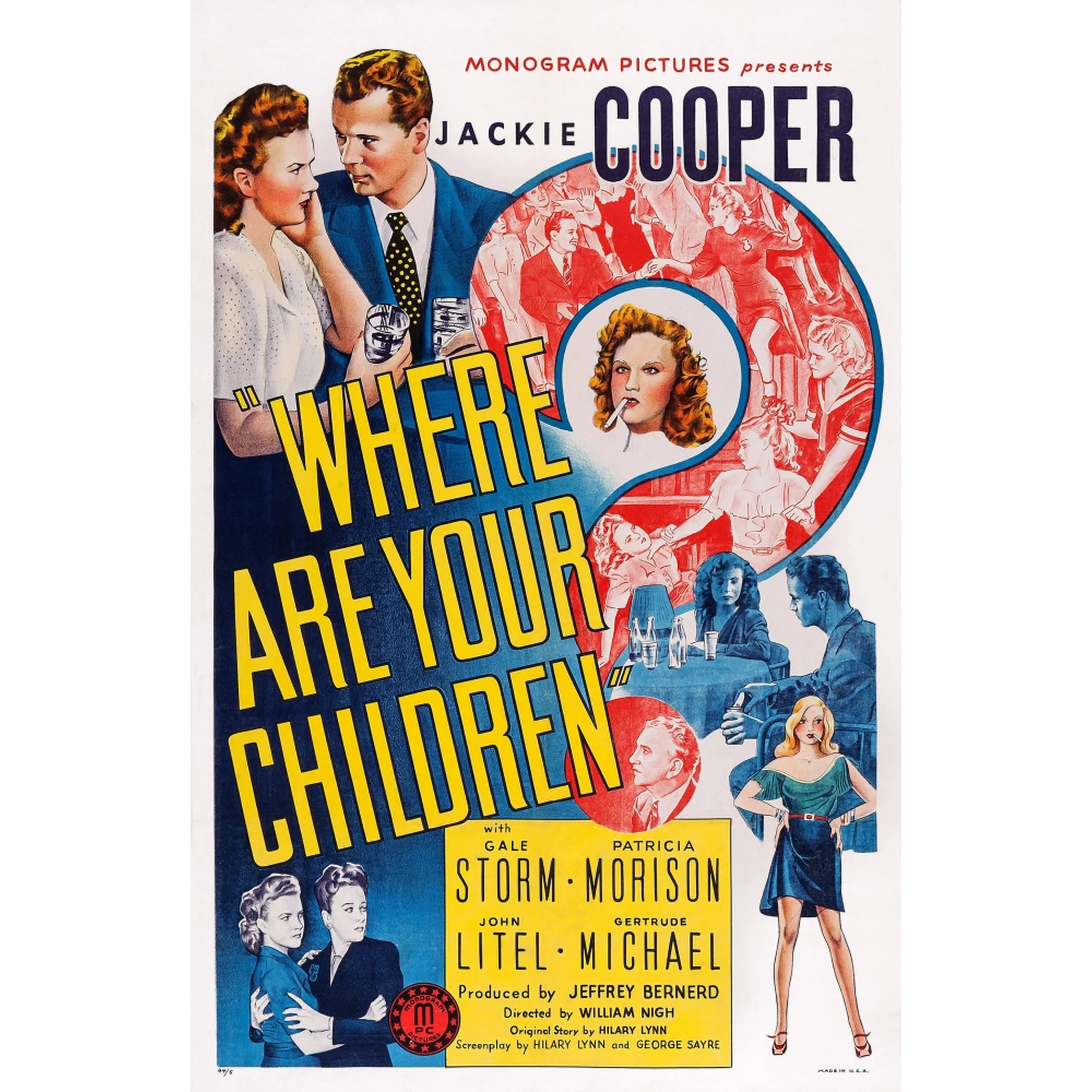
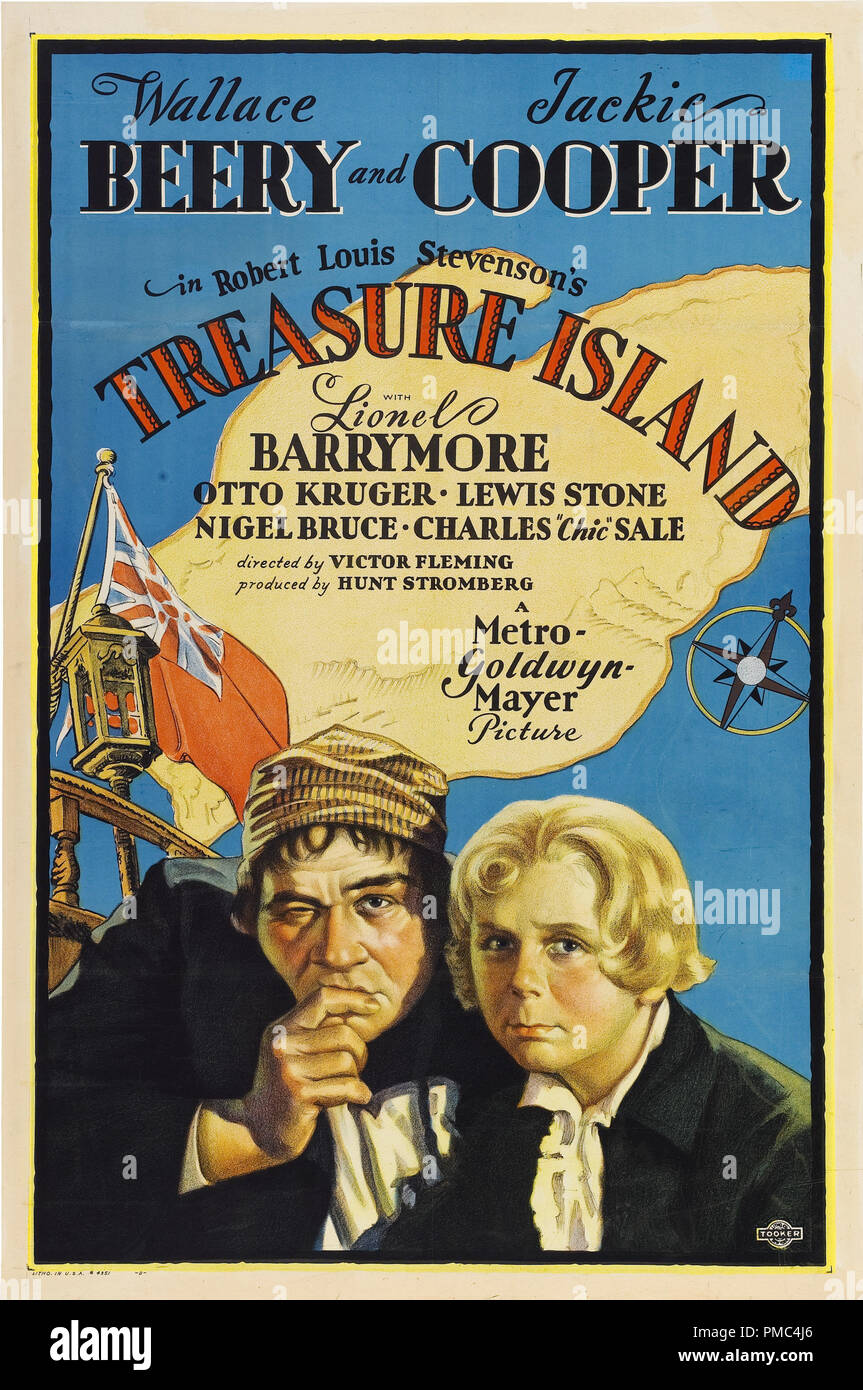
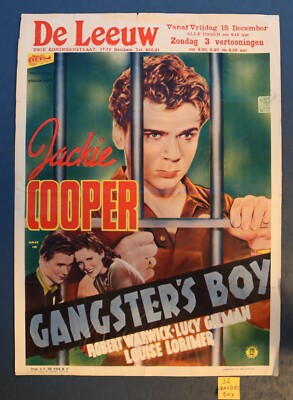
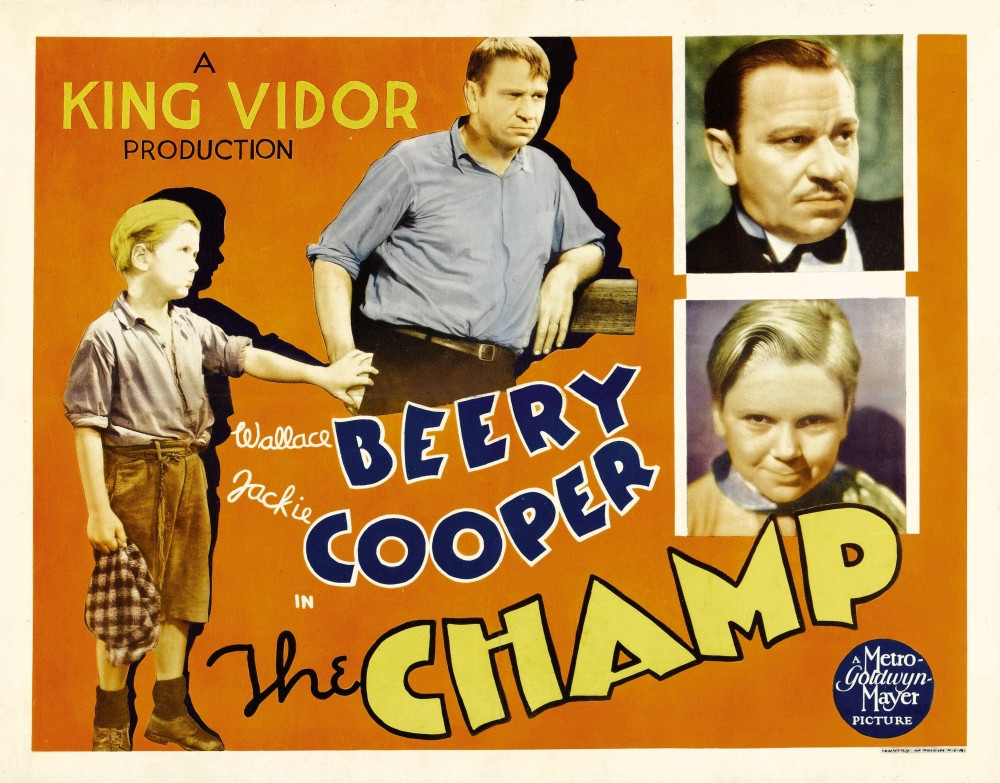
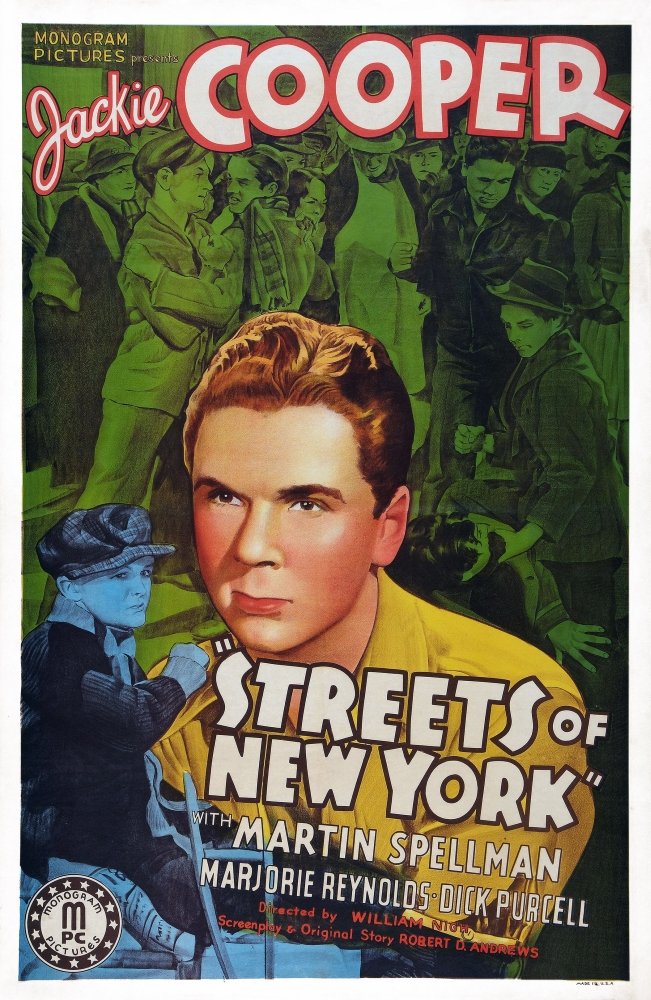
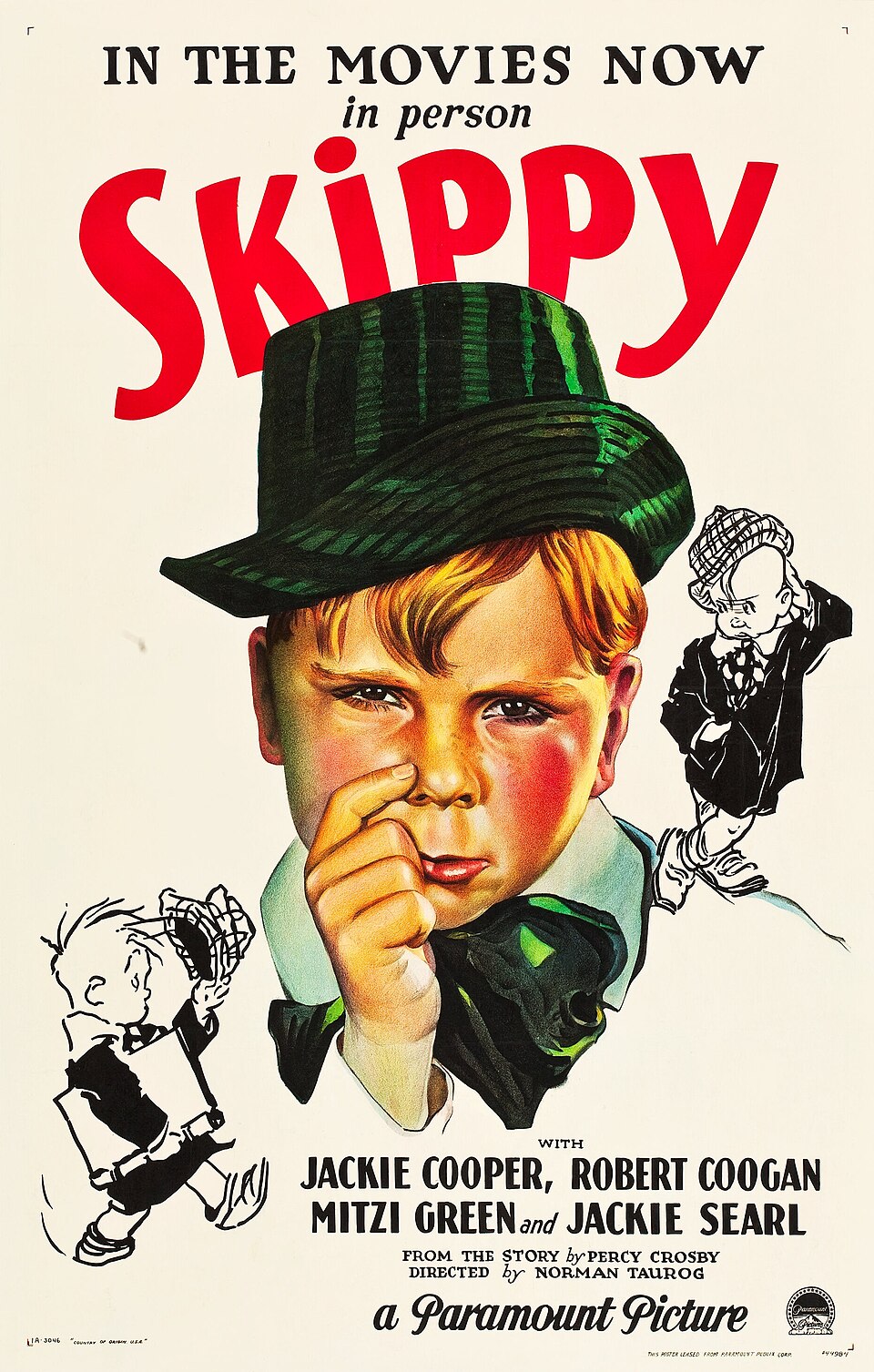
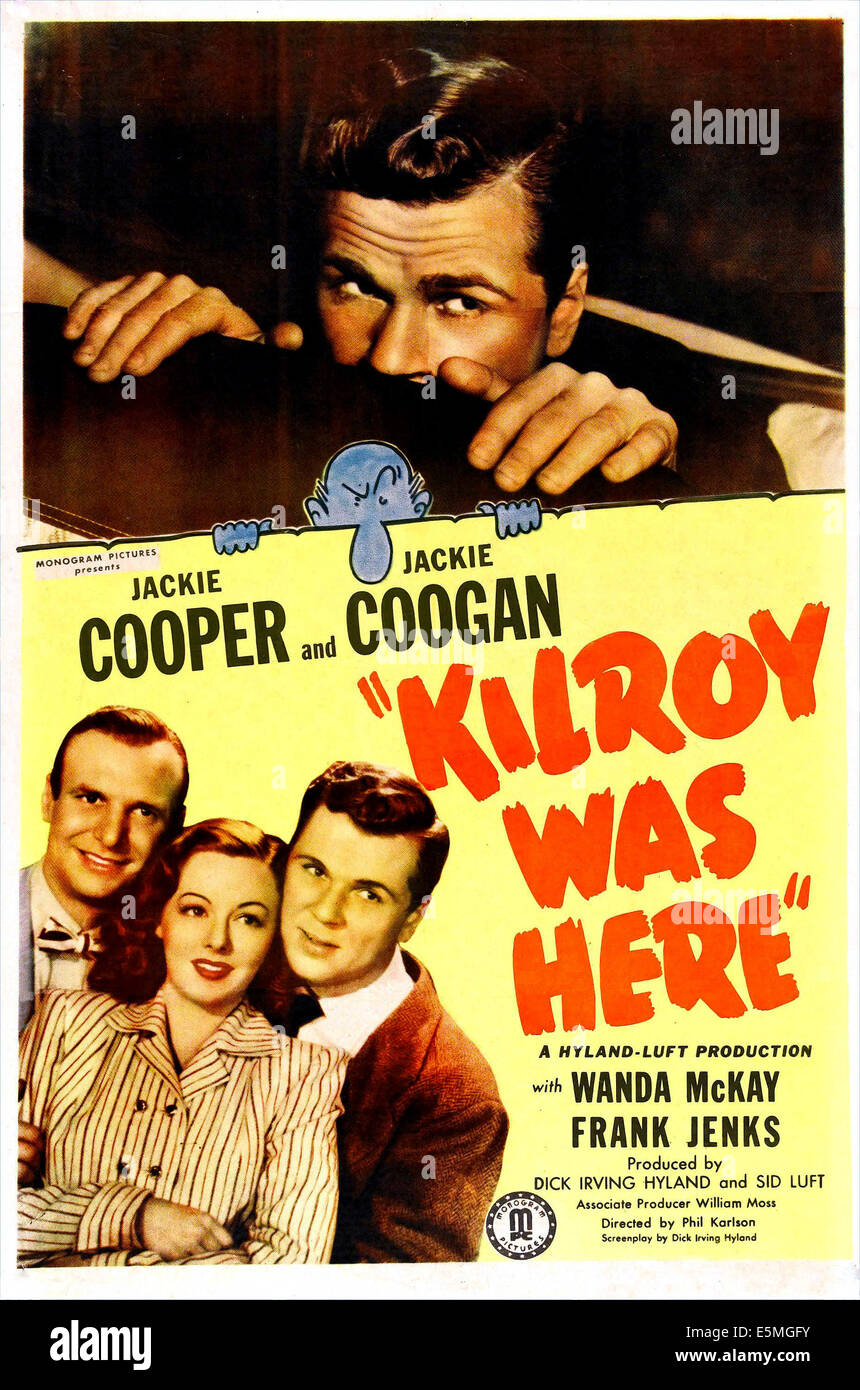
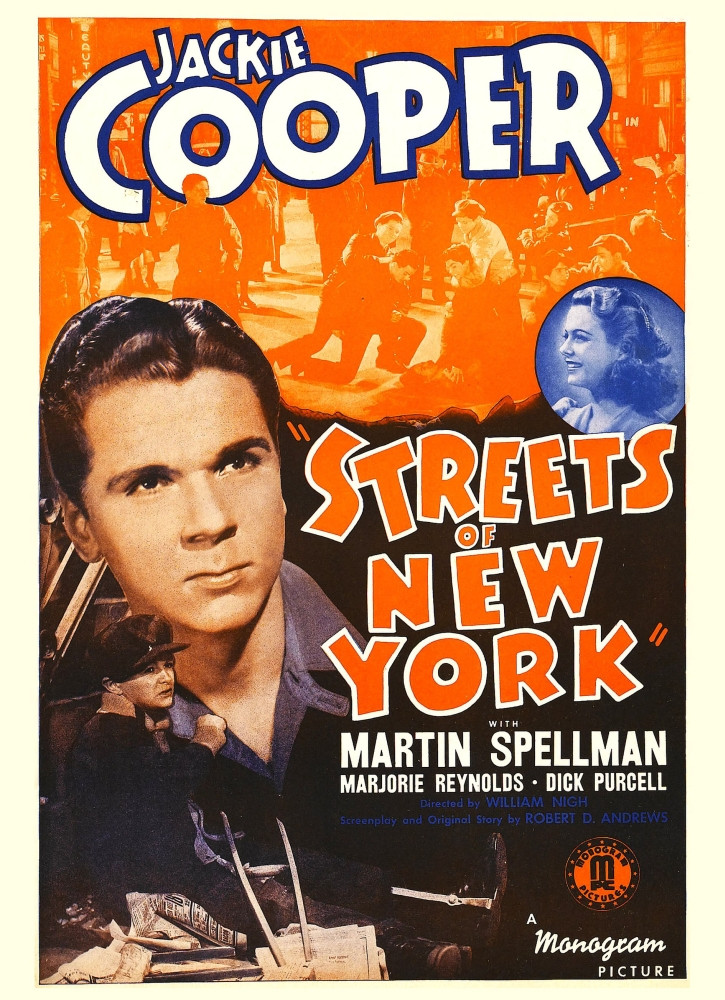
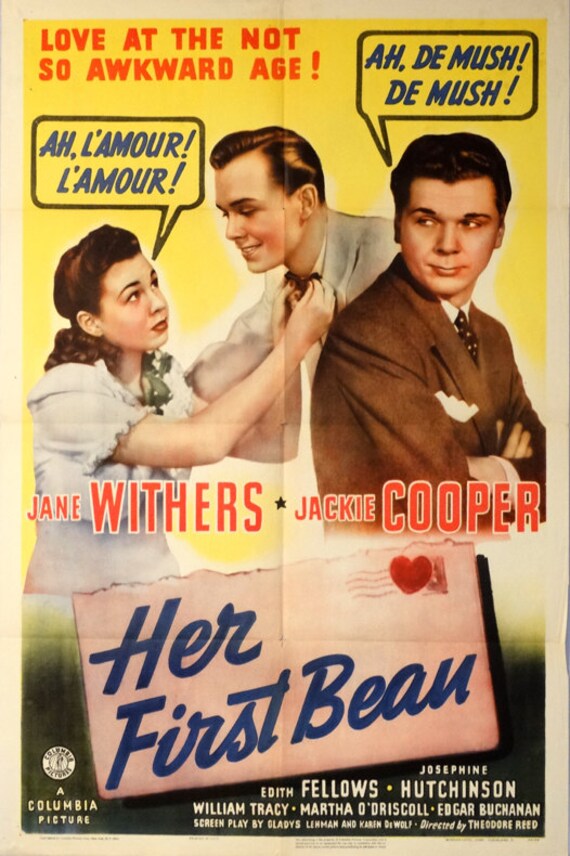
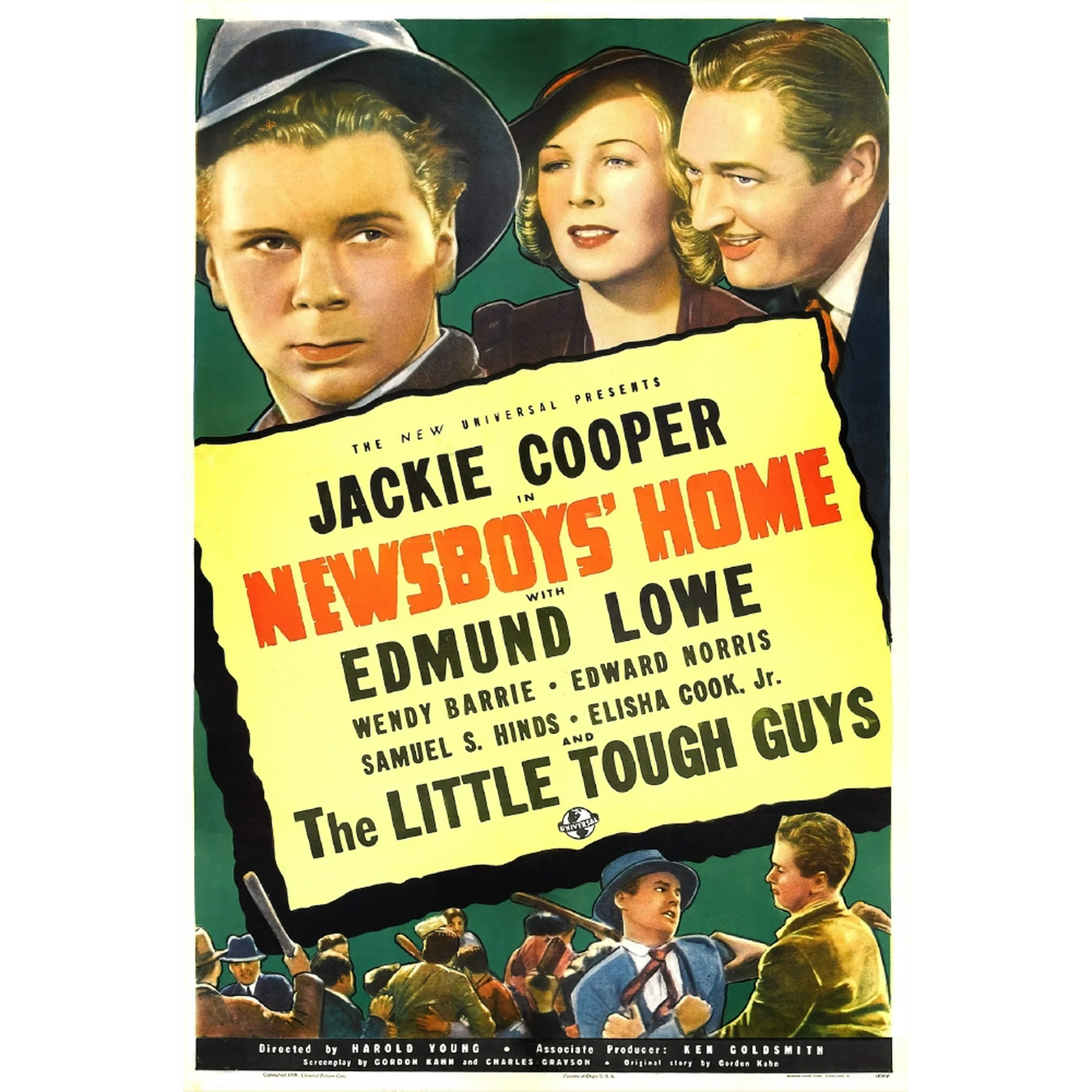
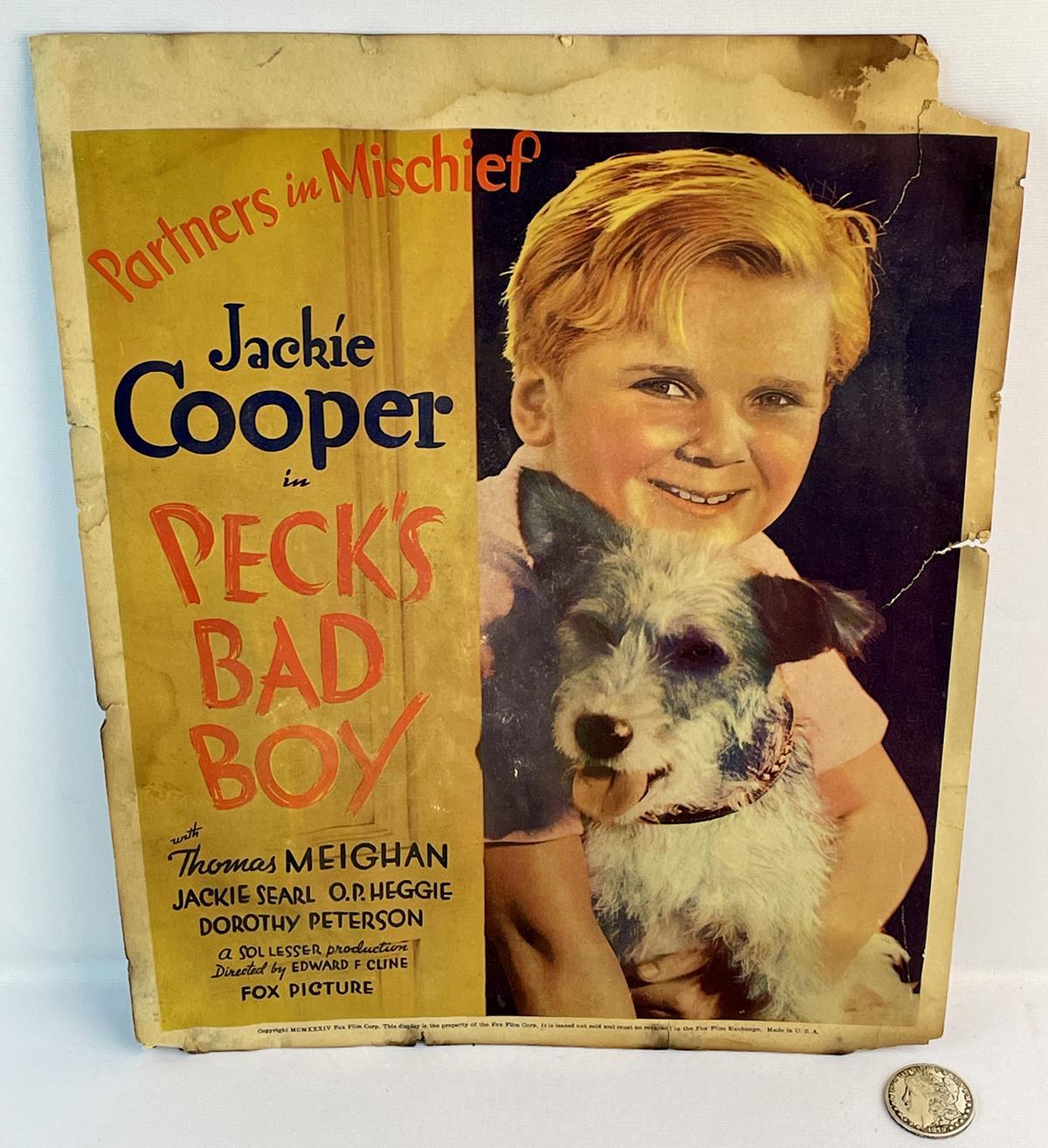
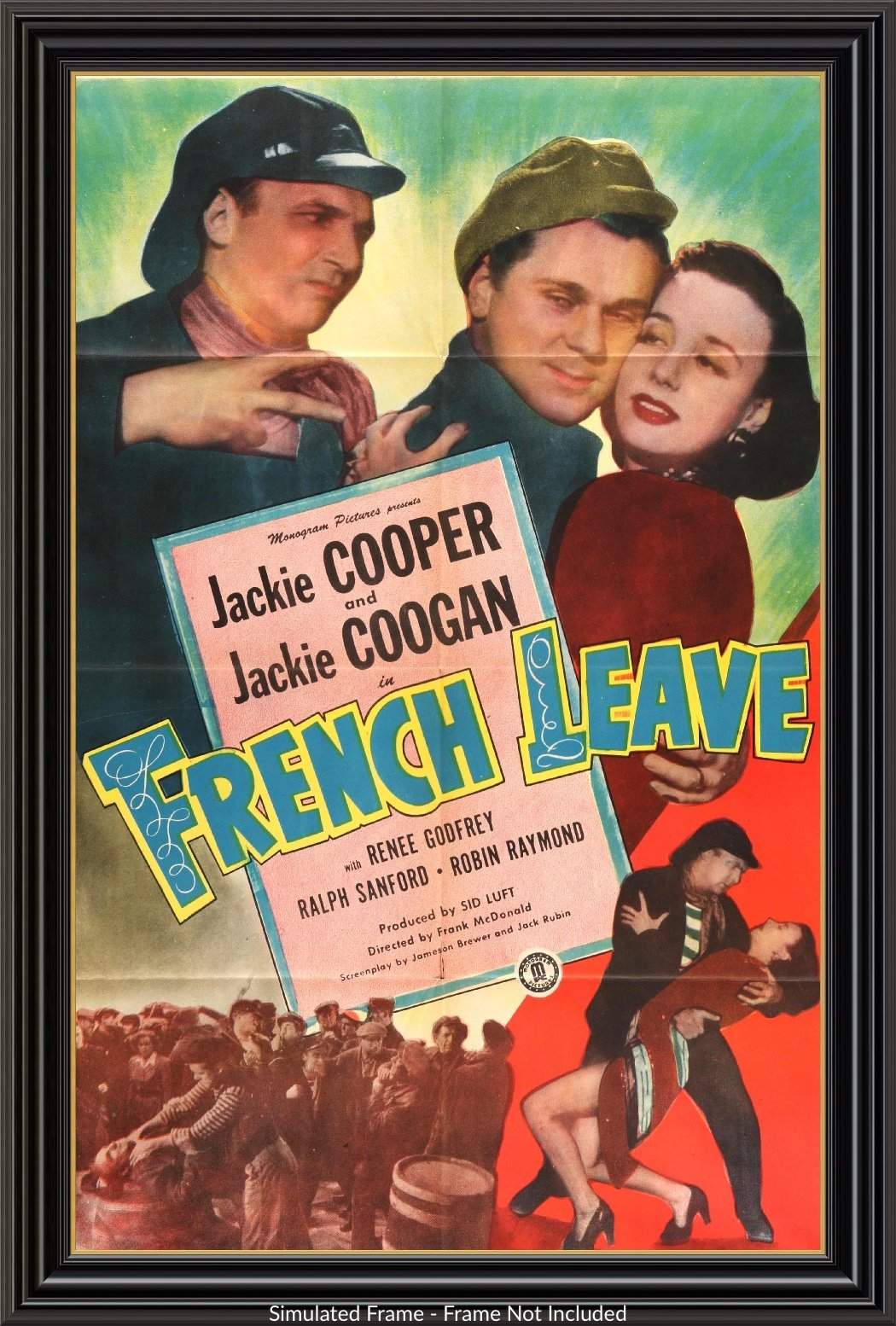
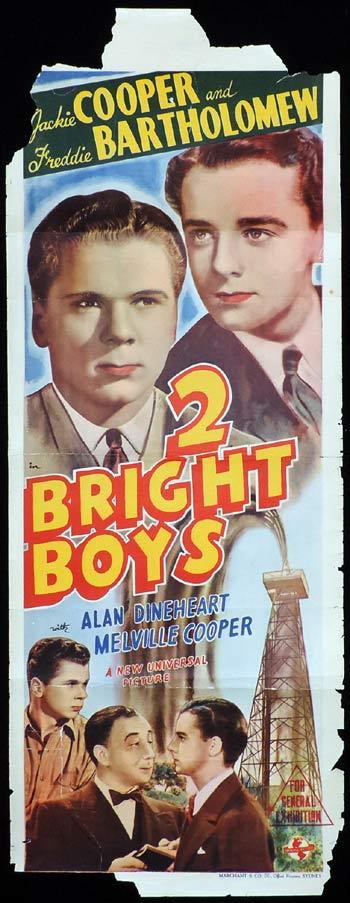
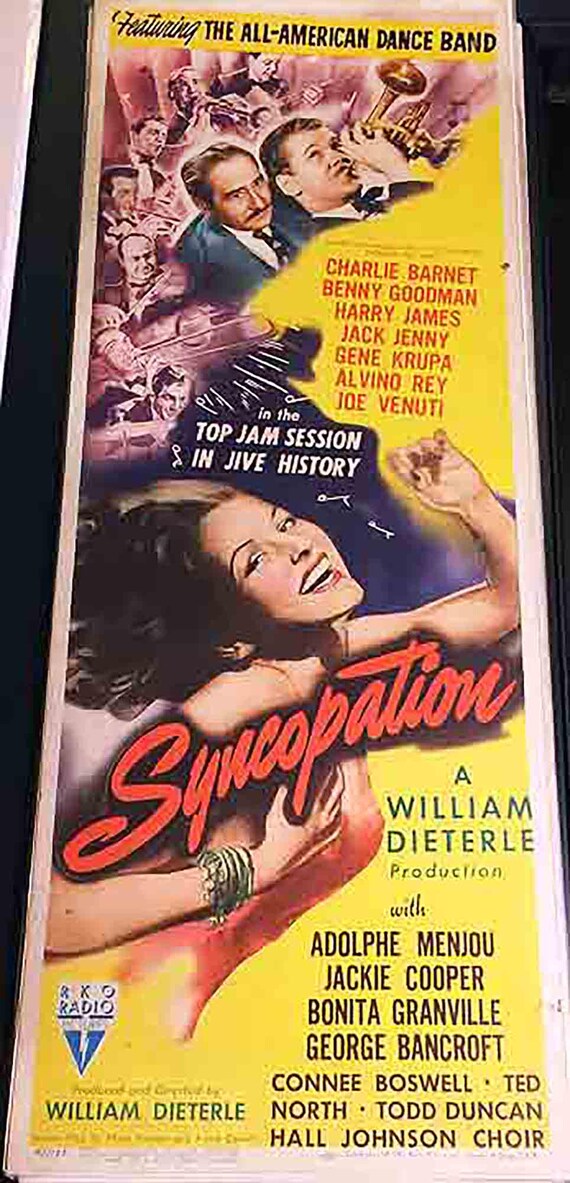
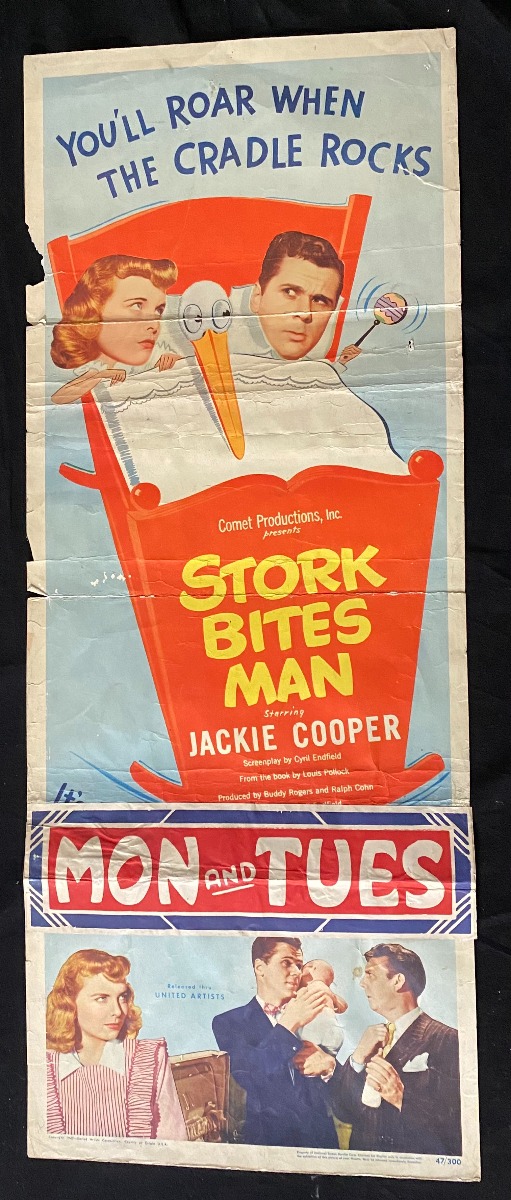
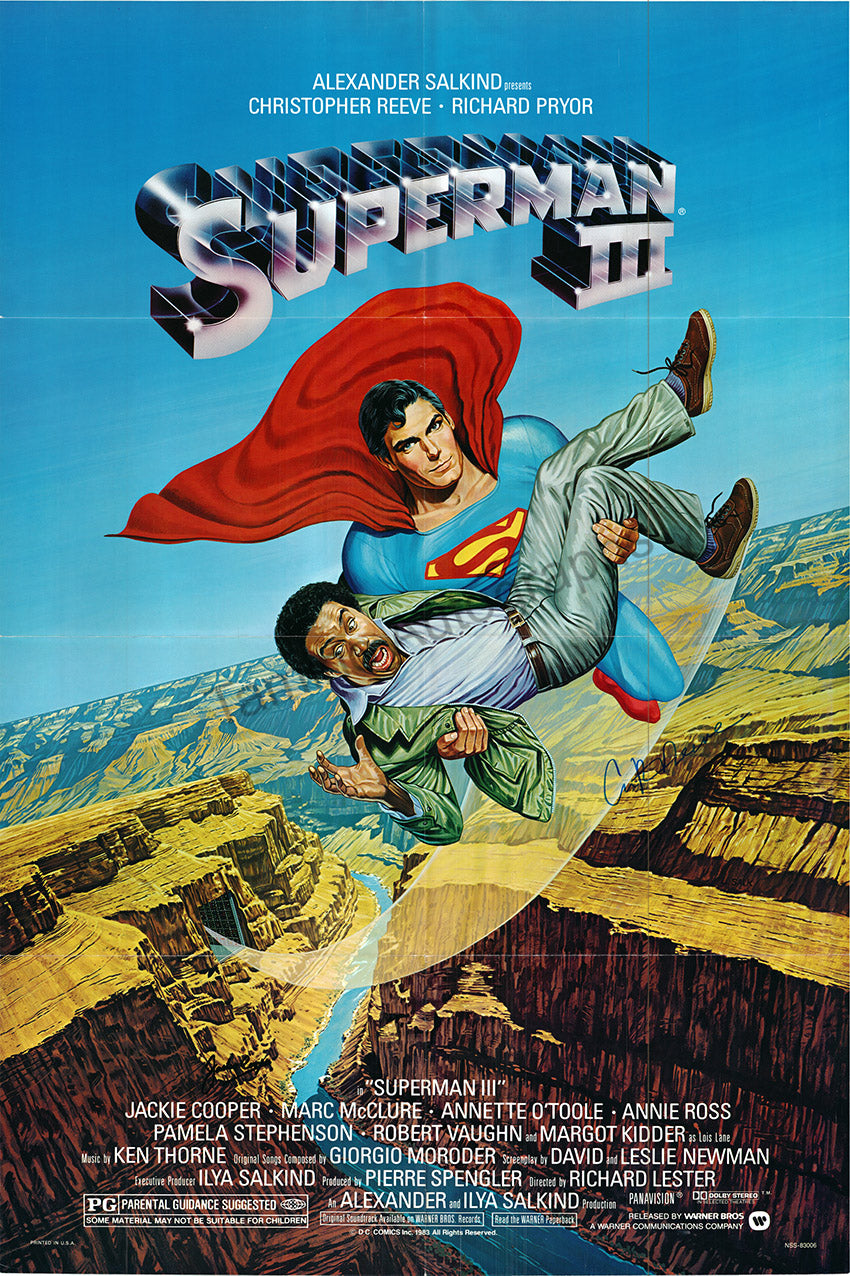
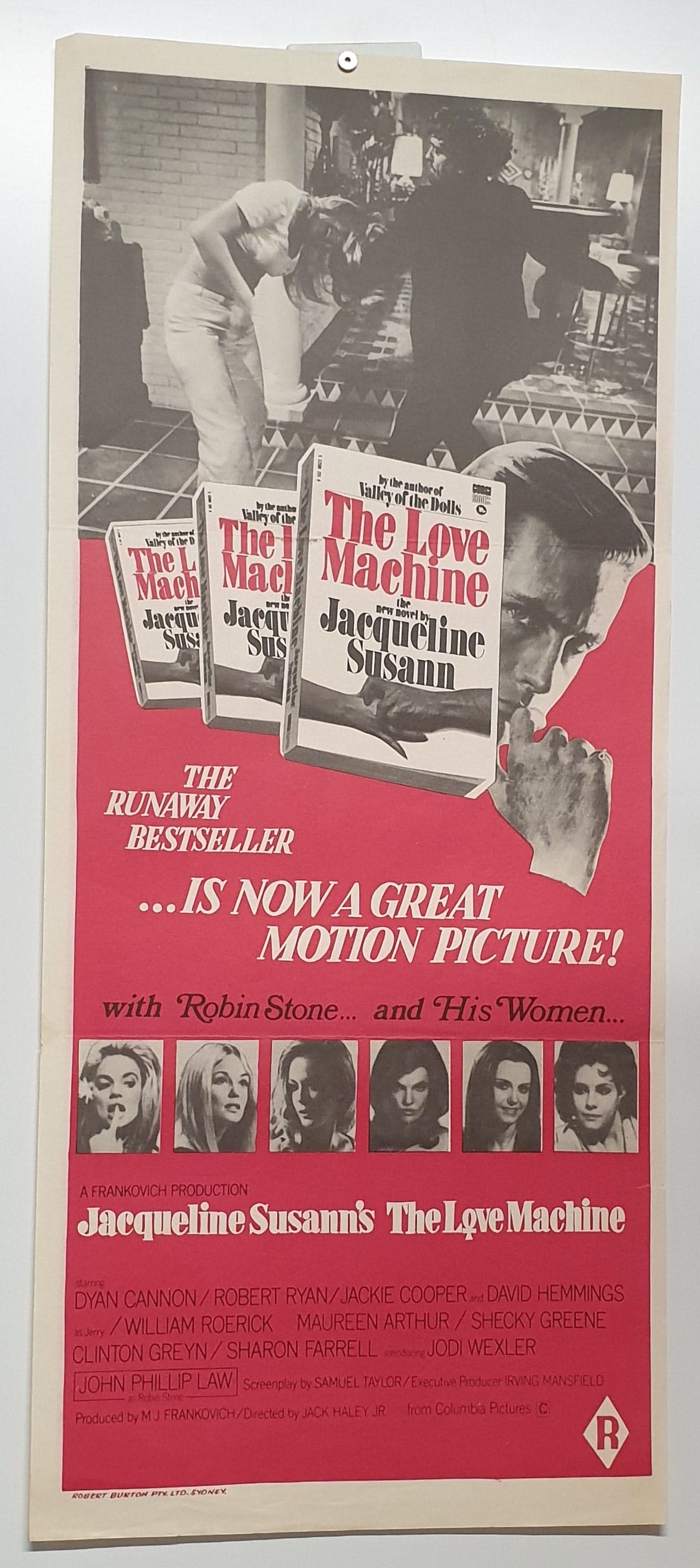
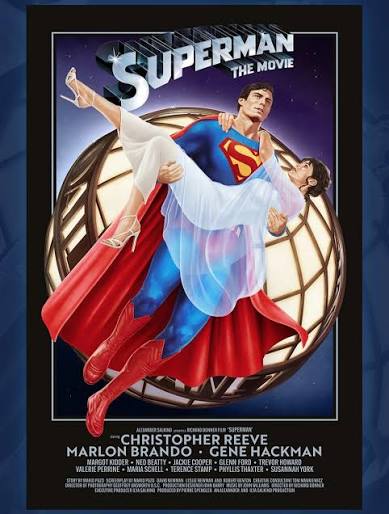
Jackie Cooper was born in 1922 in Los Angeles.   He was one of the leading child actors in Hollywood in the 1930’s.   He starred in the “Our Gang” series and in 1931 signed a contract with MGM.   He starred opposite Wallace Beery in a series of movies including the well-regarded tearkerker “The Champ”.   Among his other films was “Life with Henry” in 1941.   He became a well-respected television direcor who acted on occasion.   In the late 1970’s he played Perry White in the ‘Superman@ films.   He died in 2011.

Ronald Bergan’s “Guardian” obituary:

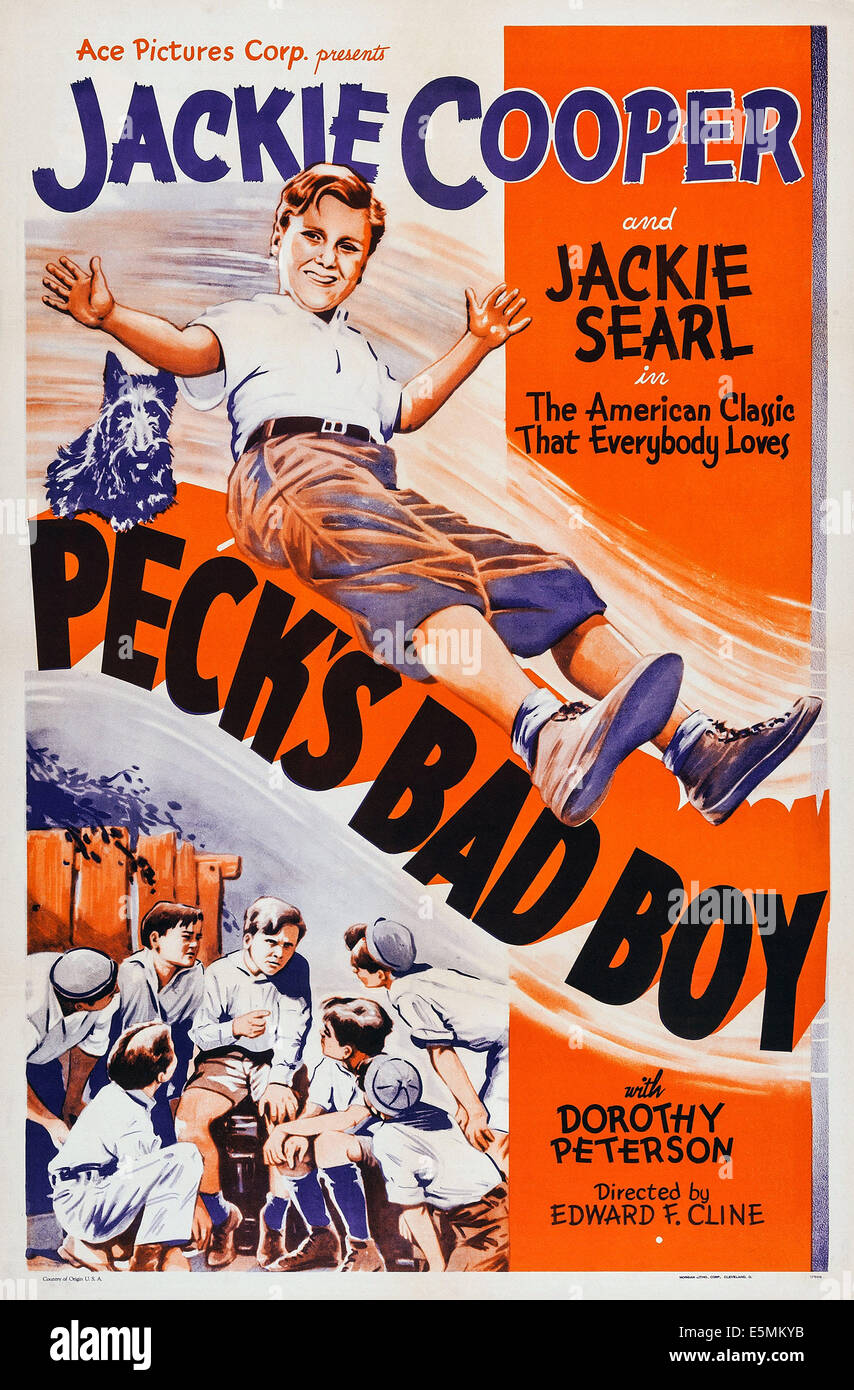
Jackie Cooper, who has died aged 88, was the first child star of the talkies, paving the way for Freddie Bartholomew, Shirley Temple and Mickey Rooney. While they could turn on the waterworks when called for, Cooper beat them all easily at the crying game. Little Jackie, from the age of eight until his early teens, blubbed his way effectively through a number of tearjerkers. Sometimes he would try to suppress his tears, pouting and saying, “Ah, shucks! Ah, shucks!” As a critic wrote in 1934: “Jackie Cooper’s tear ducts, having been more or less in abeyance for the past few months, have been opened up to provide an autumn freshet in Peck’s Bad Boy.”

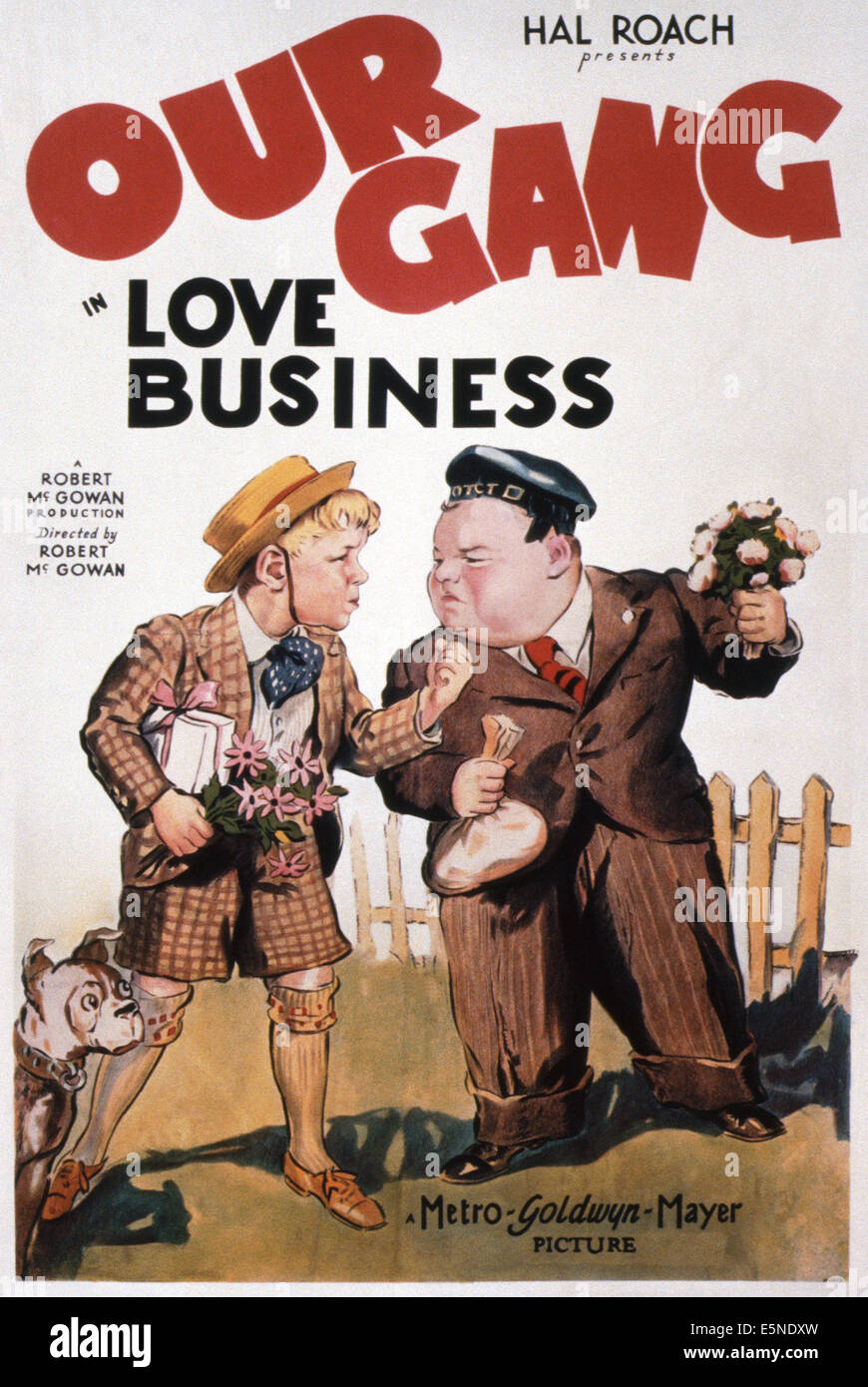
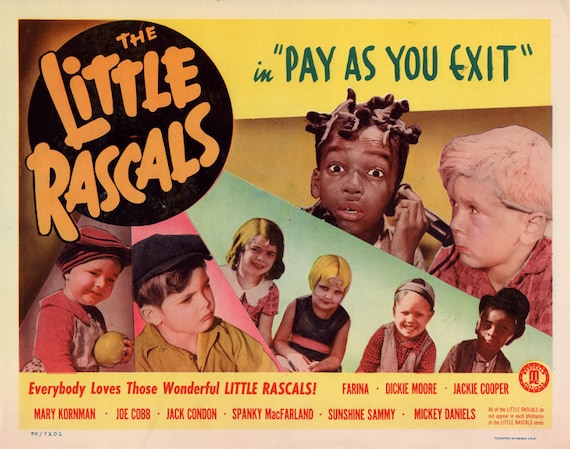
Cooper had started off in the movies billed as “the little tough guy” in eight of Hal Roach’s Our Gang comedy shorts. He was a manly little fellow and complained to his mother when, during the shooting of the fight scene in Dinky (1935), the other children were warned to be careful not to hurt him. “I don’t want fellows like these to treat me like a sissy!” he said.

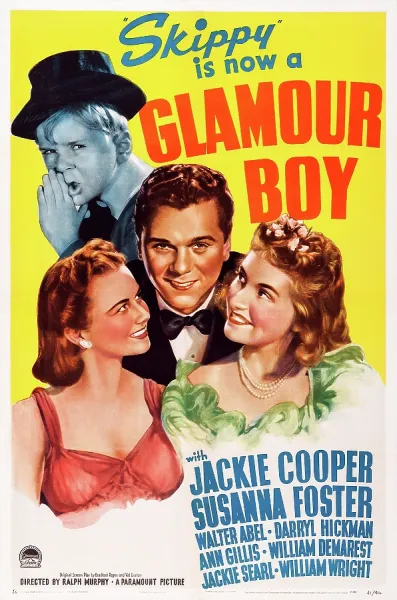
The sobbing all began with Skippy (1931), based on a popular comic strip, for which Cooper was Oscar-nominated (aged nine and still the youngest best actor nominee) in his first starring role. When he refused to do a crying scene on the set, the film’s director, Norman Taurog, who was also his uncle, threatened to shoot Jackie’s dog. (The title of Cooper’s 1981 autobiography was Please Don’t Shoot My Dog.)

“Later, people tried to rationalise to me that I had gained more than I lost by being a child star,” Cooper wrote. “They talked to me about the money I made. They cited the exciting things I had done, the people I had met, the career training I had had, all that and much more … But no amount of rationalisation, no excuses, can make up for what a kid loses – what I lost – when a normal childhood is abandoned for an early movie career.”

He was born John Cooper Jr into a movie family in Los Angeles. His father, John, was a studio production manager who walked out on his family when Jackie was two. His mother, Mabel, was a picture palace pianist. Jackie started in show business at the age of three, appearing as an extra with his grandmother, who used to tote him along while looking for film work.

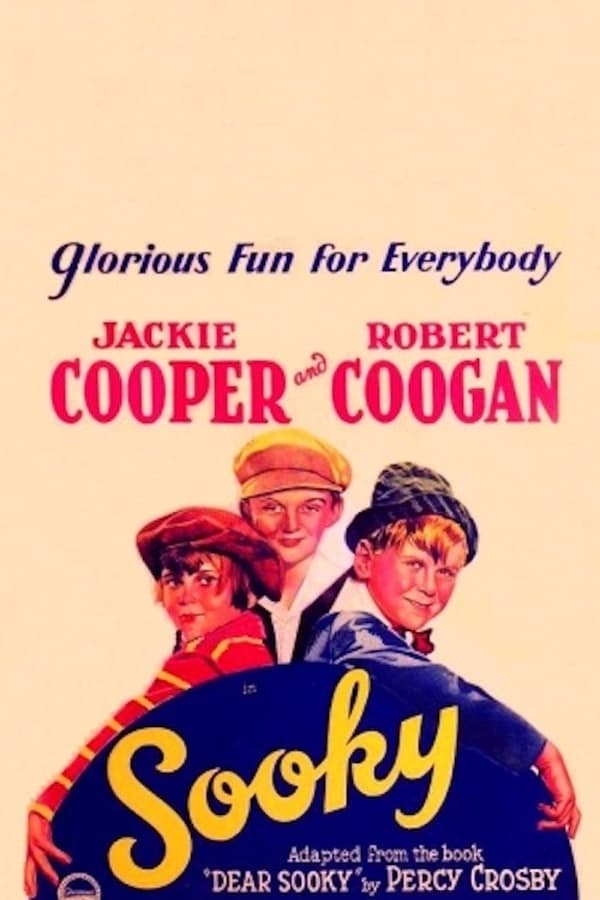
In 1931 Cooper made the three films that launched his career. Skippy told of the adventures of two friends, Cooper, in the title role, and Bobby Coogan (younger brother of Jackie “the Kid” Coogan) as Sooky, from different sides of the tracks. Both gave entirely natural performances, and a sequel almost as popular, called Sooky, also directed by Taurog, followed.

King Vidor’s The Champ was a touching tale of an ex-champion prizefighter (Wallace Beery) and his small son (Cooper) trying to scrape a living in Tijuana, Mexico. Beery is addicted to gambling and drink, but in the eyes of his hero-worshipping son, he’s still “Champ”. Despite warnings from his doctor about his heart, he wins a comeback fight, but the terrible beating he has taken in the process causes him to collapse and die in the dressing room, in the arms of his weeping son.

Cooper was the antithesis of the grizzled, good-bad ugly guy Beery, yet the chemistry between them was remarkable. Cooper would relate years later that Beery off-camera was a disagreeable man. Cooper remembers that he once impulsively threw his arms around Beery after an especially well-played tender scene and that the gruff Beery pushed him away. Cooper produced genuine tears.

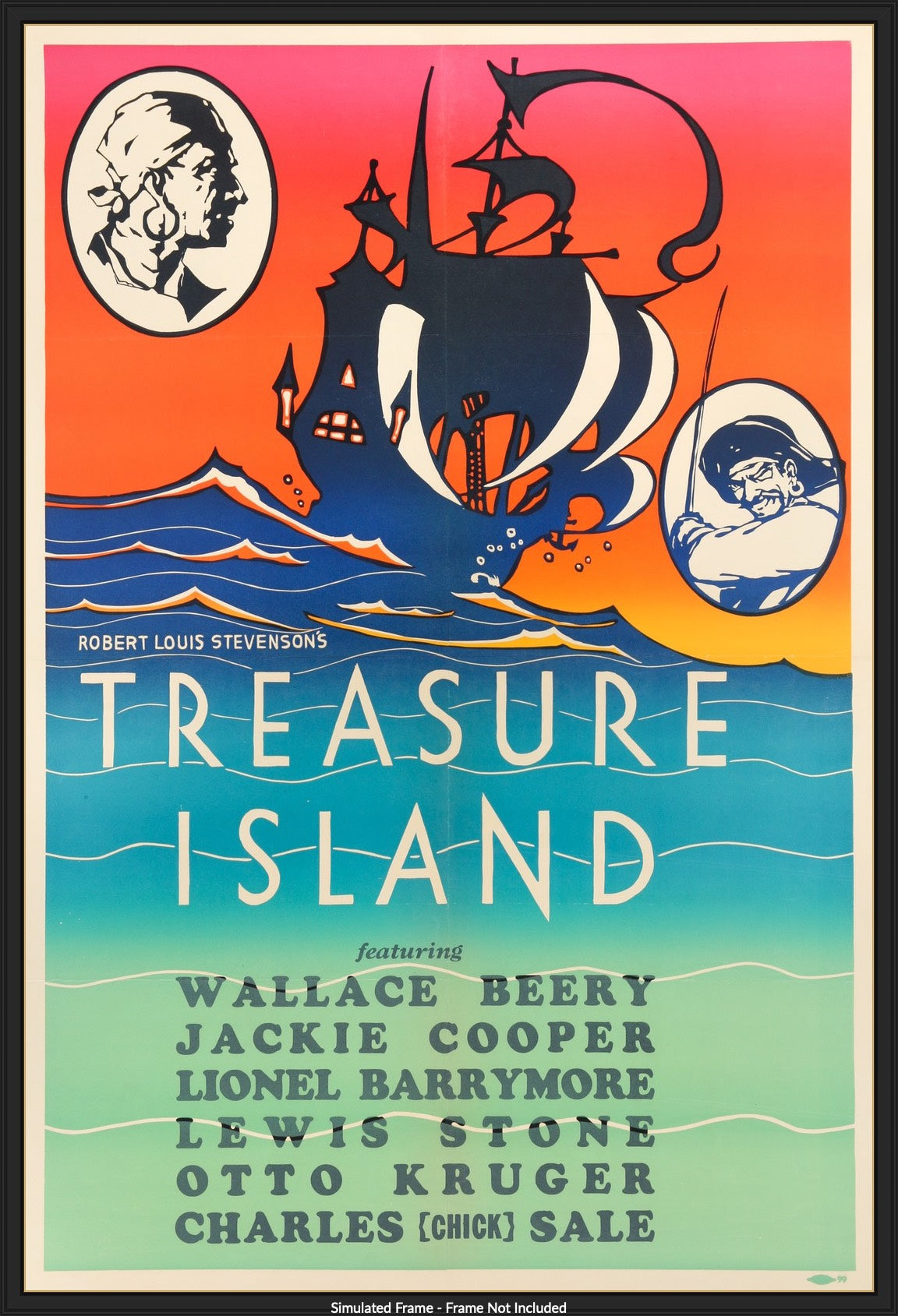
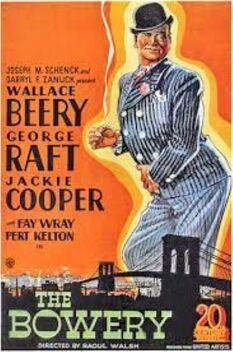
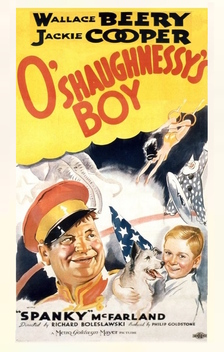
The duo would make three further films together. In Raoul Walsh’s rousing The Bowery (1933) and the sentimental O’Shaughnessy’s Boy (1935), the oafish Beery tries to win Cooper’s affection. However, the film that Cooper was justifiably most proud of was Treasure Island (1934), in which both he, as Jim Hawkins, and Beery, as Long John Silver, were excellent.

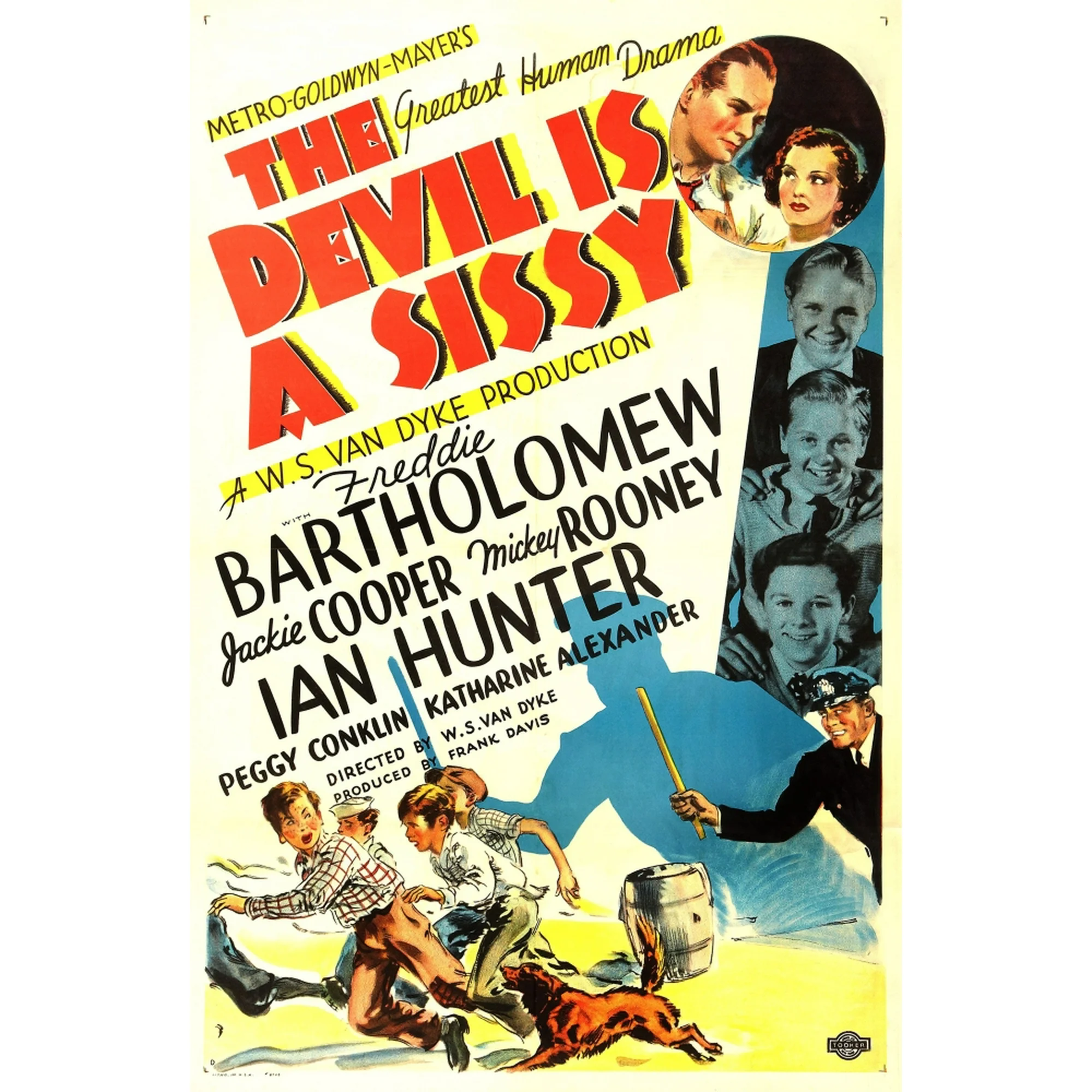
The Devil Is a Sissy (1936) starred MGM’s three top child actors: prissy Bartholomew, a hit in the title roles of David Copperfield and Little Lord Fauntleroy; lachrymose Cooper; and the up-and-coming, pugnacious Rooney. “The studio used to threaten my mother with Bartholomew, and even me,” Cooper commented in adulthood. “They’d say, ‘Now, if you’re not better in this today, we’re going to get Freddie Bartholomew.’ They set up this kind of competition, which isn’t nice.”

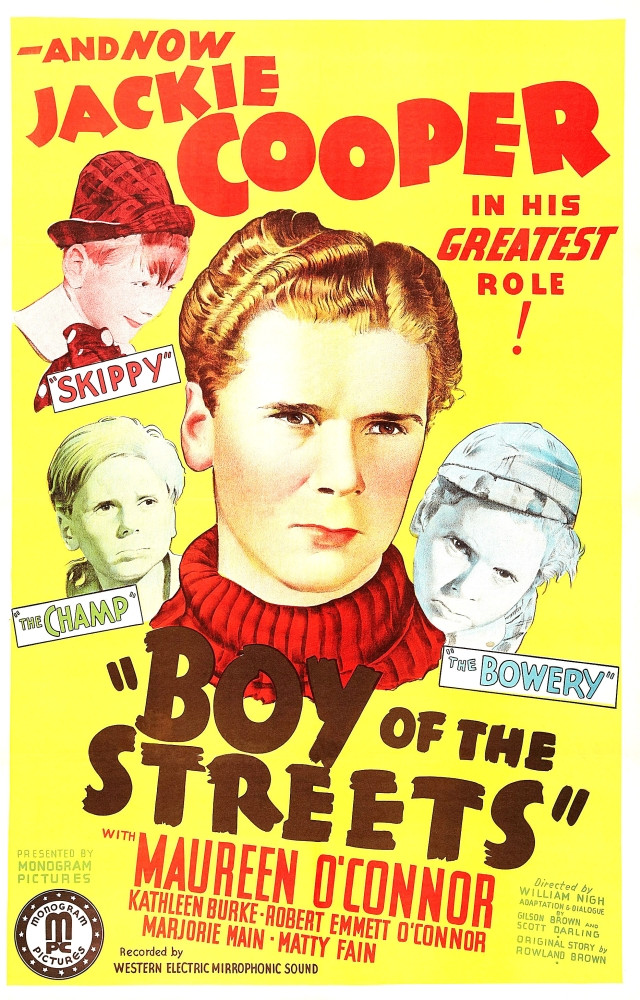
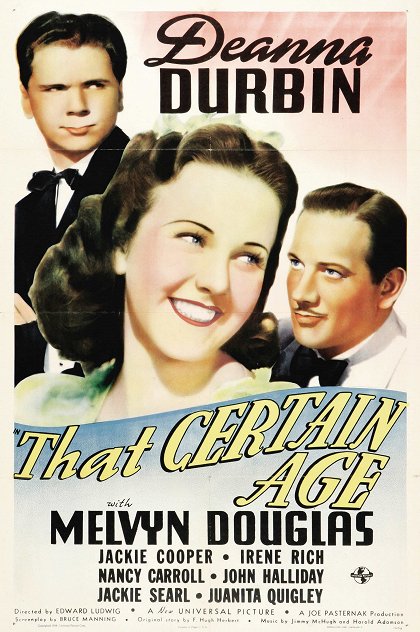
By 1936, despite his popularity, Cooper had reached his teens, and MGM decided not to renew his contract. After leaving the glossiest of Hollywood studios, he went to Monogram, the poorest, for an atmospheric programmer called Boy of the Streets (1937). He continued to be active playing teenagers for the next six years, appearing mostly in B-movies, with a few exceptions: That Certain Age (1938), as Deanna Durbin’s young beau, and in Ziegfeld Girl (1941), as Lana Turner’s brother. In Glamour Boy (1941), Cooper played an ex-child star who suggests the studio remake Skippy, the film that made him famous, with a new kiddie.

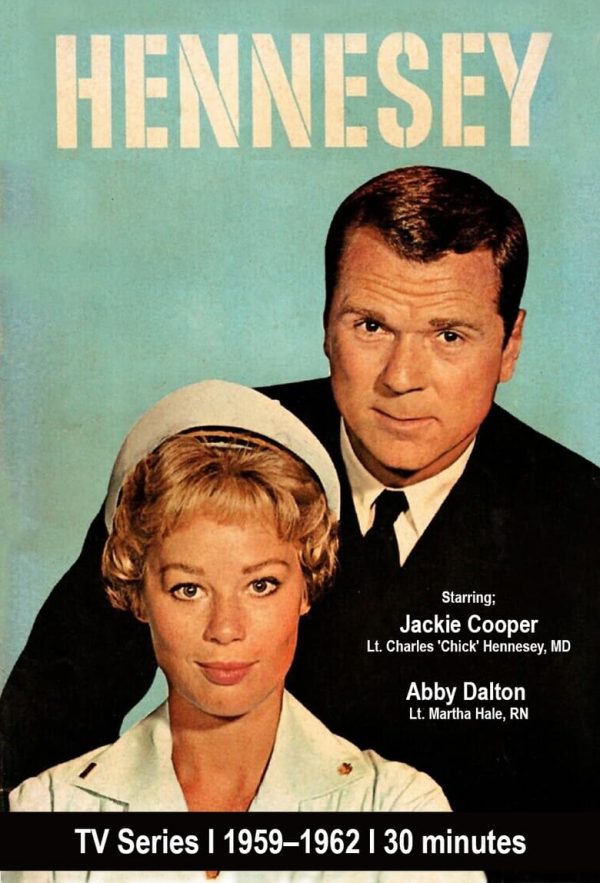
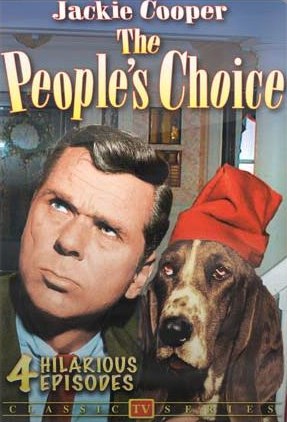
When America entered the second world war, Cooper served in the US navy with the rank of captain. After the war, he found little work in Hollywood and moved to television, having overcome a drinking problem. There were a couple of notable TV series: The People’s Choice (1955-58), a sitcom in which he had a basset hound whose thoughts were given voice for the audience; and Hennesey (1959-62), in which Cooper was a naval doctor at a US military base.

Cooper returned to the big screen after 13 years in an inane comedy, Everything’s Ducky (1961), with Rooney and a talking duck. But most of his time was taken up as an executive producer for Screen Gems, the TV subsidiary of Columbia Pictures, where he worked on the sitcoms Bewitched, The Donna Reed Show and Hazel.

In 1972 Cooper directed his only feature film, Stand Up and Be Counted, starring Jacqueline Bisset. Touted as the first American film about women’s lib, it received tepid reviews – such as one in the New York Times claiming that “it erratically skips between comedy and serious causes, with somewhat less than impressive impact either way”. More rewardingly, Cooper was busy directing numerous TV shows, and won Emmy awards for episodes of M*A*S*H (1974) and The White Shadow (1979).

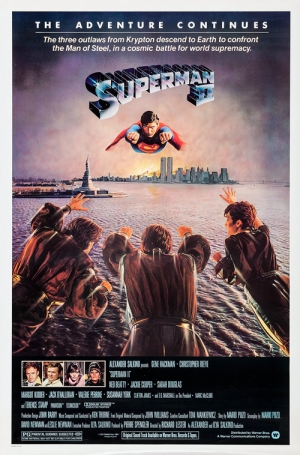
More than four decades after he had been the biggest little star around, Cooper found himself in the full spotlight again when he was cast as the tough-talking, cigar-chomping Perry White, editor-in-chief of the Daily Planet, in four Superman films (1978-87). Cooper got the nod after the original choice, Keenan Wynn, had to drop out while on the set in London, due to heart problems.

Cooper was married three times and had four children, of whom his two sons, John and Russell, survive him. None of them went into show business, on the wishes of their father. “It’s no way for a kid to grow up,” Cooper explained.

• Jackie (John) Cooper, actor and director, born 15 September 1922; died 3 May 2011

The above “Guardian” obituary can also be accessed online here.

Cornelia Sharpe
Cornelia Sharpe
Cornelia Sharpe

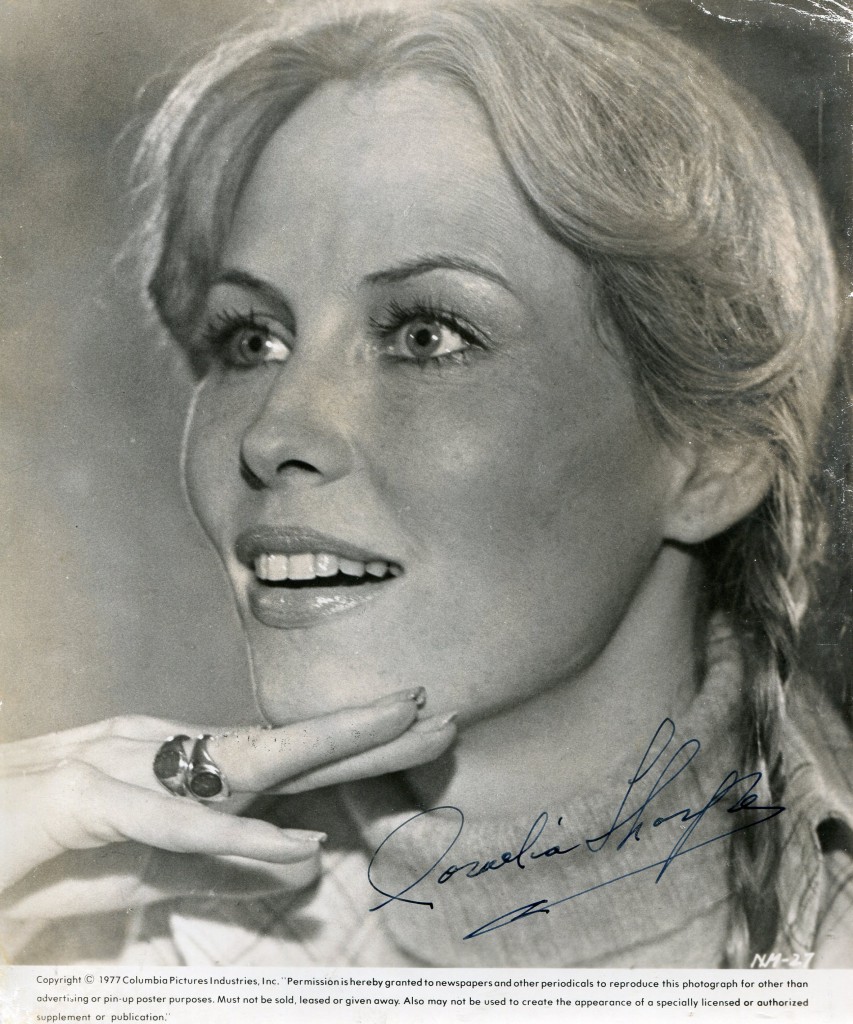
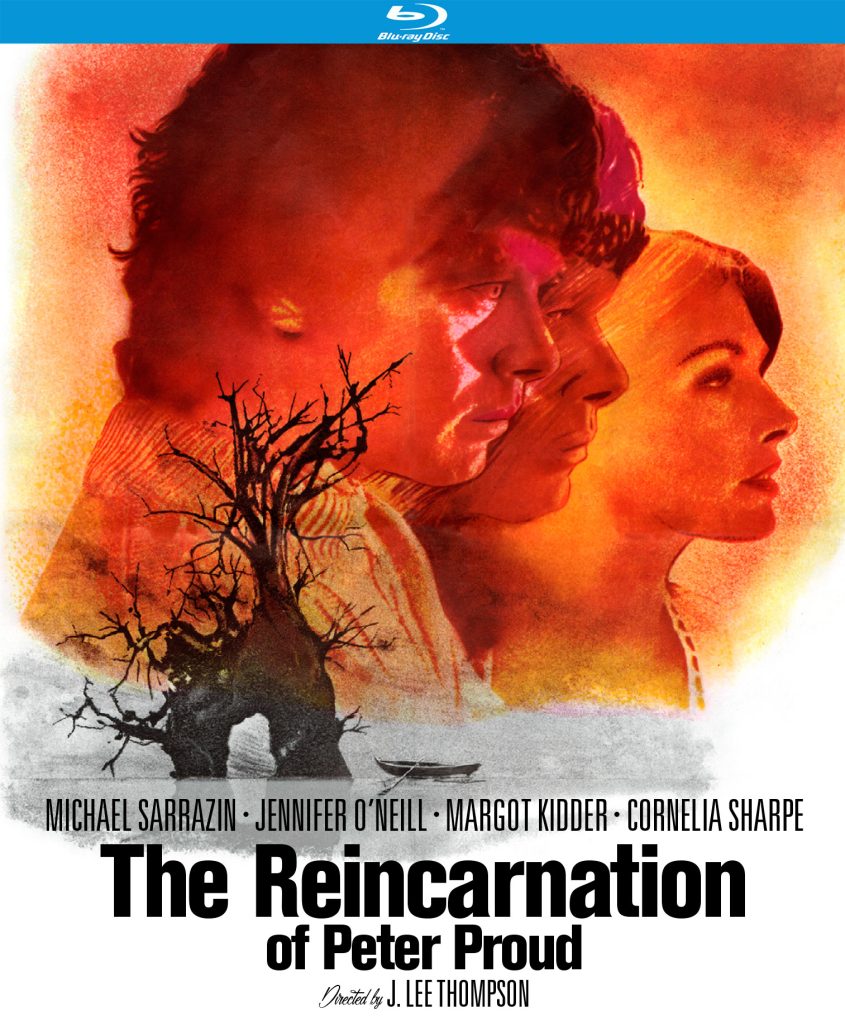
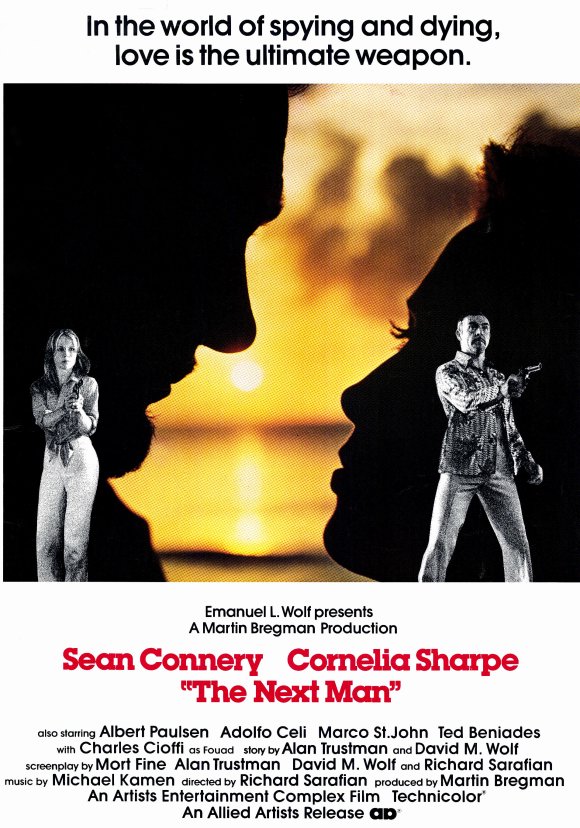
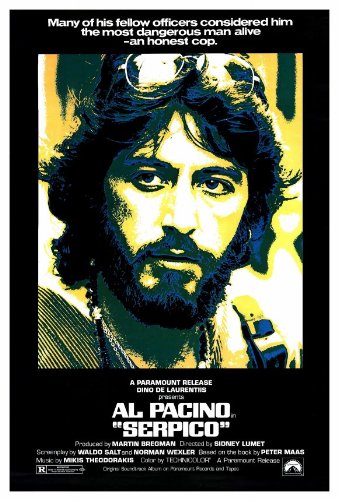
Cornelia Sharpe was born in 1943 in Selma, Alabama.   For a time in the 1970’s she had some leading roles in major movies opposite such famous actors as Al Pacino in “Serpico” in 1932 and Sean Connery in “The Next Man” in 1976.

IMDB entry:

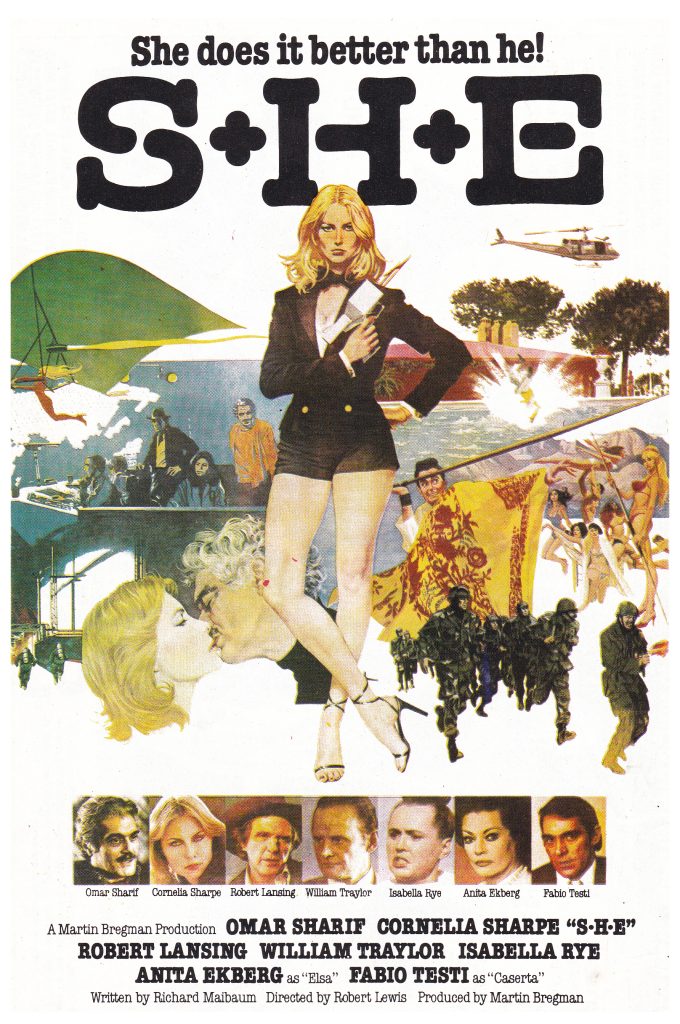
Cornelia Sharpe was born on October 18, 1943 in Selma, Alabama, USA. She is an actress, known for Serpico (1973), The Next Man (1976) and S+H+E: Security Hazards Expert (1980). She has been married to Martin Bregman since 1981. They have one child.   Former fashion model.   Her father is Warner Jack Sharpe, Jr., a dental supplier and her mother is Evelyn Horne Sharpe, a dental assistant and secretary. She was raised in Jacksonville, Florida and graduated from Robert E Lee High School in Jacksonville in 1961.   Her daughter with husband Martin Bregman Marissa Cornelia Bregman was born in 1982.   Mother of Marissa Bregman.   Stepmother of Michael Bregman and Christopher Bregman.

Cass Daley


Cass Daley

Cass Daley

Cass Daley

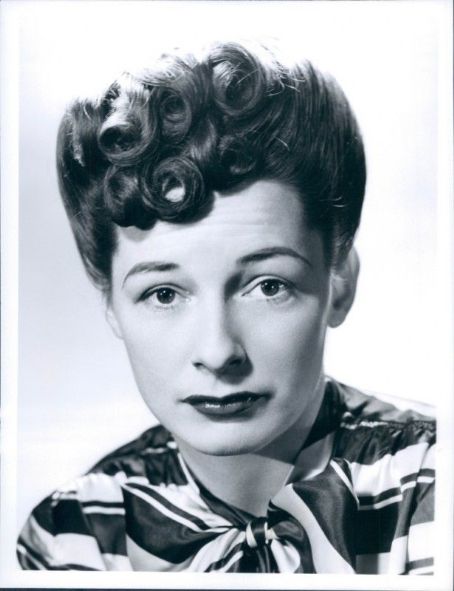
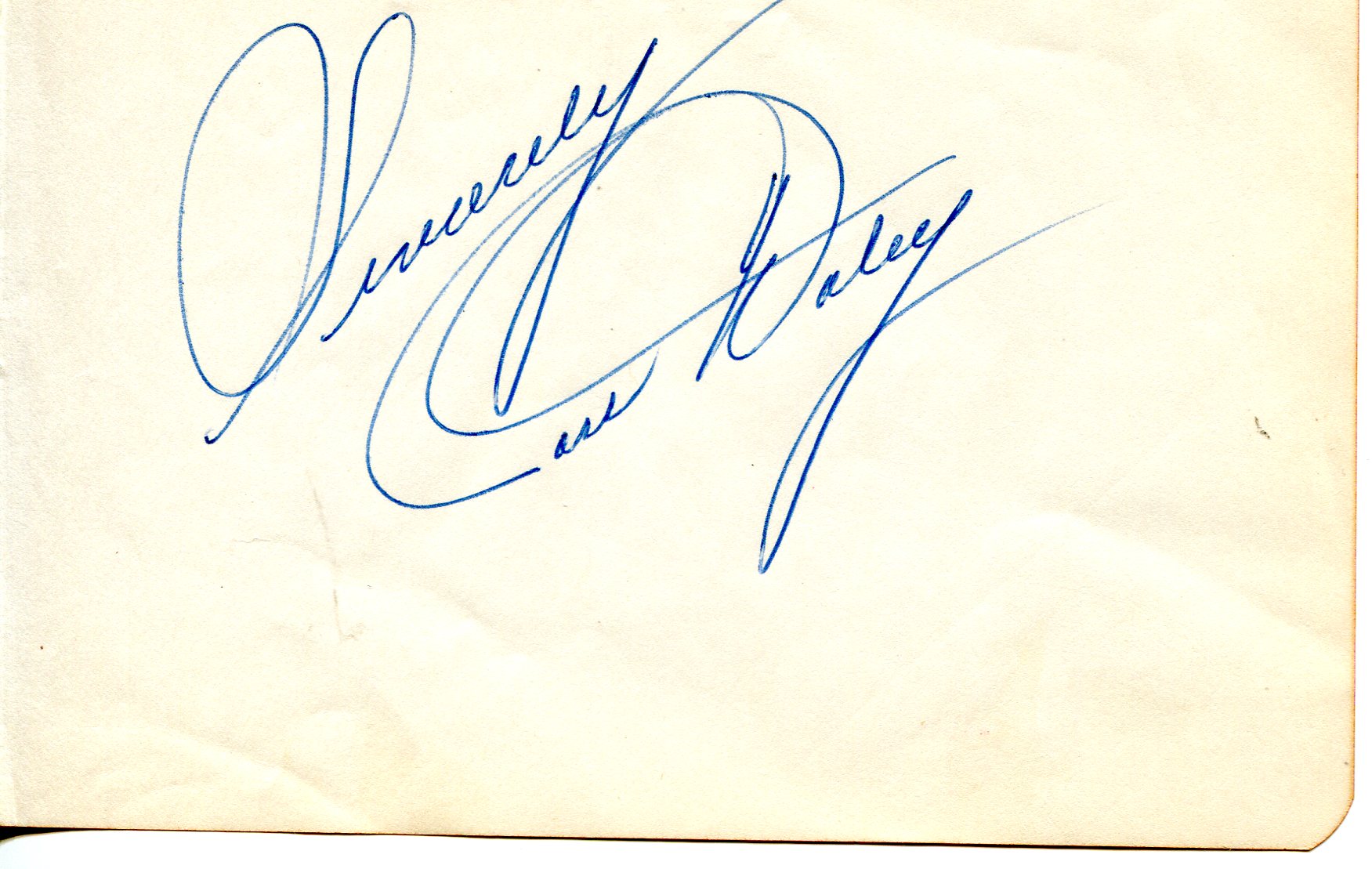
Cass Daley was born in 1915 in Philaadelphia.   She was a populat supporting player in Hollywood films of the 1940’s.   Her movies include “The Fleet’s In” in 1942 with Dorothy Lamour and Betty Hutton and “Duffy’s Tavern”.   She died in 1975 as a result of a fall in her home.

IMDB entry:

Brassy, gangly Cass Daley, the daughter of a streetcar conductor, started her career as a band vocalist. She displayed a flair for zany comedy that made her a big hit in nightclubs and on radio, and she started working in films in the early 1940s. Her eccentric, off-the-wall singing and dancing combined with her gawky, buck-toothed appearance endeared her to movie audiences in the 1940s and 1950s, most notably in knockabout comics Ole Olsen and Chic Johnson‘s Crazy House (1943), in which she played both herself and a goofy lookalike, “Sadie Silverfish”. She retired from films in the 1950s and made only occasional appearances into the 1970s. She died in a freak accident at home when she fell over a glass table and a shard of broken glass slashed her neck, causing her to bleed to death.

– IMDb Mini Biography By: frankfob2@yahoo.com

John McGiver
John McGiver
John McGiver

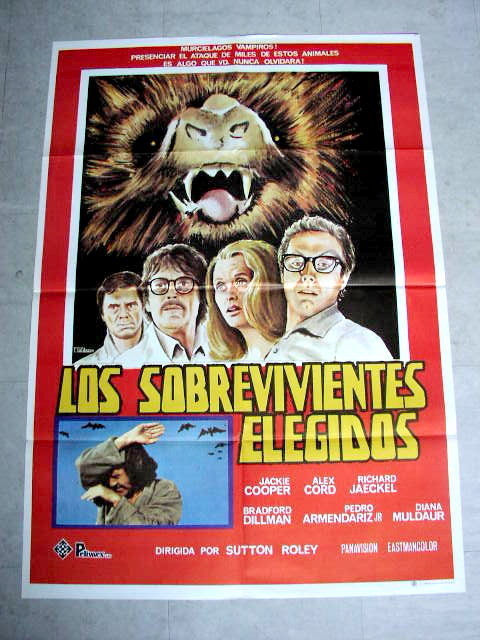
John McGiver was born in 1913.   He was well into middle-age before he became a popular character actor on film.   His debut was as the salesman in “Breakfast at Tiffany’s ” with Audrey Hepburn.   Other movie roles include “The Manchurian Candidate” in 1962 and “Midnight Cowboy” in 1969 with Jon Voight.   He died in 1975 at the age of 61.
IMDB entry:

John Irwin McGiver came to acting relatively late in life. He held a B.A. and Masters degrees in English from Fordham, Columbia and Catholic Universities and spent his early years teaching drama and speech at Christopher Columbus High School in the Bronx. He had an early flirt with the acting profession in 1938 as actor/director for the Irish Repertory Theatre but found his weekly income of $26.42 insufficient to live on. He enlisted the next year and saw action during World War II, fighting with the U.S. 7th Armored Division in Europe (including the Battle of the Bulge). When he was demobbed after six years in the army, he held the rank of captain. He returned to teaching drama, with occasional forays into off-Broadway acting. In 1947, he married Chicago scenic designer Ruth Shmigelsky and settled down to live in a converted 19th century former Baptist church.

There are conflicting stories as to how McGiver ended up becoming a film and television actor, but it happened sometime after one of his part-time acting performances in September 1955, either through the offices of an old University classmate, turned stage producer, or through the persuasive abilities of an agent from the Music Corporation of America. In any case, the portly, balding, owl-like and precisely-spoken McGiver quickly developed an inimitable style as a comic (and occasionally serious) actor on television and in films. He was most memorable as the obtuse landscape contractor in The Gazebo(1959), a pompous jewelry salesman in Breakfast at Tiffany’s (1961) and an inept twitcher in Mr. Hobbs Takes a Vacation (1962). He also played “Mr. Sowerberry” in a television version of The DuPont Show of the Month: Oliver Twist (1959) and starred in his own (sadly short-lived) TV show, Many Happy Returns (1964) as the complaints manager of a department store. His dramatic roles included a senator in The Manchurian Candidate (1962) and, on television, the corrupt mayor in The Front Page (1970), plus a rare villainous role in the TV episode The Man from U.N.C.L.E.: The Birds and the Bees Affair (1966). Among his numerous guest starring roles on television, he was at his best as the self-absorbed “Roswell Flemington”, who learns a moral lesson in Twilight Zone: Sounds and Silences (1964) (1964).

– IMDb Mini Biography By: I.S.Mowis

The above IMDB entry can also be accessed online here.

John McGiver
John McGiver
Joseph Hindy

Joseph Hindy

Joseph Hindy

Joseph Hindy


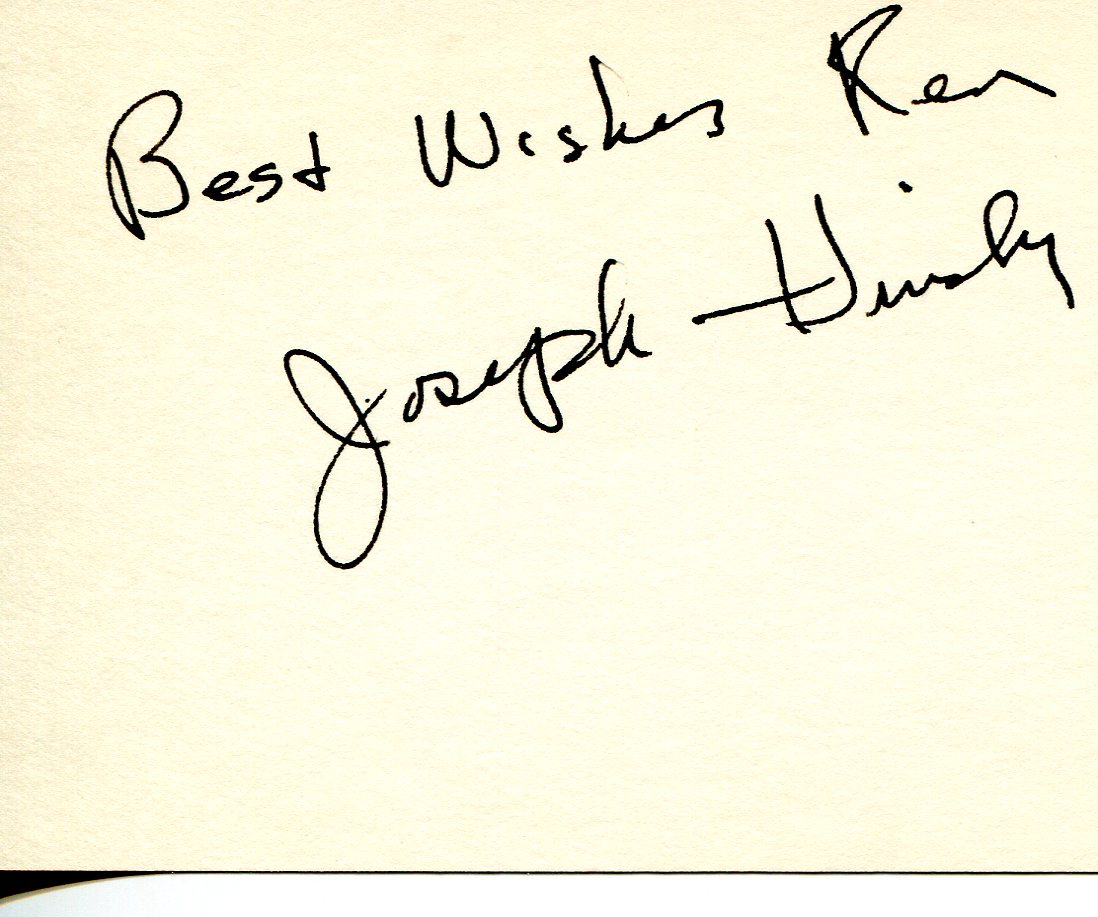
Joseph Hindy was born in 1939.   His first role in 1970 is perhaps his best known opposite Diane Keaton in the wonderful comedy “Lovers and Other Strangers”.   He has guest starred in many TV shows such as “Streets of San Francisco” and “Kojack”.

Mary Robin-Redd

Mary Robin

Mary Robin-Redd
Mary Robin-Redd

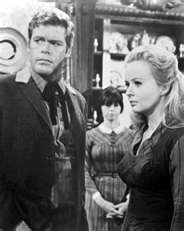
Mary Robin-Redd was born in 1939.   She made her TV debut in 1958 in “Highway Patrol”.   She is primarily know for her role in Sidney Lumet’s “The Group” in 1966.   Her other movies include “J.W. Coop” and “The Great Northfield Minnesota Raid”.

IMDB entry:

Mary-Robin Redd was born on March 18, 1939 in Los Angeles, California, USA. She is an actress, known for The Group (1966), Airplane II: The Sequel (1982) and Quarterback Princess (1983).

Daughter of Gogo De Lys
Richard Benjamin
Richard Benjamin

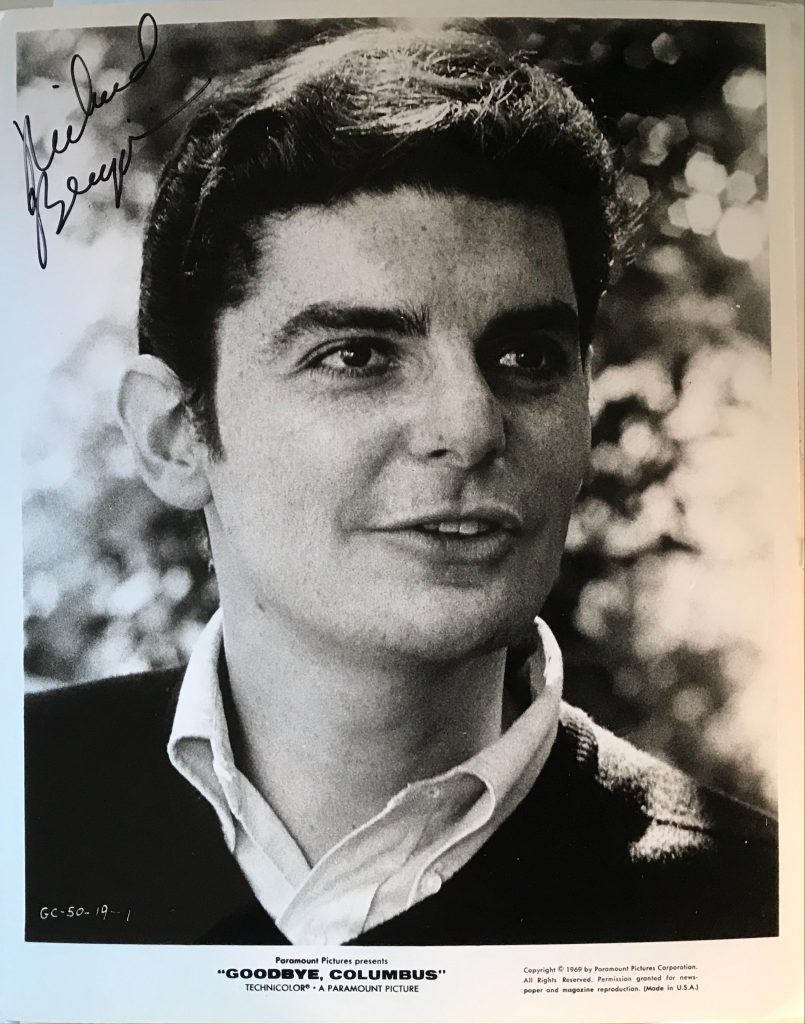
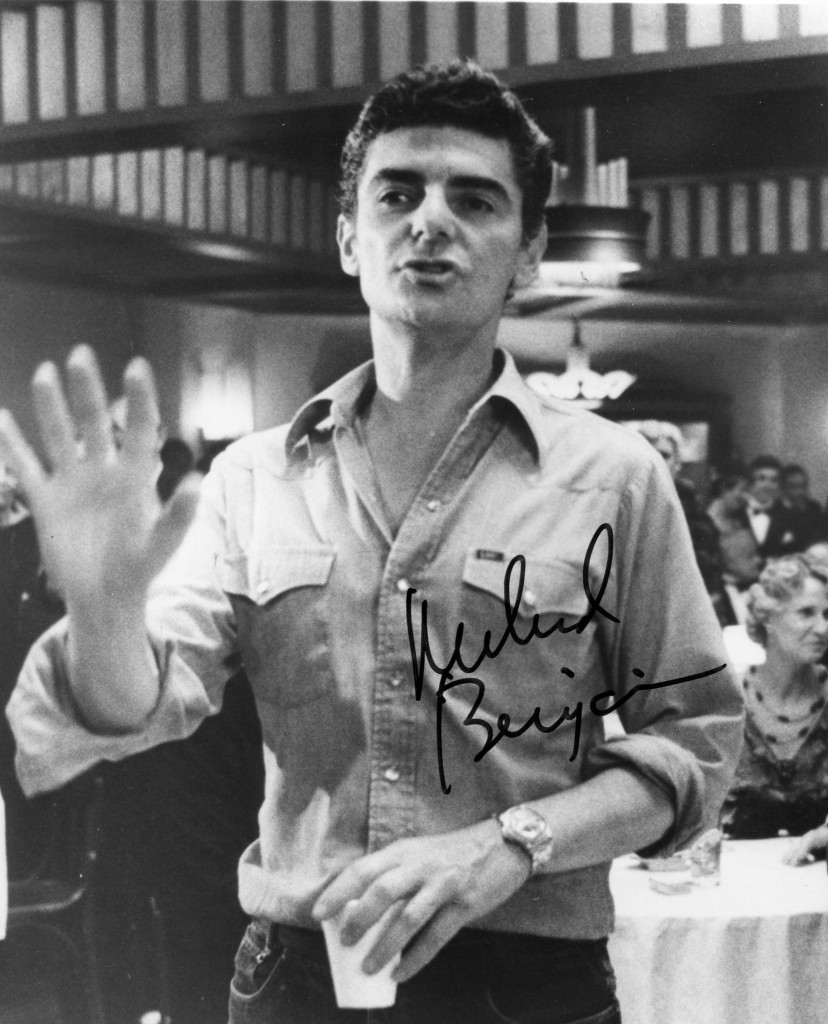
Richard Benjamin was born in 1938 in New York City.   He is now a film director but in the late 1960’s and early 1970’s he gave some terrific performances in such films as “Goodbye Columbus” in 1969 with Ali MacGraw, “The Sunshine Boys” with Walter Matthau and George Burns and “Westworld” with Yul Brynner in 1974.   He is married to Paula Prentiss.

TCM overview:

Best known for his characterizations of two Philip Roth characters, in “Goodbye Columbus” (1969) and “Portnoy’s Complaint” (1972), Benjamin had walk-on juvenile parts in some 1950s films and first earned adult recognition on Broadway, starring in Neil Simon’s “Star-Spangled Girl” (1966). He had directed “Barefoot in the Park” in London the previous year. Other off-beat acting highlights include “Catch-22” (1970) and “The Sunshine Boys” (1975).

Benjamin made a promising directorial debut with “My Favorite Year” (1982), a comic look at the early days of TV featuring a glorious performance by Peter O’Toole. However his subsequent directorial efforts have not been comparable commercially or critically. A conventional storyteller, Benjamin has worked with a wide assortment of actors in several genres. His second film, “Racing With the Moon” (1984), was a war romance starring Sean Penn and Elizabeth McGovern. Benjamin followed up with a pair of undistinguished comedies: “City Heat” (1984), a period detective comedy starring Burt Reynolds and a surprisingly funny Clint Eastwood and “The Money Pit” (1986), featuring Tom Hanks, Shelly Long, and a collapsing house in a Steven Spielberg-produced comedy which confused laughs with special effects. Benjamin’s spy drama, “Little Nikita” (1988), offered the intriguing pairing of Sidney Poitier and River Phoenix, but audiences steered clear. Benjamin also tried his hand at high-concept comedy with “My Stepmother Is an Alien” (1988) with Dan Aykroyd and Kim Basinger and moved on to an action comedy, “Downtown” (1990), with Anthony Edwards and Forest Whitaker. Benjamin regained some degree of critical success that same year with “Mermaids”, a touching mother-daughter comedy starring Cher, Winona Ryder, and Bob Hoskins. After a hiatus, he directed Whoopi Goldberg and Ted Danson in the romantic comedy, “Made in America” (1993) and helmed the pallid “Mrs. Winterbourne” (1996), which starred Ricki Lake and Shirley MacLaine.

The above TCM overview can also be accessed online here.

Richard Benjamin
Richard Benjamin
Bobby Rydell
Bobby Rydell...
Bobby Rydell…
Bobby Rydell
Bobby Rydell

 Bobby Rydell was born in 1942 in Philadelphia.   He was a popular singer in the early 1960’s and appeared in the film musical “Bye Bye Birdie” with Ann-Margret and Dick Van Dyke in 1963.   In 1970 he starred with John Wayne andMaureen O’Hara in “Big Jake”.

IMDB entry:

Part of the Philadelphia music scene which also spawned Frankie Avalon and Fabian, Rydell was undoubtedly the most talented of the teen idols. After a number of song hits, including “Wild One” and “Volare”, he starred in Bye Bye Birdie (1963) before hitting the nightclub circuit. He still appears regularly on “oldies” shows, although he hasn’t had a hit since the early 1960s.

– IMDb Mini Biography By: <anthony-adam@tamu.edu>