
Hollywood Actors

Collection of Classic Hollywood Actors

Nancy Marchand
Nancy Marchand
Nancy Marchand

Nancy Marchand was born in 1928 in Buffalo, New York.   She had built up extensive stage experience before coming to television and then on to film.   Her films include “Me, Natalie”, “Tell Me that You Love Me, Junie Moon”, “The Hospital” and “The Bostonians”.   She is most famous though for two television roles, Mrs Pynchon in “Lou Grant” and Livia Soprano in “The Sopranos”.   Nancy Marchand died in 2000.

Ronald Bergan’s “Guardian” obituary:

For most people, Nancy Marchand, who has died of lung cancer the day before her 72nd birthday, will be remembered as Mrs Margaret Pynchon, the imperious, but essentially fair-minded and liberal owner of the fictional Los Angeles Tribune, in the 1970s television series, Lou Grant. City editor Grant (Ed Asner) complained about her superior and sardonic air, but most journalists would love to work for someone like Mrs Pynchon.

Hers was also one of the few TV roles showing an intelligent woman in a powerful position, who managed to suggest that strength and warmth need not be mutually exclusive. Marchand once described Mrs Pynchon as “a strange combination of being very imposing and down-to-earth”. She won four Emmy awards for the role, each of which acted as a leg of a coffee table in her home.

More recently, however, Marchand managed to obliterate this perception of herself as a patrician woman by brilliantly playing Livia Soprano, the monstrous, whin ing, half-senile, domineering mother of mob boss Tony Soprano (James Gandolfini) in the Home Box Office series, The Sopranos. She never forgives her son for putting her into a nursing home, and becomes the cause of much of his guilt. “I think Livia is the first role I’ve ever had where the makeup crew tries to make me look bad,” March-and commented. “I may be getting older, but I don’t look quite that decrepit.”

In fact, Marchand started off a long way from the well-groomed, tasteful ladies with which she became associated on the small screen. She was in at the exciting beginnings of TV drama in America, her most famous role being Clara, the lonely, plain young school- mistress in the original 1953 live broadcast of Paddy Chay- evsky’s Marty, opposite Rod Steiger in the title role.

“I got the role of Clara because I wasn’t cutesy,” Marchant explained. “I never have been – and I had a bony face.” The actress was a close friend of Chayevsky’s, appearing in several of his television plays, including The Catered Affair and The Bachelor Party, making her feature debut in the film version of the latter.

But, despite the wider recognition of television, Marchand had a long, varied and distinguished stage career. After studying at the Actor’s Studio – with the likes of Paul Newman, Joanne Woodward and John Cassavetes – she made her New York debut as the Tavern Hostess in The Taming Of The Shrew in 1951, going on to play many larger Shakespearean roles, including Nerissa, in The Merchant Of Venice, the Nurse, in Romeo And Juliet, and the Princess of France, in Love’s Labours Lost. It was while acting in Shakespeare and Shaw at the Brattle theatre, in Cambridge, Massachusetts, that she met and married Paul Sparer, with whom she acted, on and off, until his death last November.

In 1960, she won an Obie award for the role of the Madame of the kinky brothel in Jean Genet’s The Balcony. It was then back to the classics at the American Shakespeare festival at Stratford, Connecticut, and the Lincoln Centre repertory theatre, where she was splendidly regal as Queen Elizabeth in Schiller’s Mary Stuart.

In 1980, commuting between Lou Grant in California and New York, Marchand triumphed on Broadway in a revival of Paul Osborn’s back-porch family comedy, Mornings At Seven, as the youngest, and most homely, of four sisters. Among her best film roles were Mrs Burrage, in James Ivory’s The Bostonians (1984), the Los Angeles mayor, in The Naked Gun (1988), and as a crusty, snobbish dowager waking up audiences in the soporific Sabrina (1995) – somehow managing to combine elements of Mrs Pynchon and Livia Soprano.

In real life, Marchand, who is survived by two daughters and a son, was very different from the strong-willed characters she played.

“I’m always very uncomfortable with people,” she once admitted. “It’s something that I get upset with myself for, but that’s the way I am. But I love people. And when I’m on the stage, I can embrace people and still feel safe. There are a lot of different facets to my personality that I don’t use all the time in my house, or in everyday life, that I can experience and share when I’m on a stage.”

• Nancy Marchand, actress, born June 19 1928; died June 18 2000

The above “Guardian” obituary can also be accessed online here.

Keene Curtis
Keene Curtis
Keene Curtis

Keene Curtis was born in Salt Lake, Utah in 1923.   He made his film debut in 1948 in “Macbeth” which starred Orson Welles.   His other films included “Heaven Can Wait” and “Sliver”.   He died in 2002.

IMDB entry:

Keene Curtis was born on February 15, 1923 in Salt Lake City, Utah, USA as Keene Holbrook Curtis. He was an actor, known for Sliver (1993), I.Q. (1994) and Mother Teresa: In the Name of God’s Poor (1997). He died on October 13, 2002 in Bountiful, Utah.

Awarded a Tony in 1971 for supporting actor in the musical, “The Rothschilds.”
Curtis spent 12 years as a stage manager, beginning in 1949 as an assistant stage manager on a tour of the Martha Graham Dance Company, and later for Katharine Cornelland Guthrie McClintock.
He received bachelor’s and master’s degrees at the University of Utah, where he was a student actor and cheerleader.
Served three years with the Navy.
Discovered by Orson Welles when Welles directed a college production of “Macbeth”. Welles cast him in the role of Lennox the following year in his 1948 motion picture adaptation of the play, which launched his film career.
Endowed a scholarship to help graduates embark on their own acting careers and donated his Tony Award, theater memorabilia, and personal correspondence to his alma mater, the University of Utah.
Best known for his bald-pated Daddy Warbucks in “Annie” and flamboyant Alban in “La Cage aux Folles” on the musical stage, he later won a bit of notice as a recurring character on TV’s Cheers (1982) — the snippy, calculating upstairs restaurant owner, John Allen Hill.
Won Broadway’s 1971 Tony Award as Best Supporting or Featured Actor (Musical) for “The Rothschilds.”
The above IMDB entry can also be accessed online here.
Rita Johnson
Rita Johnson
Rita Johnson

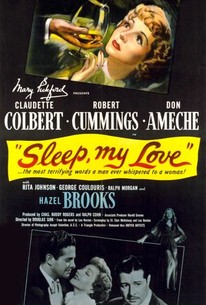
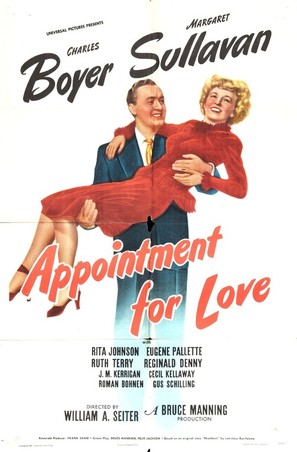
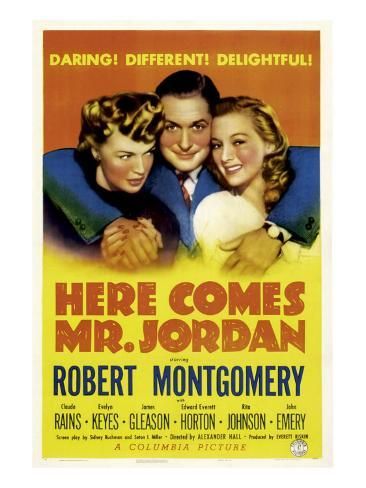
Rita Johnson was an attractive supporting performer who made her mark as “the other woman” on screen.   She was born in 1912 in Worcester, Massachusetts.   Her Broadway debut was in 1935 and her movie debut came in 1937.   The 1940’s were her era and she gave sterling performances in such films as “Here Comes Mr Jordan” in 1941, “They Won’t Believe Me”, “The Big Clock” with Charles Laughton and “The Affairs of Susan” with Joan Fontaine.   She died in 1965.

IMDB entry:

Rita Johnson was born on 8/13/13 in Worcester Ma. She attended the New England Conservatory of Music, did summer stock, then moved on to Broadway in 1935. She was an extremely versatile actress, who played virtually every type of role. Unfortunately, her career came to a halt in 1948 when a hair dryer fell on her head causing brain damage. Brain surgery was performed, but thereafter her screen time was very limited . She died in Los Angeles County General Hospital on Oct. 31, 1965. Miss Johnson was only 52 years old.

– IMDb Mini Biography By: Anonymous

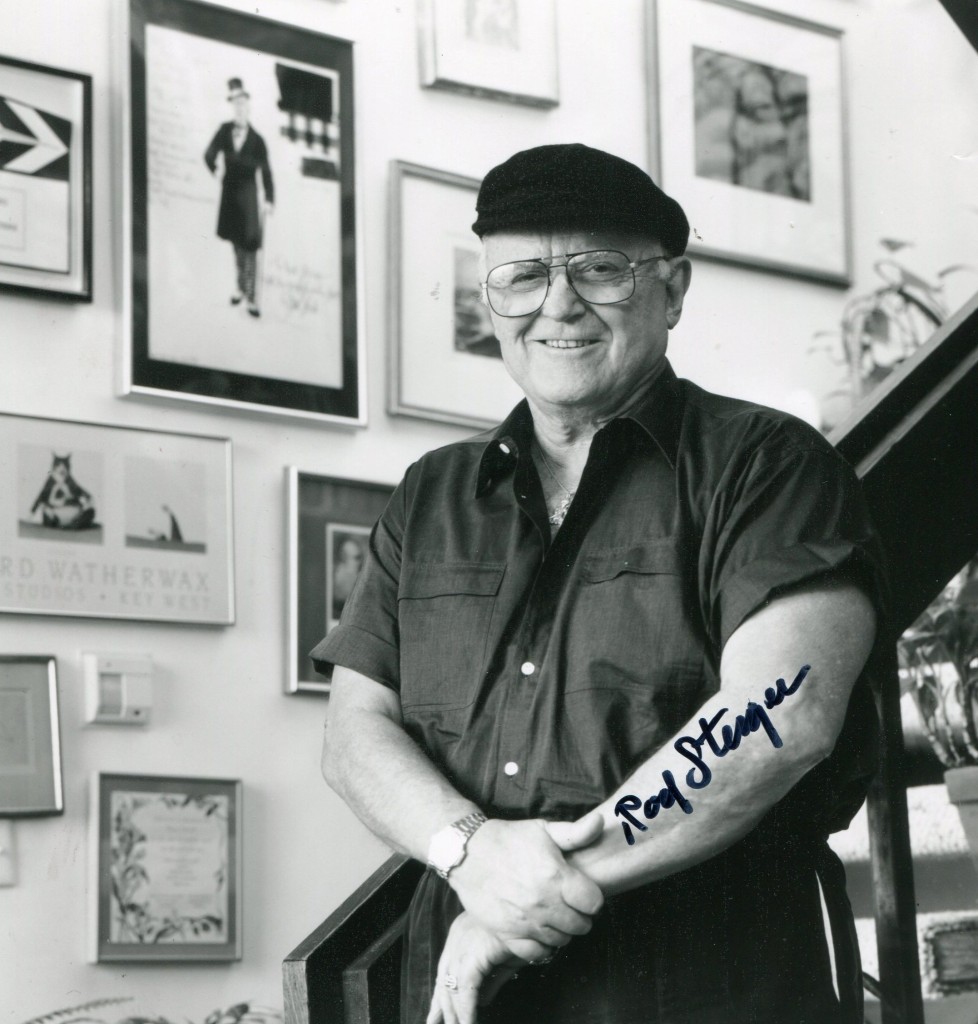
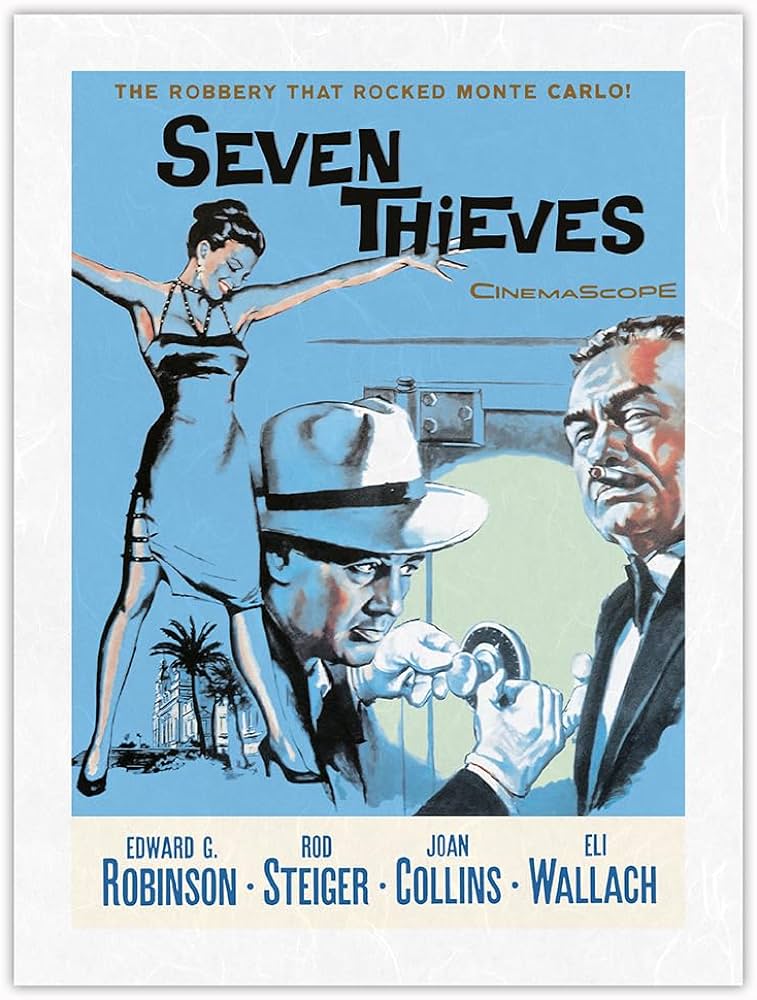
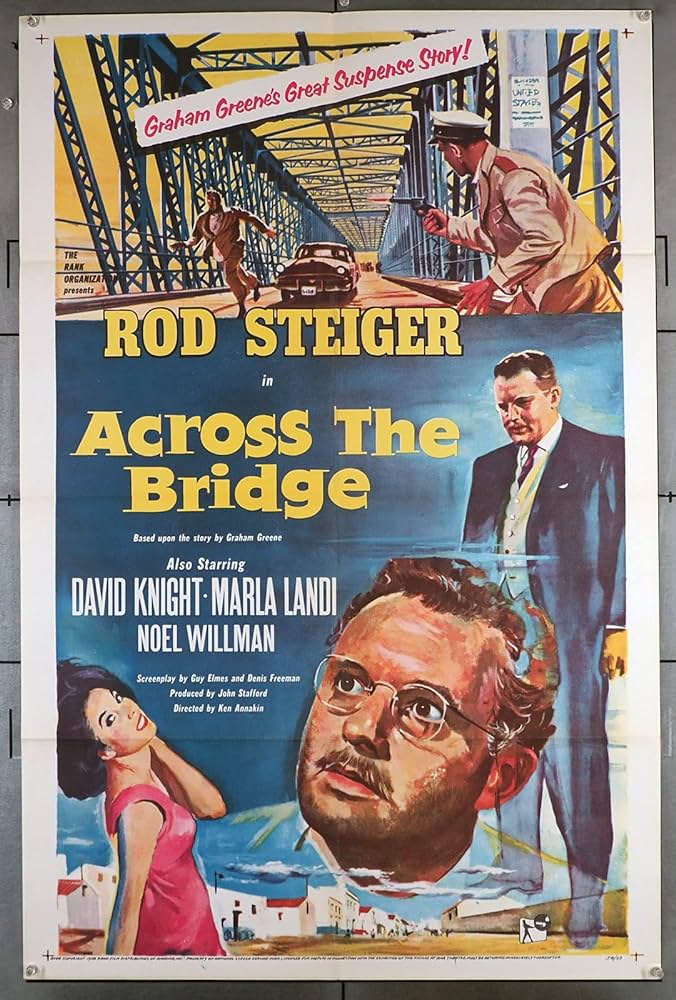
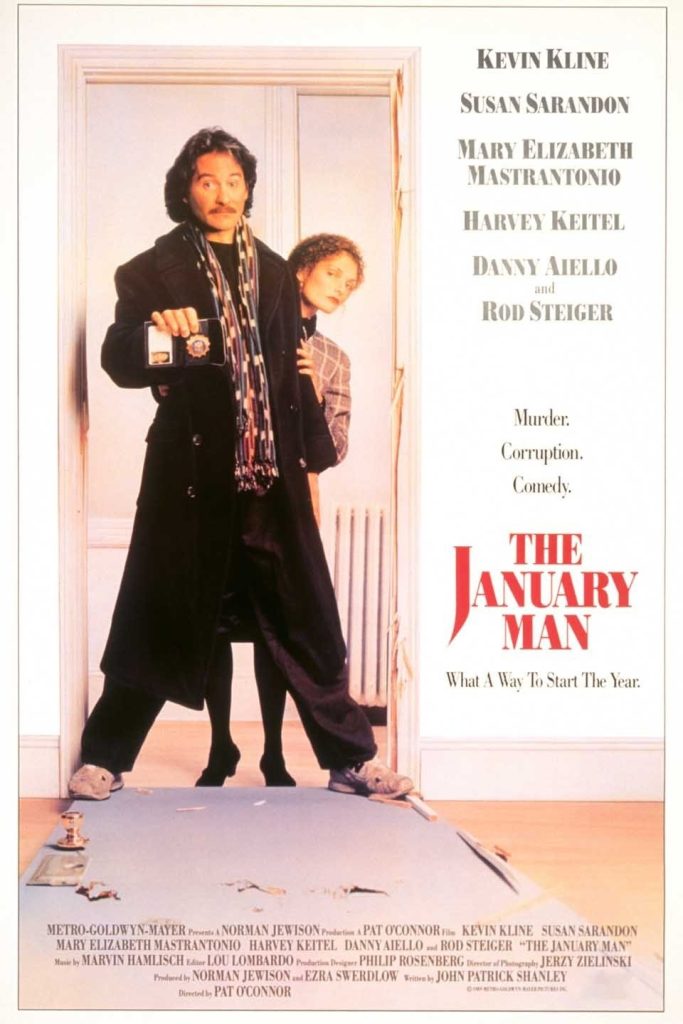
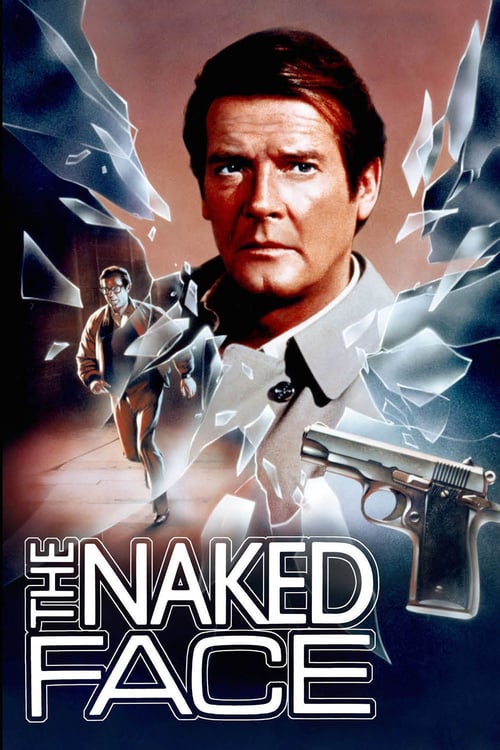
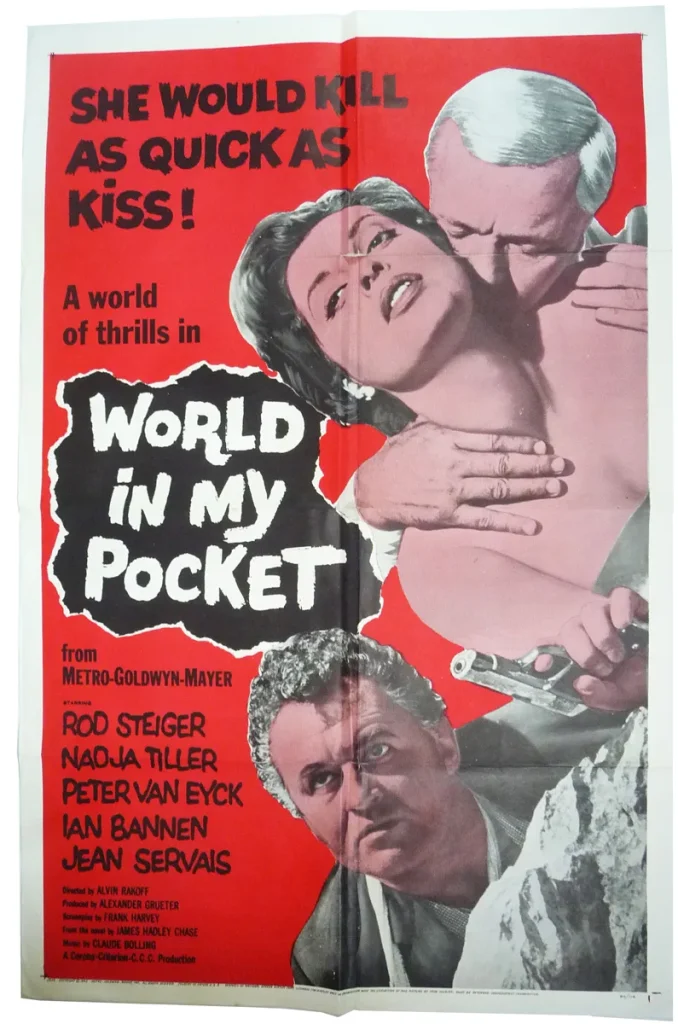
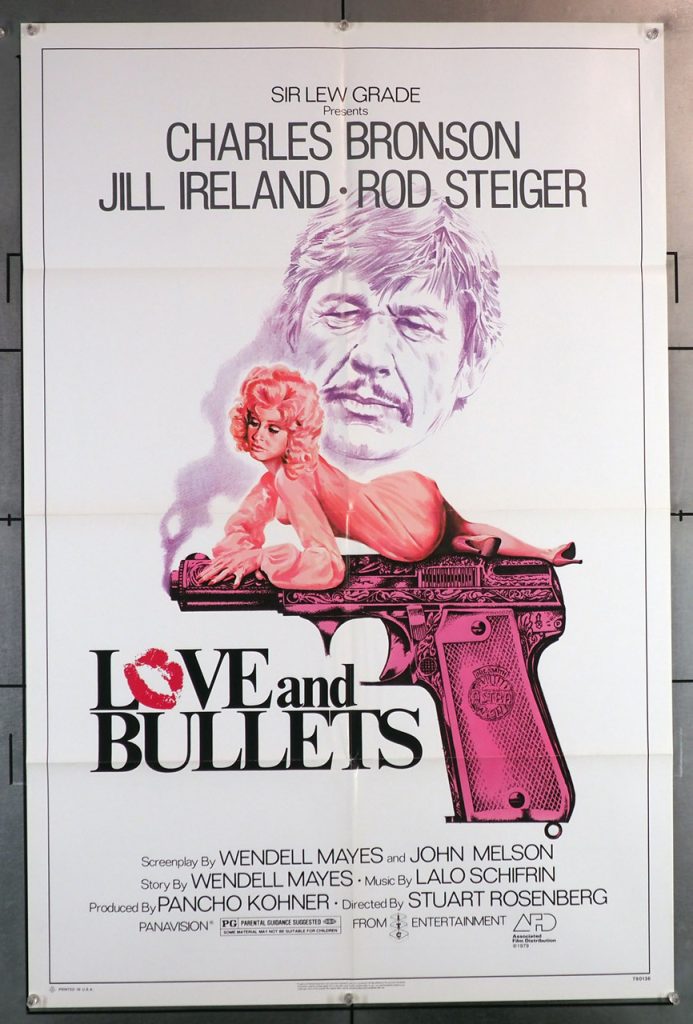
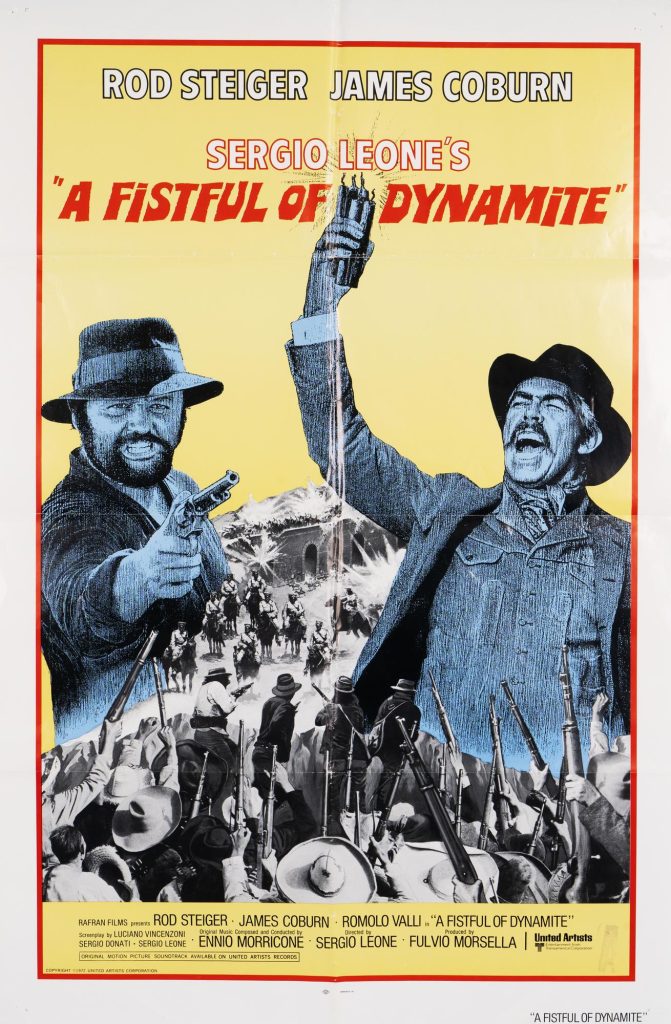
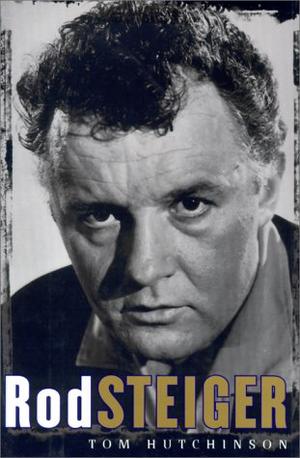
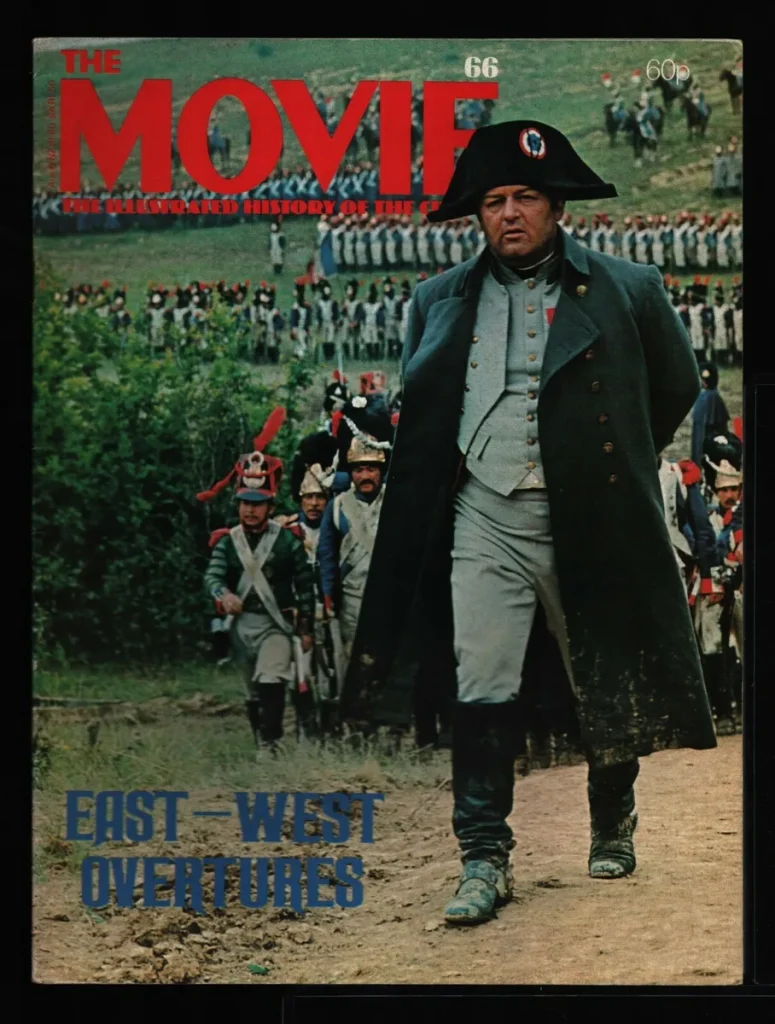
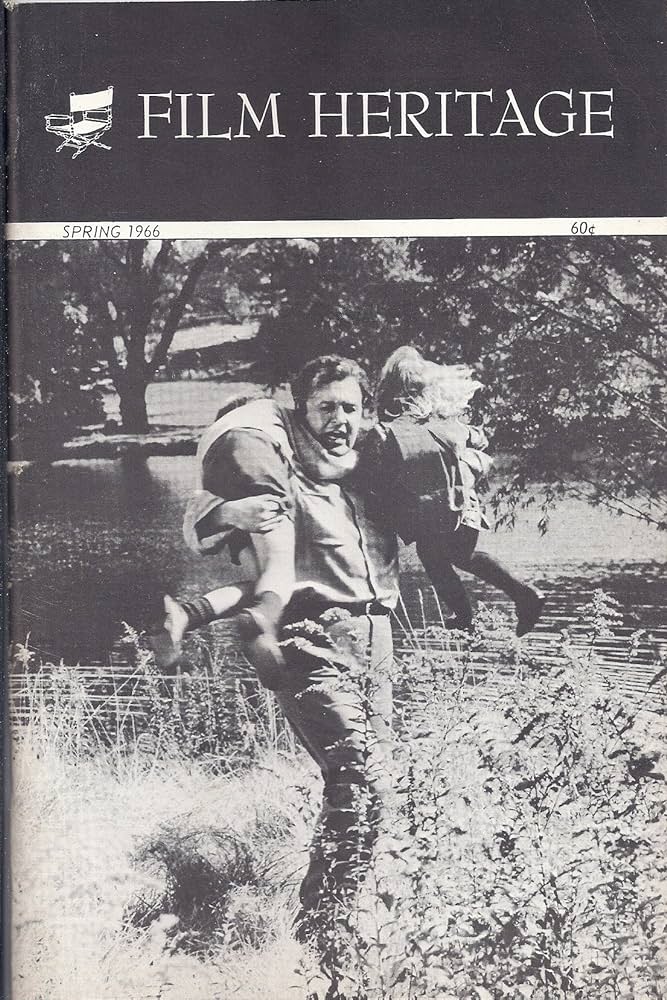
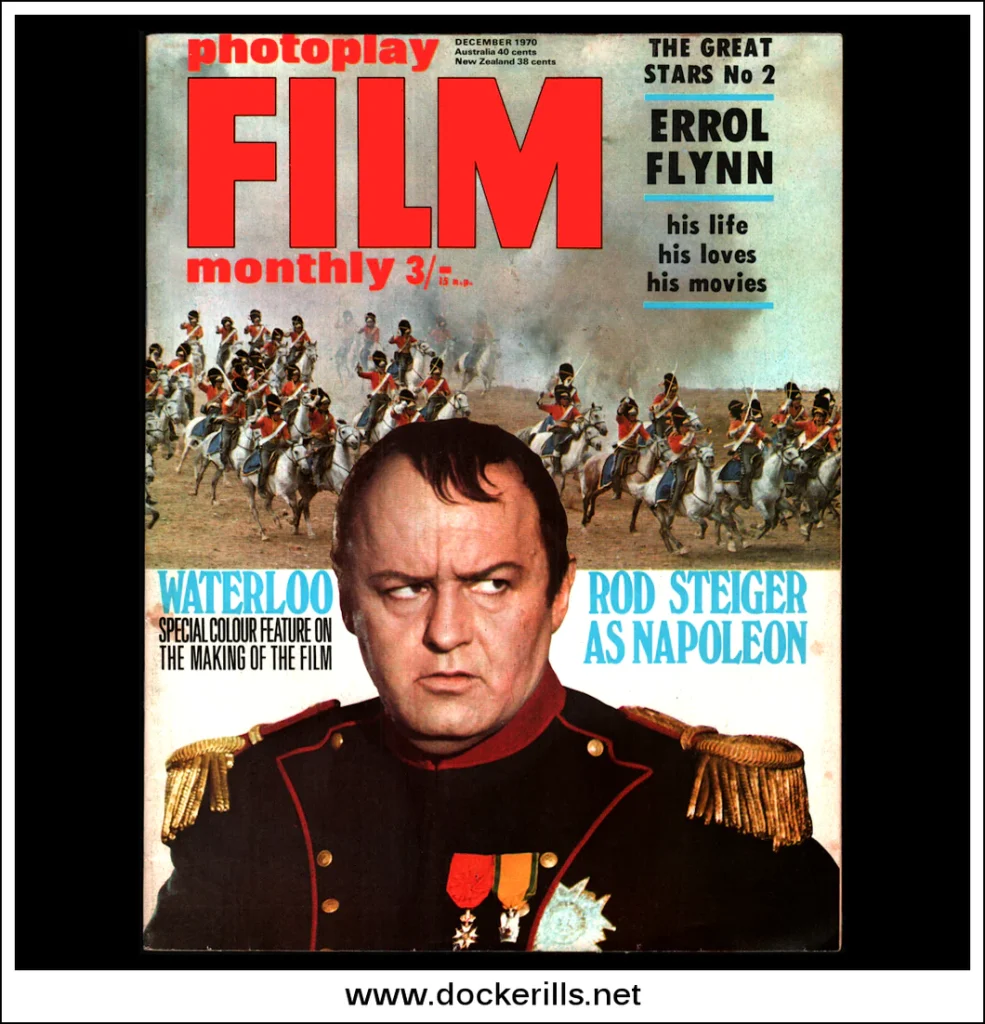
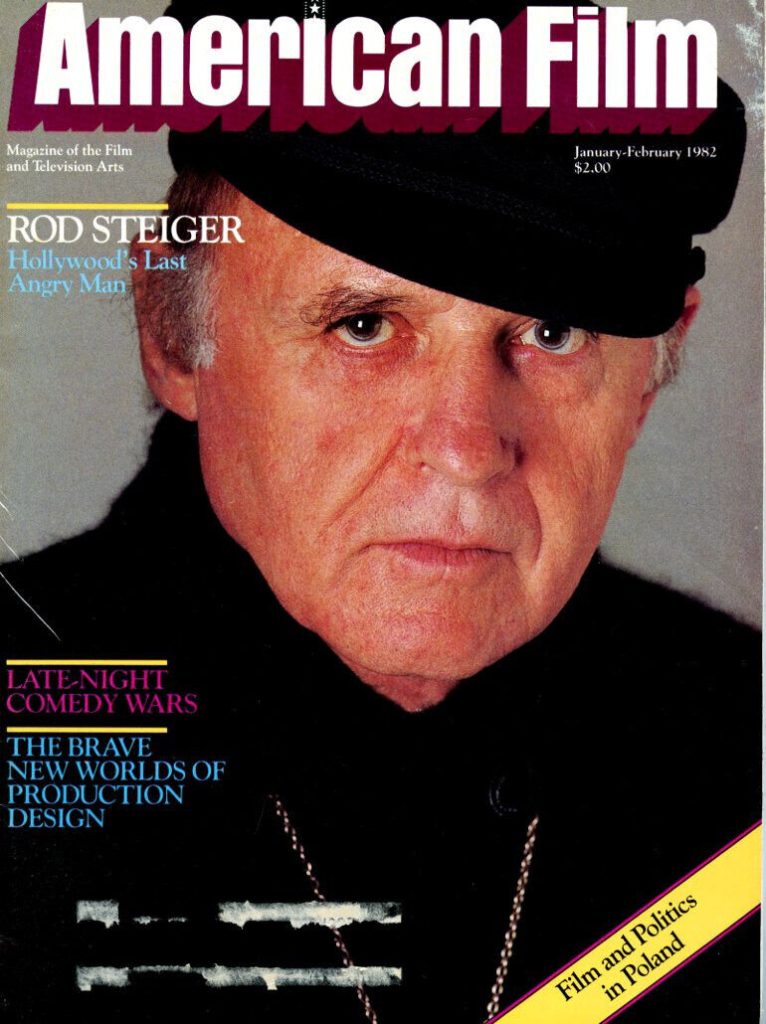
Rod Steiger

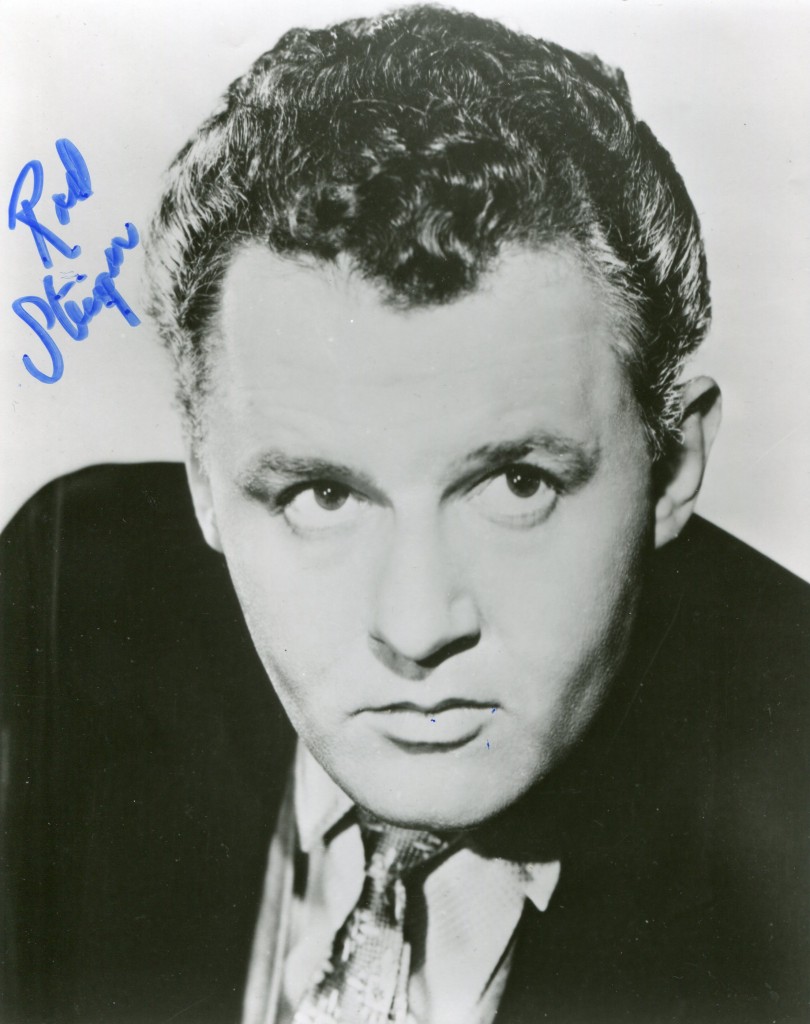
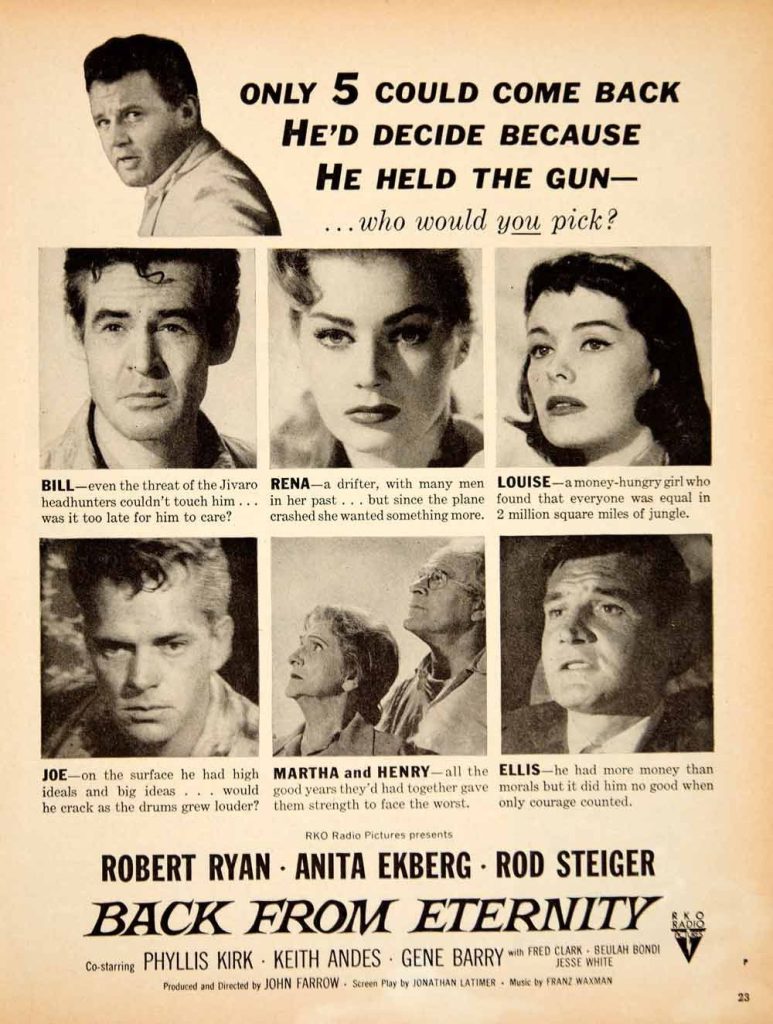
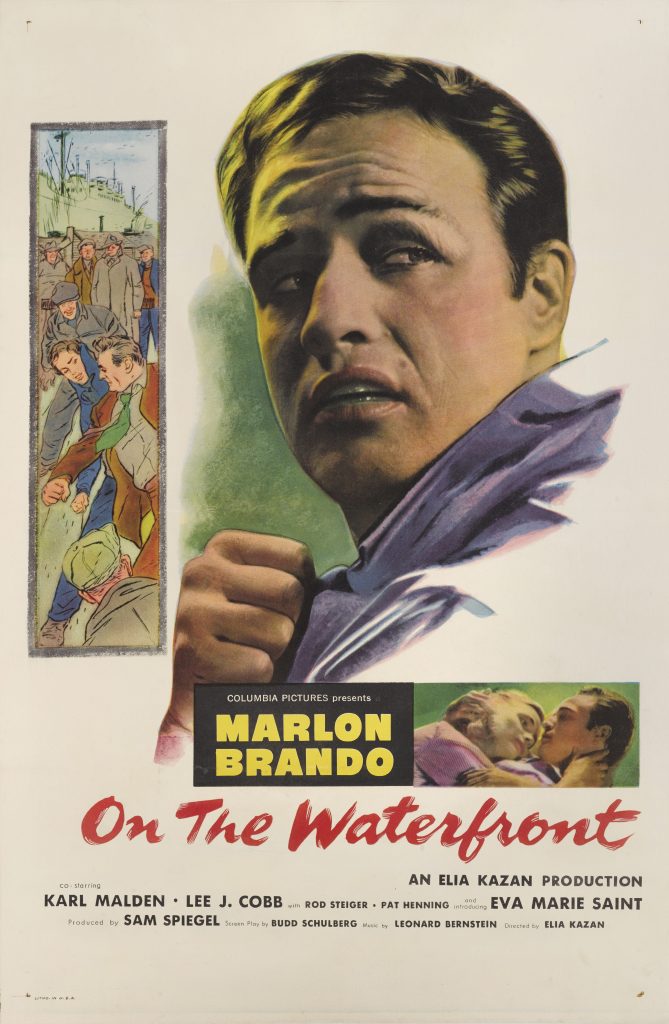
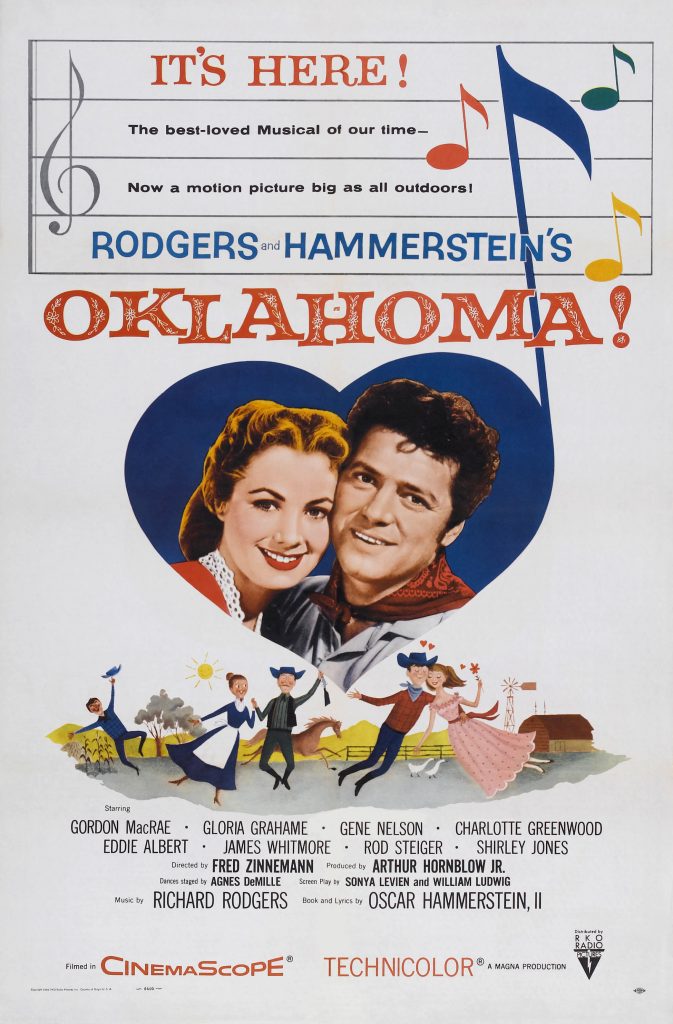
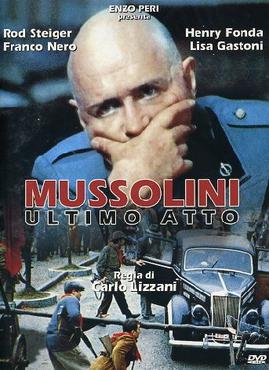
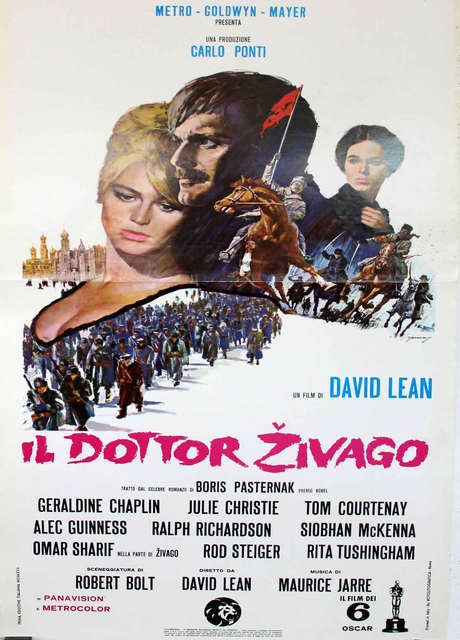
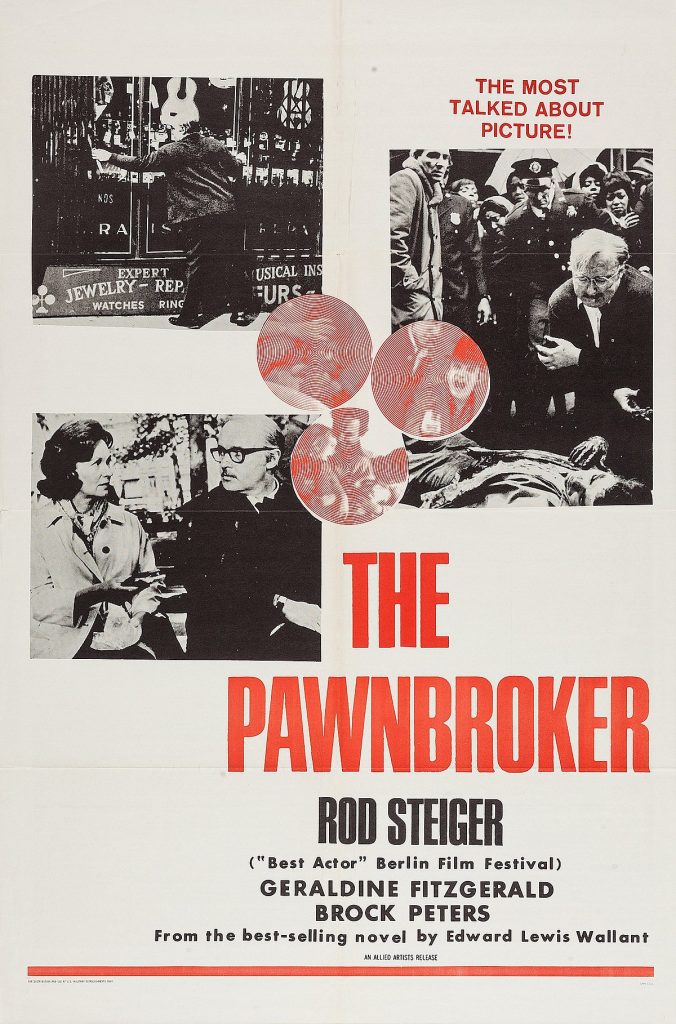
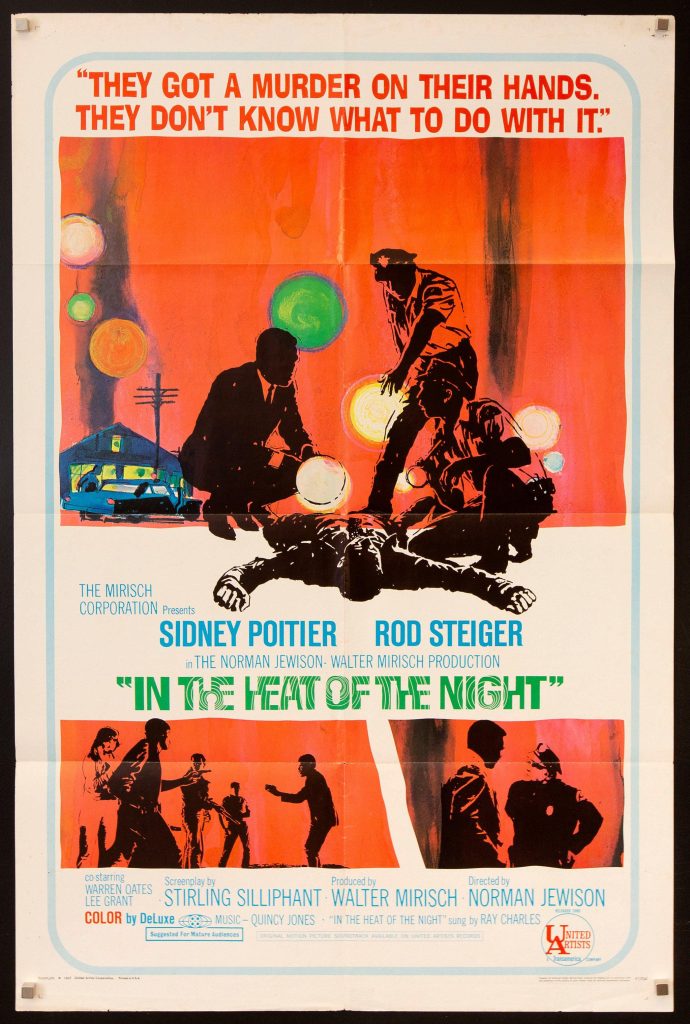
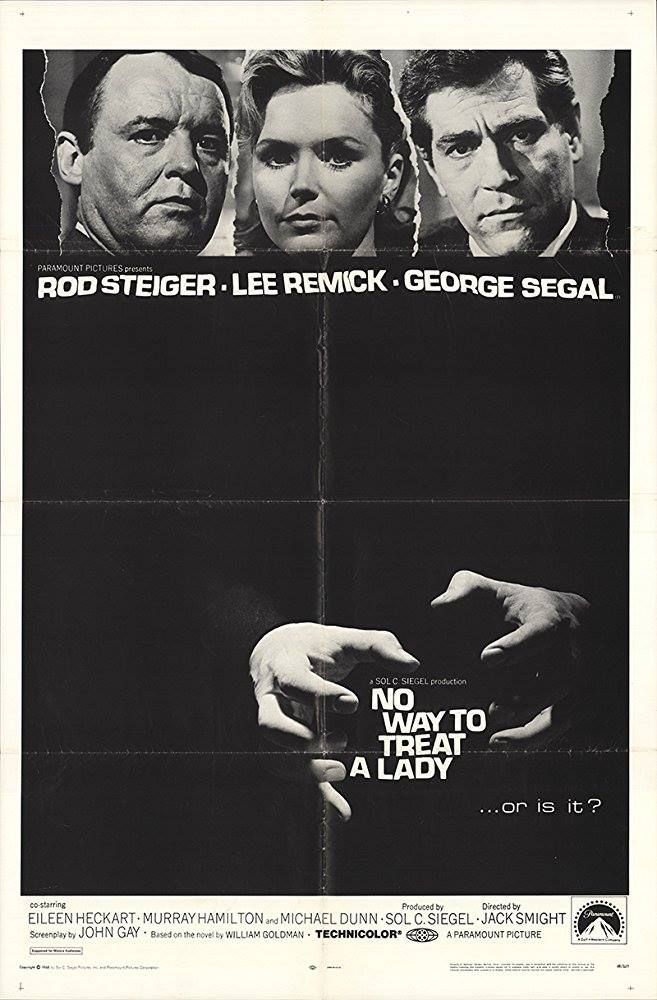
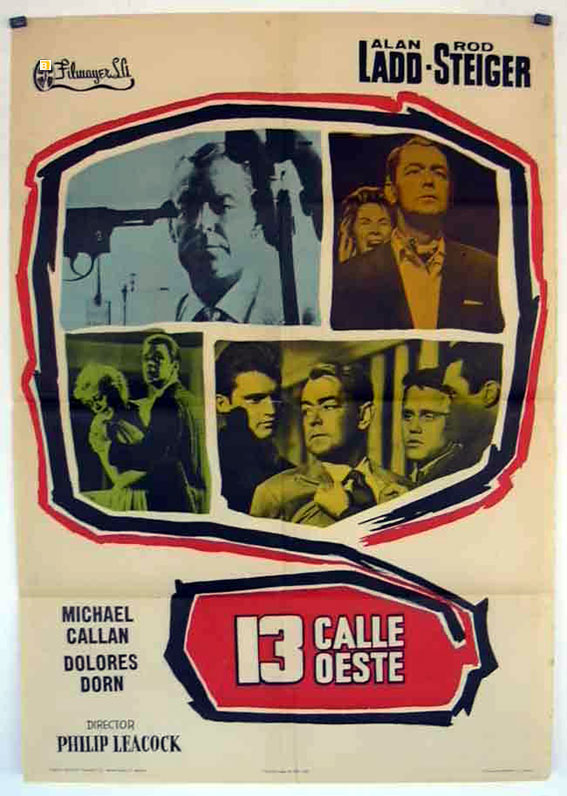
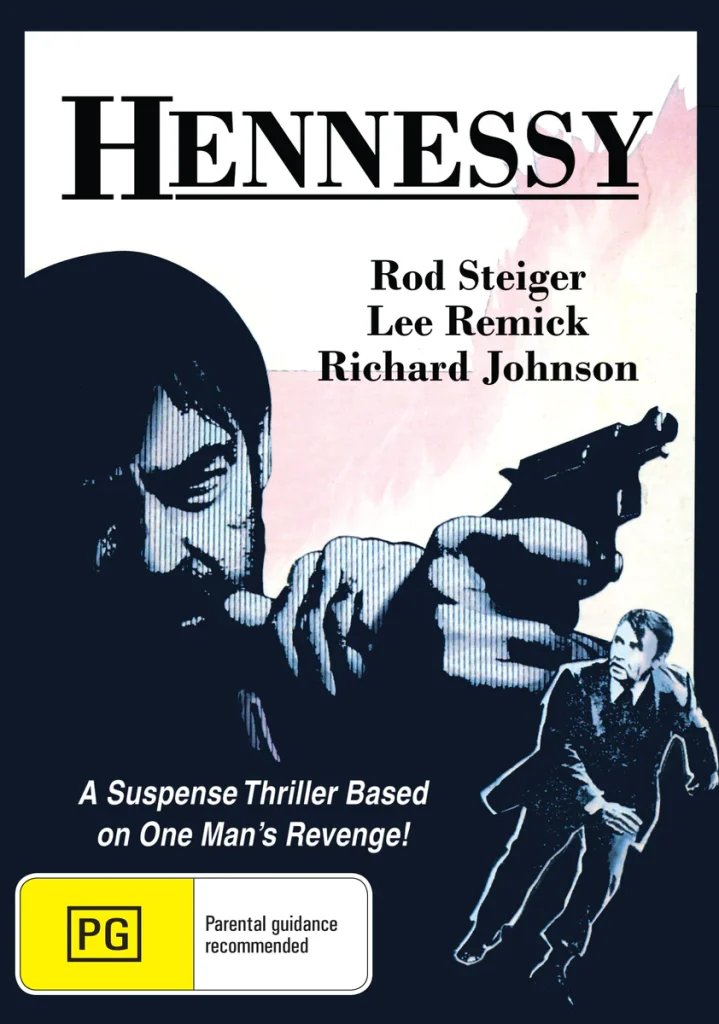
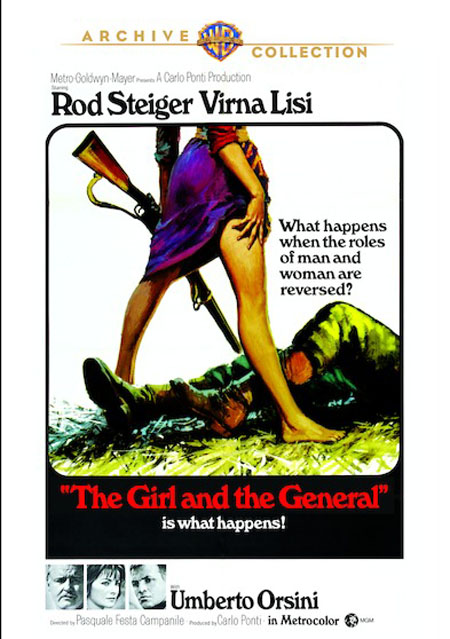
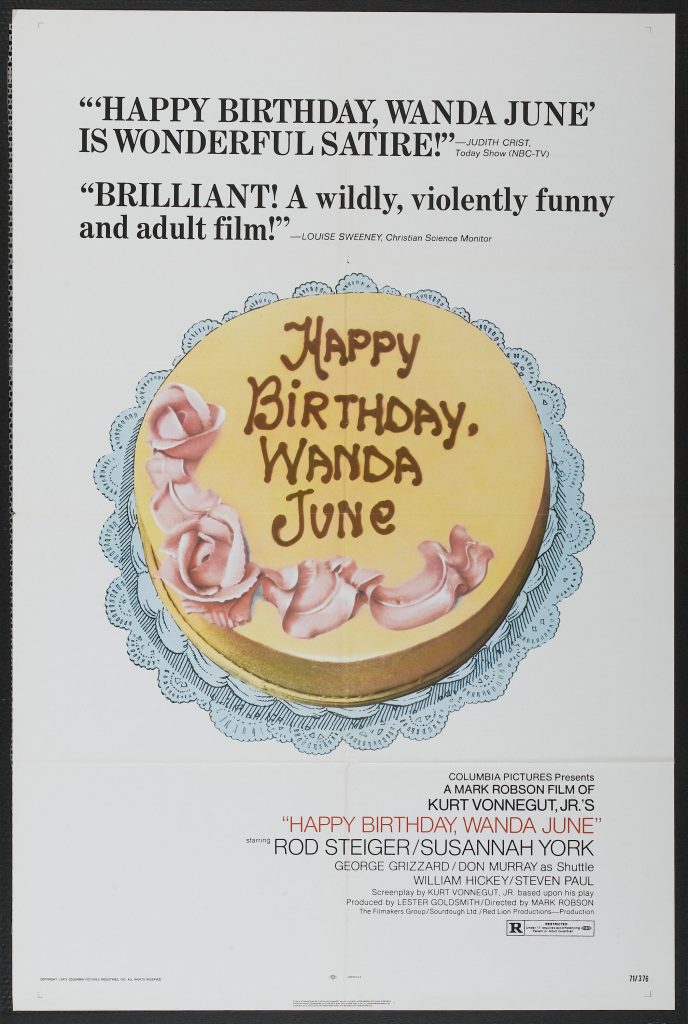
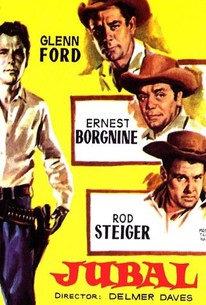
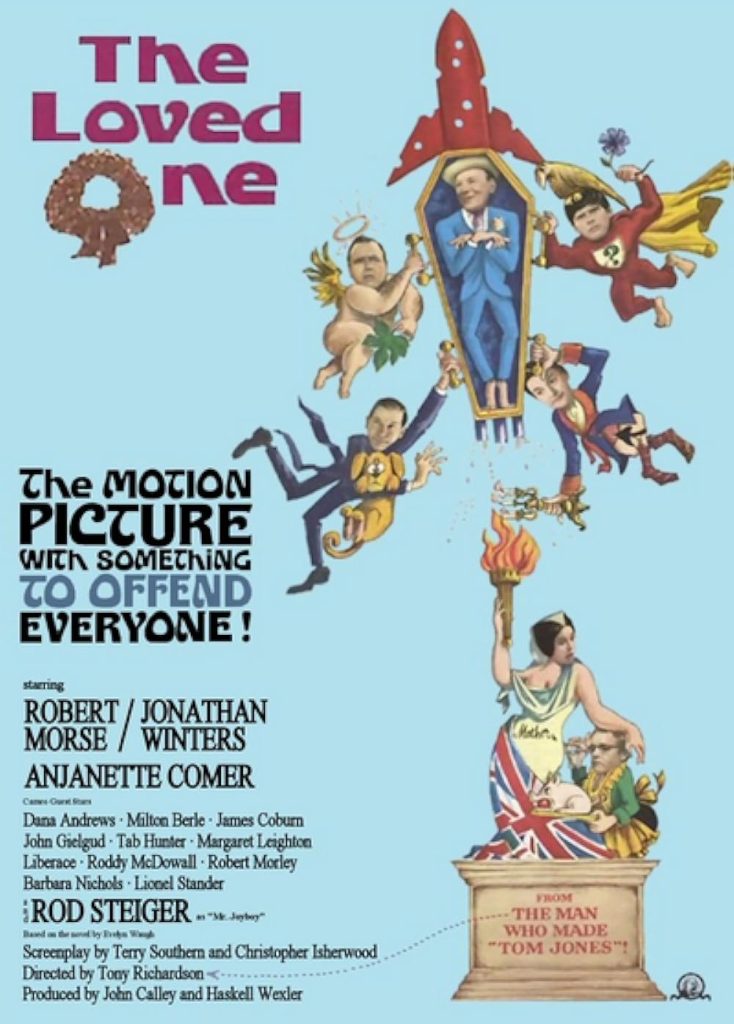
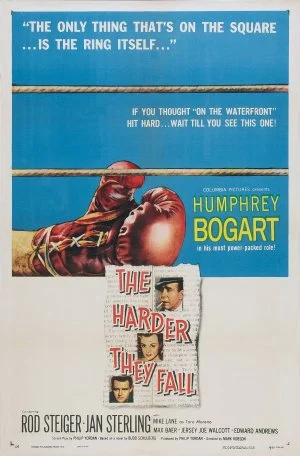
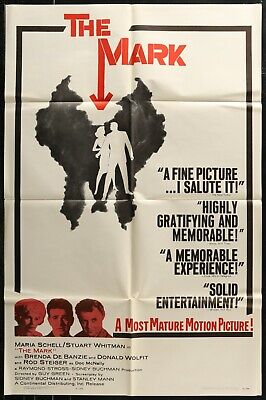
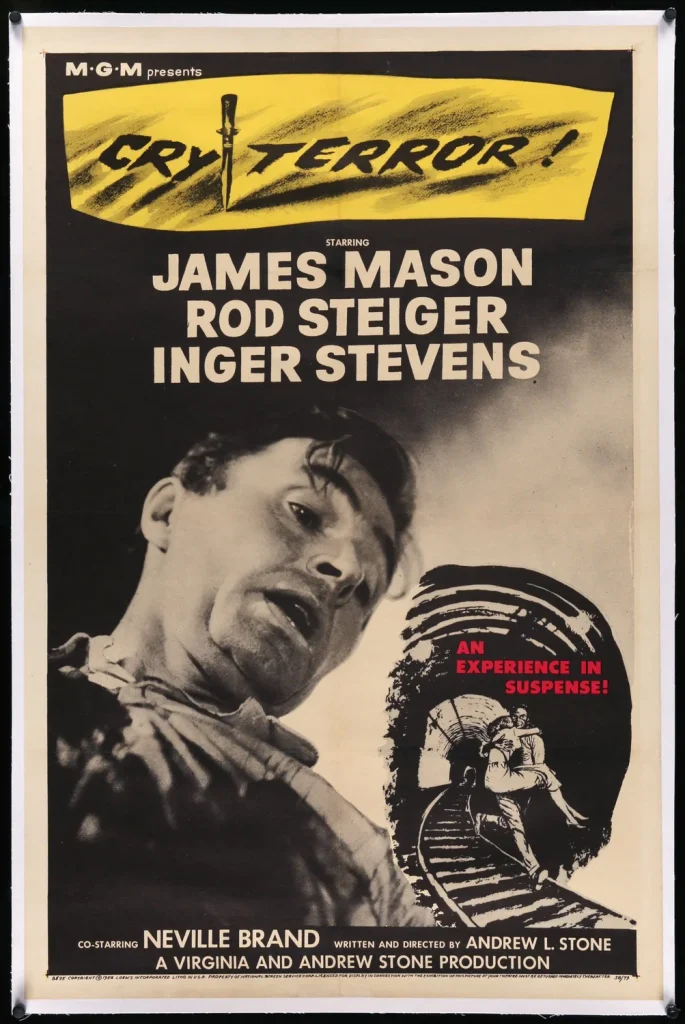
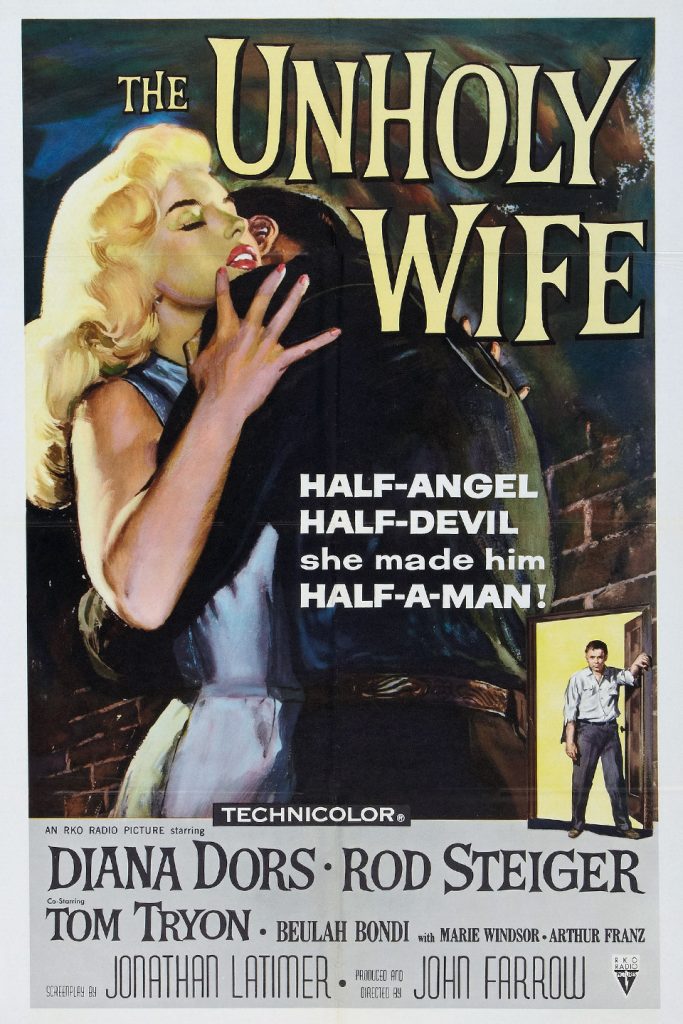
The 1960’s were Rod Steiger’s decade.   He seemed to feature in many of the major films of the period.   He was born in New York in 1925.   He made his debut in Fred Zinnemann’s “Teresa” with Pier Angeli and John Ericson in 1951.   His other films included “On the Waterfront”, “Oklaholma”, “The Big Knife” and “Cry Terror”.   His 1960’s films included “The Pawnbroker”, “In the Heat of the Night” and “No Way to Treat A Lady”.   Rod Steiger died in 2002.

Philip French’s “Guardian” obituary:

Rod Steiger, who has died at the age of 77 was, with his fellow Actors Studio graduate Marlon Brando, the screen’s greatest exponent of the Stanislavski Method, whereby a performer digs deep into himself and the supposed history of the character he is playing to find the essence of the role. Appropriately, the most memorable single scene in which either appeared (one of the greatest in movie history) was their heartbreaking dialogue in the back of a taxi in Elia Kazan’s On the Waterfront (1954) as the crooked lawyer Charley Malloy and his punch-drunk younger brother Terry. It ends with the guilt-ridden Steiger going to meet his death, and the redeemed Brando heading for salvation.

On the Waterfront is set in squalid urban New Jersey, where Steiger grew up caring for his alcoholic mother after his father, a third-rate vaudevillian, deserted the family at the height of the Depression. Immediately after Pearl Harbour, the 16-year-old Rod joined the navy, giving a false age, and served in the Pacific.

He began acting while on a postwar shore assignment, before enrolling under the G.I. Bill at drama school – a decision that transformed his life. Like John Frankenheimer, who died on 6 July, he got his first real break during the Golden Age of live TV drama in New York and, like Katy Jurado, who also died a week ago, he got his first Hollywood role, a very small one, in a Fred Zinnemann movie.

Steiger was a stocky, bull-necked man with piercing eyes, a brooding presence and an aggressive body language, and his adult life – recurrent depression, four turbulent marriages, heavy drinking, chronic overeating, a tendency to violence – was as troubled as his childhood.

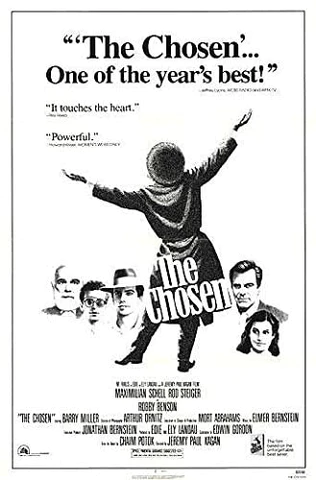
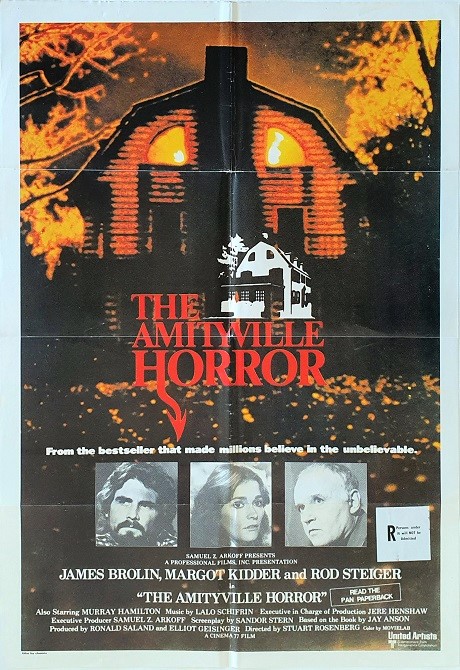
But if he was an alcoholic, he was also a workaholic, and brought to the playing of a wide range of roles a complex personality, a terrible sense of pain, a burden of guilt, an intense self-interrogation, an obsession with authenticity. He poured so much into his characters that they often overflowed with an excess of emotion. This was the case with his melancholic Jud Fry in Oklahoma! and the string of deranged priests and preachers he played (eg The Amityville Horror, The Ballad of the Sad Café), though one of his best, least-vaunted performances was the unyielding Hasidic rabbi in The Chosen.

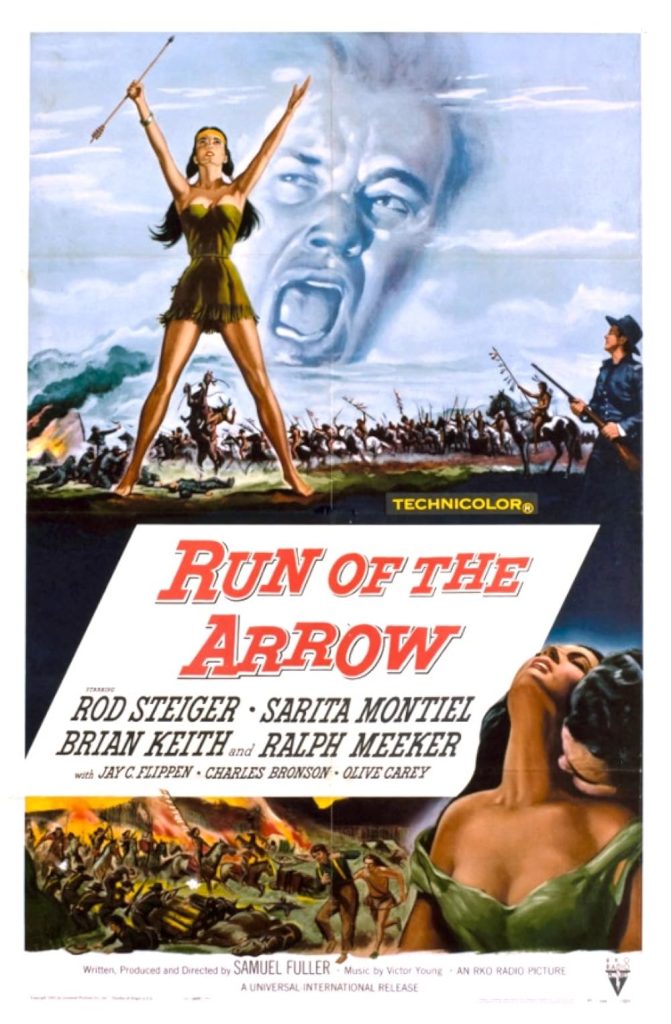
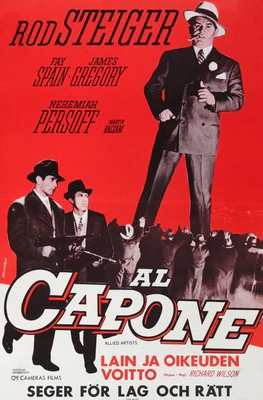
He won an Oscar for his most popular role as the small-town Mississippi police chief in In the Heat of the Night, a dim redneck who comes to respect, and be respected by, black detective Sidney Poitier. But he was equally good as the Irish-American soldier in Run of the Arrow, who refuses to accept the South’s defeat in the Civil War and goes West to discover himself among the Sioux, and as the tormented Auschwitz survivor living an embattled life in Harlem in The Pawnbroker. In less sympathetic vein, he was superb as the Neapolitan racketeer in Francesco Rosi’s Hands Over the City and the ruthless Hollywood mogul in The Big Knife. But he always found an element of humanity in the worst people he played, including Al Capone, perhaps the best of his gallery of historical portraits.

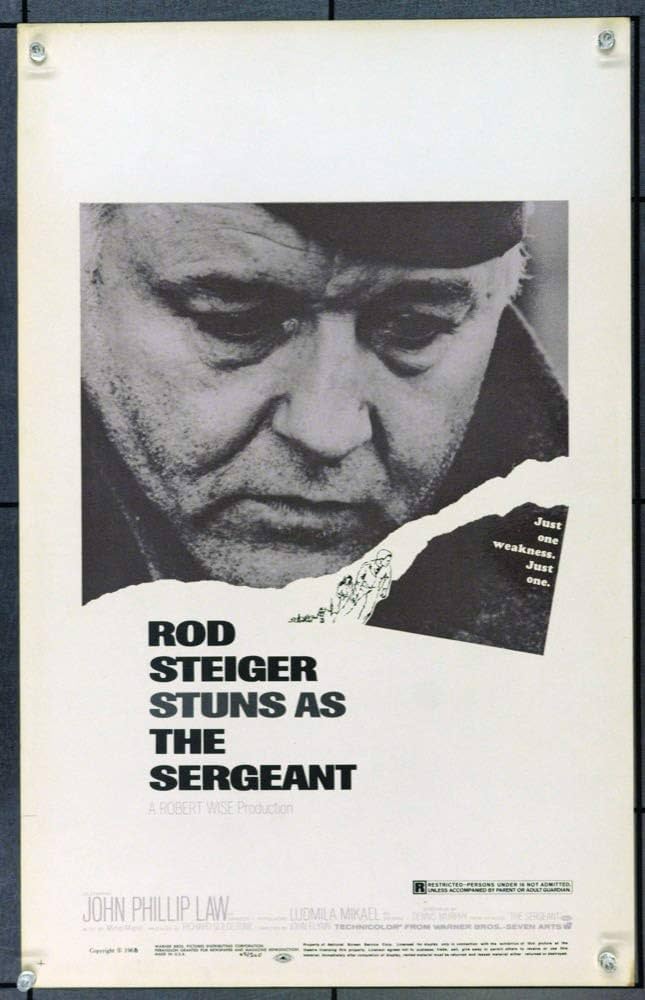
Yet, given the chance, which wasn’t often, he could be very funny, especially as the mother-fixated serial killer in the black comedy No Way To Treat a Lady who, like the repressed homosexual soldier he played in The Sergeant, shows the daring he often exhibited.

Sadly, that daring didn’t extend to reprising on the big screen the TV role he created in Marty or accepting the title role in Patton: Lust for Glory, which won Oscars for, respectively, Ernest Borgnine and George C Scott.

Rod Steiger: born 14 April 1925, died 9 July 2002

The above “Guardian” obituary can also be accessed online here.

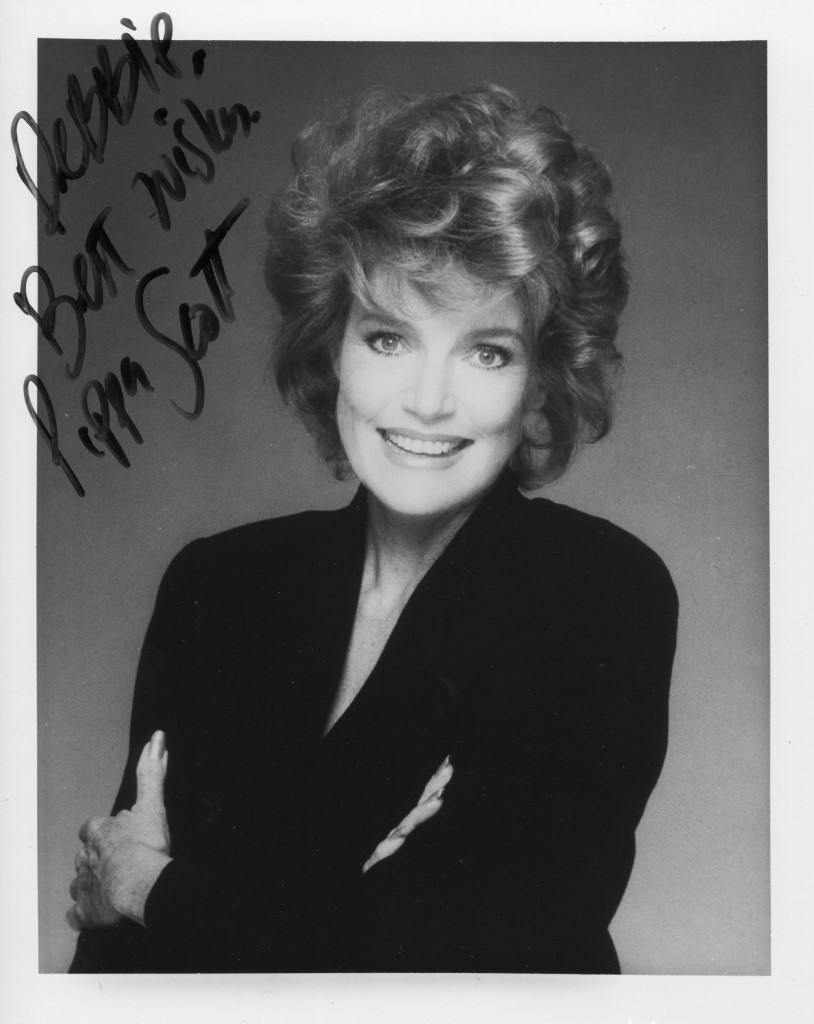
Pippa Scott

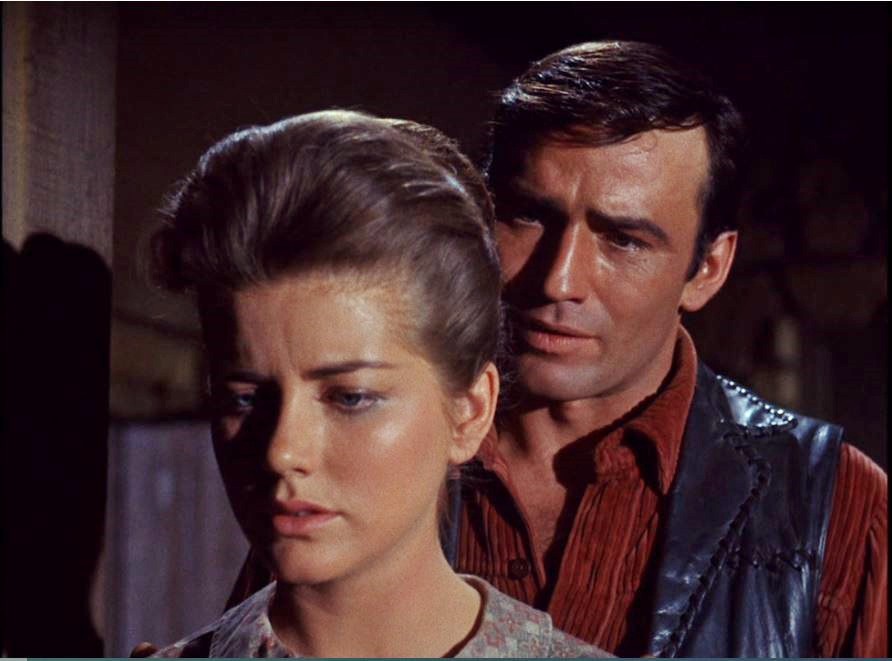
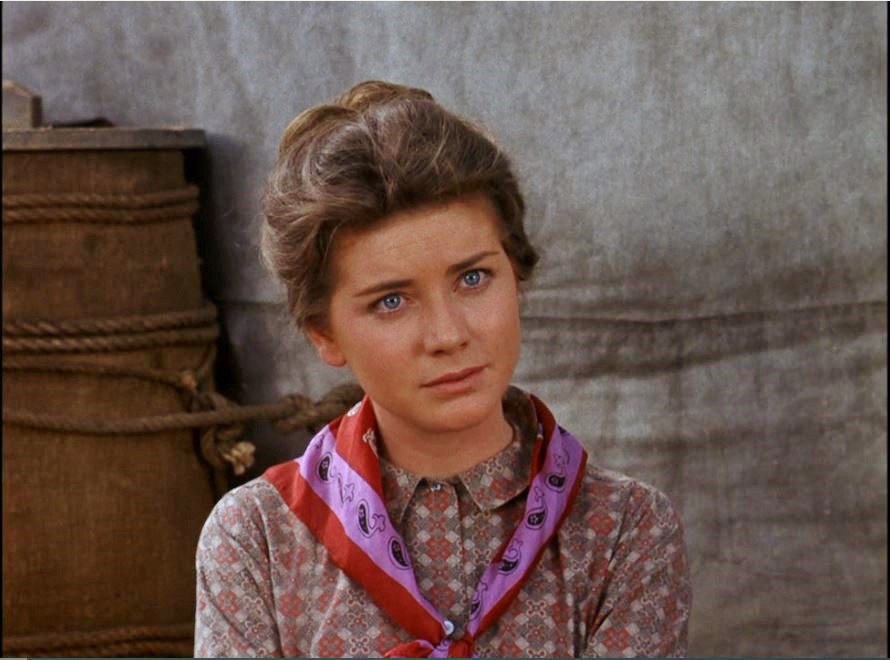
Pippa Scott was born in 1935 in New York City.   She is the daughter of screenwriter Alan Scott.   She made her movie debut in John Ford’s classic “The Searchers” in 1956.   She has been a prolific television performer and guest starred in the first episoe of “The Virginian”.

Gary Brumburgh’s entry:

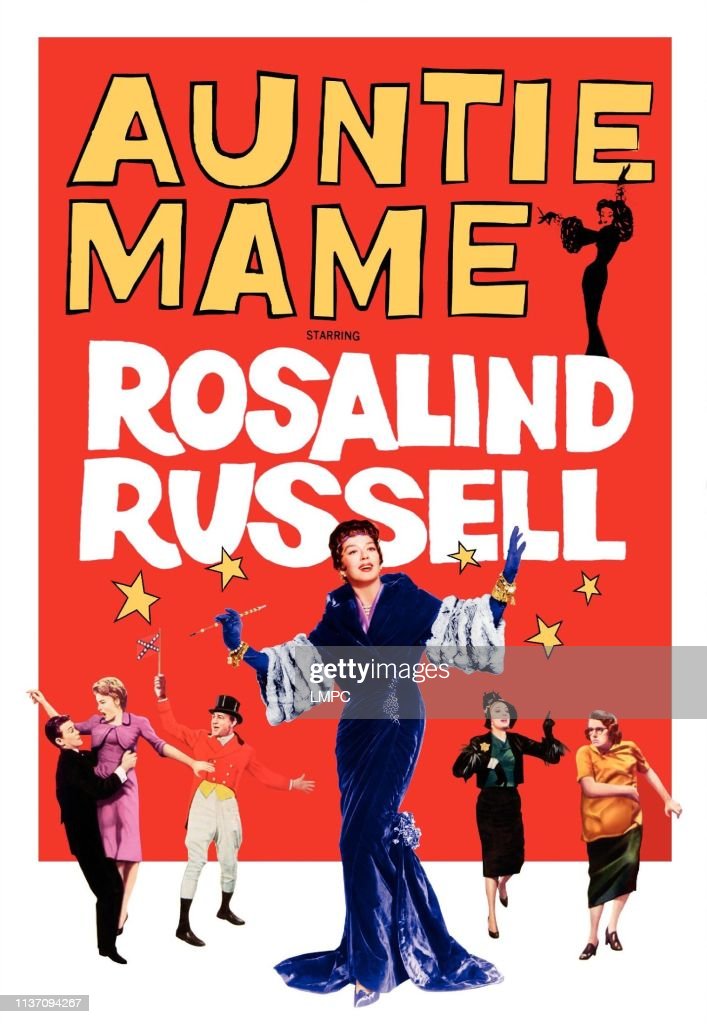
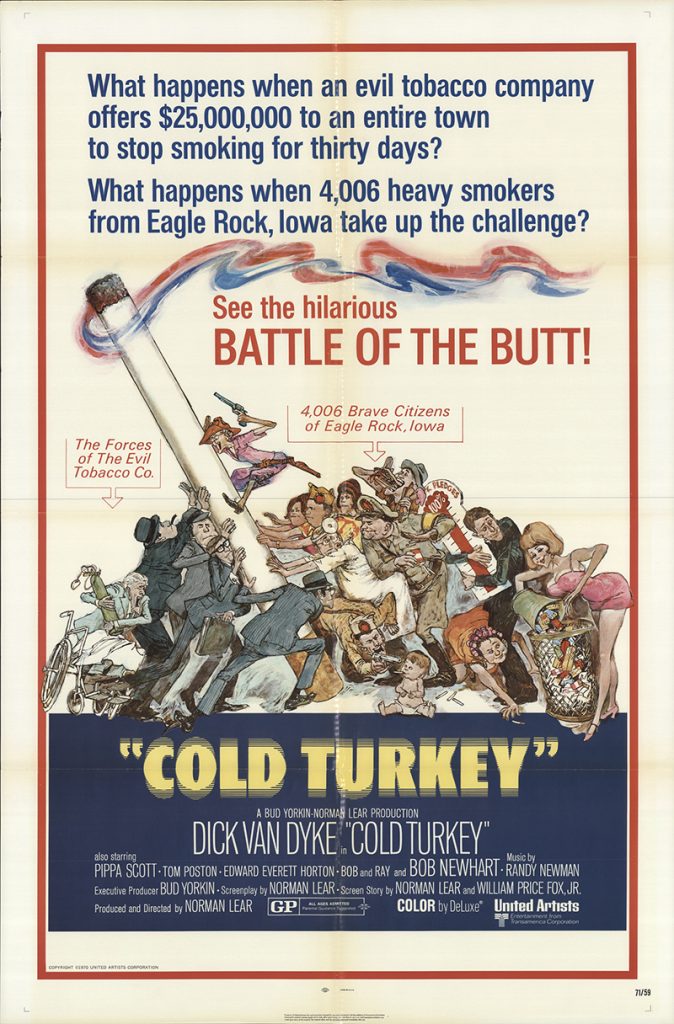
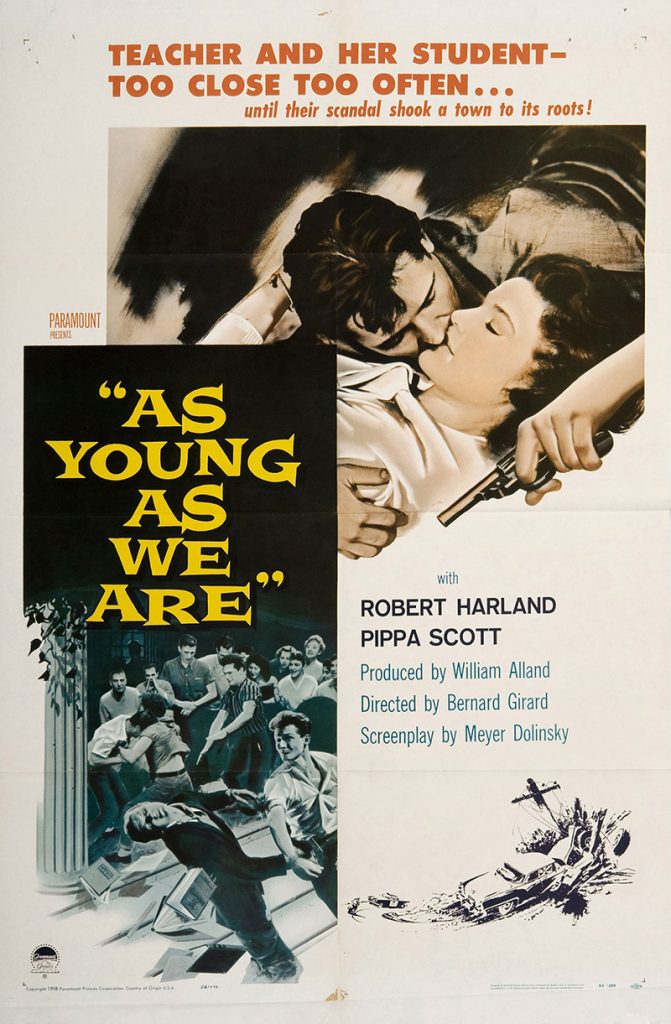
This smart-looking, reddish-haired actress with the unusual first name seemed bound for a career in the arts from the very start. The daughter of playwright/screenwriter Allan Scott and niece of writer/producer Adrian Scott, Pippa Scott attended Radcliffe and UCLA before traveling abroad to England and studying at the Royal Academy of Dramatic Art (RADA). Back in the United States, she made an auspicious Broadway debut in “Child of Fortune” in 1956 for which she won the Theatre World Award. This attention led to live television drama and a contract with Warner Bros. She made her first screen appearance in a minor role in the John Ford classic The Searchers (1956), had a co-lead in the little known melodrama As Young as We Are (1958) as a high school teacher caught up in scandal, and was featured in the very last scenes as Pegeen in the madcap movie Auntie Mame (1958) starring Rosalind Russell, but little else came about to further brighten her film star. Instead she alternated between Ttelevision and the stage over the years, tapping into a couple of series roles in the 1960s with the short-lived Mr. Lucky (1959) (1959-1960) and a season on The Virginian (1962) (1962-1963). As she matured she moved into sporadic character parts but little was seen of her by the late 1970s. She did play Dick Van Dyke‘s wife in the amusing film satire Cold Turkey (1971) and found steady work for a time as Jack Warden‘s lady pal on the Jigsaw John (1976) television series in the mid-1970s. In 1989, out of nowhere, she produced the film Meet the Hollowheads(1989).

– IMDb Mini Biography By: Gary Brumburgh / gr-home@pacbell.net

James Drury
James Drury
James Drury

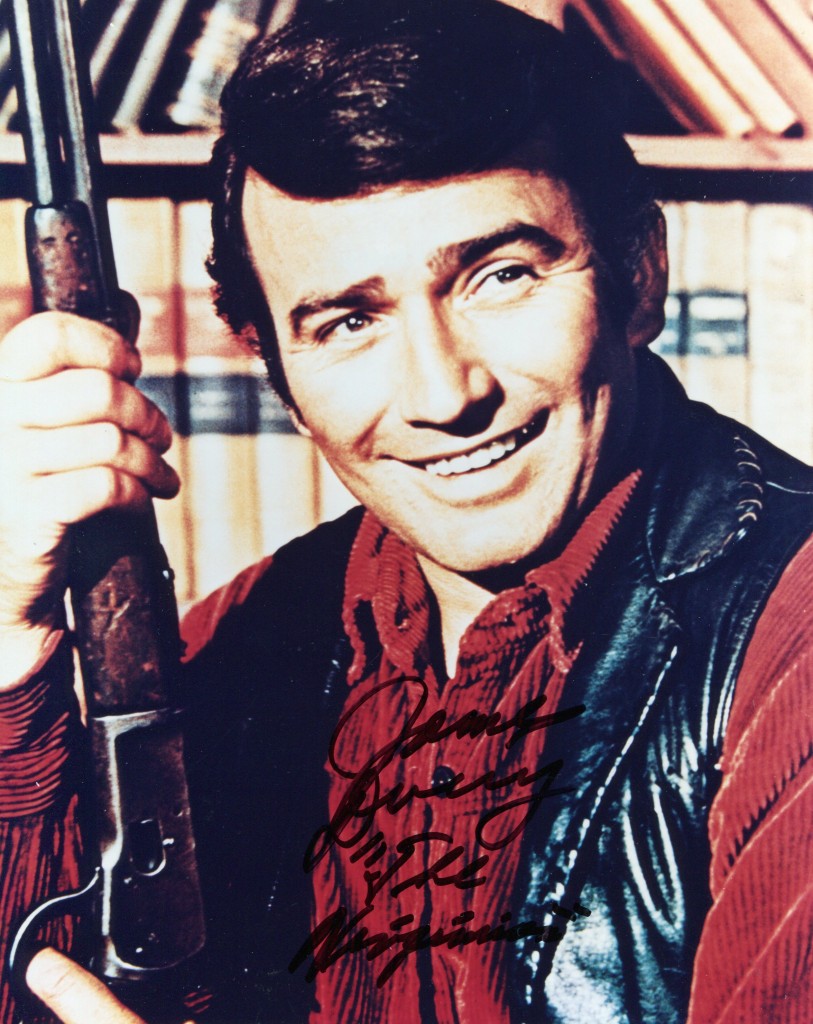
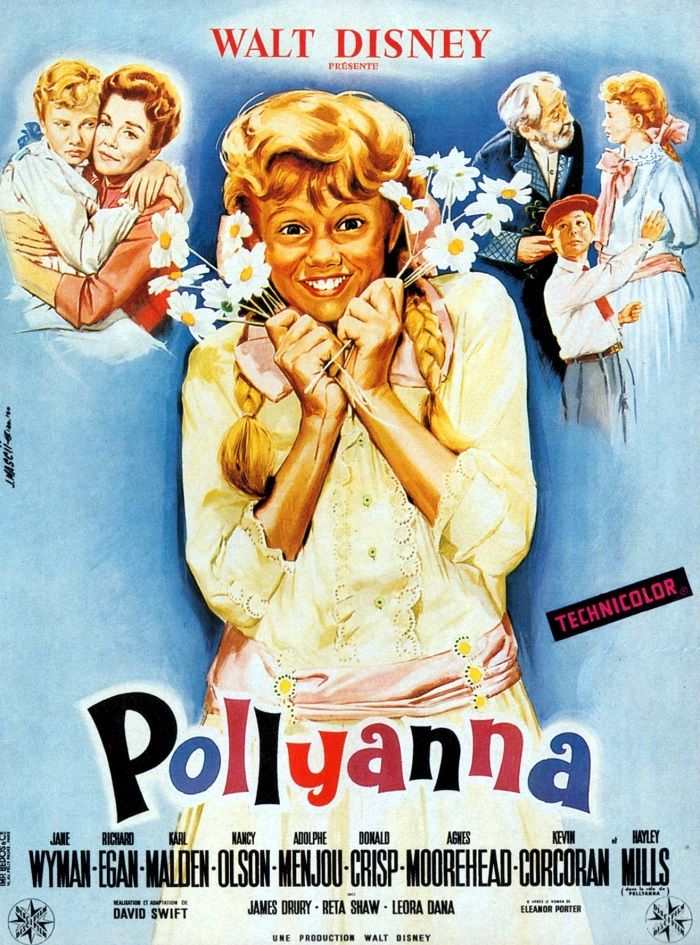
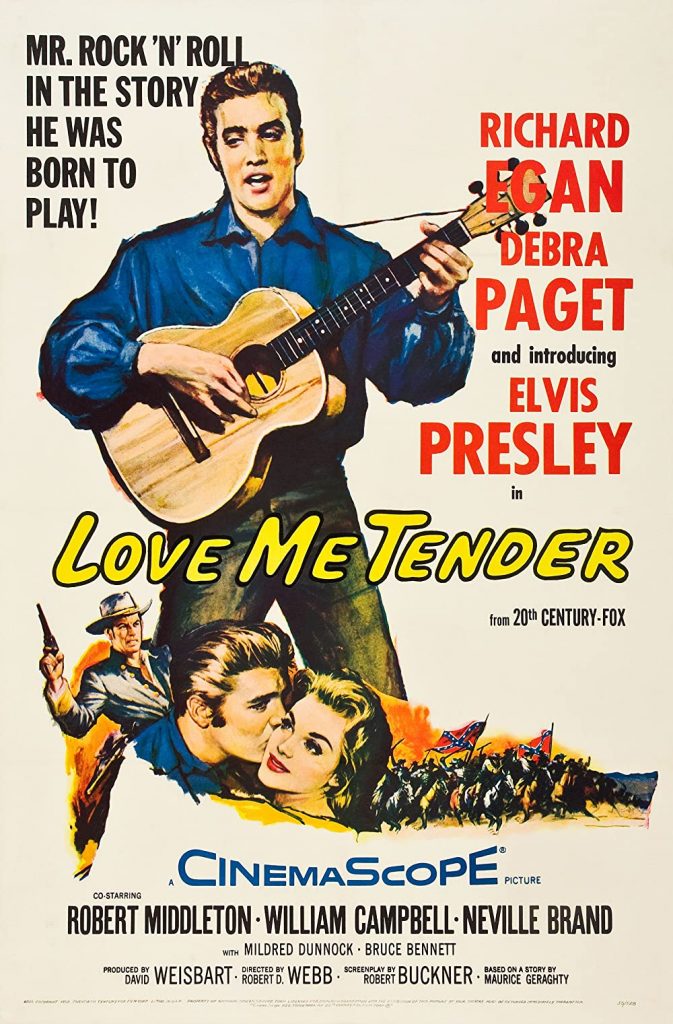
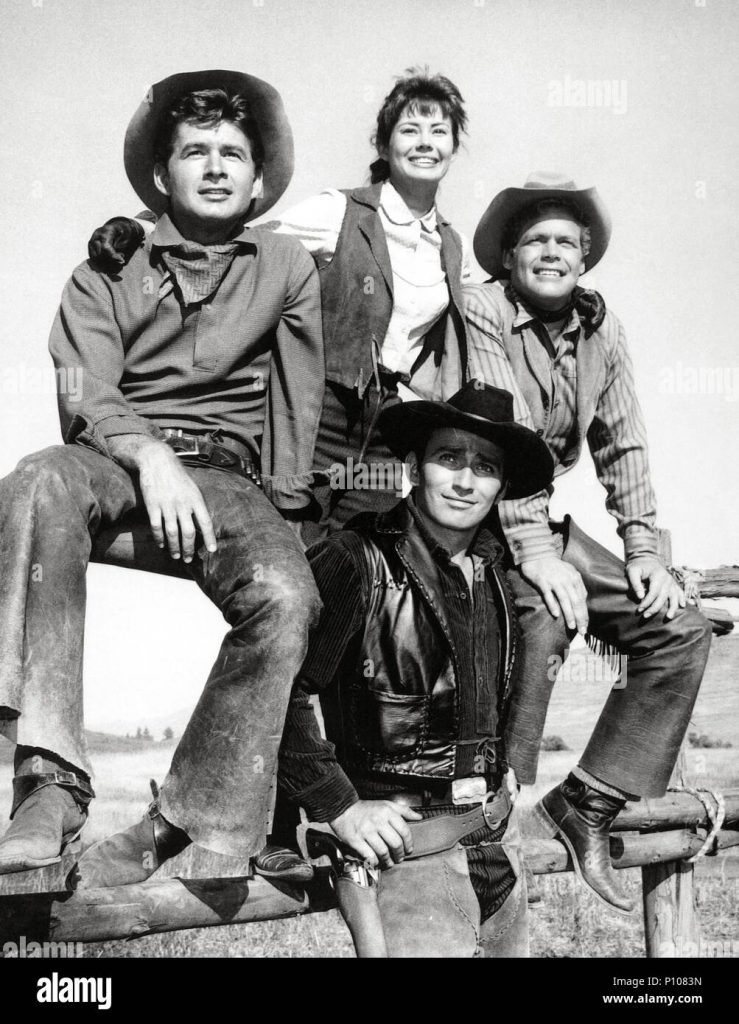
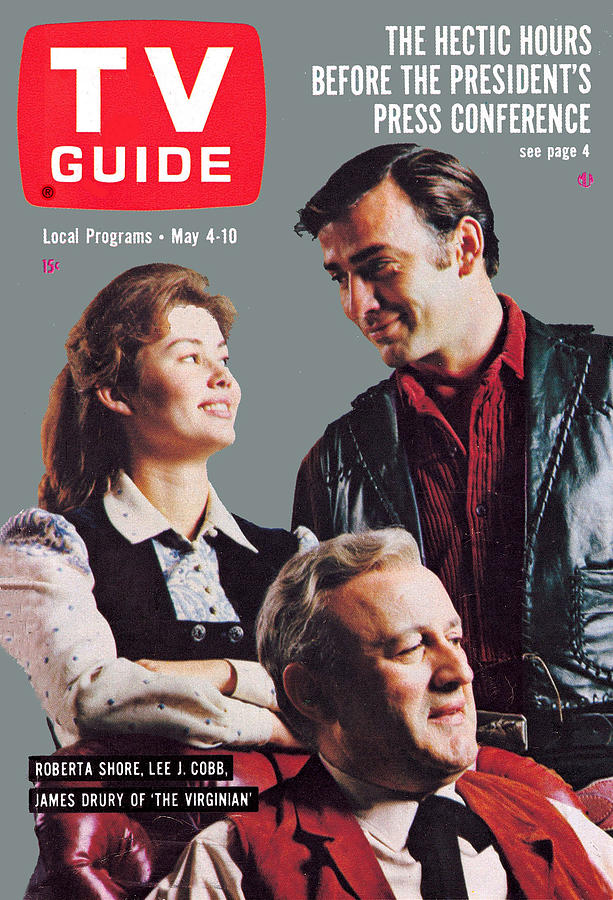
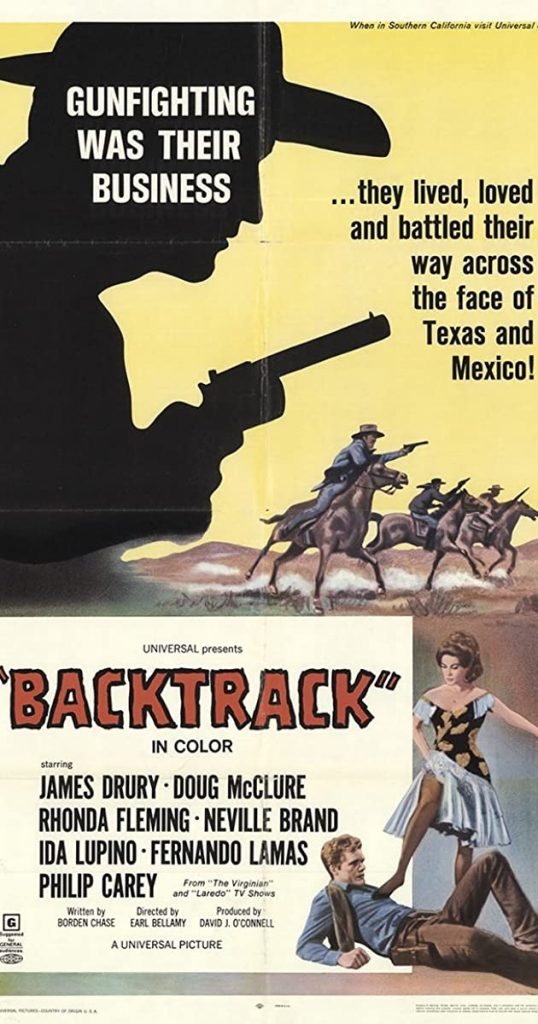
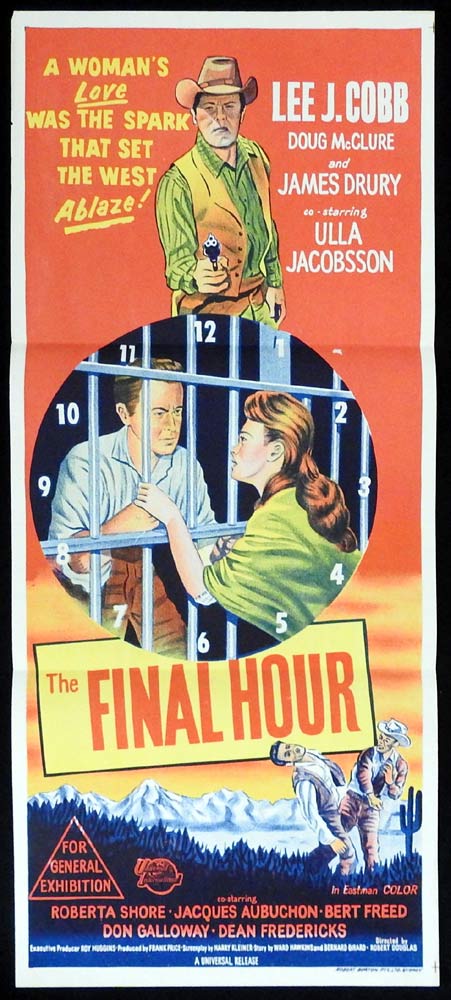
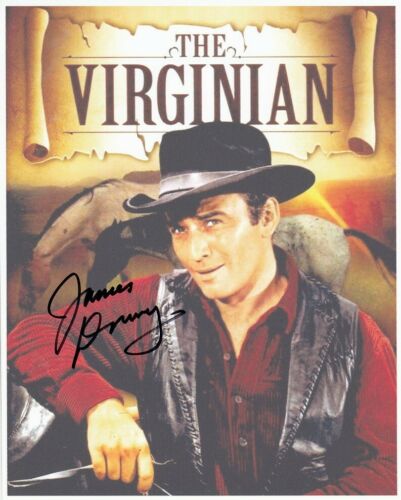
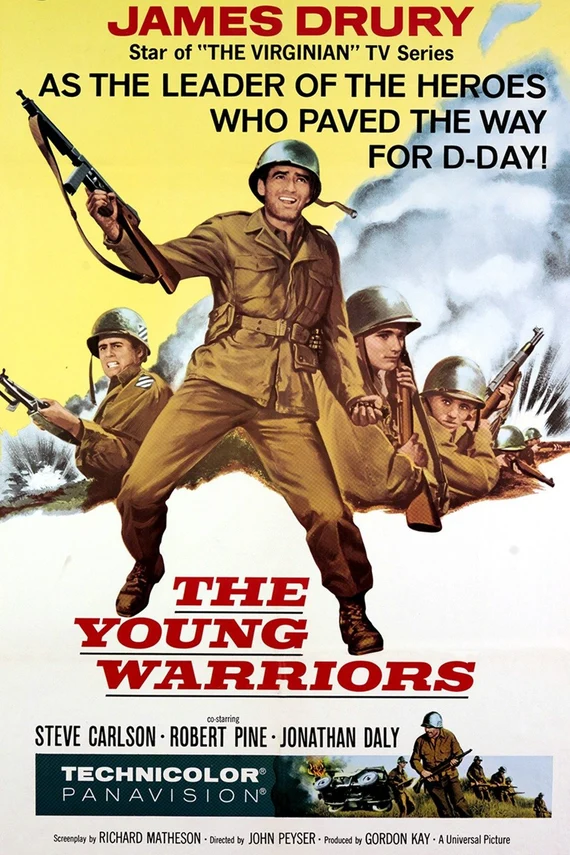
James Drury was born in 1934.   He is prinarily best known for his title role in the popular 1960’s television series “The Virginian”.   His films include “Love Me Tender” and “Pollyanna” in 1960.   James Drury died in 2020.

Obituary in “The Telegraph” in 2020.

James Drury, the actor, who has died aged 85, played the eponymous hero of The Virginian, the popular 1960s television series billed as “Tales from the last frontier of the great American West”.

As foreman of the Shiloh Ranch in turn-of-the-century Wyoming, Drury’s character, invariably sporting the same black hat, was the embodiment of the values of the Old West, coping not just with rustlers and outlaws but also the existential threat of incoming Easterners upsetting the traditional cattleman’s way of life.

The first Western series to be broadcast in 90-minute episodes – which meant there was room for meaty guest roles for stars such as Bette Davis and Lee Marvin – The Virginian ran for almost a decade from 1962.

It was Drury’s good fortune that the producers felt a relative unknown was needed to play the enigmatic hero, whose name was never divulged – friend and foe alike would greet him with a cry of “Hey, Virginian!” – and who rarely revealed details about his past, with the result that the character had much of the enticing air of mystery that would characterise Clint Eastwood’s “Man with No Name” later in the decade.

Drury’s laconic performance convincingly conveyed both the character’s toughness and his decency, and he formed a fine double-act with Doug McClure as his more happy-go-lucky sidekick, Trampas. He was an early crush for many young female viewers in both the US and Britain, where the programme was shown on Friday nights on BBC One for many years.     

Later on its popularity flagged and, retitled The Men from Shiloh in its final year in an attempt to freshen it up, it was axed in 1971, to Drury’s regret: “I felt very sad … I would have gone on for another 10 years.”

James Child Drury Jr was born in New York on April 18 1934, the son of James Child and his wife Beatrice (née Crawford). His mother’s family had a ranch in Oregon, where his grandfather, a former cowboy and dirt farmer, taught him to ride and shoot, and told him tales of the Old West: “I was very proud to use some of his mannerisms and expressions in The Virginian.”

He fell in love with acting aged eight when he played Herod for his local children’s theatre group’s Christmas play, and after recovering from a bout of polio made his professional debut at 12 in a touring production of Life with Father.

He was expelled from University High School, Los Angeles, the day before he was due to graduate, but his father, who was a professor of marketing at New York University, pulled strings to enable him to enrol.

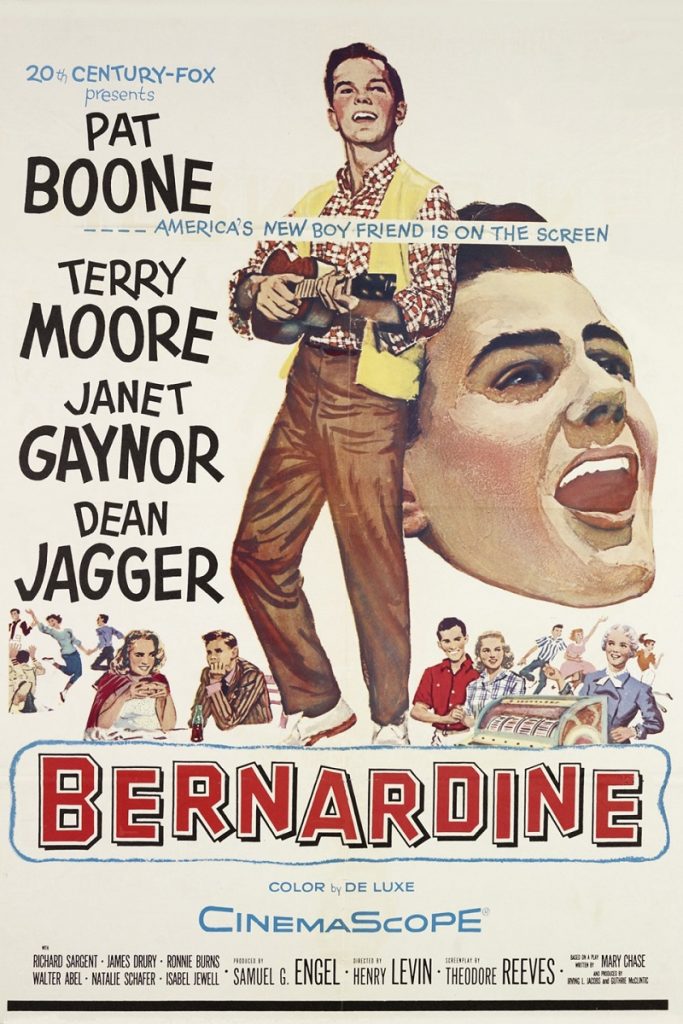
In the event, he did not complete his studies, having been offered a contract by MGM. He played bit parts in Blackboard Jungle (1955) and Forbidden Planet (1956) before being dropped, and then signed up to 20th Century Fox, for whom he played opposite Pat Boone in Bernardine (1957) and as one of Elvis Presley’s brothers in the King’s debut film Love Me Tender (1956).

He was dropped again but found plenty of work in television, particularly supporting roles in Western series such as Gunsmoke and Rawhide, for which he was in demand as the possessor of genuine riding skills: “Most of the actors would lie about it, and the posse would ride off in all directions,” he recalled.

He had a juicy role as a boozy villain in Sam Peckinpah’s film Ride the High Country (1962), but before his movie career could take off he was cast in The Virginian. Although he looked the part he had little experience in the art of screen fighting, and left Hugh O’Brian, who was the guest star in The Virginian’s first episode, badly bruised.

In his spare time he played with a band, the Wilshire Boulevard Buffalo Hunters, who spent three weeks in Vietnam playing for US troops in 1966.

After The Virginian finished he worked mainly in the theatre; his television comeback as a fireman in Firehouse (1974) was short-lived because, as he recalled, every episode comprised “three disasters in 21 minutes” and there was no time for viewers to get to know the characters.

Thereafter he became a successful horse breeder and, after moving to Texas, made a great deal of money in oil, although he missed showbusiness. In 2000 he had a cameo in a television movie remake of The Virginian starring Bill Pullman.

He was delighted by the continuing popularity of repeat showings of The Virginian and was a fixture at Western conventions, where fans found him, in contrast with his most famous role, voluble and relaxed.

After two marriages that ended in divorce, James Drury’s third marriage, to Carl Ann Head, endured for 40 years until her death last year. He is survived by two sons, two stepsons and a stepdaughter.

James Drury, born April 18 1934, died April 6 2020

Tommy Kirk
Tommy Kirk

Los Angeles Times obituary in Oct. 2021.

Tommy Kirk, a child star who played in Disney films such as “Old Yeller” and “The Shaggy Dog,” has died. He was 79.

Kirk’s longtime friend and former child star, Paul Petersen, said he was found dead in his Las Vegas home on Tuesday. The cause of death has not been released. 

Petersen said Kirk lived a private life as a gay man and was estranged from what “remains of his blood family.”

“He was very much a part of our kid star community,” Peterson said. “He made some wonderful films back in the day. We saw and enjoyed them. He was respected in his church. He lived a quiet, but full life.” 

Kirk started his career with several television shows including the Mickey Mouse Club’s serialized adventure “The Hardy Boys: The Mystery of the Applegate Treasure” and “The Hardy Boys: The Mystery of the Ghost Farm,” which aired in 1956-1957. His big break came when he starred as Travis Coates in the 1957 film “Old Yeller,” a story about a teenage boy and his heroic yellow dog.

In “The Shaggy Dog,” Kirk portrayed a teenage boy who was cursed with occasionally turning into a sheepdog. He played the middle son alongside James MacArthur and Kevin Corcoran — who played his brothers — in the 1960 film “Swiss Family Robinson.” 

Kirk played in a slew of other films in the 1960s including “The Absent-Minded Professor” and its sequel “Son of Flubber.” He also starred in “The Misadventures of Merlin Jones.”

In 1973, Kirk publicly came out as gay during an interview. The actor opened up 20 years later that he realized he was gay at age 17 or 18 and that his career was destroyed by his sexual orientation. 

Kirk made some appearance in the 1990s and 2000s in films such as “Billy Frankenstein” and “The Education of a Vampire,” his final film.

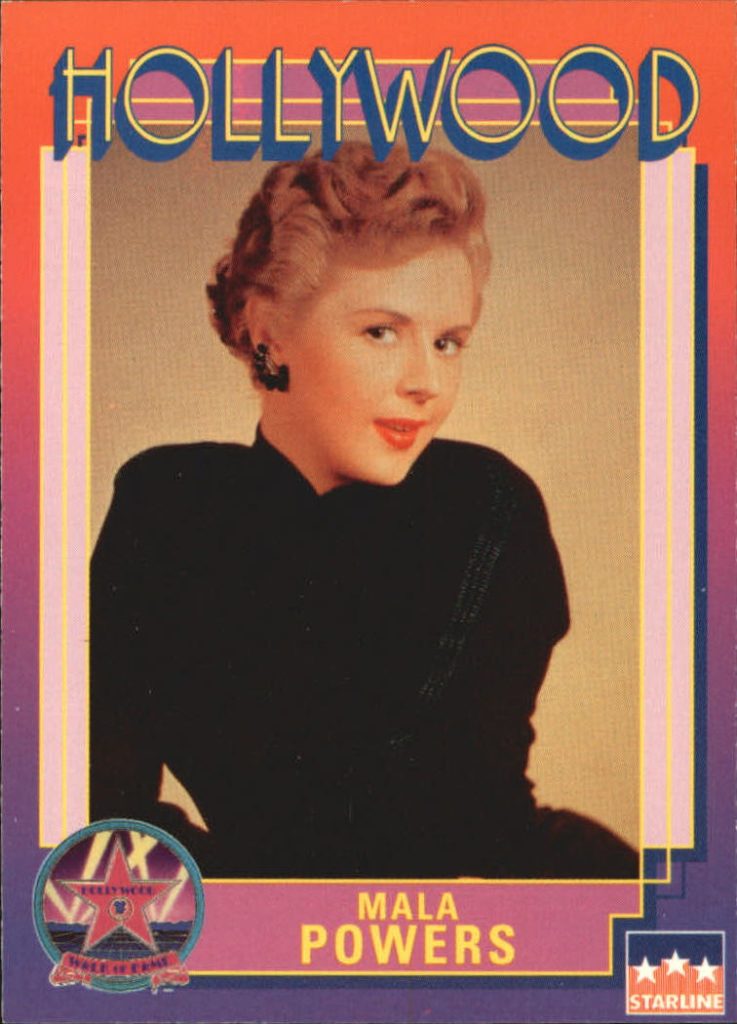
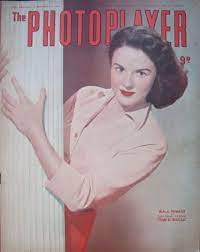
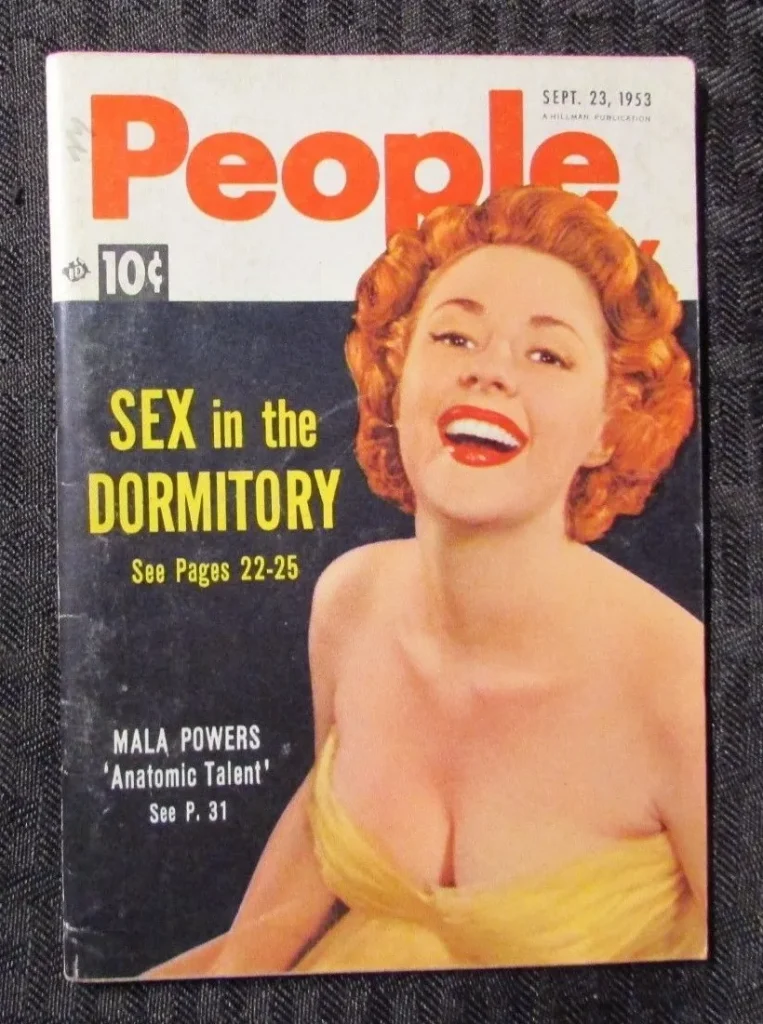
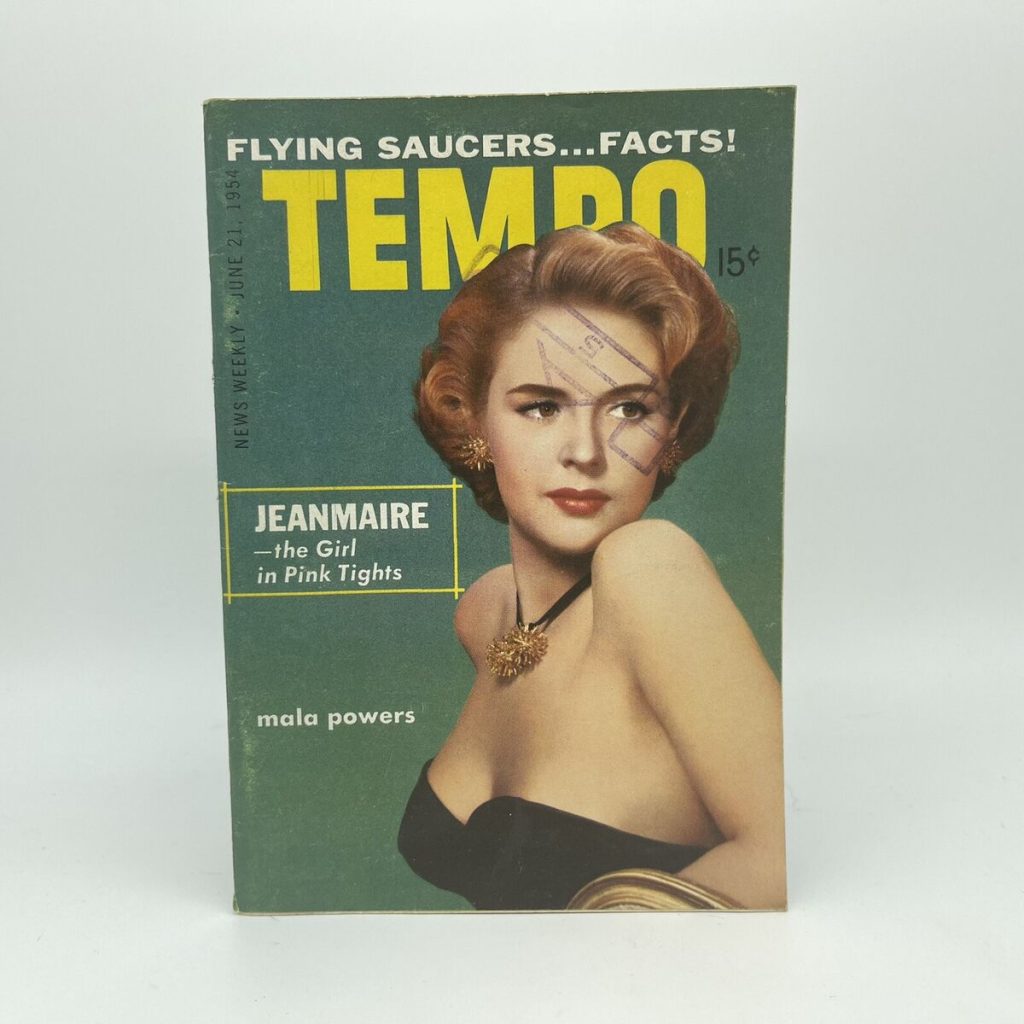
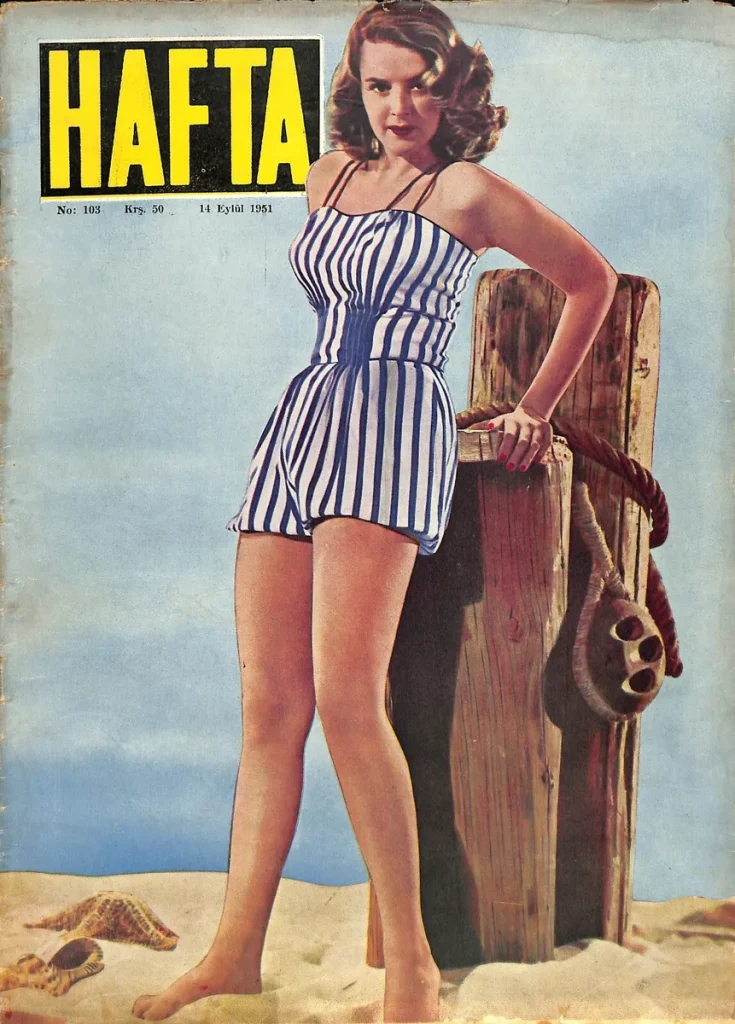
Mala Powers
Mala Powers
Mala Powers
Mala Powers
Mala Powers

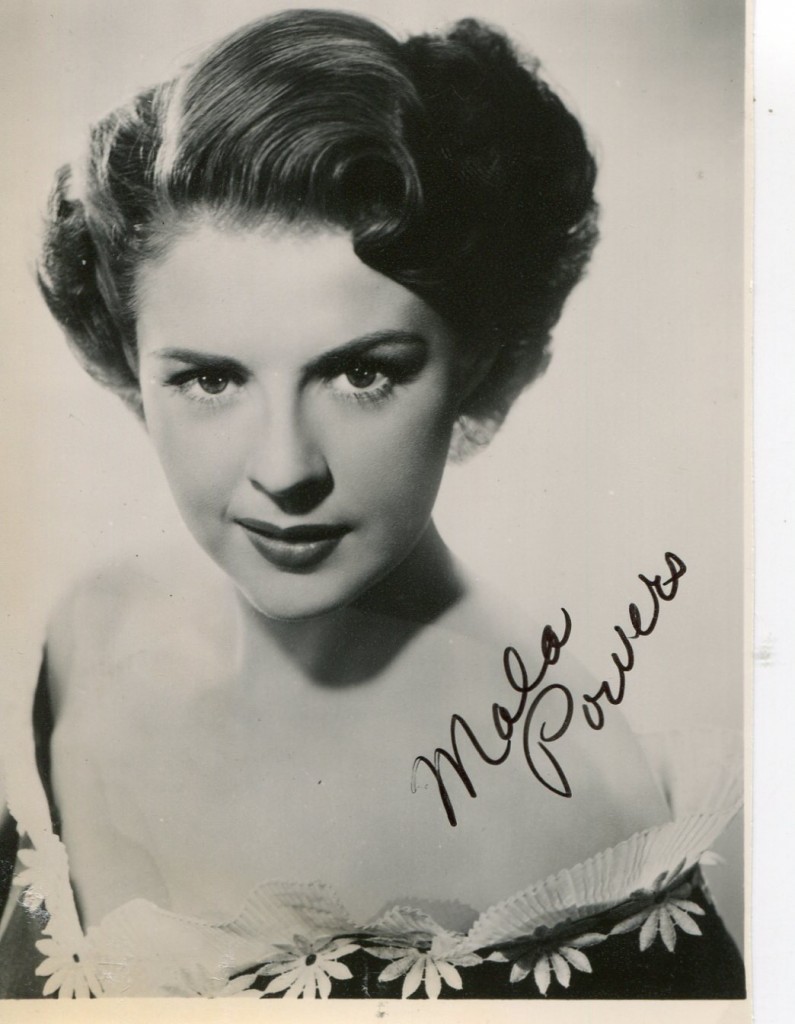
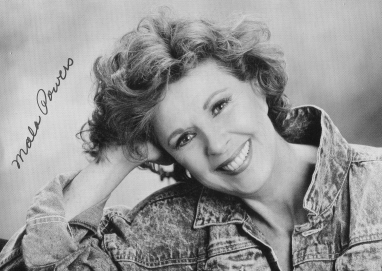
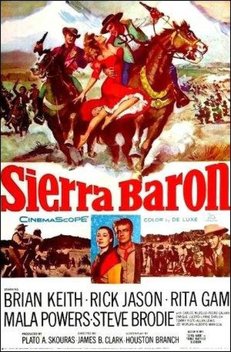
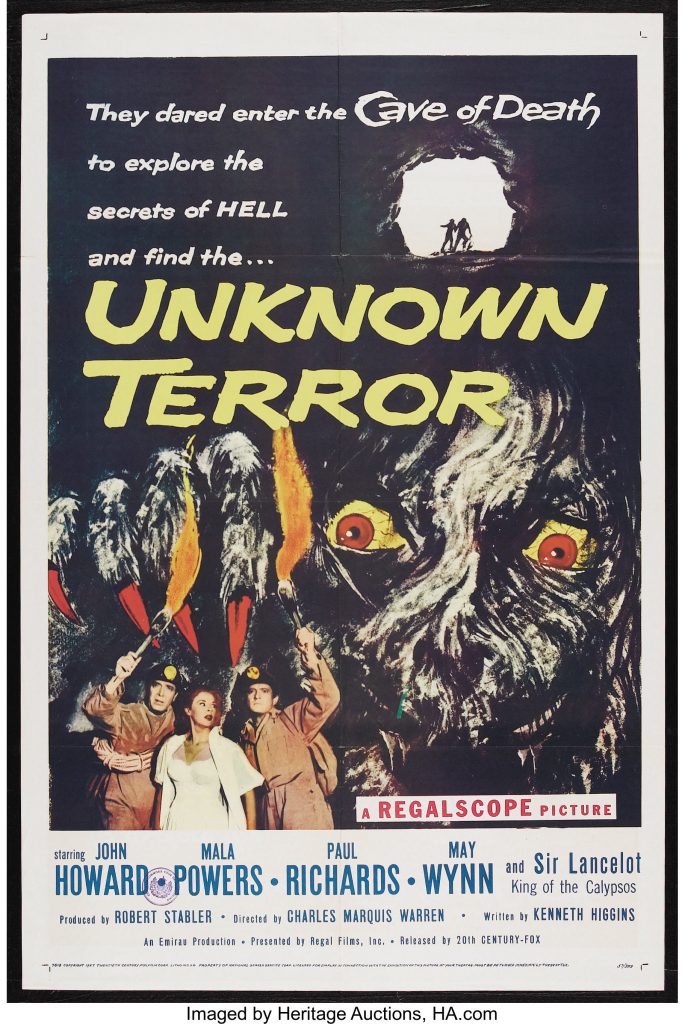
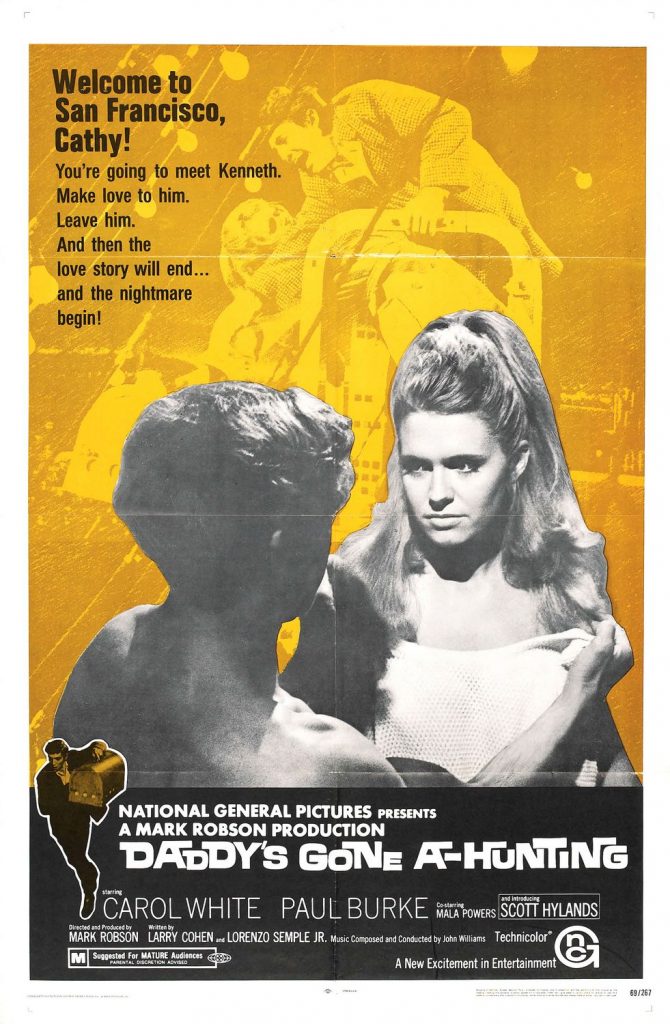
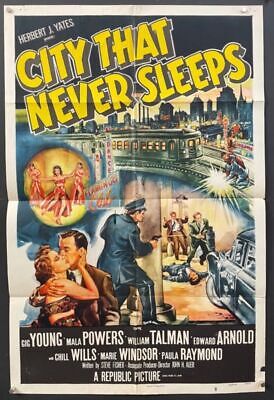
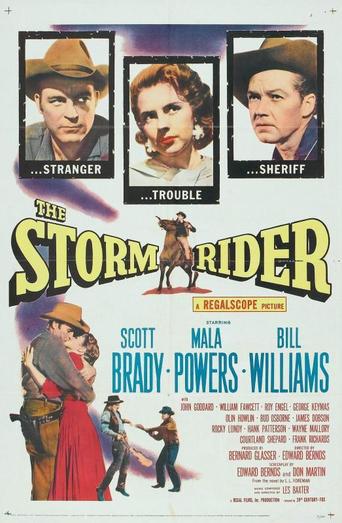
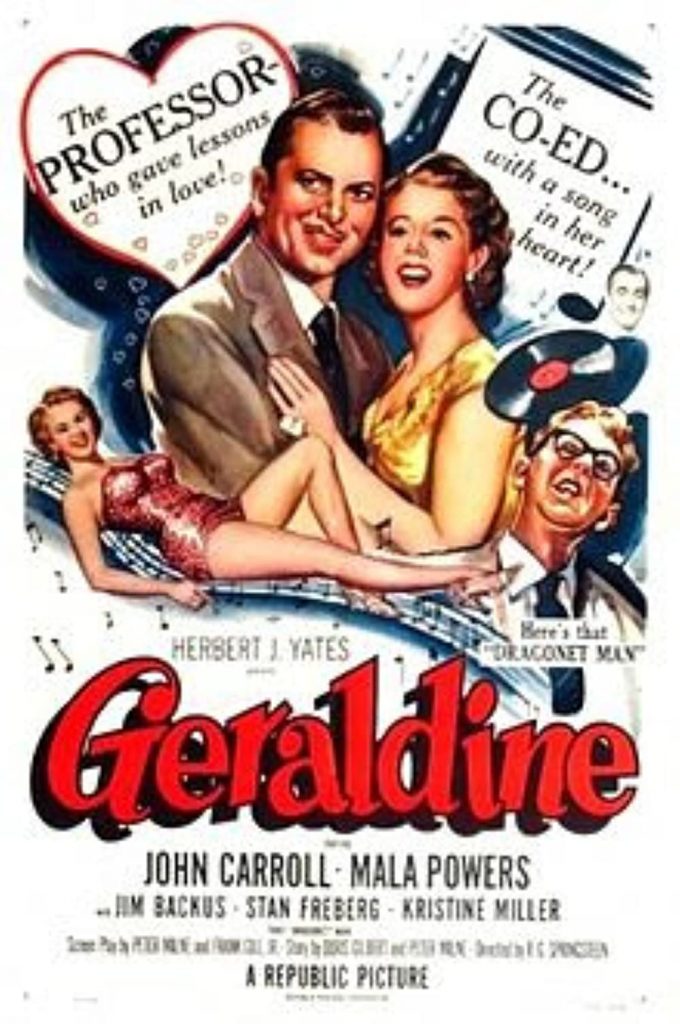
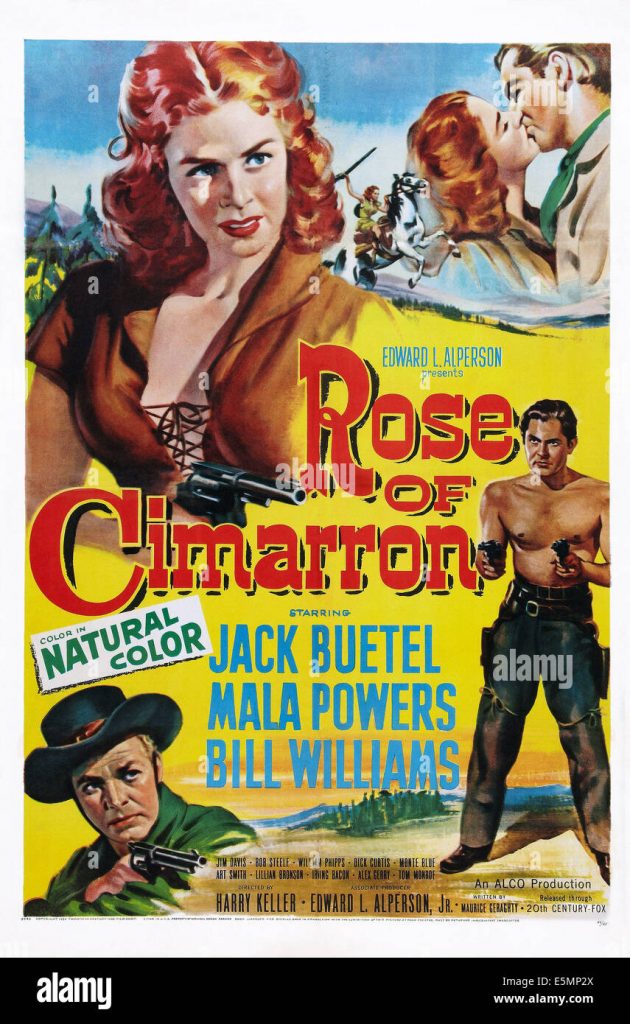
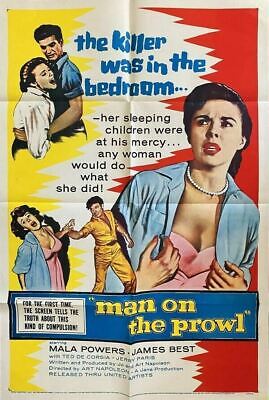
Mala Powers was born in 1931 in Burbank, California.   The actress Ida Lupino was supportive of Mala Powers and cast her in some of her directorial work.   Mala Powers was Roxanne opposite Jose Ferer in “Cyrano de Bergerac” in 1950.   Her other films include “City Beneath the Sea” with Anthony Quinn and film noir “The City That Never Sleeps” with Gig Young.   Her last major film was “Daddy’s Gone-A-Hunting” with Carol White and Paul Burke.   She died in 2007.

“Guardian” by Ronald Bergan:

The long-nosed poet-duellist Cyrano de Bergerac, addressing the object of his love as the proxy of the tongue-tied Christian, declaims: “Your name is like a golden bell hung in my heart; and when I think of you, I tremble, and the bell swings and rings – Roxanne!, Roxanne!”

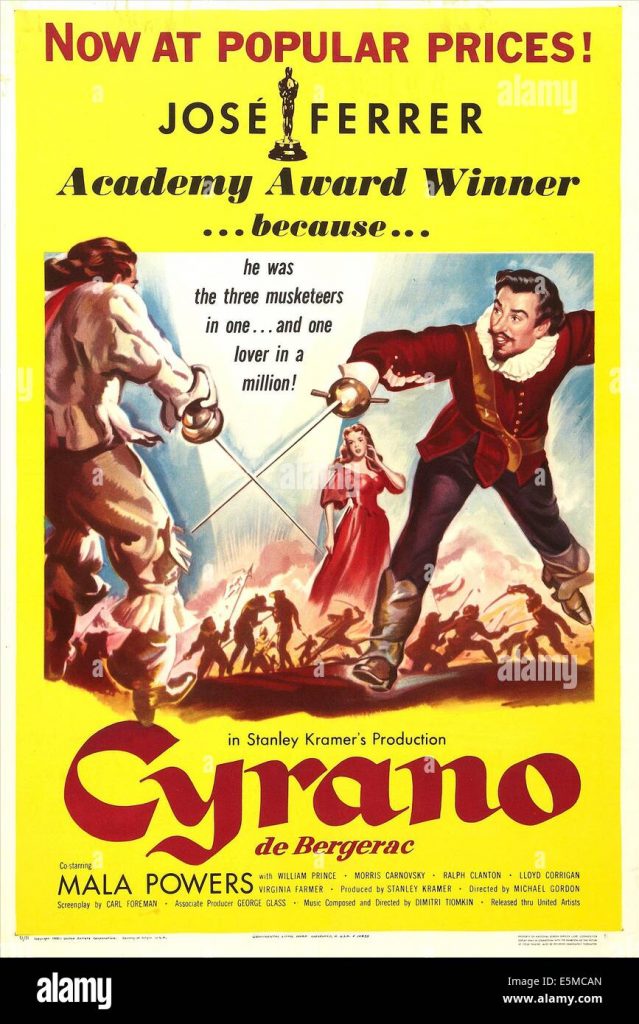
The name of Mala Powers, who has died of leukaemia aged 75, usually rings a bell as a beautiful, dignified Roxanne in the 1950, Stanley Kramer-produced version of the Edmond Rostand verse drama, for which José Ferrer, in the title role, won the best actor Oscar. “I never loved but one man in my life, and I have lost him twice,” Roxanne says when she realises it was Cyrano’s words that wooed her, at the poignant end of Powers’ most memorable performance.

Yet, despite this achievement, for which she won a Golden Globe nomination, and having studied with Michael Chekhov (nephew of the playwright), of whose acting methods she became a passionate advocate, Powers’ film career was, on the whole, a curiously undistinguished one.

Born in San Francisco, to journalist parents who moved to Hollywood after losing their jobs, she began studying acting at Max Reinhardt’s junior dramatic workshop and, at 11, got a small part as Billy Halop’s kid sister in Tough As They Come (1942), part of Universal’s Dead End Kids and Little Tough Guys series. She was advised by Reinhardt’s wife, Helen Thimig, to continue her studies rather than become a child star, and it was not until five years later, by then 16, that she started working in radio, in such programmes as The Cisco Kid, Red Ryder and Screen Guild on the Air.

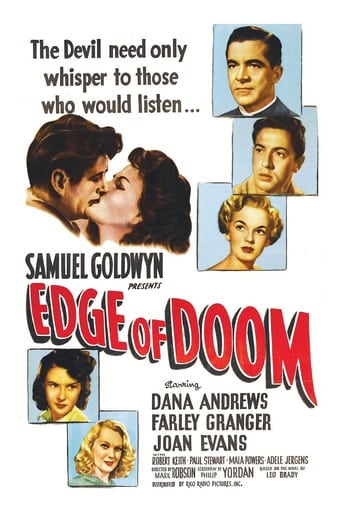
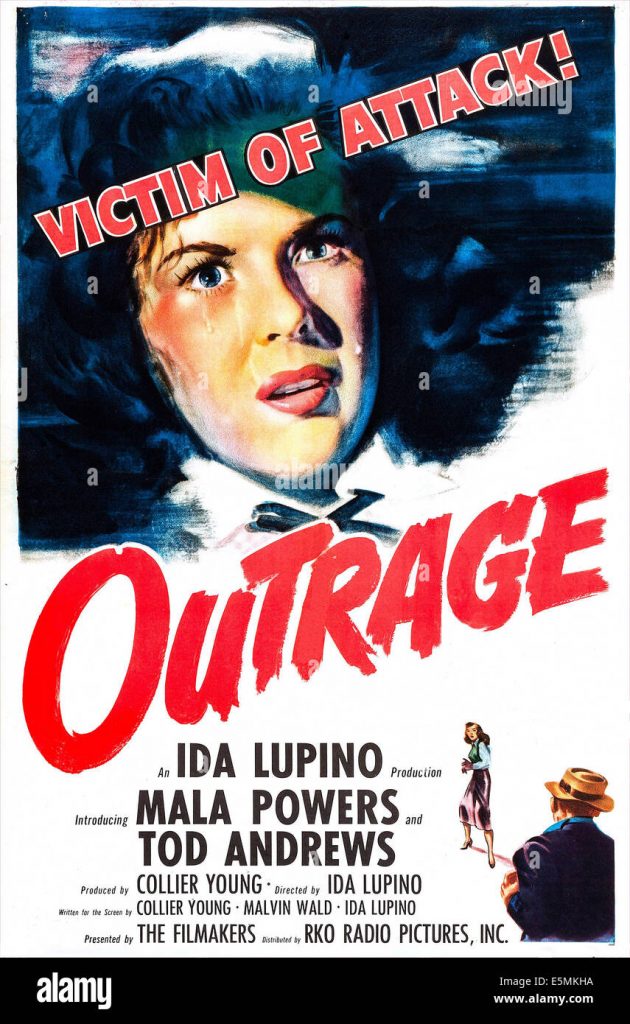
It was on the last of these that she met Ida Lupino, then casting the lead for her second feature as director. The Outrage (1950) was one of the few Hollywood films to take rape as a subject, although the act could not be shown or the word itself used. But Powers was excellent as the victim of a “criminal assault”, who felt so “dirty” that she ran away to start a new life until a preacher helped her overcome her trauma. In that same year, aged 19, she made Cyrano de Bergerac and appeared touchingly in Mark Robson’s Edge of Doom, a social-conscience film noir, in which she played disturbed youth Farley Granger’s girlfriend.

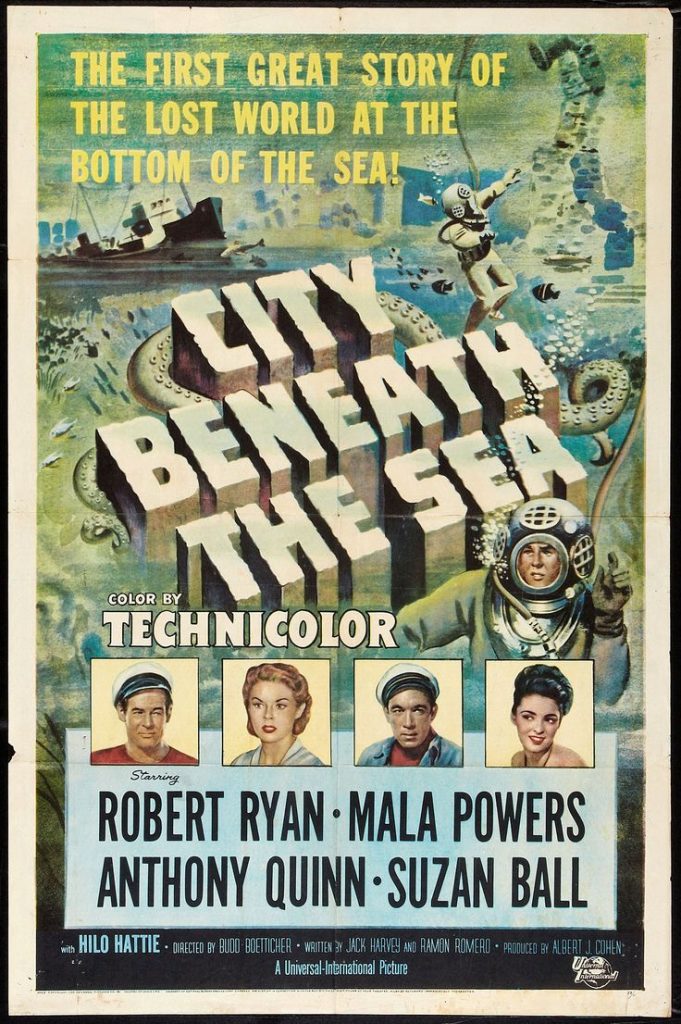
Sadly, after these successes, Powers suffered a blood disease while on a forces entertainment tour of Korea in 1951, and almost died. She was treated with chloromycetin, but a severe allergic reaction resulted in the loss of much of her bone marrow. She began working again nine months later while still on medication, though it hardly seemed to affect her performances in City Beneath the Sea, opposite Robert Ryan and Anthony Quinn, or as a nightclub dancer in City That Never Sleeps (both 1953).

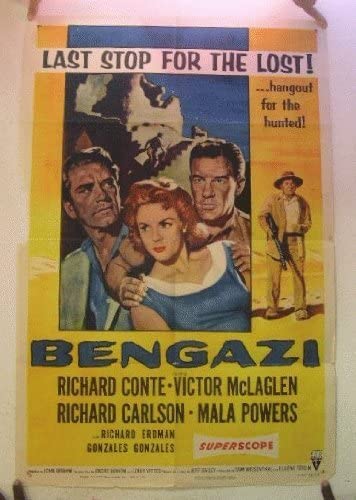
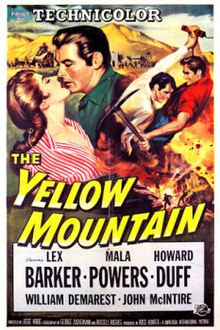
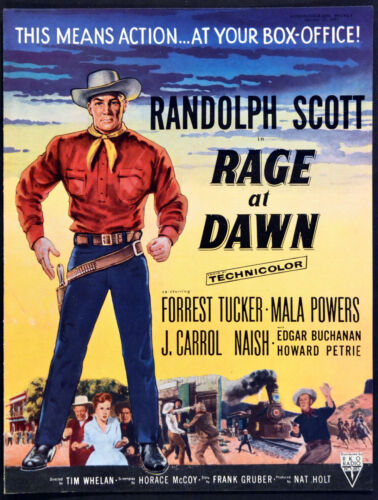
These were followed by a B-western, The Yellow Mountain (1954), in which she played Nevada Wray, one of the causes of rivalry between gold prospectors Howard Duff and Lex Barker. In 1955, she was again the love interest, this time in the mediocre Randolph Scott western Rage at Dawn, and in Bengazi, as the Irish daughter of Victor McLaglen.

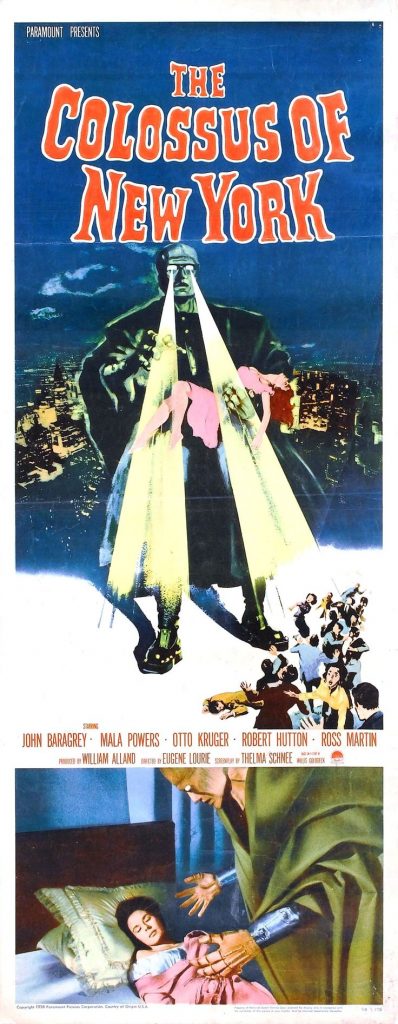
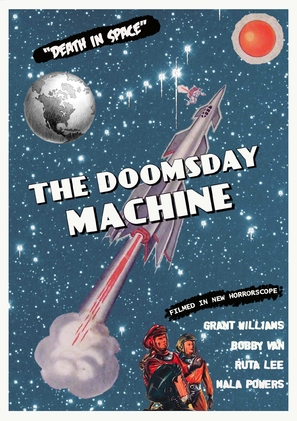
Before leaving the big screen for television – as guest star in such series as Bonanza, Dr Kildare, Bewitched and Charlie’s Angels – Powers starred in a couple of tawdry horror movies, The Unknown Terror (1957) and The Colossus of New York (1958), in which she played the widow of a man whose brain has been transplanted into an eyeless, 12-foot killer robot. She returned to the cinema in Doomsday Machine (shot in 1967; released in 1972), as Major Bronski, a Soviet cosmonaut who sees the Earth burned to a crisp by nuclear explosions.

In contrast, Powers wrote children’s stories, and Michael Chekhov on Theatre and the Art of Acting: The Five-Hour Master Class, as well as teaching acting. From 1970 till his death in 1989, she was married to the publisher Hughes Miller. She is survived by a son from her first marriage.

· Mala (Mary Ellen) Powers, actor, born December 20 1931; died June 11 2007

The above “Guardian” obituary can also be accessed online here.
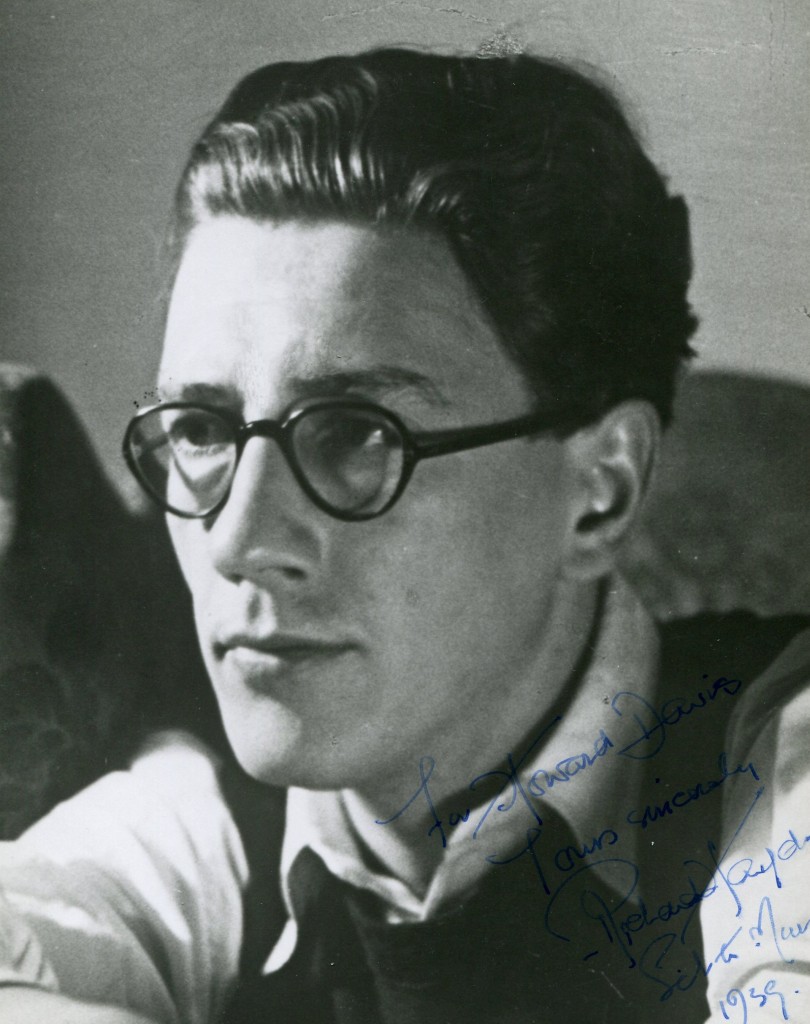
Richard Haydn
Richard Haydn
Richard Haydn

Richard Haydn was a British character actor who spent most of his career working in Hollywood usually as prissy fusspots.   He was born in Camberwell, London in 1905.   His many films include “Forever and a Day” in 1943, “The Late George Apley”, “Cluny Brown” as the boyfriend of Jennifer Jones and son of Una O’Connor, “Five Weeks in a Balloon” and his most wekk known role as Max loyal friend of the Trapp family in “The Sound of Music”.   It was good to see him in “Young Frankenstein”.   He died in 1985 in Los Angeles.

IMDB entry:

Inimitable London-born character actor, noted for his put-on nasal delivery and pompous, fussy manner. Richard Haydn had a laborious start to his show business career, selling tickets in the box office of London’s Daly Theatre. This was followed by an unsuccessful stint with a comedy act in musical revue. For a change of pace, he became overseer of a Jamaican banana plantation only to see it wiped out by a hurricane. Returning home, he appeared in the 1926 West End production of ‘Betty of Mayfair’ and, soon after, also began to act on radio. It was in this medium, where he first found success, creating his signature character, the perpetually befuddled nasally-voiced fish expert and mother’s boy Edwin Carp. Haydn later immortalised the character in a book, The Journal of Edwin Carp.
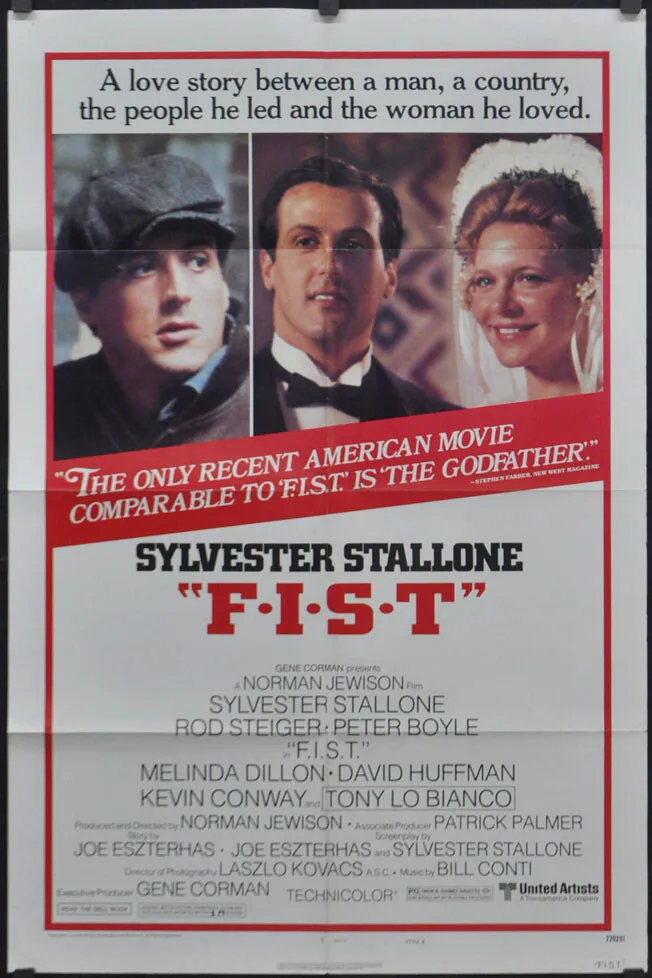
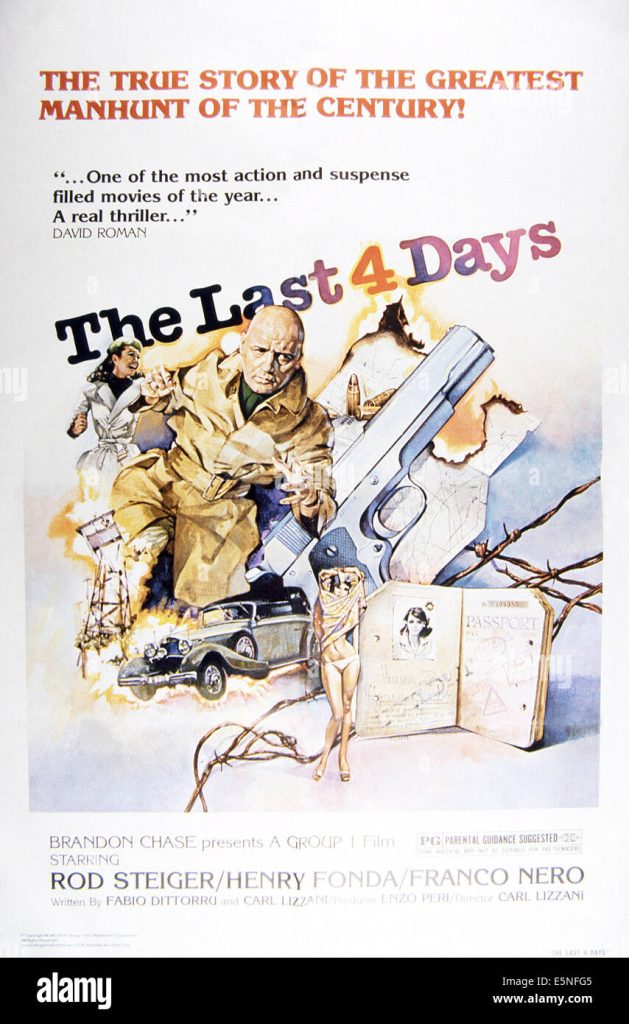
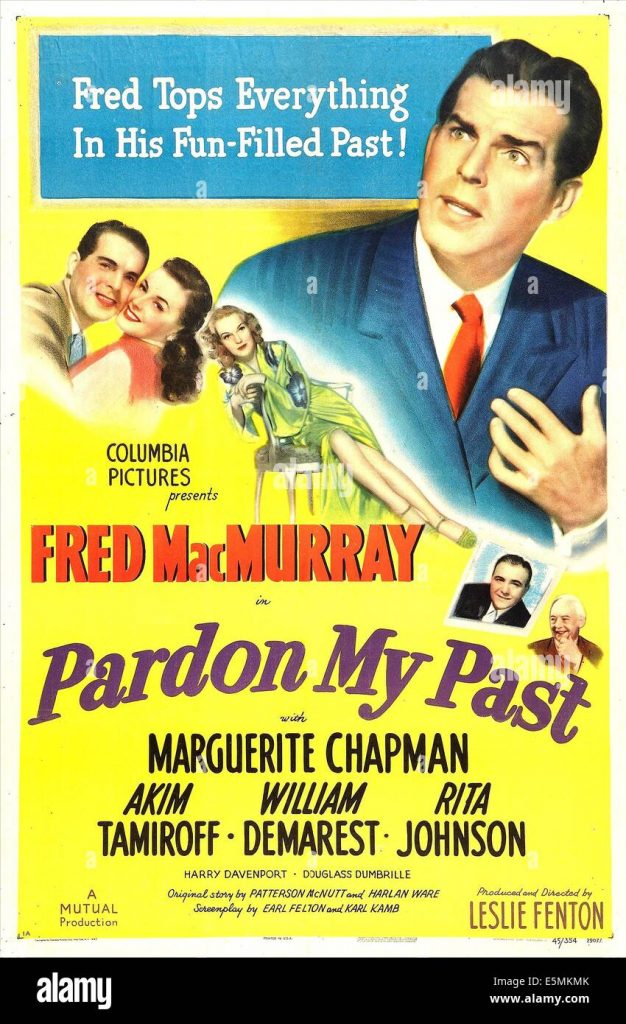
The Carp routine opened the door for Haydn to appear with Beatrice Lillie on Broadway in ‘Noel Coward (I)”s ‘Set to Music’ (1939) and this, in turn, resulted in a contract with 20th Century Fox. While his screen debut in Charley’s Aunt (1941) was relatively straight-laced, he was more often seen in comedic roles where his lugubrious face and dignified, sometimes unctuous presence could be employed to scene-stealing effect. His notable characterisations in this vein include the over-enunciating Professor Oddly in Ball of Fire(1941), Rogers the butler in And Then There Were None (1945) and Mr. Wilson in Cluny Brown (1946). He essayed a rare villainous role as the odious Earl of Radcliffe in the period drama Forever Amber (1947) and was back in his best form as Mr.Appleton inSitting Pretty (1948). In The Late George Apley (1947), he played the character of Horatio Willing, ‘with a broad edge of wheezy burlesque’ (Bosley Crowther, New York Times, March 21 1947).

In the late 40’s, Haydn made a brief foray into directing. Of his three films for Paramount, the Bing Crosby vehicle Mr. Music (1950) enjoyed the best critical reviews. Among his later appearances on screen, that of Trapp family friend and promoter Max Detweiler in The Sound of Music (1965), is the one which most often comes to mind. Over the years, Haydn also made an impression as a voice actor in animated cartoons, notably on Warner Brothers Looney Tunes (‘Super-Rabbit’, 1943) and as the Caterpillar from Alice in Wonderland (1951). He had frequent guest roles on television and starred in one of the best-remembered episodes of Rod Serling‘s Twilight Zone (1959), ‘A Thing About Machines’ (1960), as the pedantic, machine-hating egocentric Bartlett Finchley. He also caricatured a Japanese businessman in an episode of Bewitched (1964).

In private life, Richard Haydn was a rather reclusive individual who liked horticulture, shunned interviews and was never particularly integral to the closely-knit British colony in Hollywood.

– IMDb Mini Biography By: I.S.Mowis

The above IMDB entry can also be accessed online here.