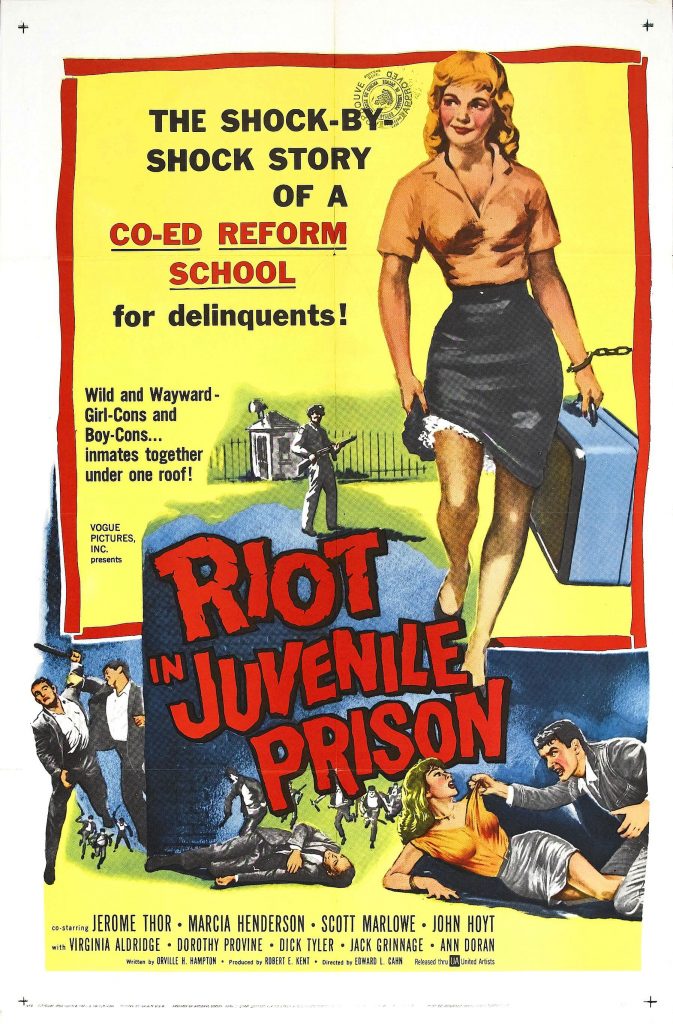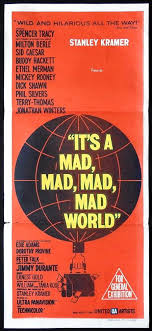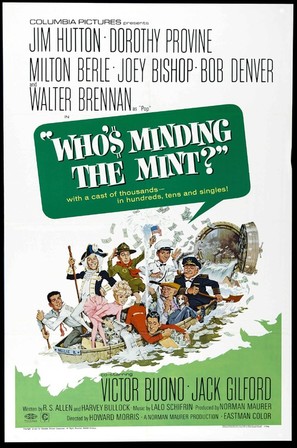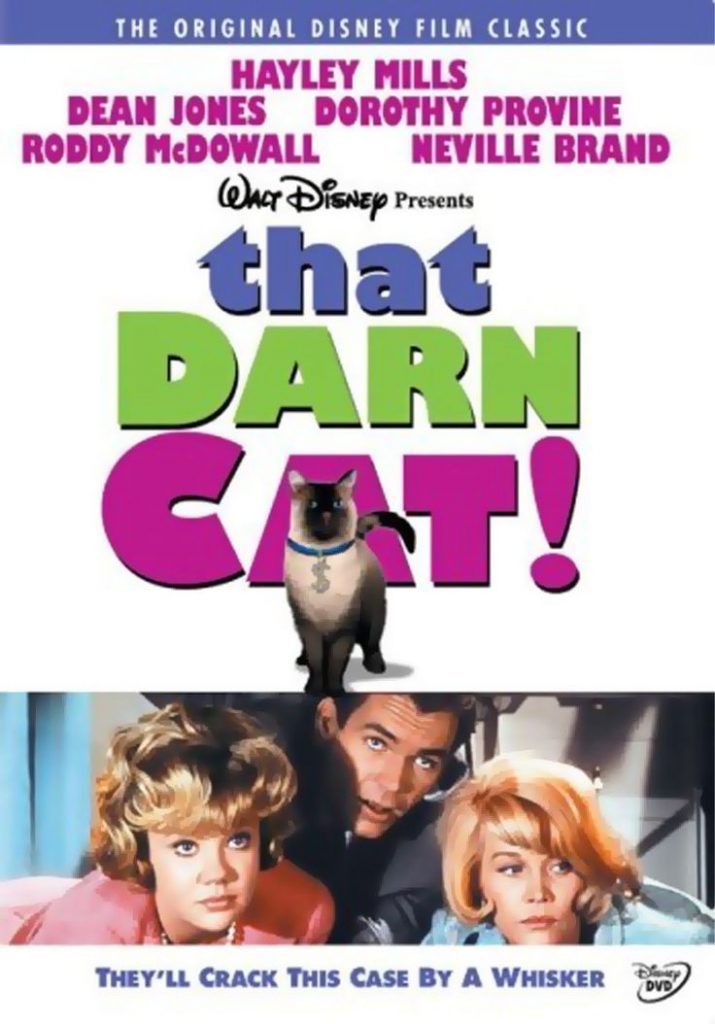

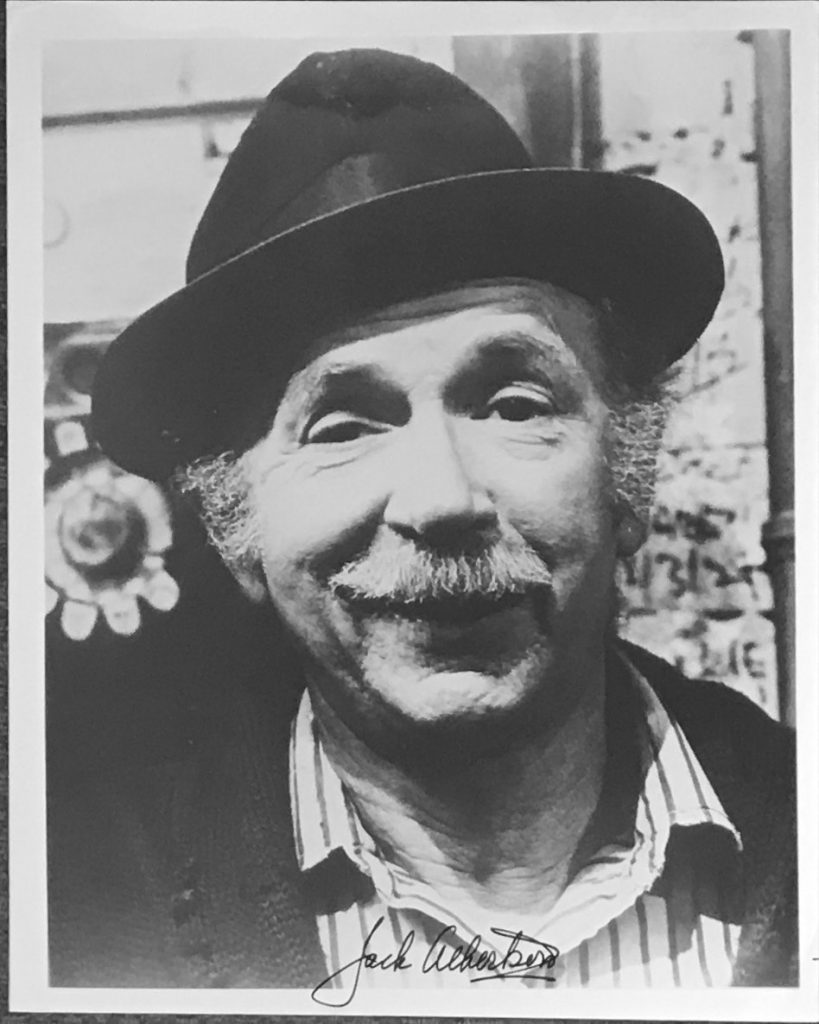
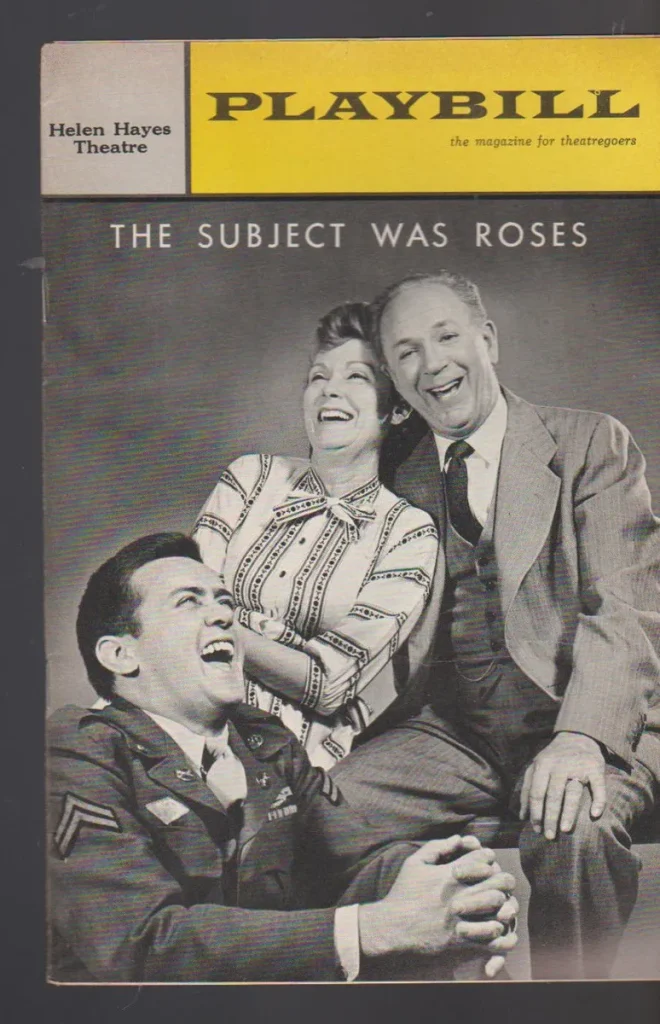
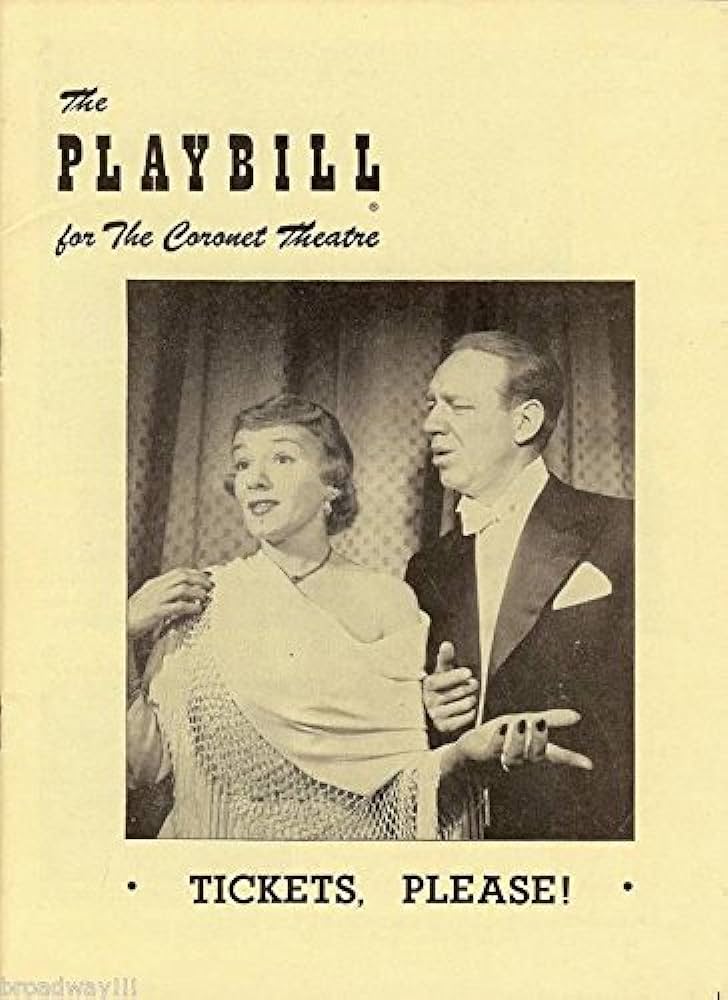

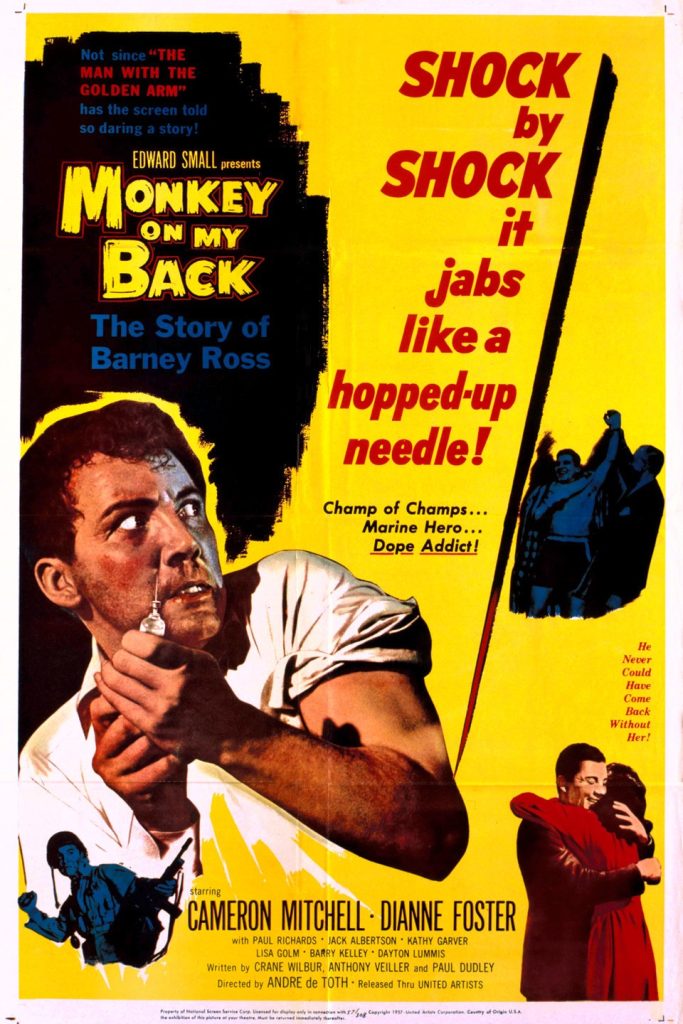

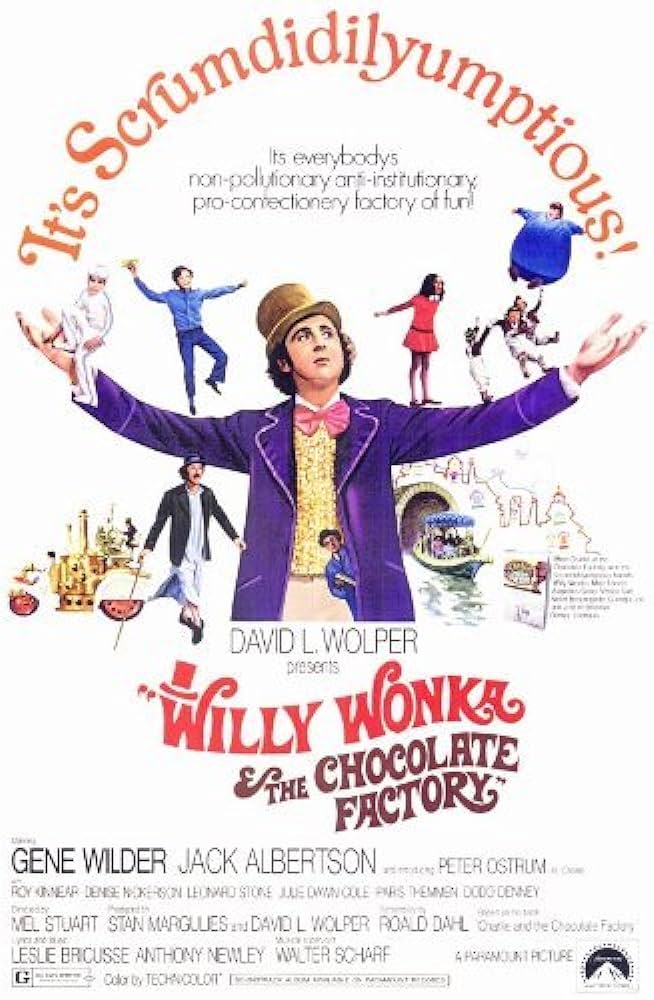
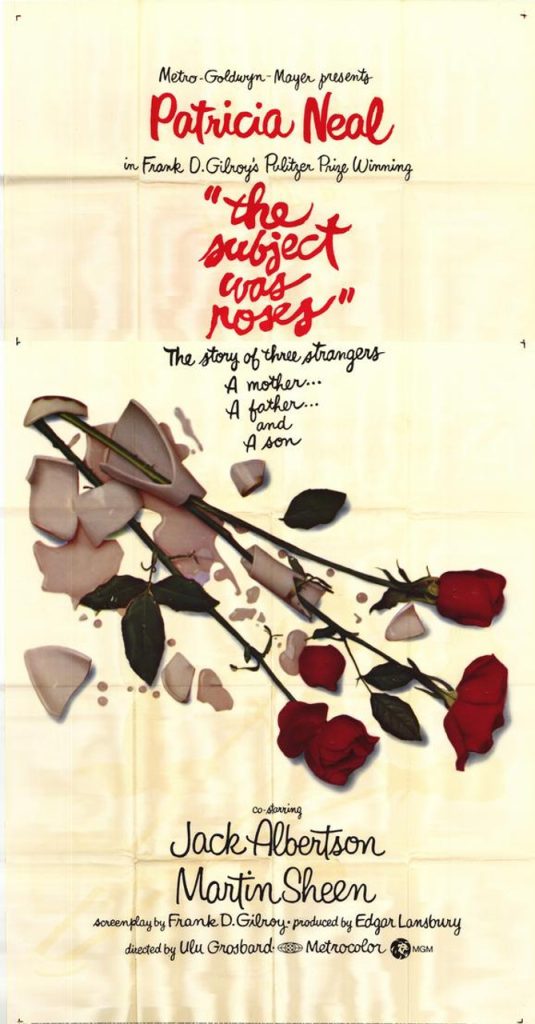
Jack Albertson was born in 1907 in Malden, Mass. He is best known for his performance in “Willie Wonka & the Chocolate Factory” as Granpa Joe in 1971. Other films include “The Subject Was Roses”, “The Poseidon Adventure” and the television series “Chico and the Man”. Jack Albertson died in California in 1981 at the age of 74.
TCM Overview:
An incredibly prolific, talented and frequently underappreciated actor, Jack Albertson was one of the most accomplished performers of his generation. Emerging from the vaudeville circuit and bawdy burlesque shows of New York in the 1930s, Albertson soon graduated to such Broadway stage productions as the 1947 revival of “The Cradle Will Rock.” Throughout the 1950s and ’60s, the actor worked non-stop, jumping from television to film and back to theater in such vehicles as the crime-comedy series “The Thin Man” (NBC, 1957-59), the cautionary drama “Days of Wine and Roses” (1962) and the Broadway play “The Subject was Roses” in 1965. As busy as he had been for more than 20 years, it was in the 1970s that Albertson gained lasting notoriety amongst a generation of fans for a trio of roles as good-natured, but cantankerous old men. In theaters, he endeared himself to fans young and old with his characters in “Willy Wonka and the Chocolate Factory” (1971) and “The Poseidon Adventure” (1972). But it was as the crotchety father figure to Freddie Prinze on the hit sitcom “Chico and the Man” (NBC, 1974-78) that Albertson would perhaps be most fondly remembered. A testament to his talent and lasting contributions could, in part, be measured by the fact that Albertson remained one of the select few to ever earn Oscar, Emmy and Tony awards over the course of his impressive career.
Jack Albertson was born on June 16, 1907 in the town of Malden, MA to Russian-Jewish immigrants, Flora and Leopold Albertson. Although she helped support the family by working in a shoe factory, Flora also performed in local theater as a stock actress. Soon, both Jack and his sister Mabel followed their mother’s footsteps into show business. It was an ambition that led the young man to drop out of high school and travel to New York City while still in his teens. Lacking funds to rent a room, Albertson slept in empty train cars and in the vast expanse of Central Park during those first lean years as he sought work as an entertainer. Like many young performers of the day, Albertson’s first paying jobs were in the then-thriving vaudeville circuit, working with comedians like Phil Silvers during the 1930s in New York productions of Minsky’s Burlesque and other troupes. After gaining considerable stage experience, he later appeared in a 1947 revival of the famed proletariat drama “The Cradle Will Rock” on Broadway.
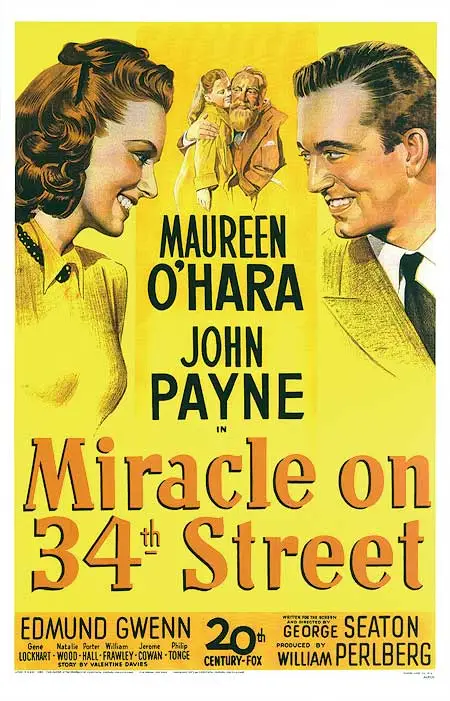
An early film role for Anderson came that same year with a bit part in the beloved holiday classic “Miracle on 34th Street” (1947), in which he had a small but pivotal role as a mail clerk looking to unload the thousands of letters addressed to Santa. Though the increasingly busy actor would keep his feet in both mediums to an almost equal degree, it would be television that would increasingly provide him with work and exposure. Among the multitude of appearances throughout the 1950s were several guest spots on the hugely popular comedy-variety program “The Jackie Gleason Show” (CBS, 1952-57). Back in movie houses, Albertson popped up in such productions as Humphrey Bogart’s final film, “The Harder They Fall” (1956). At about the same time, he landed the first of his many recurring roles with a supporting character on “The Thin Man” (NBC, 1957-59), a short-lived television adaptation of the popular film franchise, this time starring Peter Lawford and Phyllis Kirk as author Dashiell Hammett’s crime-solving socialites, Nick and Nora Charles.
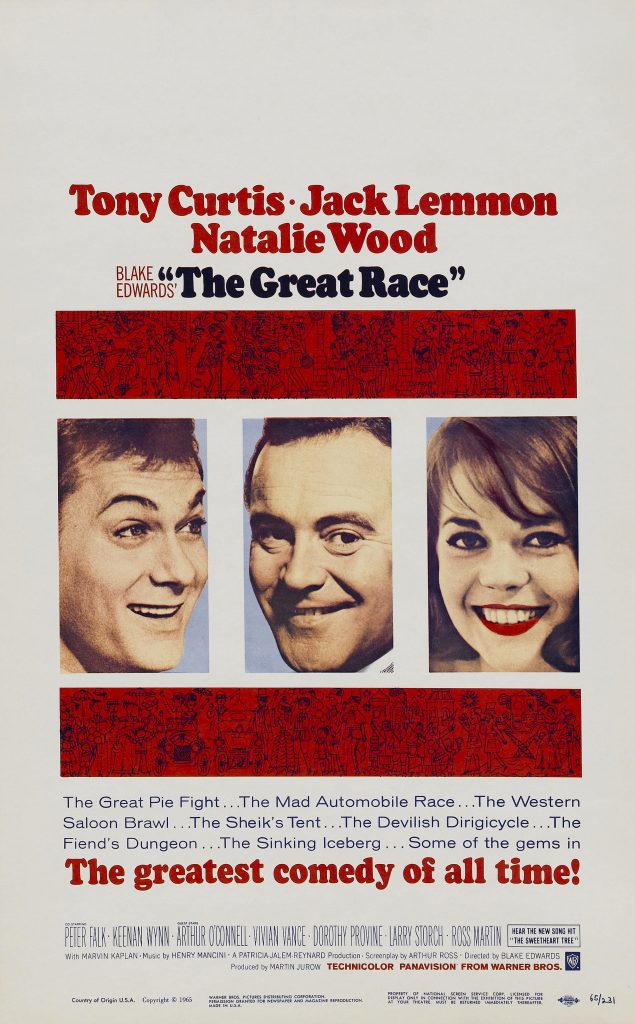
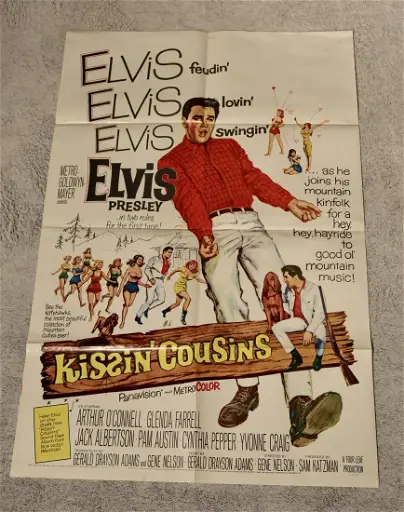
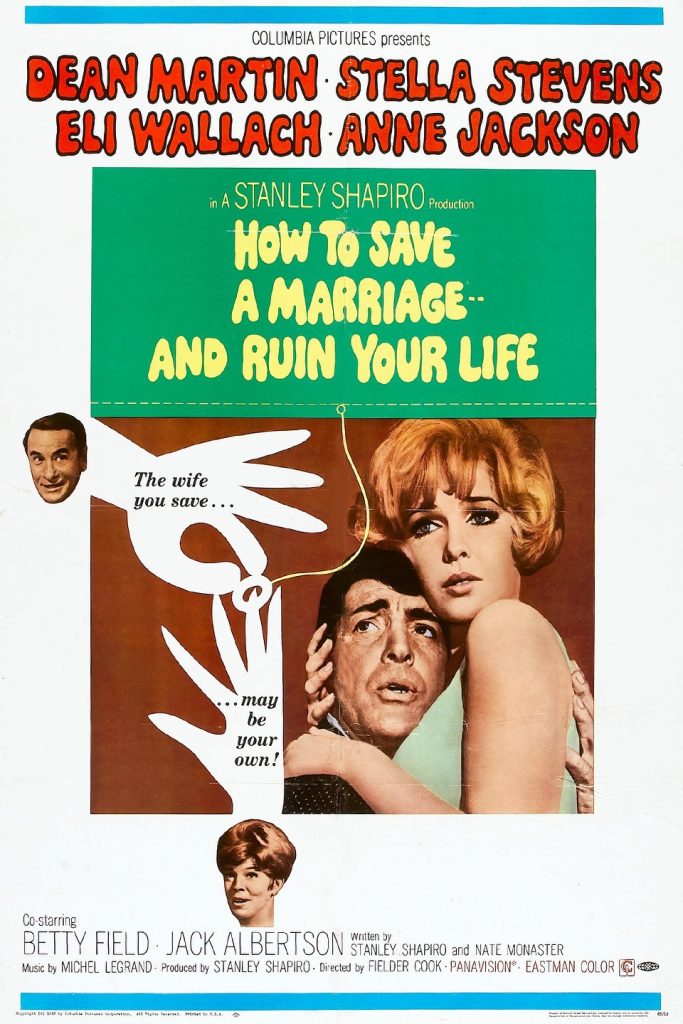
With each passing year, Albertson’s talents grew in demand, bringing him onto projects with the best and brightest, including the Clark Gable-Doris Day romantic comedy “Teacher’s Pet” (1958), and the acclaimed Blake Edwards film “Days of Wine and Roses” (1962), starring Jack Lemmon and Lee Remick as a married couple who descend into alcoholism. Other film work found him buddying up with Elvis Presley for a pair of back-to-back musicals, “Kissin’ Cousins” (1964) and “Roustabout” (1964). Occasionally, Albertson returned to stage work and in 1964 enjoyed Broadway success as the harsh, emotionally distant father in the intense family drama “The Subject was Roses,” with a performance that won him a Tony Award for Best Supporting Actor. In a run of lightweight feature comedies, the versatile Albertson supported Lemmon once more in “How to Murder Your Wife” (1965), George C. Scott in “The Flim Flam Man” (1967) and Dean Martin in “How to Save a Marriage and Ruin Your Life” (1968).
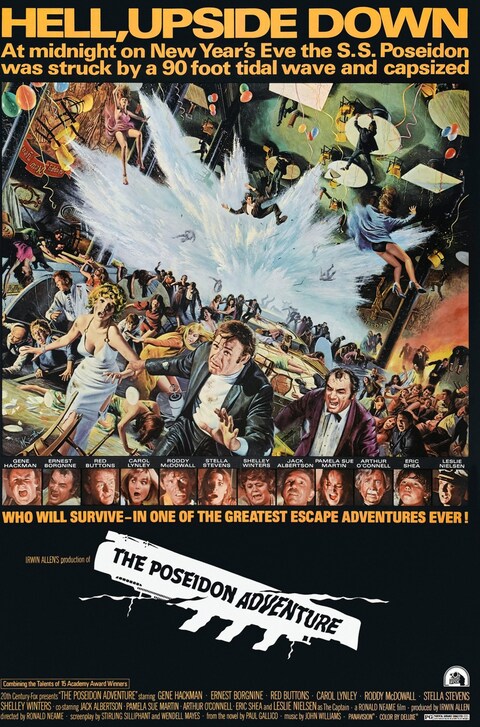
Recreating the role of John Cleary onscreen opposite Martin Sheen and Patricia Neal several years later, Albertson won an Oscar for Best Supporting Actor in the film adaptation of “The Subject was Roses” (1968). The breadth of material the veteran actor appeared in was impressive, by any measure. Two years later, Albertson worked alongside ’70s megastar James Caan in the adaptation of John Updike’s “Rabbit, Run” (1970), then delivered a role forever imbedded in the recollection of an entire generation – that of Grandpa Joe in “Willy Wonka and the Chocolate Factory” (1971), starring Gene Wilder as the eccentric candy maker. Another of his most memorable feature performances came in the blockbuster Irwin Allen disaster movie, “The Poseidon Adventure” (1972), in which he and a rag-tag group of survivors – among them, Shelley Winters, Ernest Borgnine and Gene Hackman – attempt to climb their way to safety inside a massive, overturned ocean liner. In 1972, Albertson made a triumphant return to Broadway to star opposite actor Sam Levene in Neil Simon’s “The Sunshine Boys” for a lengthy run. Understandably, he later expressed his regret over not being asked to reprise the role in the filmed adaptation, which starred George Burns and Walter Matthau.
His biggest role, however, was still ahead of him. Albertson later won an Emmy for a role with which he would be forever remembered. As the cantankerous, but good-natured garage owner Ed Brown, Albertson at last struck TV series gold on the sitcom “Chico and the Man” (NBC, 1974-78), opposite rising stand-up comedian, Freddie Prinze. The hit show was at the top of the ratings during its first two seasons and remained near the top during its third, until the tragic death of Prinze, who died from a self-inflicted gunshot wound at the peak of his fame, sending the program into a tailspin. Bringing in new characters to fill the void left by Prinze, the producers attempted a fourth season, but the sitcom never recovered and was canceled by the end of the year. It was also a devastating blow to Albertson on a personal level, as the older actor had quickly developed a deeply paternal relationship with the talented, yet deeply troubled comic. With his Emmy win for this work on “Chico and the Man,” Albertson became one of the select few performers to achieve “triple crown” status, having earned Oscar, Tony and Emmy awards.
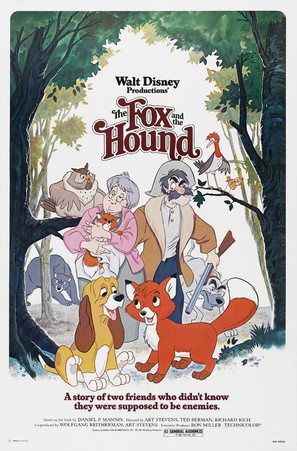
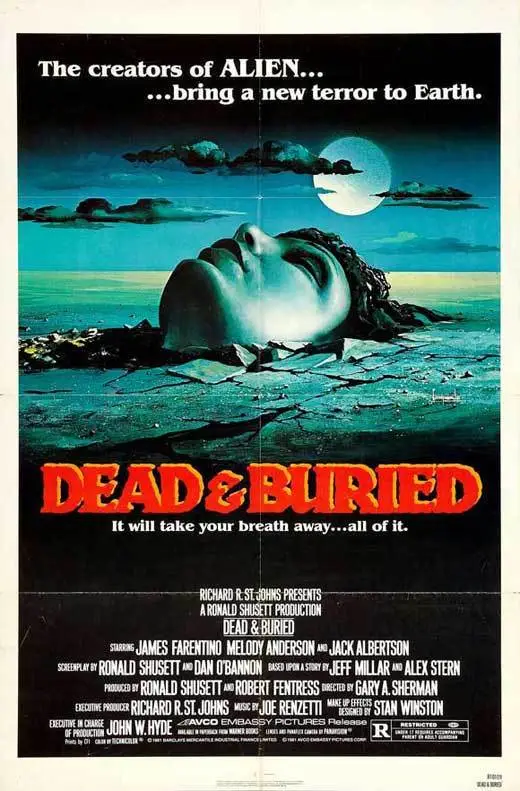
Following the end of “Chico and the Man,” Albertson attempted to rebound with another series, “Grandpa Goes to Washington” (1978-79). However, the sitcom, in which he played a curmudgeonly retired professor with no political experience who is elected to the U.S. Senate, ran a mere seven episodes before being canceled. Never one to let a momentary setback slow him down, he lent his voice to the Disney animated feature “The Fox and the Hound” (1981). That same year, in a marked departure from his usual fare, Albertson starred in the grisly horror film “Dead & Buried” (1981), in which he played a maniacal mortician obsessed with reanimating the dead. Keeping up a remarkably hectic work schedule for a man in his seventies, the actor also starred in the made-for-TV movie “Charlie and the Great Balloon Race” (NBC, 1981) as a retired railroad worker attempting to cross the country via hot-air balloon. Even more surprising was the fact that during this period, Albertson – unbeknownst to nearly everyone – was a very sick man. Jack Albertson died on Nov. 25, 1981 after a years-long battle with cancer at the age of 74. Having worked right up until his passing, he later appeared posthumously in the family values TV special “Grandpa, Will You Run with Me?” (NBC, 1983).
By Bryce Coleman