
Hollywood Actors

Collection of Classic Hollywood Actors

Kathryn Grayson
Kathryn Grayson
Kathryn Grayson
Kathryn Grayson
Kathryn Grayson
 

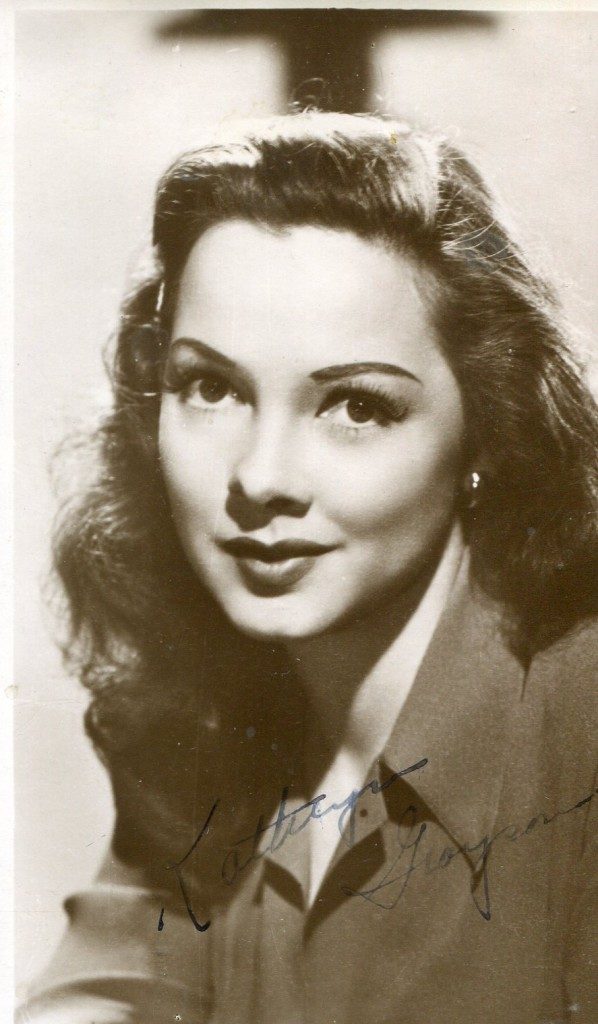
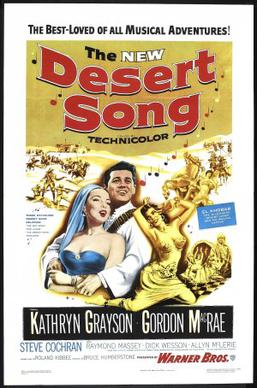
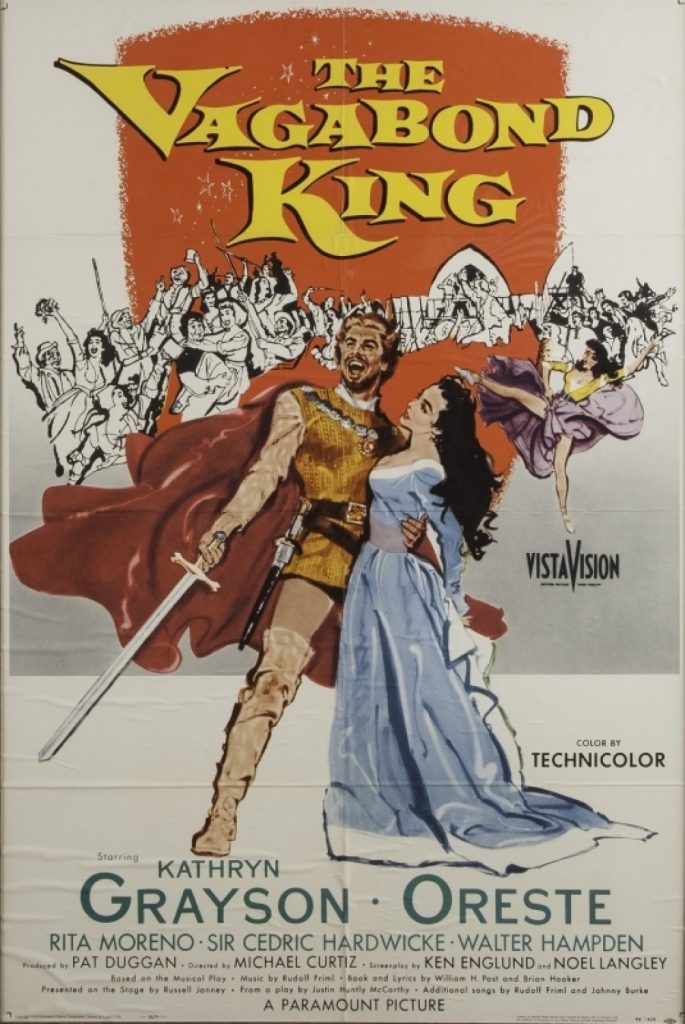
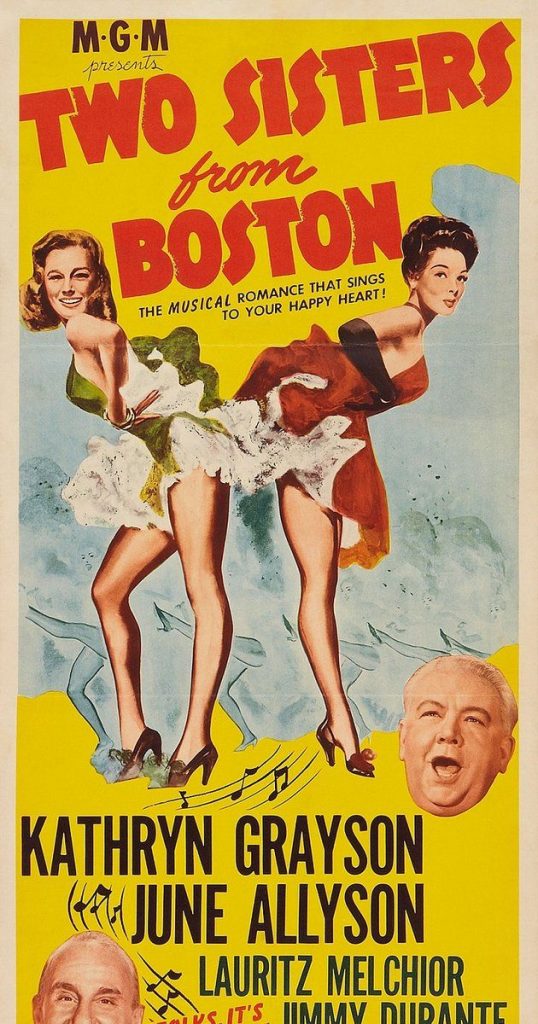
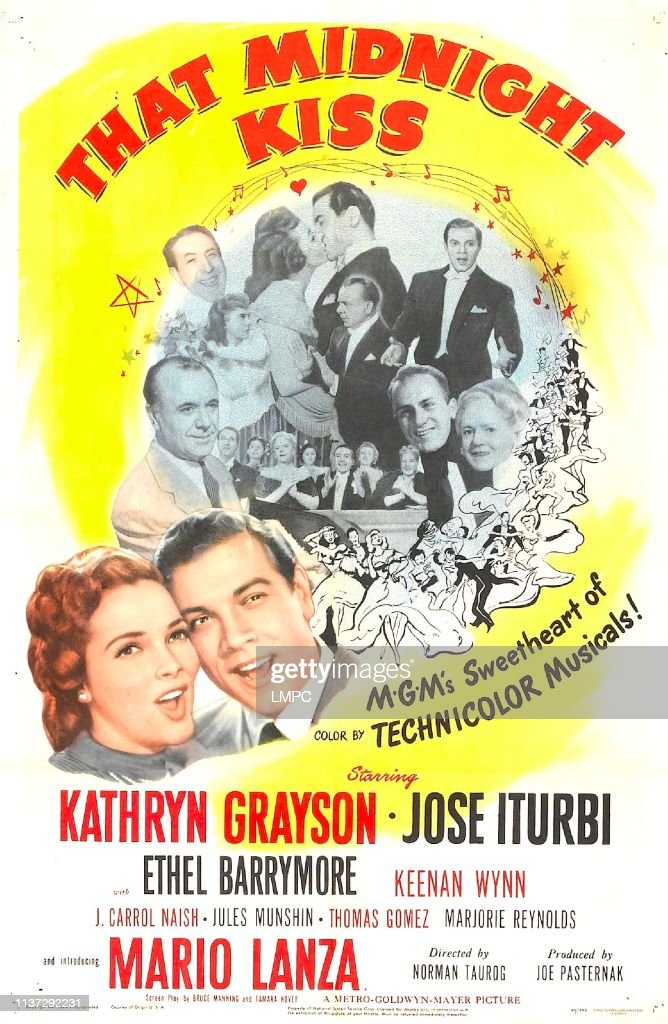
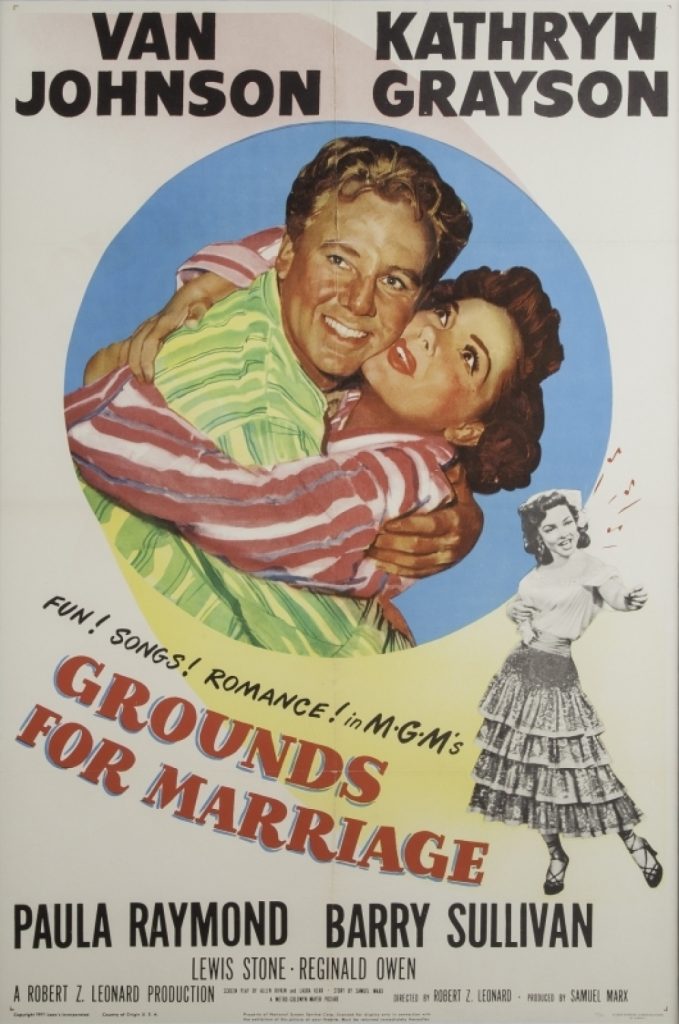
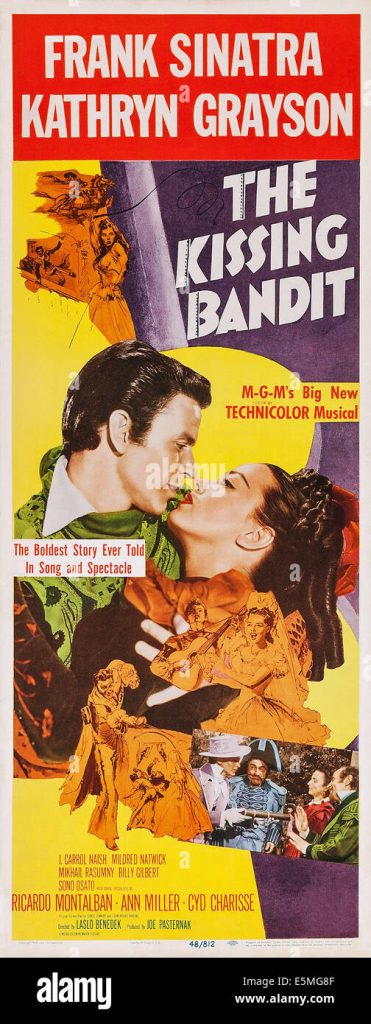
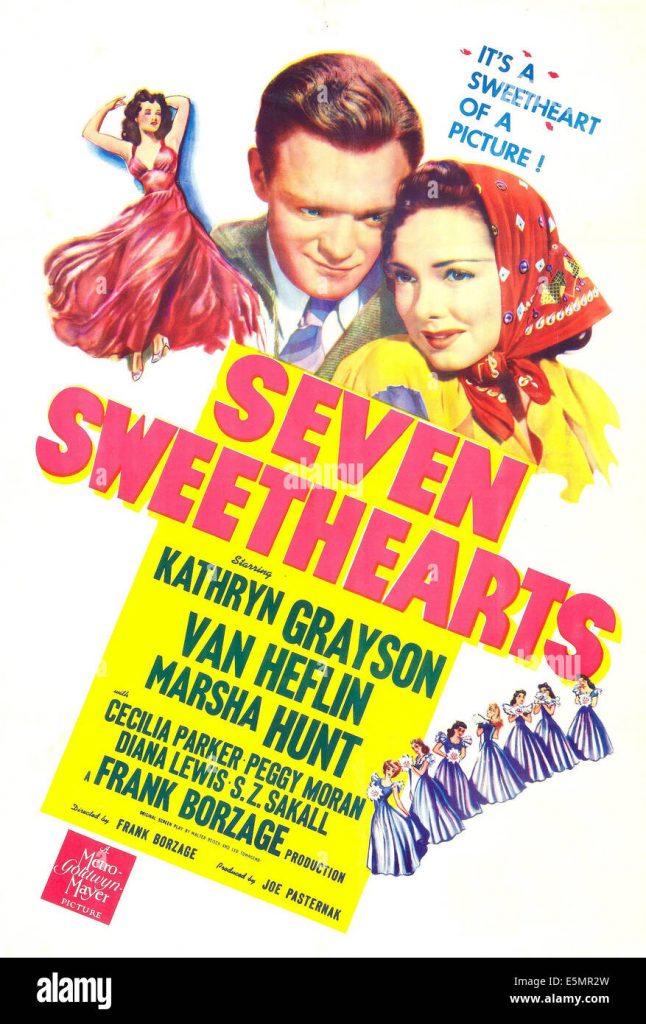
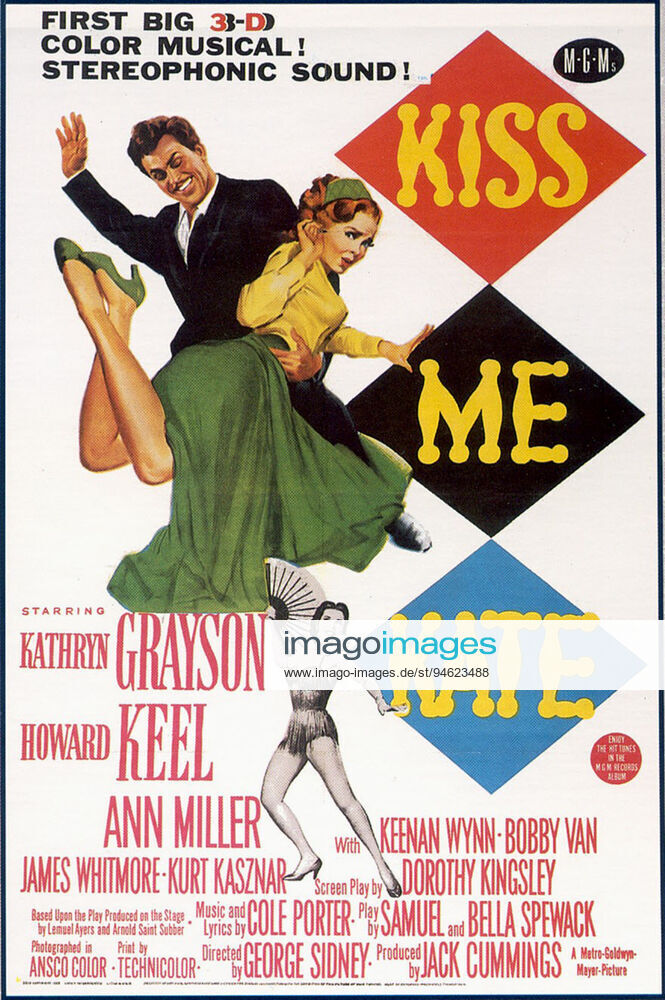
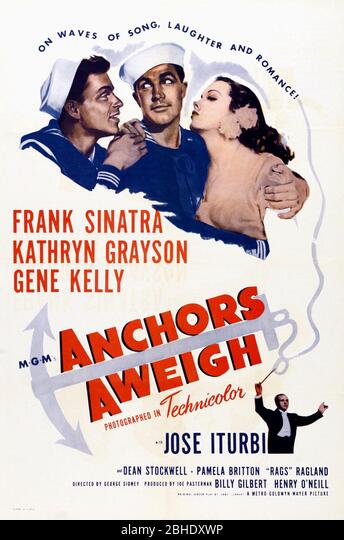
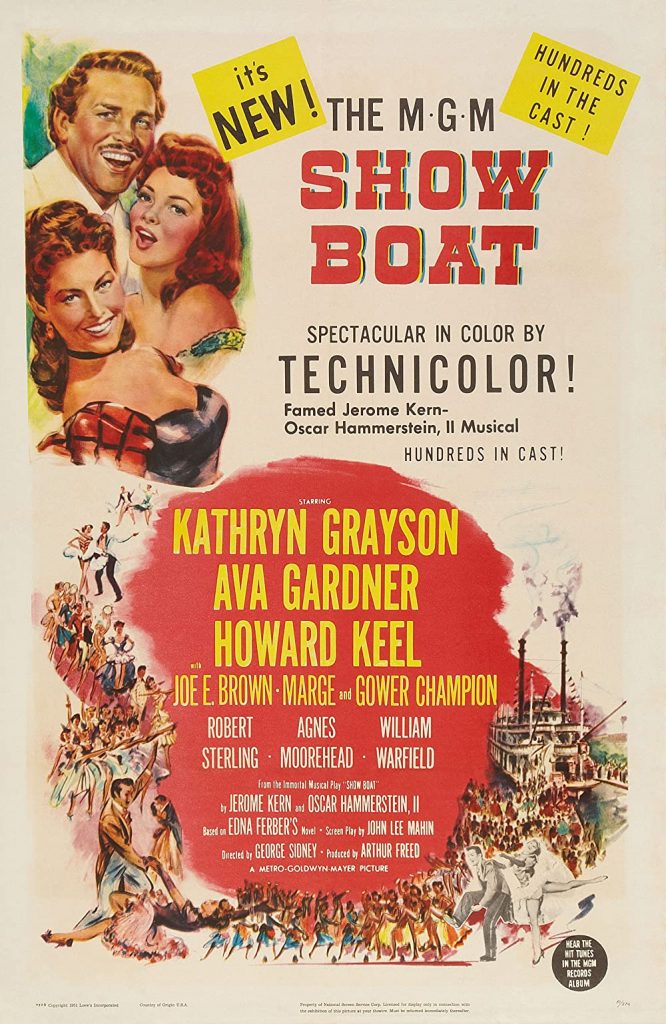
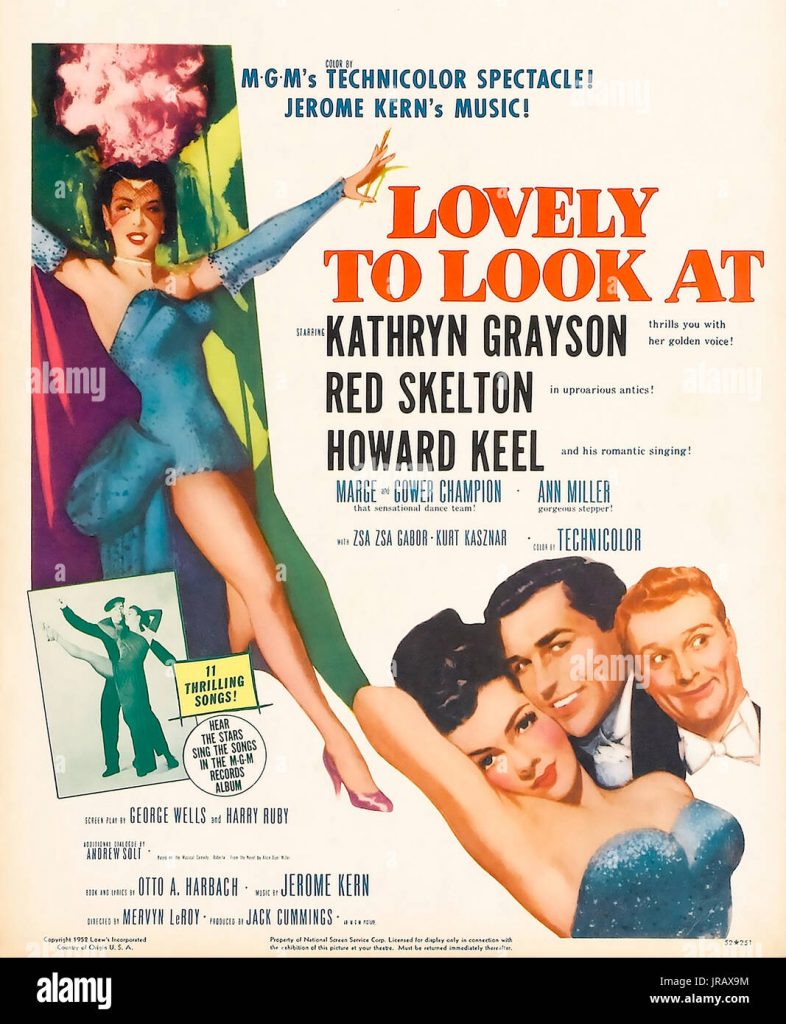
Kathryn Grayson was born in 1922 in North Carolina.   She appeared in many of the great MGM musicals including “Anchors Aweigh” in 1945, “Showboat” in 1951 , “Kiss Me Kate” and “The Vagabond King”   She died in 2010.

Ronald Bergan’s “Guardian” obituary:

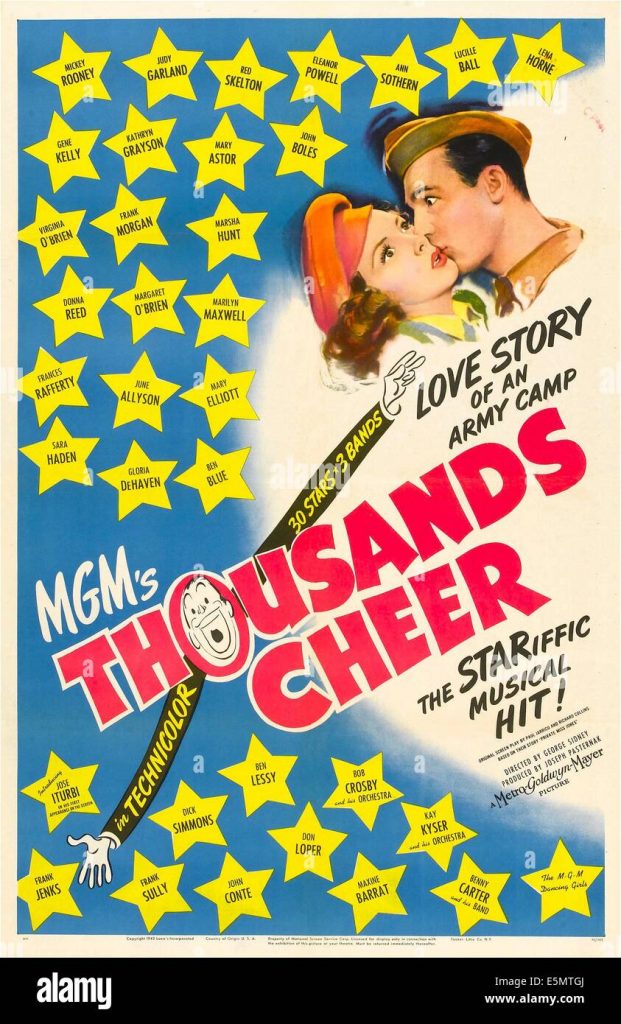
When coloratura soprano Kathryn Grayson, who has died aged 88, sang five songs, including an aria from La Traviata, in MGM’s all-star patriotic parade, Thousands Cheer (1943), she began her 10-year reign as the prima donna of Hollywood. With her china-doll features, little turned-up nose and patrician manner, Grayson raised the tone of more than a dozen musicals. Although opera managers did not beat a path to her door, her clear, slightly shrill, small voice carried well on film in popular classics and operatic scenes.

Her classical training led her not to the opera house, but to the radio, in particular The Eddie Cantor Show, on which she was discovered by an MGM talent scout at the age of 18 in 1940. In the same year, she married the minor film actor John Shelton.

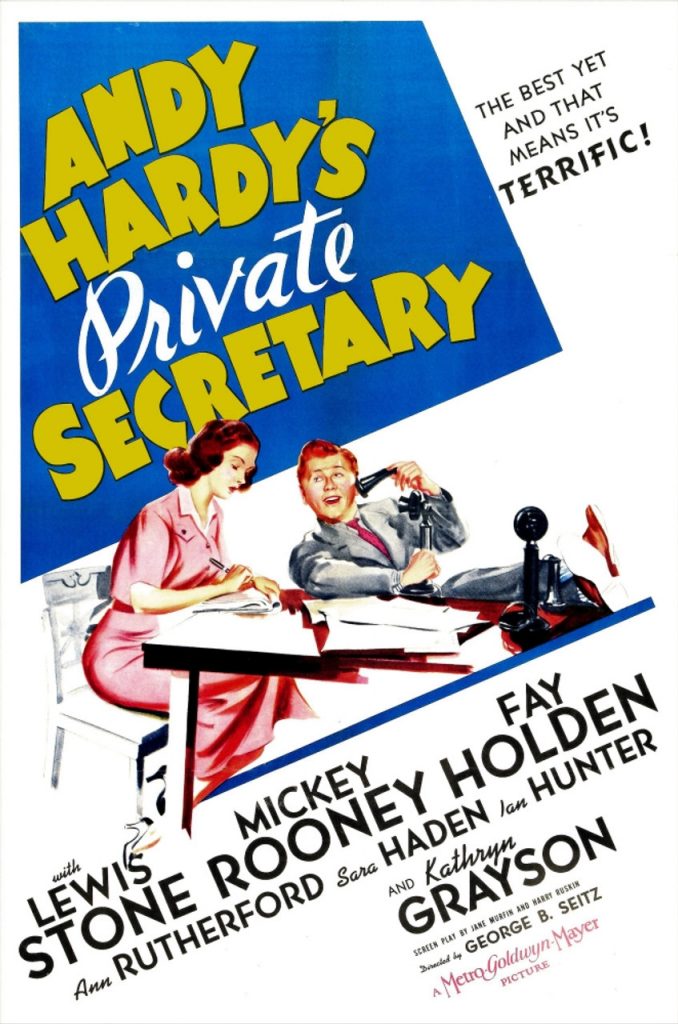
In her first film, Grayson, who was born Zelma Hedrick in Winston-Salem, North Carolina, played the title role opposite Mickey Rooney in Andy Hardy’s Private Secretary (1941), in which she sang Johann Strauss’s Voices of Spring prettily. The following year, loaned out to RKO, she chirped a few songs in Rio Rita, a vehicle for Abbott and Costello. At MGM, she was the charming juvenile lead in Seven Sweethearts and The Vanishing Virginian, both directed by Frank Borzage. However, her career, like her voice, hit the heights with Thousands Cheer (1943), in which Grayson, in uniform, lifted wartime audiences’ spirits by singing The United Nations March, with music by Dmitri Shostakovich.

The Hungarian-born producer Joe Pasternak, who had been the mentor of teenage canary Deanna Durbin at Universal, and had a taste for well-scrubbed nubile sopranos, now found a new protege in Grayson. He produced seven of her musicals, in which he attempted to bring a whiff of the concert hall and the opera house – and to spread mittel-European schmaltz – into mittel-America.

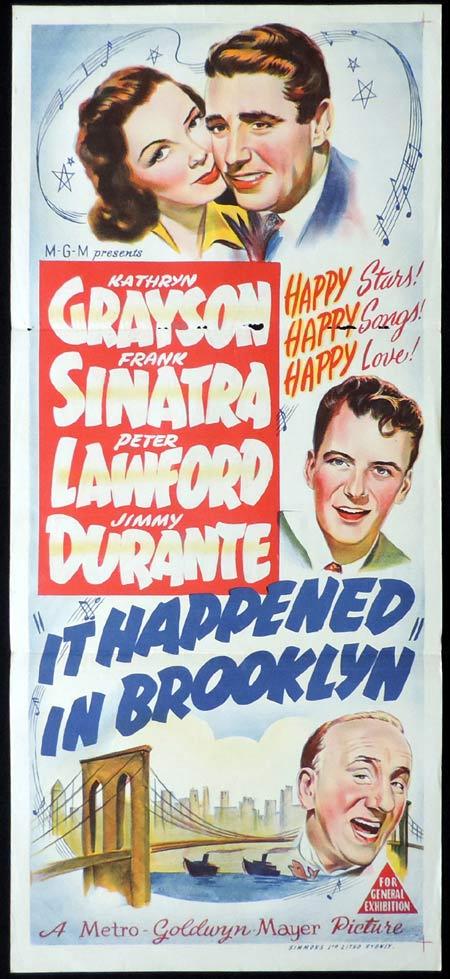
In Anchors Aweigh (1945), she spent more than two hours trying to get a singing audition with José Iturbi, helped by sailors Gene Kelly and Frank Sinatra, both in love with her. Grayson made two further films with Sinatra: It Happened in Brooklyn (1947), in which the pair deliver an ill-conceived rendition of Là Ci Darem la Mano from Mozart’s Don Giovanni, and the dismal The Kissing Bandit (1948), enlivened by her rendition of Love Is Where You Find It.

In Vincente Minnelli’s kitschy finale from Ziegfeld Follies (1945), she sings There’s Beauty Everywhere against a background of huge rocks, nymphs and mammoth bubbles. Two Sisters from Boston (1946) found her singing at the Metropolitan Opera with the great Danish heldentenor Lauritz Melchior (without a rehearsal) in a meaningless mish-mash of an opera based on themes by Mendelssohn and Liszt.

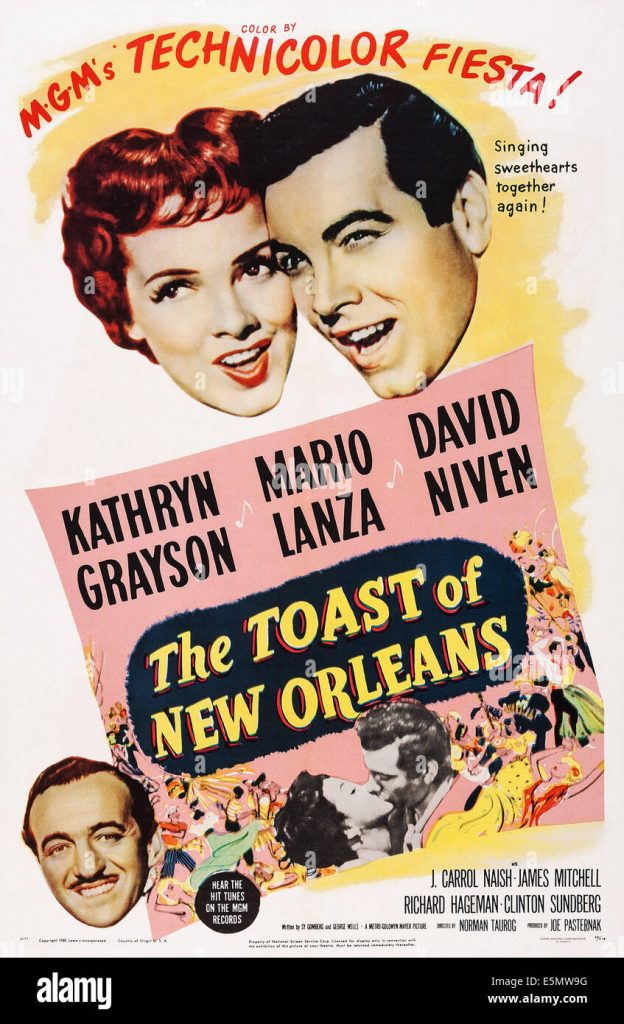
It was inevitable that the petite Grayson would be paired with the beefy and strident tenor Mario Lanza in That Midnight Kiss (1949) and The Toast of New Orleans (1950). They got to sing a number of operatic love duets together, but Grayson refused to work with Lanza again because of his boorish behaviour.

Thereafter, Grayson found her best partner in the virile baritone Howard Keel. In Show Boat (1951), the first of their three musicals together, she was perfectly cast as Magnolia, who falls for gambler Keel. Her finest moments were a joyous reprise of Can’t Help Lovin’ Dat Man of Mine, and when, at a New Year’s party, after her small voice singing After the Ball has failed to penetrate the noisy crowd, her father (Joe E Brown) stills them and encourages her to sing up, which she does touchingly.

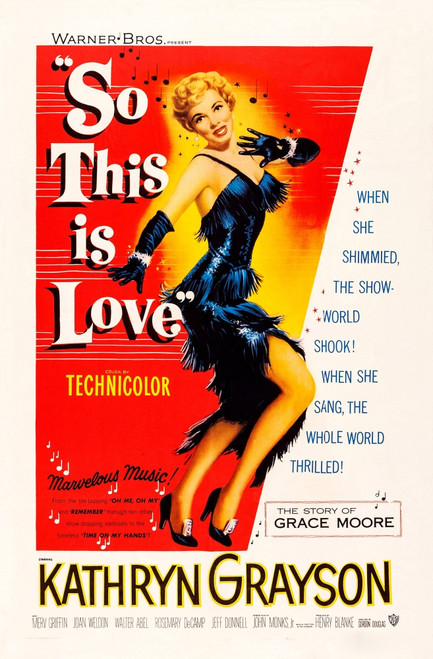
By this time, Grayson had divorced Shelton (in 1946) and was about to divorce the crooner Johnnie Johnston (in 1951). She had a daughter, Patricia, with the latter, who “was too much of a golf fiend and party man”, whereas Grayson was a homebody. With her new-found freedom, Grayson unwisely left MGM after Lovely to Look At (1952), also with Keel, for a four-picture contract with Warners. Her reason was that she wanted to do concert and television work, which MGM would not allow her to do. However, the Warner Bros contract was terminated after two mediocre vehicles, The Desert Song (1953) and So This Is Love (1953), in the latter of which she made a fine attempt to play Grace Moore, the opera and film star of the 30s.

Grayson returned to her old studio in triumph in Cole Porter’s Kiss Me Kate (1953), proving that she had more fun in her than she had previously been permitted to reveal, especially when letting her hair down in the number I Hate Men. She also matches Keel in two lyrical duets, So in Love and Wunderbar. But the kissing for Grayson had to stop when, after one further film, the undistinguished The Vagabond King (1956), she retired from the cinema and appeared only in nightclubs and on stage. She replaced Julie Andrews as Guenevere in the original Broadway production of Camelot (1962), as well as touring in other musicals including Show Boat and Kiss Me Kate. In the 1980s, much to the delight of many faithful fans, she toured Britain in her one-woman show, An Evening With Kathryn Grayson, with her figure much enlarged and her voice only slightly diminished. She is survived by her daughter.

• Zelma Kathryn Elisabeth Grayson, actor and singer, born 9 February 1922; died 17 February 2010

 The above “Guardian” obituary can also be accessed online here.
Efrem Zimbalist Jr
Efrem Zimbalist Jr.
Efrem Zimbalist Jr.

Efrem Zimbalist Jr was born in 1918 in New York City, the son of the famous violinist Efrem Zimbalist and opera singer Alma Gluck.   He is most famous for two recurring roles on television in “77 Sunset Strip” from 1958 until 1964 and then “The F.B.I.” from 1965 until 1974.   His films include “A Faver in the Blood” with Angie Dickinson, “Home Before Dark” with Jean Simmons, “The Crowded Sky” with Rhonda Fleming and Troy Donahue in 1960 and “Cab to Canada” with Maureen O’Hara.   His most recent film is “The Delivery” in 2008.   His daughter is the actress Stephanie Zimbalist.   He died in 2014.

His “Guardian” obituary:

It would have been difficult to predict, when Efrem Zimbalist Jr was growing up in New York, the son of the concert violinist Efrem Zimbalist and the opera singer Alma Gluck, surrounded by leading lights in the arts world, that his main claim to fame later in life would be playing a private investigator in the television series 77 Sunset Strip and a police inspector in The FBI.

Zimbalist, who has died aged 95, had been acting professionally since 1945, and had already appeared in eight feature films, without having made much impact, when he was cast as the private eye Stu Bailey in 77 Sunset Strip in 1958. It ran for six years, and Zimbalist became a household name.

He was cool and smart as Bailey, an Ivy Leaguer with a background in second world war intelligence who set up his own detective agency in Los Angeles. His younger partner was Jeff Spencer (Roger Smith), and they were often helped by a young, finger-snapping, slang-talking parking lot attendant called Kookie (Edd Byrnes). Byrnes made a record, Kookie, Kookie (Lend Me Your Comb), that was a transatlantic hit and spawned a catchphrase. The 77 Sunset Strip show was considered to be one of the most swinging on television in the late 1950s and early 60s.

Zimbalist was born in New York, grew up on an estate in the Connecticut countryside and received an expensive education in New England. His mother, born in Romania as Reba Feinsohn, sang at the Metropolitan Opera, and was one of the first singers to make records. His father, the Russian-born virtuoso, did much to revive interest in early violin music, and became director of the Curtis Institute of Music, Philadelphia.

Zimbalist Jr trained at the Yale School of Drama (from which he was expelled for bad grades) and the Neighborhood Playhouse in New York. He then enlisted in the army and during service in Europe was wounded and received the Purple Heart. After the war, the director and writer Garson Kanin, a friend of the family, gave Zimbalist his first professional role in his Broadway production of Robert E Sherwood’s The Rugged Path (1945), which starred Spencer Tracy.

He continued to act on the Broadway stage with the American Repertory Theatre. His roles in ascending order were a Roman soldier in George Bernard Shaw’s Androcles and the Lion (1946); The Duke of Suffolk in Shakespeare’s Henry VIII (1946); and Eilert Lovborg in Ibsen’s Hedda Gabler (1948), with Eva Le Gallienne in the title role, and Zimbalist’s wife, Emily McNair, as Thea Elvsted. In 1949, he was cast as one of the four sons (the cruellest) of a ruthless businessman (Edward G Robinson) in Joseph L Mankiewicz’s film noir House of Strangers. In the meantime, Zimbalist had produced a double bill of Gian Carlo Menotti operas, The Medium and The Telephone, on Broadway. Its critical and surprising commercial success led to his following it up with Menotti’s The Consul (1950), which won the New York Drama Critics’ award and the Pulitzer prize for the best musical in 1950.

But his joy was short-lived. His wife died of cancer in the same year, leaving their two children, Efrem and Nancy. Making an abrupt decision to abandon acting, he served as assistant director/researcher to his father at the Curtis Institute of Music.

He returned to acting in 1954, in a daytime television soap called Concerning Miss Marlowe, and to Broadway in 1956, in Noël Coward’s Fallen Angels, in which he played the seductive Frenchman Maurice Duclos. In the same year, he married Stephanie Spaulding, and, thanks to the director Joshua Logan, gained a contract with Warner Bros, which exploited his good looks and suave, though rather bland, personality in secondary roles.

He was a southern officer in Band of Angels (1957), which starred Clark Gable andYvonne De Carlo; a playboy army flyer wooing Natalie Wood in Bombers B-52 (1957); and in uniform again on a second world war cruiser in The Deep Six (1958), with Alan Ladd. In Home Before Dark (1958), with Jean Simmons as a psychiatric patient, he was a gentle pipe-smoking professor who faces antisemitism. It remained his favourite screen role. More significant, however, was Girl on the Run (1958), which served as a pilot for 77 Sunset Strip. “I didn’t want to do television, but it was in my contract,” Zimbalist recalled. “I had a horror of being stuck in some series and never being heard from again. But Jack Warner said, ‘Look, television is the business today. Don’t worry. We’ll keep an eye on you. We won’t let that happen.'”

While playing Bailey, Zimbalist found time to appear in several more films. On loan to Columbia, he was Lana Turner’s illicit lover in the lurid melodrama By Love Possessed (1961). He was a political hopeful in A Fever in the Blood (1961), opposite Angie Dickinson – one of his few leads, Warners hoping to cash in on his TV fame – and a sex therapist in George Cukor’s The Chapman Report (1962).

In 1965 he landed another plum TV role in The FBI, and remained in the series for nine years. As Inspector Lew Erskine he tracked down all sorts of criminals – rapists, terrorists and serial killers – before, at the end of the show, stepping out of character and giving a report of real criminals and fugitives wanted by the FBI.

In the meantime, Zimbalist continued in a few films, such as Wait Until Dark (1967), as the husband of a blind woman (Audrey Hepburn), who is terrorised in their apartment during his absence. He played a blinded pilot in Airport 1975 and, much later, lampooned his FBI image in Hot Shots! (1991). However, he was mainly seen in TV movies and series, such as Remington Steele in the 80s (as the silver-tongued con artist Daniel Chalmers), in which his daughter Stephanie Zimbalist starred opposite Pierce Brosnan. His smooth baritone was also used to narrate and do voiceovers.

In 2003, he published his memoirs, My Dinner of Herbs, and a year later came out of retirement to act with his daughter again in a stage production of Tennessee Williams’s Night of the Iguana in Ventura, California.

His wife Stephanie died in 2007; and his daughter Nancy in 2012. He is survived by his daughter Stephanie and his son, Efrem Zimbalist III.

• Efrem Zimbalist Jr, actor, born 30 November 1918; died 2 May 2014
The above “Guardian” obituary can also be accessed online here.

Gary Brumburgh’s entry:

It’s hardly surprising that the son of renowned concert violinist Efrem Zimbalist Sr.(1889-1985) and opera singer Alma Gluck (1884-1938) would desire a performing career of some kind. Born in New York City on November 30, 1918, surrounded by people of wealth and privilege throughout his childhood, Efrem Zimbalist Jr. received a boarding school education. Acting in school plays, he later trained briefly at the Yale School of Drama but didn’t apply himself enough and quit. As an NBC network radio page, he auditioned when he could and found minor TV and stock theatre parts while joining up with the Neighborhood Playhouse.

Following WWII war service with the Army infantry in which he was awarded the Purple Heart after being wounded, a director and friend of the family, Garson Kanin, gave the aspiring actor his first professional role in his Broadway production of “The Rugged Path” (1945) which starred Spencer Tracy. With his dark, friendly, clean-scrubbed good looks and a deep, rich voice that could cut butter, Zimbalist found little trouble finding work. He continued with the American Repertory Theatre performing in such classics as “Henry VIII” and “Androcles and the Lion” while appearing opposite the legendary Eva Le Gallienne in “Hedda Gabler”.

Zimbalist then tried his hand as a stage producer, successfully bringing opera to Broadway audiences for the first time with memorable presentations of “The Medium” and “The Telephone”. As producer of Gian Carlo Menotti‘s “The Consul”, he won the New York Drama Critic’s Award and the Pulitzer Prize for best musical in 1950. An auspicious film debut opposite Edward G. Robinson in House of Strangers (1949) brought little career momentum due to the untimely death of his wife Emily (a onetime actress who appeared with him in “Hedda Gabler” and bore him two children, Nancy and Efrem III) to cancer in 1950. Making an abrupt decision to abandon acting, he served as assistant director/researcher at the Curtis School of Music for his father and buried himself with studies and music composition.

In 1954, Efrem returned to acting and copped a daytime television soap lead (Concerning Miss Marlowe (1954)). It was famed director Joshua Logan who proved instrumental in helping Zimbalist secure a Warner Bros. contract. Despite forthright second leads in decent films such as Band of Angels (1957) with Clark Gable and Yvonne De CarloToo Much, Too Soon (1958) starring Dorothy Malone and Errol FlynnA Fever in the Blood(1961) opposite Angie Dickinson and (his best) Wait Until Dark (1967) with Audrey Hepburn, it was television that made the better use of his refined, unshowy acting style. His roles as smooth private investigator Stu Bailey on 77 Sunset Strip (1958) and dogged inspector Lewis Erskine on The F.B.I. (1965) would be his ultimate claims to fame.

A perfect gentleman on and off camera, Zimbalist’s severest critics tend to deem his performances bland and undernourished. Managing to override such criticisms, he maintained a sturdy career for nearly six decades. In 1991, he made fun of his all-serious reputation and pulled off a Leslie Nielsen-like role in the comedy parody Hot Shots!(1991). In addition to theater projects over the years, he has made fine use of his mellifluous baritone performing narrations and cartoon voiceovers, including that of Alfred the butler on a “Batman” animated series.

In 2003, he completed his memoirs, entitled “My Dinner of Herbs”. The father of three, grandfather of four and great-grandfather of three, he settled in Santa Barbara and later in Solvang, California with longtime second wife Stephanie until her death in 2007 of cancer. Their daughter, also named Stephanie (Stephanie Zimbalist), is the well-known actress who appeared with Pierce Brosnan in the Remington Steele (1982) television series, in which Zimbalist had a recurring role. He and his daughter also appeared on stage together in his later years, their first being “The Night of the Iguana”. His eldest daughter Nancy died in 2012.

Zimbalist died peacefully at his Solvang home of natural causes at the age of 95 on May 2, 2014.

– IMDb Mini Biography By: Gary Brumburgh / gr-home@pacbell.net


Donna Anderson
Donna Anderson
Donna Anderson

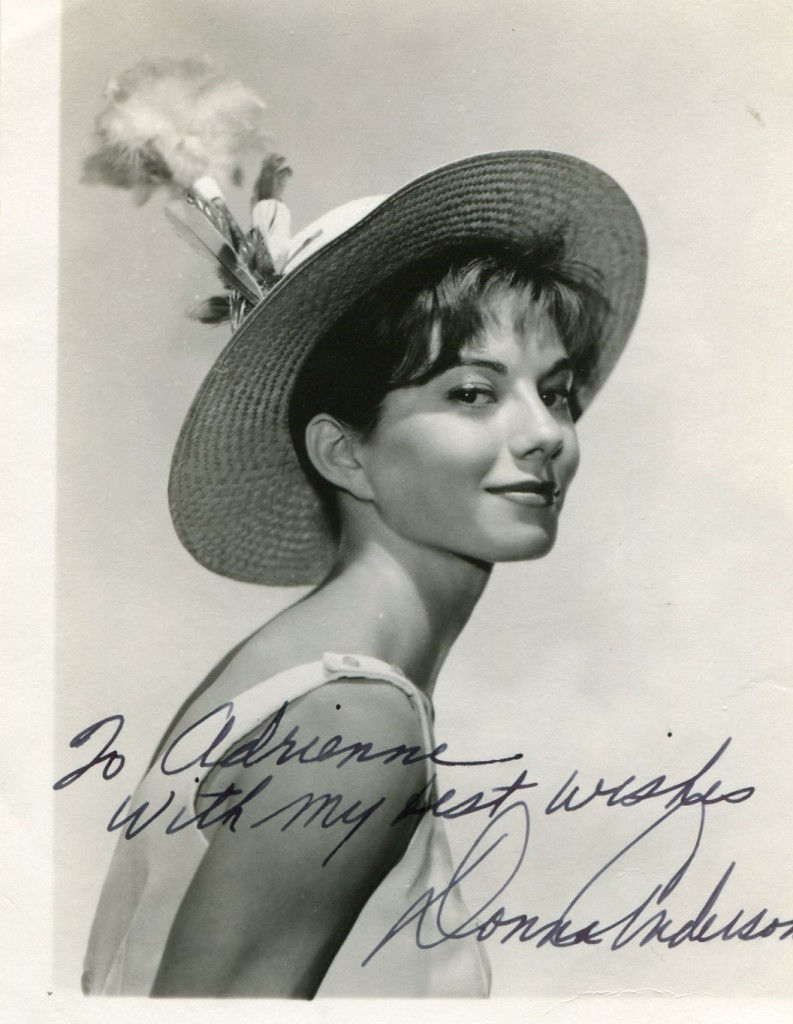
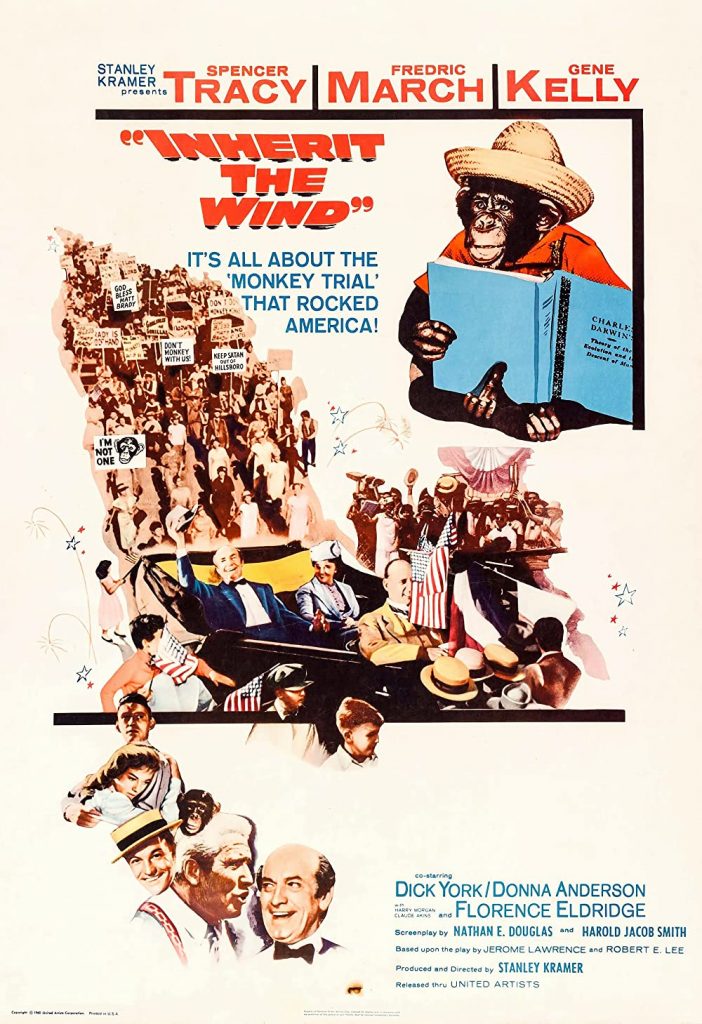
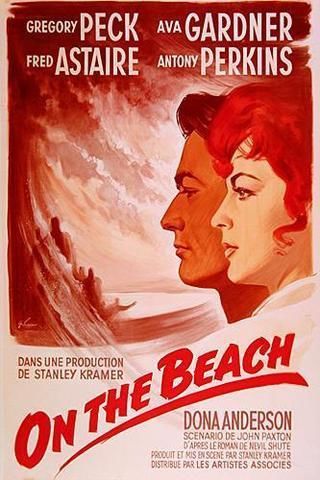
Donna Anderson was born in Gunnison, Colorado in 1939.   She made her film debut opposite Anthony Perkins in 1959 in “On the Beach”.   Her other film of note was “Inherit the Wind”.   On television she has starred in “The Travels of Jamie McPheeters”.

Dwayne Hickman
Dwayne Hickman
Dwayne Hickman

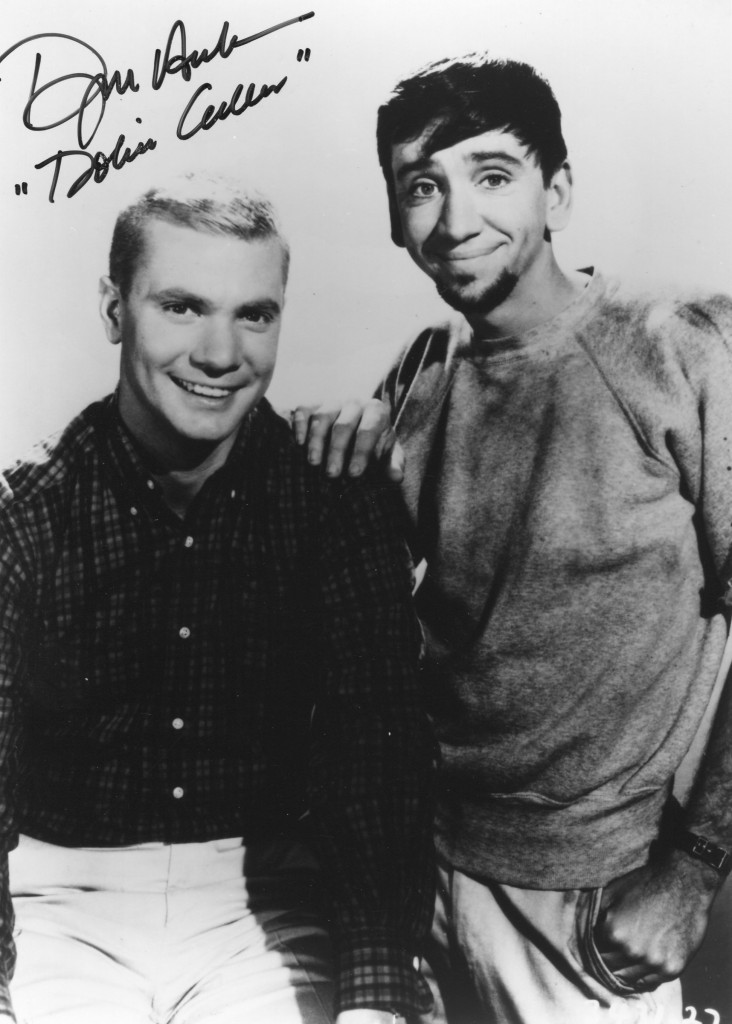
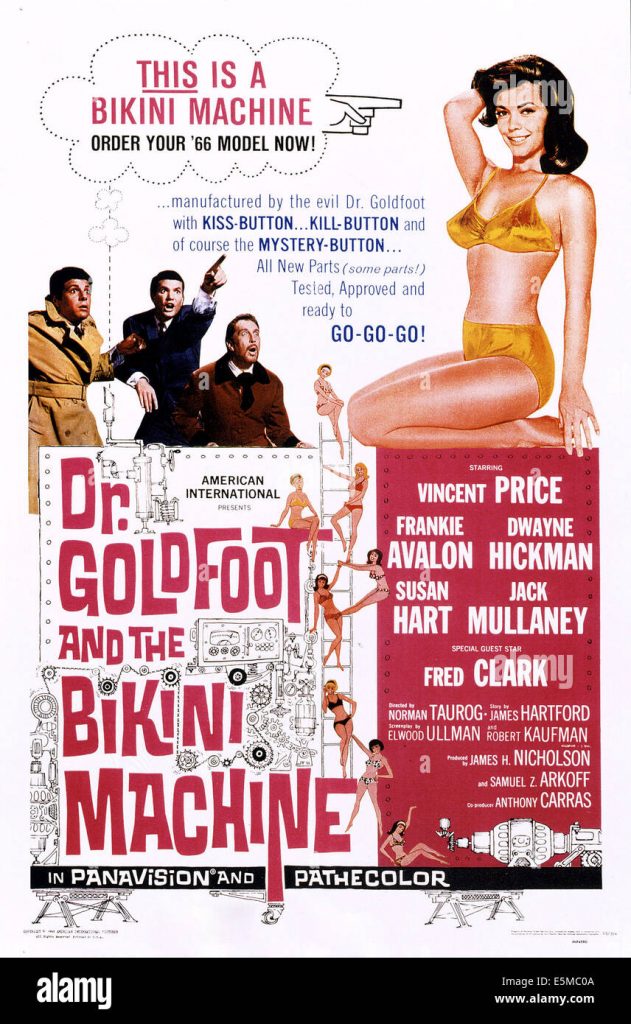
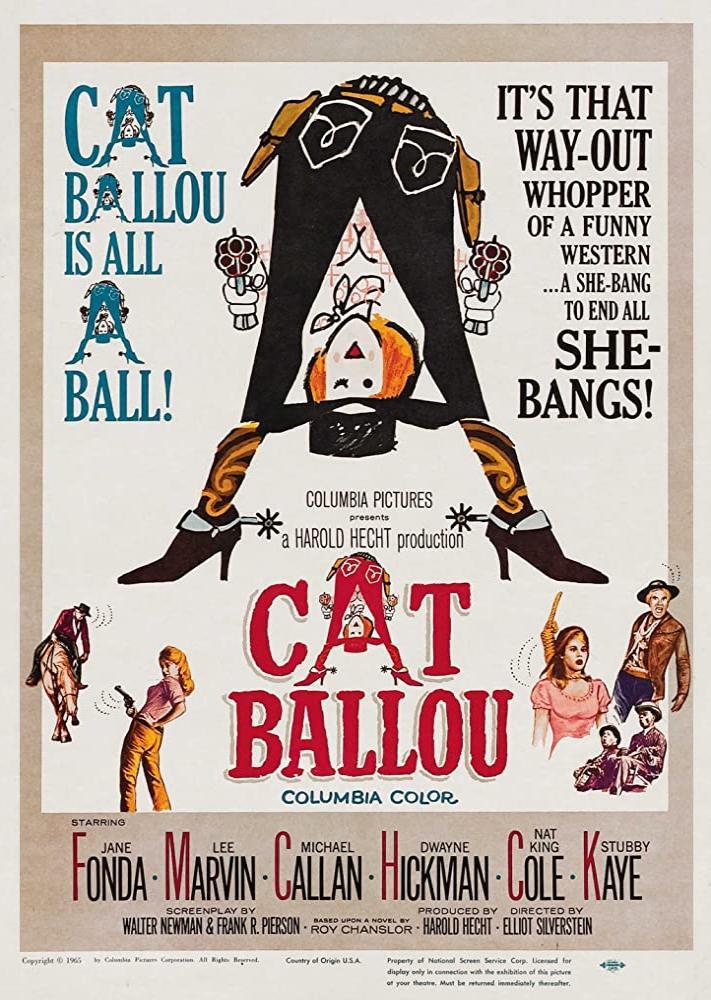
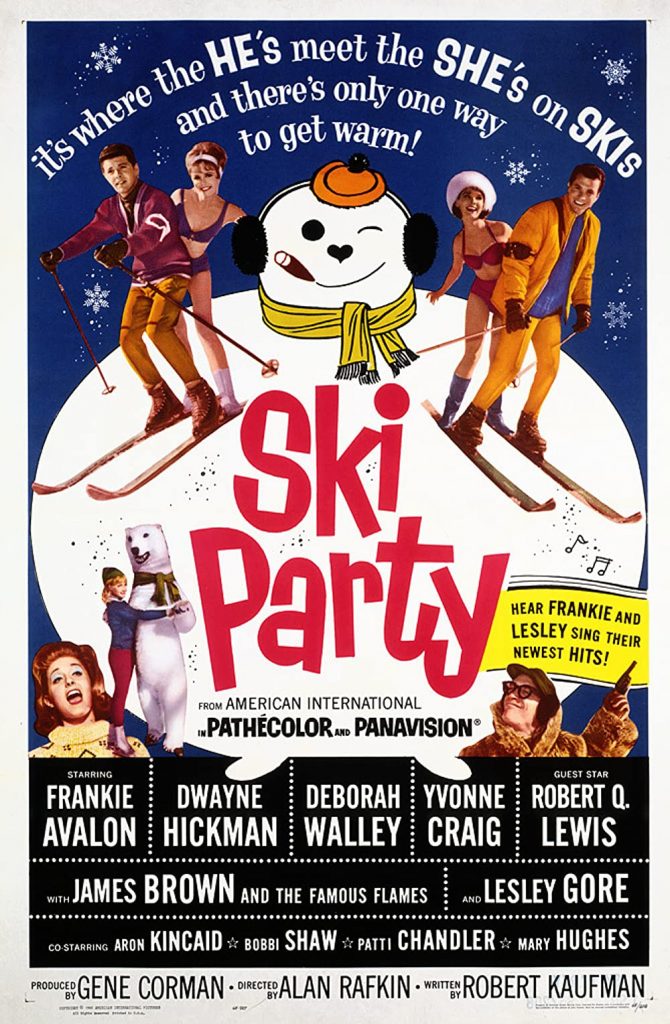
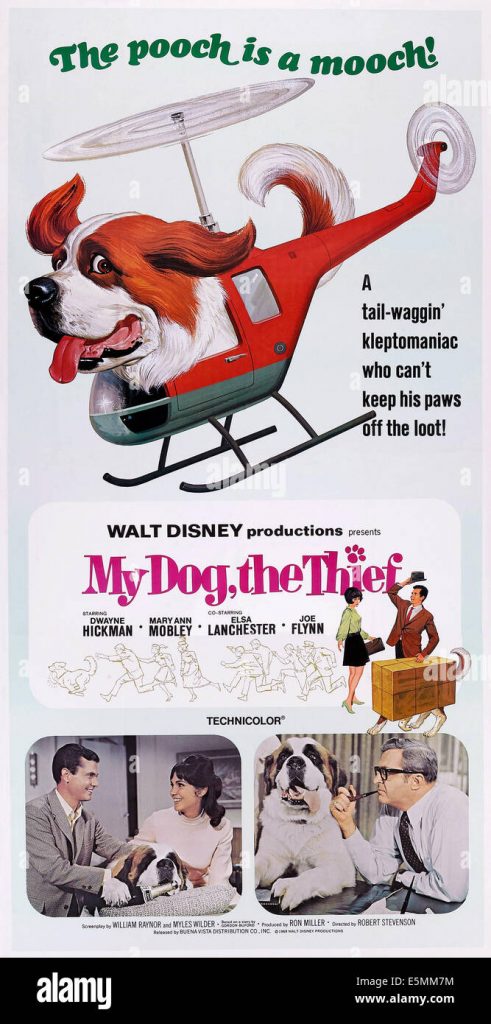
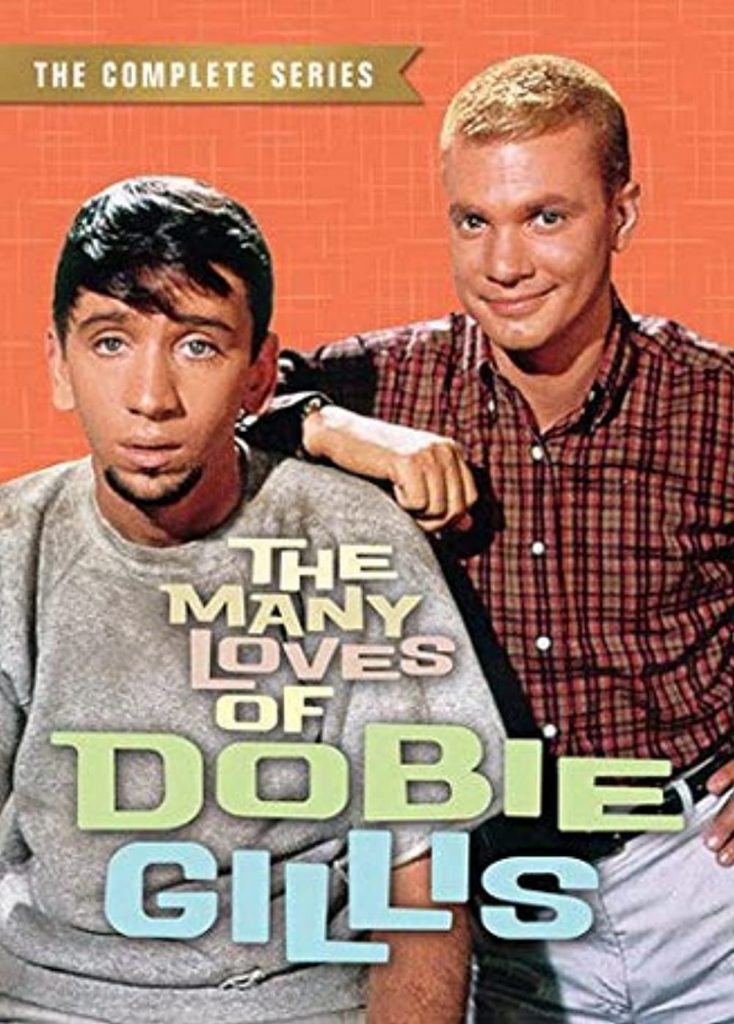
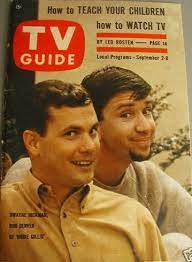
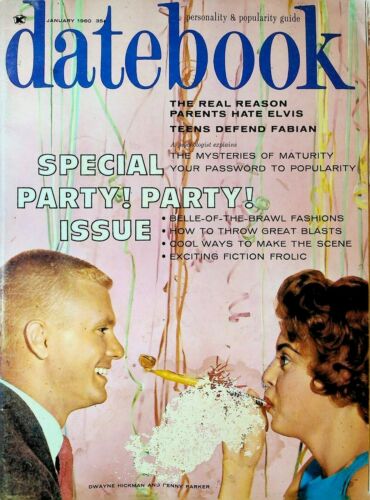
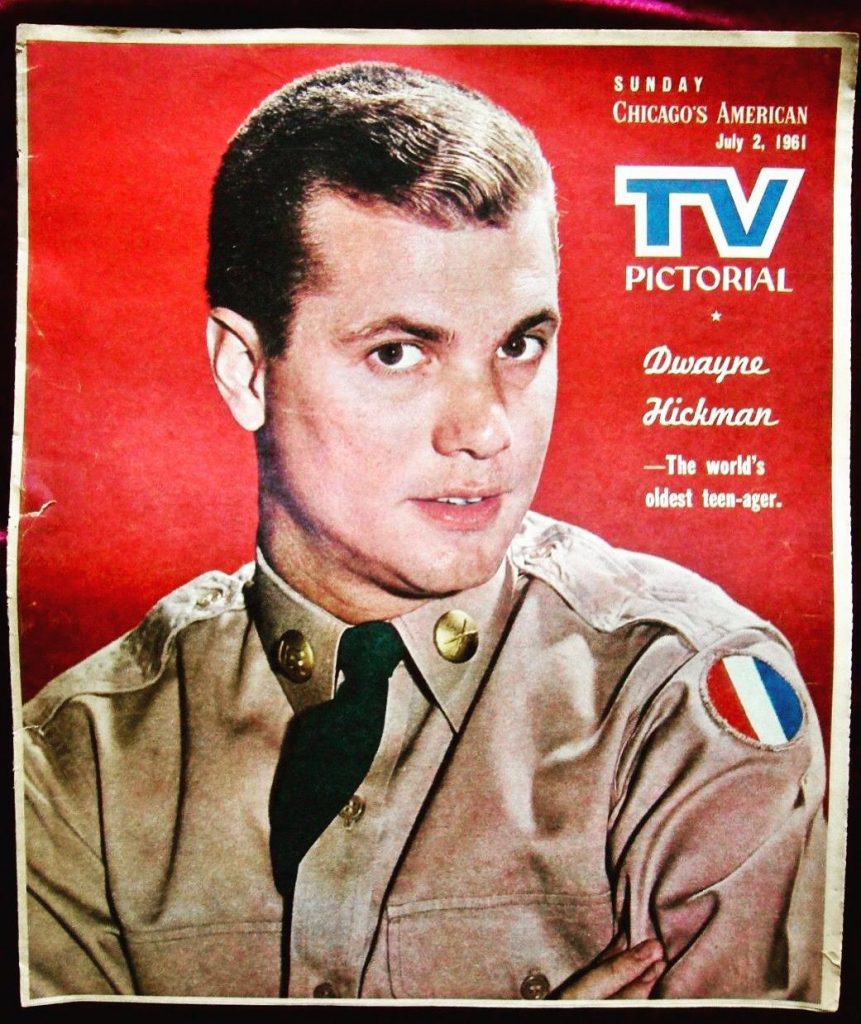
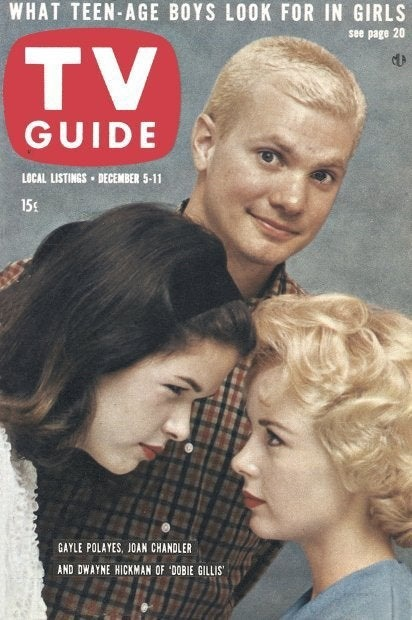
Dwayne Hickman was born in 1934 in Los Angeles.   His older brother is the actor Darryl Hickman.   Dwayne first came to the public’s attention in “The Bob Cummings Show” in 1955.   He went on to star on TV in “The Many Loves of Dobie Gillis” which ran from 1959 until 1963.   Dwayne Hickman made such films as “Rally Round the Flag Boys” in 1958, “Cat Ballou” and “Sky Party”.

Gary Brumburgh’s entry:

Boyishly handsome Dwayne Hickman, the younger brother of Darryl Hickman, followed in his sibling’s tiny footsteps as a moppet film actor himself, appearing in such features asCaptain Eddie (1945) (with Darryl) and as “Nip Worden” in The Return of Rusty (1946) and the rest of that dog adventure series. On a temporary sabbatical from acting, he returned to Hollywood following college studies (Loyola University) and won the hearts of many young female baby-boomers as the girl-obsessed nephew in The Bob Cummings Show (1955) and especially as the swooning, adorably sheepish “teen” in The Many Loves of Dobie Gillis (1959) as the title character. Unable to escape the cramping typecast, he ended up working behind the scenes from the 1970s on as a publicist, a Las Vegas entertainment director and, most successfully, as a programming executive for CBS. Dwayne has returned to acting on occasion in “Dobie” retrospectives and other light comedy efforts. In 1994 he wrote his biography, aptly titled “Forever Dobie.”

– IMDb Mini Biography By: Gary Brumburgh / gr-home@pacbell.net

New York Times obituary in 2022:


By Margalit Fox

Published Jan. 9, 2022Updated Jan. 11, 2022

Dwayne Hickman, the affable, apple-cheeked actor whose starring role in the revered sitcom “The Many Loves of Dobie Gillis” would dog him for more than half a century, died on Sunday at his home in Los Angeles. He was 87.

The cause was complications of Parkinson’s disease, a spokesman for his family said.

Broadcast on CBS from 1959 to 1963, “The Many Loves of Dobie Gillis” was an essential ingredient of adolescence for the postwar generation and remained popular in syndication for years. Mr. Hickman became one of TV’s first teenage idols for his portrayal of its lovelorn hero, and he remained indelibly identified with the character ever after, a fate he bore with genial resignation.

“Dobie Gillis” followed the fortunes of its hero, his friends and family in Central City, a community whose precise location was never specified but that in all its wholesomeness seemed eminently Midwestern.

Dobie, 17 when the show begins, is Everyteen. (Early in the series, Mr. Hickman’s brown hair was bleached blond to make him look as cornfed as possible, until the peroxide treatments began to make his hair fall out.) He pines ardently, in the words of the show’s jazzy theme song, for “a girl to call his own,” and just as ardently for the financial wherewithal to squire that girl around.

For all its well-scrubbed chastity, the series marked a quietly subversive departure from the standard television fare of the day. It was among the first to place the topical subject of teenagerhood front and center by recounting the story from a teenager’s point of view. It broke the fourth wall weekly, opening with a monologue in which Mr. Hickman, seated in front of a replica of Rodin’s “Thinker,” gave viewers a guided tour of his gently angst-ridden soul.

Many well-known actors received early exposure on the series, notably Bob Denver as Dobie’s best friend, Maynard G. Krebs, a scruffy junior beatnik who yelps “Work!” at the merest suggestion that he seek gainful employment. Mr. Denver would go on to star in “Gilligan’s Island.”

Tuesday Weld was seen regularly as the beautiful, avaricious Thalia Menninger, the financially unattainable object of Dobie’s affections; Warren Beatty had a recurring role early in the run as a blue-blood classmate.

Dobie’s cantankerous, tightfisted father and sweet, harebrained mother were played by the characters actors Frank Faylen and Florida Friebus. His deeply intellectual classmate Zelda, aflame with unrequited love for Dobie, was portrayed by Sheila James. (Under her full name, Sheila James Kuehl, she became, in 1994, the first openly gay person to be elected to the California state legislature.)

Mr. Hickman had begun his screen career — reluctantly — some two decades earlier, trailing in the footsteps of his brother, Darryl, three years older and initially far better known. Darryl Hickman, whose fame was eventually eclipsed by Dwayne’s, would play Dobie’s big brother, Davey, in a few episodes of the show’s first season.

By the time “Dobie Gillis” ran its course, Dwayne Hickman had become so closely identified with the title character that he had difficulty landing other roles. He was too old by then to play a teenager in any case: He had been 25 when “Dobie” began and was 29 when it ended.

As a result, his career over the following decades wove in and out of Hollywood, embracing stints as the entertainment director for Howard Hughes’s Landmark Hotel in Las Vegas, an advertising man, a network programming executive and, in later years, a successful painter of realist landscapes.

But for decades after his series ended, Mr. Hickman could scarcely walk down an American street without a stranger stopping, staring and joyfully calling out, “Hi, Dobie!” as if greeting a long-lost friend.

Dwayne Bernard Hickman was born in Los Angeles on May 18, 1934. His father, Milton, was an insurance man; his mother, the former Louise Ostertag, had had designs on stardom herself but, as Louise Lang, made it only as far as extra work in a few Hollywood pictures.

As an adult, Mr. Hickman said that he had never planned on an acting career and had never particularly wanted one. He landed his first screen role by accident, when his mother brought him along to Darryl’s audition for “The Grapes of Wrath,” the 1940 Henry Fonda vehicle. Darryl won a part as one of the Joad children; Dwayne was cast as an extra, earning $21.

Dwayne’s other childhood screen appearances included roles on the TV series “Public Defender,” “The Loretta Young Show” and “The Lone Ranger” and in the films “The Boy With Green Hair” (1948) and “Rally ’Round the Flag, Boys!” (1958), based on a novel by Max Shulman, the creator of “Dobie Gillis.”

He received his broadest exposure yet when he was cast in “The Bob Cummings Show” (also called “Love That Bob”) as Chuck, the nephew of Mr. Cummings’s character; the series was broadcast variously on NBC and CBS from 1955 to 1959.

While working on that show, Mr. Hickman was a full-time student at what is now Loyola Marymount University in Los Angeles. Though the demands of his screen career caused him to leave before graduating, he later returned and completed a bachelor’s degree in economics.

Once Mr. Hickman became a nationwide heartthrob as Dobie — other actors considered for the role had included Tab Hunter and Michael Landon — his handlers tried to cash in by turning him into a singing star. By his own ready admission Mr. Hickman could not sing. The two resulting albums, “School Dance” and “Dobie,” he later wrote, “didn’t exactly top the Billboard charts. ”

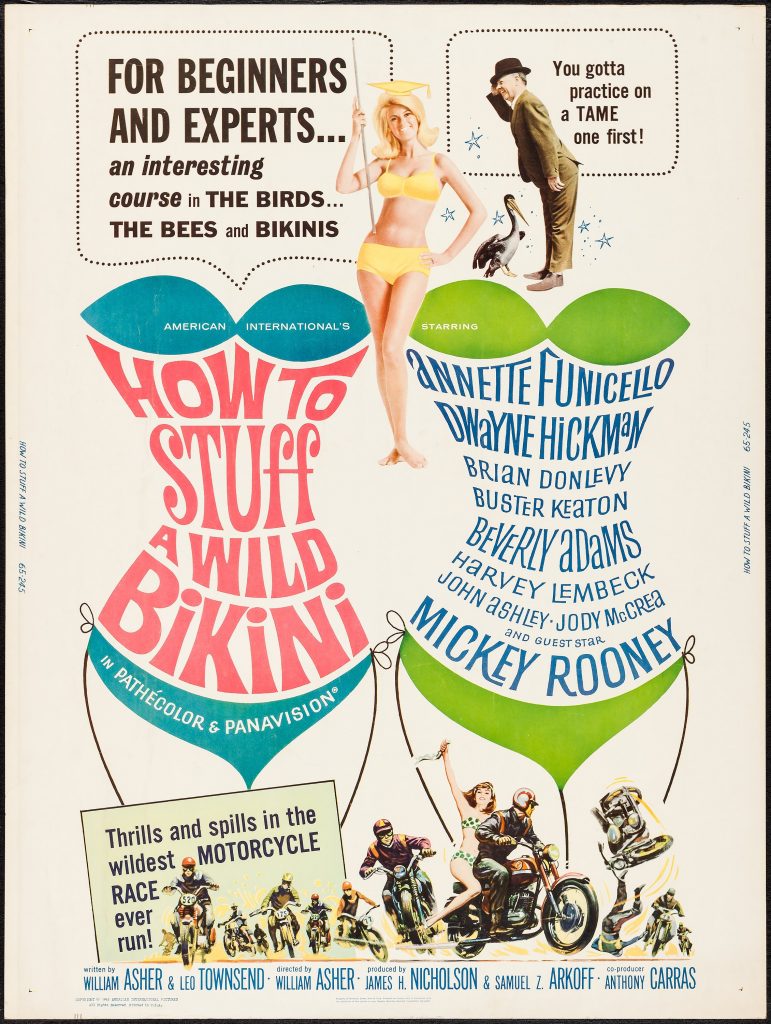
His post-“Dobie” credits include the film “Cat Ballou,” with Jane Fonda and Lee Marvin but consist mostly of trifles like “How to Stuff a Wild Bikini” (1965); two TV reunions, “Whatever Happened to Dobie Gillis?” (1977) and “Bring Me the Head of Dobie Gillis” (1988); and, in the 1990s, a recurring role on the series “Clueless.”

Starting in 1977, Mr. Hickman spent a decade as a program executive at CBS, where he supervised the content and development of a number of series, including “Maude,” “Good Times,” “M*A*S*H” and “Alice.” He directed episodes of several TV shows, among them “Charles in Charge” and “Designing Women.”

Mr. Hickman’s first marriage, to Carol Christensen, ended in divorce, as did his second, to Joanne Papile. He is survived by his brother; his sister, Deirdre LaCasse; his third wife, Joan Roberts Hickman; their son, Albert; a son, John, from his first marriage; and two grandchildren.

In his 1994 memoir, “Forever Dobie: The Many Lives of Dwayne Hickman,” written with Ms. Roberts Hickman, Mr. Hickman recounts what happened when he took her to the hospital to await the birth of their son.

“When I walked into the labor room, a nurse was asking her questions as she filled out her chart,” he wrote. “When she finished, she looked up and said, ‘Thank you, Mrs. Gillis, I’ll be back in a few minutes.’’

Mr. Hickman continued: “Joan grabbed my hand and said, ‘Promise that if anything happens to me you won’t name this boy Dobie

Don Galloway
Don Galloway
Don Galloway

Don Galloway was born in Augusta, Kentucky in 1937.   He had a long running success on the detective television series which ran from 1967 until 1975.    Prior to this he had a featured role in another excellent detective series “Arrest and Trial”.   His films include in 1966 “The Rare Breed” with Maureen O’Hara, James Stewart and Juliet Mills.   One of his last film appearances was in “The Big Chill”.   He died at the age of 71 in 2008.

Anthony Hayward’s obituary on Don Galloway in “The Independent”:

The dependable character actor Don Galloway, who has died aged 71 after suffering a stroke, became a familiar face to television viewers worldwide as Raymond Burr’s sidekick in the crime drama A Man Called Ironside. But fame was never a goal for the square-jawed Galloway, who played the solid, serious detective sergeant Ed Brown in the series. “It’s a question of values,” he once said. “Some people want to be a star. Some people want to be rich. I really just want to act and to make a living acting.”

Brown was one of three aides to Robert T Ironside, the San Francisco Police Department chief of detectives, played by Raymond Burr, who, having been paralysed from the waist down after a bullet grazed his spine, returns to the department as a wheelchair-bound consultant. Galloway played one sidekick, with Barbara Anderson as the policewoman Eve Whitfield (later Elizabeth Baur as Fran Belding) and Don Mitchell as Ironside’s bodyguard, the reformed tearaway Mark Sanger.

Throughout A Man Called Ironside (1967-75) – titled simply Ironside in the US – each was given the spotlight in alternating episodes. During the first season, Brown found himself falsely accused of assault after the death of a girl in a hippie hangout. Later, he was shot in the spine by a sniper. Experimental surgery that saved him was seen in the second instalment of the two-part story, which was concluded in another series produced by the NBC network, The Bold Ones: The New Doctors (1972). This pioneering “marriage” of two programmes soon became common practice on American TV.

Born in Brooksville, Kentucky, Galloway wanted to become an actor from the age of 12, when his family first bought a TV set. After serving in the US army as a radar operator, he studied drama and fine arts at the University of Kentucky, then moved to New York and took a job as a page at NBC, the US TV network.

His acting break came in the off-Broadway play Bring Me a Warm Body (1962). One critic wrote of him: “If the actor playing the actor who can’t act could act, it would be better.” But Galloway won a Theatre World Award as most promising newcomer. This led to his first big television role, as the first of three actors to play Kip Rysdale in the daytime soap opera The Secret Storm (1962-63). “I was rich and bad,” recalled Galloway of his character. “I got a girl pregnant and then I killed her, and then I went to prison.”

A string of one-off character parts followed in popular series such as The Alfred Hitchcock Hour (1963), The Virginian (1963, 1966) and Wagon Train (1965). He also had a leading role as the newlywed Dr Tom Gentry in the short-lived sitcom Tom, Dick and Mary (1964-65).

Galloway remained in constant demand, reprising his role as Brown in the TV movie The Return of Ironside (1993) and playing the conservative husband of one of a group of college friends who reunite in the film The Big Chill (1983).

After he left acting, Galloway worked as a deputy sheriff in San Bernardino County, California. He then moved to New Hampshire and wrote a column for the Manchester Union Leader newspaper. Last year, he moved to Reno, Nevada.

In 1963, Galloway married Linda Robinson, an actress who appeared in two episodes of A Man Called Ironside. She survives him, along with their two daughters, Tracy and Jennifer, and his stepchildren, Sheila and Robert.

• Donald Galloway, actor, born 27 July 1937; died 8 January 2009

The above “Guardian” obituary can also be accessed online here.
 
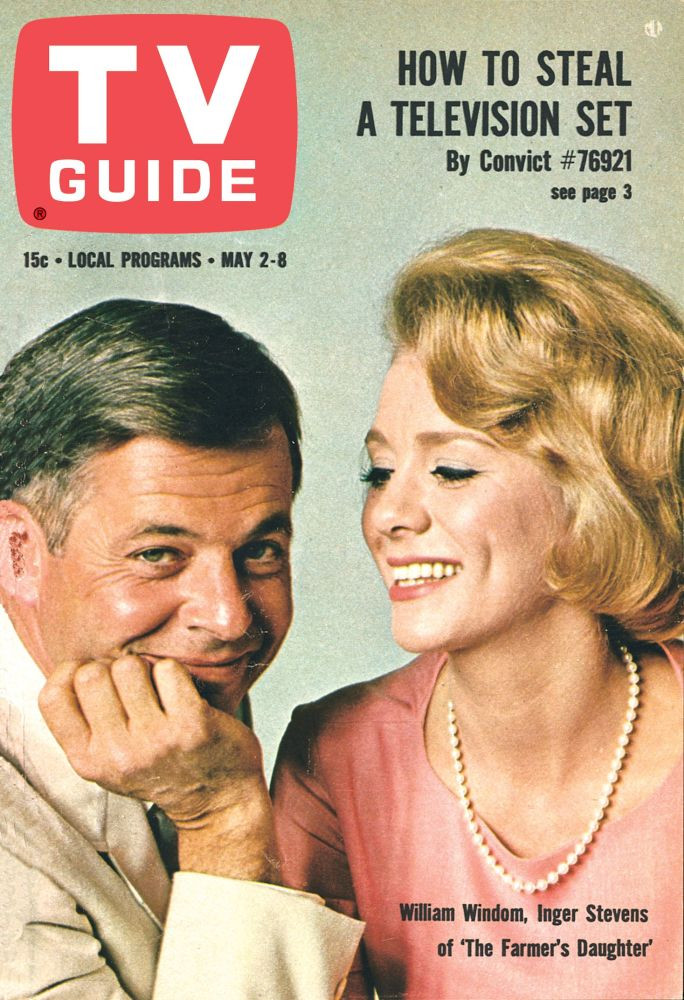
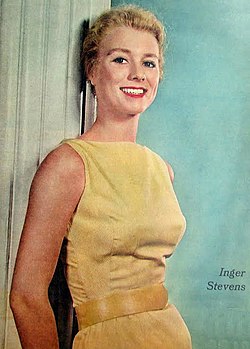
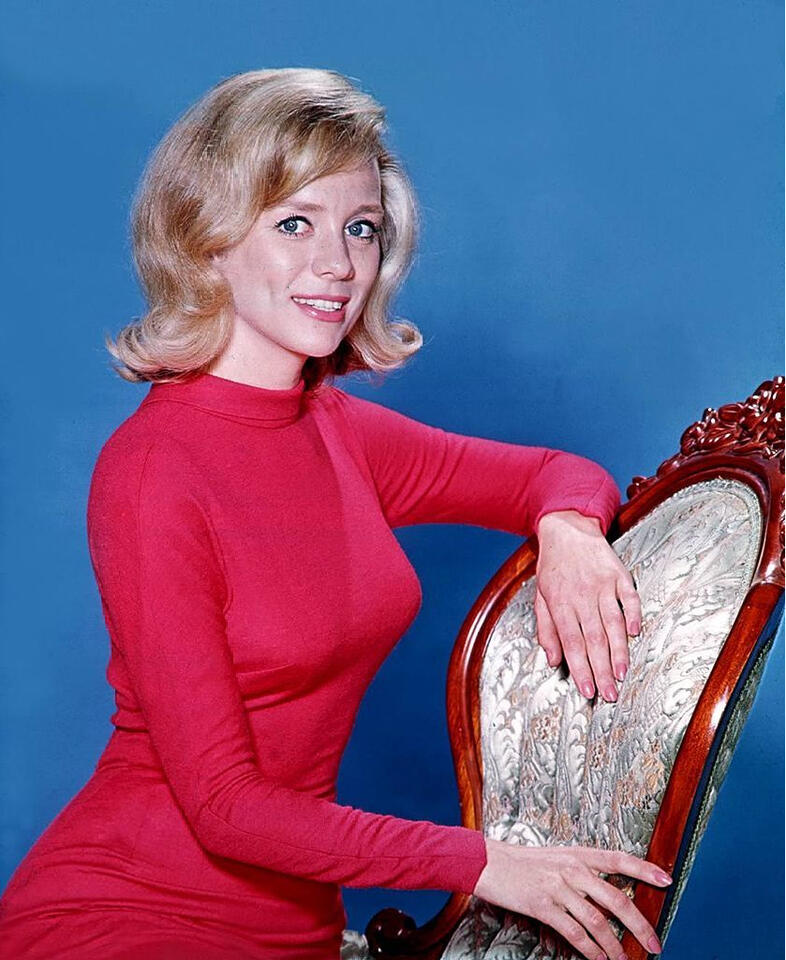
Inger Stevens
Inger Stevens
Inger Stevens

Inger Stevens obituary in “The New York Times” in 1970.

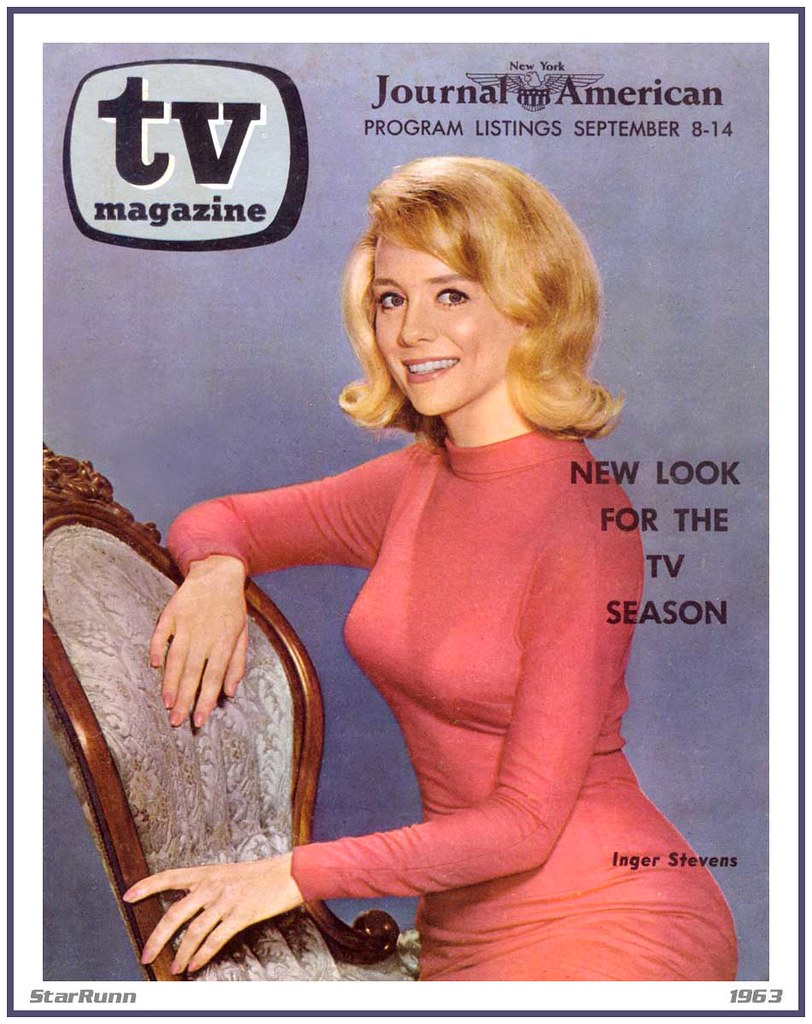
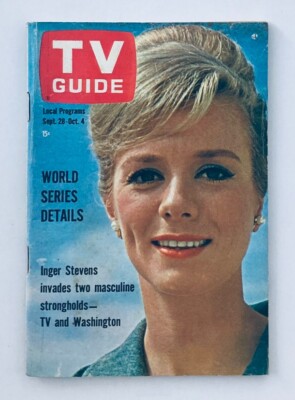
Inger Stevens the blonde actress who played the beguiling housekeeper on “The Farmer’s Daughter” television series for three years, was found dead in her home today.

The cause of the 35‐year‐old actress’s death was listed as “acute barbiturate intoxica tion.”

The coroner’s office said fur ther tests were under way to determine how the pills came to be taken and whether the death would be ruled a suicide.

Miss Stevens died on the way to a hospital after she was found semi‐conscious in her home.

‘A Hard Luck Girl’

Miss Stevens was one of the few actresses who was able to win fame in television and then move on to stardom in the movies. Despite her successes, she was, in her own words, “very much a hard luck girl.”

On New Year’s Day, 1959, she swallowed 25 sleeping pills and a quantity of ammonia in an attempt to take her own life. On another occasion she nar rowly missed being killed in a fiery plane crash.

In an interview some years ago, Miss Stevens said that in addition to these near‐catastro phies, she often felt depressed over “many other sorrows, in cluding the fact I came from a broken home, my marriage was a disaster, and I am con stantly feeling lonely.”

The actress was born Oct. 48, 1934 in Stockholm. When she was 13, her father, Per Stensland, brought her to this country to live with him, fol lowing the breakup of his mar riage. At the time Mr. Stensland was studying on a Fulbright scholarship at Harvard, but he later remarried and moved to Manhattan, Kan.

Unhappy there, she ran away to Kansas City at 16, and worked as a waitress and then as a $60‐a‐week dancer in a burlesque show. Her father found her, however, and made her return home. After gradua tion from high school, she came to New York, where she met Anthony Soglio, an agent who put her under contract and changed her last name to Stevens.

They were married in 1955, but separated after four months, and in 1958 they were divorced. Miss Stevens did not remarry.

Vera Ralston
Vera Ralston
Vera Ralston

Vera Ralston was born in 1919 in Czechoslovakia.   She was very famous as an ice skater before making films.   She emigated to the U.S. in the early 1940’s.   She married Herbert J. Yates the owner of Republic Studios and made over 25 films including “Fair Wind to Java”, “Storm Over Lisbon” and “Dakota”.   Vera Ralston died in 2003.

Ronald Bergan’s obituary in “The Guardian”:

There were few Hollywood actors of the studio era who suffered from as many snide remarks as the Czech-born ice-skater-turned-star Vera Hruba Ralston, who has died aged 81. This was not only because her acting was rather wooden, and her accent thick, but because she was married to Herbert J Yates, the head of Republic Pictures, the man who foisted her on an unwilling public.

Her performance improved slightly from picture to picture, whether in thrillers, romances, westerns or costume dramas, but she was never a box-office attraction. Yates’s fixation was such that he forced exhibitors to run her films by threatening to withhold more popular Republic products from them; it was one of the reasons for the studio’s demise.

She first caught Yates’s attention in 1939 when she toured the US with a show called Ice Vanities. As Vera Hruba, she had won a silver medal at the 1937 Berlin Olympics; she had gone to America with her mother after the Nazis invaded Prague.

In 1941, Yates cast Vera – and the entire company of Ice-Capades – in a film of the same name, an inconsequential musical which revolved around skating numbers. This was followed by Ice-Capades Revue a year later. Then, in 1943, Yates signed Hruba to a long-term contract, adding Ralston to her name. Four years later, at 67, he left his wife and children for the 27-year-old, before marrying her in 1952. He had hoped that Ralston would rival Henie, at 20th Century Fox, billing her as a star who “skated out of Czechoslovakia into the hearts of America”. But after Lake Placid Serenade (1944), she was rarely seen on ice.

Her first real acting role was opposite Erich Von Stroheim and Richard Arlen in The Lady And The Monster (1944), all three of them appearing in Storm Over Lisbon the same year. Still in the B-movie category was Dakota (1945), in which Ralston waited patiently at home while husband John Wayne settled railroad disputes. She co-starred with Wayne again in The Fighting Kentuckian (1949).

Mainly, Ralston was confined to more than a dozen films made by Republic’s journeyman director Joseph Kane. According to Kane, “Vera could have made it rough on everyone, but she never took advantage of that situation. Although she never became a good actress, she was cooperative, hardworking and eager to please.”

Despite this, it was reported that Wayne threatened to leave the studio if forced to work with Ralston again, and Sterling Hayden was offered a bonus to appear opposite her in Timberjack (1955).

Kane directed Ralston in perhaps her best film, Fair Wind To Java (1953), a good adventure yarn with Fred MacMurray as a cynical captain, who falls for native girl Ralston while in search of south seas treasure. The fact that she had a Czech accent was not explained.

In 1956, two Republic stockholders filed a lawsuit against Yates for using company assets to promote his wife as a star, and giving her brother producer status at a salary far beyond his worth. Two years later, Yates had to relinquish his post, and Ralston retired. When he died in 1966, Yates left his wife half of his estate, valued at more than $10m. In 1973, she married businessman Charles DeAlva, 11 years her junior, who survives her.

· Vera Hruba Ralston, ice skater and actor, born June 12 1921; died February 9 2003

The above “Guardian” obituary can also be accessed online here.

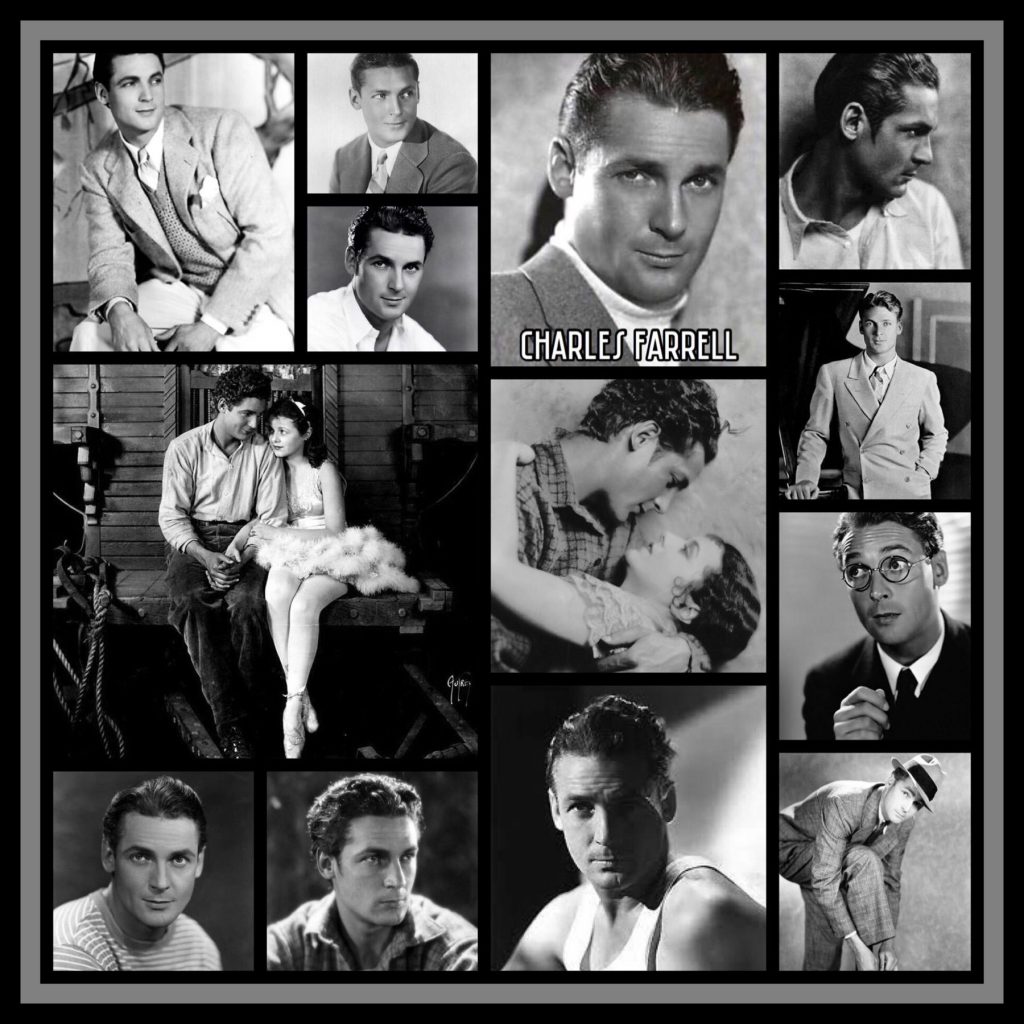
Charles Farrell
Charles Farrell
Charles Farrell

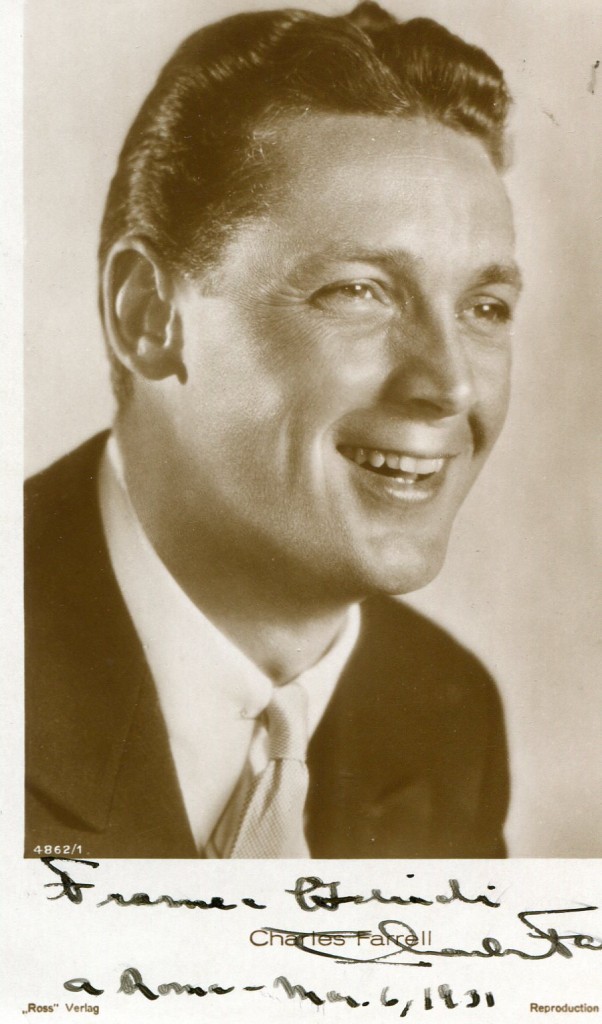
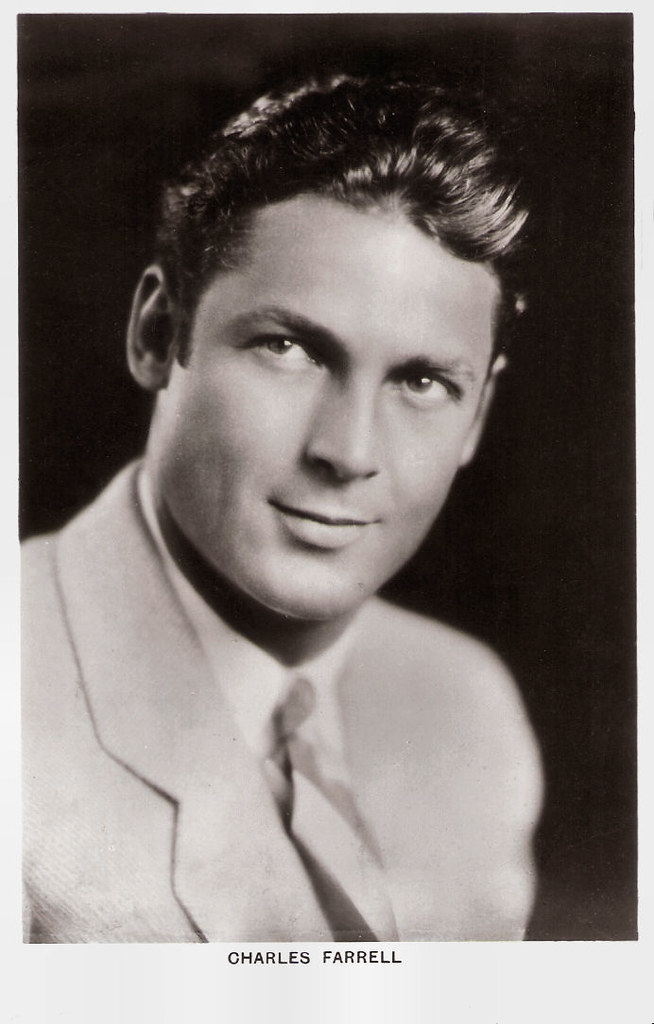
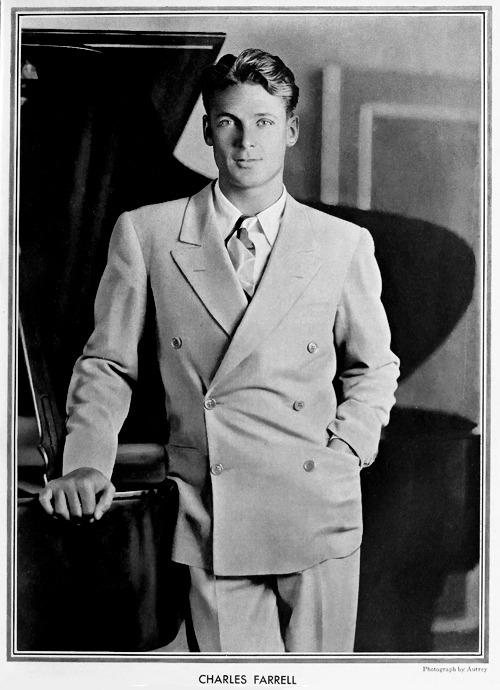
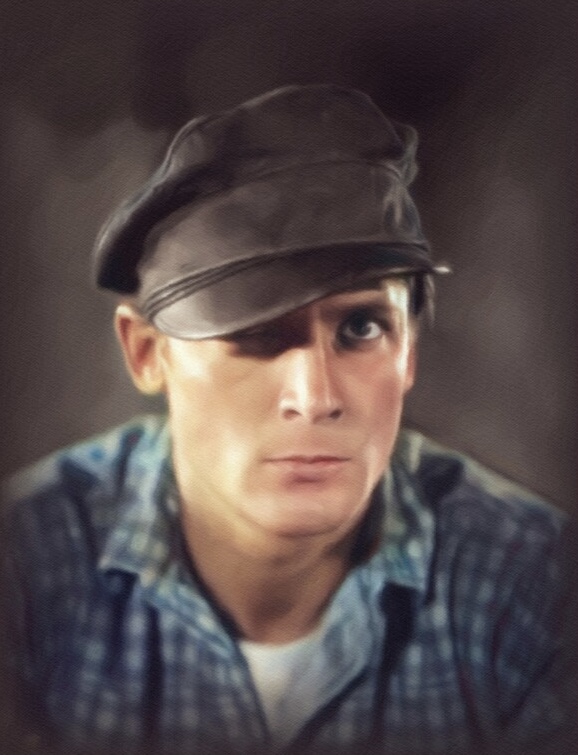
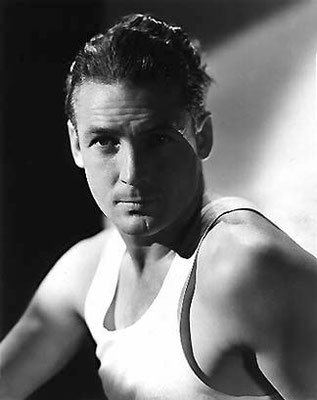
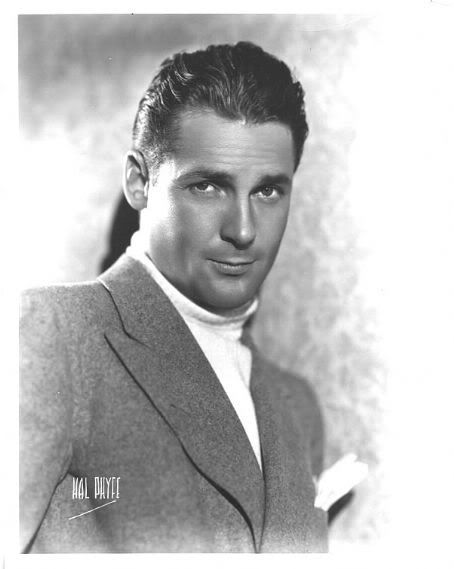
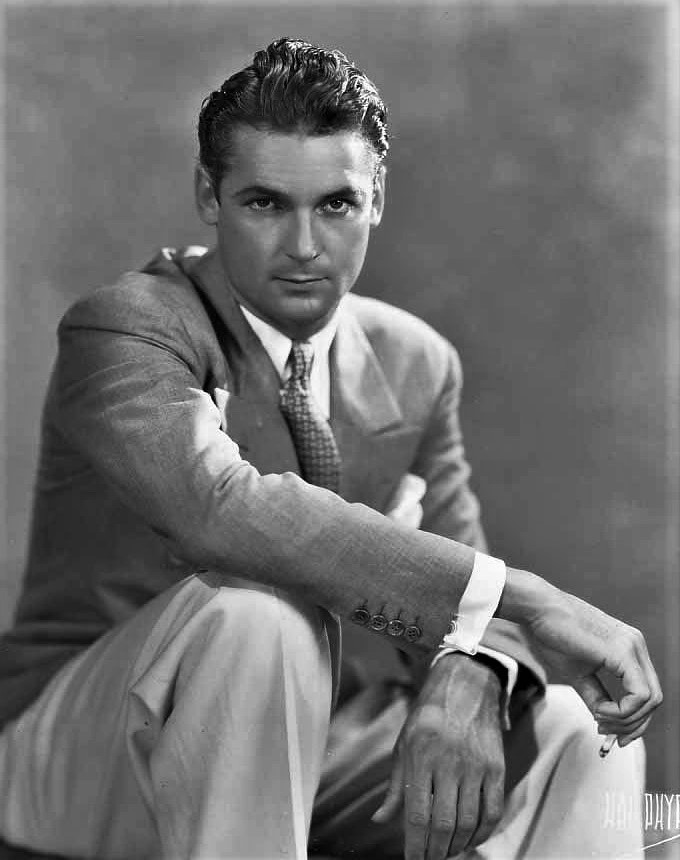
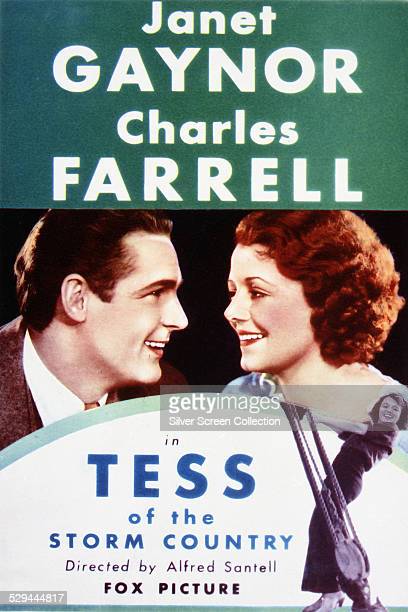
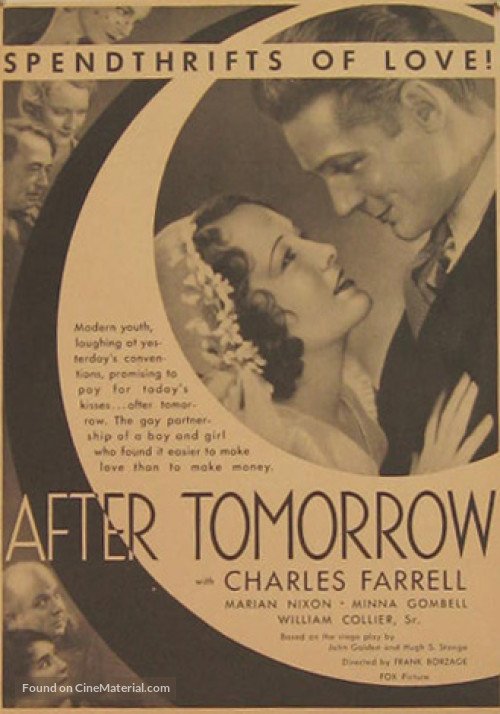
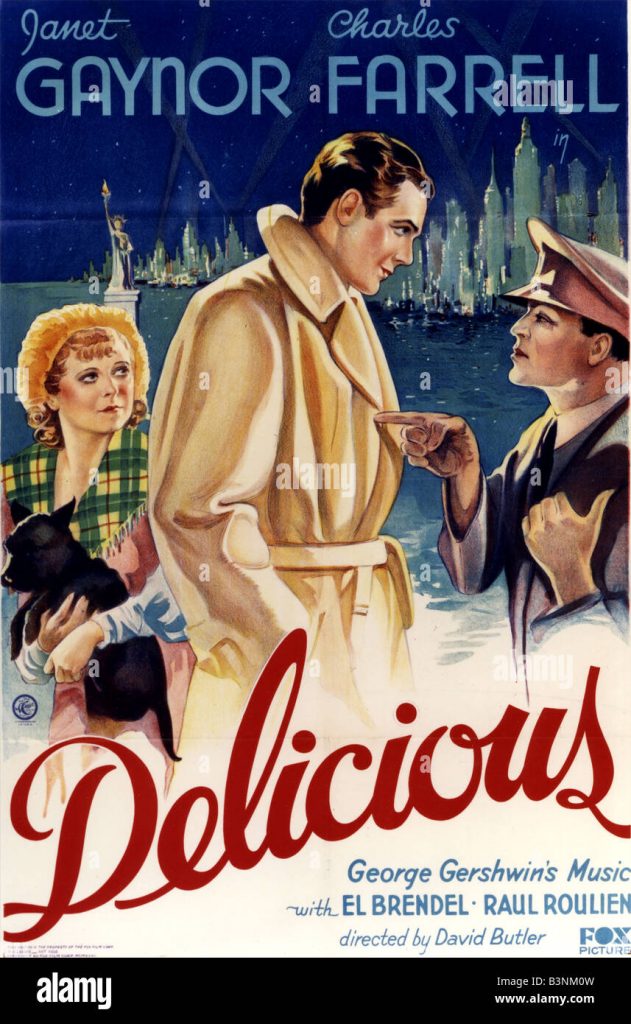
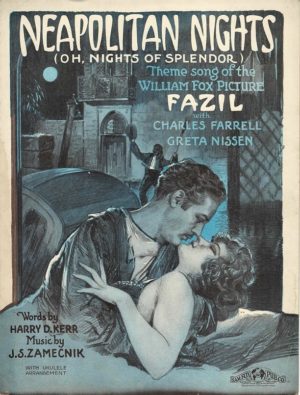
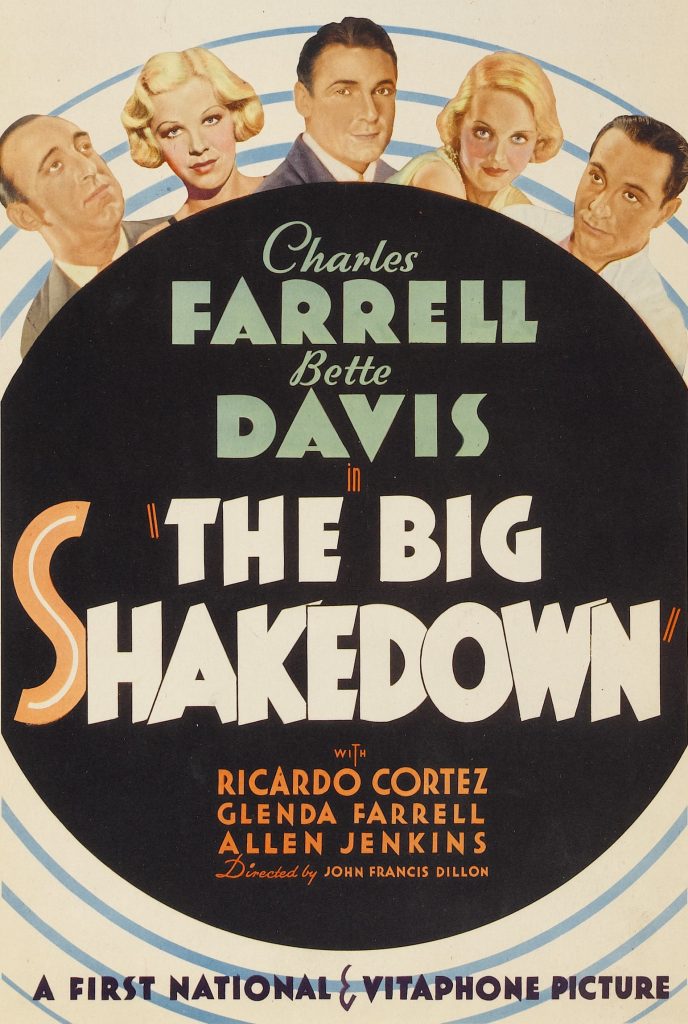
Charles Farrell was born in 1901 in Walpole, Massachusetts.   He is best knpwn to-day for a series of films he made with Janet Gaynor.   He was long married to actress Virginia Valli.   After retiring from films in the 1950’s be became involved in community projects in Palm Springs.   He died in 1990.

New York Times obituary in 1990:

Charles Farrell, the gentle-mannered actor whose career spanned four decades, ranging from silent films to talkies to the 1950’s television series ”My Little Margie,” died on Sunday at his home in Palm Springs, Calif. He was 88 years old.

Mr. Farrell was so durable as a performer that Bob Hope is said to have referred to him once as a ”19th-century Fox star.”

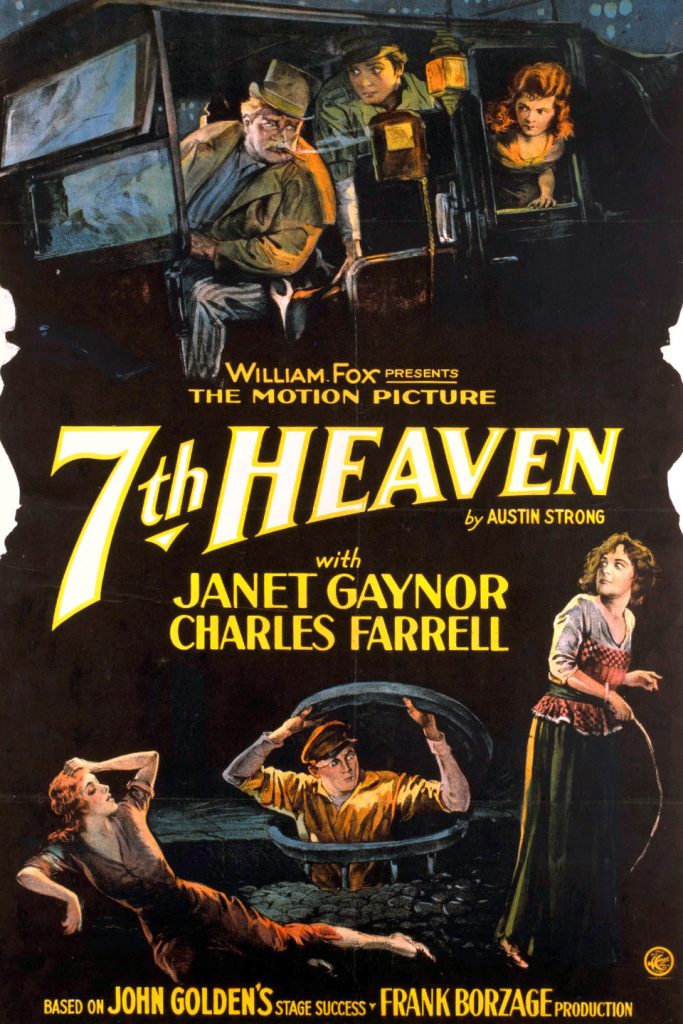
An athletic six-footer, he gained fame as the romantic lead in ”Seventh Heaven” (1927). The Times critic Mordaunt Hall said that he was ”splendid” in that role, playing opposite Janet Gaynor.

”Sometimes he may seem to be a little too swaggering, but what of it?” Mr. Hall observed. ”The actions suit the young man’s agreeable bombast. You find that you like him.”

The Seventh Heaven in the silent film was the walk-up Parisian garret where Mr. Farrell, playing an impecunious laborer, made his home.

Mr. Farrell and Miss Gaynor then co-starred in a series of other film romances. For seven years they were movieland’s leading on-screen romantic couple. Then his movie career waned.

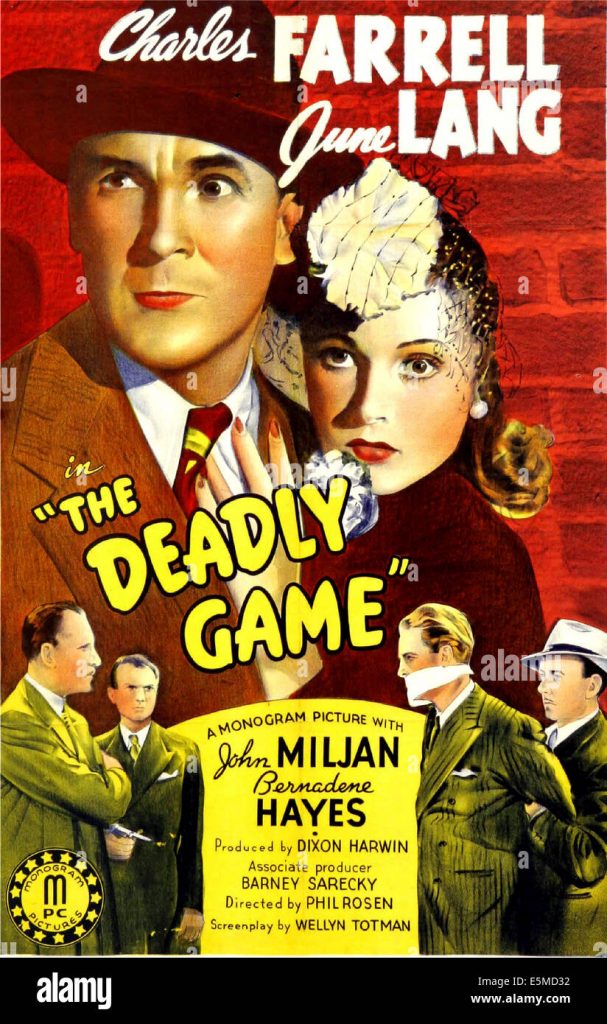
His film work included serious as well as romantic roles in such films as ”Wings of Youth” (1925), ”Sandy” (1926), ”The Rough Riders” (1927), ”Aggie Appleby” (1933), ”Fighting Youth” (1935) and ”The Deadly Game” (1942). He retired from films in the 1940’s.

In television he turned to comedy, starring as a widowed father in more than 100 installments of ”My Little Margie,” which was widely popular.

Began as Extra

Charles Farrell was born Aug. 9, 1901 in Onset Bay, Mass., and attended Boston University. He played some stage roles and broke into films as an extra in ”The Cheat” (1923). He then had various supporting parts before ”Seventh Heaven,” which opened in New York at the old Sam H. Harris Theater and remained his best-known movie.

Recalling his movie work in a 1954 interview Mr. Farrell, still handsome and wavy-haired, said: ”They wouldn’t accept my voice. They said I didn’t have diction. When the talkies came in, a lot of stage people came to Hollywood from New York and I knew that I didn’t talk like them, but my voice was me and that’s all there was to it.”

”One fellow kept needling me about improving my diction until I finally sat on him – but good,” he added. ”My life was made miserable. There were other complicating factors, and I decided to move on.”

Resort Hotel Manager

He served in the Navy in World War II and prospered in a new career as a manager and host of the Racquet Club, a private resort hotel in Palm Springs, where he lived with his wife, the former silent film star Virginia Valli, whom he married in 1932; she died in 1968.

Mr. Farrell served as mayor of Palm Springs for several years in the 1940’s and 50’s. He sold the Racquet Club in 1959.

His television career, mainly in the 1950’s, included the starring role in the ”The Charlie Farrell Show” in addition to ”My Little Margie,” in which he played the father of a prankish unmarried daughter, portrayed by Gale Storm.

”I took the part because I’m a ham,” Mr. Farrell said in the 1954 interview. ”The work is not exactly the same as making pictures, but it’s pretty close

Career Overview: The Gentle Giant of the Screen

Charles Farrell (1901–1990) occupies a unique space in Hollywood history as one half of the most beloved screen duo of the silent era. Standing at a rugged 6’2″, he provided a protective, masculine contrast to the ethereal Janet Gaynor. His career is a fascinating bridge between the heightened romanticism of the 1920sand the domesticated sitcom comfort of the 1950s.


1. The Borzage Masterpieces (1927–1929)

Farrell’s legacy is inextricably linked to director Frank Borzage. Together with Janet Gaynor, they formed “The Lucky Stars,” creating a trilogy of films that are considered the pinnacle of silent romanticism.

  • 7th Heaven (1927): As Chico, the Parisian sewer cleaner.

    • Critical Analysis: Farrell introduced a “transcendental masculinity.” While his character was a manual laborer, Farrell played him with a shimmering, spiritual vulnerability.

    • Technique: He mastered the “aspiration gaze.” Borzage often lit Farrell from above, and Farrell used his height to create a protective “arch” over Gaynor, a visual shorthand for a love that could survive even the trenches of WWI.

  • Street Angel (1928) & Lucky Star (1929):

    • Detailed Analysis: In Lucky Star, Farrell plays a soldier who returns from war paralyzed. This is perhaps his most technically challenging silent role.

    • The “Stationary Presence”: Stripped of his athletic movement, Farrell relied on facial micro-gestures and a “heavy-limbed” stillness to convey a devastating mix of pride and longing. Critics lauded his ability to remain a “leading man” while portraying physical helplessness with deep dignity.


2. The Sound Transition and “The Lucky Stars” (1929–1934)

Unlike many silent idols whose careers ended with the arrival of “Talkies,” Farrell’s voice was an asset.

  • Technique: The Conversational Baritone

    • Farrell possessed a sturdy, unpretentious baritone that matched his physical frame. He avoided the theatrical affectations of many stage-trained actors, opting for a naturalistic, modern deliverythat resonated with audiences seeking “realism” in the early 1930s.

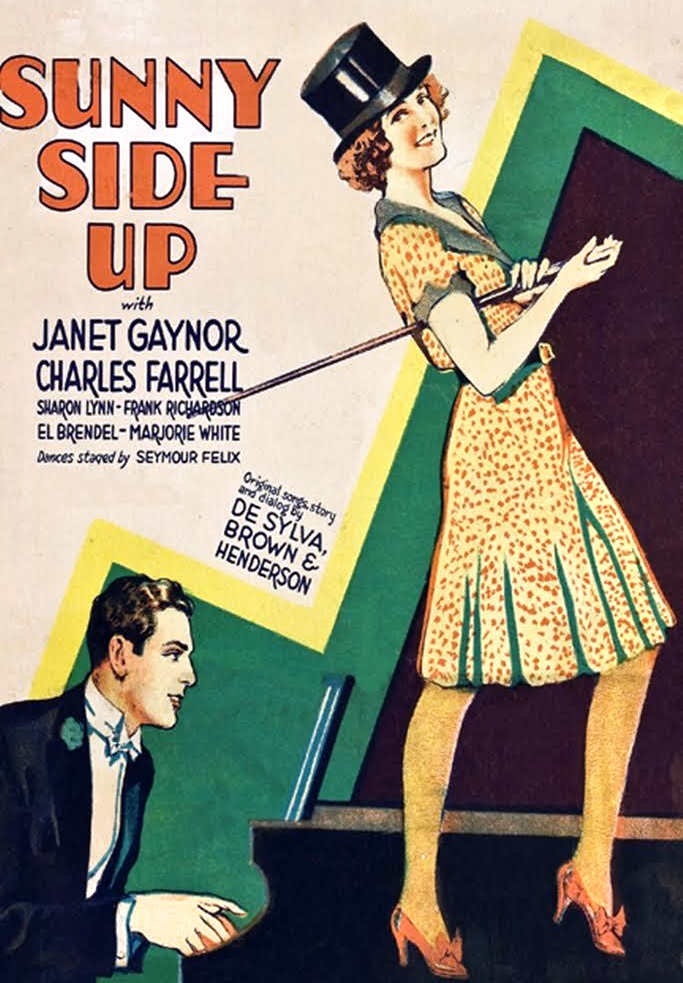
  • Sunny Side Up (1929):

    • This film proved he could sing and handle dialogue. It shifted the “Gaynor-Farrell” dynamic from high tragedy to breezy musical charm, showcasing Farrell’s versatility as a light comedian.


3. The Second Act: My Little Margie (1952–1955)

After a decade-long hiatus where he became a prominent businessman (founding the Palm Springs Racquet Club), Farrell returned to achieve massive fame on television.

  • The Role: Vern Albright, the wealthy, long-suffering father.

  • Critical Analysis: The “Rhythmic Exasperation”

    • Farrell successfully reinvented himself as the definitive “Father Figure.” He replaced his youthful romanticism with a dry, comedic deadpan.

    • Technique: He mastered the “dignified double-take.” He used his physical stature to anchor the show’s screwball energy, playing the “straight man” to Gale Storm’s antics with a weary, melodic authority that bridged the gap between the silent era and the “Baby Boomer” sitcom.


Detailed Critical Analysis: Style and Technique

The “Un-Theatrical” Naturalism

Critically, Farrell is studied for his lack of artifice. In an era where many actors “indicated” emotion with grand gestures, Farrell was an early practitioner of internalized emotion. He understood that his large frame and expressive eyes did the work for him, allowing him to play “smaller” and more effectively for the camera.

The Protective Physicality

Farrell’s acting was inherently spatial. He understood how to use his 6’2″ height to frame his co-stars. This “Physical Enveloping”—where he would lean in toward a co-star—became a hallmark of his romantic style, suggesting a man who was both a warrior and a sanctuary.

The Sovereign of Sincerity

His greatest “technical” skill was his unshakeable sincerity. Critics often noted that Farrell never seemed to be “performing” goodness; he inhabited it. This made him the perfect avatar for the pre-Depression American ideal: a man of honest labor, deep devotion, and quiet strength.


Key Milestones

Work Year Role Significance
7th Heaven 1927 Chico Established him as a global romantic icon.
Street Angel 1928 Gino A masterpiece of “Silent Romanticism.”
Lucky Star 1929 Timothy Osborn His most profound dramatic performance.
Sunny Side Up 1929 Jack Cromwell Successfully launched his career into the Sound era.
My Little Margie 1952 Vern Albright Redefined him as a beloved TV father for a new generation.
Bonita Granville

Bonita Granville

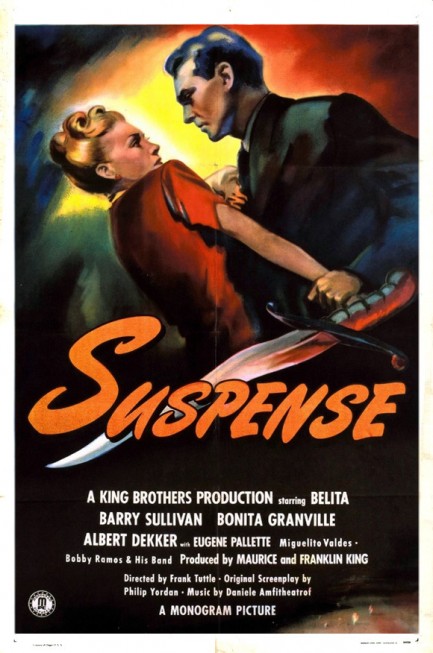
Bonita Granville was born in 1923 in Chicago.   She achieved international fame with her extraordinary performance as the spiteful child in “These Three” in 1937.   She was nominated for an Oscar for her performance.   She played Nancy Drew in a series of films about the girl detective.   She also starred in some of the Andy Hardy films.   Her last film was “The Guilty” in 1947.   She died in 1988 at the age of 65.

IMDB entry:

Bonita Granville
Bonita Granville

Daughter of Bernard ‘Bunny’ Granville, Bonita Granville was born into an acting family. It’s not surprising that she herself became a child actor, first on the stage and, at the age of 9, debuting in movies in Westward Passage (1932). She was regularly cast as a naughty little girl, as in These Three (1936) where she played Mary, an obnoxious girl spreading lies about her teachers. Her performance left an impression on the audience, and she was nominated for a best supporting actress award. In 1938-39 came the movies she is now best remembered for — playing the bright and feisty detective/reporter Nancy Drew in the Nancy Drew series. She also appeared with Mickey Rooney in a few Andy Hardy movies. She never really had a movie breakthrough, and after marrying oil millionaire & later producer Jack Wrather, she retired from acting in the middle of the 1950s, although she went on to produce the Lassie (1954) TV series.

– IMDb Mini Biography By: Mattias Thuresson

After her marriage to oil millionaire Jack Wrather in 1947, she appeared in only three more movies. She became an executive in the Wrather Corp., and first associate producer, then executive producer of the Lassie (1954)TV series. After Wrather’s death in 1984, she took over as chairman of the board. She was also involved in many civic, and cultural groups, and she was chair of American Film Institute, trustee of John F. Kennedy Center, as well as other well known organizations and charities. She died of cancer in Santa Monica in 1988. She & Wrather had four children.

– IMDb Mini Biography By: kenn honeyman

Her IMDB entry can also be accessed online here.