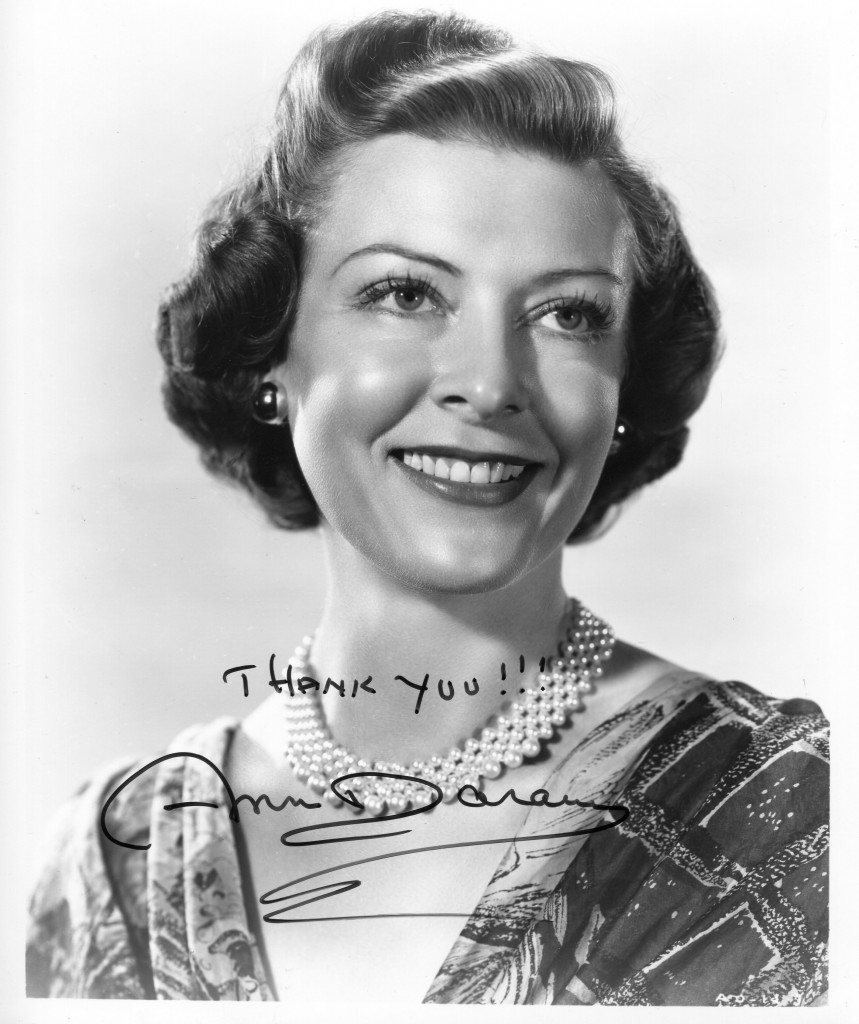
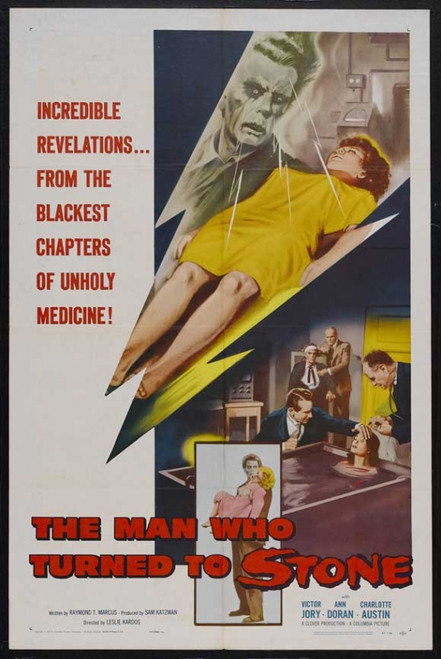
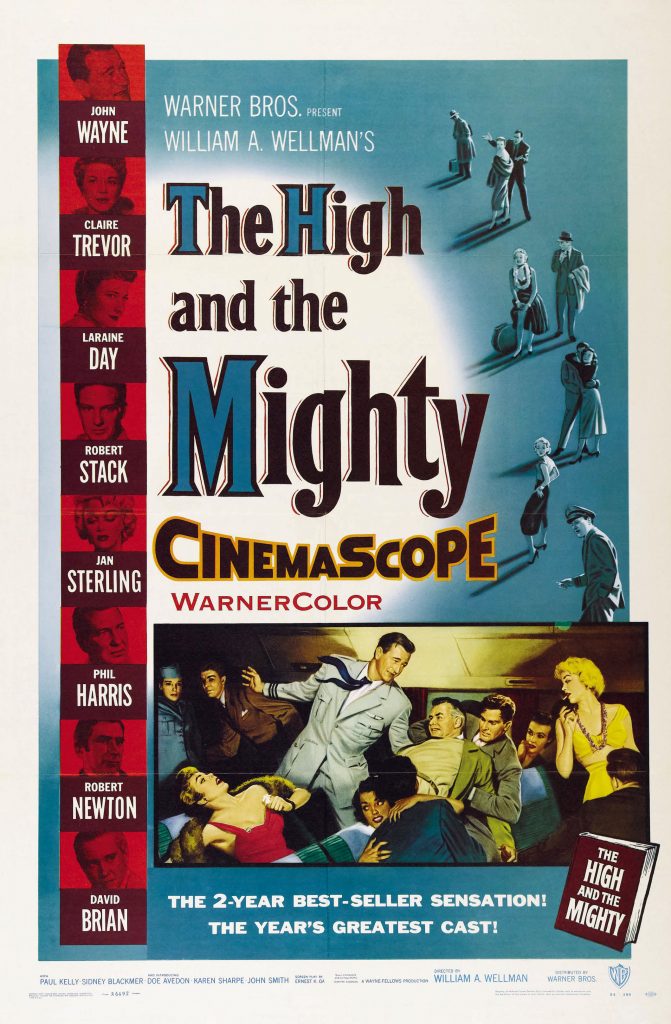
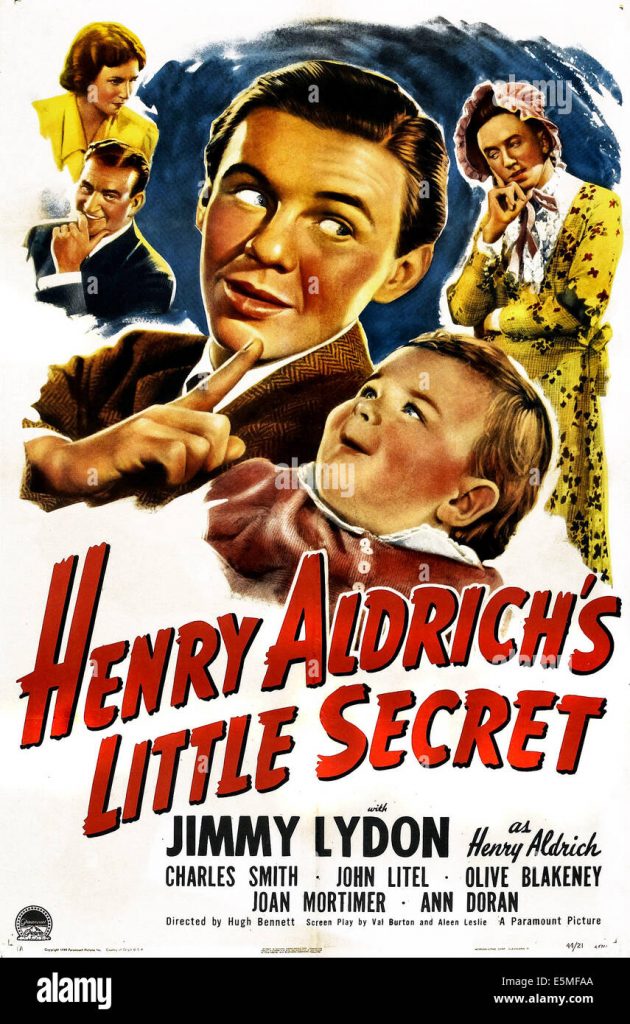
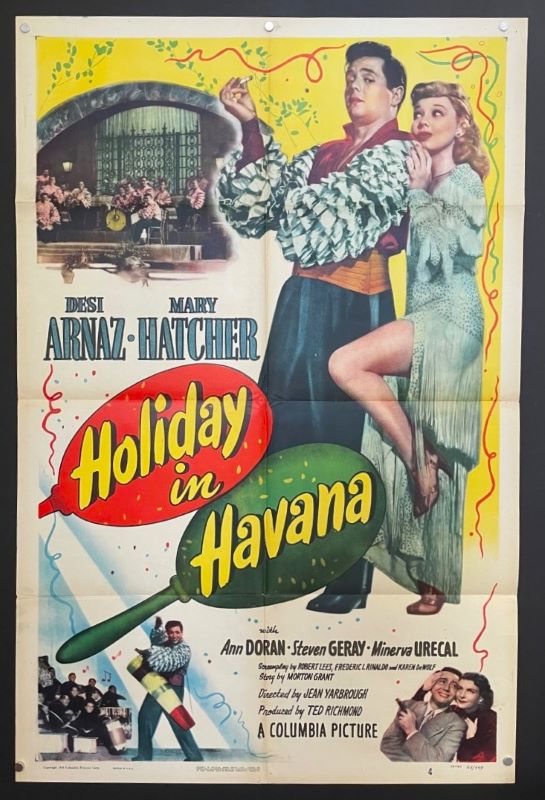
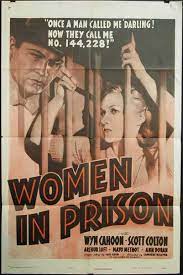
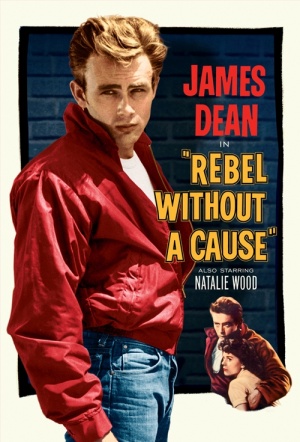
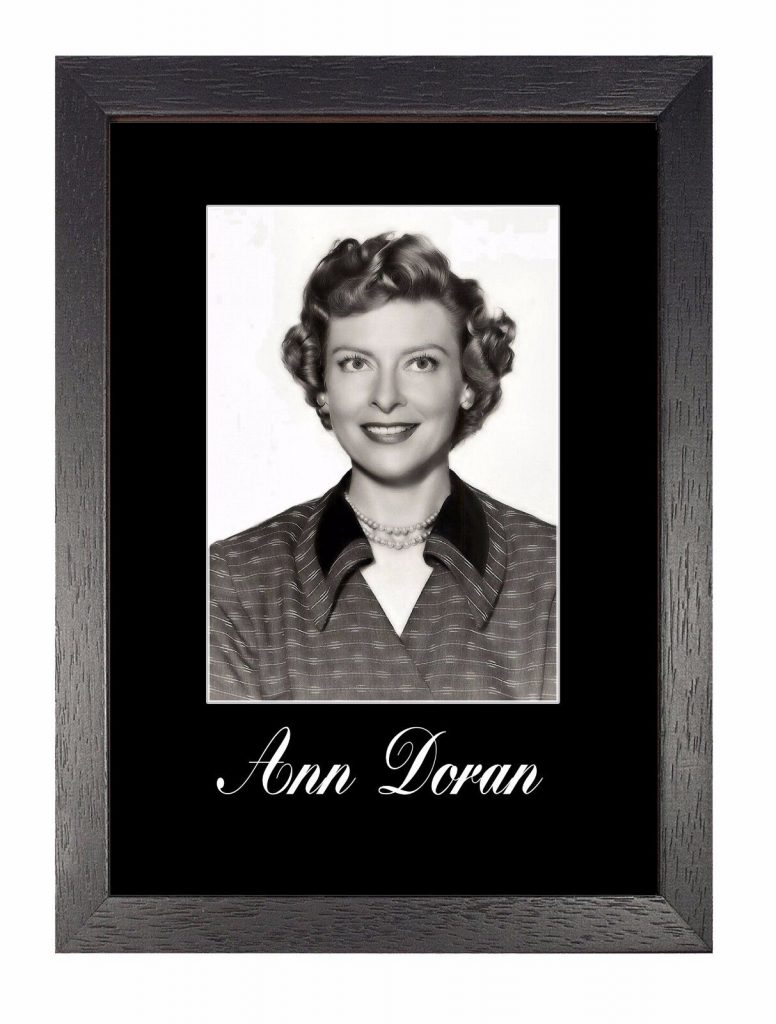
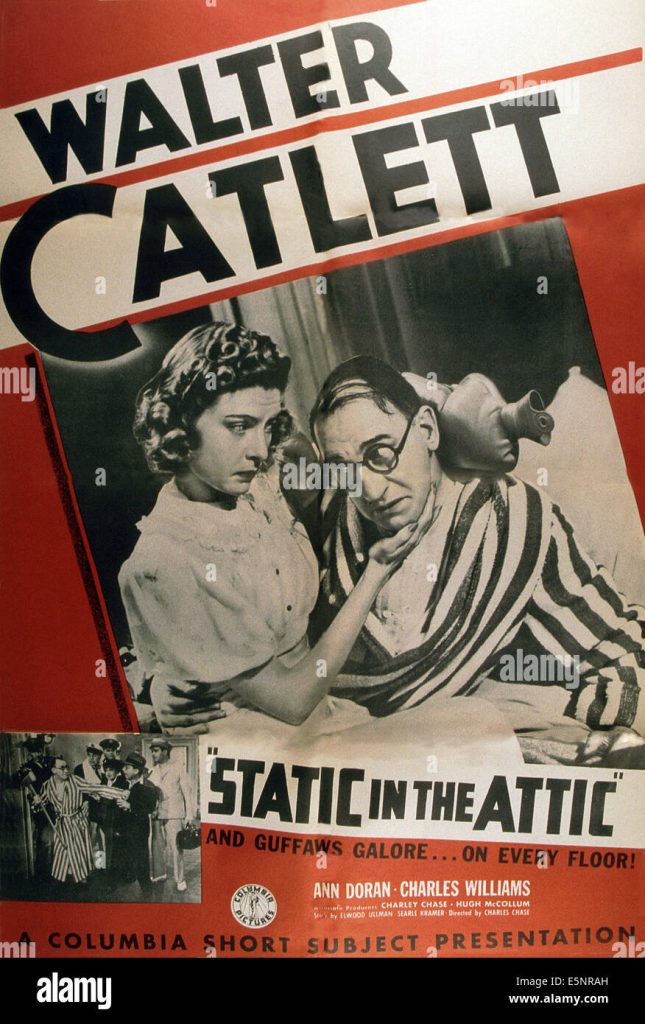
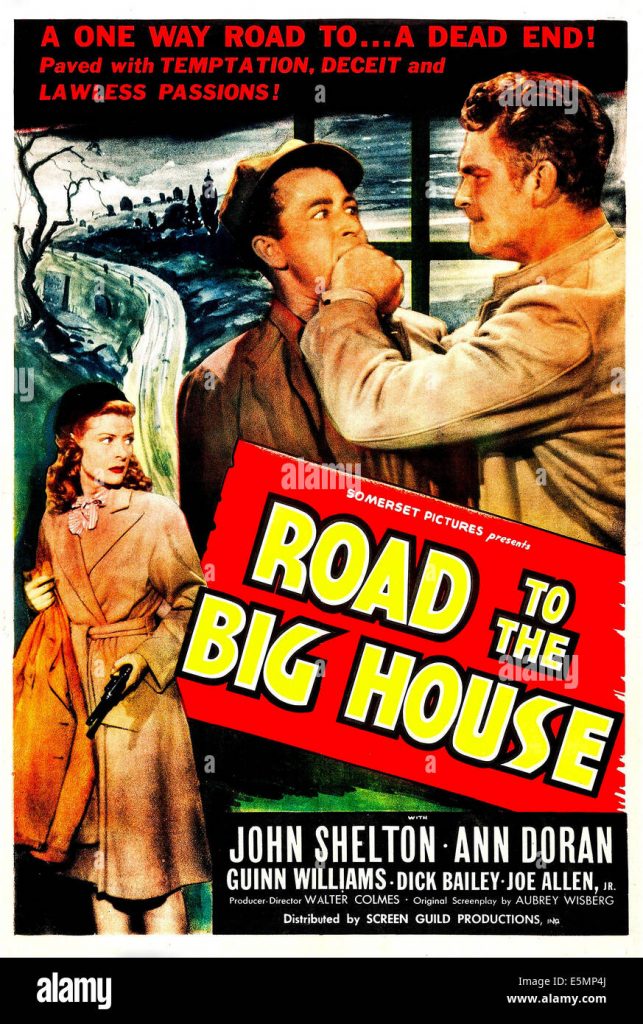
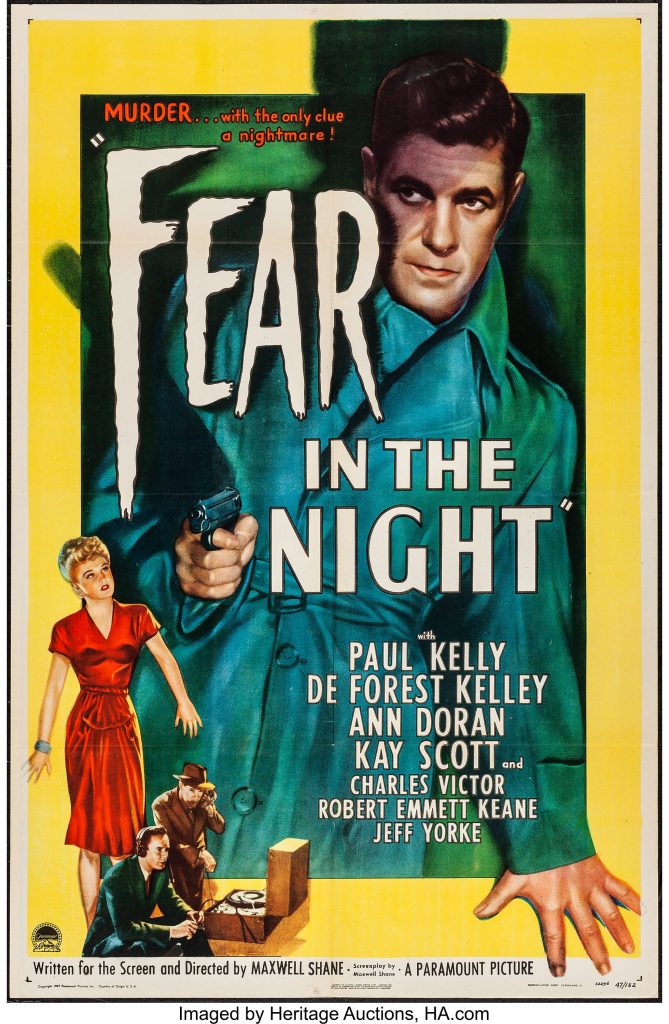
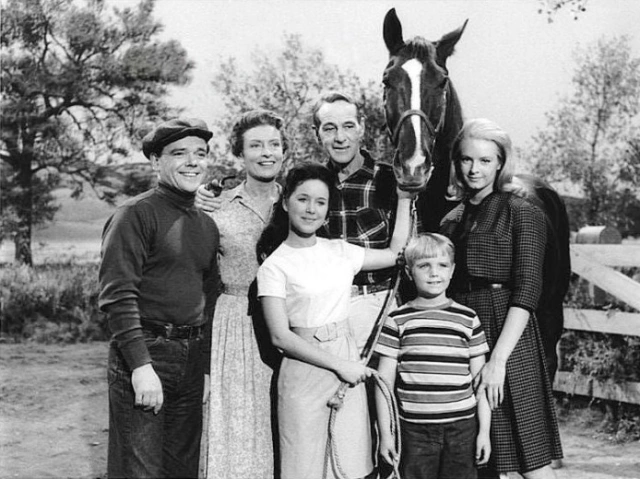
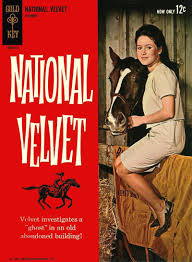
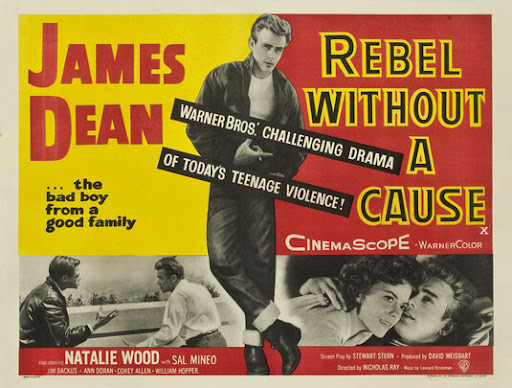
Ann Doran is best known for two roles, James Dean’s mother in 1955’s “East of Eden” and the mother again of Velvet Brown in the 1961 TV series “National Velvet”. She was born in Amarillo, Texas in 1911. She had a very profilic career as a character actress in films beginning with “Paid to Dance” in 1937. Her other films included “His Girl Friday” in 1940, “So Proudly We Hail”, “A Summer Place” and “The Arrangement” in 1970. Ann Doran died in 2000 at the age of 89.
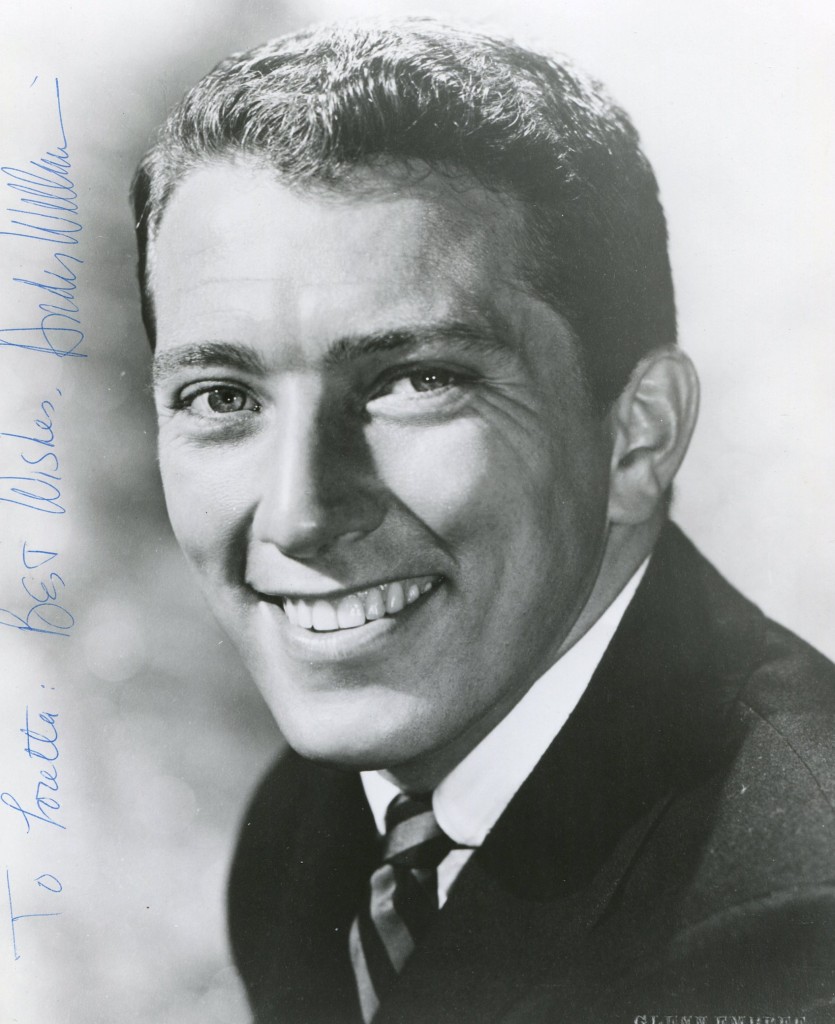
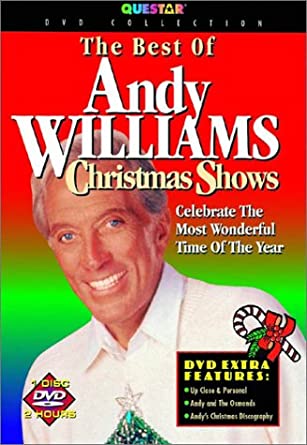
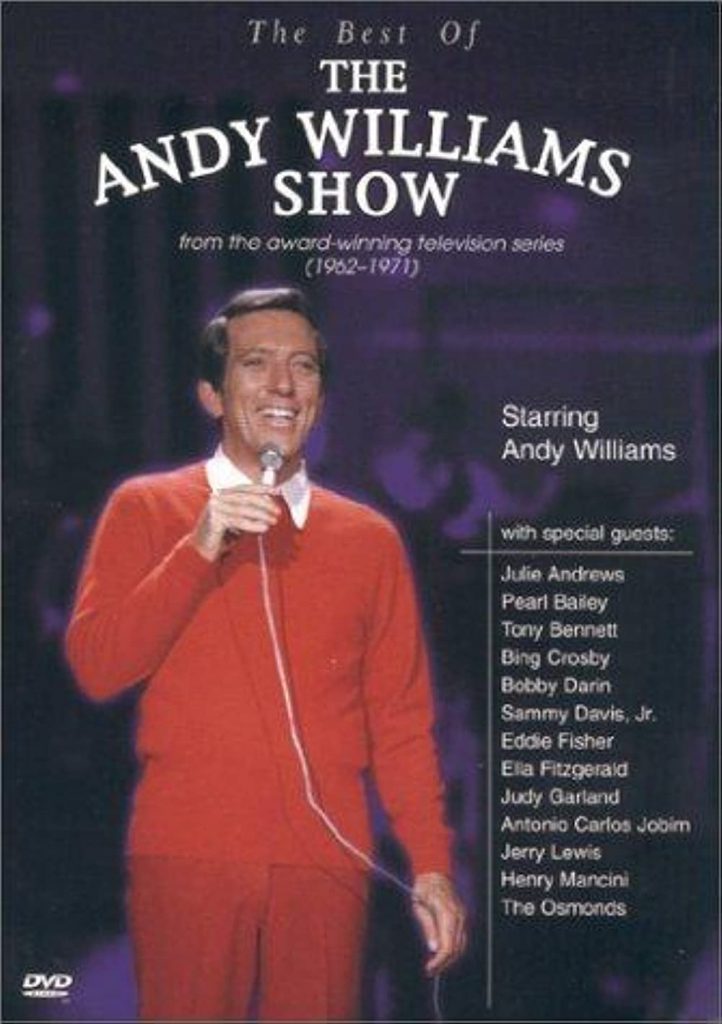
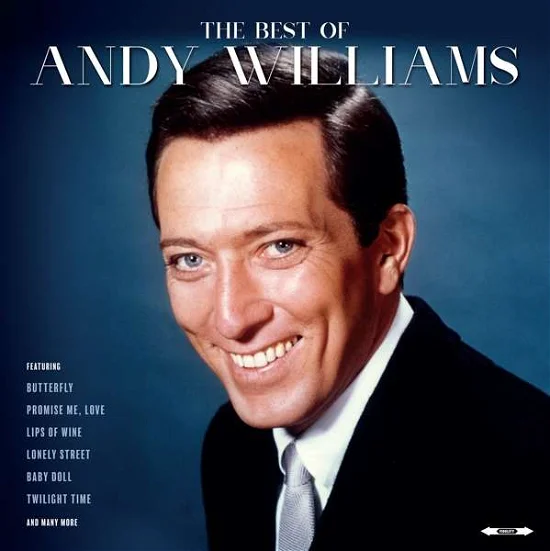
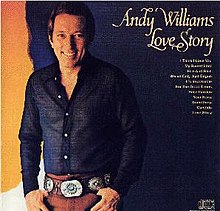
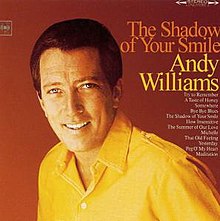
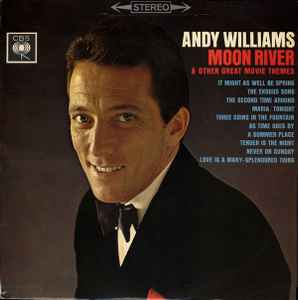
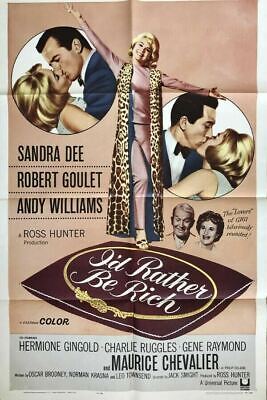
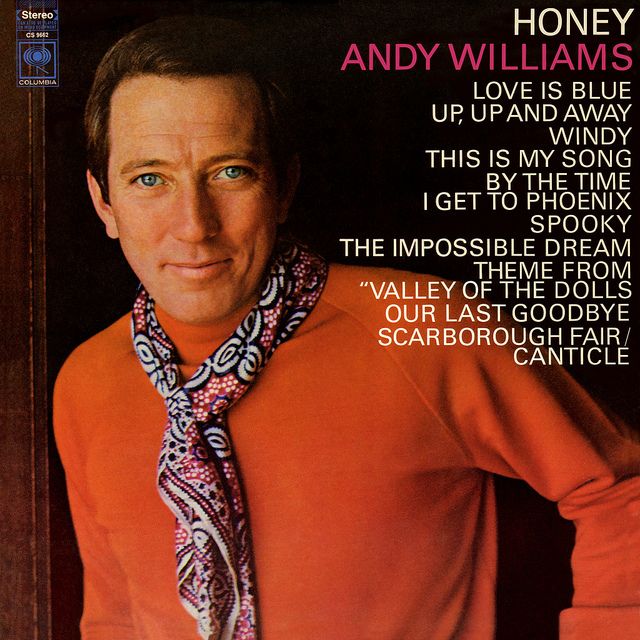
Andy Williams is of course one of the most celebrated of popular singers, but he did make an attempt at film making in the early 1960’s. He was born in 1927 in Iowa. He and his brothers were a popular singing group in the 1940’s and in that de cade he did feature in a few films including “Janie” in 1944 and “Something in the Wind” in 1947. In 1964 he starred with Sandra Dee and Robert Goulet in a comedy “I’d Rather be Rich”. He sang the Top Ten hit “Almost There” in the film. He did not though pursue a career on film and returned to his very popular recording and concert career. He died in 2012.
“Guardian” obituary:
Through the popularity of his television show and his mellifluous tenor voice, Andy Williams, who has died aged 84 after suffering from bladder cancer, was one of the best-loved figures in American popular culture. In a career that spanned eight decades, he sold more than 100m albums. Ronald Reagan described Williams’s distinctive voice as a “national treasure”.
The Andy Williams Show was also a favourite on British television and he had numerous UK hits in the 1960s and 70s. Among the biggest were Can’t Get Used to Losing You (1963), Can’t Help Falling in Love (1970) and Where Do I Begin (1971), the theme from the 1970 film Love Story. Williams’s British career was revived in 1998 when his 30-year-old hit Can’t Take My Eyes Off You was used in a commercial for Peugeot cars. Soon, a Fiat advertisement revived Music to Watch Girls By, and The Most Wonderful Time of the Year (from one of his eight Christmas albums) was chosen for a Marks & Spencer Christmas campaign in 2002. He even appeared in an episode of Strictly Come Dancing in 2009 to sing Moon River.
Williams grew up in Wall Lake, Iowa, the second youngest of six children, to Jay and Florence Williams. His father, a railway worker, arranged for Andy and his three elder brothers, Bob, Don and Dick, to be the choir at the town’s Presbyterian church. The quality of their harmonising inspired Jay to train the quartet for a professional career, beginning with performances at weddings and socials. His ambition for the boys led the family to move to Des Moines in 1936 to seek a regular radio show. There, Jay’s perfectionism hardened into an obsession: Andy was to claim that his self-confidence was deeply dented by Jay’s edict that “you have to practise harder because you’re not as good as others out there”.
The Williams Brothers were eventually awarded their own 15-minute show on a station where Reagan was a sports reporter. But the family were still not well off, and when the youngest child died of spinal meningitis, the only way the family could pay the funeral costs was for the brothers to sing hymns at the funeral parlour after school for several months.
There were further moves to Chicago and Cincinnati so that the Williams Brothers could perform on more prestigious radio stations, and in 1944 the family uprooted again to Los Angeles. There, Jay Williams, by now his sons’ full-time manager, negotiated a studio contract with MGM, which gave the quartet cameo roles in several B movies. He also persuaded Bing Crosby to employ them as backing singers on his hit record Swinging on a Star.
The group broke up as each brother was called up for second world war service – the 17-year-old Andy was briefly in the merchant navy – and did not re-form until 1947. They next performed as a cabaret act, appearing in Las Vegas and the Café de Paris in London before splitting up in 1953. The actor and choreographer Kay Thompson then launched Andy on a solo career, which ignited when he landed a job as resident vocalist on Steve Allen’s late night television show on NBC (1954-56).
In 1956 he signed a recording contract with Cadence, and the following year had a No 1 hit in both the US and Britain with Butterfly. Although Williams studied Elvis Presley’s recordings, he avoided rock’n’roll and had four more top 10 hits with ballads. In 1961 CBS offered him a lucrative record deal.
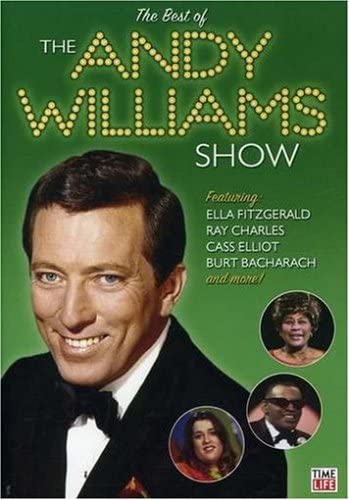
The 1960s were to be his golden decade. The Andy Williams Show ran on NBC from 1962 to 1971, with consistently high ratings, and he had at least one album in the US top 10 in every year, aided by his musical director, the acclaimed jazz pianist Dave Grusin. The essential blandness of the show was reassuring to middle America, but it introduced new singers, notably the Osmonds, whom Jay Williams had spotted performing at Disneyland, and the fledgling Jackson Five, featuring a seven-year-old Michael.
The popularity of the show kept the crooning Williams afloat during the tidal wave of pop in the 1960s. Also, while contemporaries such as Frank Sinatra and Tony Bennett were baritones, Williams, a tenor, shared his vocal range with the Beatles and Beach Boys.
All his albums of the 1960s sold more than 1m copies each, with Moon River and Days of Wine and Roses each selling almost 2m. The latter was No 1 in the album charts for 16 weeks in 1963. When his contract with CBS came up for renewal in 1966, his manager, Alan Bernard, negotiated an unprecedented guarantee against royalties of $1.5m. In return, Williams agreed to record 15 albums over the next five years.
The formula for his albums was carefully calculated to attract fans of the television show. Williams seldom recorded new or unknown songs. Instead, he chose a mix of titles from successful movies, Broadway shows and versions of recent pop hits. Williams and his producer, Bob Mersey, were careful to include material by songwriters of the rock era, albeit their most melodic numbers. Thus, he recorded songs from the pens of Lennon and McCartney (Michelle), Burt Bacharach (Don’t You Believe It) and Jim Webb (McArthur Park).
On one occasion, he decided to experiment with a “concept” album of songs by the arranger Mason Williams (no relation), depicting existence from birth to death. Clive Davis, the head of CBS Records, warned him that sales would suffer. After some haggling, the concept songs took up one side of the LP Bridge Over Troubled Water. Davis was proved right and the album sold only half a million copies.
The loss of his television show led to falling record sales for Williams in the early 1970s. However, his celebrity enabled him to play lucrative concerts and cabaret engagements throughout the US and Europe. In 1992 he opened his own Moon River theatre in Branson, Missouri, where he appeared for several months each year.
Although he was a lifelong Republican, Williams became a close friend of Robert and Ethel Kennedy in the mid-60s. He was present when Kennedy was assassinated in Los Angeles during the 1968 campaign for the presidential nomination. Williams sang The Battle Hymn of the Republic at the funeral and voted for George McGovern at the Democratic party convention, having been nominated as a delegate by Kennedy. More in keeping with his political convictions was his outspoken criticism of Barack Obama, and he allowed the rightwing radio commentator Rush Limbaugh to broadcast his recording of Born Free with added gunshot sounds. Sony Music (now the owner of CBS Records) forced Limbaugh to remove it.
Williams was married twice. He had three children, Noelle, Christian and Bobby, named after Robert Kennedy, with his first wife, the singer and dancer Claudine Longet. After their divorce, he was publicly supportive when, following the death of her new partner in a shooting incident, she was found guilty of criminally negligent homicide in 1977. He is survived by his second wife, Debbie Haas, and his children.
• Andy (Howard Andrew) Williams, singer, born 3 December 1927; died 25 September 2012
The above “Guardian” obituary by Dave Laing can also be accessed online here
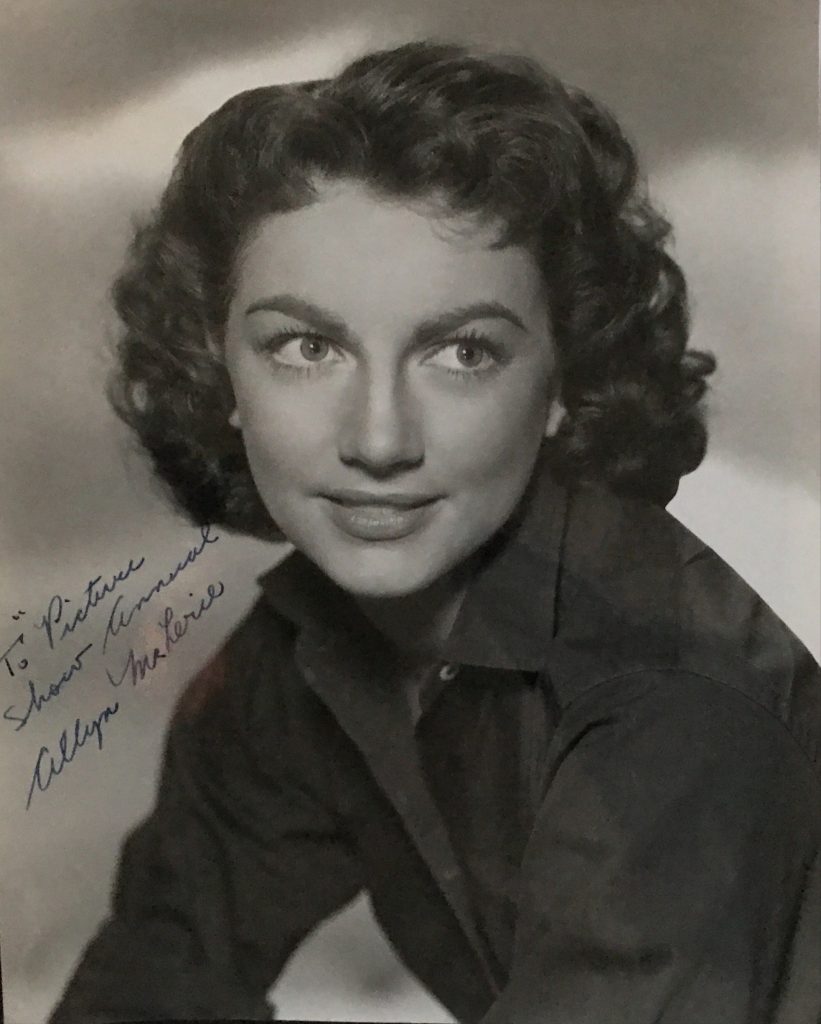
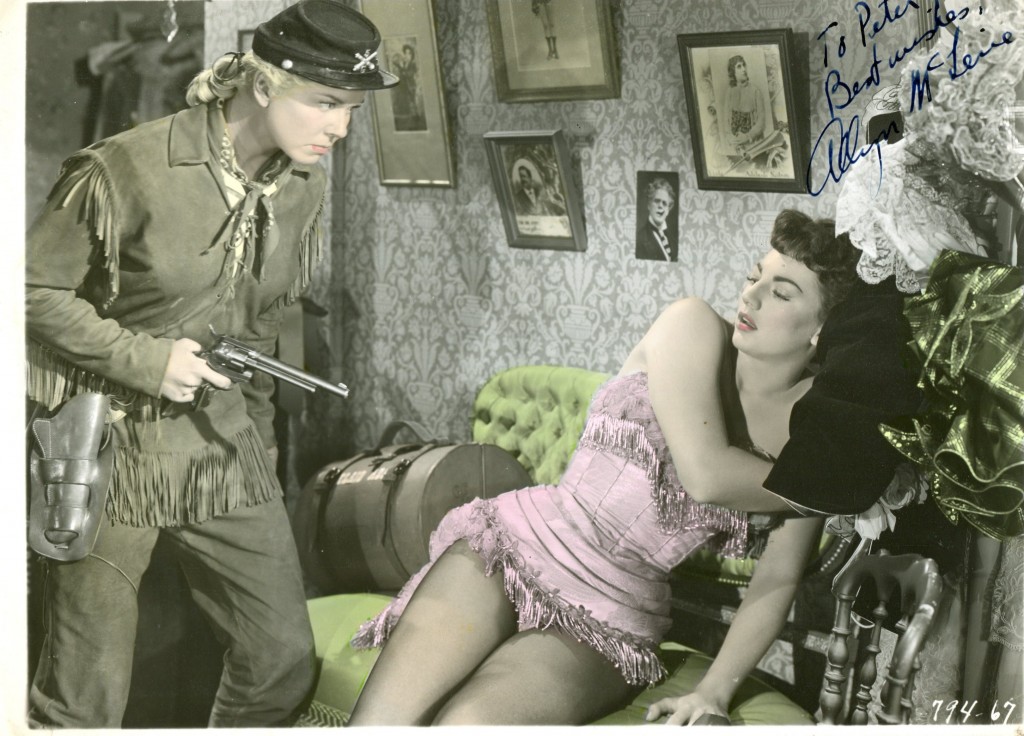
Allyn Ann McLerie. Obituary in “Playbill” in 2018.
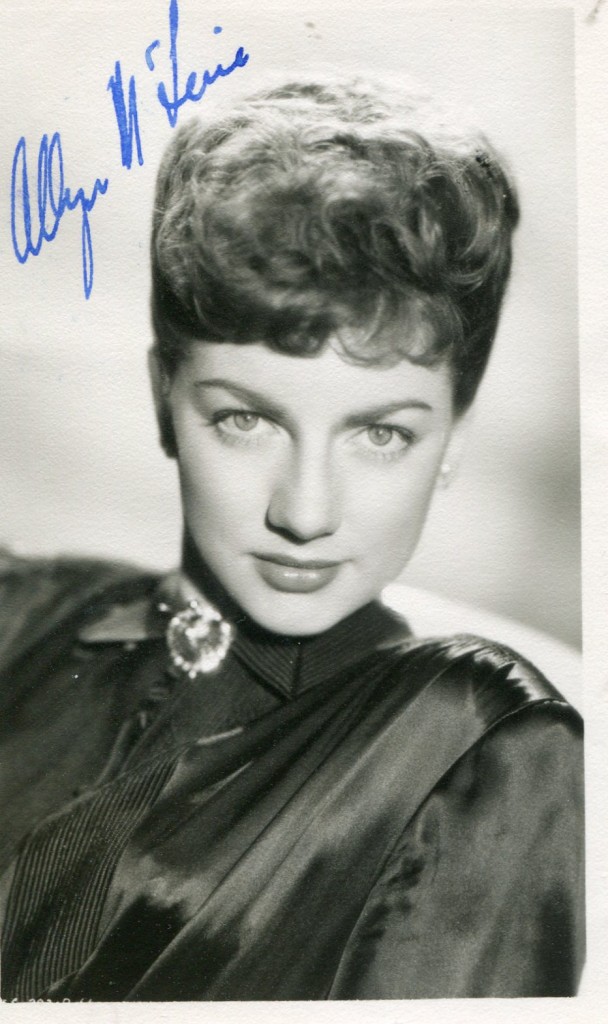
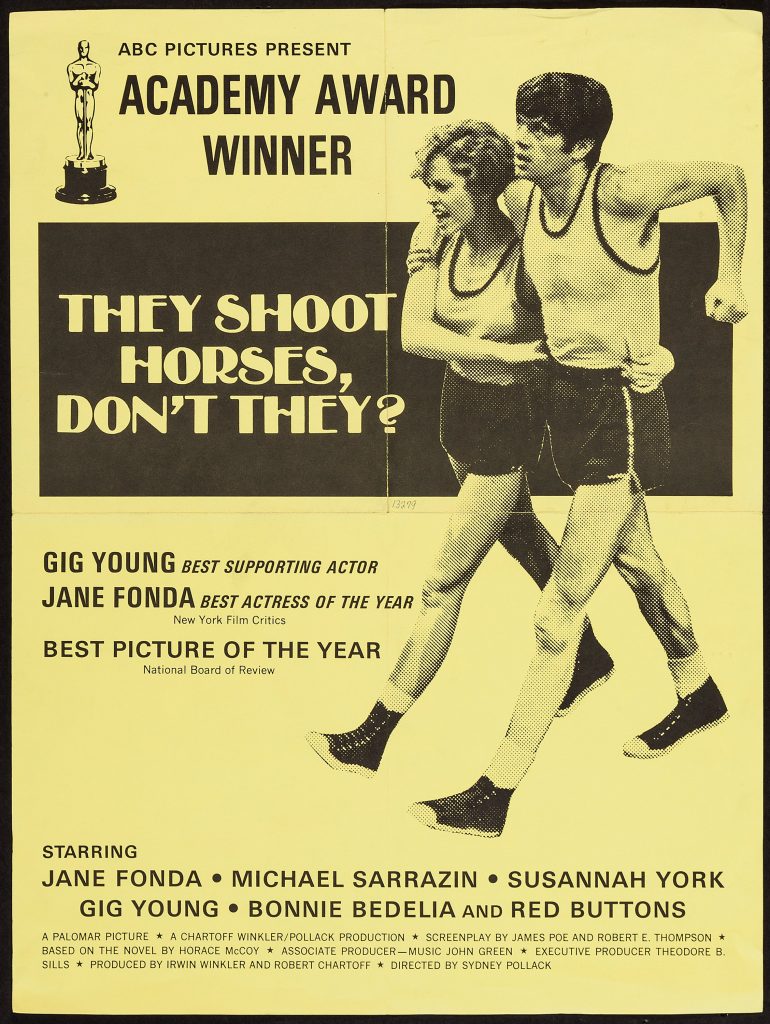
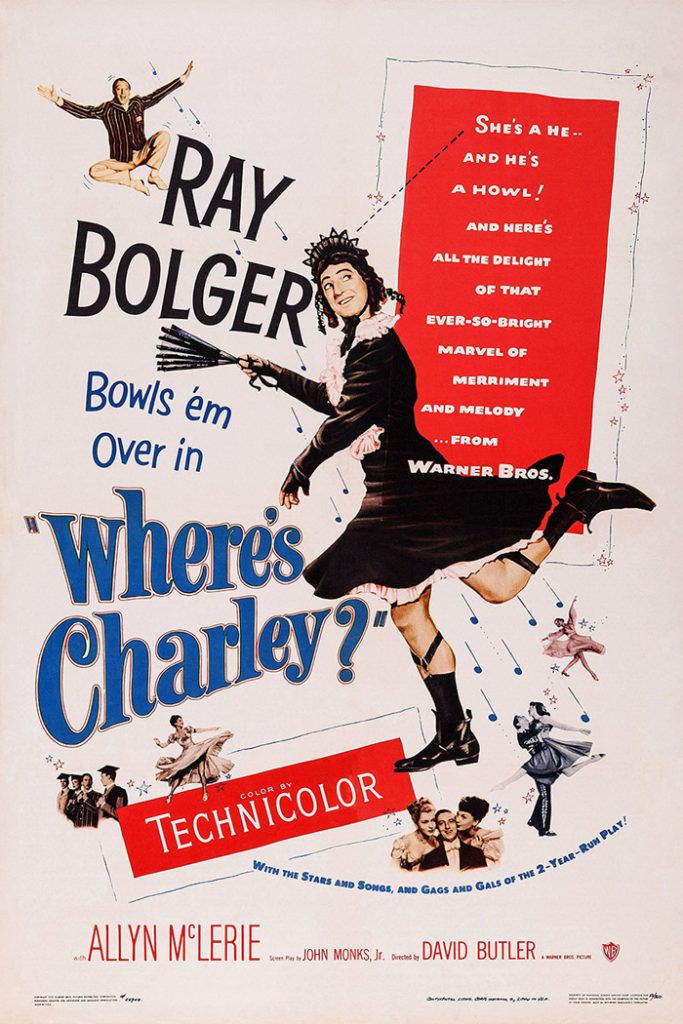
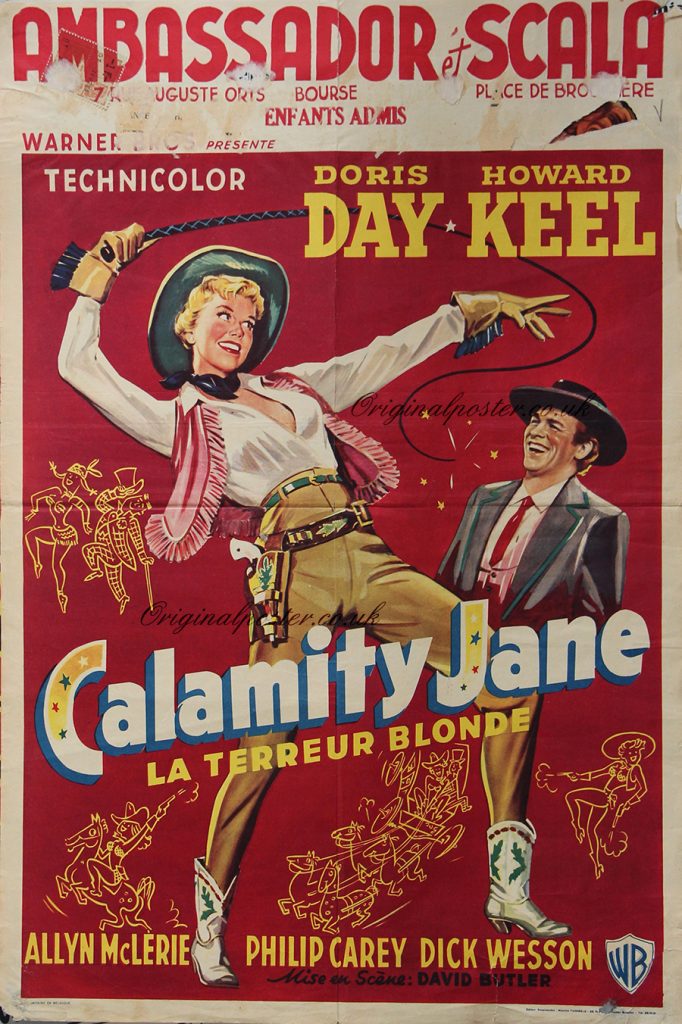
Allyn Ann McLerie was born in Canada in 1926. She starred on Broadway in “Where’s Charlie” in 1948. She went on to make the film of the show in 1952. Her two best known film roles are “Calamity Jane” with Doris Day and Howard Keel in 1953 and “They Shoot Horses Dont’ They” with Jane Fonda, Michael Sarrazin and Susannah York in 1969.
Allyn Ann McLerie, who had a celebrated career on the Broadway stage before exploring a variety of roles on screen, has died at the age of 91 following a battle with Alzheimer’s disease. Her death was confirmed to The New York Times by her daughter, Iya Gaynes Falcone Brown.
Ms. McLerie made her Broadway debut at the age of 16 in the dancing ensemble of 1943’s One Touch of Venus. She then appeared in the original production of On the Town, marrying co-star Adolph Green the following year (they divorced in 1953).
She next starred in Frank Loesser and George Abbott’s Where’s Charley? opposite Ray Bolger. Her performance as Amy Spettigue (who sings the soprano staple “The Woman In His Room”) earned Ms. McLerie a 1949 Theatre World Award.
Her later Broadway credits includedthe musical comedies Miss Liberty and Redhead and the 1960 revival of West Side Story (in which she played Anita opposite the musical’s original stars, Larry Kert and Carol Lawrence; Chita Rivera, who originated the role, was on Broadway at the same time in Bye Bye Birdie). Ms. McLerie made her last Broadway appearance in 1963 in the musical revue The Beast in Me.
On screen, Ms. McLerie is known for her work in such films as Calamity Jane and Cinderella Liberty, as well as on TV in Cannon, The F.B.I., The Tony Randall Show, and, later in her career, The Days and Nights of Molly Dodd.
Ms. McLerie married the late actor George Gaynes in 1953; the two briefly shared the screen as love interests in a two-episode arc of Punky Brewster. She is survived by their daughter, as well as a granddaughter and two great-granddaughters
Adrian Booth was born in 1917 in Grand Rapids, Michigan. She also acted under the name of Lorna Gray. Her films include “Daughter of Don Q” in 1946 and “Dakota”. She was long married to actor David Brian.
BRIMSTONE, US poster, top from left: Rod Cameron, Adrian Booth, Walter Brennan, bottom right: Forrest Tucker, 1949
New York Times obituary in 2017.
Adrian Booth, a versatile film actress who also took pies to the face alongside the Three Stooges, died Sunday, April 30, 2017. She was 99.
Relatives of the actress announced Booth’s death in a post via social media.
Booth appeared in several Three Stooges short films including a memorable pie-throwing scene in “Three Sappy People.” She played Sherry, a spoiled wife. Other Stooges shorts included “You Nazty Spy!”, “Oily to Bed, Oily to Rise,” and “Rockin’ Thru the Rockies.”
She was born Virginia Pound July 26, 1917, in Grand Rapids, Michigan.
During the 1930s, when she became a contract player with Columbia Pictures, studio executives renamed her Lorna Gray. She played parts in “Flying G-Men” alongside Robert Paige, “Pest From the West” with Buster Keaton, and the above-mentioned Stooges film shorts.
Her films included “Red River Range,” a 1938 film starring John Wayne; “O, My Darling Clementine,” a 1943 film starring the country music singer Roy Acuff as a singing sheriff; and “Hold ‘Em Navy.” In the latter film, her birth name appeared in the credits.
Booth also played the lead character’s secretary, Gail Richards, in Republic Pictures’ 1944 “Captain America” film serials about the comic book superhero.
After leaving Columbia in 1945, she took a different stage name, Adrian Booth, and had retained the name ever since. She retired from her film career after marrying the actor David Brian in 1949; he preceded her in death in 1993.
In 2007, Booth told writer John Beifuss that she had a great time working for Republic Pictures in films such as “Along the Oregon Trail” and “Home on the Range.”
“They were so good to me,” Booth said. “Every time I started a picture, my boss would send me flowers.”
After appearing in the Three Stooges film shorts, she became good friends with the Stooge Larry Fine. She called Fine, who died in 1975, “a very sweet boy.”
For her work in Western films and TV series, Booth received the Golden Boot Award in 1998. She was a frequent film festival attendee even into her 90s.
Alvy Moore was born in 1921 in Indiana. His first role was in 1952 in “Okinawa”. His other films include “Susan Slept Here” in 1954, “5 Against the House”, “Screaming Eagles” and “Early Warning”. Despite been featured prominently in many feature films, he was often credited in the cast lists which is a shame as he was always a fine actor. He died in 1997 in Palm Desert, California.
TCM Overview:
A comic player of feature films and TV, Alvy Moore will always be remembered as county agent Hank Kimball on the long-running CBS sitcom “Green Acres” (1965-71). Wearing a trademark hat, Hank Kimball made Eddie Albert’s life nuts by never quite knowing the answer to any agricultural question, but hedging the situation with double-talk.
Moore studied drama in his native Indiana before serving in the Marines during WWII, during which he participated in the battle for Iwo Jima. Post-war, he furthered his training at the Pasadena Playhouse. Moore succeeded David Wayne in the role of Ensign Pulver opposite Henry Fonda’s “Mister Roberts” on Broadway, and later toured with the play. As if life were following art, he made his screen debut playing the quartermaster in “Okinawa” (1952). For much of the 1950s, he was relegated to small roles in features, like his turns opposite Marilyn Monroe in “Gentlemen Prefer Blondes” (1953) and as Mitzi Gaynor’s boyfriend in “There’s No Business Like Show Business” (1954). Frustrated by his stalled career, Moore supplemented his income by purchasing an interest in an iron foundry that made tile tabletops and considered abandoning his dream. He had one of his better roles as the wisecracking member of a group out to rob a casino in the crime caper “Five Against the House” (1955), co-starring Brian Keith and Kim Novak. While he appeared in support of stars like Gregory Peck and Lauren Bacall in “Designing Woman” (1957) and Jack Lemmon in “The Wackiest Ship in the Army” (1961), his roles remained decidedly supporting. He remained active in features into the 1980s, generally in small parts such as a gas station mechanic in a sheriff in “Dr. Minx” (1975), and a chili salesman in “The Horror Show” (1989), among others. With L Q Jones, he formed a producing partnership that resulted in the above-average thriller “The Brotherhood of Satan” (1971), about a town overtaken by a coven of witches, and the futuristic black comedy “A Boy and His Dog” (1975), starring Don Johnson. Moore also reprised the voice for Grandpa in “Here Comes the Littles” (1985), a feature based on the 1983 ABC animated series.
Moore found his greatest success on the small screen. In 1955, he was the narrator for the ABC series “Border Collie” and that same year appeared as a reporter in the “What I Want To Be” segments of “The Mickey Mouse Club” (ABC). He amassed numerous guest credits on series, including “My Little Margie”, “Pete and Gladys”, “The Beverly Hillbillies” and “The Andy Griffith Show”. Moore remained active into the 1990s, with guest appearances on “Frasier” (NBC, 1994, as a patient) and “The Pursuit of Happiness” (NBC, 1995, as a wedding guest).
In TV longforms, Moore played a distraught father in “Cotton Candy” (NBC, 1978) and the first mayor in “Little House: The Last Farewell” (NBC, 1989). He also revived the character of Hank Kimball in “Return to Green Acres” (CBS, 1990).
The above TCM overview can also be accessed online here.
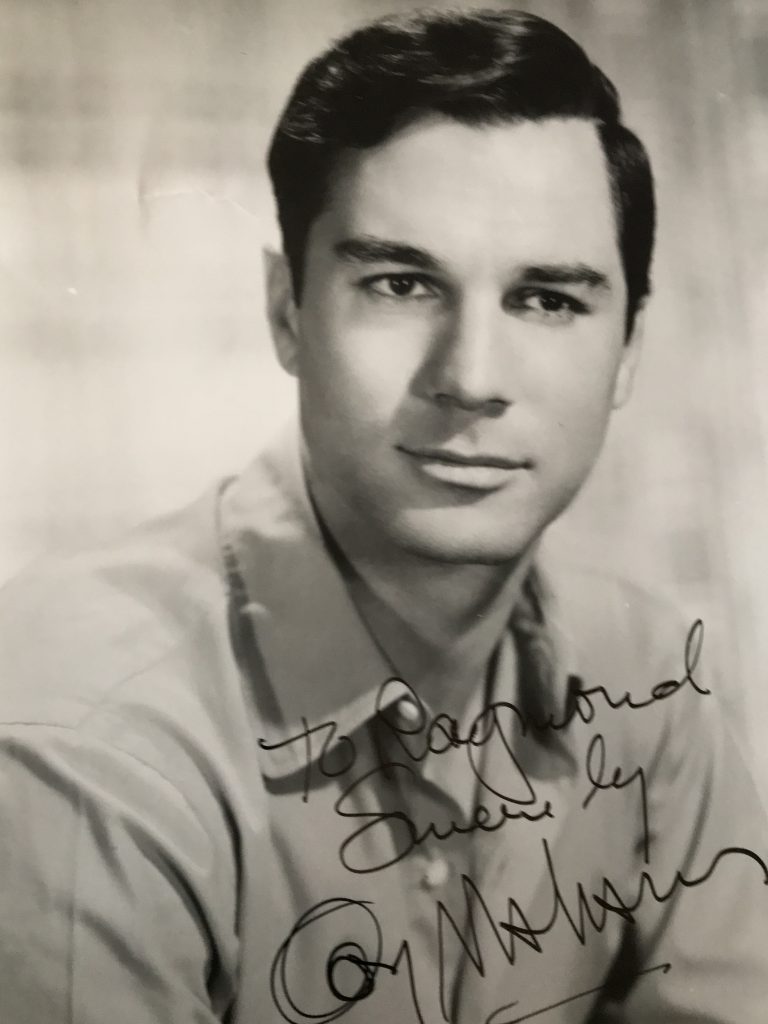
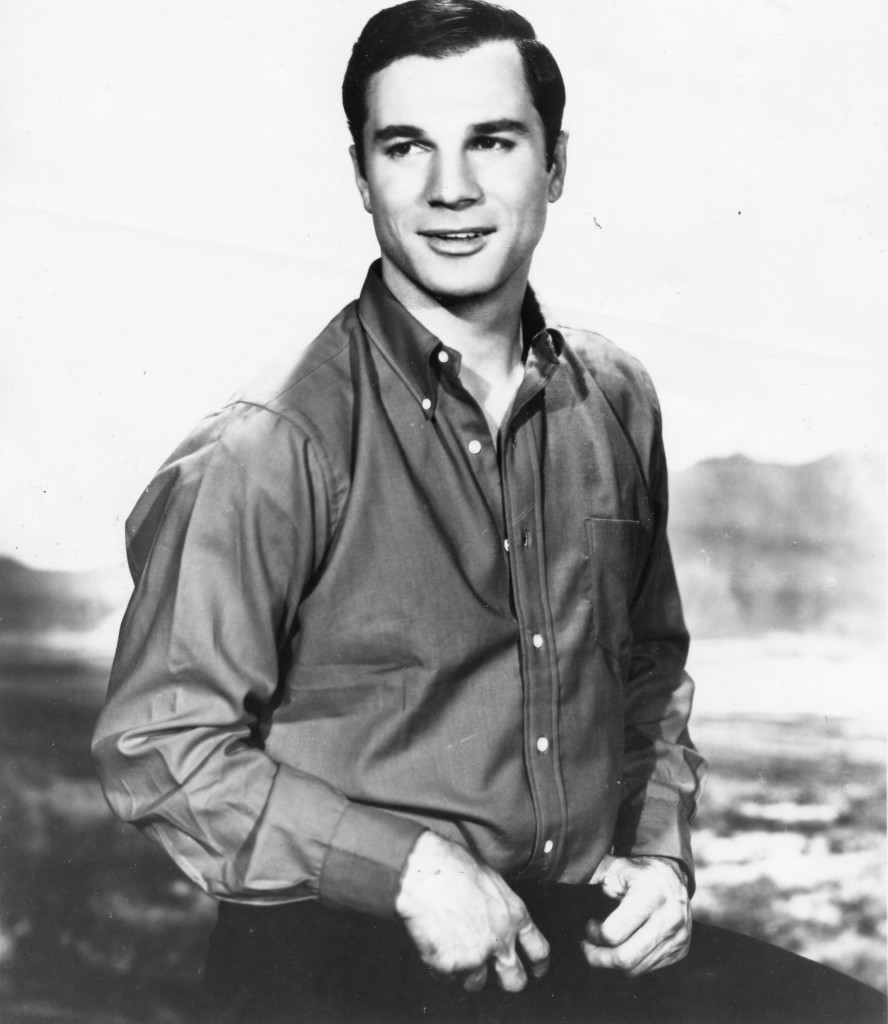
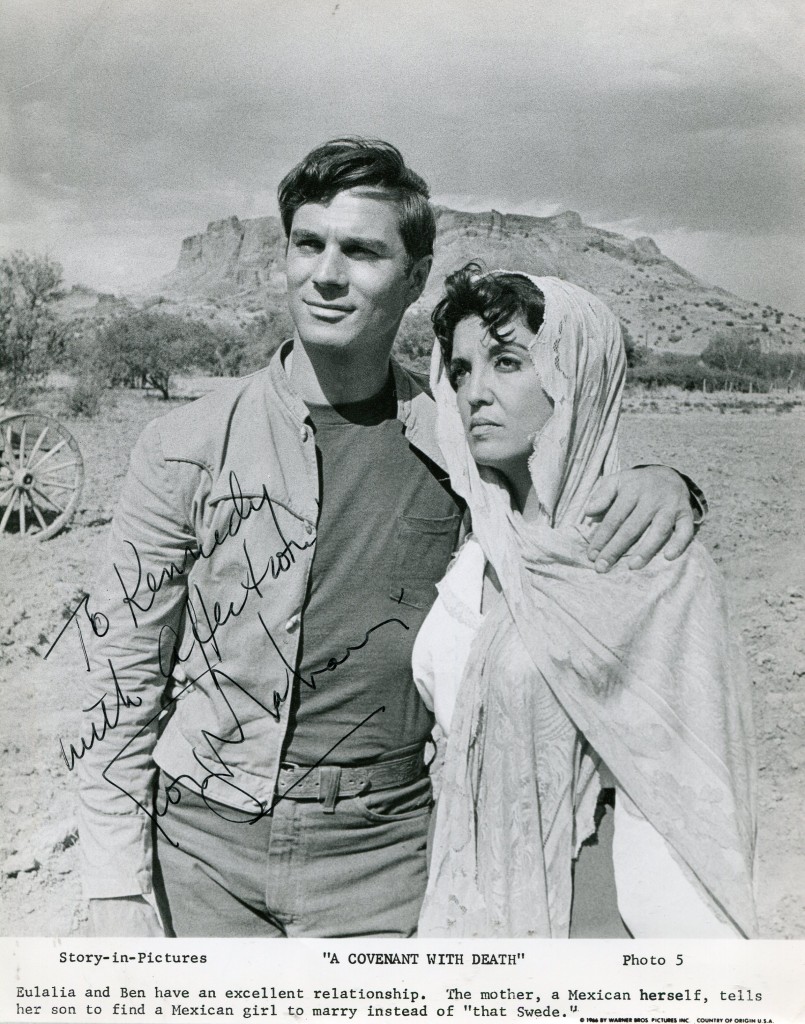
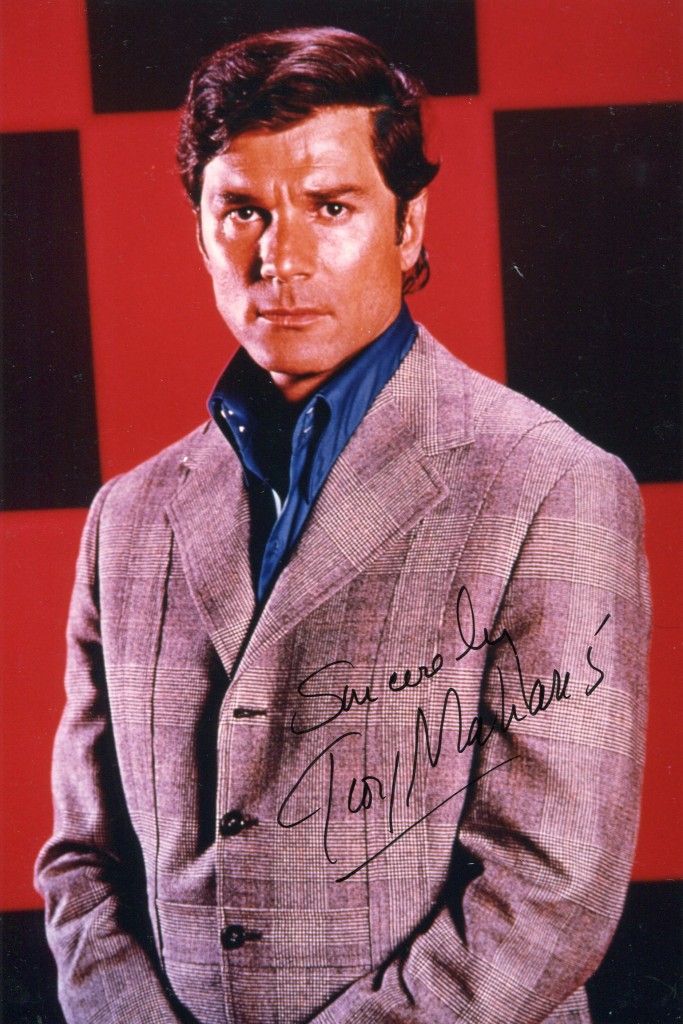
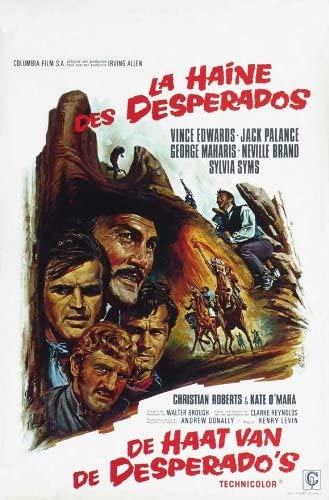
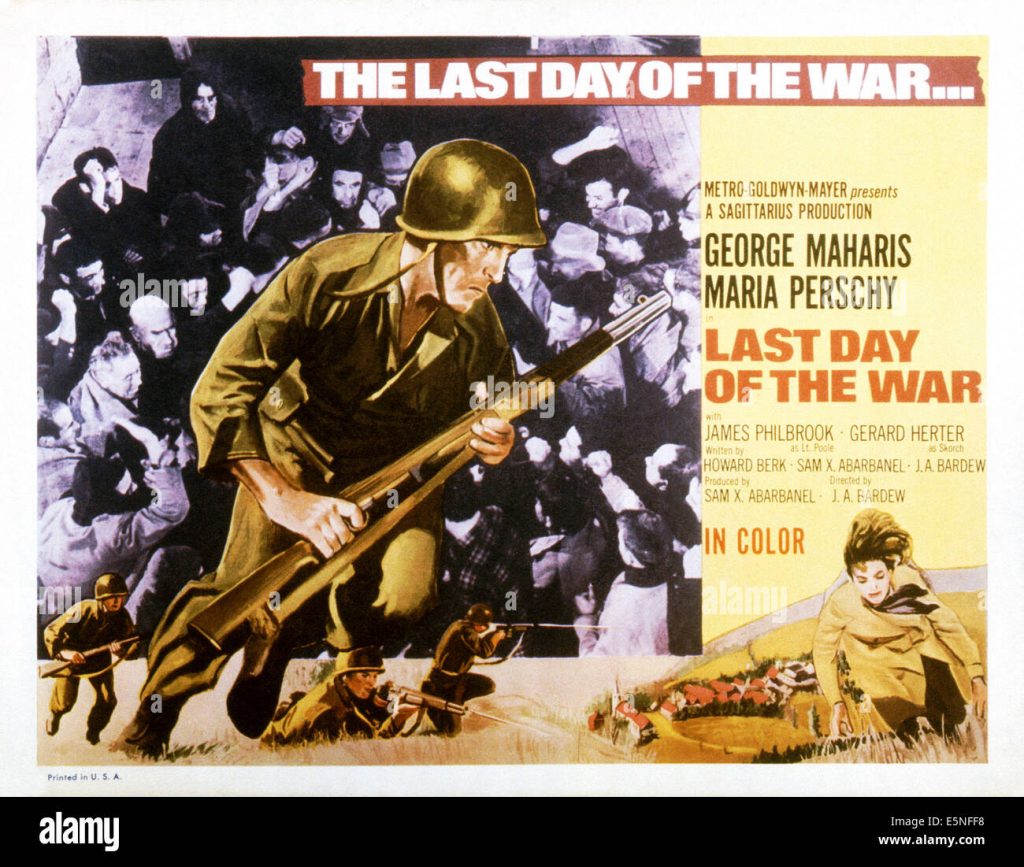
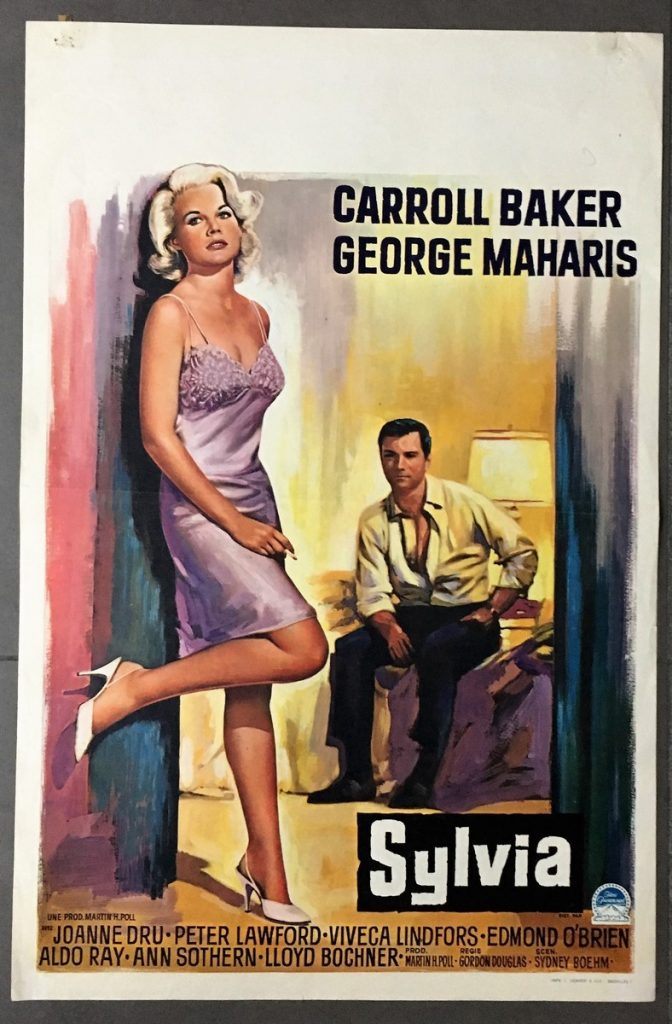
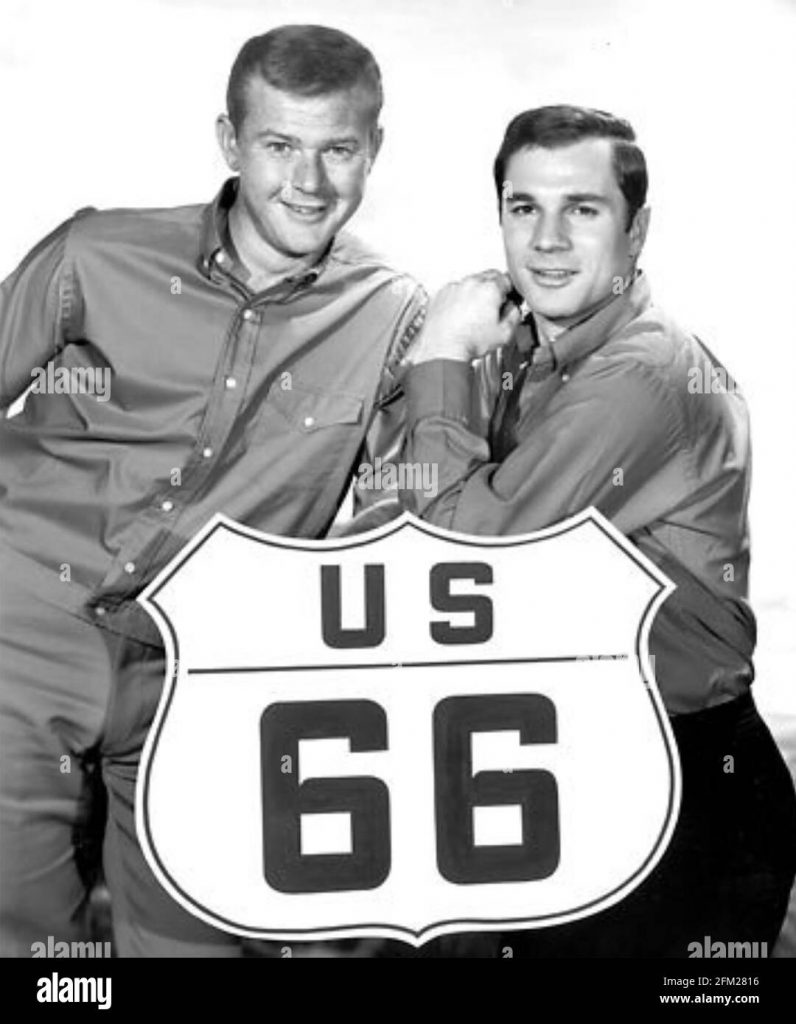
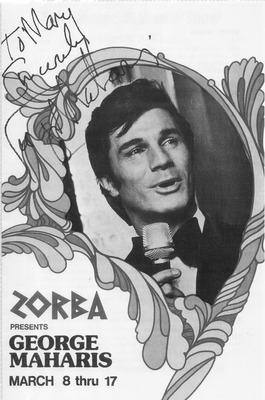
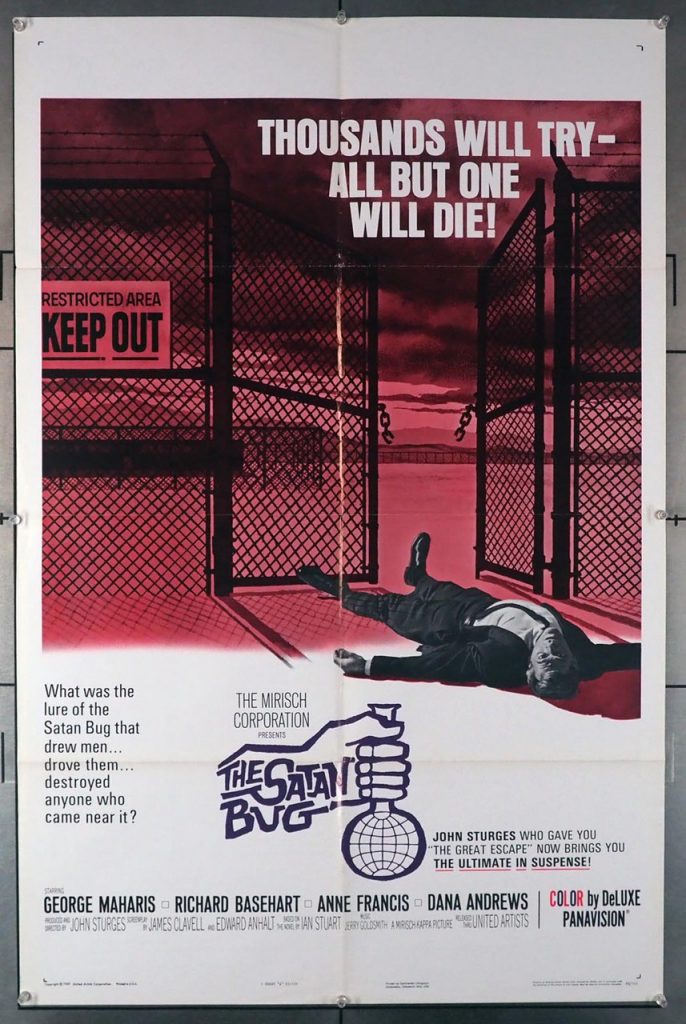
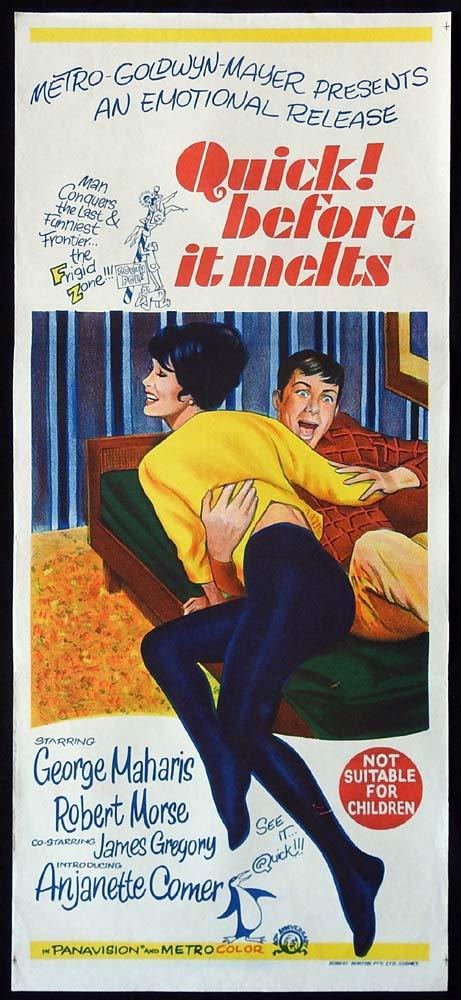
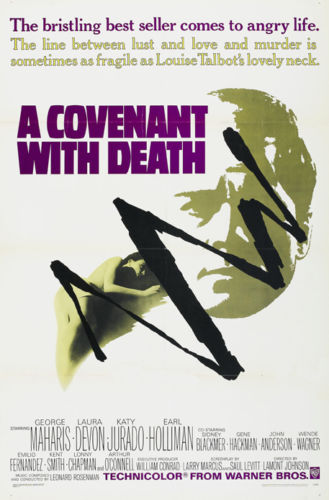
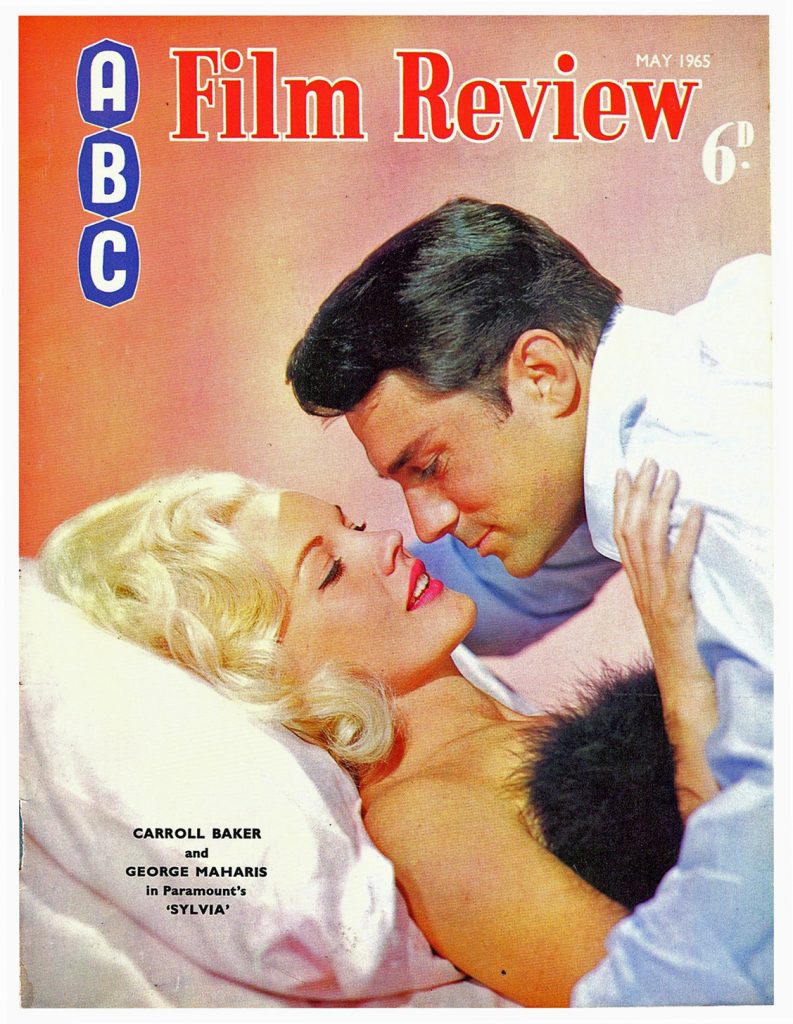
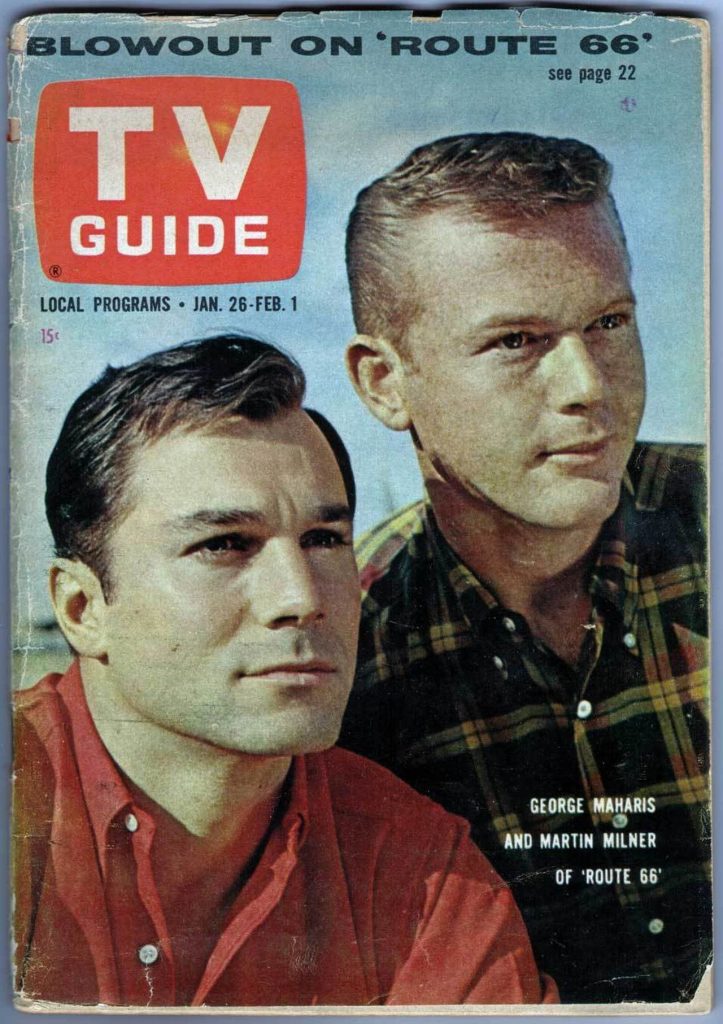
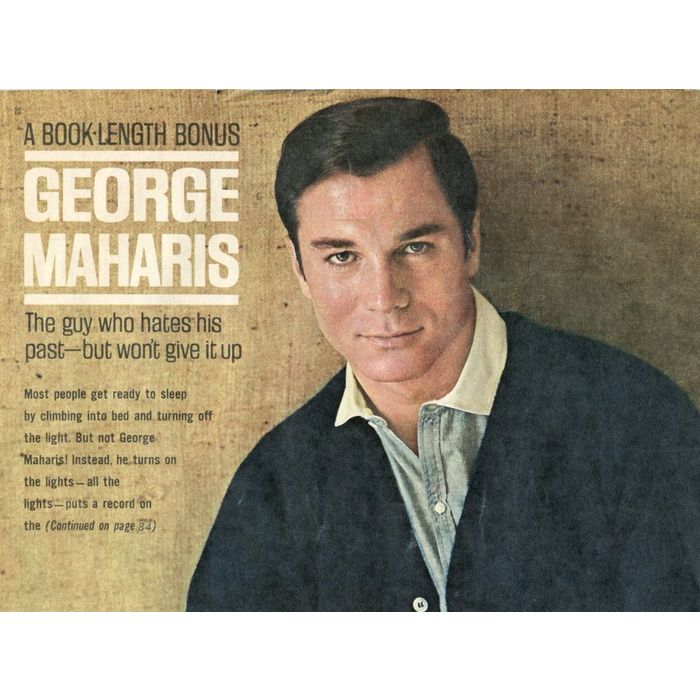
George Maharis is best known for his role in the cult TV series of the 1960’s “Route 66”. He was born in 1928 in Astoria, New York of Greek parentage. He studied at the Actor’s Studio and acted on the stage in New York. His fil debut was in 1960 in Otto Preminger’s “Exodus”. That same year he was cast as Buz Mordock in “Route 66” with Martin Milner. He left the series midway through the third year and was replaced by Glenn Corbett. He made some further movies including in 1964 “Quick Before It Melts”, “The Satan Bug” a thriller with Anne Francis, “Sylvia” with Carroll Baker and “A Covenant With Death” with Katy Jurado. He guest-starred in may television series, one of the last was “Murder She Wrote” with Angela Lansbury in 1990.
Gary Brumburgh’s entry:
Tall, dark and handsome, not to mention a charismatic rebel of 60s Hollywood, actor George Maharis (real Greek family name is Mahairas) was born in 1928 in Astoria, New York as one of seven children. His immigrant father was a restaurateur. George expressed an early interest in singing and initially pursued it as a career, but extensive overuse and improper vocal lessons stripped his chords and he subsequently veered towards an acting career.
Trained at the Neighborhood Playhouse with Sanford Meisner and the Actor’s Studio withLee Strasberg, the “Method” actor found roles on dramatic TV, including a few episodes of “The Naked City,” and secured an early name for himself on the late 1950s’s off-Broadway scene, especially with his performances in Jean Genet‘s “Deathwatch” andEdward Albee‘s “Zoo Story”. Producer/director Otto Preminger “discovered” George for film, offering the actor a choice of five small roles for his upcoming film Exodus (1960). George chose the role of an underground freedom fighter.
One of the episodes George did on the police drama “The Naked City” series (“Four Sweet Corners”) wound up being a roundabout pilot for the buddy adventure series that would earn him household fame. With the arrival of the series Route 66 (1960), the actor earned intense TV stardom and a major cult following as a Brandoesque, streetwise drifter named Buzz Murdock. Partnered with the more fair-skinned, clean-scrubbed, college-educated Tod Stiles (Martin Milner, later star of Adam-12 (1968)), the duo traveled throughout the U.S. in a hotshot convertible Corvette and had a huge female audience getting their kicks off with “Route 66” and George. During its peak, the star parlayed his TV fame into a recording career with Epic Records, producing six albums in the process and peaking with the single “Teach Me Tonight”.
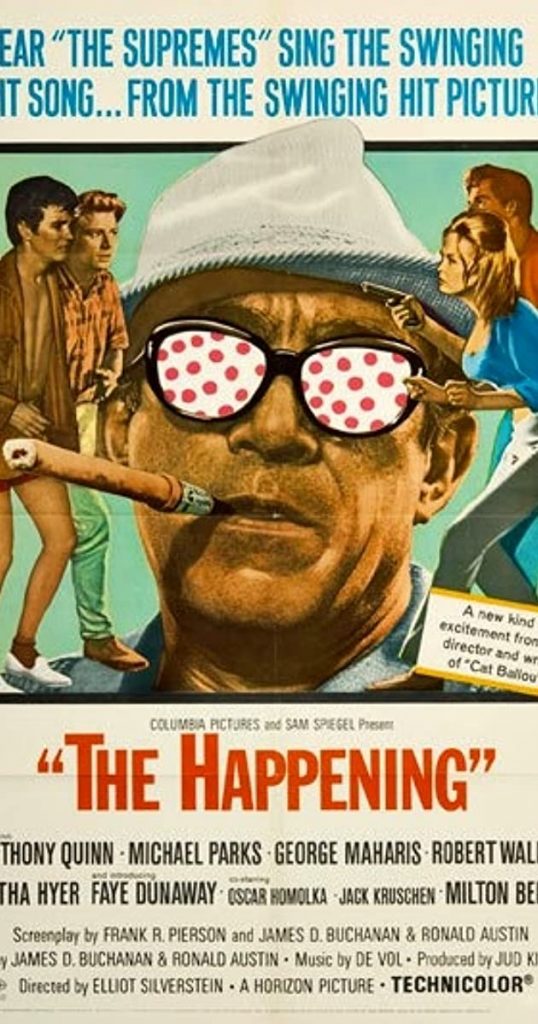
For whatever reason, Maharis left. His replacement, ruggedly handsome Glenn Corbett, failed to click with audiences and the series was canceled after the next season. Back to pursuing films, the brash and confident actor, with his health scare over, aggressively stardom with a number of leads but the duds he found himself in — Quick Before It Melts(1964), Sylvia (1965), A Covenant with Death (1967), The Happening (1967), and The Desperados (1969) prime among his list of disasters — hampered his chances. The best of the lot was the suspense drama, The Satan Bug (1965), but it lacked box-office appeal and disappeared quickly. Moreover, a 1967 sex scandal (and subsequent one in 1974) could not have helped.
Returning to TV in the 70s, George returned to series TV with the short-lived The Most Deadly Game (1970) co-starring fellow criminologists Ralph Bellamy and Yvette Mimieux(who replaced the late Inger Stevens who committed suicide shortly before shooting was about to start). The decade also included a spat of TV-movies including the more notableThe Monk (1969) and Rich Man, Poor Man (1976). In between he appeared in Las Vegas nightclubs and summer stock, and was one of the first celebrities to pose for a nude centerfold in Playgirl (July 1973).
His last years brought about the occasional film, most notably as the resurrected warlock in The Sword and the Sorcerer (1982) and an appearance in the horror thrillerDoppelganger (1993). Maharis’ TV career ended with guest parts on such popular but unchallenging shows such as “Fantasy Island” and “Murder, She Wrote”.
Maharis’ later years were spent focusing on impressionistic painting. He has been fully retired since the early 1990s.
– IMDb Mini Biography By: Gary Brumburgh / gr-home@pacbell.net
New York Times obituary in 2023:
George Maharis, TV Heartthrob of ‘Route 66,’ Is Dead at 94
He appeared in Off Broadway roles before starring on CBS as one of two young men who find adventure crossing the country in a Corvette convertible.
George Maharis, the ruggedly handsome New York-born stage actor who went on to become a 1960s television heartthrob as a star of the series “Route 66,” died on Wednesday at his home in Beverly Hills, Calif. He was 94.
His longtime friend and caretaker, Marc Bahan, confirmed the death.
Mr. Maharis’s greatest fame arose from the role of Buz Murdock, one of two young men who traveled the country in a Corvette convertible finding a new adventure and drama (and usually a new young woman) each week on CBS’s “Route 66.”
“Route 66” began in 1960, and Mr. Maharis left the show in 1963. His co-star, Martin Milner, got a new partner, played by Glenn Corbett, and the series continued for one more season.
Mr. Maharis attributed his departure to health reasons (he was suffering from hepatitis), but Karen Blocher, an author and blogger who interviewed him and other principal figures on the show, wrote in 2006 that the story was more complex.
Herbert B. Leonard, the show’s executive producer, “thought he’d hired a young hunk for the show, a hip, sexy man and good actor that all the girls would go for,” Ms. Blocher wrote.
“This was all true of Maharis,” she went on, “but not the whole story, as Leonard discovered to his anger and dismay. George was gay, it turned out.”
Ms. Blocher attributed Mr. Maharis’s departure to a number of factors. “The producers felt betrayed and duped when they learned of Maharis’s sexual orientation, and never trusted him again,” she wrote, adding, “Maharis, for his part, started to feel that he was carrying the show and going unappreciated.”
Mr. Maharis was arrested in 1967 on charges of “lewd conduct” and in 1974 on charges of “sex perversion” for cruising in men’s bathrooms.
He did not discuss his sexuality in interviews, but he proudly described being the July 1973 nude centerfold in Playgirl magazine in an interview with Esquire in 2017.
Story continues below advertisement
“A lot of guys came up to me and asked me to sign it for their ‘wives,’” he said.
Mr. Maharis had done well-received work in theater before becoming a television star. In 1958 he played a killer in an Off Broadway production of Jean Genet’s “Deathwatch.” Writing in The Times, Louis Calta described Mr. Maharis’s performance as “correctly volatile, harsh, soft and cunning.”
Two years later, he appeared in Edward Albee’s “Zoo Story” in its Off Broadway production at the Provincetown Playhouse. That year he was one of 12 young actors given the Theater World Award. The other winners included Warren Beatty, Jane Fonda, Patty Duke and Carol Burnett. In 1962, he was nominated for an Emmy Award for his work on “Route 66.”
Mr. Maharis told a writer for The Times in 1963 that he treated the TV series like a job in summer stock theater.
“The series taught me how to maintain my integrity and not be sucked in by compromise,” he said.
George Maharis was born in the Astoria section of Queens on Sept. 1, 1928, the son of a Greek restaurateur. He attended Flushing High School and later served in the Marines.
Before succeeding as an actor, he told interviewers, he had worked as a mechanic, a dance instructor and a short-order cook. But he had aspired to a singing career first, and after he became a television star he recorded albums, including “George Maharis Sings!,” “Portrait in Music” and “Just Turn Me Loose!” At least one single, “Teach Me Tonight,” became a hit.
After leaving “Route 66,” Mr. Maharis appeared in feature films, including “Sylvia,” with Carroll Baker, and “The Satan Bug,” a science-fiction drama, both from 1965. He tried series television again in 1970 as the star of an ABC whodunit, “The Most Deadly Game,” with Ralph Bellamy and Yvette Mimieux, but the show lasted only three months.
Story continues below advertisement
In the 1970s and early ’80s, he made guest appearances on other television series, including “Police Story,” “The Bionic Woman” and “Fantasy Island.” He did occasional television films, including a poorly reviewed 1976 “Rosemary’s Baby” sequel. He worked infrequently in the 1980s and made his final screen appearance in a supporting role in “Doppelganger,” a 1993 horror film starring Drew Barrymore.
Information about his survivors was not immediately available.
Because of his filming schedule when the shows aired, Mr. Maharis did not have a chance to watch “Route 66” until it was rereleased on DVD in 2007, he told the website Route 66 News that year.
“I was really surprised how strong they were,” he said. “For the first time, I could see what other people had seen.”
In a 2012 reappraisal of the show in The New York Times, Neil Genzlinger praised the literary quality of the scripts and commented, “This half-century-old black-and-white television series tackled issues that seem very 21st century.”
Several actors who went on to greater renown appeared on the show, including Martin Sheen, Robert Redford, Robert Duvall and Barbara Eden.
In an interview in 2007 with The Chicago Sun-Times, he reflected on his “Route 66” days and on how the country had changed since then. “You could go from one town to the next, maybe 80 miles away, and it was a totally different world,” he said. “Now you can go 3,000 miles and one town is the same as the next
Jill Ireland was born in London in 1936. Her flm debut was in 1955 in “Simon and Laura”. Her other films include “Carry on Nurse”, “Robbery Under Arms” and “Three Men in a Boat”. In the early 60’s she went to Hollywood with her then husband David McCallum. After her divorce, she married actor Charles Bronson and made many films with him including “The Mechanic”, “Hard Times”, “Breakout” and “Love and Bullets”. Jill Ireland died in Malibu in 1990.
TCM Overview{
Attractive blonde professional dancer turned actor who made her screen debut in 1955. Ireland has often been paired with actor/husband Charles Bronson and was formerly married to actor David McCallum. Late in life she attracted considerable attention and respect for her lengthy and courageous battle with breast cancer, as well as with her other personal and family misfortunes.
Her IMDB entry:
Jill Ireland was an Anglo-American actress best-known for her appearance as “Leila Kalomi”, the only woman Mr. Spock ever loved (in the Star Trek (1966) episode, Star Trek: This Side of Paradise (1967)) and for her many supporting roles in the movies ofCharles Bronson, her second husband. She is also known for her battle with breast cancer, having written two books on her fight with the disease and serving as a spokesperson for the American Cancer Society.
She was born Jill Dorothy Ireland on April 24, 1936 in London, England, to a wine merchant and his wife, Dorothy, who was fated to outlive her daughter. Young Jill started her entertainment career as a dancer and made her credited screen debut, in 1955, inMichael Powell‘s Oh… Rosalinda!! (1955), after a bit part in another movie. Two years later, she married actor David McCallum, with whom she co-starred in the Stanley Bakeraction picture, Hell Drivers (1957). In the mid-1960s, they moved to the United States so McCallum could star as agent “Ilya Kuryakin” in the TV series, The Man from U.N.C.L.E.(1964). She got steady work on American TV and would co-star with her husband in five episode of the series in 1964, 1965 and 1967.
Ireland divorced McCallum, with whom she had three sons, in 1967. The following year, she married Charles Bronson, who was several years away from superstar status. They had first met when McCallum introduced them on the set of The Great Escape (1963). With Bronson, she had two children, a daughter born to the couple, and an adopted daughter.
They first co-starred together in the French movie, Rider on the Rain (1970) (“Rider on the Rain”), in 1970 (she had first played an uncredited bit part in his movie, Lola (1970), released that same year), a movie that made Bronson a major star in Europe. They starred in 13 more pictures in the next 17 years, a period during which Bronson rivaledClint Eastwood as the biggest movie star in the world in the early and mid-1970s before his star waned in the 1980s. Ireland only appeared in one TV episode, one TV-movie and one theatrical picture that didn’t star Bronson in that time.
She was diagnosed with cancer in her right breast in 1984 and underwent a mastectomy. She wrote about her battle with the disease and her advocacy for the the American Cancer Society led to the organization giving her its Courage Award. Ireland was presented with the award from President Ronald Reagan.
Jill Ireland died of breast cancer at her home in Malibu, California on May 18, 1990. She was 54 years old.
– IMDb Mini Biography By: Jon C. Hopwood
The above IMDB entry can also be accessed online here.
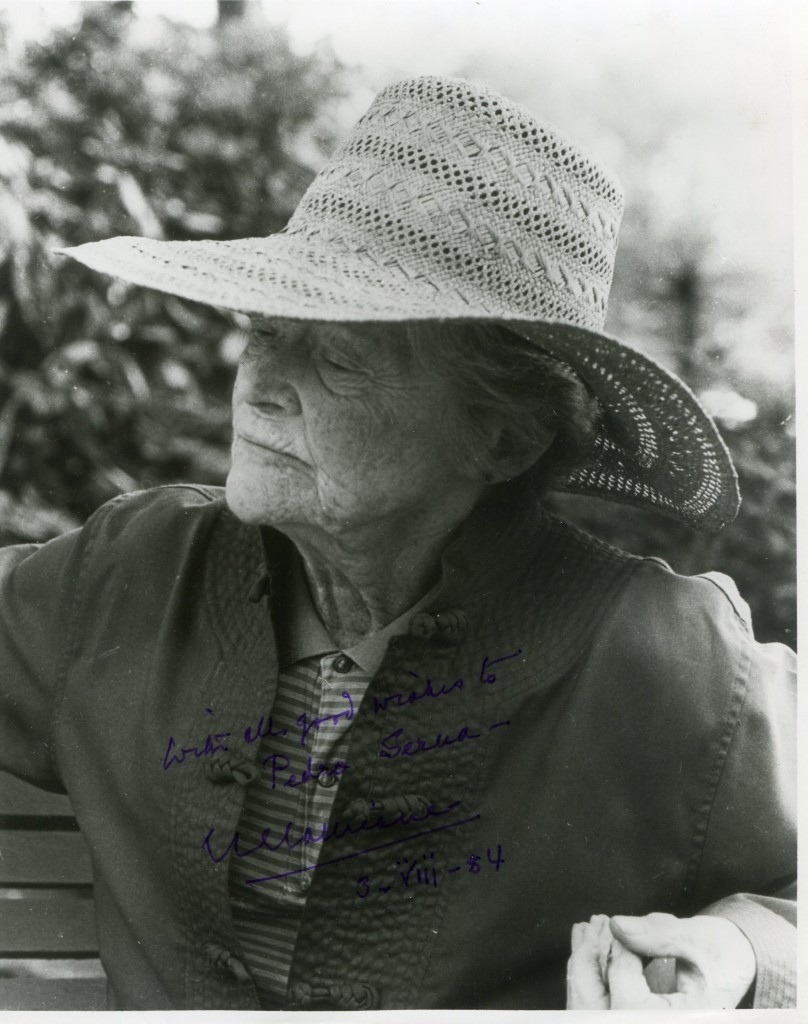
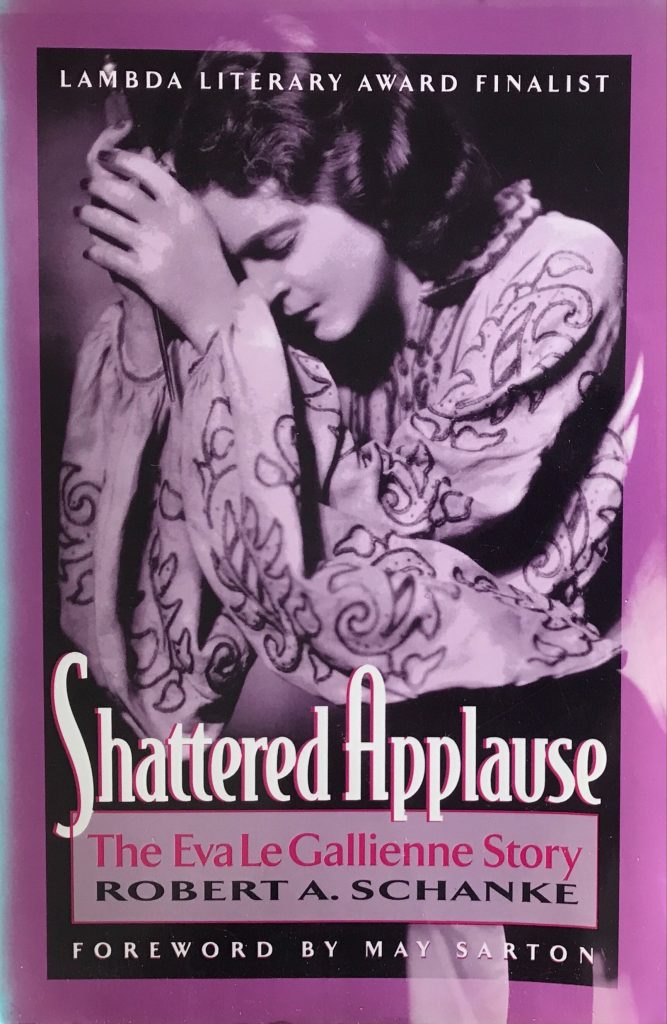
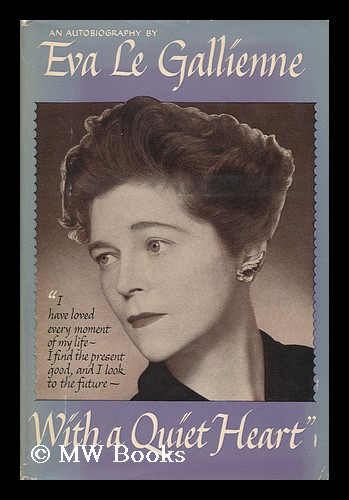
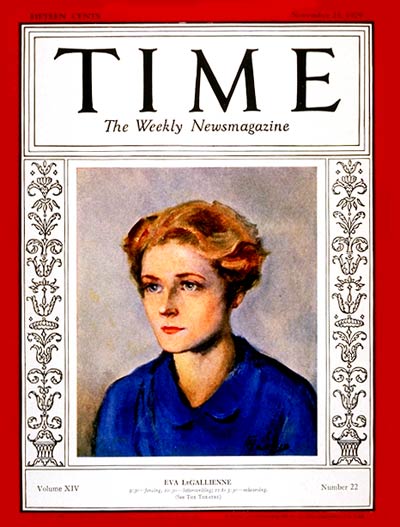
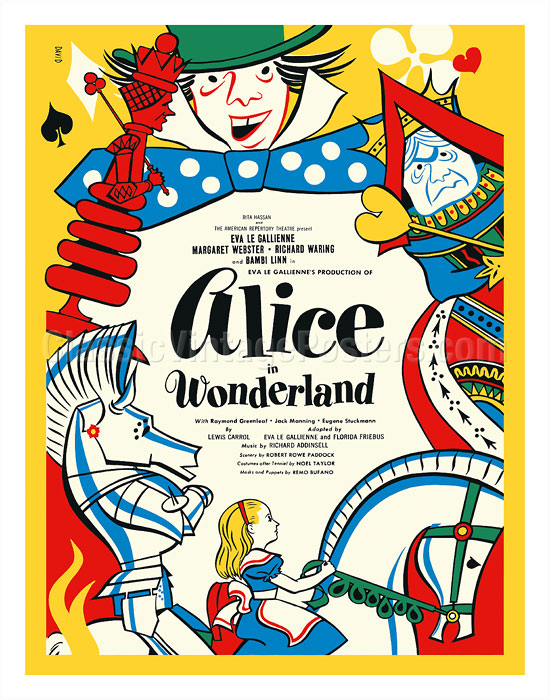
Eva La Gallienne was born in London in 1899. Her father was the British poet Robert La Gallienne and her mother was a Danish journalist. She made her stage debut at the age of 15 on the London stage in “Monna Vanna”. In 1915 she went to New York and virtually all of her acting career was in the U.S. In 1921 she had a stunning success in Ferenc Molnar’s “Liliom”. She had many trumphs on Broadway and on the stage in the U.S. over the years. Her film appearances are few but choice. Of particular interest are “Prince of Players” with Richard Burton in 1955 and in 1980, “Resurrection” with Ellen Burstyn and Sam Sheperd. She guest starred on “St Elsewhere” with Brenda Vaccaro in 1984. Eva la Gallienne died in 1991 at the age of 92.
TCM Overview:
This legendary stage star won renown for her performances on Broadway, in productions by the repertory theater she founded, including “Liliom” (1921) and “The Swan” (1923). In the 1930s, she played the lead in “Peter Pan,” the White Queen in “Alice in Wonderland,” Juliet in “Romeo and Juliet,” and the lead in a summer production of “Hamlet” (1937) which she also staged.
In 1926, Le Gallienne founded a national repertory theater, the Civic Repertory Theater in New York, similar to England’s Old Vic, which presented the classics at popular prices ($1.50 top ticket price). She not only starred in the majority of productions, until the company folded in 1933 as a consequence of the Depression, but she also staged, translated and produced most of the plays. Le Gallienne then lectured at colleges and toured the country, returning to Broadway in “Uncle Harry” and “The Cherry Orchard.” In 1946, she organized the short-lived American Repertory Theater with Margaret Webster and Cheryl Crawford. Later stage triumphs included “Mary Stuart” in which she toured from 1957 to 1962 and “The Royal Family” (1976). Le Gallienne reprised her role (the matriarch of a theatrical family modeled on the Barrymores) in an acclaimed television production which earned her an Emmy. She also produced and starred in an acclaimed TV version of “The Bridge of San Luis Rey” (1958). Le Gallienne appeared in a handful of films, perhaps most memorably as Ellen Burstyn’s grandmother in “Resurrection” (1980), for which she received an Oscar nomination as Best Supporting Actress.
The above TCM Overview can also be accessed online here.
Gary Brumburgh’s entry:
Legendary stage actress Eva Le Gallienne’s life began just as grandly as the daughter of poet Richard Le Gallienne. Sarah Bernhardt was her idol growing up and, at age 18, was brought to New York by her mother. Making her London debut with “Monna Vanna” in 1914, she proved a star in every sense of the word. She appeared on Broadway first in “Liliom” in 1921 and lastly at the Biltmore Theatre in 1981 with “To Grandmother’s House We Go,” which won her a Tony nomination at age 82. Noted for her extreme boldness and idealism, she became a director and muse for theatre’s top playwrights, a foremost translator of Henrik Ibsen, and a founder of the civic repertory movement in America. A respected stage coach, director, producer and manager over her six decades, Ms. Le Gallienne consciously devoted herself to the Art of the Theatre as opposed to the Show Business of Broadway and dedicated herself to upgrading the quality of the stage. She ran the Civic Repertory Theatre Company for 10 years (1926-1936), producing 37 plays during that time. She managed Broadway’s 1100-seat Civic Repertory Theatre (more popularly known as The 14th Street Theatre) at 107 14th Street from 1926-32, which was home to her company whose actors included herself, J. Edward Bromberg, Paul Leyssac,Florida Friebus, and Leona Roberts. Her gallery of theatre portrayals would include everything from Peter Pan to Hamlet. Sadly, she almost completely avoided film and TV during her lengthy career. However, toward the end of her life, she did appear in a marvelous 1977 stage version of “The Royal Family” on TV and rendered a quietly touching performance as Ellen Burstyn‘s grandmother in Resurrection (1980), for which she received an Oscar nomination.
– IMDb Mini Biography By: Gary Brumburgh / gr-home@pacbell.net
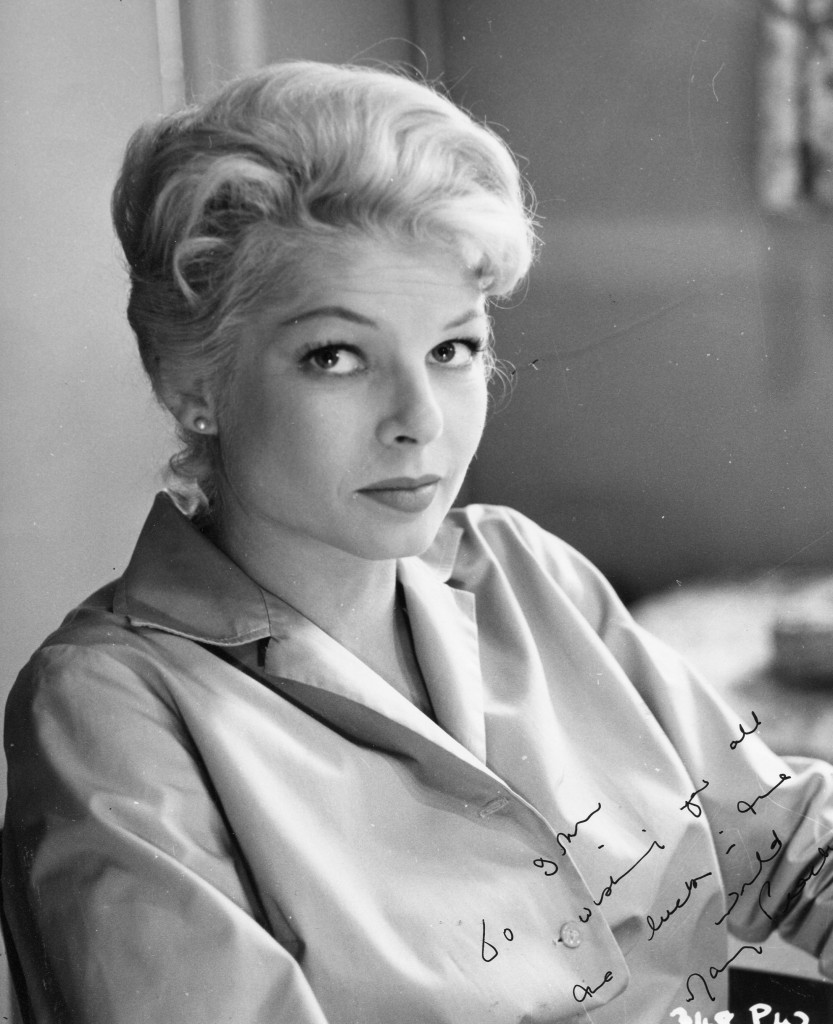
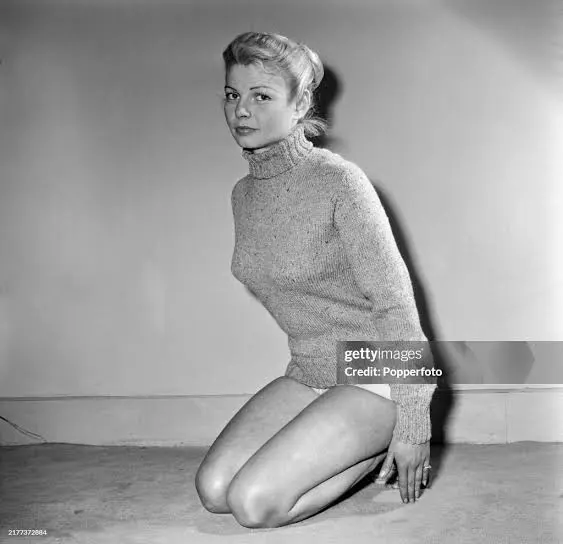
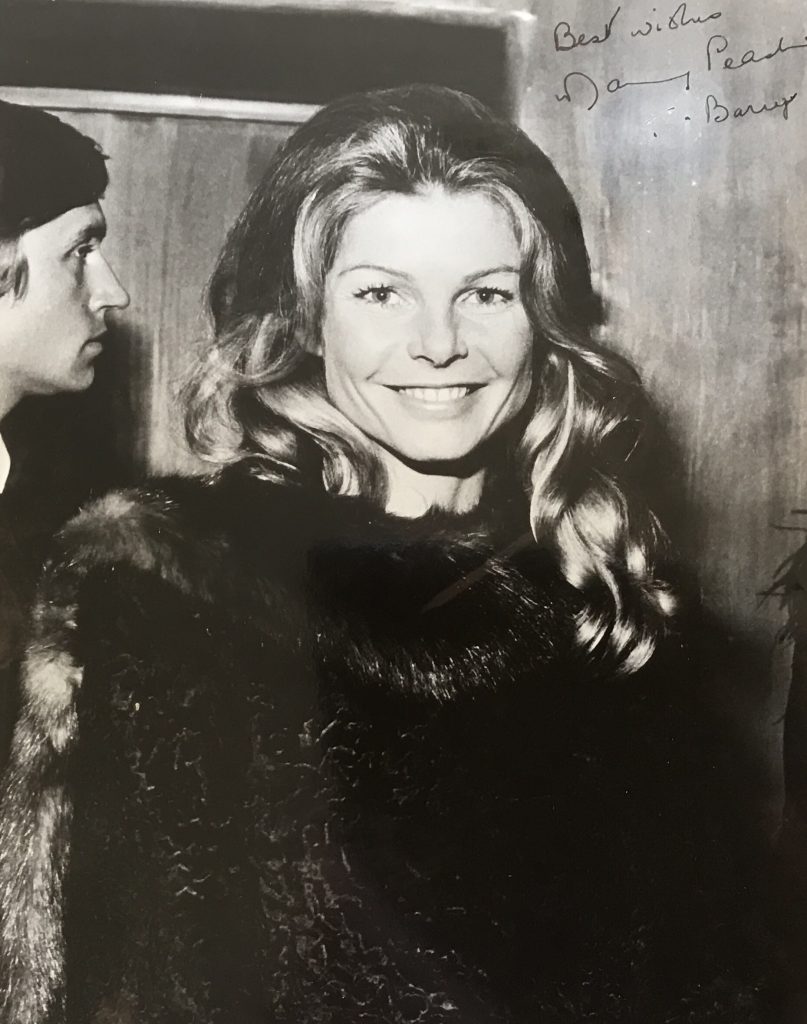
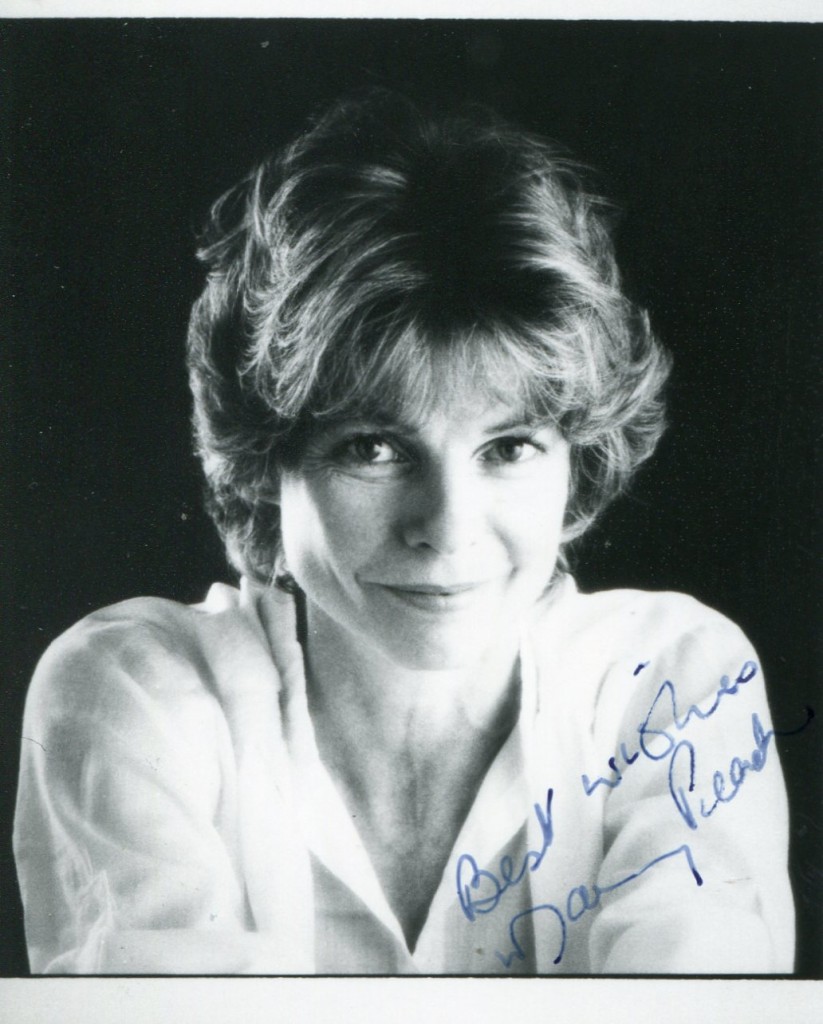
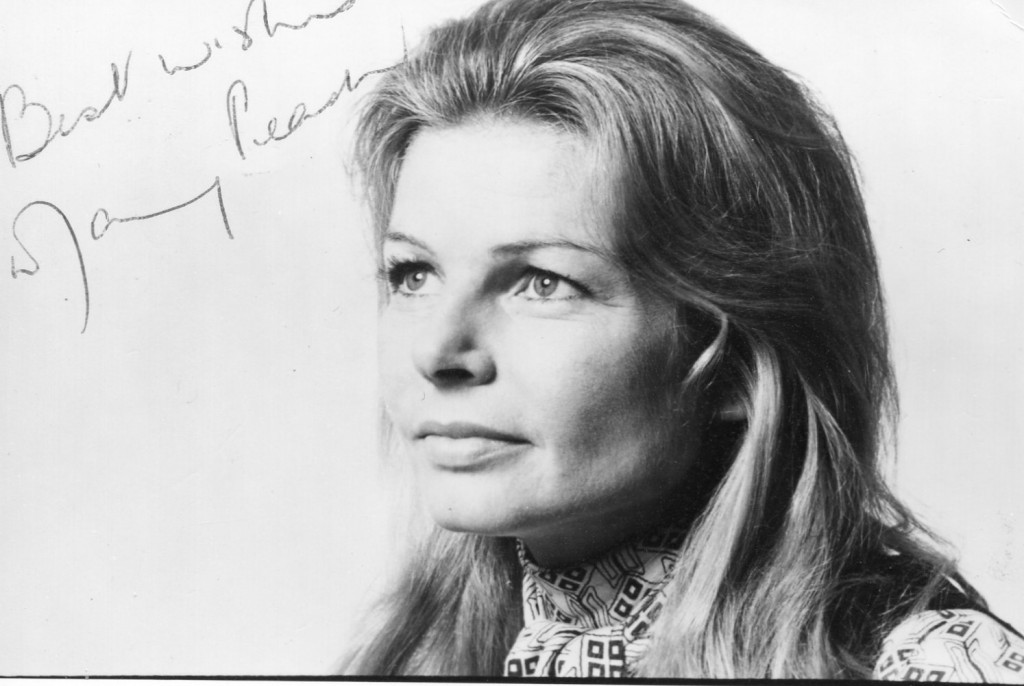
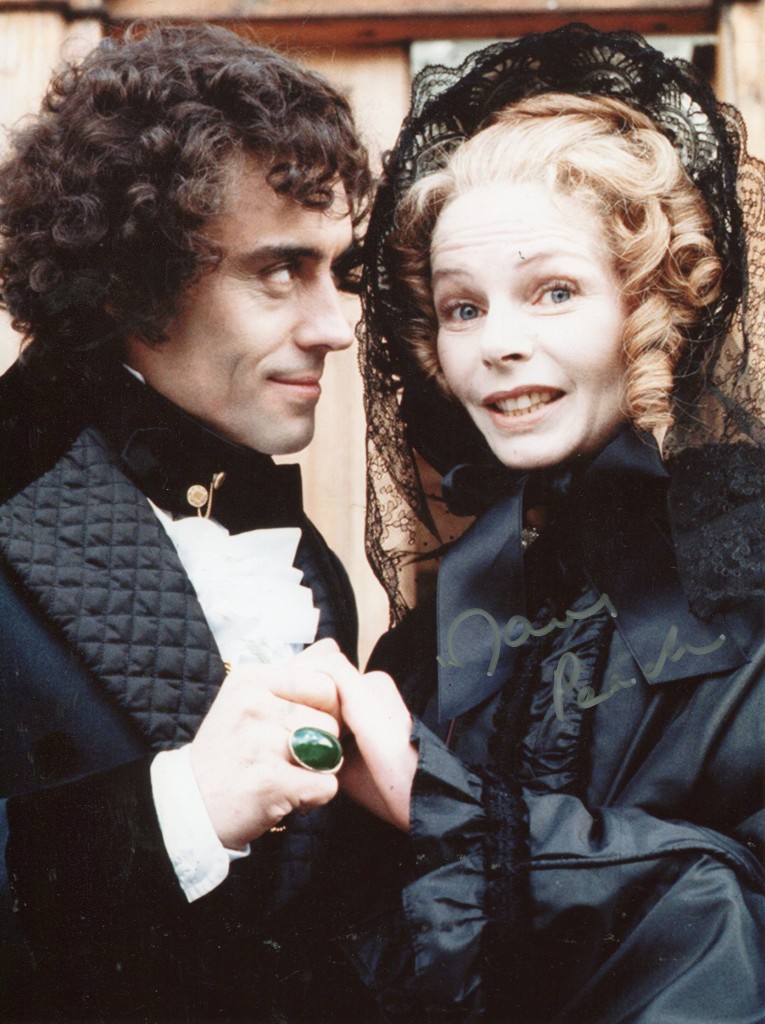
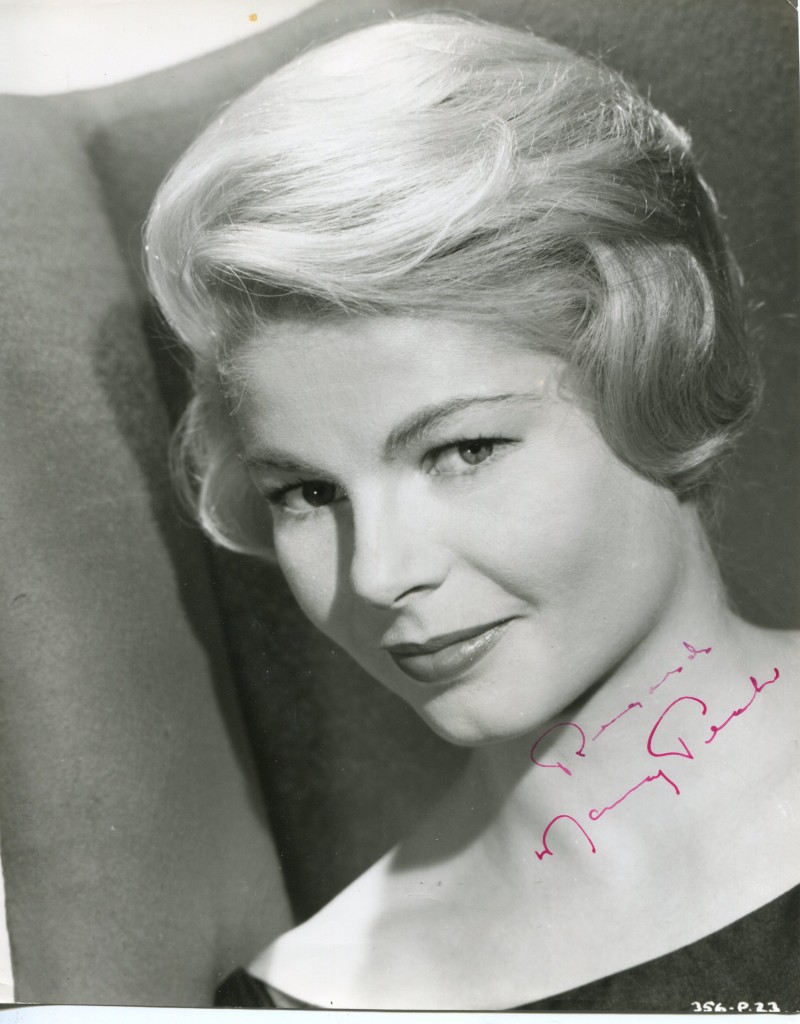
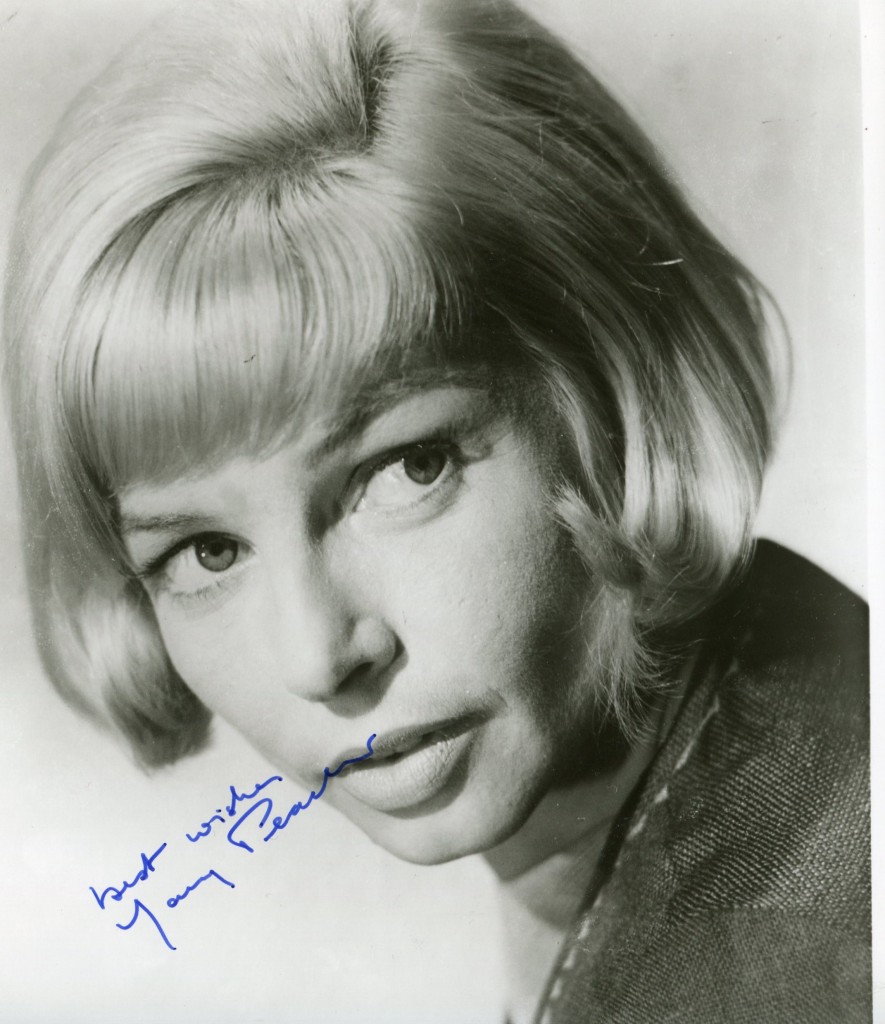
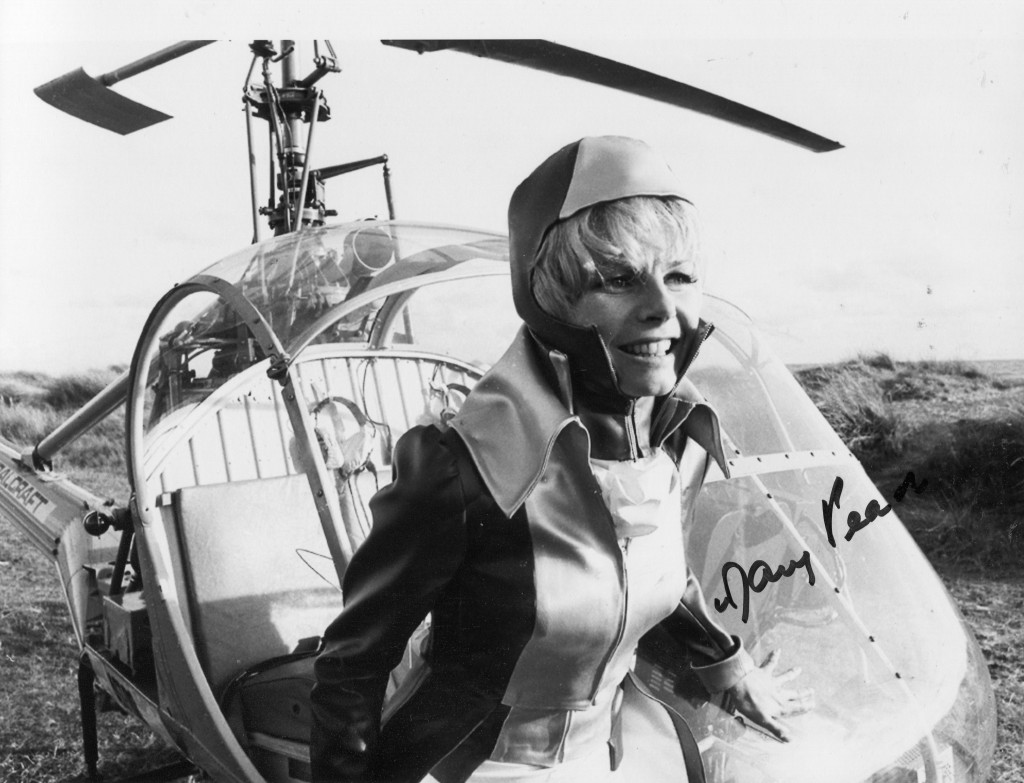
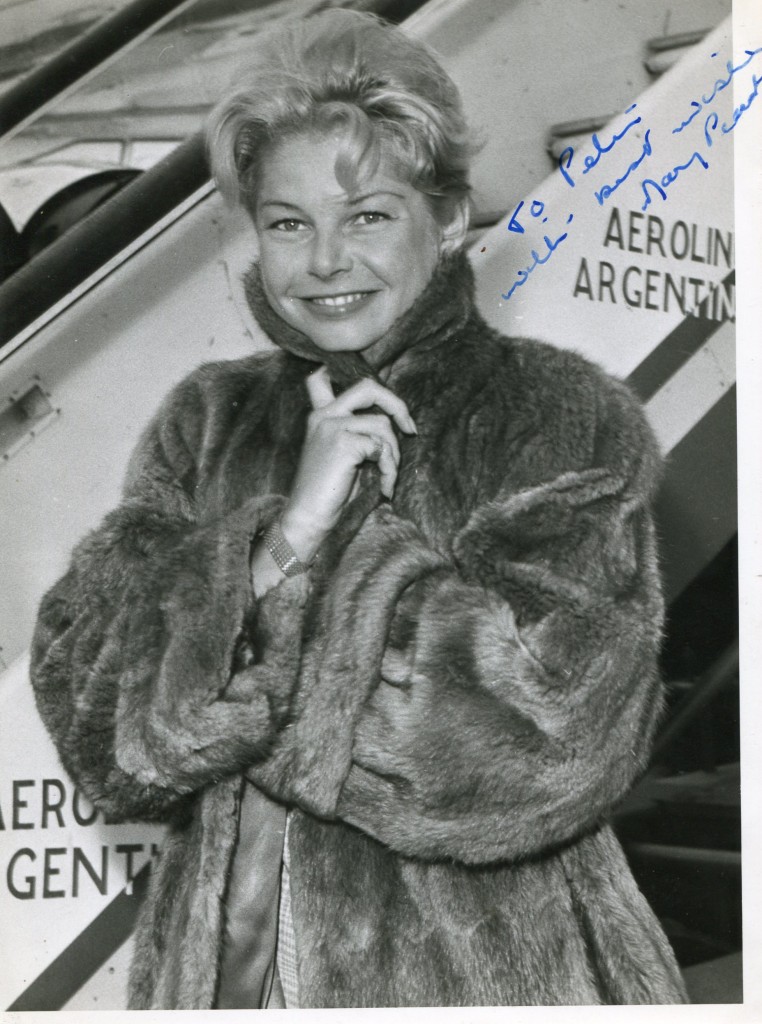
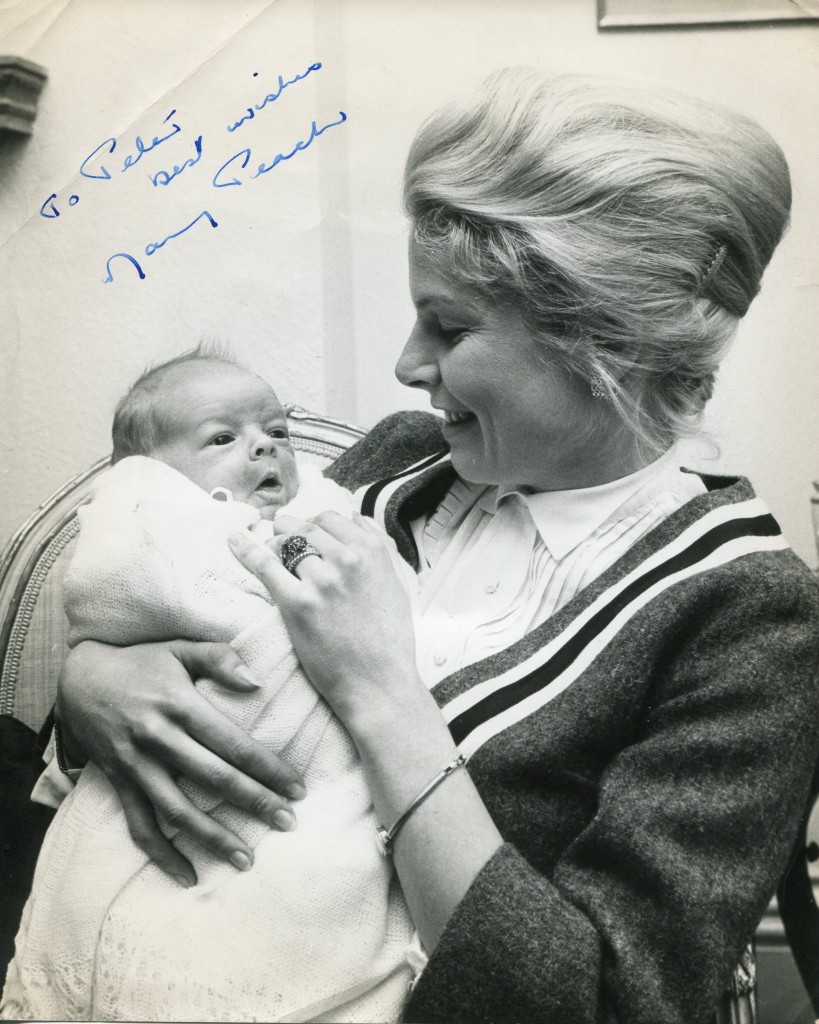
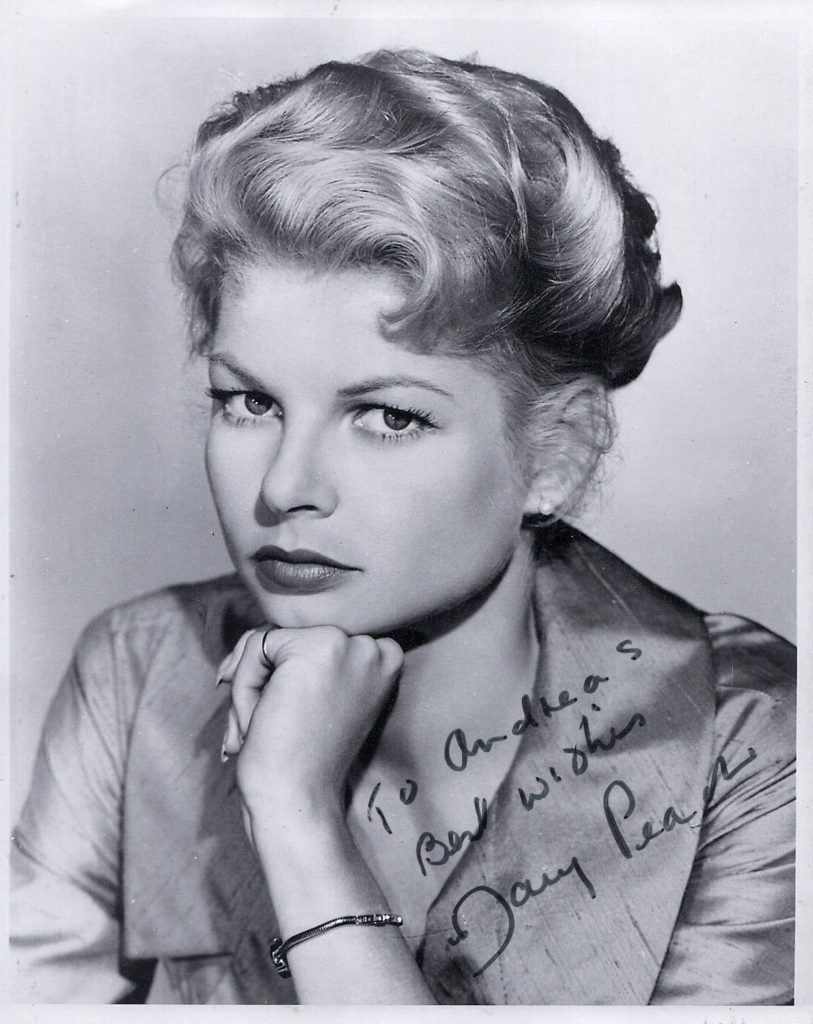
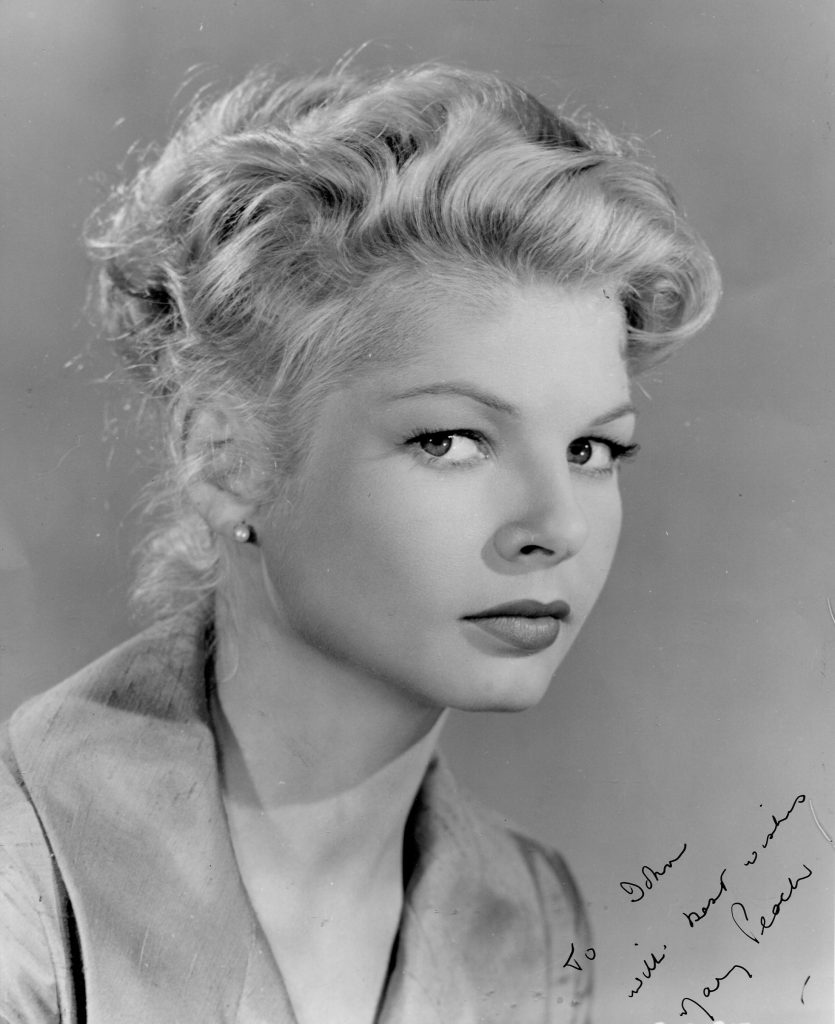
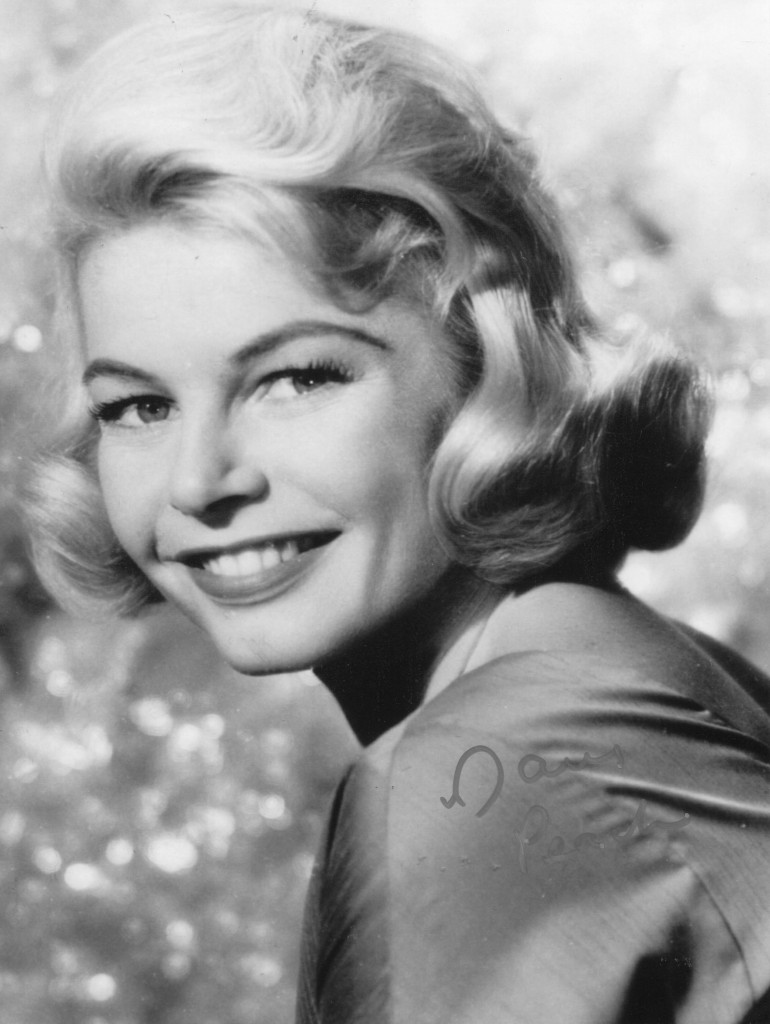
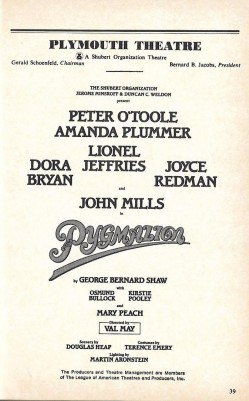
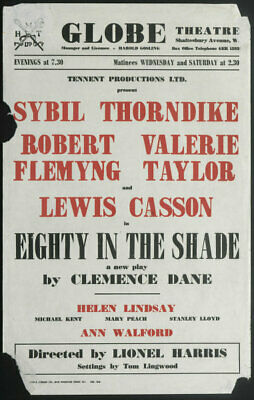
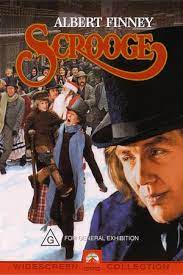
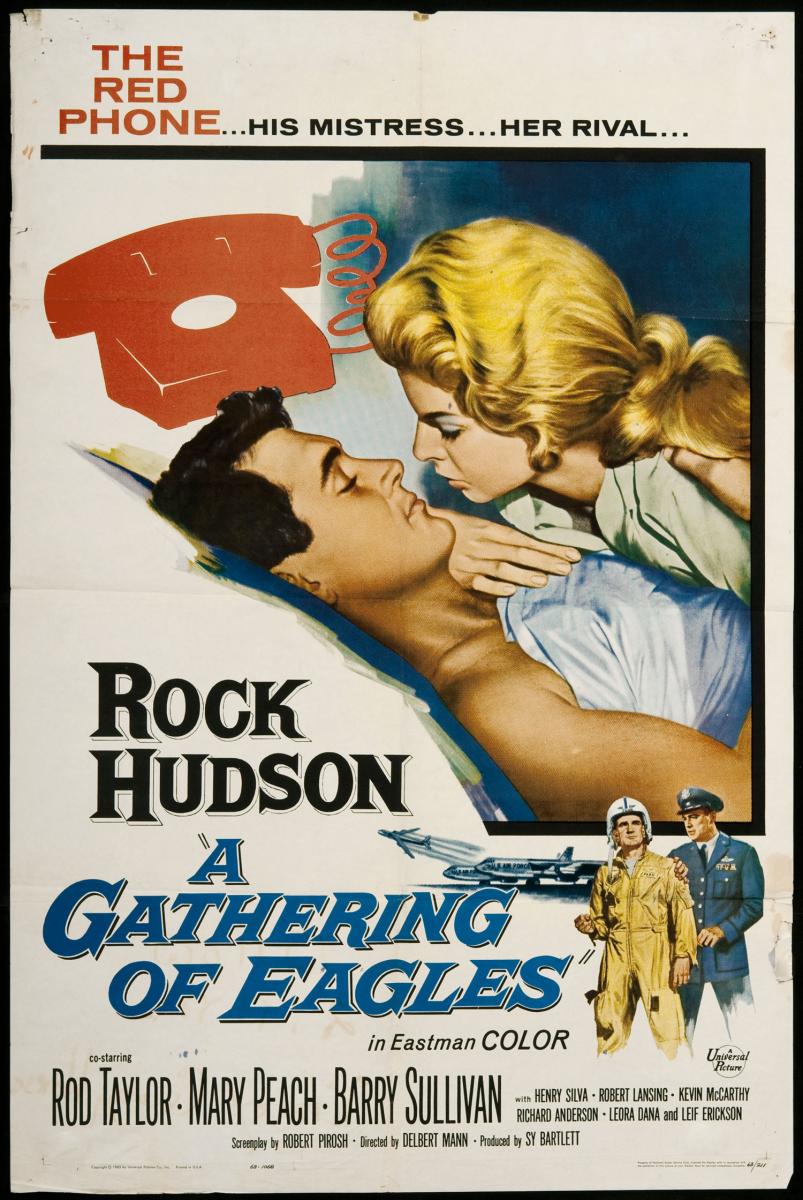
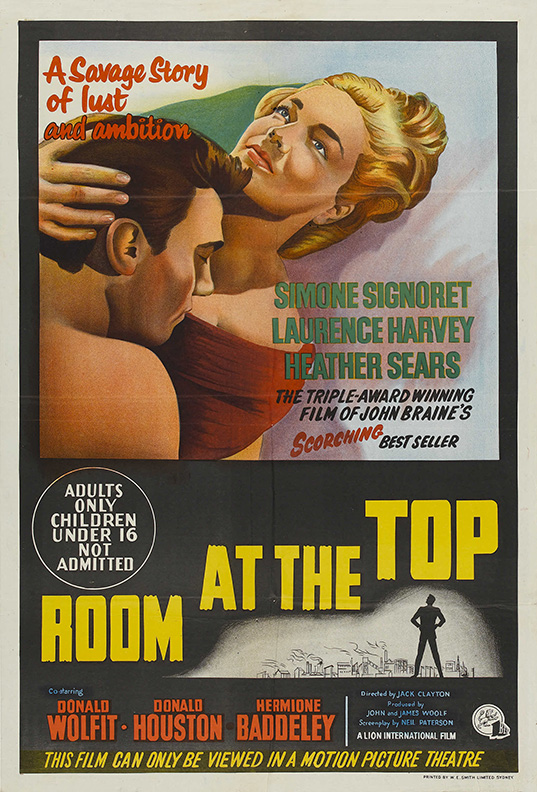
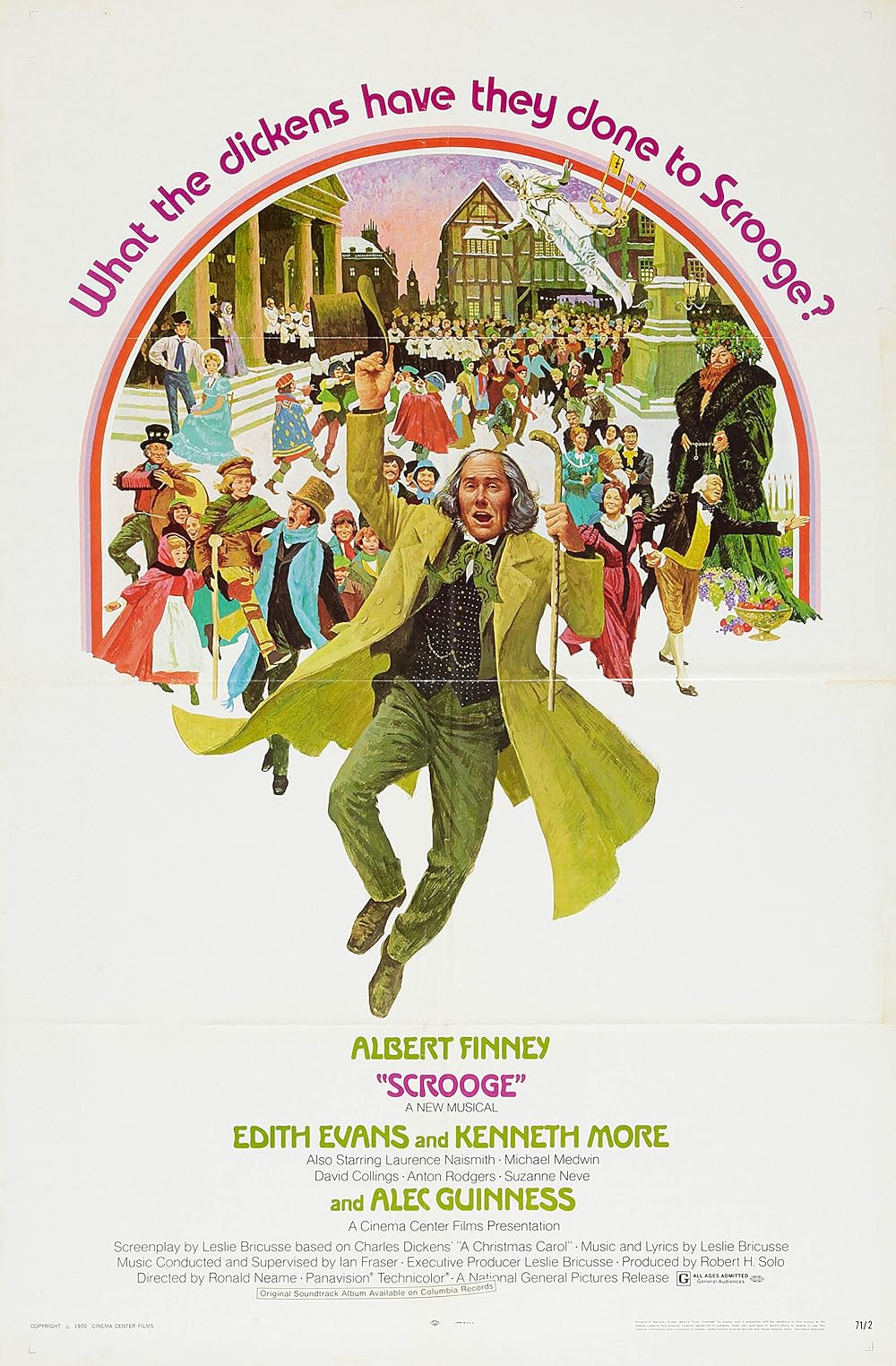
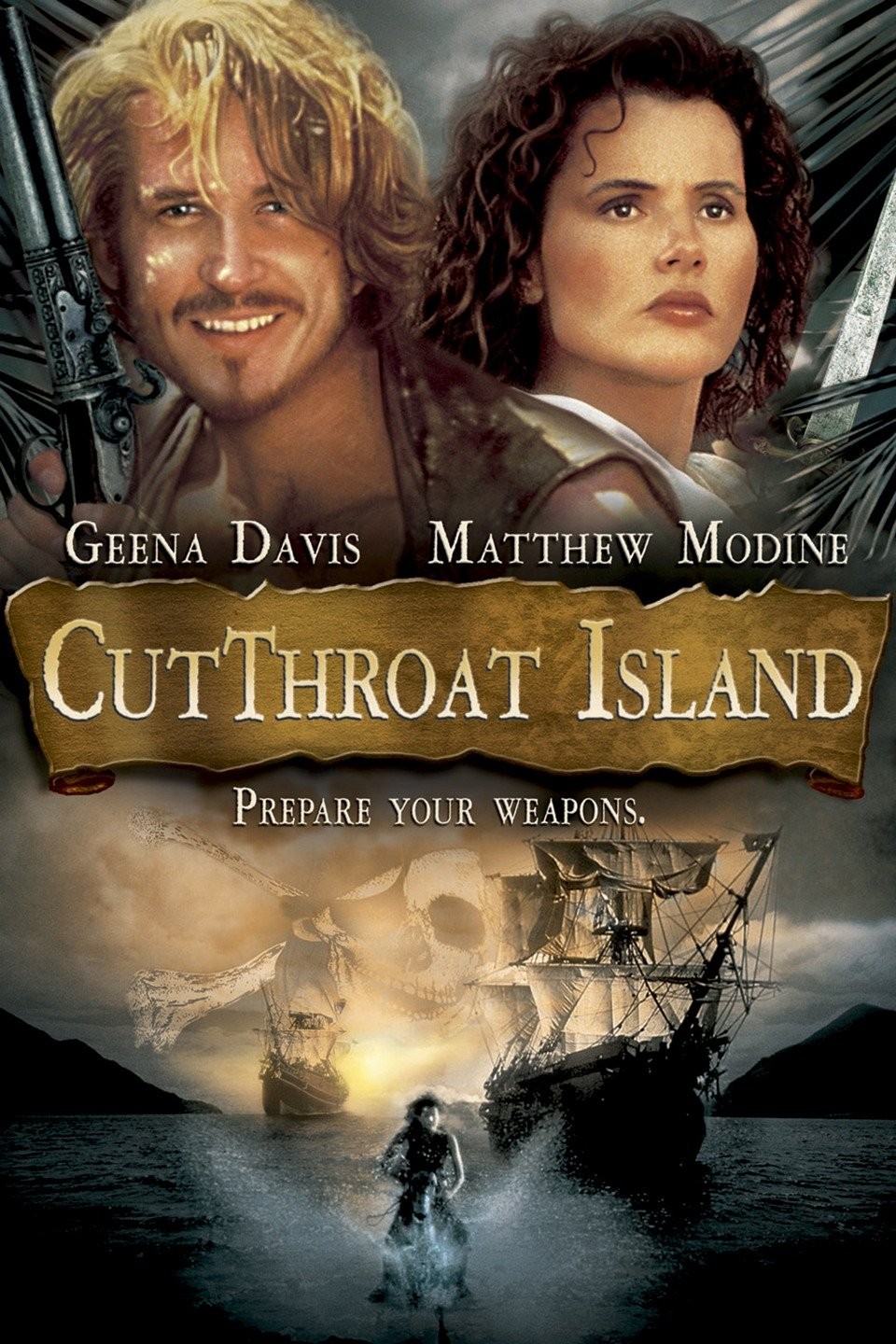
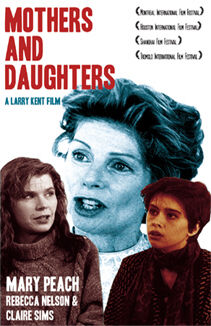
Mary Peach is a South African-born British film and television actress who was born on October 20, 1934, in Durban, South Africa. She is known for her roles in films such as Cutthroat Island (1995), Scrooge (1970), and The Projected Man (1966). She has also appeared in numerous British films and television series over the years, including A Gathering of Eagles (1963) which was made in Hollywood opposite Rock Hudson and Rod Taylor and the BBC adaptation of The Three Musketeers (1966). Peach was married to film producer Thomas Clyde from 1961 until their divorce, and they had two children together. She later married screenwriter and director Jimmy Sangster in 1995, and remained married to him until his death in 2011. Peach was also considered for the role of Steed’s new assistant in The Avengers (1961) after Diana Rigg left the show
Sadly Mary Peach passed away in January 2025 at the age of 90.
Career overview
Mary Peach (b. 1934, Durban, South Africa) is a South African‑born British film and television actress whose career (1957–1995) traced a distinctive arc from new‑wave breakthrough to reliable small‑screen versatility. Intelligent, attractive, and instinctively poised, she moved easily between romantic leads in British cinema and authoritative character work on television, her combination of warmth and composure making her a representative—and sometimes underestimated—face of post‑war British screen acting.
Early life and emergence
Born to South African parents and raised in Durban, Peach moved to Britain in the 1950s to study acting. Her early stage work in repertory led quickly to television appearances on Armchair Theatreand ITV Playhouse ( ). In 1959 she was cast in Room at the Top, the groundbreaking “kitchen‑sink” drama that helped launch the British New Wave. Her small but memorable role as June Samson earned her a BAFTA nomination for Most Promising Newcomer . That debut positioned her among a cohort of young performers—like Heather Sears and Rita Tushingham—expanding the emotional vocabulary of British social realism.
Film work and transatlantic recognition (1959–1966)
Following her debut Peach alternated between comedies and prestige dramas that showcased her natural modernity:
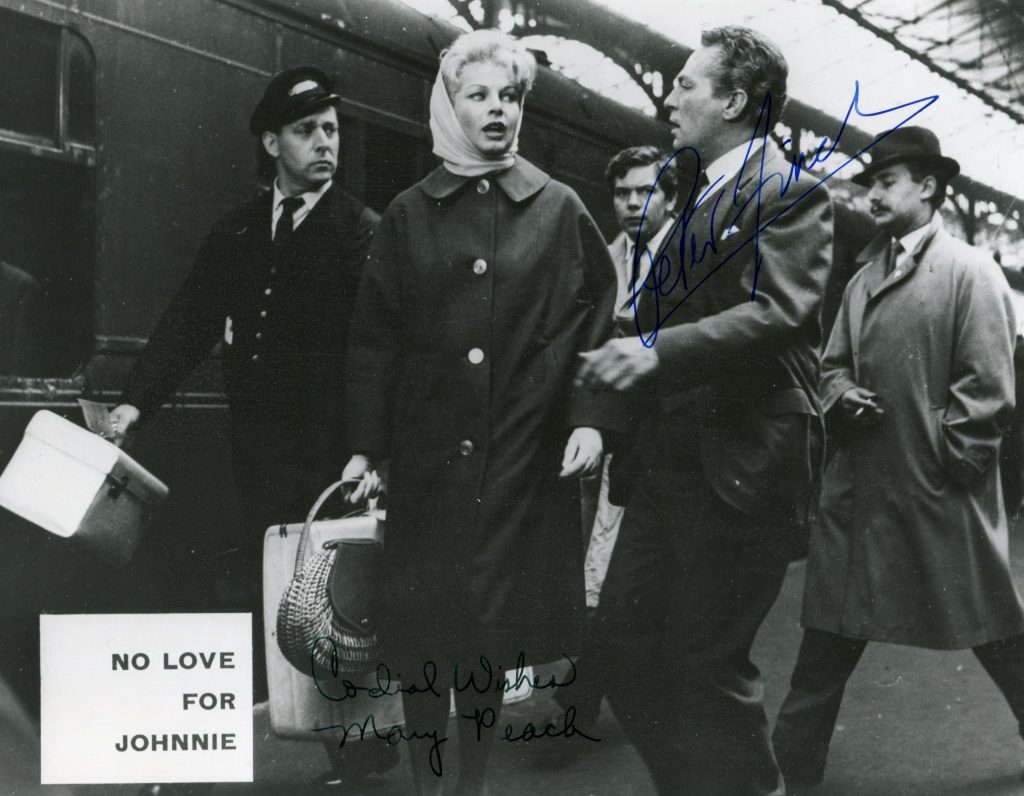
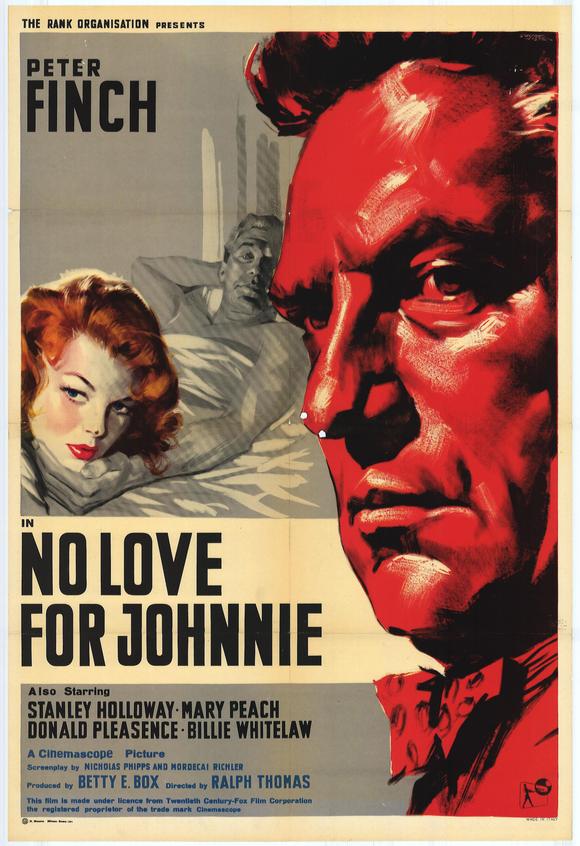
No Love for Johnnie (1961) – opposite Peter Finch; she gave the political melodrama its emotional ballast, playing a self‑possessed woman disillusioned by cynicism in public life.
A Pair of Briefs (1962) – a courtroom comedy in which her mix of irony and poise made her one of British cinema’s more credible “career women” of the early 1960s.
A Gathering of Eagles (1963, Universal) – her Hollywood debut beside Rock Hudson as the wife of an American Air Force officer; U.S. critics cited her for “quiet authority bridging English delicacy and American directness” .
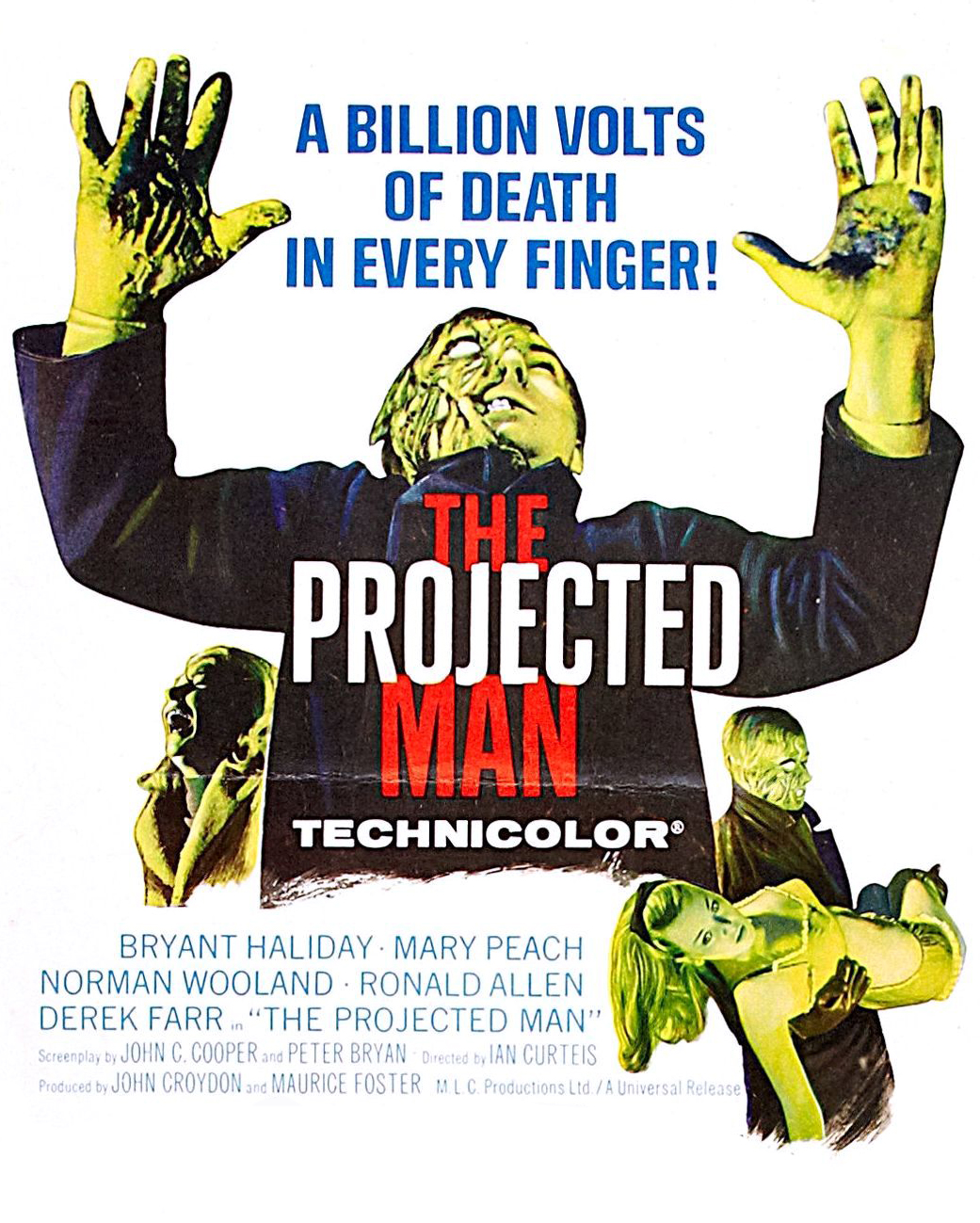
The Projected Man (1966) – a science‑fiction film now best known among cult audiences (and even featured on Mystery Science Theater 3000). Peach’s intelligent calm amid pulp material typified her professionalism in uneven projects.
Though never promoted as a glamour star, she struck a balance between the accessible “girl next door” and the articulate modern woman—qualities that made her one of the period’s most adaptable leading ladies.
Television prominence (1960s–1980s)
By the late 1960s Peach became a fixture of British television drama at precisely the time TV was overtaking film as the medium of quality writing in Britain. Key appearances include:
Astrid Ferrier in Doctor Who: The Enemy of the World (1967), notable for her resourceful, courageous characterization of a female companion figure during an era when women were rarely written with such agency .
The BBC’s The Three Musketeers (1966), as Milady de Winter—a role that played to her elegance and latent irony.
The Saint episode “The Gadget Lovers” (1967), in which she held her own as Russian spy Colonel Tanya Smolenko opposite Roger Moore’s urbane hero.
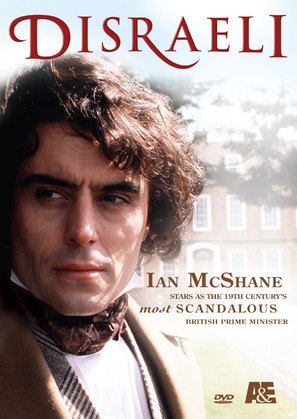
1970s and 1980s miniseries such as Disraeli (1978), Fox (1980), The Far Pavilions (1984), and A.D. Anno Domini (1985), where she matured into composed matriarchal and aristocratic figures.
Television suited her disciplined craft and clarity of speech. She became one of those actors who lent prestige and steadiness to episodic drama without distracting star mannerisms.
Later career and personal life
Peach appeared sporadically in film thereafter—small parts in Scrooge (1970) and Cutthroat Island (1995) bookend her screen career—but remained a valued television presence through the mid‑1990s ( ). Off‑screen, she married film producer Thomas Clyde (1961–div.), with whom she had two children, and later married screenwriter‑director Jimmy Sangster, best known for his work with Hammer Films, a partnership that lasted until his death in 2011 .
Acting style and screen persona
Composure and intelligence: Peach’s hallmark was emotional control that hinted at complexity beneath the surface. Even in minor roles she projected thought and decisiveness.
Modern naturalism: Emerging from the New Wave, she rejected melodramatic affectation; her performances look contemporary even beside today’s understated styles.
Versatility: Equally at ease in glossy Hollywood assignments and BBC realism, she bridged two acting traditions—American immediacy and British restraint.
Voice and diction: Her clear, musical delivery made her ideal for period and literary adaptations.
Critical evaluation
Strengths - Consistency and intelligence: rarely miscast, always credible. - An ability to suggest interior conflict without overt drama. - A remarkably smooth transition from ingénue to mature authority on television.
Limitations - Lack of a single defining star vehicle limited public recognition. - Her professionalism and poise sometimes read as emotional reserve, making it harder to command publicity in an era favoring showier personalities.
Nevertheless, critics and colleagues acknowledged her as an actor who raised the level of any ensemble she joined—a “working actress” in the best sense.
Legacy
Mary Peach’s career reflects the evolution of British screen acting from the late‑1950s social realism to the character‑driven television drama of the 1970s and ’80s. She occupies an important transitional place: part of the generation that replaced the old studio glamour with middle‑class candor, yet retained classical polish. Her work demonstrates how intelligence, restraint, and emotional truth produce longevity even without star hype.
In retrospection, Peach stands as a subtle craftsman of modern performance—a capable leading lady who aged into a reliable character actress, maintaining credibility and grace for nearly four decades.