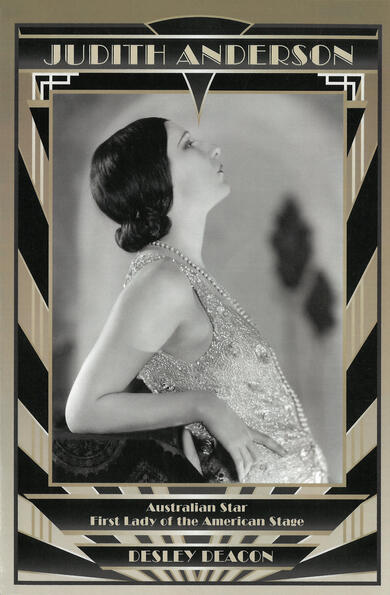

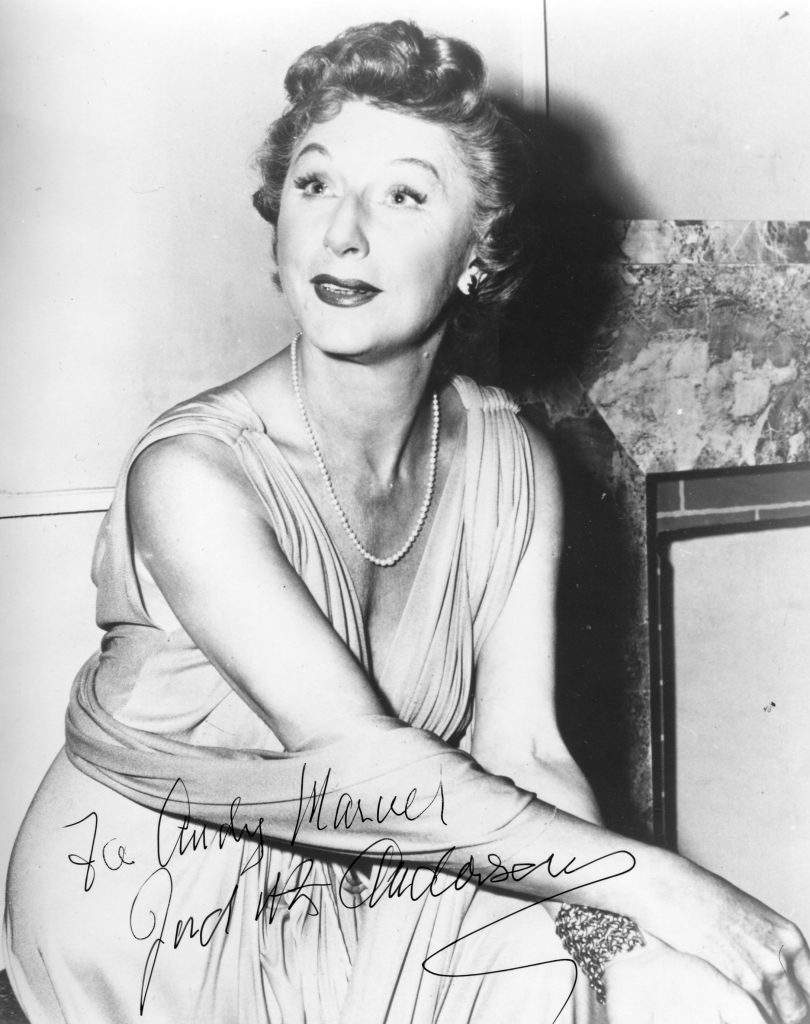
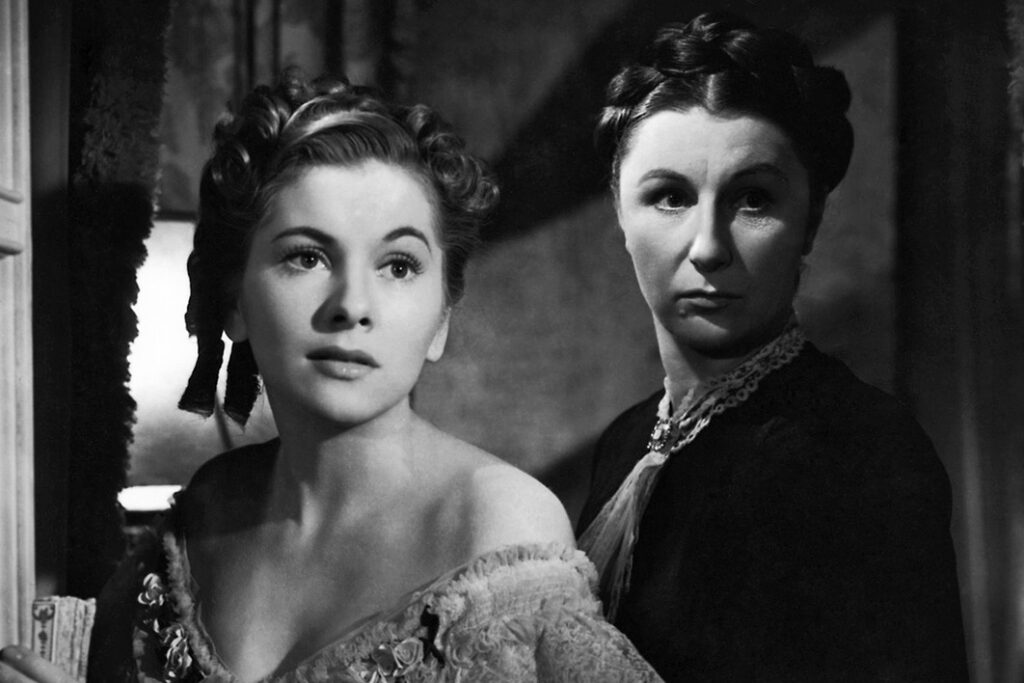
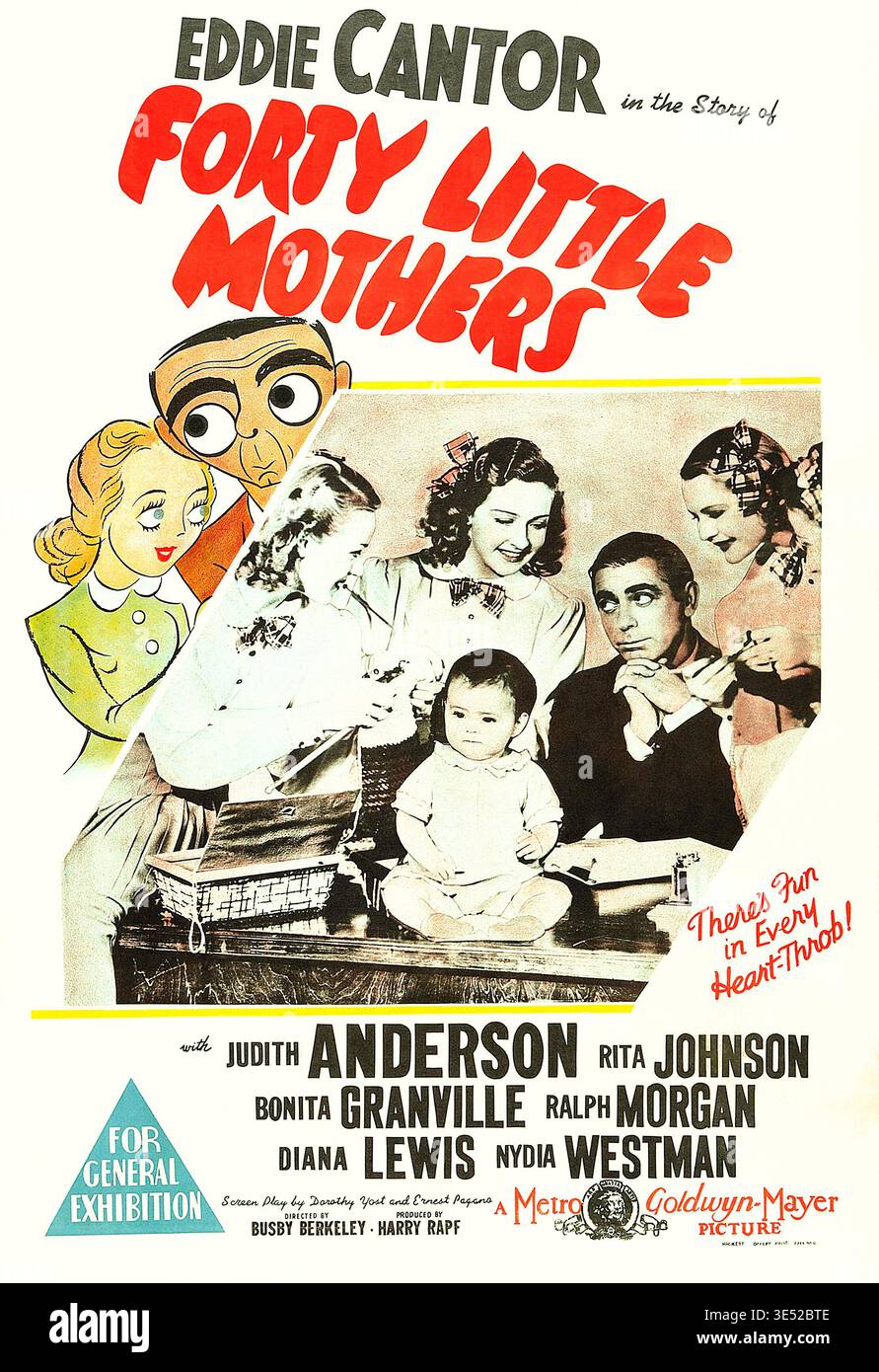
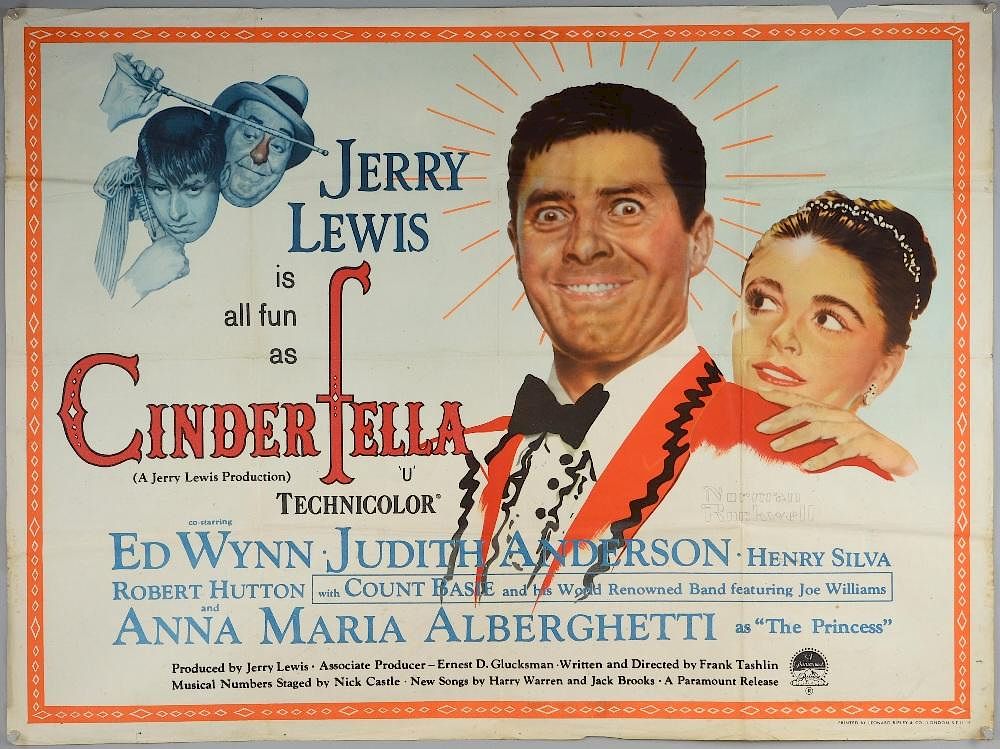
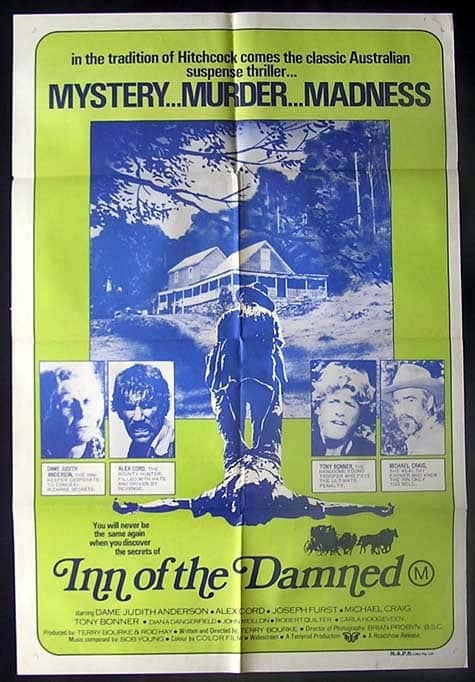
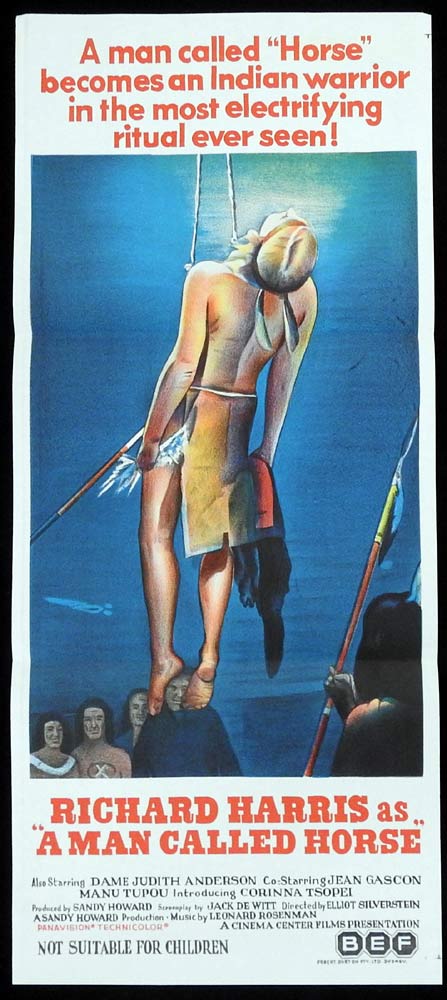
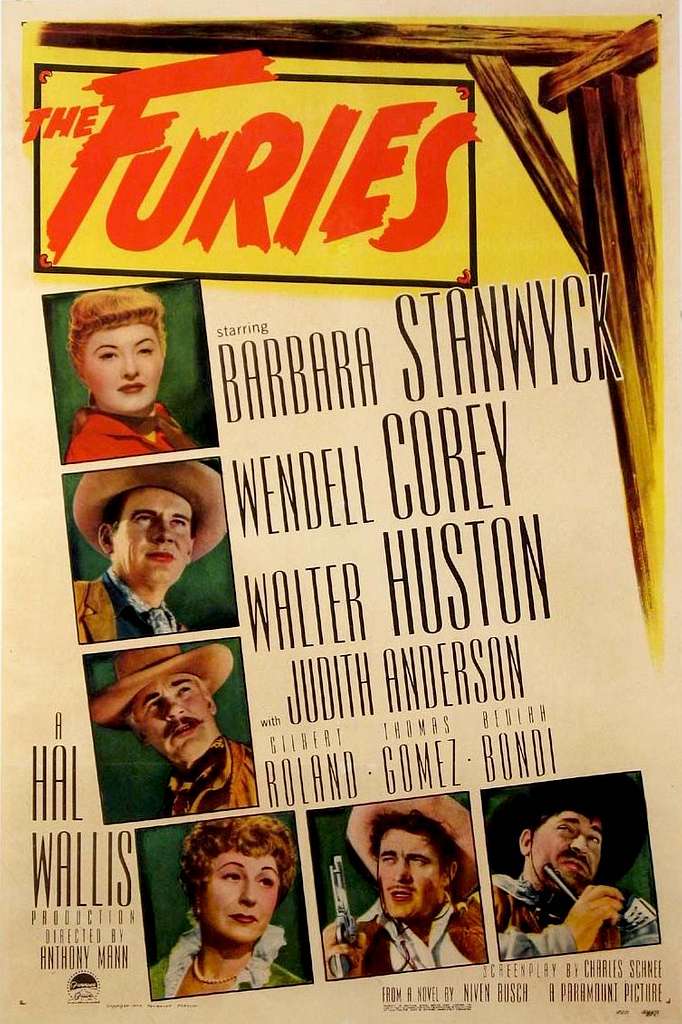
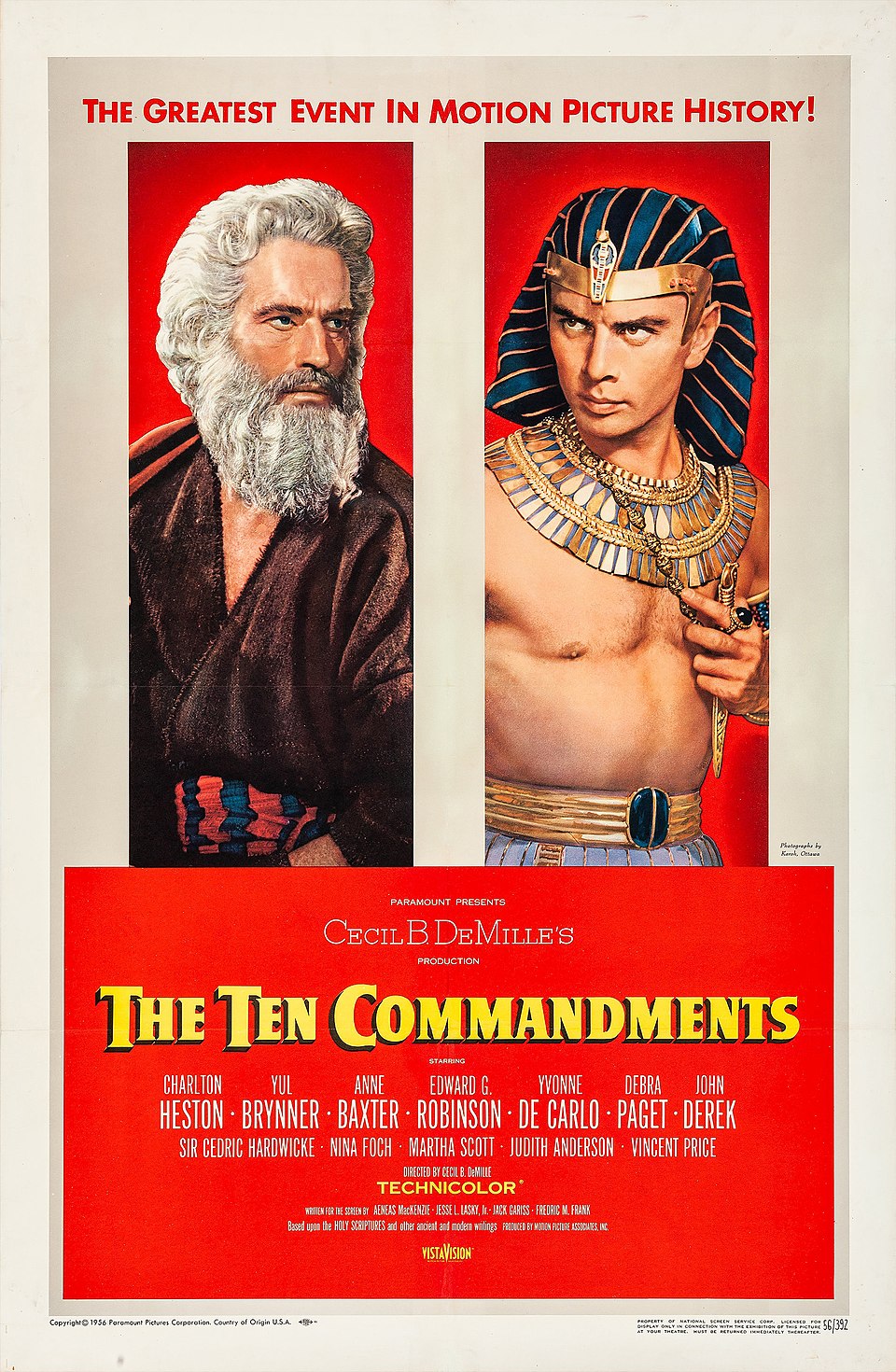
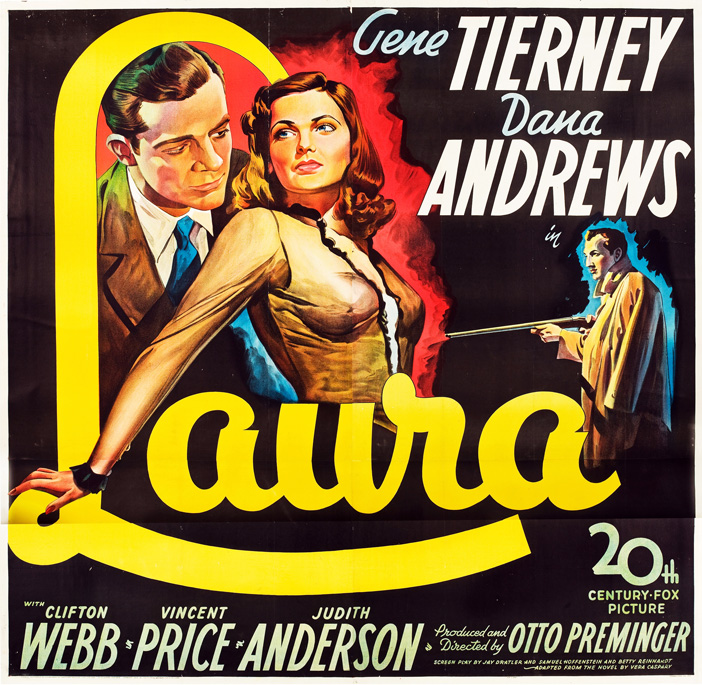
Judith Anderson was a commanding stage actress who acted on film on occasion. She was born in 1898 in Adelaide, South Australia. She made her stage debut at 15. She made her Broadway debut in 1922 in “On the Stairs”. Her best known work on celluloid is as Mrs Danvers, the housekeeper of Manderly in Alfred Hitchcock’s classic “Rebecca” in 1940. Other films included “The Furies”, “Laura” with Gene Tierney, “The Ten Commandments” in 1956, “Cinderfella” as the stepmother of Jerry Lewis and “A Man Called Horse” with Richard Harris. She died in Santa Barbbara at the age of 93 in 1992.
TCM Overview:
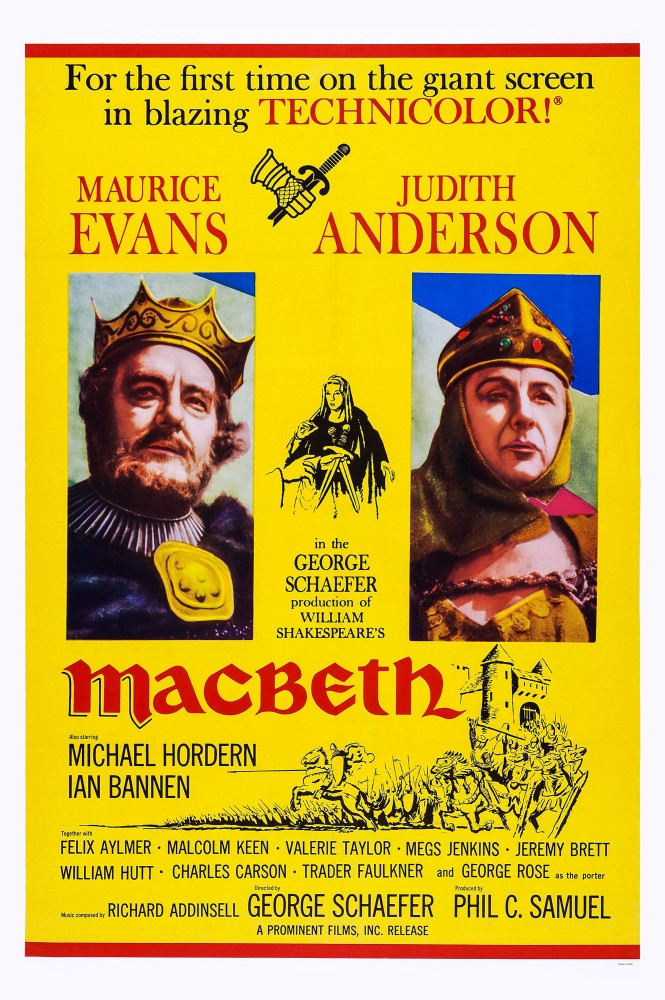
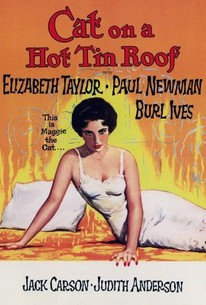
A leading Broadway star from the 1920s through the 50s, Judith Anderson was perhaps most famous for her savage, award-winning performance as “Medea” in 1947; as a formidable Lady Macbeth (opposite Laurence Olivier in London in 1937 and Maurice Evans on Broadway in 1941); and as an interpreter of the neurotic heroines of Eugene O’Neill (Nina in “Strange Interlude” in 1928 and Lavinia in “Mourning Becomes Electra” in 1932). Anderson made her film debut in 1933 and played the sinister housekeeper Mrs. Danvers in Hitchcock’s “Rebecca” seven years later. It was the first, and most memorable, in a series of malevolent character roles that exploited her severe features and commanding presence. Cast against type, Anderson made an effective Big Mama in Richard Brooks’ film adaptation of “Cat on a Hot Tin Roof” (1958). Late in her career she gained a new following as campy grande dame Minx Lockridge on the NBC TV soap opera, “Santa Barbara

Career Overview and Critical Analysis of Dame Judith Anderson
1. Early Life and Entry into the Theatre (1915–1920s)
Judith Anderson was born in Adelaide, Australia, and made her professional stage debut in Sydney in 1915. She moved to the United States in 1918, after an initial unsuccessful attempt to find work in California, and gradually built a reputation in New York theatre through stock companies and touring productions.
Her first major Broadway success came with the melodrama “Cobra” (1924), followed by roles in major dramatic works including Eugene O’Neill’s Strange Interlude (1928) and Mourning Becomes Electra (1932). These performances established her as a serious dramatic actress with an unusual emotional intensity.
Critical significance:
- Anderson belonged to the generation of early-20th-century stage actresses who bridged Victorian theatricality and modern psychological drama.
- Her training in elocution produced a distinctive voice—deep, controlled, and resonant—which critics often cited as central to her stage power.
This emphasis on vocal technique aligned her with the “classic” American acting tradition represented by figures such as Helen Hayes and Ethel Barrymore rather than later naturalistic performers.
2. The Classical Tragedienne: Shakespeare and Greek Drama
Shakespearean Roles
Anderson’s reputation was firmly established in the 1930s through major classical roles, notably:
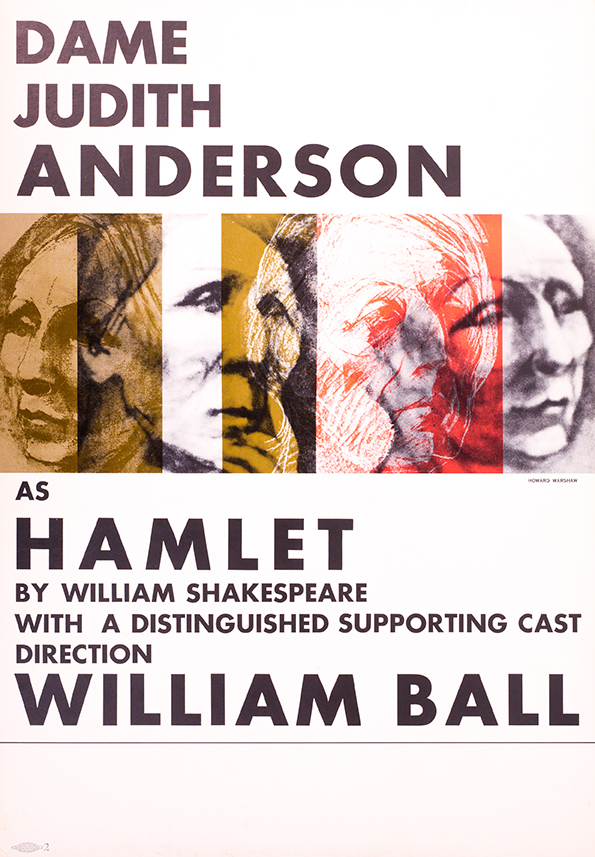
- Gertrude in Hamlet opposite John Gielgud (1936)
- Lady Macbeth in Macbeth (1937 London production and later Broadway)
Her Lady Macbeth became legendary and was later performed on television, earning her Emmy Awards.
Critical analysis
Anderson’s Shakespeare was characterized by:
- Vocal authority – Critics often noted that her articulation and rhythm gave Shakespeare’s verse a musical quality.
- Psychological ferocity – Rather than portraying Lady Macbeth as merely manipulative, Anderson emphasized the character’s elemental ambition and emotional violence.
- Physical stillness – Unlike many stage performers of the period, Anderson frequently conveyed menace through minimal movement and intense vocal delivery.
This style created performances that critics described as “terrifying” or “overpowering”, demonstrating a tragic scale uncommon in mid-century theatre.
Medea: The Defining Role
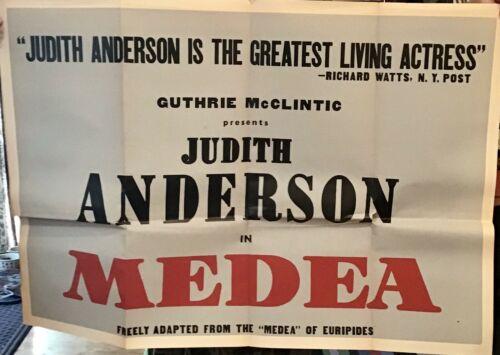
Her greatest triumph came in 1947 when she starred in an adaptation of Euripides’ tragedy written by poet Robinson Jeffers.
The role of Medea ran for over 200 performances on Broadway and won Anderson the Tony Award for Best Actress.
Critics described her performance as:
- “dark, dangerous, cruel, raging, ruthless.”
Anderson herself interpreted the character as a “barbarian… purely animal” figure whose emotions contrast with Greek civilization.
Critical significance
Her Medea is widely regarded as one of the most powerful performances in modern American theatre because:
- Mythic scale: Anderson approached the role with operatic intensity rather than psychological realism.
- Voice as instrument: Her delivery created an incantatory effect, making the performance almost ritualistic.
- Interpretive boldness: She emphasized Medea’s primal instincts rather than victimhood, foregrounding the character’s destructive autonomy.
The performance helped revive interest in Greek tragedy on the American stage and demonstrated that classical drama could succeed commercially in modern theatre.
3. Film Career: The Archetype of the Sinister Woman
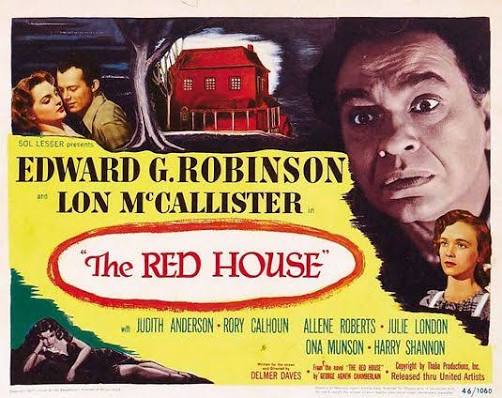
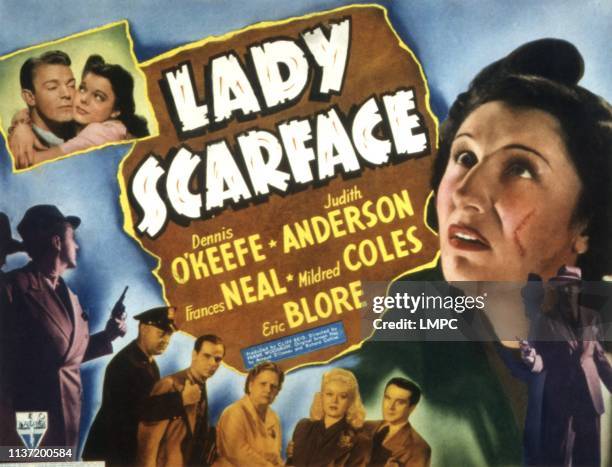
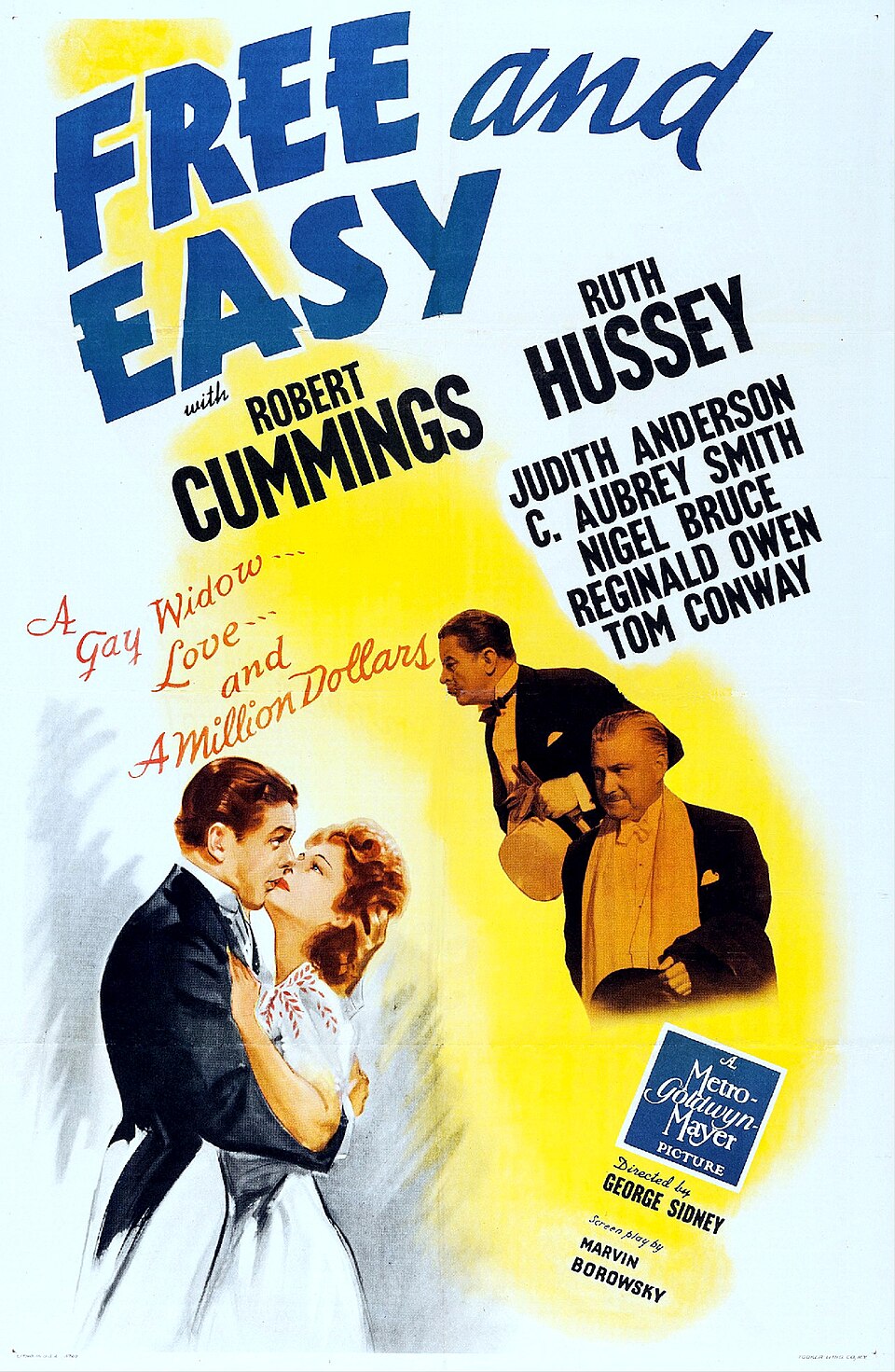
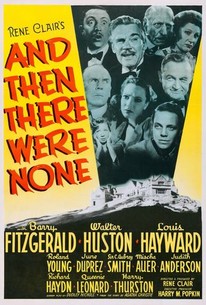
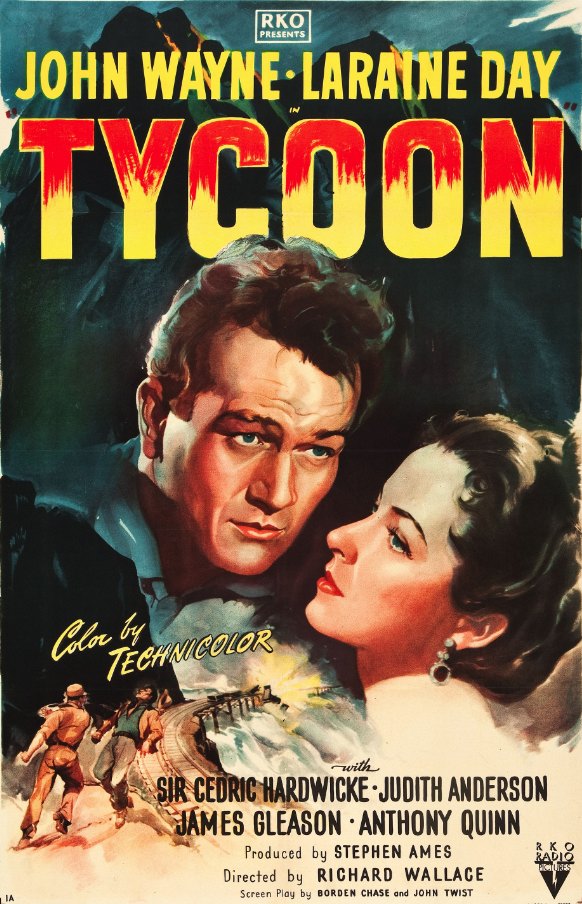
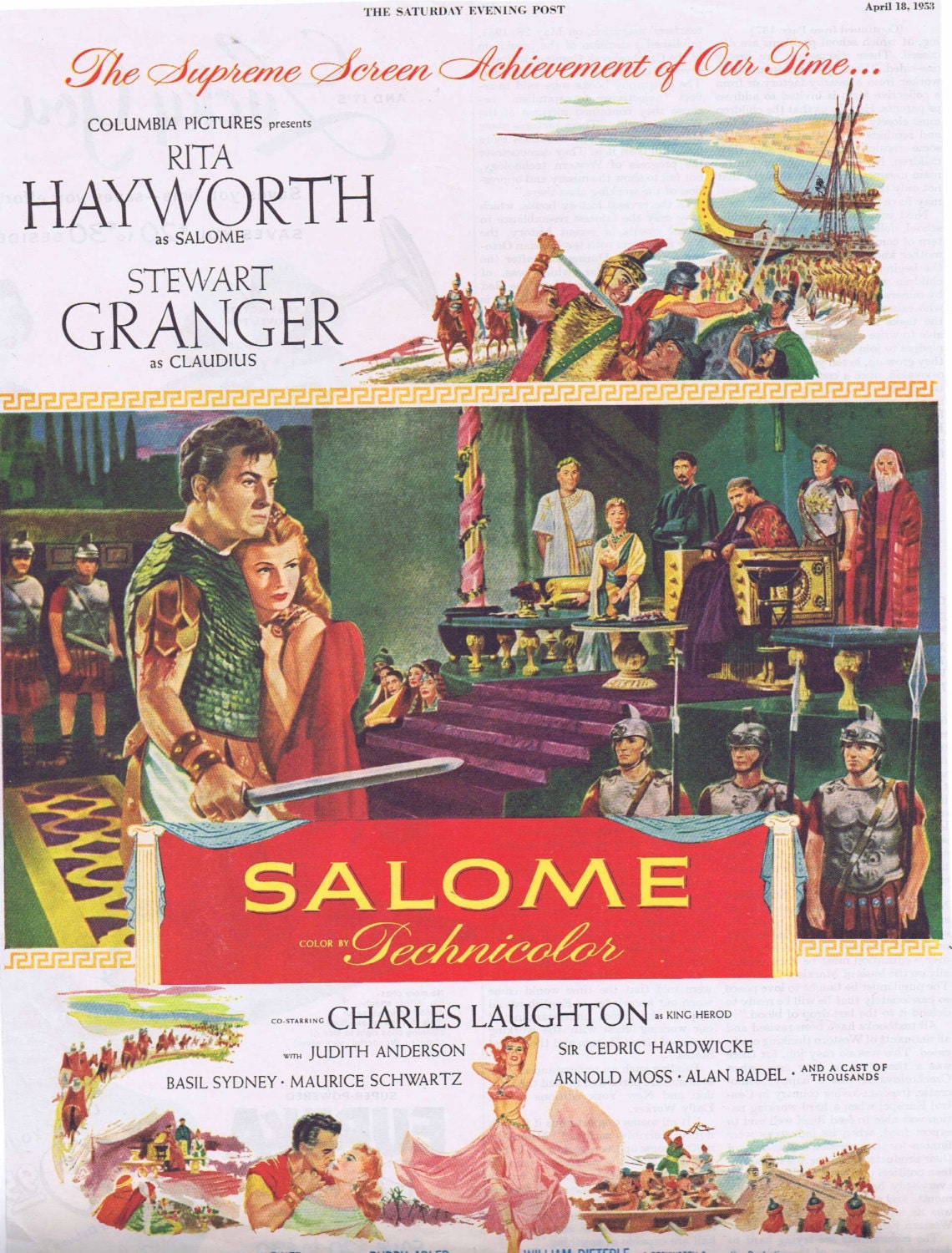
Although Anderson’s reputation rested primarily on theatre, she appeared in nearly 30 films.
Her most famous film role is:
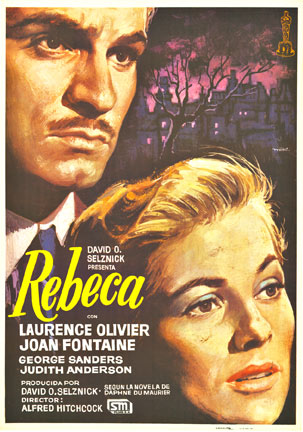
- Mrs. Danvers in Rebecca directed by Alfred Hitchcock.
In the film, she portrays the obsessive housekeeper devoted to the dead Rebecca and psychologically tormenting the heroine. The performance earned her an Academy Award nomination for Best Supporting Actress.
Other notable films include:
- Laura
- Cat on a Hot Tin Roof
- Star Trek III: The Search for Spock
Critical analysis
Anderson’s film work reveals a paradox:
- She possessed theatrical intensity suited to large classical roles, yet Hollywood often cast her in supporting villainous characters.
- Her angular features, penetrating gaze, and controlled voice created an aura of menace that directors exploited for gothic or melodramatic roles.
Mrs. Danvers is an exemplary performance in film acting because:
- Economy of gesture: Anderson uses minimal movement, allowing the camera to emphasize her gaze and vocal tone.
- Psychological ambiguity: Danvers’ devotion to Rebecca suggests suppressed obsession