Career Overview and Critical Analysis of the Work of Emily Bolton
Emily Bolton (born 1951) is a British actress whose career in film and television was most active from the early 1970s through the 1980s. Although she never became a major international star, she developed a recognizable screen presence through a series of supporting roles in British television drama and international cinema. Her performances frequently drew on a combination of elegance, emotional restraint, and understated intelligence, qualities that made her effective in historical drama, espionage stories, and character-driven television.
Early Career
Emily Bolton was born in England and began her acting career in the early 1970s, a period when British television was expanding rapidly and creating opportunities for new performers.
Her early appearances were largely in television dramas, where she developed experience in ensemble casts and episodic storytelling. This environment encouraged a naturalistic acting style rather than the heightened theatricality often associated with earlier television production.
Early acting characteristics
From the outset, Bolton demonstrated several qualities that shaped her later work:
- controlled and measured dialogue delivery
- expressive but restrained facial acting
- a calm and composed screen presence
These characteristics suited the dramatic conventions of British television, which often emphasized subtle emotional realism.
Film Work
Bolton’s most internationally visible film role came in:
This entry in the long-running James Bond series starred Roger Moore as the famous secret agent created by Ian Fleming.
Bolton played Manuela, a glamorous and confident associate who briefly assists Bond during the film’s Caribbean sequence.
Critical analysis of the role
Although relatively small, the role demonstrates Bolton’s ability to create a memorable character within limited screen time.
Her performance emphasizes:
- self-assurance
- wit and charm
- subtle comedic timing
Unlike some earlier Bond “allies” or romantic interests, Manuela is portrayed with a degree of independence and personality rather than purely decorative glamour.
Bolton’s performance reflects the gradual shift in Bond films during the late 1970s and early 1980s toward more competent and self-aware female characters, even in smaller roles.
Television Career
Bolton’s most substantial work occurred in British television. She appeared in numerous drama series and episodic productions throughout the 1970s and 1980s.
Notable appearances include episodes of well-known British series such as:
- The Professionals
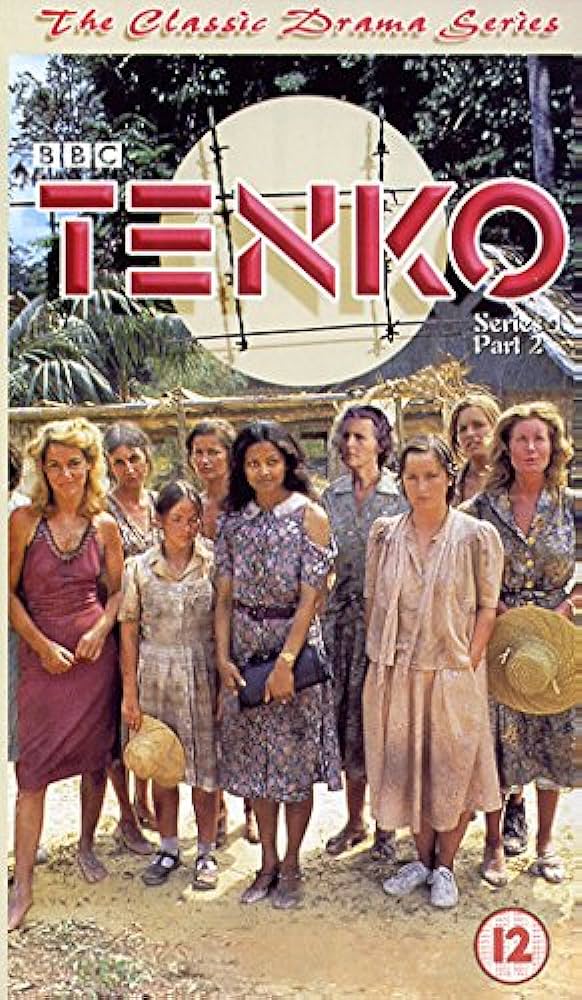
- Tenko
- The Goodies
These roles allowed Bolton to demonstrate a broader range than her film appearances.
Critical evaluation
In television drama, Bolton frequently portrayed characters who were:
- intelligent professionals
- emotionally resilient women
- individuals navigating complex personal situations
Her performances often rely on psychological realism, conveying emotional states through small gestures and vocal nuance.
Acting Style
Understated naturalism
Bolton’s acting style aligns with the British television tradition of restrained naturalism. She avoids exaggerated expression and instead communicates emotion through subtle changes in tone and facial expression.
This approach gives her performances a sense of authenticity.
Composure and elegance
Many of Bolton’s roles emphasize composure. Her characters often appear poised and self-contained, projecting confidence without overt theatricality.
This quality made her particularly suited to roles in espionage or adventure narratives.
Emotional nuance
Although her characters frequently appear calm on the surface, Bolton often conveys underlying tension or vulnerability.
She achieves this through:
- pauses in speech
- thoughtful eye contact
- quiet emotional shifts
These techniques create a layered performance even within relatively small roles.
Recurring Character Types
Bolton’s screen roles often fall into several categories:
- sophisticated allies in espionage or adventure stories
- intelligent supporting characters in television drama
- socially confident women navigating complex situations
These roles highlight her ability to project both elegance and intelligence.
Cultural Context
Bolton’s career illustrates the role of supporting actors in British television and cinema during the late 20th century.
While not a leading star, she contributed to the strong ensemble tradition that characterized British drama. Performers like Bolton helped create believable social worlds around central protagonists.
Her work in For Your Eyes Only also reflects the international visibility that British actors could achieve through major franchise films.
Legacy
Emily Bolton’s career demonstrates the importance of skilled supporting performers in film and television. Through a combination of subtle acting technique and composed screen presence, she created memorable characters across a range of productions.
Although her roles were often relatively brief, her performances consistently display professionalism, intelligence, and emotional nuance.
✅ Summary
Emily Bolton built a respectable career in British television and international cinema during the 1970s and 1980s. Best known for her appearance in For Your Eyes Only, she also contributed to numerous television dramas. Her acting style—characterized by restraint, composure, and psychological subtlety—reflects the broader tradition of British screen performance, where understated realism often takes precedence over flamboyant theatricality