

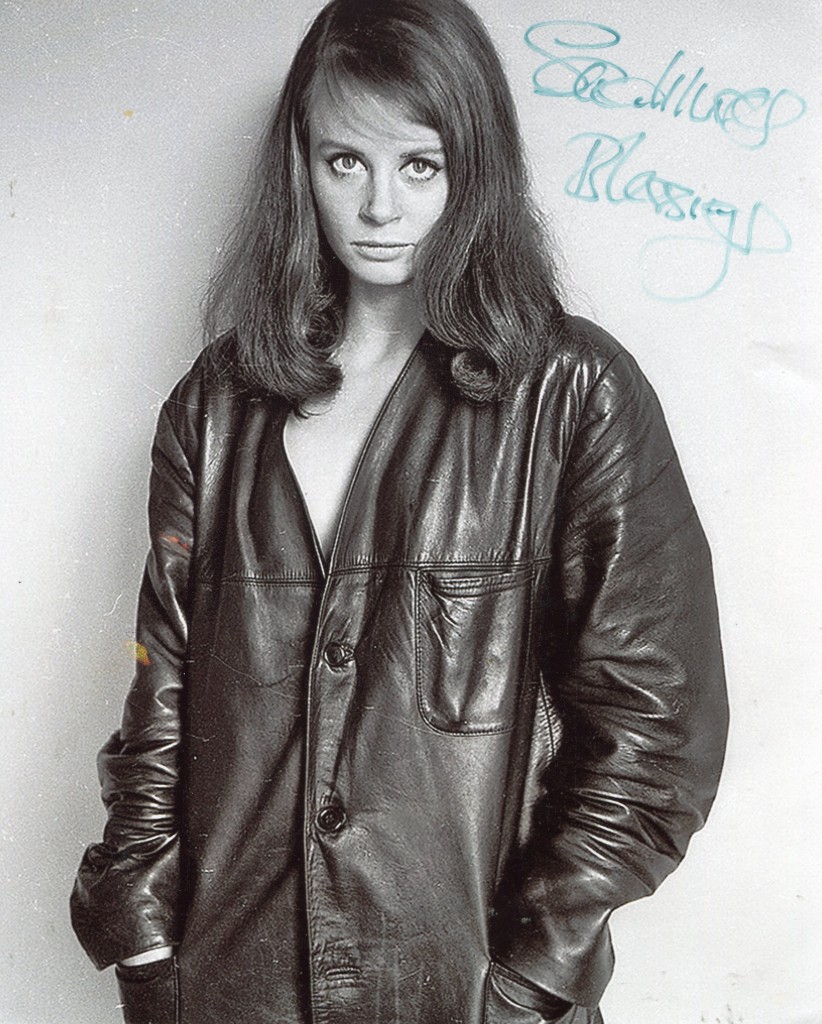
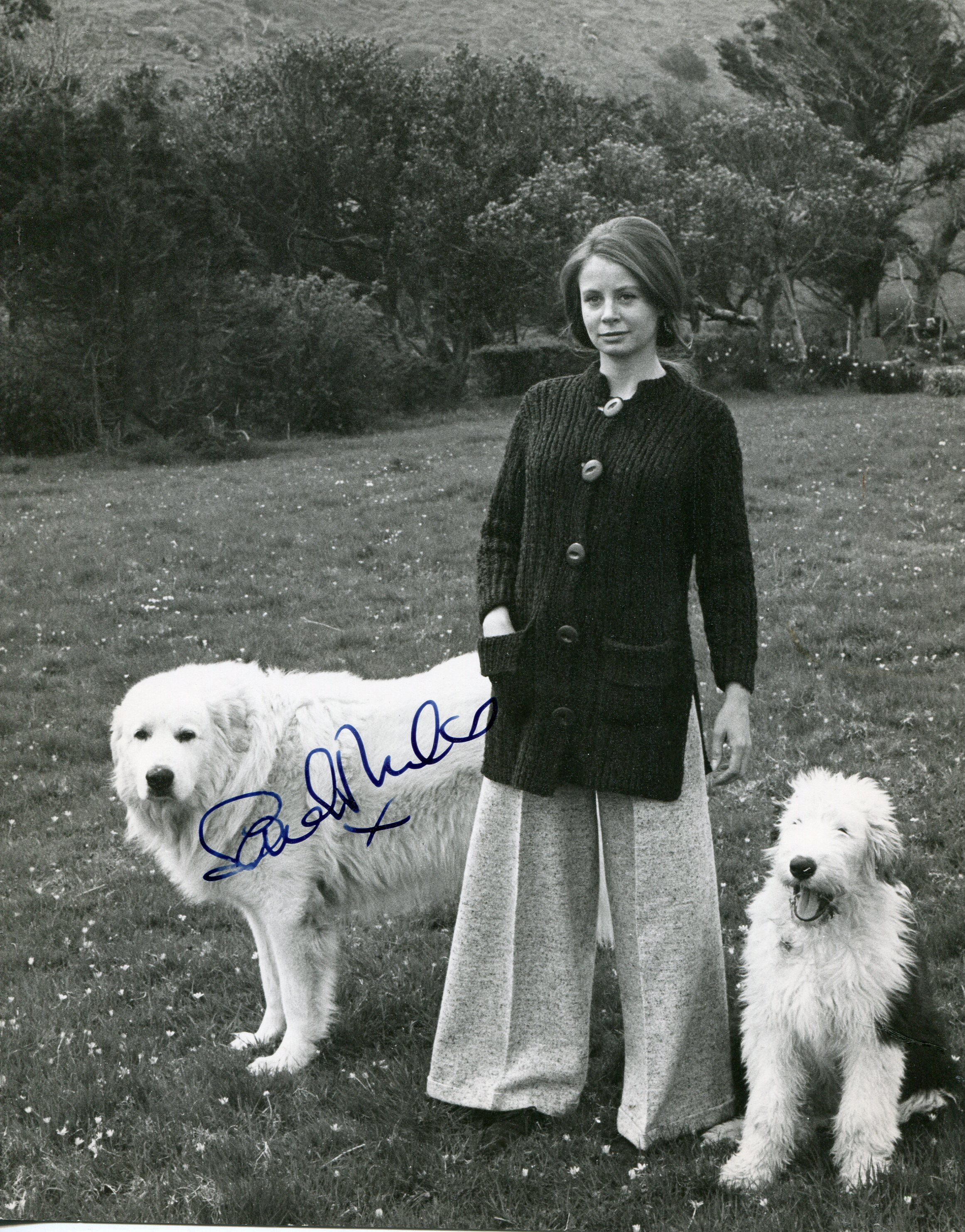
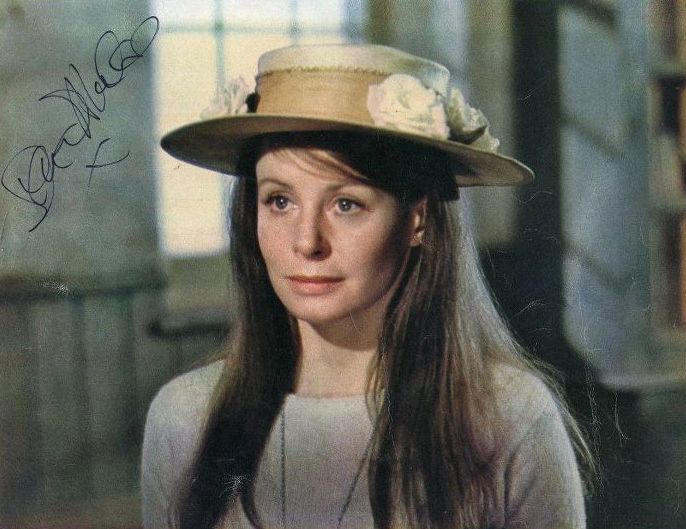
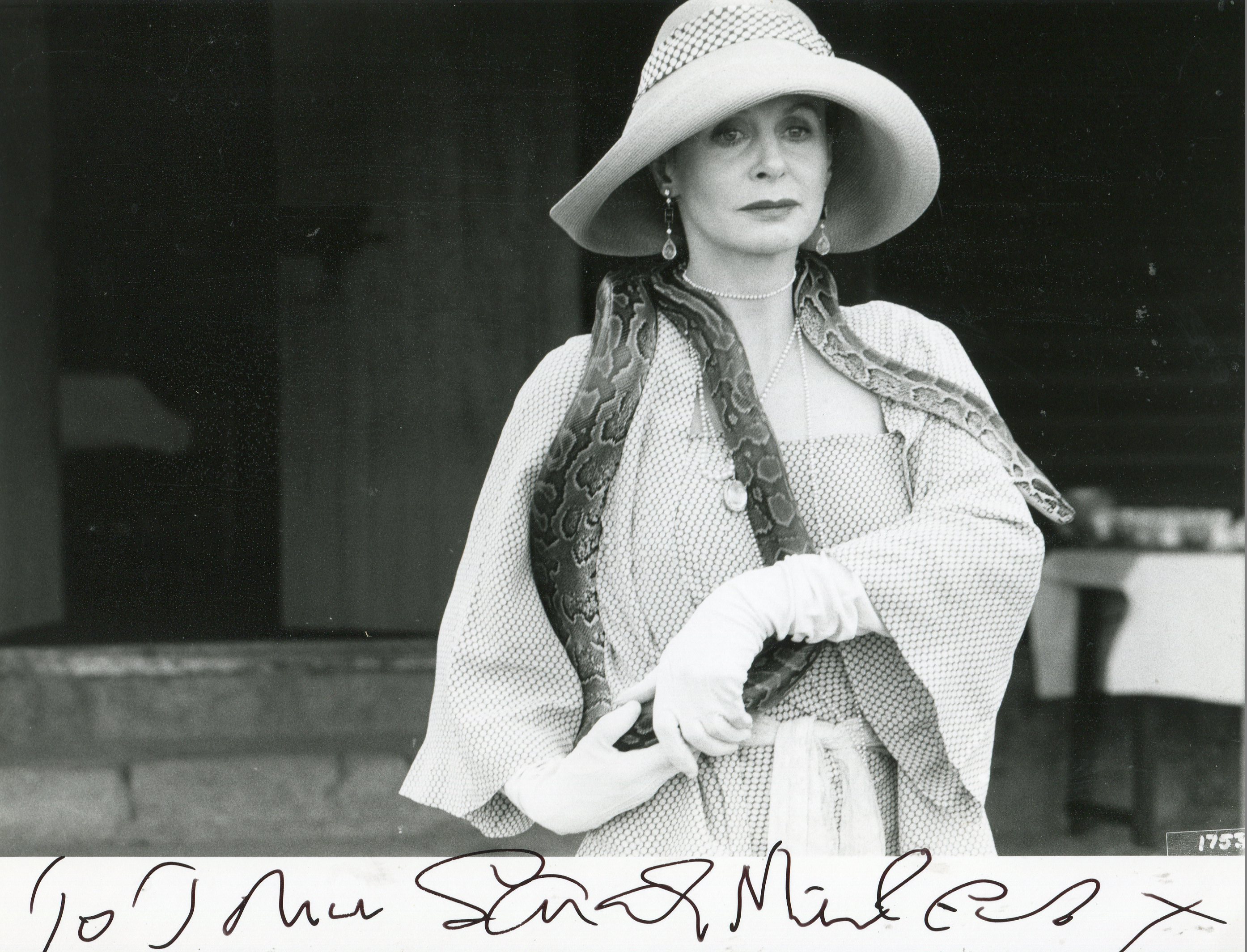
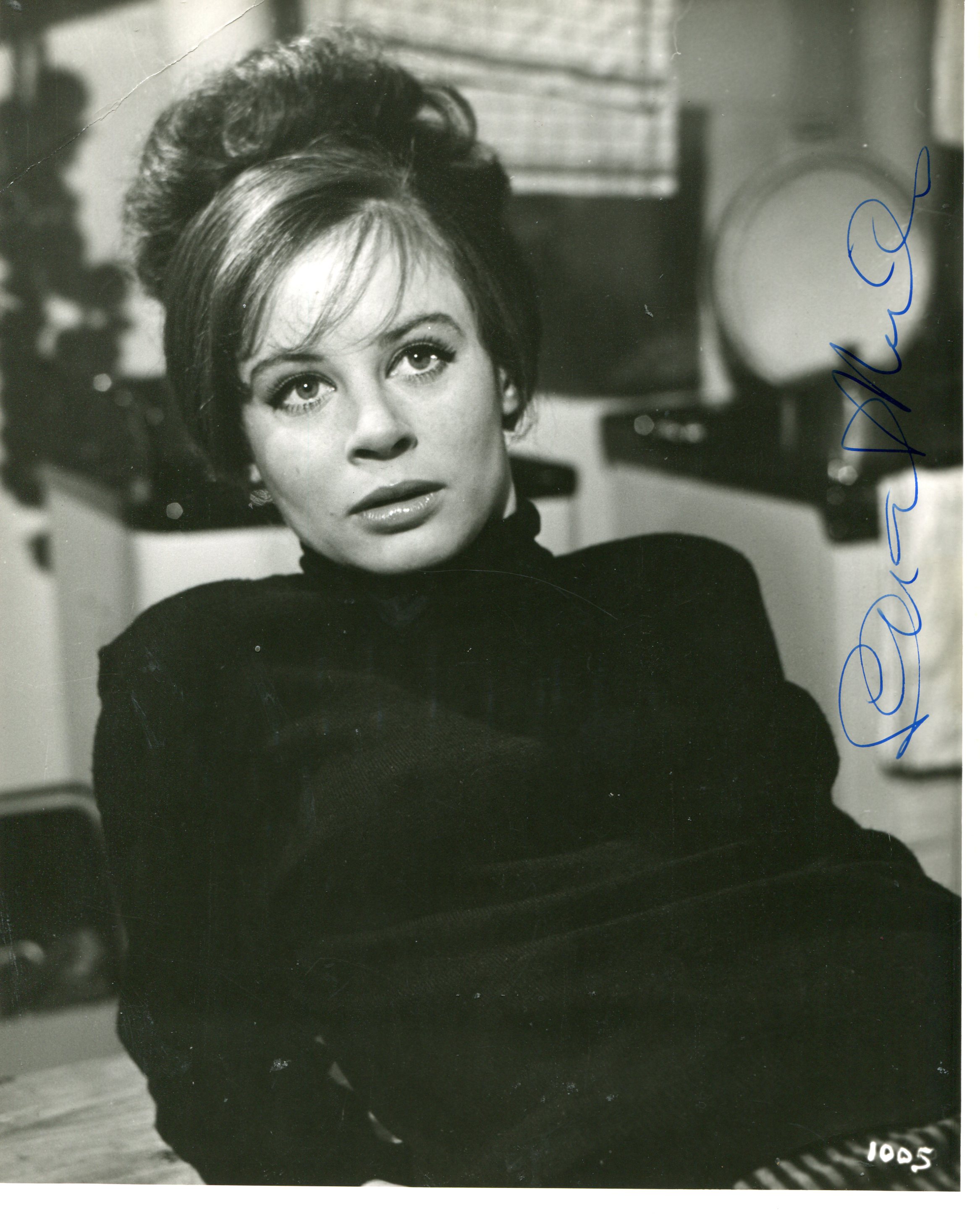
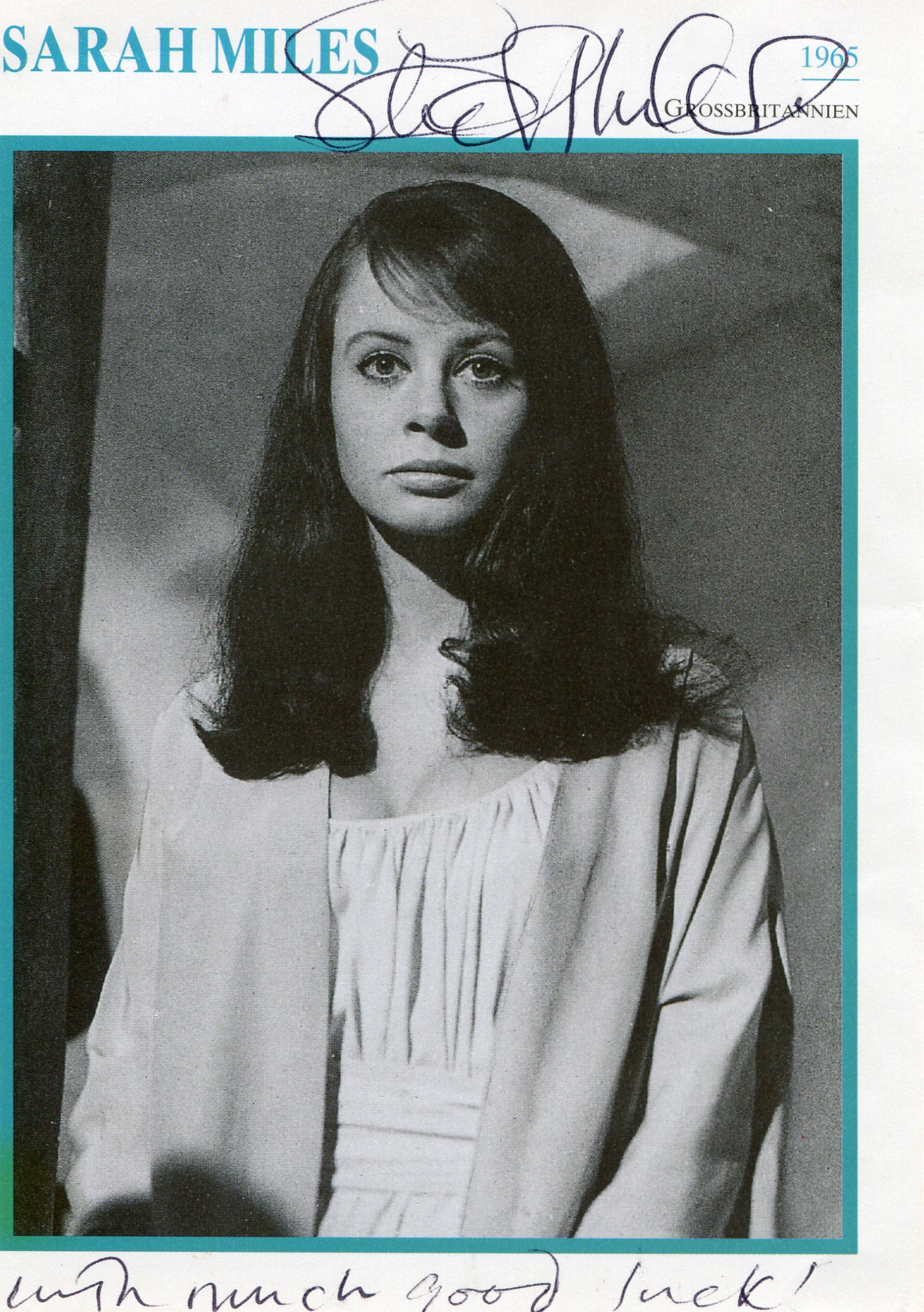
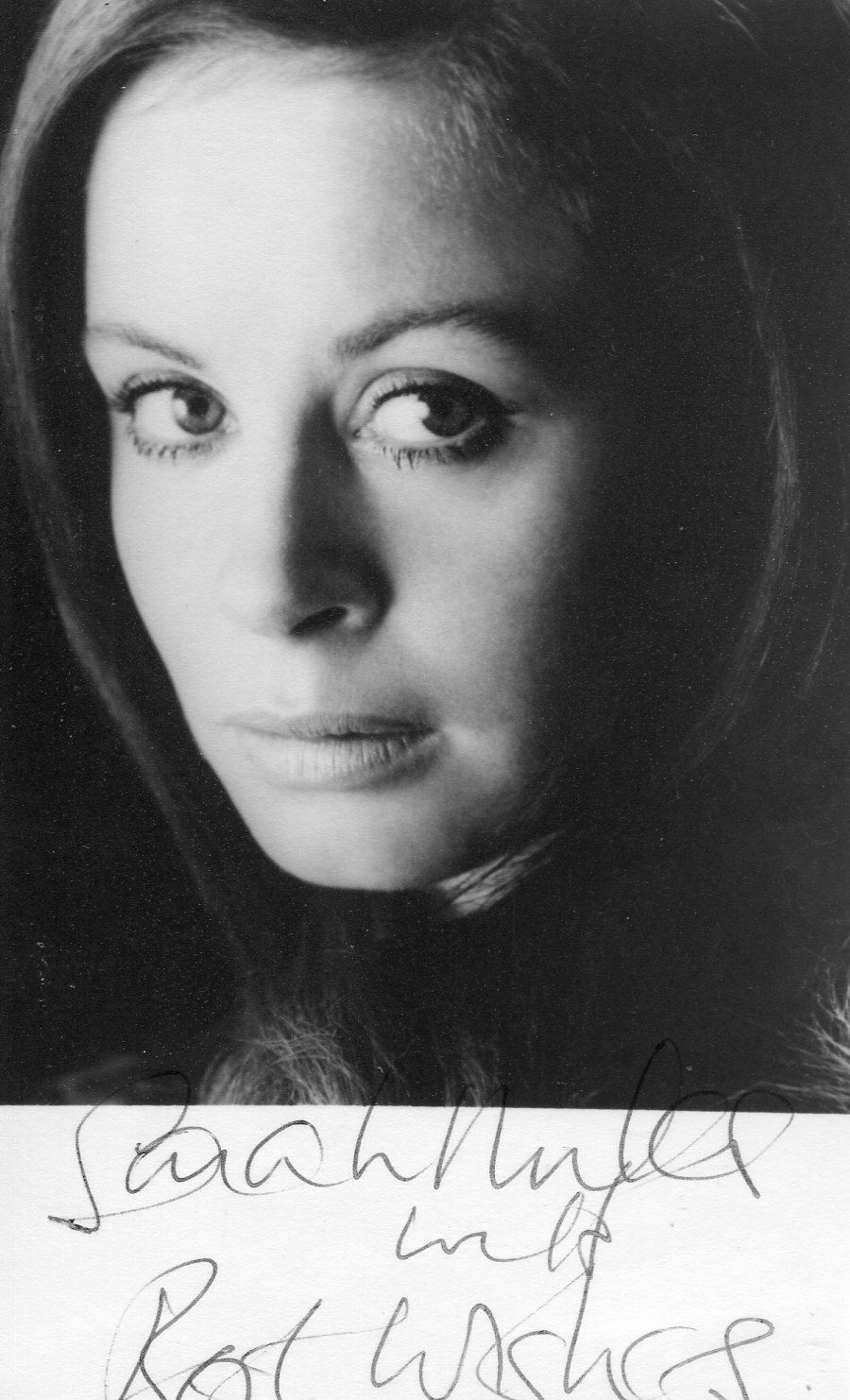
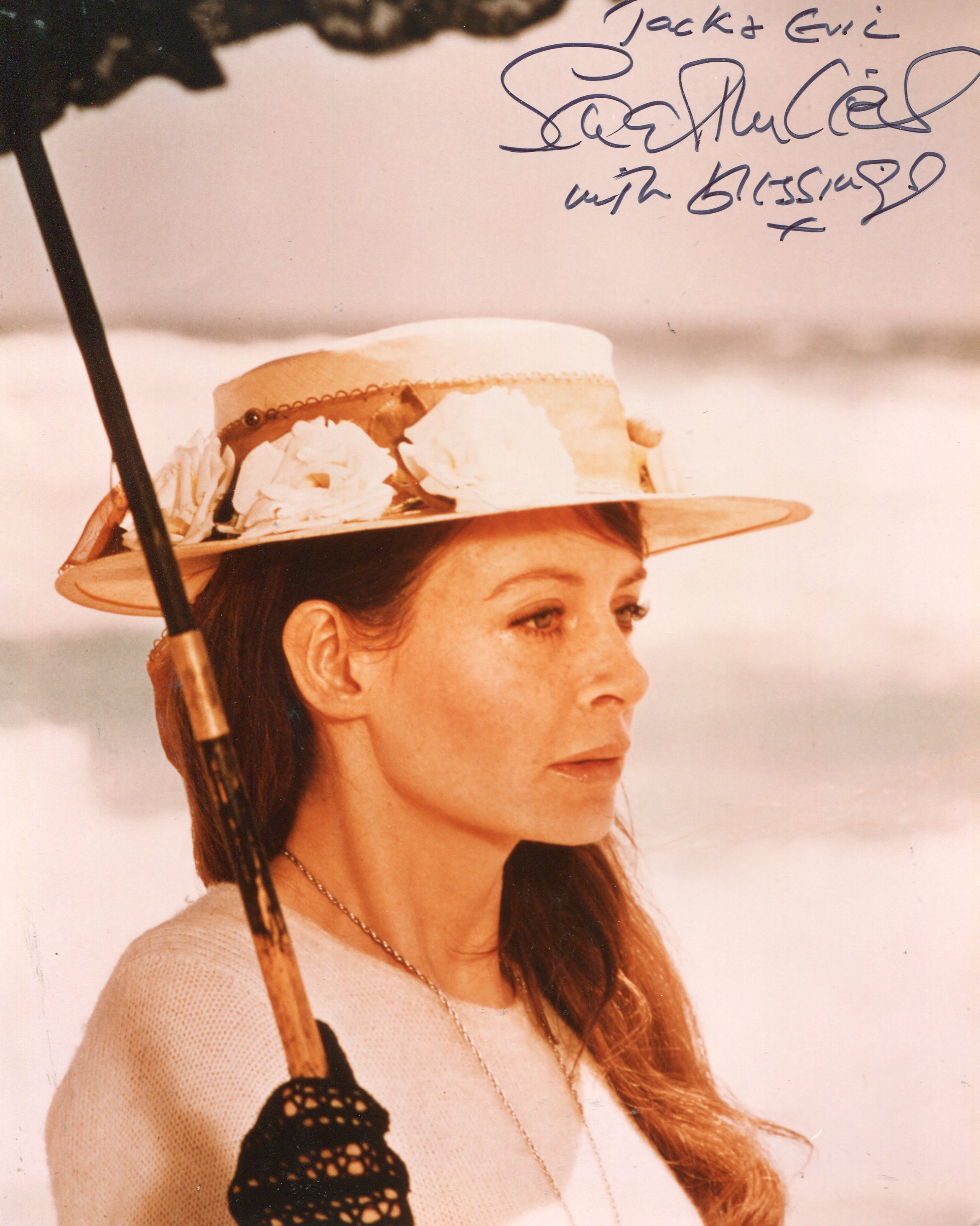
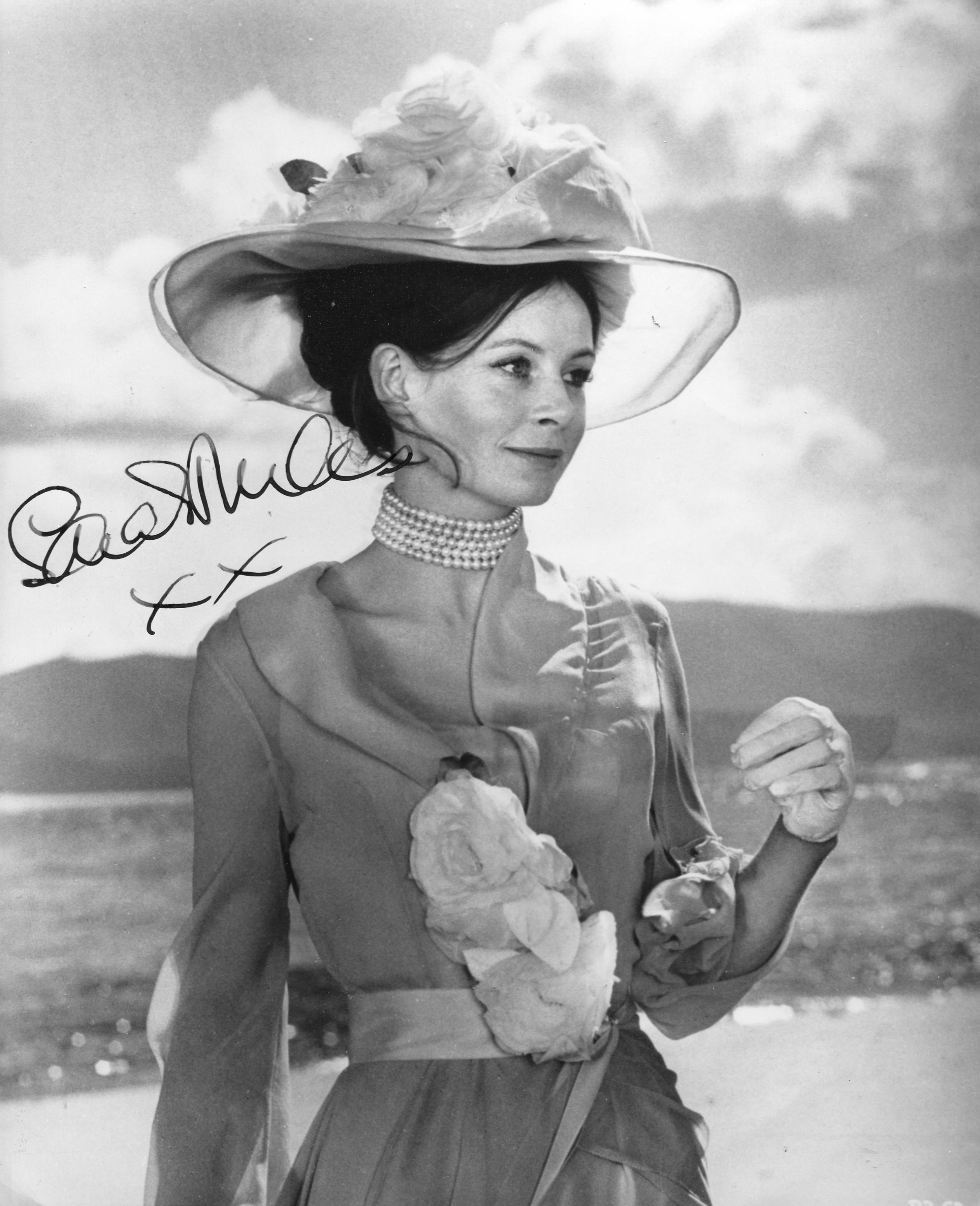
Interview with sarah miles in dvdclassik
DVDClassik (Ronny Chester) : You are certainly an emblematic actress of the Swinging London that flourished in the 1960s. Retrospectively, how do you consider that time of explosive creativity ? And how do you estimate your involvement in the Swinging Sixties ?
Sarah Miles : If you can remember the sixties then you were never there! I was never aware of the drugs being taken, I was pretty much a recluse.I remember London being a carefree colourful, free flowing traffic-wise, able to park anywhere, able to take my dogs everywhere, into any restaurant, wear outrageous clothes. I was always pretty much ahead of the game in fashion. In fact, when I was sixteen I saw a stunning little shop girl walking down Oxford Street in an extremely short skirt white socks and flat patent leather shoes.I though her look was simply stunning. I immediately went to my friend and neighbour, Mary Quant, and asked her to take nine inches off my new skirt. Mary replied shrugging, “Sarah, you’ll feel the breeze,” She did it anyway. It looked really good on me what with my long skinny legs, so the mini skirt was born. I have asked Mary on many occasions why she never mentions the truth, to give me credit, but she keeps it all for herself… bad karma she’s building up there!
Regarding my films. I never saw them as anything else other than they had to be challenging, and films I wanted to make. I made a vow after ‘Term of Trial,’ that I would never make special effects films, nor violent films, nor ever do a commercial, by that I mean never be linked to a product. (No wonder I very rarely work!) But I have kept that vow all the same.
I never saw London as anything but London, because , you see, none of us had anything to compare it with.It was just the climate in which we were living. It is only now, in retrospect, that it was all a kind of Shangri-la.
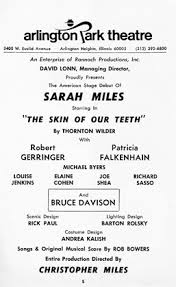
You are as much, if not more, a theater actress than a movie actress. For the people who know you only for a few but great roles on the screen, could you give us some information about your artistic path before starring in your first movie ?
I was seen by Sir John Gielgud at RADA (The Royal Academy of Dramatic Art) performing it Six Characters in Search of an Author by Pirandello when I was only sixteen. Sir John immediately cast me in a wonderful part in a play opposite the great Margaret Rutherford which he himself directed. So I was very lucky to go straight into the West End.
I then did another American play by Arthur Kopit called ‘Oh Dad, Poor Dad, Mamma’s Hung You in the Closet and I’m Feelin’ So Sad. It was a great hit.
After that I went into weekly repertory at Worthing Rep. This was indeed the happiest time of my acting career. I was playing comedy, each week a different leading role. Making people laugh is as good as it gets.
It was while I was at Worthing that I was sent to audition in London for Term of Trial opposite Sir Laurence Olivier. Sadly I got type cast as a sex symbol and for some reason never was able to get back to comedy. Or perhaps there was no comedy parts for girls being written at that time.
I then joined Olivier’s Royal National Theatre, which was at the Old Vic at that time
You happened to play in two key movies of British Cinema, The Servant and Blow Up. What can tell us about your own experience on those films and about the methods of work characteristic of Losey and Antonioni ?
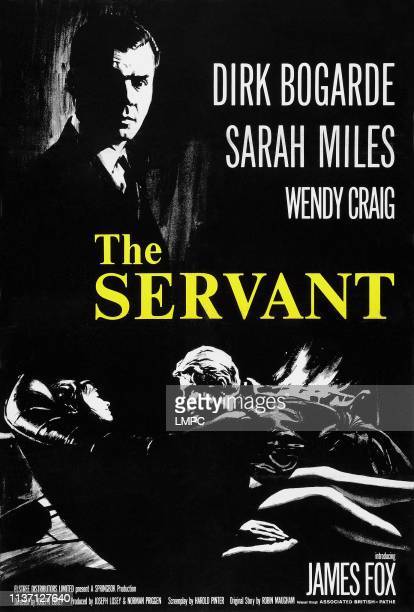
I enjoyed making The Servant. We thought we might be onto a winner solely because there seemed to be excellence in every department. Music, set design, casting, director, Pinter’s scrip, etc. Yes, we all know we were onto something special.
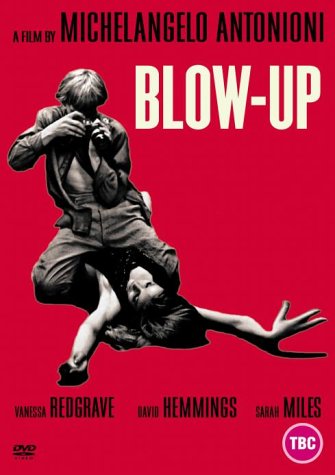
Whereas Blow Up I consider to be nothing more than the Emperor’s new clothes. I felt very uncomfortable with no script. Also Antonioni kept himself very aloof. He never came to talk to us or the crew. He wanted to remain the puppet master at all times. He finally had me take off all my clothes and be naked on a bed. Another actor was then brought in and placed on top of me (no introduction to him, nor explanation for the scene). All Antonioni said was : “Sarah, make love to this man and then when David Hemmings comes in, gesture for him to stay and watch”. Antonioni immediately filmed the rehearsal. After ‘CUT” I asked him: “Antonioni, who is this man on top of me, what is our relationship to each other? Also who the hell is David Hemmings, what was my relationship to him?” (I had yet to be enlightened as to our relationship after playing many scenes together already). Antonioni looked at me and said, “Sarah , don’t call me Antonioni, call me Michelangelo” “OK, Michelangelo, please answer my question. Who are these two men in relationship to me, eh?” He replied, “Sarah, it does not matter.” I got out of bed, snatched my dressing gown and replied, “If that doesn’t matter, Michelangelo, then nothing matters.” I walked out and left the film… after all there was no script, was there, so who cares? That is why I don’t appear anymore in the film.
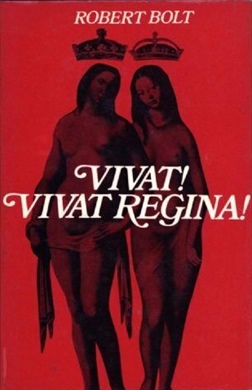
You were married to the great playwright and screenwriter Robert Bolt. Could you talk about your artistic complicity with him, on the stage and on the screen ?
Robert was indeed a fine playwright and screen writer. Above all he was a man of great integrity. It was quite simple: for some reason he always saw me as his muse. From the moment he met me he didn’t want to write anything without me in it. He said he was lonely in his study, so as long as he could be writing for me, he was happy. There was nothing I could do about it, even though it made me feel most uncomfortable. It was his way I suppose of showing his love for me… because he knew he had a weakness, he was a workaholic, so if he wasn’t writing with me in mind , we’d hardly ever meet because he was a lark, working day and night and I was an owl .
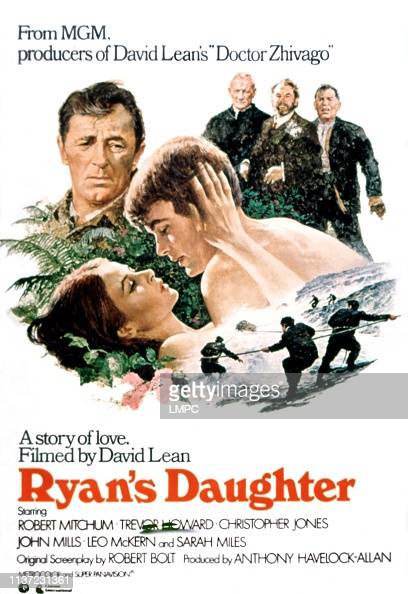
Ryan’s Daughter was deliberately written for you by Robert Bolt. How do you prepare yourself for that kind of challenge, especially with David Lean being part of the project right from the start ?
David always wanted me for Lara in Dr Zhivago. Robert Bolt, (who had never met me at that time, strongly advised David against casting me, He told David he had seen all my work and that I was a common, North Country slut! David disagreed and said,” Sarah Miles is the only actress who had it in the eyes.” They had a row about it and Robert won. When I finally met Robert Bolt, he never (naturally!) mentioned this story.
A year after we met, we were in Agra at the Taj Mahal Hotel whereupon Robert spied David Lean across the room. They hadn’t met since Zhivago, four years previously, so were delighted to see each other again.
David had fallen in love with the tea girl at the hotel so he was full of the joys of spring! He actually abducted her and flew her to Rome. She was eighteen and called Sandy Hotz. They were married for many, many years. Anyway … in the restaurant David was pretty quick in telling the Lara/Zhivago story. Robert blushed like anything and put his head in his hands in shame. “How wrong could I have been !” he moaned. When they were writing Ryan’s Daughter together I insisted they auditioned other girls for the role, but David was adamant that I was the only one who could play Rosy, so there we are
David Lean was known for giving actors a rough time on the set. How did you deal with him and what kind of collaboration took place between you two ? Did you agree with his approach of Rosy’s character and of the film as a whole ?
Yes, David could be ruthless, WAS ruthless, but only once with me. He kept me kneeling in the icy cold sea for hours and hours on end once. But I REFUSED to complain. He always needed to find actors breaking point, but I was damned if he was going to find mine. So I just hung in there, aching with numbness, never once asking for a break, or hot cuppa tea. He was quietly impressed, I could tell.
Once, when he asked me to stay out in Dingle alone over my second Christmas away from home, I became hugely upset. Everyone else, all the crew and actors were going home, including him and Sandy– Robert Bolt too. Only I was being asked to remain out the with the small standby crew in case of a storm. We happened to be standing on the landing of the hotel he was staying at in Dingle when he broke this ghastly news to me. Behind him was the staircase which had about eight steps before a little landing break and then sixteen more going down to the lobby. I pleaded with him to think again and give me a break, after all I was in my caravan ready to shoot evey single morning at 6pm for well over a year, and nine days out of ten David would never bother getting out of bed because of the pissing rain, so I deserved my Christmas break more than anyone. Suddenly an overwhelming sense of injustice enveloped me and I pushed David down the stairs. He landed on the mini landing as I knew he would, and he looked up at me with a new found respect in his eyes. He was totally different towards me from that moment on.
Rosy Ryan is a passionate and hot-blooded woman, directly inspired from Madame Bovary, who struggles for emancipation, even without worrying about the consequences and the sufferings she might cause. Do you think you have things in common with Rosy ? Is it awkward, or not, to play a character who doesn’t always create empathy ?
No, it’s just a job you get paid for. I’m the kind of actor who simply gets up and does it. After all I was trained by Laurence Olivier, not Brando. I believe it would have been deliciously perfect if those two giants of the classical and method acting schools were to have made a film together. Great acting for me would be somewhere mid Atlantic combining both technics.
In Ryan’s Daughter, David Lean acts as a painter as much as a filmmaker. Is this something about his work that you felt during the shooting ?
Yes, thanks to standing around most of the day while he gets a pair of seagulls in the frame and not just the one!
In the movie, David Lean puts in parallel the power of the elements of Nature and the intensity of the characters feelings, as well as their evolution as time goes by. Did Lean take that particularity into account when he directed you ?
No idea, you’d have to ask him.He was always keen for the visual and emotions have little visual effect, so he would use nature to tell the emotional thrust of the story.
Your background and methods of work were very different from Robert Mitchum’s, however there is an incredible chemistry between you two on the screen. What can you tell us about your collaboration with him ? Besides, you worked with Mitchum once again in The Big Sleep.
Yes we had a very deep, respectful relationship.There is no one in the business to match Robert Mitchum. He’s not a great actor, but he delivers something more. Perhaps because he’s a Black Foot Red Indian. He sees everything. He has charisma that spills out many feet all around him. Every man wanted to fight Mitchum, he attracted violence to him like a bee to hone, yet never inciting violence himself.
Michael’s character, played by John Mills, brings an extraordinary and especially poetic presence to Ryan ‘s Daughter. How do you consider this character in relation to the story and to your own part ?
David and Robert wrote a very different role to that which was finally conceived by Johnny Mills. Charlie Parker, the great film makeup artist devised and designed Johnny’s make up. When Robert and David saw it they were duly shocked. But for some reason , although they were not happy with Johnny’s and Charlie’s interpretation, they were too scared to tell him that he was making the part a hammy, caricature. But I suppose, they knew that false noses wins Oscars.
How do you explain the fact that this David Lean’s movie got a very negative reception from the film critics when it came out ? Now that Ryan Daughteris regarded as probably your best part, what is your judgement about this movie today
Jealousy and untimeliness. It wasn’t a fashionable subject matter at the time. It was their third collaboration, and critics are all frustrated artists at heart and they all were hellbent on not giving them praise a third time in succession. It’s somewhat ironic that Ryan’s Daughter has passed the test of time more affectively than the other two.
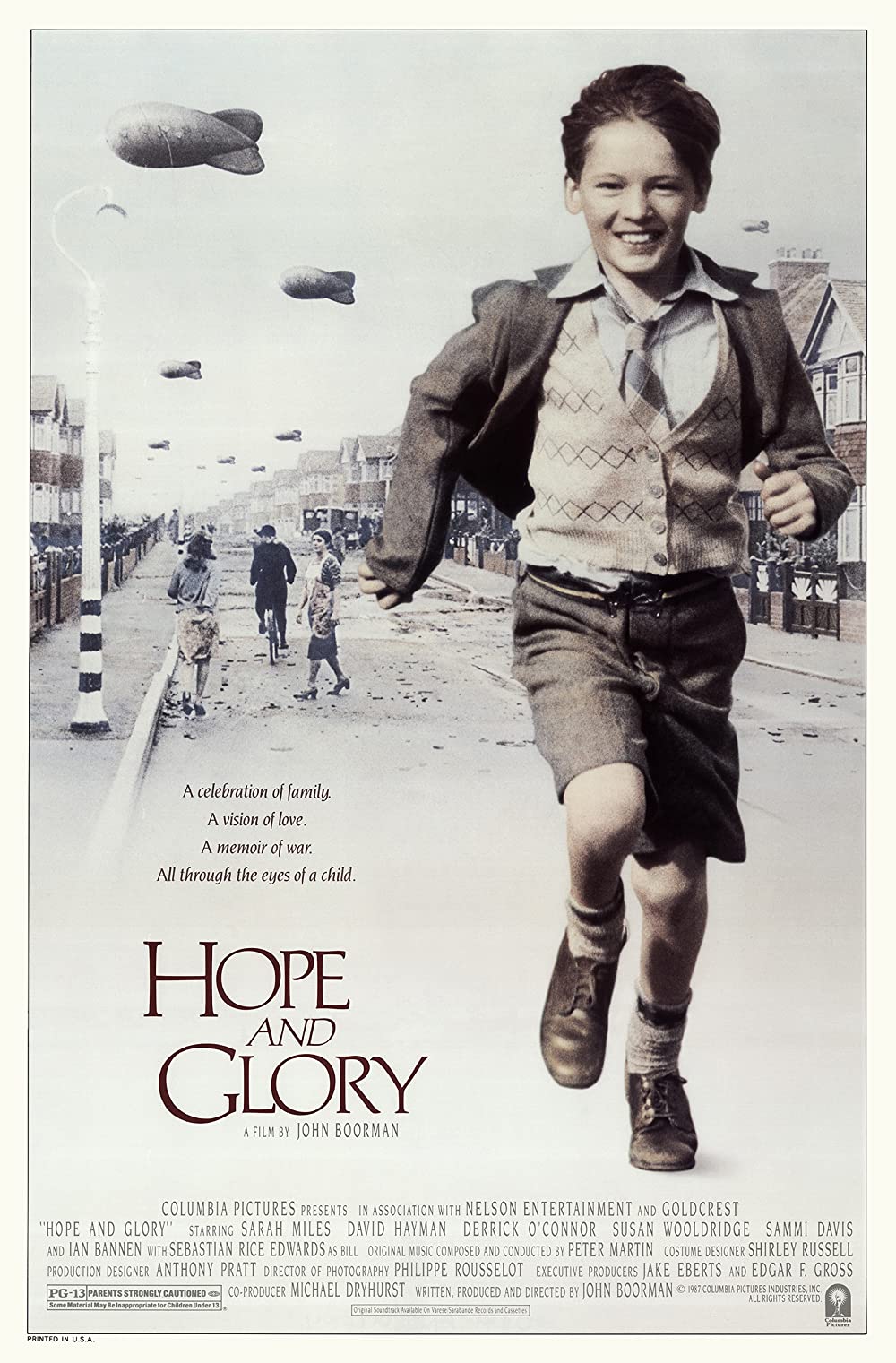
John Boorman gave you a wonderful role in Hope and Glory, after you experienced some difficulties in the movie industry. What memories do you have of this splendid film ?
Mostly good memories. Except he cut my greatest scene. It isn’t often you receive applause from the crew, but they applauded with such enthusiasm, saying that that scene was my Oscar in the bag. Sadly John cut it out, never giving me a worthy explanation for doing so.It isn’t often you come across a scene that you can truly get your teeth into and that was surely mine.So it left me very sad. It was also very important to the storyline.
There is a very interesting story which is symptomatic of your strong personality and independence of mind, I’m referring to the support you gave Trevor Howard during the shooting of White Mischief. Could you tell us about it ?
I always thought Trevor was the unsung hero of Ryan’s Daughter. What a great, yet subtle performance he gave.Anyway, we were great friends. When it came to White Mischief, the director and producer asked me whether he was up to playing the role or would he become too drunk to play it? I told them that as long as his wife Helen Cherry was there with him,all would be well. He arrived from the long flight and without being given time, like the rest of us, to acclimatise to the high altitude, and was put straight to work Helen was NOT with him. Sadly he wasn’t up to it. In the hotel lobby where we were all staying the director and producer came up and blamed me for Trevor’s state. I of course defended him, saying they should have given him time to acclimatise, and to have made sure that Helen was there. They told me there and then that they were firing Trevor. I told them that if Trevor goes I go too and I walked off. I saw them all making their way towards the swimming pool area and suddenly had a brainwave. I ran upstairs , woke Trevor up and told him to put on his swimming trunks and to meet me at the poolside urgently in five minutes. I quickly went off to get into mine. Now I knew only too well that Trevor was a great swimmer and an excellent diver. So when we arrived at the pool side, I explained to Trevor what I wanted him to do. He had to do his famous Swallow Dive and then swim the whole length of the pool under water, going through my legs at the opposite end. He did it so immaculately , thus impressing the group so much that he was given a second chance – provided I made sure he knew all his lines for every scene and that he was never drunk. Christ! Little did I know what I was in for. I became his bleedin’ Nanny– no wonder Helen decided not to come!!
In your career, you often played liberated, bold, passionate, disturbing, even dangerous women, and this as soon as your first movie, Term of Trial. Did those choices came naturally considering your personality ? Could we say that defending these kind of characters, who are often unforgettable, somehow establish a legacy for your artwork, something you wish to be remembered for ?
All I want to do is to learn, to find out who I am, expand my boundaries/horizons, whether that be as an actress, singer, writer, stand-up comedy, healer– whatever. I don’t act anymore because I can never find a part that forces me to expand potential. The films are disappointing too. I never get fired up by any of them anymore. Or maybe I’m just getting too old to bother to care. No! No! No! That’s not true! The true answer is … where are the parts that treat older women with the respect and wisdom they deserve?
Interview conducted by mail, during the month of July 2013
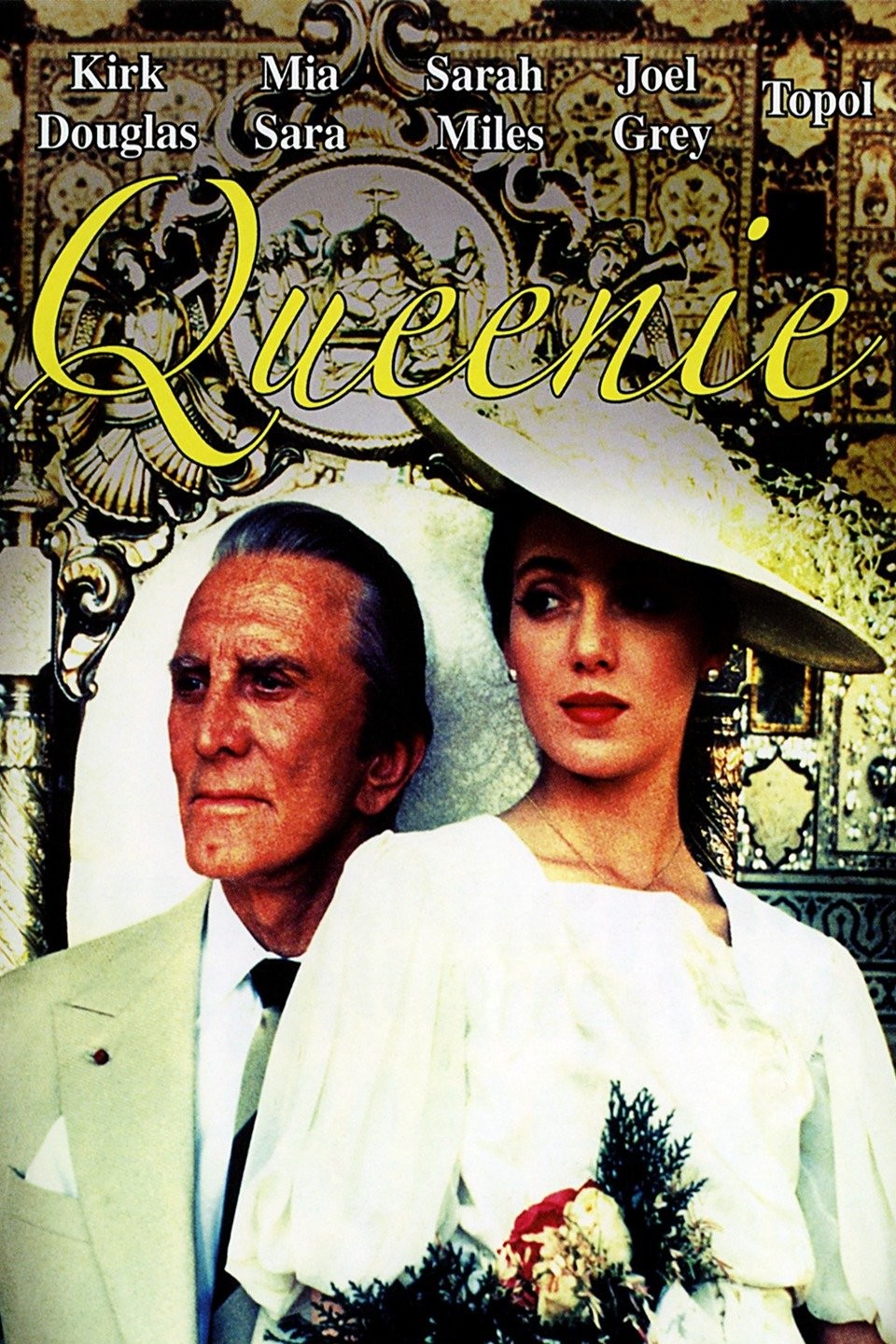
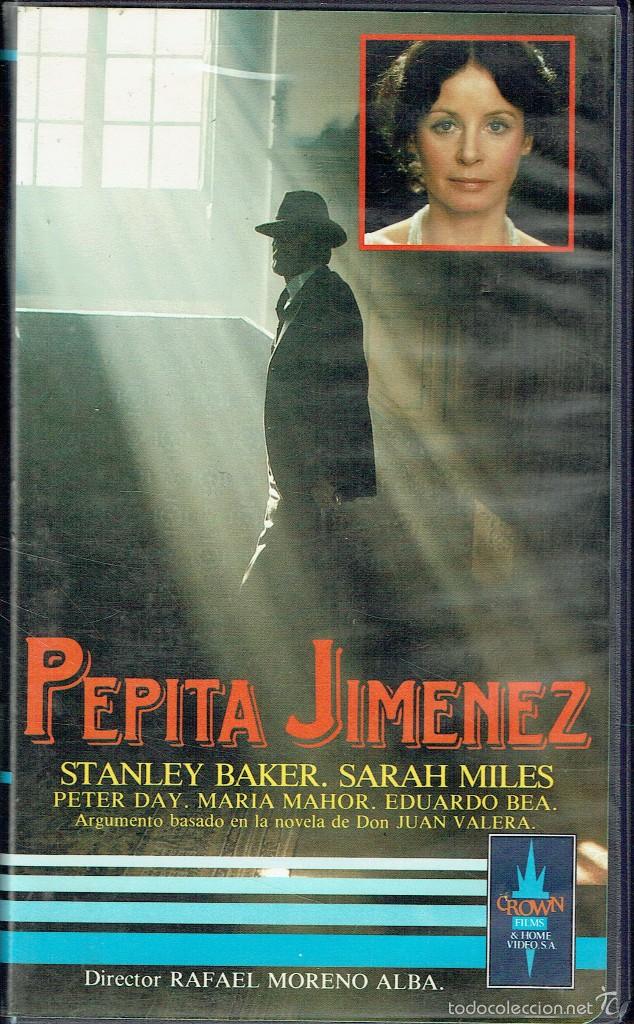
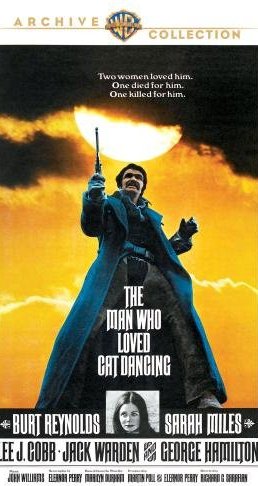
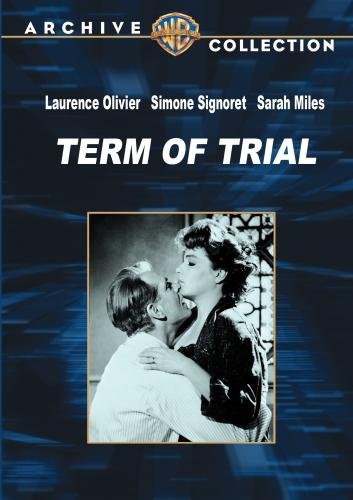
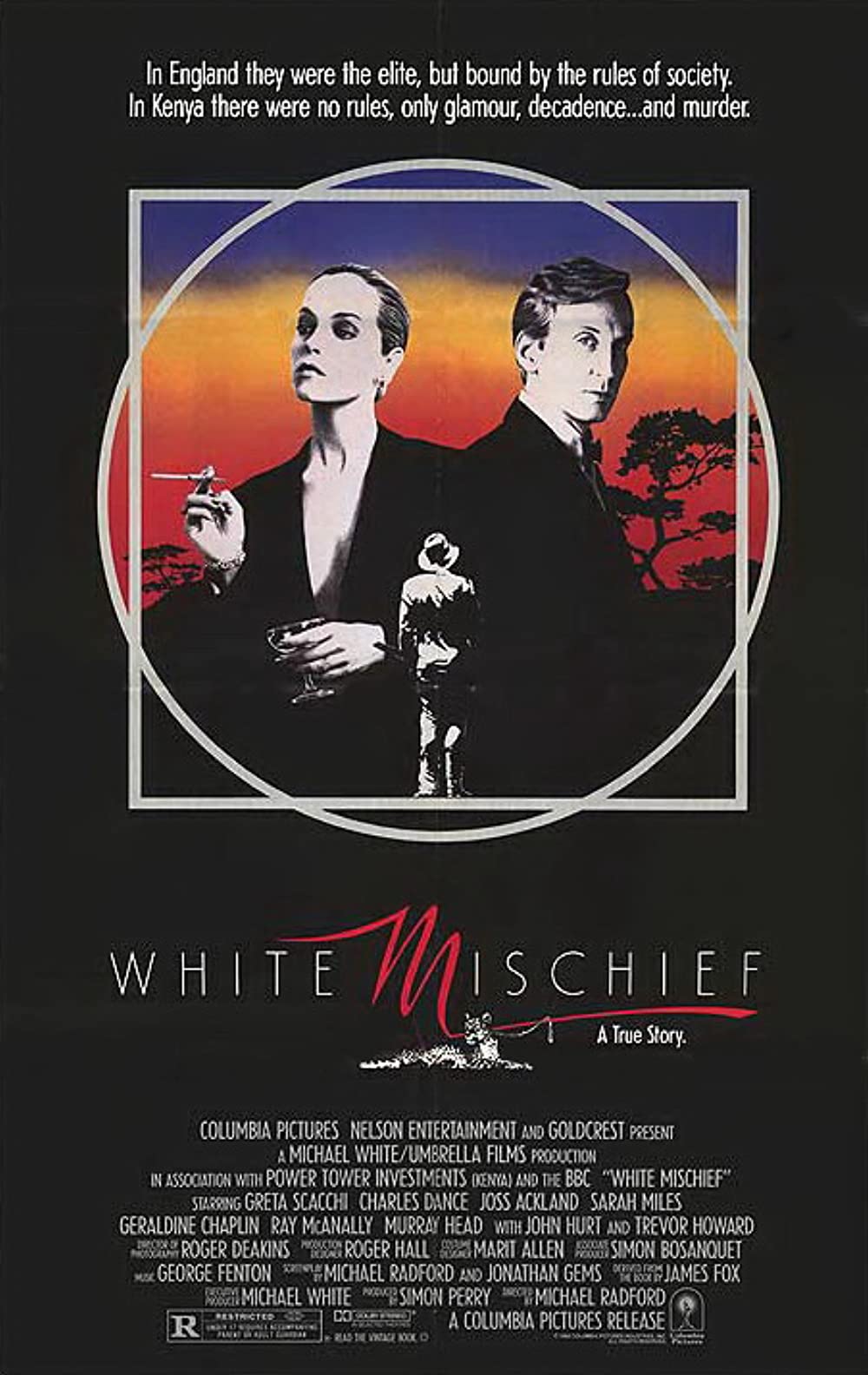
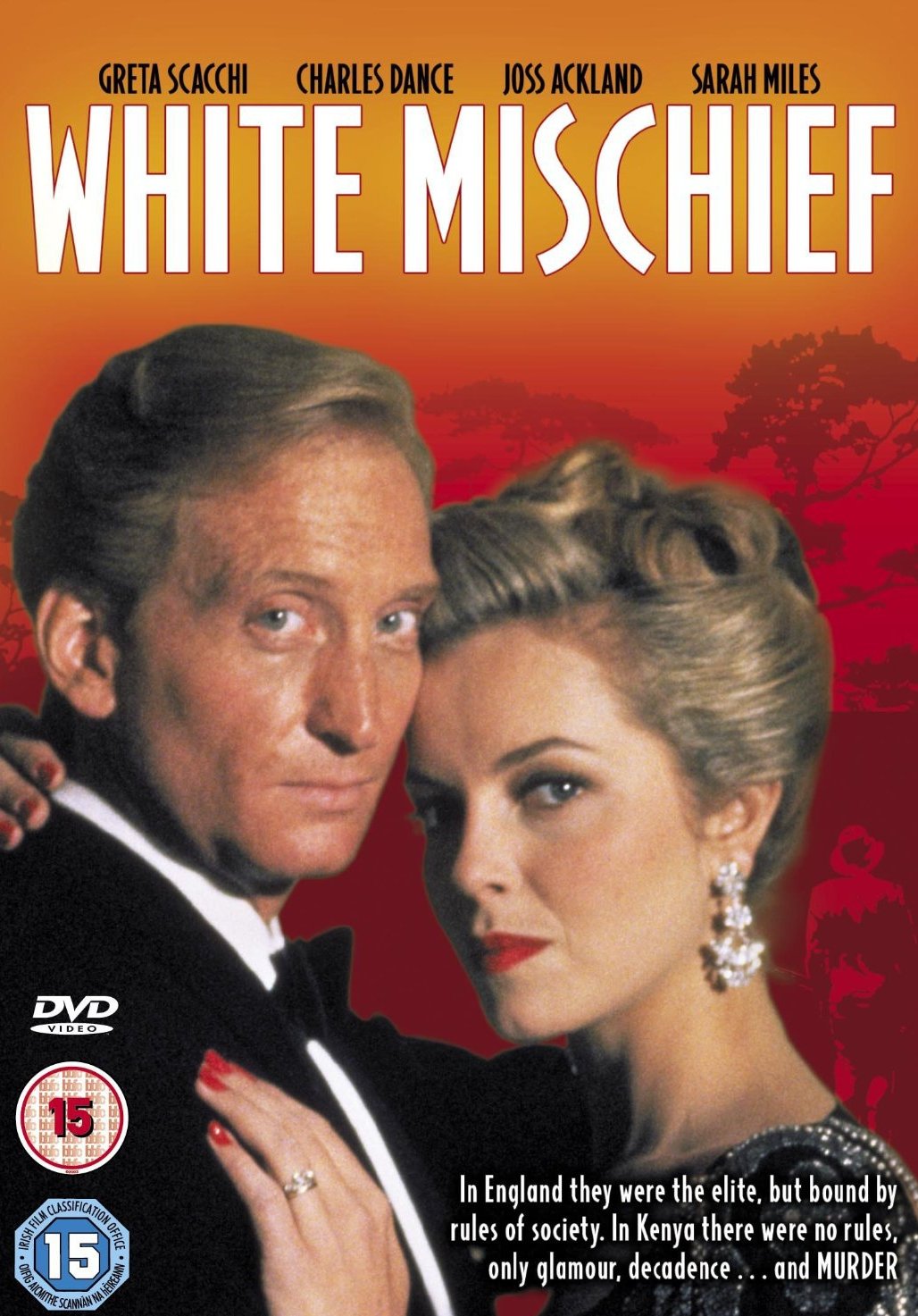
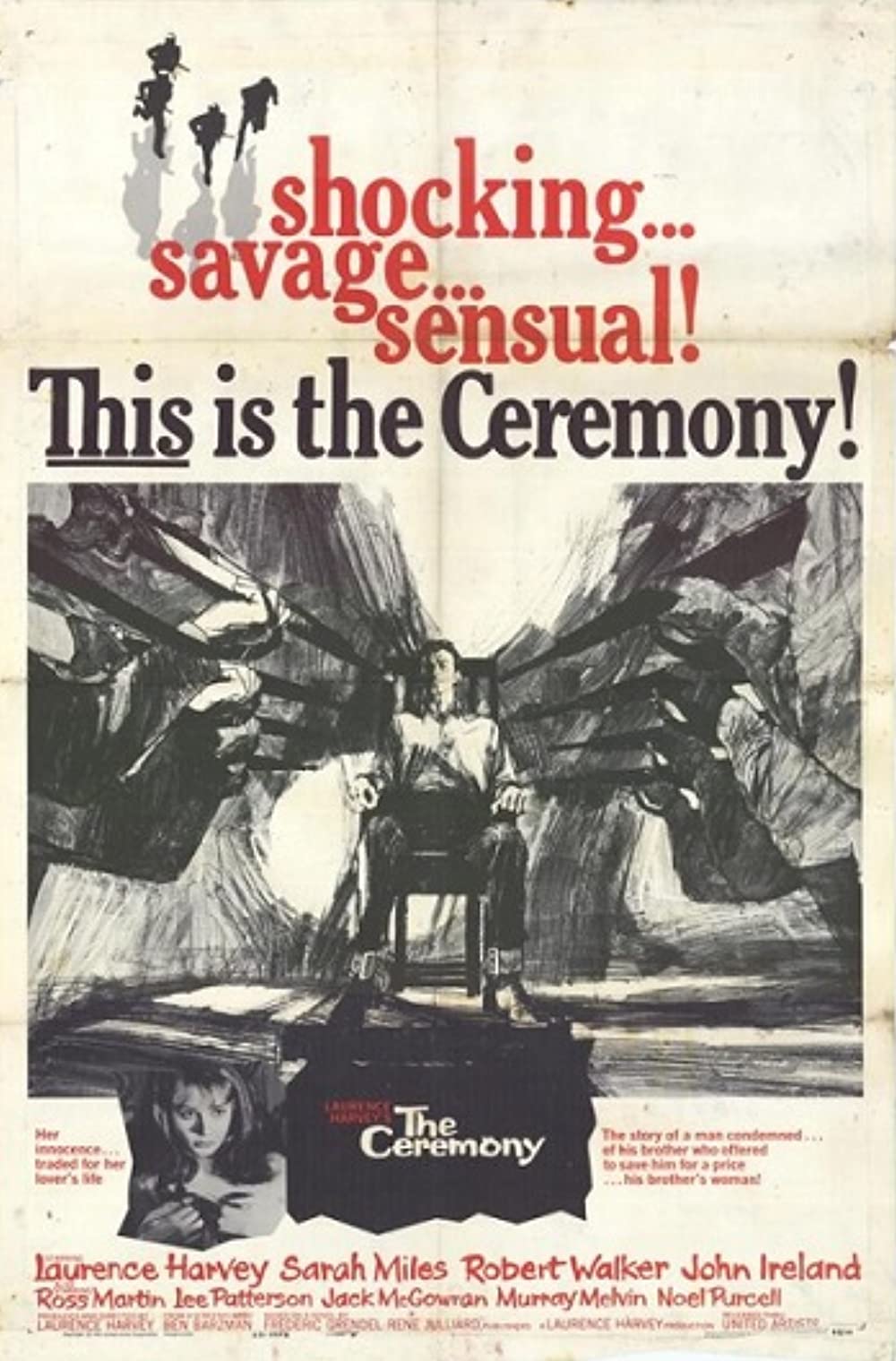
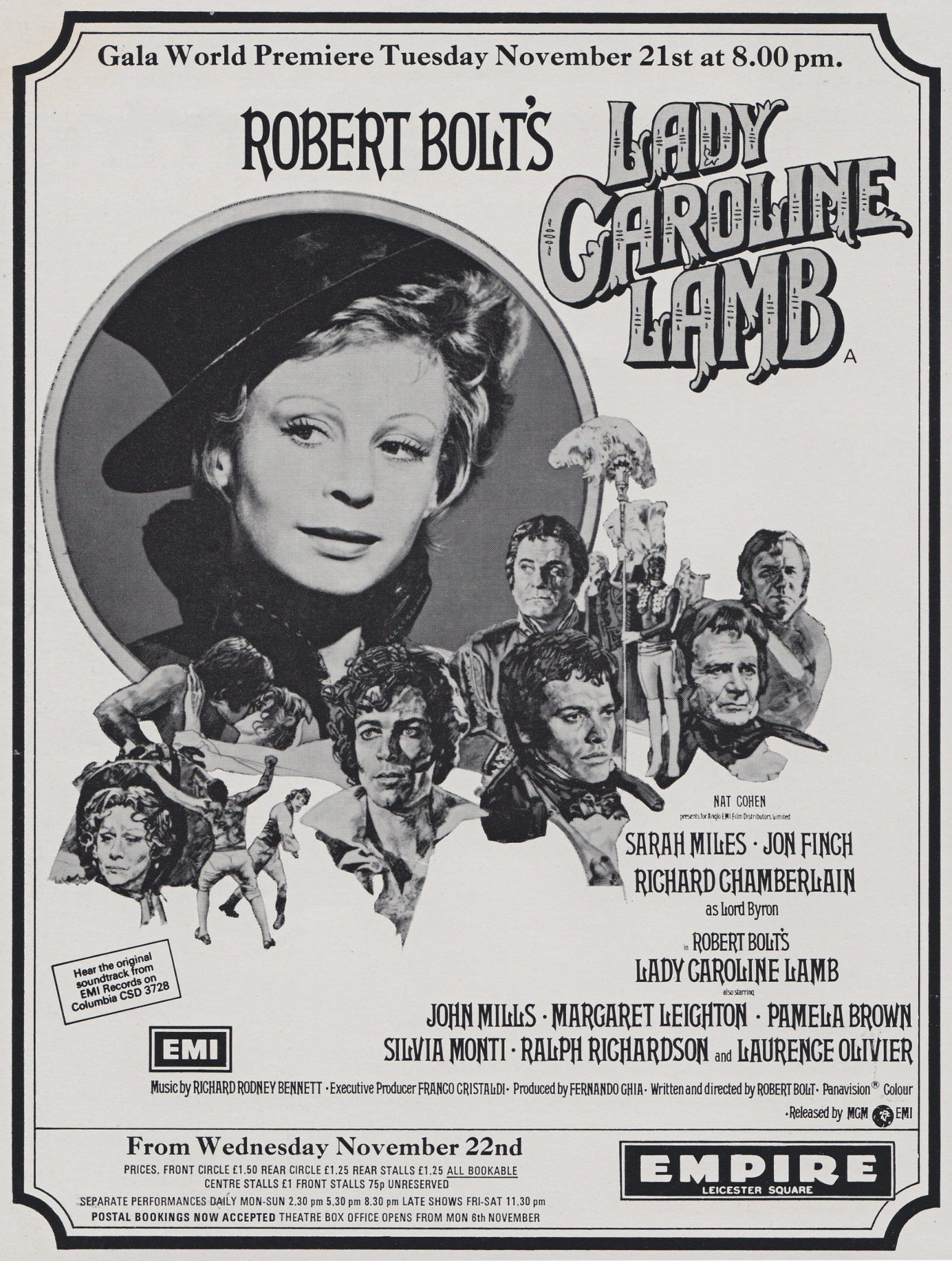
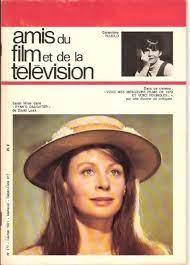
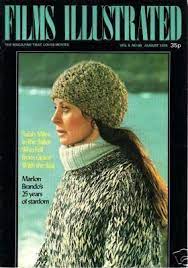
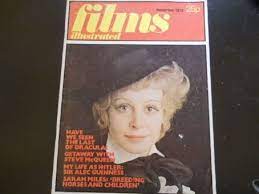
Career overview
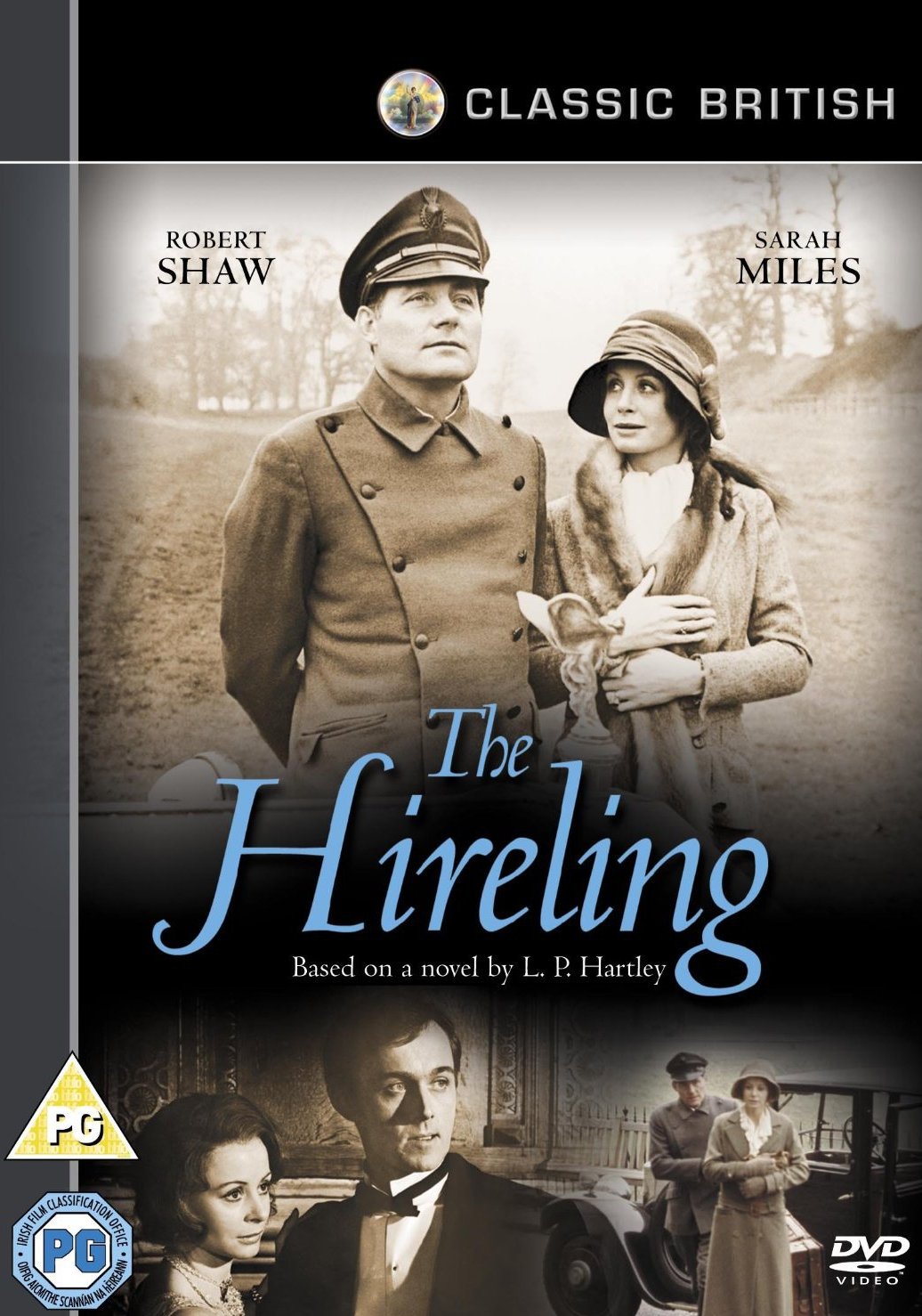
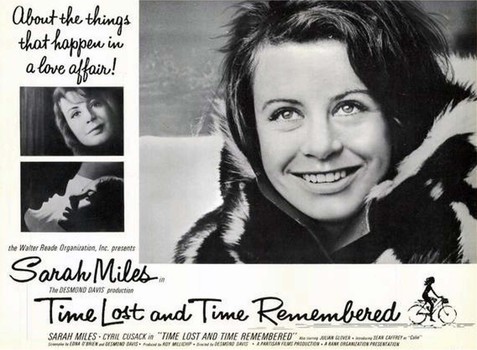
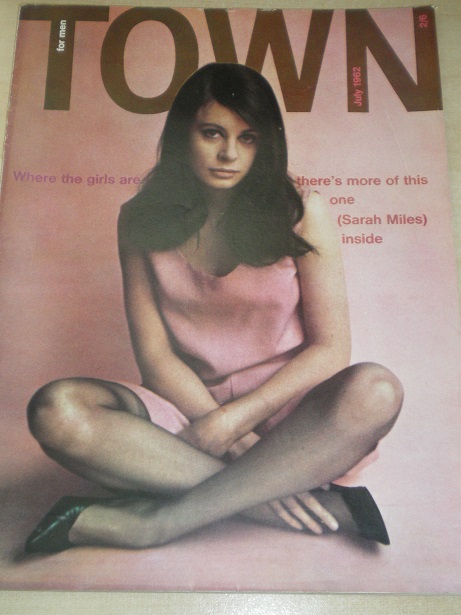
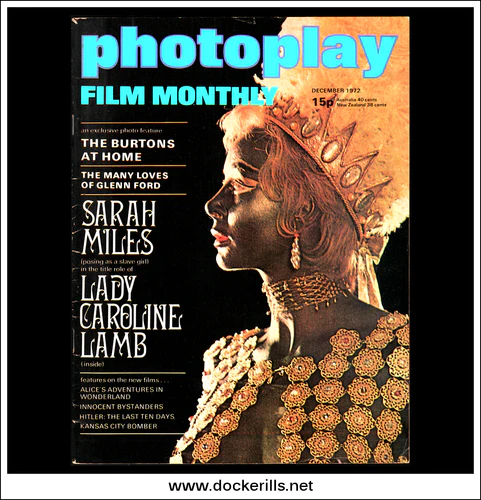
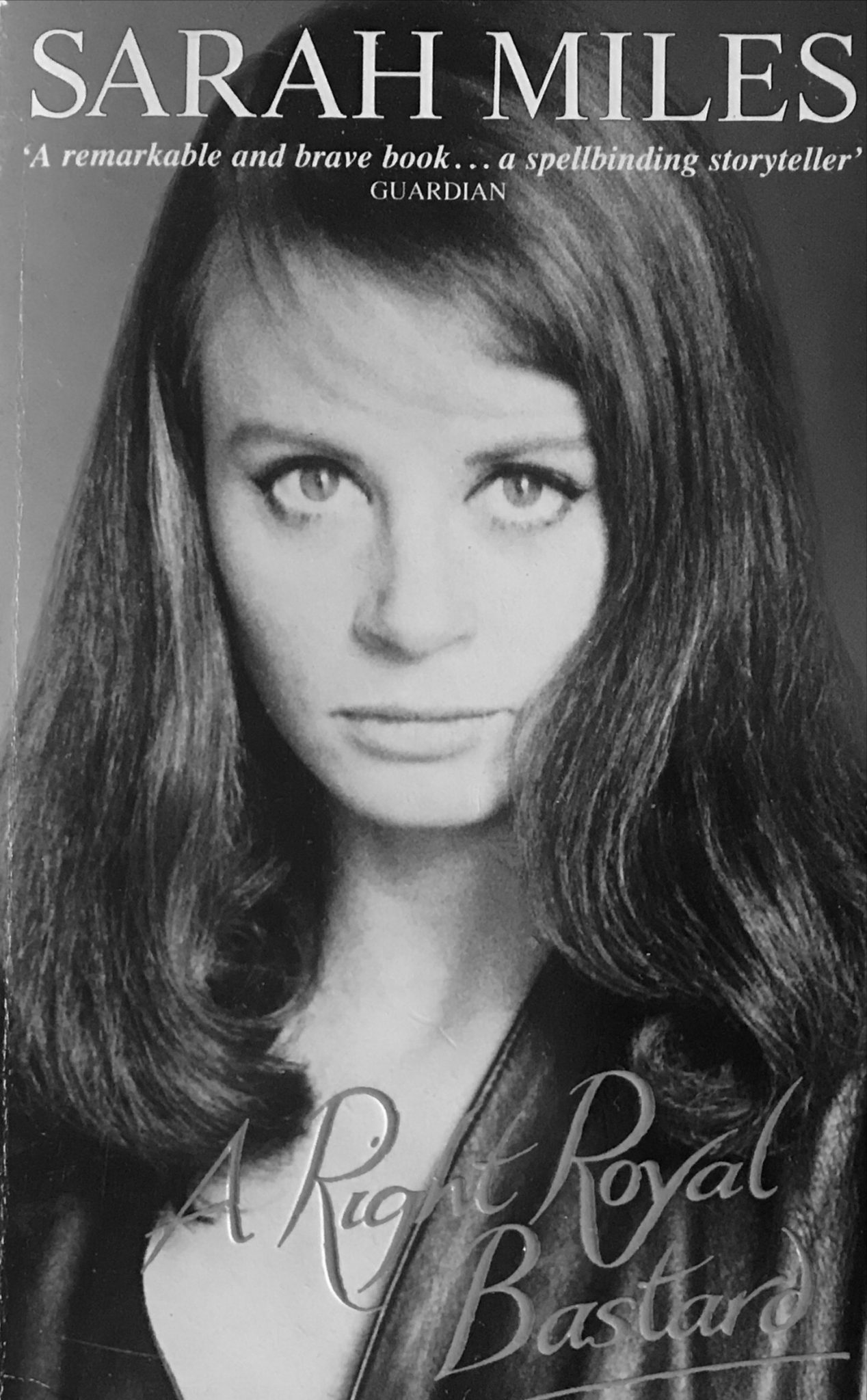
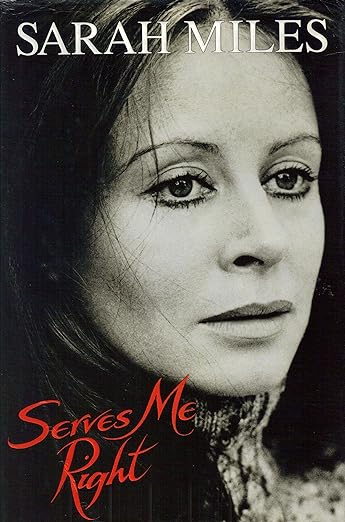
Sarah Miles (born 1941) is an English actress whose work across stage, film and television from the early 1960s onward made her a compelling presence of late‑modern British cinema: emotionally volatile, physically immediate, and willing to court controversy for the sake of truth on screen. Her career is best read as a series of powerful, often raw central performances in films that demanded frankness about desire, repression and social constraint—performances that sometimes dazzled and sometimes divided critics, but always registered as uncomfortably alive.
Early formation and breakthrough
- Training and early stage work: Miles trained in repertory and on the stage, developing an actor’s instincts for close listening and sudden, truthful reactions. Her theatrical background shows in the muscular honesty of her performances and her readiness to risk unglamorous, difficult emotional beats.
- Early film breakthrough: She first drew significant attention in the early 1960s for roles that set her apart from more conventional ingénues. Early high‑profile work with directors who prized psychological intensity announced her as an actress ready to embody emotional extremes rather than prettified passivity.
Signature collaborations and landmark films
- The Servant (1963): One of her early major screen roles was in Joseph Losey’s The Servant, where she entered a milieu of class, domination and sexual ambiguity. Her portrayal—tender, brittle, and combustible—helped make the film a touchstone of 1960s British psychological drama. The film established two things about Miles: a readiness to portray damaged sexual politics and an aptitude for ensemble work that foregrounded interpersonal power plays.
- Ryan’s Daughter (1970): Her performance as Rosy Ryan in David Lean’s epic is the defining entry in her filmography. Lean cast Miles against type in a sweeping, melodramatic canvas of love, shame and provincial exile. She delivered a performance of enormous emotional force—at times incandescent, at times painfully exposed—that earned her an Academy Award nomination. The role enlarged her international reputation but also intensified debates about the film’s moral stance and Lean’s directorial choices.
- Other notable work: Across the 1960s and 1970s Miles selected films that placed sexual longing and social judgment at their centre. She tended to appear in projects that tested the boundaries of conventional morality, often in stage adaptations and literary dramas where interiority mattered more than plot mechanics.
Acting style and screen persona
- Intensity and vulnerability: Miles’s most recognisable gift is the capacity to register inner conflict physically—small facial micro‑changes, a tremor in the voice, a sudden bodily withdrawal. That immediacy can be jolting: she rarely hides emotion behind prettiness.
- Sexual frankness: Many of her strongest roles treat female desire as a serious subject rather than mere ornament; Miles plays women whose sexuality is integral to their psychology and whose choices confront social censure.
- Risk‑taking: She has repeatedly chosen demanding, sometimes unflattering parts and has been willing to expose weakness, complicity and contradiction on screen. That courage—artistically admirable—also opened her to moralizing criticism in the press.
- Collaboration with strong directors: Her best work comes with directors who create intense, focused environments (Losey, Lean, and certain theatre directors). Those collaborations allowed her to inhabit complex, often scandalous figures credibly.
Critical reception and controversies
- Polarised responses: Critics often love Miles or dislike her—there is little middle ground. Admirers praise the charge and truthfulness of her performances; detractors sometimes find them excessive or self‑indulgent. This polarity owes partly to the subjects she picked (adultery, sexual shame, class conflict) and partly to a style that favors emotional urgency over prettified restraint.
- Public scrutiny: Her off‑screen life—notably a high‑profile marriage to the writer Robert Bolt and the tabloid interest that followed—intersected with reception of her work. Public debates about morality and celebrity in the 1960s–70s sometimes tinted readings of her films, especially Ryan’s Daughter.
- Artistic recognition: The Academy Award nomination for Ryan’s Daughter and the enduring attention to The Servant are objective markers of the critical gravity her work garnered, even as reviewers argued about tone and directorial economy.
Recurring themes and strengths
- Women under social pressure: Miles often played characters whose personal desires clash with strict moral or class codes; she makes the stakes of those conflicts feel urgent and human rather than merely plot devices.
- Emotional complexity: She resists easy sympathy; her characters are frequently messy, morally compromised, and therefore interesting. Her ability to hold that ambiguity is a major asset.
- Physical presence: Whether in intimacy or public shame, Miles’s body communicates what her lines might not—an economy of physical detail that registers humiliation, longing or defiance.
Limitations and career shape
- Typecasting into emotional extremity: Because she excelled at passionate, volatile figures, offers sometimes repeated similar parts, limiting the breadth of her screen personae.
- Relationship with scale: In very large, romantic epics (notably Lean’s work), her small, intense style could seem overwhelmed by grandeur or—conversely—remade into melodrama by a director’s choices. This tension made some viewers unsure whether to credit the actor or blame the film’s staging.
- Later career choices: After her peak in the late 1960s and early 1970s she took fewer major film leads; like many actors associated with a certain era’s aesthetic, she shifted more toward stage, television and selective screen roles.
Legacy and historical placement
- An exemplar of raw psychological acting in British cinema Sarah Miles sits with a group of British actresses of her generation who brought emotional realism and frank sexuality to mid‑century film drama.
- Enduring performances: The Servant and Ryan’s Daughter remain the touchstones for scholars and film lovers studying class, gender and desire in 1960s–70s cinema; Miles’s work anchors both films.
- Influence: Younger actresses who pursue emotionally fearless work can look to Miles as a model of risk and commitment—someone who chose roles that demanded ethical and psychological complexity rather than mere star image.
Final assessment Sarah Miles is an actor defined by courage rather than polish. Her strongest work creates discomfort but also insight: she turns moral ambivalence into illumination. She is not an actress of quiet background support—she insists on the center, and when the material and director support her, the result can be transfixing. When the context fails her—either through miscasting or overwrought direction—her forceful style can be misread as excess. That unevenness is part of what makes her career interesting: she consistently sought the high‑risk dramatic encounter, producing some of British cinema’s most affecting, if contested, performances.