

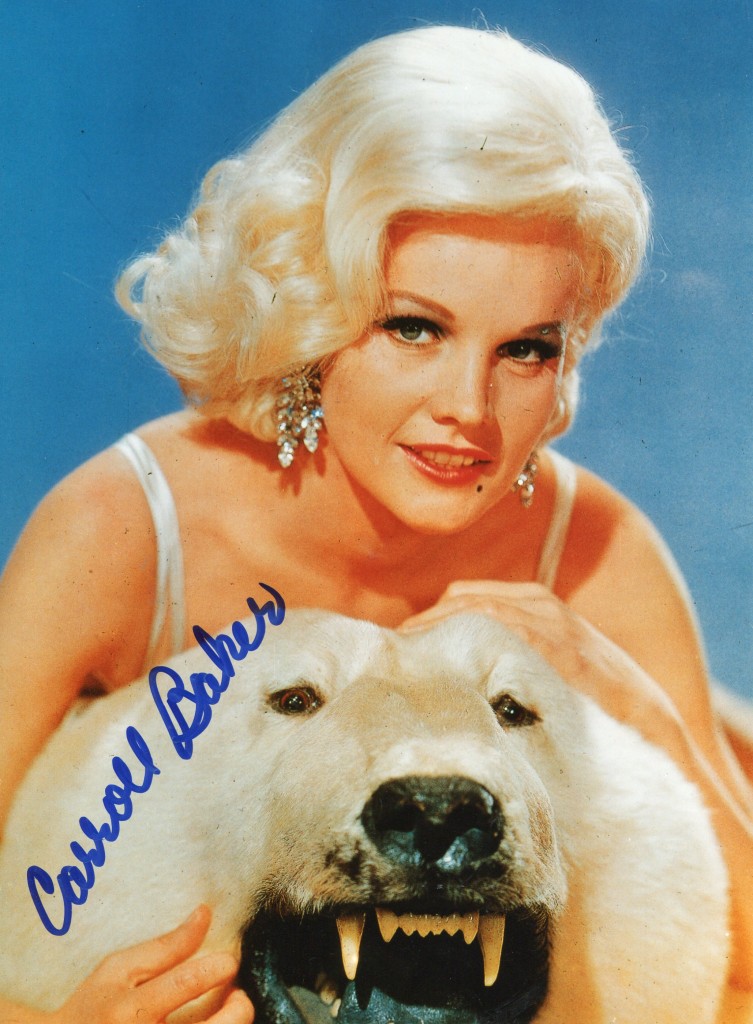
TCM Overview:
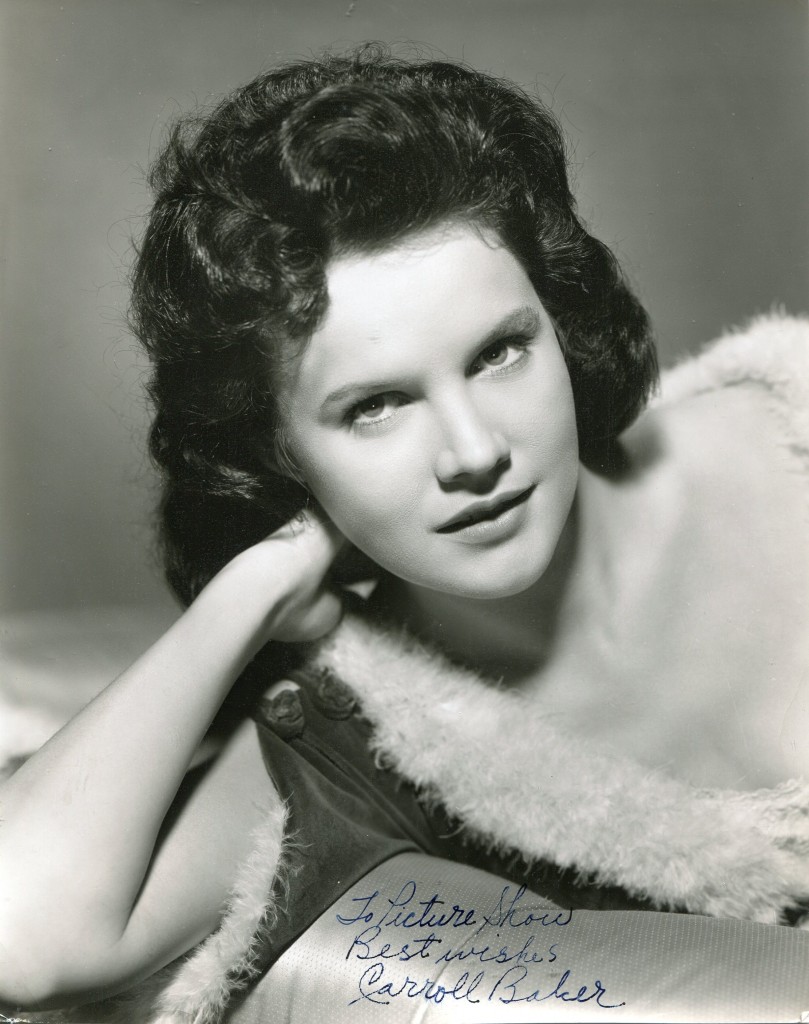
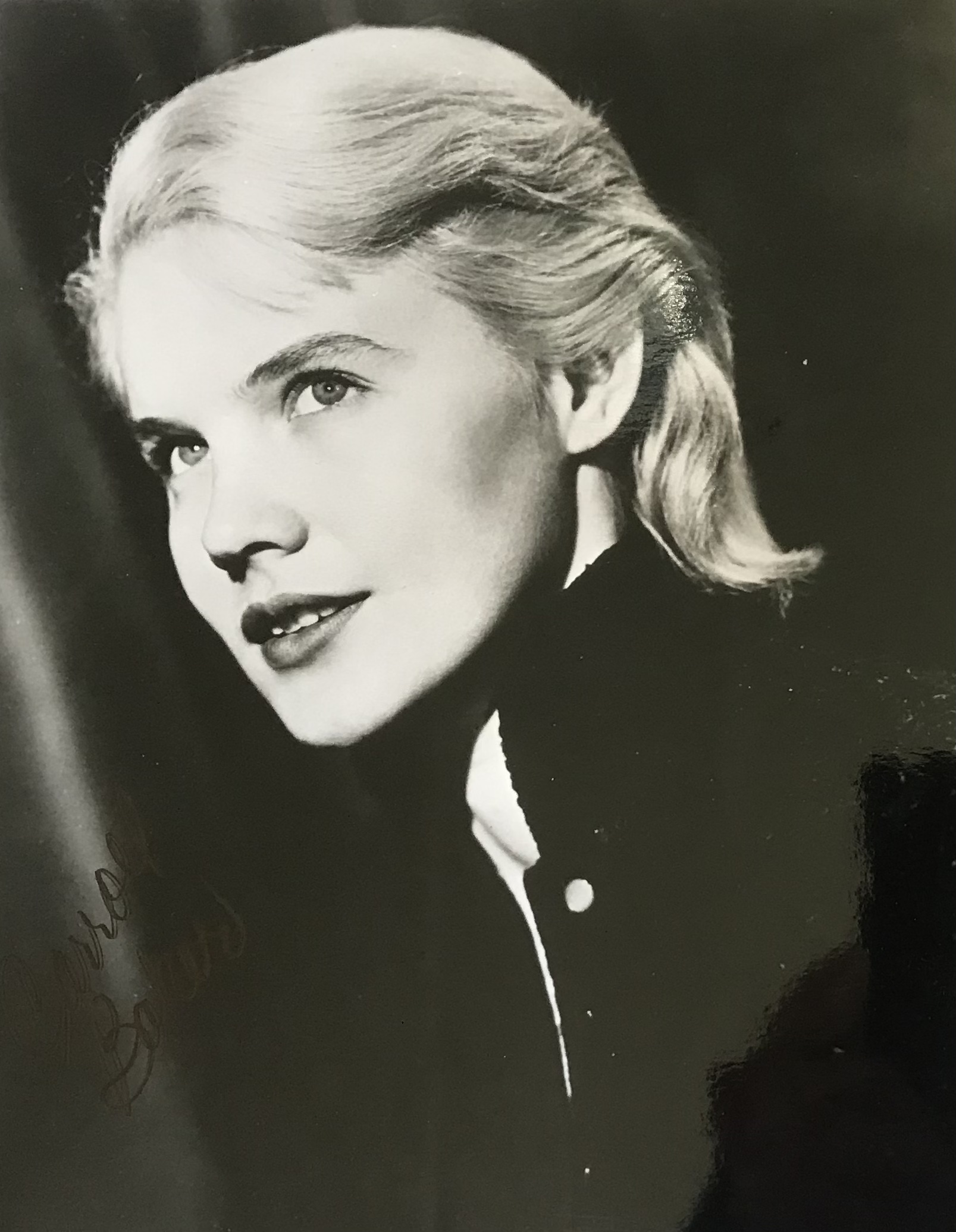
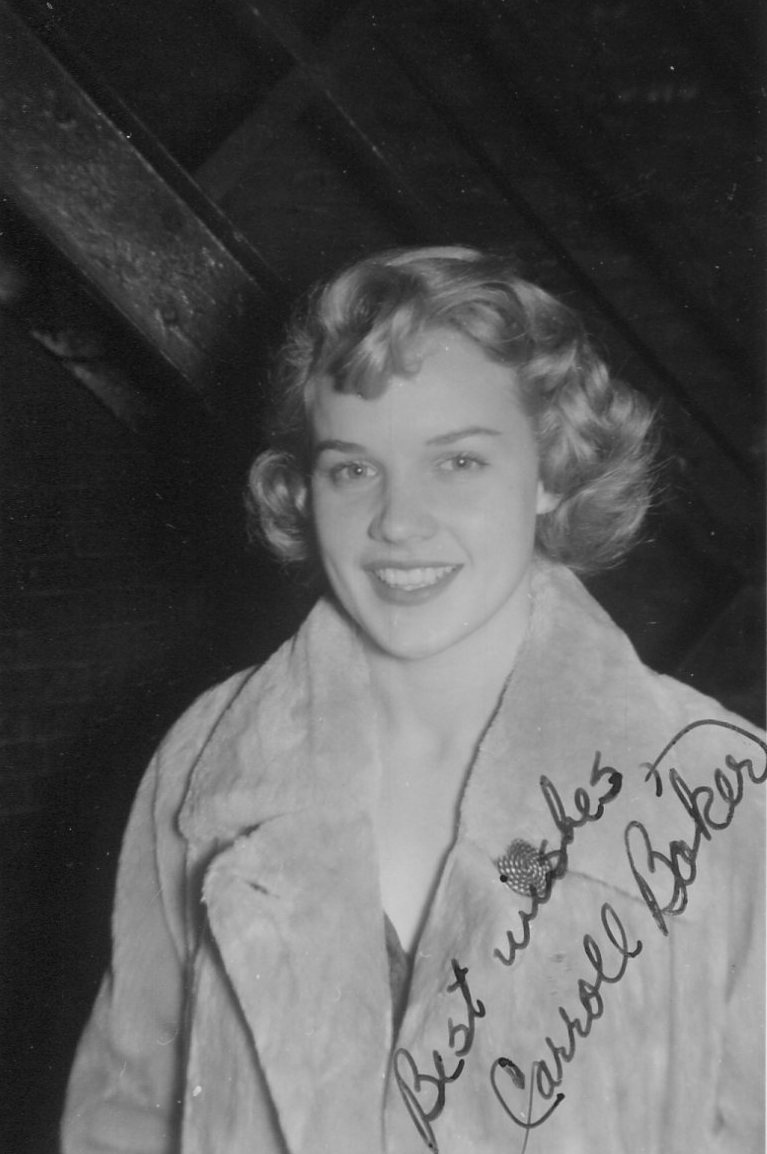
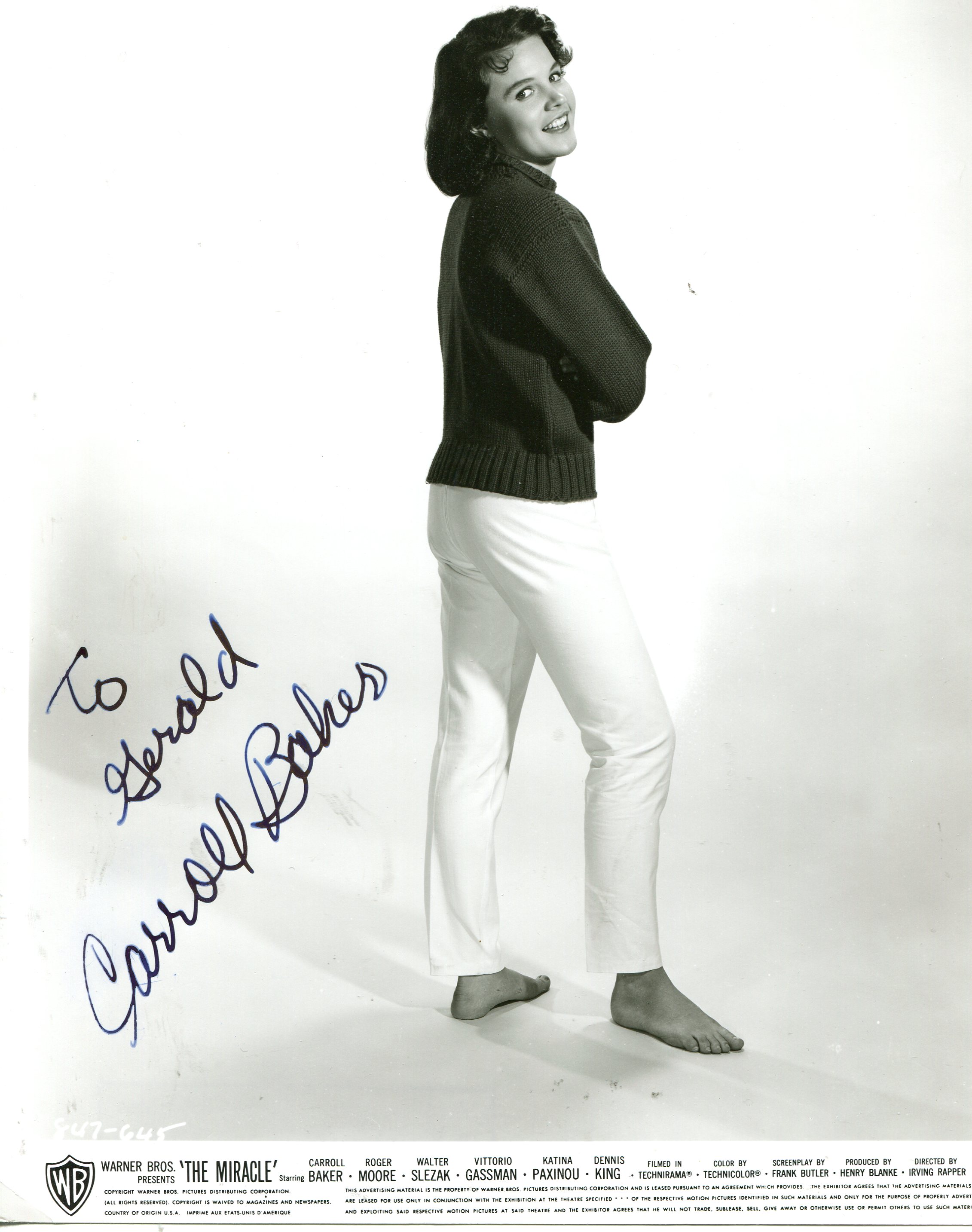
A talented former dancer and magician’s assistant, voluptuous, blonde bombshell Carroll Baker came under the private tutelage of Lee Strasberg once in NYC, eventually becoming a member of the famed Actors Studio. She had appeared in a bit role in “Easy to Love” (1953), but it was her performance on Broadway in Robert Anderson’s “All Summer Long” (1955) that led director Elia Kazan and playwright-screenwriter Tennessee Williams to chose her (over Marilyn Monroe) for their classic “Baby Doll” (1956). Although George Steven’s “Giant”, which opened two months earlier that same year, introduced Baker as a terrific screen presence, it did not prepare anyone for her sizzling portrayal as the underage and overly ripe wife of Karl Malden, whose erotic thumb-sucking and torrid “love scene” (without a single kiss) played with Eli Wallach on a swing outside the house somehow slipped past the Hays’ censors, earning her a much-deserved Oscar nomination for Best Actress. Condemned by the Catholic Church’s Legion of Decency because of its “carnal suggestiveness”, “Baby Doll” established Baker solidly as an A-list actor.
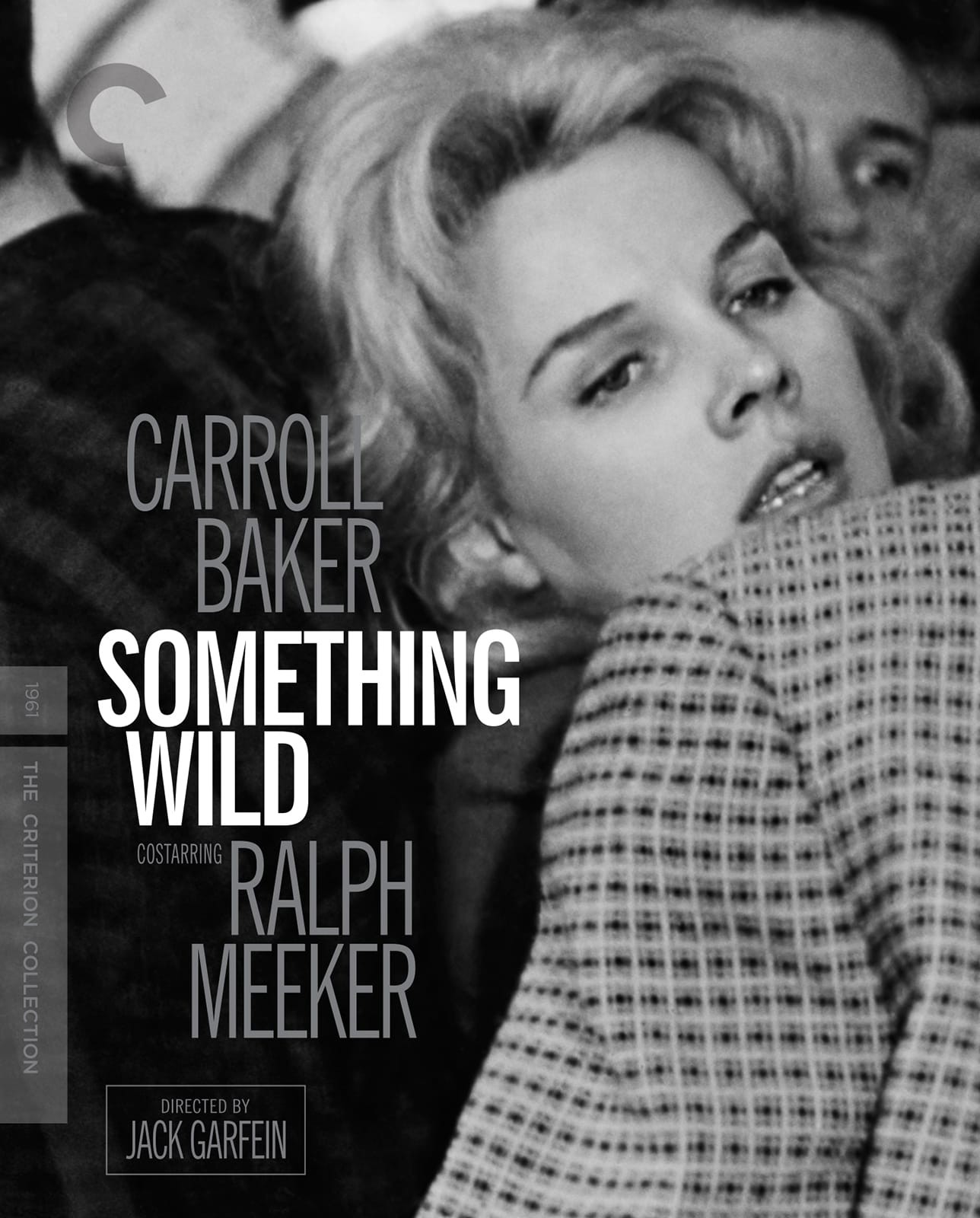
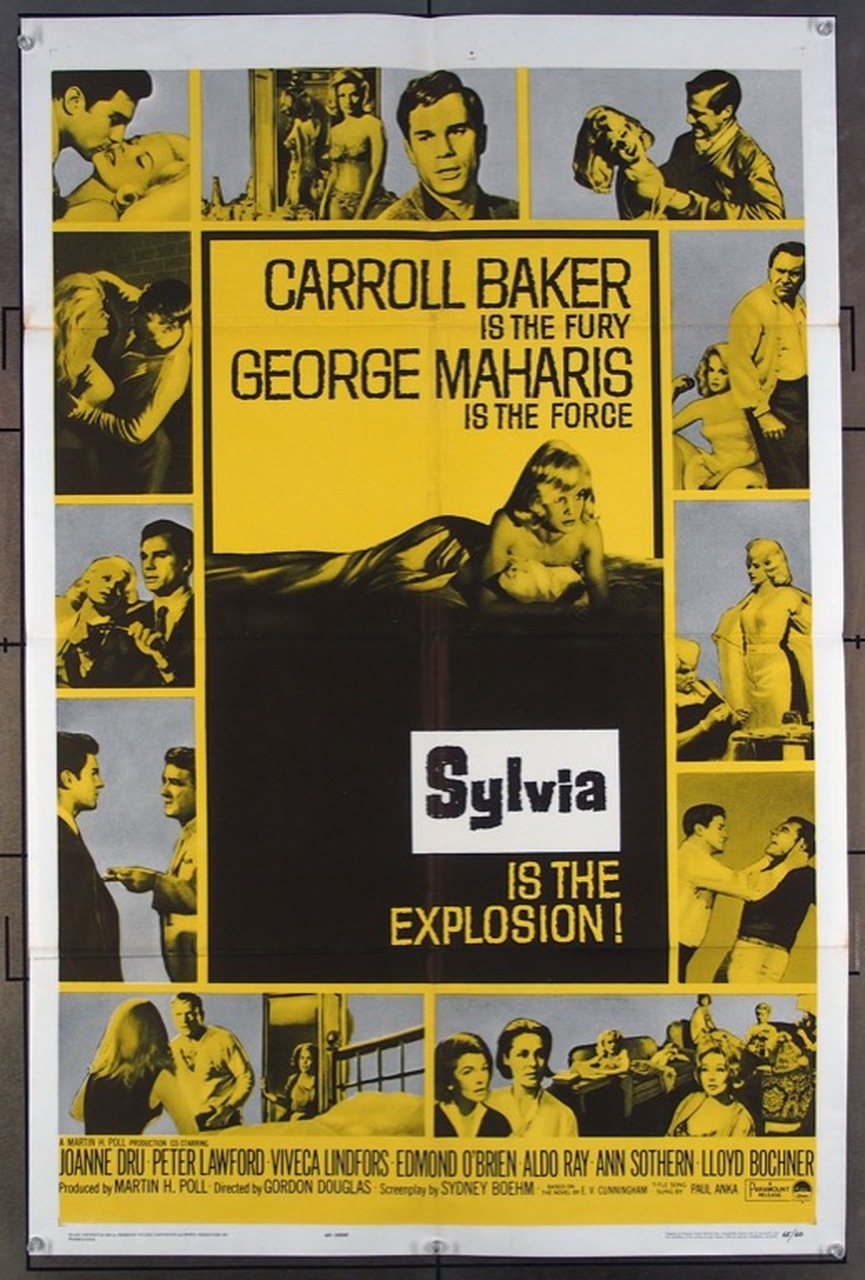
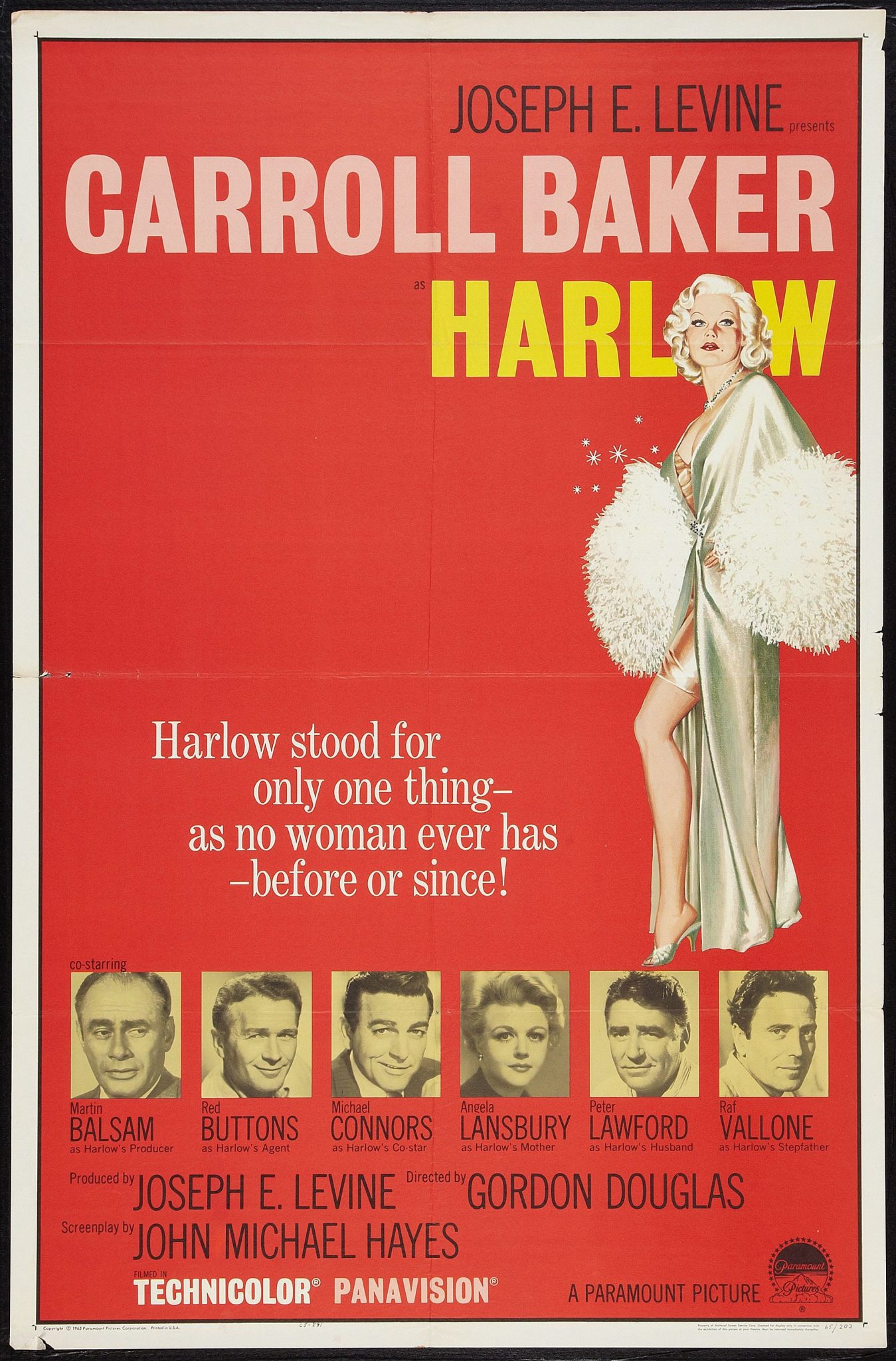
“Baby Doll” also typed her in Hollywood’s eyes as a sexpot, and no matter how hard she tried to transcend that image with serious, unglamorous performances in quality offerings (“The Big Country” 1958, “Something Wild” 1961 and “Cheyenne Autumn” 1964), producers continued grooming her to replace Monroe as the screen’s preeminent sex goddess. She got her man (Jimmy Stewart) in the heroic “How the West Was Won” (1962) and reunited with Stevens for his Biblical epic, “The Greatest Story Ever Told” (1965), and although “The Carpetbaggers” (1964), “Sylvia” and “Harlow” (both 1965) captured her flamboyant earnestness, none of these movies did anything to dispel her reputation as a sex kitten. Blackballed by producer Joseph Levine for failing to promote “Harlow”, Baker finally slipped from the A-list for the first time in a decade. Hopelessly in debt with two young children to support after her second marriage (to director Jack Garfein) fizzled, she fled to Italy.
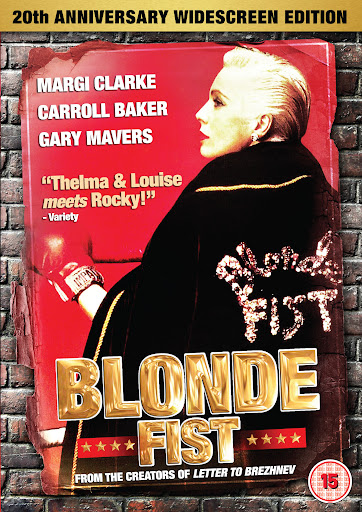
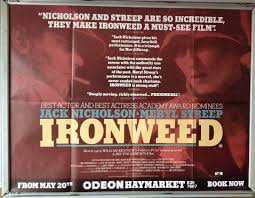
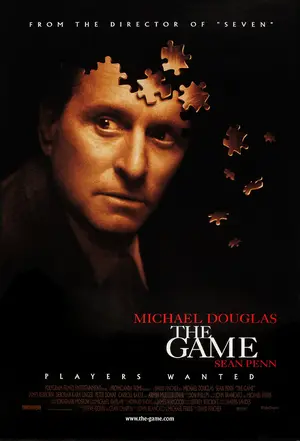
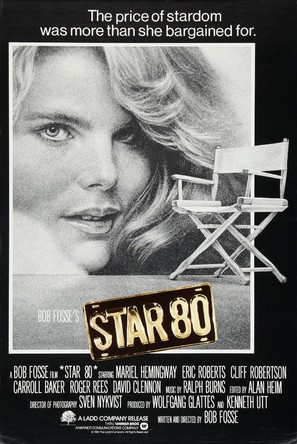
Baker returned to the stage, making her London debut as Sadie Thompson in a revival of Somerset Maugham’s “Rain” (1977), reprising a role she had played on British TV (BBC) in 1972. She then performed in American regional theater in places like Atlanta, GA (“Bell, Book, and Candle” 1978) and Dallas, TX (“Forty Carats” 1979), the United Kingdom, where she acted in such plays as “Lucy Crown” (1979) and “Motive” (1980), and Canada (“Little Hut” 1981). As for film, her luck began to change when she landed a part opposite Bette Davis in “The Watcher in the Woods” (1980), which led to higher-profile character work in more promising material (“Star ’80” 1983 and “Native Son” 1986). Baker turned in a fine performance as Annie Phelan, Jack Nicholson’s wife in “Ironweed” (1987), but it wasn’t until playing a villainess to Arnold Schwarzenegger in “Kindergarten Cop” (1990) that she felt confident enough to move back to Los Angeles. Since then she has acted in the features “Blonde Fist” (1991), David Fincher’s “The Game” (1997), in which she played the crucial role of Michael Douglas’ housekeeper, and “Nowhere to Go” (lensed 1997). Baker has appeared frequently on TV in the 90s, appearing in a three-week stint on “L A Law” in 1993 and acting in movies like “Skeletons” (HBO, 1996), “North Shore Fish” (Showtime, 1997) and “Heart Full of Rain” (CBS, 1997
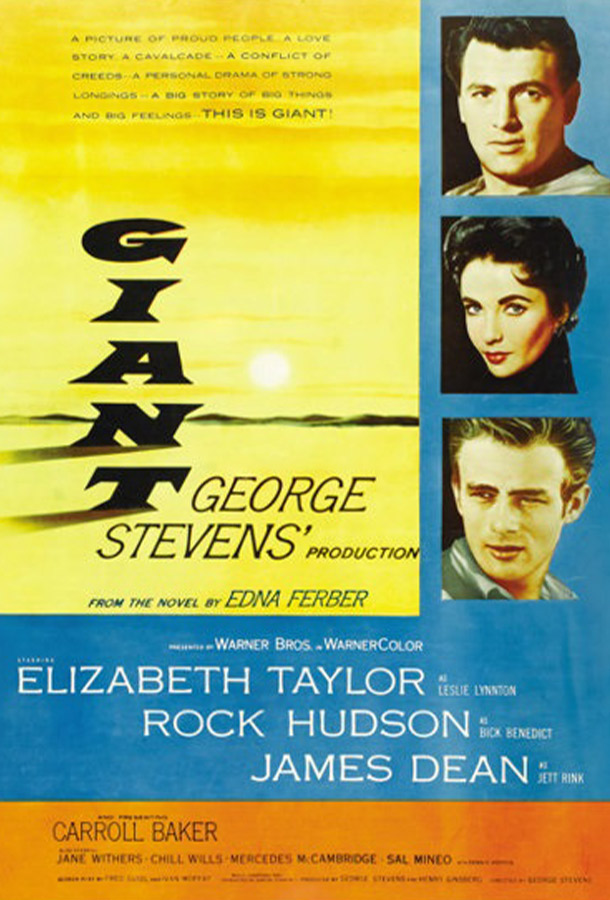
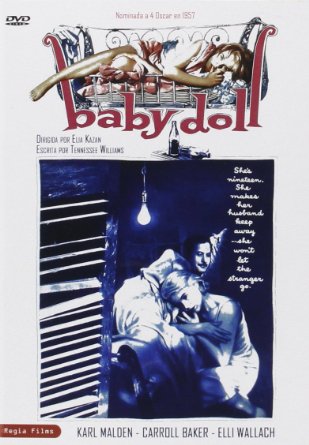
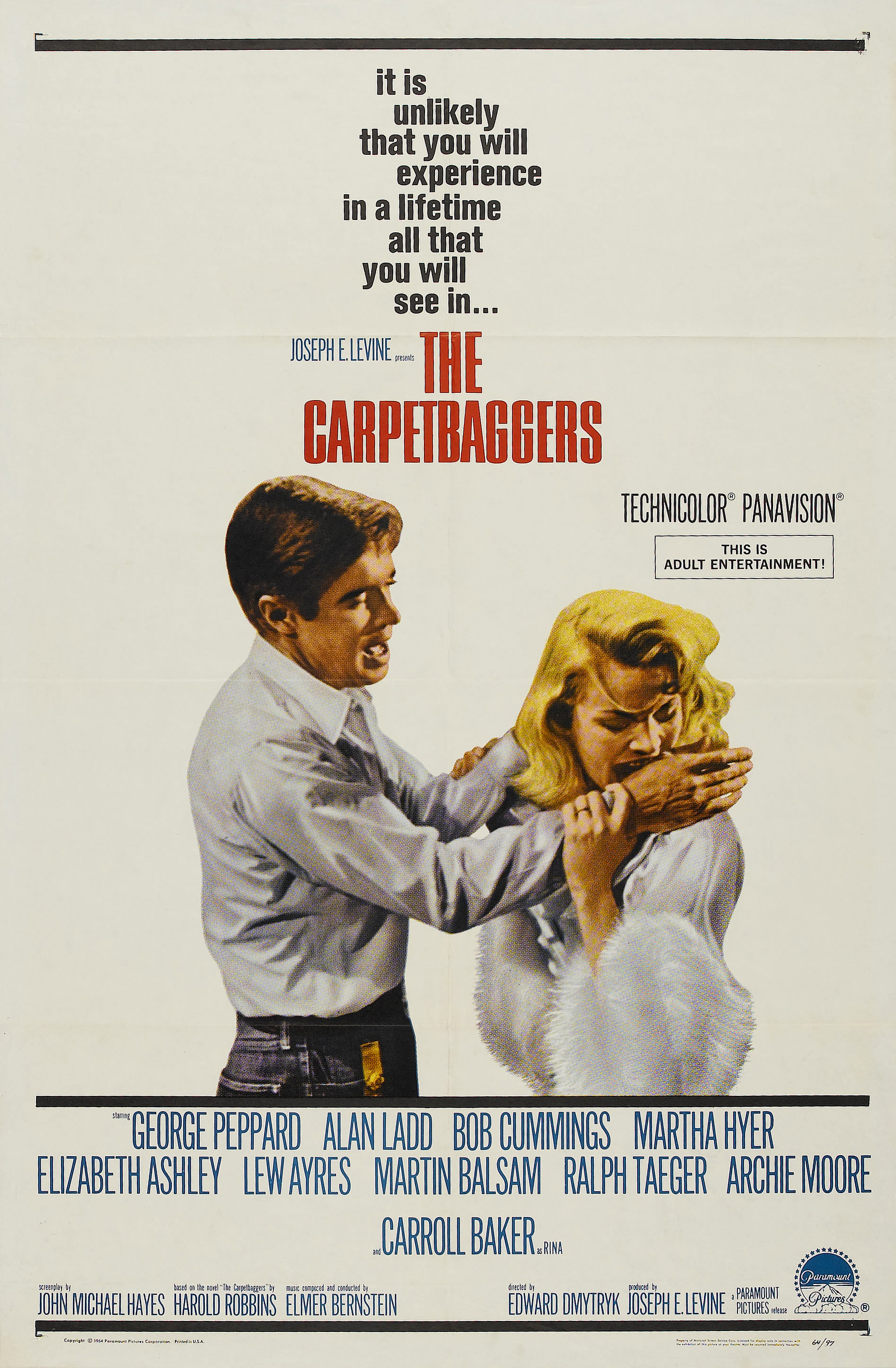
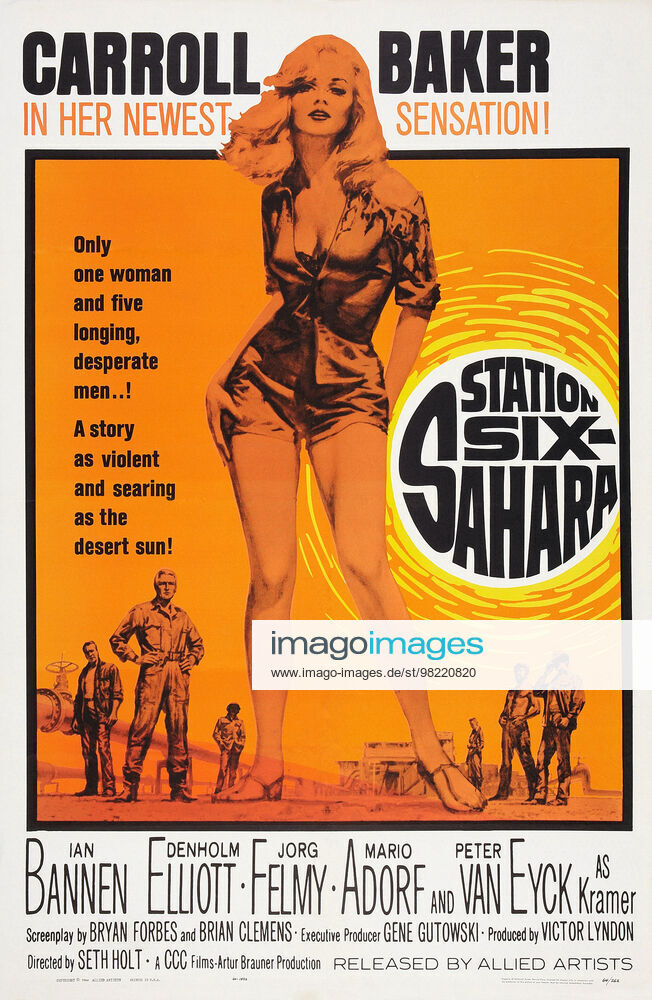
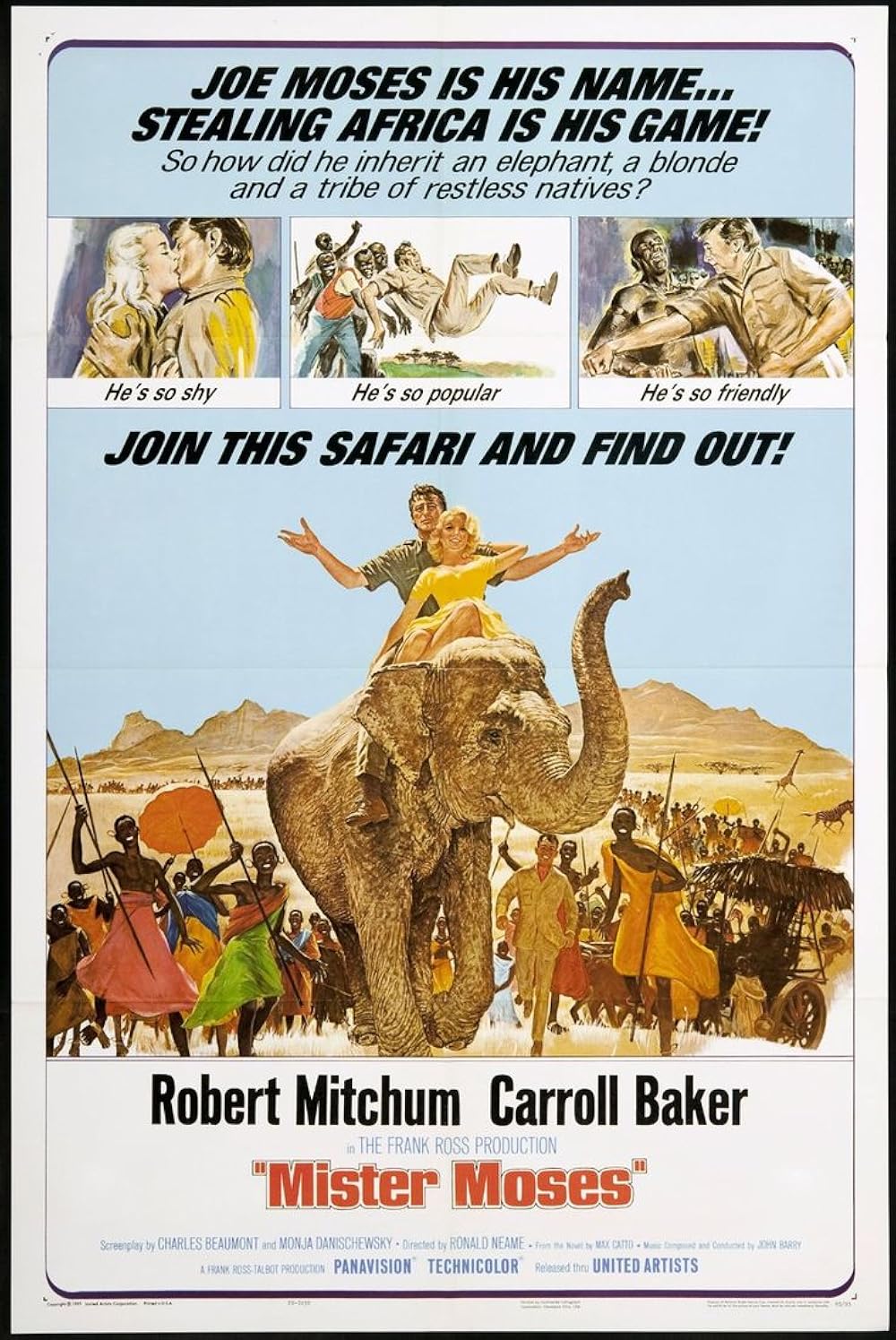
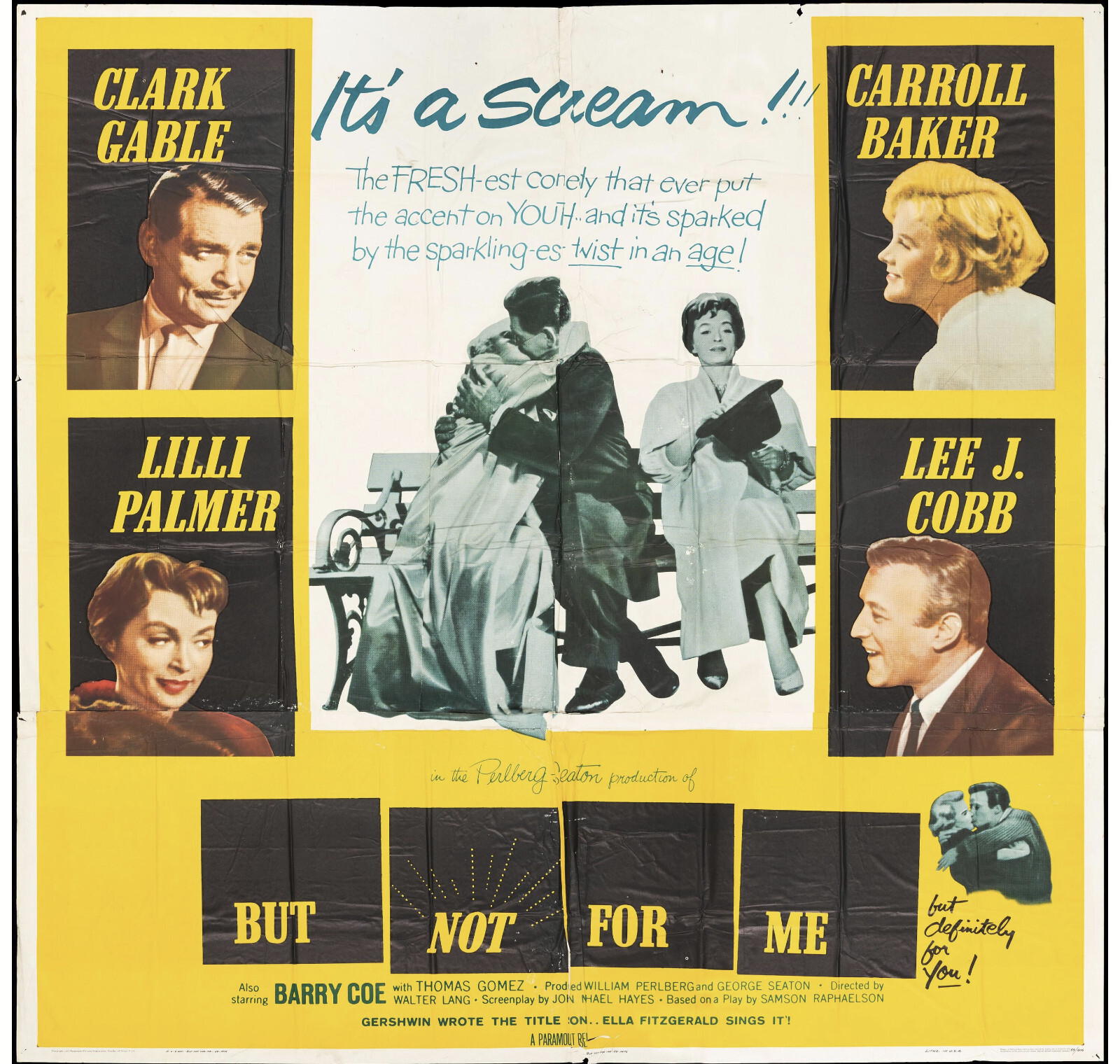
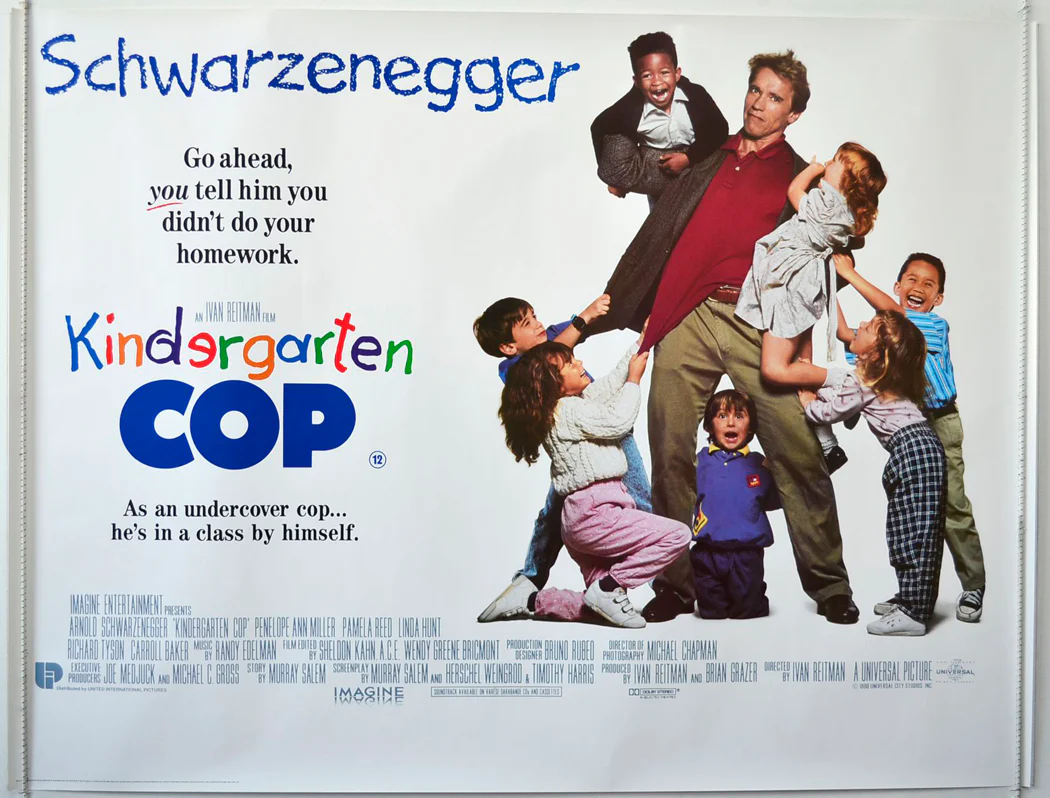
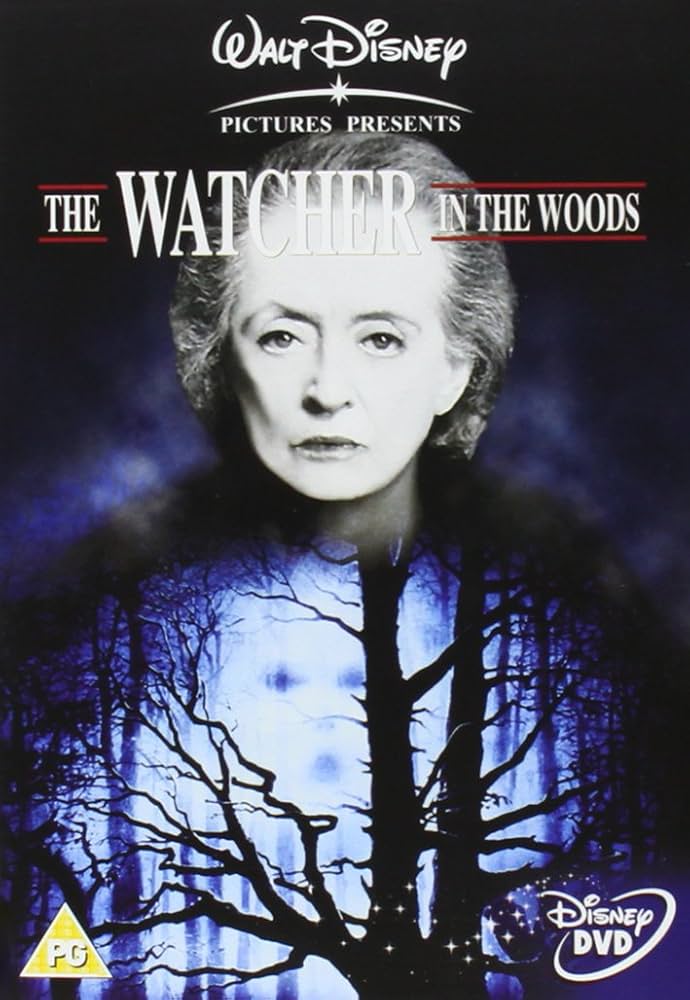
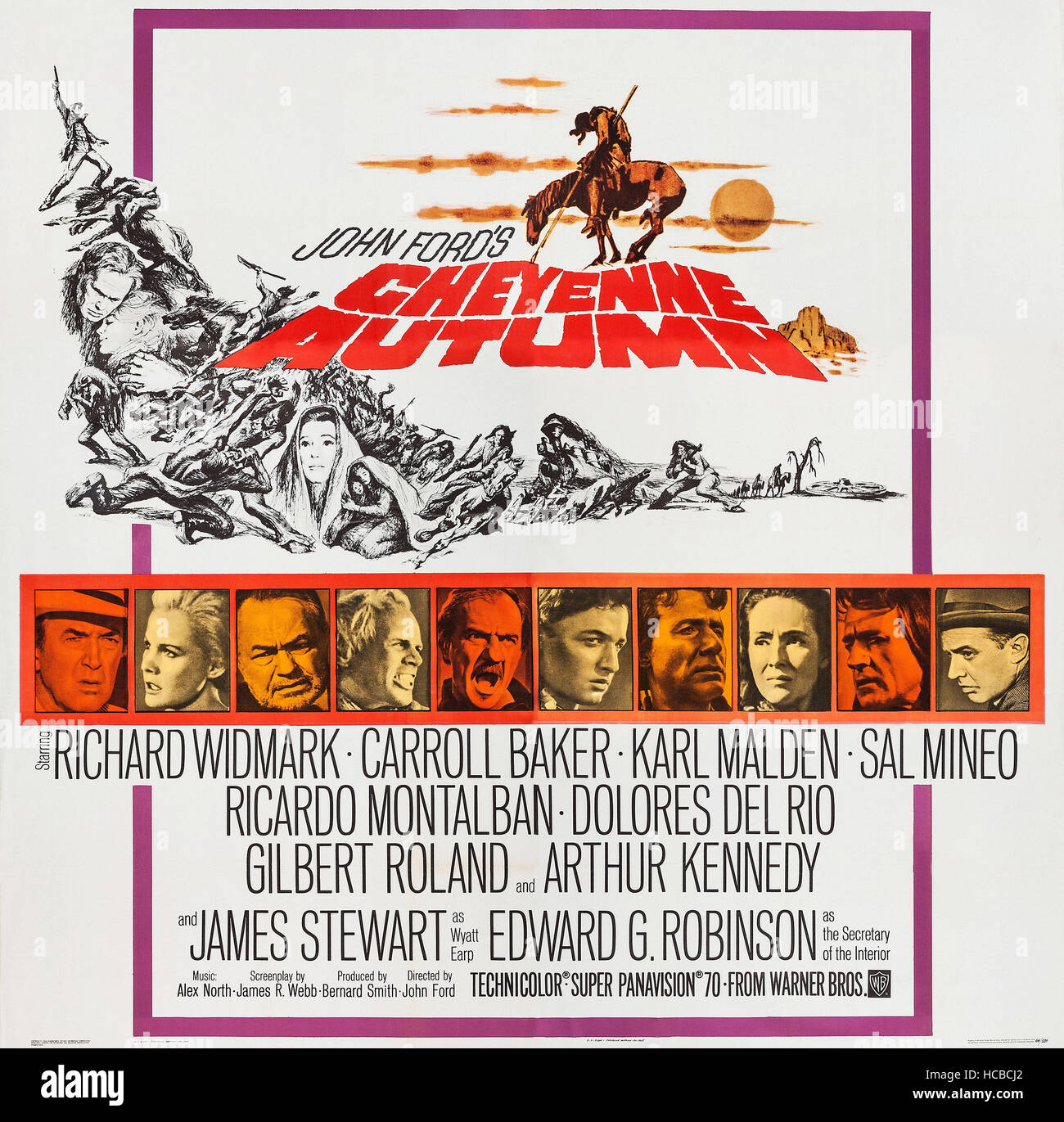
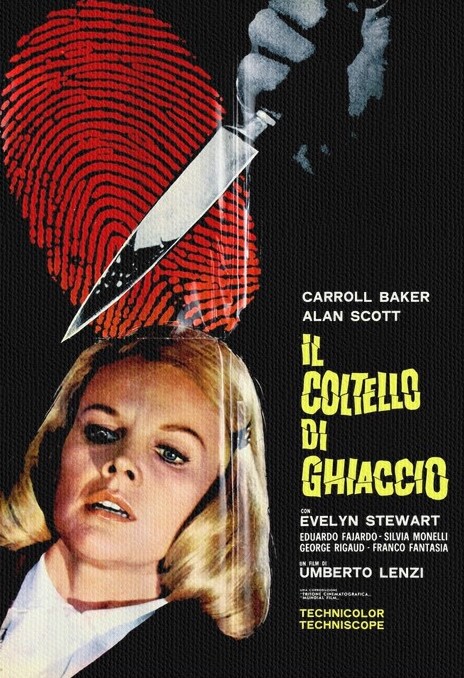
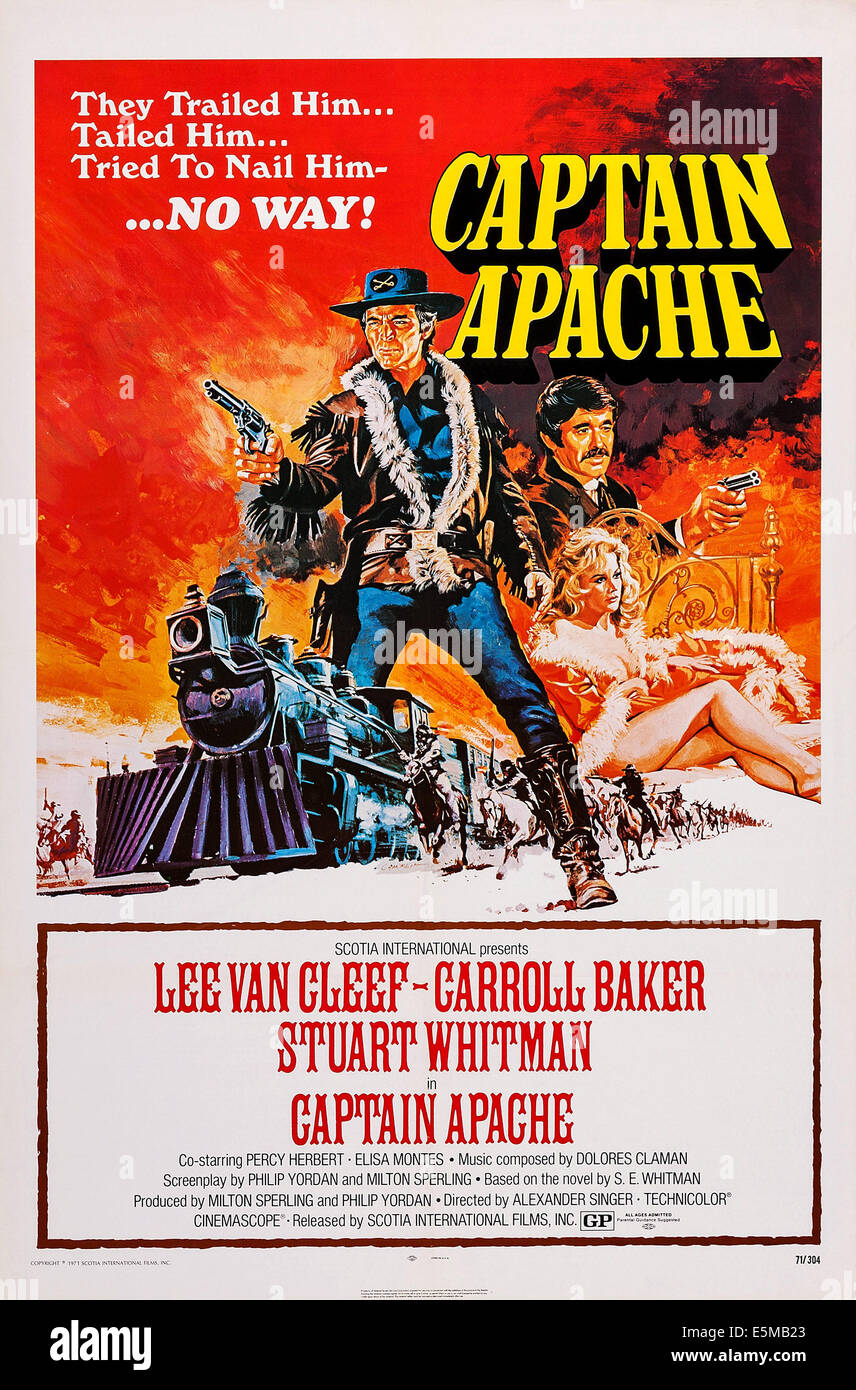
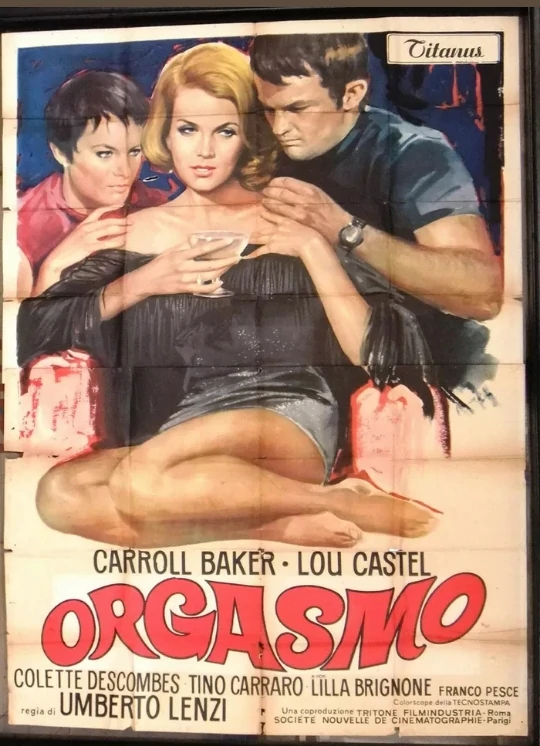
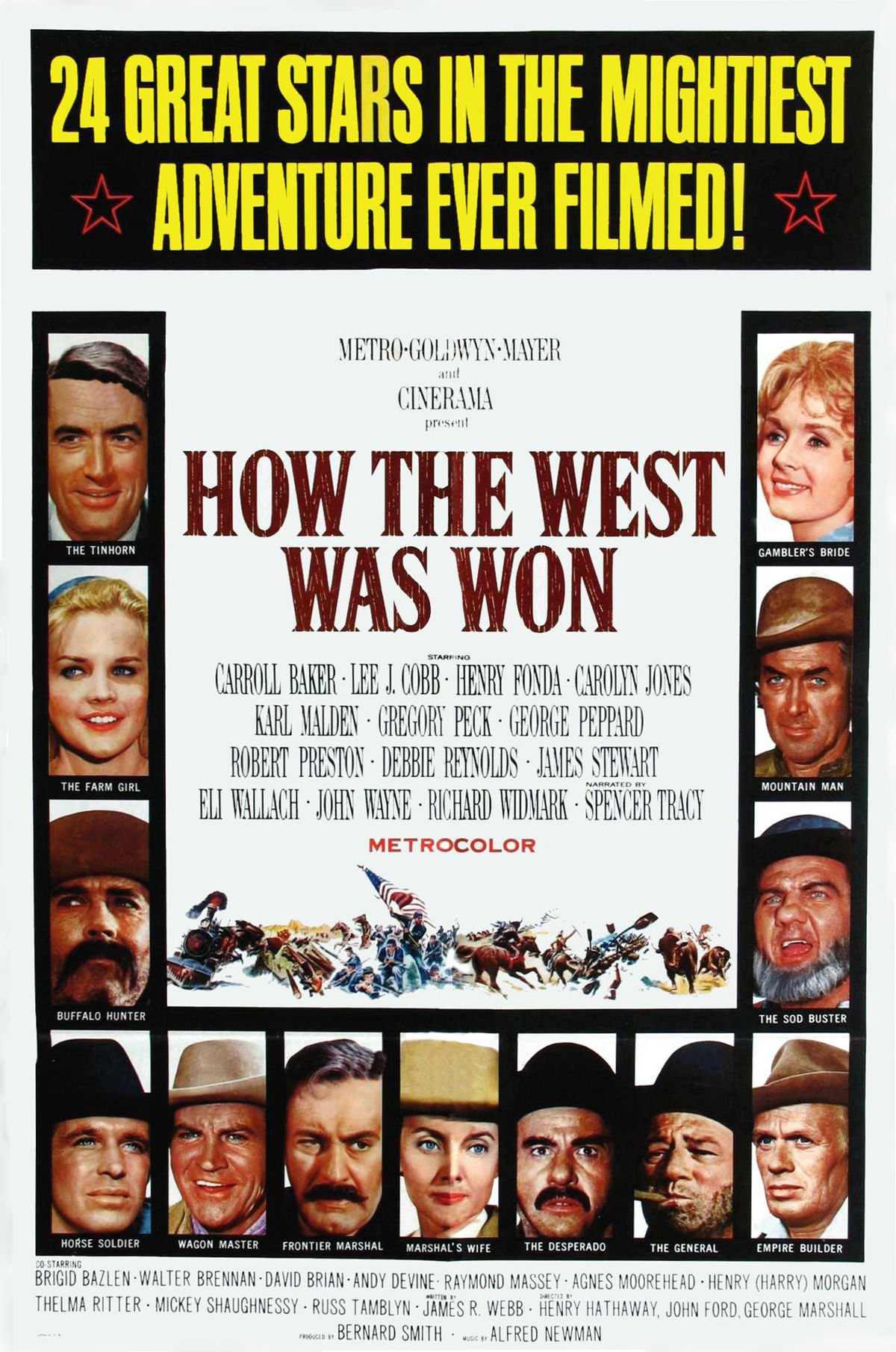
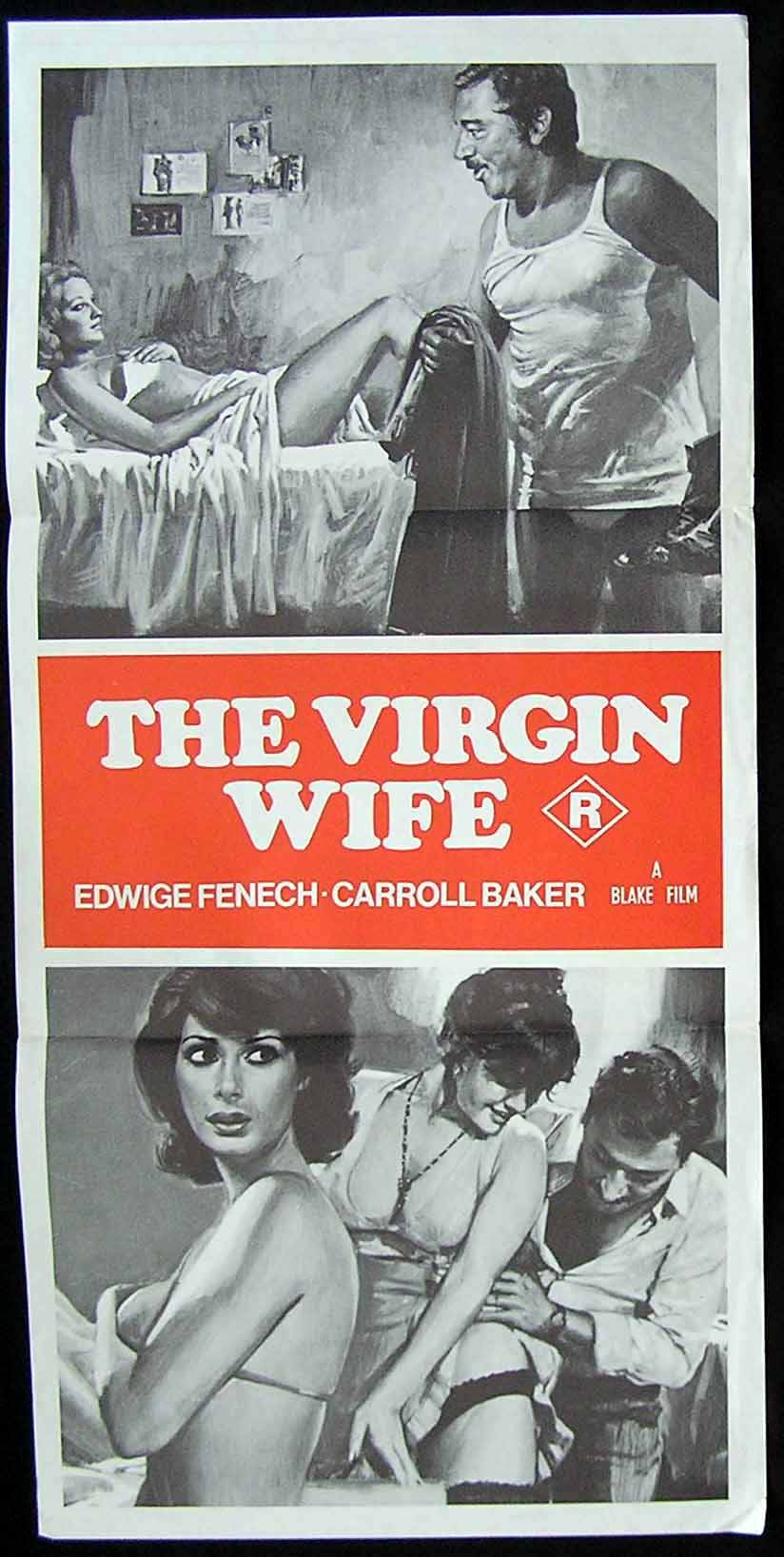
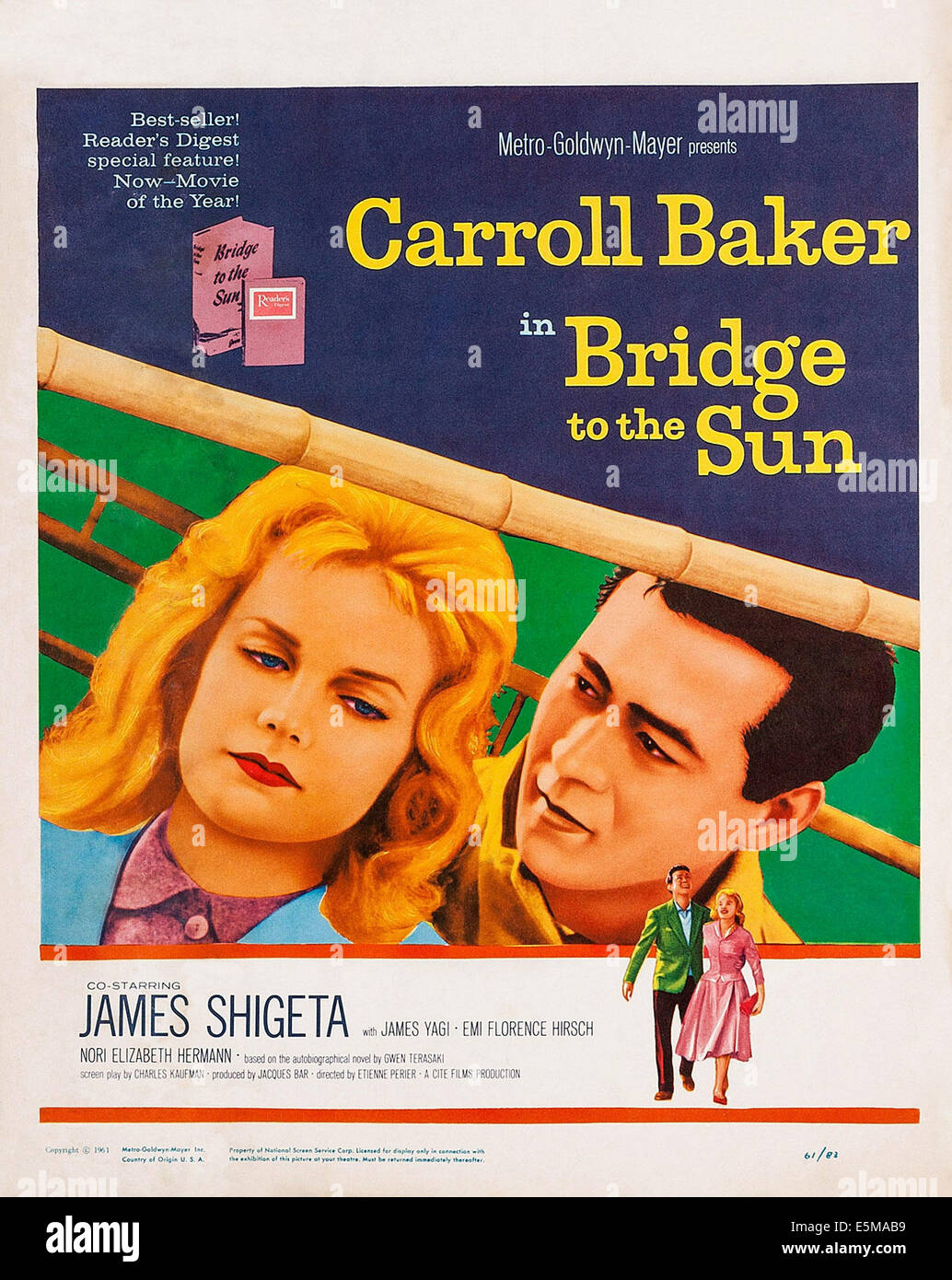
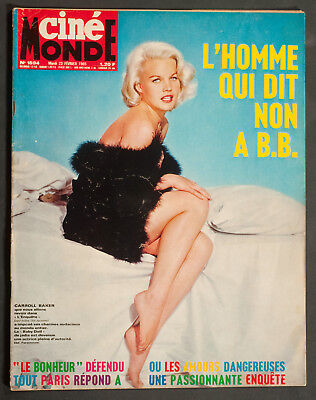
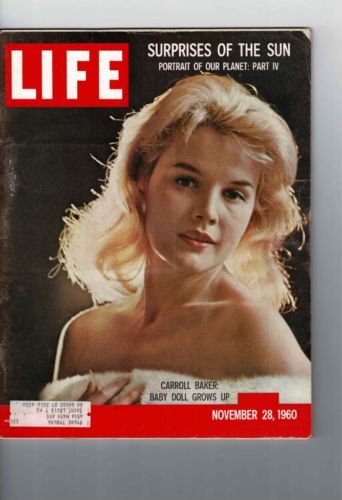

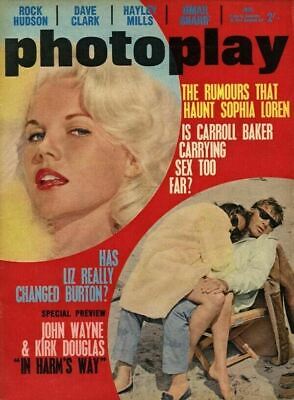
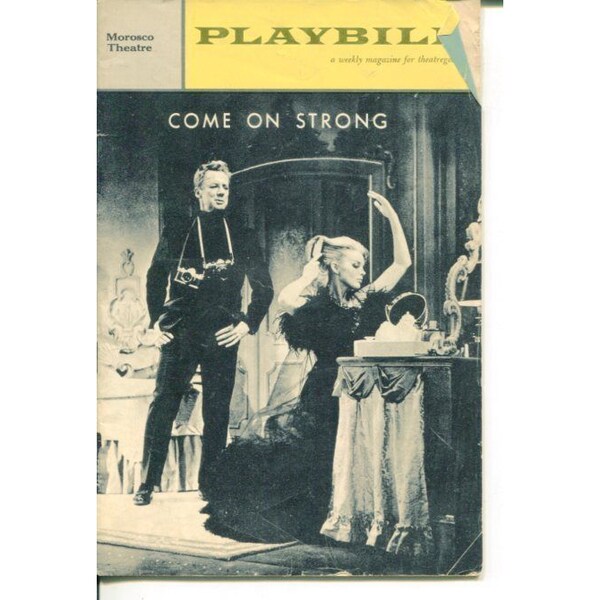
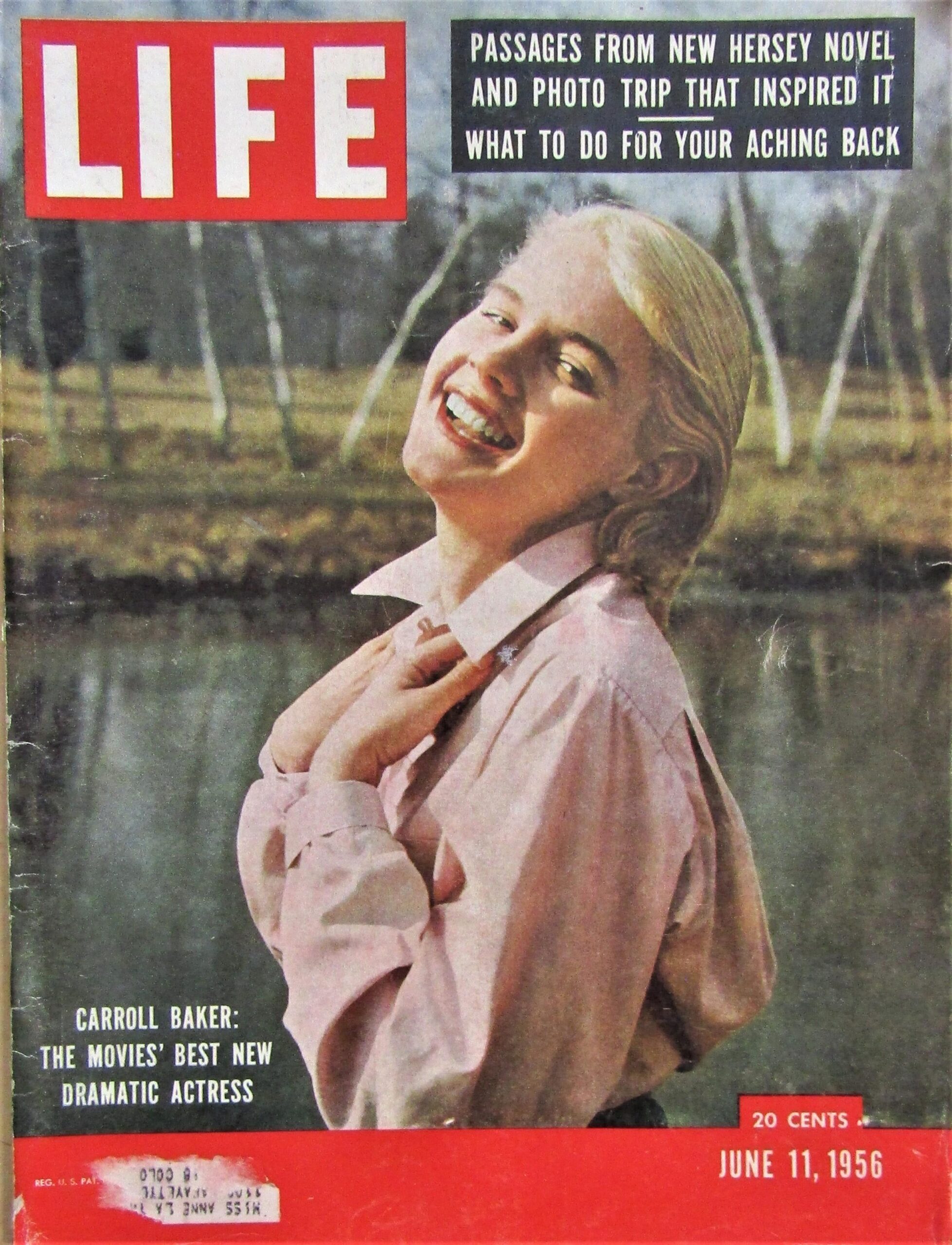
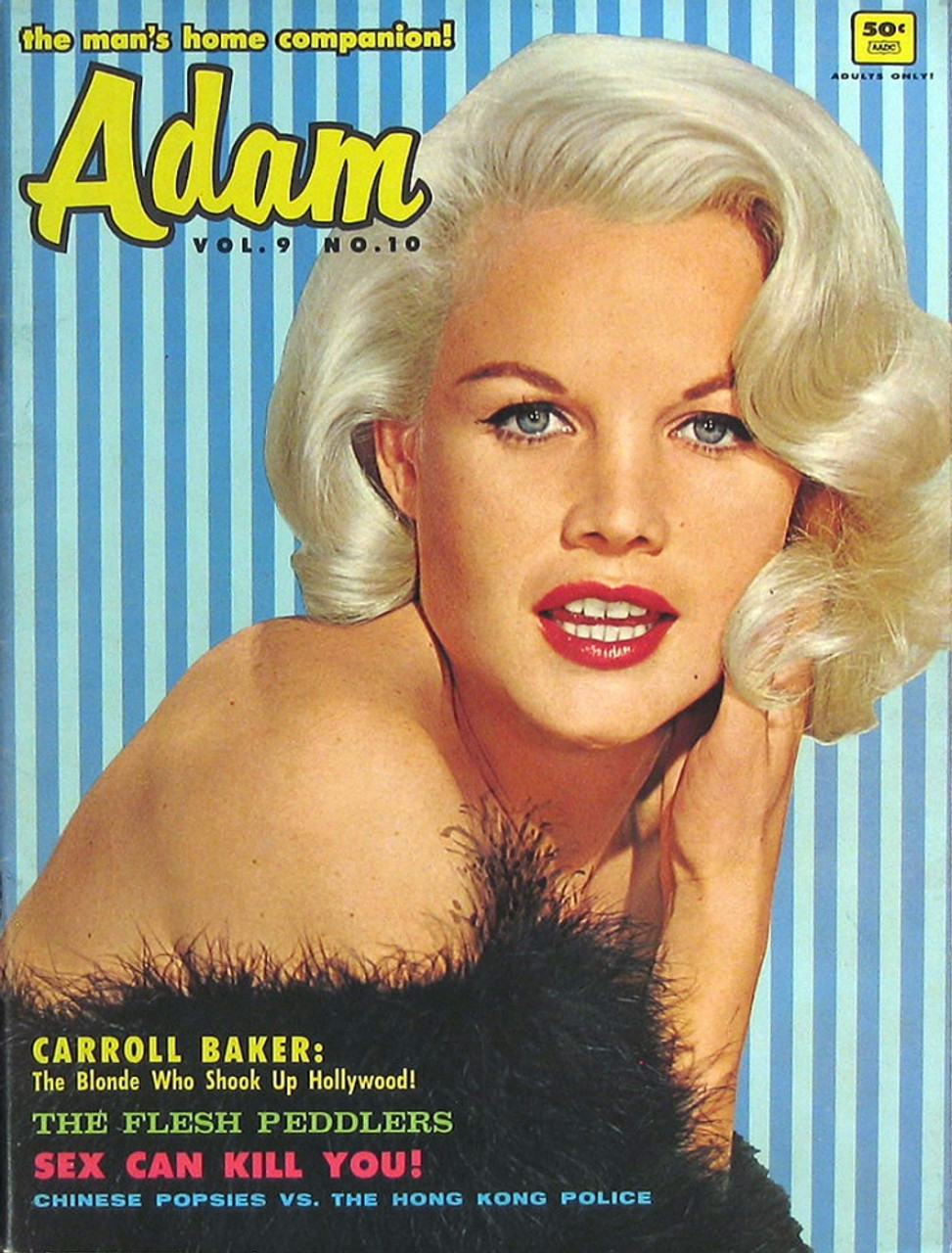
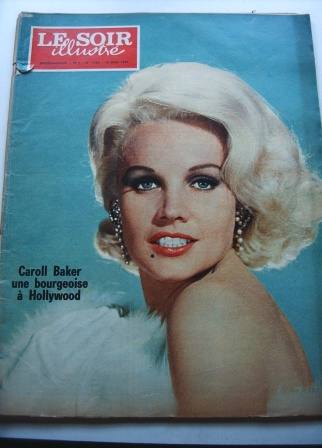
Carroll Baker (born 1931) is one of the most complex figures of the “Method” generation. A critical analysis of her work reveals an actress who was frequently caught between her immense technical skill as a member of the Actors Studio and the Hollywood machine’s desire to market her as a “sex symbol.”
She represents a bridge between the 1940s Noir “femme fatale” and the 1960s/70s European realism you enjoy. While often compared to Marilyn Monroe, Baker possessed a “steely, intellectual detachment” that made her performances far more subversive and unpredictable.
I. Career Overview: The Path of the Subversive Star
1. The Elia Kazan Breakthrough (1956)
After a small role in Giant (1956) with James Dean, Baker became an overnight sensation in Elia Kazan’s Baby Doll.
The “Method” Provocateur: Written by Tennessee Williams, the film featured Baker as a child-bride in the deep South. Critically, she was praised for her ability to play “infantile sensuality” with a terrifyingly sharp, calculating edge. She earned an Oscar nomination and became a symbol of the “New Hollywood” daring.
2. The Western and Epic Era (1958–1964)
In the genre you love—the 1950s Western—Baker delivered some of her most grounded work.
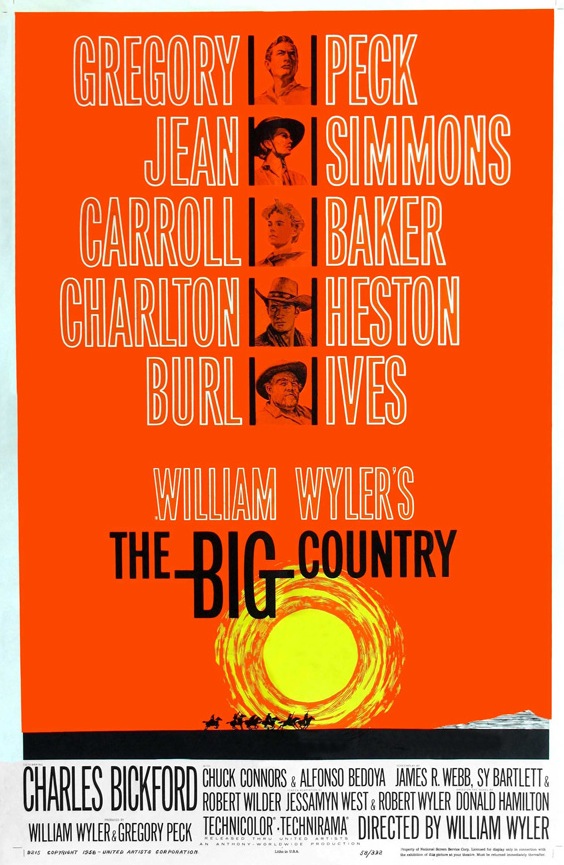
The Big Country (1958): Playing opposite Gregory Peck, she portrayed a woman struggling with the rigid “Code of the West.”
How the West Was Won (1962): As Eve Prescott, she anchored the film’s early sequences, bringing a “Kitchen Sink” survivalist grit to the massive Cinerama spectacle.
Cheyenne Autumn (1964): In John Ford’s final Western, she played a Quaker teacher, showcasing a “quiet, pacifist authority” that stood in contrast to her earlier roles.
3. The “Harlow” Pivot and European Exile (1965–1970s)
After the biographical film Harlow (1965) led to a legal battle with Paramount, Baker moved to Italy.
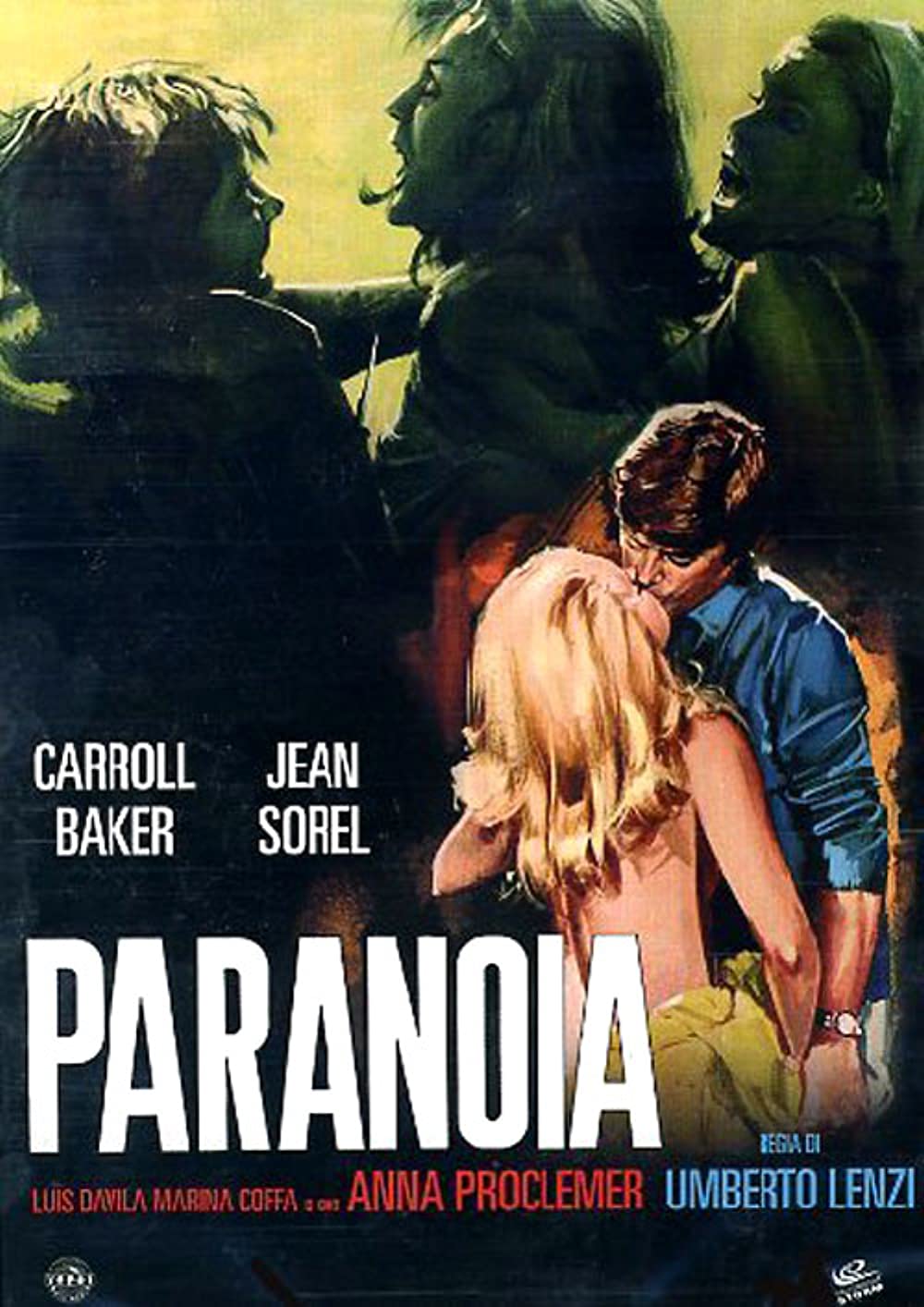
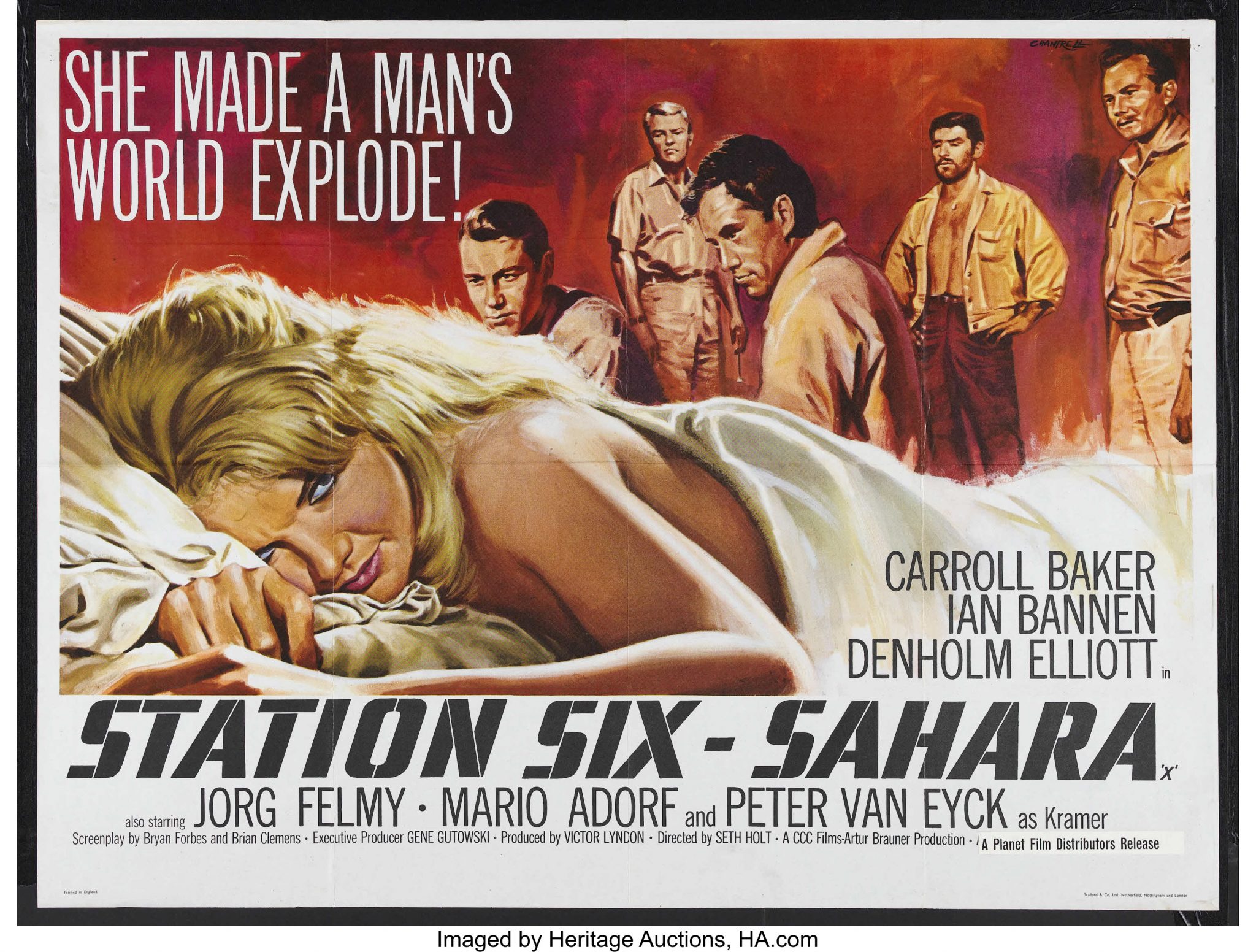
The Giallo Queen: She reinvented herself in European “Giallo” thrillers (like those of Umberto Lenzi). These films allowed her to lean into the Noir aesthetic, playing sophisticated, often psychologically damaged women in high-fashion, high-tension environments.
II. Detailed Critical Analysis
1. The “Method” Precision
Critically, Baker is analyzed for her sensory awareness. Unlike the theatrical stars of the 40s, Baker’s acting lived in her “skin.”
The Tactile Performance: In Baby Doll, her performance is defined by her relationship with objects—a thumb in the mouth, a tattered blanket, a rickety crib. Analysts note that she used “physical business” to tell the story of her character’s trauma and arrested development. She brought a psychological realismto Hollywood that felt raw and uncomfortable.
2. Subverting the “Western” Ingenue
In The Big Country, Baker did something rare: she played a “spoiled” character with empathy.
The Fragility of the Frontier: While the men were posturing, Baker played the “human cost” of the frontier’s violence. Critics note that she had a “brittle” quality—she looked like she might break, but she possessed a hidden, stubborn strength. She brought the Domestic Realism of the 1950s stage to the wide-open spaces of the Western.
3. The “European” Sophisticate
In her later European work, Baker utilized a “Hardened Glamour.”
The Noir Archetype: Playing women who were often “on the edge,” she used her voice—which had deepened and become more melodic—to project a sense of weary experience. She was no longer the “victim”; she was the observer. Critics have praised her for her “bravery” in moving away from the Hollywood “starlet” system to become a respected character actress in world cinema.
Iconic Performance Highlights
| Work | Role | Year | Critical Achievement |
| Baby Doll | Baby Doll Meighan | 1956 | Defined the “Method” revolution in 1950s cinema. |
| The Big Country | Patricia Terrill | 1958 | Brought a complex “Interiority” to the prestige Western. |
| How the West Was Won | Eve Prescott | 1962 | A masterclass in “Physical Survivalism” on screen. |
| Paranoia | Helen | 1969 | Established her as a sophisticated icon of European Noir. |