

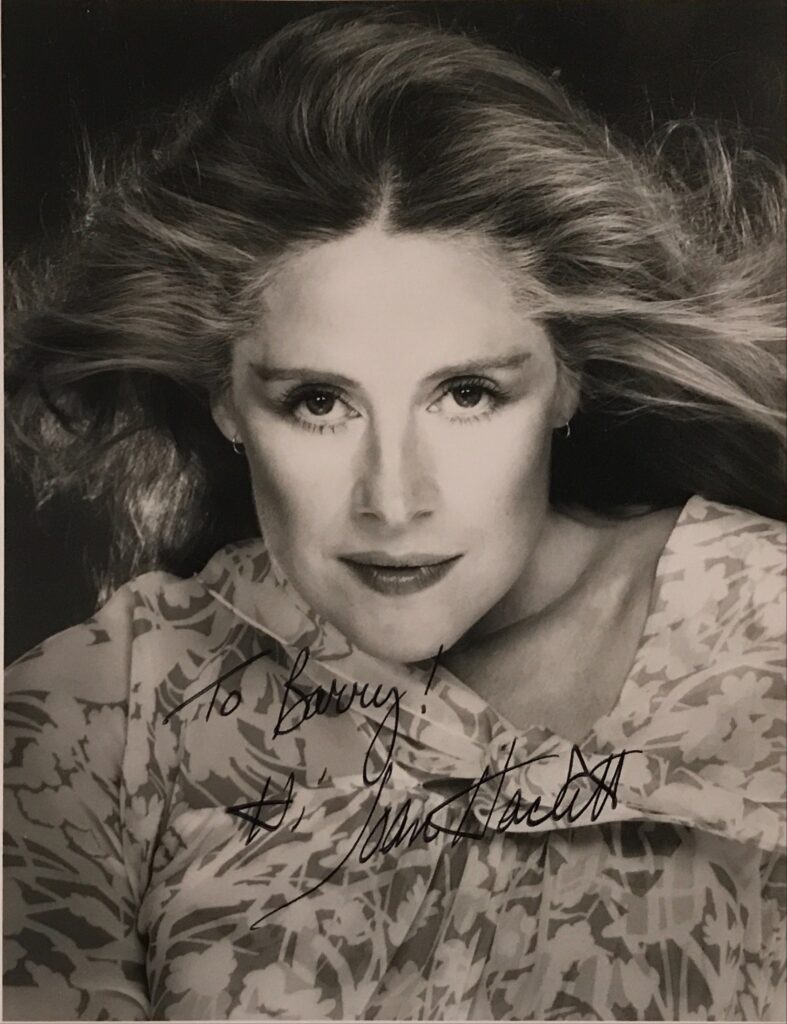
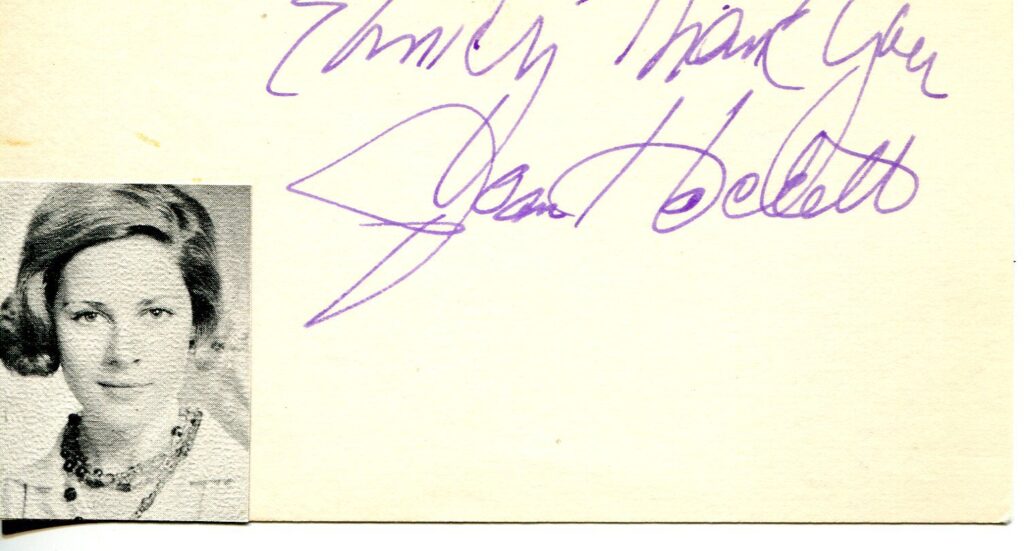
Article on Joan Hackett in “Tina Aumont’s Eyes” website:
A perfectionist capable of playing anything from snooty socialites to nervy housewives, Joan Hackett had an interesting and varied screen career before her untimely death at just 49. A fine, one-of-a-kind dramatic actress, Joan appeared in some award-winning pictures, memorable TV thrillers, and the occasional comedy.
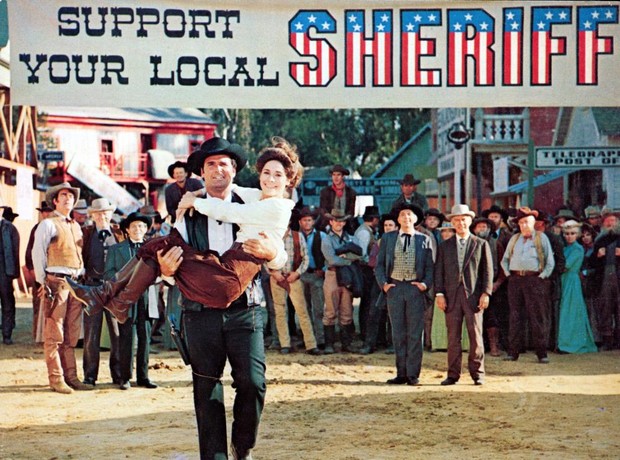
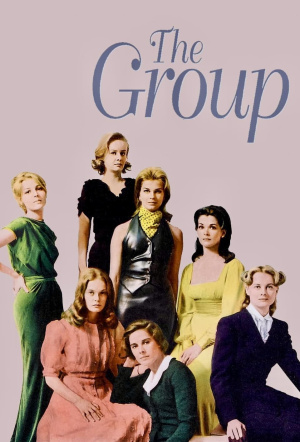
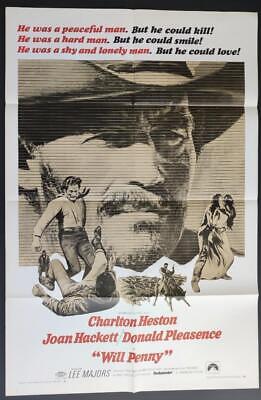
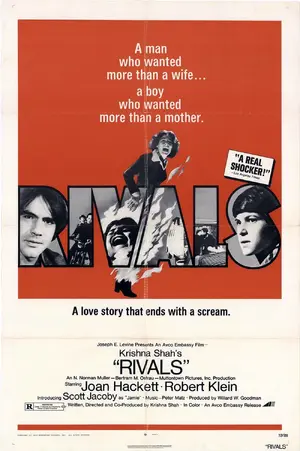
Born in New York on March 1st 1934, Joan began on Broadway before making her movie debut in Sidney Lumet’s engaging soap opera ‘The Group’ (’66). Playing the nervous and insecure Dottie alongside such burgeoning talents; Joanna Pettet, Shirley Knight and Elizabeth Hartman, Joan more than held her own, giving one of the films best performances. Hackett was then impressive in the realistic western ‘Will Penny’ (’68), as a single mother struggling in the frontier, who is ultimately deserted by Charlton Heston’s aging cowboy. Another western followed, this time a comedy; ‘Support Your Local Sheriff!’ (’69), and it was good one. Starring James Garner as an ultra-calm newcomer to a lawless gold-laden town, Joan was great fun as the fiery daughter of the mayor who is battling with greedy bandits who have taken over the place. After playing Anthony Perkin’s fiancé in the 1970 TV thriller ‘How Awful About Allan’, Joan was a widow whose insane, jealous son (Scott Jacoby) doesn’t take too warmly to his mother’s new beau, in the obscure oddity ‘Rivals’ (’72).
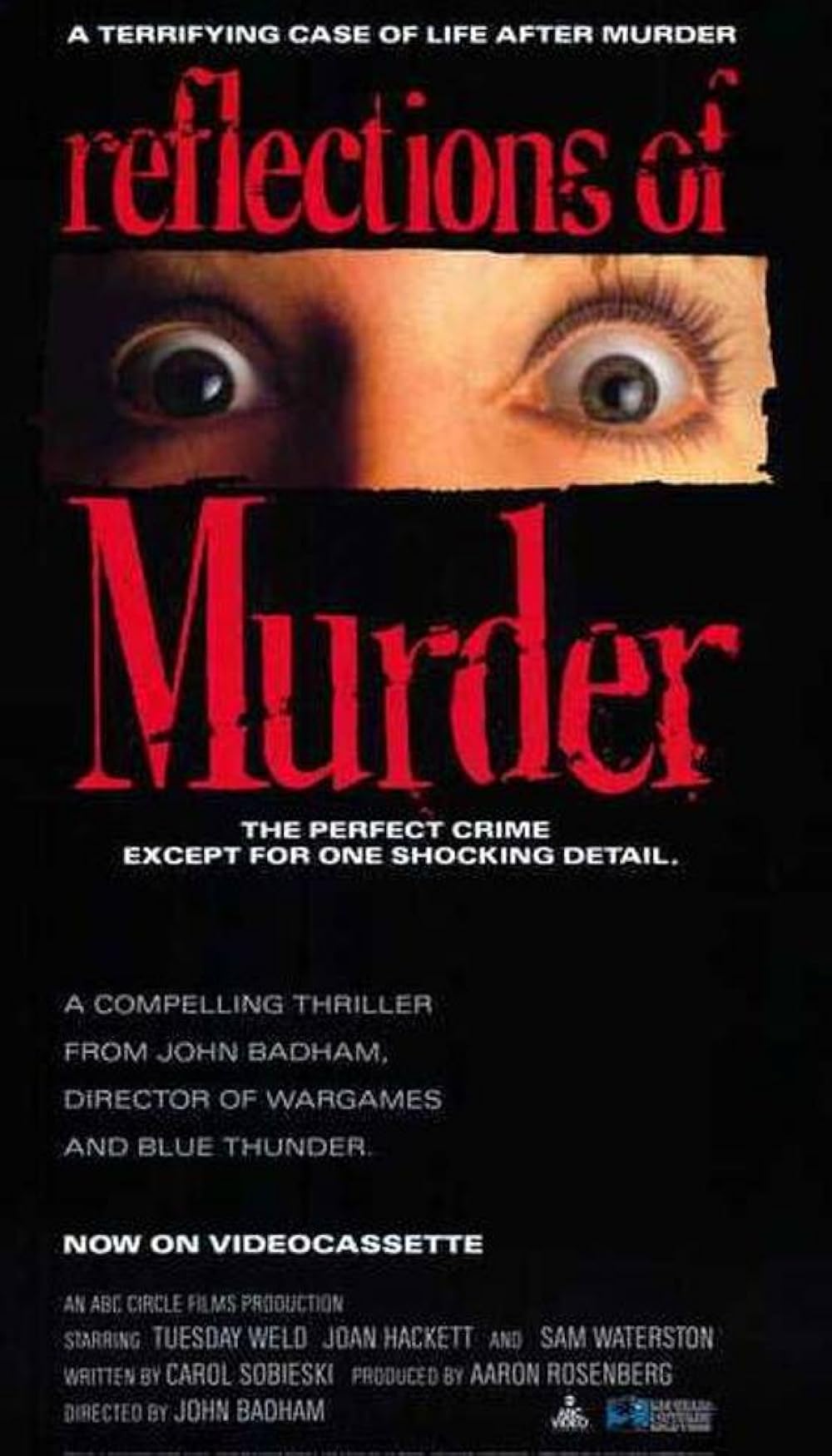
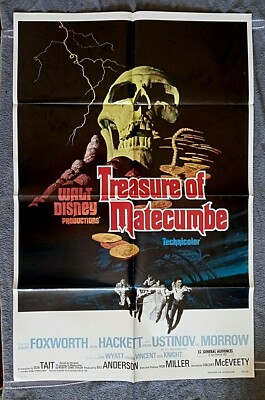
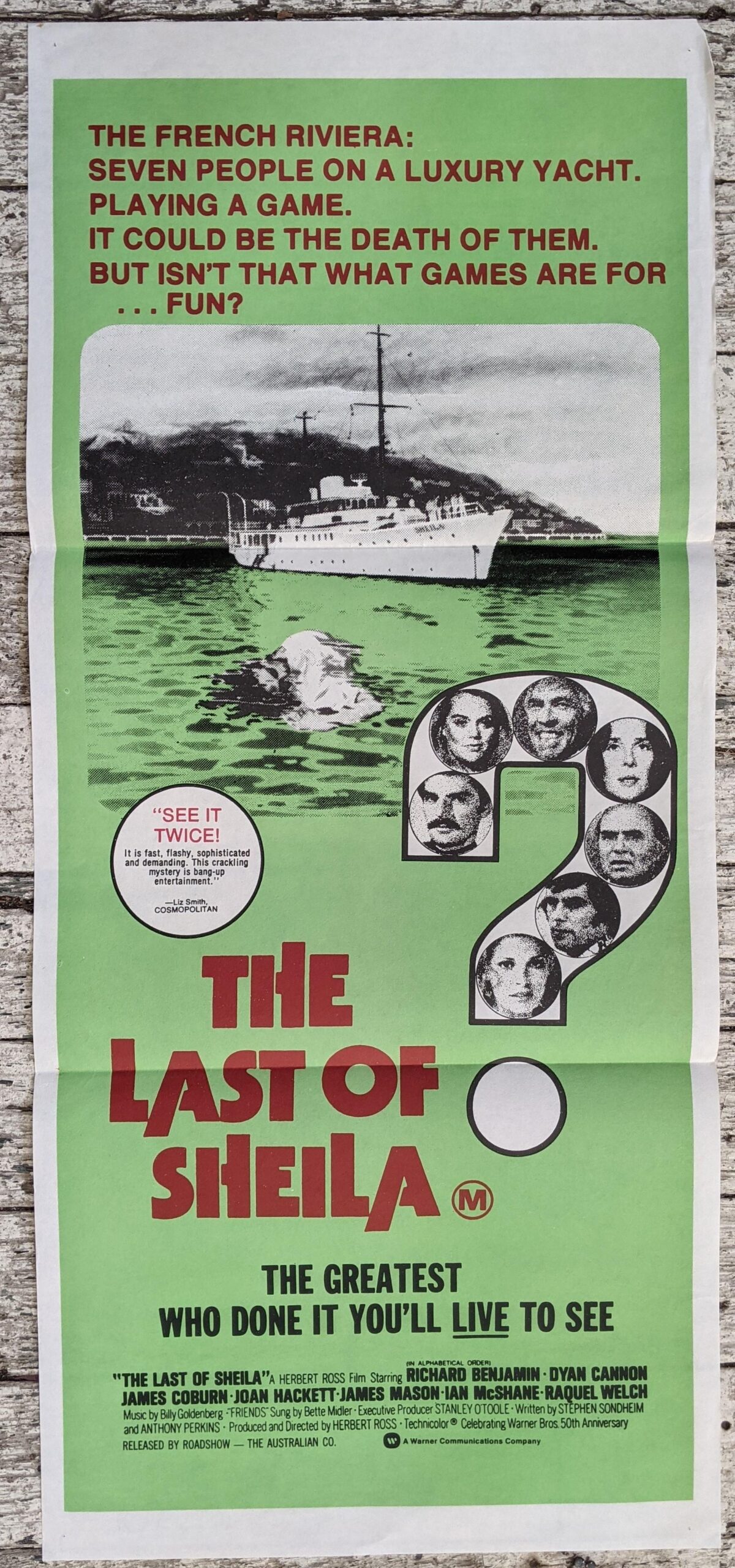
The following year, Hackett was the alcoholic wife of Richard Benjamin’s aspiring screenwriter, in one of her best movies, the superb ensemble thriller ‘The Last of Sheila’ (’73), a puzzle of a movie that must be seen more than once to (if ever!) fully understand it. Another television movie came next; ‘Reflections of Murder’ (’74) with Tuesday Weld and Sam Waterston. It was a decent remake of the twisty French horror ‘Les Diaboliques’ (’55), and Joan played her nervous, abused wife character to the hilt, in this atmospheric ‘missing body’ thriller. A Disney movie followed with the rather forgotten adventure ‘Treasure of Matecumbe’ (’76), a buried booty tale co-starring Peter Ustinov and Robert Foxworth.
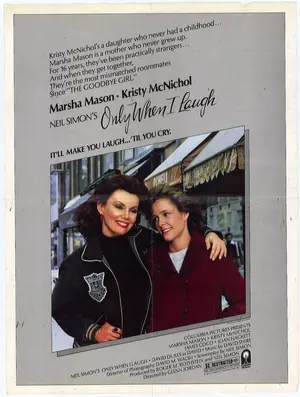
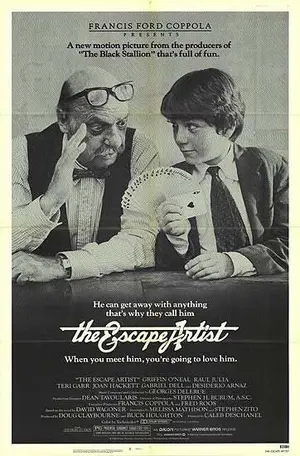
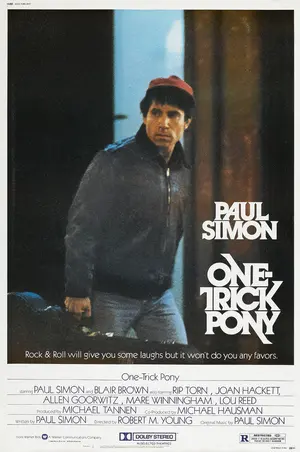
Hackett would spend the next few years mainly in television, during which time she appeared in the genuinely scary ‘Bobby’ segment of Dan Curtis’s TV anthology ‘Dead of Night’ (’77). In it, she stars as a grieving mother who wishes her dead son back to life, much to her regret. The last few seconds of this segment are terrifying and once seen, never forgotten. After playing Paul Simon’s bored wife in the dreary drama ‘One-Trick Pony’ (’80), Joan was back on form as Marsha Mason’s flawed socialite best friend, in Neil Simon’s ‘Only When I Laugh’ (’81), earning a Golden Globe and Academy Award nomination. Already suffering from cancer, the movie proved to be Hackett’s last great performance, and we are only left to imagine how her career could have soared, had she lived. Her final movie was a small role in the 1982 drama ‘The Escape Artist’, noted for its beautiful score by Georges Delerue.
Married from 1965 to 1973, to her one-time co-star; Richard Mulligan, Joan died of ovarian cancer in California, on October 8th 1983, aged 49. An always interesting actress, with a wide smile and sometimes nervous demeanour, Joan Hackett succeeded on stage, screen and television, bringing to life some memorable and often complex characters. A true one-off who radiated on screen.
Favourite Movie: The Last of Sheila
Favourite Performance: Support Your Local Sheriff
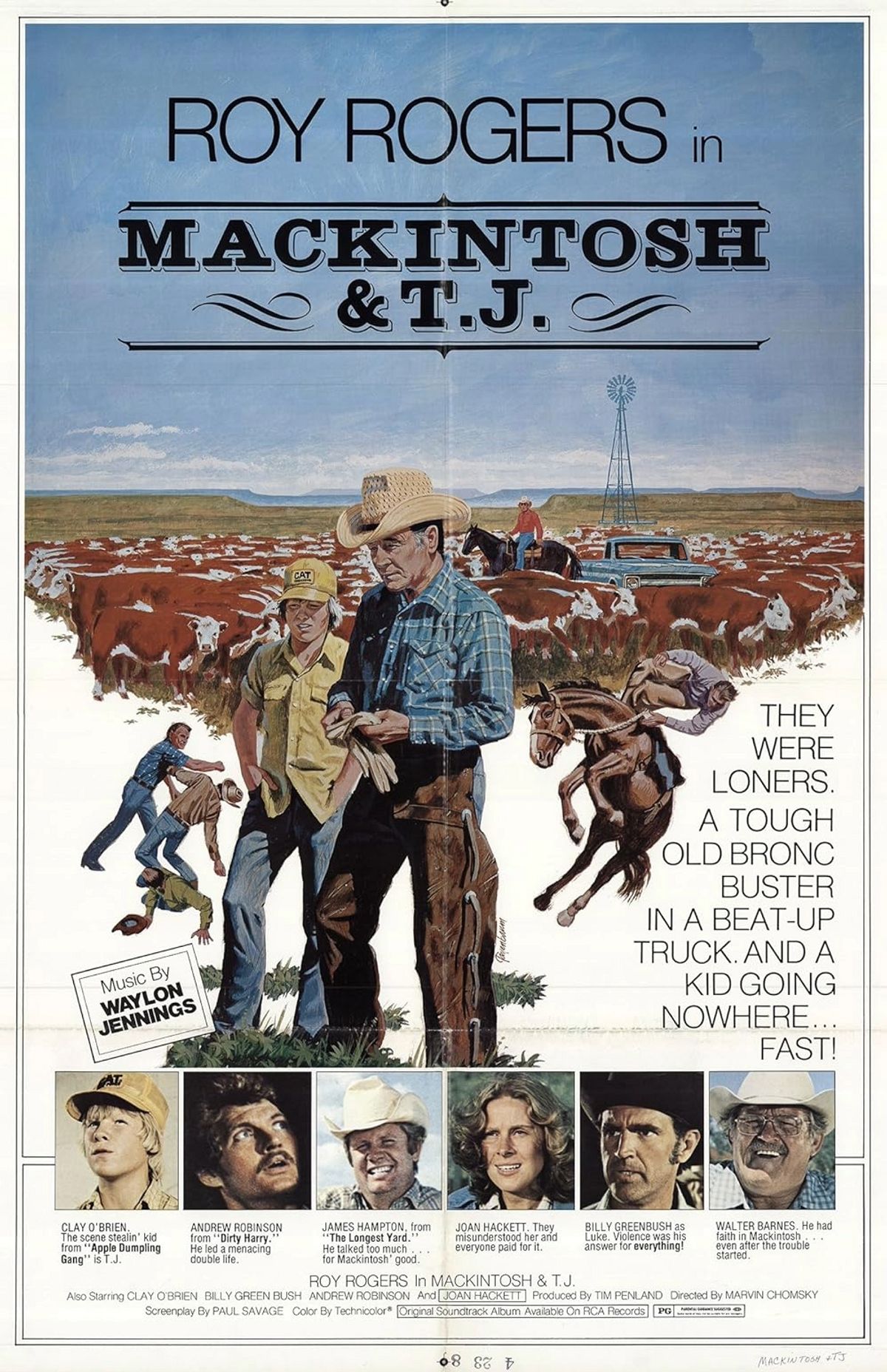
Joan Hackett (1934–1983) occupies a distinctive place in American film and television history—an actress of striking intelligence, emotional honesty, and understated eccentricity. Though her career was relatively brief, her work blended the neurotic precision of 1960s Method acting with a quiet, inward lyricism all her own. Hackett’s performances reveal a fascination with vulnerability beneath control; she specialized in women teetering between fragility and fierce self-possession.
Early Life and Training (1934–1959)
Born Joan Ann Hackett in East Harlem, New York City, to an Irish–Italian family, she began as a model before turning to acting full time in her early twenties. She trained at the Actors Studio, where she absorbed Method techniques emphasizing psychological realism and emotional truth. Like many of her generation, she came to national notice not through film but live television drama—a key medium for ambitious American actors in the 1950s.
Hackett made an impression in series such as Kraft Television Theatre, The United States Steel Hour, and Playhouse 90, where her directness and natural poise counteracted the period’s tendency toward stagey melodrama. Critics quickly recognized her for an unusual combination: technical awareness without visible effort.
Stage Career and Breakthrough (1959–1966)
Her stage work grounded her craft. Hackett’s Broadway debut in Call Me by My Rightful Name(1961) drew attention for its intensity and emotional transparency—hallmarks that would define her film work.
The definitive theatre triumph came with Sidney Kingsley’s The Warm Peninsula (1960) opposite Farley Granger, for which she won the Theatre World Award. The New York Times praised her “unshowy depth” and “alert intelligence,” noting how she suggested inner life through subtle gesture rather than overt technique.
This period solidified her trademark style: controlled physicality, a cool exterior masking emotional turbulence—a quality that placed her somewhere between Julie Harris and Anne Bancroft in American acting lineage.
Rise in Film and Television (1961–1970)
Hackett’s first major television acclaim came with her The Defenders appearance “The Boy Between” (1962), earning an Emmy nomination. Her reputation as an actress of conscience and complexity deepened with each anthology role.
Film Debut: Five Finger Exercise (1962)
William Wyler’s adaptation of Peter Shaffer’s play introduced her to film audiences. As Louise, the insecure daughter in a disintegrating bourgeois household, Hackett brought a naturalism rare in early-1960s Hollywood. The film’s critical notices singled her out for subtle observation and emotional restraint—qualities at odds with the more glamorous acting styles of the period .
The Group (1966)
In Sidney Lumet’s ensemble about Vassar graduates navigating prewar morality, Hackett portrayed Dottie Renfrew, a naïve yet defiantly principled woman awakening sexually and socially. Her performance—simultaneously comic and poignant—balanced quiet dignity with nervous energy. Amid a cast including Candice Bergen and Jessica Walter, Hackett conveyed the deepest pathos, illustrating her rare ability to suggest a whole emotional history beneath a line reading.
Will Penny (1967)
In Tom Gries’s revisionist Western, Hackett’s Catherine Allen was one of her most warmly received roles. Playing opposite Charlton Heston, she redefined the frontier wife archetype, grounding it in intellectual resolve and emotional authenticity. Critics often cite this as her most natural, luminous screen performance—imbuing the film’s masculine world with grace without sentimentality.
Artistic Maturity and Character Work (1970s)
During the 1970s, Hackett became a mainstay of American television films and independent cinema. She excelled at playing socially or emotionally alienated women—competent yet uneasy, tender yet self-protective.
Support Your Local Sheriff! (1969)
Her unexpected flair for comedy emerged in this Western parody, playing Prudy Perkins, a high-strung, accident-prone frontier daughter. Hackett’s high-comic tension—rooted in real anxiety rather than mugging—earned widespread praise and revealed her as one of the few Method actors to possess true comedic timing.
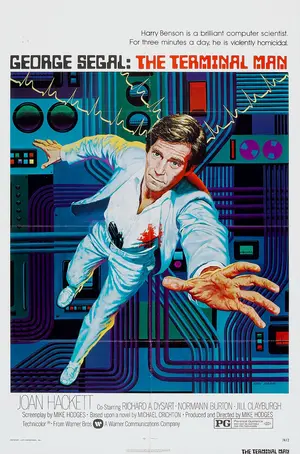
The Terminal Man (1974)
In Mike Hodges’s cerebral sci-fi adaptation of Michael Crichton’s novel, Hackett played Janet Ross, the psychiatrist overseeing a patient implanted with a computer. Her cool poise and restrained melancholy grounded a thematically abstract film, illustrating her preference for intelligence and moral tension over theatrical display.
The Last of Sheila (1973)
A standout in her later career, the complex Neil Simon/Herbert Ross murder mystery showcased Hackett opposite James Coburn and Raquel Welch. As Lee, she provided emotional depth and psychological shading often missing from glossy ensemble thrillers. Her performance subtly exposes insecurity beneath sophistication—offering one of her finest screen studies of female vulnerability masked by wit.
Only When I Laugh (1981)
Hackett’s final major film brought her renewed recognition. As Toby, the loyal but self-doubting friend to Marsha Mason’s alcoholic actress, she won the Academy Award nomination for Best Supporting Actress and the Golden Globe in the same category posthumously. Her Toby was at once wry, compassionate, and quietly heartbreaking—a masterclass in emotional subtext and tonal precision. Critics lauded her capacity to “illuminate lives lived under dignity’s pressure.”
Acting Style and Critical Analysis
Method without Mannerism
Trained in the Method school, Hackett exemplified its best traits—emotional truth, psychological cohesion—while avoiding its excesses. Her performances were inward rather than explosive, emphasizing thought and reaction over gesture. She built characters from detail: a hesitant glance, a clipped vocal rhythm, the bearing of someone perpetually self-conscious about being misunderstood.
Feminine Intelligence and Ambiguity
Hackett often portrayed educated, independent women confronting personal incoherence. She resisted glamour; her beauty was secondary to her credibility. She could play characters slightly “off-center”—socially awkward, morally uncertain—but she never mocked them. In that sense, her work anticipates later American actresses like Gena Rowlands, Jill Clayburgh, and Frances McDormand.
Thematic Consistency
Across genres, Hackett’s performances resonate with three recurring tensions:
- Vulnerability vs. Control: Rarely relaxed, her characters manage feeling through intellect, revealing emotions only at breaking points.
- Idealism vs. Realism: Many of her roles (e.g., Will Penny, Only When I Laugh) involve pragmatic compromise—women trying to reconcile ideals with disappointment.
- Isolation: Whether through temperament or circumstance, her characters often stand slightly apart from others, observing more than belonging.
Critical Position
Although she never achieved sustained stardom, Hackett was a quintessential “actor’s actor.” Critics frequently described her work as lived-in, hypnotic in understatement, and quietly devastating. Her capacity to make restraint emotionally riveting placed her closer to the postwar character tradition of Joanne Woodward and Geraldine Page than the calculated glamour of 1970s Hollywood stars.
Later Years and Legacy
Hackett’s career was cut short by ovarian cancer; she died in 1983 at age 49, shortly after her Oscar nomination. Her final television performance, in A Girl’s Life (1983), demonstrated undiminished subtlety despite her illness.
In retrospect, Hackett’s influence lies not in volume but in quality of perception. Her ability to balance humor, intellect, and sorrow within a single scene makes her a key transitional figure in American acting—the bridge between the emotional honesty of the 1950s Method generation and the ironic intelligence of later decades.
Although her name is not as widely recognized today, her performances—particularly in Will Penny, Support Your Local Sheriff!, and Only When I Laugh—remain exemplary studies in emotional truth and moral nuance.
Summary:
Joan Hackett’s career, though tragically brief, was marked by rare precision and empathetic rigor. She made inner life visible without exaggeration, exploring how intelligent women navigate emotional constraint in a world that misunderstands them. Her legacy endures as that of an actress who proved that quietness can be revolutionary—and that sincerity, in art as in life, demands immense courage