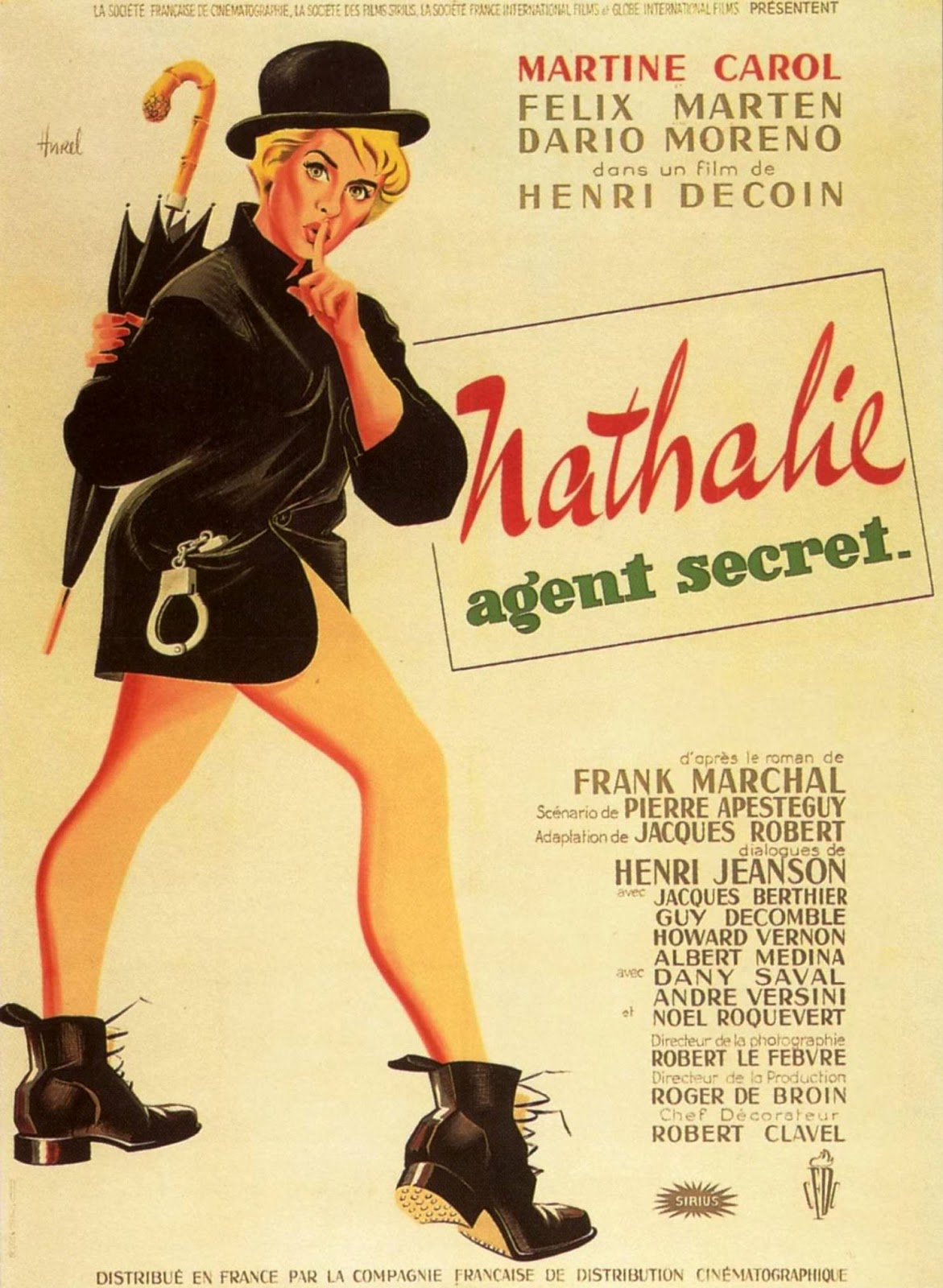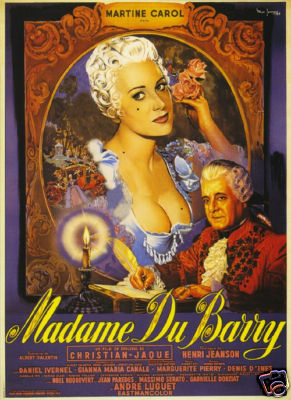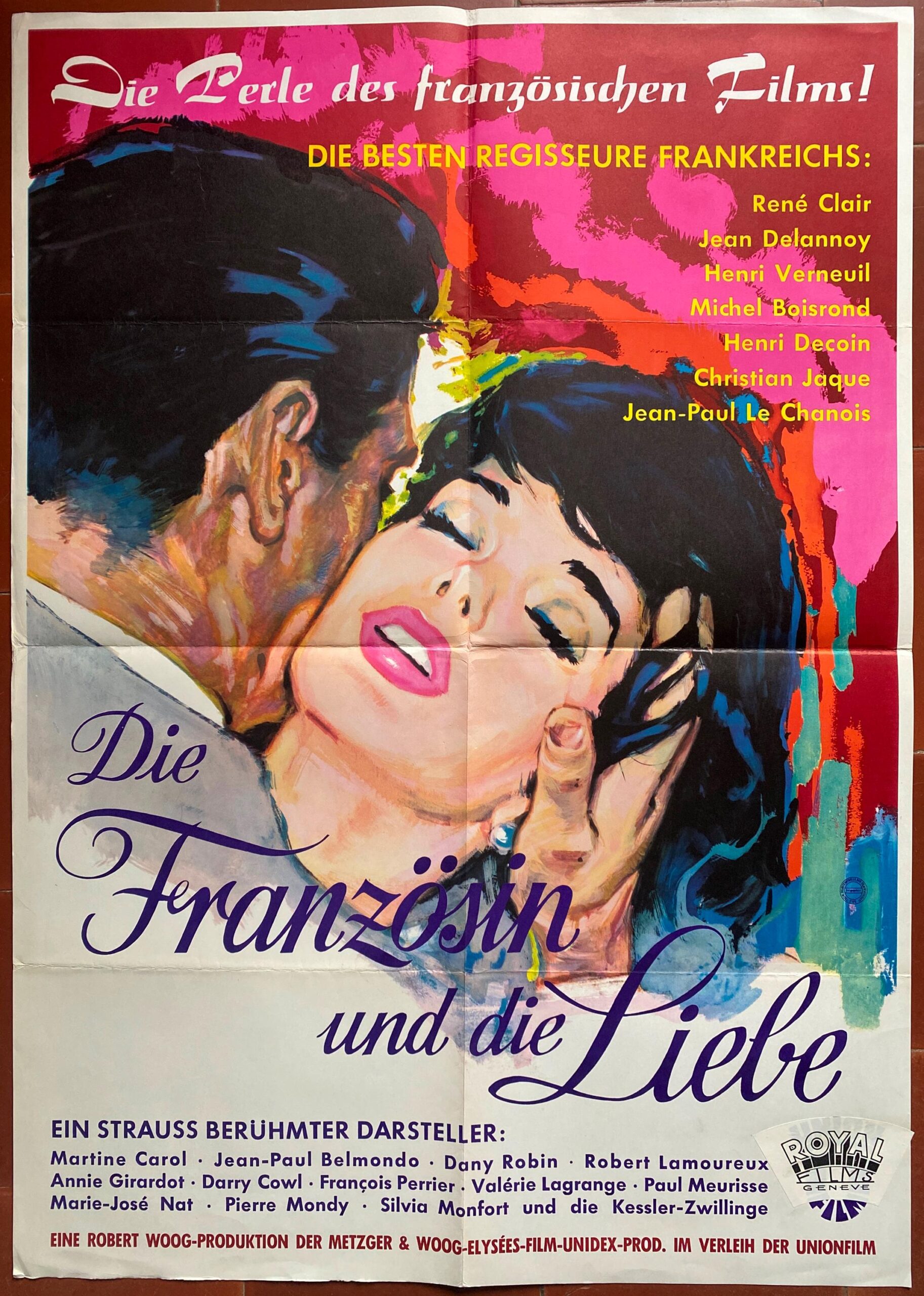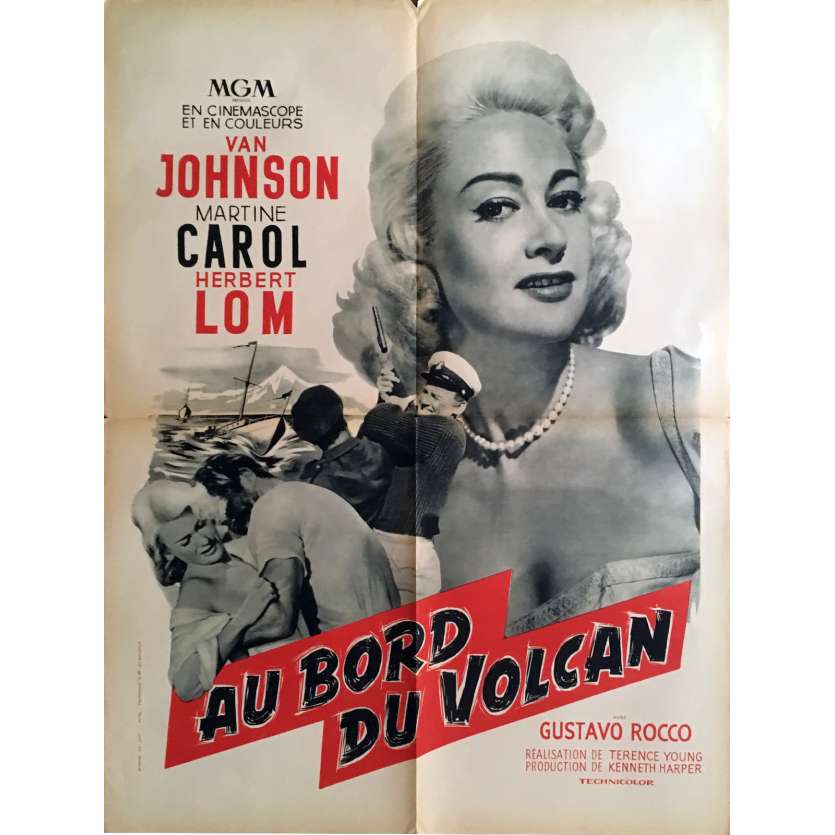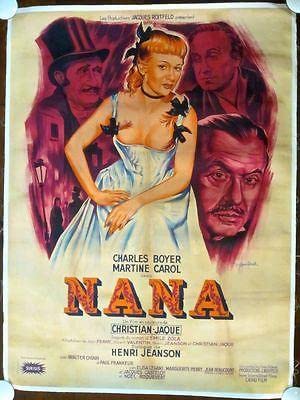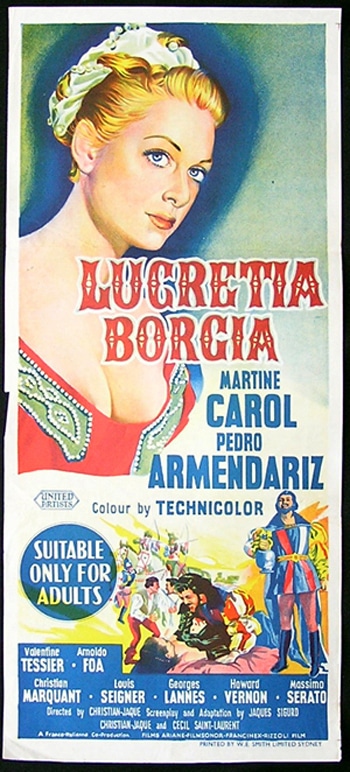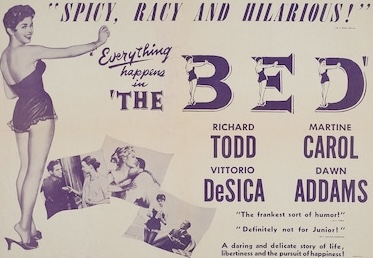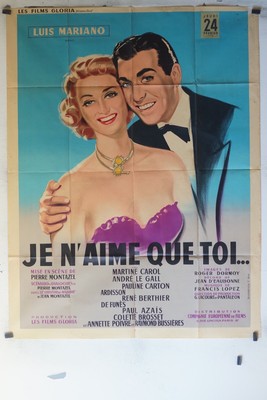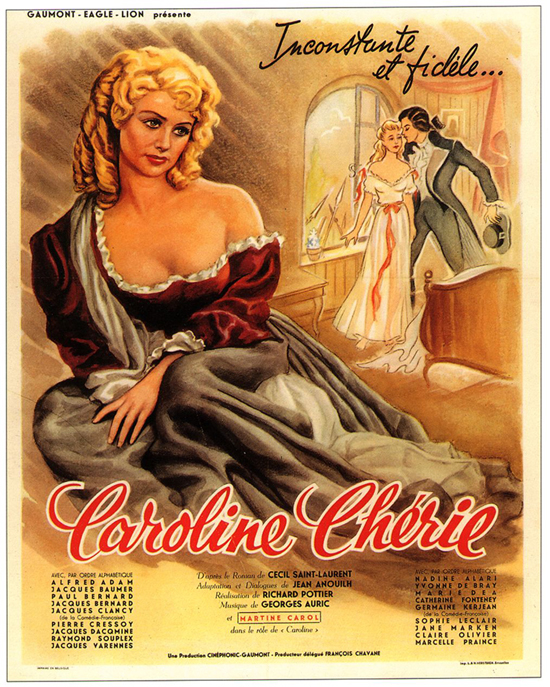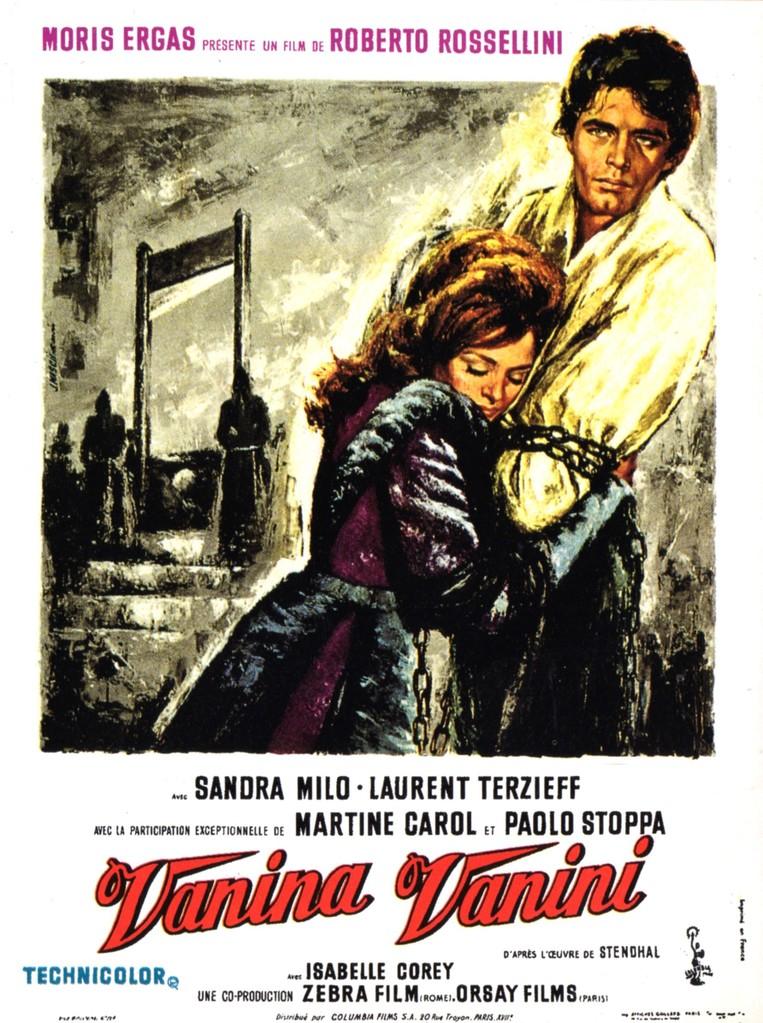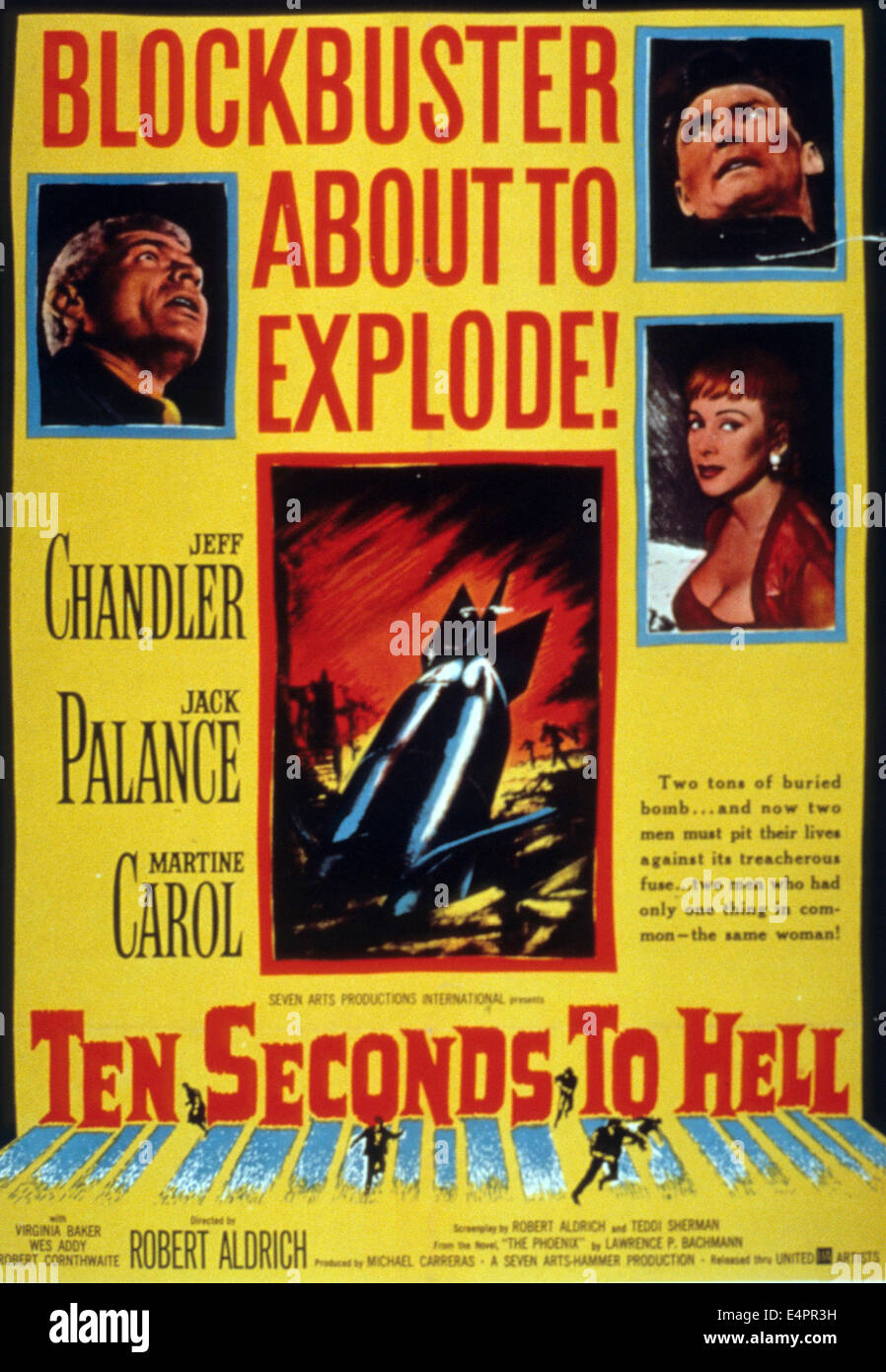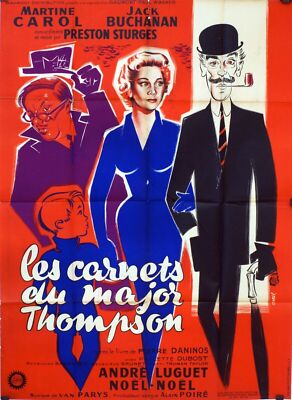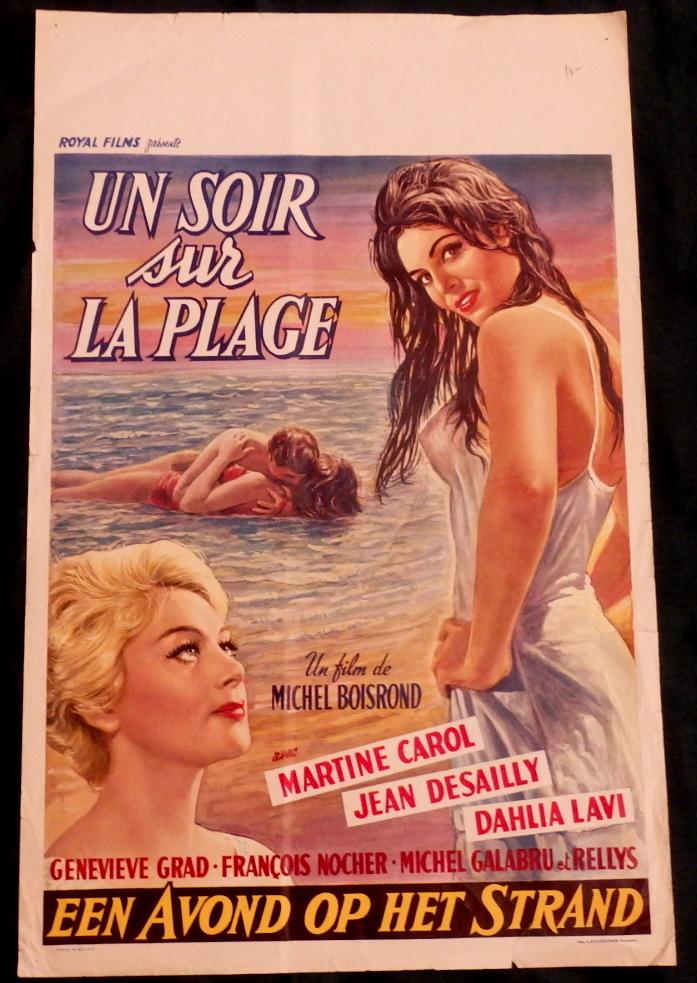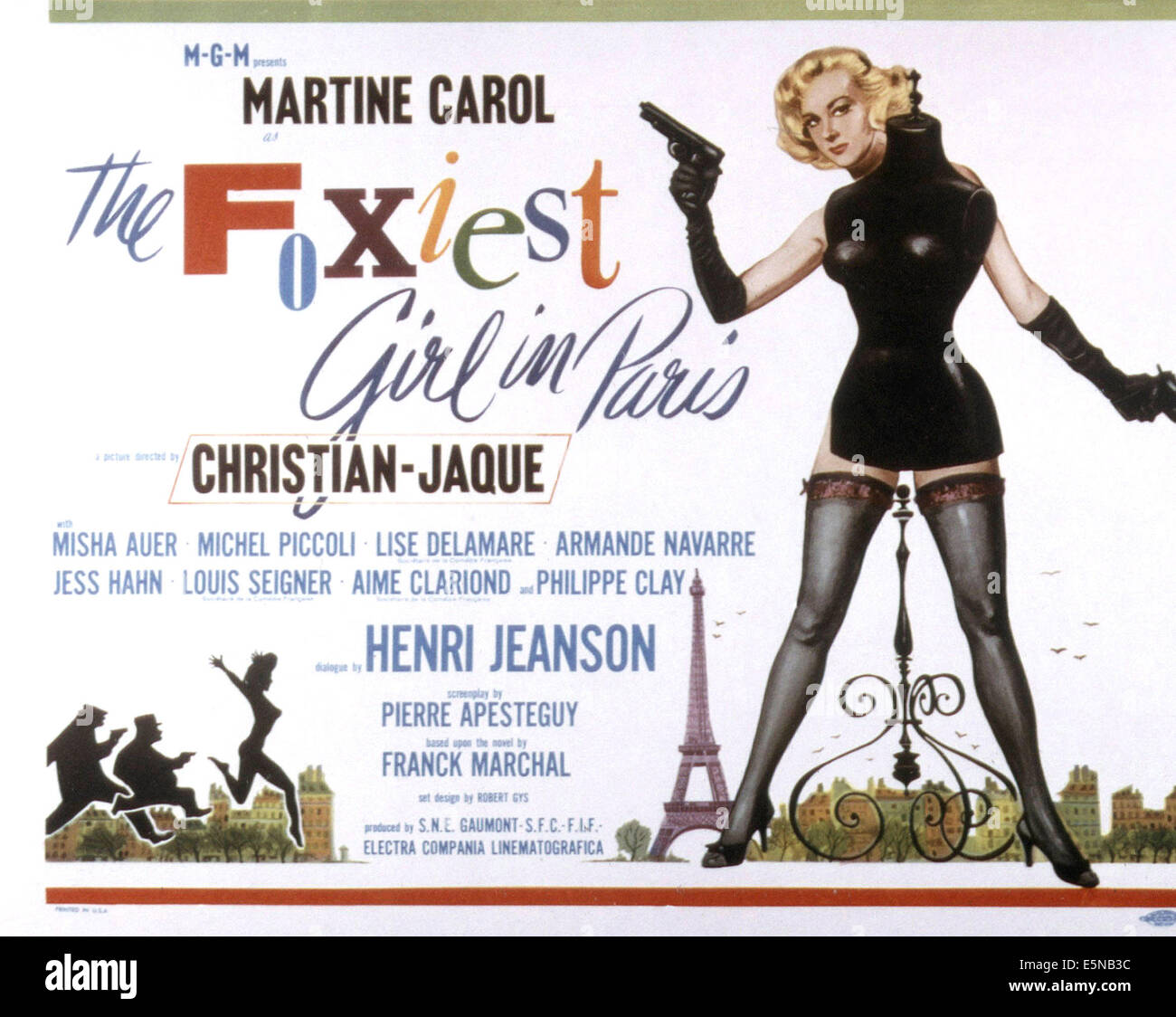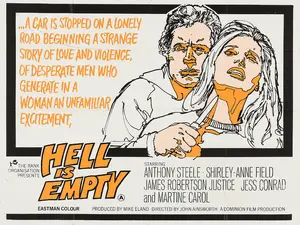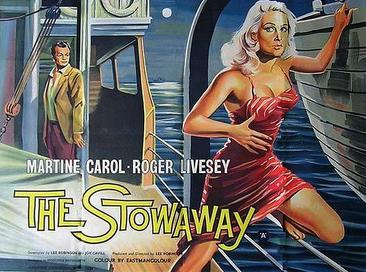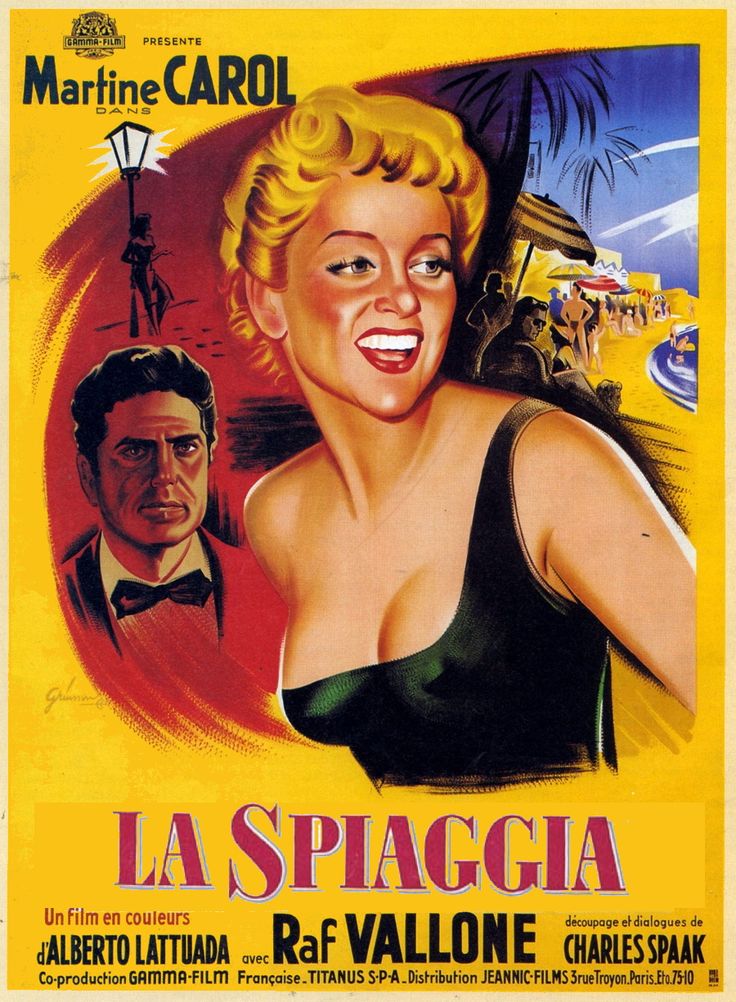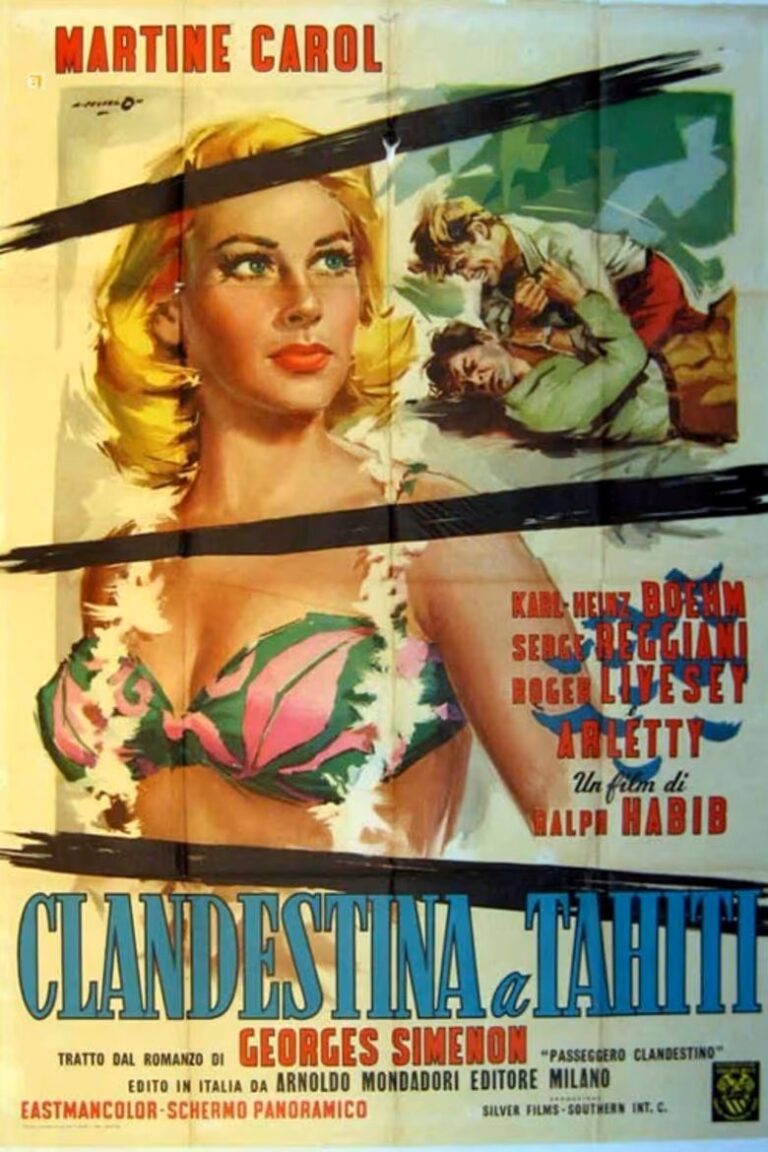

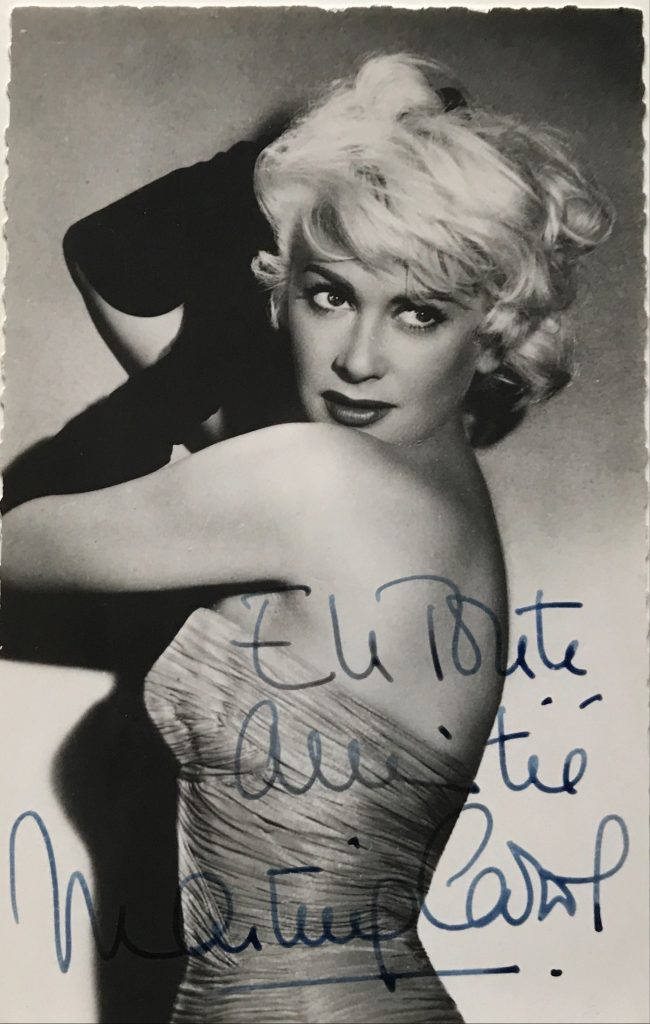
Martine Carol was born in 1920 in France. Her first film role was in 1943. She was a famous French film symbol of her day, predating Brigitte Bardot by a few years. Her most famous role is the title role “Lola Montes£ directed by Max Ophuls in 1955. Another of her films was “Action oif the Tiger” with Van JOhnson and a young Sean Connery. Martine Carol died unexpectedly of a heart attack in 1967.
Martine Carol’s minibiography on the IMDB website:
France’s major sex siren of the early 50s, this lesser-remembered post-war French pastry pre-dated bombshell Brigitte Bardot by a few years but her brief reign did not compare and has not lived up to the Bardot era. The cult mystique is not there even after dying mysteriously and relatively young. Martine was born Marie-Louise Mourer on May 16, 1920 (some references indicate 1922), but little is known of her childhood. A chance meeting with comedian Andre Luguet steered her toward a career in the theatre. Trained by Rene Simon, she made her 1940 stage debut with “Phedre” billed as Maryse Arley. She subsequently caught the eye of Henri-Georges Clouzot who hired her for his film “The Cat,” based on the novel by Colette, but the project was scrapped. Nevertheless, she did attract attention in the movie Wolf Farm (1943), which takes advantage of her photogenic beauty and ease in front of the camera despite a limited acting ability. A pin-up goddess and support actress throughout the 40s, Martine also appeared on the stage of the Theater of the Renaissance. A torrid affair with actor Georges Marchal, who was married to actress Dany Robin at the time, ended disasterously and she attempted suicide by taking an alcohol/drug overdose and throwing herself into the Seine River. She was saved by a taxi driver who accompanied her there. Ironically, the unhappy details surrounding her suicide attempt renewed the fascination audiences had with Martine up until that time. In 1950 she scored her first huge film success with the French Revolution epic Caroline Cherie (no doubt prompted by her seminude scenes and taunting, kittenish sexuality) and she was off and running at the box office. Her film romps were typically done tastefully with an erotic twinge of innocence and gentle sexuality plus an occasional bubble bath thrown in as male bait. She continued spectacularly with an array of costumed teasers such as Adorable Creatures (1952), Sins of the Borgias (1953), Madame du Barry (1954) and Nana (1954), all guided and directed by second husband Christian-Jacque, whom she married in 1954. A true feast for the eyes and one of the most beautiful actresses of her time, Martine later divorced the director due to professional conflicts and long separations. One last memorable part would come to her as the title role in Max Ophuls’ Lola Montes (1955) portraying a circus performer who entrances all around her. By the mid 50s, Bardot had replaced Martine on the goddess pedestal and the voluptuous blonde’s career went into a severe decline. Although such mature roles as Empress Josephine in The Battle of Austerlitz (1960) and others followed, nothing revived audience interest. Depressed, Martine turned alarmingly reclusive while a third marriage to French doctor Andre Rouveix also soured by 1962. Problems with substance abuse and a severe accident in the 60s also curtailed her career dramatically. Her last film Hell Is Empty was made in 1963 but not released until 1967. One last marriage to fourth husband Mike Eland, an English businessman and friend of first hubby Steve Crane, seemed hopeful, but on February 6, 1967, Martine died of cardiac arrest at age 46 in the bathroom of a hotel in Monacco Her husband discovered her. She was buried in the cemetery of Cannes.
– IMDb Mini Biography By: Gary Brumburgh / gr-home@pacbell.net
This minibiography can also be accessed online at IMDB here.
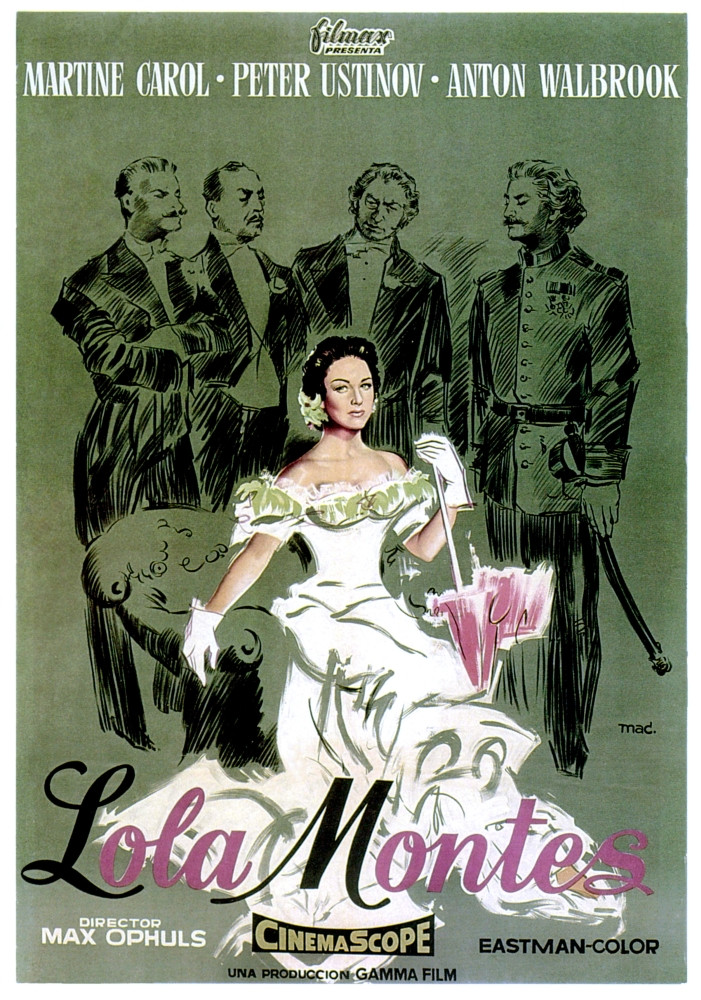
the late 1940s and early 1950s, remembered as an elegant, high‑glamour blonde “sex symbol” and one of the first true “sex stars” of postwar European cinema, though her later work never fully matched that early stardom.
Early career and rise to stardom
Martine Carol began as a beauty‑pageant winner and fashion model in postwar Paris before entering film in the mid‑1940s. Her early credits were modest, but she quickly caught the eye of director‑husband Christian‑Jaque, who groomed her into a polished, glamorous product of the studio‑style “French‑femme” tradition.
Her breakthrough came in a series of lush, often historically set vehicles: Manina (1953), Les 10000 nuits de Cleopâtre (1954), and especially the big‑budget period drama Madame Du Barry (1954), in which she played the infamous 18th‑century courtesan. These films showcased her striking blonde beauty, opulent costumes, and rich photography, establishing her as France’s reigning blonde sex symbol of the early 1950s.
Peak: Madame Du Barry, Lola Montès, and the “blonde icon” image
Madame Du Barry is often cited as her signature role, and Christian‑Jaque’s direction leans heavily on her looks and aura of seductive power. While critics at the time called her performance “credible,” they also noted that her impact was as much visual and symbolic—Du Barry as embodiment of dangerous, eroticized femininity—as it was psychological depth. In that sense, she functions as a kind of living costume‑piece: her beauty and the spectacle of the film do most of the work, and her acting is secondary to the image.
Her later role in Max Ophüls’ Lola Montès (1955) is more artistically ambitious: playing the famous 19th‑century courtesan Lola Montez in a stylized, cirque‑like structure, she appears amid dazzling visual tableaux and fragmented narrative. Critics and later scholars often praise Lola Montès as a masterpiece of mise‑en‑scène, but Carol’s performance is frequently described as glamorous yet somewhat stiff, again serving the director’s visual and conceptual design more than a deeply interior character study. Her presence here reinforces the image of her as a spectacular, semi‑mythic figure rather than a naturalistic actress.
Later career and decline
In the late 1950s and 1960s Carol’s career declined sharply, both in quality of scripts and in critical fortunes. She appeared in a string of lower‑tier, often hastily made dramas and light comedies such as Love and the Frenchwoman (1961), One Night on the Beach (1961), The Counterfeiters of Paris (1961), The Betrayer (1962, directed by Roberto Rossellini), and the heist‑farce Operation Gold Ingot (1962).
Critics often describe this phase as a kind of “downward slide” from her earlier prestige: she remained visually striking, but the roles were thinner, the films less ambitious, and her casting often felt like a fading echo of the earlier “Du Barry”‑style glamour. Her work with Rossellini in The Betrayer is sometimes singled out as a modestly interesting relic of her later period, but even there she is seen more as a prestige name brought in for image value than as the film’s true dramatic engine.
Critical reputation and performance style
Critically, Martine Carol is remembered primarily as a visual icon and early sex‑symbol rather than as a transformative actress. Her strength lies in controlled, poised screen presence and an ability to embody the idea of the elegant, slightly dangerous blonde seductress, capable of reading morally ambiguous lines with a cool, almost detached sexuality.
At the same time, many retrospectives and later critics note that her performances rarely match the complexity of the films she appears in. In Lola Montès and other visually rich works, she often serves the director’s extravagant aesthetic more than the narrative’s emotional or psychological depth, which has led some to categorise her as a “beautiful but under‑developed” star: a superb surfaces‑level image whose inner life as an actress never fully caught up with her legend.
In sum, Martine Carol’s career is best understood as that of a pioneering French glamour‑sex star whose peak in the early 1950s made her a major figure in the myth‑making of postwar European cinema, but whose later work shows the limits of that image‑based stardom once the scripts and directors stopped fully supporting