
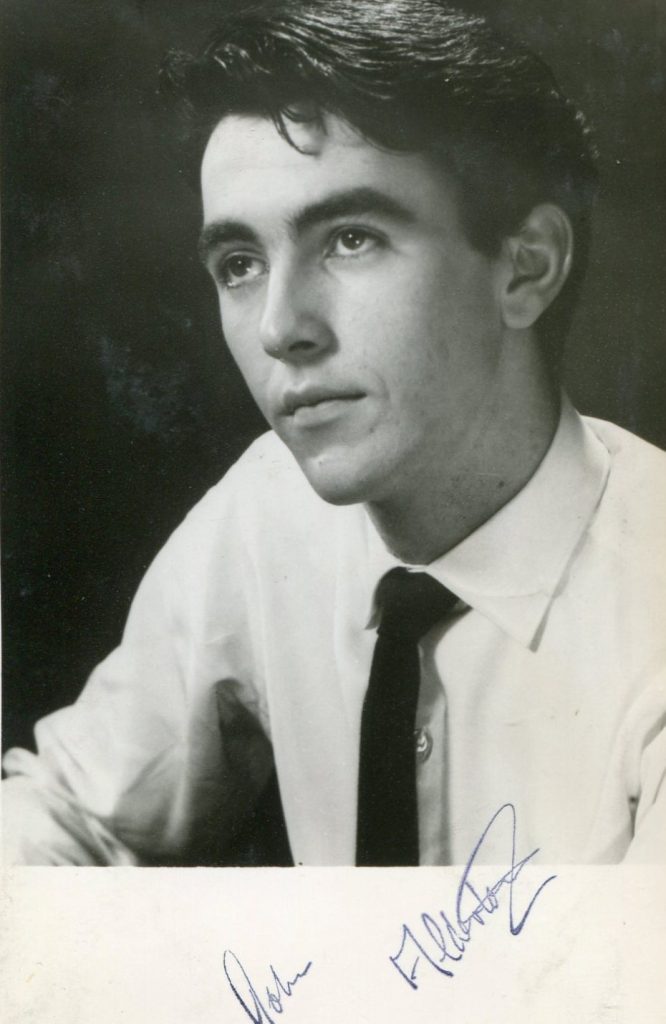
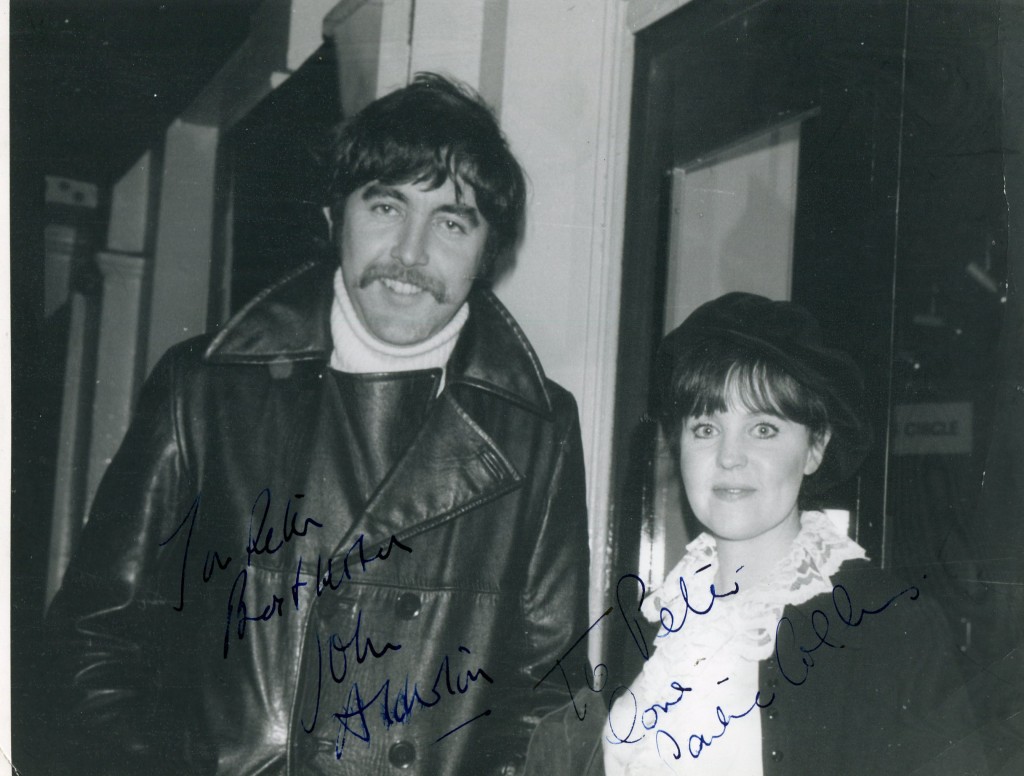
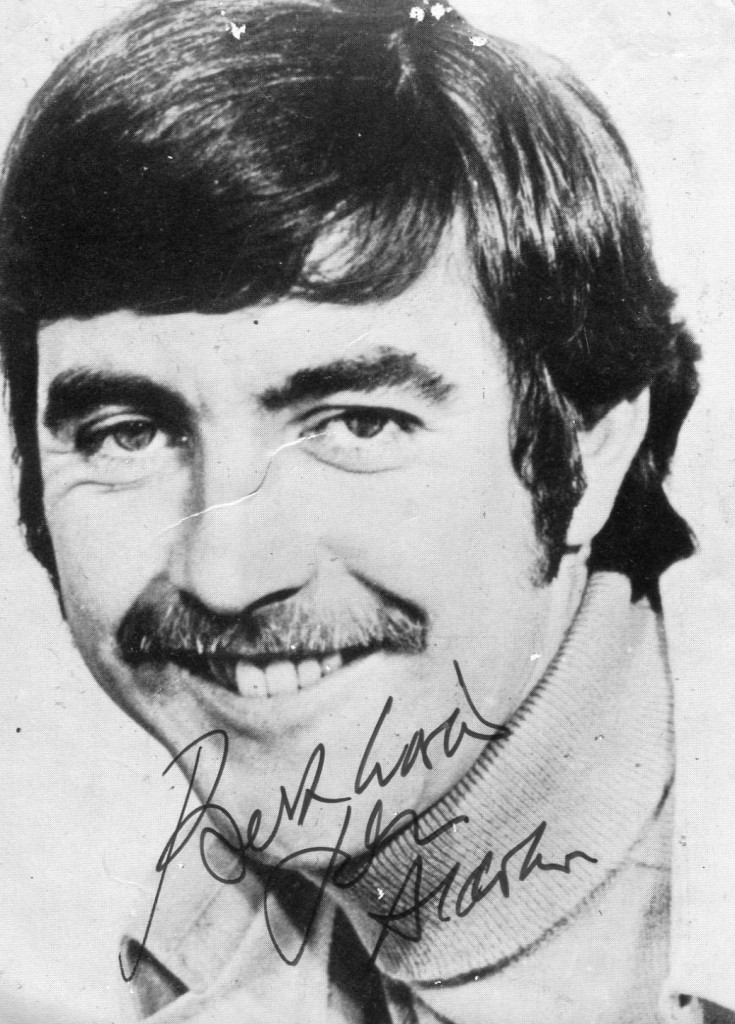
John Alderton is a cornerstone of British television history, an actor who mastered the difficult transition from the “cheeky lad” of the 1960s to a sophisticated, versatile lead in both drama and comedy. A critical analysis of his career reveals a performer of exceptional rhythmic timing and a rare ability to project decency without dullness.
While his frequent collaborations with his wife, Pauline Collins, made them the “First Couple” of British TV, Alderton’s solo work showcases a technical precision—particularly in his use of silence and “the double-take”—that rivals the great silent film comedians.
The Alderton Archetype: The Optimistic Everyman
Alderton’s screen persona was defined by a specific type of Englishness: approachable, slightly harried, but possessing an unshakeable moral core. Critically, he specialized in characters who were squeezed by their environment—whether by unruly students, a demanding spouse, or the rigid class structures of the Victorian era.
Key Critical Analyses of His Work
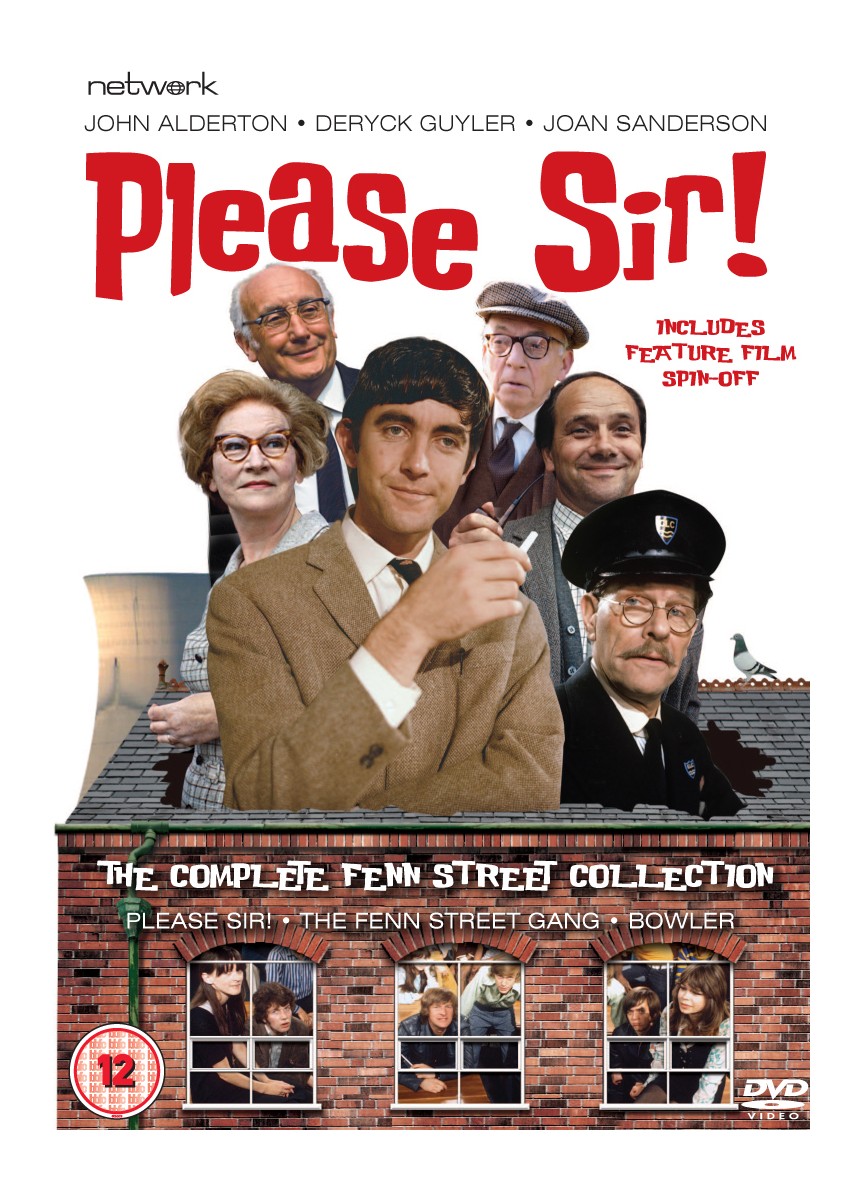
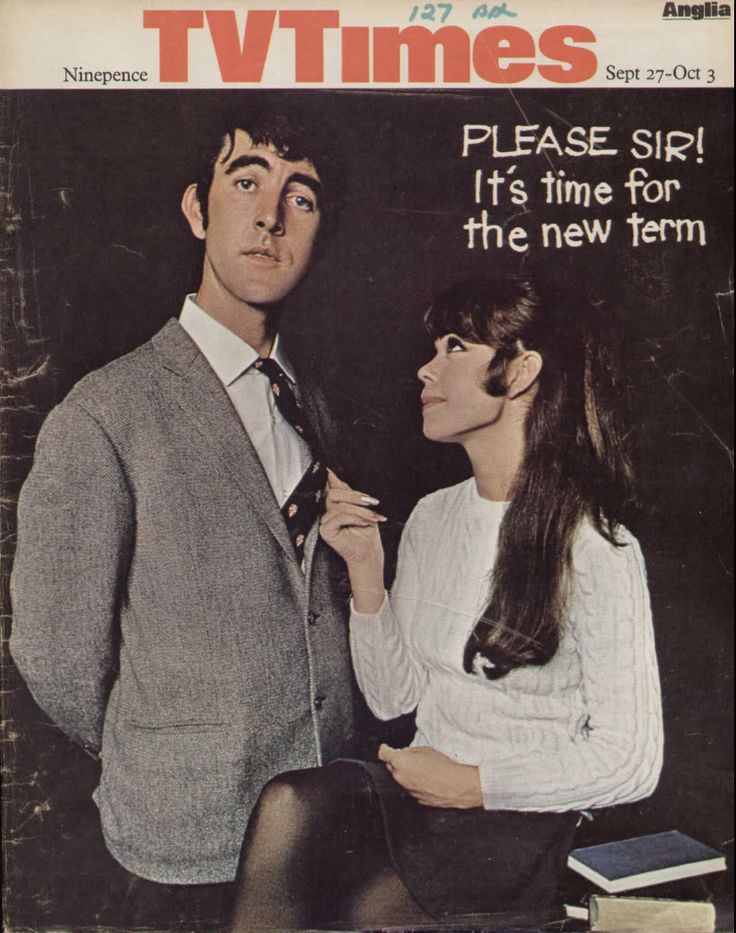
1. Please Sir! (1968–1972)
The Role: Bernard Hedges, a naive but idealistic young teacher.
Critical Analysis: This role made Alderton a household name and remains a masterclass in “reactionary acting.”
The Technique: In a show populated by loud, eccentric students (The Fenn Street Gang), Alderton played the “straight man” with a twist. He utilized a high-pitched, slightly panicked vocal delivery that made his character’s optimism feel both heroic and hilarious. Critics noted that he didn’t just play “the teacher”; he played the anxiety of authority, a theme he would revisit throughout his career.
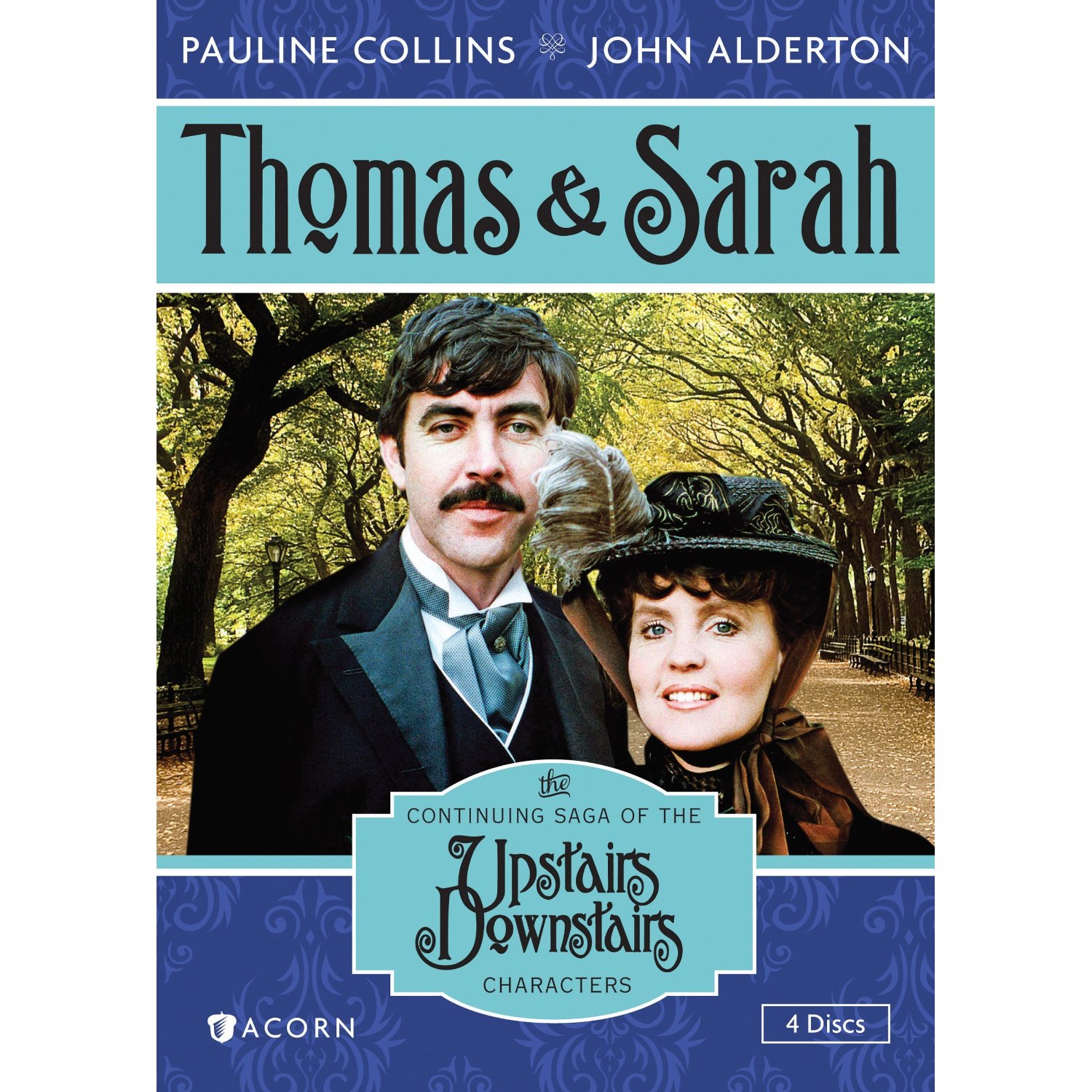
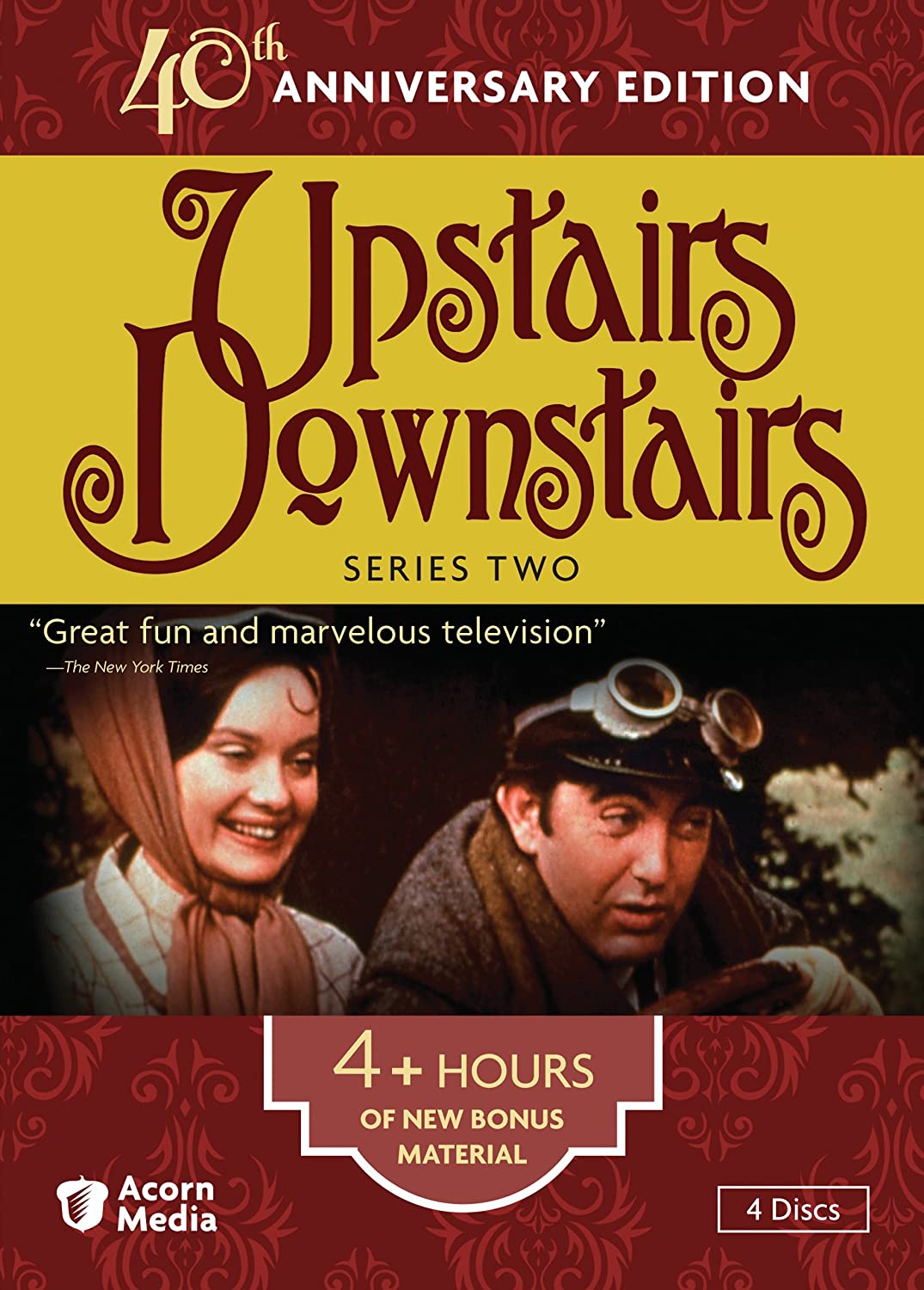
2. Upstairs, Downstairs (1971–1975) & Thomas & Sarah (1979)
The Role: Thomas Watkins, the calculating chauffeur.
Critical Analysis: This role allowed Alderton to break away from his “lovable” image. Thomas was a social climber—sharp, cynical, and sexually magnetic.
The Shift: Alderton used a lower, more controlled register in his voice and a “predatory” stillness. He and Pauline Collins (as Sarah) provided the show’s proletarian energy, acting as a necessary, disruptive force against the stuffy Bellamy household. Their spin-off, Thomas & Sarah, further explored this “rogue” dynamic, proving Alderton could carry a drama with a much darker, more ambiguous edge.
3. My Wife Next Door (1972)
The Role: Arthur Bassett (opposite Hannah Gordon).
Critical Analysis: This sitcom required a “screwball comedy” sensibility.
The Insight: Alderton excelled at physical frustration. He used his lanky frame to convey a man constantly at odds with his surroundings. Critically, he and Gordon managed to make the “bickering couple” trope feel intellectually sophisticated rather than petty, largely due to Alderton’s ability to pivot from anger to vulnerability in a single beat.
4. Little Miss & Fireman Sam (1980s)
The Work: Narrator and Voice Actor.
Critical Analysis: It is impossible to analyze Alderton without mentioning his vocal work.
The Mastery: He possessed a “storyteller’s warmth.” His narration of the Little Miss series and his voicing of the original Fireman Sam showcased his vocal versatility. He created distinct, iconic identities for dozens of characters using only subtle shifts in pitch and regional accent, cementing his place in the collective memory of a generation.
Technical Summary: The “Alderton Profile”
| Feature | John Alderton’s Style |
| Vocal Profile | Engaging and rhythmic; capable of rapid-fire patter and “puzzled” pauses. |
| Physicality | Tall and “willowy”; he used his height to emphasize awkwardness or sudden elegance. |
| The Niche | The “Idealist in Trouble”—the man trying to do the right thing in an absurd world. |
| Legacy | He redefined the “Sitcom Lead” as a character of genuine emotional depth and range. |
The Collaborative Power: Alderton and Collins
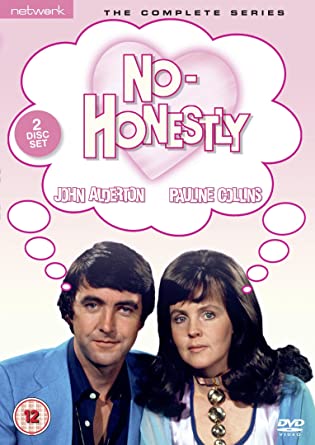
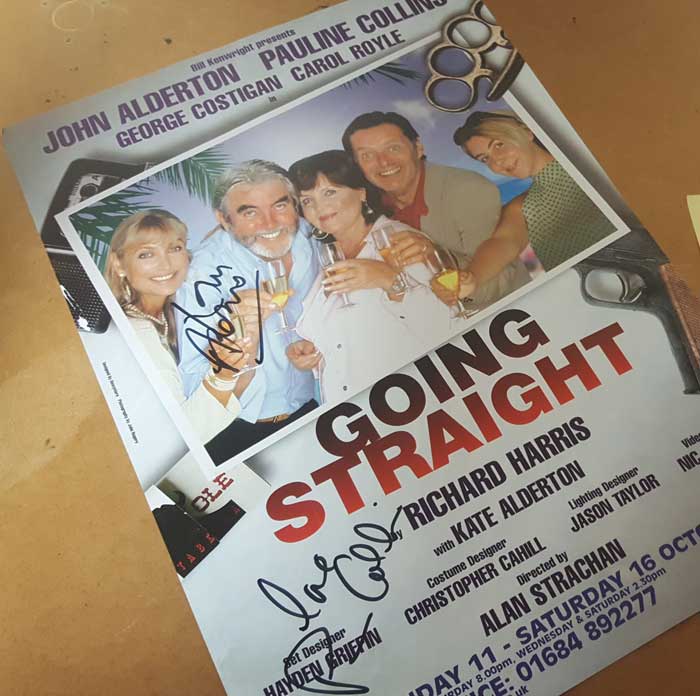
The professional partnership between John Alderton and Pauline Collins is one of the most successful in entertainment history. Critically, they functioned as a binary star system; Alderton’s grounded, slightly neurotic energy was the perfect anchor for Collins’ more mercurial, expressive style. In works like No, Honestly(1974), they bypassed the artifice of stage acting to present a “lived-in” chemistry that felt revolutionary for 1970s television.
Summary: The Master of the “Everyman”
John Alderton’s career is a testament to the power of charm backed by discipline. He never relied solely on his “boyish” looks; instead, he built characters from the inside out, focusing on their neuroses and their hopes. He remains one of the few actors who could move from the broad comedy of a classroom to the psychological complexities of a period drama without ever losing his essential, magnetic “readability.”.