

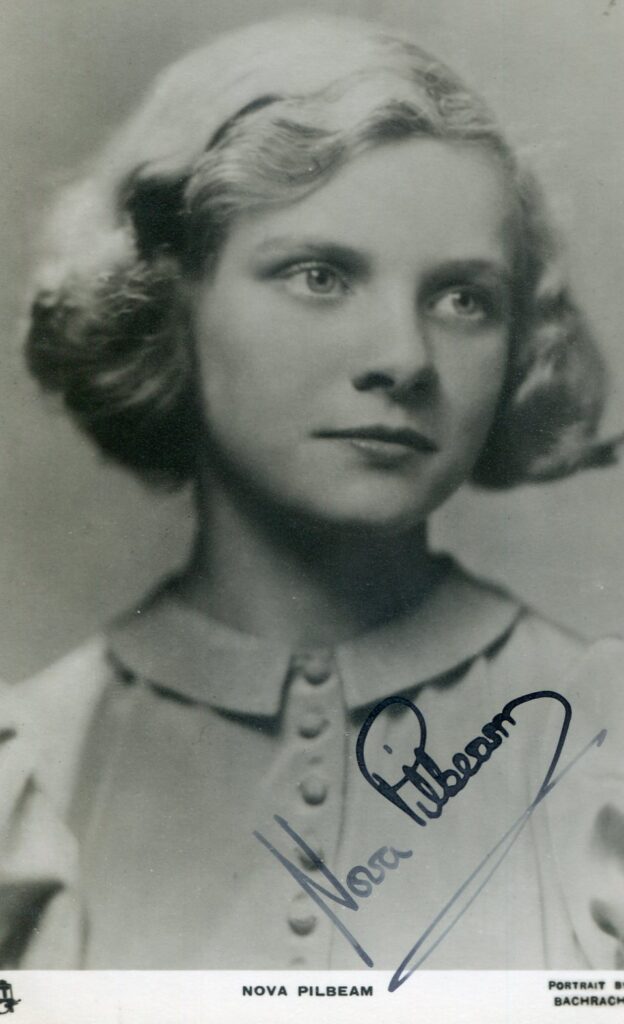
Guardian” obituary: by Eric Shorter
Among the many might-have-beens in film history was the starring of Nova Pilbeam opposite Laurence Olivier in Rebecca (1940), Alfred Hitchcock’s first Hollywood film. The producer, David O Selznick, desperately wanted Pilbeam, who has died aged 95, for the female lead of Mrs de Winter, and was willing to offer her a five-year contract.
Pilbeam, who while still a teenager had already had important roles in two of Hitchcock’s films, The Man Who Knew Too Much (1934) and Young and Innocent (1937), was also hoping she would land the prestigious part, particularly since she had recently lost out to Margaret Lockwood in his The Lady Vanishes (1938). However, Hitch, after auditioning hundreds of young women, opted instead for the 22-year-old Joan Fontaine, claiming that the 20-year-old Pilbeam was not mature enough.
Fontaine, who was nominated for an Oscar, was made into a big star by the film. Who knows if Rebecca would have been the same success for Pilbeam? Judging from her previous roles, there is no reason to believe otherwise.
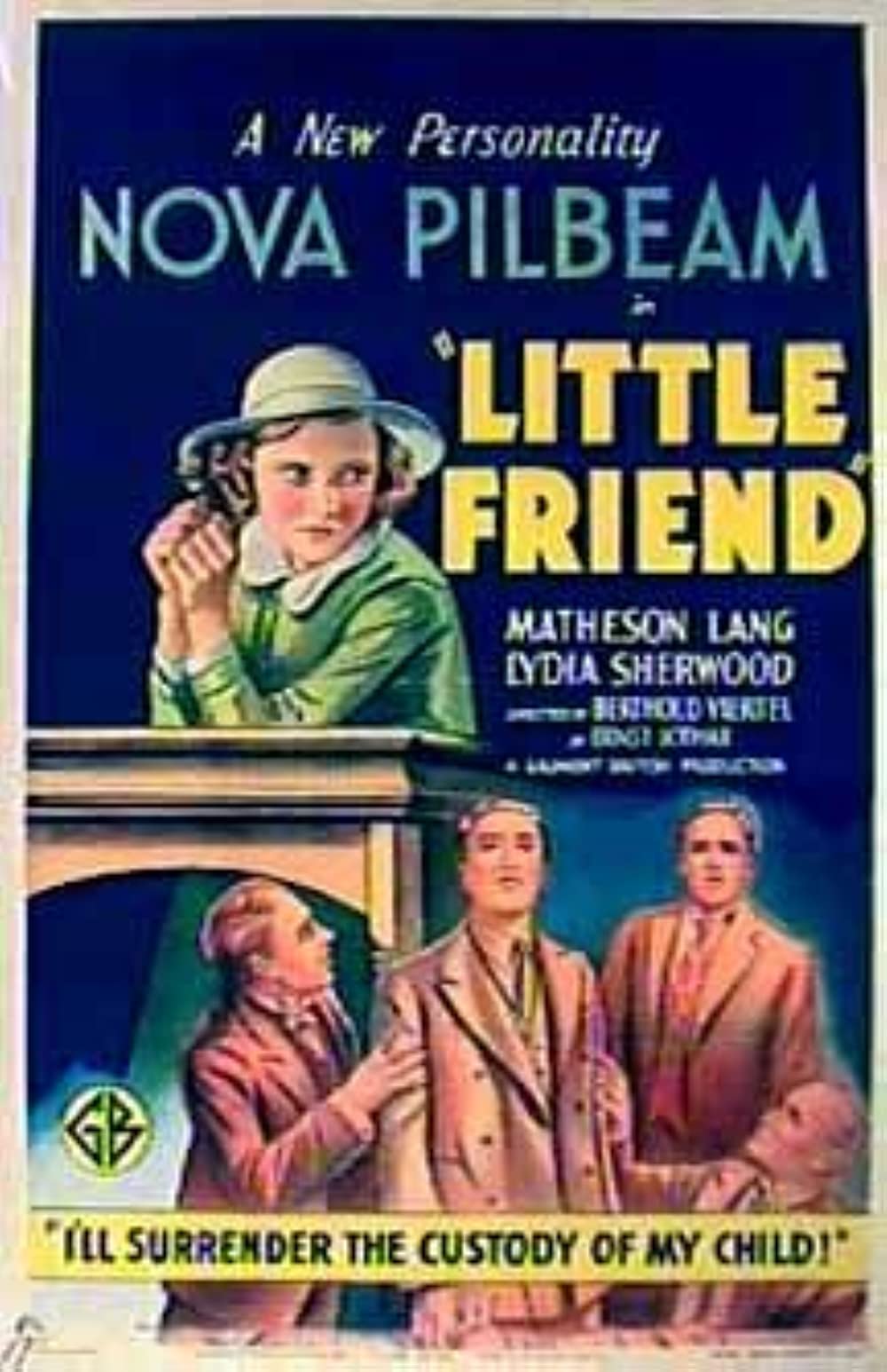
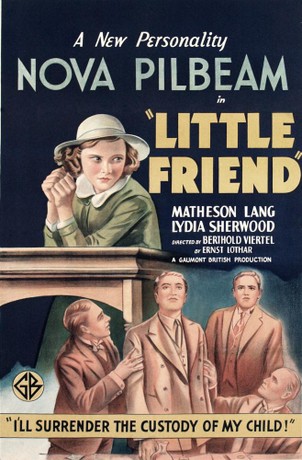
Born in Wimbledon, south-west London, to Arnold and Margery, she got into films in her early teens, helped by her father, a theatrical manager. Gaumont-British put her under a six-year contract, hoping to gradually build her up as a star. Pilbeam’s first film, Little Friend (1934), directed by Berthold Viertel and co-written by Christopher Isherwood, was about the devastating effects that divorce could have on a young girl, and Pilbeam’s heartfelt performance drew many plaudits, including from the New York Times, which praised her for playing the child “in a style of directness and enormously effective simplicity”.
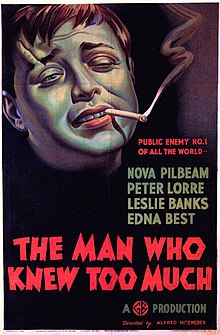
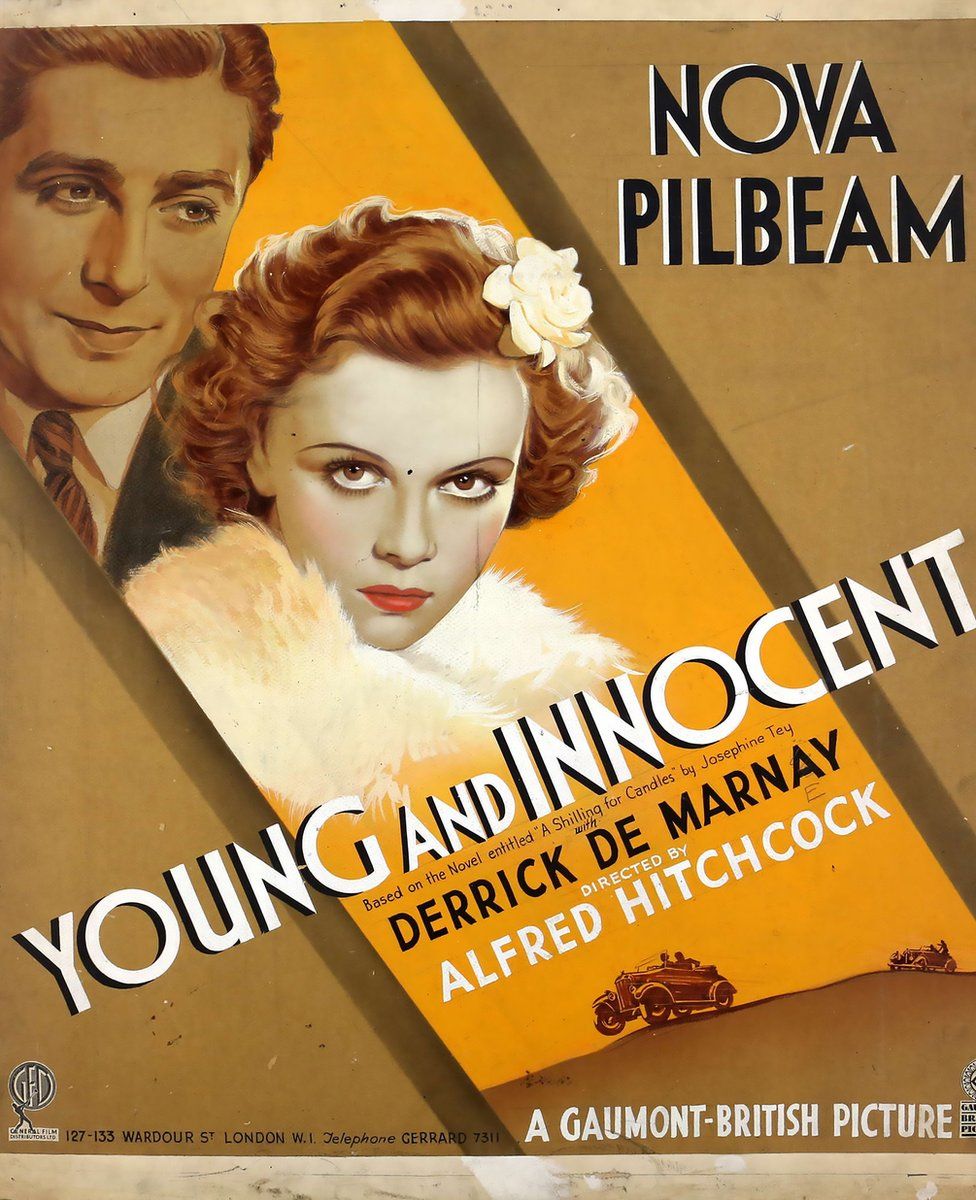
This led to her role as the kidnapped child, Betty Lawrence, in The Man Who Knew Too Much, a film that marked Hitchcock’s international breakthrough. Pilbeam is seen in both the first and last scenes: at the beginning in Switzerland (shot in the studio), accidentally causing a skier to fall while she is chasing her dog across the piste, and at the dramatic climax after being chased by a villain on the roof. Hitchcock had enough confidence in Pilbeam to cast her again, this time in Young and Innocent, an early example of one of the director’s favourite themes: the picaresque pursuit, whereby an innocent bystander is involved in a crime and must prove his or her innocence while being chased by both police and criminals. In this case, the wrongly accused Derrick de Marney is on the run, with Pilbeam, the spunky daughter of the chief constable, helping him to escape.
“Hitch had everything in his head before he went to the set; therefore one was rather moved around and manipulated a lot,” said Pilbeam. “Having said that, I liked him very much. For instance, in Young and Innocent, there was a dog that both Hitch and I adored; there came a time that we had finished the sequences with the dog and he was supposed to go back. We were both so upset that Hitch decided to write him another sequence so we could keep him around for another five or six days.”
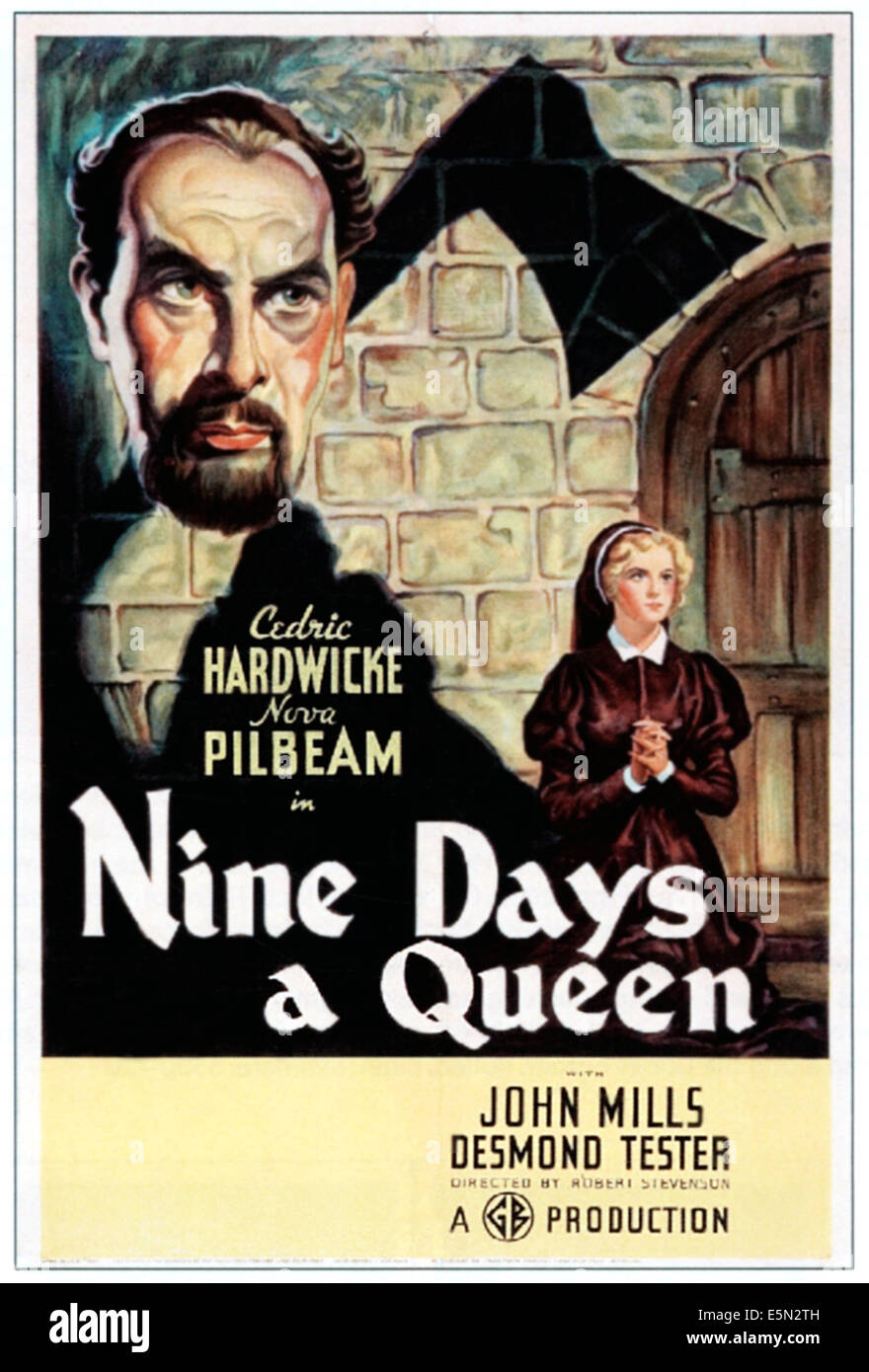
Pilbeam made a great impression as a poignant and radiant Lady Jane Grey, who reigned over England for nine days, in the superior costume drama film Tudor Rose (1936). “I was very overpowered by the names in the cast list,” she recalled. “Cedric Hardwicke, Sybil Thorndike, all those great people … Oh, and I do remember John Mills, who was very young also, and we both rather held each other up.”
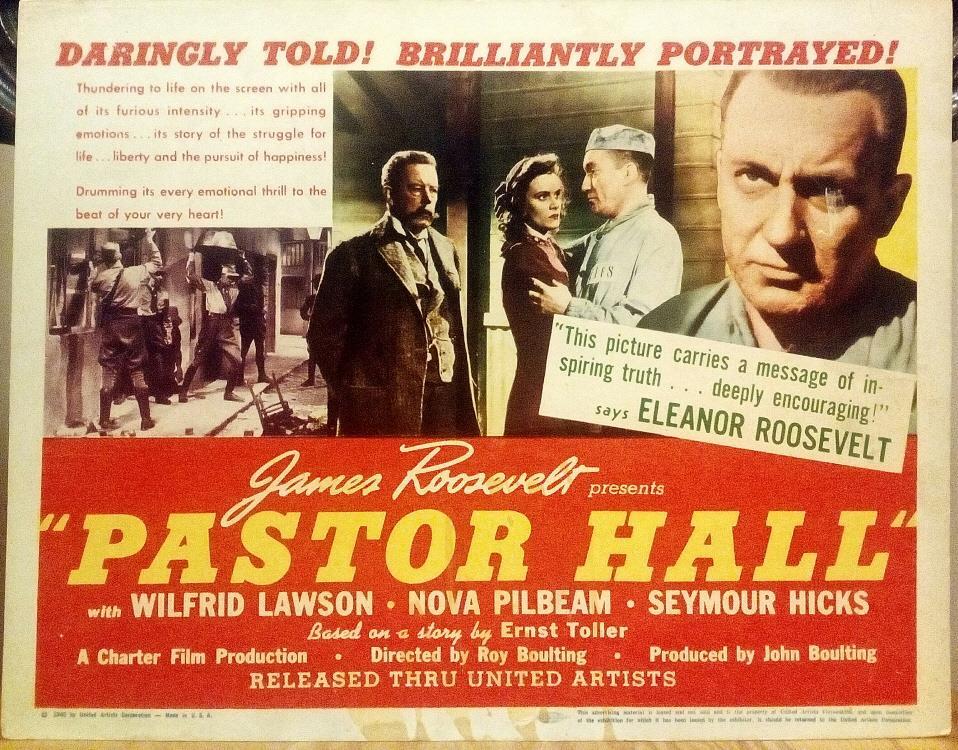
In 1939, she appeared in the live television broadcast Prison Without Bars, about a girls’ reformatory; had the lead in Cheer Boys Cheer, a comedy about rival breweries; and played the daughter of a German pastor who denounces the Nazi regime from his pulpit in Pastor Hall. That year Pilbeam also married the budding film director Penrose Tennyson (great-grandson of the poet), whom she had first met when he was Hitchcock’s assistant on The Man Who Knew Too Much. Less than two years after their marriage, Tennyson was killed in a plane crash while serving in the Royal Navy.
Pilbeam revealed a talent for comedy in Spring Meeting (1941), playing a fun-loving girl whom Michael Wilding prefers to her stuffy sister (Sarah Churchill), whom he is supposed to marry. Pilbeam continued in this vein in Banana Ridge (1942), based on a Ben Travers Aldwych farce, with Alfred Drayton and Robertson Hare repeating their stage roles. She proved to be charming in what was a rather creaky vehicle about paternity.
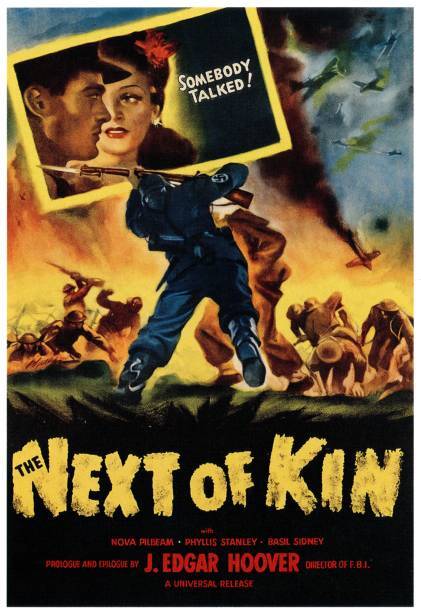
It was back to drama with The Next of Kin (1942), directed by Thorold Dickinson, a wartime propaganda piece warning of Nazi espionage. Pilbeam portrayed a Dutch girl working in a bookshop in London who is blackmailed by her employer into revealing secrets gained from her boyfriend, British soldier. In a chilling sequence, she stabs her tormentor to death, before she herself is struck down by a Nazi spy, who turns on the gas to give her death the appearance of suicide.
In Yellow Canary (1943), she had a smaller role as a young woman who despises her socialite sister (played by Anna Neagle) for being a Nazi sympathiser, not realising that her fascist leanings are a cover for her spying for the British. Her two last pictures, both in 1948, were Counterblast, about a Nazi criminal working in disguise as a doctor in London and exposed by Pilbeam, and The Three Weird Sisters (1948), shot in Wales. “It was a sort of Gothic horror job, and it had a script by Dylan Thomas,” Pilbeam recalled. “They found it difficult to get him to finish a scene, because, by then, he was well on to the bottle.”
By the time she married the BBC radio journalist Alexander Whyte, in 1950, Pilbeam had lost interest in acting, and she became a housewife. Alexander died in 1972, and she is survived by their daughter, Sarah Jane.
Ronald Bergan
Eric Shorter writes: With her silky fair hair, engaging looks and unspoiled manner, Nova Pilbeam was a screen favourite by the age of 14, but the stage remained her favourite medium. She debuted in the theatre aged five in an amateur children’s fantasy and later studied for the stage. She made her first professional appearance at 12, playing Marigold in Toad of Toad Hall at the Savoy theatre in London.
In 1935 Pilbeam was chosen to play Peter Pan at the London Palladium, followed by a provincial tour. Whatever boldness she showed, said one critic, came not from trying to ape a boyish manner or swaggering like a pantomime prince, but from “an inward conception of the heroic. With all these qualities, if she chooses to go on playing Peter, there seems no reason why she should not outstrip all her predecessors.” She played the role again a couple of years later.
In 1936 she made her Shakespearean debut with the Oxford University Dramatic Society as a remarkable Rosalind, opposite Michael Denison as Orlando, in As You Like It. In the West End she was the unhappy granddaughter in The Lady of La Paz at the Criterion in 1936, opposite Lilian Braithwaite.
In the early 1940s she joined the Old Vic company’s wartime exile at Liverpool Playhouse. Among her credits were Nina in The Seagull, Susannah in James Bridie’s Susannah and the Elders, Belle in Eugene O’Neill’s Ah, Wilderness! and Juliet in Romeo and Juliet. She subsequently starred in London in the Sonia Dresdel vehicle This Was a Woman (Comedy theatre, 1944); did a stint with Dundee Rep; toured in a production of Day After Tomorrow (1946); and – in a well-received performance – appeared with Kathleen Harrison in Toni Block’s Flowers for the Living at the Duchess in 1950. Her appearances at the Windsor theatre – where her father was business manager – included a starring role in The Philadelphia Story. However, Pilbeam’s stage activity, like her film career, was over by the 50s, and the one-time child star withdrew into a very private life.
• Nova Pilbeam, actor, born 15 November 1919; died 17 July 2015
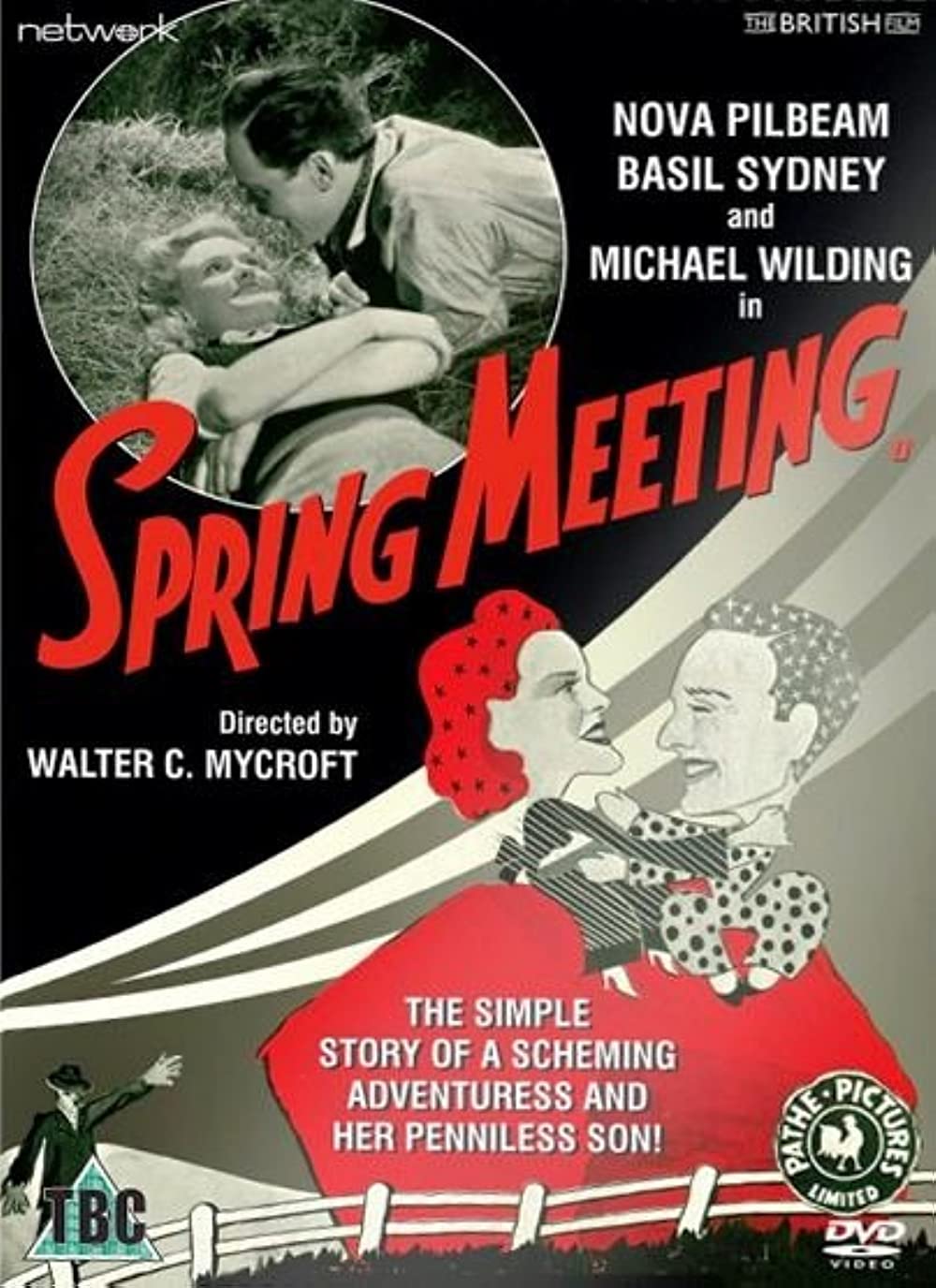
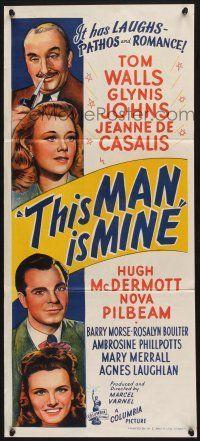
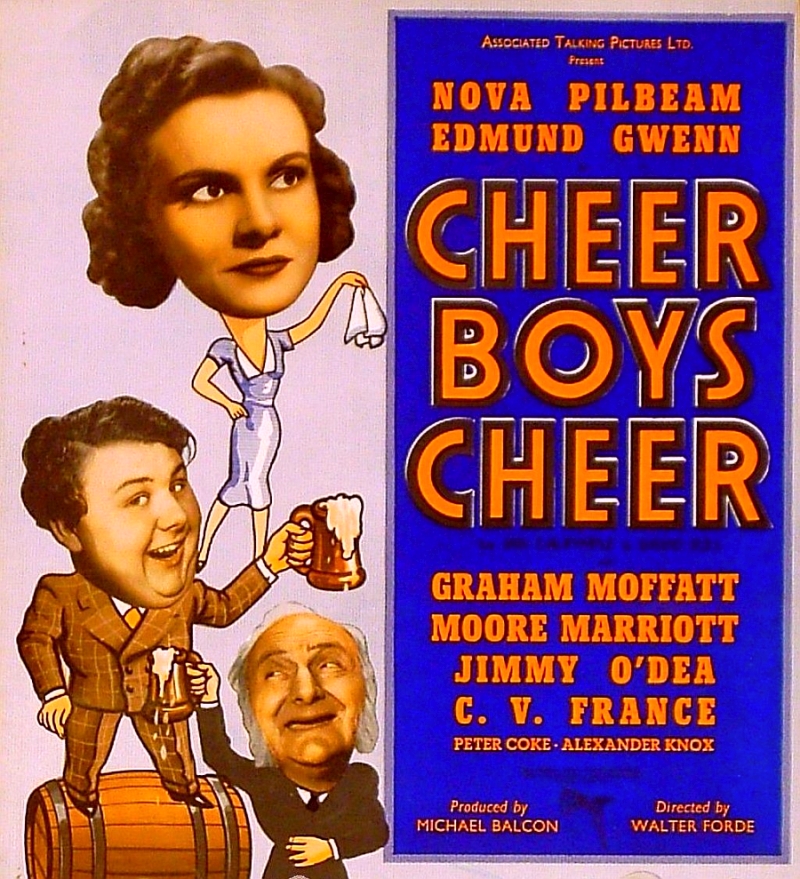
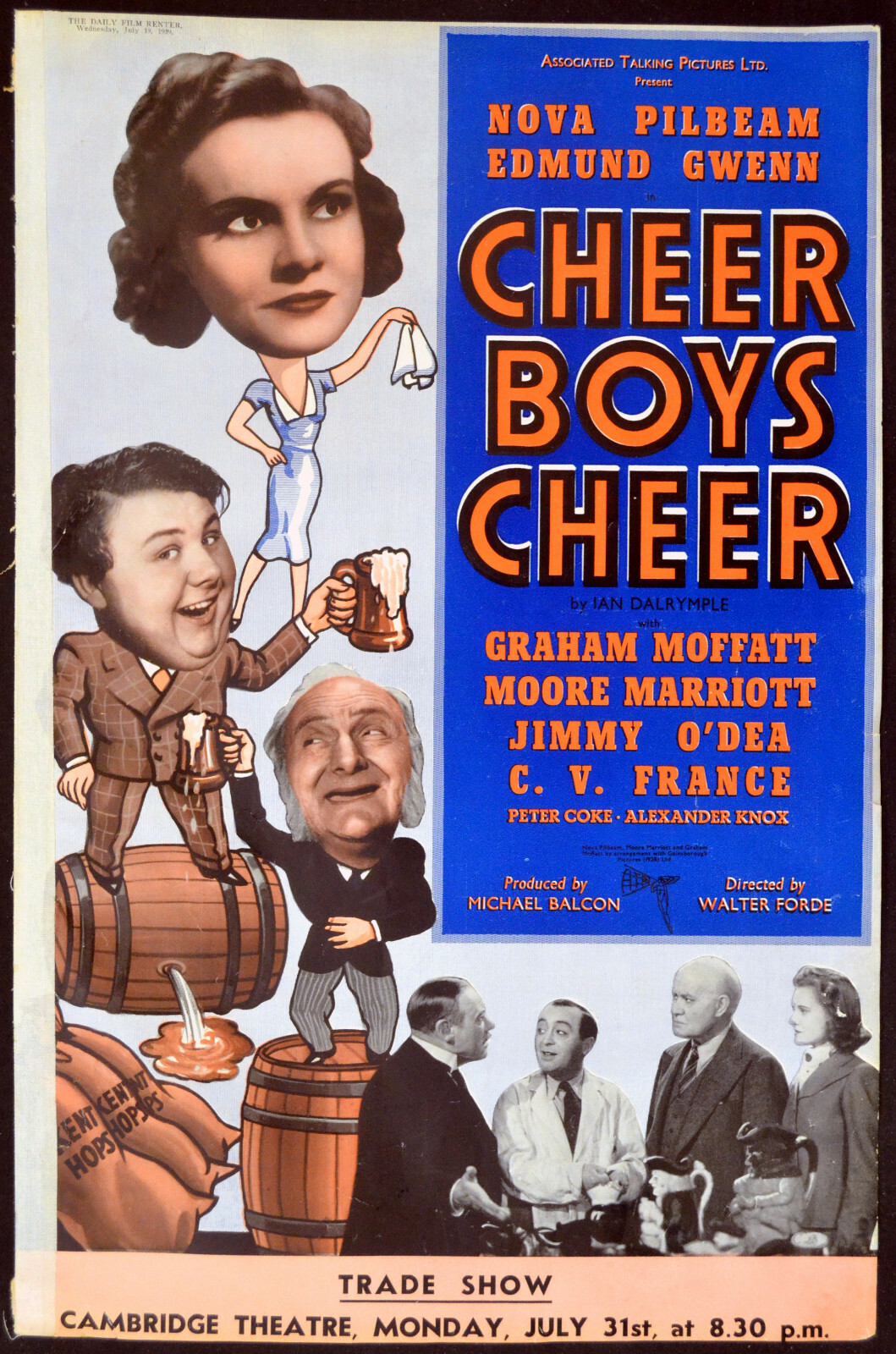
Nova Pilbeam (1919–2015) was one of the most significant British child stars of the 1930s, primarily remembered today as a key muse for Alfred Hitchcock during his “British period.” Her career was a meteoric rise followed by a deliberate, early withdrawal—a trajectory that left a legacy of “what might have been” had she transitioned to Hollywood.
Career Overview: The Hitchcock Prodigy
1. The “World’s Greatest Child Actress” (1934–1936)
Pilbeam was born into a theatrical family and gained immediate acclaim for her debut in Little Friend (1934).Her performance as a child caught in the crossfire of a messy divorce was so naturalistic it drew comparisons to a young Greta Garbo.
Hitchcock’s Discovery: This led directly to her role as the kidnapped daughter in Hitchcock’s original The Man Who Knew Too Much (1934). At just 14, she held her own against the menacing Peter Lorre.
Historical Stature: She proved her range as a leading lady in Tudor Rose (1936), playing Lady Jane Grey. Critics hailed her “inward conception of the heroic,” noting she didn’t just play a victim but a tragic, dignified figure of history.
2. The Definitive “Hitchcock Heroine” (1937–1940)
At 17, Pilbeam starred in Hitchcock’s Young and Innocent (1937). Unlike the sophisticated icy blondes of Hitchcock’s later Hollywood era, Pilbeam represented a “sunny,” independent, and fiercely capable English youth.
The Rebecca Miss: She was David O. Selznick’s first choice to play the lead in Rebecca (1940).However, the role went to Joan Fontaine, partly because Hitchcock felt Pilbeam was “too immature” for the gothic romance, and partly because Pilbeam’s agent bristled at the restrictive five-year Hollywood contract. This remained the Great “What If” of her career.
3. War, Tragedy, and Retirement (1940s–1950s)
World War II brought profound personal tragedy; her first husband (Hitchcock’s former assistant director Pen Tennyson) and her only brother were both killed in separate plane crashes during the war.
Final Roles: She continued to work in British “Gothic” dramas like The Three Weird Sisters (1948), scripted by Dylan Thomas.
The Exit: In 1950, after marrying journalist Alexander Whyte, she retired from acting entirely at age 30 to lead a private life in North London, famously refusing interviews for the rest of her 95-year life.
Detailed Critical Analysis
The “Anti-Child Star” Style
In an era of stagey, affected child performances, Pilbeam was a pioneer of understatement.
Naturalism: Critics noted she had an “unobstructed path to her emotions.” She didn’t “act” fear; she appeared to experience it. In The Man Who Knew Too Much, her terror on the rooftop climax is grounded in a psychological realism that was rare for the 1930s.
The Forceful Personality: In Young and Innocent, her character (Erica) is remarkably modern. She drives a “cantankerous” car that only she can start and effectively manages the fugitive hero. Pilbeam played her with a “forceful personality that belied her youth,” creating a template for the proactive female lead that Hitchcock would later refine.
The “Aural” Quality of Grace
Pilbeam possessed a refined, “aristocratic” bearing and speech that made her the perfect fit for British period pieces, but she balanced it with a “glow” that felt accessible.
Inward Heroism: Critical analysis of her stage work (including a legendary turn as Peter Pan) emphasized that her strength came from “an inward conception of the heroic” rather than outward swagger. She was the personification of “English stoicism” mixed with youthful curiosity.
The Impact of her Absence
The critical tragedy of Pilbeam’s career is that she remained “British-bound.” * Missed Internationalism:Because she never made the jump to Hollywood, her career is often viewed as a “pure” snapshot of pre-war British cinema. Analysts argue that her departure left a void in the “strong, self-reliant girl” archetype that Hollywood would eventually fill with more glamorous, less “real” versions of the same character.
Legacy of Seclusion: Her refusal to participate in the “nostalgia machine” of her later years has preserved her image as eternally young and innocent, much like the title of her most famous film.
Iconic Role Comparison
| Character | Film | Core Attribute | Critical Significance |
| Betty Lawrence | The Man Who Knew Too Much | Vulnerability | Proved a child could carry the emotional stakes of a thriller. |
| Lady Jane Grey | Tudor Rose | Dignity | Established her as a serious dramatic lead. |
| Erica Burgoyne | Young and Innocent | Independence | The prototype for the capable, proactive “Hitchcock Girl.” |
| Claire Prentiss | The Three Weird Sisters | Gothic Grit | Showed her ability to navigate darker, post-war cynicism |
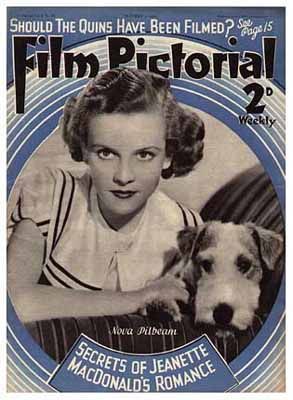
The decision not to cast Nova Pilbeam as the second Mrs. de Winter in Rebecca (1940) was a complex tug-of-war between Alfred Hitchcock, producer David O. Selznick, and the logistics of the studio system.
While Pilbeam had been Hitchcock’s “lucky charm” in his British hits, several factors blocked her path to Manderley:
1. The “Maturity” Problem
Although Pilbeam was 20 years old at the time—only two years younger than Joan Fontaine—Hitchcock felt she still carried the “aura of a child.” Having directed her at ages 14 and 17, he struggled to see her as a romantic lead capable of holding her own opposite the sophisticated Laurence Olivier. Hitchcock eventually argued to Selznick that Pilbeam was “not mature enough” for the film’s darker, psychosexual undertones.
2. The Contractual Deadlock
David O. Selznick was notoriously controlling and insisted that any new star sign a restrictive five-year contract.
The Agent’s Refusal: Pilbeam’s London agent was deeply concerned about the “exclusion clauses” in the Hollywood contract, which would have prevented her from working in the UK or for other studios without Selznick’s permission.
The Stalemate: While Selznick initially thought Pilbeam could be a “global star,” the inability to reach a contractual agreement cooled his interest.
3. Hitchcock’s Pivot to “The American Star”
Despite their successful history, Hitchcock’s own feelings were inconsistent.
Conflicting Opinions: In some early memos, Hitchcock advocated for Pilbeam, even suggesting her to play opposite Ronald Colman. However, as pre-production intensified, he began to favor the idea of a more established or “American-style” star to ensure his first Hollywood venture was a hit.
The Screen Test: When Pilbeam finally did sound tests for the role, the results were reportedly “gauche and awkward.” Critics who have viewed these rare tests note that she played the character as almost too mousy, lacking the subtle internal growth that Joan Fontaine eventually mastered.
4. Selznick’s “Scarlett O’Hara” Syndrome
Fresh off the massive success of Gone with the Wind, Selznick wanted to recreate the “Search for Scarlett” publicity. He auditioned hundreds of women (including Vivien Leigh, Anne Baxter, and Loretta Young).
The Joan Fontaine Discovery: During this marathon of tests, Hitchcock and Selznick shifted their focus. They realized they needed an actress who could portray profound nervousness. They eventually found that “nervous quality” in Joan Fontaine, whom Hitchcock notably “terrorized” on set to keep her in a state of perpetual anxiety that suited the character perfectly.
The “What If” Legacy
The rejection for Rebecca essentially ended Pilbeam’s chances of a Hollywood career. Had she been cast, she likely would have become the first of the iconic “Hitchcock Blondes.” Instead, she remained in the UK, where her career gradually slowed, leading to her early retirement