

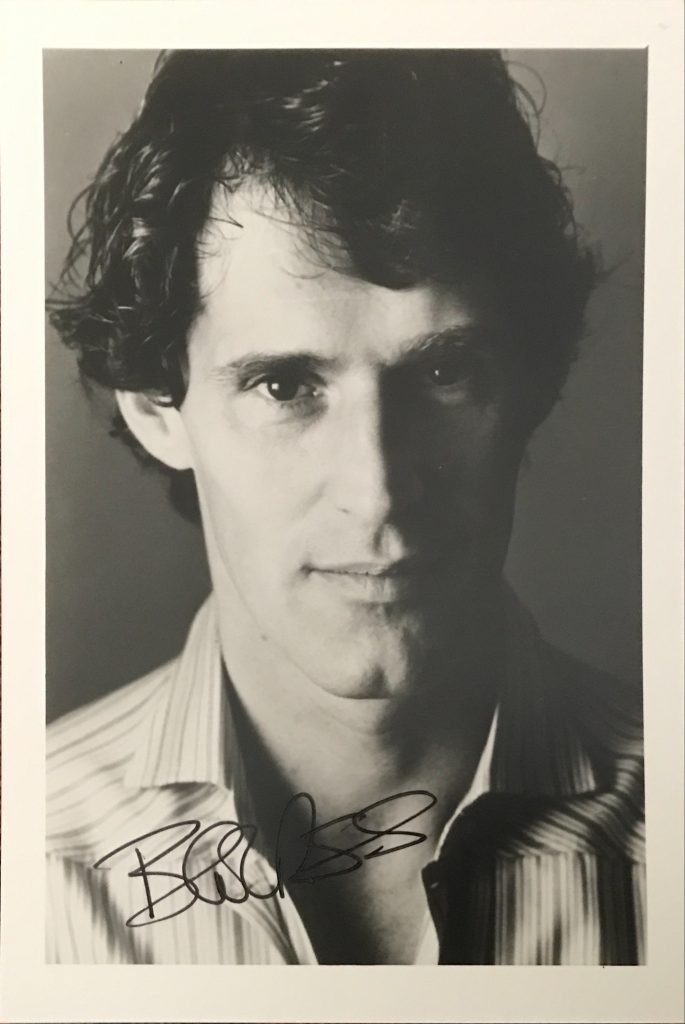
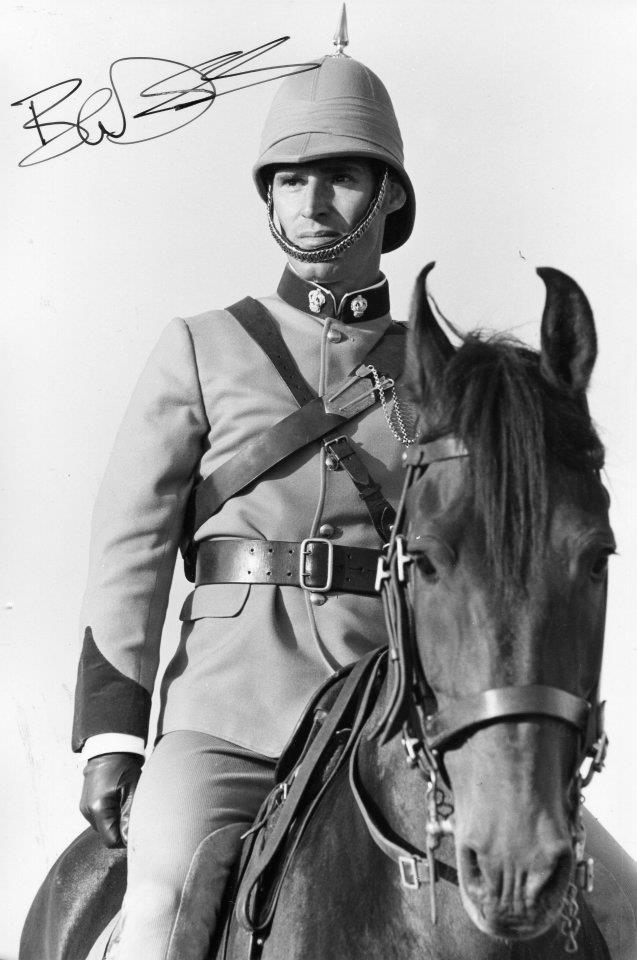
Ben Cross was born in 1947 in London. Upon graduating from RADA, he began his career on the stage appearing in such plays as “Royal Hunt of the Sun” and “Death of a Salesman”. In 1978 he played Billy Flynn in the musical “Chicago”. He had a major success with his role as Harold Abrahams in “Chariots of Fire”. He also scored with leading roles on TV in A.J. Cronin’s “The Citadel” and “The Far Pavilions”. In 2007 he was cast in the new Star Trek film. Interview with Ben Cross in “The Jewish Chronicle” can be accessed here.
Sadly Ben Cross died aged 72 in Vienna in August 2020
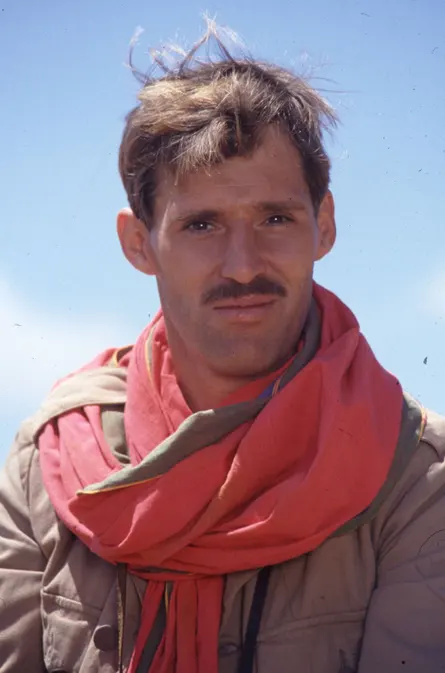
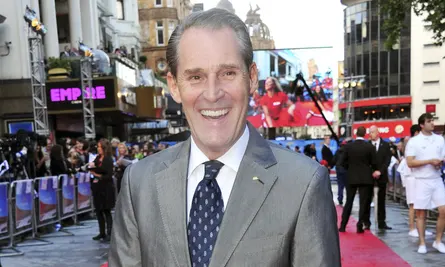
“Guardian” obituary in 2020
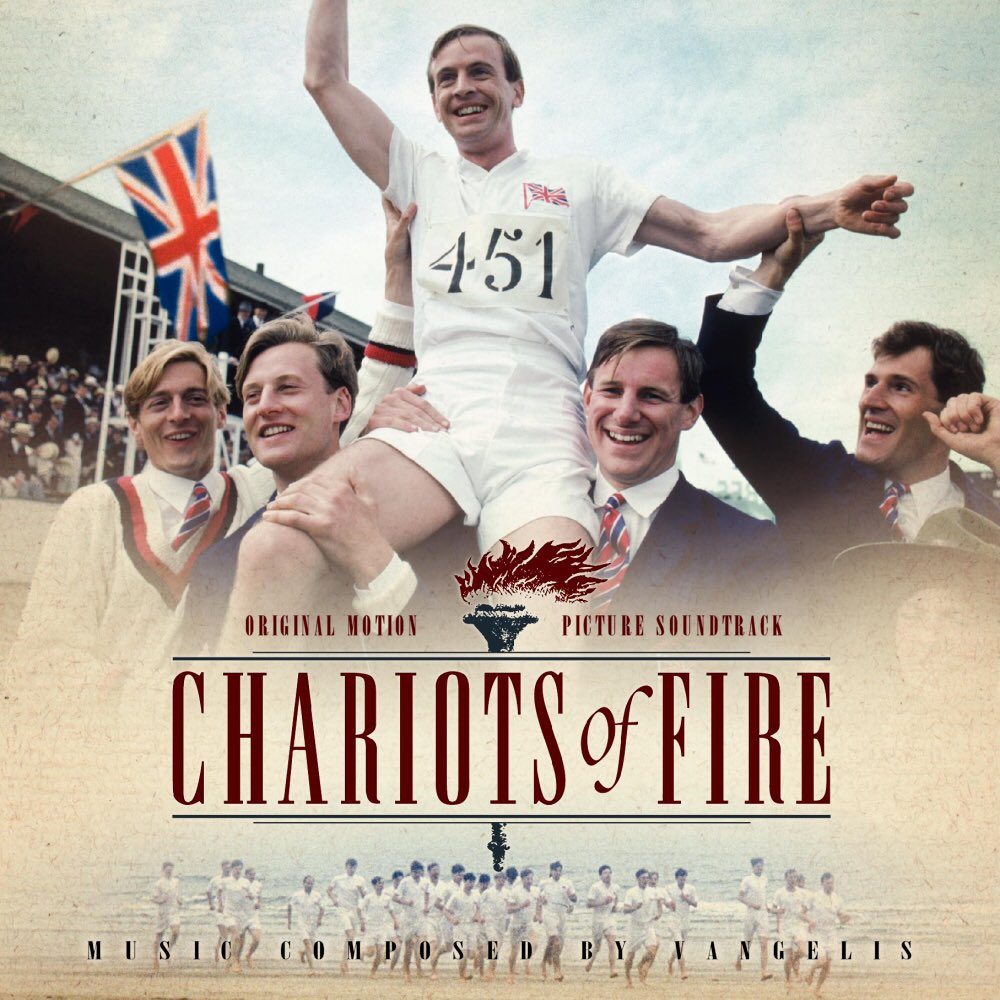
The actor Ben Cross, who has died of cancer aged 72, took the film world by storm in the Oscar-winning Chariots of Fire when he played Harold Abrahams, the British Jewish athlete driven as a runner not just to win gold at the 1924 Paris Olympics, but also to battle antisemitism. A fellow British team member, the devout Scottish Protestant missionary Eric Liddell, played by Ian Charleson, is similarly seen in a quest to combat discrimination. Abrahams wins the 100 metres, while Liddell triumphs in the 400 metres.
The two stars shared one of the most memorable opening scenes in film history, among the sprinters on a training run along a Scottish beach, enhanced dramatically with moments in slow motion and Vangelis’s inspirational music.
“The water was freezing,” recalled Cross, “and we had bare feet – completely ridiculous. If you spoke to a sports trainer about running barefoot in ice-cold water, they’d ask you if you were mad. But, look, it made for a good opening sequence.”
The 1981 film, produced by David Puttnam and directed by Hugh Hudson, won four Academy awards at the following year’s Oscars ceremony. However, despite Colin Welland’s “warning” to Hollywood that “the British are coming” as he accepted his statuette for best original screenplay, the two stars never quite fulfilled the promise they had shown in such a high-profile film – even though they jointly received the Variety Club’s most promising artiste award.
While Charleson chose to spend much of his time on stage before his premature death from Aids in 1990, Cross found most of his best roles on television, which utilised his bony features and earnest, sincere air, and said he had no hunger for theatre.
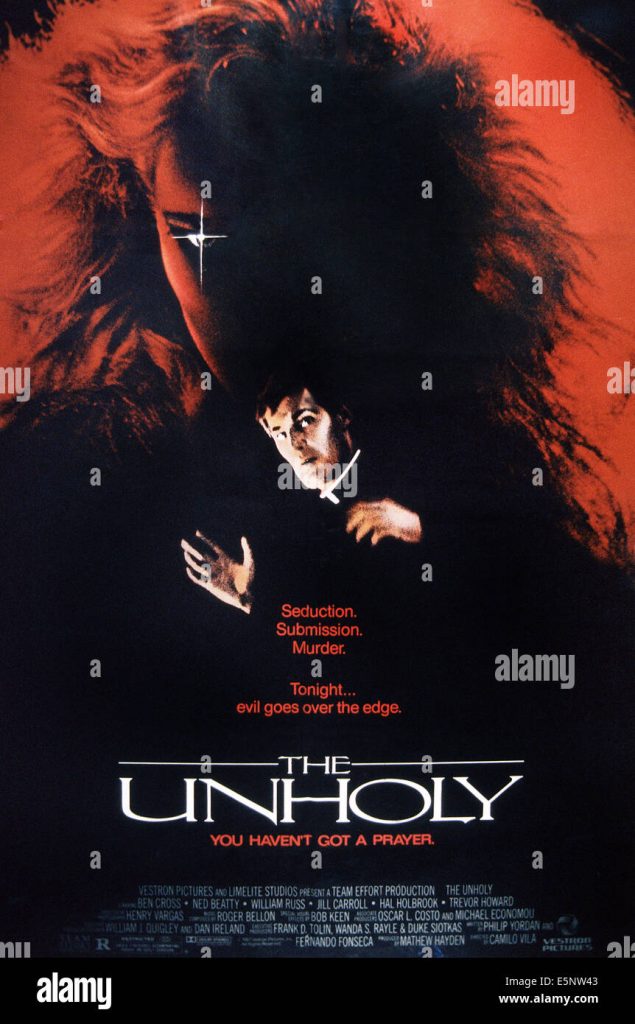
“Of all the jobs I’ve been offered, television was the best quality,” he later said. “I haven’t liked most of the films I’ve been offered. Film has the greatest international audience, so you have to be very choosy about what you do.”
He had his first starring role on the small screen in The Citadel (1983), the BBC’s 10-part adaptation of AJ Cronin’s semi-autobiographical novel about a doctor who swaps his crusading job in a poor Welsh mining village of the 1920s for a wealthy existence taking care of London society before realising he has sacrificed his ideals.
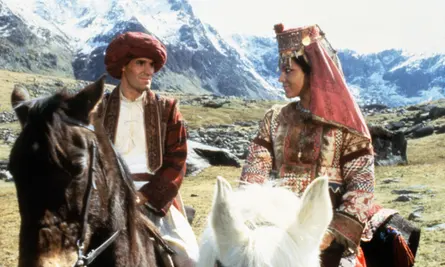
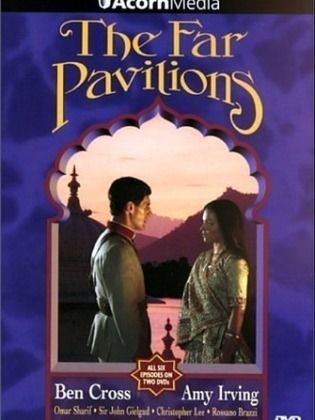
Going from the parochial to the international, Cross headed the cast in The Far Pavilions (1984), a lavish mini-series set in 19th-century India during the days of the British Raj. As the dashing romantic hero Ashton Pelham-Martyn (“Ash”), he played a British officer in love with a princess and battling to understand his own identity, having been orphaned and previously believing himself to be of Indian birth. To prepare for the role, Cross went to the country four weeks before shooting began in order to absorb the atmosphere – just as he had spent three months “training like a madman” for Chariots of Fire.
“The man discovers he is English, yet his heart and emotions are very much Indian and he’s accepted in neither world,’’ reflected Cross at the time. “These misfit roles seem to seek me out. I always seem to play people not totally at home in the situation we discover them.”
Ben Cross and Amy Irving The Far Pavilions, 1984. Photograph: Moviestore/Rex/Shutterstock
Born in Paddington, London, to Catherine (nee O’Donovan), a cleaner, and Harry, a doorman, Cross was brought up a Catholic and attended Bishop Thomas Grant school in Streatham, south London.
Playing the title role in a school production of Toad of Toad Hall brought him laughs – and an ambition to act that was a long time unrealised after leaving home at 15, living in a van and working as a window cleaner.
He eventually found jobs backstage, as a carpenter for the Welsh National Opera and property master at the Alexandra theatre, Birmingham. Then, during two years at Wimbledon theatre, watching a different show every week, Cross decided to get himself under the stage lights, successfully auditioned for Rada and graduated in 1972, aged 24.
Apart from a handful of TV roles over the rest of the decade, his only screen appearance was as Trooper Binns – described by Cross as a “glorified extra” – alongside an all-star cast in the 1977 war film A Bridge Too Far.https://www.youtube-nocookie.com/embed/CSav51fVlKU?wmode=opaque&feature=oembedRunning scenes from Chariots of Fire, with Vangelis’s theme music for the film
However, he began to get attention on stage. During a stint with the Royal Shakespeare Company he took the role of Kevin Cartwright in the world premiere of the Peter Nichols national service farce Privates on Parade (Aldwych theatre, 1977). His singing voice was showcased when he played Wally in the original London production of the Cy Coleman-Michael Stewart musical I Love My Wife (Prince of Wales theatre, 1977-78) and, at the time of auditioning for Chariots of Fire, he was Billy Flynn, Roxie Hart’s lawyer, in Chicago (Cambridge theatre, 1979-80), observed by the Stage as “strong and sly as the courtroom superstar”.
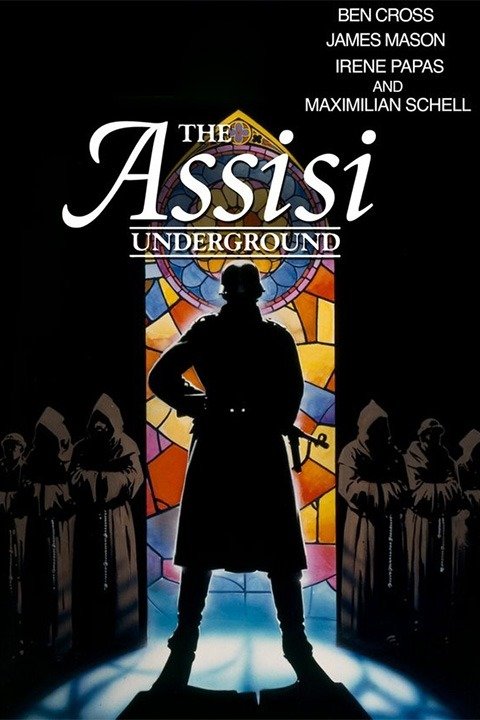
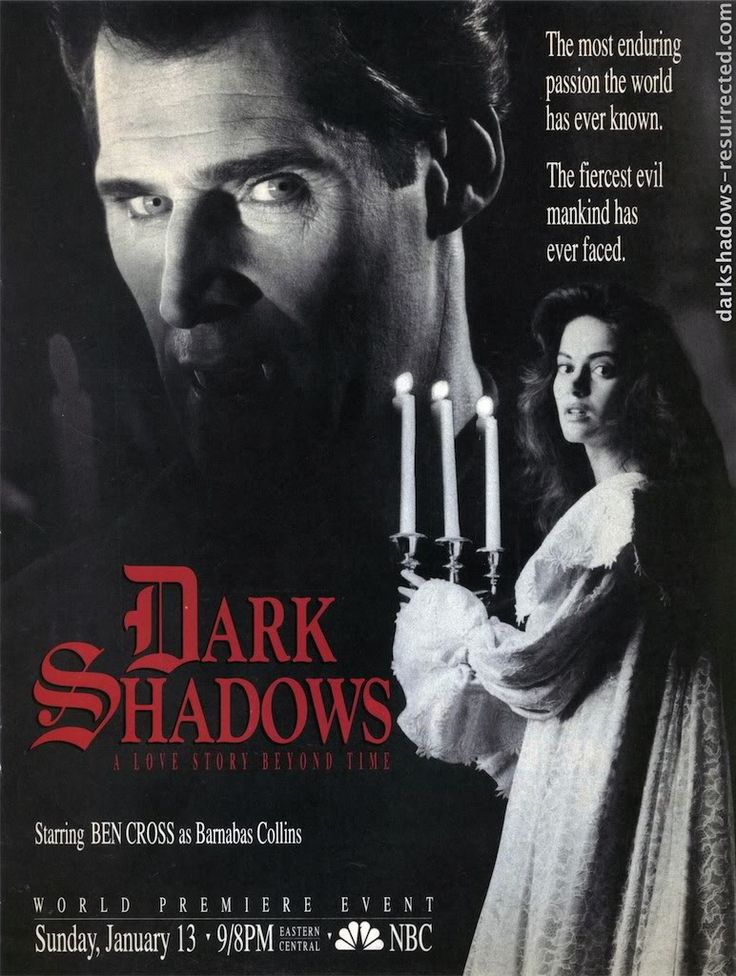
His other television roles included Padre Rufino, a Franciscan monk aiding Jewish wartime refugees, in The Assisi Underground (1985), the vampire Barnabas Collins in the 1991 mini-series Dark Shadows, Rudolf Hess in Nuremberg: Nazis on Trial (2006), Prince Charles in William & Kate (2011) and the ruthless Ukrainian mob boss Mr Rabbit in the first two series (2013-14) of the American drama Banshee.
Ben Cross in London in 2012. Photograph: Jon Furniss/Invision/AP
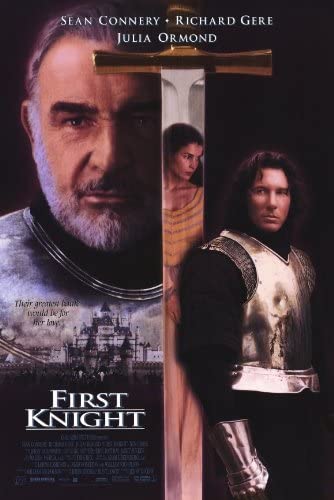
The Italian production Honey Sweet Love (1994) gave him a rare starring film role, as a British army officer falling in love in Sicily during the second world war. He was also seen on the big screen as Prince Malagant in First Knight (1995) and as Sarek, Spock’s father, in the 2009 film Star Trek.
Cross’s first two marriages, to Penelope Butler (1977-92) and Michele Moerth (1996-2005), both ended in divorce. In 2018 he married Deyana Boneva in Bulgaria, where he had been living for more than 10 years.
She survives him, along with the two children of his first marriage, Lauren and Theo.
• Ben Cross (Harry Bernard Cross), actor, born 16 December 1947; died 18 August 2020

Comment
Samantha collins
I would like to know where I can buy the picture of Ben cross in the striped shirt that has been autographed.
Thank you