
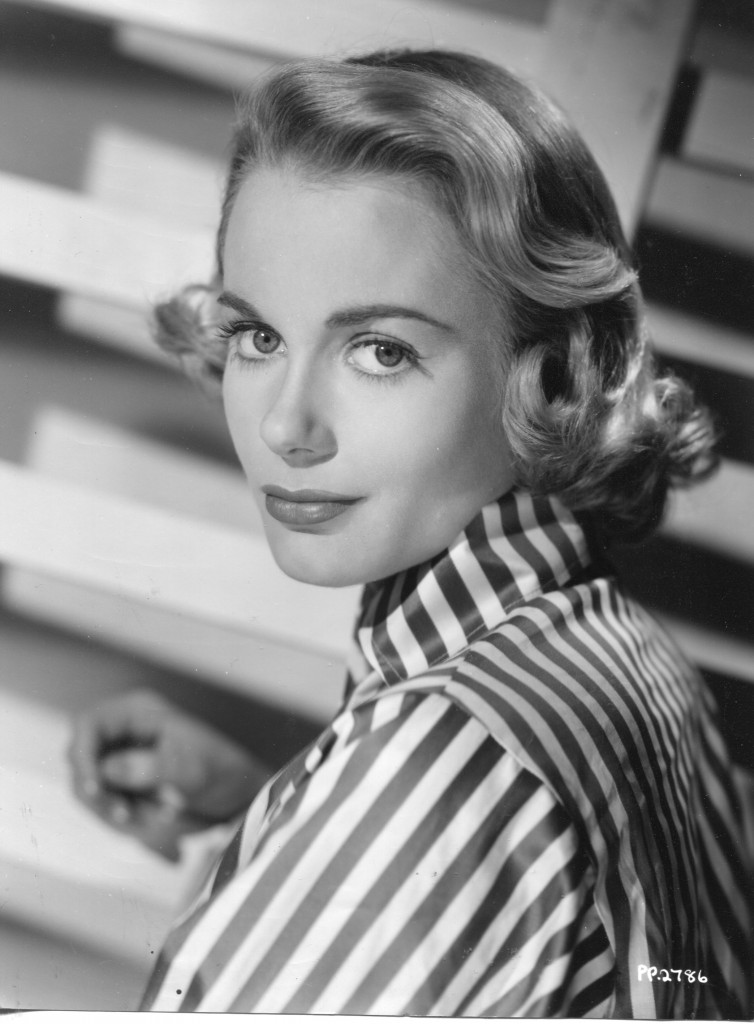
Josephine Griffin

Josephine Griffin
Josephine Griffin

Josephine Griffin. IMDB
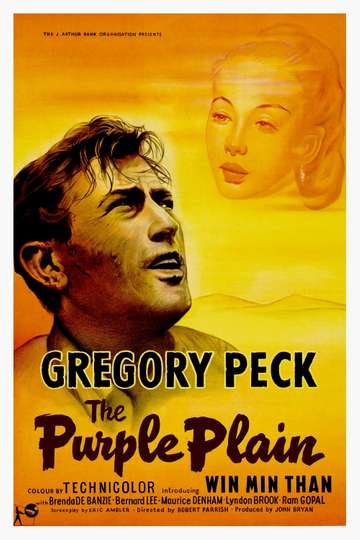
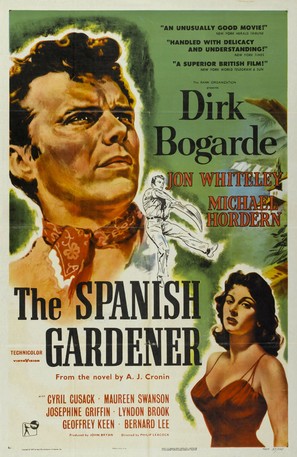
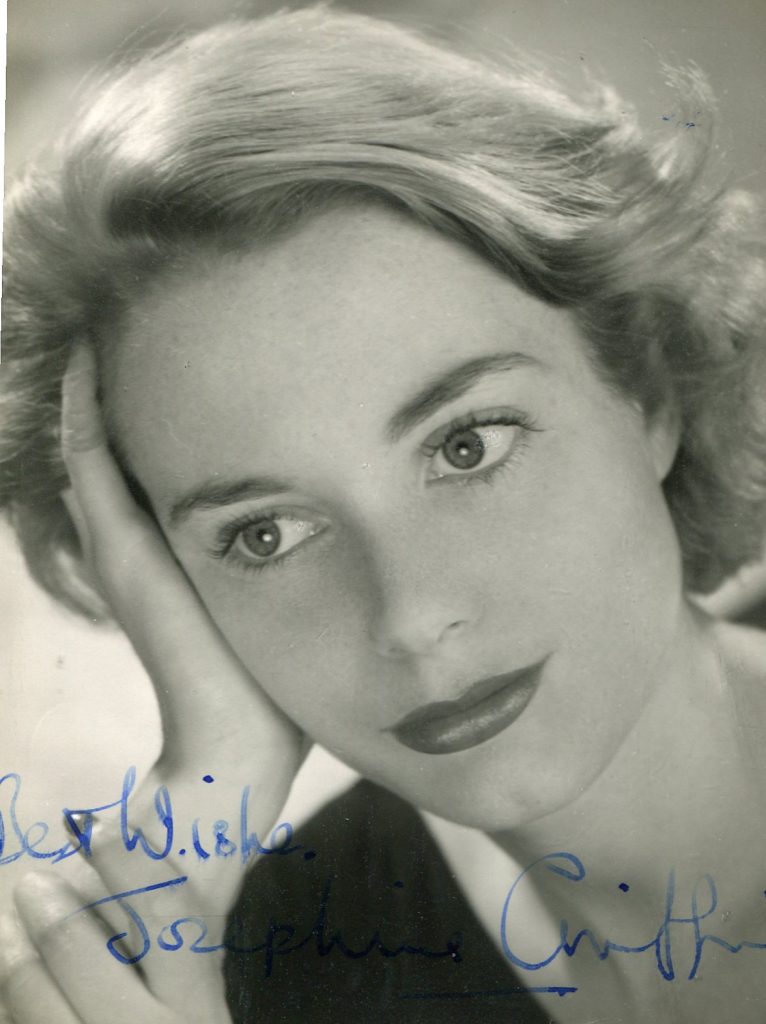
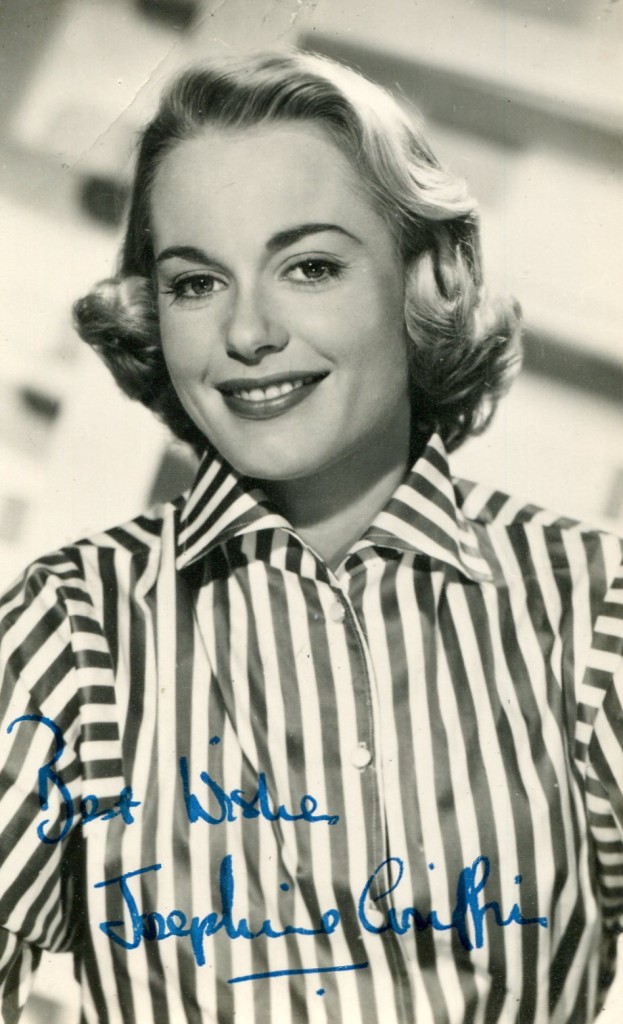
Josephine Griffin (13 December 1928 – 15 September 2005) was a well-known English film actress who appeared in a string of British films of the 1950s, such as The Purple Plain (1954), The Man Who Never Was (1956) and The Spanish Gardener (1956). After retiring from acting, under her married name Josephine Filmer-Sankey, she wrote about the Bayeux Tapestry and edited the autobiography of Sir John Mandeville.

Josephine Griffin was born in London on 13 December 1928, the only daughter of Ronald Griffin (son of Sir Lepel Griffin, a British colonial administrator in India).

In 1951–52 she acted in Peter Ustinov‘s play The Moment of Truth at the Adelphi Theatre in London, with Eric Portman and Cyril Luckham also in the cast.

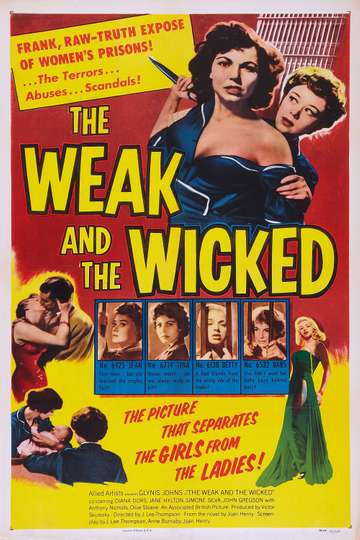
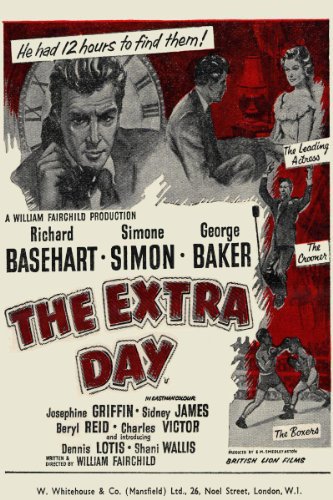
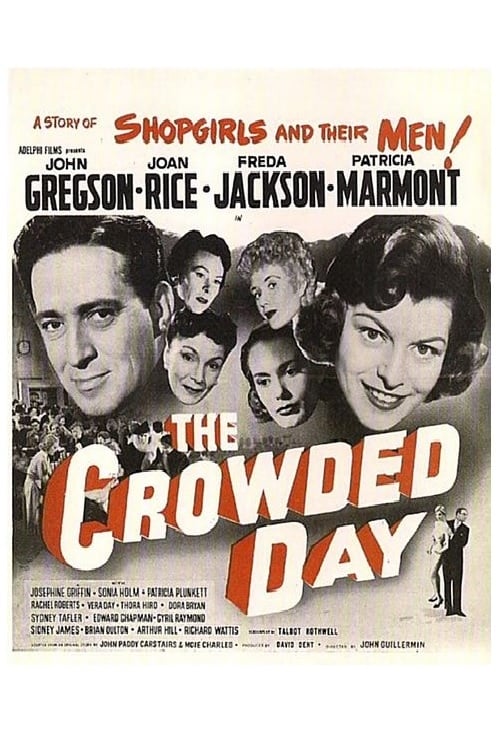
She then appeared in a number of films in the 1950s. These included: The House of the Arrow (1953), The Weak and the Wicked (1954), The Purple Plain (1954, as Gregory Peck‘s wife), The Crowded Day (1954), an episode of the television series Fabian of the Yard (1955), Room in the House (1955), The Extra Day (1956) and On Such a Night (short; 1956).

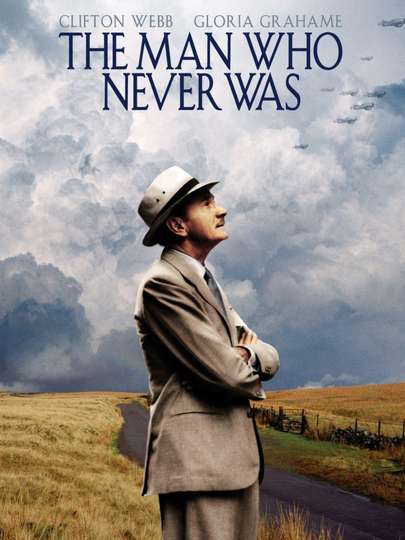
She had perhaps her best roles in two other 1956 films; as Pam in The Man Who Never Was, and as Carol Burton in The Spanish Gardener.

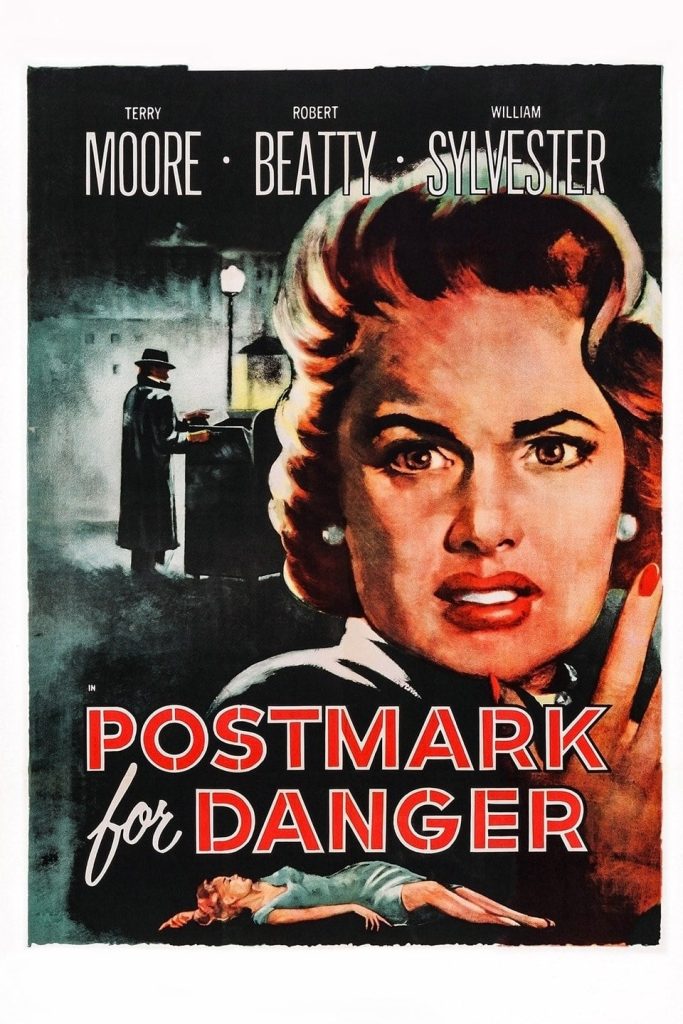
She married in London on 11 October 1956. She made one more film, Portrait of Alison (1958; released in the USA as Postmark for Danger), then retired from the screen.

Her husband Patrick Hugh Filmer-Sankey was a film producer. He was the grandson of Hugh Grosvenor, 2nd Duke of Westminster, and Constance Cornwallis-West (Winston Churchill‘s step-aunt by marriage).

Josephine Griffin’s other connection to Winston Churchill was that he was an unseen character in The Man Who Never Was; his voice was supplied by Peter Sellers.

Under her married name Josephine Filmer-Sankey, she co-wrote The Bayeux Tapestry: The Story of the Norman Conquest, 1066, with Norman Denny (published 1966). With Denny, she also edited a new version of The Travels of Sir John Mandeville (1973).

She died in London on 15 September 2005, aged 76, survived by her son William and two grandchildren, Frances and Benedict.

Her name has been attached to a pearl bracelet sold commercially.

Josephine Griffin had a concise but respectable British screen career in the 1950s, with her strongest work coming in serious dramatic roles in prestige productions like The Purple PlainThe Man Who Never Was, and The Spanish Gardener. She was also a stage actress before film, and after retiring she turned to historical writing and editing rather than pursuing a long acting career.

Career overview

Griffin was born in London in 1928 and worked on stage before moving into film in the early 1950s, including Peter Ustinov’s The Moment of Truth at the Adelphi Theatre. Her screen work includes The House of the Arrow (1953), The Weak and the Wicked (1954), The Purple Plain (1954), The Crowded Day (1954), Room in the House (1955), Portrait of Alison (1955), The Man Who Never Was (1956), The Spanish Gardener (1956), and The Extra Day (1956).

Her filmography suggests that she was trusted in intelligent, emotionally controlled supporting or secondary lead roles rather than as a full-blown star vehicle actress. She retired from acting after marrying in 1956, making only one more film before leaving the screen.

Critical analysis

Critically, Griffin is often remembered for poise, clarity, and a quiet seriousness that suited postwar British drama. She did not seem to cultivate a highly flamboyant screen persona; instead, she projected restraint and credibility, which made her effective in stories built around moral tension, class nuance, or understated emotion.

Her best-known performances in The Man Who Never Was and The Spanish Gardener appear to have given her roles with real dramatic function rather than decorative presence. That matters because her career is easy to underestimate: she worked in a film culture where many actresses were given narrow parts, yet she repeatedly appeared in films that remain well remembered, suggesting that directors valued her naturalness and composure.

Strengths

  • She had a strong fit for restrained, sincere British drama rather than broad melodrama.

  • She worked steadily in a cluster of notable 1950s films, which gave her career coherence even without long-term stardom.

  • Her stage background likely contributed to the disciplined, controlled quality of her screen performances.

Limitations

  • Her film career was short, so there is limited evidence of artistic development over time.

  • She was often cast in supporting or secondary roles, which can make a performer feel less central to film history even when they are effective.

  • Because she left acting early, her legacy is based on a small body of work rather than a large, evolving filmography.

Overall assessment

Josephine Griffin looks like one of those mid-century British actresses whose importance lies in precision rather than celebrity. She brought intelligence and dignity to a compact set of roles, and while she was not a major star, her work remains notable for its seriousness and fit within some of the better-regarded British films of the 1950s

Leave a Reply

Your email address will not be published. Required fields are marked *