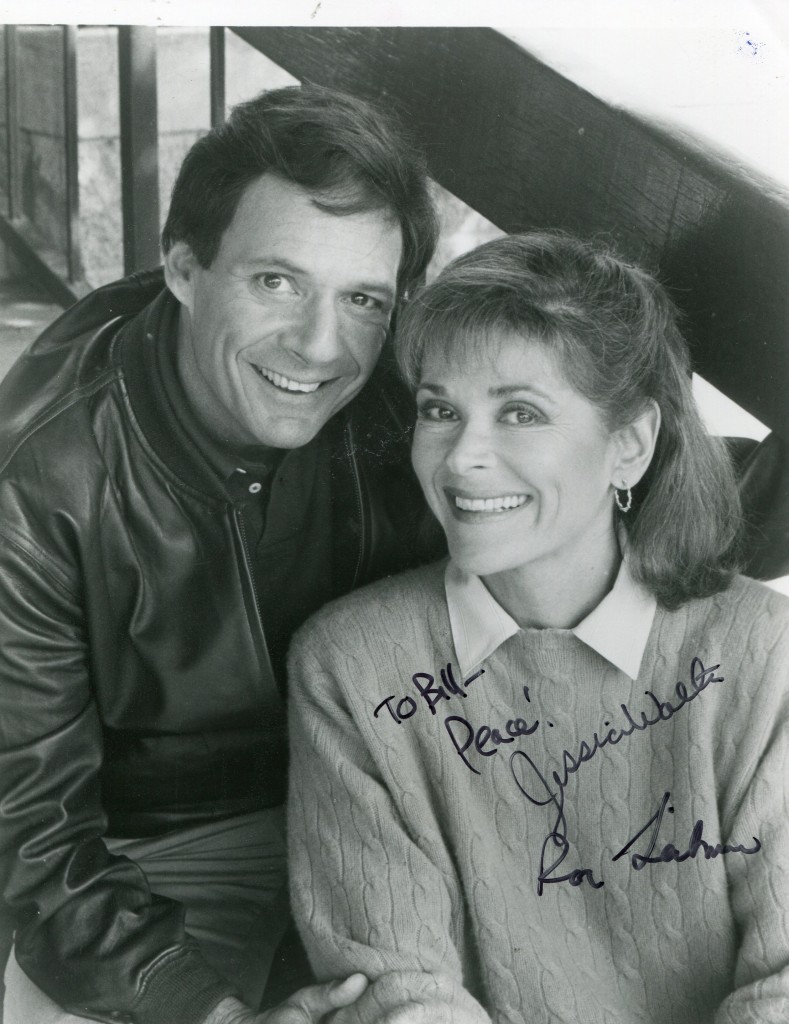
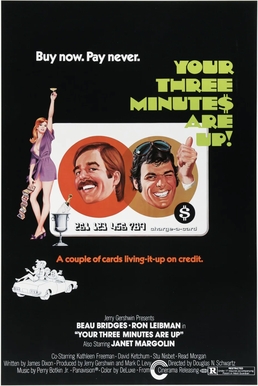
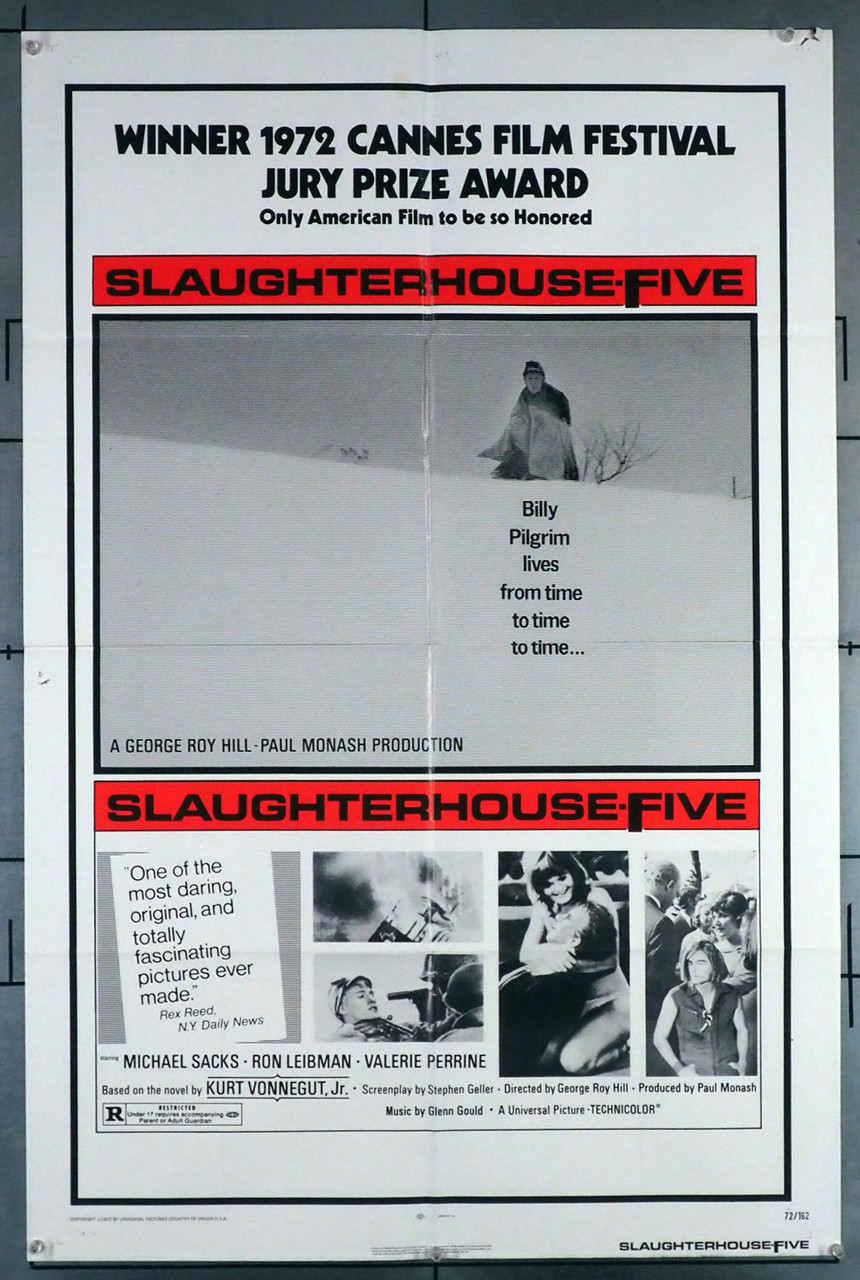
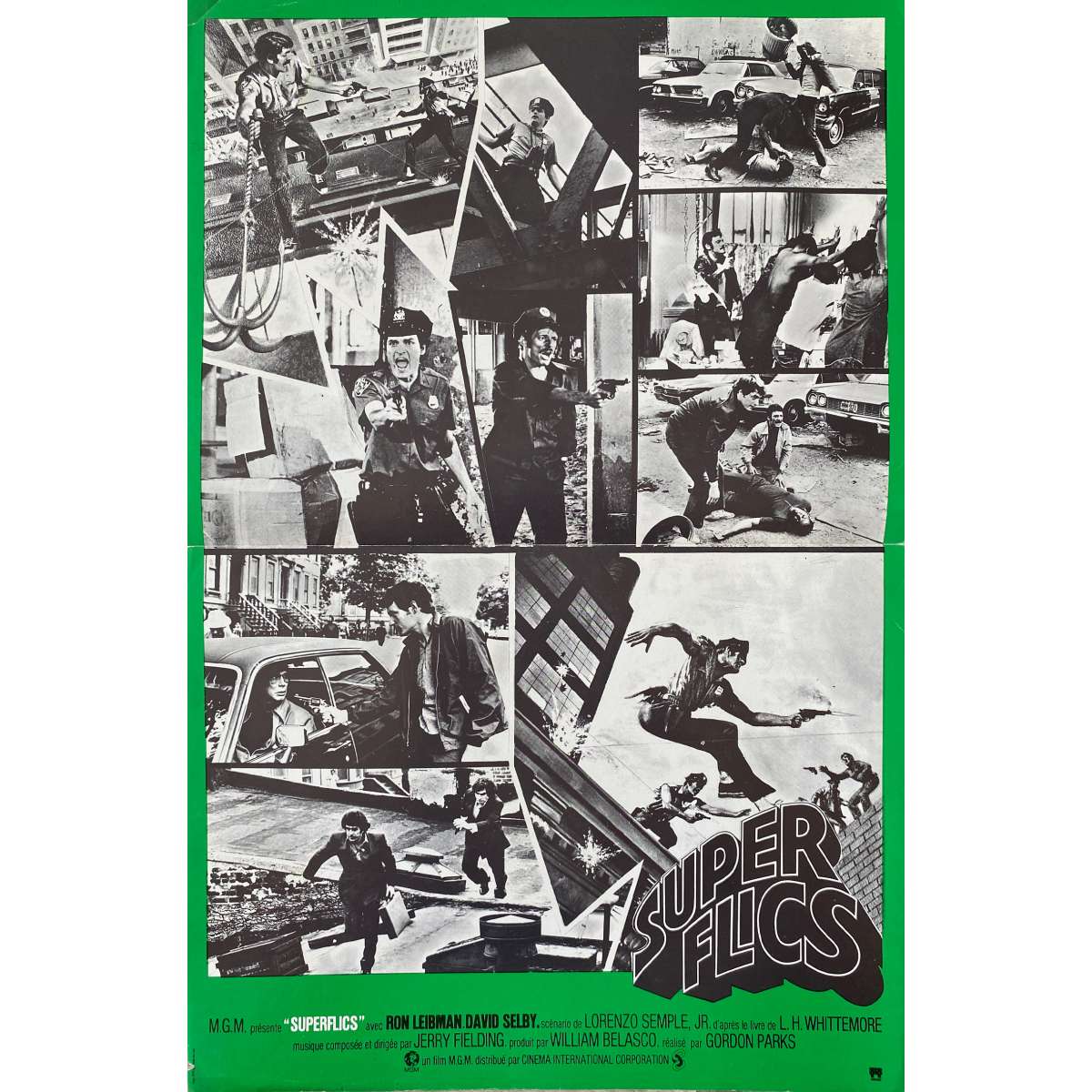
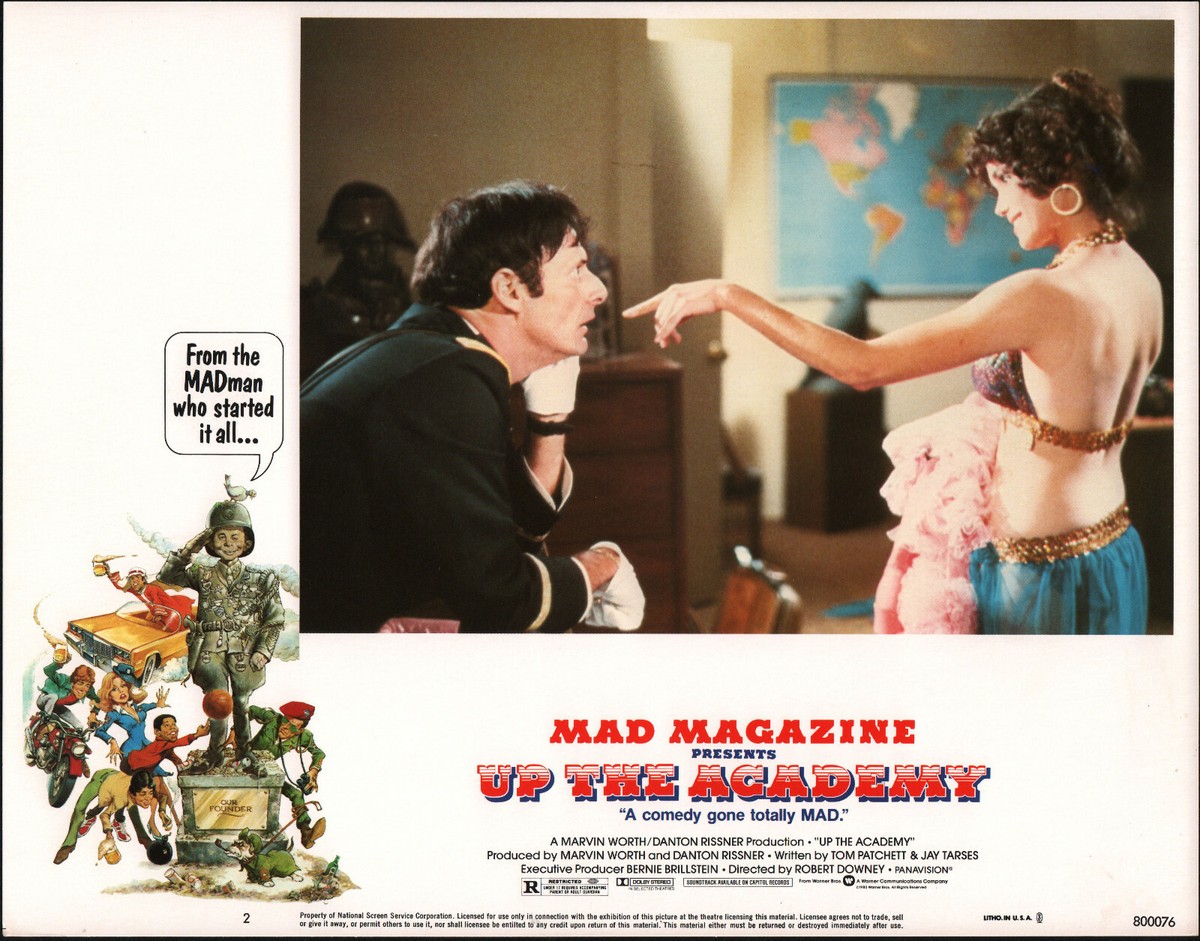
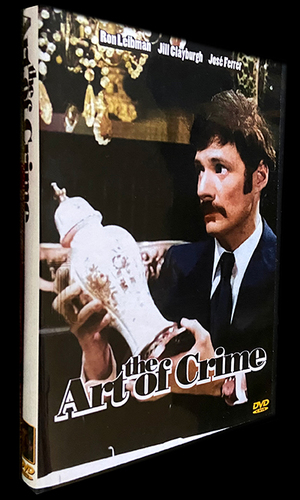
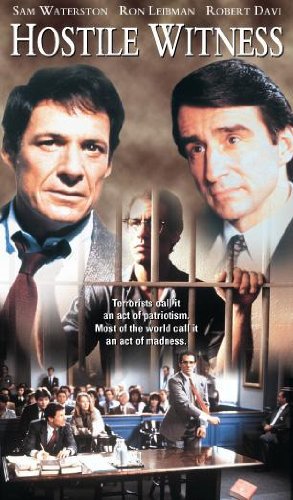
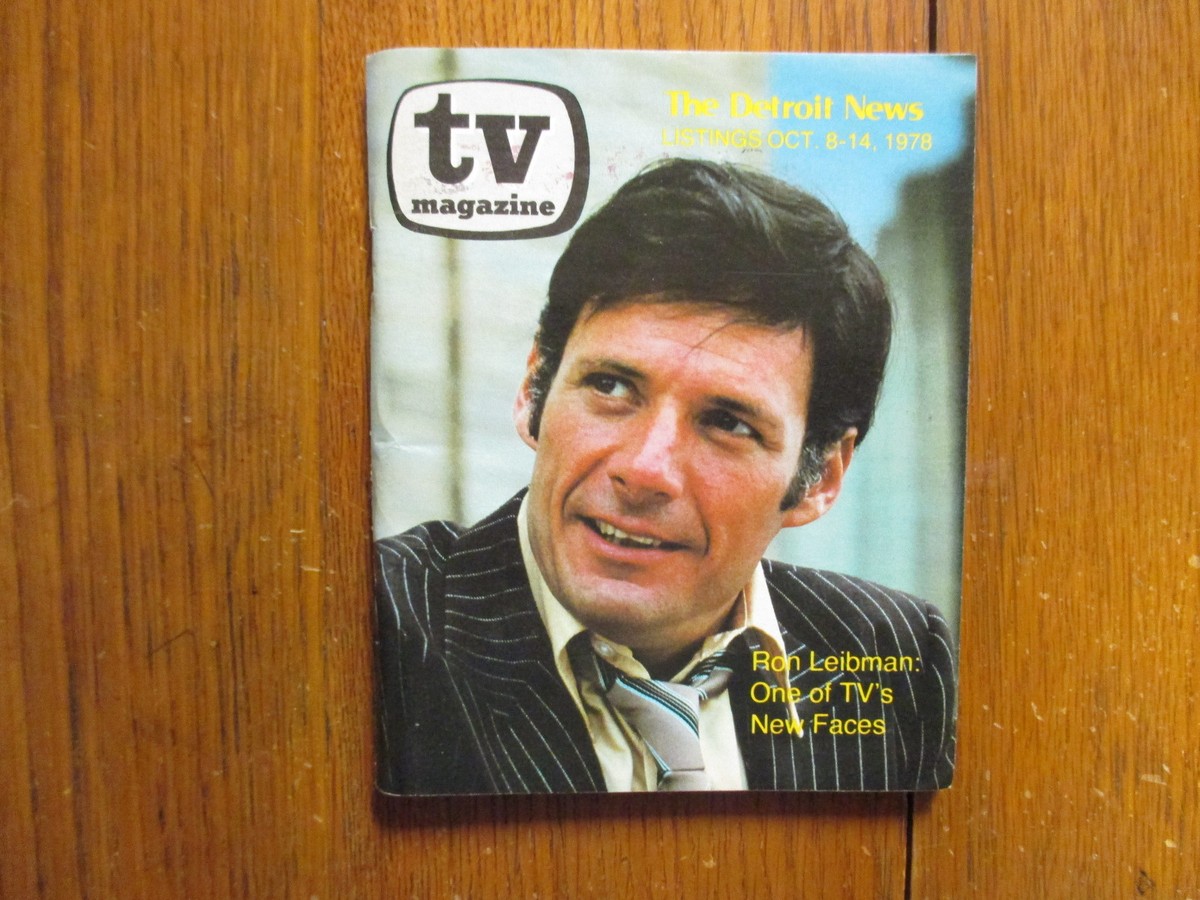
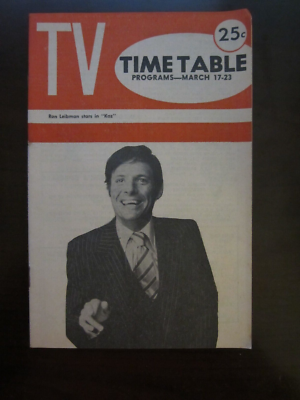
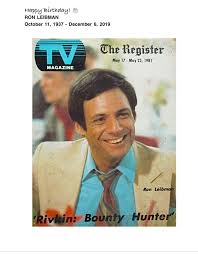
Ron Leibman (1937–2019) was a fiercely intelligent, highly volatile American actor whose career bridged blistering stage performances, edgy 1970s films, and later TV roles that mixed comedy and neurotic intensity. He was never a purely “nice”—or purely “bad”—actor; instead, he specialized in driven, abrasive, often Jewish‑inflected men who were simultaneously monstrous, wounded, and weirdly funny.
Career overview
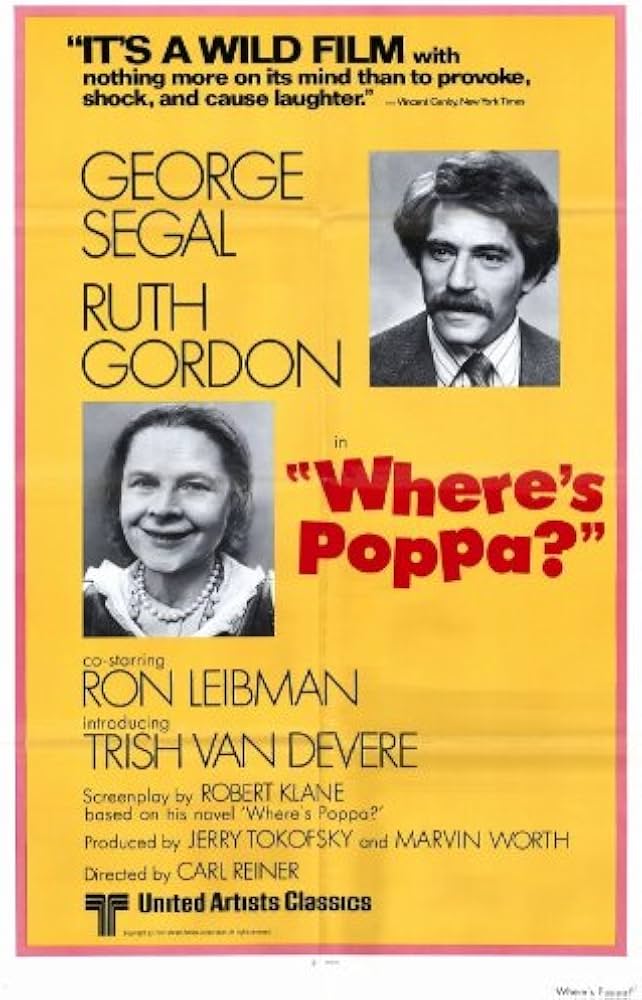
Leibman began in theater, emerging from the Compass Players and then the Actors Studio, and spent the 1960s and early 1970s building a reputation as a serious stage actor. His breakthrough in mainstream consciousness came with the 1968 Warren Beatty‑Lederman‑Hellman dark comedy Where’s Poppa?*, where he played a manic, care‑driven son tending to his mother, a performance that set the template for his later roles: high‑pitched, socially unfiltered, and emotionally exposed.
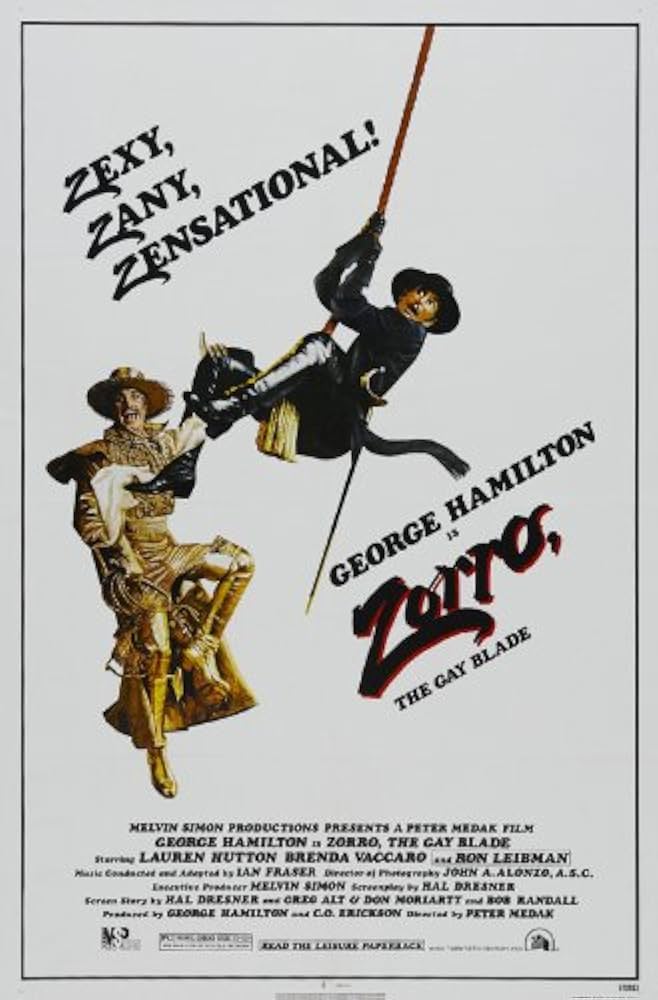
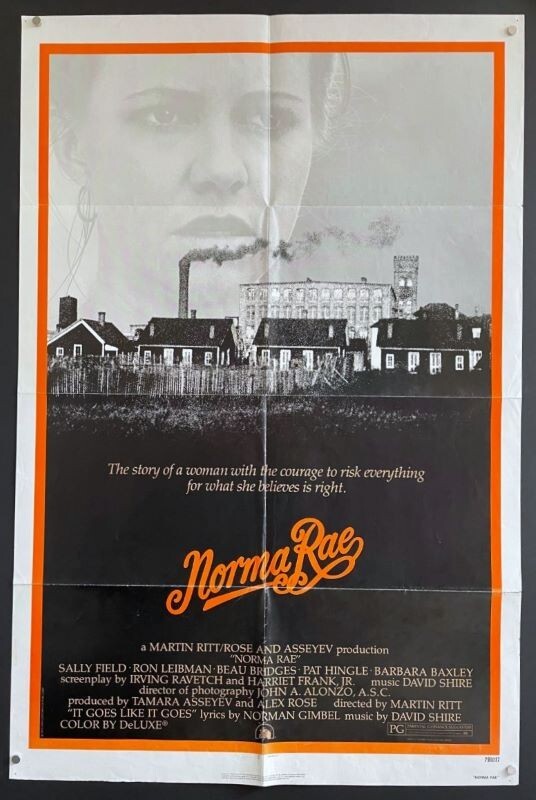
He followed that with a string of 1970s films including The Hot Rock* (1972), The Spirit of the Eagle* (1975), and the Oscar‑nominated Norma Rae* (1979), where he played a union organizer opposite Sally Field, capturing both the grit and the self‑righteousness of a politically driven outsider. In the 1980s he appeared in the camp‑action comedy Zorro, The Gay Blade* (1981) as a flamboyant, villain‑adjacent character, and later took smaller but memorable parts in films such as Garden State* (2004).
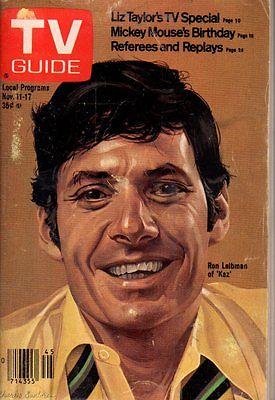
On television, Leibman won a Primetime Emmy Award for Outstanding Lead Actor in a Drama Series in 1979 for the short‑lived crime‑drama Kaz*, where he played a headstrong, impolitic district attorney named Martin “Kaz” Kazinsky, a role that showcased his ability to turn bureaucratic anger into theatrical force. Later, he became widely known to a new generation as Dr. Leonard Green, Rachel Green’s rich, temper‑prone father on Friends (1996–2004), and as the voice of the slick, self‑admiring car‑dealer character Ron Cadillac on Archer (2013–2016).
Acting style and character types
Leibman’s signature was a combination of volume, vocal precision, and unflinching rawness. He was a master of the rant, the editorial monologue, and the “exploding professional,” whether as a prosecutor, a union boss, or a sitcom dad. His delivery—often rapid, sardonic, and rhythmically musical—meant he could be technically hilarious even when playing characters who were morally dubious or emotionally toxic.
He was also one of the relatively few actors who could credibly play Jewish anger without slipping into stereotype. In roles like his Emmy‑winning Kazinsky, his Tony‑winning Roy Cohn, and his later work as Shylock and other Jewish‑coded characters, he leaned into cultural specificity while making the rage feel existential and personal rather than simply ethnic‑type comedy.
Critical analysis of key roles
Early film: Where’s Poppa? and The Hot Rock
In Where’s Poppa? Leibman’s performance as a son driven mad by caregiving was dismissed by some critics as too broad at the time, but later reappraisal has emphasized how he turned a potentially grotesque character into a tragicomic portrait of anxiety and responsibility. In The Hot Rock, he played a mastermind thief whose bossiness and insecurity cut against the usual “cool professional” gangster archetype, making the ensemble feel more like a dysfunctional office than a crime syndicate.
Norma Rae and the activist persona
In Norma Rae, Leibman’s portrayal of a visiting labor organizer highlighted both idealism and ego. Critics have noted that he avoided making the character purely noble, instead showing the union man as self‑important, impatient, and occasionally manipulative, which made Norma Rae’s eventual leadership feel like a genuine transfer of power. His performance here is one of the few in 1970s American cinema where a Jewish‑leaning, East‑Coast intellectual figure can be both despised and admired within the same frame.
Kaz: Television intensity
Kaz was a short‑run series, but it crystallized Leibman’s television persona: a man whose integrity is real, but whose style is unpalatable. His Kazinsky is a mouthy, volatile district attorney who alienates colleagues and the public precisely by speaking an uncomfortable truth. The Emmy validation signaled that critics responded to this kind of angry, morally complex leading man in a way that network TV rarely sustained beyond one season.
Angels in America: Roy Cohn, peak performance
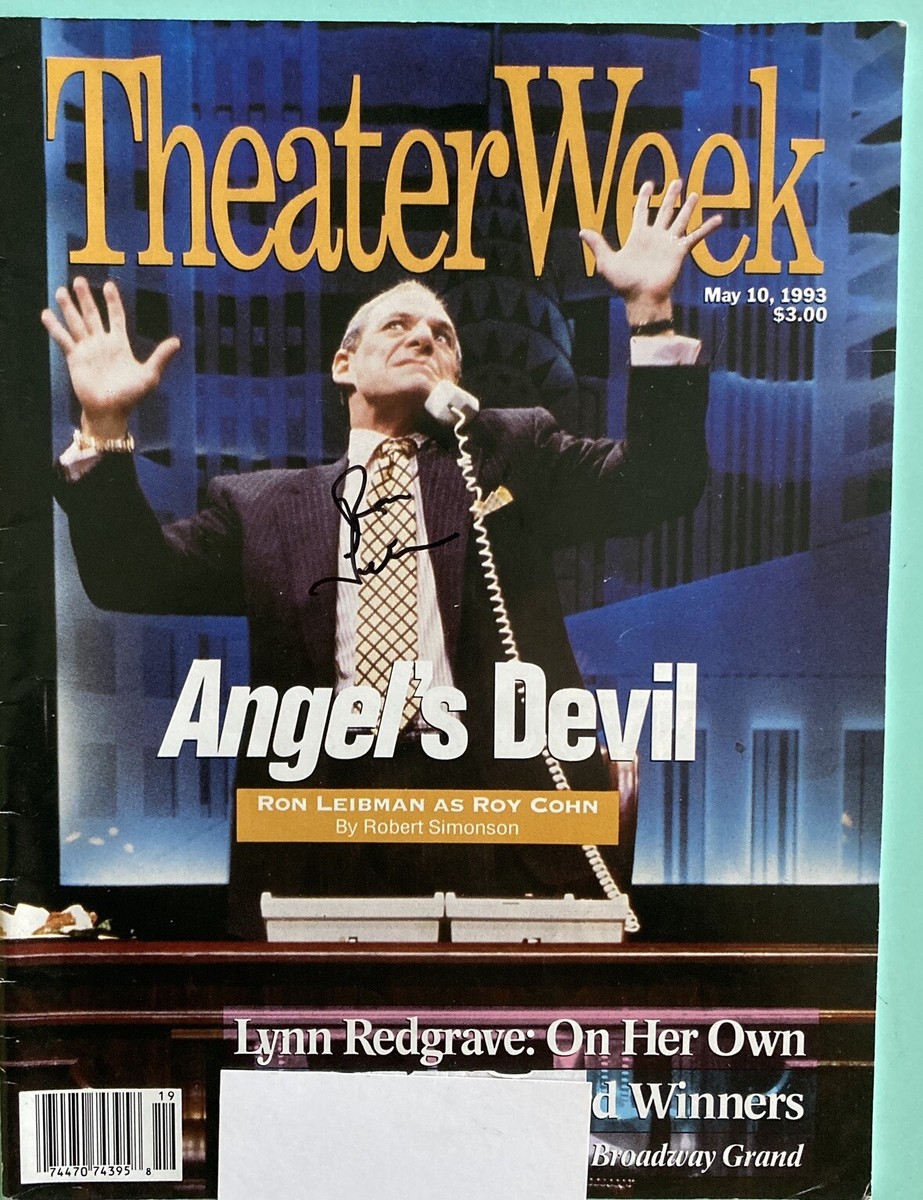
Leibman’s towering performance as Roy Cohn in Tony Kushner’s Angels in America* (1993) is widely regarded as his career high‑point. He won both the Tony Award for Best Actor in a Play and the Drama Desk Award for this role, and critics have consistently pointed to the image of Cohn at his desk, yelling into the phone with a clashing mix of victimhood, power, and bitterness, as one of the most indelible scenes in modern American theater.
In this role, Leibman achieved something rare: he made a historically reviled, openly bigoted figure feel simultaneously abhorrent and painfully human, exposing the pathos of a man who weaponized homophobia even as his own body and sexuality betrayed him. The performance is often cited as a benchmark for how an actor can inhabit a morally disastrous character without softening or excusing him.
Friends and Archer: Late‑career comic rage
In later years, Leibman’s screeching, high‑wire style found a natural home in comedy. As Dr. Leonard Green on Friends, he turned a sitcom father‑in‑law stereotype into a genuinely volatile, status‑driven presence; his scenes are memorable not because he is likable, but because his anger and privilege feel uncomfortably close to real‑world patriarchs.
As the voice of Ron Cadillac in Archer, he offered a kind of self‑parody: a narcissistic car‑dealer whose inflated self‑image and ridiculous self‑promotion are played with such manic bravado that they cross into absurd joy. Here Leibman uses the same vocal and psychological tools he deployed in Kaz or Norma Rae, but packages them as cartoon exaggeration, proving his range could stretch from harrowing drama to stylized joke.
Overall assessment
Ron Leibman’s legacy is that of a high‑decibel moral provocateur whose performances demanded attention precisely because they were so difficult to watch and yet so compulsively alive. He was rarely “likable” in the conventional sense, but he was rarely dull, and his best work—especially Roy Cohn and Kazinsky—remains a model for how an actor can inhabit corrosive, ideologically compromised characters with terrifying honesty and abrasive charisma.