
Richard Beymer

Richard Beymer
Richard Beymer


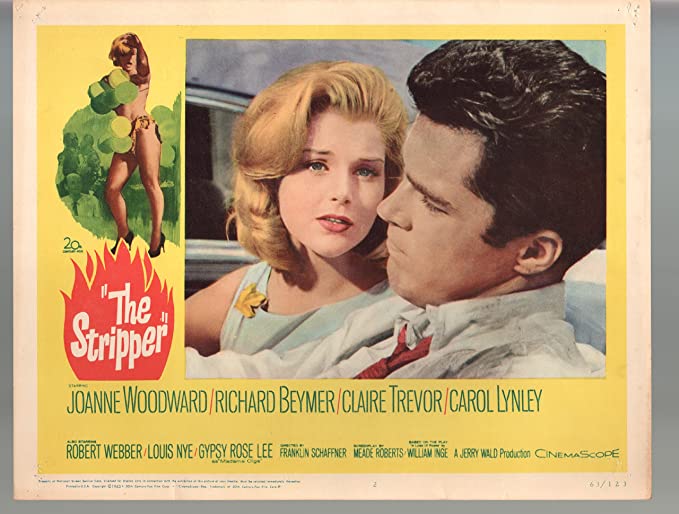
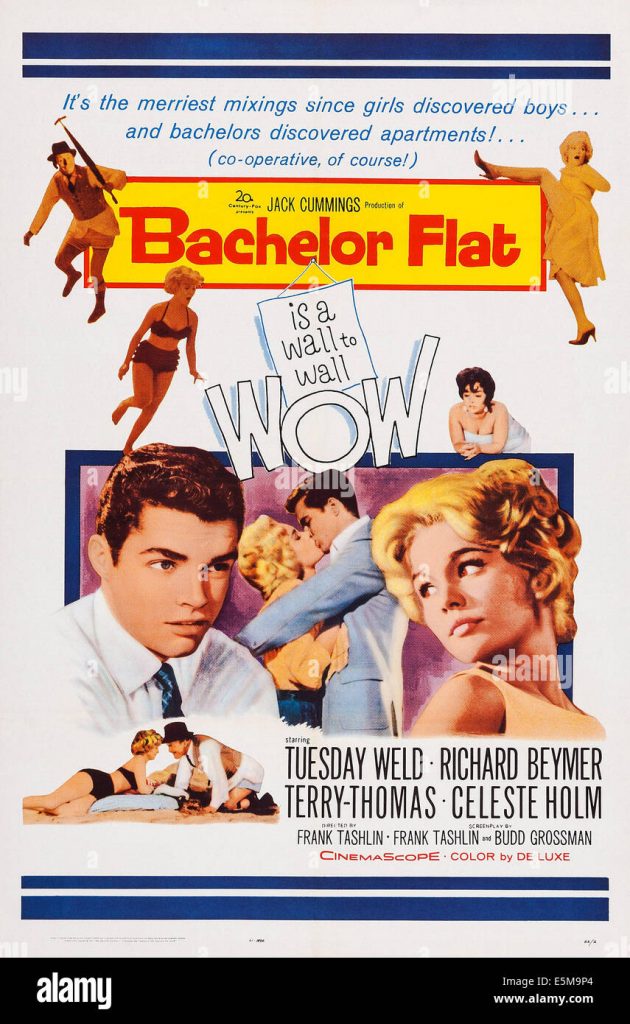
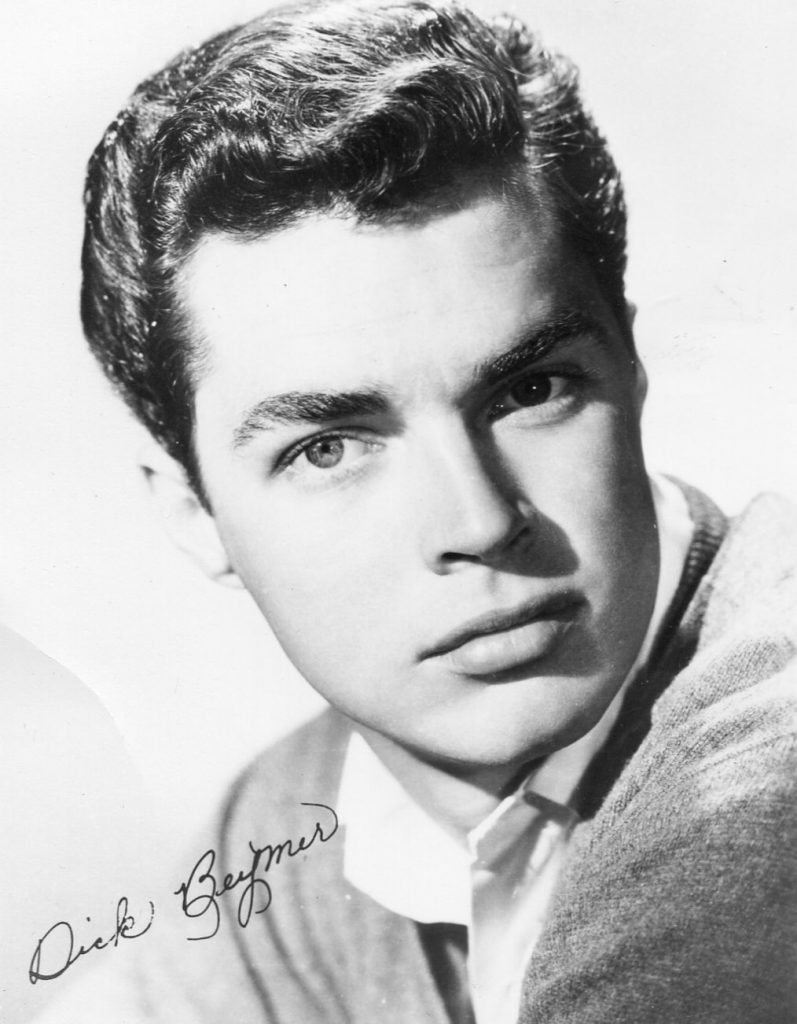
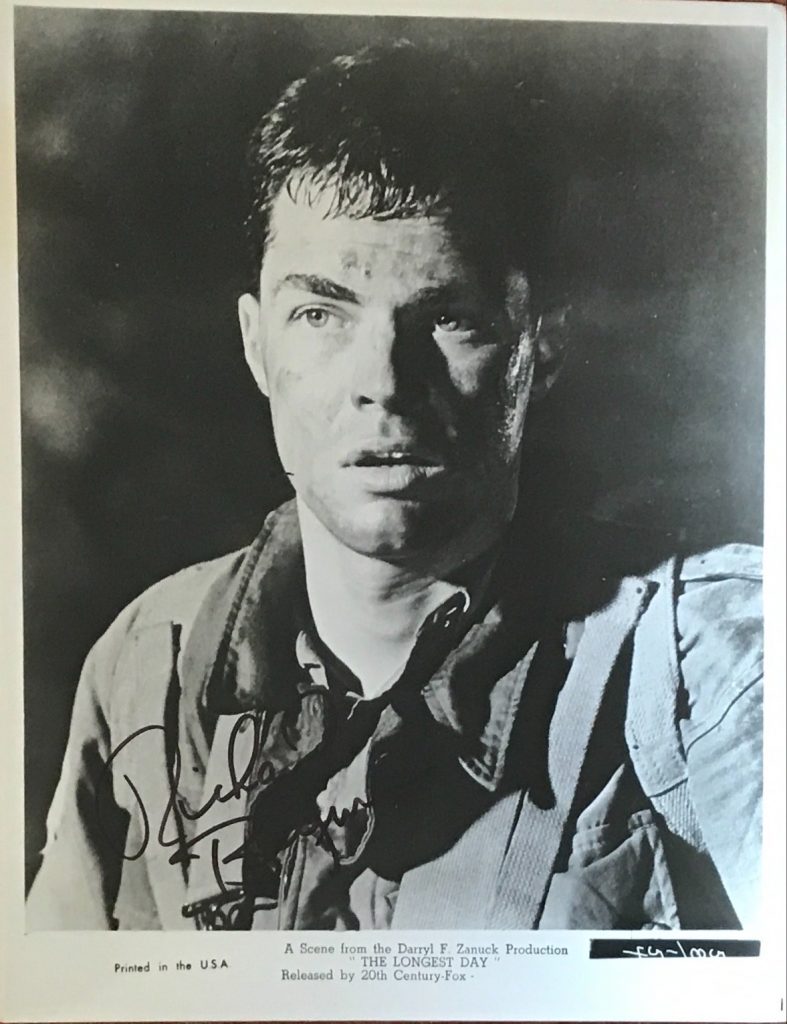
Richard Beymer was born in Iowa in 1938.   He performed as a child actor in such films as “So Big” with Jane Wyman and “Johnny Tremain”.   As a young adult he starred in “The Diary of Anne Frank” with Millie Perkins and Diane Baker in 1959, “The Stripper” with Joanne Woodward and “West Side Story”.   In 1990 his career was revived by his participation in the cult television series “Twin Peaks”.

TCM overview:

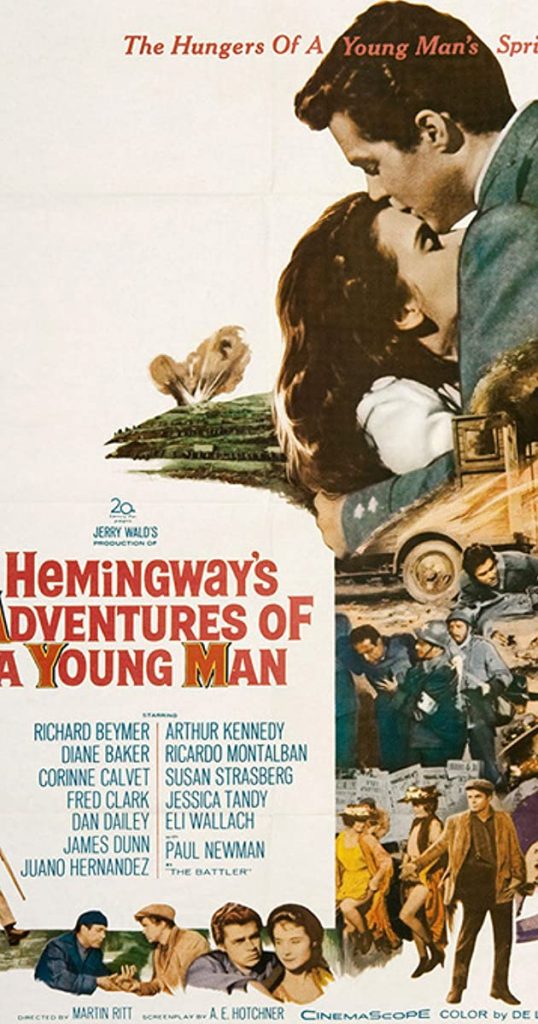
This former teen actor, who after starring in a string of major films in the 1950s and early 60s (“The Diary of Anne Frank” 1959, “West Side Story” 1961, “Hemingway’s Adventures of a Young Man” 1962 and “The Stripper” 1963), never really made the transition to interesting adult roles and came under critical attack for his sometimes wooden performances.

Beymer left Hollywood in 1963 to try his hand at directing experimental films and documentaries and lensing TV features. He became involved in the 60s struggles for civil rights and directed and photographed the documentary, “A Regular Bouquet” (1964), which later aired on the PBS series, “Eyes on the Prize”. He didn’t return to acting (with the exception of starring in his own directed and produced independent film, “Innerview” 1973) until the 1980s with the thriller, “Cross Country” (1983). Beymer also made a TV appearance on “Paper Dolls” (ABC, 1984) and in the exploitation horror film, “Silent Night Deadly Night III: Better Watch Out” (1989).

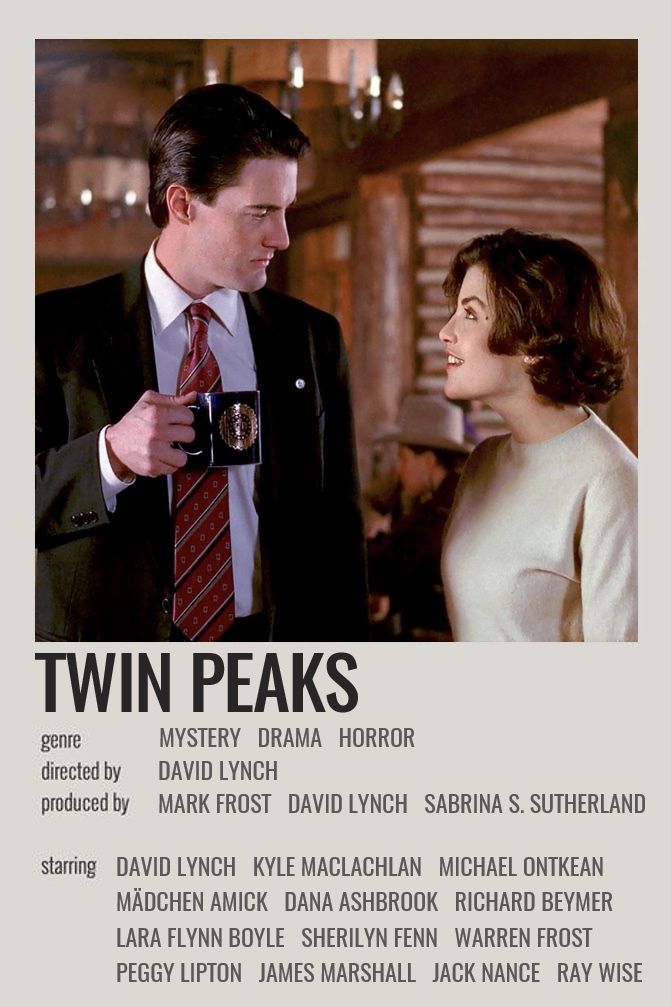
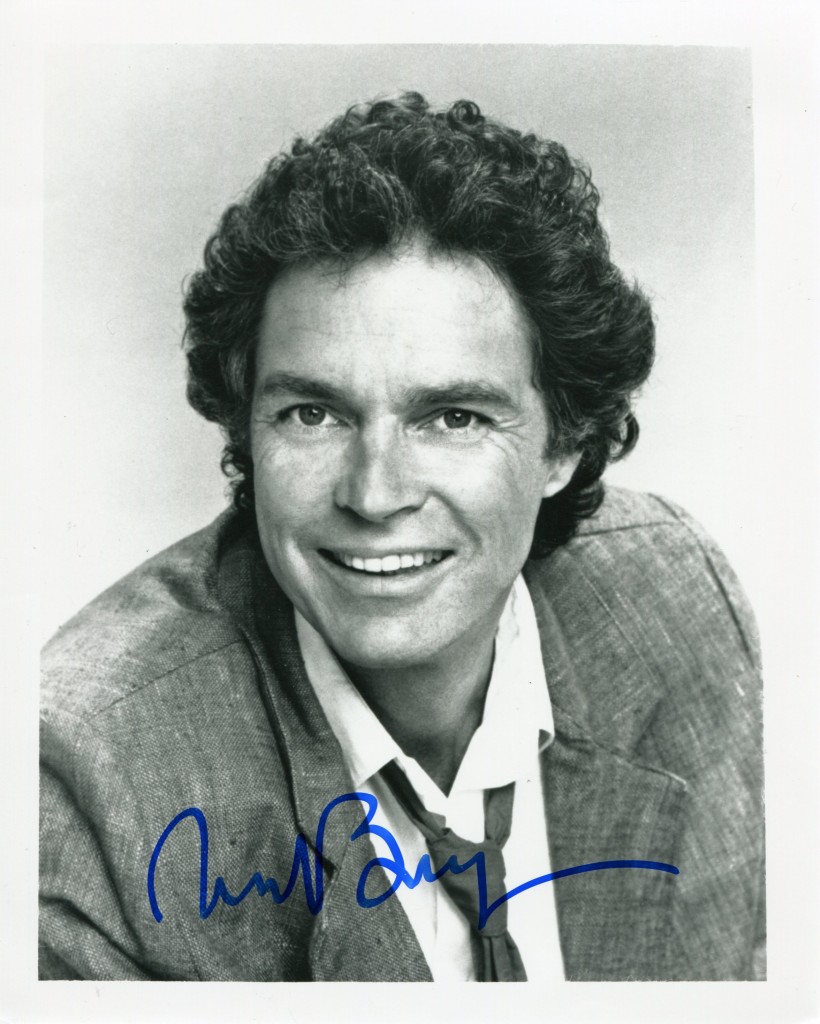
Beymer scored a comeback of sorts in TV’s “Twin Peaks” (ABC, 1990-91), as the wildly villainous entrepreneur, Ben Horne, giving a looser, funkier performance than any in his earlier career. In films, Beymer made brief appearances in the sequel “My Girl 2” and the erotic thriller “Under Investigation” (both 1994).

The above TCM overview can also be accessed online here.
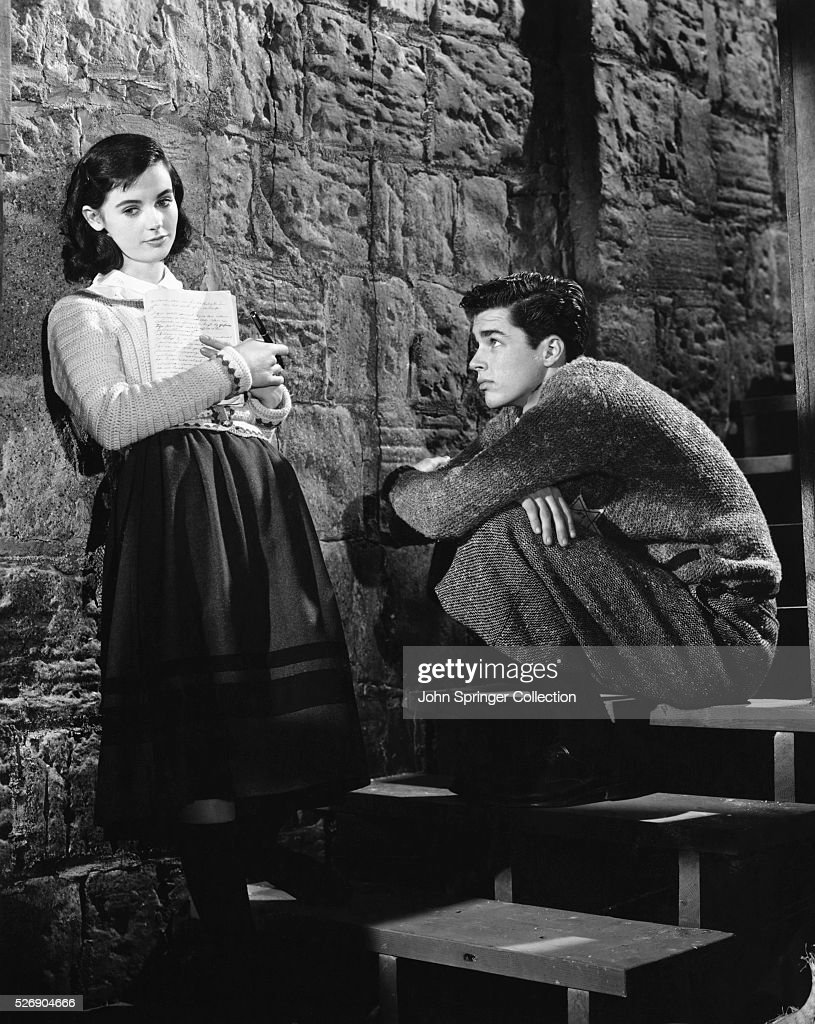
Richard Beymer (born 1938) is a fascinating figure in American cinema, representing a rare trajectory from the peak of studio-system stardom to a long, eclectic career as an avant-garde filmmaker and photographer.


Critical analysis of his work reveals a performer who was often at odds with his own “leading man” image—a conflict that eventually led him to some of the most eccentric and memorable character work in television history.


I. Career Overview: From Heartthrob to Iconoclast

1. The Fox “Golden Boy” (1959–1962)

Beymer was positioned as a major star by 20th Century Fox. He possessed a clean-cut, “all-American” vulnerability that made him a favorite of prestige directors.


  • The Breakthrough: In The Diary of Anne Frank (1959), he played Peter van Daan with a sensitive, quiet grace.


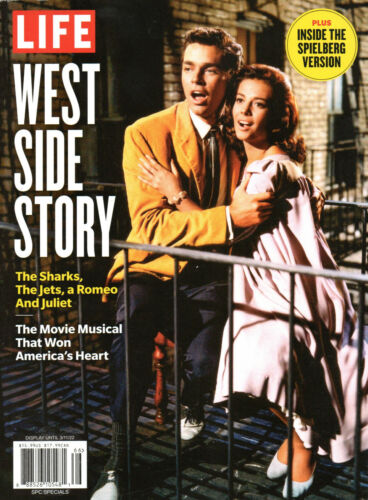
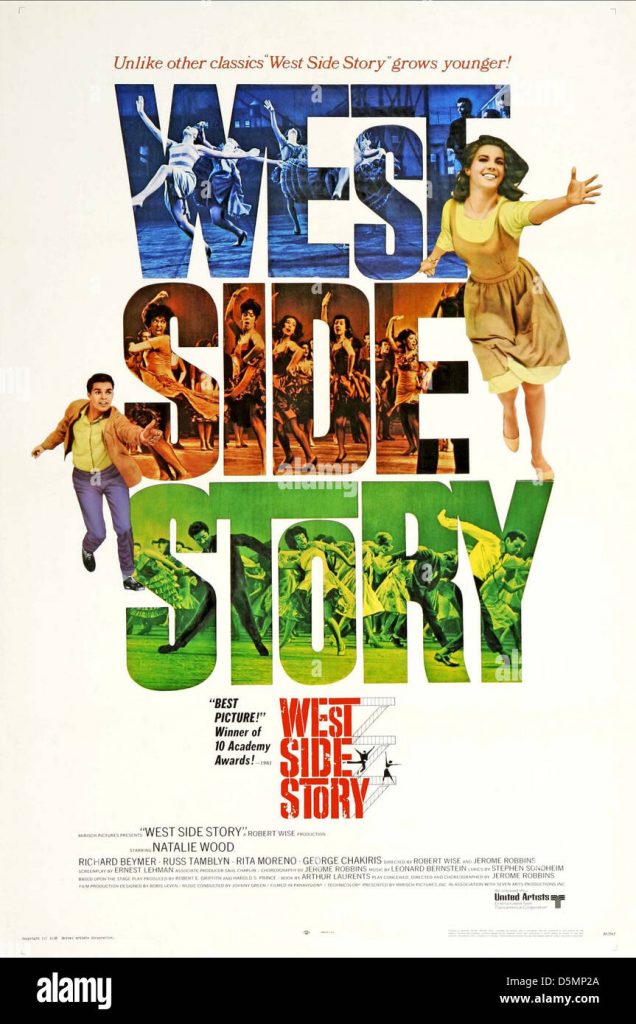
  • West Side Story (1961): His role as Tony remains his most famous global credit. While the film won 10 Oscars, Beymer was famously dissatisfied with his own performance, feeling the “stiff” requirements of the romantic lead didn’t suit his more naturalistic impulses.


2. The Civil Rights and Experimental Shift (1963–1980s)

In a move that mirrors the “Searching Integrity” of your favorite 60s actors, Beymer walked away from his Hollywood contract at the height of his fame.

  • The Activist: He became deeply involved in the Civil Rights movement, filming the documentary A Regular Bouquet (1964) during Mississippi’s Freedom Summer.


  • The Auteur: He spent years creating independent, experimental films like The Innerview (1973), which he wrote, directed, and edited himself, winning the Josef von Sternberg Award for its artistic innovation.


3. The Lynchian Renaissance (1990–2017)

Beymer’s acting career was revitalized by David Lynch, who recognized that the “clean-cut boy” had aged into a man of extraordinary, playful complexity.

  • Twin Peaks: As Benjamin Horne, the unscrupulous hotelier, Beymer finally found a role that matched his “looser, funkier” energy. Critics hailed his transition from a villain to a civil-war-obsessed eccentric as one of the show’s highlights. He reprised the role in the 2017 return, providing a sense of weary, soulful continuity.


II. Detailed Critical Analysis

1. The Paradox of “The Leading Man”

Critically, Beymer is often analyzed as a victim of mis-casting in his early career.

  • The Stiff Collar: In West Side Story, his performance is often described as “toothy” or “over-earnest.” Analysts point out that Beymer was a “Method” actor trapped in a stylized musical. He lacked the “theater-projection” of his co-stars, which made him appear detached. However, looking back, this “detachment” gives Tony a unique, dreamlike quality—he feels like a ghost wandering through a violent world.

2. Physicality and “Late-Career Freedom”

Unlike the “Stillness” of Clive Brook, Beymer’s later work is defined by Physical Spontaneity.

  • The Ben Horne Shuffle: In Twin Peaks, Beymer used his tall frame and expressive face to convey a sense of “delicious madness.” Critics noted that he seemed finally comfortable in his own skin once he was no longer required to be the “hero.” He moved from the “Security Blanket” of studio acting into the “Noir” instability of character acting, and he thrived there.

3. The Photographer’s Eye

Beymer is also a highly respected photographer. During the filming of the Twin Peaks finale, he was given permission by Lynch to document the set.


  • Documentary Realism: His behind-the-scenes photography is praised for its “Kitchen Sink” intimacy. He captured the actors not as stars, but as workers. This reveals his true critical impulse: he is a man interested in the truth of the process rather than the artifice of the result.


Iconic Performance Highlights

Work Role Year Critical Achievement
The Diary of Anne Frank Peter van Daan 1959 Established his “Sensitive Naturalism.”
West Side Story Tony 1961 The definitive “Star-Crossed” performance of the era.
Hemingway’s Adventures… Nick Adams 1962 An ambitious attempt at a “Rugged Frontier” protagonist.
Twin Peaks Benjamin Horne 1990 A legendary pivot from “Starlet” to “Sophisticated Villain.”

Leave a Reply

Your email address will not be published. Required fields are marked *