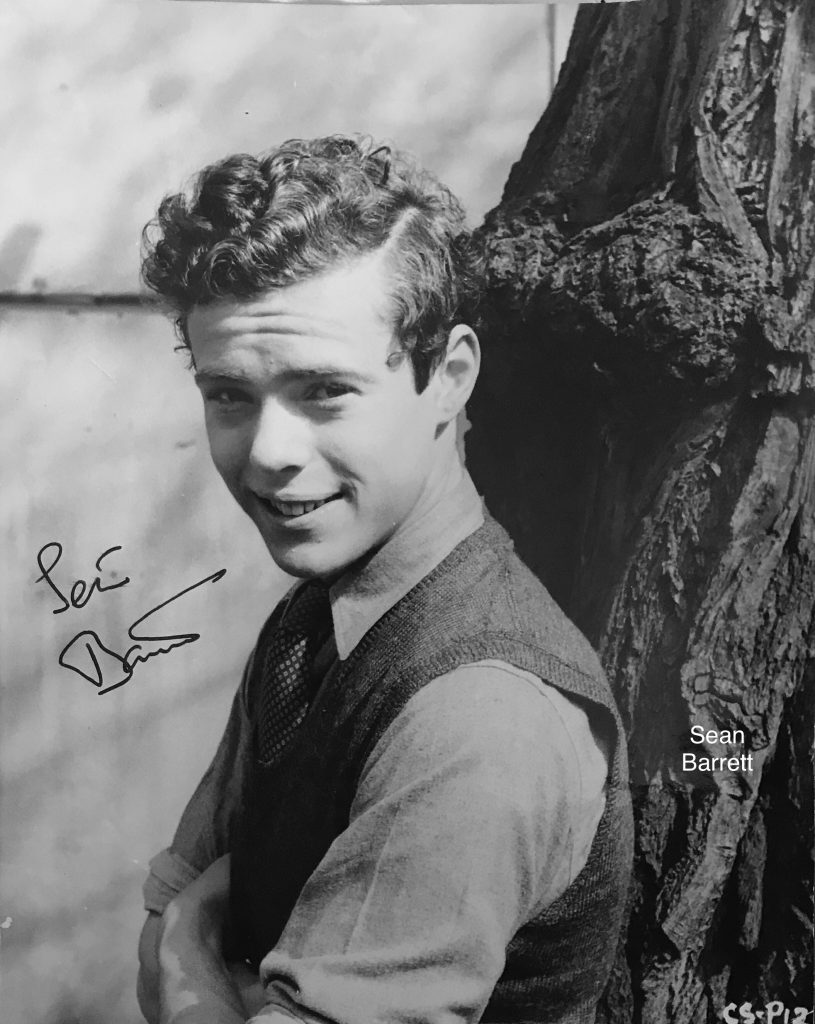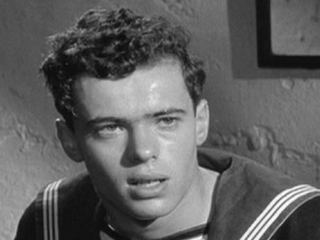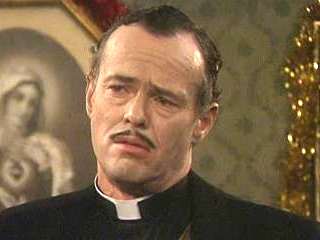


Sean Barrett

Sean Barrett

Sean Barrett. Wikipedia

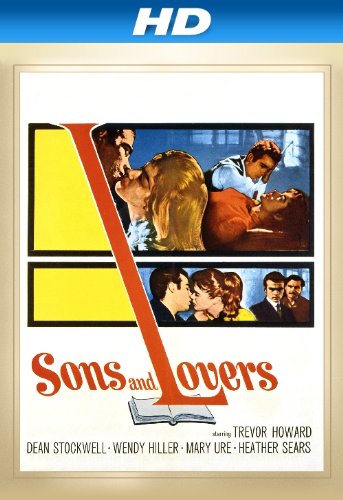
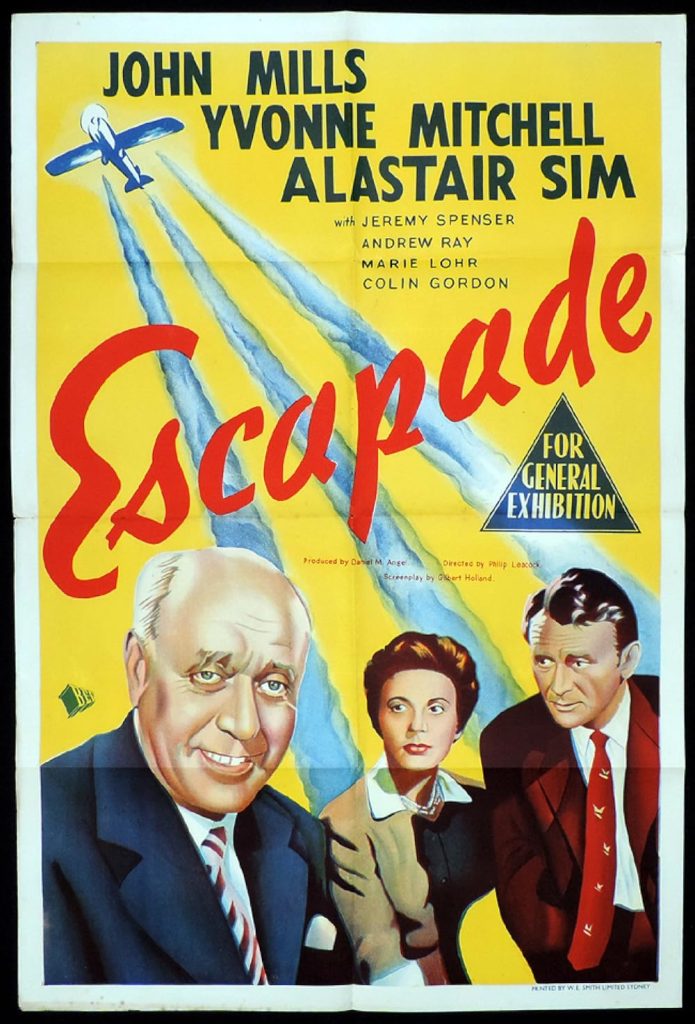
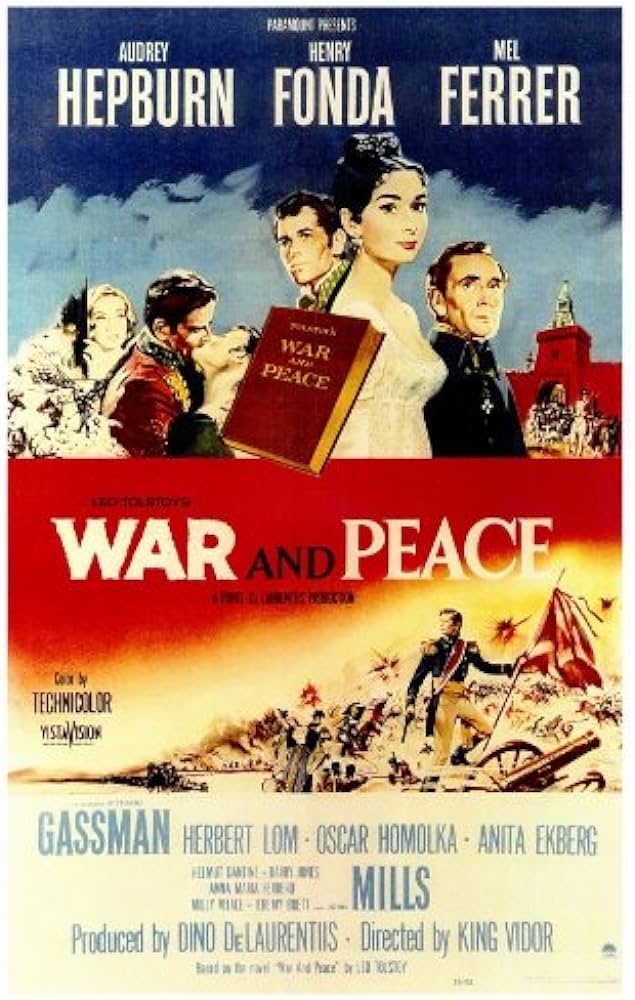
He began acting as a child appearing on BBC children’s television and in films such as Bang! You’re DeadA Cry from the StreetsWar and PeaceThe Genie and Four Sided Triangle.

Sean Barrett

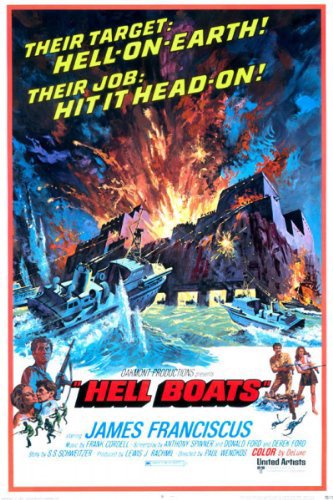
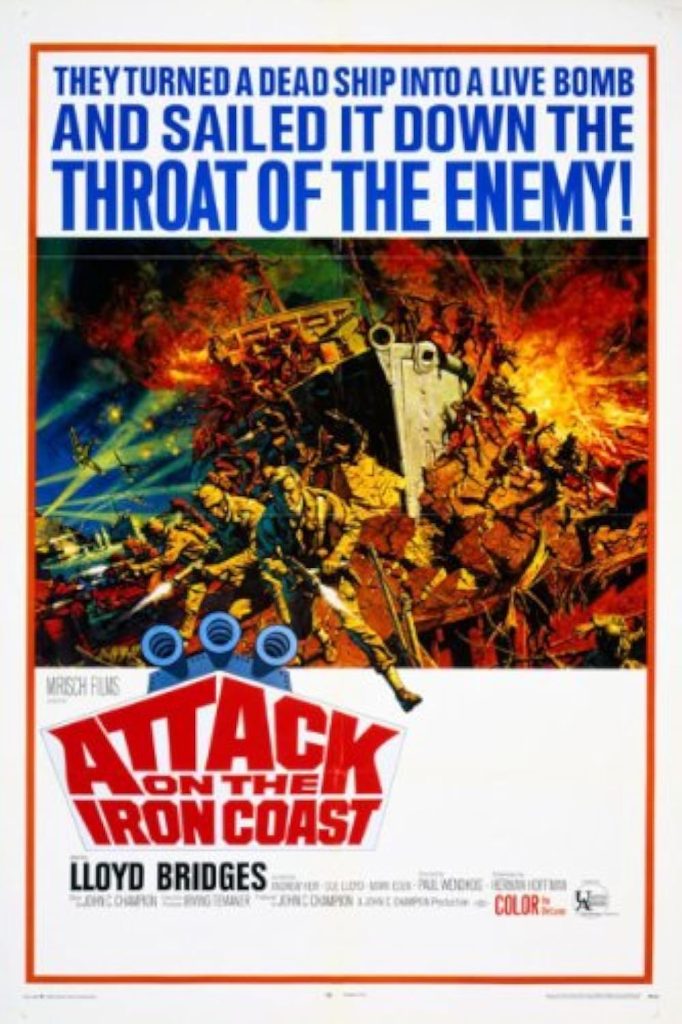
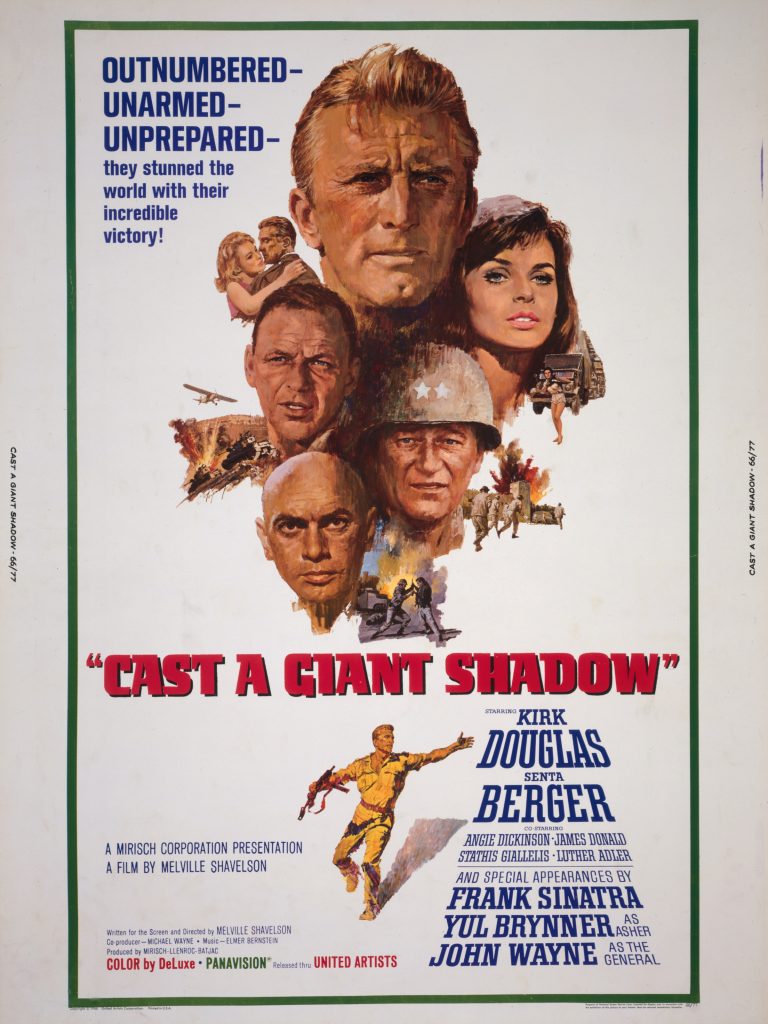
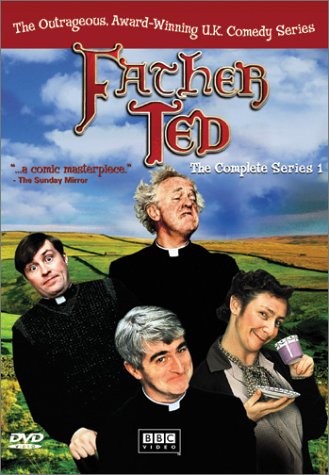
Years later he made many appearances in television and films including ITV Television PlayhouseZ-CarsThe Wednesday PlayCast a Giant ShadowEmergency-Ward 10ChronicleArmchair TheatreHell BoatsMoonstrikeAttack on the Iron CoastSoftly, SoftlyThe TerroristsRobin Hood JuniorBBC Play of the MonthThe Zoo RobberyPaul of TarsusTales of the UnexpectedFather TedHolby CityBrush StrokesMinderPoldarkNoah’s Ark and Theatre 625.

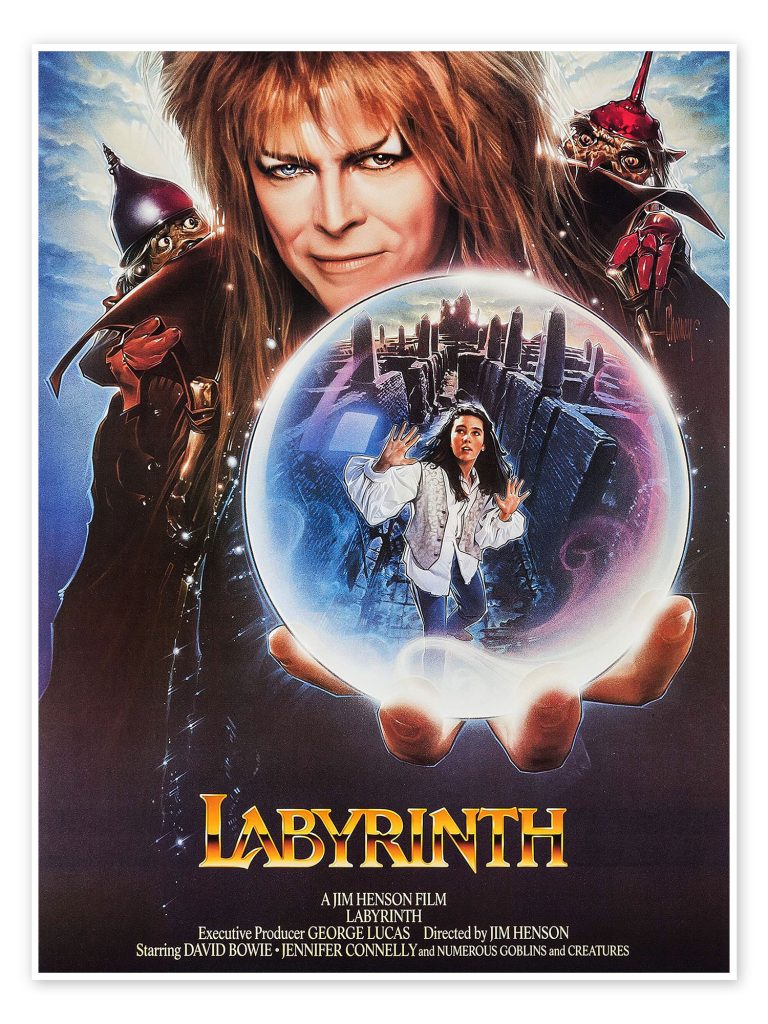
In the mid-1970s Barrett was cast in the BBC Radio series of George Simenon’s Inspector Maigret novels as Maigret’s subordinate, Inspector Janvier. He has performed the voices of Asterix and Caius Tiddlius in the English version of The Twelve Tasks of Asterix, Tik-Tok in Return to Oz, a Goblin in LabyrinthBig Mac and other characters in TUGS, Thadius Vent’s soothsayer Goodtooth in Oscar’s Orchestra, Melchoir in the English dubbed version of the Lapitch the Little Shoemaker TV series, Roly the Pineapple in the English version of The Fruities and UrSu the Dying Master and UrZah the Ritual-Guardian in The Dark Crystal as well as additional characters in two video games The Feeble Files and Viking: Battle for Asgard. He also provided the voice for Captain Orion in Star Fleet, the English version of the 1980s Japanese puppet series X-Bomber.
He also narrated Fair Ground!TimewatchPeople’s Century and Dark Towers for BBC, dubbed voices in many anime films such as Roujin ZCyber City Oedo 808 and Dominion: Tank Police and has done voices for several audiobooks and radio stations.

In 1996, he was the narrator for the Channel 4 documentary series, Black Box. The series primarily concentrated on commercial aviation accidents, and the investigations related to them.

Barrett also worked as part of an ADR Loop Group on Aardman‘s first computer-animated film Flushed Away, a voice director on Lapitch the Little Shoemaker and a dialogue director on The Fruities.

He has also narrated episodes of the BBC TV series People’s Century and Dancing in the Street, as well as a number of BBC nature documentaries in the late 1990s and early 2000s.

In 2011, he voiced Andre of Astora, Petrus of Thorolund and Ingward in Dark Souls. He returned to voice Darkdiver Grandahl in Dark Souls II, and later reprised his role as Andre of Astora in Dark Souls III, as well as voicing Holy Knight Hodrick.
In 2017, he voiced the titan Azurda in Xenoblade Chronicles 2 and in 2018, reprised the role for Xenoblade Chronicles 2: Torna – The Golden Country.
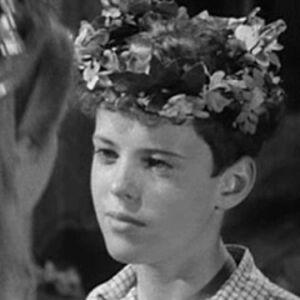
Sean Barrett (born 1940) is one of the most distinctive and ubiquitous voices in British broadcasting history. While his face is familiar to fans of 1950s cinema and 1960s television, a critical analysis of his career reveals a performer who successfully transitioned from a “naturalist” child star to the premiere vocal stylist of the “prestige documentary” and the audio-book medium.

His career is a masterclass in vocal texture and the art of “invisible” acting.


1. Career Arc: From Ealing to the Ether

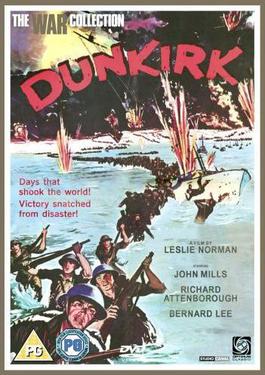
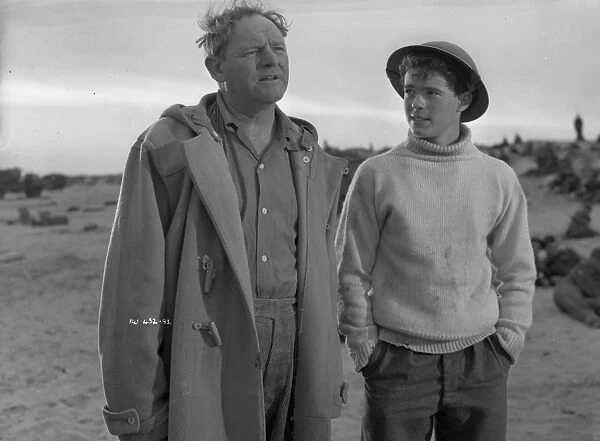
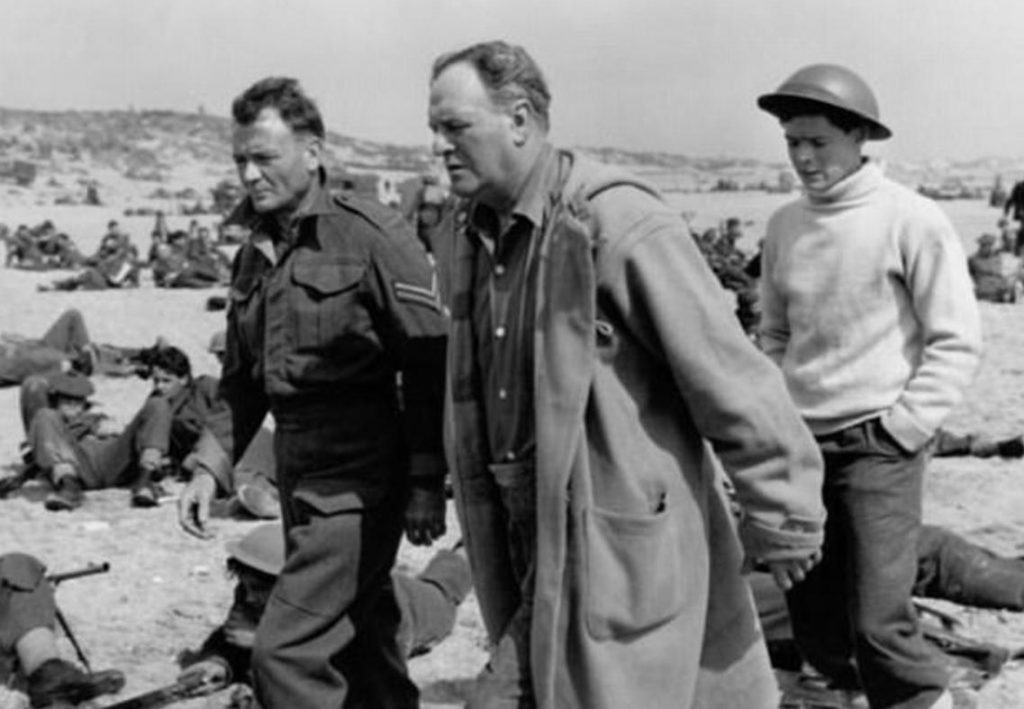
  • The Juvenile Prodigy (1950s): Barrett began as a child actor, notably in the Ealing Studios classic Dunkirk. He was part of a wave of young British actors who moved away from “stiff” stage manners toward a more relatable, street-level realism.

  • The Television Veteran (1960s–1980s): He became a staple of British cult television, appearing in everything from Doctor Who (the “The Silurians” serial) to Z-Cars. His youthful, slightly anxious energy made him a perfect fit for the “everyman” or “vulnerable outsider” roles.

  • The Vocal Pivot (1990s–Present): Barrett eventually discovered his greatest instrument: his voice. He became one of the most sought-after narrators in the English-speaking world, lending his gravelly, authoritative, yet warm tone to countless documentaries and high-end video games.


2. Critical Analysis of Key Performances

Dunkirk (1958) – The Face of Youth in War

As Frankie, one of the young soldiers caught in the retreat.

  • Analysis: In a cast of heavyweights like John Mills and Richard Attenborough, Barrett provided the emotional vulnerability of the foot soldier. He utilized a “hesitant” acting style—quick glances and a nervous physical energy—that highlighted the terror of the young men sent to the front.

  • Critique: Critics of the time praised Barrett for his lack of theatricality. He didn’t play “The Soldier”; he played a boy in a uniform. This performance is cited by film historians as a key example of the late-50s shift toward a more sensitive, psychological portrayal of the British military experience.

Doctor Who – The Technical Character Actor

In various roles, most notably as Bennett in “The Rescue” (1965).

  • Analysis: Barrett excelled in the “Guest Star” format by creating a complete internal history for his characters in very limited screen time. In “The Rescue,” he had to navigate a complex plot involving disguise and psychological manipulation.

  • Critique: Barrett’s performance is noted for its vocal precision. Even behind prosthetics or masks, he could convey a character’s morality through the rhythm of his speech. He was an actor who understood that in sci-fi, the “humanity” must be grounded for the fantasy to work.

The Audio Work (Samuel Beckett, etc.) – The Master of Prose

Narrating the works of Samuel Beckett and various noir thrillers.

  • Analysis: Barrett’s work in the audio medium is where his “critical” genius is most apparent. He treats prose like a musical score. His reading of Beckett is considered definitive because he understands the absurdist timing and the “bleak musicality” of the text.

  • Critique: Barrett’s voice is characterized by a “grainy” intimacy. Critically, he is praised for his non-intrusive narration. He doesn’t “perform” the book at the listener; he allows the text to breathe through him. This ability to “act through the microphone” has made him a legend in the world of audiobooks and BBC Radio 4 dramas.


3. Style and Legacy: The “Gravel and Silk” Technique

Sean Barrett’s style is defined by a specific sonorous weight. He doesn’t need to “over-act” because his voice carries a natural gravitas.

Attribute Critical Impact
Vocal Texture His voice has a unique “rasp” that suggests a lifetime of experience; it is a voice that the audience instinctively trusts.
Pacing and Silence As a narrator, he is a master of the “pregnant pause.” He knows exactly when to let a piece of information sit before moving on.
The “Invisible” Presence His greatest legacy is his ability to be everywhere (documentaries, games like Bloodborne, movies) without his ego ever distracting from the content.

The “Narration” Gold Standard

In modern critical circles, Barrett is often compared to figures like David Attenborough or Michael Jayston. However, Barrett has a grittier, more “Noir” edge. This has made him the definitive voice for dark documentaries and complex literary adaptations. He proved that an actor’s career doesn’t end when they leave the screen; it can evolve into a pervasive cultural presence through sound alone.

Critical Note: Sean Barrett is the “Architect of Atmosphere.” Whether he was a young soldier in the 50s or a weary narrator in the 2000s, his work has always been about authenticity. He is an actor who never “shouts” to be heard, relying instead on a deep, resonant truth that has made him one of the most enduring figures in British media

Leave a Reply

Your email address will not be published. Required fields are marked *