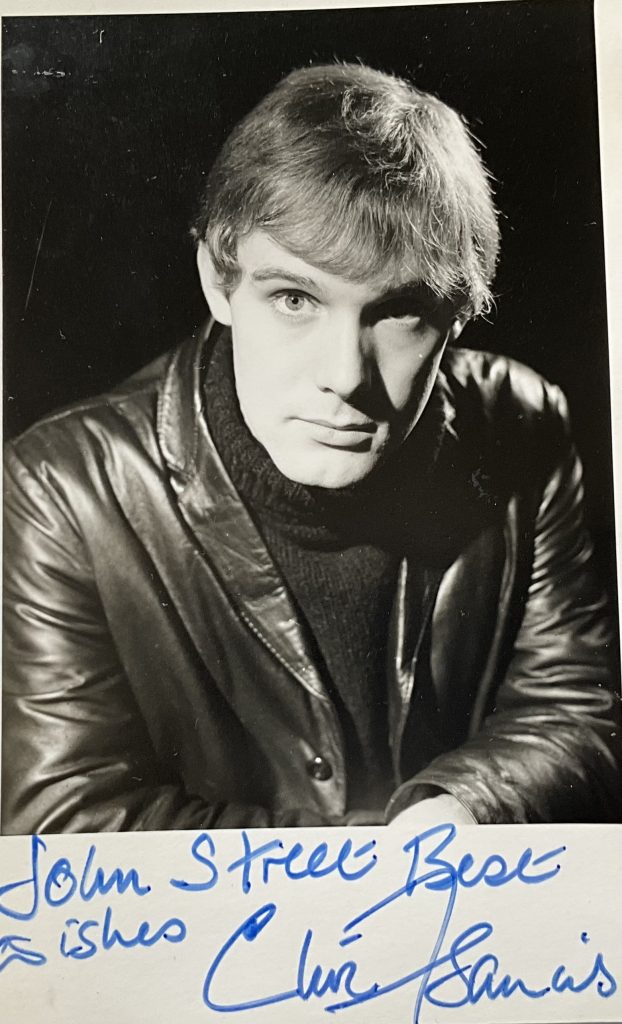
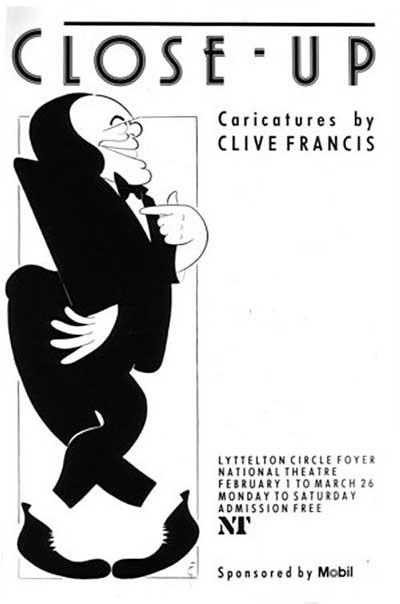
Clive Francis was born in 1946 in Eastbourne and is the son of the actor Raymond Francis. His films include “A Clockwork Orange” with Malcolm McDowell in 1971 and “Girl Stroke Boy”. He is married to actress Natalie Ogle.
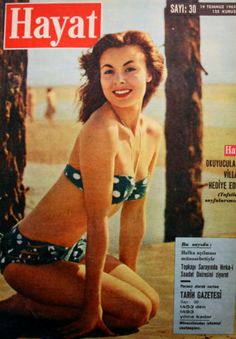
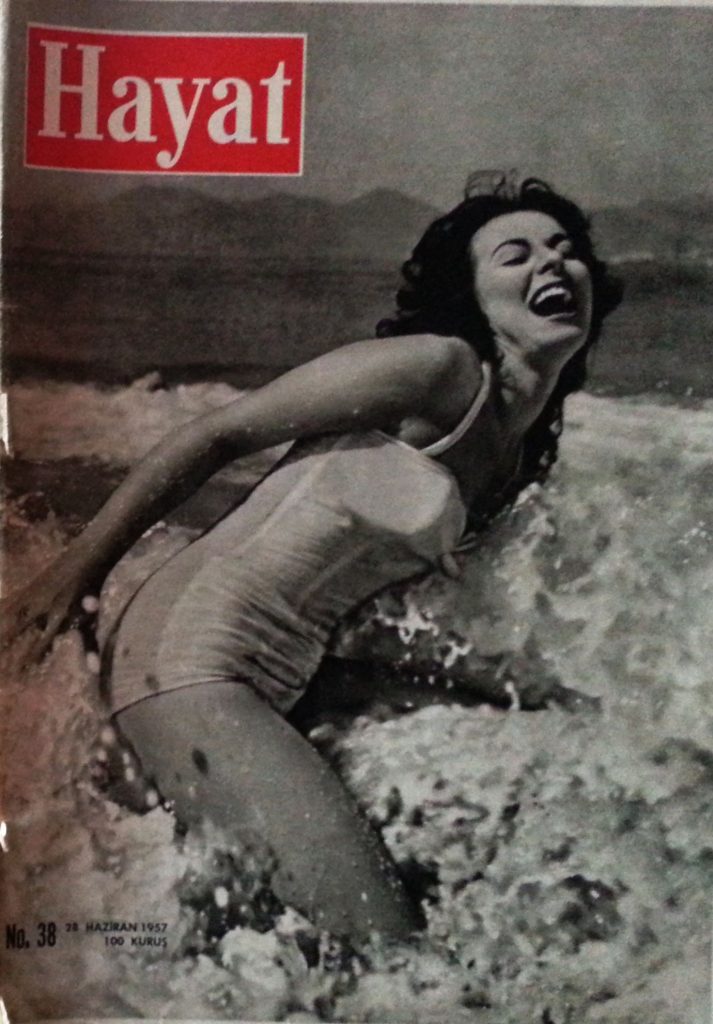
Valerie French was born in London in 1928. Her first film was the Italian “Maddalena” in 1954. She subsequently went to Hollywood and made films such as “Jubal” opposite Glenn Ford in and “Decision at undown” with Randolph Scott. Her last major film was “Shalako” with Sean Connery. Brigitte Bardot, Stephen Boyd and Honor Blackman. Valerie French died in 1990 at the age of 62 in New York.
“New York Times” obituary:
Valerie French, who began her career as a much-publicized starlet for Columbia Pictures and became a screen, stage and television actress who specialized in playing a diverse collection of English characters, died Saturday at her home in Manhattan. She was 59 years old. She died of leukemia, said a friend, Tom Seligson, a television producer. Miss French was born in London and spent her early childhood in Spain, returning to England to attend Malvern Girls’ College in Worcestershire and then join the BBC drama department.
After several years in television production, she joined the Theater Royal Repertory Company in Windsor, where she played small parts. After a screen test and a role in the film “The Constant Husband” in 1955, she went to Hollywood and became a contract actress with Columbia Pictures. She starred opposite Glenn Ford and Rod Steiger in “Jubal” (1956) and with Lee J. Cobb in “The Garment Jungle” (1957). On Broadway she acted in “Inadmissible Evidence” (1965) and “Help Stamp Out Marriage!” (1966). In “The Mother Lover,” at the Booth Theater in 1969, she caused something of a sensation by appearing onstage nude with her back to the audience.
Miss French starred Off Broadway in Harold Pinter’s “Tea Party” and “The Basement” in 1968, in a 1980 revival of Noel Coward’s “Fallen Angels,” and as the mother, Helen, in a production of “A Taste of Honey” in 1981. Her television credits include roles in “Have Gun, Will Travel,” “The Prisoner,” “The Nurses,” “Edge of Night” and “Brighter Day.”
Miss French was twice married and twice divorced. In a 1981 interview she said that she and her second husband, the actor Thayer David, had been planning to remarry when he died in 1978.There are no immediate survivors.
Her obituary in “The New York Times” can also be accessed here.
The 27th Day, poster, US poster, Valerie French (bathing suit), 1957. (Photo by LMPC via Getty Images)
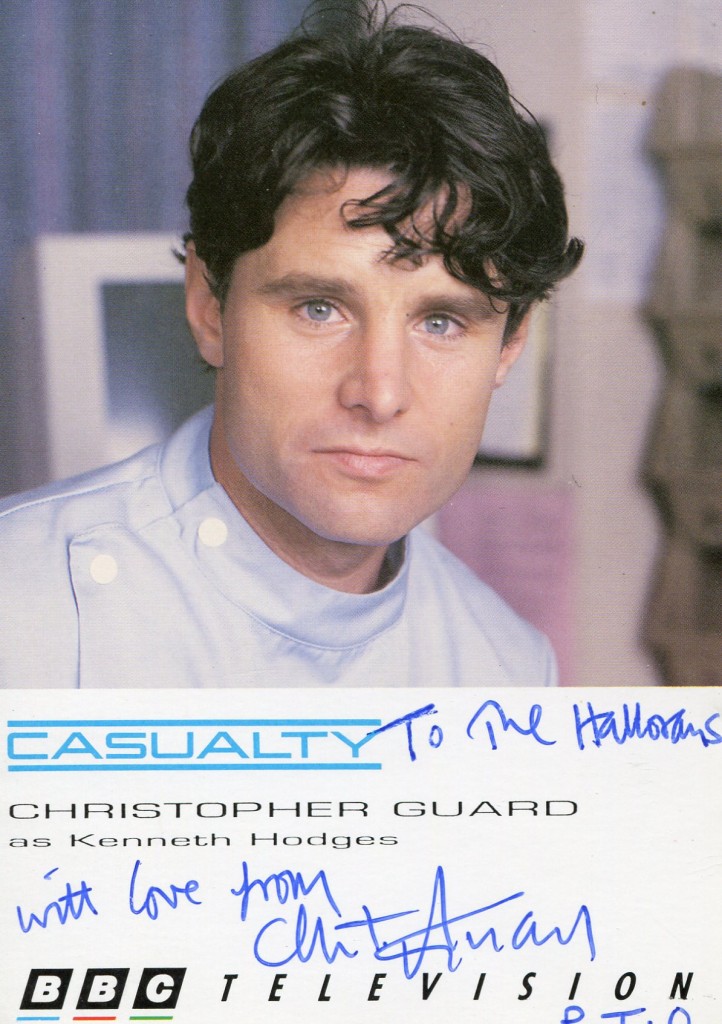
Christopher Guard was born in London in 1953. He is perhaps best known for his role in the television series “Casulty” on BBC. His films include “Vienna 1900”, “A Little Night Music” in 1977 amd “Memoirs of a Survivor” with Julie Christie in 1981.
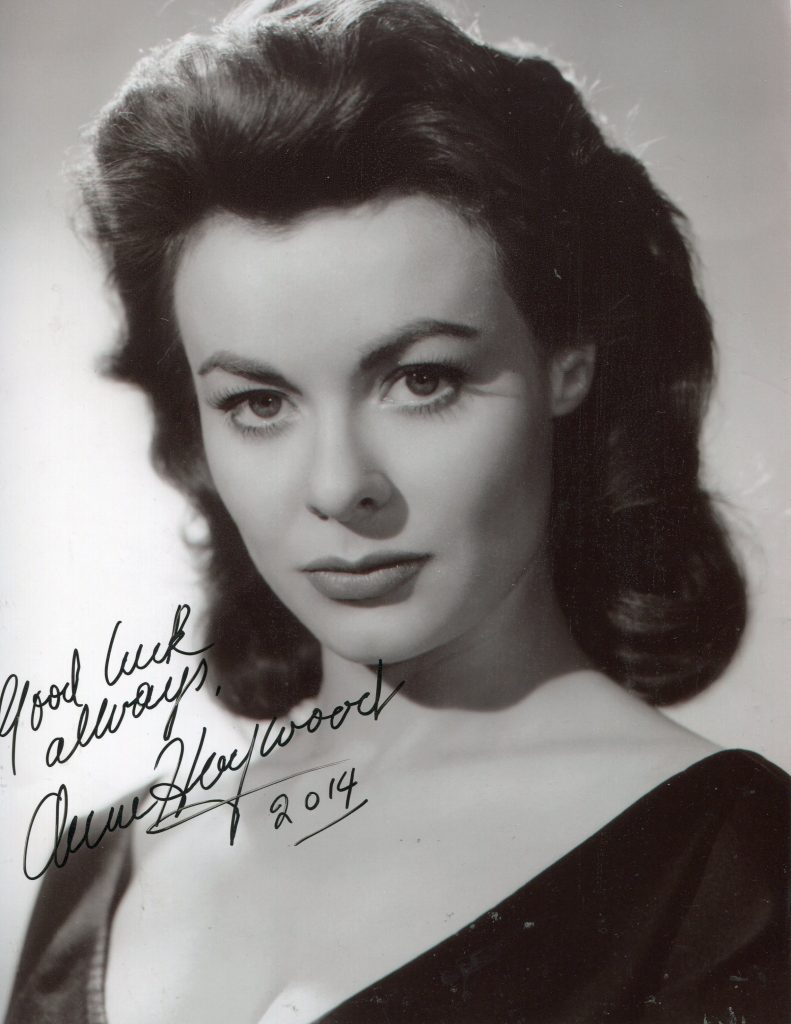
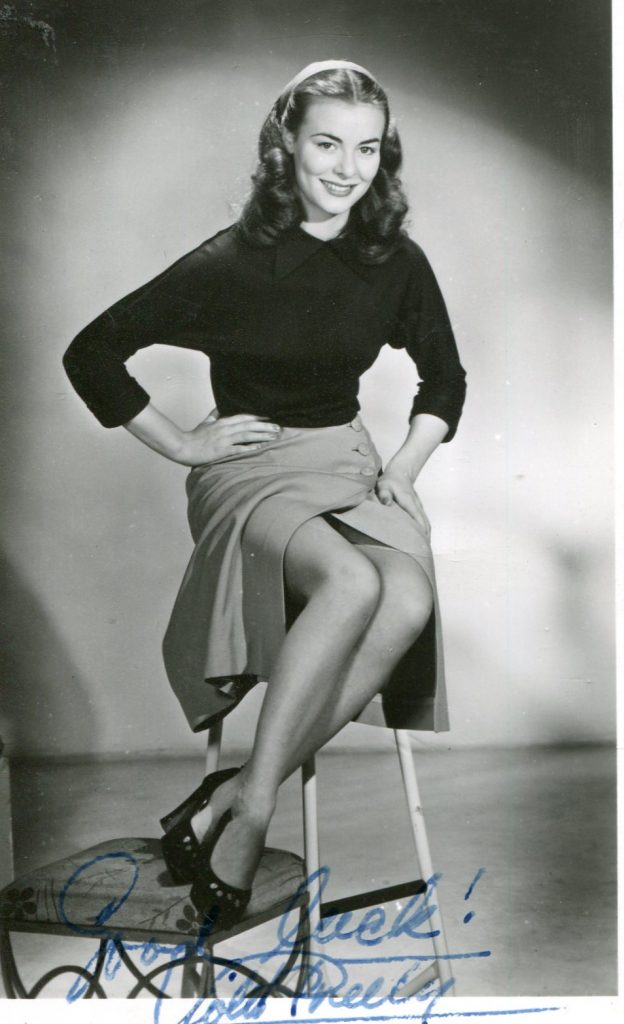
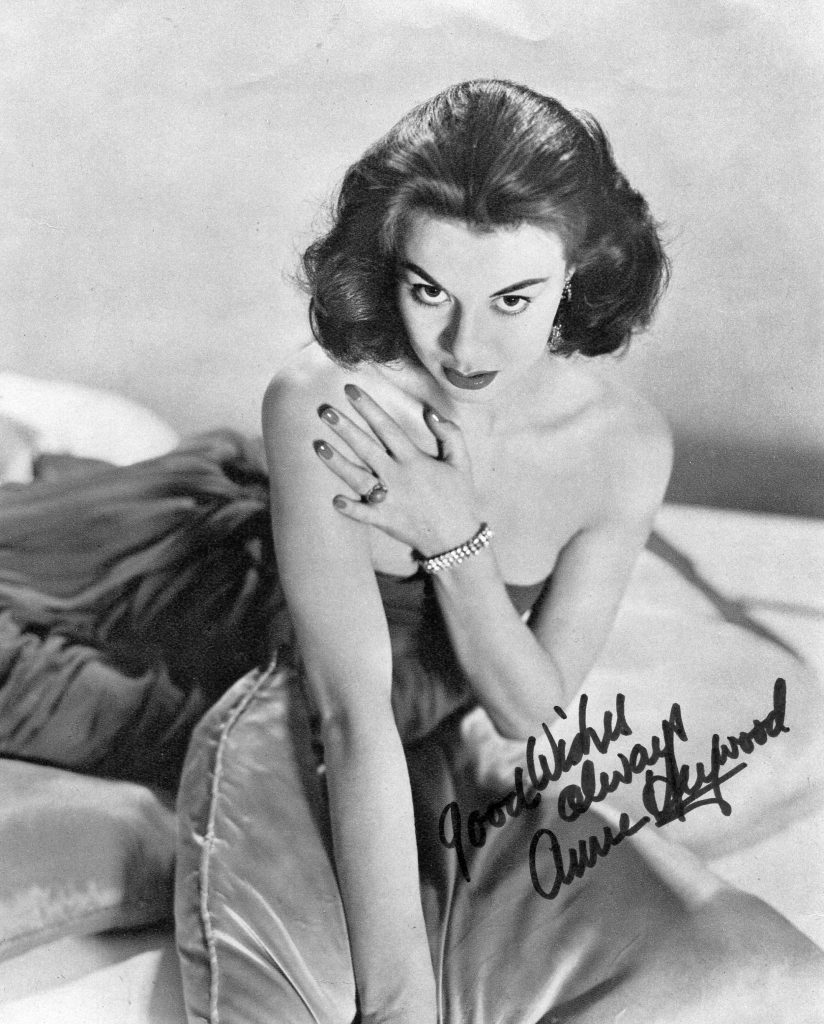
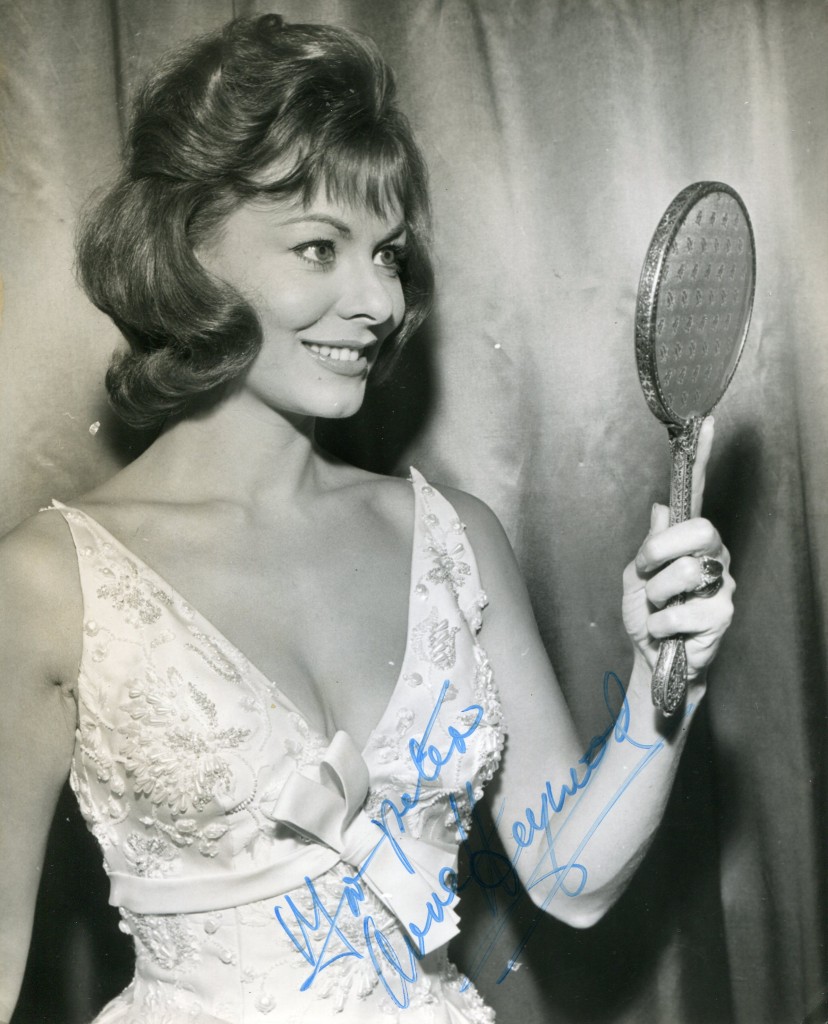
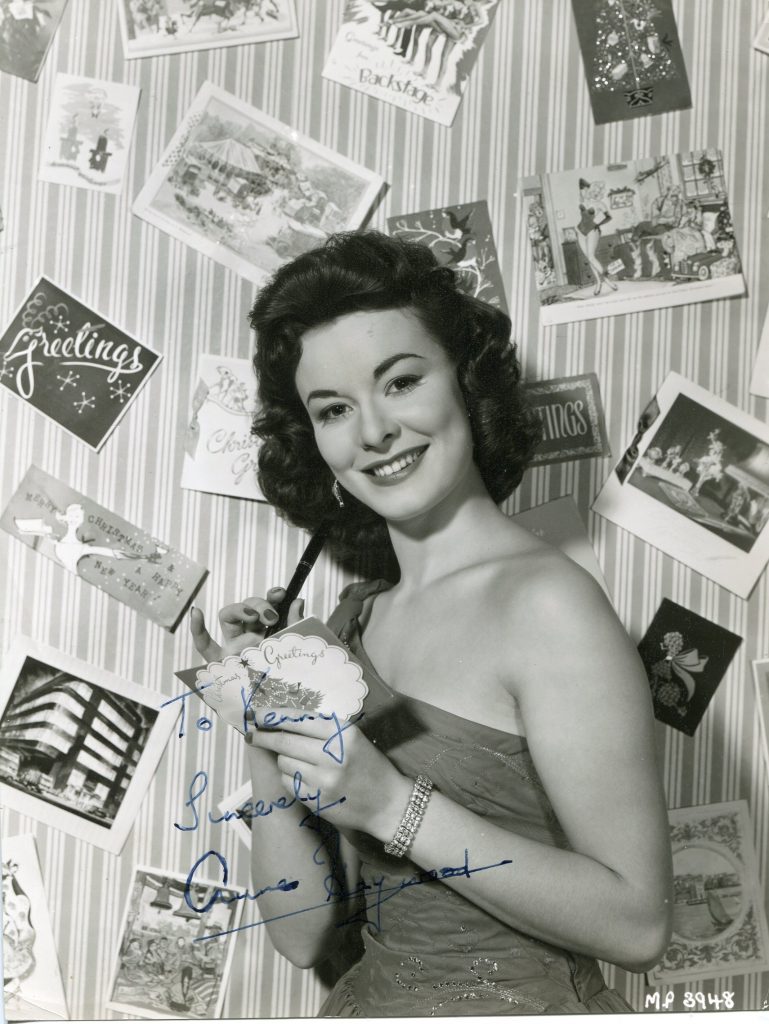
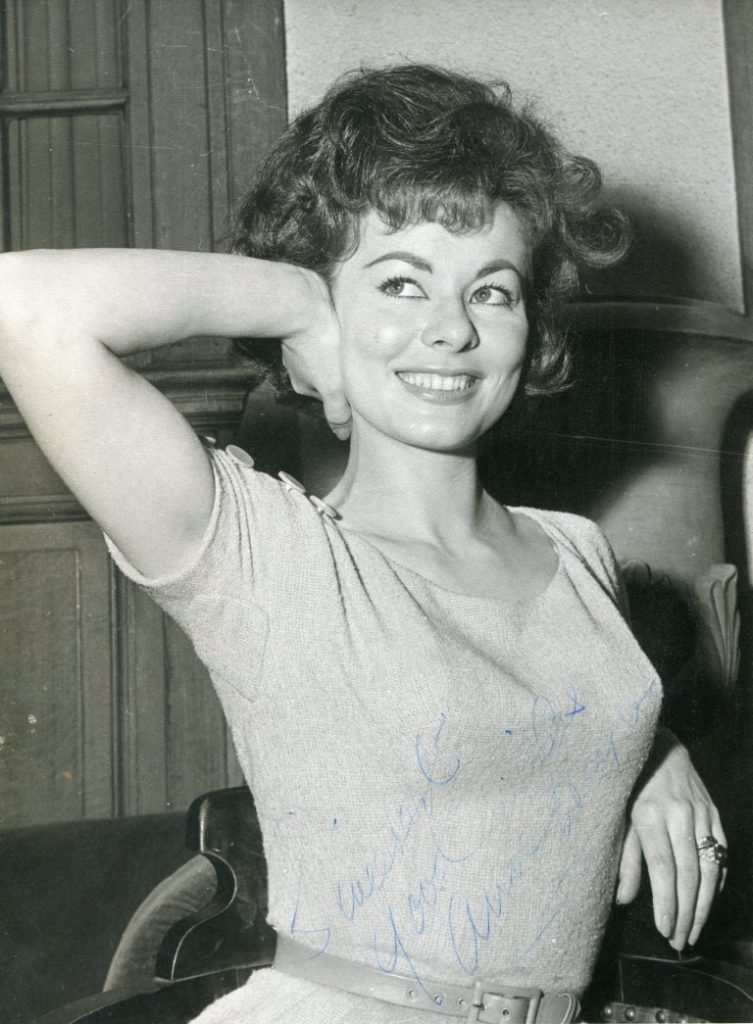
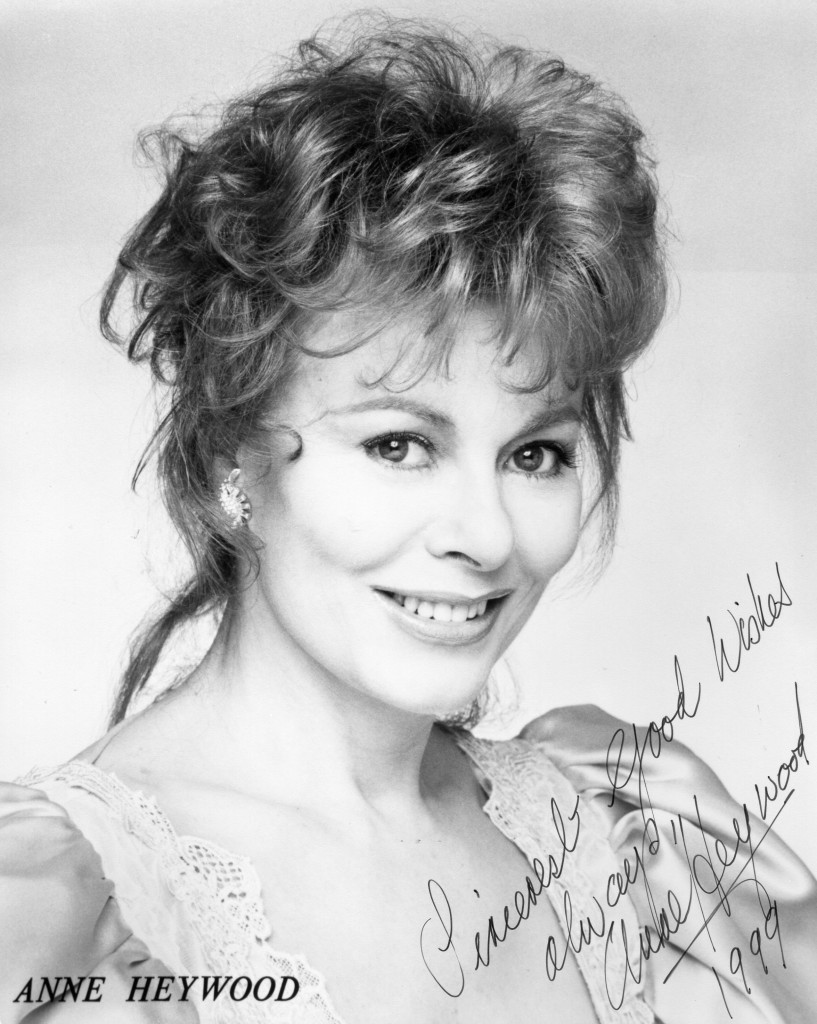
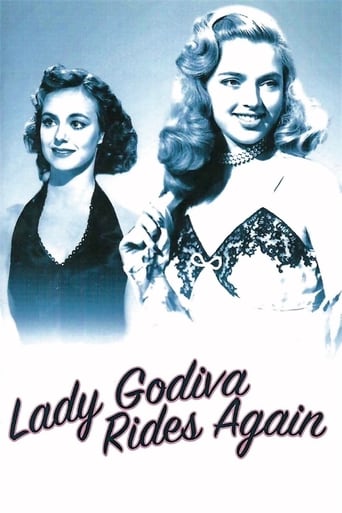
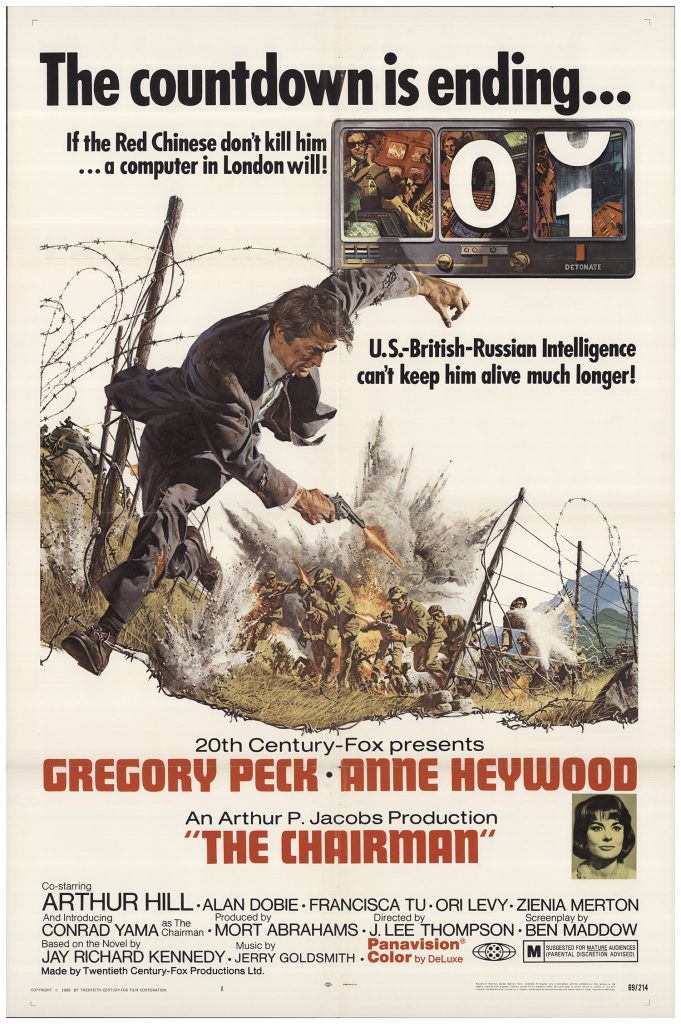
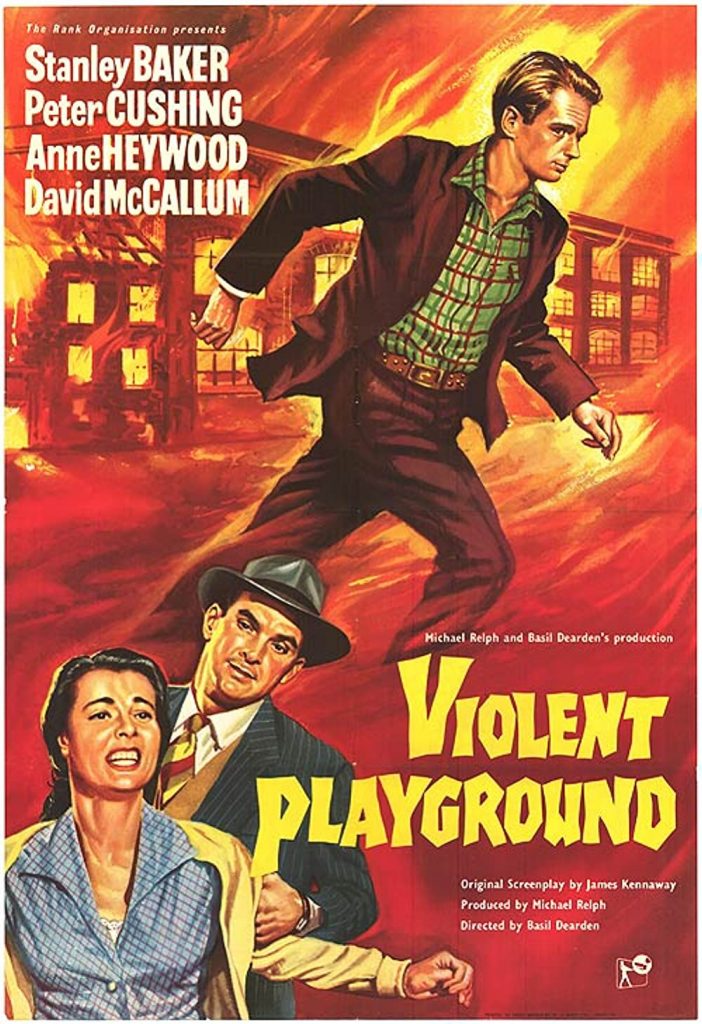
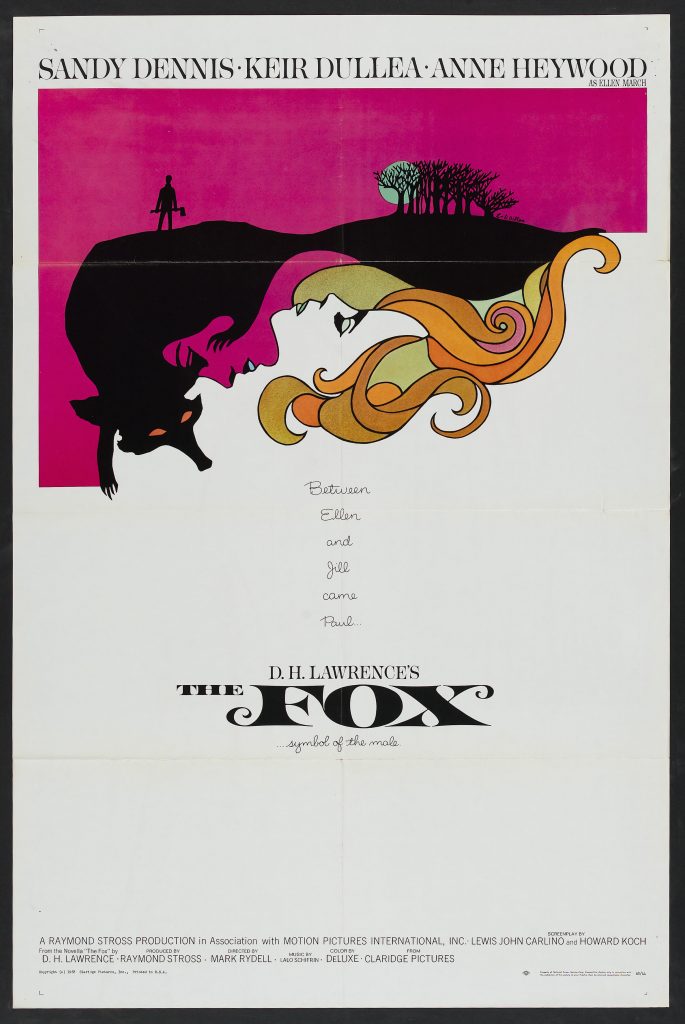
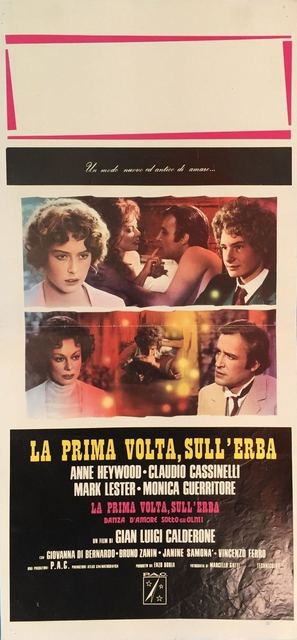
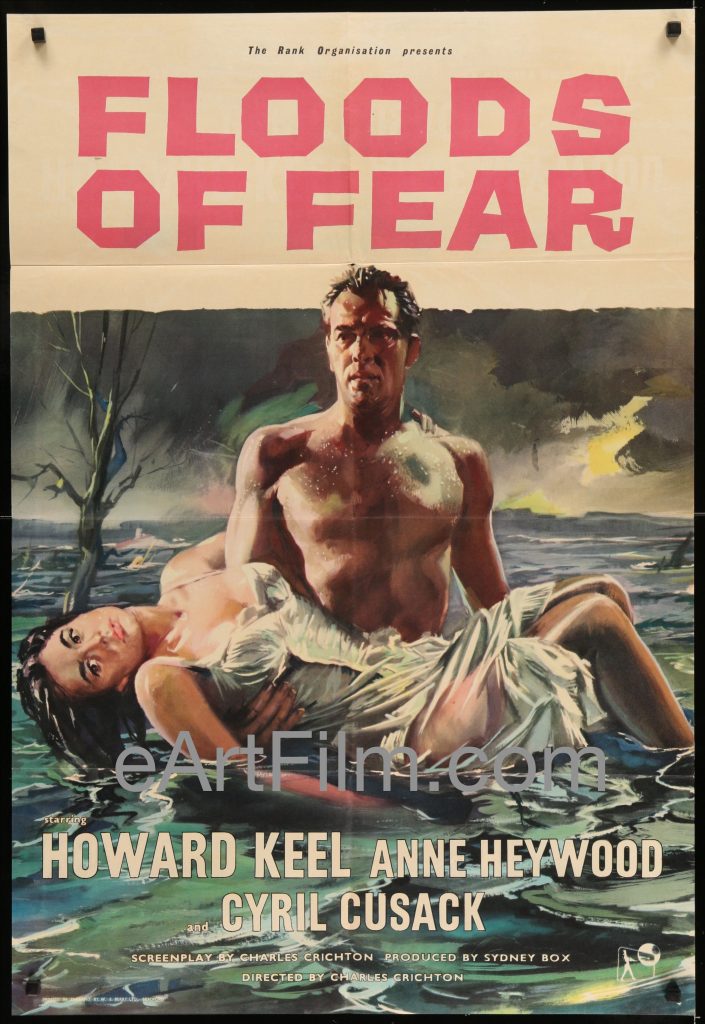
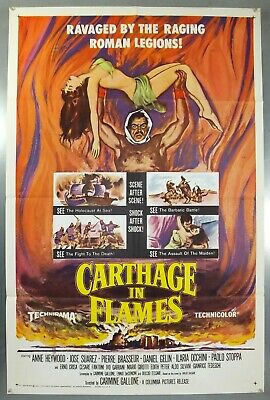
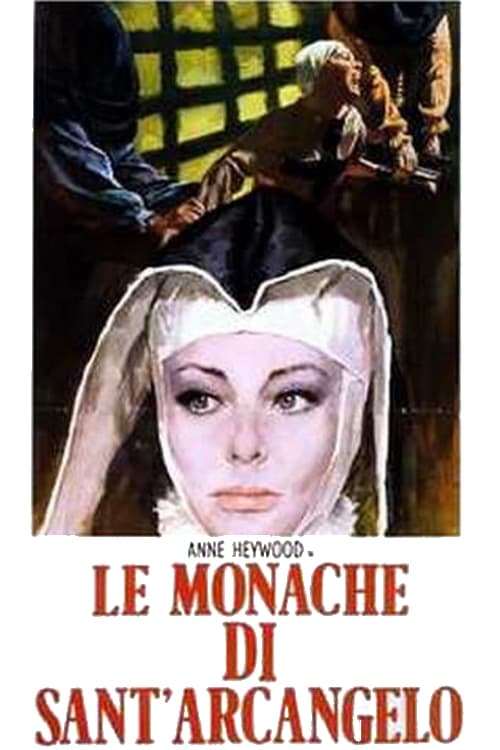
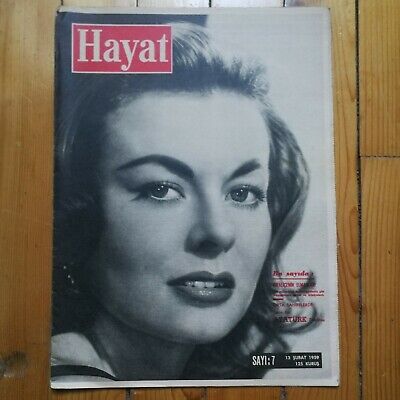
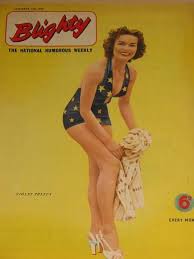
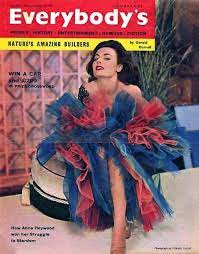
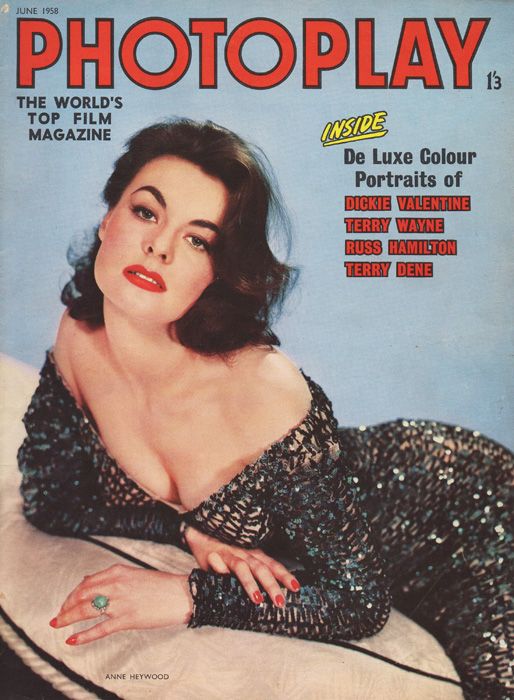
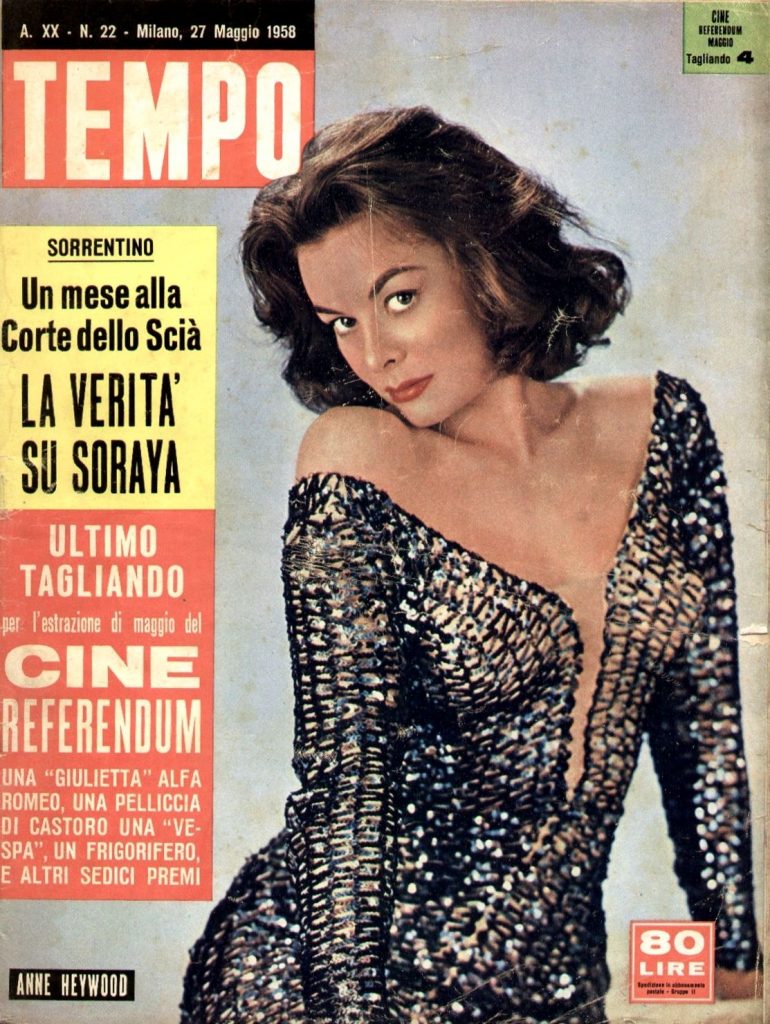
Anne Heywood was born in 1932 in Birmingham. Her real name is Violet Pretty. She made her movie debut in 1951 in “Lady Godiva Rides Again” which has some of the future leading ladies of British films in the cast, Joan Collins, Diana Dors, Kay Kendall and Dana Wynter. As the 1950’s progressed, she graduated from featured roles to leading lady status. By 1959 she was the leading lady to Howard Keel in “Floods of Fear” and to Robert Mitchum in “A Terrible Beauty”. In 1968 she won terrific critical plaudits for her performance in an adaltation of D.H. Lawerence’s “The Fox”. She then was leading lady to Gregory Peck in “The Chairman”. She moved to the U.S. where she continued her career. Her last acting part was in an episode of Edward Woodward’s “The Equaliser”.
Her IMDB entry:
Befitting her original name (Violet Pretty), the knockout English brunette Anne Heywood won the coveted “Miss Great Britain” beauty title in 1950 at the young age of 17. Born on December 11, 1932, the daughter of a violinist, she originally trained at the London Academy of Music and Dramatic Art. She gained early experience on the stage with the Highbury Players in Birmingham and moved on to some TV work. The Rank Organization caught sight of her and offered the former beauty queen a seven-year contract. During that time, however, she was pretty much relegated to playing ‘nice girl’ types in the 50s and 60s.
In later career, her film appearances courted controversy and she seemed drawn toward highly troubled, flawed characters. Very popular with Italian audiences, Anne never endeared herself to American filmgoers although she did stir up some curiosity with one of her more noteworthy films, the pioneer lesbian drama The Fox (1967). Starring Anne with Sandy Dennis, the two were quite believable as an unhappy, isolated couple whose relationship is irreparably shattered by the appearance of a handsome stranger (Keir Dullea). At the height of the movie’s publicity, Playboy magazine revealed a “pictorial essay” just prior to its 1967 release with Anne in a nude and auto-erotic spread. The film won a “Best Foreign Film” Golden Globe Award (it was made in Canada) and Anne herself earned a “Best Actress” nod.
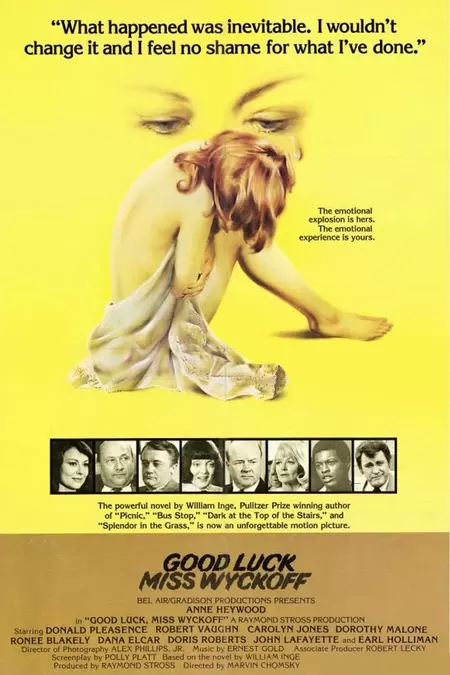
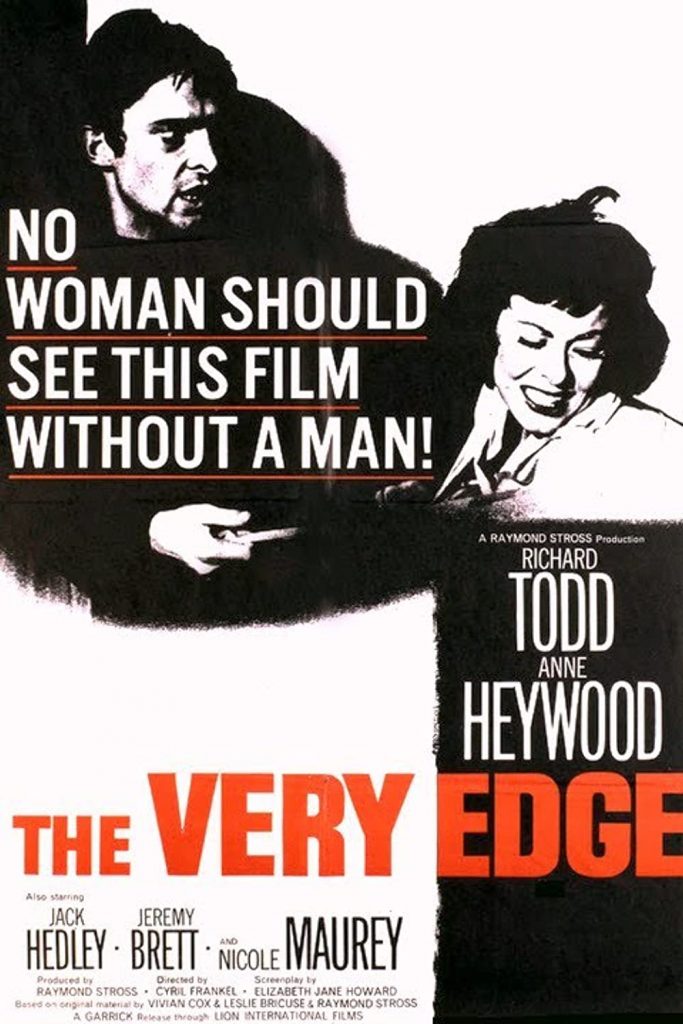
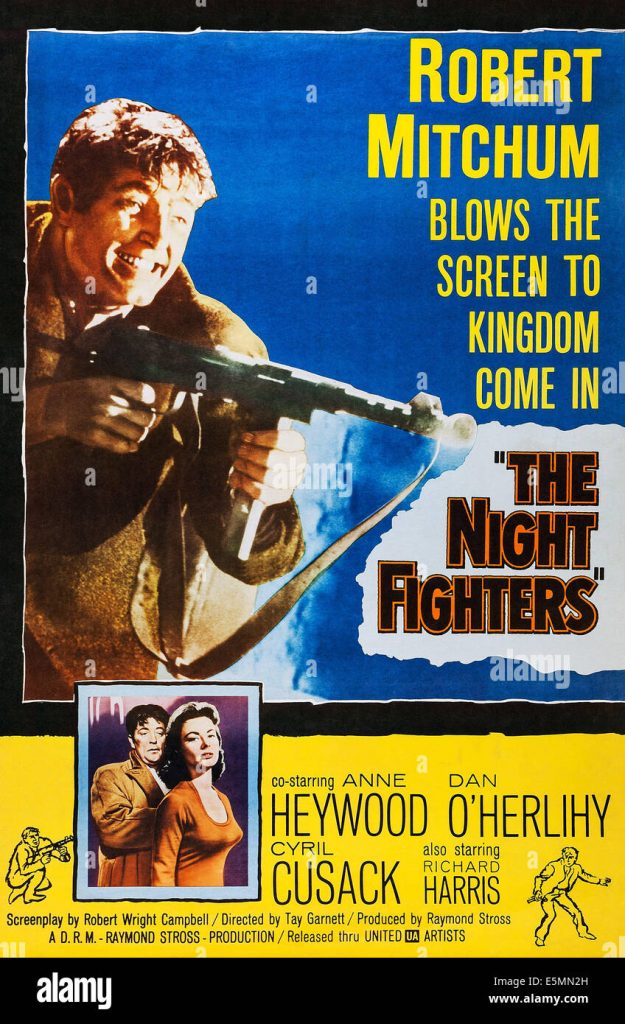
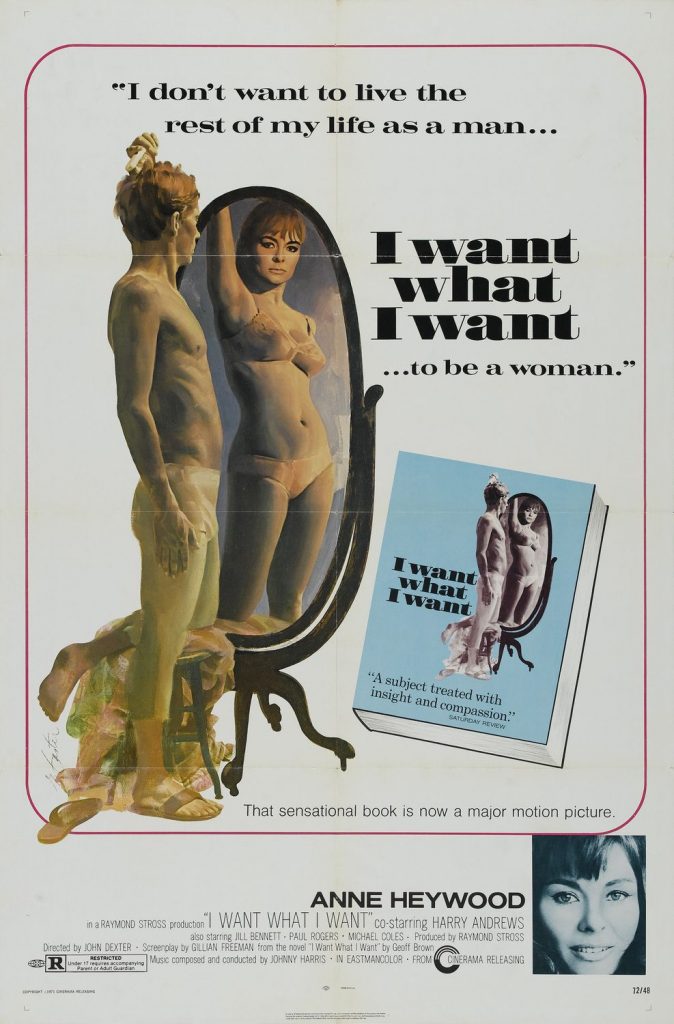
Despite being aggressively promoted in its aftermath by husband/producer Raymond Stross, who was instrumental in reshaping her image with such sexy, offbeat dramas asThe Night Fighters (1960), The Very Edge (1963), Ninety Degrees in the Shade (1965),Midas Run (1969), I Want What I Want (1972) and Good Luck, Miss Wyckoff (1979), Anne has remained a distinct European film product. Following her husband’s death in 1988, Anne remarried (to a former New York Assistant Attorney General) and begged away from the camera. The couple settled in Beverly Hills.
– IMDb Mini Biography By: Gary Brumburgh / gr-home@pacbell.net
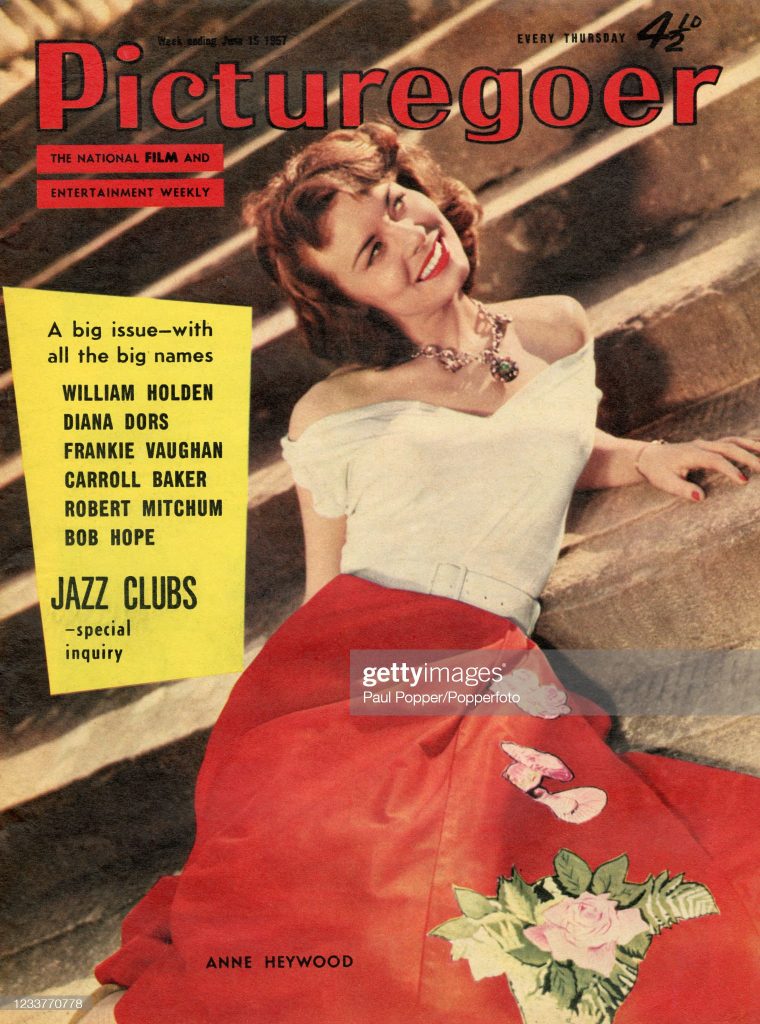
British movie actress Anne Heywood on the cover of “Picturegoer” magazine, the National Film and Entertainment Weekly, published in London, circa June 1957. (Photo by Paul Popper/Popperfoto via Getty Images)
The telegraph obituary in 2023.
Anne Heywood, the actress who has died aged 92, was a former Miss Great Britain who was brave in her choice of taboo-busting film roles, gaining her greatest fame for a lesbian scene in the 1967 adaptation of D H Lawrence’s novella The Fox.
With her husband, Raymond Stross, producing the low-budget Canadian movie, she and Sandy Dennis starred as two women raising chickens on a remote farm who end up making love after Anne Heywood’s character, Ellen, turns down a merchant sailor’s marriage proposal.
The actress had no qualms about performing the daring scene, telling the critic Roger Ebert in 1969 that it was done with “delicacy and taste” and adding: “Ellen isn’t a lesbian at all, in fact. She’s more of a modern, independent woman.”.
The film was released in the US just as Hollywood abandoned the Hays Code, which had prohibited the depiction of certain “sexual persuasions”. That did not stop a Mississippi court convicting a cinema owner of obscenity after screening the film, but Golden Globe judges named it Best Foreign Film (English Language) and nominated Anne Heywood as Best Actress. At the British box office it was the fifth highest-grossing release of 1968.
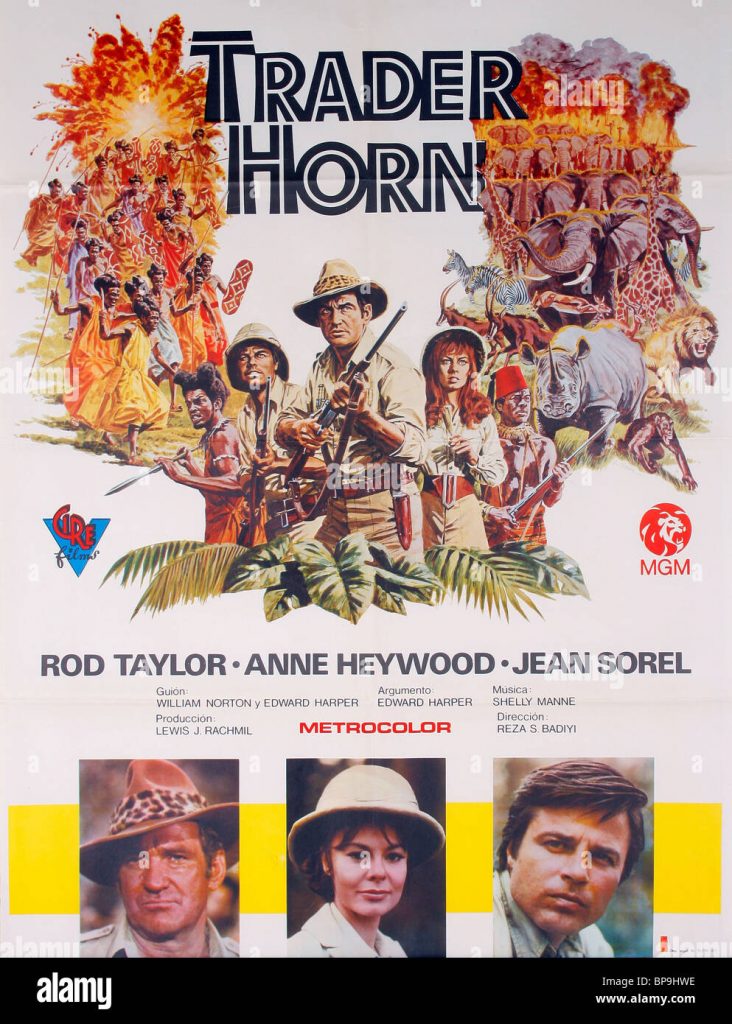
Although The Fox revived Anne Heywood’s career, she never became a Hollywood star, despite opportunities. In 1973 she played Rod Taylor’s fiancée, grappling with leeches and swamps on an MGM backlot in Trader Horn (1973), a flop remake of a 1930s yarn about a “great white hunter” in the African jungle.
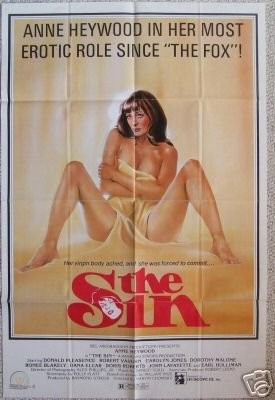
Six years later, in Good Luck, Miss Wyckoff, she was fearless again playing the virgin Kansas schoolteacher of the title who is raped by a janitor. In subsequent video releases it was salaciously retitled, variously, The Sin, The Shaming and Secret Yearnings.
“I’m attracted to strange parts,” she said, “because they are more complicated than those of straightforward persons. You have to dig deep to find out how they tick.” In I Want What I Want (1972) she played Roy/Wendy, a male soldier who feels like a woman trapped in a man’s body.
Her career took another turn when she starred in two Italian “nunsploitation” films. In The Awful Story of the Nun of Monza (1969), she ignored celibacy rules while plotting murder, and in The Nun and the Devil (1973), featuring nuns in both lesbian and heterosexual acts, she played a sister bent on succeeding a dying mother superior.
She was born Violet Joan Pretty in Birmingham on December 11 1931 to Edna, née Lowndes, and Harold Pretty, a factory worker who had played the violin in orchestras. When she was 12, her mother died.
Two years later, after her elder sister Doreen went away to work, she left Fentham Secondary Modern School, Erdington, to take over the care of her other three sisters and two brothers.
She earned money as an usherette at the ABC Cinema in Erdington, studied at the Birmingham School of Speech Training and Dramatic Art, and performed at the Highbury Little Theatre in Sutton Coldfield.
From age 16 she won beauty contests, culminating in the 1950 Miss Great Britain title. This led her to be cast as such a contestant in the 1951 Launder and Gilliat comedy Lady Godiva Rides Again, in which Joan Collins also had a bit part.
She then toured theatres in the talent-spotter Carroll Levis’s “Discoveries” shows, often topping the bill, and sang in his TV and radio programmes. In 1955 she signed with the Rank Organisation, taking the professional name Anne Heywood..
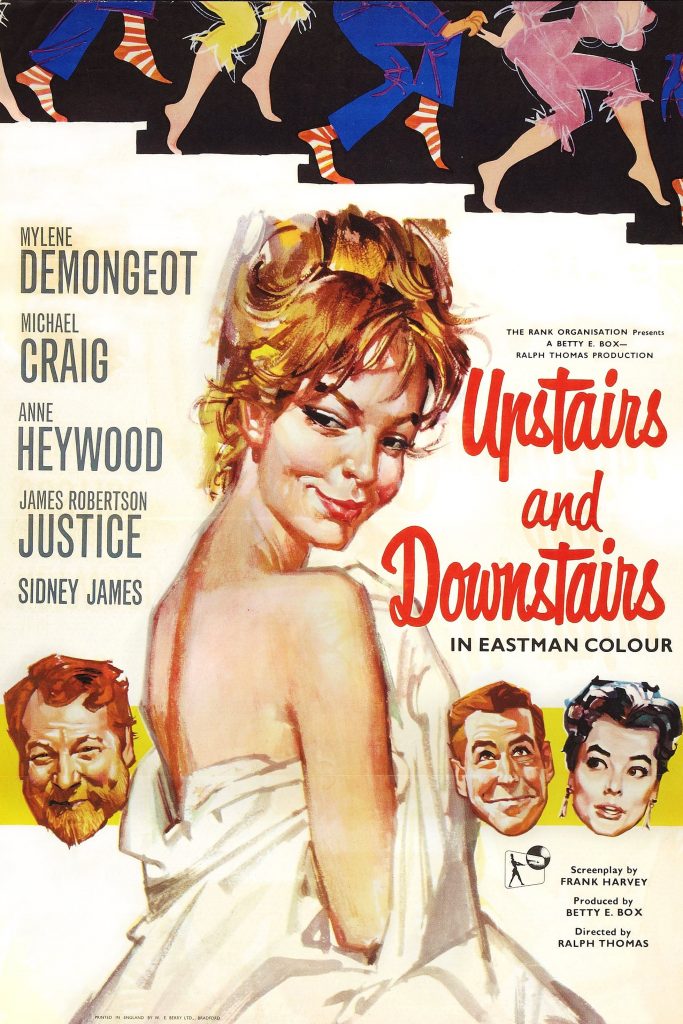
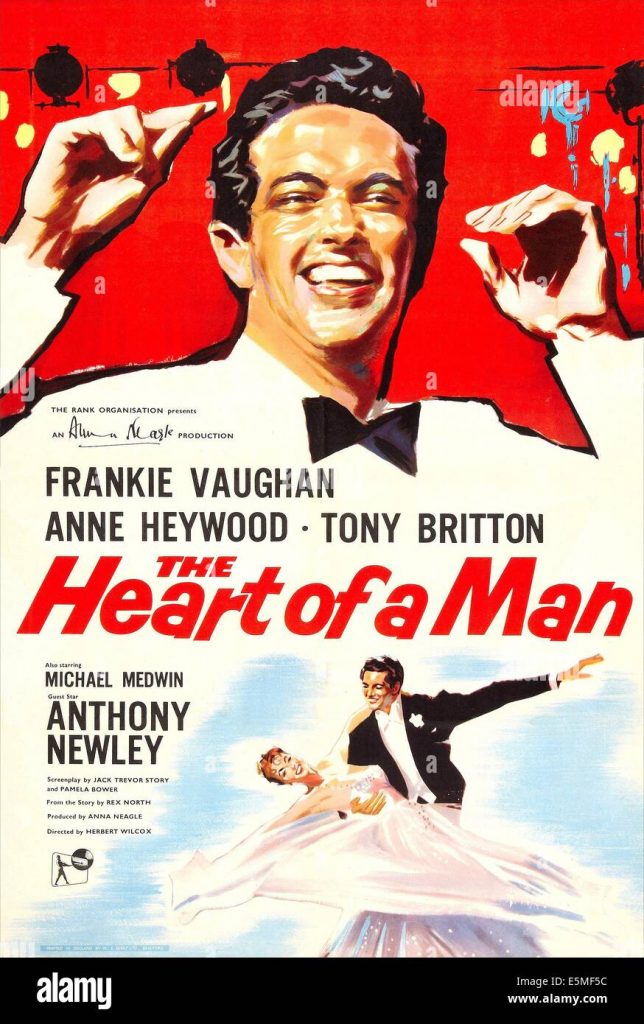
From small parts in movies such as Doctor at Large (1957), she starred as the femme fatale in the crime thriller Depraved (1957) and had leading roles alongside Stanley Baker in Violent Playground (1958), Howard Keel in Floods of Fear (1958), Frankie Vaughan in The Heart of a Man (1959) and Michael Craig in Upstairs and Downstairs (1958).
Rank had dropped her by the time she appeared with Robert Mitchum in A Terrible Beauty (1960), produced by Stross, whom she married that year. Stross steered the next phase of her career and they eventually settled in the US.
Her other Stross-produced films included The Brain (1962), 90 Degrees in the Shade (1965), and (with Fred Astaire) the 1969 crime comedy A Run on Gold. In the same year, she starred opposite Gregory Peck in the espionage drama The Most Dangerous Man in the World.
Anne Heywood retired after Stross’s death in 1988. In 1991 she married, secondly, George Druke, a former New York assistant attorney-general, who died in 2021. News of her death has only just emerged. She is survived by the son of her first marriage.
Anne Heywood, born December 11 1931, died October 27 2023.
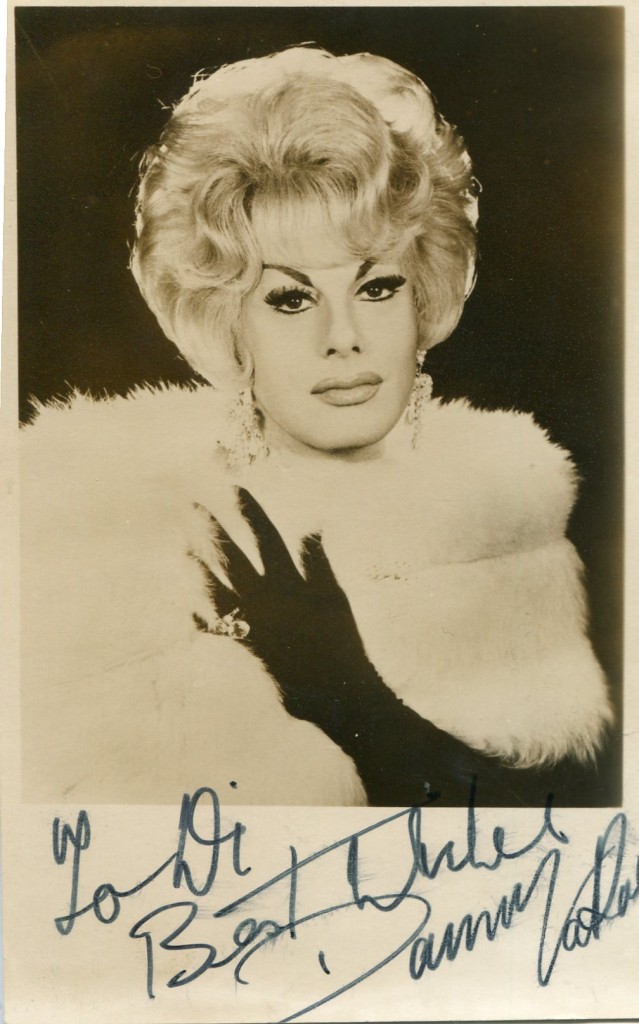
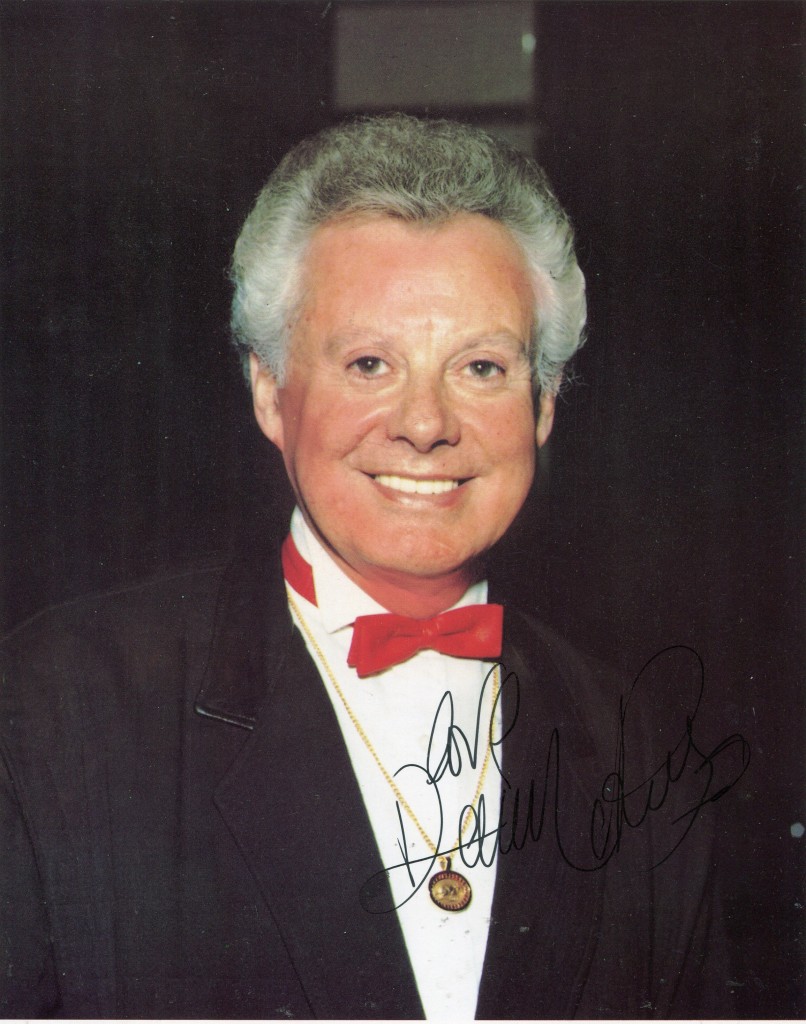
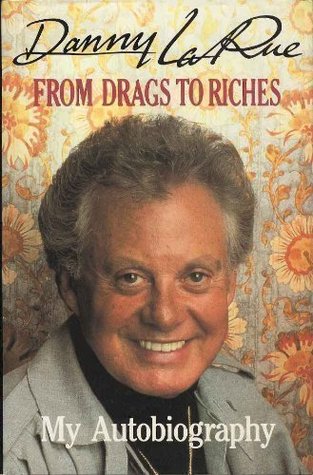
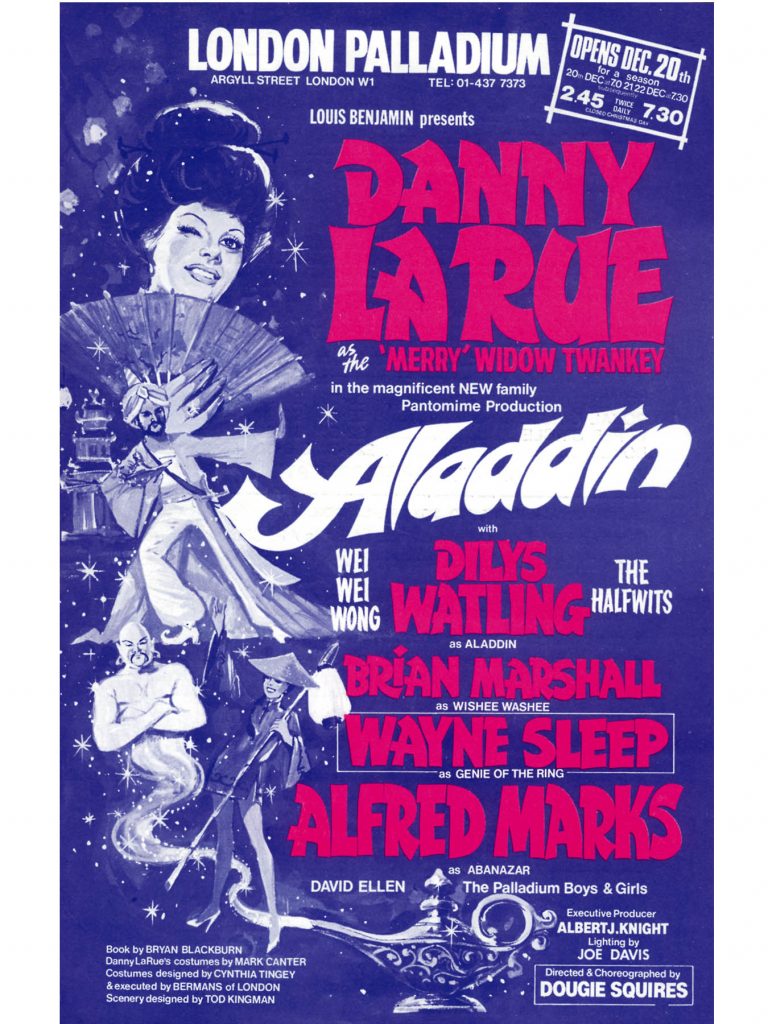
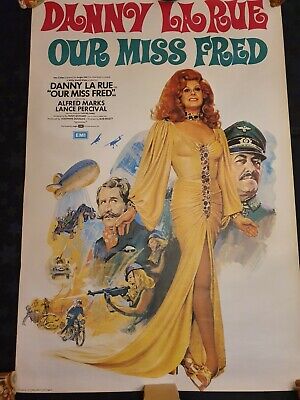
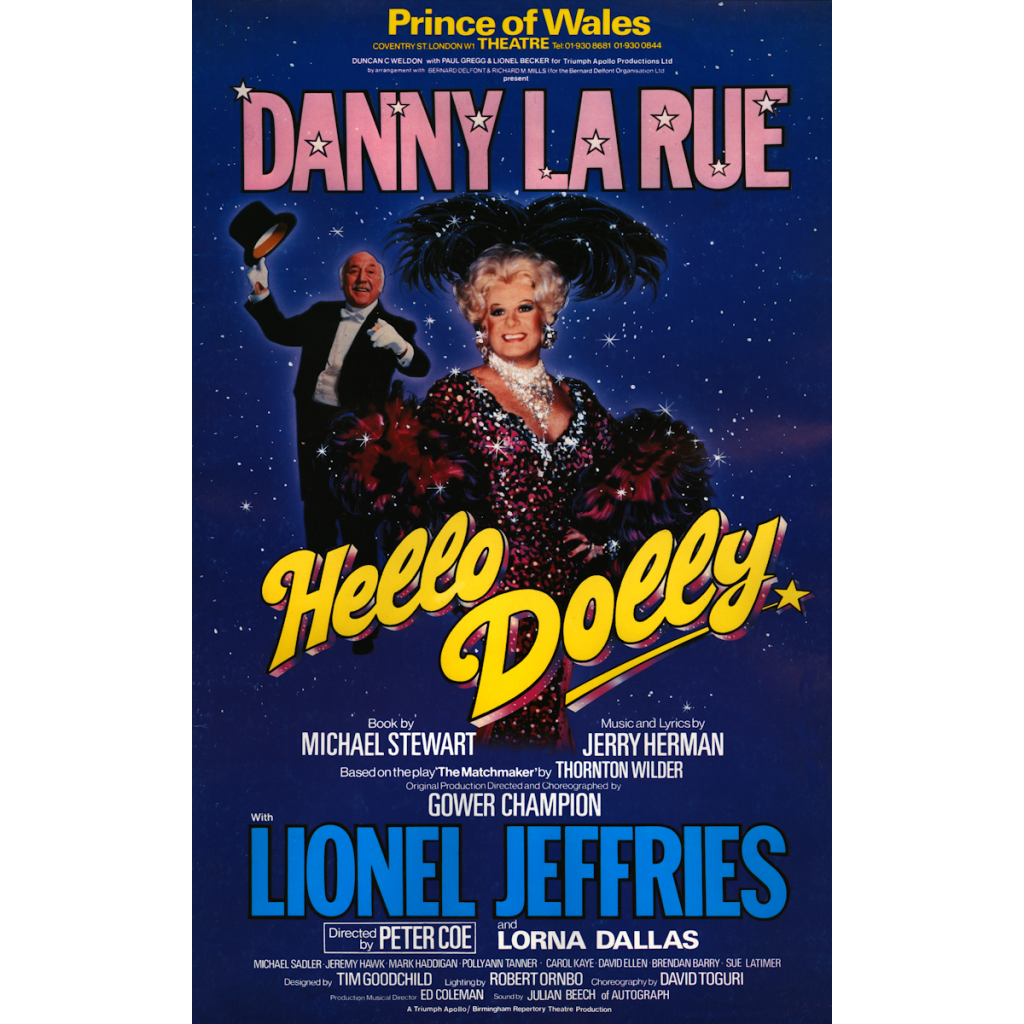
Danny La Rue was born Daniel Carroll in Cork in 1927. When he was six, his family moved to London. He served in the British Royal Navy as a young man. He began performing in nightclubs in the late 1950’s and soon had built up a following for his a female impersonations. He was very popular in the 1960’s and had his own nightclub. In 1972 he starred in his only film “Our Miss Fred”. Danny La Rue died in 2009 at the age of 81.
His “Guardian” obituary:
Danny La Rue, who has died aged 81, flouted the usual showbusiness rule that, to be funny, every female impersonator needed to have an obvious suggestion of –hobnailed boots beneath a long frock. In a variation on this tradition, he appeared attired in sequinned dresses, but immediately said “wotcher, mates!” in a gruff voice. Yet what La Rue achieved was to replace a traditionally derisive mocking of women, that showed them as faintly grotesque, with glitter and elegance. He did it to such an extent that, apart from his height of over 6ft, he might easily have been a beautiful woman trying her luck with saucy jokes and sentimental songs. He became the first performer for many years to base his entire career on impersonating women.
“Vulgar, yes, but there is nothing crude about me,” was his guiding maxim, as he flounced around variety stages, clubs, pierheads and pantomimes, doing a dozen changes a show, sometimes with stylish but over-the-top dresses which cost £5,000 each. At his peak, in the 1970s, he was earning the equivalent of £2m a year, and had four homes, a Rolls-Royce and an entourage of 60. La Rue was never a gay icon, nor a butt of the feminist movement, which sometimes surprised him. His core audience was, in fact, blue-rinsed ladies of a certain age who sent gushing letters congratulating him on his awards: showbusiness personality of the year in 1969, theatre personality of the year in 1970, 25 years in show business award in 1976 and entertainer of the decade in 1979. They wrote saying how much they admired his legs or his self-manufactured rubber bosom, presumably because they identified with him and were comfortable with his act – though it sometimes included raucous jokes which, coming from anyone else, might have caused deep offence. He got away with it, he claimed, because everyone knew that everything he did and said was just a pretence: he regarded himself as an actor.
Although Paul Scofield tried to –persuade him to act in “legitimate” –theatre, and Laurence Olivier wanted him to play Lady Macbeth, La Rue did not risk trying to escape his limitations. He would explain that taking off –Marlene Dietrich, Zsa Zsa Gabor, Bette Davis and Joan Collins, or Sophie Tucker singing My Yiddisher Mama, was acting enough. As a cabaret perfomer, he could be decidedly risqué, earning himself the nicknames Danny La Rude and Danny La Blue. Offstage, he could also be reckless and get away with it. Once, he was appearing at a London club and in a –Coventry pantomime simultaneously. At the same time, the royal family were asking for an increase in the civil list. When the Duke of Edinburgh, visiting La Rue’s show, asked him if he was doing it for the cash, La Rue replied that it seemed to be all the fashion. A Guardian critic said in the 1960s that La Rue’s material was “dirty night-club jokes for drunks and bored people and other actors, and yet it is truly cleansing and cathartic”. To which a reader from Hampstead – not usually regarded as the centre of La Rue’s core audience – inquired acidly whether the critic was “going through a period of severe mental strain”. The reader –obviously regarded La Rue’s material as neither filthy nor psychologically significant, just funny. This was the received opinion throughout a long career which, he said, was sustained by discipline and application.
Born Daniel Patrick Carroll in Cork, Ireland, La Rue was the youngest son of a Roman Catholic cabinet-maker, who had five children. La Rue never knew him. His father went to New York in the 1920s with the idea of bringing his family over later, but died before this could happen. Danny was then 18 months old. His mother, whom he described as his life’s inspiration, decided to compromise by seeking the family’s fortunes in England. She lived in Soho, central London, struggling on her widow’s pension and wages as a seamstress to provide for the large family, while young Danny attended schools in London and then, evacuated from London during the blitz, in Exeter. One day he found his mother in tears because she didn’t know where the money for his new school uniform was going to come from. On leaving school, he earned £1.50 a week in a –bakery; wartime rationing was in place and he was allowed to take cakes home as a perk. He got a job in Exeter as a window-dresser, then moved back to London, doing the same job for an Oxford Street store.
Called up for the Royal Navy, he made his first stage appearance, aged 18, as a native girl in a comic send-up of the serious play White Cargo. John Gielgud saw it in Singapore and told La Rue that he should take his ability to make people laugh more seriously. Once he left the navy, he did so. An old naval friend told him about auditions for an all-male chorus in the show Forces Showboat. Harry Secombe was in the same show.
Forces Showboat went on tour for months, but La Rue saw little point in dressing up as a woman in the –provinces. It didn’t seem to be getting him anywhere, so he returned to the Oxford Street store and initiated lunch-time fashion shows. Then the promoter Ted Gatty persuaded him to do a West End revue in drag. He would do it, said La Rue, as long as it were not under his real name. When he arrived for rehearsals he found that Gatty had already given him the name Danny La Rue. The producer Cecil Landau saw the show and got La Rue a two-week slot at Churchill’s club in Mayfair, which turned into a three-year engagement as top of the bill. La Rue spent the 1950s appearing on stage, often in –pantomimes staged by the impresario Tom Arnold. He also appeared in cabaret in clubs with such success that, in the early 1960s, he opened Danny’s, his own club in Hanover Square, which lasted nine years.
This was in contrast to a later business venture, in the 1970s: restoring the derelict stately home Walton Hall near Stratford-upon-Avon, which he had bought for £500,000 – much of his considerable savings. He poured the rest into restoration and turning it into a hotel and arts centre, only to find that the two Canadian managers were conmen who had left him with a pile of unpaid bills, for which La Rue was legally responsible. The day after his 56th birthday, La Rue’s company went into voluntary liquidation and he was forced to sell his home in Henley to pay off the debt. It got worse. In 1984 he took the lead in Hello, Dolly! which was critically panned and closed soon after. Later that year, his manager of 30 years, Jack Hanson, whom he described as “the love of my life”, died of a stroke. La Rue drank himself to sleep every night until a –psychic told him that his pet dog was the reincarnation of Hanson. Taking –further comfort from his Catholic religion – he kept a little shrine by his –bedside – La Rue resumed his disciplined routine of personal appearances at pierheads and in pantomime, rationing his television appearances as always. Why, he asked, should people pay to see him on stage when they could see him for free on TV?
He never married and was angry at those who called his announced, but later called-off, engagement to an American millionairess in 1987 a publicity stunt. In 2000, his companion Wayne King, an Australian pianist, died aged 46, of Aids. Two years later, in recognition of the thousands of pounds he raised for Aids charities, La Rue was appointed OBE (the Queen was said to be a great admirer of his act). Suffering from the eye condition macular degeneration, in 2006 he also suffered a stroke, though even then his agent said that La Rue was “dying to get his old frocks out, dust them off and get back in the limelight”. Shortly afterwards, in poor health and receiving financial assistance from an actors’ charity, he moved in to the home of his former dresser and longtime friend Annie Galbraith, who cared for him until his death.
• Danny La Rue (Daniel Patrick Carroll), female impersonator and actor, born 26 July 1927; died 31 May 2009
The above Dennis Barker obituary on Danny La Rue can also be accessed online here.
Daniel Massey was born in 1933 in London. He was the son of actors Adrianne Allen and Raymond Massey. He made his film debut in 1942 in “In Which We Serve”. His other films include “Mary, Queen of Scots”, “The Cat and the Canary” and “Vault of Horror”. His best remembered film role was in “Star” where he played Noel Coward. He was nominated for an Academy Award for his performance. Daniel Massey died in 1998 at the age of 64.
“Independent” obituary:
ALL, lean and strikingly handsome, with a languidly caressing voice, the versatile and enormously talented actor Daniel Massey displayed remarkable range in a long and distinguished career in film, television and, primarily, theatre, both in New York, where he starred in such shows as She Loves Me (1963) and Taking Sides (1995), and London, where his work embraced plays classic and modern, revues and musicals.
The son of the famous Canadian actor Raymond Massey and the actress Adrienne Allen, and the godson of Noel Coward, he was born in London in 1933 and educated at Eton and King’s College, Cambridge (where he acted with the university’s Footlights Club). After two years in the Scots Guards he decided to follow in his parents’ footsteps, appearing at the Connaught Theatre, Worthing, in Agatha Christie’s Peril at End House. He made his London debut at the Cambridge Theatre in 1957 with an outstanding performance as a gauche young American aristocrat in The Happiest Millionaire, a delightful comic portrayal which earned the cheers of first-nighters and rave reviews.
The same year, he made his adult screen debut (as a boy he had had a role in Coward’s In Which We Serve) in Girls at Sea and the following year he displayed his song and dance ability in the revue Living for Pleasure starring Dora Bryan (who named her oldest child, adopted during the run, after him). One of the show’s highlights was Massey’s smooth rendition with Janie Marden of the Richard Addinsell/Arthur Macrae duet “Love You Good, Love You Right”, and it led to the starring role in the Wolf Mankowitz musical Make Me An Offer (1959). With a stylishly witty performance as Charles Surface in John Gielgud’s revival of The School for Scandal at the Haymarket in 1962, Massey demonstrated his versatility, and throughout his career would prove equally adept in musicals, dramas, comedies and classics.
In 1963 in New York he created the role of Georg, the young salesman conducting a pen-pal romance with, unknowingly, his own shop assistant colleague (Barbara Cook), in the musical She Loves Me, now regarded a classic though it initially ran for only nine months. “When we came to the last performance,” said Massey later, “I cried right through the show . . . perhaps because it is so rare in one’s work that one can persuade oneself you say, ‘Hey, that was good.’ “
He returned to London to play Mark Antony in Julius Caesar (1964) at the Royal Court, then starred in Neil Simon’s comedy Barefoot in the Park (1965), as Captain Absolute in The Rivals (1966) and Jack Worthing in The Importance of Being Earnest (1967).
He returned to musicals with Popkiss (1972) in London and a stage version of the film Gigi (1973) in New York, though neither was a great success. Sporadic film appearances included The Entertainer (1960) and Moll Flanders (1965), and in 1968 his performance as his own godfather Noel Coward in Star!, the film biography of Gertrude Lawrence, was indisputably the best thing about the film, winning him a Golden Globe Award as Best Supporting Actor, plus an Oscar nomination. Coward himself wrote after seeing it,
Daniel Massey was excellent as me and had the sense to give an impression of me rather than try to imitate me. He was tactless enough to sing better than I do, but of course without my special matchless charm!
In fact, Massey both sang well and purveyed a lot of charm, and had the film been more successful it might have led to more prolific screen work. Instead, he concentrated on the theatre where his Lytton Strachey in Peter Luke’s Bloomsbury (1974), and Othello in Birmingham (1976) and a memorable Rosmer in Rosmersholm (1977) found him successfully tackling weightier roles. Joining the National Theatre, he played in The Philanderer (1979), The Hypochondriac (1981) and won the Swet award as Best Actor for his John Tanner in Shaw’s Man and Superman (1981). Two seasons with the Royal Shakespeare Company (1983-84) included works by Shakespeare, Saroyan (The Time of Your Life) and Granville Barker (Waste). “The Shaws, the Shakespeares and the Chekhovs are meat and drink to me,” Massey stated. “It’s the ambiguities in roles that are so important.” In 1987 he played the tortured hero Ben in the London production of Follies, introducing a new song written for the character by Stephen Sondheim, “Make the Most of Your Music”.
Massey’s own private life had its share of anguish. His parents divorced when he was six, and his mother, a noted beauty and a major star, gave glittering parties but was cold to him. Massey later described her as “an evil woman, a psychopath”, comparing her emotionally with Myra Hindley; such criticism totally estranged him from his actress sister Anna. (“It’s not Anna’s, it’s my problem,” he would admit.) Massey did not see his mother for the last 10 years of her life and did not go to her funeral.
In the mid-Fifties he married the actress Adrienne Corri (his mother refused to attend the wedding). “We were agonisingly incompatible but we had an extraordinary physical attraction,” he stated. The tempestuous marriage ended in 1968, and after another relationship which produced a son, Paul, he married the actress Penelope Wilton, with whom he had a daughter Alice. After his divorce from Wilton, he formed a relationship with her younger sister Lindy in 1984, the same year he started an ultimately successful course of psycho-therapy to combat acute depression. Later he and Lindy married, but in 1992 Massey was diagnosed with Hodgkin’s disease. With typical wit and charm he joked about it: “If you’ve got to have a serious illness, that’s the one to get, because it’s get-at- able”. And he successfully fought it off with chemotherapy, returning to the stage with an acclaimed performance as Wilhelm Furtwangler, the conductor of the Berlin Philharmonic during the Third Reich, in Ronald Harwood’s Taking Sides (1995), which raised the question of the ambivalent conductor’s motives in playing for Hitler’s regime.
After the London run, Massey want to Broadway with the play, for what was sadly to be his last theatrical triumph.
Daniel Raymond Massey, actor: born London 19 October 1933; married first Adrienne Corri (marriage dissolved 1968), (one son), second Penelope Wilton (one daughter; marriage dissolved), third Lindy Wilton (two stepdaughters); died London 25 March 1998.
The above “Independent” obituary can also be accessed online here.
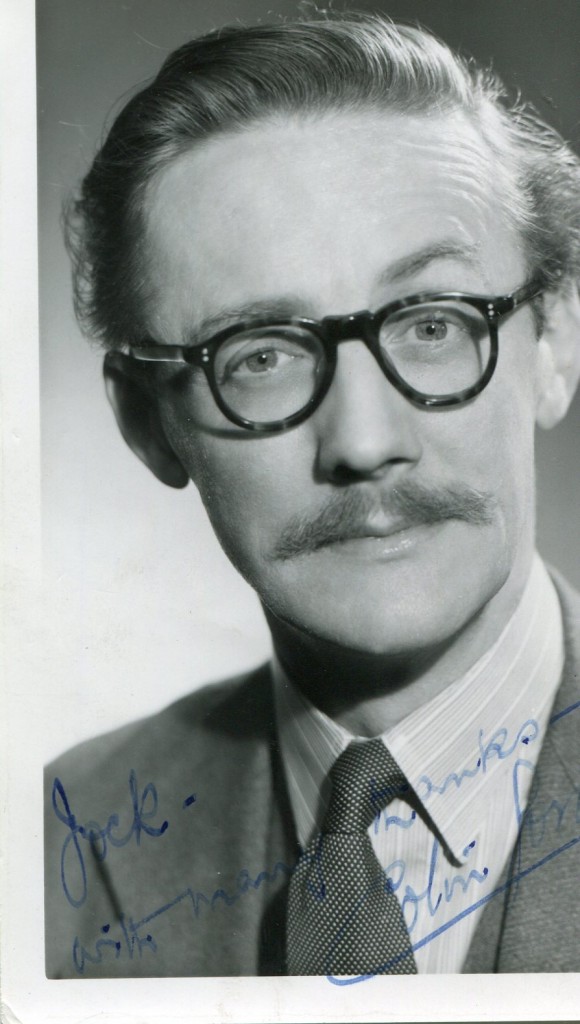
Colin Gordon was born in 1911 in Ceylon. He made his West End debut in 1934 in “Toad of Toad Hall”. His film debut came in 1949 with “Traveller’s Joy”. He made many British films usually as an official or civil servant of some sort. His major film roles were in “The One That Got Away” in 1957, “Make Mine Mink” in 1960 and “The Family Way” in 1966. Colin Gordon died in 1972 at the age of 61.
IMDB entry:
Sri Lankan-born Colin Gordon began acting on the West End stage as the hind legs of a horse in ‘Toad of Toad Hall’ in 1934. After wartime service, he returned to the stage, appearing in such plays as ‘The White Carnation’ and ‘The Little Hut’ (both 1953), ‘Misery Me!’ (1955) and ‘The Touch of Fear’ (1956). His award-winning stage role of teacher Rupert Billings in ‘The Happiest Days of Your Life’ was recreated for the film version by another bespectacled actor, Richard Wattis. From 1957, Colin worked as actor-director with the Guildford Repertory Theatre. Though he is usually described as a ‘light comedy actor’, Colin made his mark in the acting profession as much by playing countless supercilious or sneering bureaucrats, lawyers or haughty military types. His stock-in-trade became his ever-present horn-rimmed glasses, combined with a cynical or asinine manner and a precisely modulated voice. His best performances might include pompous BBC announcer Reginald Willoughby-Cruft in The Green Man (1956) and his bank manager, locked up in the Strongroom (1962) of his own bank during a robbery. He is likely best remembered for being a particularly sinister Number 2 to Patrick McGoohan in TV’s The Prisoner (1967) – twice.
– IMDb Mini Biography By: I.S.Mowis
The above IMDB entry can also be accessed online here.
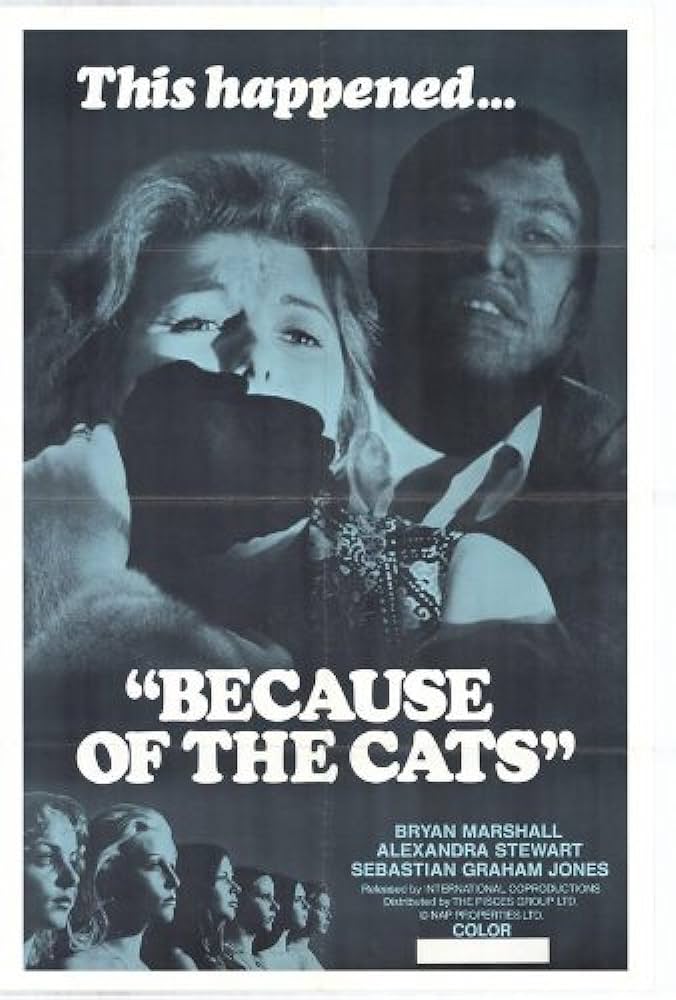
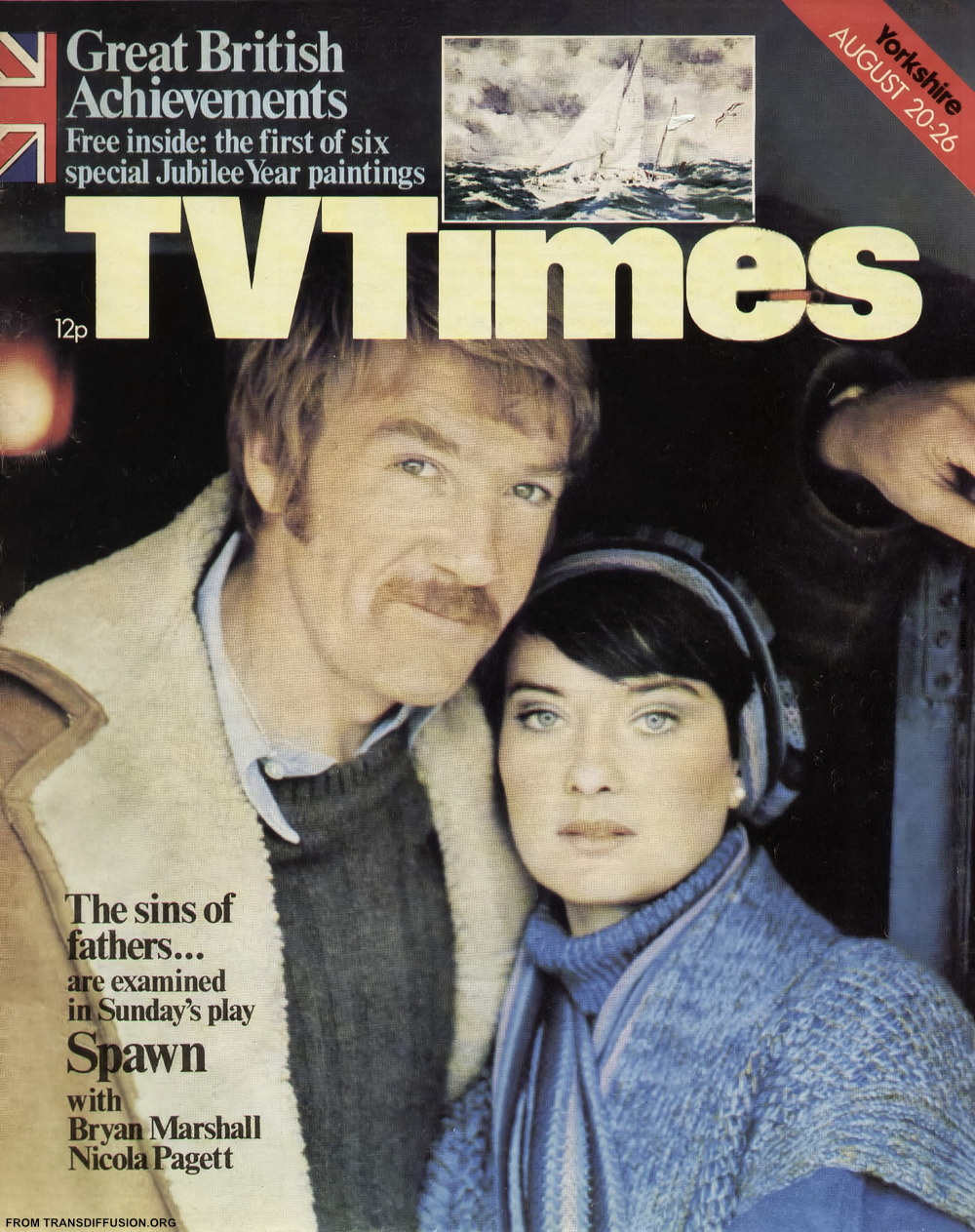
Bryan Marshall obituary in “The Guardian” in 2011.
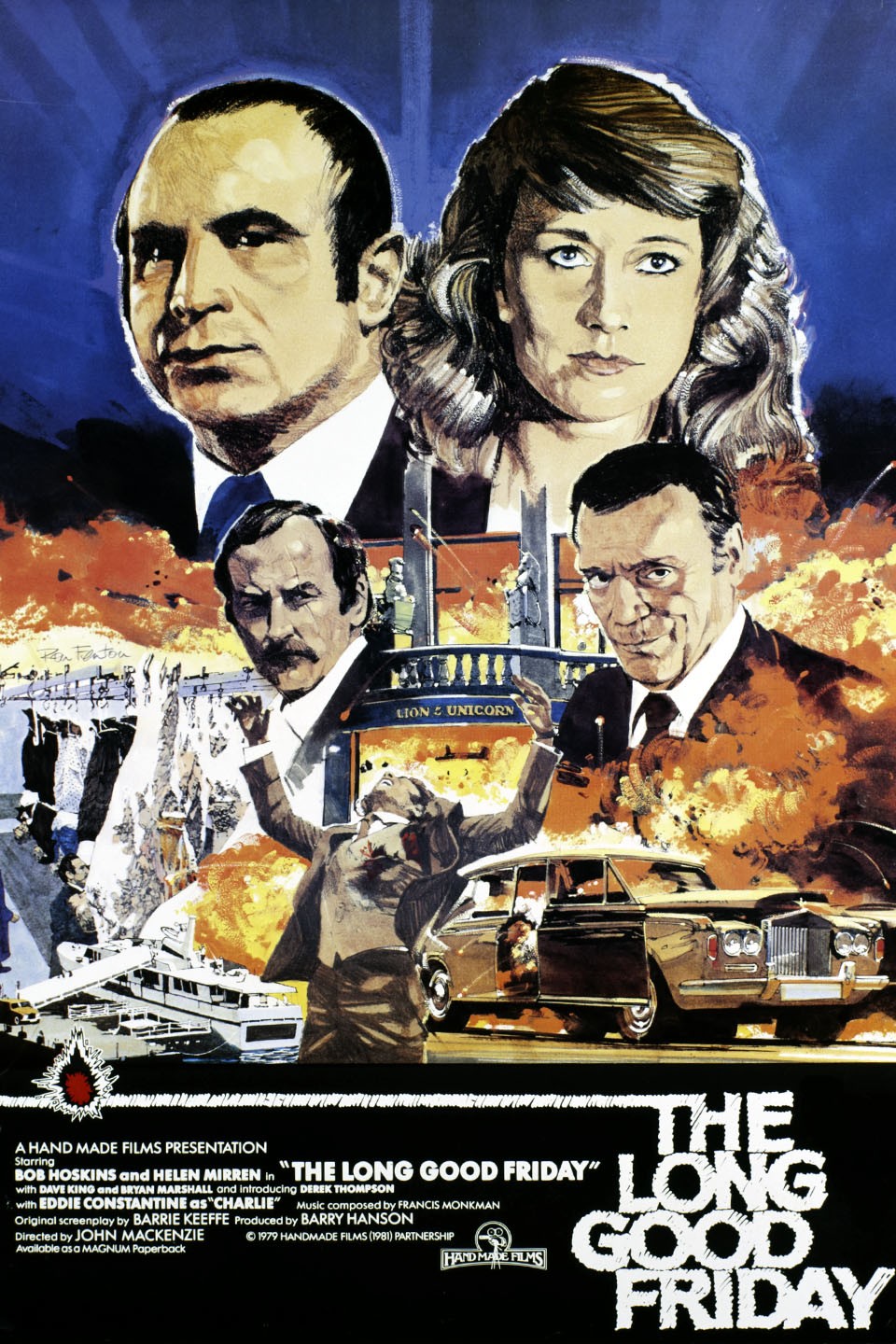
The actor Bryan Marshall, who has died aged 81, was a solid character actor who brought integrity and realism to the parts he played on screen in Britain throughout the 1960s and 70s. Many will remember him best for his pivotal role as the duplicitous Councillor Harris in the classic film The Long Good Friday (1979), which made a massive impact at the box office with its brutal tale of a London gangland boss, Harold Shand, played by Bob Hoskins, seeing his empire being threatened by rivals from the IRA.
The drama, written by Barrie Keeffe and directed by John Mackenzie, brilliantly captures the dreary London of the 70s as it approaches a new decade of aspiration and docklands regeneration. Shand sees the development opportunities and Harris is on his payroll. For much of the film, Marshall is a silent presence, but that changes when his character gets drunk at a dinner with potential American mafia investors.
Describing himself as a self-made man who rose from the gutter, he tries to sell the idea of developing “a magnificent, high in the sky hotel, something to be proud of”, but is too loud for their liking. When it emerges that he had a hand in the IRA’s attempt to take Shand’s empire, Harris ends up being shot and killed.
Earlier, Marshall had put himself on the radar of James Bond fans when he was seen in The Spy Who Loved Me (1977) as Commander Talbot, captain of a British nuclear submarine captured by a supertanker. It brought another grisly end for the actor when Talbot was killed by a grenade while storming the ship’s control room after Roger Moore’s 007 freed him and his crew.
Marshall’s talent was largely lost to British film and TV producers and directors after he moved to Australia in 1983, although he made a few returns to his homeland and was seen in Australian soaps broadcast in Britain.Advertisement
He was born in Battersea, south London, and on leaving the local Salesian college went through jobs in an insurance office and as a sales rep while acting with amateur companies. His ambition to act full-time was realised after he trained at Rada (1961-63). He found work in repertory theatres before coming to the attention of a nationwide audience during a six-month run as the fictional Brentwich United’s awkward club captain Jack Birkett in the BBC football soap United!, from its first episode in 1965 until 1966.
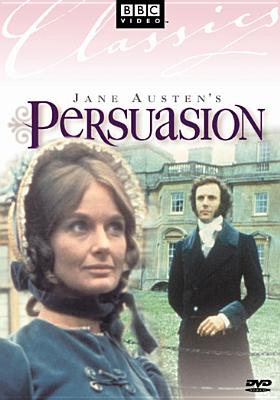
Marshall returned to soap in 1971 with a one-off role in Coronation Street as Trevor Parkin, who attended a horticultural lecture given by Albert Tatlock and upstaged the host by showing greater knowledge of the subject. In between, on television he played Captain Dobbin in Vanity Fair (1967), Detective Sergeant Peach in Spindoe (1968), Gilbert Markham in The Tenant of Wildfell Hall (1968), Dr John Graham Bretton in Villette (1970) and Captain Wentworth in Persuasion (1971).
He showed that he could carry a drama himself when he starred in two 1972 Play for Today productions – as the striking Cornish clay miner Manuel Stocker in Stocker’s Copper and Bill Huntley in Better Than the Movies – as well as Commander Alan Glenn in the third series (1976) of Warship, the property developer Ray Campion in the thriller serial The Mourning Brooch (1979) and the air freight business’s chief pilot Tony Blair (before the future prime minister found fame) in Buccaneer (1980). He was back in soap as Clive Lawson for the first two runs (1974-75) of the afternoon serial Rooms, in which he and Sylvia Kay played the owners renting out bedsits in their London house.
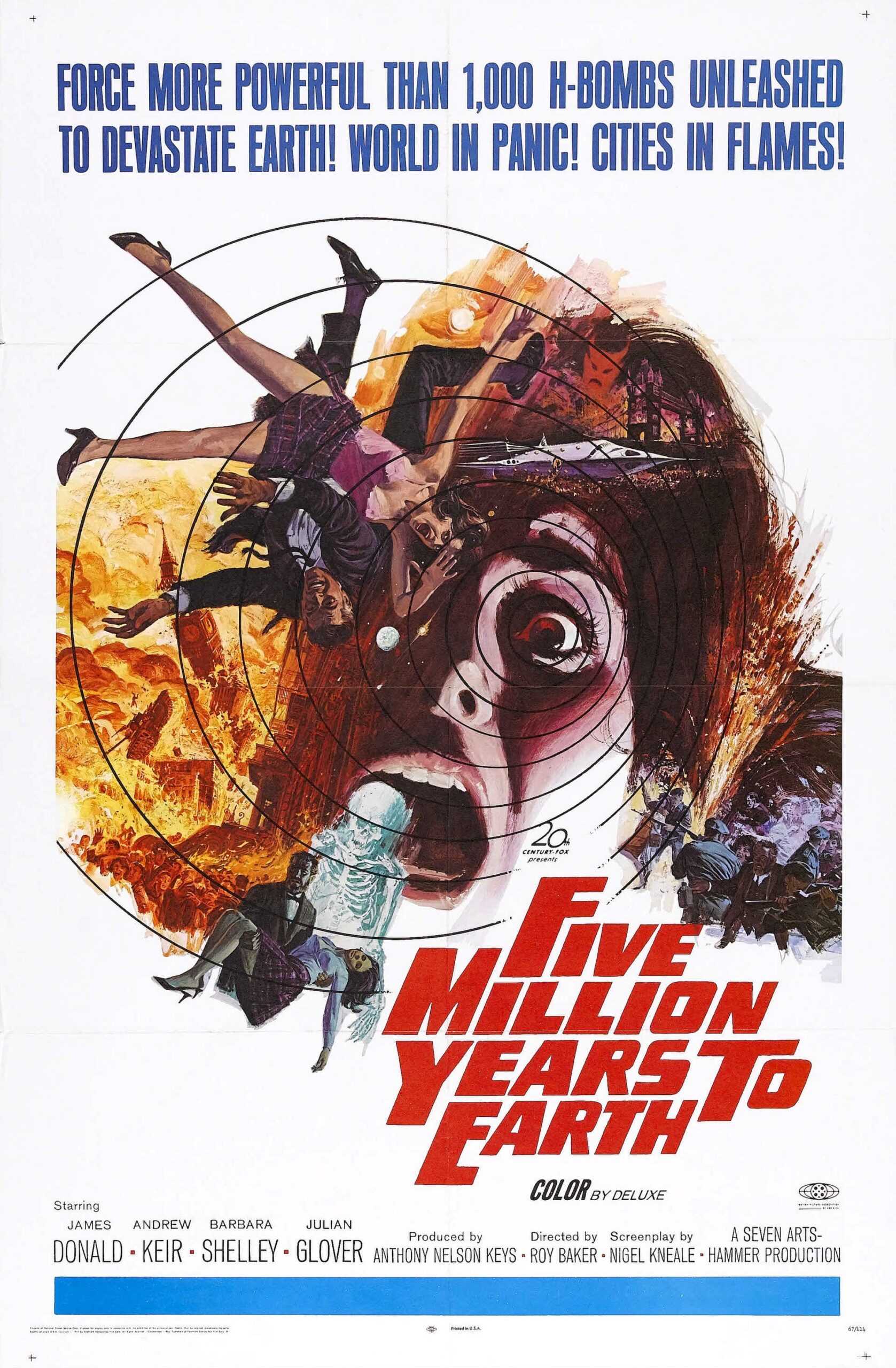
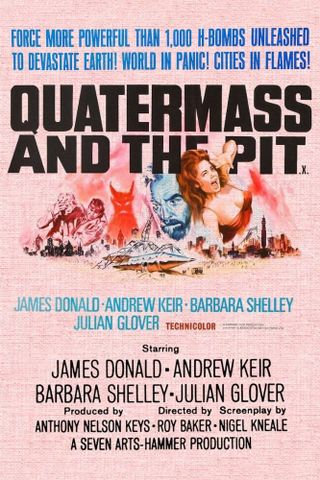
Another pivotal role for Marshall came in the film Quatermass and the Pit (1967), a big-screen remake of the writer Nigel Kneale’s third sci-fi serial for TV about a scientist confronting alien forces. He played Potter, a bomb squad captain identifying an unexploded device unearthed during an archaeological dig as a German V-missile. It was his fourth appearance in a Hammer Films production. Earlier he was the Russian villager Vasily in Rasputin: The Mad Monk (1966), played Tom in The Witches (1966) and was Dominic in The Viking Queen (1967).
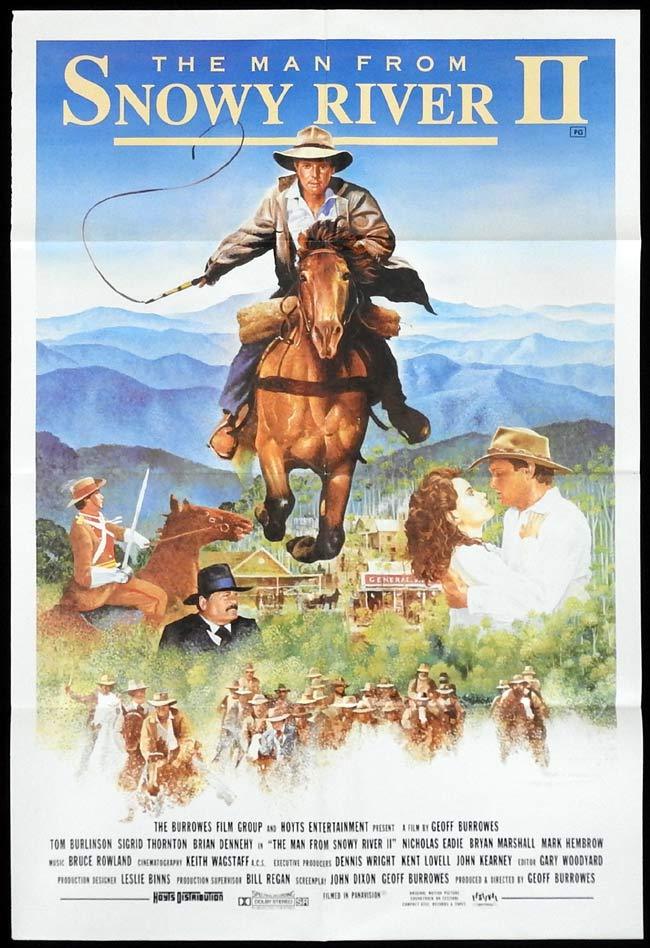
After moving to Australia in 1983, Marshall remained a prolific screen actor. Among many appearances in television dramas, he starred in Golden Pennies (1985) as a pioneering Englishman seeking his fortune in an 1850s gold-rush mining area, and played Duncan Stewart, Australian ambassador to a fictional south-east Asian country, in the first two series of Embassy (1990-91).
His soap roles included Piet Koonig in A Country Practice (1983), Dr Jonathan Edmonds in Prisoner (retitled Prisoner: Cell Block H in Britain, 1984), Gerard Singer in Neighbours (1987) and Ron Hawkins in The Flying Doctors (1988), and he took two parts in Home and Away – John Simpson (1998) and Trevor Bardwell (2003). In 1989 Marshall hosted the first series of Australia’s Most Wanted, featuring real-life unsolved crimes.
There were occasional returns to Britain for roles that included DSI Don Roberts in two 1997 episodes of Thief Takers and a vet with a drink problem in Heartbeat in 1998.
Marshall is survived by his wife, Vicki, and their three sons, Sean, Paul and Joshua.
• Bryan Marshall, actor, born 19 May 1938; died 25 June 2019Topics
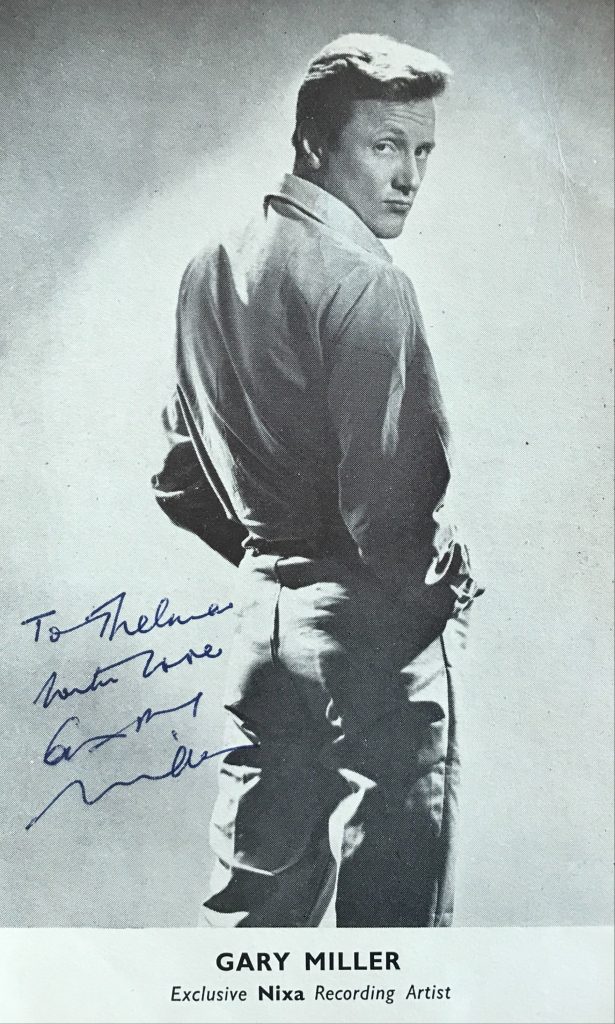
Gary Miller was born in 1924 in Blackpool. He was a popular recoriding artist in the U.K. in the 1950’s. His hit songs included “The Yellow Rose of Texas” and “Robin Hood”. He acted in two British television series, “Gideon’s Way” in 1965 and “The Saint” in 1968. He died the same year at the age of 44.
Gary Miller, born Neville Williams (3 May 1924 – 15 June 1968)[1] was an Englishpopular musicsinger and actor of the 1950s and 1960s.[2] His career spanned only 15 years before he died of a heart attack in 1968. He released 24 singles and six EPs on the Pyelabel between 1955 and 1967. Pye released a further compilation EP after his death.
Miller abandoned football for a stage and radio career and he began touring the UK variety stages in 1953.[3] He had several Top 40 singles early in his career, his debut single in 1955, “The Yellow Rose of Texas” reaching No. 13 on the UK Singles Chart.[1] The most successful was “Robin Hood” (the theme to The Adventures of Robin Hood) which spent 28 weeks in the chart,[4] and peaked at No. 10, his only Top 10 hit.
Miller had a number of acting roles in the television seriesThe Saint and Gideon’s Way, and was a regular panelist on Juke Box Jury. He provided the singing voice for Troy Tempest in the Gerry Anderson series Stingray and recorded ‘Aqua Marina’, the end titles theme for the series. He also recorded vocals for two different versions of an ultimately-unused end titles theme for Thunderbirds. The song was later re-worked as ‘Flying High’ for the episode Ricochet; one of the original two versions appears on the Thunderbirds 2compilation album.
Miller appeared on stage as Steven Kodaly in the 1964 production of She Loves Me,[2] at the Lyric Theatre and on the cast album of that production.[5] He also began appearing in the musical Come Spy with Me with Danny La Rue and Barbara Windsor, shortly before his death from a heart attack at his south London home.[2]
He died shortly before production finished on an episode of The Saint, ‘The People Importers’, in which he was also playing a key part. The series’ associate producer, Johnny Goodman, later remarked that Miller was “working night and day” as a consequence of his twin commitments, and that production on the Saint episode had to be completed with a double in place of the actor