
Brittish Actors

Collection of Classic Brittish Actors

Beryl Reid
Beryl Reid & Peter McEnery
Beryl Reid
Beryl Reid


Beryl Reid was born in 1919 in Hereford, the daughter of Scottish parents.   Her first major successful was as the schoolgirl Monica in the BBC radio series “Educating Archie”.   One of her first films was “The Belles of St. Trinian’s” in 1954.   She went on to make “The Extra Day” and “Two Way Stretch”.   She scored a personal triumph on stage with Eileen Atkins in London in 1966 with “The Killing of Sister George”.   They both  went onto Broadway with the play and then Beryl Reid made the film version with Susannah York replacing Eileen Atkins.   Beryl Reid was hilarious on television in “The Irish R.M” in the 1980’s.   She died in 1996 at the age of 77.


“Independent@ obituary:

As the tough lesbian radio actress June Buckridge in The Killing of Sister George, on stage and film, Beryl Reid became a household name and proved that she could play straight roles with the same dramatic power with which she captivated audiences in comedy. The original stage tour of Britain emptied theatres in droves, as a shocked nation walked out on the controversial drama, but the reaction from audiences in London’s West End was different and the play became a legend, with Reid repeating the role on Broadway and on screen.

It seemed a long way from the cheerful actress whose background was in variety and who was best known for her characterisation of the schoolgirl Monica in the legendary radio series Educating Archie. Comedy always seemed Reid’s natural forte, but she would occasionally switch to drama to remind everyone that her repertoire was wide. As Connie in the television thrillers Tinker, Tailor, Soldier, Spy and Smiley’s People, she again gave a performance of great intensity. As a result, she was an actress who largely avoided typecasting, although even in comedy she would often be seen as the embittered, waspish or poker-faced woman as she grew older.

Born in Hereford of Scottish parents, Reid worked as a junior at the Kendal Milnes department store in Manchester on leaving school, encouraged to do so by her estate agent father, who saw it

Reid made her London theatre debut in the revue After the Show, at the St Martin’s Theatre, in 1951, and three years later made her name at the New Watergate Theatre in First Edition, Second Edition and Autumn Revue. Such revues were the bread and butter of London theatre in the days of variety and Reid rose to the top of the bill as a singer, dancer and comedienne. In 1956, she performed her own act and appeared in sketches in Rockin’ the Town, a revue at the Palladium.

By this time, the actress had also made her name on radio, initially in her own show, A Quarter of an Hour with Beryl Reid, which ran for 24 weeks. It was during a spot on Henry Hall’s Guest Night that she brought to a wider audience the ghastly schoolgirl character that she had created on stage. This led to her own Starlight Hour radio series, in 1952, during which the character was christened Monica.

She followed this in the same year with the legendary radio show Educating Archie (1952-56), which featured Peter Brough and his ventriloquist’s dummy, Archie Andrews, as a naughty schoolboy. The show made Reid a national celebrity, famous for her Monica monologues and adding to it another of her characters from summer shows, a char known as Marlene of the Midlands. She claimed that both were based on acquaintances, a girl at school who once said, “I can’t make up my mind whether to wear a coat or carry a mac,” and a stepdaughter who exclaimed, “She’s my best friend and I hate her.” Reid took the characters of Marlene and Monica, along with society do-gooder Mrs Shin-Bone, to another BBC radio series, Good Evening, Each (1958).

As one of radio’s top comediennes, Reid soon found herself in demand for television work. After a straight role in the BBC production of Mr Bowling Buys a Newspaper (1956) she landed her own series, playing Arethusa Wilderspin in The Most Likely Girl (1957), but was as busy as ever on stage. She appeared in the revues One to Another (1959) at the Lyric Theatre, Hammersmith, before transferring to the Apollo, On the Avenue (1961) at the Globe, and All Square (1963) at the Vaudeville.

She also had a successful broadcasting partnership with comedian Jimmy Edwards, although the pair showed their serious sides by starring on radio in Twelfth Night (1962), in which she played Maria, and The Merry Wives of Windsor (1962). Reid teamed up with Edwards as Bessie and Ernie Briggs for the television play Man O’Brass (1963) and subsequent series Bold as Brass (1964), and starred with Barbara Windsor in another series, The Hen House (1964).

In 1965, she was offered the straight role that was to change the direction of her career and give Reid the acclaim she sought as a dramatic actress. Frank Marcus’s play The Killing of Sister George saw her cast as June Buckridge – Sister George of the title – whose imminent sacking from the cast of a radio serial is accompanied by the disintegration of the star’s relationship with her girlfriend, played by Eileen Atkins. It was a controversial drama, whose theme of lesbianism saw many audiences leave their seats during the pre-London tour, which began at the Bristol Old Vic in April 1965. Despite this reaction in the provinces, The Killing of Sister George opened two months later in the West End, at the Duke of York’s, to full houses and critical plaudits. It also won Reid the Antoinette Perry Award as Best Actress. After almost 18 months in the West End, the production arrived on Broadway, in October 1966, with Reid repeating her role and winning a Tony Best Actress award. Of her character, she said: “If I’d played her for sympathy, I’d never have got any. So I made her as tough as old boots.”

Her talents as a straight actress were brought to an even wider audience when she starred in the film version, made by director Robert Aldrich in 1968, although many local authorities in Britain banned cinemas from screening it.

Since her 1940 screen debut in the George Formby comedy Spare a Copper, Reid’s film appearances had been sporadic. She followed it with the role of Miss Dawn in The Belles of St Trinian’s (1954) and parts in pictures such as Two-Way Stretch (1960) and The Dock Brief (1962). After her stage success in The Killing of Sister George, she was in demand for films such as Inspector Clouseau (1968), The Assassination Bureau (1968) and Star! (1968) and followed the film version of the play with big-screen appearances in Entertaining Mr Sloane (1970), Father Dear Father (1972), No Sex Please – We’re British (1973), Joseph Andrews (1976) and Yellowbeard (1983), often in “guest-star” roles.

Her television career followed the same pattern. She had her own variety shows on the BBC, such as Beryl Reid Says Good Evening (1968), The Beryl Reid Special (1977) and Beryl Reid (1980), starred as Mrs Marigold Alcock with Richard O’Sullivan in the situation comedy Alcock and Gander (1972) and made guest appearances in dozens of series, including The Goodies, Doctor Who, Minder, The Beiderbecke Tapes, Bergerac, Boon and Perfect Scoundrels. This ability to mix comedy with drama also resulted in her playing Mrs Malaprop in The Rivals (1970), Mrs Squeers in Smike (1974), the Postmistress General in The Apple Cart (1975), Mrs Knox in The Irish RM (1983), Grandma in The Secret Diary of Adrian Mole Aged 13 3/4 (1985) and The Growing Pains of Adrian Mole (1987), Mum in The Comic Strip Presents . . . Didn’t You Kill My Brother? (1987) and Robbie Coltrane’s mother in Cracker (1993).

But Reid was most successful on television as the decrepit Connie Sachs in John Le Carre’s Tinker, Tailor, Soldier, Spy (1979) and its sequel, Smiley’s People (1982), the second series winning her a BAFTA Best Actress award, after being nominated in the same category for her performance in the first series.

.

Wikipedia entry here.

Although she spent much of her time on television, Reid continued to work in the theatre, playing Madame Arcati in Blithe Spirit (1970) at the Globe, Frau Bergmann in the National Theatre production of Spring Awakening (1974), Kath in Entertaining Mr Sloane (1975) at both the Royal Court and Duke of York’s, Lady Wishfort in The Way of the World (1978) for the RSC at the Aldwych, and Maud in Born In the Gardens (1980) at the Globe, which won her the Society of West End Theatres Award for Best Comedy Performance. In 1986 she was appointed OBE in the New Year Honours List and was presented with a Variety Club of Great Britain award for her contribution to showbusiness. In 1991, she also won a Lifetime Achievement award for Comedy presented at the British Comedy Awards.

All her life, Beryl Reid suffered from dyslexia – word-blindness – and, in later years, the bone-crumbling disease osteoporosis, which resulted in her doing less work. Her autobiography, So Much Love, was published in 1984, and she was also the author of Cat’s Whiskers (1986), Beryl, Food and Friends (1987) and The Kingfisher Jump (1991).

Beryl Elizabeth Reid, actress: born Hereford 17 June 1919; OBE 1986; married 1950 Bill Worsley (marriage dissolved), 1954 Derek Franklin (marriage dissolved); died 13 October 1996

Beryl Reid (1919–1996) was a formidable force in British entertainment—a performer who successfully traversed the treacherous gap between low-brow music hall comedy and high-stakes dramatic acting. While she began her career as a “radio funnywoman” with a gallery of squeaky-voiced characters, a critical analysis of her work reveals an actress of devastating psychological precision, particularly in her portrayals of lonely, marginalized, or delusional women.

She is perhaps the only actress to have won both a Tony Award for a lesbian drama (The Killing of Sister George) and become a beloved household name for playing a dotty old lady in a sitcom (Smileys People).


I. Career Overview: From “Marlene” to “Sister George”

Act 1: The Variety Circuit (1930s–1950s)

Reid began in music hall and radio, most famously on Educating Archie. She developed iconic comic personas like Marlene from the Midlands and the schoolgirl Monica. Her early career was defined by high-energy, vocal gymnastics and a “pantomime” sensibility that endeared her to the British working class.

Act 2: The Dramatic Rebirth (1964–1968)

The turning point came when Frank Marcus cast her in the stage play The Killing of Sister George. Playing June Buckridge—a gin-soaked, bullying actress whose radio character is being killed off—Reid shocked audiences with her raw power. She took the play to Broadway, won a Tony Award, and starred in the 1968 film adaptation directed by Robert Aldrich.

Act 3: The National Treasure (1970s–1990s)

In her later years, Reid became a master of the “eccentric” character role. She was a staple of British cinema (Entertaining Mr. Sloane) and achieved late-career brilliance in the John le Carré adaptations Tinker Tailor Soldier Spy (1979) and Smiley’s People (1982) as the alcoholic, brilliant researcher Connie Sachs.


II. Critical Analysis: The Architecture of the “Grotesque”

1. The “Sister George” Breakthrough: Subverting the Comedienne

Reid’s performance in The Killing of Sister George is one of the most significant in 20th-century queer cinema.

  • The Technique: Reid used her background in comedy to make the character’s cruelty feel “theatrical.” She portrayed June as a woman who was always performing, even in her private life.

  • Analysis: Critics note that Reid found the “tragic absurdity” in the character. She didn’t play June as a monster, but as a woman terrified of obsolescence. Her ability to pivot from a booming, aggressive bark to a whimpering vulnerability is what gave the performance its “gut-punch” effect.

2. The “Connie Sachs” Mastery: The Scholar of Memory

In her work with Alec Guinness in the Smiley series, Reid delivered a masterclass in economical acting.

  • The Performance: Playing a washed-up intelligence researcher, Reid used her physical frailty—the trembling hands, the watery eyes—to suggest a mind that was still sharp as a razor.

  • Critical Impact: Critics hailed her as the “emotional heart” of the cold, labyrinthine spy world. She represented the human cost of the Cold War. Her scenes with Guinness are analyzed as a “battle of the greats,” where her sprawling, messy humanity clashed perfectly with his rigid, silent stoicism.

3. The “Naughty” Matriarch: Entertaining Mr. Sloane

In the film adaptation of Joe Orton’s play, Reid played Kath, a middle-aged woman who seduces a young lodger.

  • The Aesthetic: Reid leaned into a “faded glamour.” She used an overly-sweet, girlish voice that sat uncomfortably atop her aging features, creating a sense of the “suburban grotesque.”

  • Analysis: Modern critics view this as a radical performance. Reid was unafraid to be unappealing, sweaty, or desperate. She understood that Orton’s work required a “heightened reality,” and she provided it with a mix of maternal warmth and predatory hunger.


III. Major Credits and Comparative Roles

Work Medium Role Significance
The Killing of Sister George Stage/Film June Buckridge Tony Award Winner; a landmark in lesbian representation.
Entertaining Mr. Sloane(1970) Film Kath Defined her as the “Queen of Black Comedy.”
Tinker Tailor Soldier Spy(1979) TV Connie Sachs BAFTA Winner; proved her status as a top-tier dramatic actor.
The Psychopath (1966) Film Mrs. Von Sturm Showcased her ability to play “Hammer-style” gothic horror.
Joseph Andrews (1977) Film Mrs. Slipslop A return to her “bawdy” comedy roots in a period setting.

Final Reflection

Beryl Reid was an actress who thrived in the shadows between genres. She understood that the funniest people are often the saddest, and she brought that duality to every role. She refused to be “respectable,” opting instead to be real, messy, and loud. Her legacy is one of “fearless vulnerability”—a woman who transitioned from a radio rubber-face to a dramatic powerhouse without ever losing the common touch that made her a much loved actress.

When Beryl Reid brought The Killing of Sister George to the Belasco Theatre on October 5, 1966, she arrived not as a West End darling, but as a total enigma to New York critics. They were met with a performance so abrasive and technically precise that it effectively dismantled the “cozy” image of British theater.

The reviews from the time, including those from the New York Times and the New York Herald Tribune, focused on three specific areas of her performance:

1. The Shock of the “Music Hall” Energy

New York critics were struck by how Reid used her background in broad comedy to sharpen the play’s cruelty.

  • The “Stand-up” Timing: Critics noted that Reid delivered her most devastating insults with the impeccable timing of a Vaudeville pro. Walter Kerr observed that she possessed a “wicked, sliding efficiency,” making the audience laugh at things that were, in reality, quite horrifying.

  • The Vocal Range: Her ability to switch from the “Sister George” radio voice (sweet, rural, and breathy) to the “June Buckridge” voice (a gravelly, gin-soaked bark) was described as a feat of “vocal gymnastics.”

2. A “Powerhouse of Bitchiness”

At a time when Broadway was used to more “genteel” portrayals of complex women, Reid’s unrepentant, cigar-chomping butch persona was a revelation.

  • Refusing Sympathy: The New York Times praised Reid for refusing to make June “likable” in a conventional sense. Instead, she made her formidable. Critics were fascinated by her “bullying vitality,” noting that she dominated the stage like a “sadistic Hardy” (of Laurel and Hardy) in a pleated tweed skirt.

  • The Rituals of Humiliation: The infamous scene where she forces her lover, “Childie” (Eileen Atkins), to eat a cigar butt was described as “shattering.” Critics recognized that Reid wasn’t just playing a “mean person”—she was playing a woman desperately trying to exert control over a world that was literally “killing” her off.

3. The Pathos of the “Moo”

The final moment of the play, where June realizes she has lost everything and is reduced to making cow sounds for a children’s show, is considered one of the great endings in Broadway history.

  • The Critical Consensus: Reviewers described this final “Moo” as “heartbreakingly grotesque.” They noted that Reid managed to imbue a ridiculous animal sound with the weight of a Greek tragedy. It was this specific ability to find the pathos within the absurd that secured her the 1967 Tony Award for Best Actress.


Broadway Reception Summary (1966)

Critic / Publication Key Insight
The New York Times Hailed it as an “arresting, haunting” performance that introduced a new kind of “monstrous” humanity to the stage.
Walter Kerr Noted her “precision of attack” and how she turned “domestic tyranny into a high, dark art.”
The New York Post Focused on her “fearless” refusal to play for the audience’s affection, calling her a “powerhouse.”

Final Critical Reflection

The Broadway critics essentially validated what British audiences already suspected: Beryl Reid was a world-class dramatic technician. By the time she left New York, she had proven that a “character actress” could carry a major production on the strength of sheer, uncompromising personality. She didn’t just play a role; she occupied a space in the audience’s psyche that they didn’t know existed.

John Woodvine

John Woodvine

John Woodvine is a terrific character actor who was born in South Shields in 1929.   He worked with the Old Vic company in the 195o’s and has had a long association with the Royal Shakespeare Company.   He has starred on British television in “Z Cars” and “Softly, Softly”.   Amonh his films are “Young Winston” and “An American Werewolf in London”.   Currently to be seen as loopy Charlotte’s Dad in “Coronation Street”.

Article from “Huffington Post” in 2012:

Veteran stage and screen actor John Woodvine was in a stable condition in hospital today after collapsing while performing in a musical last night.

During his long career Woodvine, 82, has performed alongside Sir Ian McKellen and Dame Judi Dench as Banquo in Macbeth, and is well known for his role as Detective Inspector Witty in the 1960s TV police drama Z Cars.

More recently he played Frank Gallagher’s father Neville in the Channel 4 comedy drama Shameless, and his film credits include An American Werewolf In London.

But during his latest performance as the Star Keeper in the musical Carousel, Durham-born Woodvine collapsed in the wings at the Grand Theatre in Leeds.

The actor, who had a long career with the Royal Shakespeare Company, is in a stable condition in hospital, according to show producers Opera North.

John Wilford, 71, was among the audience and told how they were informed the show would not go on after Woodvine was taken ill.

The retired journalist from Leeds said: “Suddenly the action on stage appeared to slow down and stumble. Then suddenly the safety curtain came down.

“A man reached into the orchestra pit and told the conductor to stop playing.

“He jumped on stage and said: ‘Is there a doctor in the house?’

“There was a surprised silence. When we were told the show was stopped, the audience took a moment to digest it and then stood up and applauded.”

A member of staff said Woodvine collapsed about ten minutes after his first entrance, soon after the performance of the classic show tune “You’ll Never Walk Alone”.

She said: “He sounded fine. Then there was a silence and stage management asked if there was a doctor in the house. They had brought the safety curtain in and another announcement was made for the audience saying there had been a medical emergency and the performance would be temporarily stopped.

“People were running around backstage looking pretty panicked, nobody knew what was going on. People said the paramedics had turned up and he was getting his heart pumped at the side of the stage.”

A spokeswoman for Opera North said: “A member of the cast was taken ill during yesterday’s performance and the performance was stopped.

“They are stable and there is nothing more to update at this moment. Members of the audience are being contacted this weekend and offered tickets to an alternative performance of Carousel ahead of the final show in Leeds on May 19.”

The producers said the remaining performances of the show would go ahead.

A spokeswoman for Yorkshire Ambulance Service said they received a call at 9.58pm last night to reports of a man collapsing at the Grand Theatre.

A rapid response vehicle and an ambulance were sent and the patient was taken to Leeds General Infirmary, she said.

Woodvine’s role as Star Keeper will be performed by understudy Peter Bodenham tonight and for “foreseeable” performances, Opera North said.

This article can also be accessed on the Huffington Post website here.

The guardian obituary in 2025.

John Woodvine, who has died aged 96, was a proud Tynesider and stalwart of the Royal Shakespeare Company, a resilient and formidable actor on stage and television for more than 70 years.

Built like a barn door, but somehow lean and sculptured with it – like a presidential carving on Mount Rushmore – he exuded a quiet authority in every role he played, not least because of his rich and powerful baritone voice, immense reserves of pent-up emotion and a rare quality of absolute stillness.


There was no faffing around, though he surprised the critic Irving Wardle in a 1992 production of Macbeth when he doubled one cameo of the dignified king Duncan with a drunken Porter at hell’s gate who staged a ventriloquial routine with a kitchen mop. This was, said Wardle, the funniest Porter he had ever seen.

Woodvine played a string of senior police officers on television from 1963 onwards – in Z Cars, Softly Softly, New Scotland Yard and Juliet Bravo – having started, prophetically, in Murder Bag (1958), the first of three popular TV series (culminating in No Hiding Place) starring Raymond Francis as detective superintendent Tom Lockhart.

He appeared in John Schlesinger’s film Darling (1965), followed by Ken Russell’s The Devils (1971), Richard Attenborough’s Young Winston (1972), starring Simon Ward and, most notoriously, John Landis’s cult horror classic An American Werewolf in London (1981), in which he played the investigating doctor

At the RSC he was in three famous productions: in 1976 as Banquo in the whispered, chamber Macbeth directed by Trevor Nunn with Ian McKellen and Judi Dench; as an unusually funny, verbosely tangled, turbaned and deferentially undercooked Sikh Dogberry in John Barton’s unsurpassed Indian colonial Much Ado About Nothing, with Dench and Donald Sinden, also in 1976; and, in 1980, as the rich but miserly ne’er-do-good Ralph Nickleby in Nunn’s and John Caird’s all-conquering Dickens adaptation (by David Edgar) of The Life and Adventures of Nicholas Nickleby.
The longevity and variety of his career was staggering, even more so when you consider its unlikely origins. He was born in the Tyne Dock area of South Shields, third son to John Woodvine, a ship’s stoker on cruise liners, and his wife Ruth (nee Kelly).

When John Sr found a new job at the coal-fired Barking power station in east London, the family travelled by one of the coal-bearing cargo boats to Barking riverside, settling in nearby Becontree. John Jr was five at the time. When war broke out a few years later, he was evacuated to Thame, in Oxfordshire, where he was educated at Lord Williams’s grammar school.

In 1946, back in Becontree, he took a laboratory job as a cement tester at King’s Cross railway station before doing his national service in the RAF, training as a wireless operator. All the while, he was nursing an ambition to act, joining the Renegades amateur company in Ilford, where he appeared as Claudius in a 1948 production of Hamlet praised by Alan Dent in the News Chronicle for its zest and audibility.

He was by now working for a wool merchant but received a grant from the Essex county council to train at Rada. He graduated in 1953 and immediately joined the Old Vic where, between 1954 and 1959, he progressed from walk-on parts to such key roles as Tybalt in Romeo and Juliet, Roderigo in Othello and Mowbray in Richard II.

This was followed by several seasons in the early 1960s at Bernard Miles’s Mermaid theatre, where he gathered a head of steam as Long John Silver (often played by Miles himself), Pentheus in The Bacchae, the title role in Macbeth and Theseus in Oedipus at Colonus.

Throughout his early life Woodvine often returned to see friends and family in South Shields and he re-connected with them onstage – and indulged his superb singing voice – in Alan Plater’s Close the Coalhouse Door (1968), a celebration of, and lament for, the mining community in the north-east, with songs by Alex Glasgow, at the Newcastle Playhouse and the Fortune in London.

Glasgow then wrote a solo musical show, Joe Lives! (1971), for Woodvine about the Tyneside bard Joe Wilson.

Woodvine had matured like a venerable oak with all this experience, and took off, professionally speaking, by playing Sir Francis Drake in the Glenda Jackson TV series Elizabeth R (1971) and, more significantly, joining McKellen and Edward Petherbridge’s touring Actors’ Company, where he played important roles in Congreve, Chekhov and King Lear.

This led to the RSC affiliation and, later, the English Shakespeare Company, founded in 1986 by director Michael Bogdanov and actor Michael Pennington. The ESC toured both here and abroad, setting out their stall with a refreshingly boisterous account of the great Henry IV (both parts) and Henry V trilogy in 1987.

In this, Woodvine played one of the finest ever Falstaffs as an imperious squire, beautifully articulated with a refined nasal drawl and the nippy lightness often exhibited by extremely fat fellows. Pennington’s Hal made it clear from the outset that this Falstaff had no part in his future kingship, which made Woodvine’s misreading of his relationship all the more poignant at his rejection.

He scored a success when doubling, in 1991, Shylock in The Merchant of Venice with the title role in Ben Jonson’s Volpone for the ESC, both great plays with money-hoarding misers attracting the intervention of justice in their mercantile dealings.

Less regularly seen at the National Theatre than with the RSC, Woodvine nonetheless appeared in some notable productions on the South Bank: as the chief of the Jewish police during the last days of the Vilna ghetto in Joshua Sobol’s brilliant Ghetto, directed by Nicholas Hytner in 1989; as Fiona Shaw’s uncomprehending husband in Sophie Treadwell’s electrifying Machinal, directed by Stephen Daldry in 1993; and as Aslaksen, the insidiously moderate printer in Ibsen’s An Enemy of the People, directed by Nunn and starring McKellen, in 1997


 John Woodvine (1929–2025) was actually one of the most distinguished British actors of his generation. A stalwart of the Royal Shakespeare Company (RSC) and a familiar face in “prestige” television, Woodvine was the quintessential “actor’s actor”—defined by a deep, authoritative voice and a versatility that allowed him to move seamlessly between Shakespearean tragedies and gritty police procedurals.


1. Career Overview: The Pillar of the Establishment

Woodvine’s career spanned over 70 years, beginning in the early 1950s at the Old Vic and culminating in roles as late as the early 2020s.

  • The Classical Foundation: He was a foundational member of the modern British theater scene, appearing in over 40 productions with the RSC. He was part of the legendary “chamber” Macbeth (1976) directed by Trevor Nunn, playing Banquo alongside Ian McKellen and Judi Dench.


  • The Television Veteran: For decades, Woodvine was the “go-to” for roles requiring moral gravity or stern authority. He starred as Detective Inspector Witty in Z-Cars and recreated the role of Inspector Kingdom in New Scotland Yard. In his later years, he reached a new generation of viewers as the Archbishop of York in The Crown and as Martin Ellingham’s father in Doc Martin.


  • Film Highlights: While primarily a stage and TV actor, his film roles were impactful. He is best remembered globally as Dr. Hirsch in the cult classic An American Werewolf in London (1981).


2. Critical Analysis: The Woodvine Method

To analyze Woodvine’s work is to look at the power of stature, clarity, and restraint.

The “Oaken” Presence

Critics often described Woodvine as having an “oaken” quality. He possessed a physical and vocal weight that made him the natural choice for kings, judges, and high-ranking officials. However, his brilliance lay in how he subverted that authority. In the RSC’s The Life and Adventures of Nicholas Nickleby, his portrayal of the villainous Ralph Nickleby was praised for its “frozen cruelty”—a performance that wasn’t mustache-twirling, but chillingly logical and business-like.


Subverting the “Serious” Man

Despite his stern exterior, Woodvine had a wicked sense of comic timing that critics frequently noted as “surprising.”

  • The Porter/Duncan Double: In a 1992 production of Macbeth, he doubled as the dignified King Duncan and the drunken Porter. His Porter was hailed as one of the funniest ever seen, utilizing a ventriloquist routine with a kitchen mop—a bold choice that showcased a hidden, vaudevillian streak.


  • Dogberry: His performance as Dogberry in Much Ado About Nothing (1976) re-imagined the character as a Sikh officer in colonial India, a transformation that was critically acclaimed for its linguistic playfulness and unexpected warmth.


The Voice of Reason (and Unreason)

Woodvine’s voice was his greatest instrument—resonant, perfectly modulated, and capable of immense gravitas. This made him the ideal “investigator” archetype (seen in An American Werewolf in London). He provided the rational anchor in irrational worlds, making the horror or drama surrounding him feel more “real” by his very presence.


3. Essential Performances: A Detailed Look

Work Role Critical Significance
Macbeth (1976 – RSC) Banquo A masterclass in stillness; his ghost was famously terrifying because of his sheer physical solidity.
Nicholas Nickleby (1980) Ralph Nickleby Won high praise on Broadway and the West End for portraying the tragedy of a man consumed by avarice.
The Henrys (1987) Falstaff Won the Olivier Award for Best Actor. He brought a rare, melancholy dignity to the usually buffoonish character.
An American Werewolf in London (1981) Dr. Hirsch Provided the scientific skepticism that grounded the film’s supernatural elements.
The Crown (2016) Archbishop of York Showcased his late-career ability to convey immense institutional power with minimal dialogue.

4. Legacy: The Quiet Giant

John Woodvine represented a specific breed of British performer: the “RADA-trained” professional who viewed acting as a craft rather than a path to celebrity. He was a link to the “Golden Age” of the Old Vic but remained modern enough to thrive in the era of streaming giants like Netflix. Critically, he is remembered for his unfussy excellence—he never “faffed” with a role, preferring to find the character’s truth through the text and his own formidable presence.

Pat Kirkwood
Pat Kirkwood
Pat Kirkwood

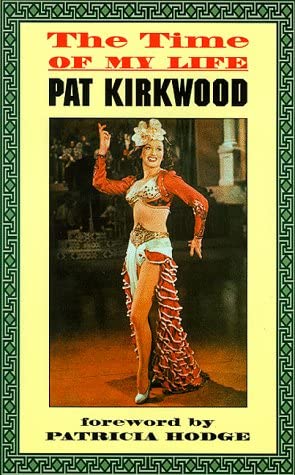
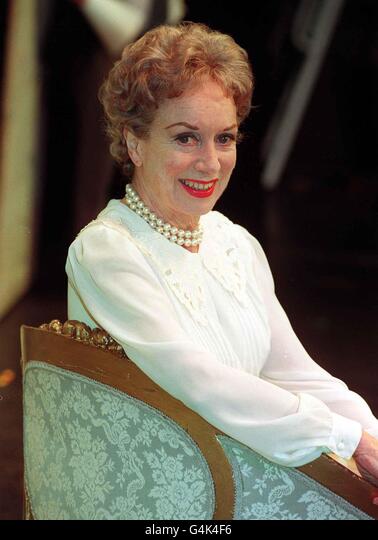
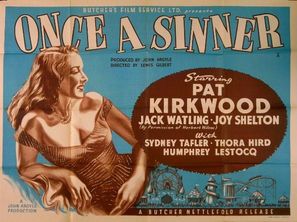
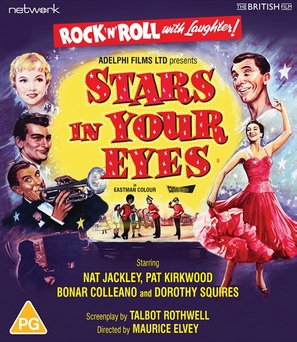
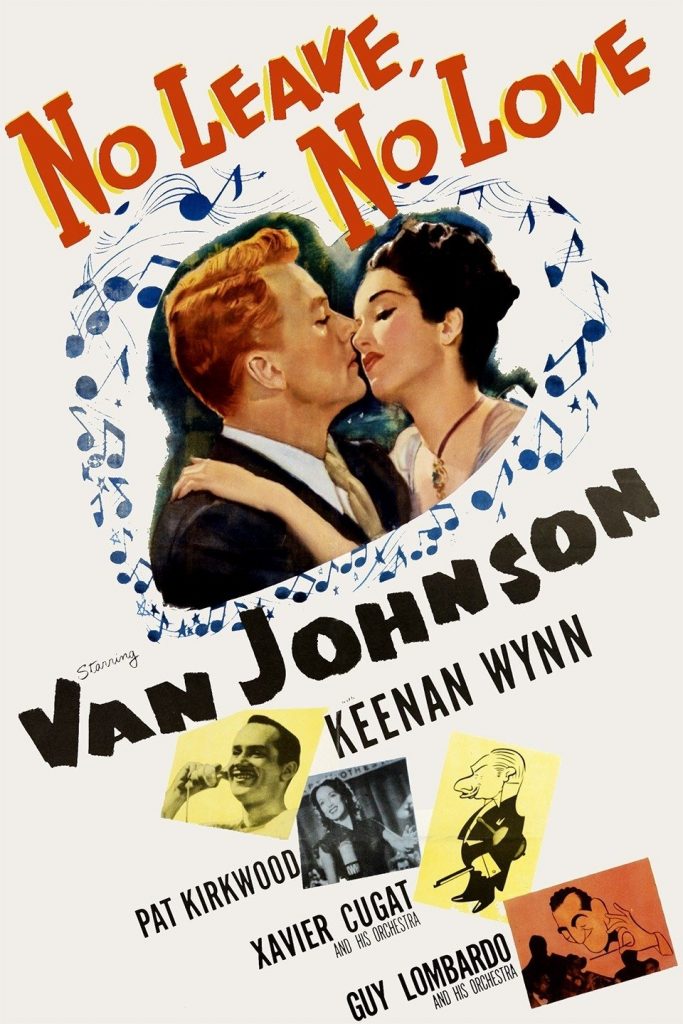
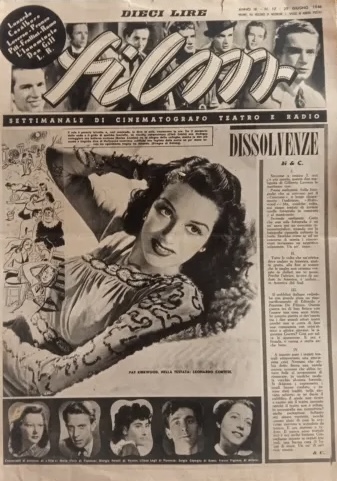
Pat Kirkwood was born in Salford in 1921.   She appeared in many revues and musicals in England from the 1930’s onwards.   She became a very popular concert and recording star during World War Two.   She had made her film debut in 1939 in “Save A Little Sunshine for Me”.   In 1945 she went to Hollywood to make her only film there “No Leave, No Love” with Van Johnson.   When she returned to England she continued her career in musical theatre with occasional films such as “After the Ball” in 1937.   Pat Kirkwood died in 2007.

Her “Independent” obituary:


During the 1940s and 1950s, Pat Kirkwood starred in West End musicals and several films and she was first female to have her own television series on the BBC. In 1950, Noël Coward specifically requested that she star in his new musical, Ace Of Clubs, and Cole Porter allowed her to introduce the song “My Heart Belongs To Daddy” to British audiences. Kirkwood herself tired of journalists commenting on her looks and her shapely legs and especially on an alleged affair with the Duke of Edinburgh, which she strenuously denied.

Patricia Kirkwood was born, the daughter of a shipping clerk, in Pendleton, about three miles from Manchester’s city centre, in 1921. Whilst on holiday with her parents in the Isle of Man, she took part in a talent contest and as a result, was asked to sing on the BBC’s Children’s Hour. In 1936, she played variety at the Hippodrome, Salford where she was billed as “The Schoolgirl Songstress”. The following year, she played Dandini in Cinderella in a West End pantomime.

Kirkwood’s potential was obvious to all: she could act, dance and sing; she spoke well; and she had a gorgeous figure. She appeared with success in the films Save A Little Sunshine (1937) and Me And My Pal (1938) and made her first record, “Hurry Home”.

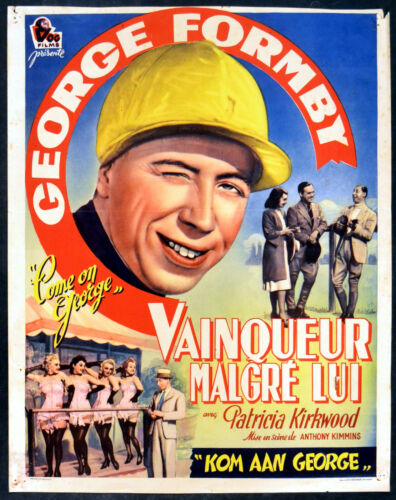
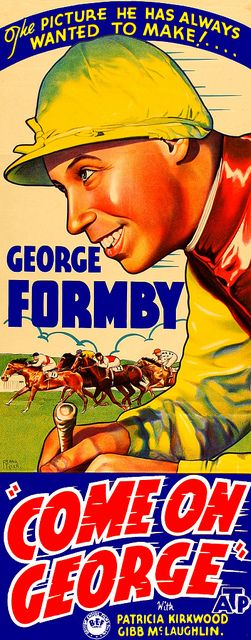
Her first prominent role was in 1939, alongside George Formby in his horse-racing comedy Come On, George! Formby’s possessive and overbearing wife, Beryl, considered Kirkwood a threat and refused to let her sing with him. Kirkwood herself refused to perform a scene in which a wind machine would blow her skirt over her head, a controversial exploit which would have predated Marilyn Monroe’s iconic pose by several years.

With the director Anthony Kimmins exercising little control, Beryl insisted that Kirkwood’s hair be cropped, her make-up minimal, and her clothes dowdy. Even so, her beauty shone through and towards the end of the film, when Beryl was called away for a bogus telephone call, the director got Kirkwood to give Formby a long kiss. “Ayee! What a to-do,” comments Formby, clearly mixing his character with real life.

The comedy duo Arthur Askey and Richard Murdoch were happy to allow Kirkwood to sing, look lovely and shine in their film of Band Waggon (1940). It led to her being described as Britain’s Betty Grable but she hated references to her million-pound legs, “It did make me cross. They are simply things to walk around on. I never thought anything more of them than that.”

In 1939, Kirkwood opened to tremendous reviews in the revue Black Velvet at the London Hippodrome; in the show she introduced British audiences to Cole Porter’s “My Heart Belongs To Daddy”. One critic called her personality “as inescapable as sheet lightning” and likened her voice to Deanna Durbin’s.

She was the queen of a new universe in the London Palladium extravaganza Top Of The World in 1940, with Tommy Trinder and the Crazy Gang. The rehearsals took place while the Luftwaffe was bombing London and the director requested an audience of servicemen for the dress rehearsal. Mistakenly, the invitation went to the International YMCA so few of the audience could speak English and hence, laugh at the humour.

The show continued despite falling bombs. One evening Bud Flanagan took a taxi to the theatre, but fear overcame him and he told the cabbie to drive him to Blackpool instead. Kirkwood later recalled standing on the roof of the Palladium one night with buildings burning on all sides.

Kirkwood worked hard during the war. She was involved in making films, records, personal appearances and with her own radio series, A Date With Pat Kirkwood. She also appeared before George VI at a Command Performance at Windsor Castle.

In 1944, she was offered a contract, allegedly worth 250,000, with MGM in Hollywood. She and her mother flew to America shortly after the war ended and she appeared alongside Van Johnson in the romantic No Leave, No Love, (1946) directed by Charles Martin. She sang three songs in the film including “Love on a Greyhound Bus”. The poor reviews plus the strict diet and fitness regime of the studio led to a breakdown and an attempted suicide, and she returned home.

Kirkwood had a West End hit with Starlight Roof in 1947 and some record success with one of its songs, “Make Mine Allegro”. Noël Coward was impressed and wrote to his agent, “I should like to get Pat Kirkwood. You might make discreet enquiries about her.” As a result she appeared in Coward’s 1950 musical Ace Of Clubs, but it was an old-fashioned operetta that was lucky to make 250 performances. Encouraged by Coward, she also played a successful season at the Desert Inn, Las Vegas. She had further West End success in Leonard Bernstein’s Wonderful Town (1955) with Shani Wallis and a musical comedy, Chrysanthemum (1958), which co-starred her then husband Hubert Gregg.

above “Independent” obituary can also be accessed online here.

There was much unwanted publicity when it was suggested that Kirkwood had had an affair with the Duke of Edinburgh. She had met him in 1948 and reporters had seen them dancing and having breakfast. She totally denied any impropriety but said, “He was so full of life and energy. I suspect he felt trapped and rarely got a chance to be himself. I think I got off on the right foot because I made him laugh.”

She became the first female to have her own television series with The Pat Kirkwood Show in 1954 and also appeared in various TV plays. In Our Marie (1953) she played the music hall star Marie Lloyd; she also appeared in Pygmalion (1956) and The Great Little Tilley (1956) as another music hall star, Vesta Tilley, which was directed by Hubert Gregg and subsequently became the film After The Ball (1957). In 1953, she was reunited with George Formby on the panel of What’s My Line but was seen on screen feeding Formby questions to ask the contestants.

In the 1960s, Kirkwood and Gregg moved to Portugal and she told reporters, “I never play my old records or look at my cuttings. I’ve retired.” She was to write her autobiography, The Time Of My Life, in 1999.

Kirkwood made several stage appearances in the 1970s, often in pantomime, and she had success in a revival of Pal Joey at the Edinburgh Festival in 1976 and touring in The Cabinet Minister with Dulcie Gray and Michael Denison in 1978. She married for the fourth time in 1981 and settled down to a life in Yorkshire. Occasionally, she performed her one woman show, An Evening With Pat Kirkwood, and appeared in revivals of Noël Coward and Cole Porter’s works.

Spencer Leigh

The

Pat Kirkwood (1921–2007) was the undisputed “First Lady of the British Musical” during an era when the West End was the glamorous heart of European entertainment. While her contemporaries like Margaret Lockwood or Phyllis Calvert were the queens of the silver screen, Kirkwood was the powerhouse of the stage. Known for her “million-dollar legs” and a voice that could reach the back of the gallery without a microphone, she was a performer of immense athletic and vocal stamina.


Career Overview: From Mancunian Prodigy to West End Royalty

Kirkwood’s career was defined by a meteoric rise and a resilient, decades-long presence in the British spotlight.

  • The Teenage Star (1930s): Making her debut at age 14 in the Royal Hippodrome, Salford, she was a professional veteran by 18. Her breakthrough came in the 1939 revue Black Velvet, where she sang “My Heart Belongs to Daddy,” making her an overnight sensation during the early days of WWII.

  • The “Lend-Lease” Starlet (1940s): In 1945, she was the first British star to be given a seven-year contract with MGM. However, her time in Hollywood was famously unhappy; she starred in No Leave, No Love (1946) before suffering a nervous breakdown and returning to the UK.

  • The Coward and Porter Muse (1950s): Back in London, she reclaimed her throne. Noel Coward wrote the musical Ace of Clubs (1950) specifically for her, and she became the definitive interpreter of Cole Porter in Britain.

  • The Television Pioneer: She became the first woman to have her own television series in the UK, The Pat Kirkwood Show (1954), cementing her transition from stage star to household name.


Detailed Critical Analysis: The “Olympic” Performer

1. The Technical “Blast”: Vocal and Physical Prowess

Kirkwood did not possess the “delicate” soprano typical of early 20th-century ingenues. She was a belter with operatic control.

  • Analysis: Critics often noted her “extraordinary lung power.” In the pre-amplification era of the West End, Kirkwood’s voice was described as a “force of nature.” She utilized a sharp, brassy attack on her notes, which allowed her to cut through large orchestras.

  • Physicality: Her training in dance gave her a “muscular” stage presence. She didn’t just stand and sing; she owned the stage with a high-energy, athletic style that felt modern and “Americanized” to British audiences weary of wartime austerity.

2. The “Hollywood Mismatch”

Kirkwood’s failure in Hollywood is a frequent subject of critical study regarding the “translation” of star power.

  • Critical Insight: MGM tried to market her as a “standard” musical starlet, neutralizing the very grit and “London brassiness” that made her a star in the UK. Critics have argued that Hollywood’s polished cinematography “flattened” her; she was a performer who required the reactive energy of a live audience to truly spark. Her “failure” in America actually enhanced her legend in Britain, as she was welcomed back as the “Prodigal Queen.”

3. Interpretive Sophistication: The Coward Collaboration

When Noel Coward cast her in Ace of Clubs, he was looking for a performer who could handle both vocal fire and lyrical wit.

  • Technical Analysis: Kirkwood was one of the few performers who could navigate the complex, rapid-fire internal rhymes of a Coward or Porter lyric while maintaining a powerful melodic line. She brought a “knowingness” to her performances—a sophisticated, slightly cynical edge that moved British musical theatre away from the Victorian operetta and toward the modern musical comedy.

4. The Longevity of the “Pro”: Glamorous Night

In her later years, Kirkwood’s voice deepened, but her technical “steel” remained.

  • Critical View: When she took on the role of Maria Zeigler in the revival of Ivor Novello’s Glamorous Night, she proved she could handle the lush, romantic “Ruritanian” style just as well as the jazz-inflected 1940s hits. Critics praised her vocal preservation, noting that her vibrato remained tight and her pitch perfect well into her 70s.


Key Credits & Critical Milestones

Year Title Role Significance
1939 Black Velvet (Revue) Performer The birth of her “million-dollar legs” persona.
1945 No Leave, No Love Pat Ross Her high-profile, if troubled, Hollywood debut.
1950 Ace of Clubs Pinkie Leroy Specifically written for her by Noel Coward.
1954 The Pat Kirkwood Show Host First British woman with her own TV series.
1993 Noel/Cole: Let’s Do It Performer A triumphant late-career revue at the Chichester Festival.

Pat Kirkwood bridged the gap between the music hall tradition and the modern Broadway-style musical. While her film career was brief, her impact on the live performing arts in Britain was immeasurable; she set the standard for the “Triple Threat” (acting, singing, dancing) and proved that a woman could anchor a massive commercial production through sheer technical brilliance and personality.

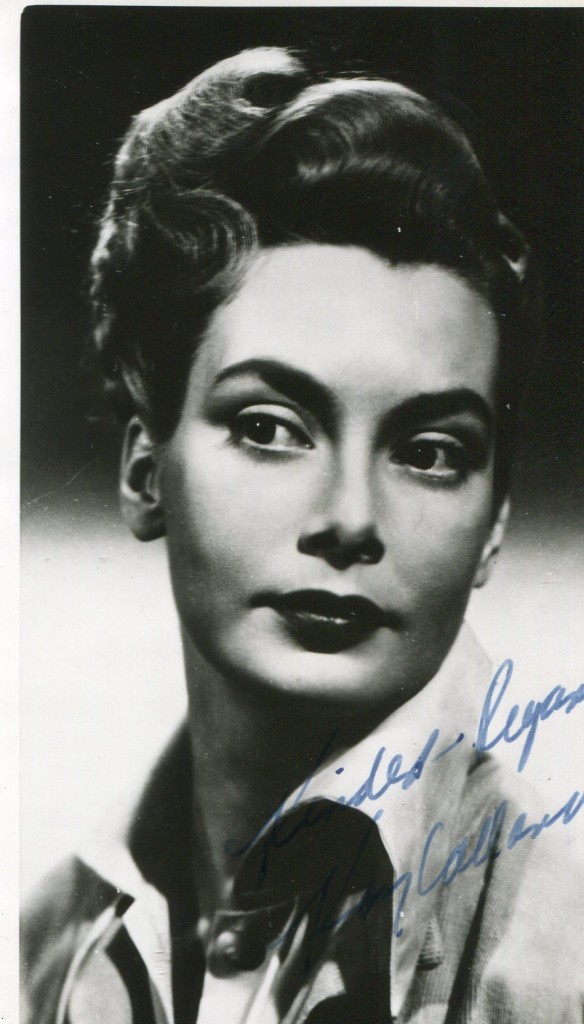
Kay Callard
Kay Callard
Kay Callard
 

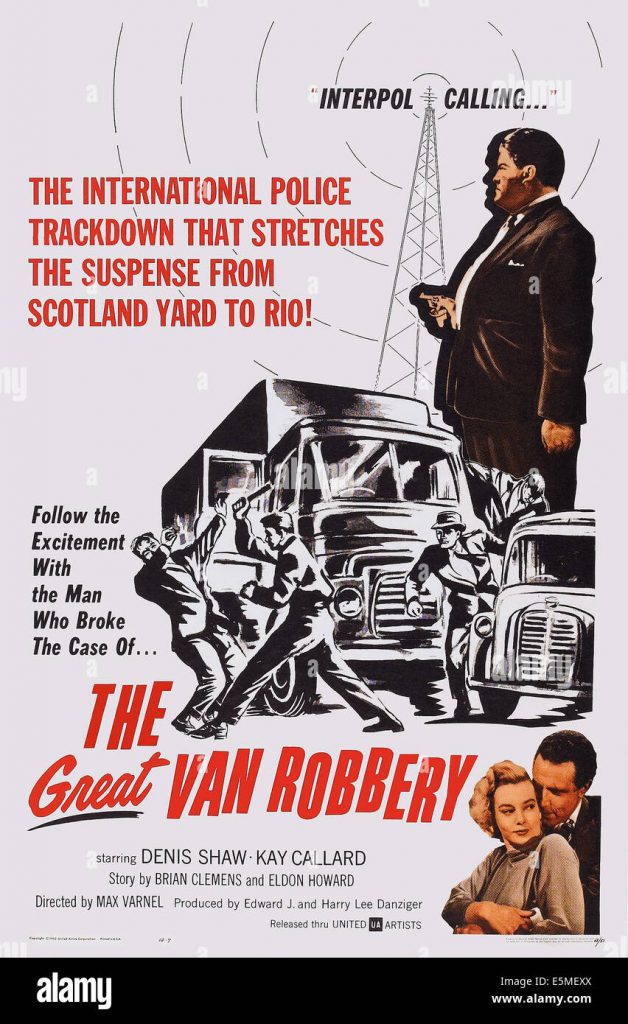
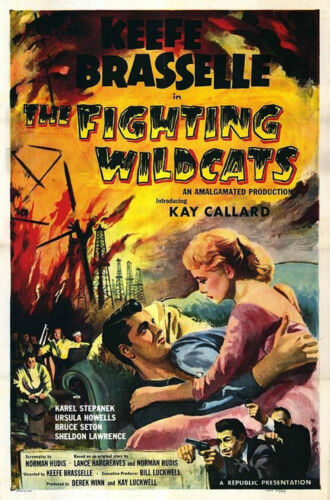
Kay Callard was a Canadian actress who spent most of her career in Britain.   Her films include “Reluctant Bride” in 1955, “Find the Lady” in the following year and “Our Cissy” in 1974.   She died in 2008 at the age of 75.

Kay Callard (1923–2008) was a Canadian-born actress who became a staple of the British “B-movie” era and early television. A critical analysis of her work reveals a performer who provided a vital bridge between the 1940s Noiraesthetic and the 1950s/60s British realism you enjoy. While she often worked within the constraints of low-budget “quota quickies,” she brought a sophisticated, transatlantic polish to her roles that made her stand out among her contemporaries.


I. Career Overview: The Transatlantic Starlet

1. The Canadian Arrival (1950s)

Callard moved to the UK in the early 1950s, arriving at a time when British studios were hungry for actors with North American accents to make their films more “exportable” to the US market.

  • The “B-Movie” Queen: She quickly became a favorite of the Danziger Brothers and other independent producers. Between 1954 and 1961, she appeared in a staggering number of crime thrillers, often playing the “American girl in London” caught up in a web of intrigue.

2. The Genre Specialist (1954–1962)

Critically, Callard’s career is defined by her work in three specific genres:

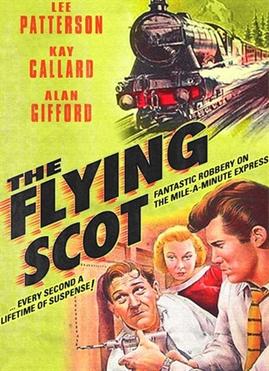
  • Film Noir/Crime: Films like The Hypnotist (1957) and The Flying Scot (1957) showcased her ability to play the “Good Girl” with a hint of steel.

  • Science Fiction: She starred in the cult classic The Electronic Monster (1958), a film that was ahead of its time in its exploration of dream-manipulation technology.

  • Westerns: In a rare move for a UK-based actress, she appeared in the TV series The Adventures of the Scarlet Pimpernel and various Western-themed anthology episodes, utilizing her natural equestrian skills.

3. The Television Transition and Retirement

As the British film industry shifted toward the “Kitchen Sink” movement, Callard moved into television guest spots before retiring from the screen in the mid-1960s to focus on her family life (she was married to the actor Jack MacGowran).


II. Detailed Critical Analysis

1. The “Grounded” Glamour

Critically, Callard is analyzed for her lack of artifice. In an era where many leading ladies were directed to be “decorative,” Callard had a very modern, naturalistic approach.

  • The “Working Girl” Persona: In her noir roles, she often played secretaries, journalists, or nurses. She brought a “Kitchen Sink” practicality to these roles long before the genre was formally defined. She looked like a woman who actually worked for a living, which gave her characters a relatable, grounded quality that resonated with post-war audiences.

2. The Transatlantic “Cool”

Callard’s Canadian accent was a key tool in her acting kit.

  • The Outsider Perspective: Directors used her to provide an “objective” lens on British society. Because she didn’t fit into the rigid British class system of the 1950s, her characters could move between the high-society ballrooms and the gritty London docks with equal ease. This made her the perfect “Noir” protagonist—the observer who sees the truth because she doesn’t belong to the system.

3. The “Silent Strength” in Sci-Fi

In The Electronic Monster, Callard had to navigate a plot that was highly technical and often bizarre.

  • The Emotional Anchor: Critics note that she provided the necessary human heartbeat to a film that could have felt cold and clinical. She had a way of reacting to “spectacle” with a quiet, internalized fear rather than screaming, which made the stakes feel much more real for the audience.

Joan Lorring
Joan Lorring
Joan Lorring
Joan Lorring
Joan Lorring

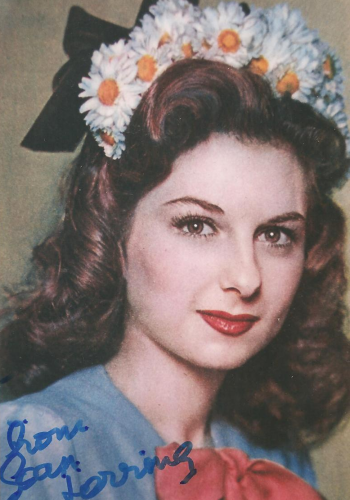
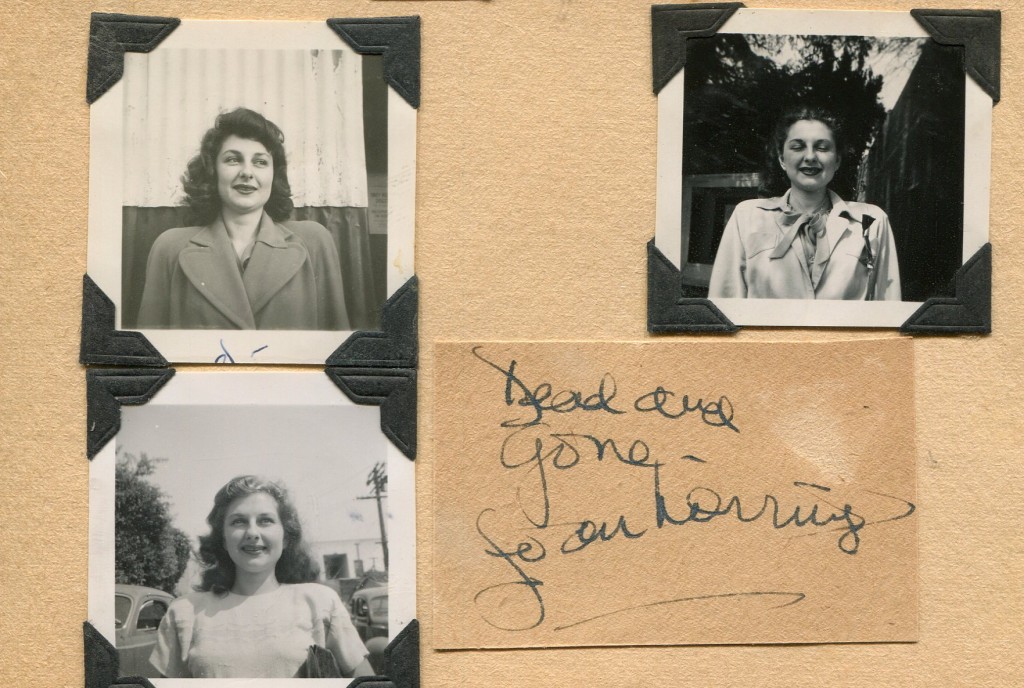
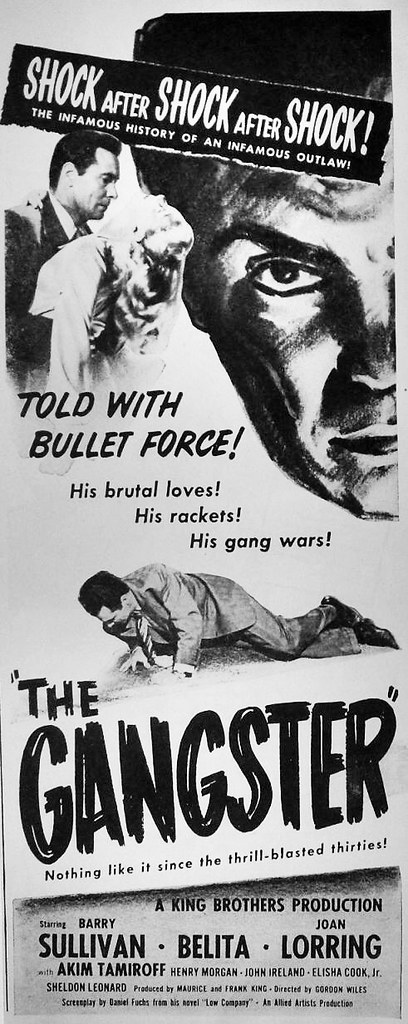
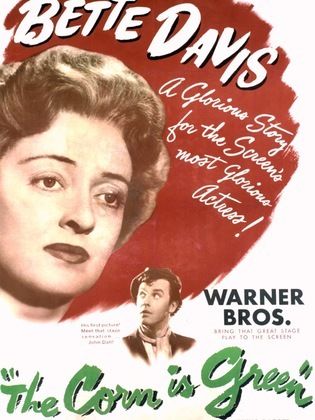
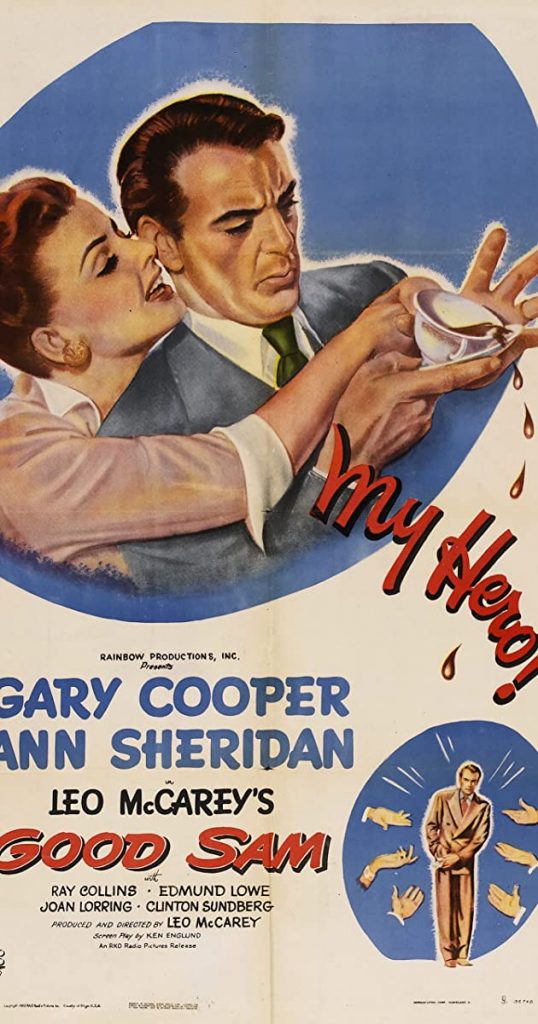
Joan Lorring was born in 1926 in Hong Kong. She made her film debut in “Song of Russia” in 1944. She was Oscar nominated for her role in “The Corn Is Green” with Bette Davis and Mildred Dunnock. Other films incliude “The Bridge of San Luis Rey”, “Three Strangers”and “The Lost Moment”.

Her IMDB entry by Gary Brumburgh:

Joan Lorring was born Mary Magdalene Ellis in Hong Kong on April 17, 1926. She was forced to leave her native country after the outbreak of WWII and, along with her family, arrived in America as a teenager in 1939. After finding radio work in Los Angeles, the Anglo-Russian actress worked her way into films making a minor debut at age 18 in the romantic war drama Song of Russia (1944) and subsequently played the small part of Pepita in the ensemble suspenser The Bridge of San Luis Rey (1944).

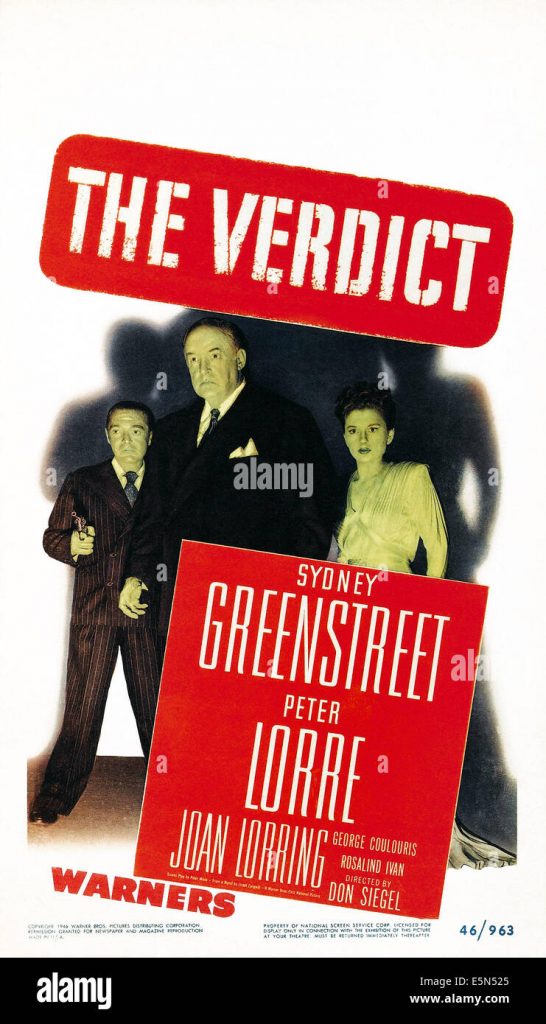
The following year Joan won the coveted role of the scheming, trampish Bessie oppositeBette Davis in The Corn Is Green (1945), earning a Academy Award nomination for “best supporting actress” in the process. She may have lost the Oscar trophy that year to Anne Revere for National Velvet (1944) but Warner Brothers Studio was more than impressed with the up-and-comer and eagerly signed her up. Joan proved quite able in a number of juicy film noir parts, including Three Strangers (1946) and The Verdict (1946), both opposite the malevolent pairing of Sydney Greenstreet and Peter Lorre.

Unexplicably her film career went into a rapid decline by the end of the decade. As a result she sought work elsewhere and maintained with stage, radio and small screen endeavors into the next decade. On Broadway she made her debut in the prime role of budding college student Marie who sets off the explosive dramatic action in “Come Back, Little Sheba” (1950) starring Shirley Booth and Sidney Blackmer. She continued with strong roles in “The Autumn Garden” (1951), “Dead Pigeon” (1953) and “A Clearing in the Woods” (1957). _Among her many 1950s dramatic showcases on TV was her portrayal of convicted ax-murderess Lizzie Borden’s sister Emma on an Alfred Hitchcock episode. In the 1970s, Joan made a mini comeback in the Burt Lancaster movie The Midnight Man(1974) as Cameron Mitchell‘s wife. She also performed on radio soap operas and appeared for a season on the TV soap Ryan’s Hope (1975) before phasing out her career once again. Long married to New York endocrinologist Dr. Martin Sonenberg, she is the mother of two daughters.

– IMDb Mini Biography By: Gary Brumburgh / gr-home@pacbell.net

“LA Times” obituary from May 2014:

Joan Lorring, 88, who was nominated for an Oscar for her performance in the 1945 Bette Davis film “The Corn Is Green,” died Friday, said her daughter, Andrea Sonenberg. Lorring had been ill and died in a hospital in the New York City suburb of Sleepy Hollow.

Davis chose Lorring for the role of the scheming Bessie Watty in the late-19th century drama after reviewing screen tests of several actresses, according to the website of cable channel Turner Classic Movies. It was only the third film for Lorring.

Although Davis was known to speak her mind forceably on movie sets, Lorring said the star was greatly supportive of her. “I have only had one or two teachers in my life about whom I felt as strongly and positively as I did about Bette Davis,” Lorring said, according to the Turner Classic Movie website. Lorring lost the Academy Award for supporting actress to Anne Revere, who was in “National Velvet.”

Lorring went on to juicy parts in “Three Strangers” (1946) and “The Verdict” (1946), both opposite Sydney Greenstreet and Peter Lorre, and she was in the 1951 film noir “The Big Night” directed by Joseph Losey.

She had numerous roles in early television series while also appearing on stage. In 1950, Lorring made her Broadway debut in the William Inge drama “Come Back, Little Sheba.” “As the blond and self-centered college girl,” New York Times critic Brooks Atkinson wrote in his review, “Joan Lorring gives a genuine and attractive performance.”

Lorring appeared on TV only a few times in the 1960s and 1970s but returned to play a role in the soap opera “Ryan’s Hope” in 1979. Her final credit was for a 1980 episode of “The Love Boat.”

She was born Madeline Ellis on April 17, 1926, in Hong Kong and moved to the U.S. in 1939. She was married to prominent endocrinologist Martin Sonenberg, who preceded her in death in 2011.

In addition to her daughter Andrea Sonenberg, she is survived by daughter Santha Sonenberg and two grandchildren.

Times staff and wire reports

news.obits@latimes.com

Joan Lorring (1926–2014) was a performer of intense, jittery intelligence whose career serves as a classic Hollywood cautionary tale of the “Academy Award Curse.” Born Madeline Ellis in Hong Kong, she fled the Japanese invasion to become a standout dramatic force in the 1940s, only to see her film career stall just as it reached its peak.

Career Overview

Lorring’s career was defined by her ability to play characters who were simultaneously predatory and pathetic—a delicate balance that made her one of the most interesting young actresses of the post-war era.

  • The Prodigy (1944–1945): After minor roles, she was cast at age 19 in “The Corn Is Green” (1945). Her performance was so impactful it earned her an Academy Award nomination for Best Supporting Actress, an almost unheard-of feat for a newcomer playing such an unsympathetic role.

  • The Noir & Melodrama Specialist (1946–1952): She became a staple of Warner Bros. and Paramount “dark” features, often playing the “other woman” or the manipulative younger sister in films like The Verdictand Three Strangers.

  • The New York Transition (1950s–1980s): As film roles dried up, Lorring reinvented herself as a powerhouse on the Broadway stage and in “Golden Age” television dramas. She found a second life in the New York theater scene, notably in the original production of Come Back, Little Sheba.


Critical Analysis of His Work

1. The Mastery of the “Lower-Class Siren”

Lorring’s breakthrough in The Corn Is Green remains the primary subject of her critical legacy. Playing Bessie Watty, a girl who seduces a young miner to spite her teacher (Bette Davis), Lorring introduced a new kind of “mean girl” to the screen.

  • Analysis: Critically, Lorring was praised for her refusal to make Bessie “likable.” While most young starlets of 1945 were coached to maintain a certain degree of “softness,” Lorring played Bessie with a sharp-edged, mercenary pragmatism. She successfully held her own against Bette Davis by using a “vulpine” energy—moving and speaking with a predatory hunger that felt dangerously modern.

2. Intellectualizing the B-Movie

In films like “The Verdict” (1946) and “Three Strangers” (1946), Lorring worked within the confines of the B-movie thriller but brought an A-list psychological depth to her roles.

  • Analysis: Critics have often noted that Lorring didn’t just play “femme fatales”; she played women who were victims of their own limited social mobility. She used her voice—which had a slight, nervous vibrato—to suggest that her characters’ manipulations were born of desperation rather than pure evil. This “anxious” quality made her a favorite of directors who wanted to subvert the standard Noir tropes.

3. The “Un-Glamorous” Choice

Unlike many of her contemporaries at Warner Bros., Lorring was willing to look “plain” or “unruly” for a role.

  • Analysis: In an era of perfection, Lorring’s willingness to appear disheveled or morally decayed was a bold stylistic choice. Modern analysis of her work often compares her to later “Method” actresses. She prioritized the internal truth of a scene over the “Star Image,” which likely contributed to her difficulty in finding traditional “Leading Lady” roles in a Hollywood that still demanded conventional beauty archetypes.

4. Stage vs. Screen: The Great Pivot

When her film career declined, Lorring’s transition to the stage was a critical triumph.

  • Analysis: In the theater, her small stature and “big” voice were utilized to different effects. In “Come Back, Little Sheba,” she played Marie with a nuanced understanding of youthful selfishness. Theater critics noted that Lorring possessed a “theatrical electricity” that the camera sometimes struggled to contain. She was better suited for the long-form character arcs of the stage than the often two-dimensional roles offered to women in 1950s cinema.


Key Filmography and Stage Work

Work Year Role Significance
The Corn Is Green 1945 Bessie Watty Oscar Nomination; her definitive “bad girl” role.
Three Strangers 1946 Icey Crane Highlighted her ability to play complex, morally grey characters.
The Verdict 1946 Lottie Rawson A classic Noir performance alongside Sydney Greenstreet and Peter Lorre.
Come Back, Little Sheba 1950 Marie Buckholder Her successful transition to Broadway; earned a Donaldson Award.
The Big Night 1951 Marion Directed by Joseph Losey; a stark, gritty role at the end of her film peak.

In summary: Joan Lorring was an actress of “high-frequency” energy. She was perhaps too intelligent and too uncompromising for the Hollywood machine of the 1940s, which preferred its ingenues to be either saints or sirens. In reality, Lorring was a character actress trapped in a starlet’s body, leaving behind a brief but searing body of work that continues to fascinate fans of Classic Hollywood melodrama

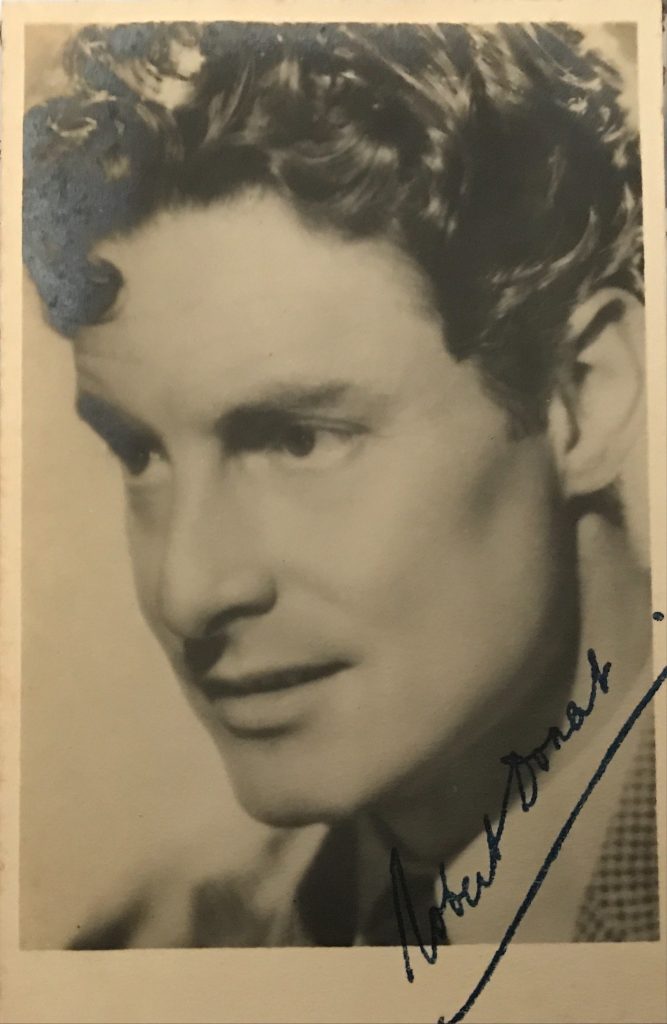
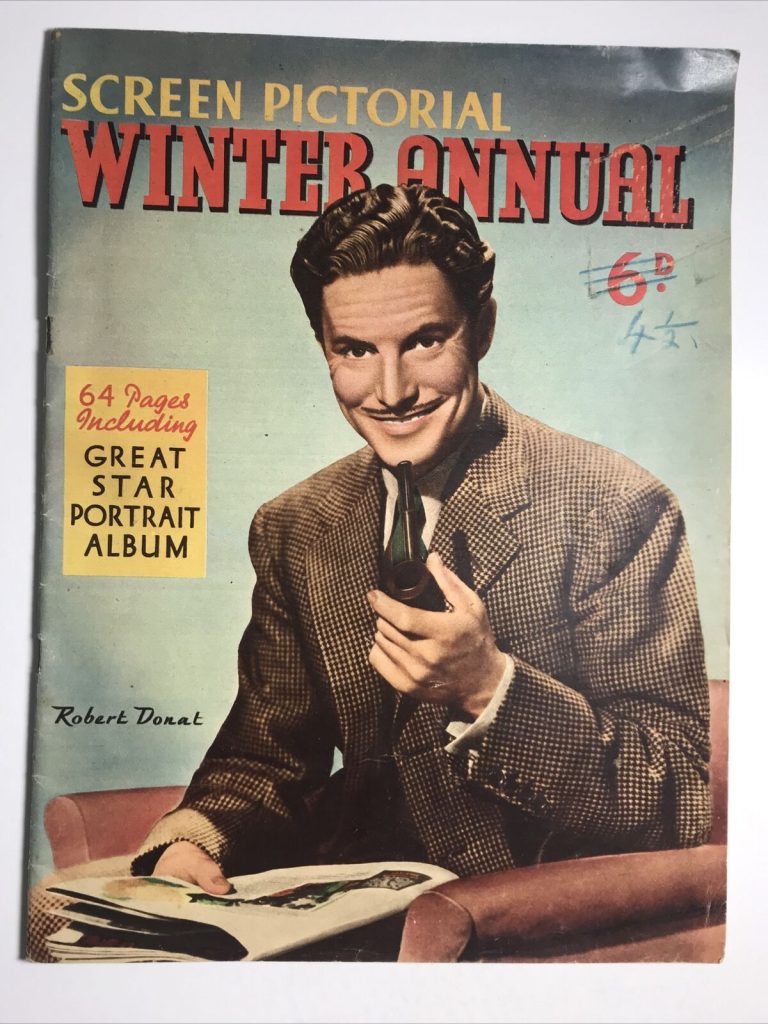
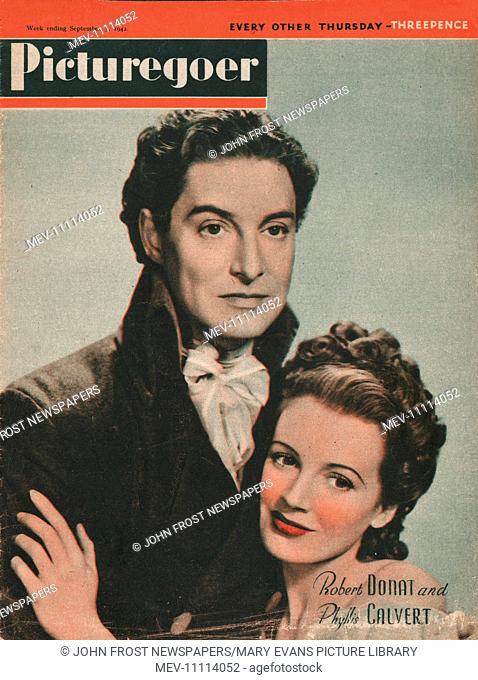
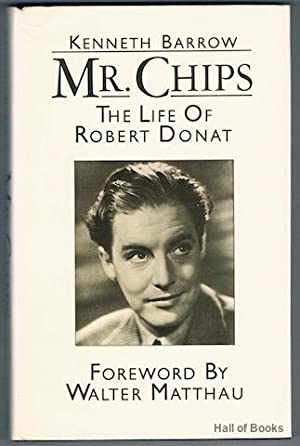
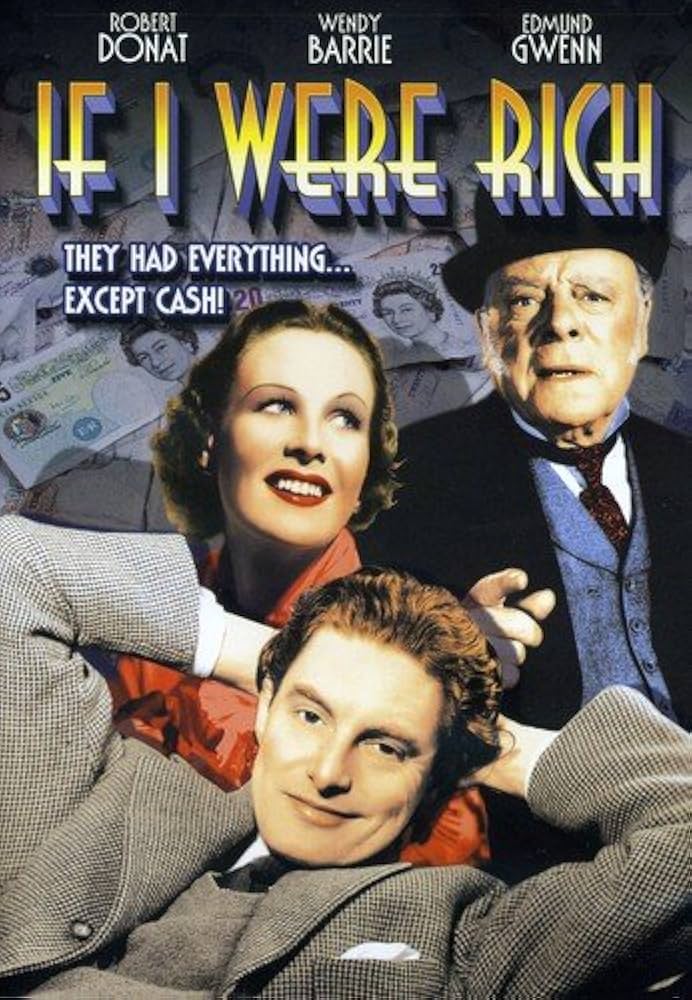
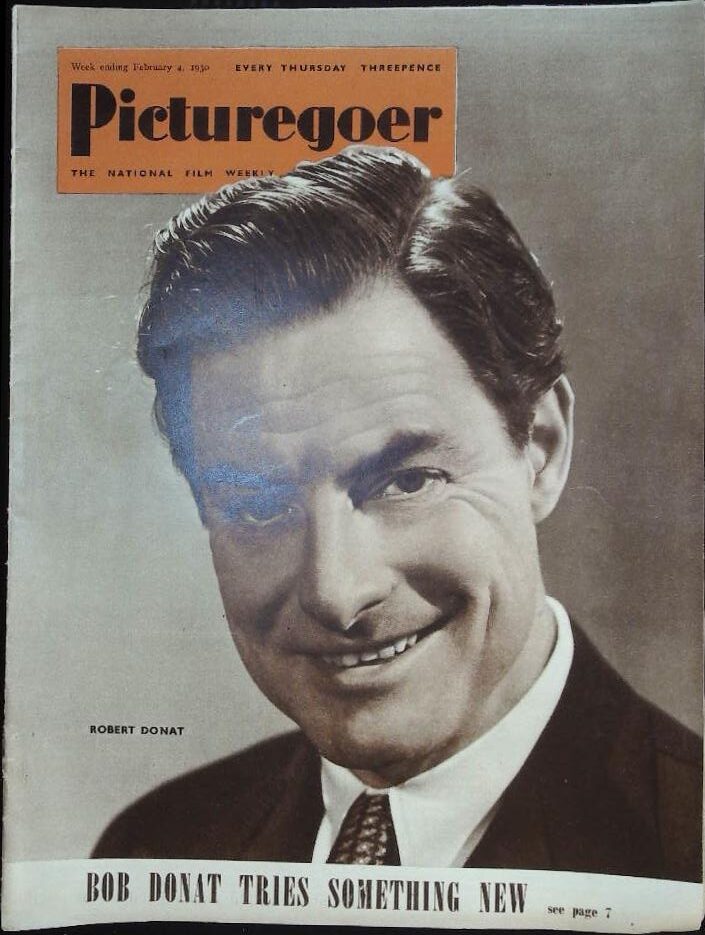
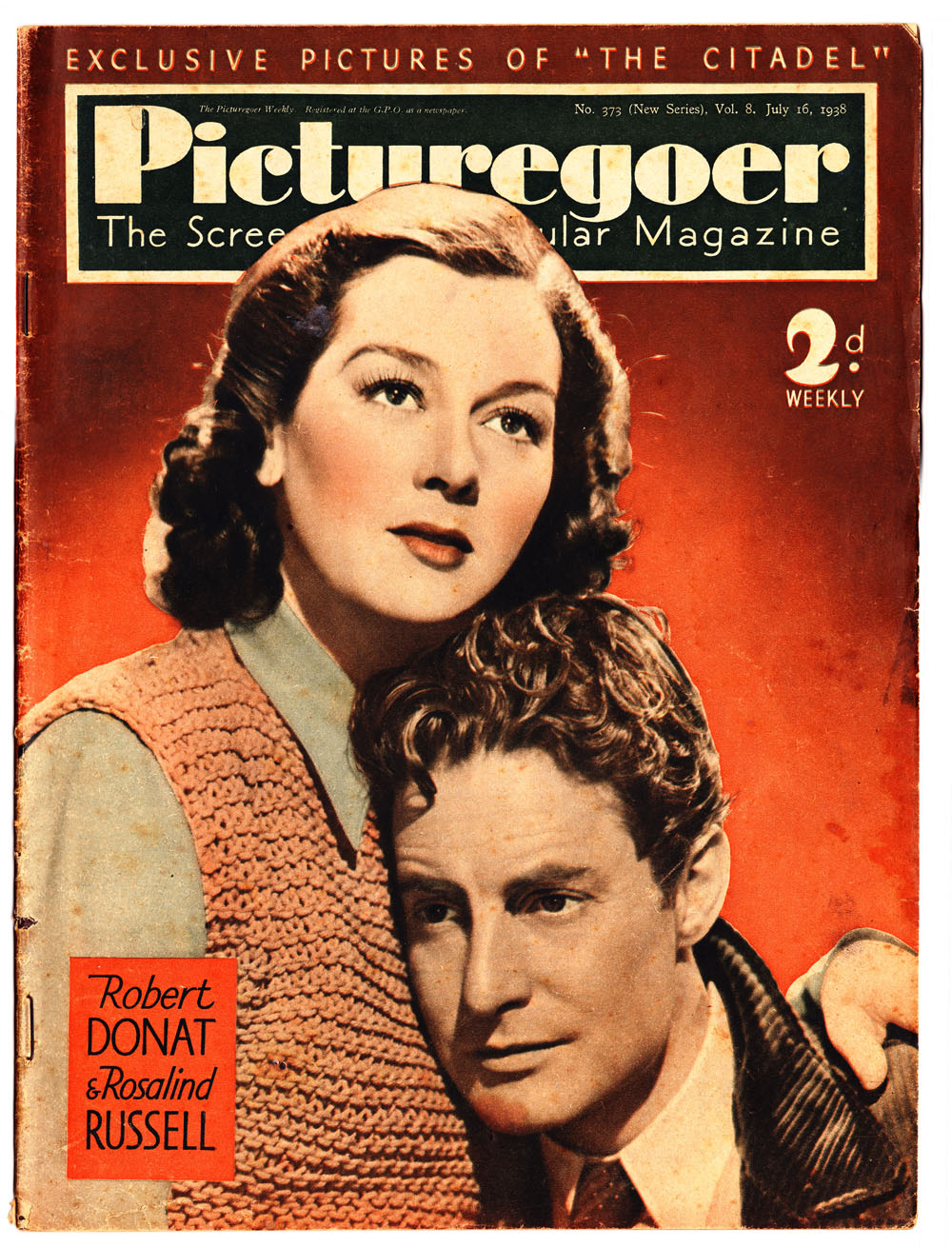
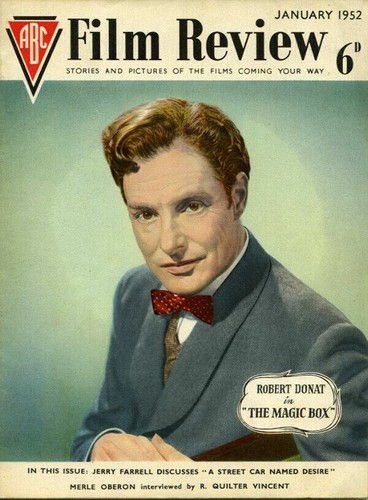
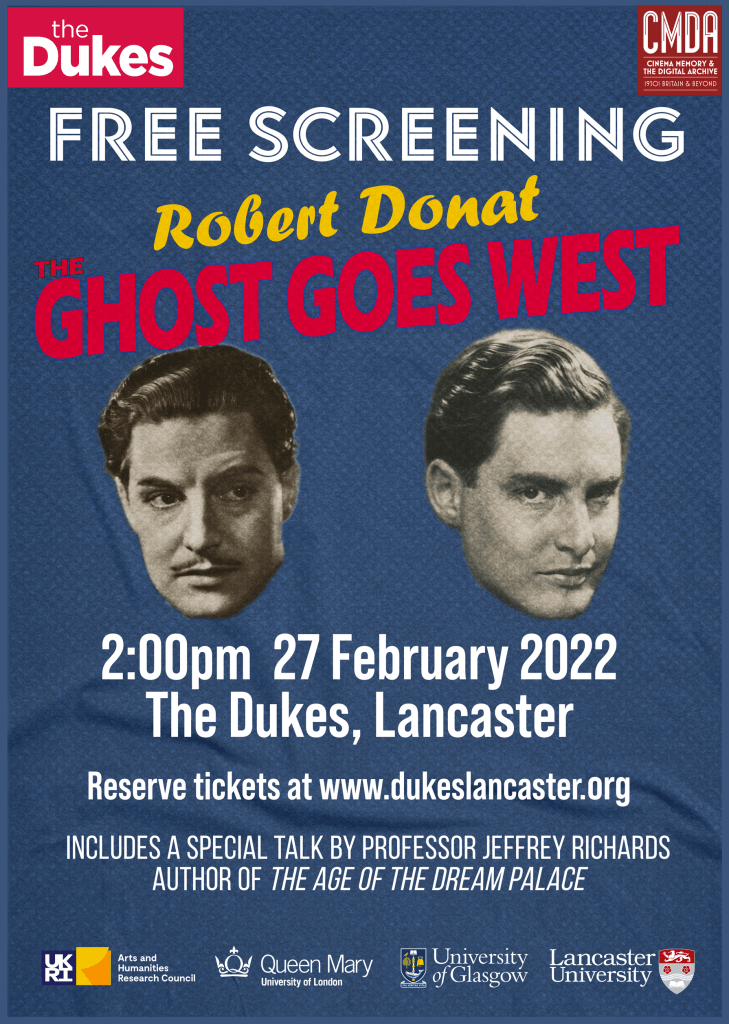
Robert Donat
Robert Donat

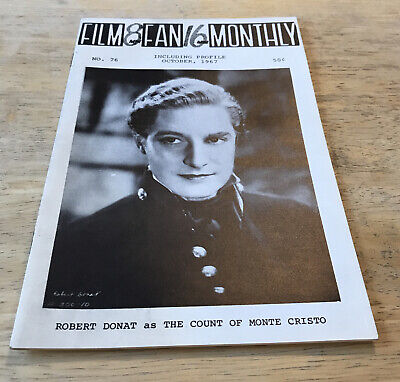
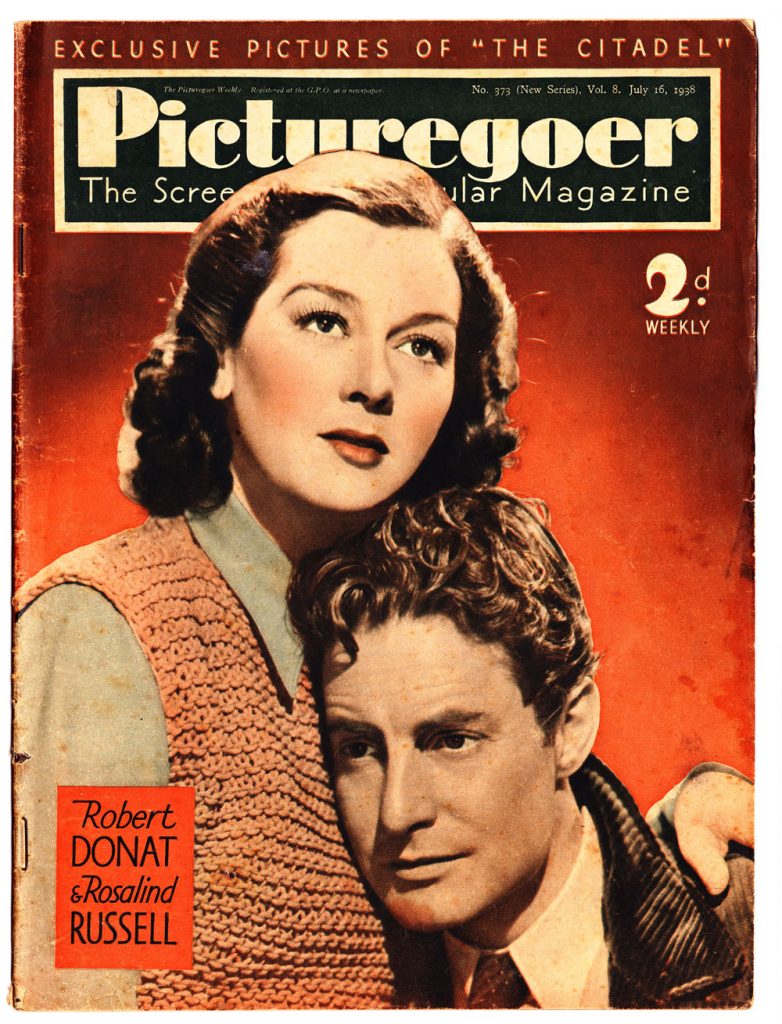
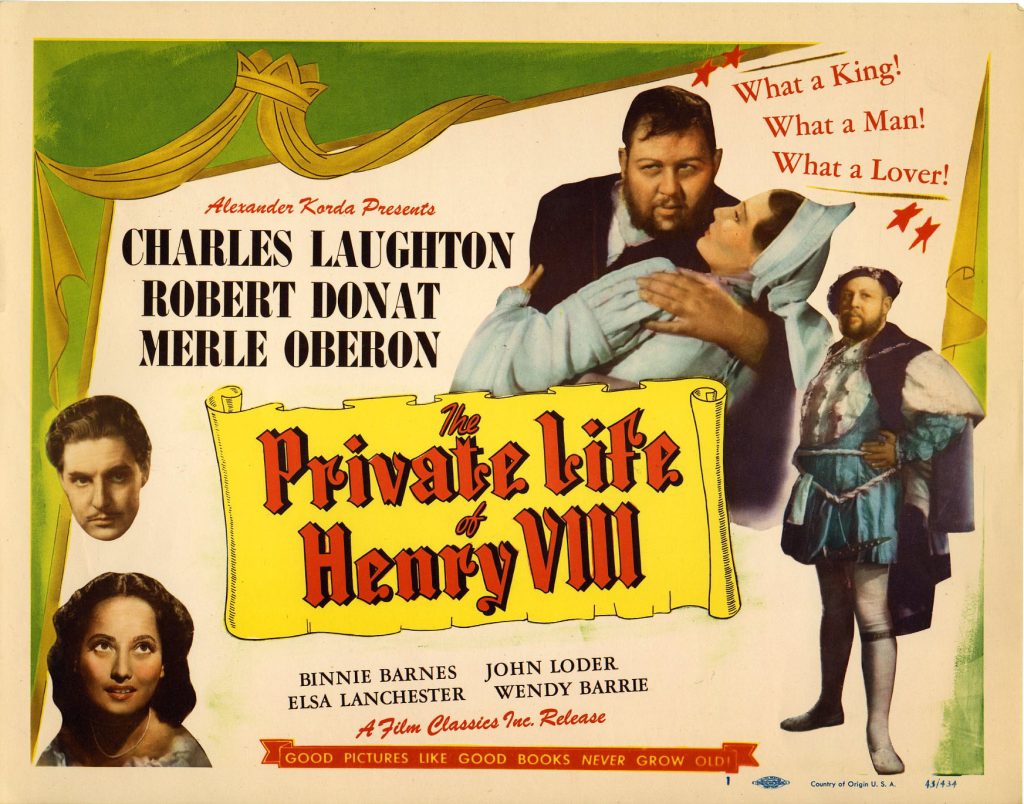
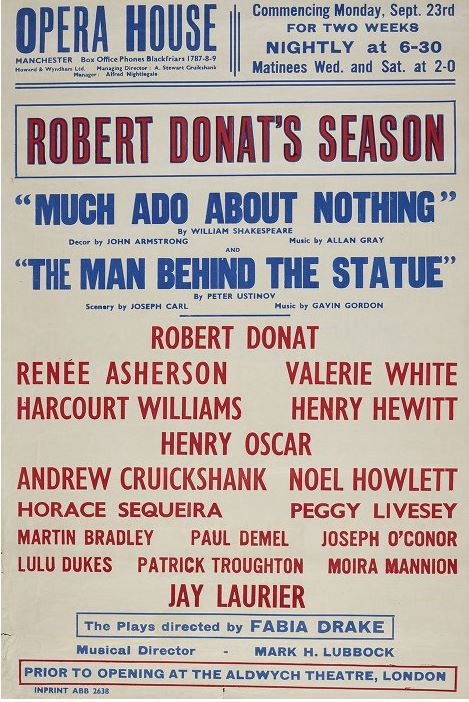
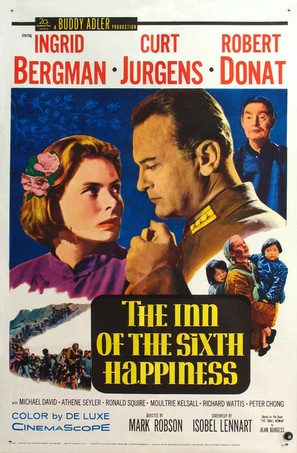
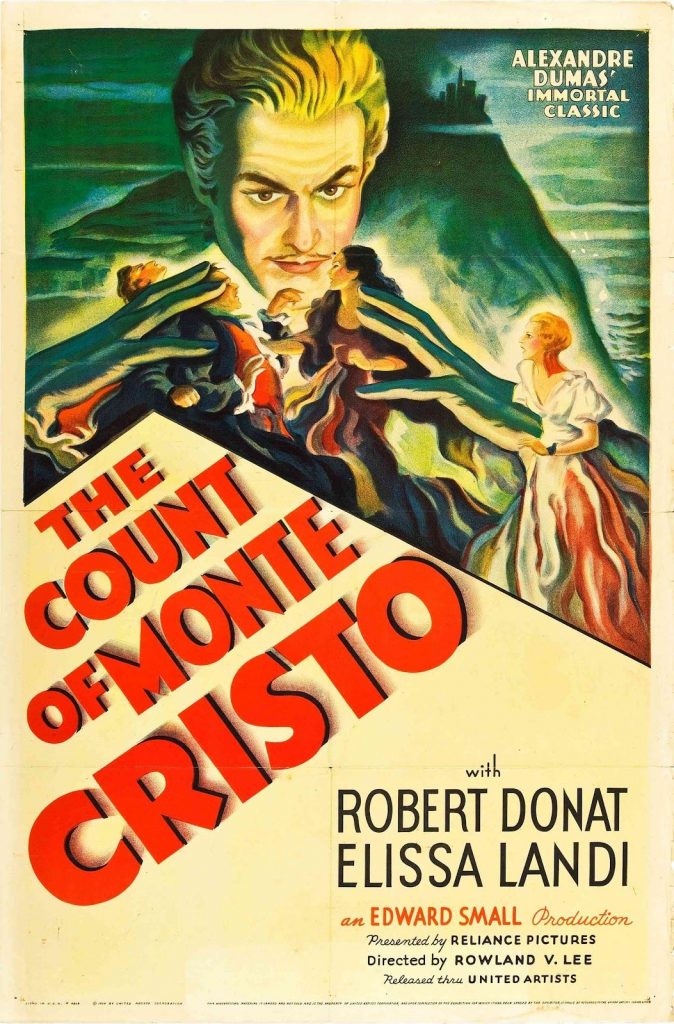
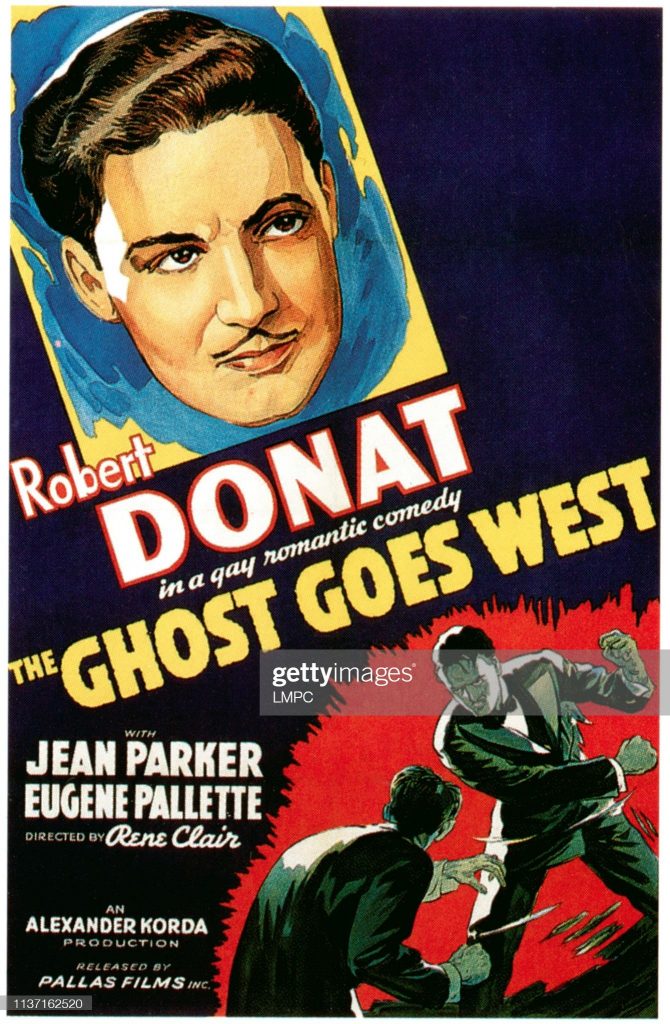
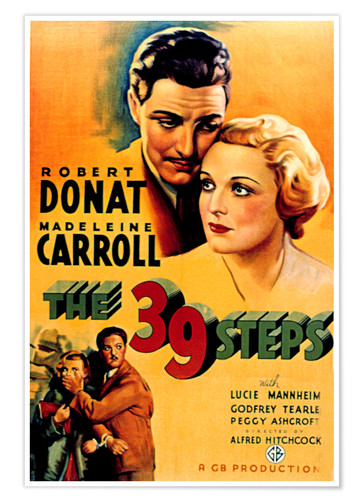
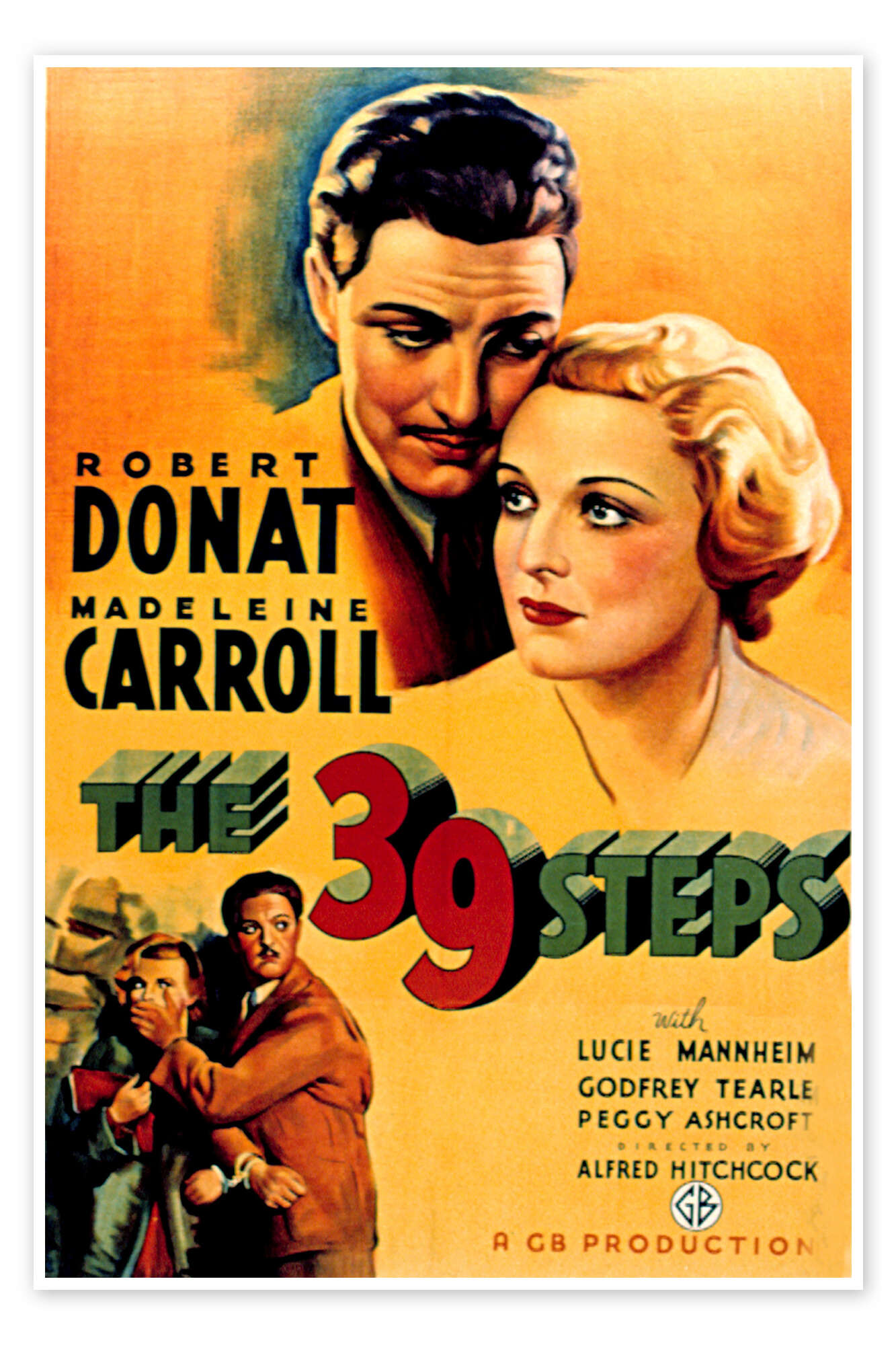
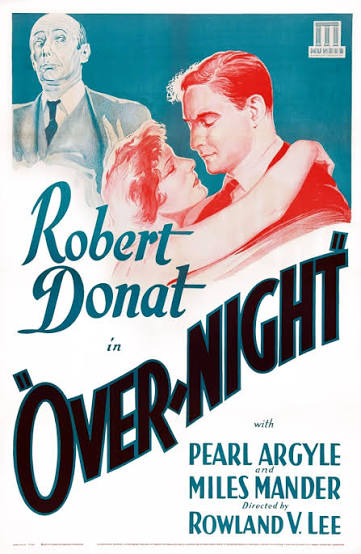
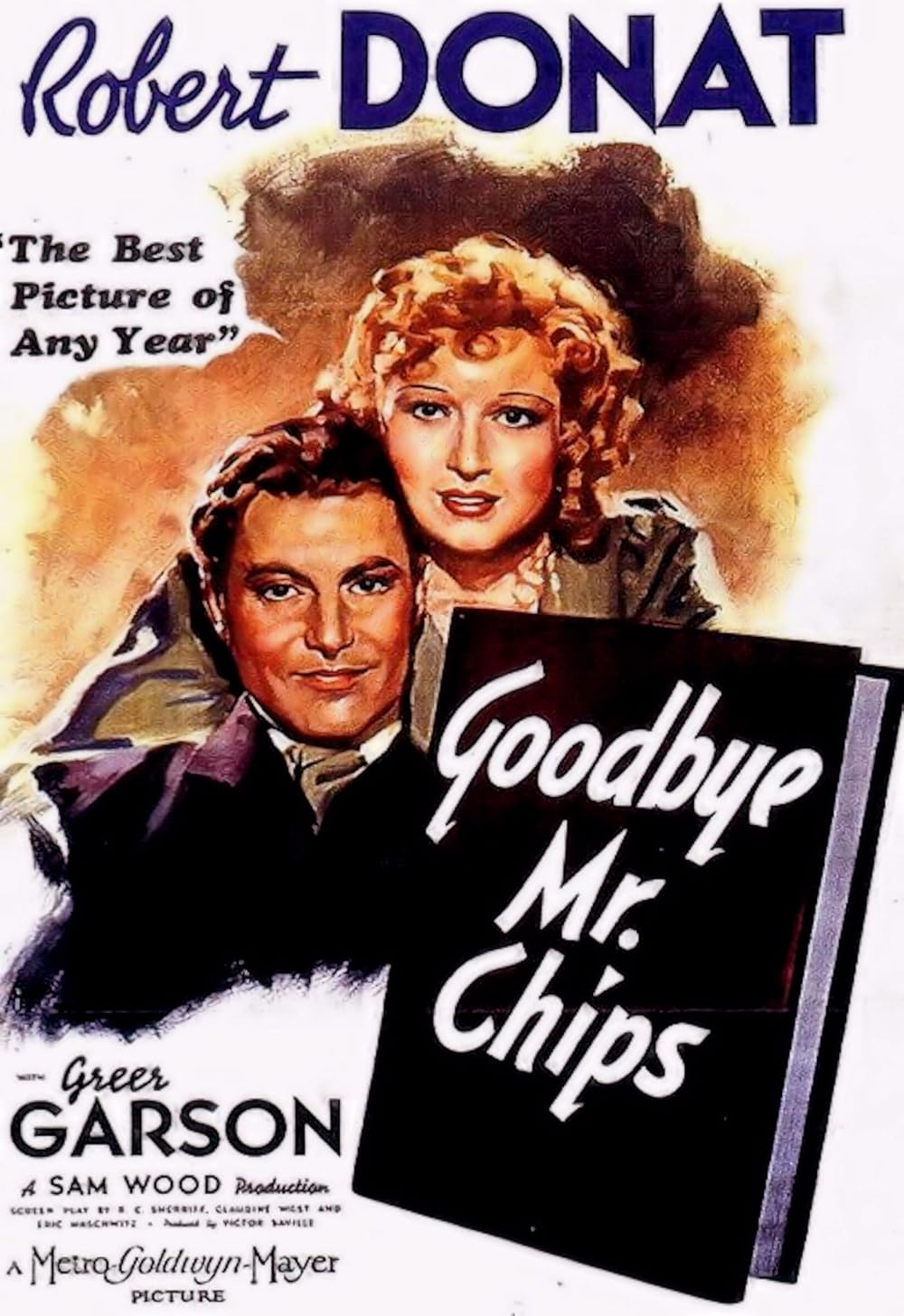
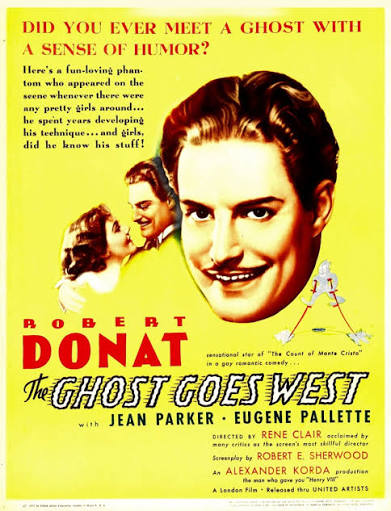
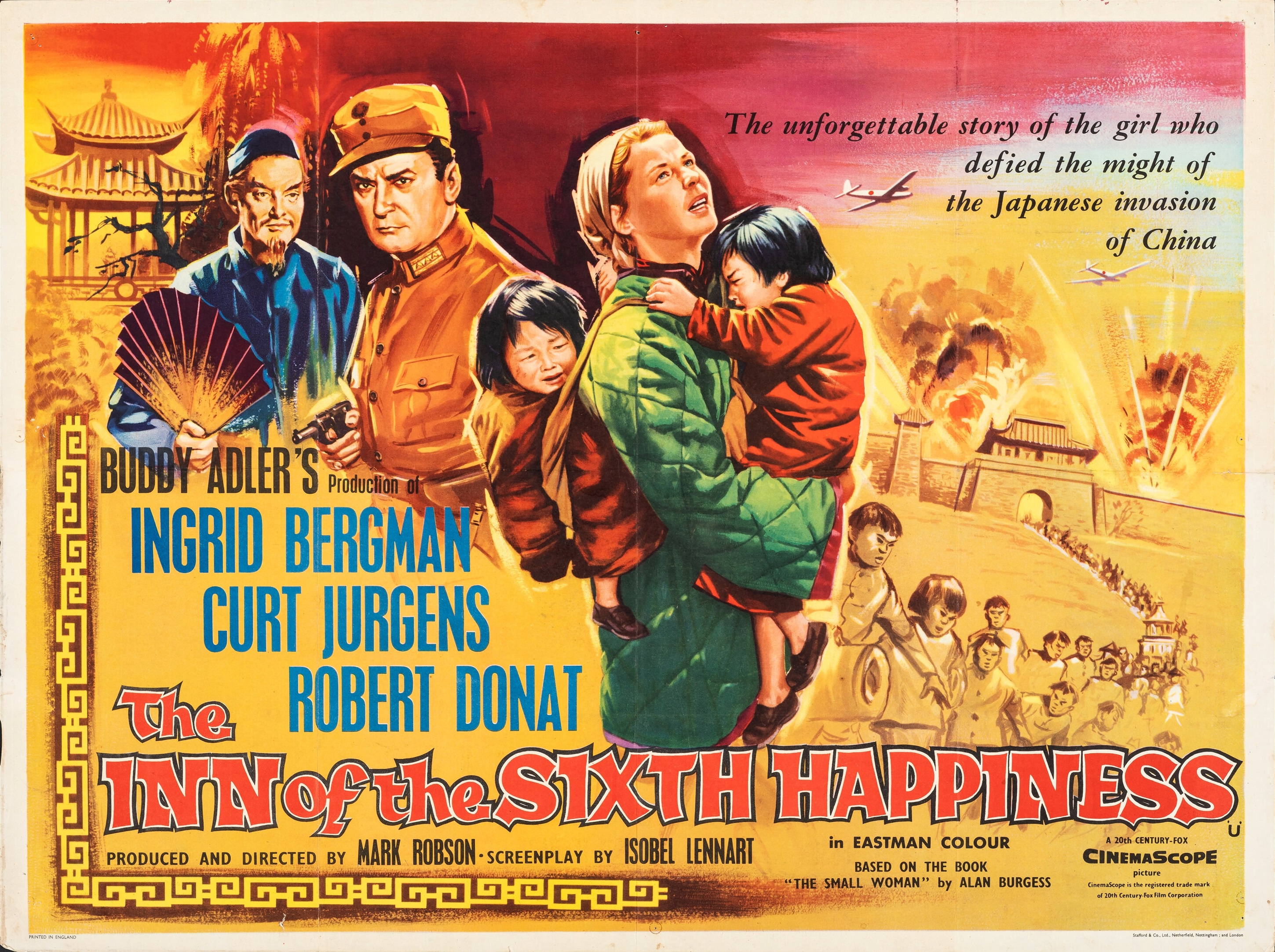
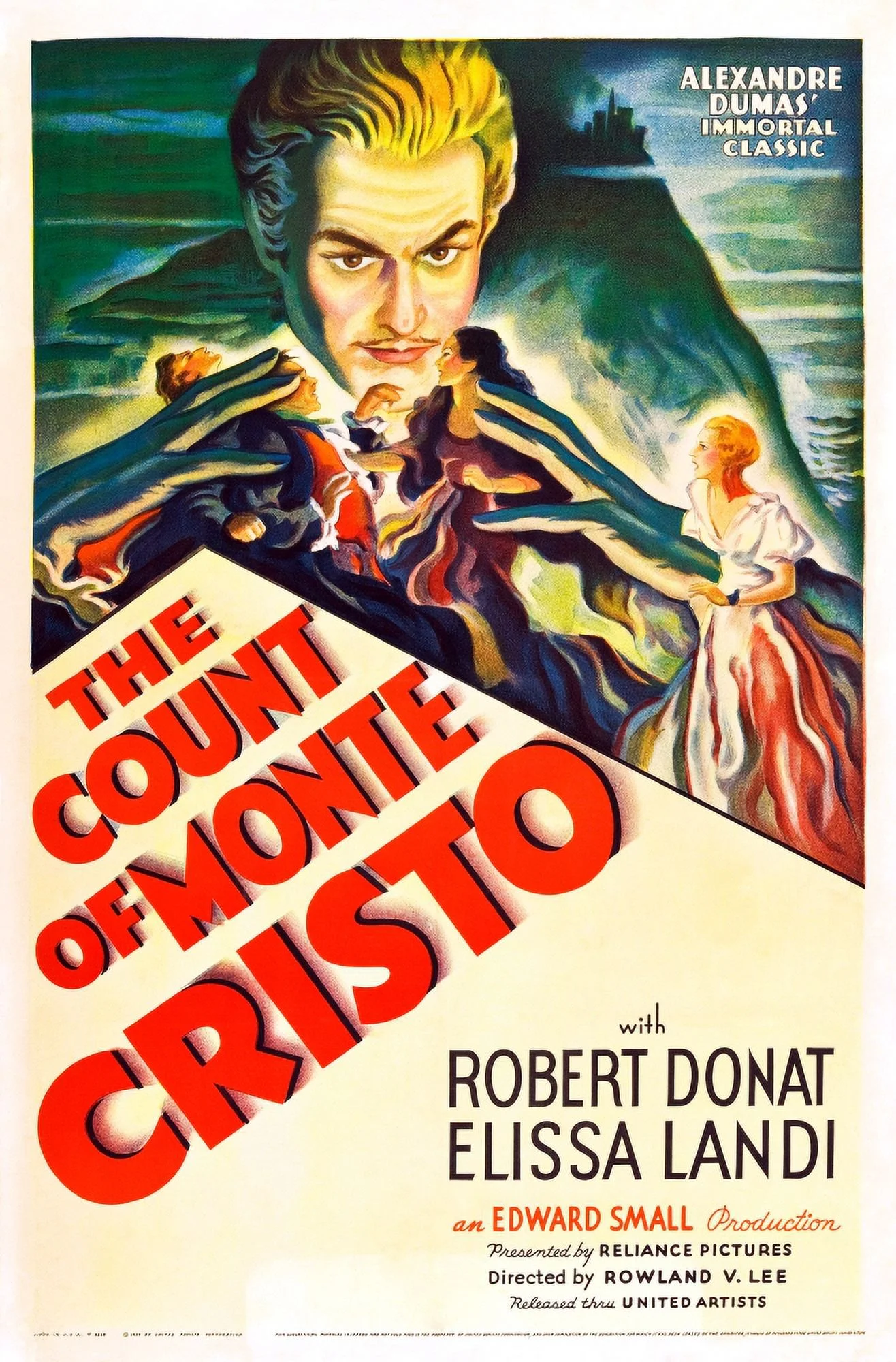
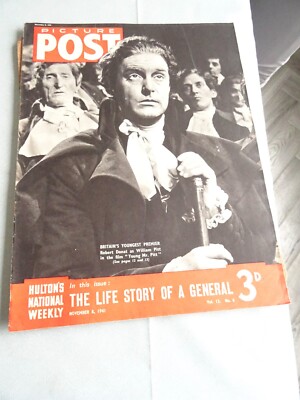
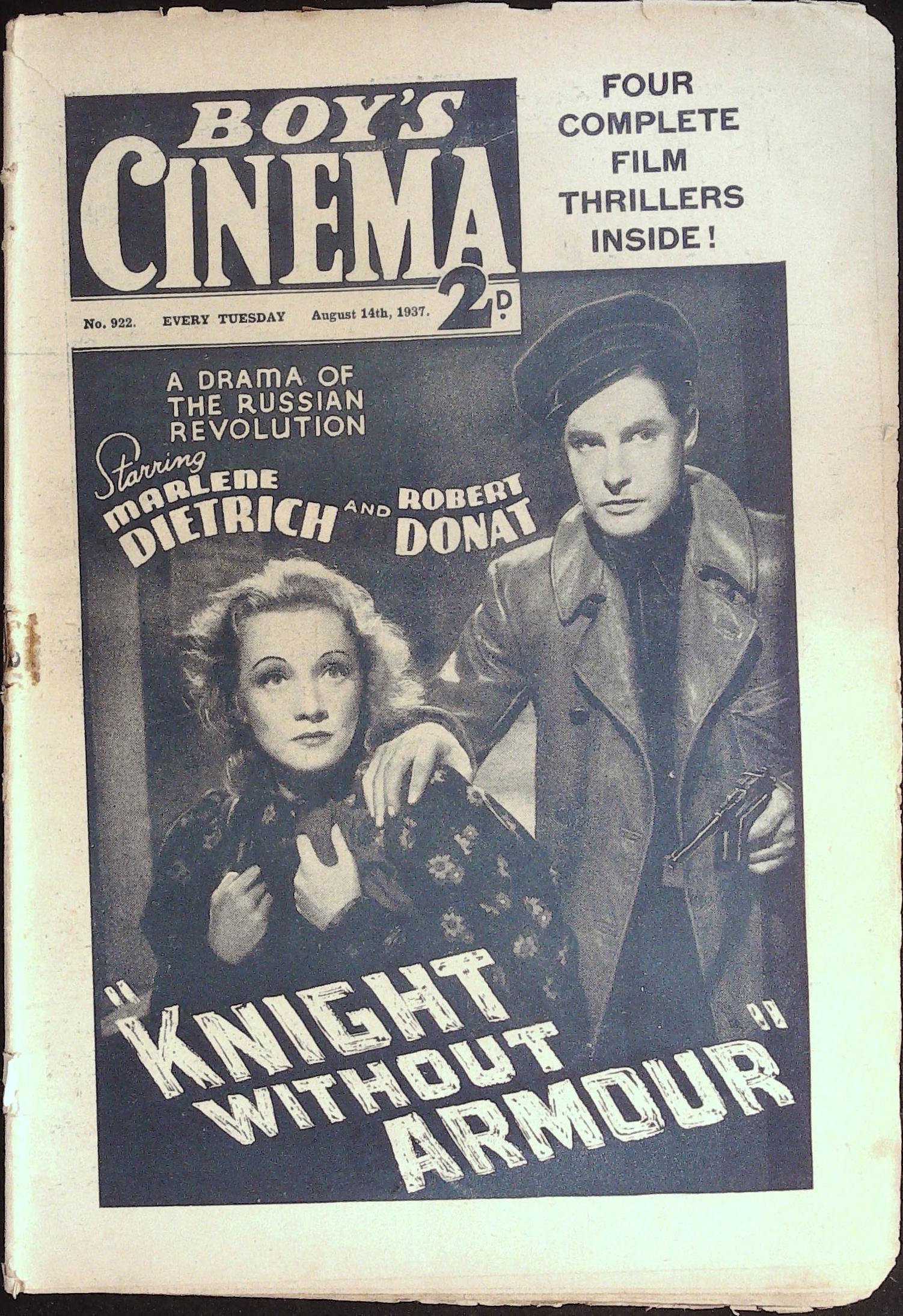
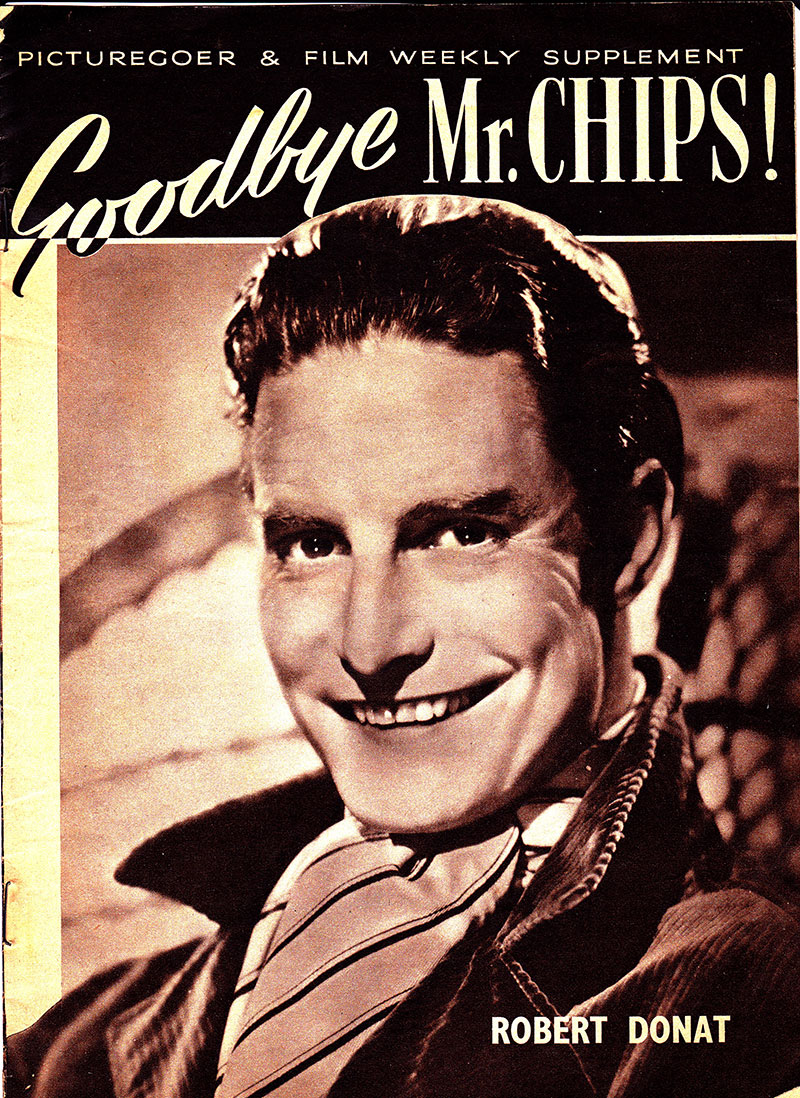
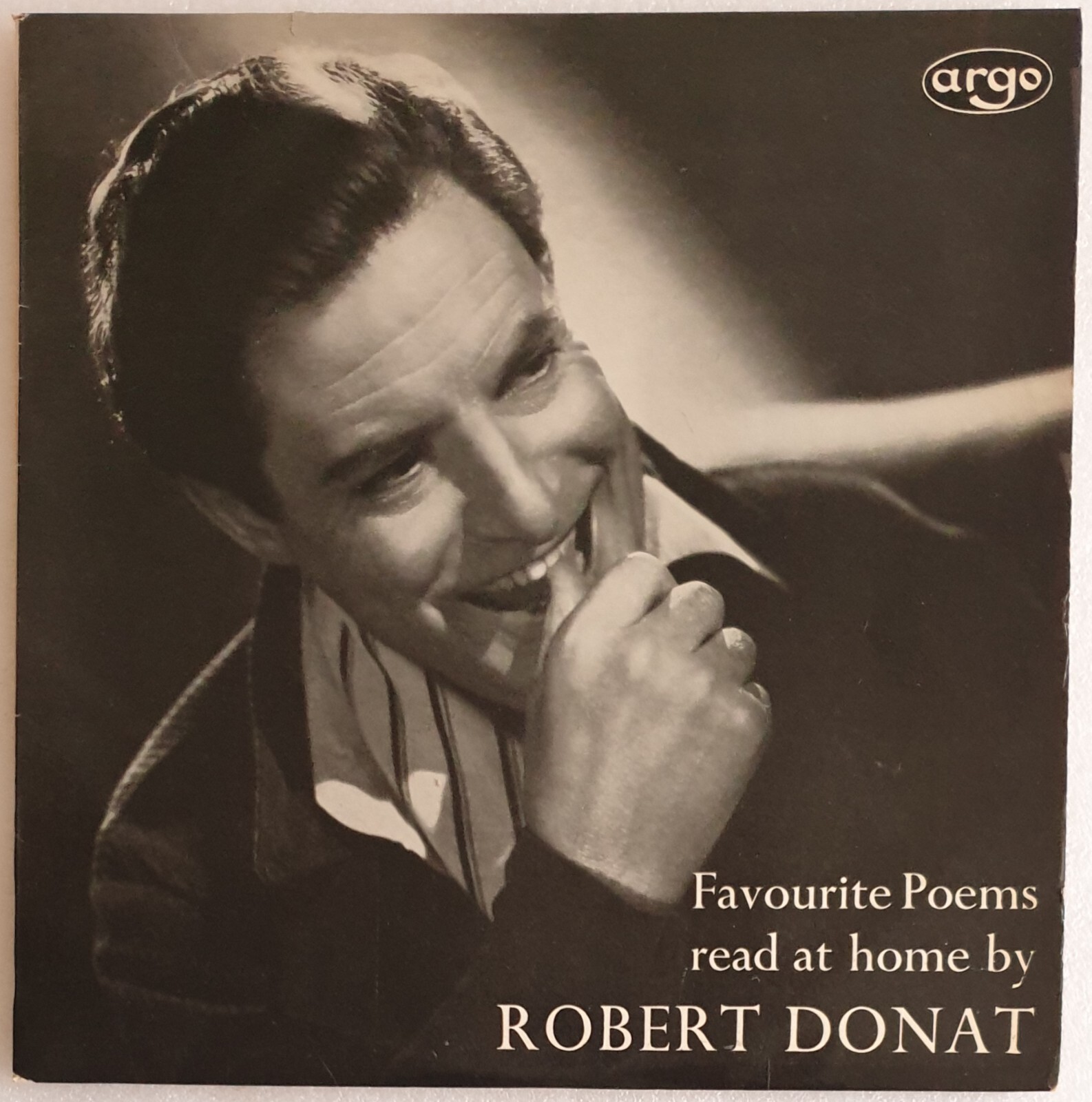
Robert Donat was born in 1905 in Manchester.   His stage debut came in 1921 and the following year made his first film “Men of Tomorrow”.   He suffered from asthma which restristed his career.   Although his film career is not extensive , his films are choise.   They include “The Ghost Goes West” in 1935, “The Private Lives of Henry 8th”.   He went to Hollywood to make one film “The Count of Monte Cristo” in 1934.   He won an Academy Award for his performance opposite Greer Garson in “Goodbye Mr Chips”.   His last film was in 1958 in “The Inn of the Sixth Happiness” with Ingrid Bergman in 1958.   He died the same year at the age of 53.

TCM Overview:

One of Britain’s biggest stars from the Golden Age of movies, handsome Manchester native Robert Donat established himself as a formidable stage performer via one of Britain’s leading Shakespearean companies and made a splash in “The Private Life of Henry VIII” (1933), which also proved to be a major success abroad. A well-respected star in his homeland, Donat also built a following in America, but in the wake of “The Count of Monte Cristo” (1934), he opted to work only in England, which allowed him to continue appearing on the London stage. In between those engagements, he graced some of England’s best films of the 1930s, including Alfred Hitchcock’s “The 39 Steps” (1935), “Knight Without Armour” (1937), “The Citadel” (1938) and “Goodbye, Mr. Chips” (1939), which earned him a well-deserved Academy Award for Best Actor. Unfortunately, chronic asthma hindered Donat for much of his life, forcing him to take long periods of convalescence; by the time he appeared in “The Inn of the Sixth Happiness” (1958), he was forced to have an oxygen cylinder nearby at all times. Although poor health curtailed his career and forced Donat to turn down a number of potentially interesting roles, he managed to achieve a degree of respect and popularity with British audiences that matched such formidable contemporaries as Laurence Olivier.

Robert Donat was born Friedrich Robert Donat in Withington, Manchester, England on March 18, 1905. Intrigued by the prospect of being either a stage or screen actor, Donat first needed to overcome a pronounced stammer, which he was able to eventually do with the assistance of an elocutionist, who also helped him adopt a more neutral accent. In the wake of this speech therapy, Donat was revealed to possess a superb speaking voice and he left Central High School for Boys at age 15 in order to pursue an acting career. He made his stage debut a year later in a production of “Julius Caesar” and Donat’s proficiency with the Bard’s writings helped to establish him as an up-and-coming stage performer. He spent 1924 through 1928 as a member of Sir Frank Benson’s Company, appearing in such Shakespeare standards as “Merchant of Venice,” “King Lear” and “Hamlet.”

After honing his craft for several years with the Benson players and the Venner Repertory Company, Donat began to perform regularly in London. He soon acquired a positive reputation, but sought to appear in movies in order to help support himself and his wife. Donat first graced the silver screen in the crime drama “That Night in London” (1932), with his first notable part coming in “The Private Life of Henry VIII” (1933) as Thomas Culpeper. The picture was a notable critical and financial success, particularly in the United States, which led to an invitation from Hollywood for him to star in “The Count of Monte Cristo” (1934). As the unjustly besmirched Edmund Dantes, Donat made for a dashing, charismatic hero and the film proved to be a rousing and visually pleasing adaptation that satisfied both critics and the public.

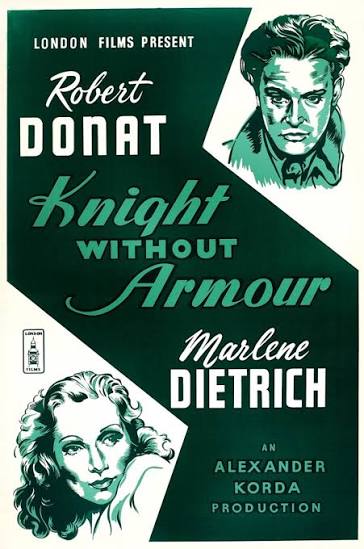
Although he seemed on the verge of making a big splash in America, and was considered for the title role in “Captain Blood” (1935) that eventually went to Errol Flynn, Donat decided that he preferred working in England and returned home, where he was recruited to star in one of his most famous films, Alfred Hitchcock’s “The 39 Steps” (1935). Playing a man unjustly suspected of murder, Donat exuded great charm in his scenes with female lead Madeleine Carroll and added greatly to the movie, considered to be among its director’s best early efforts. Donat essayed a dual part in the delightful fantasy-comedy “The Ghost Goes West” (1935), as both an American businessman and his ancestral ghost, whom he unknowingly brought back home with him after moving the family’s castle in Scotland across the ocean. Critics were less impressed than ticket buyers, but it went on to be the top grossing British motion picture upon its general release the following year. Donat also displayed excellent chemistry with Marlene Dietrich in “Knight without Armour” (1937), a lavish tale of espionage set during the Russian Revolution. In the wake of these hits, he was put under contract by the British arm of the prestigious Hollywood studio, MGM.

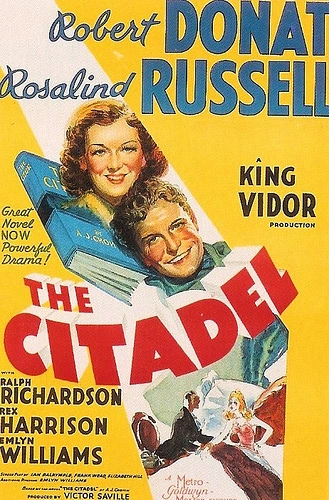
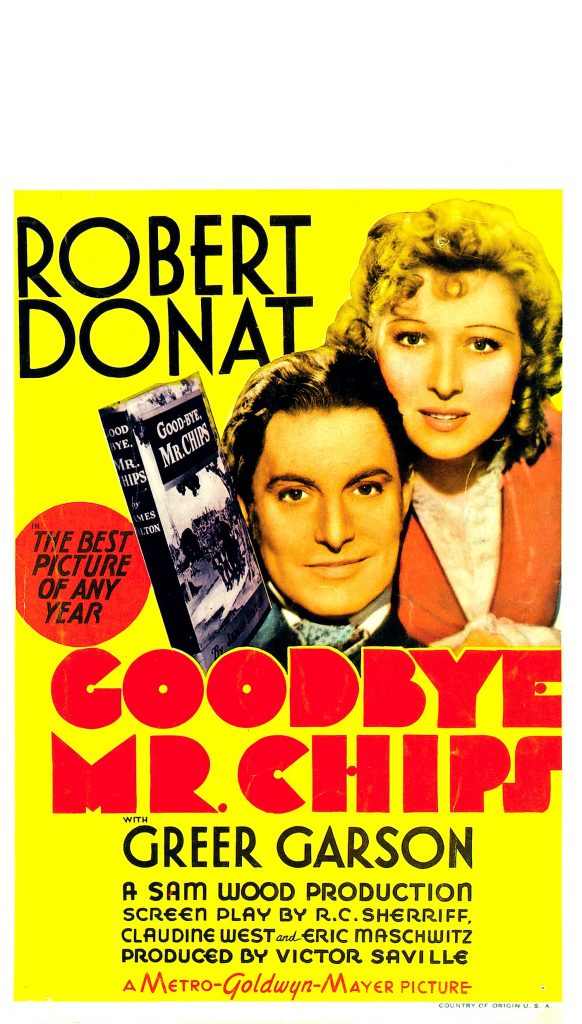
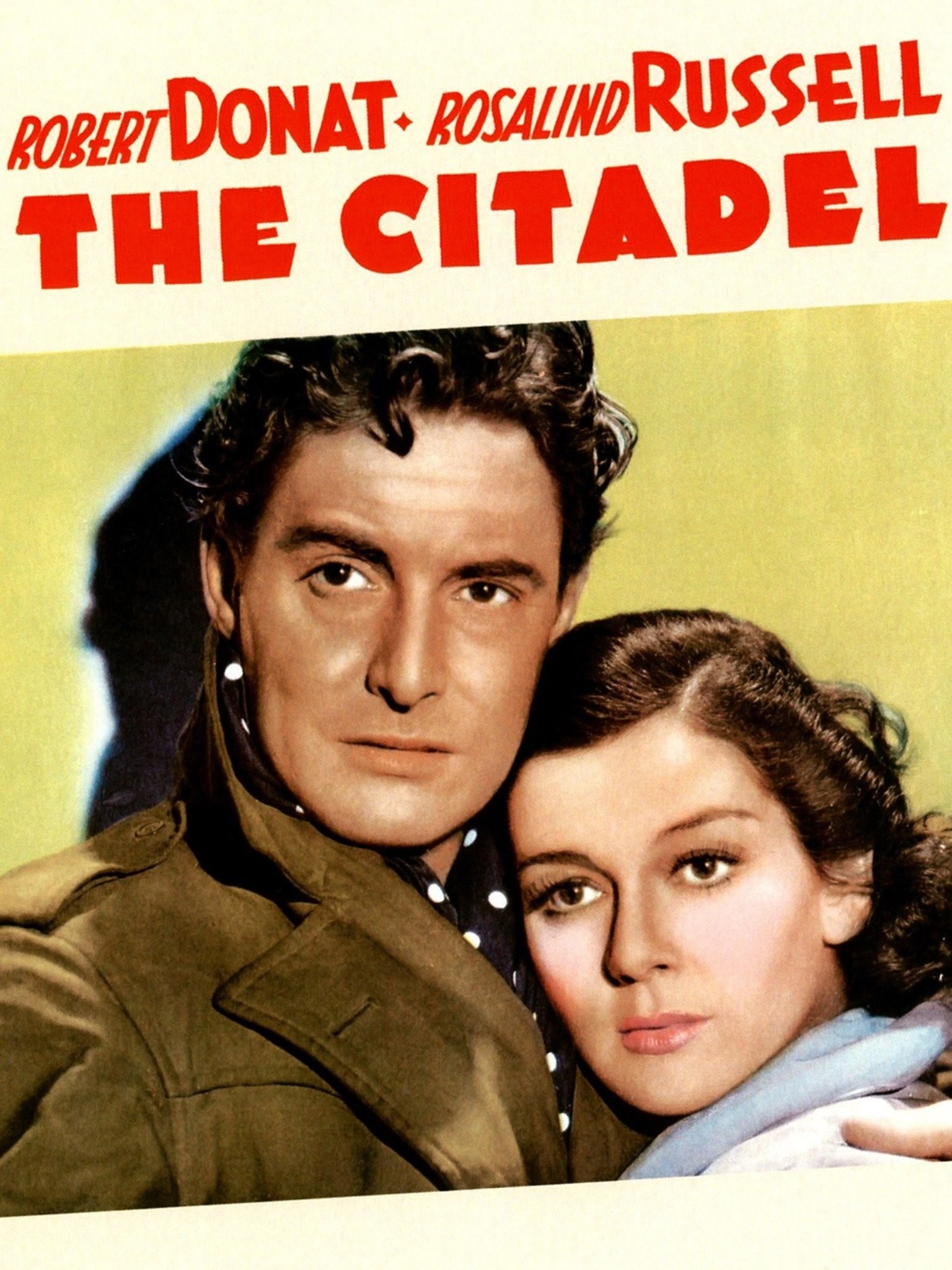
Donat’s career was progressing wonderfully. He had become extremely popular with movie audiences, while also being able to continue his stage work in plays like “Romeo and Juliet” and “The Devil’s Disciple.” Unfortunately, these successes were dampened by a continuing problem with asthma attacks, which first began to afflict him earlier in the decade and caused production of “Knight Without Armour” to be halted for a month. His initial film for MGM was “The Citadel” (1938) and Donat received an Oscar nomination for his turn as a doctor who selflessly devotes himself to treating the poor, but has his ideals tested upon relocating to London and being exposed to the upper class. He was honored with a Best Actor Academy Award statue for “Goodbye, Mr. Chips” (1939), in which Donat portrayed a beloved English schoolmaster from age 25 through 83. In one his best remembered performances, Donat demonstrated remarkable range, beautifully conveying the breadth of the character’s life with both subtlety and dignity.

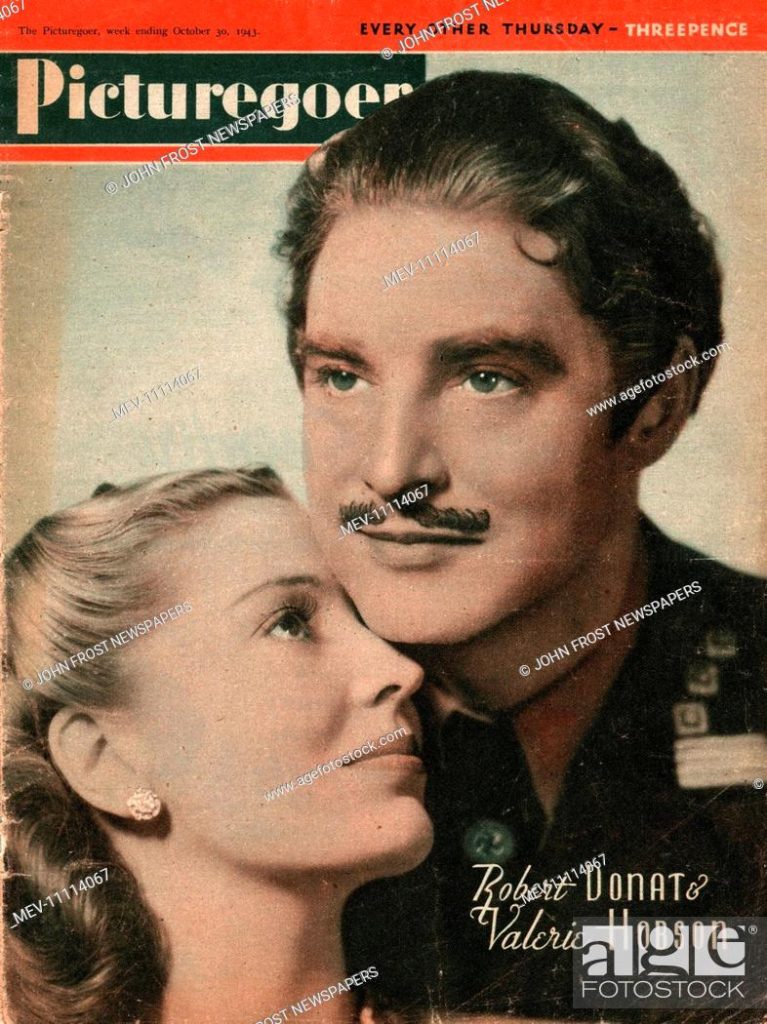
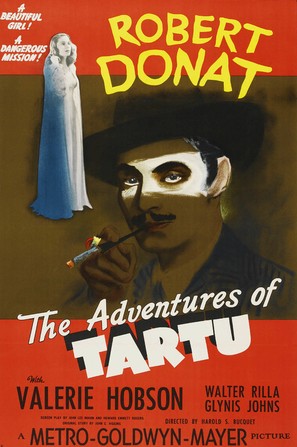
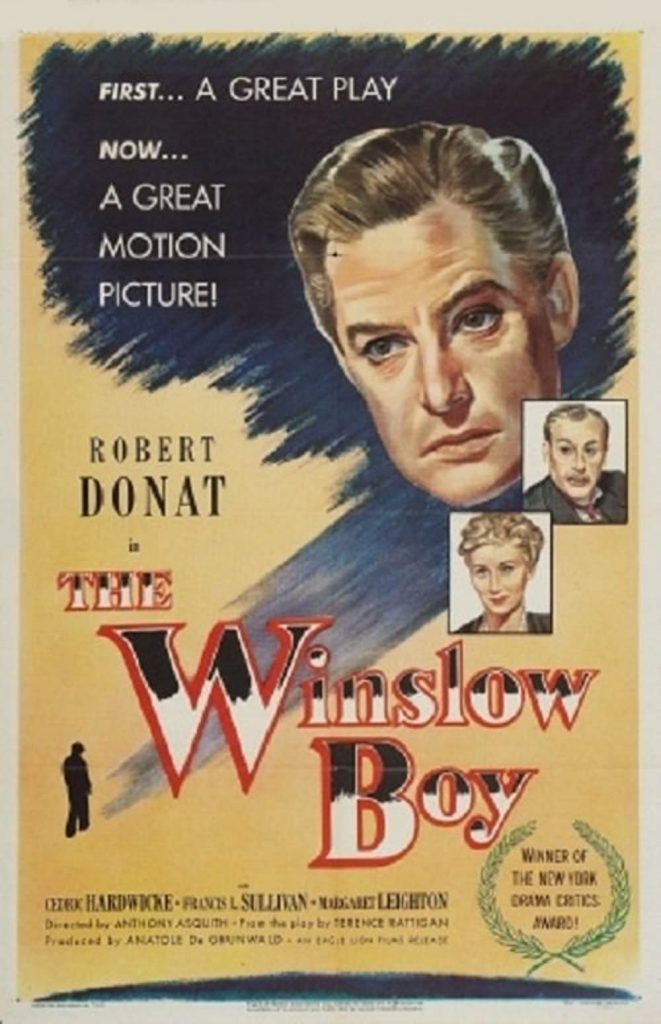
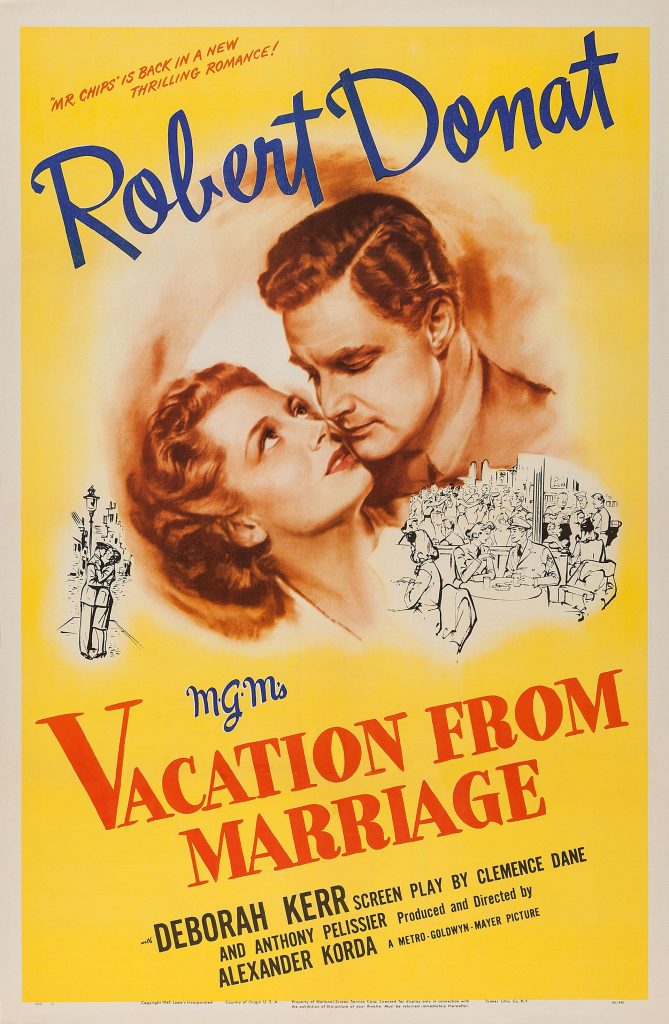
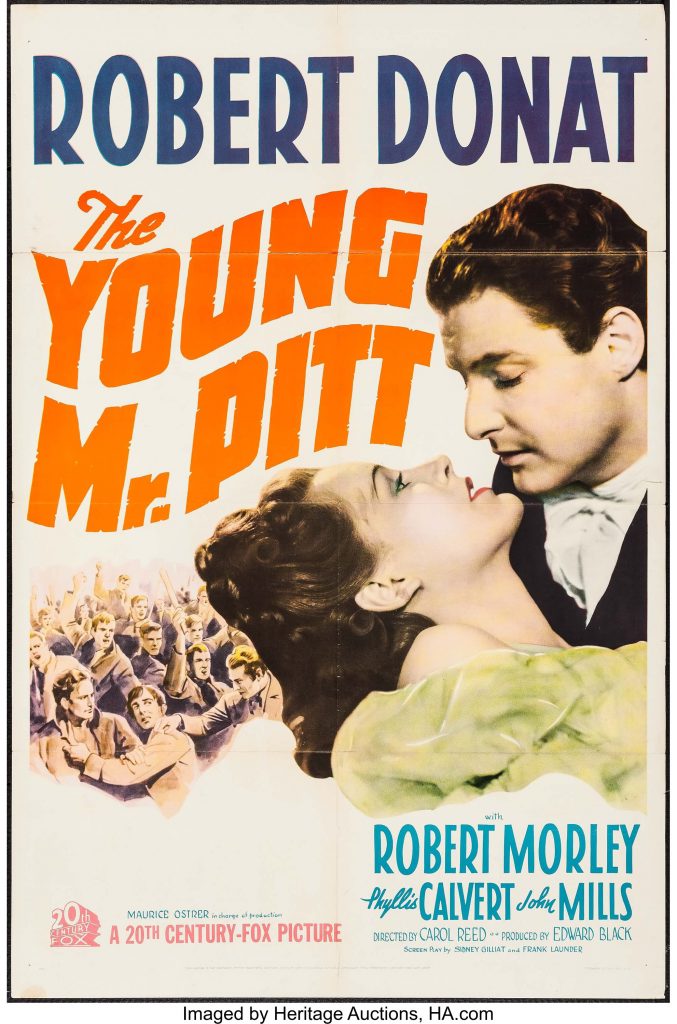
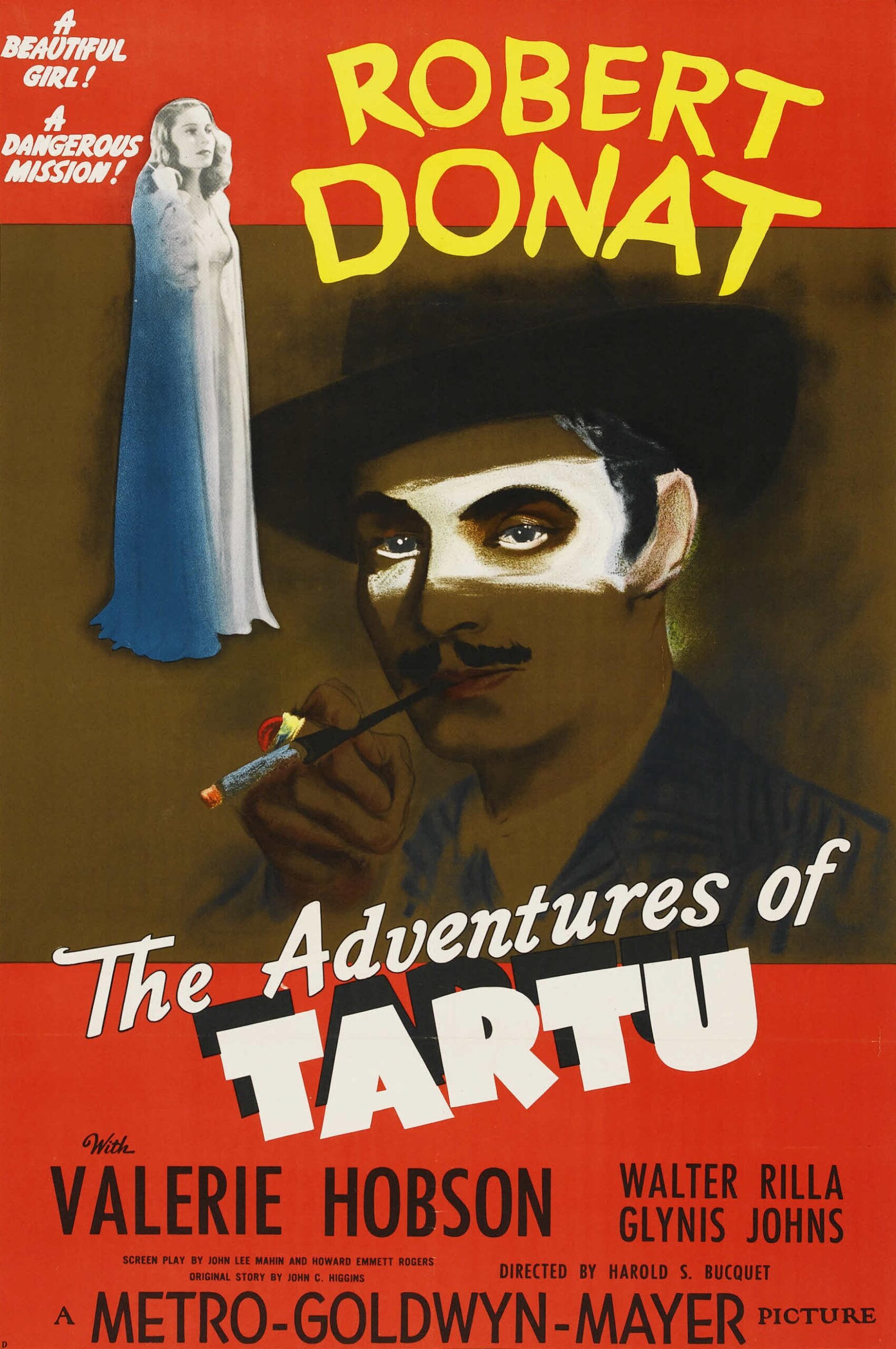
It would be three years before Donat returned to movies by essaying the title role in “The Young Mr. Pitt” (1942), with the historical biopic about the 19th century leader designed as a morale booster for war-weary English viewers. “The Adventures of Tartu” (1943) was a WWII thriller in the same vein, with Donat cast as a British soldier ordered to destroy a poison gas plant in occupied Czechoslovakia. That year, he also took over management of the Westminster Theatre, where he staged “The Cure for Love” and worked on radio. Donat was well matched with the lovely Deborah Kerr for the wartime romance “Perfect Strangers” (1945), though his real-life marriage to first wife Ella Annesley Voysey came to an end the following year. He appeared briefly as famous Irish politician Charles Parnell in “Captain Boycott” (1947) and enjoyed one of his best latter career parts in “The Winslow Boy” (1948), a superb adaptation of Terence Rattigan’s play concerning a naval cadet falsely accused of theft.

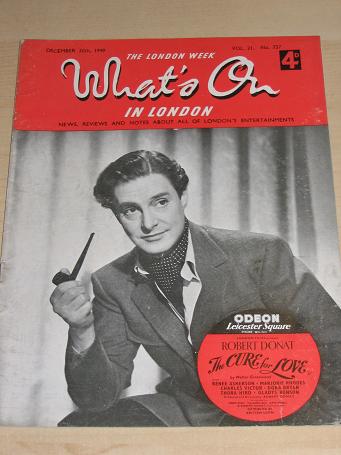
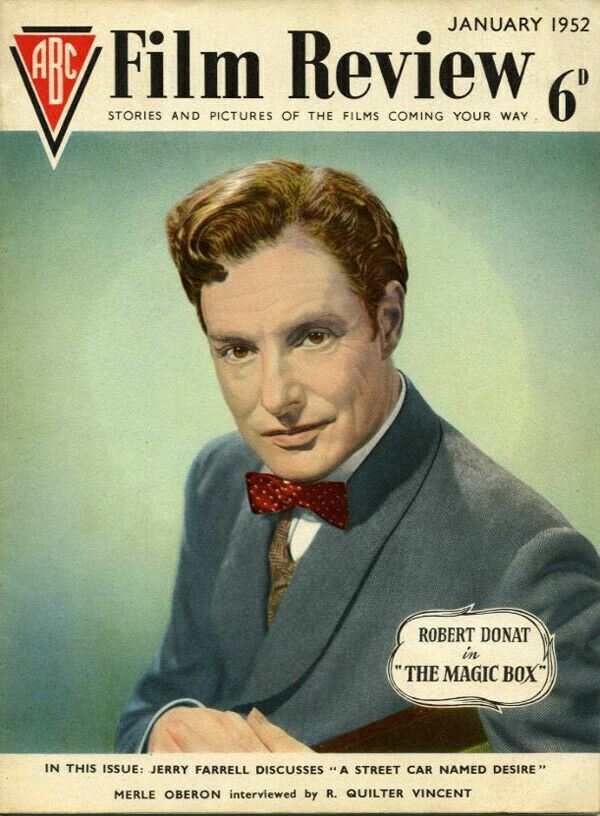
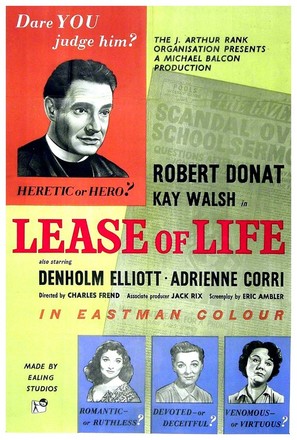
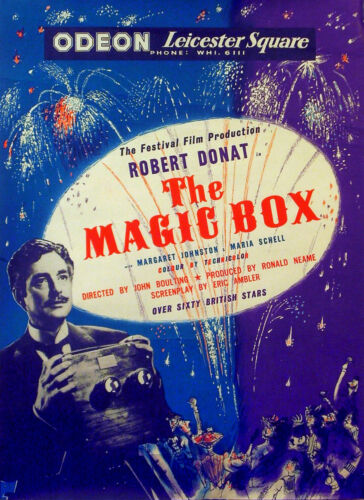
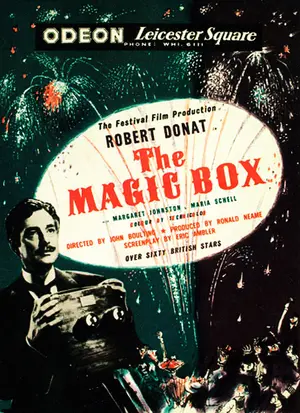
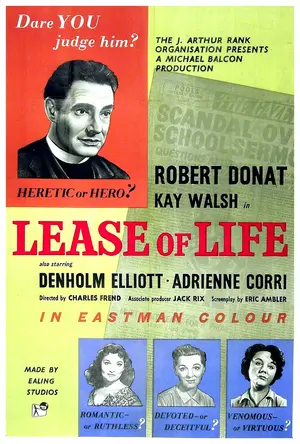
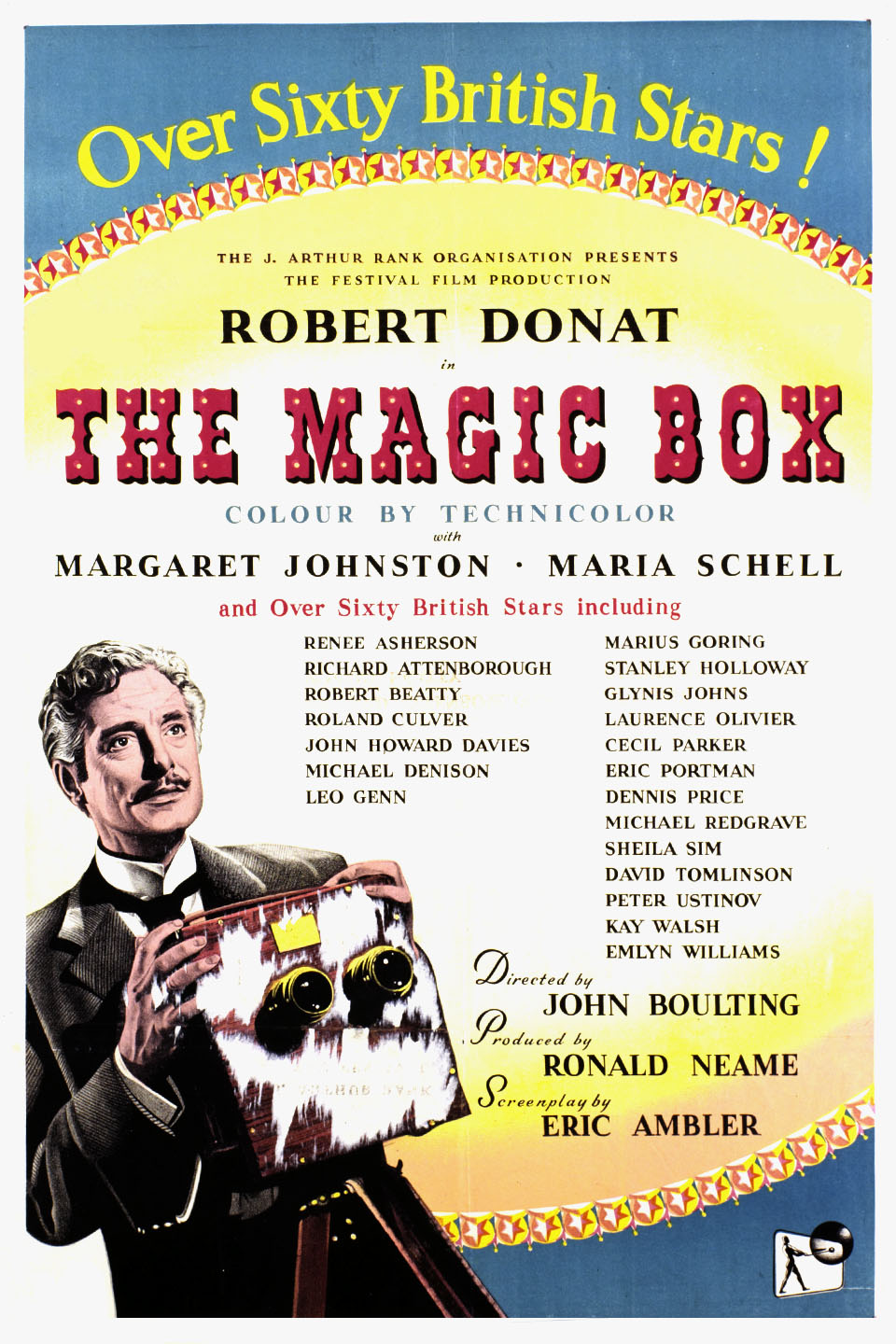
Donat expanded his motion picture credentials via the film version of “The Cure for Love” (1949), which he also wrote, produced and directed. Audiences adored the Lancashire-set comedy, but it was too local in nature to earn much international release and would be largely forgotten in later years. Remembered somewhat more widely, “The Magic Box” (1951) found Donat playing William Friese-Greene, the purported inventor of the movie camera and projector. The production’s claim of Britain deserving said honor was widely disputed, but Donat’s compelling performance more than compensated. By that point, Donat’s asthma issues (which he felt were psychosomatic) had hindered his career to an even greater degree, but he forged ahead. In 1953, the actor wed his second wife, actress Renée Asherson, and appeared at the Old Vic in “Murder in the Cathedral,” his final stage turn. Donat’s talents provided the best reason to watch the drama “Lease of Life” (1954), his first feature after a three-year absence, but by the late 1950s, Donat’s health had disintegrated to the point where he required steady access to an oxygen tank and the shooting of “The Inn of the Sixth Happiness” (1958) proved to be a difficult ordeal. He died on June 9, 1958, a brief time after the movie wrapped. His acting in “Sixth Happiness” took on an extra level of poignancy as Donat’s character was also on the verge of death. He was posthumously awarded a star on the Hollywood Walk of Fame in 1960.

By John Charles

The above TCM overview can also be accessed online here.

A Very Personal View

Robert Donat, the distinguished British actor whose mellifluous voice, sensitive intelligence and profound emotional range made him one of the finest performers of his generation — and whose Oscar‑winning portrayal of Mr. Chips remains a pinnacle of screen acting — died on 9 June 1958 at the age of 53. Despite a career tragically shortened by chronic asthma, he created a handful of performances of such depth and humanity that they continue to define excellence in cinematic art.

He was born Friedrich Robert Donat on 18 March 1905 in Withington, Manchester, the son of a Polish‑German civil engineer and an English mother. From childhood he was plagued by severe chronic asthma — a condition that would shadow his entire life and career. Yet even as a boy, his extraordinary speaking voice and natural dramatic instincts marked him as exceptional.

Donat trained at the Central School of Speech and Drama in London, where his classical technique and vocal precision quickly distinguished him. He made his professional stage debut in 1921, beginning a theatrical career that saw him excel in Shakespeare, Shaw, and contemporary drama. His stage presence was commanding yet intimate, and his voice — rich, precisely modulated, capable of infinite subtlety — became one of the great instruments of British theatre.

His film career began in the early 1930s, but his breakthrough came when Alfred Hitchcock cast him as Richard Hannay in “The 39 Steps” (1935). As the innocent man caught in a web of espionage and murder, Donat displayed the perfect combination of everyman vulnerability and heroic resourcefulness. His performance anchored Hitchcock’s masterpiece, making Hannay’s perilous journey completely believable and deeply engaging.

The success of The 39 Steps established Donat as a major international star, and he followed it with a series of distinguished performances:

• “The Count of Monte Cristo” (1934) — bringing psychological depth to Dumas’s revenge epic
• “The Citadel” (1938) — as the idealistic doctor whose principles are tested by success, earning him an Academy Award nomination
• “Goodbye, Mr. Chips” (1939) — his masterpiece, spanning fifty years in the life of a beloved schoolmaster

Goodbye, Mr. Chips represented the pinnacle of Donat’s artistry. His portrayal of Arthur Chipping from young teacher to aged headmaster was a tour de force of aging, character development, and emotional truth. Through makeup and masterful acting, he created a complete life story — the evolution of a shy, uncertain young man into a beloved institution. His performance earned him the Academy Award for Best Actor, beating Clark Gable’s Rhett Butler in Gone with the Wind.

Donat’s approach to acting was notably intellectual and meticulous. He researched his roles exhaustively, often learning new skills or studying professional fields to achieve authenticity. His preparation for The Citadel included extensive time with real doctors, and his Mr. Chips drew from detailed observation of British public school life.

Yet his career was increasingly constrained by his worsening health. His chronic asthma made filming difficult and sometimes impossible, forcing him to turn down numerous prestigious roles. The condition also affected his breathing technique, requiring him to carefully manage his energy and vocal resources.

His later films included:

• “The Young Mr. Pitt” (1942) — a stirring wartime biography of the British Prime Minister
• “Perfect Strangers” (1945) — opposite Deborah Kerr
• “The Winslow Boy” (1948) — Terence Rattigan’s acclaimed courtroom drama
• “The Magic Box” (1951) — a tribute to cinema pioneer William Friese‑Greene

Each performance demonstrated his continued growth as an artist. In The Winslow Boy particularly, his portrayal of the barrister defending a boy’s honour was both intellectually rigorous and deeply moving.

Despite his international success, Donat remained deeply connected to British theatre. He appeared regularly on the London stage, often in challenging classical roles that demanded his full range. His Becket in Murder in the Cathedraland his King Lear were particularly celebrated.

His personal life was marked by the same thoughtfulness that characterized his professional work. He was married twice — first to Ella Voysey and later to Renée Asherson — and was a devoted father. Friends described him as cultured, witty, and surprisingly modest despite his great success.

The final years of his life were increasingly dominated by illness, but he continued working when possible. His last major film, The Inn of the Sixth Happiness (1958), was completed despite severe health challenges and stands as a testament to his professional dedication.

Robert Donat died in London hospital, succumbing to the chronic condition that had plagued him throughout his life. His death at 53 was mourned internationally as the loss of one of cinema’s great artists.

His legacy endures in the timeless quality of his best performances. Goodbye, Mr. Chips remains a masterpiece of screen biography, while The 39 Steps showcases his remarkable ability to ground fantastic situations in recognizable human emotions.

Donat represented British acting at its most refined and intelligent — classical training combined with profound humanity, technical excellence balanced by emotional truth. He proved that great screen acting requires not just talent but patience, preparation, and the wisdom to choose quality over quantity.

Though his output was smaller than many of his contemporaries, every performance bore the mark of an artist committed to excellence and truth

Peter Arne
Peter Arne
Peter Arne
Peter Arne
Peter Arne
 

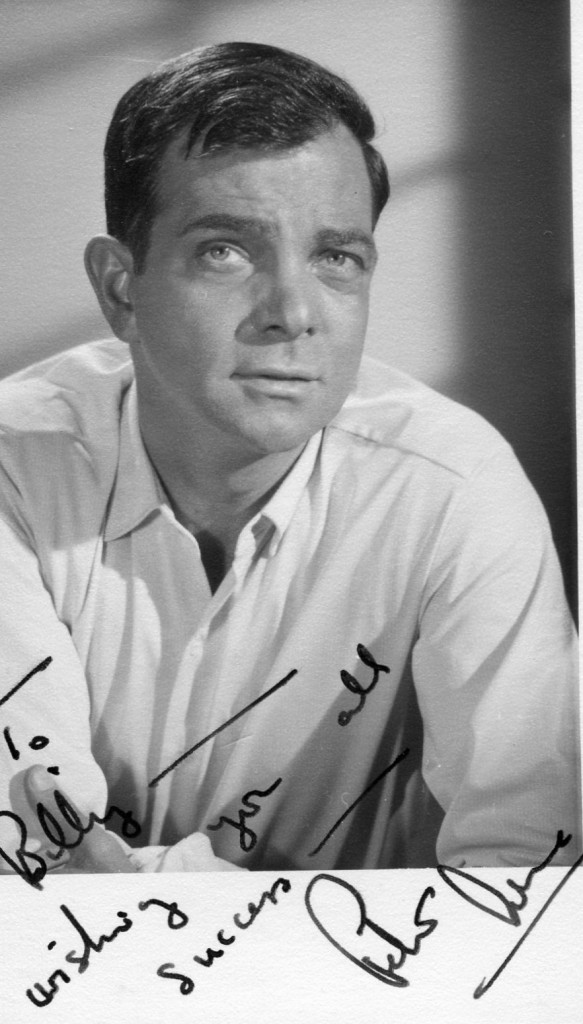
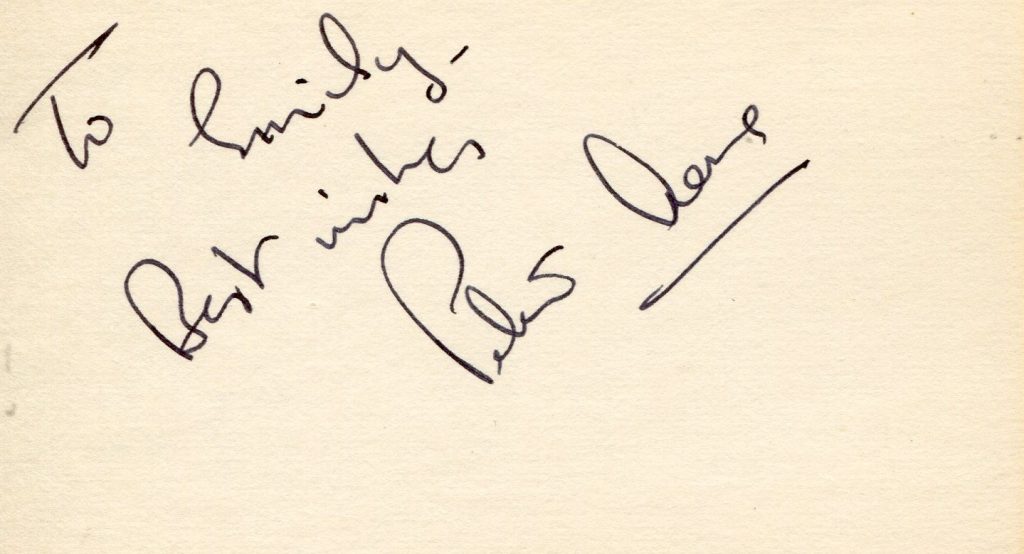
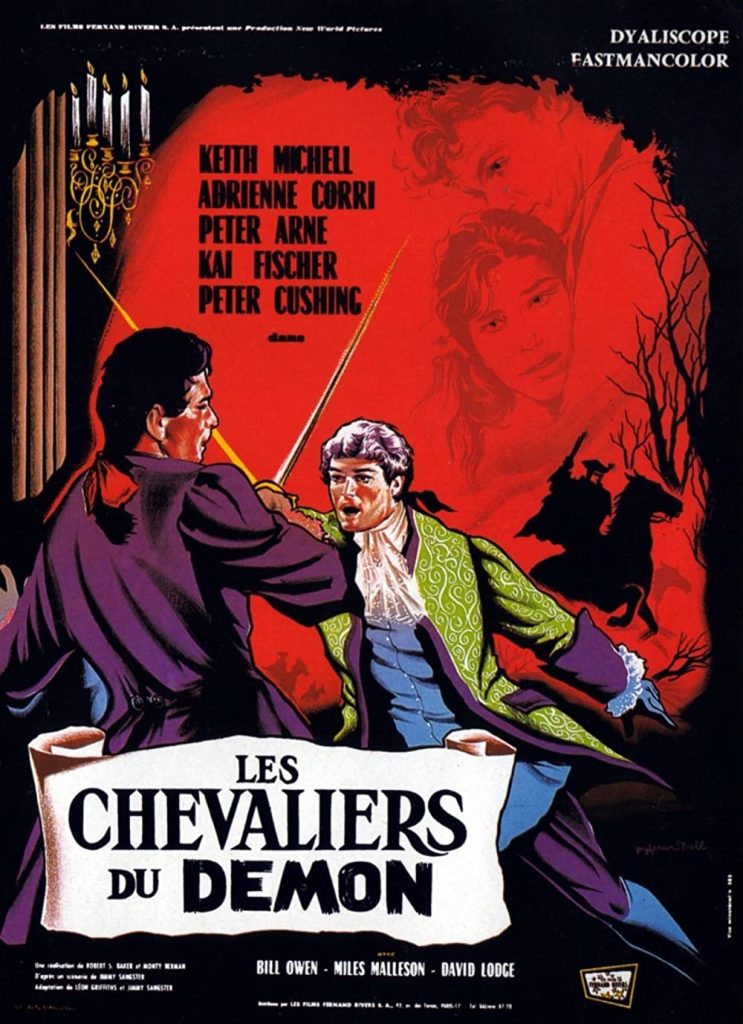
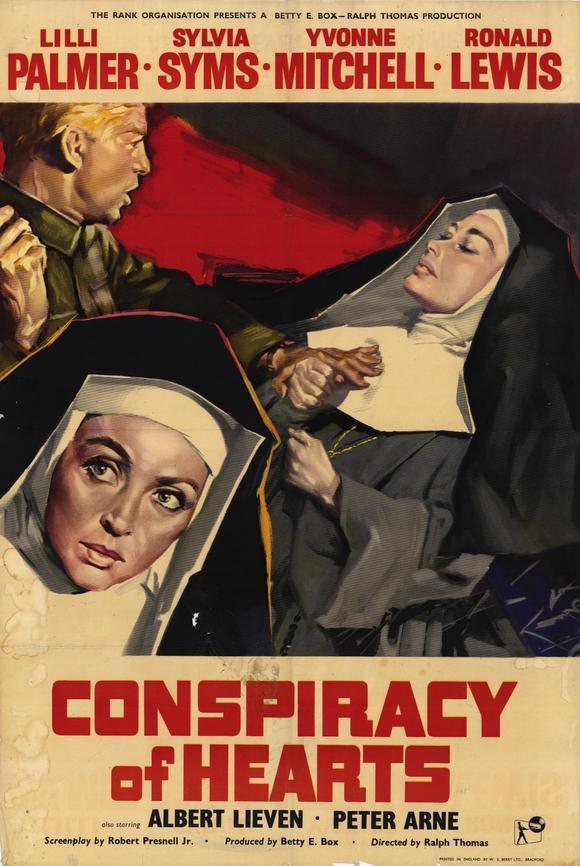
Peter Arne was born in Kuala Lumpar, Malaya in 1930 to a Swiss-Franch mother and an American father.   His first film in 1944 was “Fot Those in Peirl”.   Among his film credits are “The Purple Plain”,  “The Moonraker”, “High Tide at Noon” and “Conspiracy of Hearts” in 1959.   Sadly he was murdred in his apartment in Knightsbridge in London in 1983.

IMDB mini biography:

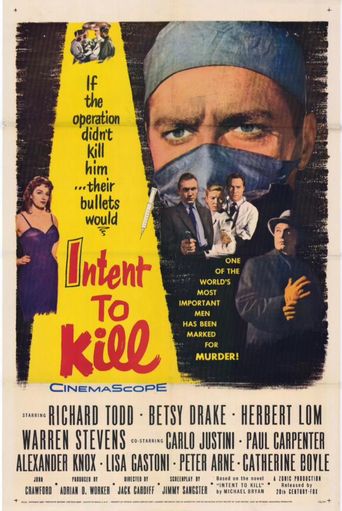
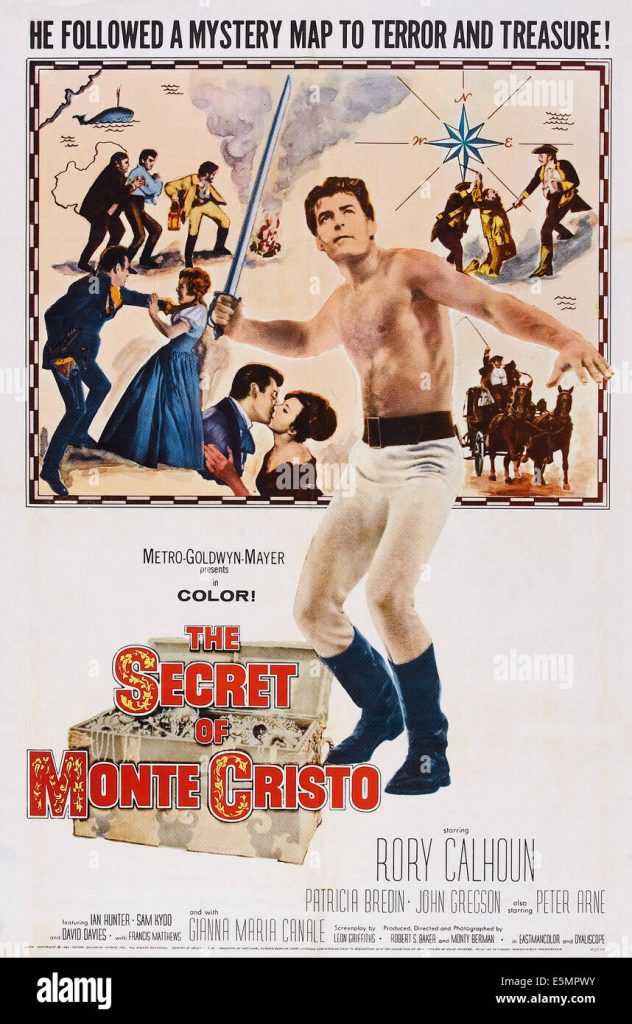
Peter Arne was for a short time the perfect villain in British film. After a couple of roles in war movies (The Purple Plain (1954) and The Cockleshell Heroes (1955)) and a Tarzan movie (Tarzan and the Lost Safari (1957)) he became a villain in Strangers’ Meeting(1957). From than on he continued to play sinister types in The Moonraker (1958), Intent to Kill (1958), Breakout (1959), Conspiracy of Hearts (1960), The Hellfire Club (1961) andThe Secret of Monte Cristo (1961). He was very convincing as a Cromwell officer, an Italian camp commander or a Nazi officer. Several times he had sword fights as a devious count. In 1962 he was a pirate sidekick of Christopher Lee in The Pirates of Blood River(1962), but a new kid on the block by the name of Oliver Reed challenged him and killed him halfway through the picture. It seemed like a symbolic fight because for a while Oliver Reed played the roles in Hammer Pictures that Peter Arne could have played and Arne moved to TV roles. His days as a leading actor were over and he continued work in TV and in bit parts in features. Sometimes directors he worked with before brought him back for a little role. In 1972 he got a nice break with “The Stallion”, a TV movie in which he starred with a horse. He was also in a couple of Blake Edwards movies. He became an antique dealer with his sister as a sideline. He died at the age of 63.

– IMDb Mini Biography By: Thys Ockersen

Peter Arne (1920–1983) was one of the most distinctive “villains for hire” in British cinema and television. With his sharp, angular features, impeccably clipped mid-Atlantic accent, and a gaze that could shift from icy detachment to sudden violence, Arne became the go-to actor for playing high-status antagonists, slippery bureaucrats, and sadistic henchmen.

Career Overview

Born Peter Albrecht Bernhard Arne in British Malaya to a Swiss-French mother and a Polish-Russian father, Arne’s “exotic” but refined background made him difficult to pigeonhole into the rigid British class-casting of the 1950s.

  • The Military and Stage Beginnings: After serving as a pilot in the Royal Air Force during WWII, Arne began his career in regional repertory theatre. His breakthrough came on the London stage in the mid-1950s, which quickly led to a contract with Associated British Picture Corporation.

  • The “Technicolor Villain” (1950s–1960s): He became a staple of adventure films and war epics, often playing the “outsider” or the treacherous officer. Notable roles in this era include The Moonraker (1958) and Ice Cold in Alex (1958).

  • The Cult Television Icon (1960s–1970s): Arne found his greatest longevity in the “Golden Age” of British filmed television, appearing in almost every major action-adventure series of the era, including The AvengersDanger ManThe Saint, and The Prisoner.

  • The Final Act (1980s): His career ended tragically in 1983 when he was murdered in his London apartment, just as he was enjoying a career resurgence with roles in the Pink Panther series and Champion.


Critical Analysis of His Work

1. The Aesthetics of the “Polished Predator”

Arne’s primary critical contribution was his ability to make villainy seem intellectually superior. Unlike the “thug” actors of his generation, Arne projected a sense of high culture and effortless authority.

  • Analysis: In films like “Ice Cold in Alex”, he played an officer who was technically efficient but morally suspect. Critics often noted his “reptilian” stillness; he had a way of standing perfectly still while his eyes scanned the room, suggesting a character who was always three steps ahead of the protagonist. He specialized in the “civilized monster”—someone who would discuss fine wine while ordering a kidnapping.

2. The Master of the “Euro-Villain”

Because of his heritage and his mastery of accents, Arne was often cast as characters whose nationality was ambiguous but whose threat was clear.

  • Analysis: During the Cold War era of British cinema, Arne filled the niche of the “debonair foreigner.” He was rarely cast as the hero because his screen presence was considered too “enigmatic” or “shifty” for the traditional British leading-man mold. However, he used this to his advantage, bringing a cosmopolitan complexity to roles that might have been one-dimensional in the hands of a less skilled actor.

3. The “Pink Panther” and Comedic Self-Correction

In the 1970s and 80s, director Blake Edwards utilized Arne’s severe image for comedic effect in the Pink Panther films (notably Return of the Pink Panther and Trail of the Pink Panther).

  • Analysis: By playing his roles with absolute, straight-faced gravity amidst the chaos of Peter Sellers, Arne proved he was a master of tonal counterpoint. The “Arne Archetype”—the stern, unyielding professional—became the perfect foil for slapstick. His ability to maintain dignity while the world collapsed around him was a testament to his technical discipline.

4. Television as a Canvas for Range

While film cast him as a villain, television allowed Arne more breathing room.

  • Analysis: In his multiple guest appearances on The Avengers, he showcased a flair for the surreal and the eccentric. He understood the “heightened reality” of 1960s television, often delivering lines with a slight, ironic “wink” to the audience that suggested he was in on the joke.


Key Filmography and TV Work

Work Year Role Significance
Ice Cold in Alex 1958 British Officer A high-tension performance in a classic war drama.
The Moonraker 1958 Edmund Tyler Established him as a formidable period-drama antagonist.
The Avengers (TV) 1961-67 Various Appeared in four different roles, showcasing his versatility.
The Return of the Pink Panther 1975 Colonel Sharki A late-career highlight showcasing his deadpan comedic utility.
Straw Dogs 1971 Phil Riddaway A brief but chilling role in Sam Peckinpah’s controversial masterpiece.
The Prisoner (TV) 1967 Number Two Played the lead antagonist in the episode “Many Happy Returns.”

In summary: Peter Arne was the “Dark Mirror” of British cinema. He provided the necessary friction that made heroes like John Steed or Roger Moore’s Simon Templar look good. While he rarely got the girl or saved the day, his technical precision and distinctive “menace-with-manners” made him one of the most memorable character actors of his generation

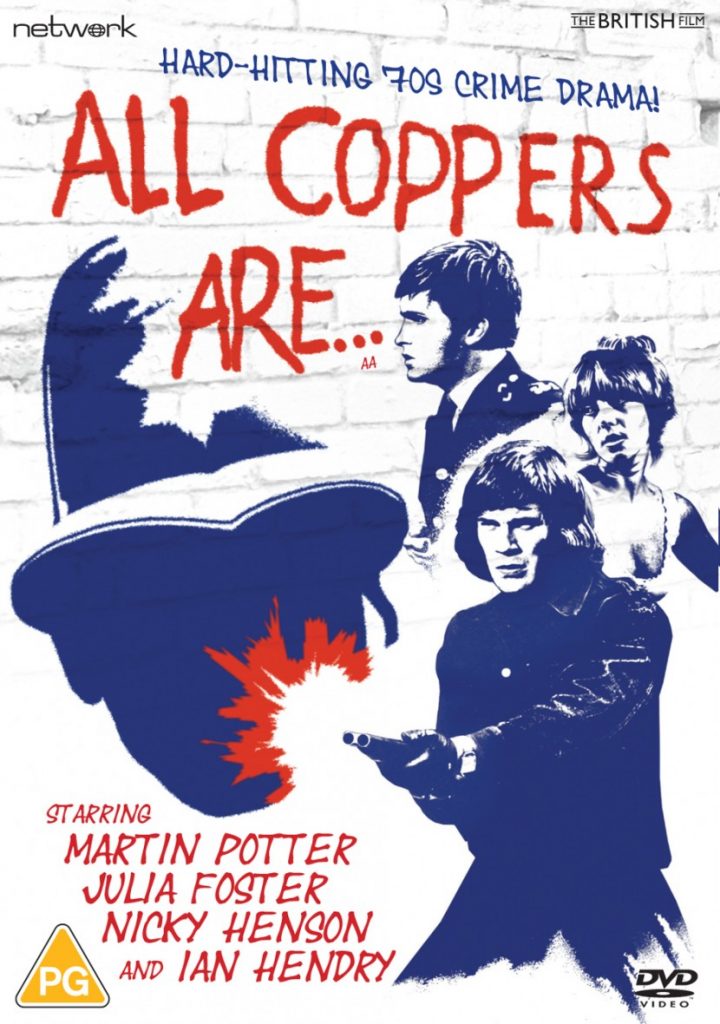
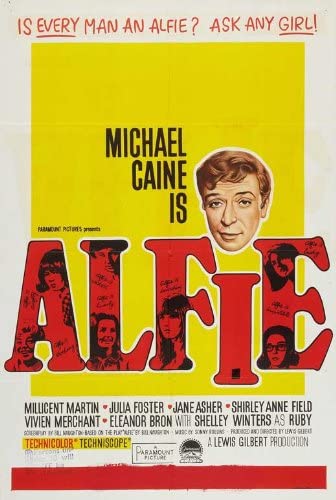
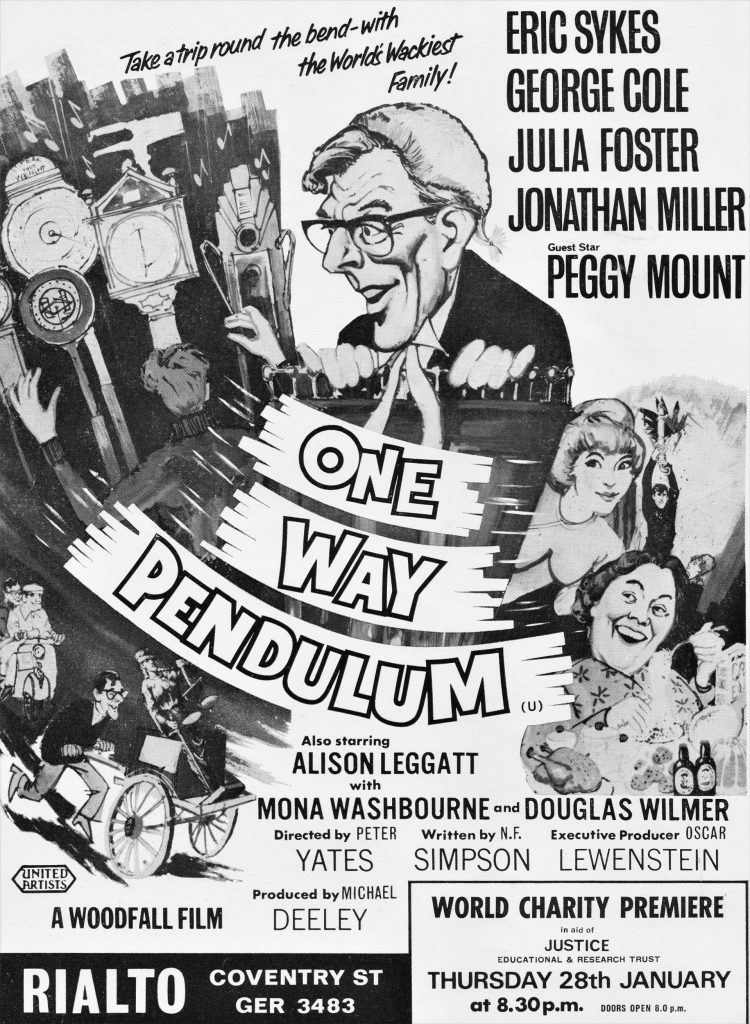
Julia Foster
Julia Foster
Julia Foster

Julia Foster. TCM Overview

Julia Foster was born in 1943 in Lewes in Sussex.   Among her film credits are “The Bargee” with Harry H. Corbett in 1964 followed two years later by “Alfie” with Michael Caine.   She was the lading lady to Tommy Steele in the film of the musical “Half A Sixpence” in 1967.   Still makes occasional television appearances.   Is the mother of television broadcaster Ben Fogle.

TCM Overview:

Julia Foster
Julia Foster

Julia Foster was an actress with a strong presence in film throughout her  career. Foster started off her career in film with roles in “The Loneliness of the Long Distance Runner” (1962), the dramatic adaptation “One Way Pendulum” (1964) with Eric Sykes and the dramatic adaptation “Alfie” (1965) with Michael Caine. She then acted in “Half a Sixpence” (1968), “Percy” (1970) and the Spike Milligan comedy “The Great McGonagall” (1974). She also appeared in “F. Scott Fitzgerald in Hollywood” (ABC, 1975-76). More recently, Foster acted in “Flick” (2010) with Faye Dunaway.

Article in “Sussex Life” in 2010:

TV presenter, writer and adventurer Ben Fogle believes he inherited his performance gene from his mother, Lewes-born actress Julia Foster, who made her name in the 1960s films Alfie and Half a Sixpence. Ben, who spent his childhood weekends at his parents holiday cottage in Horsham, reflects on the debt he owes her Ben Fogle has always been close to his mum. A shy and introverted child, he often felt overwhelmed by his louder, more extrovert sisters, and clung tenaciously to his mothers apron strings.

When his parents sent him to board at Bryanston in Dorset, he stood in the middle of the drive with tears pouring down his cheeks, pleading with them not to leave him. It was no different at nursery school. Its not that I dont like it here, he told his mother. Its just that Id rather be with you.   These days, of course, Ben is a very different animal a bubbly and outgoing TV personality and daring adventurer, who has tested the limits of his physical and mental endurance while trekking across some of the planets toughest terrain. But he and his mother remain close to this day.

Were very similar in many ways, he says thoughtfully. Were both sensitive to criticism, and its ironic that we ended up in careers where it can be frequently directed at you. Mummy always said that she never read her reviews, but we knew she did really. And Im just the same. I have a very thin skin.

Ben grew up with histwo sisters, Emily and Tamara, in a large house near Marble Arch in the centre of London, where his father, the TV vet Bruce Fogle, ran a veterinary clinic. Every day after school, he would walk through his dads clinic full of dogs and snakes up to their flat, where his mother, then a big name on stage and screen, would invariably be posing for a photoshoot. There were usually lights and photographic umbrellas everywhere, and that was my childhood animals and cameras, he says. Mummy was very much the performer when I was growing up. And now its me that does it.

Well-known actors such as Tommy Steele or Michael Caine would often call in, but the young Ben was singularly unimpressed to him they were just Mummys friends. Fittingly, given his future career, he was much more interested in BBC TV Centre, where his mum would often take him after school.  Each day shed turn up at the school gates in a different wig, depending on the character she was playing, he grins. Id sit in her dressing room doing my homework, while she did her performance. The smell of the greasepaint must have rubbed off because as soon as he completed his schooling Ben determined to become an actor with disastrous consequences.  I think Mummy was quietly proud that Id chosen to follow her, but when I applied to all the drama schools I couldnt get into any of them and I was utterly distraught. My abiding memory is of Mummy saying to me: Ben, if you become an actor, you will have to put up with rejection every day of your life. That was a big wake-up call and it made me realise what my mother had had to deal with. Shed been one of the biggest stars of the 1960s, and had then had to sit round and watch younger actresses fill her shoes.

He says his mother made a lot of career sacrifices, even turning down work in America so that she could be there for him while he prepared for his O-levels. I really admire the dignified way she stepped back when the acting work dried up and built up her own antique furniture business.   Im very proud that she was able to build a new career and sad as well because I know how much acting meant to her. Im sure if the right job came up, shed love to have another go at it. And nothing would give me more pride than to see my mother treading the boards again.

Ben, who still lives near his parents in West London (though the family also have a second home in Ford, West Sussex), sees his mother most days and they frequently walk their dogs together. Sometimes Ill ask for her advice particularly if Ive been offered a big TV series because I value her perspective on things. But the media world has changed a lot since the 1960s and I dont think she quite understands how it works now. Shes sometimes surprised at how much of yourself you have to give away.

Ben recently became a father himself and hopes that he can be as good a parent to his son Ludo. My mother was always incredibly supportive when I was growing up, never questioning whether my decisions were a good idea. There was always a lot of optimism in our household and it gave me a lot of confidence, he says. My mum is one of the most generous people I know and Id like to pass on her qualities to my own children.

Were very similar in many ways, he says thoughtfully. Were both sensitive to criticism, and its ironic that we ended up in careers where it can be frequently directed at you. Mummy always said that she never read her reviews, but we knew she did really. And Im just the same. I have a very thin skin.

Ben grew up with his two sisters, Emily and Tamara, in a large house near Marble Arch in the centre of London, where his father, the TV vet Bruce Fogle, ran a veterinary clinic. Every day after school, he would walk through his dads clinic full of dogs and snakes up to their flat, where his mother, then a big name on stage and screen, would invariably be posing for a photoshoot. There were usually lights and photographic umbrellas everywhere, and that was my childhood animals and cameras, he says. Mummy was very much the performer when I was growing up. And now its me that does it.

Well-known actors such as Tommy Steele or Michael Caine would often call in, but the young Ben was singularly unimpressed to him they were just Mummys friends. Fittingly, given his future career, he was much more interested in BBC TV Centre, where his mum would often take him after school.  Each day shed turn up at the school gates in a different wig, depending on the character she was playing, he grins. Id sit in her dressing room doing my homework, while she did her performance. The smell of the greasepaint must have rubbed off because as soon as he completed his schooling Ben determined to become an actor with disastrous consequences.  I think Mummy was quietly proud that Id chosen to follow her, but when I applied to all the drama schools I couldnt get into any of them and I was utterly distraught. My abiding memory is of Mummy saying to me: Ben, if you become an actor, you will have to put up with rejection every day of your life. That was a big wake-up call and it made me realise what my mother had had to deal with. Shed been one of the biggest stars of the 1960s, and had then had to sit round and watch younger actresses fill her shoes.

He says his mother made a lot of career sacrifices, even turning down work in America so that she could be there for him while he prepared for his O-levels. I really admire the dignified way she stepped back when the acting work dried up and built up her own antique furniture business.   Im very proud that she was able to build a new career and sad as well because I know how much acting meant to her. Im sure if the right job came up, shed love to have another go at it. And nothing would give me more pride than to see my mother treading the boards again.

Ben, who still lives near his parents in West London (though the family also have a second home in Ford, West Sussex), sees his mother most days and they frequently walk their dogs together. Sometimes Ill ask for her advice particularly if Ive been offered a big TV series because I value her perspective on things. But the media world has changed a lot since the 1960s and I dont think she quite understands how it works now. Shes sometimes surprised at how much of yourself you have to give away.

Ben recently became a father himself and hopes that he can be as good a parent to his son Ludo. My mother was always incredibly supportive when I was growing up, never questioning whether my decisions were a good idea. There was always a lot of optimism in our household and it gave me a lot of confidence, he says. My mum is one of the most generous people I know and Id like to pass on her qualities to my own children.

This “Sussex Life” article can also be accessed online here.

Julia Foster (born 1943) is one of the most distinctive and resilient figures of British stage and screen. While often associated with the “Kitchen Sink” realism of the 1960s, her career is a study in longevity and technical adaptability. Possessing a bird-like fragility countered by a sharp, working-class intelligence, Foster became a symbol of the “New Wave” actress—someone who felt “real” to an audience tired of the polished artifice of the previous generation.

Career Overview

Foster’s career began in the late 1950s, but she truly arrived during the cultural explosion of the 1960s.

  • The Face of the 60s (1962–1969): She became the go-to actress for playing vulnerable but street-smart young women. Her breakout role in “The Loneliness of the Long Distance Runner” (1962) and her iconic turn in “Alfie” (1966) established her as a quintessential part of the British cinematic landscape.

  • The Stage Powerhouse (1970s–1980s): Foster shifted her focus significantly toward the theater, becoming a mainstay at the Royal Court and in the West End. She tackled complex roles in works by Frank Wedekind and Shakespeare, proving her “60s starlet” tag was far too narrow.

  • The Character Veteran (1990s–Present): In her later years, Foster has remained highly active, often appearing in acclaimed television series (such as The Duchess of Duke Street) and returning to the screen in films like Notes on a Scandal (2006) and Dad’s Army (2016).


Critical Analysis of Her Work

1. The “Gamine” Realism: Alfie (1966)

In the film Alfie, Foster played Gilda, the woman who bears Alfie’s child and eventually leaves him.

  • Analysis: This performance is a masterclass in emotional exhaustion. While Michael Caine’s Alfie is flashy and charismatic, Foster’s Gilda provides the film’s moral and emotional weight. Critics have long praised her “transparent” acting style; she didn’t seem to be performing poverty or heartbreak, but rather inhabiting it. Her ability to portray a character who is “put-upon” without becoming a victim was a vital contribution to the era’s social-realist movement.

2. Subverting the “Type”: Half a Sixpence (1967)

Foster was cast as Ann in the musical Half a Sixpence opposite Tommy Steele.

  • Analysis: This was a significant departure from her grittier roles. Critically, Foster was noted for her “un-musicality” in the best sense—she brought a grounded, dramatic truth to a genre that was often criticized for being overly buoyant. She represented the “sober reality” of the working class within a Technicolor fantasy, proving she could anchor large-scale commercial productions without losing her characteristic edge.

3. The “Uncanny” Vulnerability

A recurring critical observation of Foster’s work is her ability to project a “shimmering” intensity.

  • Analysis: Foster often played characters who felt like they were on the verge of breaking, yet possessed a core of hidden strength. This “high-frequency” energy made her particularly effective in television dramas of the 1970s. She avoided the “shouting” style of acting, instead using her large, expressive eyes and a precise, slightly breathless vocal delivery to convey internal conflict.

4. Technical Precision on Stage

In the theater, Foster was recognized for her extraordinary physical control.

  • Analysis: When she played the lead in Lulu or appeared in Lies About My Father, critics noted her ability to use “stillness” to dominate the stage. Unlike her film roles, where her movements were often quick and sparrow-like, her stage work was described as “statuesque” and “deliberate.” This duality—the nervous energy of her youth and the gravitas of her mature stage work—defines her as one of the most technically accomplished actors of her cohort.


Key Performances for Study

Work Year Role Significance
The Loneliness of the Long Distance Runner 1962 Gladys Her introduction to the “Kitchen Sink” movement.
Alfie 1966 Gilda Her most iconic film role; a defining 1960s performance.
Half a Sixpence 1967 Ann Showcased her ability to succeed in big-budget musicals.
The Duchess of Duke Street (TV) 1976 Various Highlighted her range as a character actress in prestige TV.
Notes on a Scandal 2006 Sue Hodge A late-career demonstration of her enduring dramatic
Ralf Little
Ralf Little
Ralf Little
Ralf Little
Ralf Little

Ralf Little

Ralf Little is fondly remembered as Antony the son in the classic TV series “The Royle Family”.   This show is without doubt one of the very best television series ever.   Antony always seemed to be fetching and carrying for his lazy family who were glued to the sofa, watching rubbish on television and making innane comments on all and sundry, yet the love they had for each other seemed to shine through.   Ralf Little was born in 1980 in Oldham in Manchester.   His films include “24 Hour POarty People” and “The Waiting Room”.   His other television series include “Two Pints of Lage and a Packet of Crisps” and “Paradise Heights”.

Article in “The Guardian” in 2013 :

would describe my face as angular and pale, with a big, wonky nose. My eyes are brown – dull brown. I am completely scruffy. My appearance is something that I never take much pride in because, the way I see it, when you haven’t got that much raw material to work with, you just don’t bother. Neither my mum nor my dad has a particularly big nose, so I don’t know where that comes from. It also got broken when I was 17, which didn’t help.

I am 33 now. I feel just as childish as I always have, so I don’t mind getting older. I haven’t started losing my hair, but I reckon that’s on the way. Both grandads were bald and my dad started losing his hair around about 35, so I reckon I’ve got two years left before it starts to disappear. Perhaps I should dye it pink while I still have the chance?

I am 6ft and I eat whatever I want. I am lucky enough to have a high metabolism, so I never have to give it a second thought, and that makes me an enemy of many people. People keep saying to me, “I can’t wait till you turn 40-45 and start piling weight on, because then you are going to be a lot less smug.” I do run around a lot, though, and I play football, so that helps.

I was going to say that my left foot is my best feature, because of the football. My ex used to say that my big, bent nose was. She thought it made me look like a French film star, but I don’t think that’s true.

The above “Guardian” article can also be accessed online here.

Ralf Little (born 1980) is a pivotal figure in the evolution of the British “lad” archetype, transitioning from a teen sitcom star to a versatile lead in both procedural drama and serious theatre. His career serves as a bridge between the naturalistic, working-class comedy of the late 1990s and the polished, international export dramas of the 21st century.

Career Overview

Little’s career is defined by a precocious start—having famously dropped out of medical school to pursue acting—and a subsequent decades-long effort to prove his range beyond his early typecasting.

  • The Sitcom Revolution (1998–2006): Little became a household name as Antony Royle in “The Royle Family,” a show that redefined British comedy. He followed this with the raucous, long-running “Two Pints of Lager and a Packet of Crisps,” cementing his image as the quintessential “cheeky” everyman.

  • The Reinvention Phase (2007–2019): Conscious of being “Antony” forever, Little moved into darker territory. He took on complex roles in television (the medical drama The A & E), experimental comedy (The Café, which he also co-wrote), and significantly, the stage.

  • The Procedural Peak (2020–2024): His casting as DI Neville Parker in “Death in Paradise” marked a major shift. As the longest-serving lead in the show’s history, he proved he could carry a massive international franchise with a performance that balanced physical comedy with procedural authority.


Critical Analysis of His Work

1. The Power of Passive Performance: The Royle Family

In The Royle Family, Little was tasked with playing the “runt of the litter.”

  • Analysis: Little’s performance as Antony is a masterclass in understated reaction. While his family members delivered more overt comedy, Little’s role was to be the audience’s surrogate—the one being teased or sent to make the tea. Critics have noted that his “blank” expressions actually conveyed a wealth of adolescent resignation. He mastered the “deadpan sigh,” contributing significantly to the show’s revolutionary sense of hyper-realism.

2. The Physicality of the “Outsider”: Death in Paradise

Taking over a beloved procedural requires a distinct “hook.” Little’s portrayal of Neville Parker was built on a series of physical “tics” and allergies.

  • Analysis: Critically, Little moved the show away from the “eccentric genius” archetype of his predecessors and toward the “vulnerable fish-out-of-water.” He used his physicality—the stiff posture of a man constantly afraid of a mosquito bite or a sunburn—to create comedy that felt internal. Over four years, he subtly transitioned the character from an obsessive-compulsive “nuisance” to a romantically capable lead, demonstrating a capacity for character growth that procedurals often lack.

3. Intellectual Credibility: Stage and Writing

Little is often cited by critics as one of the “brainiest” actors of his generation, a trait that informs his character choices.

  • Analysis: In the play Notes on Falling Leaves, Little played a man grappling with his mother’s dementia. Critics praised his “raw, un-sitcom-like” intensity. His writing work on The Café further demonstrated an ear for gentle, observational dialogue. This intellectual approach allows him to play “everymen” who possess a hidden depth; he never plays down to his characters, even when they are ostensibly simple.

4. The “Lad” to “Leading Man” Evolution

The most significant critical narrative of Little’s career is his successful aging.

  • Analysis: Many teen stars of the late 90s struggled to find a “grown-up” identity. Little avoided this by leaning into his natural aging—allowing his sharp features to transition from “boyish” to “distinguished but weary.” He has maintained the relatability that made him famous but added a layer of weary professionalism that allows him to play detectives, doctors, and fathers with equal conviction.


Key Performances for Study

Work Year Role Significance
The Royle Family 1998–2012 Antony Royle The foundation of his career; a landmark in naturalistic acting.
Two Pints of Lager… 2001–2006 Jonny Keogh Established his “lad” persona and mastery of high-energy sitcom timing.
The Café 2011–2013 Richard / Writer Showcased his creative range as a writer and nuanced comic actor.
Death in Paradise 2020–2024 DI Neville Parker Proved his global leading-man status and endurance.
Notes on Falling Leaves(Stage) 2004 Man A critical turning point that established his “serious” dramatic credentials.

In summary: Ralf Little is an actor who has successfully navigated the “Antony Royle” shadow to become one of Britain’s most reliable leading men. His strength lies in his relatability; he possesses the rare ability to make high-stakes drama feel grounded in reality, and to make sitcom absurdity feel like it’s happening to a real person