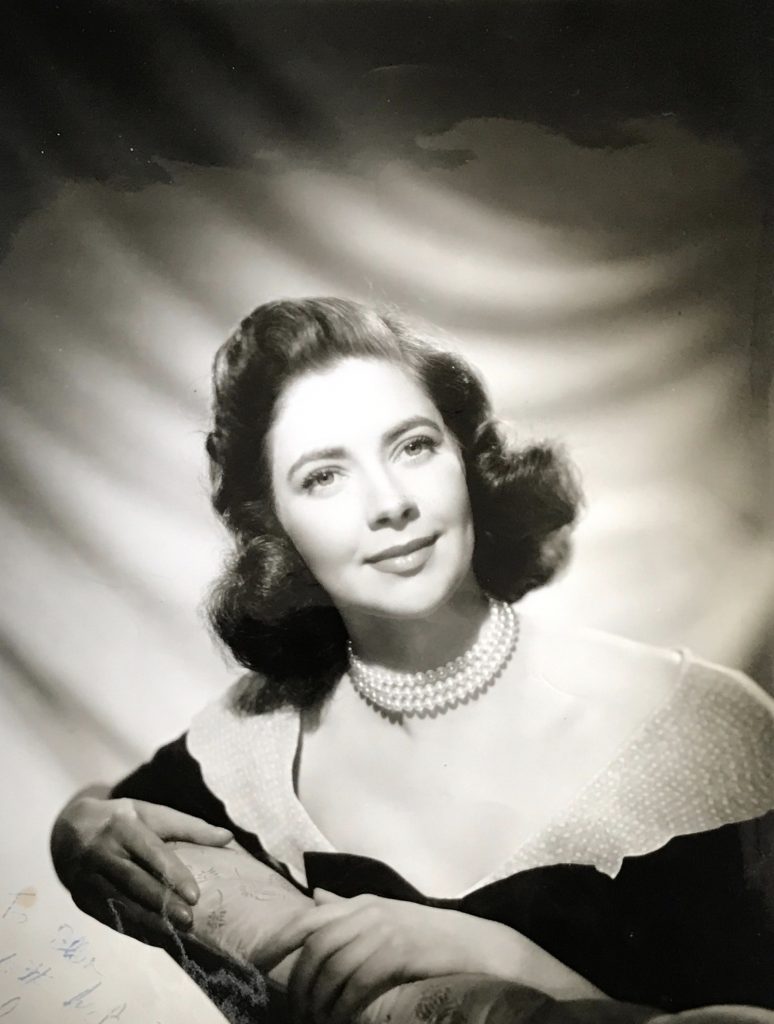
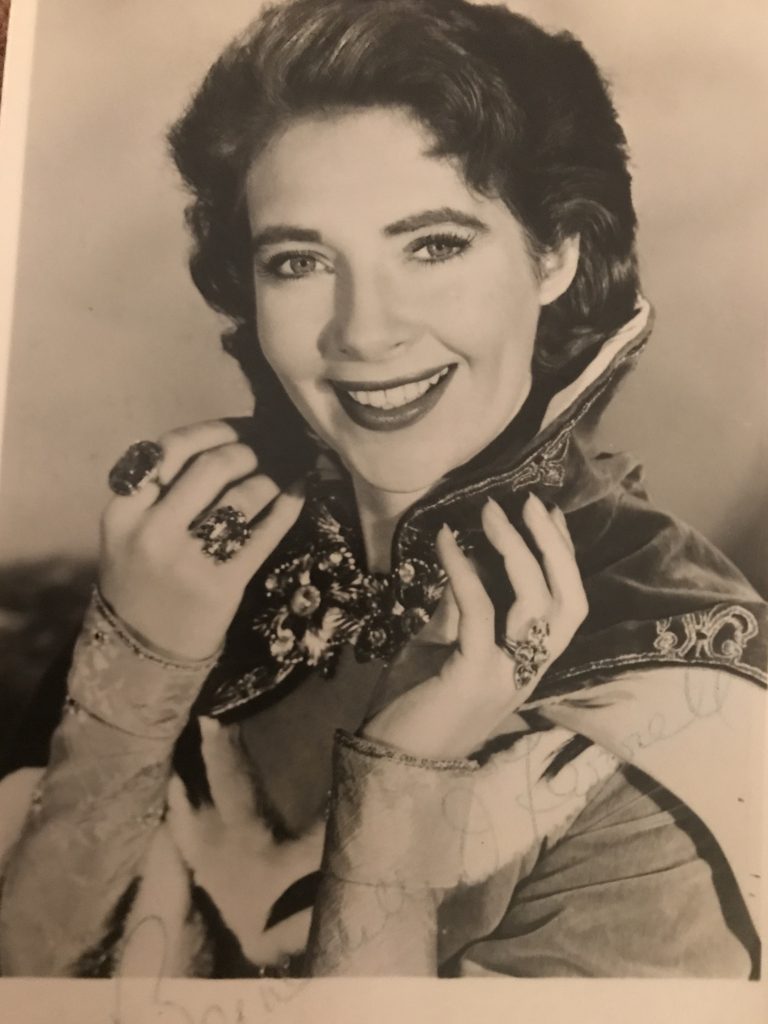
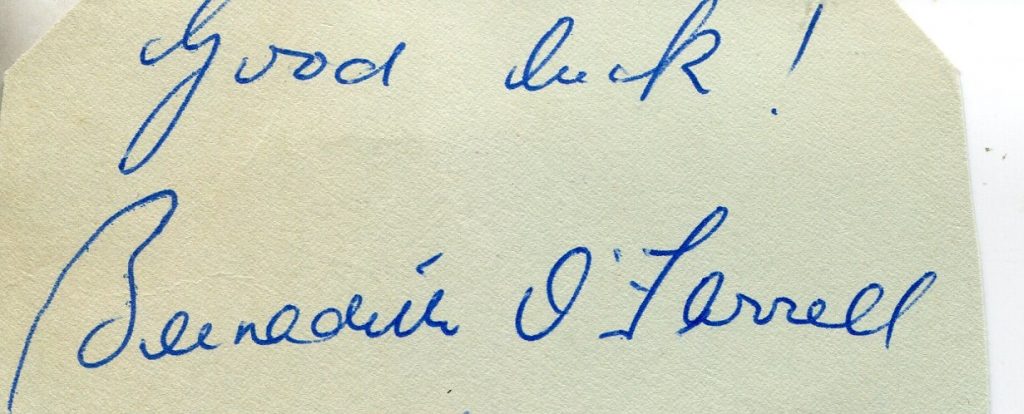
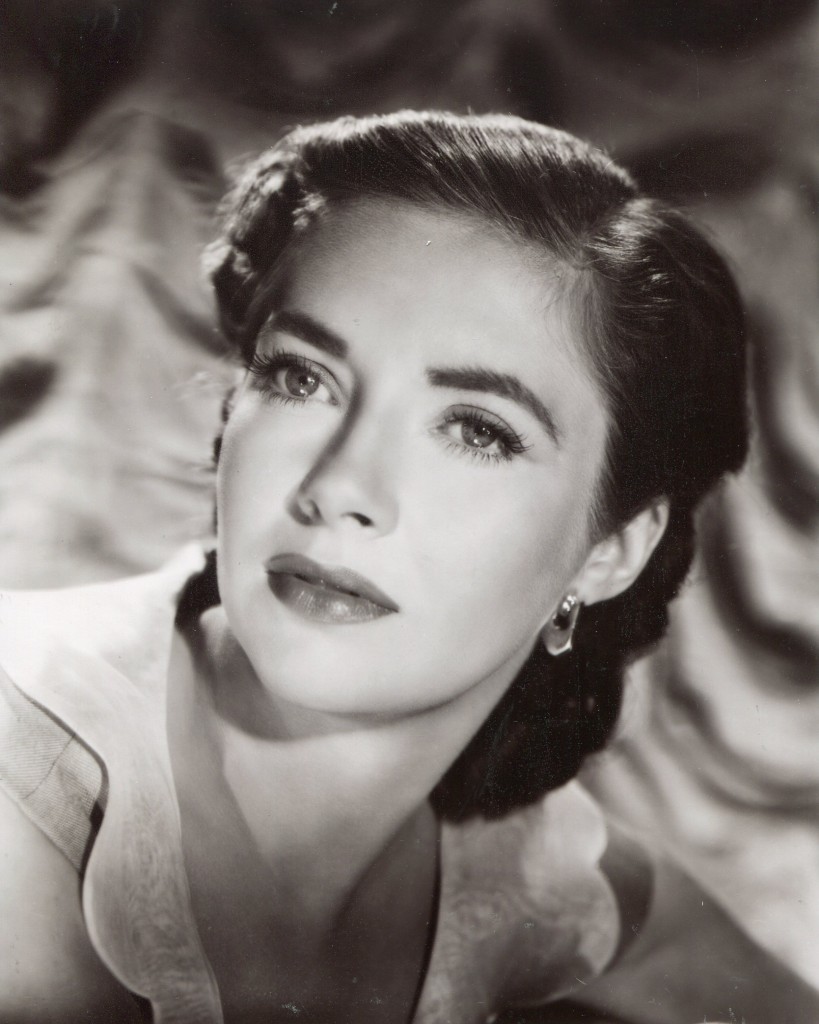
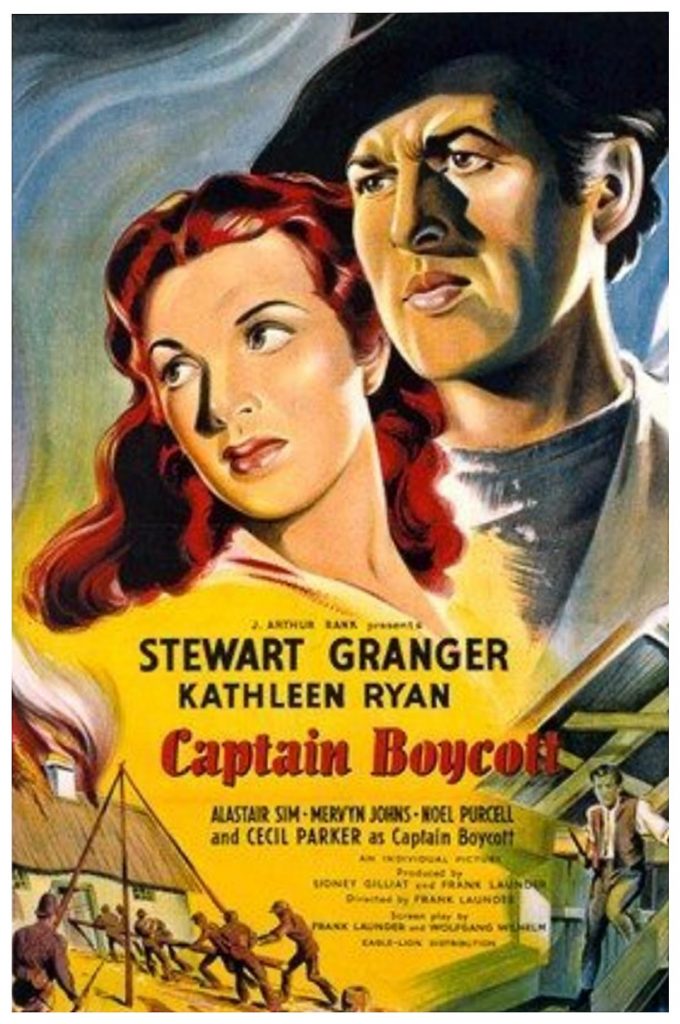
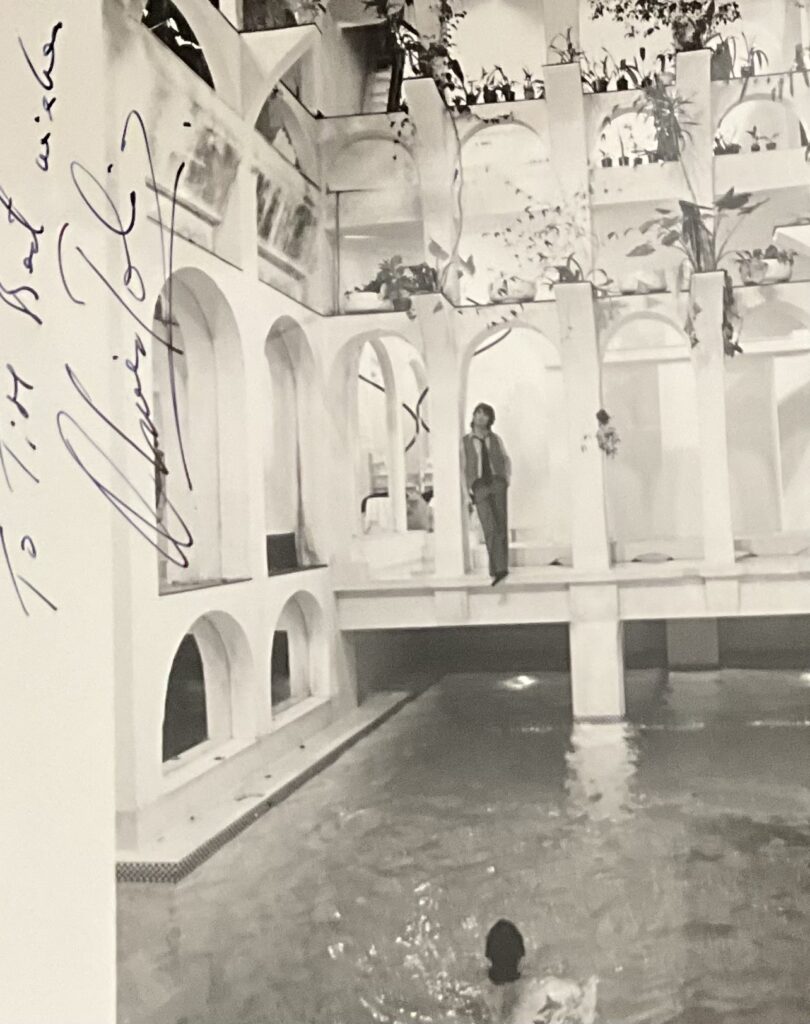
Bernadette O’Farrell was born in Birr, Co Offaly in Ireland in 1924. She auditioned for and won a small part in the Frank Lauder film “Captain Boycott” in 1947. She later married Frank Lauder. She gained international recognition in the 1950’s for her role as Maid Marian to Richard Greene’s Robin Hood on television’s “The Adventures of Robin Hood”. The series was a huge success in Britain and the U.S. She acted occasionally on film and her last movie was “The Bridal Path” in 1959. She retired to Monaco with her husband and she died there in 1999. Her obituary in “Variety” can be accessed here.
Although often seen in the St. Trinian’s movies, written by Sidney Gilliat and her husband, Frank Launder, it was her role as Maid Marian in the long-running Robin Hood series that catapulted her to stardom. The Adventures of Robin Hood (1955) became one of the first British Television programs to succeed in the United States, having over 30 million viewers. O’Farrell left the series in 1957 despite receiving thousands of letters asking her to stay. She was born in Birr, County Offaly, Ireland, in 1926. Her father was a bank teller, and her mother was an amateur actress. After being educated at a local convent, she was working as a secretary when she was invited to an audition by Sir Carol Reed.
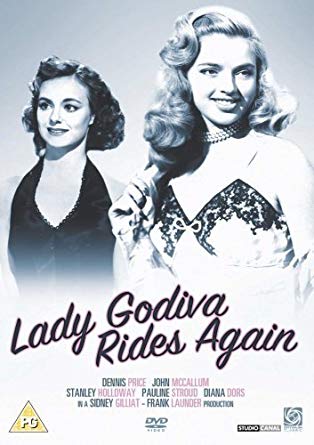
Through Reed, she met Frank Launder, who gave her a small part inCaptain Boycott (1947) opposite Stewart Granger. After several movies, including Launder’s St. Trinian’s series, some stage work and Robin Hood, she starred in her last movie, The Bridal Path (1959) in 1959. She retired from acting to spend time with her family on their farm in Buckinghamshire, England, UK. She and Launder were married in 1950 and had two daughters. They would later move to Monaco and become active in local charities and stage productions. While living in Monaco, Frank suffered a serious stroke in 1989 and, finally, a fatal heart attack in 1997. Bernadette O’Farrell died on September 29, 1999, after battling with cancer.
In the mid-1950s, Bernadette O’Farrell was one of the best-known Irish actresses in the world. As Maid Marion in the television series The Adventures of Robin Hood, she was watched by an estimated 30 million people each week. She gave up the role after two years when shopkeepers started addressing her as Maid Marion.
The daughter of a bank manager, she was born in Birr, Co Offaly, on January 30th, 1924, and educated at a local convent.
She was working as a solicitor’s clerk when the film director Carol Reed, a friend of the family, suggested she audition for producers Frank Launder and Sidney Gilliat. They had set up a film unit in Ireland to make Captain Boycott, a film based on the tenant farmers’ revolt of 1880.
The result was the part of the wife of a farmer (Liam Gaffney), who joins others to ostracise the ruthless landlord, Boycott. When the landlord, defeated, leaves Ireland, the local priest advises the community to “boycott” anyone else who tries to do them harm, thus bringing the word into the English language.
Launder later commented, “It was a fascinating and memorable film to make, and I met a lot of marvellous people on it, including my wife”.
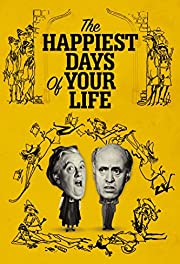
He married Bernadette O’Farrell in 1950, and in the same year cast her in The Happiest Days Of Your Life, which told of the hilarious results of a group of girls being mistakenly billeted at a boys’ school.
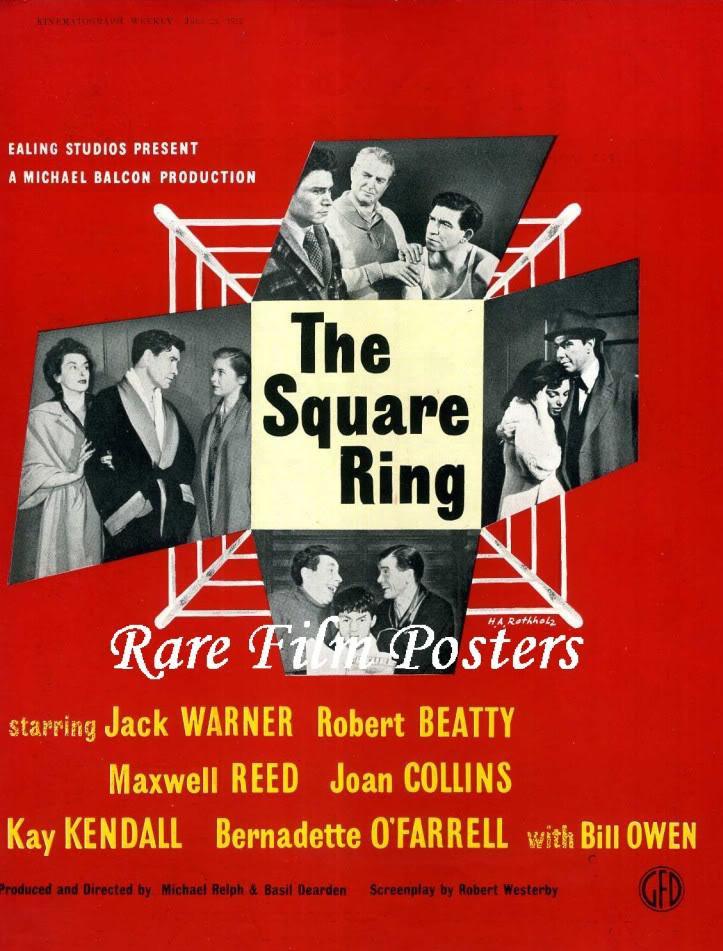
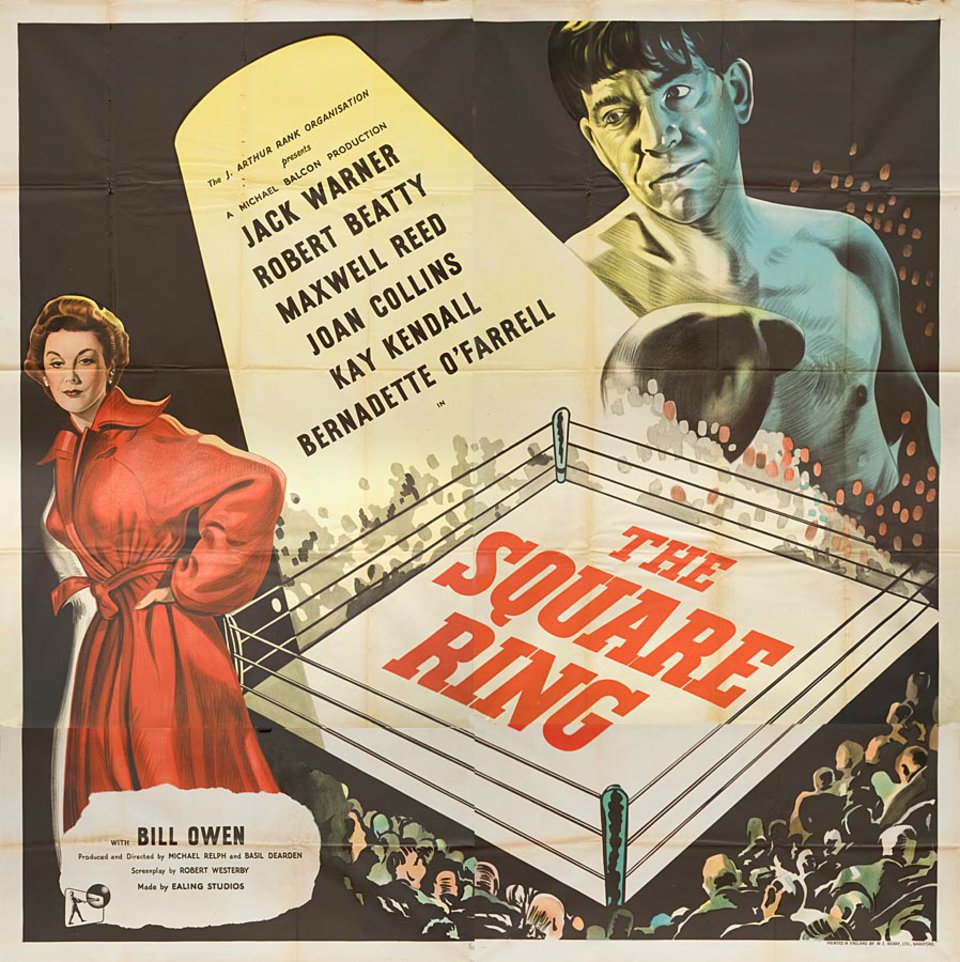
Among other films were Lady in the Fog (1952) in which she co-starred, helping a reporter (Hollywood actor, Cesar Romero) track the killer of her brother; The Story of Gilbert and Sullivan (1953), as a member of the D’Oyly Carte company; and The Square Ring (1953), as the wife of an ageing boxer attempting a comeback.
But it was her casting in the Robin Hood series in 1955 which made her a household name, as she pluckily helped her sweetheart thwart the plans of his arch enemy the Sheriff of Nottingham. The high-quality scripts, many written under pseudonyms by blacklisted American writers, and the show’s theme tune (“Robin Hood, Robin Hood, riding through the glen . . .”) were other elements in the show’s success. Its popularity in America led to a tour of the country by Bernadette O’Farrell and her co-star Richard Greene in 1956. Three years later she retired to raise her two daughters on the family farm in Buckinghamshire, and on her husband’s retirement, the couple moved to Monaco. Frank Launder died in 1997.
Bernadette O’Farrell is survived by her two daughters.
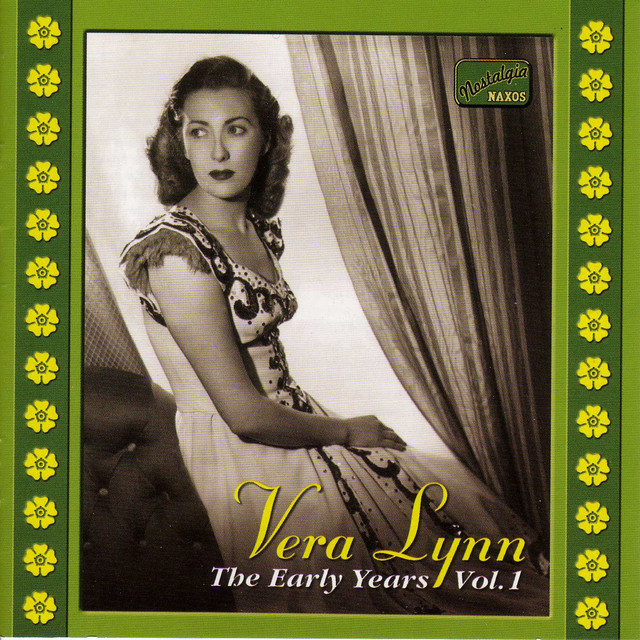
The magnificent Dame Vera Lynn became in 2009 the oldest living artist to have a Number 1 album chart at the age of 92.
The Forces Sweetheart of World War Two published her autobiogaphy in 2010 and has given several television performances which show her genuineness and gentleness.
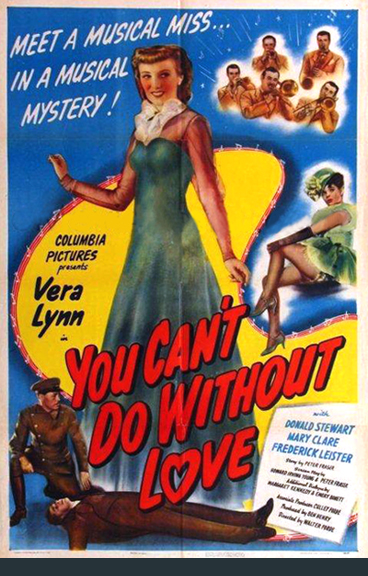
She made three films in the 1940’s, the most popular been “We’ll Meet Again” in 1942 with the beautiful Patricia Roc.
A boxed set of these three movies has just been rele
ased on DVD in 2010
Interview with Dame Vera Lynn in “Saga” magazine can be accessed here.
Dame Vera Lynn obituary
Singer known as the ‘Forces Sweetheart’ whose recordings of We’ll Meet Again and The White Cliffs of Dover shaped the national mood in wartime Britain
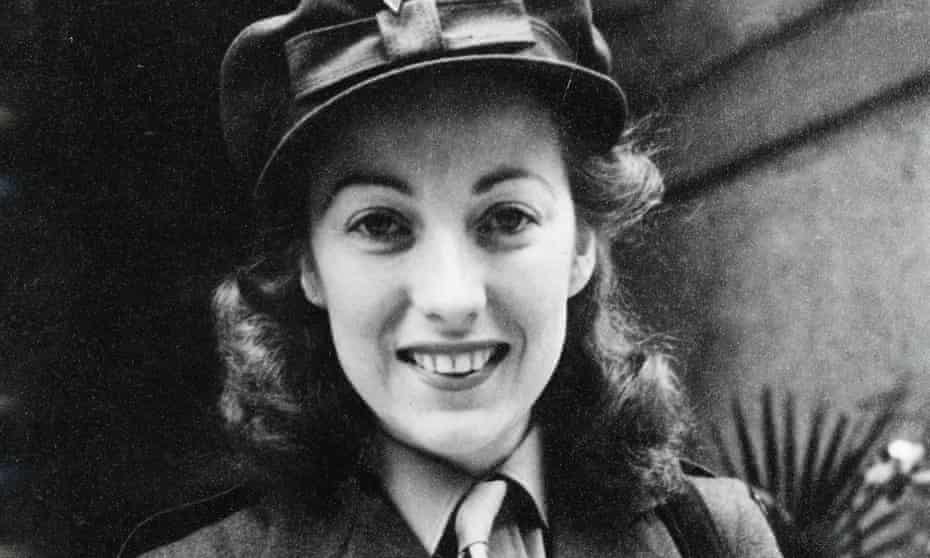
Vera Lynn in uniform in 1941. Her songs embodied the wartime spirit in Britain. Photograph: Popperfoto
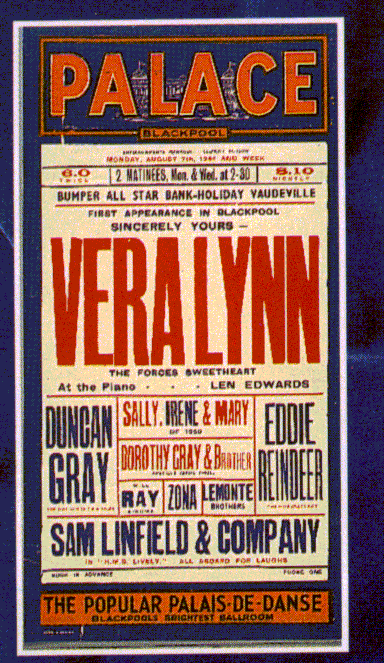
Lynn’s iconic status as the “Forces’ Sweetheart” was due to the success of her radio series, Sincerely Yours, which linked the soldiers at the front with their loved ones at home. In 1944, she visited the troops in Europe, the Middle East and Asia, which kindled her lifelong commitment to the welfare of veterans, especially those of the Burma campaign. Above all, her celebrity was due to her hit songs. Such numbers as We’ll Meet Again and The White Cliffs of Dover caught and moulded a national mood, despite the harsh criticism her crooning style provoked from some politicians and BBC managers.
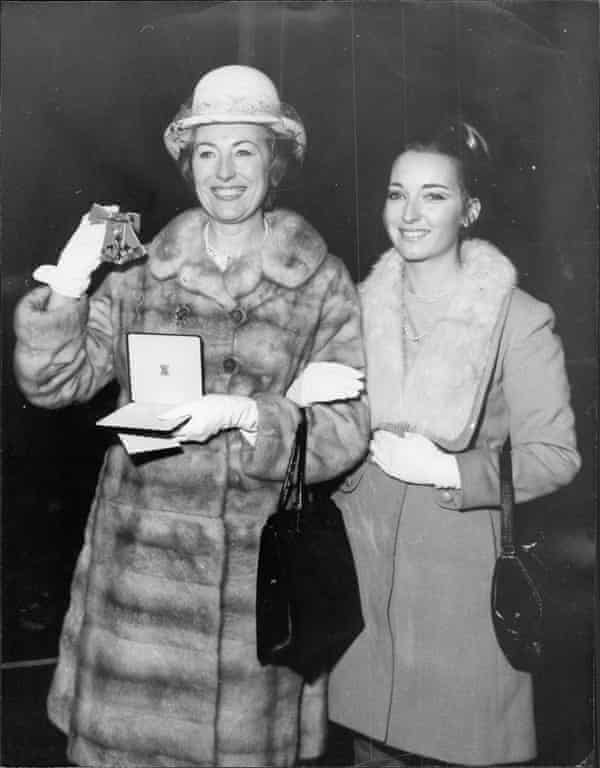
After VE Day, Lynn resumed her career as a variety artist and recording star, but her association with wartime Britain remained central to her identity and reputation throughout her long life. Until very recently, Lynn was a prominent presence at commemorations of the war. Her place at the heart of national life was officially recognised when she was made OBE in 1969, a dame in 1975 and a Companion of Honour in 2016; her 100th birthday, in March 2017, was marked by the release of a new album and a concert in her honour at the London Palladium. Equally, she became part of popular culture as cockney rhyming slang made her synonymous with gin, chin and skin (as in cigarette papers), she was hymned by pop singers of later generations including Pink Floyd and Ian Dury, and she was the subject of numerous comic impersonations, something she tried unsuccessfully to control through court action in the 1950s.
She was an unlikely candidate for the role of national heroine. Born in the penultimate year of the first world war, she was the second child of a working-class family who lived in a small apartment in East Ham, east London. Her father, Bertram Welch, had various jobs, including working as a plumber and docker. Her mother, Annie, was a dressmaker.
Vera’s vocal talent was evident from a very early age. After singing at family parties, she made her public debut at a local working men’s club aged seven, billed as a “descriptive child vocalist”. Adopting her grandmother’s maiden name, Vera Lynn soon joined a juvenile concert party, the Kracker Kabaret Kids.
In 1932, still only 15, she was signed up by Howard Baker, a bandleader and agent, who supplied dance bands for functions throughout the East End of London. A brief period with Billy Cotton’s band followed, culminating in a week’s engagement in Manchester, from which Cotton sent Vera home. He later described this as “the worst day’s work I ever did”. Cotton’s loss was the pianist Charlie Kunz’s gain. Vera sang with his band on BBC broadcasts.
Unusually for the time, Kunz gave Lynn free rein to choose the songs. She visited music publishers in Denmark Street, London’s Tin Pan Alley. There Vera met Walter Ridley, of the Peter Maurice company, who not only found songs for her but undertook to transpose them to a suitable key for Lynn’s unusually deep voice, which was variously described in the press as a “rich contralto” and “a freak mezzo-soprano with an irresistible sob”.
From 1937 to 1940, Lynn worked with another top bandleader, Bert Ambrose, who was impressed by her enunciation of lyrics. She toured variety theatres with the Ambrose Octet and took part in broadcasts for the BBC and for Radio Luxembourg, in a show sponsored by Lifebuoy soap. There was also a debut television broadcast from Alexandra Palace in 1938. The following year, she recorded We’ll Meet Again for the first time, shortly before a newspaper columnist claimed she was selling more records than either Bing Crosby or the Mills Brothers.
Dame Vera Lynn with her daughter, Virginia, in 1969, after being made OBE. Photograph: ANL/Rex/Shutterstock
Advertisement
Her growing success was reflected in the growth of her fan mail and in her increasing salary. In 1938, she was able to move her family to a new house in Barking and to buy a fur coat and her first car, an Austin 10.
In 1939, a new saxophonist joined the Ambrose orchestra. Harry Lewis soon showed his admiration for Vera and in 1941 they were married. Very soon afterwards, the band felt the full impact of the war as Lewis and others volunteered for military service. As members of the RAF they set up the Squadronaires, a dance and jazz group that continued after the cessation of hostilities. Lewis was to give up his career in the late 1940s to become Lynn’s personal manager. He became well known for answering the phone with “What do you want her for?”
By 1941 Lynn was a star in her own right and she left Ambrose to begin a solo career. She soon found work on the variety theatre circuit, beginning at Coventry Hippodrome, often topping the bill working with only a piano accompanist.
At this time, BBC producers were seeking new ideas for the Forces Programme, which had been established to broadcast to the British expeditionary force. Howard Thomas, later a pioneer of commercial television, proposed a format that would be “a letter to the men of the forces in words and music”. Lynn had previously been voted “No 1 forces sweetheart” by Forces Programme listeners and was an ideal choice to read and sing such a letter. To quote the music historian Paul du Noyer, “she was not a glamorous sex-bomb pandering to the lonesome soldiers’ lower instincts. Instead she aroused a wistful yearning for the idealised fiancee.”
It was an immediate success. Up to 2,000 messages were received each week from domestic listeners from which Lynn read out a small sample. She also sent out signed photographs and brief letters to servicemen at the front. This occasionally led to misunderstandings, as when she was accosted by a wife who had found a letter to her absent husband and accused Lynn of stealing him.
Above all, Sincerely Yours was about Lynn’s voice and her songs. Three songs came to embody the wartime spirit and became indelibly associated with her. Yours (recorded in 1941) was a straightforward song of love and fidelity; We’ll Meet Again (1939) expressed a mood of fervent optimism and was described by Lynn as a “greetings card song: a very basic human message of the sort people want to say to each other but find embarrassing actually to put into words”; and The White Cliffs of Dover (1942) was intensely patriotic – despite having been composed by Americans.
While Sincerely Yours had exceptional audience numbers, behind the scenes at the BBC controversy raged. A committee minute noted that the assembled members deplored Sincerely Yours but “noted its popularity”. The opposition to the show was part of a wider dislike of crooners, whose vocal style was held to be over-sentimental and tinged with Americanisms. Male crooners were especially denigrated but Lynn was in the eye of the storm because her show attracted such a large listenership. It was attacked in parliament as liable to undermine the morale of British fighting men. One MP went further in criticising Lynn’s speaking voice as “refaned cockney”. She was stung into responding that “millions of cockneys are fighting in this war”.
So great was her public profile that she starred in three films between 1942 and 1944. They traded on Lynn’s persona, to the extent that We’ll Meet Again and Rhythm Serenade borrowed titles of her songs. All had wartime themes as a backdrop to lightweight romantic stories, which did not fulfil the promise of the title of the third, One Exciting Night. While they served their morale-boosting purpose, Lynn did not pursue a career in cinema after the war.
The most affecting phase of her wartime career came in 1944 when she volunteered to travel abroad for Ensa, the organisation set up to provide entertainment for the forces. The five-month trip took in concerts and hospital visits in the Middle East, India and finally Burma. The weeks she spent with troops in this relatively forgotten theatre of war remained with her for the rest of her life and she became the most ardent advocate for the remembrance and care of veterans of the 14th Army who fought in Burma.
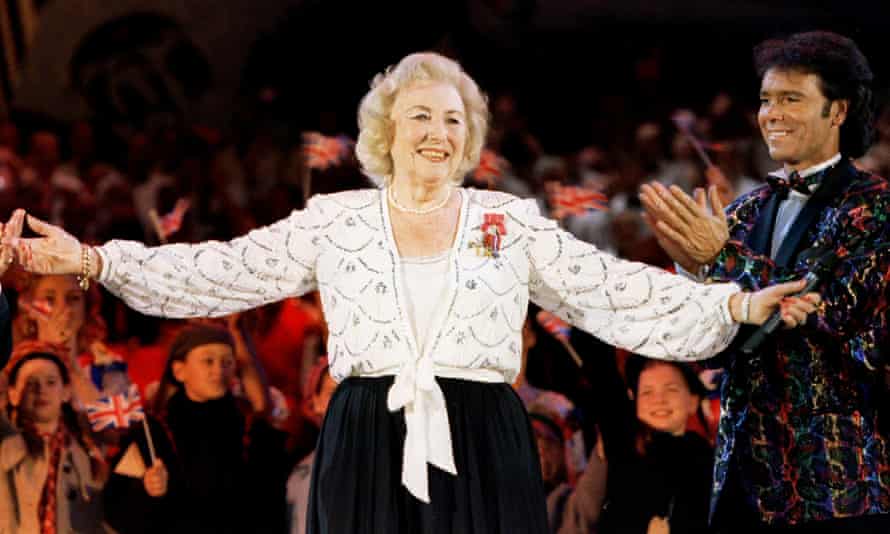
Dame Vera Lynn applauded by Cliff Richard during her final public performance, at a VE Day 50th anniversary concert in Hyde Park, London. Photograph: Kieran Doherty/Reuters
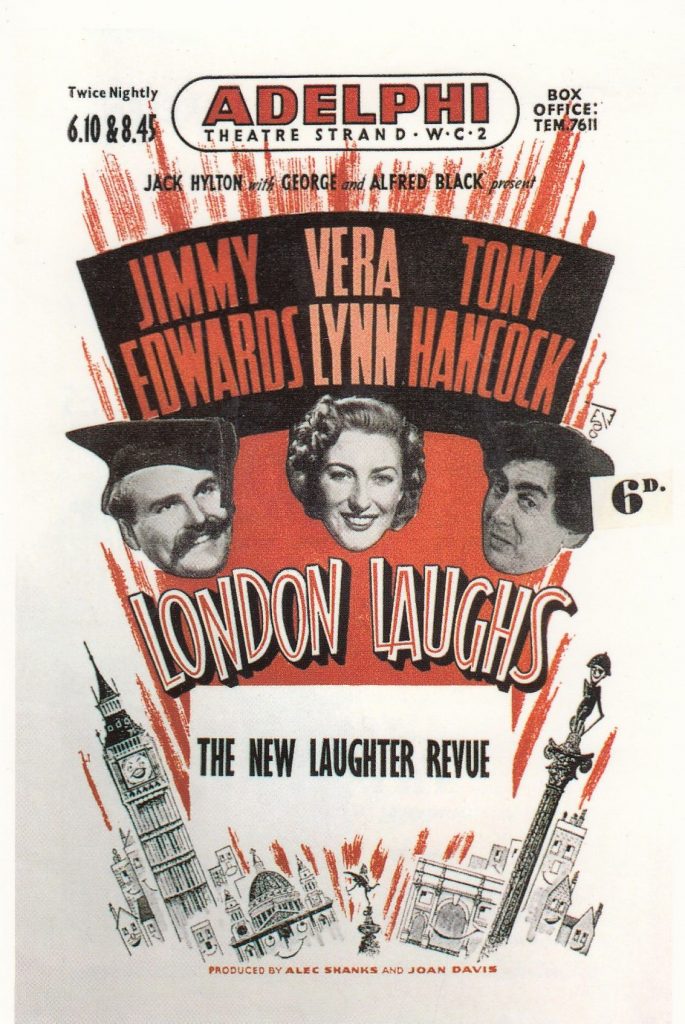
In the changing conditions of peacetime, Lynn faced competition from new and sometimes younger rivals, such as Anne Shelton, Dorothy Squires, Eve Boswell and Petula Clark, all of whom made rival recordings of new songs in the 50s. She remained in demand for variety theatre tours and starred in the long-running London Laughs with the comedians Jimmy Edwards and Tony Hancock in 1952-54. But she was not offered work by BBC radio for several years because in 1949 the head of variety, Michael Standing, told her that “sob stuff” was outmoded. A few years later he was quoted as “still looking for the new Vera Lynn”.
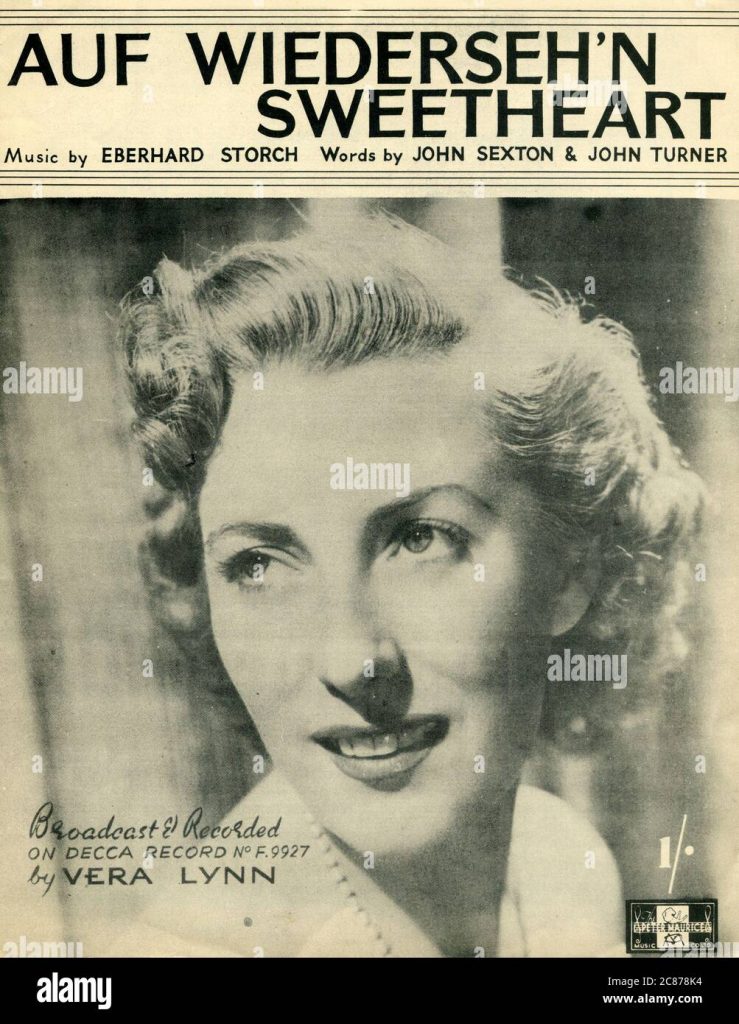
In the meantime, Lynn made broadcasts for Radio Luxembourg. Several of these shows were recorded with an audience of RAF servicemen, who occasionally joined in the chorus of a song. That combination was repeated on bestselling Decca recordings, billed as “Vera Lynn with Soldiers and Airmen of HM Forces”. Among these were Auf Wiederseh’n Sweetheart, The Homing Waltz and The Windsor Waltz. The first of these inspired the title of the 80s sitcom Auf Wiedersehen, Pet. The disc was listed in the first published British hit parade in the New Musical Express in 1952 and topped the American charts, selling over a million copies there. Her biggest hit in Britain was My Son, My Son, co-written by the trumpeter Eddie Calvert, which reached No 1 in 1954.
With the arrival of commercial broadcasting in 1955, Lynn was given her first television series and in the following year the BBC invited her back with a two-year exclusive contract to include both television and radio appearances.
Unlike some of her contemporaries’ careers, Lynn’s continued to prosper despite the arrival of rock’n’roll and, later, the Beatles. During the 60s and 70s, she made frequent concert performances, recordings and television appearances. For many of these, including two nostalgic LPs of “Hits of the Blitz”, she reprised her wartime and 50s favourites, but she was briefly persuaded to record contemporary songs such as Lennon and McCartney’s Fool on the Hill and Jimmy Webb’s By the Time I Get to Phoenix, and to make an album in Nashville. Several CD reissues of her recordings have been made, including the No 1 album We’ll Meet Again: The Very Best of Vera Lynn (2009) and Unforgettable (2010), which included three previously unreleased tracks from the 40s.
https://www.youtube-nocookie.com/embed/T5C4meGkNyc?wmode=opaque&feature=oembedVera Lynn sings We’ll Meet Again in the musical film of the same name (1943)
A prominent feature of Lynn’s career was her commitment to charities, including several that support ex-service personnel and others concerned with polio, breast cancer, blindness and cerebral palsy. A trust for children with cerebral palsy was set up in her name and continues to support a school near Lynn’s home in West Sussex.
In 1995, Lynn made her final official public performance at a VE Day anniversary event at Hyde Park. Even afterwards, she attended second world war commemorations, sometimes giving a speech, as at the 2005 VE Day event at which Katherine Jenkins, Lynn’s preferred successor as the forces’ sweetheart, performed We’ll Meet Again. Jenkins later recorded the song to add to Lynn’s original. Their virtual duet was included on the 2014 CD release, Vera Lynn – National Treasure.
Three days before her 100th birthday, she released Vera Lynn 100, featuring new orchestrations of her best-known songs alongside her original vocals. She was joined on the album by the British singers Aled Jones, Alexander Armstrong and Alfie Boe. Her birthday was also marked with a projection of her face on to the white cliffs of Dover. The album went to No 3, making her the first centenarian to enter the UK charts, and charted again in May this year following the 75th anniversary celebrations of VE Day, which were also marked by a duet between Jenkins and a hologram of Lynn at the Royal Albert Hall, and the re-release of We’ll Meet Again.
The Queen invoked the spirit of the song as she addressed a nation in coronavirus lockdown in April, assuring Britons “We will meet again”, and echoing Lynn’s own message to fans in March: “In these uncertain times, I am taken back to my time during World War II, when we all pulled together and looked after each other. It is this spirit that we all need to find again to weather the storm of the coronavirus.”
Harry died in 1998. She is survived by her daughter, Virginia.
Vera Lynn (Vera Margaret Welch), singer, born 20 March 1917; died 18 June 2020
Vera Lynn was born in East Ham, London, and began performing publicly as a child in working-class music halls. By the mid-1930s she had moved into radio and recording work, gaining early recognition through the BBC dance-band circuit.
Her early recordings with bandleaders such as Ambrose established her reputation for a warm, clear contralto voice that communicated emotional sincerity rather than technical virtuosity.
Critical perspective:
Lynn’s early style was conservative compared to the more rhythm-driven American swing singers of the era.
However, critics often note that her restrained delivery created an unusually strong sense of direct emotional communication, a trait that would become central to her later wartime reputation.
2. Wartime Stardom: “The Forces’ Sweetheart” (1939–1945)
During the Second World War, Lynn became one of Britain’s most significant cultural figures. She was voted the most popular entertainer among British troops in a 1939 poll organized by the Daily Express.
Key songs included:
We’ll Meet Again
The White Cliffs of Dover
A Nightingale Sang in Berkeley Square
She hosted the BBC radio programme Sincerely Yours, which broadcast soldiers’ messages to families and featured her singing requests.
She also traveled extensively to perform for troops in places such as India, Burma, and Egypt—dangerous journeys during wartime.
Critical analysis: Lynn’s wartime importance rests less on musical innovation than on symbolic function.
Music historians often identify three factors behind her impact:
Emotional clarity – Her vocal style conveyed reassurance and stability.
Lyrical themes of reunion and home – perfectly aligned with wartime longing.
Broadcast reach – BBC radio amplified her presence across Britain and overseas forces.
Scholars sometimes describe her performances as a form of “sonic morale infrastructure.” Her songs became part of Britain’s psychological war effort.
However, critics note that:
Her repertoire largely avoided the darker realities of war.
The music presented idealized nostalgia rather than complex reflection.
Yet this simplicity was arguably the key to its effectiveness.
3. Post-War Career and Global Success (1946–1970s)
Unlike many wartime entertainers, Lynn maintained a strong post-war career.
Highlights include:
The 1952 hit Auf Wiederseh’n Sweetheart, which became the first record by a British artist to top the U.S. charts.
Continued chart success through the 1950s and early 1960s.
Television appearances and charity work.
Her musical style remained rooted in traditional ballad singing, even as popular music shifted toward rock and youth culture.
Critical perspective: This period shows both adaptability and limitation.
Strengths:
She maintained an audience across generations.
Her recordings preserved pre-rock vocal traditions.
Limitations:
Critics often argue her style grew increasingly out of step with post-1960s musical innovation.
Artists such as The Beatles and The Rolling Stones represented a radically different cultural moment that marginalized Lynn’s style.
Yet Lynn’s appeal persisted among older listeners and in ceremonial contexts.
4. Late Career, Legacy, and Cultural Revival (1980s–2020)
Lynn’s symbolic importance increased as Britain reassessed World War II memory.
Major milestones include:
2009 album We’ll Meet Again: The Very Best of Vera Lynn reaching No. 1 in the UK charts when she was 92, making her the oldest living artist to top the chart.
Continued association with national commemorations and military remembrance.
She was awarded the title Dame Commander of the Order of the British Empire and became a central figure in British wartime heritage.
Critical Evaluation of Vera Lynn’s Work
Musical Style
Key characteristics:
Clear diction and controlled vibrato
Moderate tempos and orchestral arrangements
Focus on lyrical intelligibility rather than vocal acrobatics
From a purely technical standpoint, critics rarely place Lynn alongside virtuoso vocalists such as Billie Holiday or Ella Fitzgerald.
However, her interpretive restraint became a defining strength.
Cultural and Historical Significance
Lynn’s work is best understood through cultural function rather than musical innovation.
Her songs served as:
emotional bridges between soldiers and families
sonic symbols of wartime endurance
enduring markers of British national memory
In this sense, she occupies a similar cultural position in Britain to figures like Édith Piaf in France—artists whose reputations are tied to national identity during periods of crisis.
Critiques and Scholarly Debate
Music scholars sometimes criticize:
Sentimentality in lyrical themes
Lack of stylistic evolution after the war
reliance on orchestral middle-of-the-road arrangements
Yet defenders argue these traits were deliberate:
They produced clarity, accessibility, and emotional immediacy.
They allowed her music to function as collective reassurance during national trauma.
Legacy
Vera Lynn remains one of the most symbolically powerful singers in British history.
Her influence lies in three areas:
Wartime cultural morale
Preservation of pre-rock British popular singing traditions
Enduring presence in national memory and commemoration
Her music continues to appear in films, documentaries, and public remembrance events related to the Second World War.
✅ In summary: Vera Lynn was not primarily a musical innovator, but she was an extraordinarily effective communicator whose voice became intertwined with the emotional life of wartime Britain. Her significance lies in the intersection of music, broadcasting, national identity, and collective memory
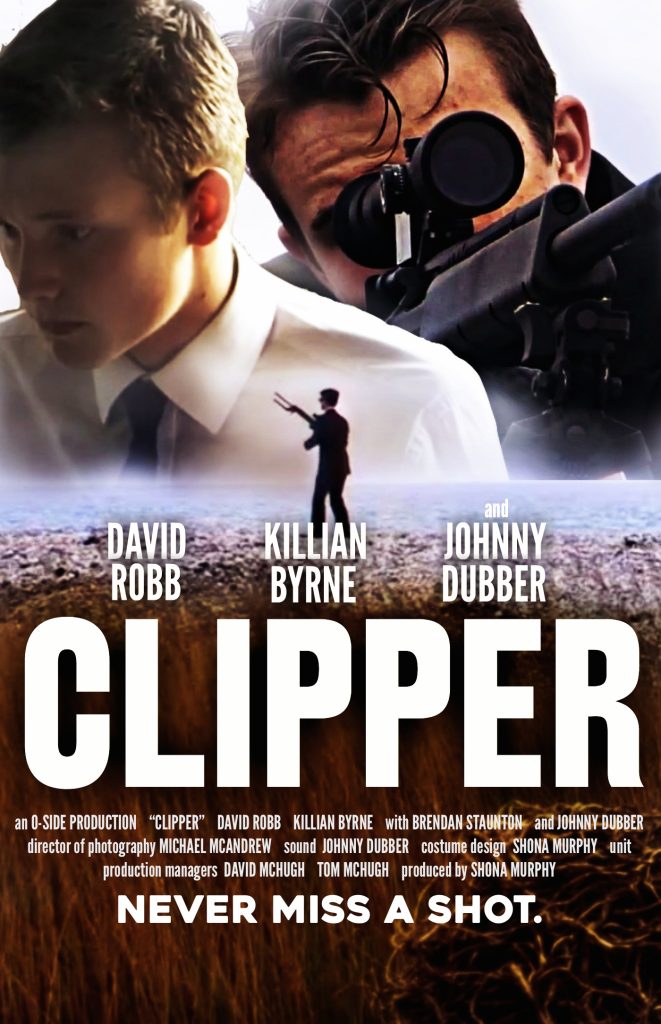
David Robb has many television appearances to his credit including a major role with Haley Mils in “The Flame Trees of Thika”. He is a very interesting actor and brings great characterisation to his guest roles on such television series as “Taggart”, “Rebus”, “The Bill”, “Casualty”, “Monarch of the Glen” etc etc.
TCM Overview:
Actor David Robb was known for his roles on the silver screen. Robb started off his acting career mostly in film roles, appearing in “The Swordsman” (1974), the Michael York dramatic adaptation “Conduct Unbecoming” (1975) and “The Wars” (1983). He additionally landed roles in the TV movies “The Four Feathers” (NBC, 1977-78) and “Ivanhoe” (CBS, 1981-82). He worked in series television while getting his start in acting, including a part on “The Flame Trees of Thika” (PBS, 1981-82).
His film career continued throughout the eighties and the nineties in productions like the Pierce Brosnan dramatic adventure “The Deceivers” (1988), the action film “Hellbound” (1993) with Chuck Norris and the Robert Sean Leonard dramatic musical “Swing Kids” (1993).
He also worked in television around this time, including a part on “King Arthur” (1987-88). More recently, he continued to act in the action picture “Treasure Island” (2002) with Jack Palance, “Elizabeth: The Golden Age” (2007) and the historical love story “The Young Victoria” (2009) with Emily Blunt. Most recently, Robb appeared in “Wolf Hall” (2014).
David Robb’s interview in “Daily Express” can be found here.
David Robb — Career Overview & Critical Analysis
Early Life and Training
David Robb was born in Edinburgh, Scotland, in 1947 and trained at the Royal Scottish Academy of Music and Drama(now the Royal Conservatoire of Scotland). Like many classically trained British actors, his career developed across theatre, television, and film, with theatre forming the technical foundation of his acting style.
His early work included performances with companies such as the Royal Shakespeare Company, where exposure to classical repertory helped shape his disciplined approach to characterisation and vocal performance.
Critical perspective: Robb belongs to a generation of British actors whose craft was deeply shaped by classical theatre training. This background is evident in his careful diction, controlled physicality, and emphasis on textual clarity.
Theatre Career
Robb has maintained a long stage career, appearing in productions ranging from Shakespeare to modern drama. His stage work has included roles in plays by William Shakespeare and George Bernard Shaw.
Performance Characteristics
Critics frequently note several recurring elements in Robb’s stage acting:
Measured vocal delivery – reflecting traditional British theatre technique
Authority in character roles – often portraying professionals, officials, or figures of institutional power
Psychological restraint – favouring subtle emotional shifts rather than overt theatricality
This style situates Robb within a classical British performance tradition emphasizing control and textual fidelity.
Television Career
Robb is best known to wider audiences through television.
Notable Roles
Dr. Clarkson in Downton Abbey (2010–2015)
Recurring roles in series such as The Bill
Appearances in historical and period dramas including Vikings
Dr. Clarkson in Downton Abbey
Robb’s portrayal of Dr. Richard Clarkson in Downton Abbey is arguably his most widely recognized performance.
The character functions as:
the medical authority within the village community
a bridge between the aristocratic household and the wider social world
a voice of professional rationality amid emotional conflicts
Critical analysis of the role:
Robb’s performance relies heavily on understatement and credibility. Instead of dominating scenes, he anchors them with:
restrained emotional expression
quiet authority
grounded realism
This acting approach contrasts with the more dramatic performances of characters played by actors such as Hugh Bonneville and Maggie Smith.
Robb’s role is therefore structural rather than central: he stabilizes the narrative rather than driving it.
Film Work
Although primarily known for television and theatre, Robb has appeared in several films, often in supporting roles.
His film work tends to follow similar casting patterns:
doctors
military officers
civil servants
intellectual authority figures
This reflects what film scholars often call “type stability”—the consistent casting of actors in roles aligned with their vocal and physical presence.
Acting Style: Critical Evaluation
Strengths
1. Credibility and Professional Authority
Robb’s performances consistently convey competence and authority. This quality is particularly effective in institutional roles (doctors, officials, military figures).
2. Classical Technique
His training manifests in:
controlled vocal projection
careful phrasing
disciplined physical presence
These traits are characteristic of actors emerging from the British repertory theatre tradition.
3. Ensemble Contribution
Robb excels in supporting roles that reinforce narrative realism rather than seeking attention.
However, these limitations are also partly a product of casting conventions, not necessarily a lack of versatility.
Cultural and Industry Context
Actors like Robb represent a category often overlooked in celebrity-focused criticism: the career character actor.
Unlike star performers, such actors contribute to the industry by:
providing reliable realism in ensemble casts
embodying institutional figures that ground fictional worlds
sustaining long careers across theatre, television, and film
In British television drama especially, performers of this type are essential to the credibility of historical and procedural narratives.
Legacy and Career Significance
While David Robb is not typically regarded as a leading star, his career illustrates the importance of craft-oriented acting within ensemble storytelling.
His legacy rests on three main contributions:
Sustained presence in British television drama
Commitment to classical theatre training and performance discipline
Strong supporting performances that enhance narrative realism
✅ In summary: David Robb’s career demonstrates the enduring value of the British character actor tradition. Through disciplined technique and understated authority, he has built a long and respected career supporting major television productions and theatre companies.
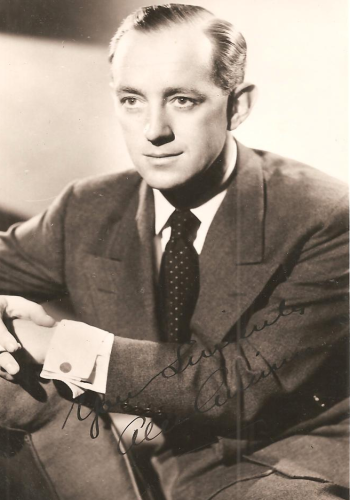
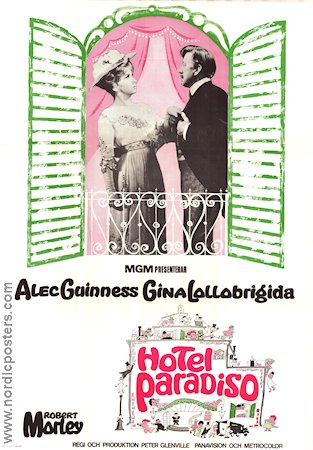
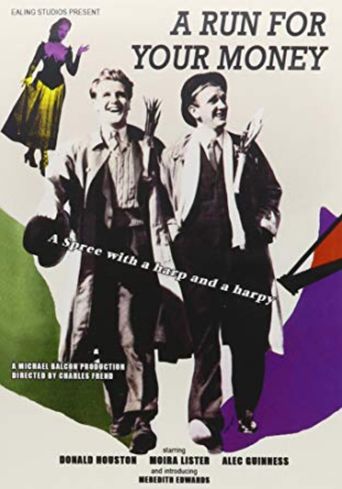
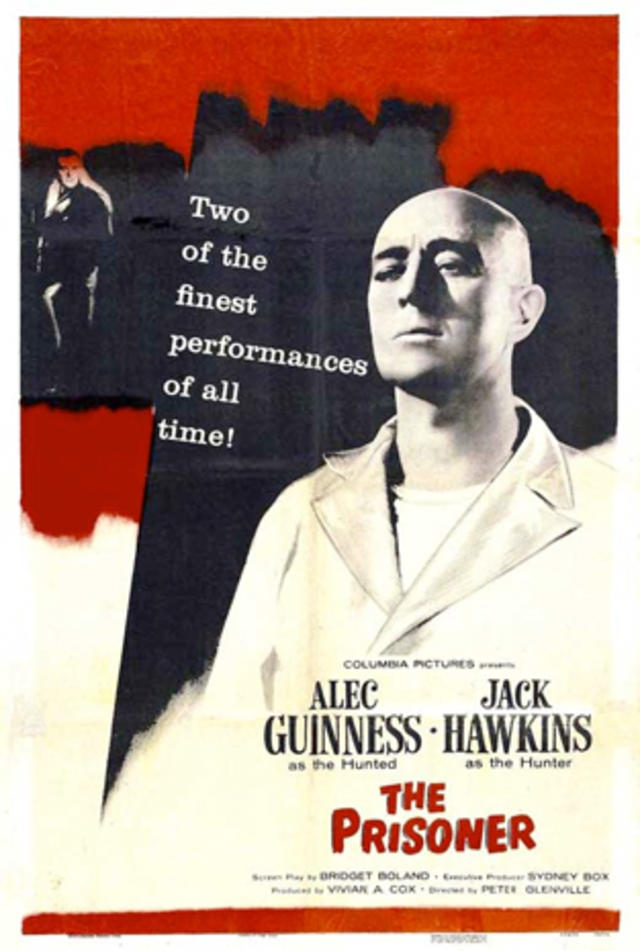
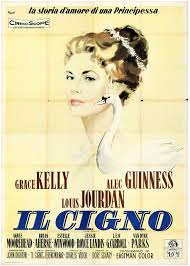
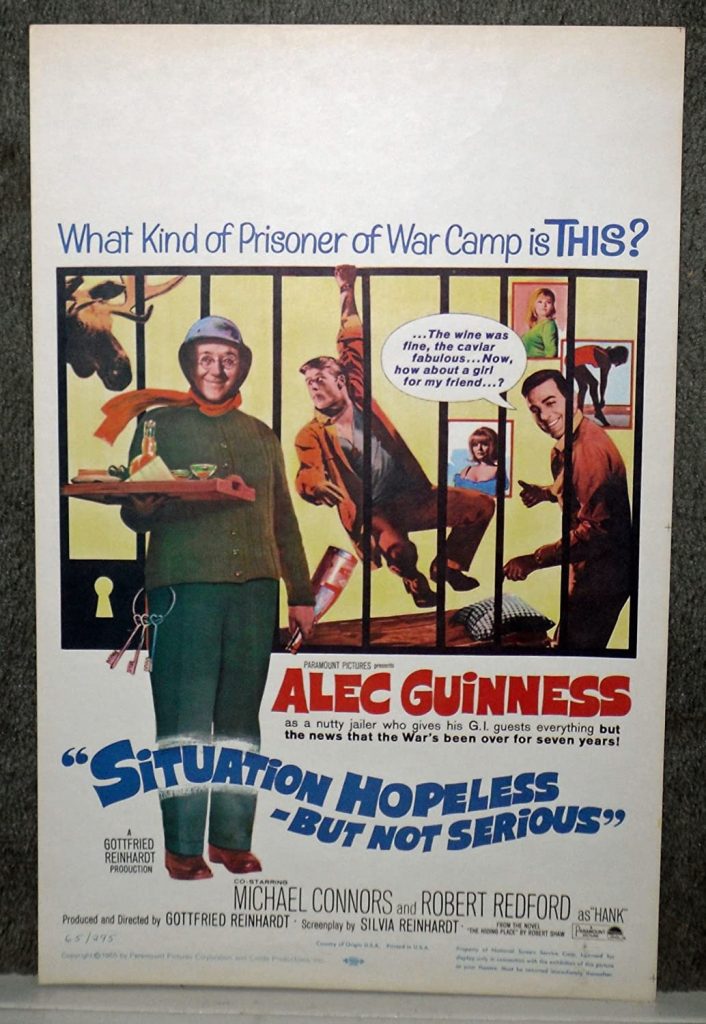
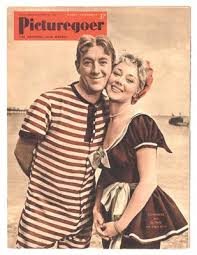
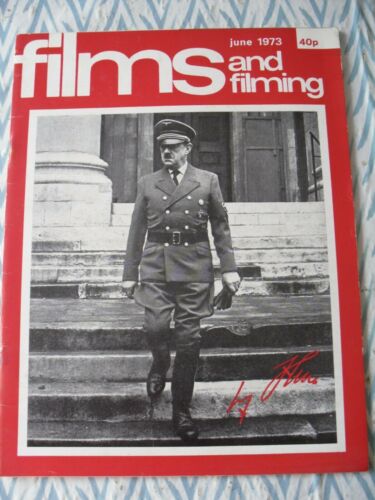
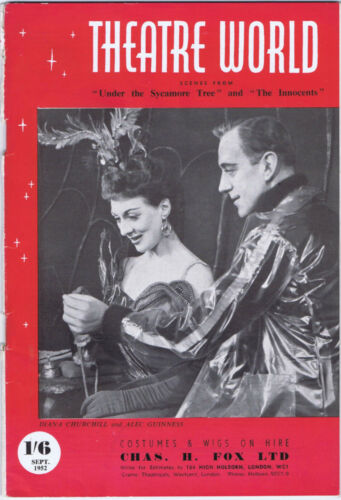
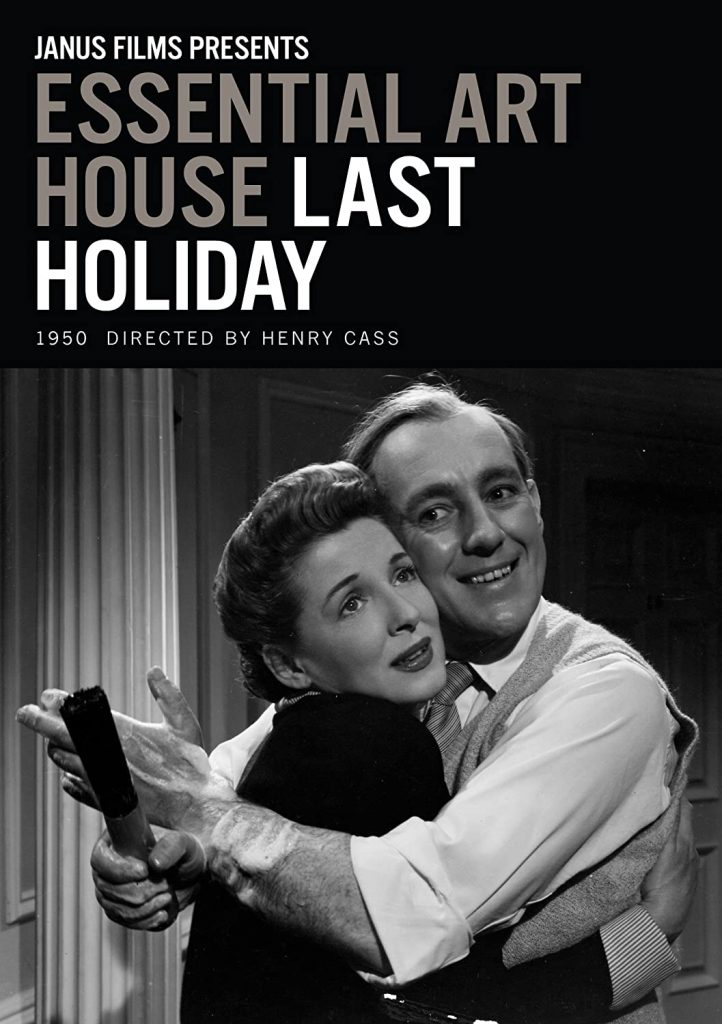
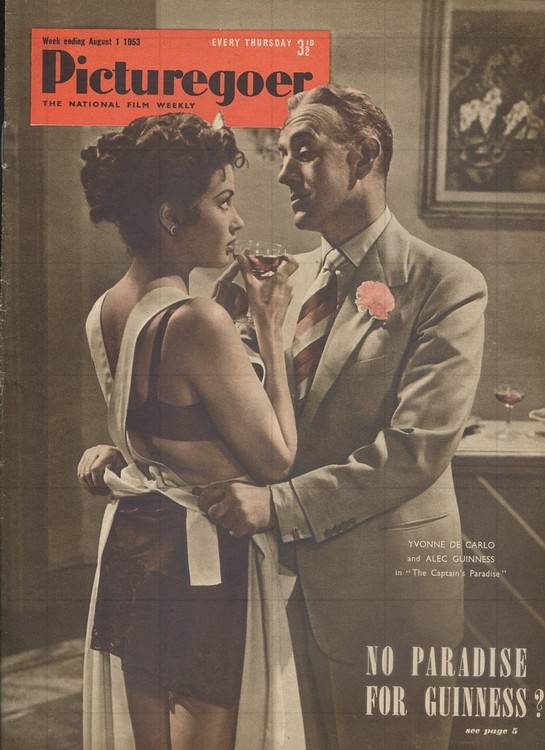
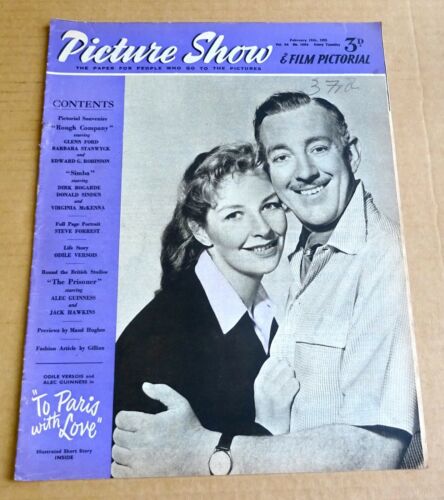
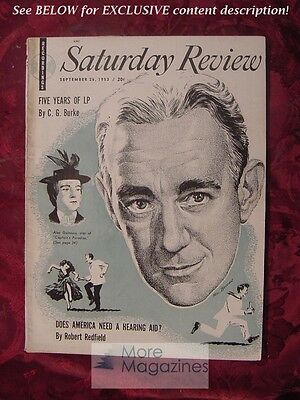
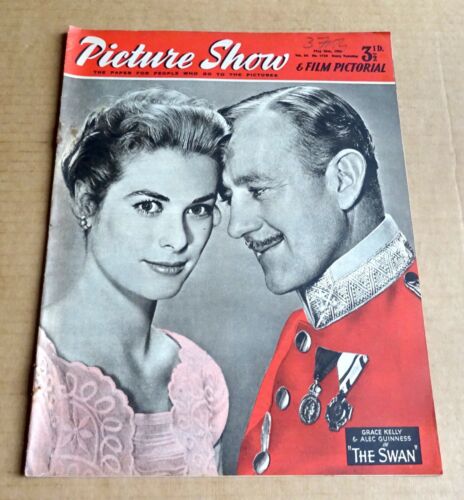
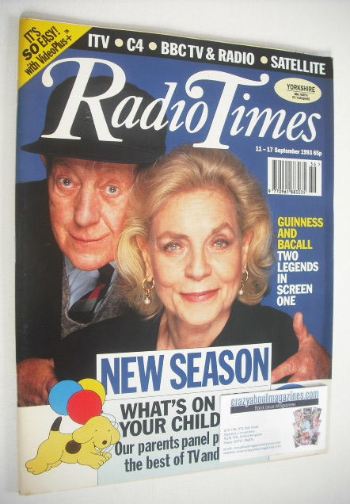
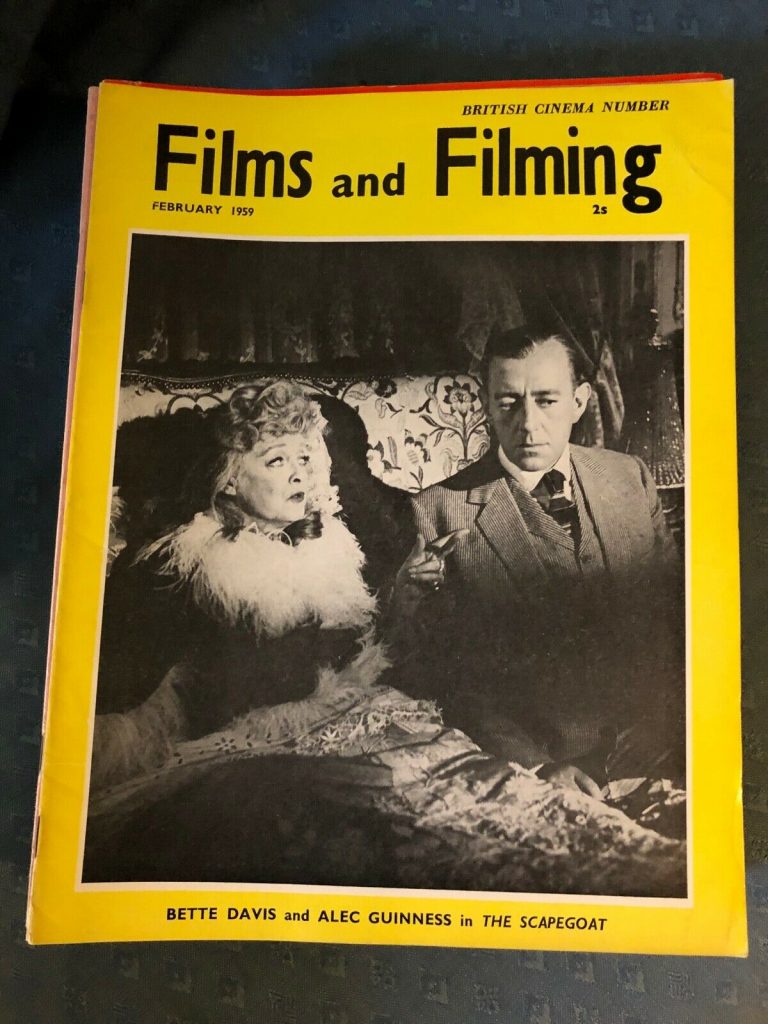
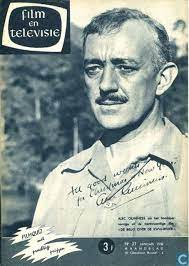
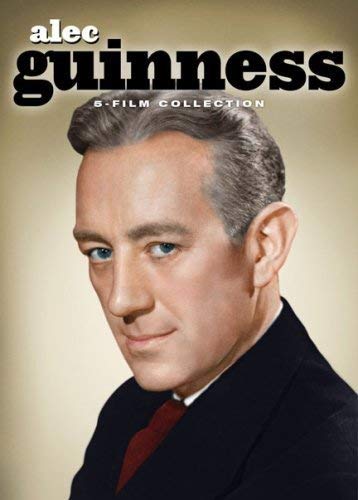
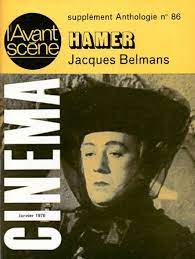
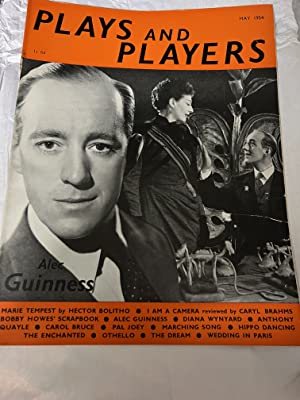
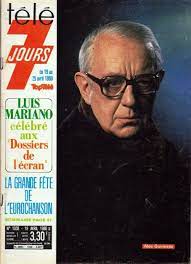
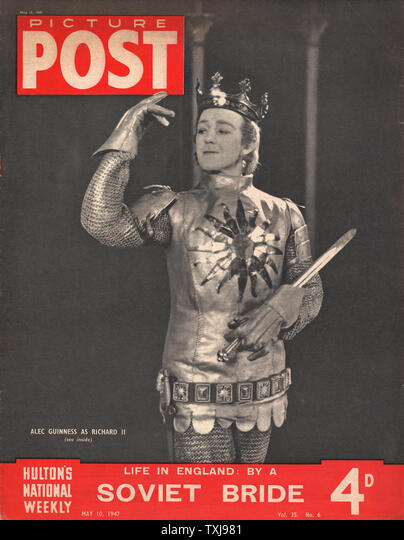
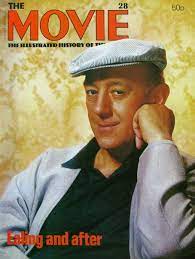
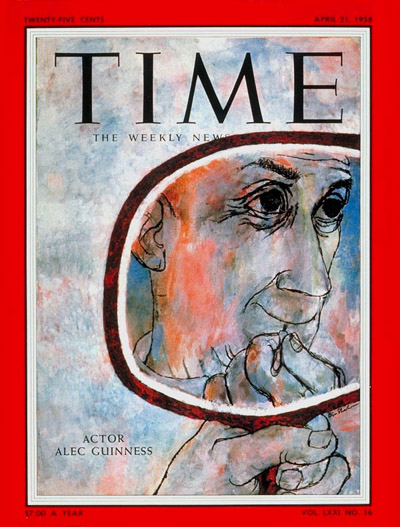
“Apart from Oliver, none of the serious highly regarded top-drawer British actors has had such a successful career in films as Alec Guinness. He has been in many very popular films,most of them enhanced by his performance. His versatility has been a byword over the past 30 years and perhaps it is the diffidence in his character which has prevented him from being a really magical actor” – David Shipman in “The Great Movie Stars – The International Years”. (1972).
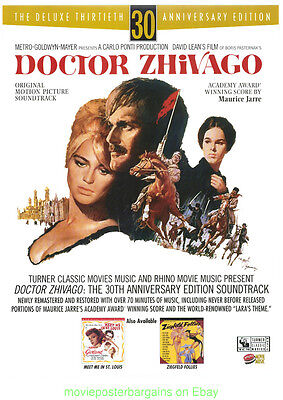
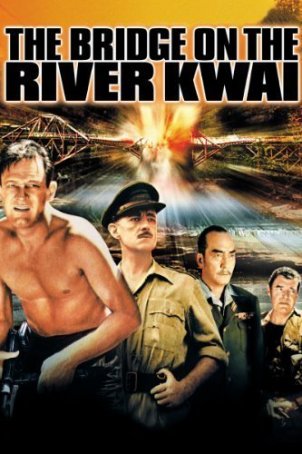
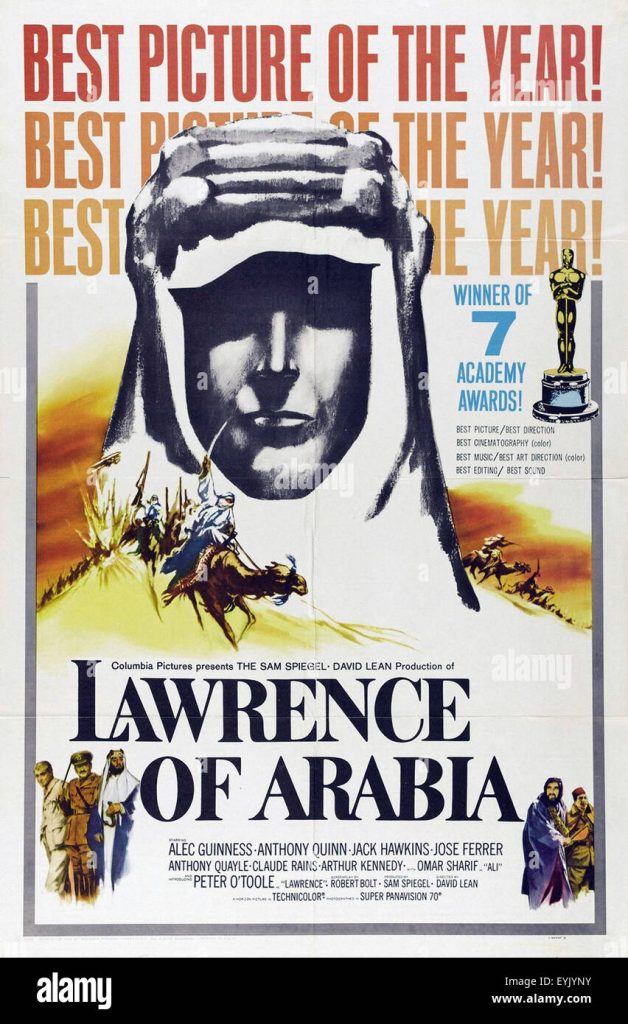
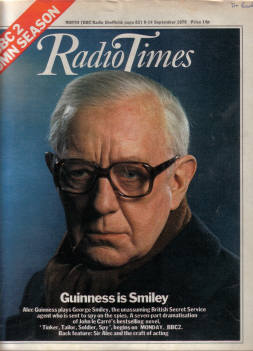
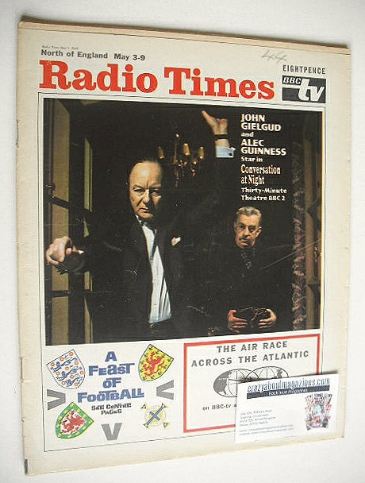
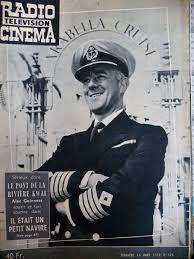
Alec Guinness was one of the most distinguished British screen actors ever. His first screen role was as Herbert Pocket in “Great Expectations” and then went on to play Fagin in “Oliver Twist”. Both of these films were directed by David Lean and Guiness made several films with Lean over the years including “The Bridge on the River Kwai”, “Laurence of Arabia”, “Dr Zhivago” and “Passage to India”. He won an Oscar for his performance in “Kwai” but he was dreadfully miscast as an Indian in “A Passage to India”. He won critical acclaim for his performance on television in the series “Tinker, Tailor, Spy” as George Smiley. Alec Guinness was also an accomplished write and had several books published. He died in 2000 at the age of 86.
Tom Sutcliffe’s”Guardian” obituary:
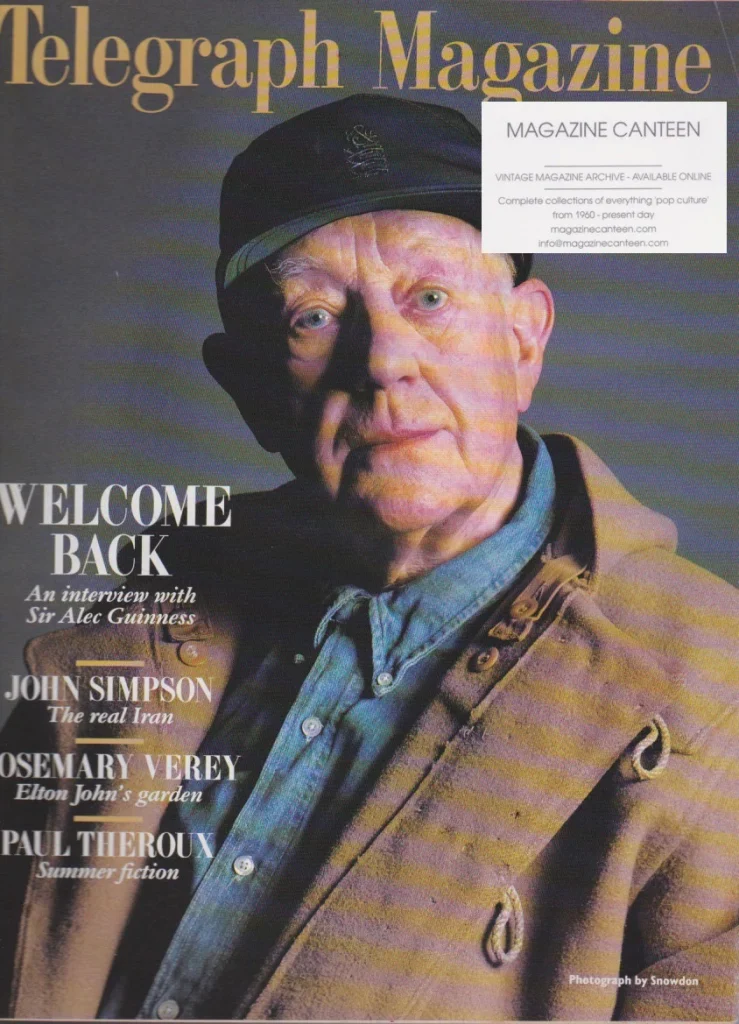
Sir Alec Guinness, who has died aged 86, was one of the best known and loved English actors of the 20th century. He was also a profoundly unostentatious and reserved man, and although he undertook a great variety of roles, all were informed at heart with the wisdom of the sad clown. It was this spiritual severity, together with those cool, clear, wide-open eyes, capable of melting on screen to the most reassuringly serene of smiles, which lent his performances force and authenticity.
In his later career, Guinness became something of an icon of spirituality and enlightened human understanding – especially after playing Obi-Wan Kenobi, in Star Wars (1977), with a notable and profound emotional charge. Subsequently, he was bemused to find himself being consulted as an agony uncle by American students, as a sort of substitute for CS Lewis. More important for him personally, his Star Wars contract guaranteed 2% of the profits, though the role had been much reduced, and he had nearly left the production.
The resulting financial security made this already fastidious actor even choosier about live stage roles. After Star Wars he was in just two West End plays, and was an unusual and sensitive Shylock at Chichester in 1984.
But Guinness was not the first great actor to find the ability, and the inclination, to learn parts after 70 much reduced. He had already avoided the theatre for six years when he came to star as TE Lawrence in Terence Rattigan’s Ross in 1960. More than any other English star of his generation, he was equally at home on stage, in film and on television – where he had an Indian summer as John Le Carré’s spymaster, Smiley, in the BBC’s Tinker Tailor Soldier Spy (1979) and Smiley’s People (1981-82) .
Guinness had an impecunious childhood, with a modest boarding-school education at Pembroke Lodge, in Southborne, and Roborough, in Eastbourne. At 18, he got a job as a junior copywriter in Arks Publicity, an advertising agency.
In his discreet autobiography, Blessings In Disguise (1985), he describes how the acting bug had bitten him. On the recommendation of John Gielgud, who assumed he was related to brewing and money, he got in touch with the formidable and eccentric Martita Hunt. She was, he noted, the first woman he had met who wore silk trousers and painted her toenails, and she coached him to audition for a Leverhulme scholarship at the Royal Academy of Dramatic Art. But Rada were not giving the award that year, so he enrolled at the Fay Compton studio for as long as his money lasted, and then rapidly went to work in the London theatre. He made his debut at 20, walking on in Libel! at the Playhouse.
In his unpretentious and beautifully written book, Guinness exorcised a long-suppressed anxiety about his origins. He was, he made clear, illegitimate – his name a mystery, his father probably called Geddes, the circumstances of his conception vague. His mother was Agnes Cuffe, and he was registered as Alec Guinness de Cuffe.
Finally, the question of his birth did not matter to him, but in the beginning it must have. A reluctance to expose himself, an almost neurotic discretion, was famously the mark of both his professional and his personal style. In a 1953 monograph about him, the critic, Kenneth Tynan, wrote: “Were he to commit a murder, I have no doubt the number of false arrests following the circulation of his description would break all records.”
While still only 20, Guinness was a flowery Osric, in Gielgud’s Hamlet at the New Theatre. Thereafter, until the outbreak of the second world war, his career alternated between working with Gielgud, or with Tyrone Guthrie at the Old Vic, where he impressed with a modern-dress Hamlet in autumn 1938. Even the Sunday Times’s formidable critic, James Agate, conceded that Guinness’s refusal to play the role in a traditional way had “a value of its own”.
Guinness always denied having any technique as an actor – or knowing what technique might be. Yet he was proud of his gift. A favourite story, which he told quite often, concerned his time in The Seagull, in May 1936, playing the small part of Yakov. The director Komisarjevsky, a big influence, was convinced that he was pulling a rope to open the little stage curtains for the play within a play in the first act. But, as Peggy Ashcroft pointed out to Komis’s chagrin, there was, in fact, no rope.
For Guinness, the purpose of acting was to make believe. The theatre was an act of faith, whose object was to tell the inner truth about situations and feelings, not to embroider falsehood with trickery and display.
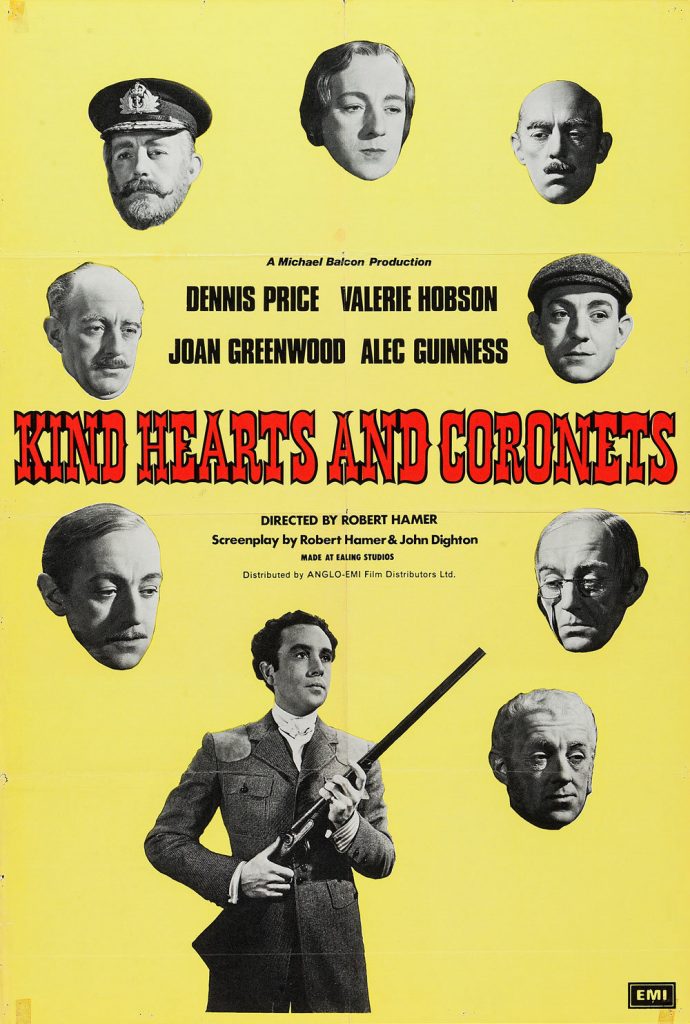
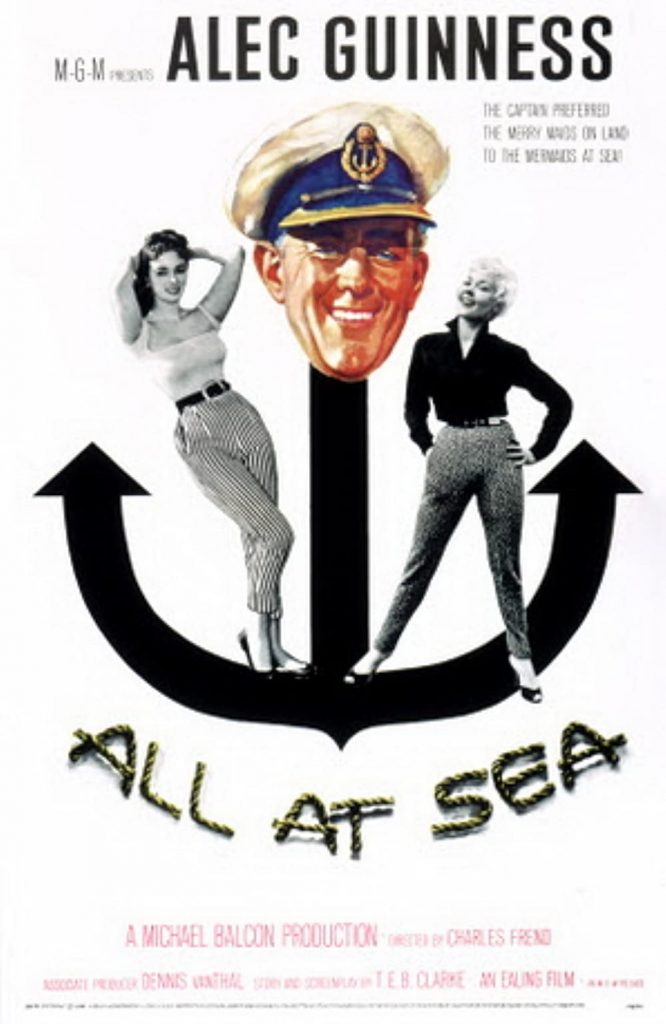
He was a master of disguise, as he demonstrated in the Ealing comedy Kind Hearts And Coronets (1949), with a multiplicity of roles. But the Kind Hearts gallery of family victims was consciously broad brush. Guinness was an actor, not an entertainer or vaudevillian like Peter Sellers, who specialised in pretence and adopting other personas. The spiritual core of his inner conviction remained the same – whatever game of actorish disguise he might play.
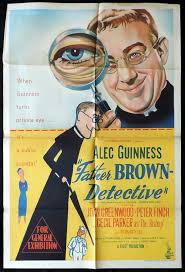
Guinness’s conversion to Roman Catholicism followed an episode in France during the 1954 filming of Father Brown, in which he was GK Chesterton’s cheery cleric-cum-detective. Walking back in the dark to the station hotel of a village near Macon, and still wearing his cassock, his hand was seized by a small boy, a complete stranger, who called him “Mon père” and trotted along beside him chatting in French. Despite his phony credentials as a cleric, Guinness felt strongly that the reality of this trust was important. When his 11-year-old son Matthew was temporarily crippled with polio, he had taken to dropping in on church and praying.
As an actor, Guinness had acute and particular tastes, an infallible instinct for the apt moment, the ideal tone, the canny strategy. When he was Fool, to Laurence Olivier’s unsuccessful King Lear (1947), he explained to me once, the irritating (to Olivier) fact that he, Alec, had the lion’s share of the reviewers’ favour was a direct consequence of Larry’s actor-managerish vanity.
“Every time Larry came on stage, the lights went up in his vicinity. All I had to do was just stay very close to him.” Guinness, of course, could not fail to be noticed – if only because he was doing so little so well.
He knew his own vulnerabilities and exploited them with courage. That lent the danger to his best performances. He had resented, for instance, the Oliviers’ assumption, in the mid-1930s, that he was Gielgud’s boyfriend. Not because he could not have been, or was ashamed or offended to be cast in that role, but because he was not, and they had no reason to assume it. In 1938, Guinness became a scrupulous husband and father – though his sexuality was complex.
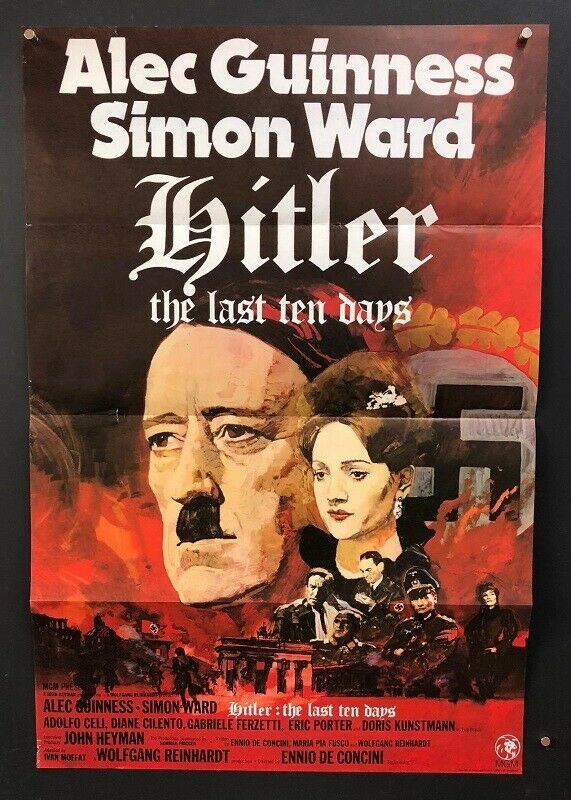
Typically, he did not balk at playing the transvestite criminal Mrs Artminster in Wise Child (1967), with the then glamorous-looking Simon Ward. His Lawrence, in Ross, rang dangerously true to self. Being mixed-up, discreet, acutely intelligent and voraciously well-read fuelled the neurotic, but muffled, engine that drove him as an artist.
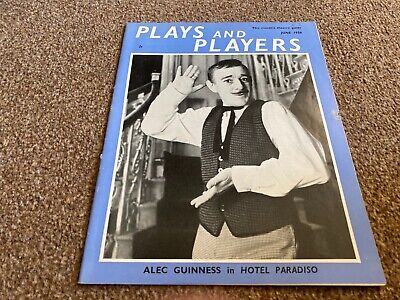
Being so private a personality let Guinness bring out the normally hidden interior aspects of Harcourt Reilly, in TS Eliot’s The Cocktail Party. He played this role at Chichester, Wyndham’s and the Haymarket in 1968 and 1969, as well as in Edinburgh and New York in 1950. His radio reading of Eliot’s Four Quartets were spellbinding. He was perfect material for Alan Bennett’s Old Country (1977) and Habeas Corpus (1973). In the latter, he devised – and performed alone – a typically self-revealing dance at the end.
Tynan’s fine portrait of him misinterpreted the diffidence and humility. Guinness, Tynan wrote, “never will be a star in the sense that Olivier is . . . He does everything by stealth . . . He will illumine many a blind alley of subtlety, but blaze no trails . . . His stage presence is quite without amplitude; and his face, except when, temporarily, make-up transfigures it, is a signless zero.” The suggestiveness, the wish to avoid being domineering, was a different sort of contract with the audience’s imagination. Guinness also wielded glacial fierceness and terror with unchallengeable authority.
His greatness did without Olivier’s showmanship, Ralph Richardson’s abandoned cussedness or Gielgud’s resonant lyricism. Tynan admired, but was inclined to patronise, Guinness’s poetry and versatility. At 24, in 1951, the critic was engaged by Guinness as Player King, in his second Hamlet. Guinness invested much amour propre in this production. Tynan called it “Hamlet with the pilot dropped”, and said it was cast with “exuberant oddness”.
Yet, ironically, its failure turned out to be a major factor in Guinness’s career, leading him away from the classics and Shakespeare into films, ultimately television, and new plays. Tynan found Guinness less potent in the classical arena because he expected actors to perform like concerto soloists.
I did not see Guinness’s inspirational Richard II, for Ralph Richardson’s Old Vic company, at the New Theatre (now Albery) in 1947. But his Macbeth at the Royal Court (1966) was certainly a quiet, clipped tragic victim, without the expected sexiness and physicality.
In fact, Guinness was an actor for a new theatrical style, subtle and undecorated. From the 1960s, in the West End, he mostly created roles in brand new plays, rather than challenging memories of Gielgud, Richardson or Olivier. He might have been a marvellous and unusual Lear, but, when he took the role on radio, it was underwhelming. Though his work in Alan Bennett’s plays was superb, he was far less inclined at the end of his career to accept risks as Gielgud – secure in a theatrical dynasty – famously did with Harold Pinter, David Storey and Julian Mitchell.
He was always a bit of a social upstart in an English theatre world full of great families, a self-made actor with no advantages, dependent on a very spiritual stillness and charisma. When I first met him in the mid-1970s, he had a slightly grand shyness off-stage. Yet, of all the great British stage actors, his was the busiest film career, for which his modest way of acting was flawless.
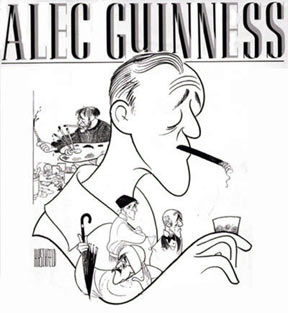
Guinness was not just an actor. He was good at drawing and did a really charming, diffident design for his own Christmas cards each year. Like Caruso, he was a natural at caricatures, especially of himself. His handwriting was beautiful. He was a very able author. Just before the war, his stage version of Great Expectations – later the basis of David Lean’s film – had been directed by George Devine.
His adaptation of The Brothers Karamazov, directed by Peter Brook in 1946, marked his return to the stage, as Mitya, after war service in the Royal Navy. He had joined as a rating in 1941, been commissioned in 1942 and commanded a landing-craft ferrying supplies to the Yugoslav partisans. He also appeared in the West End during the war, in Rattigan’s Bomber Command play, Flare Path.
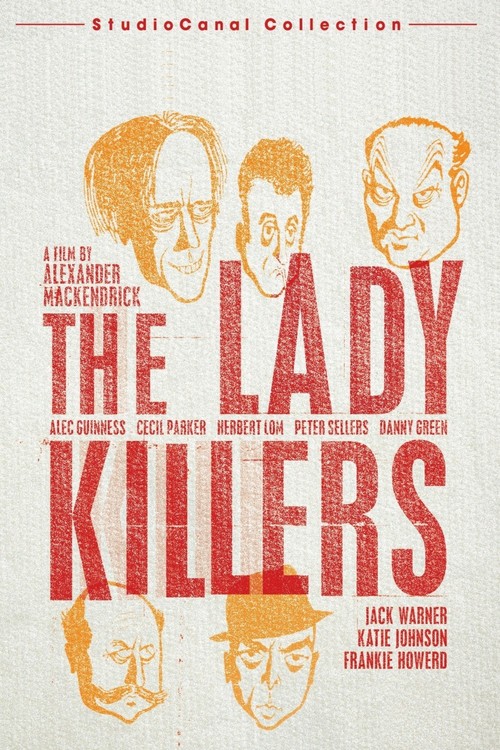
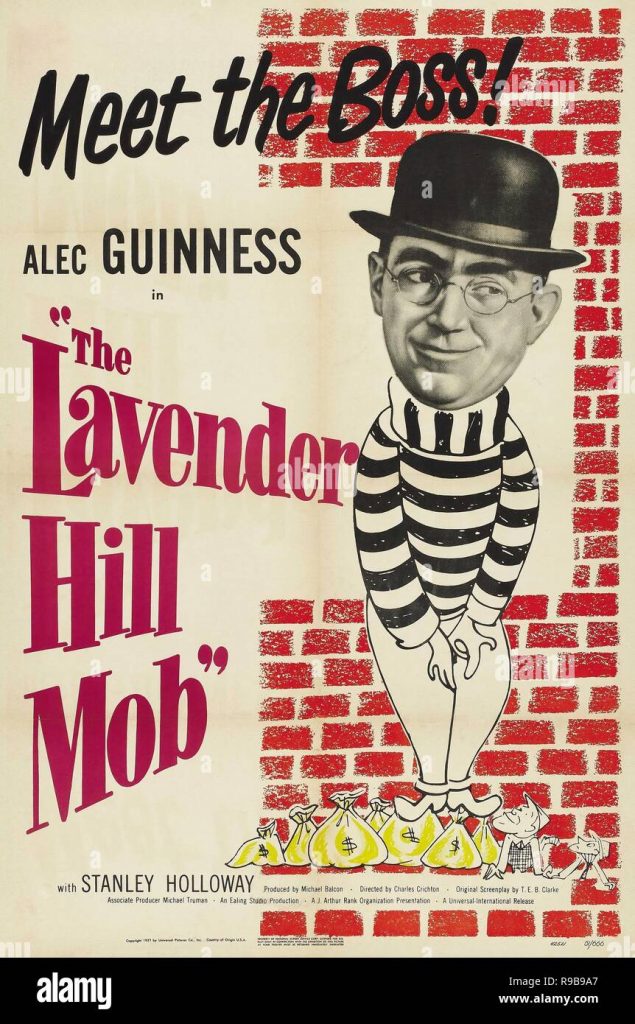
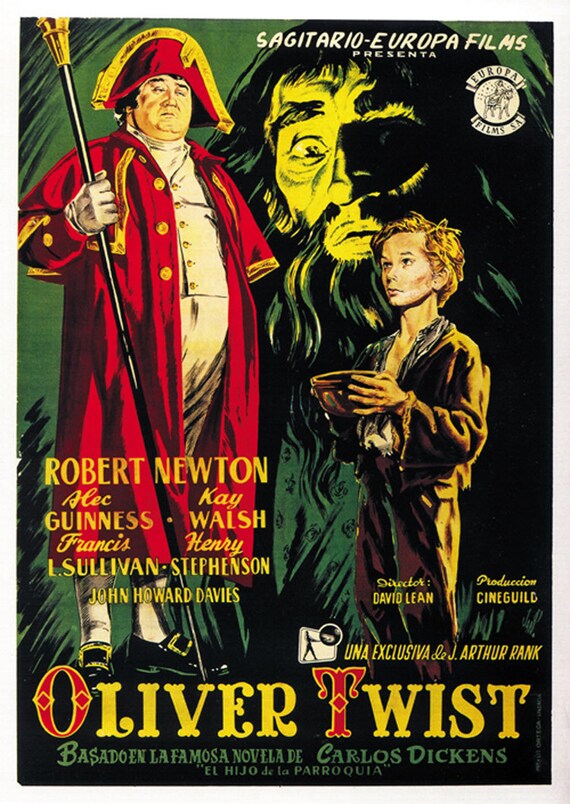
After playing Herbert Pocket, in Lean’s Great Expectations (1946), and Fagin, in Oliver Twist (1948), Guinness went on to a series of glorious Ealing comedies – perhaps most memorably as the bankteller-turned-robber Henry Holland in Charles Crichton’s The Lavender Hill Mob (1951), for which he was nominated for an Oscar, and as the criminal Professor Marcus, in Alexander Mackendrick’s The Ladykillers (1955).
His greatest film role was probably Colonel Nicholson, in Lean’s The Bridge On The River Kwai (1957), where his quintessentially English stiff upper lip under dreadful Japanese maltreatment and, eventually, obsessive unreasonableness, won him a best actor Oscar and numerous other prizes.
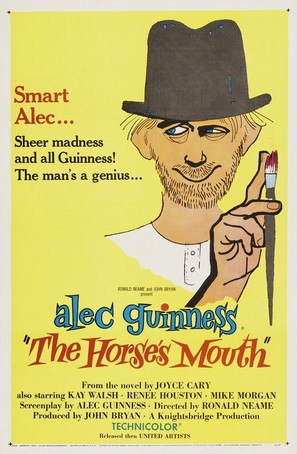
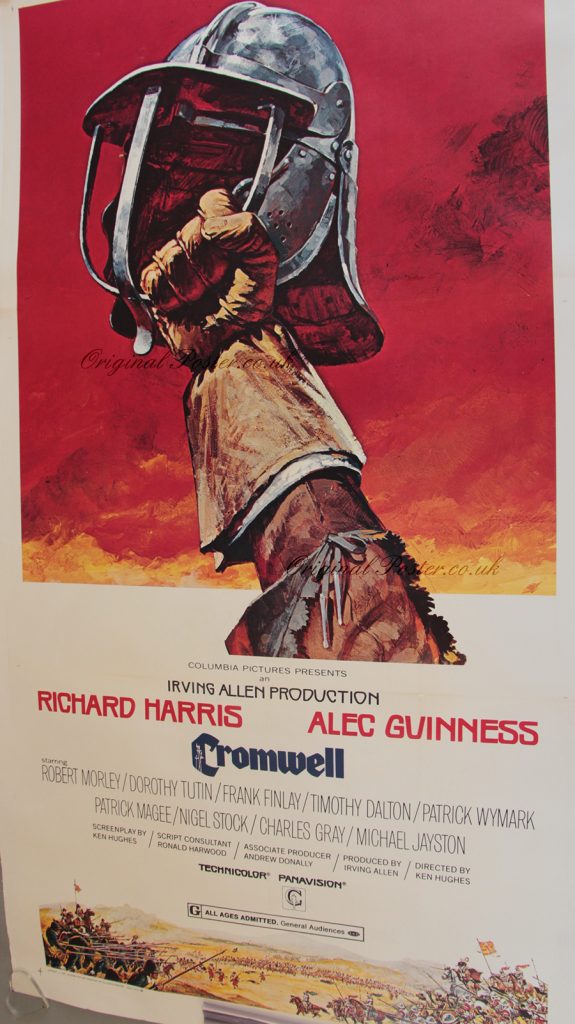
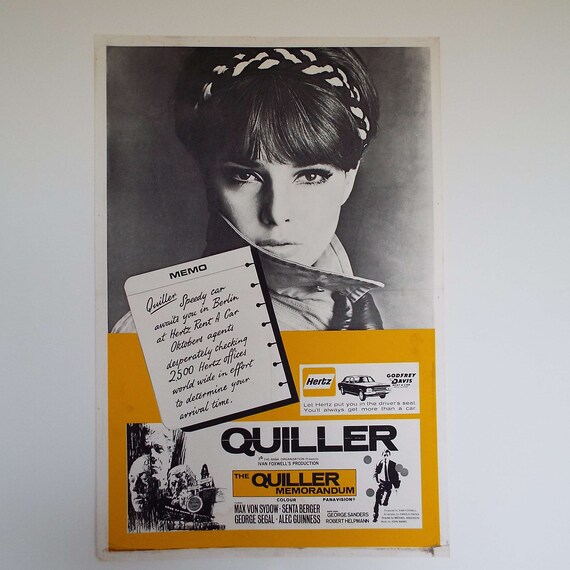
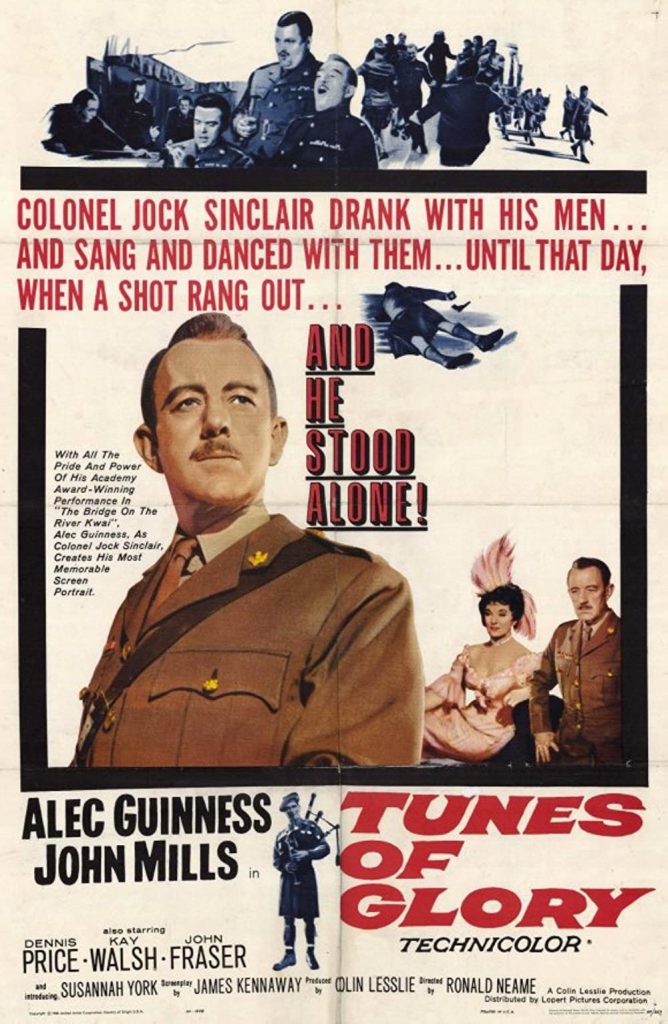
Further work included the artist Gulley Jimson, in The Horse’s Mouth (1958) – another Oscar nomination – with his own screenplay based on Joyce Carey’s novel. In 1959, he starred in Carol Reed’s Our Man In Havana, and a year later gave a brilliantly unpleasant Scottish impersonation of an irascible soldier in Tunes Of Glory. It was not followed by many more good film starring roles, and Guinness settled mostly for lucrative supporting parts in films like The Quiller Memorandum (1966), The Comedians (1967) and Cromwell (1970).
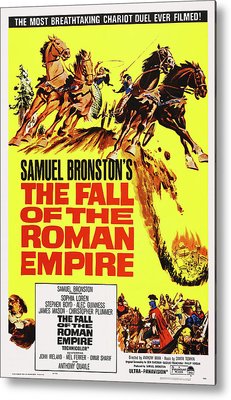
Yet some of those supporting roles were distinguished – Prince Feisal, in Lean’s Lawrence Of Arabia (1962), General Yefgrav Zhivago, in Doctor Zhivago (1965), and Professor Godbole, in A Passage to India (1984). In Anthony Mann’s The Fall Of The Roman Empire (1964), Guinness’s Marcus Aurelius was one of the film’s few redeeming features.
He was again nominated for an Oscar with Star Wars (1977), and six years later appeared in its sequel, Return Of The Jedi. Yet another Oscar nomination followed his appearance as Dorrit, in Christine Edzard’s epic adaptation of Dickens’s Little Dorrit (1988).
At the end of the 1970s, he achieved a new fame with his television appearances in the BBC2 adaptations of Le Carré’s Tinker, Tailor, Soldier, Spy and Smiley’s People. These works were effectively his screen monument, and for which he achieved Bafta awards.
Guinness was a charming, fascinating and elusive companion. He did not enjoy playing the star, though he liked the respect he got when visiting famous restaurants. From the mid-1950s, he lived in a modest way outside Petersfield, in Hampshire, with a large garden that much occupied his wife, Merula, whom he had married in 1938.
He had a small circle of particular friends, many outside the theatre. For years, he and Merula were close to Rachel Kempson and Michael Redgrave. If one visited him in his dressing room in the West End in the 1970s, one might find a surprisingly broad collection of people there, many of whom were never destined to discover what the others’ link with the great actor might be. He preferred to keep his friends separate; he was a one-to-one person.
He liked good food and drink. His favourite London hotel was the Connaught, with its superb cuisine. He was not a club man. He was knighted in 1959 and made a Companion of Honour in 1994.
Anybody outside his immediate circle was intrigued by the Guinness enigma. But the reserve through which that attractive generosity and warmth powerfully shone was, for him, an impenetrable and necessary protection.
He is survived by Merula and his son, Matthew.
The above “Guardian” obituary can also be accessed online here.
A “Guardian” article by Xan Brooks on Alec Guiness’sbest movies can be found here.
Alec Guinness — Career Overview with Critical Analysis
1. Early Life and Theatrical Formation
Alec Guinness was born in London in 1914 and trained at the Royal Academy of Dramatic Art. His early career was shaped by the British repertory theatre system and by performances with the Old Vic, which was a major training ground for classical actors in the mid-20th century.
At the Old Vic he performed leading roles in works by William Shakespeare, including Hamlet, Richard III, and Romeo and Juliet.
Critical significance: This theatrical training instilled three qualities that would define Guinness’s later screen performances:
precision in vocal delivery
intellectual engagement with text
a commitment to character transformation rather than star identity
Unlike many film actors of the period, Guinness approached acting primarily as interpretation rather than self-expression.
2. Breakthrough in British Cinema: The Ealing Comedies
Guinness’s major film breakthrough came in the late 1940s through films produced by Ealing Studios.
Key Works
Kind Hearts and Coronets
The Lavender Hill Mob
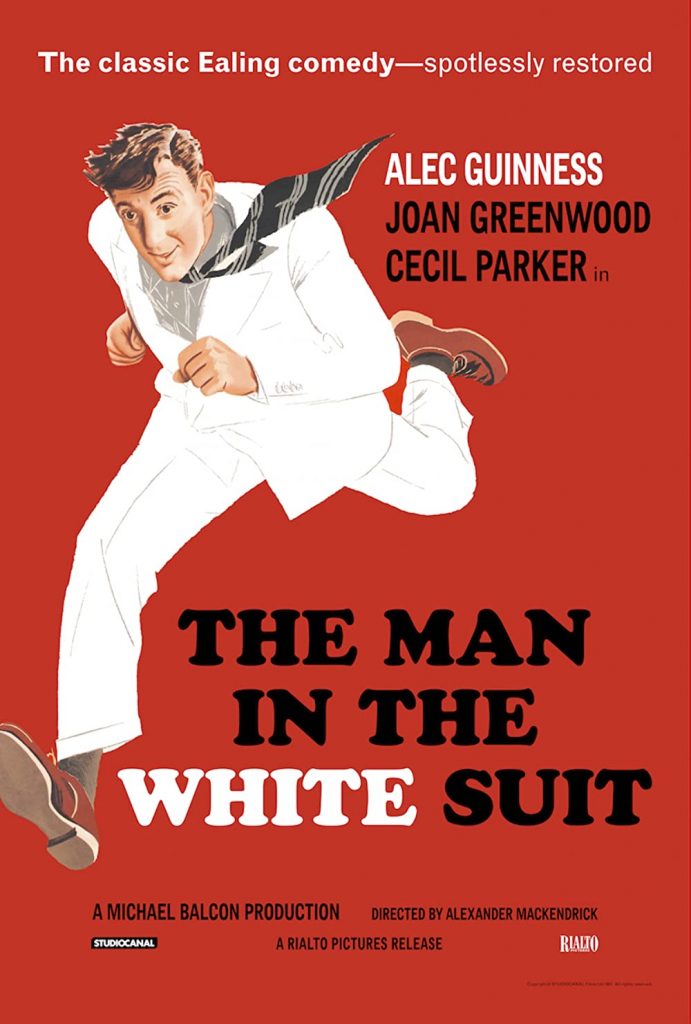
The Man in the White Suit
These films established him as one of the most distinctive actors in British cinema.
Kind Hearts and Coronets (1949)
In this film Guinness famously played eight members of the same aristocratic family, each with distinct physical and vocal characteristics.
Critical analysis
This performance demonstrates:
exceptional technical versatility
mastery of accent, posture, and facial transformation
the ability to combine comedy with subtle social satire
Rather than using exaggerated caricature, Guinness differentiates each character through precise behavioural details, making the performance a celebrated example of transformational acting.
3. Collaboration with David Lean: Epic and Psychological Drama
Guinness’s career entered a new phase through collaborations with director David Lean.
Major Films
The Bridge on the River Kwai
Lawrence of Arabia
Doctor Zhivago
Colonel Nicholson in The Bridge on the River Kwai
This role earned Guinness the Academy Award for Best Actor.
Critical interpretation
Nicholson is a complex character: a British officer whose devotion to discipline leads him to collaborate with his Japanese captors in building a strategic bridge.
Guinness’s performance reveals the character’s gradual moral collapse through subtle shifts in behaviour:
rigid posture and military bearing
carefully modulated speech
increasing emotional investment in the bridge project
The performance is often praised for its psychological ambiguity: Nicholson is neither villain nor hero, but a tragic figure whose values become distorted.
4. Later Career and International Fame
Although Guinness had already achieved critical acclaim, he became globally famous in a new way through his role as Obi-Wan Kenobi in:
Star Wars Episode IV A New Hope
Star Wars Episode V The Empire Strikes Back
Star Wars Episode VI Return of the Jedi
The films were created by George Lucas.
Despite the role’s popularity, Guinness himself reportedly felt ambivalent about the franchise, believing his earlier dramatic work to be more artistically significant.
Critical perspective
Nevertheless, his portrayal gave Obi-Wan Kenobi a sense of gravitas and moral authority that grounded the film’s mythic narrative.
5. Acting Style and Technique
Transformational Acting
One of Guinness’s defining qualities was his ability to disappear into characters.
Unlike actors whose careers depend on recognizable persona, Guinness constantly reshaped his appearance, voice, and physicality.
This approach aligns him with actors such as:
Peter Sellers
Daniel Day-Lewis
who also emphasized transformation over consistency.
Restraint and Subtlety
Guinness’s performances are typically marked by:
emotional restraint
controlled gesture
subtle facial expression
This style reflects the influence of British stage tradition, contrasting with the more emotionally explosive performances associated with American Method actors such as Marlon Brando.
Intellectual Character Construction
Critics frequently note that Guinness approached roles analytically.
He often focused on:
moral contradictions within characters
narrative function of the role
historical and social context
As a result, his performances frequently feel thoughtful and psychologically layered.
6. Criticisms and Limitations
Despite widespread admiration, some critics have identified limitations in Guinness’s acting style.
Emotional Distance
Because he emphasized control and technique, some viewers perceive his performances as emotionally cool or detached.
Lack of Spontaneity
Compared with Method actors, Guinness’s work can appear carefully constructed rather than instinctive.
However, many critics argue that this controlled style was deliberate and integral to his artistic identity.
7. Legacy
Alec Guinness is widely regarded as one of the most accomplished actors of the 20th century.
His career spans:
classical theatre
British postwar cinema
Hollywood epics
modern popular franchises
Few actors have navigated such varied forms while maintaining a consistent reputation for craft and intelligence.
✅ Overall Critical Assessment
Alec Guinness’s greatness lies in his ability to balance technical mastery with psychological depth.
His work demonstrates:
the adaptability of classical acting techniques to film
the power of restraint and subtlety in screen performance
the value of transformation over celebrity persona
As a result, he remains one of the most respected actors in both theatre and film history
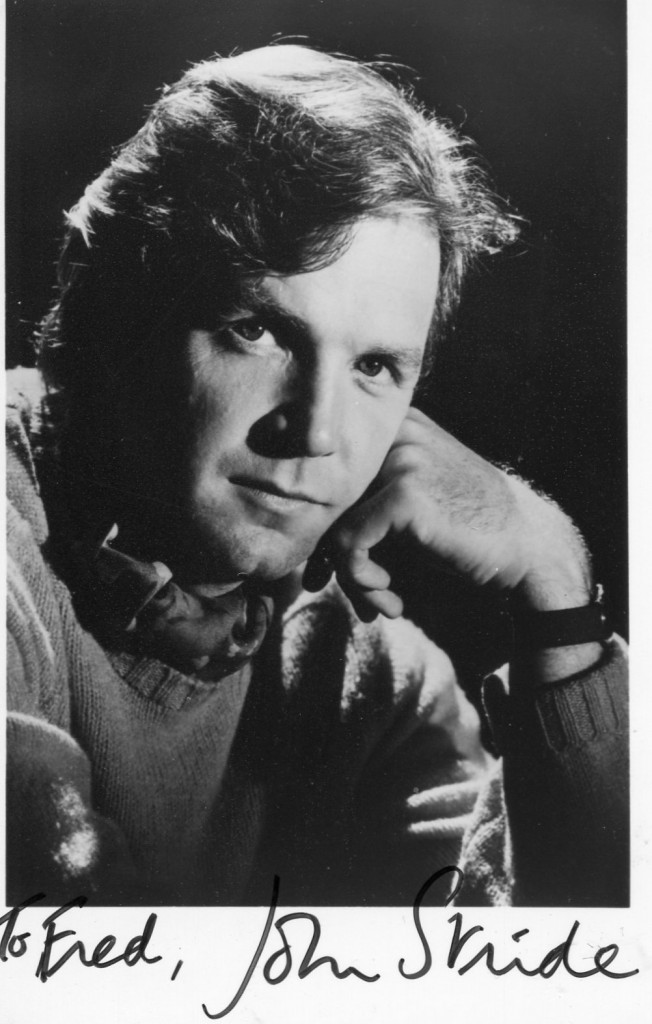
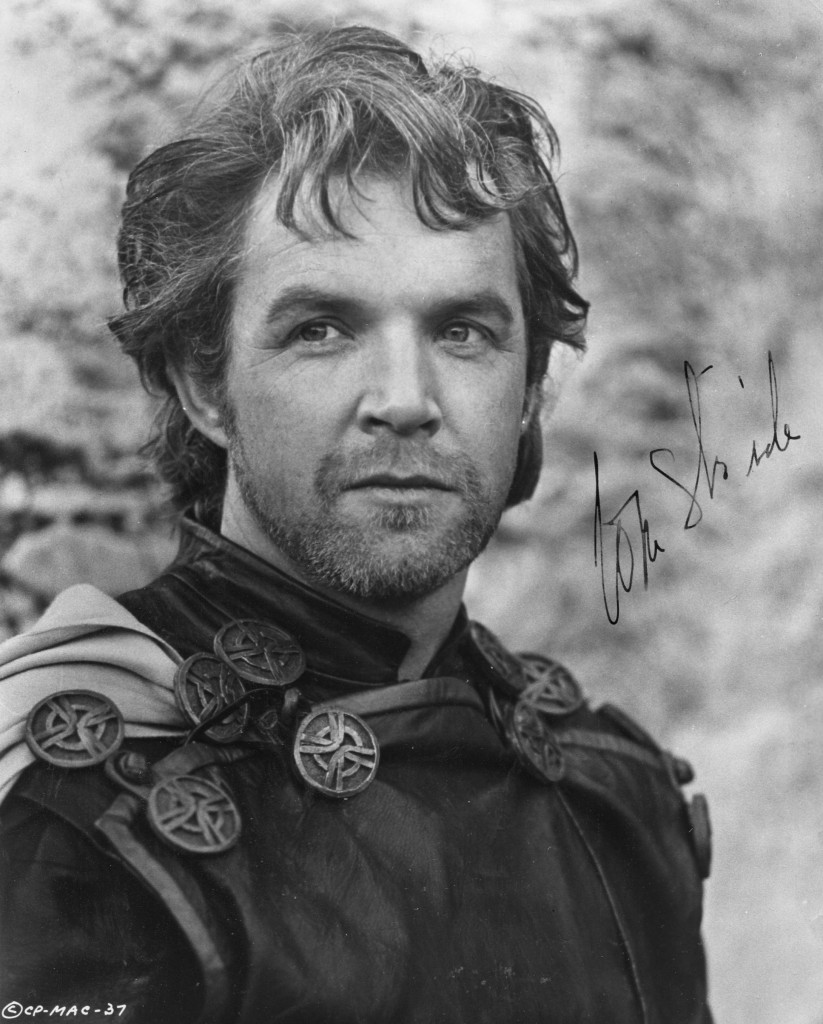
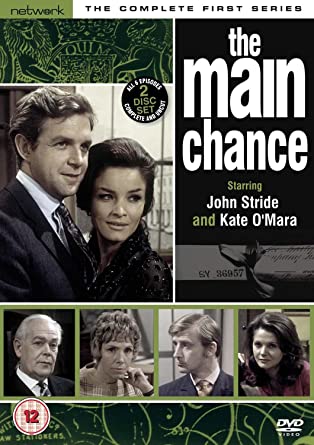
John Stride, who has died aged 81, was a golden boy of the early years of the National Theatre – he was a founder member of Laurence Olivier’s company at the Old Vic, appearing as Fortinbras in Hamlet, the inaugural production starring Peter O’Toole in 1963 – and a television star of some magnitude, playing the promiscuous lawyer David Main in four series of The Main Chance between 1969 and 1975.
His pre-National breakthrough was as Romeo to Judi Dench’s Juliet at the Old Vic in 1960. Kenneth Tynan hailed Franco Zeffirelli’s production as “a revelation, perhaps a revolution,” in that the lovers’ passion was, for the first time, so young, immediate, contemporary and palpable. The play was re-born.
And Stride double-booked his place in the history books with the first professional performance of Tom Stoppard’s Rosencrantz and Guildenstern Are Dead in 1967, playing the garrulous, amiably philosophical Rosencrantz opposite Edward Petherbridge’s irritable and sarcastic Guildenstern; in the opening coin-tossing scene of a play that placed the attendant lords centre stage with the tragedy of Hamlet as its scenery, Stride had called 85 “heads” in a row – correctly. The show, said the critic Peter Lewis, came out of the dark like a spot-lit jewel full of vibrations.
Stride could be brusque off stage, said Petherbridge, but was always impeccable on. He was a strikingly good-looking juvenile, with cherubic features, fine bearing and a voice that was God-given, according to another friend and contemporary, the actor David Weston: “John spoke verse as well as anyone I’ve ever heard.” But after his great bulge of success in the 1970s, Stride’s career foundered in the 80s and petered out with a florid performance as an ageing actor trying to make a come-back in Melvyn Bragg’s King Lear in New York, at the Chichester Festival theatre in 1992.
It was as though, starting as Peter Pan, a “Tennant’s boy” in the West End – hired by the all-powerful Binkie Beaumont of HM Tennant – and then Romeo and a National Theatre star, he failed to adjust to an older, middle-aged model.
He was born into a working-class family in South Norwood, south-east London, one of the five children of Alfred, a gardener and mechanic, and his wife Margaret (nee Prescott). He won a place at Alleyn’s school, Dulwich, then a direct grant grammar school, where he played soccer and water polo to high standards; he had extremely large hands, which earned him the nickname “Navvy”.
The key figure in his early life was the Alleyn’s English and drama master Michael Croft, who would later found the National Youth Theatre, in 1956. In a school production in 1952, Croft cast Stride as Hamlet, followed by Macbeth, and then as Antony. As a result, Stride won a scholarship to Rada – to the disapproval of his parents – alongside Alan Bates and O’Toole. He did his national service for two years with the Royal Artillery before playing a season at the Liverpool Playhouse in 1957 and making his West End debut in 1959 in Peter Shaffer’s Five Finger Exercise, a role he took over from Brian Bedford.
He then joined the Old Vic where his roles, apart from Romeo, included Lysander, Prince Hal and Gratiano in The Merchant of Venice. With the Old Vic he made his New York debut in 1962 as Malcolm in Macbeth and as Romeo. With Olivier’s new National, he was a fine Cassio in Othello (with Olivier and Maggie Smith), Dunois in Joan Plowright’s Saint Joan, Valentine in an exquisite production of Congreve’s Love for Love, Andrei in Three Sisters and the title role in Brecht’s version of Marlowe’s Edward II.
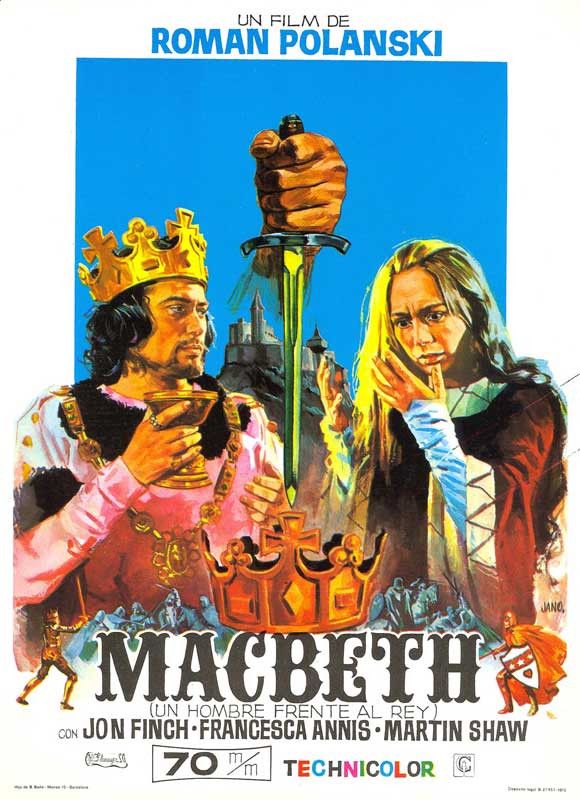
As he eased away from the National, the film career he had started in 1963 as a sympathetic barman in Bitter Harvest (1963) – starring Janet Munro as a Welsh innocent abroad in London, and based on a Patrick Hamilton novel – picked up with roles as Ross in Roman Polanski’s Macbeth (1971), with Jon Finch in the title role and Francesca Annis as a stunning, nakedly sleep-walking Lady Macbeth, John Wayne in Douglas Hickox’s Brannigan (1975) and with Gregory Peck and Lee Remick in Richard Donner’s The Omen (1976), in which he played a psychiatrist.
But in none of these films did he make the same impact as in The Main Chance on television, and that is where he stayed, with a couple of significant sorties into the commercial theatre: co-starring with Eileen Atkins in Marguerite Duras’ Suzanna Andler in 1971 at the Yvonne Arnaud, Guildford; and with Vanessa Redgrave and Jeremy Brett in Michael Blakemore’s superb 1973 West End revival – retrieval, really – of Noël Coward’s Design for Living at the Phoenix; this “disgusting, three-sided erotic hotchpotch”, as one of the “excluded” characters in the play dubs it, as restored to the repertoire as a modern classic.
His TV follow-up to The Main Chance was Wilde Alliance (1978), in which he and Julia Foster were a husband and wife team of amateur detectives, but it lasted for only one series. After playing Bluntschli in Bernard Shaw’s Arms and the Man at the Oxford Playhouse in 1976, he became a stranger to the stage until the Bragg play in Chichester. And in this same year, 1992, he scored heavily, for the last time on television, as two debauched characters: a lecherous businessman, Sir Bernard Bellamy, in Fay Weldon’s Growing Rich; and as the promiscuous Welsh “media type” Alun Weaver in Andrew Davies’s adaptation of Kingsley Amis’s The Old Devils.
By the time he played Bragg’s actor-laddie, he seemed to be a caricatured, bloated version of his former self. The play, anyway, was a poor re-tread of Ronald Harwood’s The Dresser (1980), in which Freddie Jones (and, on film, Albert Finney) played a version of Donald Wolfit as Lear during the blitz; Stride’s Lear in modern Manhattan, besieged by two wives, a strident television gossip journalist and a drug addict daughter, was too forced a dramatic analogy, and Stride himself seemed to have morphed into a snowy-haired, bibulous and bulging version of Bragg’s old director buddy Ken Russell. It was, nonetheless, a memorable and agreeably growling performance, and approved by the critics, who were collectively delighted to see him back in action.t
Stride was twice married, first in 1958 to his Rada contemporary Virginia Thomas (the marriage ended in divorce) and then, in 1972, to the actor April Wilding.
She died in 2003 and there are friends who say he never fully recovered from this blow. His last years were spent in a nursing home near Oxford. He is survived by two daughters from his first marriage and one from his second.
• John Edward Stride, actor, born 11 July 1936; died 20 April 2018
John Stride — Career Overview & Critical Analysis
Early Life and Training
John Stride was born in London and trained at the prestigious Royal Academy of Dramatic Art (RADA), one of the key institutions shaping mid-20th-century British acting. Like many actors of his generation, his early professional development occurred in theatre, where classical technique, voice control, and textual interpretation were central components of training.
Stride entered the British acting profession at a moment when television drama was rapidly expanding, creating opportunities for actors trained in classical theatre to reach much wider audiences.
Theatre Career
Stride’s early stage work included appearances in repertory theatre and productions in London’s West End. These roles often involved works by playwrights such as William Shakespeare and George Bernard Shaw.
Performance Characteristics
Critics of his stage work frequently observed:
clear, expressive diction
controlled emotional expression
intellectual engagement with character psychology
Stride’s theatrical performances tended toward naturalistic interpretation, reflecting the shift in British theatre during the 1950s and 1960s toward greater psychological realism.
Critical perspective
Unlike some contemporaries who emphasized overt theatricality, Stride favored subtle character construction, often revealing emotional tension through small shifts in gesture or vocal tone rather than grand dramatic display.
Film Career
Stride appeared in several films during the 1960s and 1970s, including:
The World of Suzie Wong
The Singer Not the Song
The Girl with Green Eyes
Although he worked in cinema, Stride never became a major film star. Instead, he often played secondary characters or supporting roles, reflecting casting practices that tended to favour more internationally marketable leading actors.
Critical Evaluation of Film Work
Stride’s film performances demonstrate several recurring qualities:
psychological subtlety
natural conversational delivery
low-key screen presence
While effective dramatically, this understated style sometimes limited his ability to dominate cinematic narratives. In films that relied on strong star charisma, Stride’s restrained acting could appear comparatively muted.
Television Career and Public Recognition
Stride achieved his greatest fame on television especially through the long running British TV Series The Main Chance as the lead..
Acting Style: Critical Analysis
1. Understated Naturalism
Stride’s acting style belongs to a tradition of quiet realism within British television drama.
Key traits include:
conversational vocal rhythms
controlled facial expression
emphasis on interpersonal dynamics
This style worked particularly well in character-driven television narratives.
2. Intellectual Characterisation
Stride often portrayed educated or socially privileged characters—lawyers, aristocrats, professionals.
His performances frequently conveyed:
intelligence
reflective self-awareness
emotional restraint
This made him particularly effective in roles exploring class and social identity in British culture.
3. Ensemble Strength
Stride excelled in ensemble acting, especially when interacting with strong co-performers. His willingness to play supporting emotional beats rather than dominate scenes helped create balanced performances.
In To the Manor Born, for example, the dramatic tension relies on the interplay between his understated performance and Keith’s more overtly comic style.
Limitations and Critical Debates
Despite his technical skill, critics have occasionally identified limitations in Stride’s acting career.
Limited Screen Transformation
Unlike highly transformative actors, Stride tended to remain within a recognizable range of roles:
educated professionals
upper-middle-class figures
aristocratic characters
This partly reflects industry typecasting but also shaped the critical perception of his range.
Subdued Charisma
While effective dramatically, his restrained presence sometimes lacked the commanding screen magnetism associated with major film stars.
As a result, his reputation rests more on consistent craft than on iconic performances.
Cultural Context
Stride’s career illustrates the importance of television in British acting culture during the late 20th century.
The expansion of British TV drama and comedy allowed many classically trained actors to build stable careers outside the Hollywood star system.
Actors such as:
Richard Briers
Nigel Hawthorne
followed similar trajectories—balancing theatre work with television roles that reached mass audiences.
Legacy
John Stride remains best remembered for his role in To the Manor Born, but his career reflects a broader pattern of British acting professionalism.
His legacy includes:
contributions to British television comedy and drama
a career rooted in classical theatrical training
performances marked by restraint, intelligence, and subtlety
✅ Overall Critical Assessment
John Stride exemplifies the skilled character actor whose work prioritizes realism and ensemble interaction over flamboyant individual display.
His acting demonstrates:
disciplined technical training
nuanced emotional expression
strong collaborative performance
Although he never achieved the international fame of some contemporaries, his work remains an important example of the craft-focused tradition of British television acting
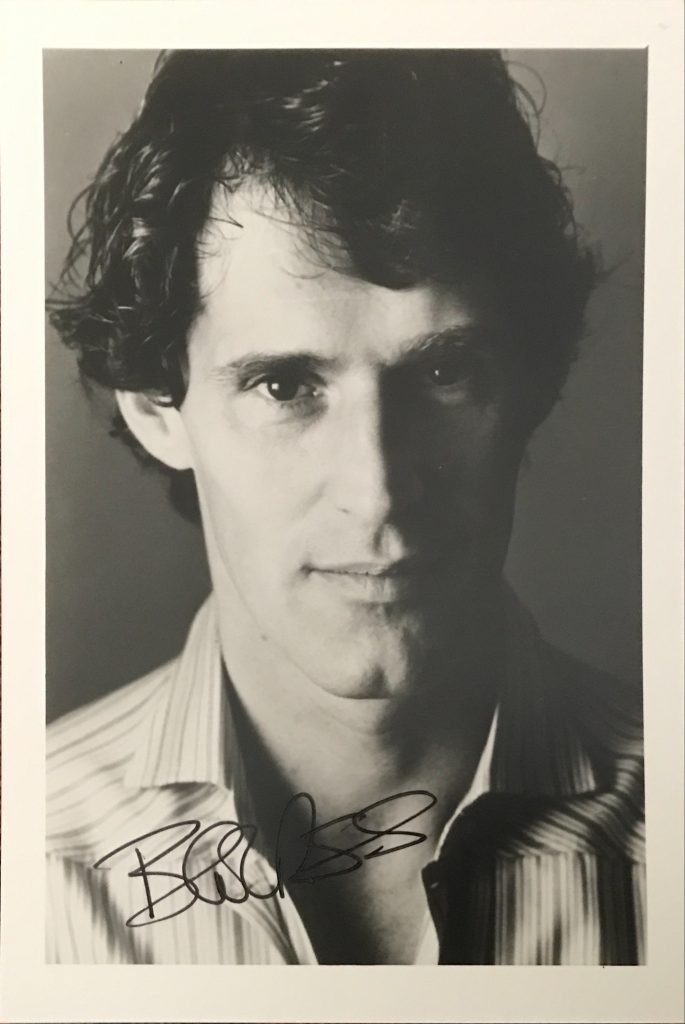
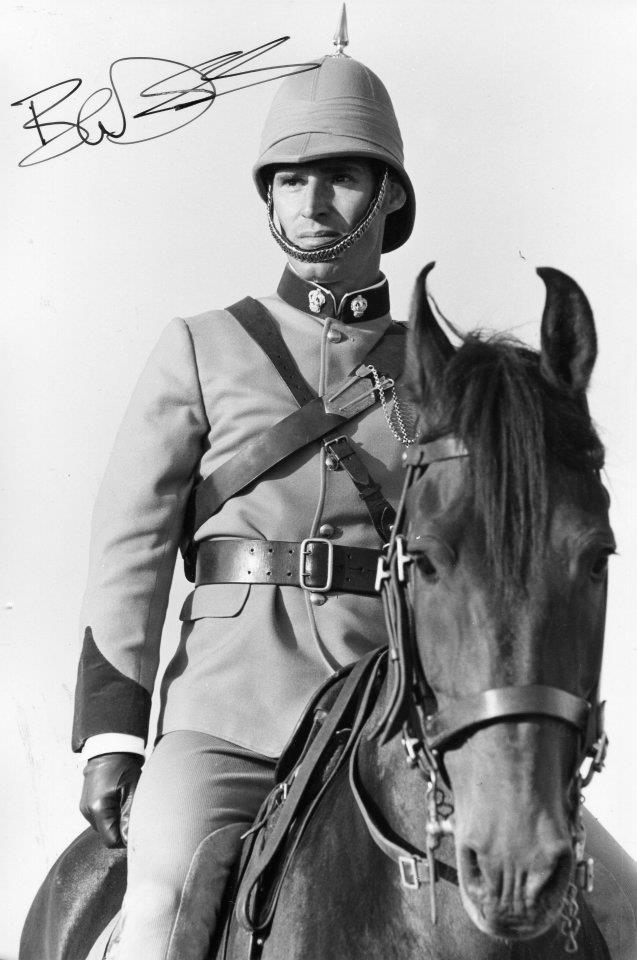
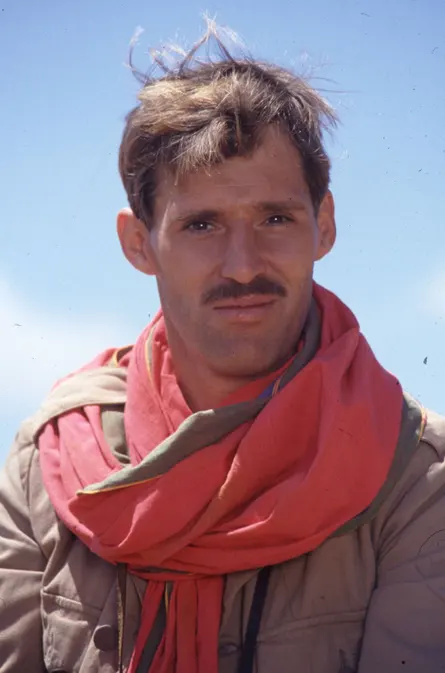
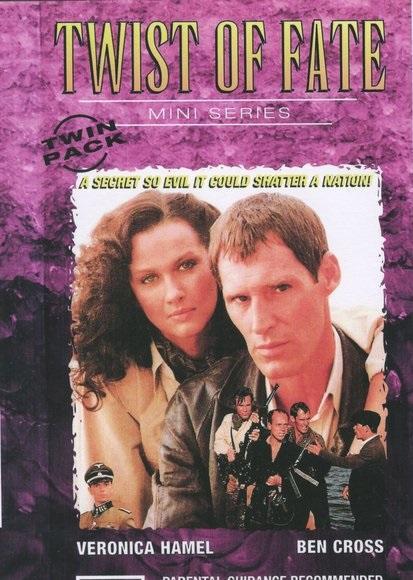
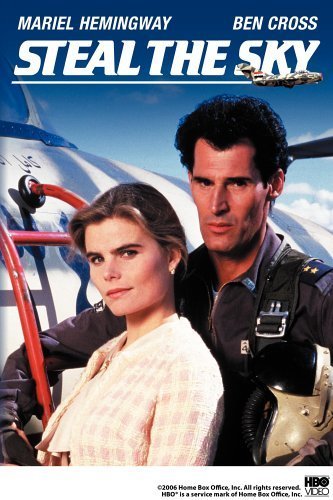
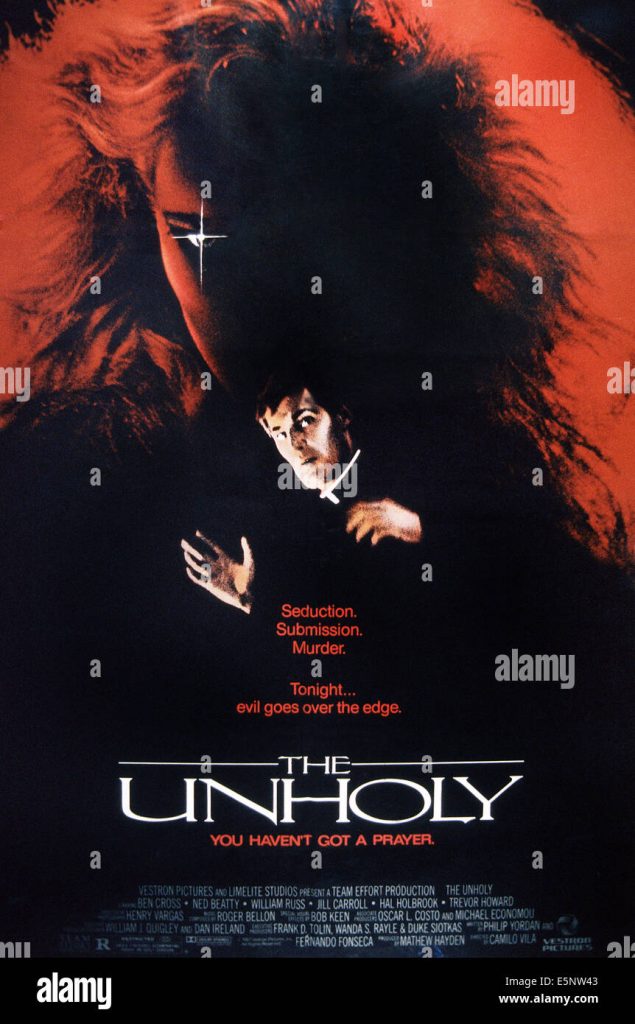
Ben Cross was born in 1947 in London. Upon graduating from RADA, he began his career on the stage appearing in such plays as “Royal Hunt of the Sun” and “Death of a Salesman”. In 1978 he played Billy Flynn in the musical “Chicago”. He had a major success with his role as Harold Abrahams in “Chariots of Fire”. He also scored with leading roles on TV in A.J. Cronin’s “The Citadel” and “The Far Pavilions”. In 2007 he was cast in the new Star Trek film. Interview with Ben Cross in “The Jewish Chronicle” can be accessed here. Sadly Ben Cross died aged 72 in Vienna in August 2020
“Guardian” obituary in 2020
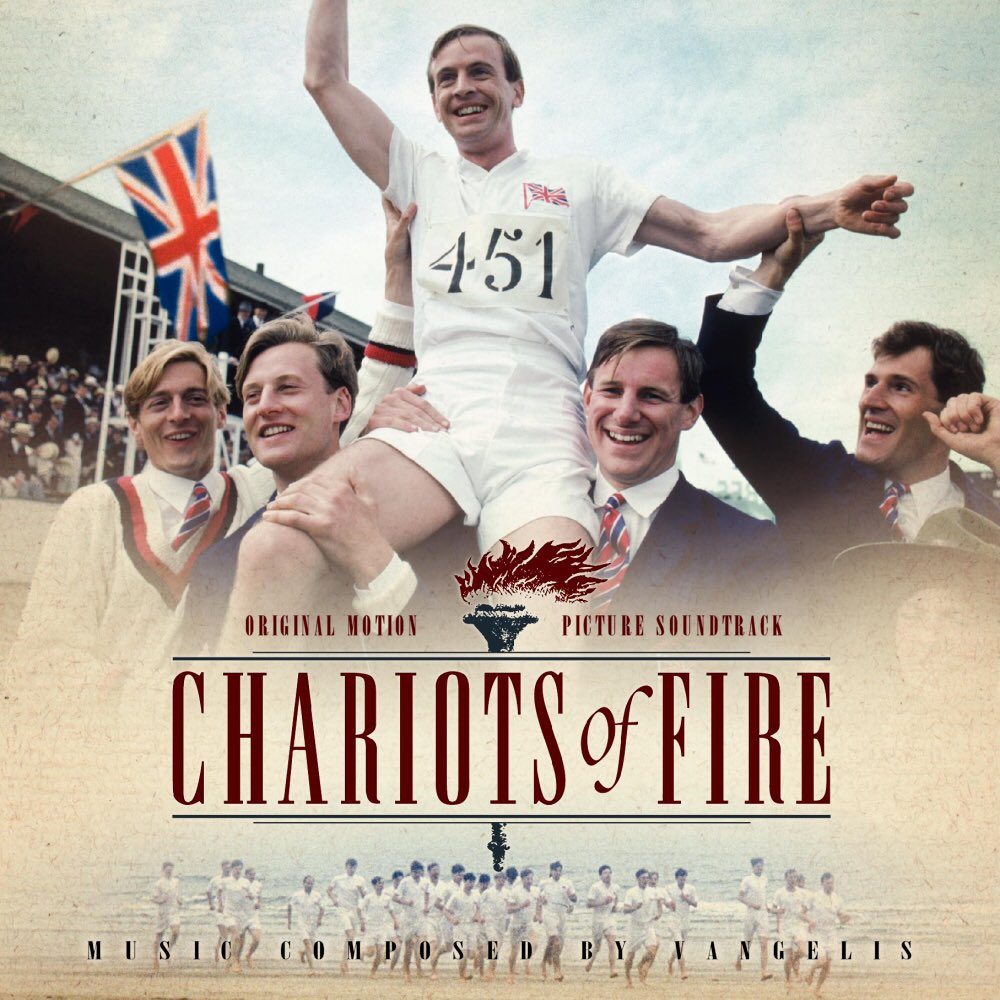
The actor Ben Cross, who has died of cancer aged 72, took the film world by storm in the Oscar-winning Chariots of Fire when he played Harold Abrahams, the British Jewish athlete driven as a runner not just to win gold at the 1924 Paris Olympics, but also to battle antisemitism. A fellow British team member, the devout Scottish Protestant missionary Eric Liddell, played by Ian Charleson, is similarly seen in a quest to combat discrimination. Abrahams wins the 100 metres, while Liddell triumphs in the 400 metres.
The two stars shared one of the most memorable opening scenes in film history, among the sprinters on a training run along a Scottish beach, enhanced dramatically with moments in slow motion and Vangelis’s inspirational music.
“The water was freezing,” recalled Cross, “and we had bare feet – completely ridiculous. If you spoke to a sports trainer about running barefoot in ice-cold water, they’d ask you if you were mad. But, look, it made for a good opening sequence.”
The 1981 film, produced by David Puttnam and directed by Hugh Hudson, won four Academy awards at the following year’s Oscars ceremony. However, despite Colin Welland’s “warning” to Hollywood that “the British are coming” as he accepted his statuette for best original screenplay, the two stars never quite fulfilled the promise they had shown in such a high-profile film – even though they jointly received the Variety Club’s most promising artiste award.
While Charleson chose to spend much of his time on stage before his premature death from Aids in 1990, Cross found most of his best roles on television, which utilised his bony features and earnest, sincere air, and said he had no hunger for theatre.
“Of all the jobs I’ve been offered, television was the best quality,” he later said. “I haven’t liked most of the films I’ve been offered. Film has the greatest international audience, so you have to be very choosy about what you do.”
He had his first starring role on the small screen in The Citadel (1983), the BBC’s 10-part adaptation of AJ Cronin’s semi-autobiographical novel about a doctor who swaps his crusading job in a poor Welsh mining village of the 1920s for a wealthy existence taking care of London society before realising he has sacrificed his ideals.
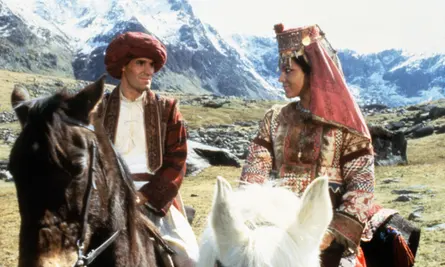
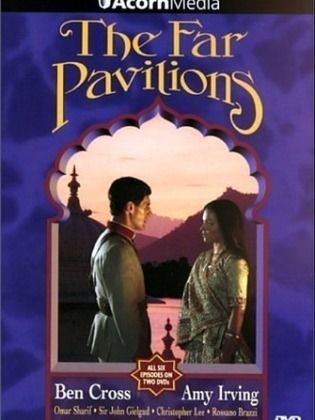
Going from the parochial to the international, Cross headed the cast in The Far Pavilions (1984), a lavish mini-series set in 19th-century India during the days of the British Raj. As the dashing romantic hero Ashton Pelham-Martyn (“Ash”), he played a British officer in love with a princess and battling to understand his own identity, having been orphaned and previously believing himself to be of Indian birth. To prepare for the role, Cross went to the country four weeks before shooting began in order to absorb the atmosphere – just as he had spent three months “training like a madman” for Chariots of Fire.
“The man discovers he is English, yet his heart and emotions are very much Indian and he’s accepted in neither world,’’ reflected Cross at the time. “These misfit roles seem to seek me out. I always seem to play people not totally at home in the situation we discover them.”
Ben Cross and Amy Irving The Far Pavilions, 1984. Photograph: Moviestore/Rex/Shutterstock
Born in Paddington, London, to Catherine (nee O’Donovan), a cleaner, and Harry, a doorman, Cross was brought up a Catholic and attended Bishop Thomas Grant school in Streatham, south London.
Playing the title role in a school production of Toad of Toad Hall brought him laughs – and an ambition to act that was a long time unrealised after leaving home at 15, living in a van and working as a window cleaner.
He eventually found jobs backstage, as a carpenter for the Welsh National Opera and property master at the Alexandra theatre, Birmingham. Then, during two years at Wimbledon theatre, watching a different show every week, Cross decided to get himself under the stage lights, successfully auditioned for Rada and graduated in 1972, aged 24.
Apart from a handful of TV roles over the rest of the decade, his only screen appearance was as Trooper Binns – described by Cross as a “glorified extra” – alongside an all-star cast in the 1977 war film A Bridge Too Far.https://www.youtube-nocookie.com/embed/CSav51fVlKU?wmode=opaque&feature=oembedRunning scenes from Chariots of Fire, with Vangelis’s theme music for the film
However, he began to get attention on stage. During a stint with the Royal Shakespeare Company he took the role of Kevin Cartwright in the world premiere of the Peter Nichols national service farce Privates on Parade (Aldwych theatre, 1977). His singing voice was showcased when he played Wally in the original London production of the Cy Coleman-Michael Stewart musical I Love My Wife (Prince of Wales theatre, 1977-78) and, at the time of auditioning for Chariots of Fire, he was Billy Flynn, Roxie Hart’s lawyer, in Chicago (Cambridge theatre, 1979-80), observed by the Stage as “strong and sly as the courtroom superstar”.
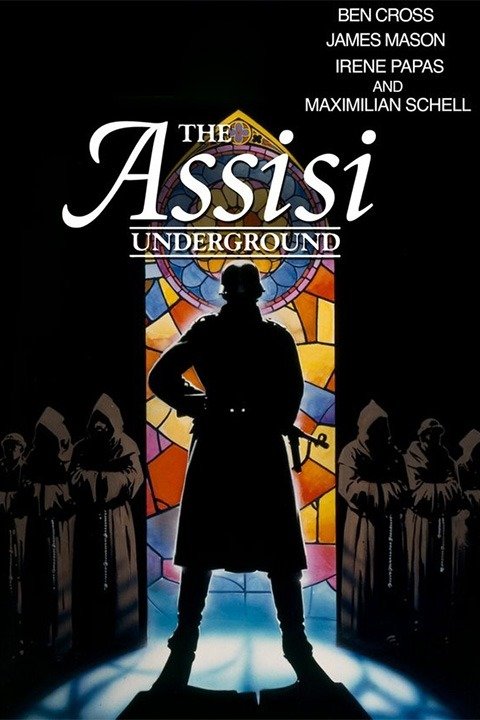
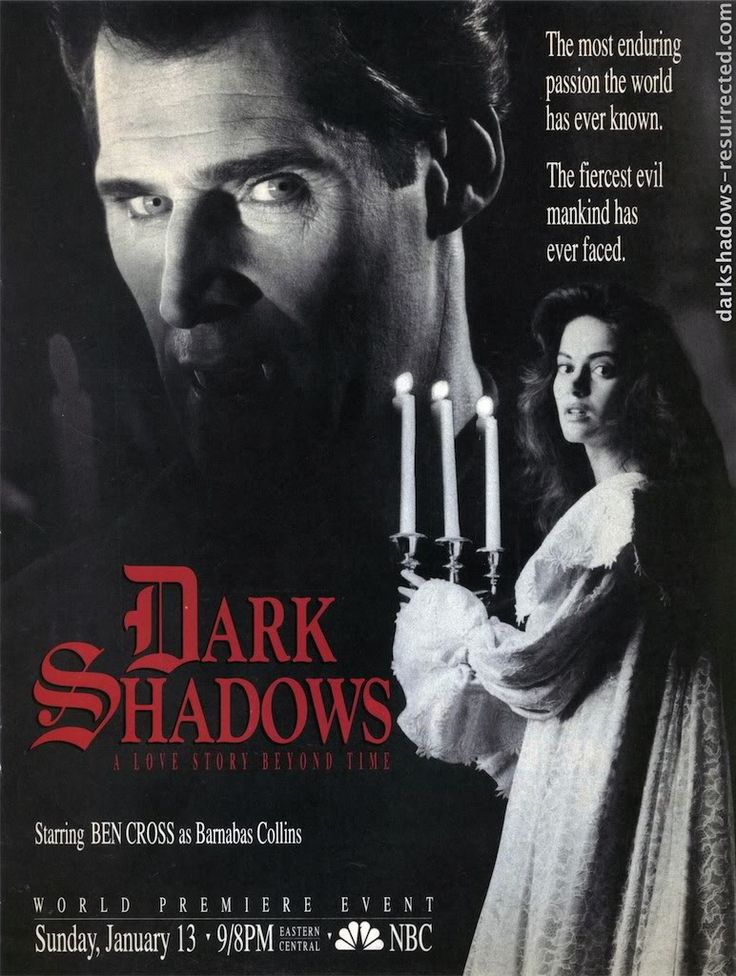
His other television roles included Padre Rufino, a Franciscan monk aiding Jewish wartime refugees, in The Assisi Underground (1985), the vampire Barnabas Collins in the 1991 mini-series Dark Shadows, Rudolf Hess in Nuremberg: Nazis on Trial (2006), Prince Charles in William & Kate (2011) and the ruthless Ukrainian mob boss Mr Rabbit in the first two series (2013-14) of the American drama Banshee.
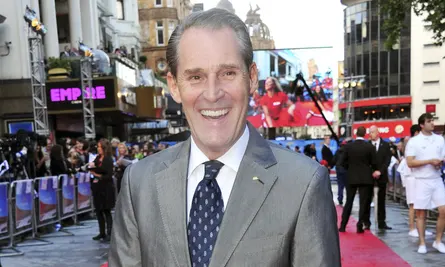
Ben Cross in London in 2012. Photograph: Jon Furniss/Invision/AP
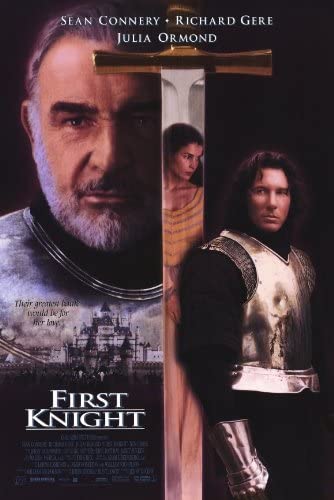
The Italian production Honey Sweet Love (1994) gave him a rare starring film role, as a British army officer falling in love in Sicily during the second world war. He was also seen on the big screen as Prince Malagant in First Knight (1995) and as Sarek, Spock’s father, in the 2009 film Star Trek.
Cross’s first two marriages, to Penelope Butler (1977-92) and Michele Moerth (1996-2005), both ended in divorce. In 2018 he married Deyana Boneva in Bulgaria, where he had been living for more than 10 years.
She survives him, along with the two children of his first marriage, Lauren and Theo.
• Ben Cross (Harry Bernard Cross), actor, born 16 December 1947; died 18 August 2020
Ben Cross — Career Overview & Critical Analysis
Early Life and Training
Ben Cross was born in London in 1947. He trained at the Royal Academy of Dramatic Art (RADA), where he developed a classical acting foundation rooted in voice control, textual precision, and stage discipline.
Before becoming a screen actor, Cross worked extensively in theatre, including repertory and West End productions. This stage background would remain central to his screen persona: physically expressive, vocally forceful, and strongly character-driven.
Theatre Career
Cross began his professional career in theatre during the 1970s, performing in classical and contemporary plays, including works by William Shakespeare and modern dramatists.
Acting Characteristics on Stage
Critics and observers often highlighted:
strong physical presence
commanding vocal projection
emotional intensity within structured performance
Unlike more restrained classical actors, Cross tended toward a heightened naturalism, combining theatrical clarity with emotional urgency.
Critical perspective: His stage style reflected a transitional moment in British theatre, where traditional classical technique was increasingly blended with cinematic realism and psychological immediacy.
Breakthrough Film Role: Chariots of Fire
Cross’s defining role came in:
Chariots of Fire
He played Harold Abrahams, the determined Olympic sprinter whose rivalry and ambition form the emotional core of the film.
Critical Analysis of Harold Abrahams
This performance is central to understanding Cross’s career.
1. Psychological Construction
Cross portrays Abrahams as:
driven by insecurity and social marginalization
intensely disciplined and self-critical
emotionally controlled but internally volatile
The performance avoids sentimentality; instead, Cross constructs motivation through rigid posture, clipped speech, and contained emotional pressure.
2. Physicality as Character Language
One of the most important elements of the role is Cross’s use of the body:
forward-leaning stance suggesting urgency
economical arm movement reflecting discipline
controlled running form emphasizing precision over flourish
The famous beach-running sequence—set to Chariots of Fire—becomes a visual expression of identity and struggle.
3. Themes of Outsider Identity
Abrahams is written as a Jewish athlete navigating British elite institutions. Cross’s performance emphasizes:
social exclusion
ambition as compensation for marginalization
tension between assimilation and identity
This gives the role a deeper cultural resonance beyond sport.
4. Critical Reception
Cross’s performance was widely praised for:
emotional restraint without detachment
strong narrative clarity
embodiment of ambition as psychological force
However, some critics noted that the role is tightly structured by the film’s stylization, leaving limited space for improvisational depth.
Hollywood Career and International Work
Following Chariots of Fire, Cross moved into international cinema, particularly Hollywood productions.
Selected Films
First Knight
The Far Pavilions
Star Trek (as Sarek)
The Last Letter from Your Lover (final film appearance, released posthumously)
He also appeared frequently in television and international co-productions across Europe and the United States.
Critical Evaluation of Later Screen Work
1. Typecasting and Screen Persona
After Chariots of Fire, Cross was often cast as:
aristocrats
military officers
authority figures
morally complex professionals
This reflects a screen persona built around gravitas and controlled intensity.
2. Performance Style
Across his later career, Cross consistently employed:
precise diction
upright physical posture
controlled emotional expression
emphasis on authority and internal conflict
This made him effective in historical and epic narratives but sometimes limited his range in more intimate, psychologically naturalistic roles.
3. Strengths
strong screen presence in ensemble casts
ability to convey authority without excessive theatricality
reliability in large-scale productions
Acting Style: Critical Interpretation
1. Controlled Intensity
Cross’s defining quality is contained emotional force.
Rather than explosive expression, he builds tension through:
stillness
precision
gradual escalation of emotional pressure
2. Classical Discipline with Modern Naturalism
His work sits between two traditions:
classical British training (clarity, diction, structure)
modern screen naturalism (psychological realism, internal conflict)
This hybrid style made him adaptable across theatre, film, and television.
3. Physical Authority
Cross often used physical presence as a primary acting tool:
upright, assertive posture
deliberate movement
controlled gestures
This reinforced his frequent casting as figures of authority or discipline.
Cultural Significance
Ben Cross represents a generation of British actors who successfully transitioned into international cinema during the 1980s and beyond.
His career reflects:
the global export of British-trained actors to Hollywood
the continued prestige of classical training in international casting
the rise of historical epics and prestige television roles requiring gravitas
Legacy
Cross is best remembered for a small number of highly visible roles, especially Harold Abrahams, but his broader career demonstrates consistent professionalism across decades.
Key contributions:
one of the defining performances of British historical cinema in Chariots of Fire
sustained international screen career across film and television
embodiment of disciplined, classical acting adapted to modern cinema
Final Assessment
Ben Cross was not an experimental or stylistically revolutionary actor, but rather a highly effective practitioner of disciplined screen performance.
His strengths lie in:
emotional control
physical precision
authoritative screen presence
His limitations reflect the trade-off of that style: consistency over transformation.
✅ In summary: Ben Cross’s career is defined by a powerful breakthrough role and a long trajectory of professional, internationally viable performances built on classical training and controlled intensity
“All the great stars have a quality which cannot be exactly pinned down. You can say that Flora Robson has a beautiful speaking voice, but how do you define that stillness, that urgent inner momentum, the flick of humour, the smile that can light up a room – the combination of all four? Perhaps the clue to her art is in the stillness, always an indication of confidence, of an artist having mastered his art. It would have been her wish, it is known, to have been beautiful but she is much more interesting than most of her contemporaries. She has played a wider spectrum than most actresses but is in the end better in sympathetic parts. – David Shipman – “The Great Movie Stars – The Golden Years”. (1970)
Flora Robson was a magnificent character actress who made many films in Britain and in Hollywood from the 1930’s to the 1970’s. Although she played wifes and mothers, she seemed especially effective as single women e.g. her housekeeper Ellen Dean in the 1939 version of “Wuthering Heights” and Muriel Manningford in “2,000 Women”. She was created a Dame of the British Empire in 1960. Flora Robson died in 1984. Her obituary in “The New York Times” can be accessed here.
TCM Article:
In the 1930s, a British film fan magazine wrote, “Although she has a strong personality of her own, she has always kept the faculty, comparatively rare in film stars, of losing her own identity in the role she is playing. For this reason, she may never be a great star, in the ordinary sense. But her characterizations will live in your memory long after those of the more conventional type of screen star have been forgotten.” Had Flora Robson been beautiful, she would have been a major star; but while her talent made her worthy of stardom, her 5’10″stature and plain features forever relegated her to the ranks of the truly great supporting actresses. Her true vocation was the stage.
One Sheet; Movie Poster; Film Poster; Cinema Poster;
Born Flora McKenzie Robson in South Shields, Durham, England on March 28, 1902, she was one of eight children born to a former ship’s engineer and his wife. Her talent for recitation became apparent at the age of six and after attending Palmers Green High School, her father paid for Robson to study at the famed Royal Academy of Dramatic Arts, where she won a Bronze Medal in 1921. Following graduation, she performed in the West End, making her debut in Clemence Dane’s Will Shakespeare, but after two years of regional theater, the financial instability of acting led her to take a job as a welfare officer in a Shredded Wheat factory for several years. While there, she organized theater productions for the workers.
She returned to acting in 1929 (ironically at the start of the Great Depression) by joining the Cambridge Festival Theatre and in 1931 had secured a position at the Old Vic in London, where her career took off. Now one of England’s top stage actresses, she moved to an apartment at 19 Buckingham Street, across the hall from the great American singer/actor Paul Robeson and his wife. In January 1933, Robeson approached Robson about co-starring with him in Eugene O’Neill’s play about an interracial marriage, All God’s Chillun’. Director Andre Van Gyseghem wrote, “Robeson was Jim and the result was terrifying in its intensity. Time and time again directing Flora and Paul I had the feeling of being on the edge of a violent explosion. I had touched it off, but the resulting conflagration was breathtaking. They literally shot sparks off each other. Seldom have I seen two performers fuse so perfectly. It was so intimate and intense that I felt, at times, I should apologize for being there. Watching it was sometimes more than one could bear at such close range. Robeson’s technique was not Flora’s. She was an expert actress with tremendous emotional power. She absolutely hushed audiences as she stripped the meager soul of Ella. But her technically superb performance found a perfect foil in Robeson’s utter sincerity.” Dame Sybil Thorndike, who attended the play, later wrote “When I saw Flora, I thought to myself, here we have the making of one of England’s greatest tragic actresses. Flora was not beautiful in the conventional sense; in fact she was rather plain. But she took the role of Ella beyond racial themes and portrayed the devastating love/hate relationship between the couple to the point that it was almost too painful to watch.”
Robson’s fame as a theater actress brought her to the attention of British filmmakers. Her first film, A Gentleman of Paris (1931) did not make a big splash, nor did the other three films she made in 1932. It was in 1934, when she was a bona fide theatrical star, that Robson began her real film career by playing a queen. It would almost become typecasting for her. In The Rise of Catherine the Great (1934), she played the Russian Empress Elisabeth, which led to her being chosen to play Queen Elizabeth I in Alexander Korda’s Fire Over England (1937), co-starring Laurence Olivier and Vivien Leigh. Of the role Robson wrote, “Provocative, aggressive, possessive and perhaps a bit temperamental, Elizabeth was every inch a queen. She was essentially a woman of action, and that is just the kind of women I like best to portray. Whether they are characters of actual history, or folk-lore or of pure fiction, such women whose lives and work were more important than their loves aremuch more in tune with our modern ideals and tempo of life than many of the silken sirens who have figured as the heroines of sexy and sentimental film in the past.”
Hollywood came calling after Robson’s fiery portrayal of Elizabeth. Among them, Samuel Goldwyn, who wanted Robson for his Wuthering Heights (1939) once more co-starring her with Laurence Olivier. 1939 saw Robson in no less than five films, both in the United States (We Are Not Alone as Paul Muni’s wife) and England (Poison Pen). The latter was Robson’s only starring role, as the writer of poison pen letters who might be a murderer, and it was promoted with the following advertising copy, “The name of Flora Robson at the head of the cast is a sure sign that this is something very much more than a mere recital of horror and tragedy. This is one of the few opportunities the screen gives of seeing England’s finest emotional actress.”
Robson found acting for the screen to be vastly different than the stage: “The slightest touch of self-consciousness on the screen shows. I’ve learnt from bitter experience. In the theatre one feels the audience. One overacts. But the camera, like a huge eye a yard away, snaps up everything. [Famed Hollywood cameraman Hal Rosson helped me to overcome the inevitable theatrical exaggeration and to eliminate certain small mannerisms of expression which, while perfectly natural on the stage, were little short of grotesque when translated to the screen. I knew of course that the camera demanded much less emphasis of facial expression than the stage, but I had not realized that it required under-emphasis, that is, less than would be natural. Everything like this has to be entirely eliminated for the camera, and you must even speak with as little lip movement as possible.”
Although war had broken out in Europe, Robson remained in the United States, where she accepted a role on Broadway in Ladies in Retirement (1940), with rehearsals to begin after once more portraying Queen Elizabeth on the screen. This time, she was cast opposite Errol Flynn in Michael Curtiz’s The Sea Hawk (1940), beating out such competition as Gale Sondergaard, Geraldine Fitzgerald and Judith Anderson. It was to be the second of a two-picture deal with Warner Bros., but the film ran into delays and she accepted a role in the George Raft film Invisible Stripes (1939). The Sea Hawk finally went into production and despite the many stories of Flynn’s bad behavior on the sets of his films, Robson remembered him fondly. “We hit if off from the beginning. He was naughty about his homework. I told him that because he couldn’t remember his lines it would hold up the picture and I would be delayed going to New York to do a play. When I told him this, he was very kind and learned his lines to help me: the work went so fast we were finished by four in the afternoon on some days. I remember Mike Curtiz saying to him, ‘What’s the matter with you? You know all your words.'”
Robson’s lifelong preference for the stage over film work puzzled movie executives. “The people [in Hollywood] find it very difficult to understand the English actor’s off-hand attitude towards the film industry.” That attitude led her to turn down the role of Mrs. Danvers in Alfred Hitchcock’s Rebecca (1940) because she wanted to return to the stage. Once the run of Ladies was over, she returned to London in 1941 and remained there until the end of the war, doing theater. She returned to Hollywood in 1945 to play the role which gave her the only Academy Award nomination of her career, Saratoga Trunk (1945) opposite Ingrid Bergman. It was an odd role for Robson, that of a scheming mulatto slave and it required her to act in makeup that was close to blackface. Other films in the 1940s included Caesar and Cleopatra (1945), once more with Vivien Leigh and Michael Powell’s Black Narcissus (1947). However, it was her stage work that was the most important, especially her legendary performance as Lady Macbeth in 1949 and as Paulina in John Gielgud’s 1951 production of The Winter’s Tale. As a Shakespearian actress, it was said she “took Shakespeare’s utterances on her lips with a natural dignity and beauty.”
Robson’s career continued throughout the 1950s and into the 1960s with her accepting the occasional film, as in 55 Days at Peking (1963) playing the Dowager Empress Tzu-Hsi ; and Murder at the Gallop (1963), one of the very popular Miss Marple films starring Margaret Rutherford. There was also television work, both in the United States and Britain. By 1969, Robson, now in her late 60s had retired from the theater, but not before being honored with a CBE (Commander of the British Empire) from Queen Elizabeth II, which was elevated to a DBE in 1960, making her “Dame Flora Robson”. This last was in recognition of her many unpublicized charitable works. She also had the distinction of having a theater named after her: The Flora Robson Theatre in Newcastle, England. Her homes in Brighton were designated with plaques after her death as well as the doorway of the Church of St. Nicholas in Brighton, where she attended.
Flora Robson ended her career with television movies and mini-series including Gauguin the Savage and A Tale of Two Cities (both in 1980), with her last appearance as one of the Stygian Witches in Clash of the Titans(1981), also co-starring Laurence Olivier. She died in Brighton, England on July 7, 1984.
Flora Robson as Mary Tudor in Wilfred Grantham ‘s ‘Mary Tudor’ at the Playhouse Theatre, London, 1935. Cover of ‘Play Pictorial’. Flora Robson, English actress, 28 March 1902-7 July 1984. No. 405.(Photo by Bridgeman via Getty Images)
Flora Robson (1902–1984) was one of the pre‑eminent British actresses of the twentieth century—a performer who unified classical diction, emotional truth, and moral gravity. Over a career spanning more than fifty years on stage and screen, she oscillated between Shakespearean tragedy, political theatre, historical epics, and character work of remarkable psychological depth. Rare among British actresses of her generation, Robson achieved international acclaim without conforming to screen beauty ideals; her authority rested on the power of intelligence and spiritual intensity rather than surface charm.
Early Life and Formation
Flora McKenzie Robson was born in South Shields, County Durham, but grew up in the south of England. She attended the Royal Academy of Dramatic Art, winning the Gold Medal for Acting in 1921. An early stint with Terence Gray’s Cambridge Festival Theatre introduced her to the modernist staging that shaped her precise vocal and physical approach.
At RADA she distinguished herself through exceptional articulation and a disciplined sense of rhythm. From the outset, the paradox that would define Robson’s career was apparent: she lacked conventional glamour yet possessed enormous presence—a face expressive enough to render the internal visible. She built her style around truthfulness, not prettification.
Stage Foundations: 1920s–1930s
Robson emerged in a post‑war theatre culture dominated by declamatory styles. Her naturalistic clarity felt revelatory. She joined Lilian Baylis’s Old Vic company at the exact moment it was defining modern Shakespearean performance.
Shakespeare and Classical Repertoire
Her interpretations of Lady Macbeth, Gertrude, and Cleopatra earned early renown. Reviewers, notably James Agate, noted “the terrible human logic in her madness.” Robson conveyed passion through intellect: rather than overt fury, she used silence and careful modulation to breed dread—“an actress thinking aloud.”
Experimental and Political Theatre
Parallel to her classical work, she collaborated with J. B. Priestley and Emlyn Williams, and performed for Tyrone Guthriein plays emphasizing social conscience. During the Depression, her commitment to socially reflective theatre marked her as a serious artist with civic purpose.
By the mid‑1930s she was widely regarded as one of Britain’s most important dramatic actresses—brilliant but austere, belonging as much to the conscience of the age as to its glamour.
Film Breakthrough and International Recognition (1933–1945)
The Rise of Catherine the Great (1934)
Alexis Granowsky’s opulent biopic introduced Robson to cinema audiences. As the scheming Empress Elizabeth, she matched Elizabeth Bergner’s lighter Catherine with forceful realism. Critics praised her focus and vocal economy: her interpretation avoided mere villainy, portraying political volatility as personal insecurity.
Wuthering Heights (1939, Samuel Goldwyn)
In William Wyler’s version, Robson played Ellen Dean, the housekeeper/narrator. It became her most widely seen Hollywood performance. Amid baroque melodrama, her quiet moral perspective anchors the story. The New York Timesdescribed her as “the picture’s conscience—firm, unsentimental, bridging fantasy and fact.” Scholars later emphasized how her grounded performance anticipates the realist acting associated with Celia Johnson and Gladys Cooper during the same era.
Fire Over England (1937)* and The Sea Hawk (1940)*
Robson’s portrayal of Queen Elizabeth I in both films remains iconic. Unlike the earlier Glenda Jackson or later Cate Blanchett, her Elizabeth derives power not from sensual charisma but from spiritual authority. The trembling energy in her hands and voice conveyed a monarch burdened by moral isolation. Basil Rathbone, her co‑star, said: “She did not play a queen—she was the conscience of a nation.”
This Elizabeth became emblematic of wartime Britain; her Tudor speeches were quoted in propaganda reels as metaphors for endurance. Critics later understood that Robson had effectively re‑invented the Queen as democratic exemplar—accessible majesty infused with self‑aware vulnerability.
Wartime and Post‑War Stage Work (1940s–1950s)
Despite Hollywood offers, Robson returned regularly to the West End and Old Vic, balancing cinematic prestige with theatrical indispensability.
Lillian Hellman’s Watch on the Rhine (1943 London revival) highlighted her political engagement—projecting maternal compassion contaminated by anxiety.
In The Maid of Honour (1946) and later The Corn Is Green she reaffirmed her moral gravitas, embodying the archetype of the steadfast woman guiding younger generations.
Critics observed how she transformed aging into dramatic capital: as she matured, her performances deepened from severity into compassion. Kenneth Tynan later wrote that “Robson’s face is a map of conscience; her eyes record history.”
Late Film Career: Authority and Character Distinction (1950s–1970s)
Black Narcissus (1947) – Michael Powell & Emeric Pressburger
As Sister Phillipa, the nun driven to doubt amid Himalayan sensuality, Robson delivered one of her subtlest performances. Her work offsets Deborah Kerr’s repression with earthy trembling that reveals faith struggling against human desire. Modern critics regard it as early screen naturalism—gesture pared to thought.
Saratoga Trunk (1945) and 13 Rue Madeleine (1947)
Both Hollywood productions cast her in “ethnic” character roles reflective of studio limitations for older women—a testament both to her range and to era’s typecasting. Even within problematic frameworks, her intelligence preserved dignity; she refused caricature.
47 Ronin (1945, UK voice work)* and Caesar and Cleopatra (1945)* continued her engagement with historic gravitas, while later films like The Shuttered Room (1967)* and Clash of the Titans (1981)* allowed her to bring regal authority to genre contexts.
In the ’60s–’70s she increasingly served as cinematic moral witness: the elderly matriarch, the wise observer who frames chaotic youth culture. Her occasional absurd turns in horror‑fantasy reveal her refusal to condescend to material; she delivered Shakespearean conviction regardless of genre.
Television and Final Years
Television broadened her audience in Britain and abroad. Key performances included A Man for All Seasons (1957 BBC), The Incredible Honeymoon (1963), and guest roles in Play for Today and Armchair Theatre. Even in small scenes her speech texture and expressive restraint conveyed moral depth absent from formulaic writing.
In 1960 she was appointed Commander of the Order of the British Empire (CBE), elevated to Dame Commander (DBE)in 1960s later honours for services to drama.
Acting Style and Technical Analysis
1. Voice and Diction
Robson’s voice—low‑contralto, resonant, and finely articulated—was her principal instrument. She shaped language musically without pomposity; consonants carried emotional contour. Her training at RADA allowed her to maintain precision while embracing naturalness.
2. Physical Economy
Unlike many contemporaries reared on Edwardian gestural style, Robson’s movement was minimal and sculptural. Facial tension replaced grand motion—inner conflict expressed through the slightest tremor. This restraint presaged later British cinematic realism.
3. Psychological Realism inside Classical Form
She combined psychological depth with rhetorical clarity. While stars like Edith Evans delighted in linguistic rhythm, Robson pursued inner logic. Her transitions—an incredulous breath before moral outrage—felt lived, not rehearsed.
4. Moral and Emotional Gravity
Nearly every Robson role carries ethical weight. Her characters wrestle with principle versus emotion, often serving as conscience to narrative chaos. Yet she avoided sanctimony: vulnerability defines her righteousness.
5. Transformation through Aging
Rather than conceal aging, she integrated it into performance texture—lines on her face became signs of human experience. This gave her late works extraordinary poignancy and authenticity at a time when Hollywood marginalized mature women.
Critical Legacy
Contemporary and later critics place Robson in a lineage with Edith Evans, Peggy Ashcroft, and Sybil Thorndike, though distinct for her modern naturalism. She served as a transitional figure: between stage declamation and psychological cinema, between moral rhetoric and personal truth.
Kenneth Tynan praised her “capacity to make righteousness dramatic.”
Dilys Powell called her “the conscience of British film—every glance a history.”
Actresses from Maggie Smith to Judi Dench and Helen Mirren have cited her as influence: her refusal of vanity, her precision with language, and her demonstration that intellect can be erotic.
Film historians emphasize how she reframed female authority in an industry that rewarded youth and beauty—showing that charisma could arise from integrity and intellect.
Representative Performances
Year
Work
Role
Critical Significance
1933
The Rise of Catherine the Great
Empress Elizabeth
First film success; synthesis of power and insecurity
1937 / 1940
Fire Over England/ The Sea Hawk
Queen Elizabeth I
National iconography; emotional truth under regal posture
1939
Wuthering Heights
Ellen Dean
Human anchor of Gothic formality
1947
Black Narcissus
Sister Phillipa
Doubt as understated tragedy
1970
Fragment of Fear
Lucy Boyd
Elderly aristocrat masking cruelty with gentility
1981
Clash of the Titans
Character actress cameo
Testament to endurance across film epochs
Summary Evaluation
Flora Robson’s career is a sustained essay on moral imagination in acting. She brought ethical resonance and human sympathy to everything she touched—from Shakespeare’s queens to working‑class mothers. Neither ingenue nor grande dame, she occupied a unique dramatic strata: the honest, wounded conscience of British performance.
Her legacy endures not through a single iconic role but through an ethos—artistry defined by intelligence, compassion, and craft. In her work, theatrical tradition found modern conscience, and moral gravitas became its own kind of stardom.
Michael Rennie’s best known role was as the visitor from space Klaatu in the science-fiction classic “The Day the Earth Stood Stlll” in 1951. Pervious to that most of his career was in British film. His most frequent co-star was Jean Simmons. During the 1950’s he was under contract with 20th Century Fox and starred in many of their epic dramas. As his film career waned he moved into acting on television. He died in 1971.
“Wikipedia” entry Michael Rennie (25 August 1909—10 June 1971) was an English film, television and stage actor best known for his starring role as the benevolent space visitor Klaatu in the 1951 classic science fiction film The Day the Earth Stood Still. Eric Alexander Rennie was born in Idle, a village near the West Yorkshire city of Bradford (subsequently, a Bradford suburb) and educated at The Leys School, Cambridge. During the late 1930s, Rennie served his apprenticeship as an actor, gaining experience in acting technique, while touring the provinces in British repertory. There is evidence that, at the age of 28, he was noticed by one of the British film studios, which decided to appraise his potential as a film personality by arranging a screen test. The 1937 test, which exists in the British Film Institute archives under the title “Marguerite Allan and Michael Rennie Screen Test”, did not lead to a movie career for either performer. In Secret Agent, he was primarily a stand-in for leading man Robert Young, and his own on-camera bit was so small that it cannot be discerned in the preserved final version of the film. He also played other bit parts and later, minor, unbilled roles in ten additional films produced between 1936 and 1940, the last of which, “Pimpernel” Smith, had a belated release in July 1941, while Rennie was already in uniform, serving in the Royal Air Force during World War II. Second leads and then leads in seven other British films produced between 1946 and 1949 followed, including what may be considered Michael Rennie’s only role as one of two central characters in a full-fledged love story. In the 47-minute episode, “Sanatorium”, the longest among the Somerset Maugham tales constituting the film Trio (released in London on 1 August 1950), the mature-looking, lightly-mustached, 40-year-old Rennie and twenty-years-younger Jean Simmons are patients in the title institution, which caters to victims of tuberculosis. Michael Rennie, along with Jean Simmons and The Wicked Lady leading man James Mason, was one of a number of British actors offered Hollywood contracts in 1949-50 by 20th Century Fox’s studio head Darryl F. Zanuck. The first film under his new contract was the British-filmed medieval period adventure The Black Rose, starring Tyrone Power who became one of Rennie’s closest friends. Fifth-billed after the remaining first-tier stars Orson Welles, Cecile Aubry and Jack Hawkins, Rennie was specifically cast as 13th century King Edward I of England, whose 6′ 2″ frame gave origin to his historical nickname, “Longshanks”. Rennie’s second Fox film gave him fourth billing in the top tier. The 13th Letter, directed by his future nemesis and love rival Otto Preminger. Rennie’s next film dramatically moved his billing up to first and assured him screen immortality. The Day the Earth Stood Still was the first postwar respectably-budgeted “A” science fiction film. A serious, high-minded exploration of humanity’s place in the universe and our responsibility to maintain peaceful coexistence, it has remained the gold standard for the genre of the era. A unique aspect of the film is the participation, within its fictional structure, of four top newscasters and commentators of the period—Elmer Davis, H. V. Kaltenborn, Drew Pearson and Gabriel Heatter. The story was dramatized in 1954 for Lux Radio Theatre, with Rennie and Billy Gray recreating their roles and Jean Peters speaking the dialogue of the Patricia Neal character. Seven years later, in October 1961, when The Day the Earth Stood Still had its television premiere on NBC’s Saturday Night at the Movies, Michael Rennie appeared before the start of the film to give a two-minute introduction. Convinced that it had a potential leading man under contract, the studio decided to produce a version of Les Miserables as a vehicle for him. The film, released on August 14, 1952, was well-directed by All Quiet on the Western Front’s Lewis Milestone, and Rennie’s performance was respectfully, but not enthusiastically, received by the critics. Michael Rennie’s next film was the last under his five-year contract with 20th Century Fox. The Rains of Ranchipur, released on December 14, 1955. In 1959 Rennie became a familiar face on television, taking the role of Harry Lime in The Third Man, a British-American syndicated TV series very loosely based on the character created by Orson Welles. During the 1960s he continued his TV career with guest appearances on such series as Route 66 (a moving portrayal of a doomed pilot in the two-part episode, “Fly Away Home”); Alfred Hitchcock Presents; Perry Mason (one of four actors in four consecutive episodes substituting for series star Raymond Burr, who was recovering from surgery); Wagon Train, The Great Adventure; Lost in Space (another two-part episode—as an all-powerful alien, “The Keeper”, he worked one last time with his Third Man co-star Jonathan Harris); The Time Tunnel (as Captain Smith of The Titanic, in the series’ September 9, 1966 premiere episode); Batman (as the villainous Sandman in league with Julie Newmar’s Catwoman), three episodes of The Invaders (as a malign variation of the Klaatu persona), and two episodes of The F.B.I.. Both of Michael Rennie’s marriages ended in divorce. He was first married to Joan England in 1938. His second marriage was to actress Maggie McGrath. Their son David Rennie is a UK circuit judge in Lewes, Sussex. Michael Rennie was also briefly engaged to the ex-wife of the Hollywood director, Otto Preminger. It was rumoured that Preminger, who not surprisingly hated Rennie, was the prime instigator in Rennie’s fall from stardom. John Rennie, the designer and builder of the original Waterloo Bridge, is presumed to have been his great-great grandfather. His final seven feature films were lensed in Britain, Italy, Spain and, in the case of The Surabaya Conspiracy, The Philippines. Less than three years after leaving Hollywood, he journeyed to his mother’s home in Harrogate, at a time of family grief following the death of his brother. It was there that he suddenly died of an emphysema-induced heart attack, nine weeks before his 62nd birthday. Upon cremation, his ashes laid to rest in Harlow Cemetery, Harrogate.
Detailed biography on “Wikipedia” can be found here.
Les Miserables, poster, US poster art, Michael Rennie, (beard), 1952. (Photo by LMPC via Getty Images)
Michael Rennie (1909–1971) was an actor of “austere, otherworldly elegance.” Standing 6’4″ with a lean frame and a distinctive, resonant voice, he became the personification of the high-minded intellectual in 1950s Hollywood. While he was a prolific character actor, his critical legacy is anchored by a single, monumental role that defined the “Cold War Moralist” for the Atomic Age.
I. Career Overview: From Yorkshire to the Stars
1. The British “Sturdy” Period (1930s–1940s)
Rennie began as a car salesman and a factory manager before turning to the stage. His early British film career was spent in “dependable” roles, often playing military officers or refined gentlemen.
The Gainsborough Connection: He appeared in several Gainsborough melodramas, such as The Wicked Lady (1945). Critics noted that even in these heightened romances, Rennie possessed a “stillness” that made him seem more mature and thoughtful than his contemporaries.
2. The Hollywood Breakthrough: Klaatu (1951)
Rennie was signed to a long-term contract by 20th Century Fox, and his first major American role was as Klaatu in Robert Wise’s The Day the Earth Stood Still.
The Definitive Alien: The film was a massive critical success. Rennie’s portrayal of a space traveler delivering a message of peace (and a warning of destruction) became the blueprint for the “Enlightened Outsider” in science fiction.
3. The Fox Workhorse (1952–1959)
Throughout the 1950s, Rennie was Fox’s go-to actor for authority figures.
Historical Epics: He played Peter the Apostle in The Robe (1953) and its sequel Demetrius and the Gladiators (1954).
Adventure: He starred as Lord John Roxton in the 1960 version of The Lost World, showcasing a more rugged, adventurer side of his persona.
4. Television and Later Roles (1960s)
Like many of his peers, Rennie found a second life in television. He starred in the series The Third Man(1959–1965), taking over the role of Harry Lime made famous by Orson Welles, and memorably played the villain Sandman in the 1960s Batman series.
II. Detailed Critical Analysis
1. The “Klaatu” Minimalism
Critically, Rennie’s performance in The Day the Earth Stood Still is a masterclass in underacting.
The Alien as Humanist: In 1951, aliens were usually portrayed as bug-eyed monsters. Rennie chose to play Klaatu with an “unblinking, terrifyingly calm” humanity.
Vocal Authority: Critics point to his voice as his primary tool. He possessed a mid-Atlantic accent—clear, precise, and devoid of regionalism—which made him sound like a man who spoke for the entire Earth (or the universe). He didn’t use “alien” mannerisms; he used logic as an acting choice.
2. The Aesthetic of Authority
Rennie was often cast as priests, doctors, or generals because he looked like a man who possessed unquestionable integrity.
The “Tall, Lean” Silhouette: His physical presence was imposing but not aggressive. In The Robe, his portrayal of Peter provided the film with a “spiritual gravity.” Analysts suggest that Rennie’s gaunt features and high forehead suggested a life of the mind and spirit, making him the perfect foil for the more “fleshy,” emotive acting of costars like Victor Mature or Richard Burton.
3. Subverting the Gentleman: The Third Man
Taking on the role of Harry Lime for television was a critical risk.
The Modern Noir Hero: While Orson Welles’ Lime was a charming sociopath, Rennie’s TV version was a “Robin Hood” style adventurer. Critics praised Rennie for maintaining the “Continental” sophistication of the character while making him a sustainable hero for a weekly series. He proved he could handle “witty banter” and “cynical charm” just as well as he handled “cosmic warnings.”
4. The “Sandman” and the Camp Era
In his late career, Rennie’s appearance on Batman is often analyzed as a playful deconstruction of his own persona.
The Icy Villain: By playing a villain who put people to sleep, Rennie leaned into his “stillness” to create a comedic effect. It showed a self-awareness that he was known for being “the quiet one,” and he used that expectation to create a memorable, slightly eerie antagonist.
Iconic Performance Comparison
Character
Work
Year
Critical Legacy
Klaatu
The Day the Earth Stood Still
1951
Created the “High-Minded Alien” archetype for all time.
Peter
The Robe
1953
Provided the “Moral Anchor” for the first CinemaScope epic.
Harry Lime
The Third Man (TV)
1959–65
Successfully reimagined a noir icon for the living room.
Lord John Roxton
The Lost World
1960
Proved he could lead a “Technicolor Adventure” with grit.
Michael Rennie was the “Conscience of the 1950s.” He was an actor who understood that in the vastness of the cinema screen, a whisper and a steady gaze could be more powerful than a shout. While he walked the earth with a “quiet, Yorkshire dignity,” he remains the actor who made us look at the stars with both hope and a healthy dose of humility.
Oliver Tobias has an international film and television career. He was born in Switzerland and came to live in Britain at the age of eight. In 1968 he starred in the London production of “Hair”. His first film role was in “Romance of a Horse Thief” with Yul Brynner. He scored a big success as King Arthur in 1972 in “Arthur of the Britons”. He made “Luke’s Kingdom” in Australia directed by Peter Weir. Another successful series was “Smuggler” set in Cornwall.
Gary Brumburgh’s entry:
A remote and rather prevailing sullenness has only enhanced the mystique and charisma found in dashingly handsome Oliver Tobias, who has enjoyed over a three decade-long career on stage, screen and TV. Born Oliver Tobias Freitag in Zurich, Switzerland on August 6, 1947, he was the son of Swiss actor Robert Freitag and German actress Maria Becker, who subsequently divorced when he was young. Living in England from age 8, he was sent to boarding school and was later encouraged by his mother to study at the East 15 Acting School (1965-1968) which coincided with dance training at the Ecole de Dance in Zurich. In 1968 he appeared in the original London production of “Hair” playing the prime rebel role of Berger. The following year he starred, staged and choreographed the rock opera in Amsterdam and again helmed a production in 1970 in Tel Aviv. Oliver continued his shaggy-haired, counterculture musical career with the role of Judas in a German touring company of “Jesus Christ Superstar.”
Around this time he started making an impression in films with the international productions of Romance of a Horsethief (1971), _Tis Pity She’s a Whore (1971)_, which co-starred Charlotte Rampling, and The God King (1974) in a Mephistophelean-styled role. On TV he enhanced a number of classic, age-old stories from Sherlock Holmes to Robin Hood. He earned TV stardom as King Arthur in the series Arthur of the Britons(1972), then again played the youthful ruler of Camelot in King Arthur, the Young Warlord (1975) on film. From there he graced a number of colorful costumers, includingArabian Adventure (1979) and on TV portrayed composer Johann Strauss in an equally colorful outing. Despite this attention he did not give up his musical roots, showing his prowess in the title role of the rock opera “Peer Gynt” in Zurich, and in the role of The Pirate King in “The Pirates of Penzance” at London’s Drury Lane Theatre.
As a stretch he also appeared as Bassa Selim in the Mozart opera “The Abduction from the Seraglio” in 1988 and 1989, then appeared in a non-musical, the powerful AIDS drama “The Normal Heart,” shortly after. Oliver’s taste in movies have been eclectic to say the least, and not always tasteful. He appeared in Joan Collins‘ scurrilous, soft-core flick The Stud (1978) as an amorous waiter who sleeps his way to the top, and was part of the cast in the costumed romp Mata Hari (1985) which focused more on the disrobing of its star Sylvia Kristel than anything else.
For variety he portrayed a Vietnam veteran in Operation Nam(1986), a galactic dictator in Nexus 2.431 (1994), and a U-boat captain in The Brylcreem Boys (1998). In 1999 he again returned to musical limelight, this time in London as King Roderick in “La Cava,” based on the Dana Broccoli novel. He returned to the role a second time in 2001. In 2003 he was Percival Brown in the 50th anniversary production of “The Boyfriend” and the very next year toured in the rock musical “Footloose.”
Divorced from Camilla Ravenshear, he has two daughters, Angelika and Celeste. In 2001 he married Polish-born Arabella Zamoyska. The rugged charmer is in the process of writing a tell-all autobiography.
– IMDb Mini Biography By: Gary Brumburgh / gr-home@pacbell.net