

Warren Christie was born on November 4, 1975 in Belfast, Northern Ireland as Hans Warren Christie. He is an actor, known for Apollo 18 (2011), This Means War (2012) andAlphas (2011). He has been married to Sonya Salomaa since 2007.


Warren Christie was born on November 4, 1975 in Belfast, Northern Ireland as Hans Warren Christie. He is an actor, known for Apollo 18 (2011), This Means War (2012) andAlphas (2011). He has been married to Sonya Salomaa since 2007.
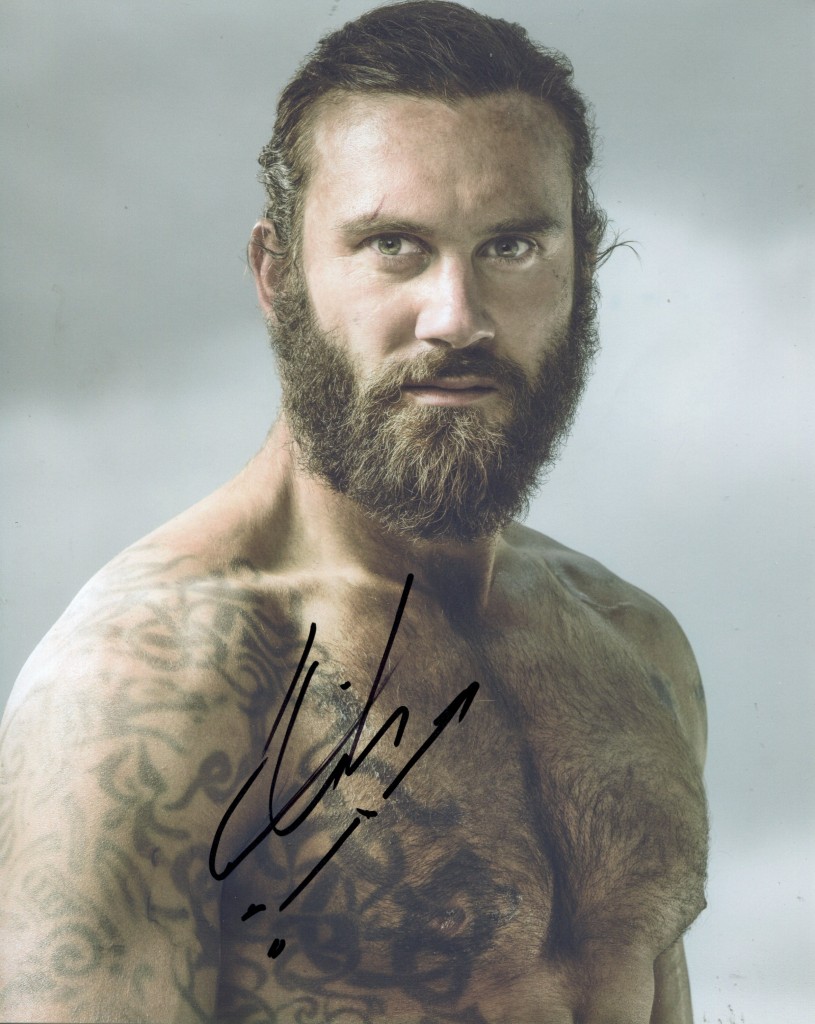
Clive Standen is a British actor, he was born in1981 in a British Army base in Holywood, County Down, Northern Ireland, and grew up in the East Midlands in England. He went to school at King Edward VII School (Melton Mowbray) followed by a performing arts course at Melton Mowbray College. In his late teens Standen was a international Muay Thai Boxer and later Fencing gold medalist. He married his wife Francesca in 2007 at Babington House. They live in London with their three children, Hayden, Edi and Rafferty.
His first experience of stunts and sword fighting was at the tender age of 12 when Standen got his first job working in a professional stunt team in Nottingham learning to Ride, Joust and sword fight. His sword fighting skills are seamless, he is left-handed but learned to fight with his right hand in his early years making him uniquely ambidextrous in the craft. At the age of fifteen Clive was both a member of the National Youth Theatre and the National Youth Music Theatre performing lead roles in plays and musicals in West End and at venues such as The Royal Albert Hall and Shakespeare’s Globe Theatre. He then won a place at the London Academy of Dramatic Art LAMDA on their three year acting course.
He is best known for playing the battle hardened warrior ‘Gawain’ a series regular in the Starz networks TV series ‘Camelot’ and also ‘Archer’, the swashbuckling brother of Robin Hood in the BBC TV series Robin Hood; a role which brought Standen much critical acclaim with many of the national press comparing Standen’s charming but edgy performance and seemingly effortless sword fighting Skill to Errol Flynn. It was much speculated at the end of the 3rd season that after his brothers death “Archer” would pick up the mantle of Robin Hood and become the shows new hero. Clive is also known for a previous recurring role as Private Harris in the British sci-fi show Doctor Who.
Prior to his role in Camelot & Robin Hood Standen appeared in 3 episodes of Doctor Who,the crime thriller “Waking the dead”,the Second World War drama documentary “Ten days to D-day”, three episodes of “Doctors” and “Tom Brown’s Schooldays”, the acclaimed ITV adaptation of the book by Thomas Hughes. He also played the lead role of Major Alan Marshall in the Zero Hour TV dramatization of the SAS mission in Sierra Leone known as operation Barras. Standen took a lead role in the mainstream Bollywood film “Namastey London” alongside Katrina Kaif and Akshay Kumar. Clive was also the face of Evian water 2008.
In 2012 Clive landed a lead role in the Vertigo films feature “Hammer of the Gods” and the new series “Vikings” produced by MGM/History both slated to be released in spring 2013
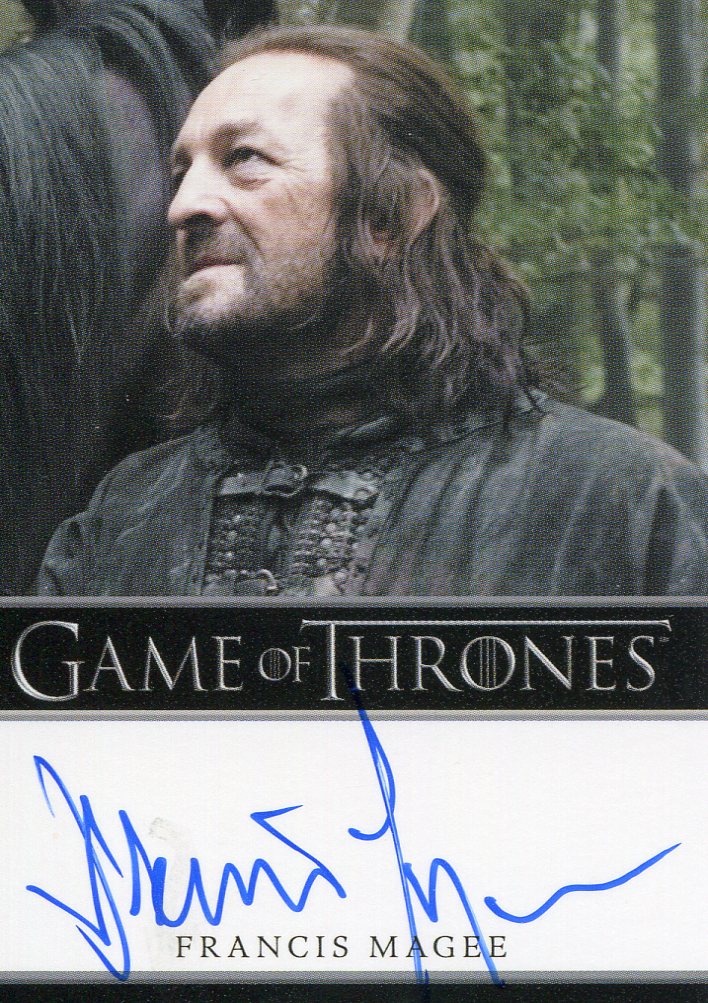
Francis Magee was raised in Ireland and on the Isle of Man. He spent eight years as a fisherman before becoming an actor and has also been a member of several music groups including Namoza – who released four singles and an album – and Disco D’Oro. He studied acting at the Poor School at London’s Kings Cross and made his television debut as Liam Taylor in ‘East Enders’, a role he played on and off for two years. Since then he has been a regular face in many television series, notably ‘No Angels’ and ‘City of Vice’.
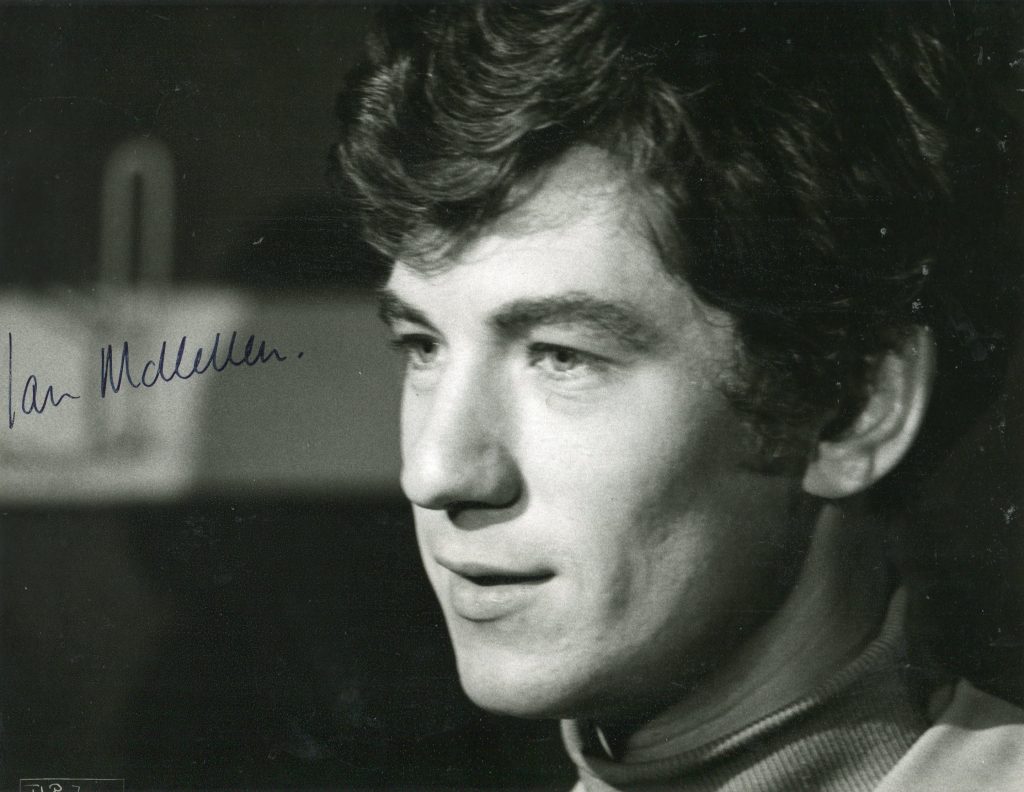
TCM Overview:
Long considered to be one of the greatest British stage actors of all time, Sir Ian McKellen initially had surprising difficulty translating his immense talents to film and television. After spending his youth absorbing the theatre as a spectator and later performer, he emerged from the prestigious University of Cambridge as a celebrated actor, performing all the major Shakespeare roles while making an auspicious professional debut in “A Man for All Seasons” (1961). He spent the ensuing decades amassing an impressive résumé and accumulating awards, but had very little to show on the screen, save for several British made-for-television movies and a few under-performing films. Deciding to make his own luck, McKellen produced and starred in a 1930s-set adaptation of “Richard III” (1995), in which he delivered a sterling performance that led to an Oscar-nominated turn in “Gods and Monsters” (1998). Hollywood was finally forced to stand up and take notice. Though it took until he reached his sixties, McKellen began appearing in huge blockbusters, including all three installments of “The Lord of the Rings” (2001-03), “X-Men” (2000, 2003, 2006) and “The Hobbit” (2012-14) franchises.
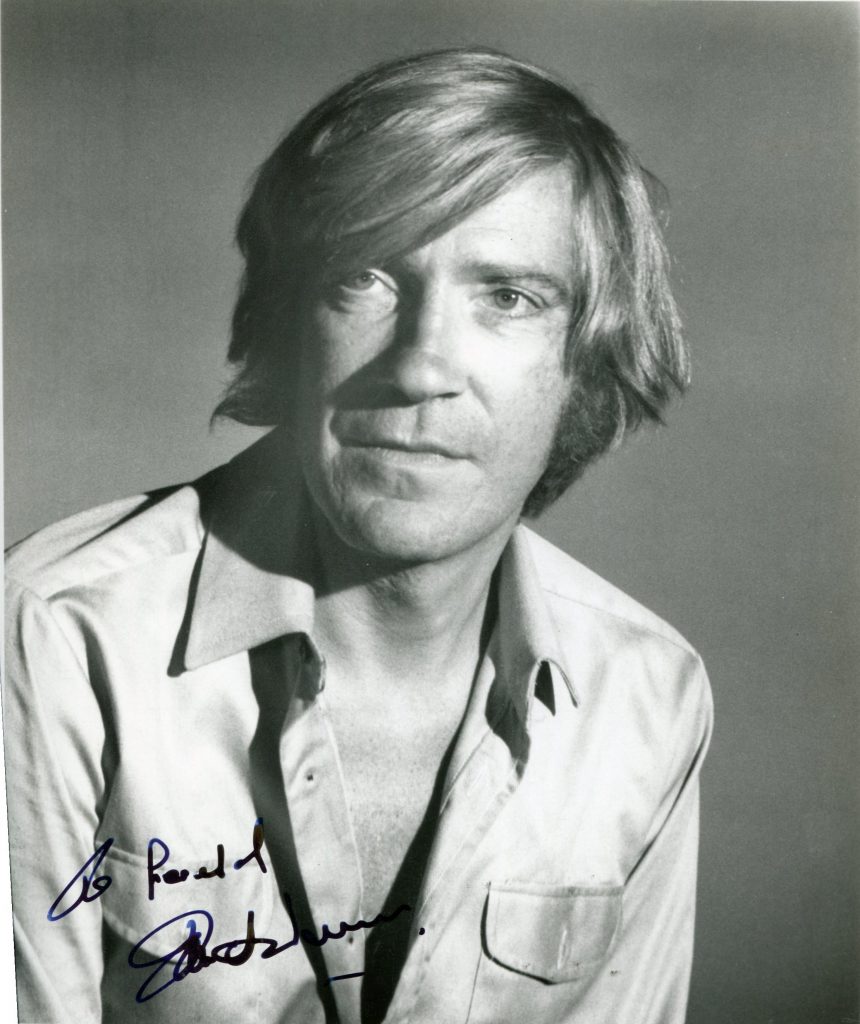

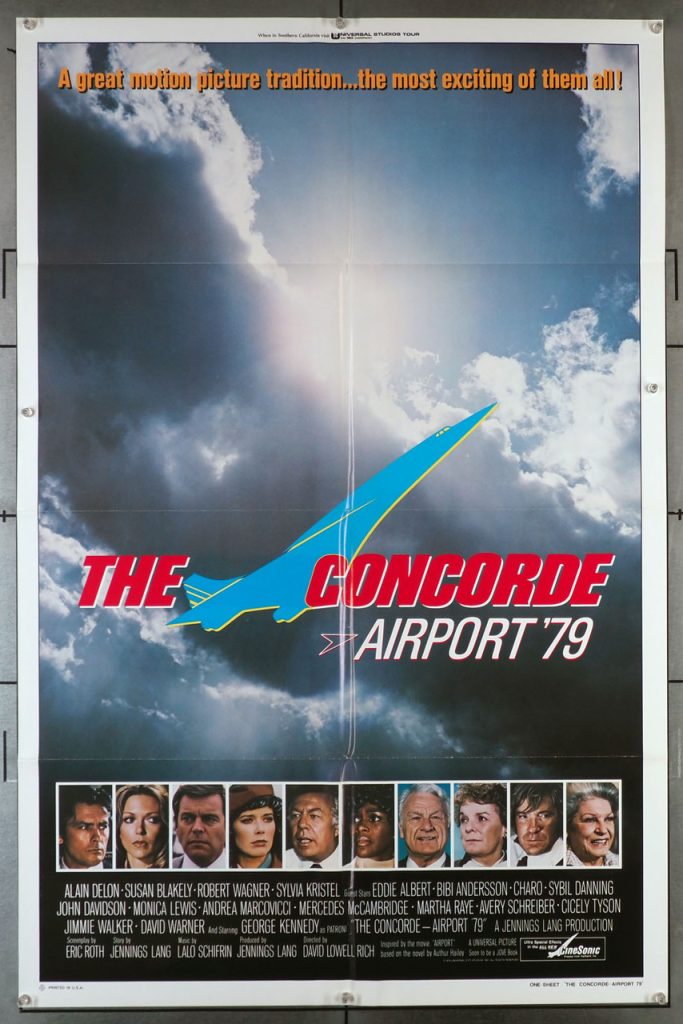
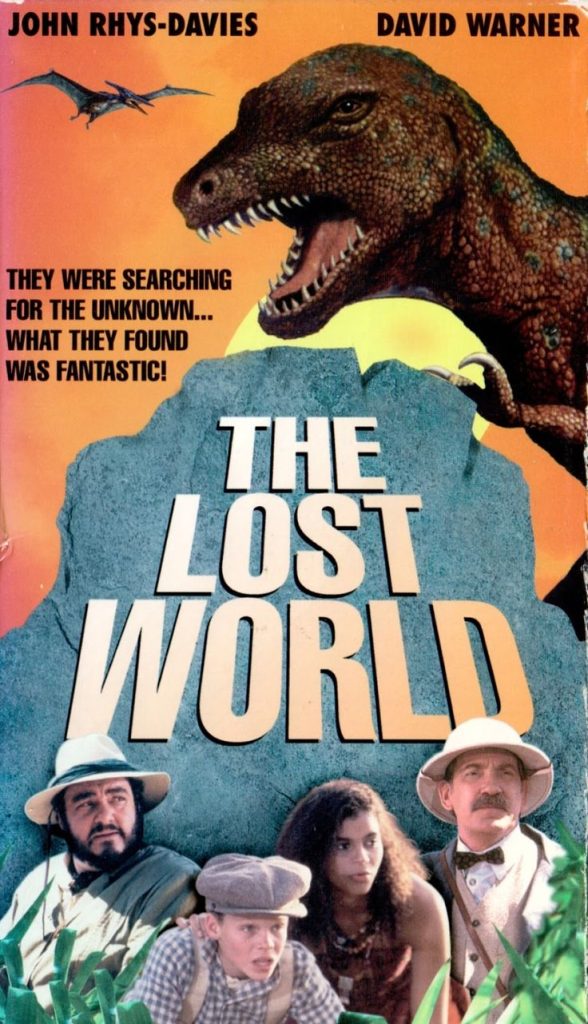
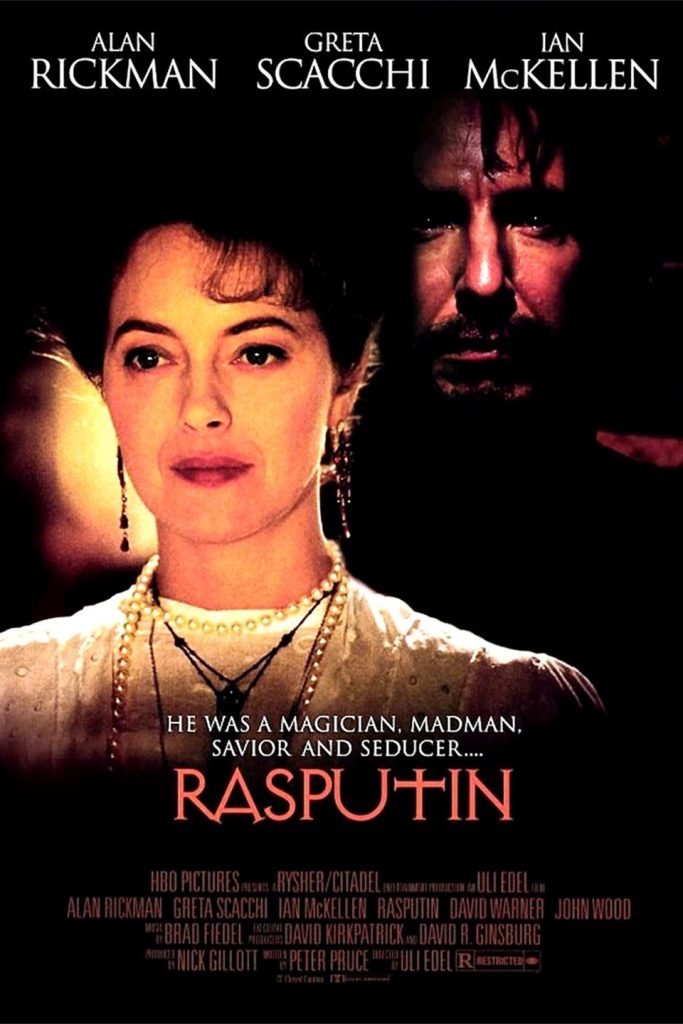

Stage and screen actor hailed for his 1965 Hamlet at the RSC who went on to have a distinguished film and TV career
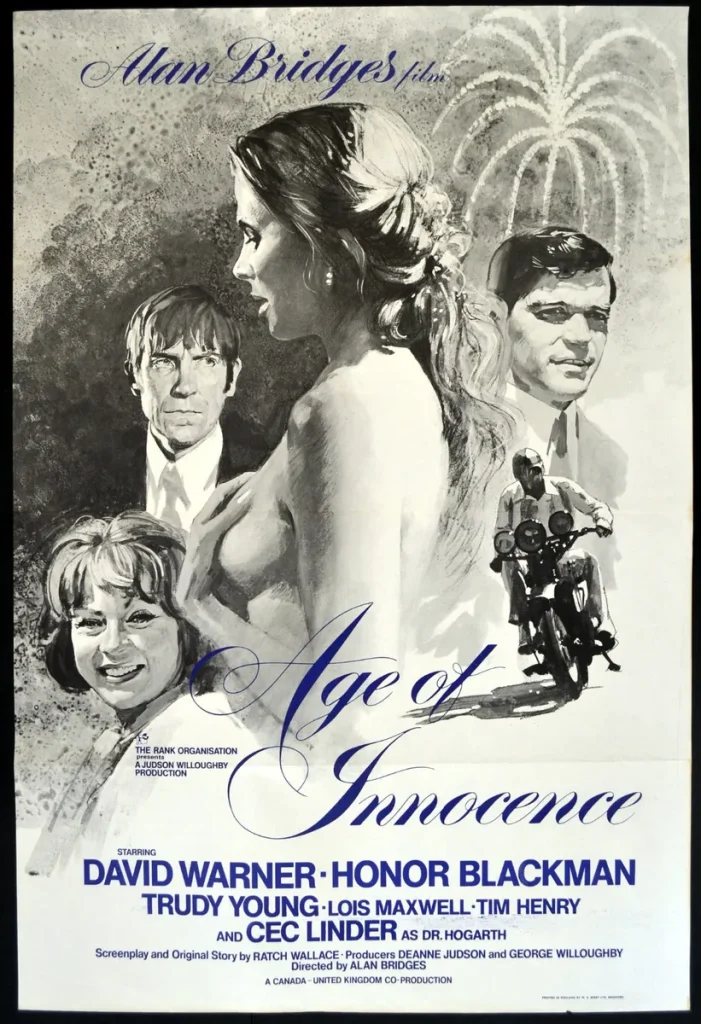
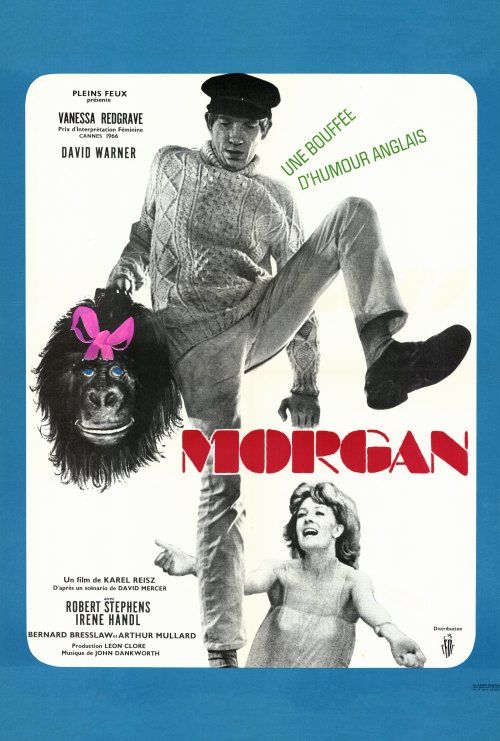
It would be misleading to suggest that the actor David Warner, who has died aged 80, struggled to recapture the success he found early on in his career. While it is true that he never again caused the sort of shockwaves generated by his radical interpretation of Hamlet at the RSC in 1965, or on screen as the troubled antihero of Karel Reisz’s comedy Morgan: A Suitable Case for Treatment (1966), Warner gave no impression of struggling after anything much at all.
Fame and acclaim interested him not; it was said that he read all his reviews for Hamlet but kept only the bad ones. He was motivated, he said, by “a driving lack of ambition” and claimed: “I don’t think I’m on anyone’s wavelength, even my own.” Reluctant to take his profession too seriously, his advice to younger actors was simple: “Don’t run with scissors.”
But for that briefest time in the mid-1960s, he became the embodiment of youthful discontentment. In Peter Hall’s groundbreaking Hamlet, he was a very modern student prince in long red scarf, spectacles and Aran sweater. “David’s gentleness and passivity chimed absolutely with flower power and all that,” noted Hall. “He was wonderful.”
Warner acknowledged the unpredictable quality of his own performance: “I’m a bit erratic. Sometimes I can hear the others thinking, ‘What’s he up to tonight?’” In 2001, the Telegraph decided that he had been “the finest Hamlet of his generation”, though the actor was characteristically slow to accept such praise. “It’s not for me to say … I just don’t know – I didn’t see it. The only thing I can say is that the kids did go to see it. It brought a whole new generation to Stratford.” He later referred to it as “my Citizen Dane”.
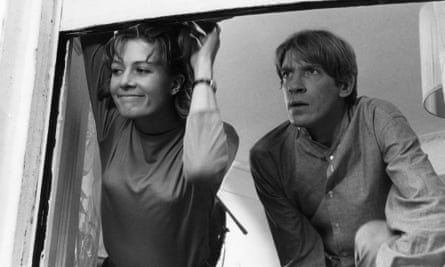
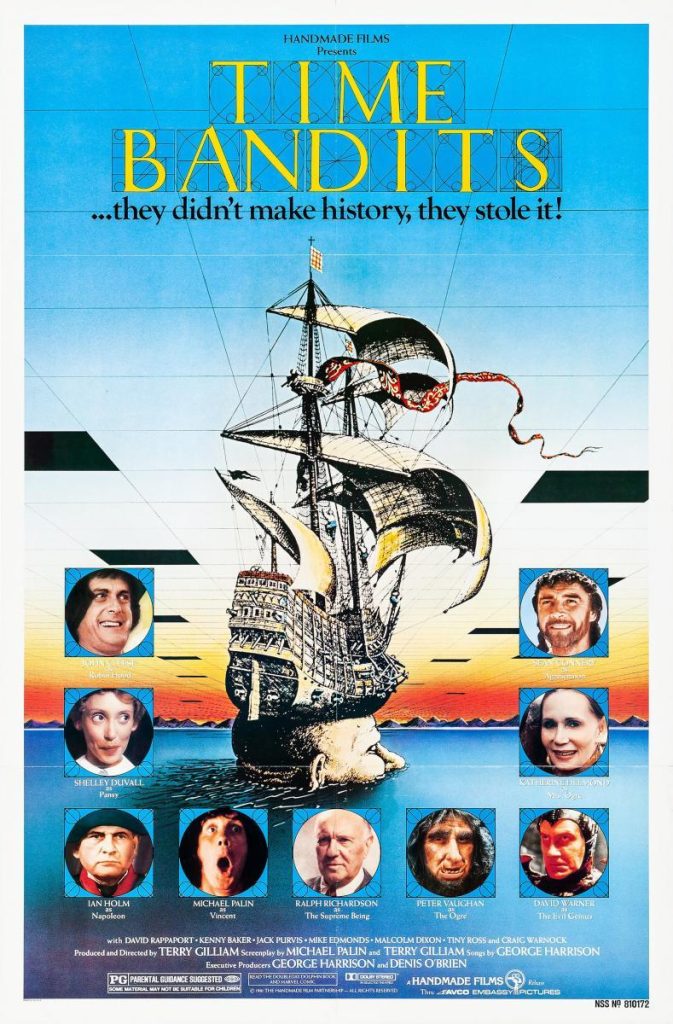
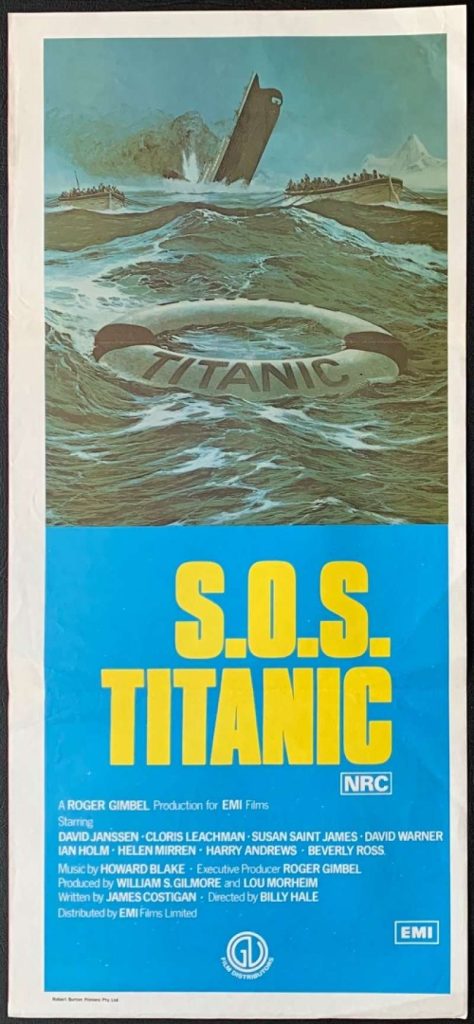
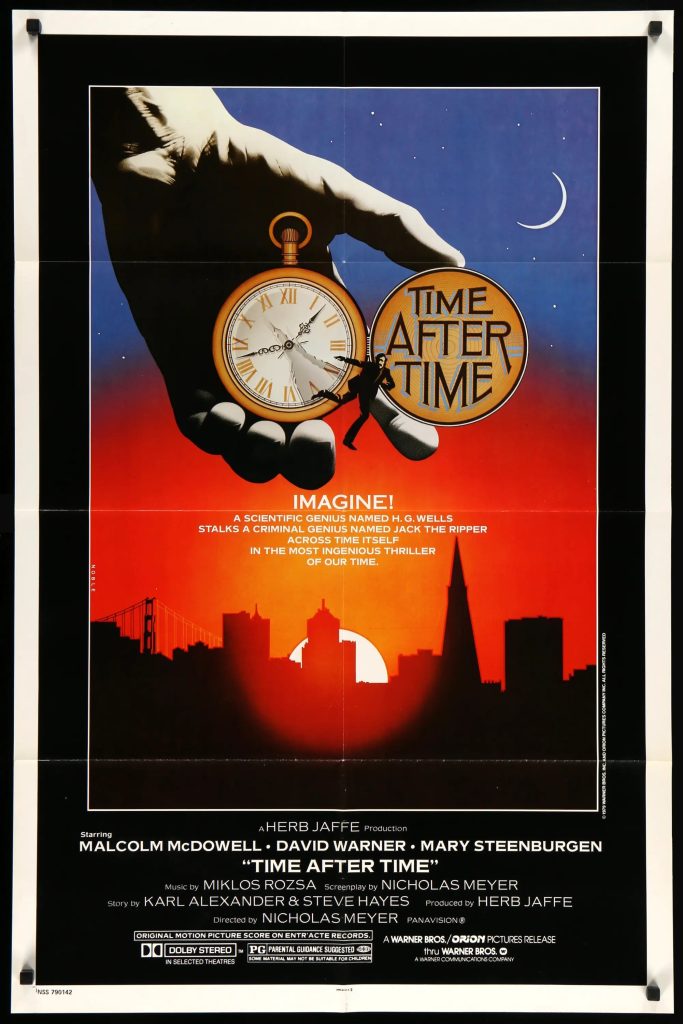
His distracted handsomeness, golden locks and formidable jaw could have made him a viable romantic lead were it not for the languid oddness that set him apart, sharpening gradually into menace as he became a popular screen villain. He played Jack the Ripper in Time After Time (1979), Evil in Terry Gilliam’s Time Bandits (1981) and a computerised tyrant in Disney’s Tron (1982), for which he had only one stipulation for the studio: “There’s to be no doll of my character on the market. I don’t want my child having a plastic baddie as a daddy.” A younger generation got the chance to boo him as a dastardly valet in the smash-hit Titanic (1997).
He was born in Manchester to Ada Hattersley and Herbert Warner, who owned a nursing home. His parents separated during his childhood. “There was no theatrical tradition but plenty of histrionics,” he remarked of them. His upbringing became increasingly peripatetic. He attended eight different boarding schools and floundered academically. “My parents kept stealing me from each other, so I moved across England a lot.”
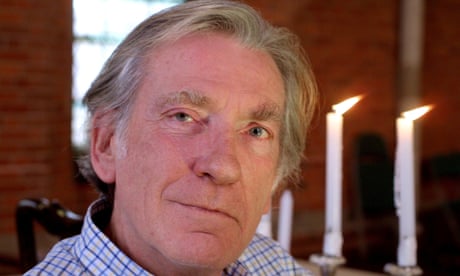
He became interested in acting when he appeared in plays at school (“I was the tallest Lady Macbeth”) and eventually got a place at Rada, where one of his classmates was John Hurt, with whom he would later appear in the film version of David Halliwell’s play Little Malcolm and His Struggle Against the Eunuchs (1974). His first notable screen role was in Tony Richardson’s period romp Tom Jones (1963). He appeared as Snout in Richardson’s 1962 production of A Midsummer Night’s Dream and was earmarked for the RSC by Hall, who saw him in Afore Night Come at the Arts Theatre.
He was Henry VI in the RSC’s celebrated War of the Roses trilogy, which was adapted by John Barton from the three Henry plays and Richard III, and directed by Barton and Hall. A dynamic BBC film of the plays, ambitiously shot with 12 cameras, reached a wide audience during its two broadcasts in 1965 and 1966. Warner was then surprised by Hall’s invitation to play Hamlet. “I’m really a character actor, an old man actor,” he said, though he was only 24 at the time.
He next landed the title role in Morgan: A Suitable Case for Treatment as a daydreamer descending into apparent insanity. “You can’t count on me being civilised,” he tells his wife (Vanessa Redgrave). “I’ve lost the thread.” Later he dons an ape suit, imagines commuters as wild animals and ends the film in a mental institution where he is last seen tending a flower-bed in the shape of a hammer and sickle. The picture was every bit as trenchant a commentary on class, conformity and rebellion as better-known examples such as If… and Billy Liar. It also remains the screen work that best captures Warner’s particular mix of the kooky and the volatile.
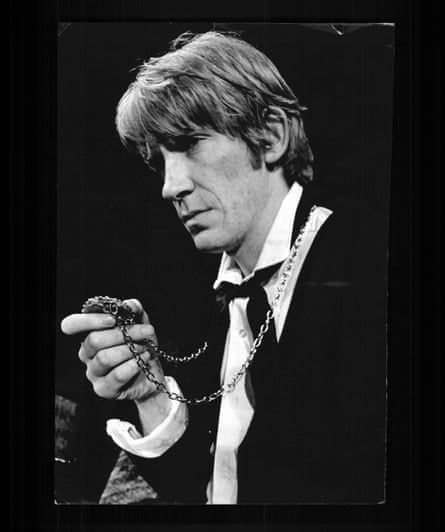
After playing Konstantin in Sidney Lumet’s film of The Seagull (1968), he starred in The Ballad of Cable Hogue (1970), the first of three movies for Sam Peckinpah. That year, Warner broke both his feet after falling from a balcony in Rome. The mysterious circumstances of the accident gave rise to rumours of drug use. Not until he was much older did medical tests reveal a chemical imbalance which left him prone to vertigo and panic attacks. Peckinpah brought him out of hospital to play a man with educational difficulties in the violent thriller Straw Dogs (1971). “He knew I wanted to get back in front of a camera,” said Warner, who limped noticeably on screen.
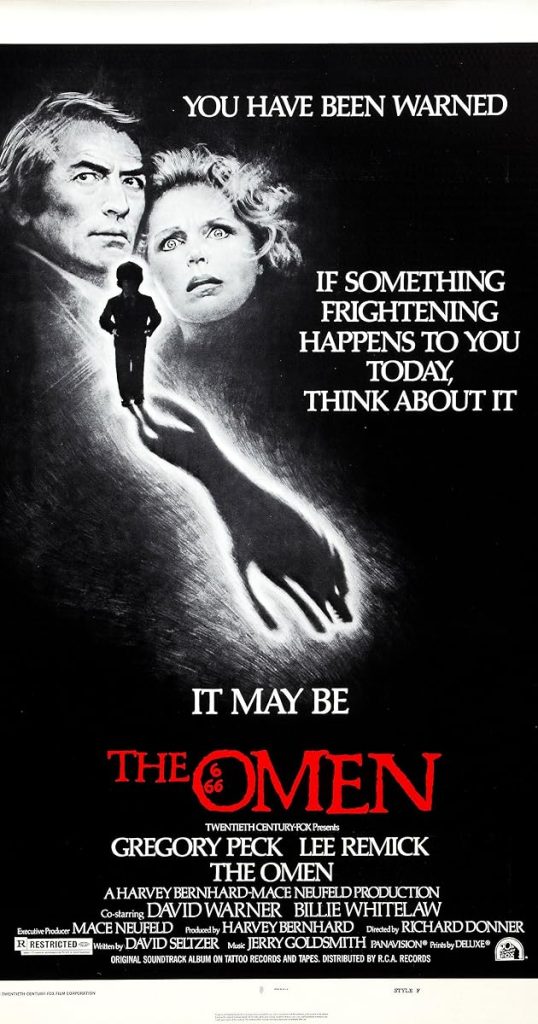
He worked with Peckinpah once more, on the second world war drama Cross of Iron (1977). By that time, Warner had retreated from the theatre after suffering stage fright in 1972 during productions of I, Claudius and David Hare’s The Great Exhibition; he would not return for another 30 years. He starred in Joseph Losey’s film version of A Doll’s House (1973) and the shlock horror hit The Omen (1976), in which he was memorably decapitated by a sheet of glass.
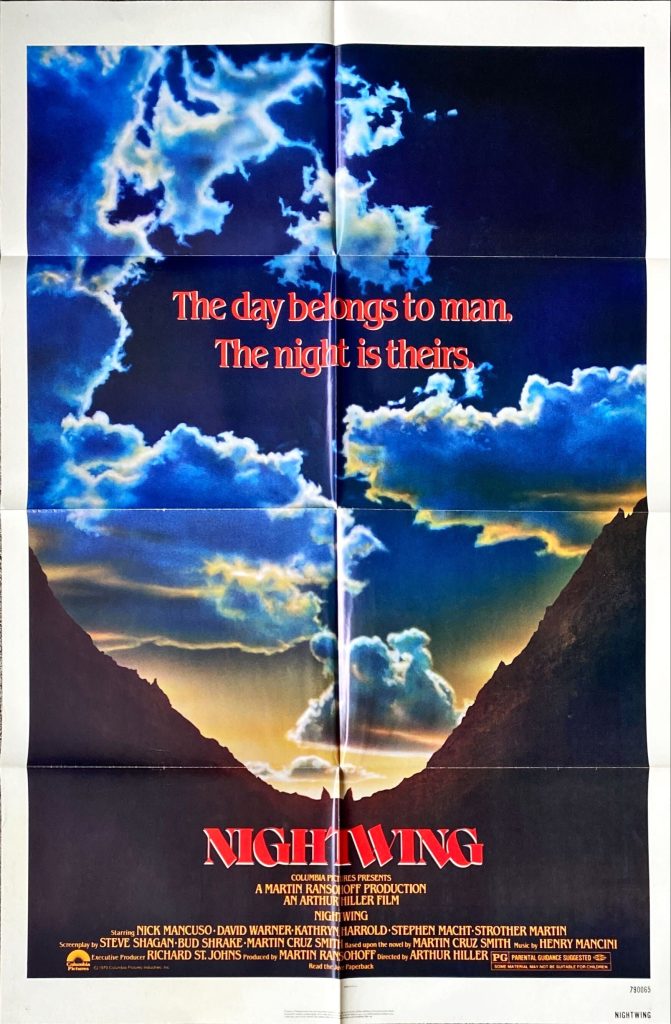
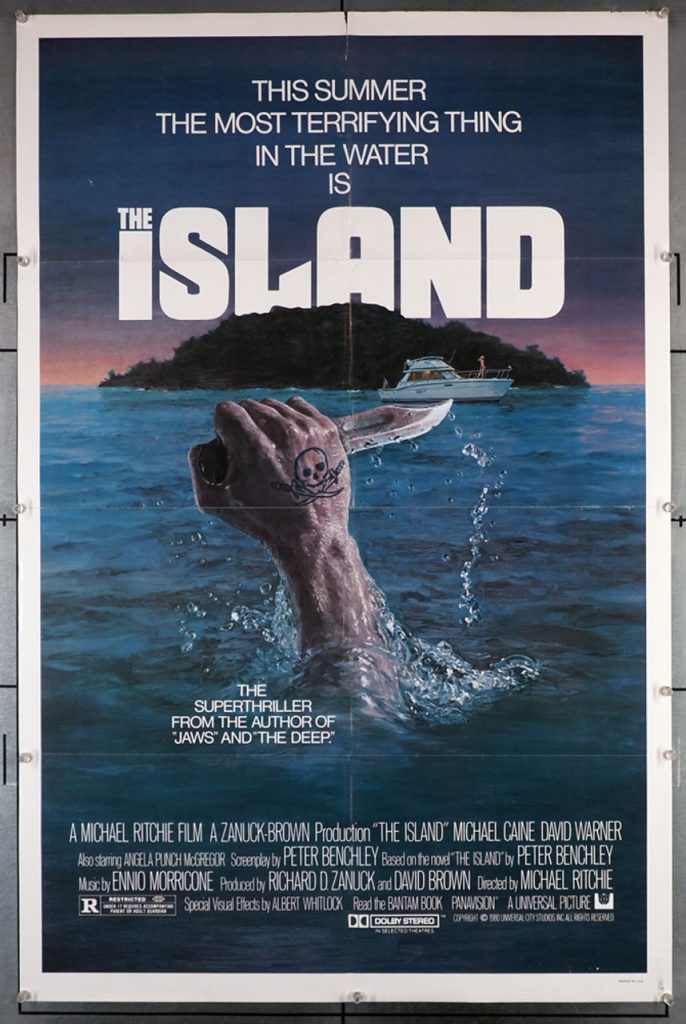
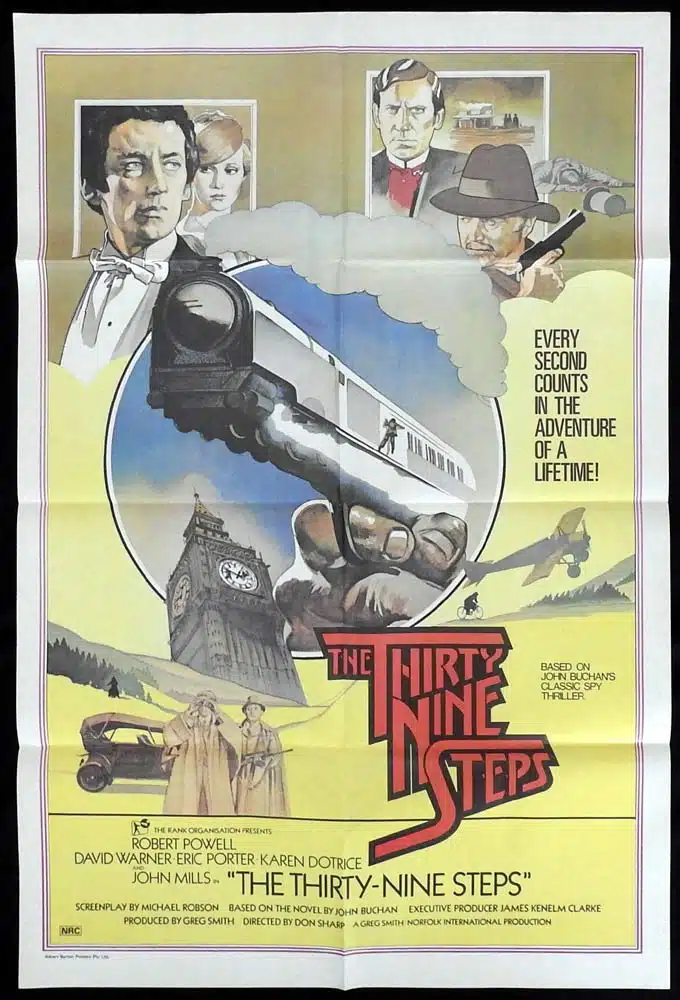
In 1975, he divorced his first wife, Harriet Lindgren, whom he had married seven years earlier; the two remained friends, Warner even stepping in when her new husband’s best man dropped out at the 11th hour. The actor was part of an ensemble that included John Gielgud, Dirk Bogarde and Ellen Burstyn in the enigmatic but lightweight Providence (1977), directed by Alain Resnais, and played Heydrich in the mini-series Holocaust, starring Meryl Streep. Less illustrious work including a remake of The Thirty-Nine Steps (also 1978), the bat-based horror Nightwing (1979) and the pirate thriller The Island (1980).
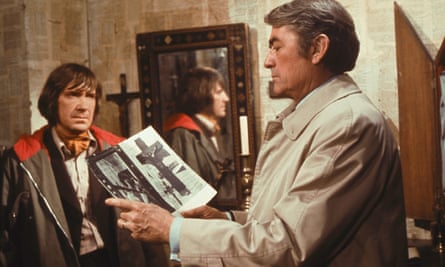
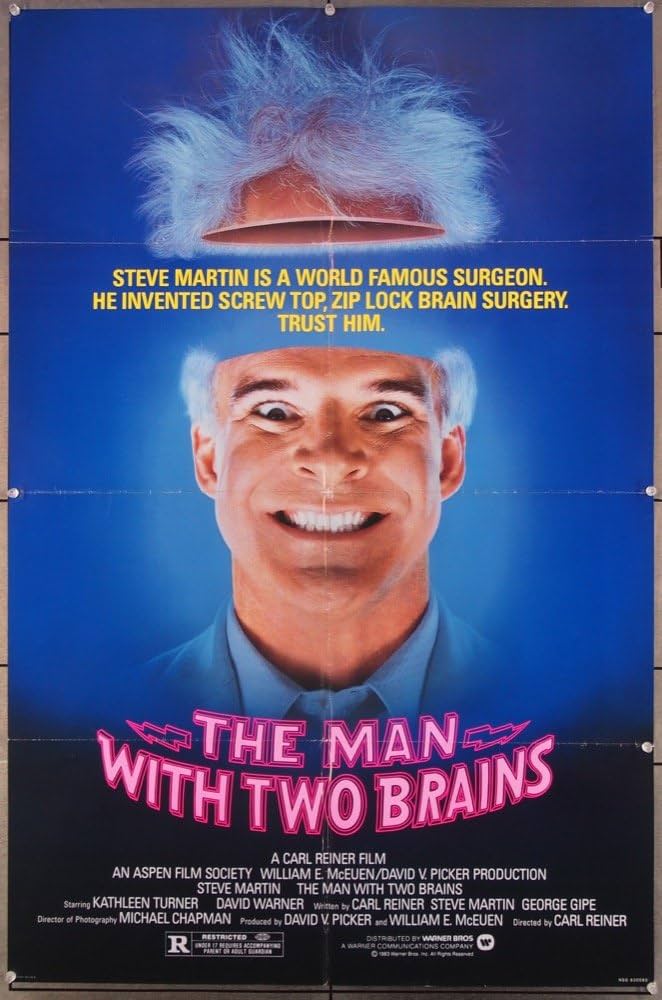
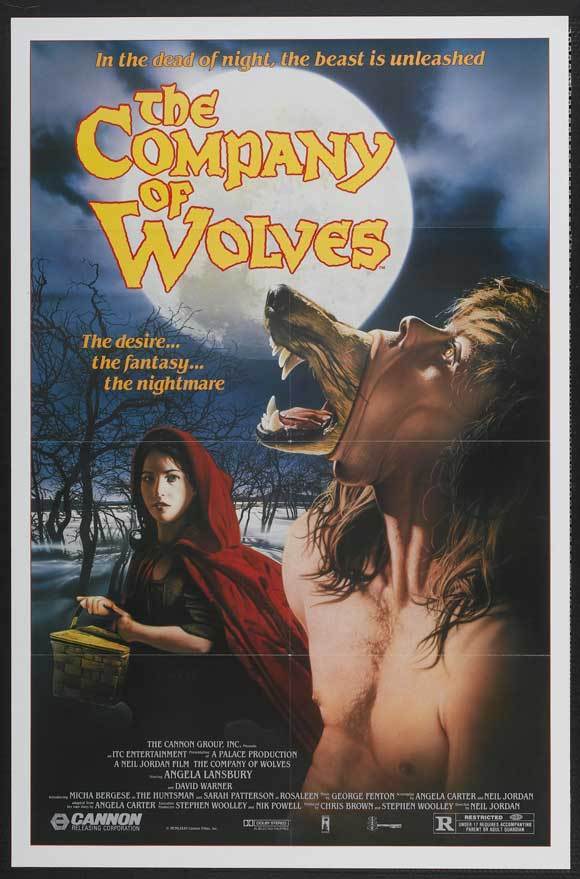
He starred alongside Streep again in The French Lieutenant’s Woman (1981) and got a welcome chance to show off his comic timing in the loopy Steve Martin comedy The Man with Two Brains (1983). He was Red Riding Hood’s father in Neil Jordan’s imaginative Angela Carter adaptation The Company of Wolves and landed two memorable television roles on ITV: as a dishevelled private eye in the mini-series Charlie and as the Creature in Frankenstein (all 1984).
Again he was Heydrich in the television movie Hitler’s SS: Portrait in Evil (1985). He starred in the second series of David Lynch’s cult crime series Twin Peaks (1991) and as different characters in two Star Trek films, Star Trek V: The Final Frontier (1989) and Star Trek VI: The Undiscovered Country (1991). In the latter he delivered the immortal line: “You’ve not experienced Shakespeare until you have read him in the original Klingon.”
He was sanguine about the parts that came his way, insisting that “one cannot live on Vanyas alone” and calling himself a “letterbox actor” – “If the script comes through the letterbox, I’ll do it.”
Accepting a part in Teenage Mutant Ninja Turtles II: The Secret of the Ooze (1992), he said: “Now, at last, I can look [my child’s] friends in the face. When they ask me ‘What do you do?’, I don’t have to say, ‘I’ve done a bit of Shakespeare, a bit of Chekhov.’ I can say I was in Teenage Mutant Ninja Turtles II.”
Roles continued to be plentiful. He had a hoot in the clever horror-comedy Scream 2 (1997) but divided most of his time between voice work for animated series and computer games and guest roles on US television and in straight-to-video genre knock-offs. He donned prosthetics for Tim Burton’s mediocre reboot of Planet of the Apes (2001), joined in with the silliness of The League of Gentlemen’s Apocalypse (2005) and had recurring roles as a retired police officer with Alzheimer’s in the powerful BBC series Conviction (2004) and as the father of the popular Swedish detective played by Kenneth Branagh in Wallander (2008-15). He also made his stage comeback in New York in Major Barbara, in 2001, and in London in The Feast of Snails the following year, as well as playing King Lear in Chichester in 2005.
He is survived by his partner, the actor Lisa Bowerman, and by Luke, the child of his second marriage, to Sheilah Kent, which ended in divorce
Gangly British stage-trained actor David Warner entered film in the early 1960s and came to attention in the title role of Karel Reisz’s eccentric drama, “Morgan!” (1966), playing an unbalanced artist driven to the edge by his divorce. He has worked for such distinguished directors as John Frankenheimer, Sidney Lumet, Richard Donner, Joseph Losey, Alain Resnais and–on three occasions–Sam Peckinpah (“The Ballad of Cable Hogue” 1970; “Straw Dogs” 1971; and “Cross of Iron” 1977). While highly capable of sympathetic and even poignant roles, Warner has delivered many notable performances as villains, including Jack the Ripper to Malcolm McDowell’s H.G. Wells in “Time After Time” (1979), the Evil Genius in Terry Gilliam’s “Time Bandits” (1983) and the sinister doctor in “Mr. North” (1988). – TCM Overview
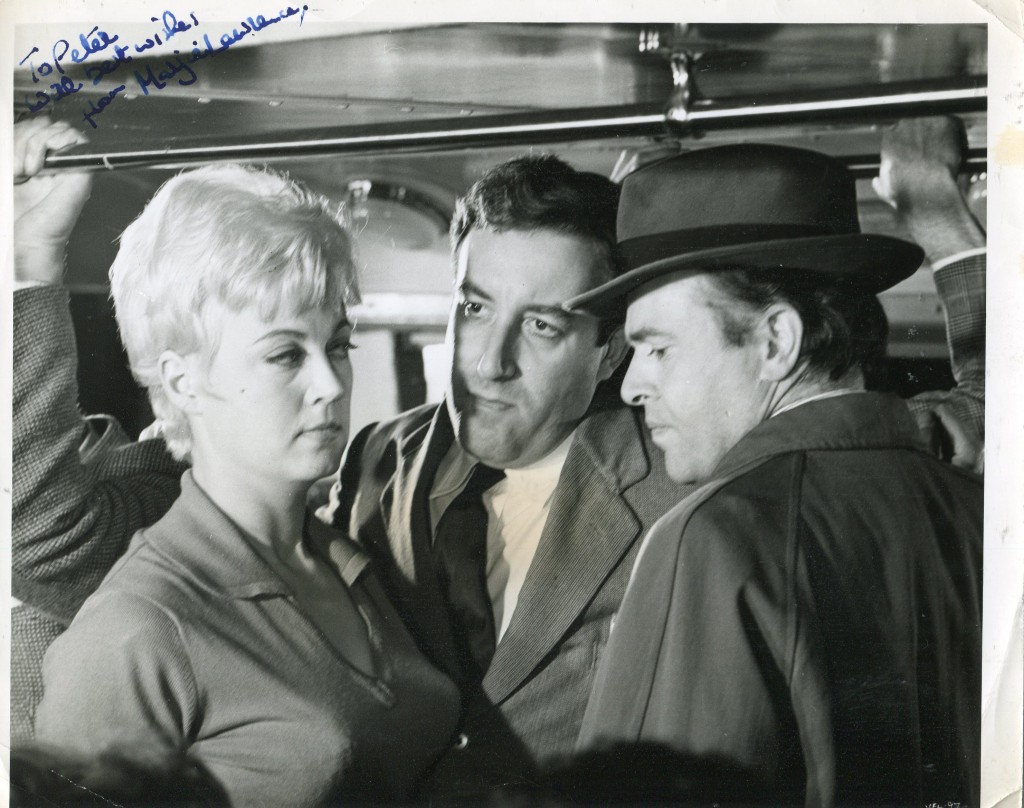
Marjie Lawrence was born on January 21, 1932 in Birmingham, UK. She was an actress, known for Hands of the Ripper (1971), I, Monster (1971) and Unnatural Causes (1993). She was married to Howard Greene. She died on June 16, 2010.


Robin Askwith, who was born in 1950, is an English film actor, most famous for his role as Timmy Lea in the Confessions… sex comedies series. In 1975, at Drury Lane’s New London Theatre, he was voted Most Promising Newcomer – Male at the “Evening Standard British Film Awards“. Askwith’s most recent television role was that of musician Ritchie de Vries in Coronation Street.
“Quinlan’s Movie Stars”:
Perky wide-smiling British actor who after an uninteresting apprenticeship proved extremely popular in the “Confessions of” series of comedies in the 1970s. When the market for these aubaided, he moved into television.
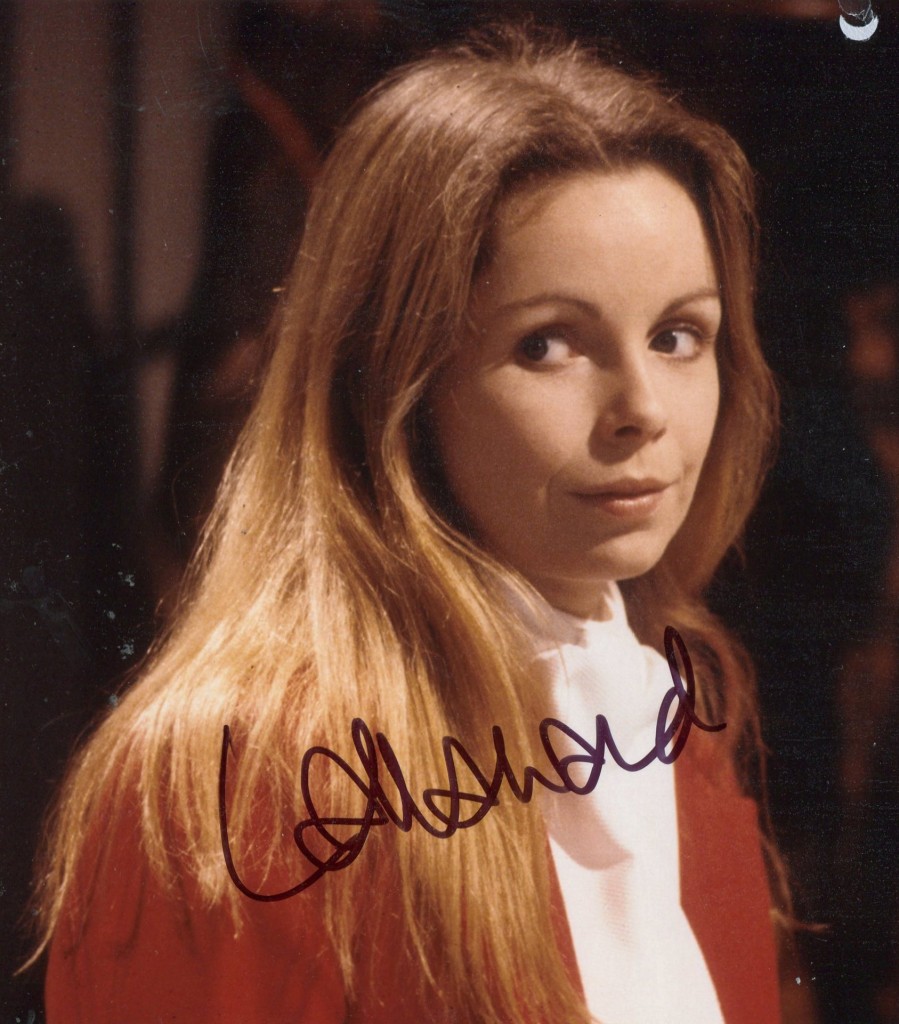
Lalla Ward was born in 1951. She is best known for her role on BBC TV’s “Dr Who” opposite Tom Baker. She is married to the biologist Richard Dawkins.

Tim McInnerny was born on September 18, 1956 in Cheadle Hulme, Cheshire, England as Timothy L. McInnerny. He is an actor, known for Notting Hill (1999), 101 Dalmatians(1996) and Black Death. Older brother of actress Lizzy McInnerny. Is an Oxford (Wadham College) graduate.