Brittish Actors

Collection of Classic Brittish Actors

Bruce Seton
Bruce Seton
Bruce Seton

Bruce Seton was born in 1909 in Simla, India.  He began his acting career in 1939 in the film “Blue Smoke”.   He is best known for his portryal of Inspector Fabian in the 1950’s British television series “Fabian of the Yard”.   He died in 1969.

IMDB entry:
Tall, serious-looking British character actor, formerly a graduate of Edinburgh Academy and Sandhurst. He was a member of the Black Watch, but resigned his commission in 1932 to join the chorus of the Drury Lane Theatre as a specialty dancer. He later turned to films, usually acting in small supporting roles in which he invariably projected an air of confidence and authority. He rejoined the British Army in 1939 for wartime service. His one noteworthy screen success after 1945 was as the titular star of Patrol Car (1954), playing real-life detective Robert Fabian. In 1963, upon the death of his brother, Sir Alexander Hay Seton, he became the eleventh Baronet of Abercorn. Along with other actors, Bruce Seton was one of the founder members of the Lord’s Taverners in 1950, Britain’s premier youth cricket and disability sports charity association.

– IMDb Mini Biography By: I.S.Mowis

The above IMDB entry can also be accessed online here.

John Gregson

John Gregson. IMDB

John Gregson
John Gregson

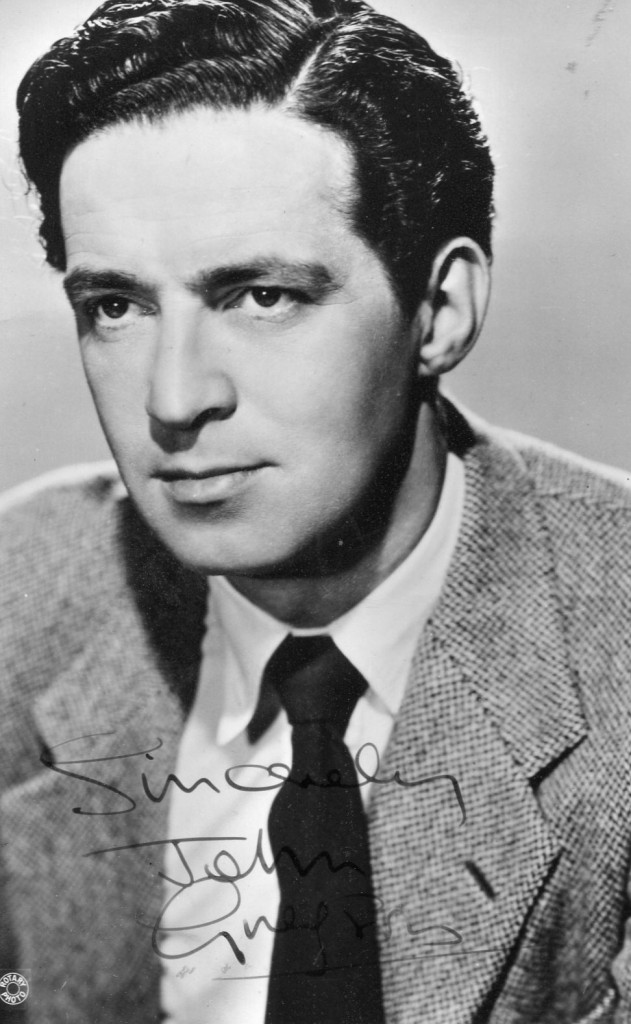
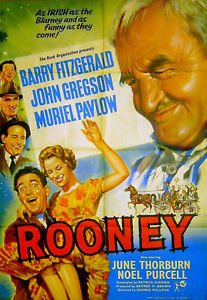
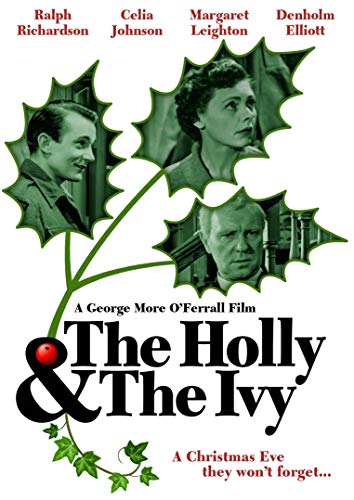
John Gregson was one of the most popular actors in British cinema in the 1950’s.   He was born in Liverpool in 1919.   His first film was “London Belongs to Me” in 1948.   His best known 1950’s films include “Treasure Island” in 1950, “The Lavender Hill Mob”, “The Holly and the Ivy”, “Genevieve”, “The Titfield Thunderbolt” and “Jacqueline”,  “Rooney”.   His leading role status waned in the 1960’s although he starred in a very popular television series “Gideon’s Day”.   He continued his career on television and would have developed into a popular character actor but sadly died of a heaart attack at the age of 55 leaving a widow and six children.

IMDB entry:

A former telephone engineer who dabbled in amateur dramatics, John Gregson served aboard a minesweeper with the Royal Navy during World War II. After demobilisation, he joined the Liverpool Old Vic, making his stage debut in ‘The Knight of the Burning Pestle’. Freshly married, he moved to London and acted alongside Robert Donat andMargaret Leighton in ‘A Sleeping Clergyman’ at the West End Criterion Theatre in 1947. During the same period, he was also cast in his first movie, the romantic period melodrama Saraband (1948), though his scenes ended up being cut. Undeterred, Gregson established himself as a popular favorite in subsequent Ealing comedies and later as a long term contractee with the Rank Organisation.

His screen personae tended to be men of integrity: regular guys who don’t necessarily finish on top, introspective, somewhat diffident, and often troubled.

His most fondly remembered role was that of vintage car enthusiast Alan McKim, in the idiosyncratic (and typically British) comedy Genevieve(1953). Ironically, while he is featured in almost every scene behind the wheel, Gregson couldn’t drive a car when filming began – and proved to be a slow learner.

For the remainder of the decade,he became somewhat typecast in traditional ‘stiff upper lip’ military roles.

As film opportunities began to diminish, he turned more and more towards television, enjoying his greatest popularity as titular star of the police drama series Gideon C.I.D. (1964).

Until his untimely death at the age of 55, Gregson alternated television work with acting on stage, as well as doing voice-overs and appearing in commercials for Hamlet cigars.

– IMDb Mini Biography By: I.S.MowisJohn Gregson was educated at St Francis Xavier School in Liverpool. He had a successful film and television career.

He played Commander Gideon of Gideon C.I.D. (1964) ) on television. He died from a heart attack aged 55 in January 1975, just one day before John Slater (Sergeant Stone of Z Cars (1962)). He left a widow and six children.

Stephanie Beacham
Stephanie Beecham
Stephanie Beecham

Although Stephanie Beecham has starred in movies, notably opposite Marlon Brando in “The Nightcomers” and Ava Gardner in “Tam Lin”, she is best known for her roles in some iconic television series.   She was born in Barnet in 1947.   She began her acting career with roles on television in “The Saint” with Roger Moore and “Jason King”.   Her major roles on TV were as Rose in the series “Tenko”, in “Connie” in 1985, in Hollywood in “The Colbys” and then back in the UK in “Bad Girls” with Amanda Barrie.   She has two daughters from her marriage to John McEnery.


TCM overview:

A British stage actress who migrated to the USA to play the bitchy Sable Coolly on “Dynasty II: The Cloys” (ABC, 1985-87), Stephanie Beacham has often been cast in roles that vary between nasty vixens and cool, take-charge women. The London native began her career on stage in Liverpool in 1964 where she was a founding member of the Everyman Theatre. She debuted there in “The Servant of Two Masters” and as the First Witch in “Macbeth”. By 1970, Beacham was working on the London stage in “The Basement” and later appeared opposite Ian McKellen in “Venice Preserved” (1985) and Jeremy Irons in “The Rover” (1988). She belatedly made her Broadway debut in 1996 in a production of Oscar Wilde’s “An Ideal Husband”.

Beacham debuted in films in 1969’s “The Games” as an Olympic hopeful opposite Michael Crawford. She subsequently appeared as a swinger alongside Ava Gardner in Roddy McDowell’s “The Devil’s Widow” (1971). More recently, she was a nemesis to Shelly Long in the pallid comedy “Troop Beverly Hills” (1989). Beacham has feared better on the small screen, She reprised her role as the bitch-goddess Sable on “Dynasty” for the 1988-89 season. She switched to comedy in the title role of “Sister Kate” (NBC, 1989-90), a nun more familiar with work in the high echelons of power now assigned to run an orphanage. Beacham had the recurring role of Luke Perry’s mother on Fox’s “Beverly Hills, 90210” and later played the very able Dr. Westphalen for two seasons (1993-95) on NBC’s “seaQuest DSV”.

 The above TCM overview can also be accessed online here.
John McEnery & Stephanie Beecham

Stephanie Beecham TCM Overview

Setephanie Beacham has starred in movies, notably opposite Marlon Brando in “The Nightcomers” and Ava Gardner in “Tam Lin”, she is best known for her roles in some iconic television series.   She was born in Barnet in 1947.  

She began her acting career with roles on television in “The Saint” with Roger Moore and “Jason King”.   Her major roles on TV were as Rose in the series “Tenko”, in “Connie” in 1985, in Hollywood in “The Colbys” and then back in the UK in “Bad Girls” with Amanda Barrie.   She has two daughters from her marriage to John McEnery.

TCM overview:

A British stage actress who migrated to the USA to play the bitchy Sable Coolly on “Dynasty II: The Cloys” (ABC, 1985-87), Stephanie Beacham has often been cast in roles that vary between nasty vixens and cool, take-charge women. The London native began her career on stage in Liverpool in 1964 where she was a founding member of the Everyman Theatre. She debuted there in “The Servant of Two Masters” and as the First Witch in “Macbeth”.

By 1970, Beacham was working on the London stage in “The Basement” and later appeared opposite Ian McKellen in “Venice Preserved” (1985) and Jeremy Irons in “The Rover” (1988). She belatedly made her Broadway debut in 1996 in a production of Oscar Wilde’s “An Ideal Husband”.

Stephanie Beecham & Louise Jameson

Beacham debuted in films in 1969’s “The Games” as an Olympic hopeful opposite Michael Crawford. She subsequently appeared as a swinger alongside Ava Gardner in Roddy McDowell’s “The Devil’s Widow” (1971). More recently, she was a nemesis to Shelly Long in the pallid comedy “Troop Beverly Hills” (1989).

Beacham has feared better on the small screen, She reprised her role as the bitch-goddess Sable on “Dynasty” for the 1988-89 season. She switched to comedy in the title role of “Sister Kate” (NBC, 1989-90), a nun more familiar with work in the high echelons of power now assigned to run an orphanage.

Beacham had the recurring role of Luke Perry’s mother on Fox’s “Beverly Hills, 90210” and later played the very able Dr. Westphalen for two seasons (1993-95) on NBC’s “seaQuest DSV”. The above TCM overview can also be accessed online here.

Michael Legge
Michael Legge
Michael Legge

Michael Legge. IMDB.

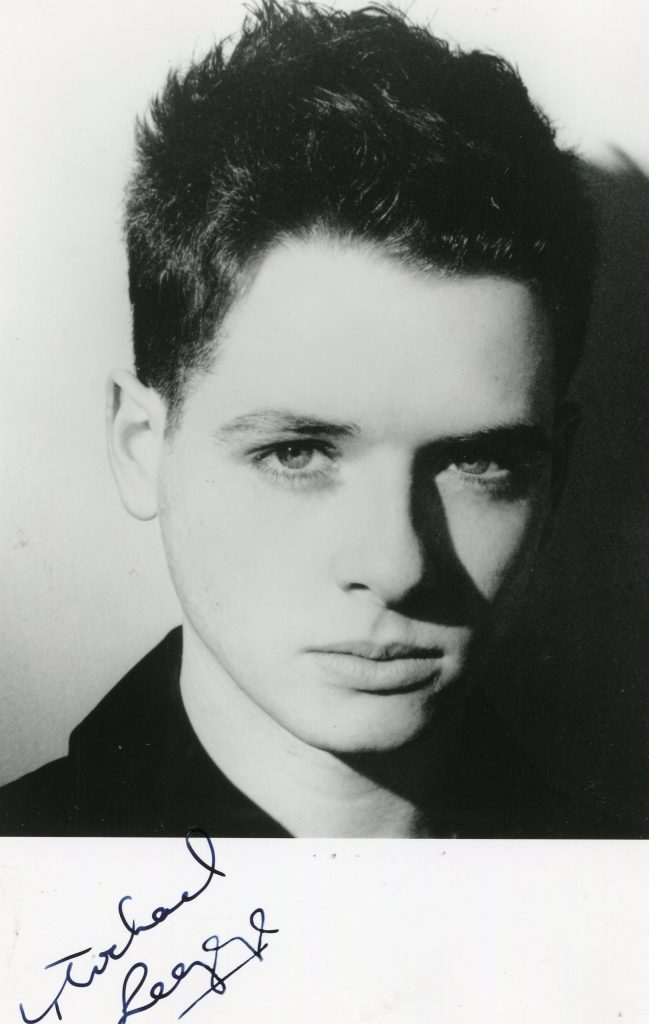
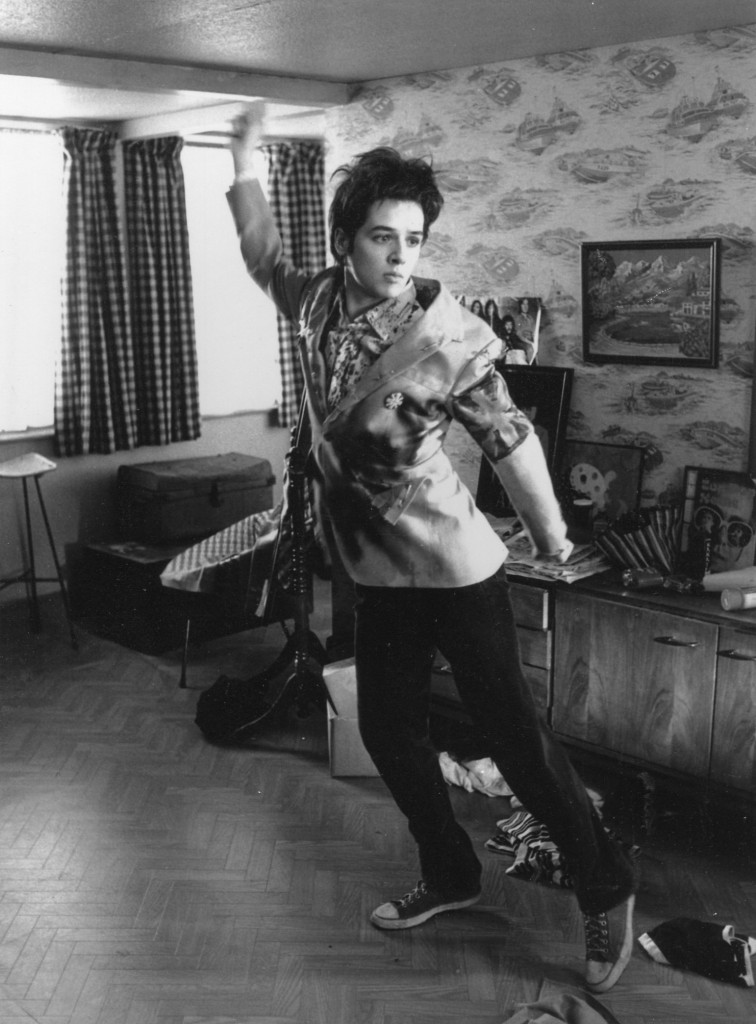
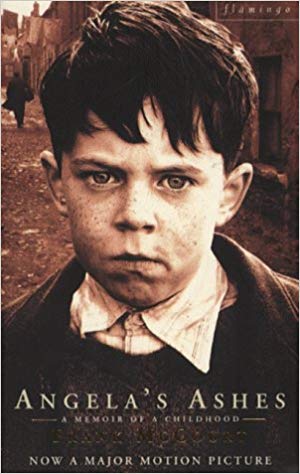
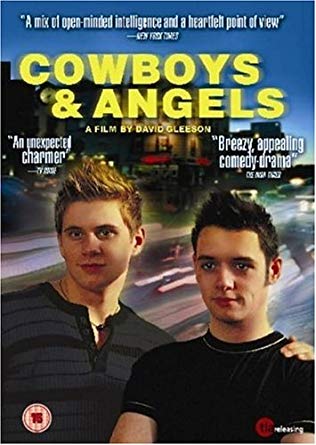
Michael Legge gave wonderful performances in two films associated with Limerick, “Angela’s Ashes”in 1999 and “Cowboys and Angels” in 2003.  

Michael Legge
Michael Legge

He was born in Newry, Co. Down in 1978.   Has also starred in the popular television series “Shameless”.

IMDB entry:

Michael Legge
Michael Legge

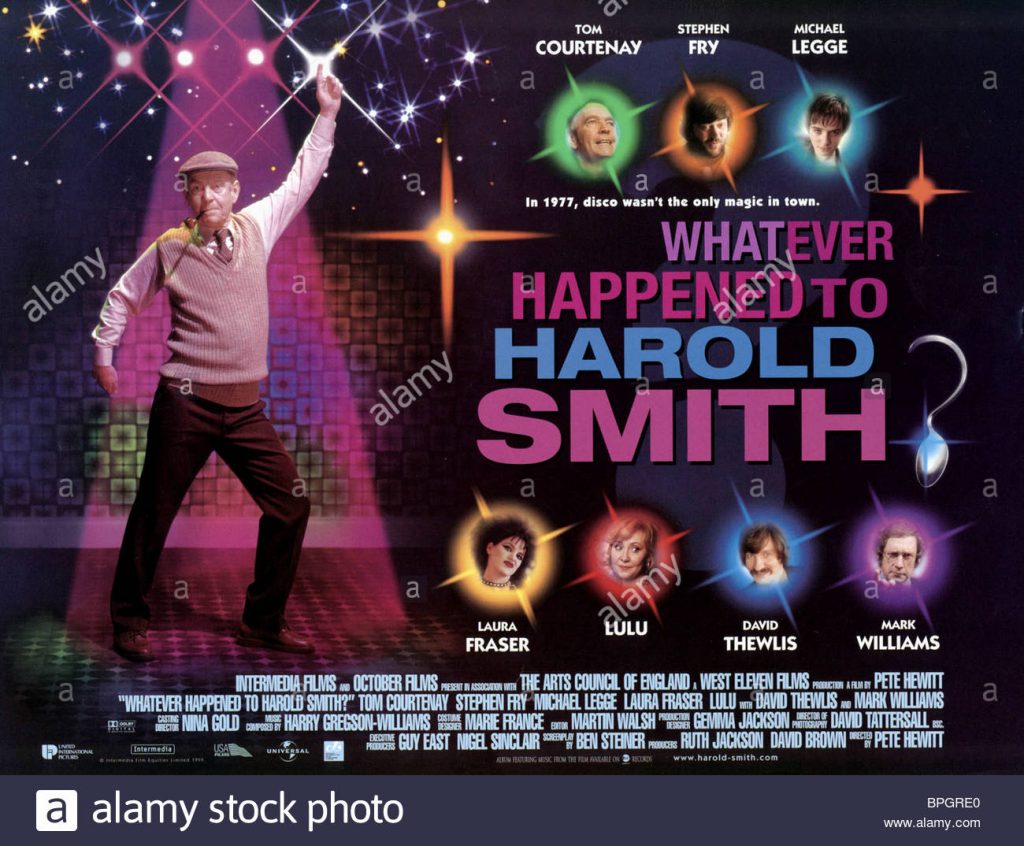
Michael Legge was born on December 11, 1978 in Newry, Co. Down, Northern Ireland. He is an actor and director, known for Angela’s Ashes (1999), Cowboys & Angels (2003) andWhatever Happened to Harold Smith? (1999).

  Lost close to thirty pounds to play Frank in Angela’s Ashes (1999).   While at school, he appeared in a variety of plays, both modern and classic. He is a ten-year veteran of theater in his Northern Ireland hometown.  

 Frank McCourt‘s novel “Angela’s Ashes” had been his mom’s, aunt’s, and grandmother’s favorite book. He appeared as Older Frank in the film version of the novel.  

Was encouraged to act at school by drama teacher Sean Hollywood, who was respected and renowned throughout Ireland for his talent-scouting of young actors in the Newry district. TCM Overview:

 Lanky, dark-haired, freckle-faced Michael Legge came to moviegoers’ attention as the older incarnation of narrator Frank McCourt in the “Angela’s Ashes” (1999), the film adaptation of McCourt’s Pulitzer-winning memoir. A native of Newry in Northern Ireland, Legge was already a veteran stage and TV performer when he won that role over some 15,000 aspirants.

As a child, he came to the attention of drama teacher Sean Hollywood who encouraged the youngster. Work in local theater followed as did a featured role in the 1996 British television drama “The Precious Blood”. 1999 proved to be a banner year for Legge as he landed pivotal roles in three features. In addition to his finely wrought portrayal of McCourt in “Angela’s Ashes”,

Michael Legge

he demonstrated his versatility as a teenager who discovers the hideaway of three feral youths during an unnamed conflict in the intense, Swedish-made “Straydogs” and displayed his comic gifts and natural charm as a disco-loving teen in 1977 Sheffield in “Whatever Happened to Harold Smith?”.The above TCM overview can also be accessed online here.

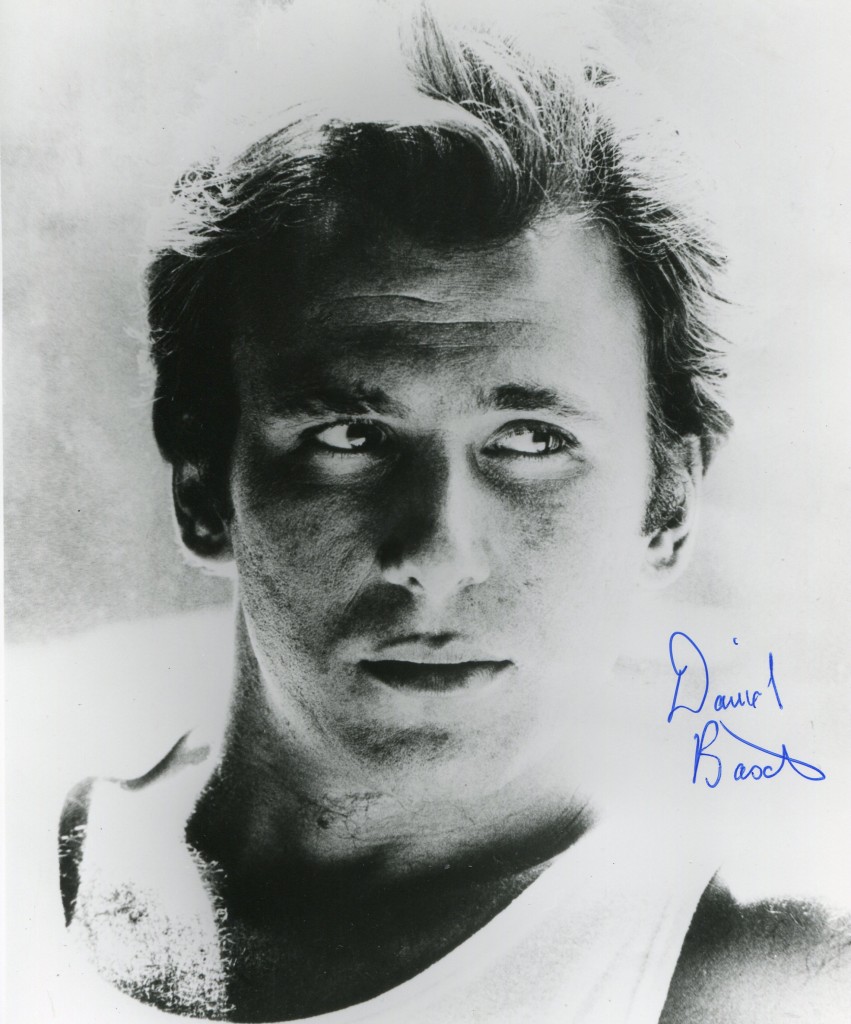
David Baxt
David Baxt
David Baxt

David Baxt  made his debut in”Twilight’s Last Gleaming” in 1977 which starred Burt Lancaster.   His other films include “Yanks” and “Silver Dream Racer”.

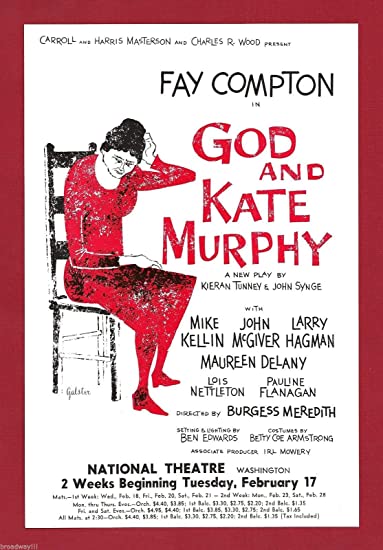
Maureen Delany
Maureen Delaney
Maureen Delaney

Maureen Delaney

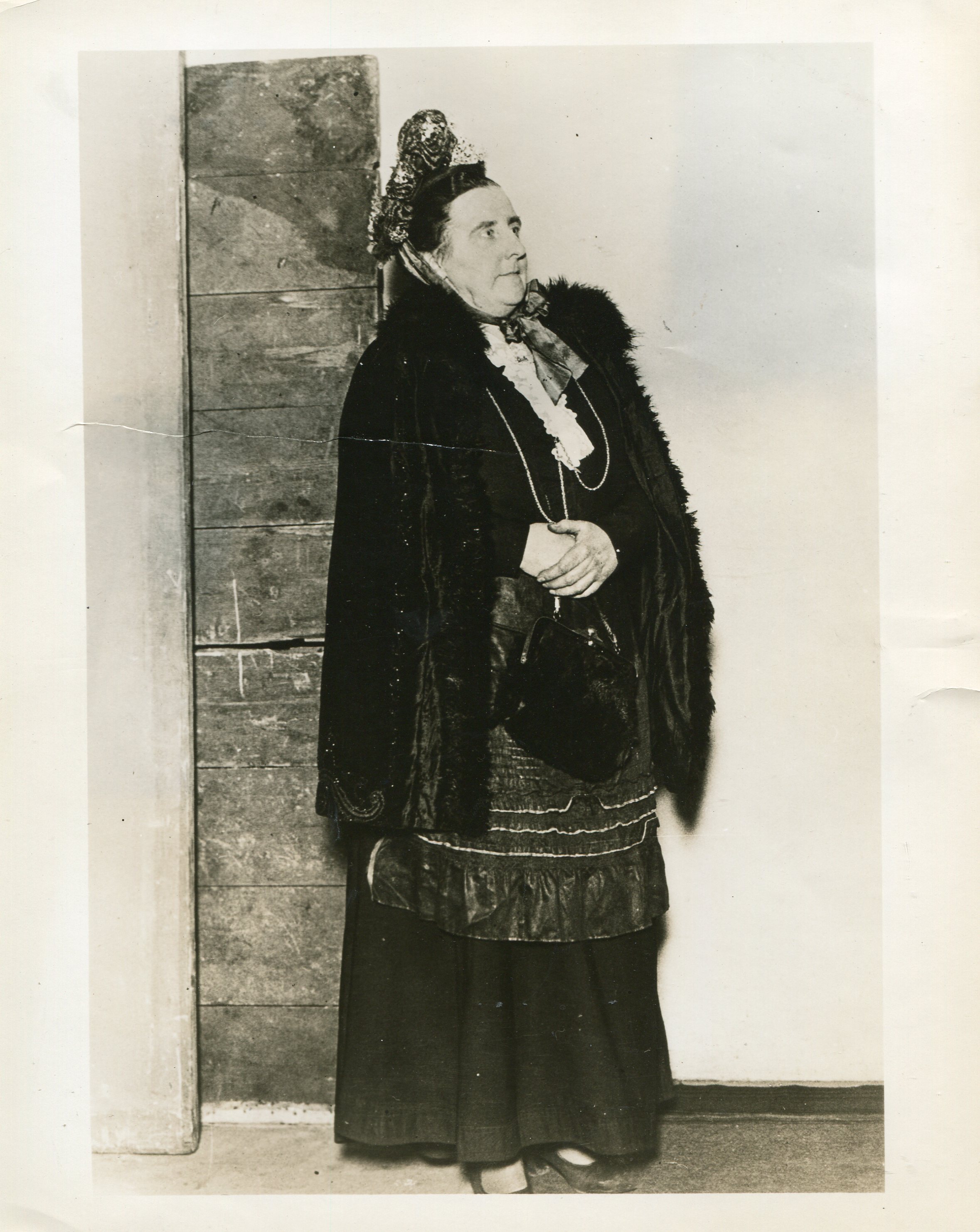
Maureen Delany  was a wonderful Irish actress who enlivened mamy British films of the 1940’s.   She was born in Kilkennyin 1888.Her film debut came in 1924 in “Land of Her Fathers”.   Her cinema highlights include “Odd Man Out” in 1947, “The Mark of Cain”, “Captain Boycott”and her final film “The Doctor’s Dilemma” with Dirk Bogarde in 1958.   She died in 1961.

“Wikipedia” entry:

She was born in Kilkenny, daughter of Dr. Barry Delany, who died when she was three months old. She was educated in Galway and originally intended to train for the opera, as she had a fine singing voice. However, she was accepted into the Abbey School of Acting by Lennox Robinson. She made her debut on the stage in Edward McNulty’s comedy The Lord Mayor in 1914.[

She quickly gained a reputation as a noted comic actress and singer. She became identified with Maisie Madigan in Juno and the Paycock and Bessie Burgess in The Plough and the Stars (both by Sean O’Casey), as well as the Widow Quin in Synge’s Playboy of the Western World.

Dictionary of Irish biography:

Delany, Maureen (c.1888–1961), actress, was born in Kilkenny, daughter of Dr Barry Delany, medical officer to the Kilkenny mental home, and his Kerry-born wife (née Nagle). Her father died when she was three months old. She was educated at the Dominican College in Galway and originally intended to train for opera as she had a fine singing voice, inherited from her father. However, she was accepted to the Abbey School of Acting, then run by Lennox Robinson (qv) and J. M. Kerrigan (1885–1964). After training she made her debut on 13 March 1914 as the mayoress in Edward McNulty’s comedy ‘The lord mayor’, and was commended by the Evening Mail. She quickly became a staple of the Abbey company and as early as 1916, the inveterate playgoer Joseph Holloway (qv) was praising her acting as ‘delightfully explosive’ (Holloway, 189). He was a constant admirer and in 1920, commenting on ‘The golden apple’ by Lady Gregory (qv), he noted that Delany’s ‘comic art and figure grow apace . . . there was a whimsical drollery about all she did’ (Holloway, 207). Delany was by this stage a noted comic actress and singer and among the best loved of the Abbey players. Lady Gregory found her rendition of ‘Oft in the stilly night’ in ‘Aristotle’s bellows’ in March 1921, very fine. Sean O’Casey (qv) was also an admirer and Delany gave vent to her full comic potential to become identified with two of his most noted character parts – Maisie Madigan in ‘Juno and the Paycock’ and Bessie Burgess in ‘The plough and the stars’. O’Casey even introduced a song for Maisie Madigan at her request. After the riotous opening of ‘The plough and the stars’ in February 1926, the Irish Times reported that a member of the audience had deliberately struck Delany in the face, but the actors themselves denied this.

Another part which Dublin theatregoers considered she made her own was the Widow Quin in ‘The playboy of the western world’ by J. M. Synge (qv). However, the critic Hugh Hunt (qv), assessing her career, noted that she played all her famous character parts in the same manner: ‘Large, warm-hearted, with a permanent twinkle in her eye . . . Maureen was not a great actress, but she was a superb performer. For over twenty years she was to play herself on the stage without varying her characterisation by a twitch of her eyebrow, to the utter delight of her public’ (Hunt, 118). The Dublin audience’s appreciation probably prevented her development and froze her mannerisms; the American critic George Jean Nathan, writing on the Abbey’s 1937 American tour, called the company ‘a caricature of its former self . . . [it] is obviously unable to control its fundamentally talented but personally over-cocky actress, Maureen Delany, and to prevent her from indulging in an outrageous overplaying, winking, snorting, and mugging that wreck any serious play she is in’ (Newsweek, 27 Dec. 1937). Her Times obituary noted that the Dublin audience often began to laugh even before she spoke.

In 1940 she appeared as a housekeeper in ‘Where stars walk’, the earliest comedy of Micheál MacLíammóir (qv), at the Gate, and thereafter appeared in numerous Gate productions. She had few film appearances but was part of the talented cast of mainly Irish actors in Carol Reed’s thriller Odd man out (1947), set in Belfast. In the late 1940s she moved to London, where she appeared in small character roles, getting mainly good reviews although The Timesnoted of her performance in Noel Coward’s ‘Waiting in the wings’ at the Duke of York’s Theatre, September 1960, that she could not help overacting. She died in her room at a London Hotel on 27 March 1961 and was predeceased by her husband Peter O’Neill, whom she married about 1947; there were no children

Maureen Delany (1888–1961) was the undisputed matriarch of the Abbey Theatre for nearly four decades. While Edward Mulhare represented the “Internationalist” polish of the Gate, Delany was the earthy, comedic, and formidable soul of the Abbey. A critical analysis of her work reveals an actress who didn’t just play “Irish mothers”—she defined the archetype for the 20th century.


I. Career Overview: The Pillar of the Abbey

1. The Early Years and Synge (1914–1920s)

Delany joined the Abbey Theatre in 1914, during its formative “Golden Age.” She quickly became the favorite of the theater’s founders, particularly W.B. Yeats and Lady Gregory.

  • The Peasant Drama: She excelled in the works of J.M. Synge, bringing a robust, unsentimental reality to plays like The Playboy of the Western World.

  • O’Casey’s Muse: Her most significant contribution to theater history was her collaboration with Sean O’Casey. She was the original Bessie Burgess in The Plough and the Stars (1926).

2. The “Stage Irishwoman” Subverted (1930s–1940s)

As the Abbey troupe began to tour internationally, Delany became the face of Irish womanhood to audiences in London and New York.

  • The Powerhouse: She was famous for her “Abbey timing”—a specific way of delivering a comedic line that relied on a deep, resonant voice and a perfectly timed pause.

  • Hollywood Calling: Like many of her Abbey contemporaries (such as Barry Fitzgerald), she was eventually lured to film, appearing in classics like Odd Man Out (1947) and The Quiet Man (1952).

3. The Final Act (1950s)

In her later years, Delany transitioned into “Grand Dame” status. Even as the Abbey’s style shifted toward modernism, she remained a link to the theater’s poetic, rural roots. Her final major film role was in John Ford’s The Rising of the Moon (1957).


II. Detailed Critical Analysis

1. The “Bessie Burgess” Paradigm

Critically, Delany’s performance as Bessie Burgess in The Plough and the Stars is considered a landmark in Irish acting.

  • The Complexity of the Shrew: Bessie is a difficult character—a loud-mouthed, Protestant Unionist in a Dublin tenement. Delany was praised for refusing to make her a villain.

  • Vocal Authority: Critics of the 1920s noted that Delany’s voice had a “bronze” quality. She could shift from a screeching street brawl to a hauntingly beautiful hymn (as she does at the end of the play) with a seamlessness that left audiences stunned. She proved that the “Dublin street-wife” was a tragic figure of Shakespearean proportions.

2. The “Abbey Naturalism”

Delany was a master of what critics called “repose.” In an era when many stage actors were still prone to grand gestures, Delany understood the power of the “unmoved” face.

  • Physical Presence: She was a woman of substantial build, and she used her physicality to project a sense of immovable authority. Whether playing a comic landlady or a grieving mother, she anchored the stage.

  • The “Side-Eye”: In her comedic roles, she was the master of the silent reaction. Critics often remarked that Delany could “say more with a sniff than a younger actress could with a three-page monologue.”

3. The John Ford Connection

When the legendary director John Ford filmed in Ireland, Delany was a mandatory inclusion.

  • The “Fordian” Archetype: In The Quiet Man, as the village gossip/matchmaker, she provided the necessary “village texture.” Critically, she represented the “Old Ireland”—shrewd, observant, and deeply embedded in the social fabric.

  • Subverting the “Mammy”: While she often played maternal figures, she rarely played them as “soft.” Her mothers were frequently tough, judgmental, and survival-oriented, reflecting the harsh economic realities of early 20th-century Ireland.


Iconic Performance Comparison

Character Work Year Critical Achievement
Bessie Burgess The Plough and the Stars 1926 Created the definitive “Tenor of the Tenements.”
Maisie Madigan Juno and the Paycock 1924 Defined the “gossiping neighbor” with tragic undertones.
Theresa Odd Man Out 1947 Brought “Abbey gravitas” to the British film noir masterpiece.
The Widow The Rising of the Moon 1957 A final, masterly display of her comic/dramatic range for John Ford.

Maureen Delany was the “Mother of the Abbey.” She possessed a rare combination of comic brilliance and tragic weight, ensuring that the “ordinary” women of Ireland were seen as the extraordinary figures they were. She didn’t just act in Irish plays; she gave them their heartbeat.

Briony McRoberts
Briony McRoberts
Briony McRoberts
Briony McRobertd

Briony McRoberts was born in Welwyn Garden City in 1957.   Her career highlights include “Malice Aforethought” in 1979 and the series “Take the High Road”.   She was married to the actor David Robb.  Sadly she died in 2013.   Her obituary from “The Stage” can be found here.

Anthony Hayward’s “Independent” obituary:

The actress Briony Mc Roberts spent two decades taking character roles on television before making her biggest impact as the super-bitch Sam Hagen in Take the High Road, the Scottish soap opera screened nationally by ITV.

The glamorous Sam arrived in the fictional village of Glendarroch in 1991 as a dynamic business executive and eventually bought the estate, becoming the lady laird.

In 1994, the serial’s title was shortened to High Road, following the vogue of the times – five years earlier, Emmerdale Farm had become Emmerdale. The Scottish Television soap also followed its Yorkshire counterpart in featuring more raunchy storylines.

As the glamorous Sam, who could be thoroughly ruthless in her business dealings, McRoberts brought steamy passion to the community on the banks of Loch Lomond. The character had a string of affairs – starting with Davie Sneddon (Derek Lord), the local “JR”, because he had information useful to her business interests – and she even bedded a teenage boy (played by Gary Hollywood, above).

In 2000, when McRoberts left the serial, Sam hit the bottle after being jilted by a lover, then disappeared. Early the following year, news reached Glendarroch that her body had been found on a rubbish tip and she had lived her last days destitute. The actress made only a handful of television appearances after leaving High Road.

Briony McRoberts was born in Hertfordshire in 1957 but, aged six, moved to Richmond-upon-Thames following the death of her mother and her father’s remarriage.

As a child, she studied drama at the Professional Children’s School, in Teddington. This led to her screen debut, uncredited, at the age of 12 with a small role in the 1969 film fantasy Captain Nemo and the Underwater City, directed by James Hill, who had made Born Free three years earlier and had a particular talent for getting the best out of child actors.

As an adult, McRoberts made her first television appearance as Anna, one of the children fostered by the failed romantic played by Ian Carmichael in the sitcom Bachelor Father (1970-71), and other roles soon followed.

She was seen as Wendy Darling in a live-action television musical version of Peter Pan (1976), starring Mia Farrow and Danny Kaye; as Esther Bronte in The Crezz (1976), with Joss Ackland and Elspet Gray as her parents; as Charlotte, a student, in the final series of the sitcom Sink or Swim (1982); and as Caroline, secretary to the Whitehall-based spycatcher played by Alec McCowen, in Mr Palfrey of Westminster (1984-85). In 1990, McRoberts briefly acted Janine Butcher’s counsellor, Carol Nickleson, in EastEnders.

She was also in the film The Pink Panther Strikes Again (1976) as the glamorous Margo Fassbender, who is kidnapped with her physicist father by Chief Inspector Dreyfus (Herbert Lom), out of a psychiatric hospital and intent on killing Clouseau (Peter Sellers), who has driven him to the edge.

McRoberts met the actor David Robb when they were both in a disastrous 1975 production of the William Douglas-Home play Betsy at the Yvonne Arnaud Theatre, Guildford. They married three years later.

On the West End stage, she acted at the Shaftesbury Theatre in the musicals Maggie (1978), alongside Anna Neagle, and Peter Pan (1980), again as Wendy Darling, then appeared at the Aldwych in Charley’s Aunt (1983). Her last television appearance was in a 2005 episode of The Bill.

McRoberts’s final acting role was alongside her husband and actress friend Joanna Lumley in a production of Walter Scott’s epic poem “The Lay of the Last Minstrel” at the Borders Book Festival in June.

She and Robb – who played Dr Clarkson, the Crawley family GP, in Downton Abbey and has been a volunteer for the Samaritans for a quarter of a century – ran the Edinburgh marathon every year from 2004 to raise money for Leukaemia Research.

McRoberts was killed after being hit by a London underground train. Police said there were no suspicious circumstances and her agent stated that it was believed the actress had committed suicide.

Anthony Hayward

The above “Independent” obituary can be accessed online here.

Lois Daine
Lois Daine
Lois Daine

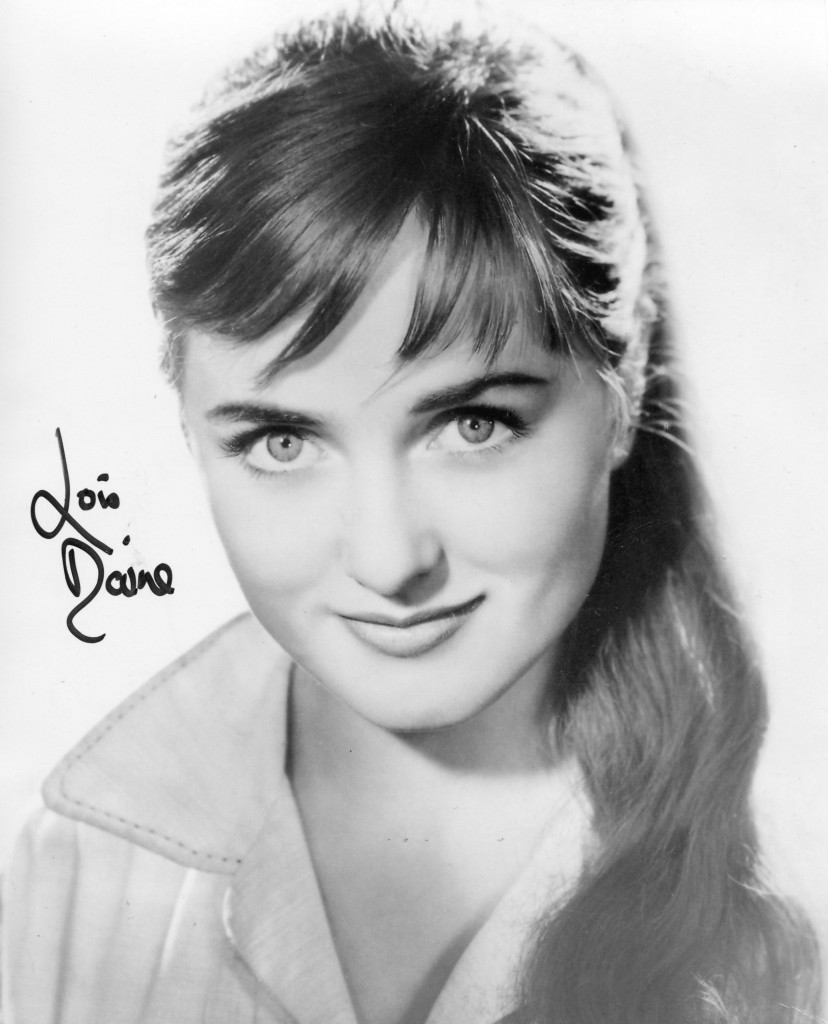
Lois Daine was born in Bolton, Lancashire in 1941.   She made her cinema debut in “Hell Is A City” with Stanley Baker in 1960.   Other films inckude “Cash On Demand” and “Linda”.   Her son is the actor Aran Bell from her marriage to the late great Tom Bell.

Tom Adams
Tom Adams
Tom Adams

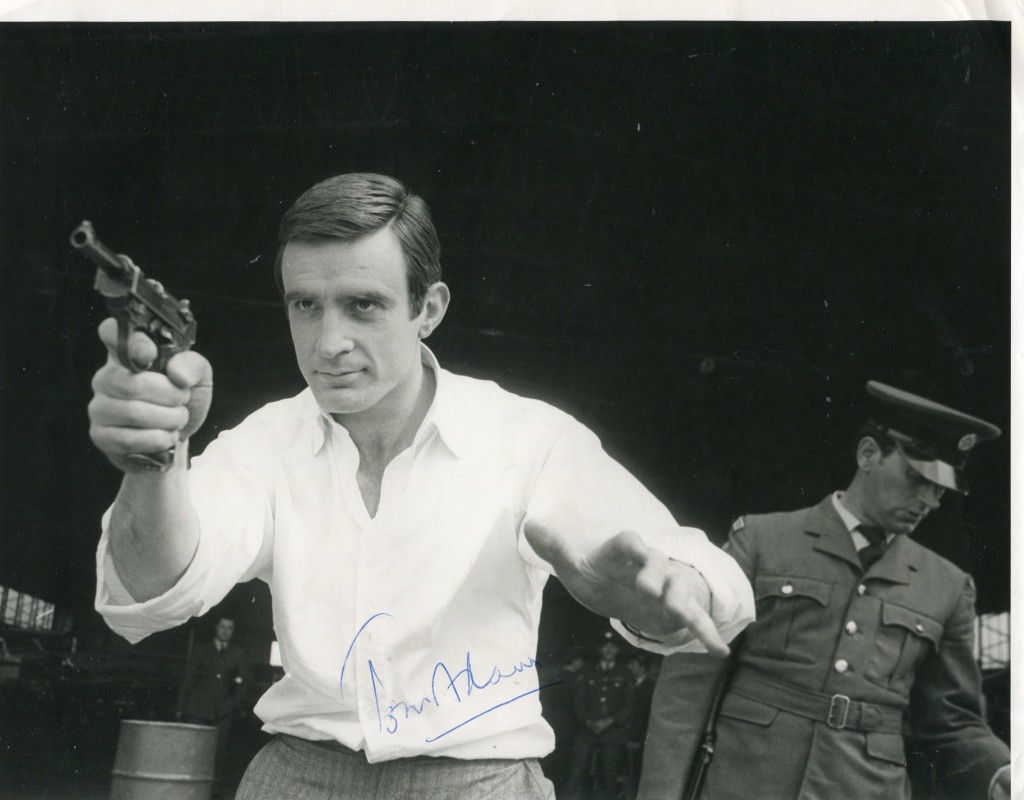
Tom Adams made his bid for cinema stardom in the mid 1960’s with his performance as Charles Vine, spy in “”Licensed to Kill” and “Where the Bullets Fly””,   He gave terrific performances in both movies.   He was born in London in 1938.   He began his career on television in “Emergency Ward Ten”.   He died in 2014.

His “Guardian” obituary

The tall frame and dark good looks of the actor Tom Adams, who has died of cancer aged 76, made him a natural for casting directors. He will be best remembered on the big screen for his role as Dai Nimmo, the RAF officer in charge of “diversions”, in the 1963 prisoner-of-war drama The Great Escape, alongsideRichard AttenboroughJames Garner and the rising star Steve McQueen. The money he earned from the classic movie enabled Adams to buy his first car after years of earning a pittance on stage and teaching English and drama at a London school.

“It was a lovely summer,” Adams recalled of filming in Germany, talking to the journalist Sinclair McKay last year. “I had a hell of a time.” It also gave him an insight into the power of stardom. “Whatever it was about Steve McQueen … I couldn’t put my finger on it,” he said. “There he was, about 5ft 7in, skinny, but on nights out in Munich, if he walked into the bar, the women – whoomph! – would be around him.”

Television producers spotted Adams and cast him in the hospital soap opera Emergency – Ward 10. He spent six months of 1964 as one of its long list of heart-throbs, the senior registrar Guy Marshall, whose storylines included examining a young woman who had fallen from a window while cleaning. The ITV mogul Lew Grade axed the serial in 1967, but later said it was one of his biggest mistakes. Five years later, he found a replacement with General Hospital and Adams joined it as Dr Guy Wallman (1975-78) when it moved from an afternoon to a peak-time slot.

In the meantime he had played Major Sullivan (1973-75) in the BBC counter-espionage drama Spy Trap. Adams was in it from the second series, replacing the government intelligence service’s agent Commander Anderson (played by Julian Glover), whose job was to track down “subversives”. Then came a leading role in an established series, The Onedin Line, the late-19th-century saga starring Peter Gilmore. In 1977, Adams took over from Michael Billington as Daniel Fogarty, a rival ship’s captain whose affair with Onedin’s spoiled sister, Elizabeth, produced an illegitimate son, William. At the end of Adams’s first series, Fogarty returns from Australia a rich man and marries Elizabeth. Later, he becomes an MP, then British ambassador to Turkey, but comes a cropper in the final series, screened in 1980, drowning when his ship is sunk. Adams followed The Onedin Line with the star role in The Enigma Files (1980), as Detective Chief Inspector Nick Lewis, who is transferred to a desk job and stirs up a hornets’ nest when he investigates unsolved cases. It failed to get a second series.

Son of David, a commercial chauffeur, and Lillian (nee Bennett), he was born Anthony Adams in Poplar, east London, and later took Tom Adams as a stage name. After national service in the army, he joined the leftwing UnityTheatre, in London, then worked with repertory companies. In between jobs, he taught at Cardinal Griffin secondary modern school, Poplar.
After his run in Emergency – Ward 10, Adams starred as the mathematician turned secret agent Charles Vine in the low-budget James Bond film spoof Licensed to Kill (1965), described as “bargain basement” 007 by one critic. However, it was popular enough for him to reprise the role in Where the Bullets Fly (1966) and Somebody’s Stolen Our Russian Spy (1967). Adams played a psychotic killer, complete with false teeth, in the horror film The House that Dripped Blood (1971) and starred as the brutal mastermind behind a bank robbery in The Fast Kill (1972).

His other TV roles included Commander Vorshak, leader of Sea Base 4, in the 1984 Doctor Who story Warriors of the Deep, Ken Stevenson in Strike It Rich! (1986-87), a drama about news agency shareholders receiving a windfall, and Malcolm Bates (on and off from 1987 until 1991), looking for a reconciliation with his estranged wife Caroline, in Emmerdale Farm (later Emmerdale).

When acting roles became fewer, Adams’s rich, velvety tones led him to commercials – in the 1980s and 90s, he was the “face” of the DFS furniture store and the “voice” of the TV channel E4. He enjoyed playing golf and watching cricket, and was the author of Shakespeare Was a Golfer (1996).

• Tom Adams (Anthony Frederick Charles Adams), actor, born 9 March 1938; died 11 December 2014

The above obituary can also be accessed online here.