Contemporary Actors

Collection of Contemporary Actors

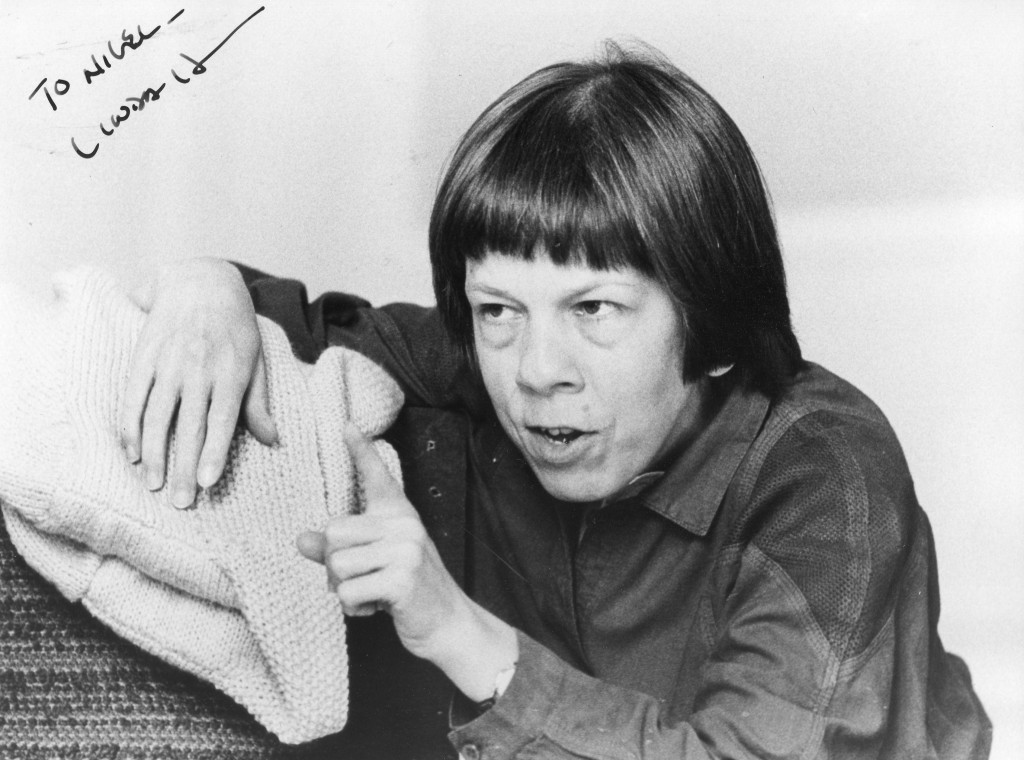
Linda Hunt
Linda Hunt
Linda Hunt

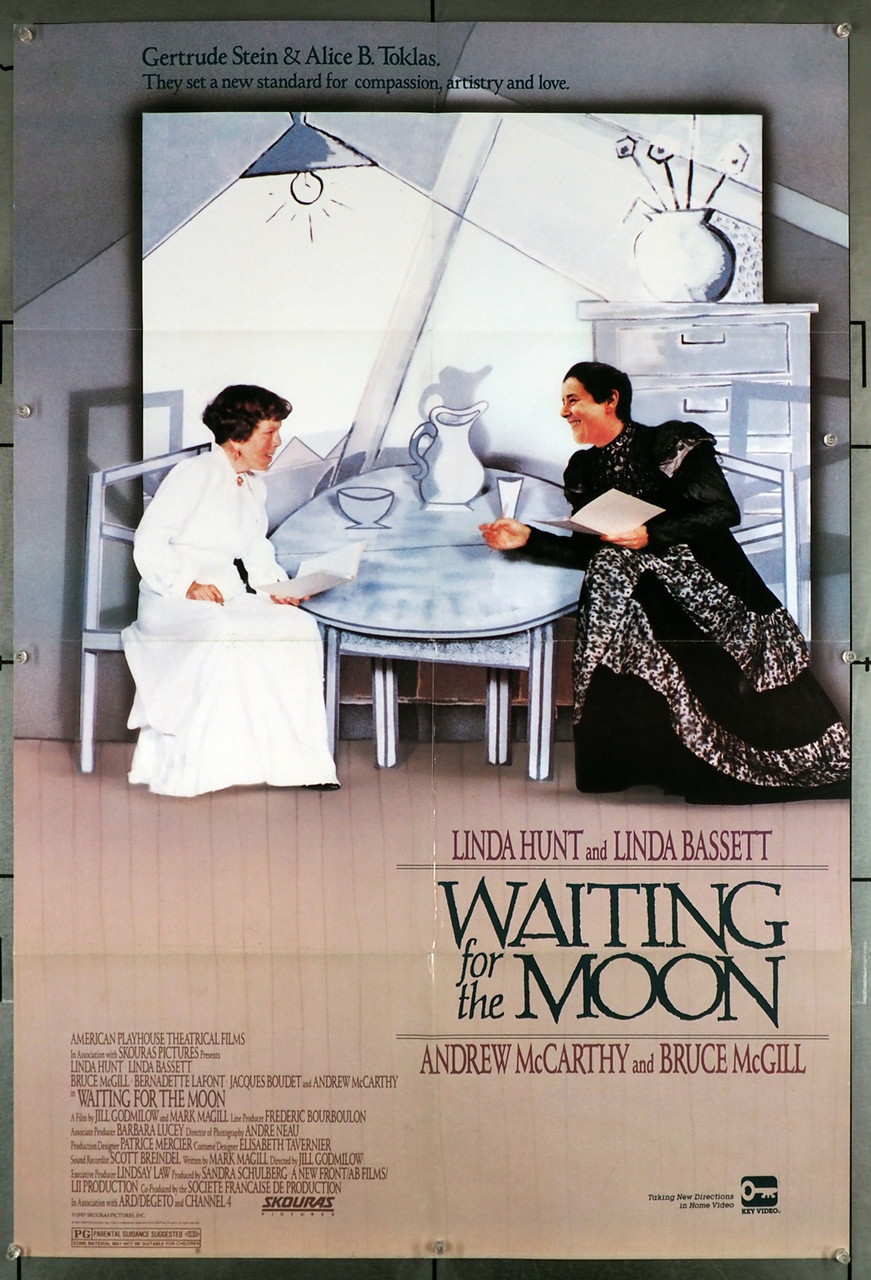
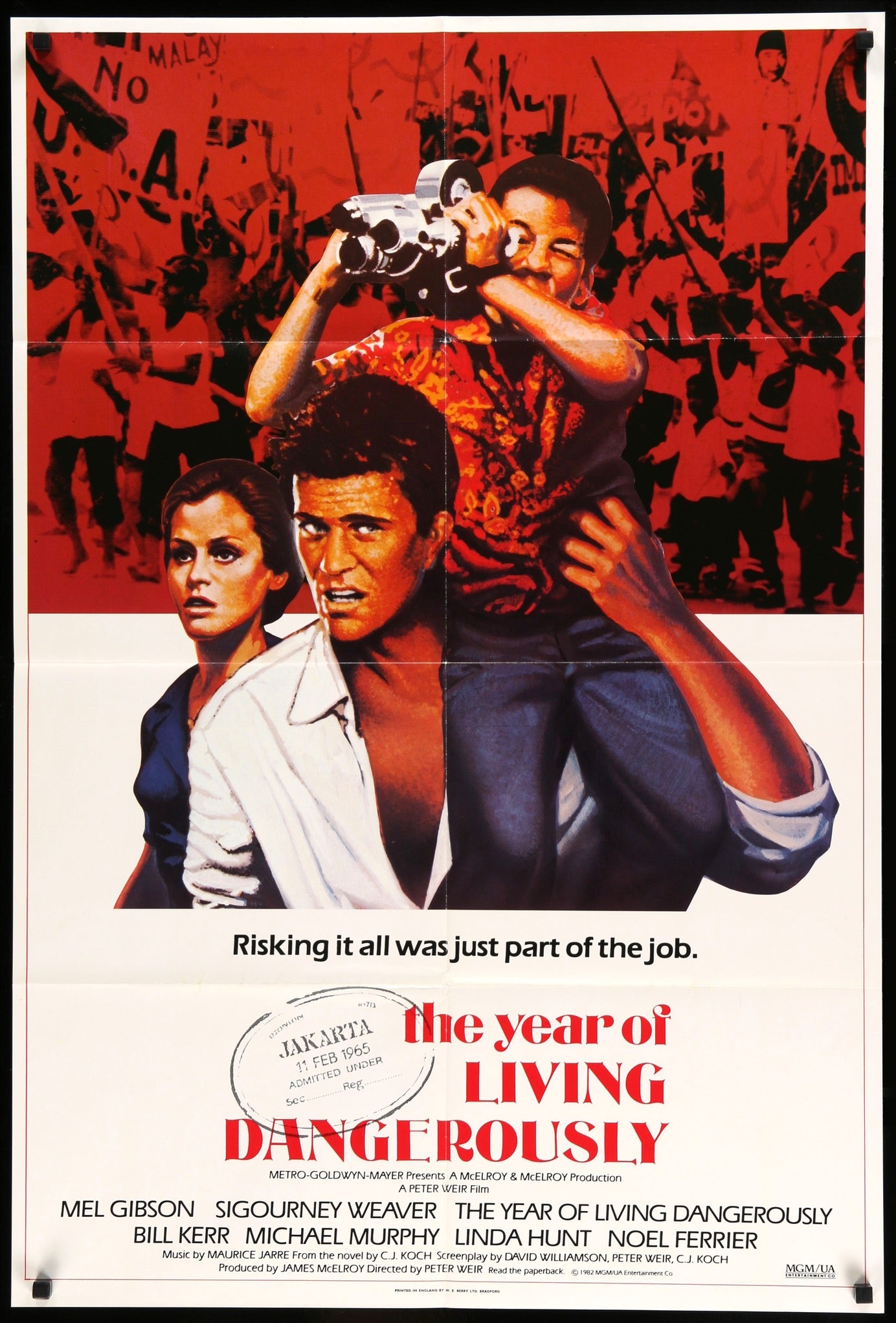
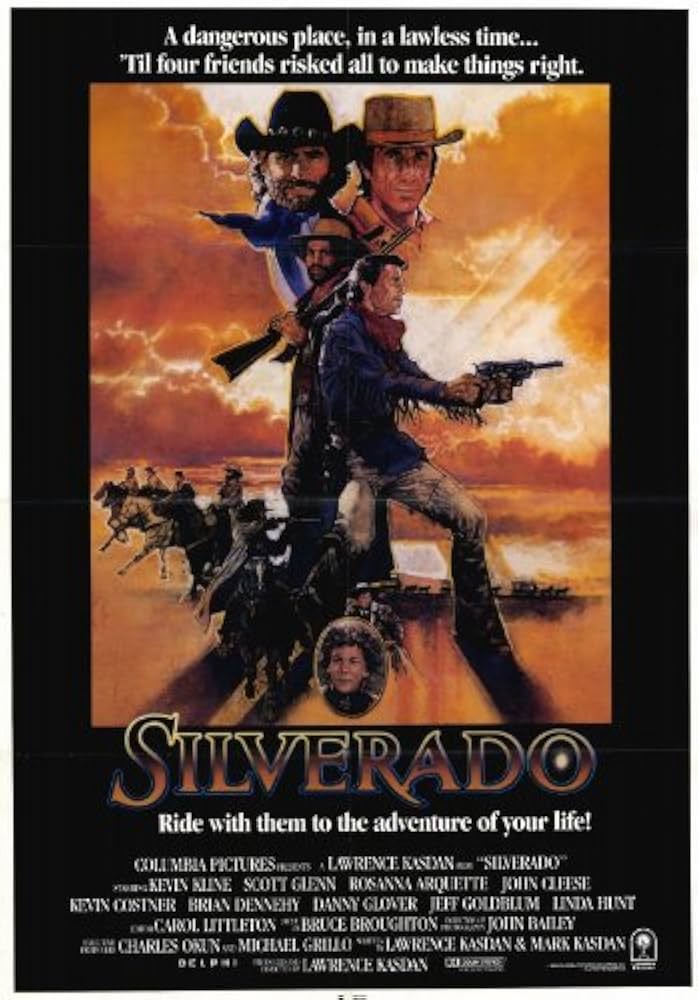
Linda Hunt won an Oscar for her astonishing performance as the male ‘Billy Kwan’ in 1982’s “The Year of Living Dangerously”.   She was born in 1945 in Morristown, New Jersey.  Her other movies include “The Bostonians” “Dune” and “Silverado”.

TCM overview:

Despite her diminutive 4-foot, 9-inch frame, actress Linda Hunt emerged as a prominent, Oscar-winning performer in only her second film, playing doomed Chinese-Australian photojournalist Billy Kwan in Peter Weir’s “The Year of Living Dangerously” (1982), which marked the first time in Academy Award history that an actor won for playing a character of the opposite sex. Her triumphant win led to a Tony-nominated performance in Arthur Kopit’s “End of the World” (1983) and a supporting role as a saloon keep in the revisionist Western, “Silverado” (1985), though opportunities later became few and far between. While she logged numerous film and television roles over the years, including a long-running recurring role as a judge on “The Practice” (ABC, 1996-2004), Hunt developed a second career as a busy voiceover artist. She lent her surprising baritone as a narrator on environmental specials, while voicing characters in both video games – most notably on the “God of War” series – and various animated projects like Disney’s “Pocahontas” (1995). By the time she was seen with regularity on such hit procedurals as “Without a Trace” (CBS, 2002-09) and “NCIS: Los Angeles” (2009- ), Hunt was a familiar presence in several different mediums; a testament to both her talent and her ability to overcome the odds.
Born on April 2, 1945, in Morristown, NJ, Hunt moved to Westport, CT with her family while still an infant. Burdened with a host of health problems since birth, Hunt was misdiagnosed with cretinism at six months of age. While in her teens, she was correctly diagnosed with hypo-pituitary dwarfism, a condition in which the pituitary gland fails to release enough growth hormone. Ironically, or perhaps consequently, Hunt grew up an unusual overachiever, undaunted by her condition. She took her first stab at acting at age 12 while performing in a production of “Flibbertigibbet” at Westport’s famed Silver Nutmeg Theater. Hunt moved to New York in the mid-1960s, where she found consistent work in summer stock theater. Concerned that her unusual physical type would limit her future as an actress, Hunt initially focused on becoming a stage director. But the lure of acting proved too powerful to resist, so in 1969, Hunt returned to Westport to study acting under dramatic coach, Robert Lewis.

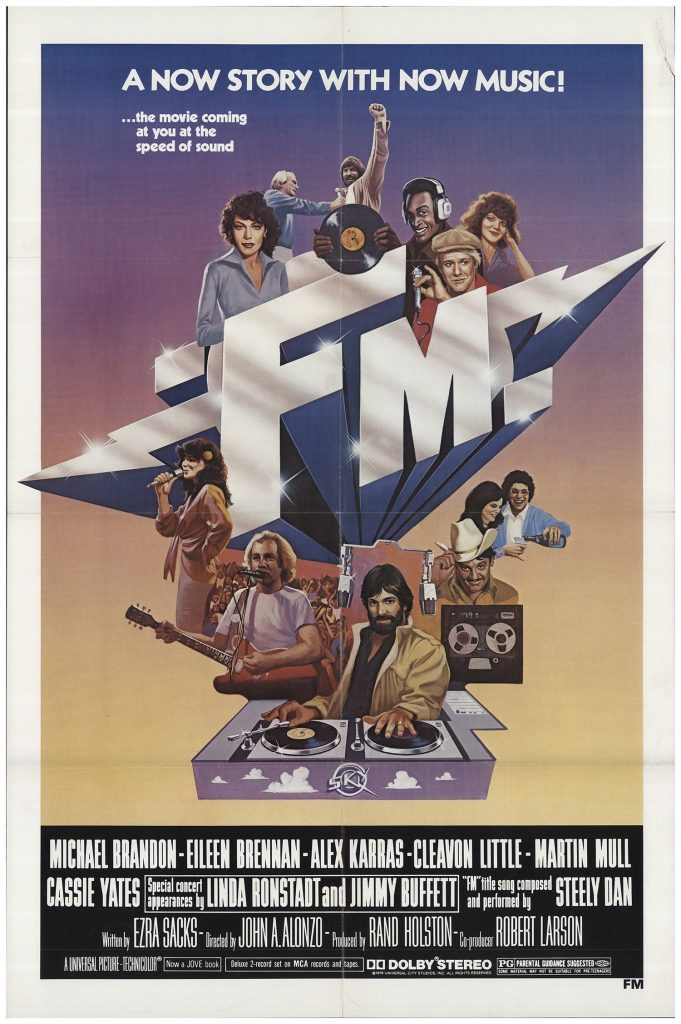
In the early 1970s, Hunt began a longtime association with the Long Wharf Theater in New Haven. Her one-woman show based on the life of Joan of Arc won the actress rave reviews and even flickers of interest from Broadway. A year later, Hunt went to New York City and made her off-Broadway debut as the Player Queen in the New York Shakespeare Festival’s production of “Hamlet” in Central Park. This led to Hunt’s first major role as the Irish maid Nora in a 1973 production of Eugene O’Neill’s play, “Ah, Wilderness!” Originally directed by Arvin Brown for the Long Wharf Theatre, the play eventually moved to the Circle-in-the-Square Theatre along the Great White Way in New York, where it was taped for airing as a PBS special, “Theater In America” (1976). Hunt’s screen career began in the late 1970s, when she made her television debut in a “Hallmark Hall of Fame” presentation of Arthur Miller’s “Fame” (CBS, 1979). Adapted for the screen by the playwright himself, it was noteworthy that Miller specifically created Hunt’s role of Mona with the actress in mind.

The following year, Hunt made her official big screen debut in Robert Altman’s bloated and ultimately failed musical, “Popeye” (1980). Cast in a small supporting role as the feisty Mrs. Oxheart, Hunt’s appearance was a fortunately forgettable cameo lost in an even more forgettable film that dogged stars Robin Williams and Shelley Duvall for years to come. Her next film, however, permanently changed her career. Tapped to co-star in the controversial drama “The Year of Living Dangerously,” Hunt joined burgeoning young actors Mel Gibson and Sigourney Weaver in director Peter Weir’s complex drama. Based on a novel of the same name by Christopher Koch, the film told the complicated tale of an Australian journalist caught at the center of a foreign country’s political overthrow. Based on the real-life events of the attempted 1965 coup of Jakarta by Indonesia’s Communist party, “Dangerously” earned Hunt an Academy Award for Best Supporting Actress for her portrayal of Eurasian photographer, Billy Kwan. The first actor to ever win an Oscar for playing a role of the opposite gender, Hunt’s record stood untouched until 1999, when Hilary Swank won an Oscar for “Boys Don’t Cry.”

Despite her formidable talent, however, Hunt hit the proverbial glass ceiling. Though she remained consistently employed on stage – even winning two Obies and a Tony nomination in the 1980s and 1990s – the pedigree of her film work had slipped. Still, Hunt’s presence in movies managed to endure throughout this period. Among her higher profile roles were supporting turns in such critical favorites as “Silverado” (1985), in which she played Stella, a genial saloon proprietor, and the blockbuster comedy, “Kindergarten Cop” (1990), portraying a school principle disapproving of a rough-and-tumble cop (Arnold Schwarzenegger) going undercover as a kindergarten teacher to capture a wanted fugitive. In 1993, Hunt briefly returned to television, starring in the ill-fated space opera, “Space Rangers” (CBS, 1993), which was cancelled after just six episodes. After a brief dormancy in the mid-to late 1990s, during which time she only appeared in the horror dud, “The Relic” (1997), Hunt’s career underwent something of a renaissance when she turned to television. In 1997, Hunt created the role of Judge Zoey Hiller on David E. Kelly’s long-running legal dramedy, “The Practice.” A favorite recurring character for the show’s fans, Hunt reprised the role more than two dozen times before the show finally adjourned its run.

In 2003, Hunt joined the cast of the HBO drama “Carnivale” (HBO, 2003-05) for a 10-episode run as the mysterious voice of Management. In 2005, actress Hunt added an unlikely new credit to her resume: video game icon. As the resonant, authoritative voice of the Narrator for the award-winning “God of War” video game series, Hunt gained a whole new generation of fans unfamiliar with her acting work. Hunt reprised the voiceover role for the game’s sequel, “God of War 2.” Following a long vacation away from features, Hunt finally returned to the big screen with the blended family comedy “Yours, Mine, and Ours” (2005), starring Dennis Quaid and Rene Russo. While her role was hardly much of a challenge for the actress, the movie did at least allow Hunt a rare opportunity to flex her comedic muscles. Her next project continued in the same vein, as Dr. Mittag-Leffler in director Marc Forster’s twisted comedy, “Stranger than Fiction” (2006) starring Will Ferrell and Emma Thompson. After building a second career voicing narration for numerous PBS specials, including “Secrets of the Ocean Realm” (1997), “Woodrow Wilson” (2002) and “Auschwitz: Inside the Nazi State” (2004), Hunt joined the cast of the successful spin-off series, “NCIS: Los Angeles” (CBS, 2009- ), playing OSP Operations Manager Henrietta Lange.

 The above TCM overview can be accessed also online here.

Jeremy Northam
Jeremy Northam
Jeremy Northam

Jeremy Northam was born in 1961 in Cambridge.   He made his U.S. movie debut opposite

Sandra Bullock in “The Net”.   His other films include “Carrington” and “Gosford Park” where he played ‘Ivor Novello’.

TCM overview:

Tall and slender with dark good looks and a rich, plummy voice, Jeremy Northam was already established as a stage and television performer in his native Britain when he landed his breakthrough screen role as the suavely seductive villain stalking Sandra Bullock in the cyber thriller “The Net” (1995). The son of a professor and a potter, he spent his formative years in Bristol and Cambridge. After completing his college education, Northam enrolled at the Bristol Old Vic Theatre School but left before completing the three-year program when he began landing TV roles like the soldier in the WWI drama “Journey’s End” (1988). The following year, the limelight shone on him briefly when he understudied and then replaced Daniel Day-Lewis in the National Theatre production of “Hamlet”. Additional stage roles followed, including an award-winning turn in “The Voysey Inheritance” and a supporting role in “The Gift of the Gorgon” (1992), starring married couple Judi Dench and Michael Williams as well as additional work at the Royal Shakespeare Festival. As his stage presence increased, Northam lent his presence to other small screen roles before landing his first major feature role, as Hindley Earnshaw in the uneven remake of “Emily Bronte’s Wuthering Heights” (1992). That film met with a derisive critical reaction in England and was relegated to TV in America (it aired on TNT in 1994).

After his strong performance in “The Net”, Northam seemed on the verge of being typecast as cads when he portrayed Beacus Penrose who beds and abandons the titular artist played by Emma Thompson in the biopic “Carrington” (1995). Switching gears, however, he excelled in the real-life role of a man with dual personalities, the reclusive composer Peter Warlock and his bete noir, the dyspeptic music critic Philip Heseltine in “Voices/Voices From a Locked Room” (also 1995). Further demonstrating his range, Northam cut a dashing romantic figure as Mr. Knightly to Gwyneth Paltrow’s “Emma” (1996) before stumbling a bit in both “Mimic” (1997), as a scientist, and Sidney Lumet’s remake of “Gloria” (1999), as a gangster. While his onscreen roles offered little challenges to the actor, he found success as a buttoned-up real estate agent who falls in with some free spirits in the British telefilm “The Tribe” (1998) and in his return to the London stage playing a gay obstetrician in “Certain Young Men” (1999). In fact, 1999 would prove to be a key year for the actor, with high profile, critically-praised performances in three films. The Sundance favorite “Happy, Texas” cast him opposite Steve Zahn as a pair of escaped convicts who seek refuge in the titular town where they are mistaken for a gay couple. In David Mamet’s remake of “The Winslow Boy”, Northam anchored the film as the wily barrister defending the boy accused of theft who also harbored unexpressed romantic yearnings for the Winslow daughter (Rebecca Pidgeon). Rounding out the trio of movies was Oliver Parker’s period adaptation of Oscar Wilde’s “An Ideal Husband”, with the actor as a married politician who is haunted by a youthful indiscretion. Continuing to corner the market in period films, Northam joined the cast of the Merchant Ivory production “The Golden Bowl” (2000), playing an Italian prince. He followed up with a fine turn as actor-composer Ivor Novello in the Robert Altman-directed period mystery “Gosford Park” (2001) and as an 19th-century poet in Neil LaBute’s adapation of A S Byatt’s novel “Possession” (2002). After a much discussed stint playing Dean Martin opposite Sean Hayes as Jerry Lewis in the CBS biopic “Martin & Lewis” (2002) in which Northam ably captured the singer-actor’s suave charisma if not his naughty-boy appeal, Notham appeared in the Mel Gibson-produced adaptation of “The Singing Detective” (2003) and played a French army officer hounding Michael Caine in “The Statement” (2003). He next played Walter Hagen in the biopic “Bobby Jones, Stroke of Genius” (2004), which told the story of the iconic golf champion (Jim Caviezel) who quit the sport on top at age 28.

The above TCM overview can be accessed online here.

Susan Sarandon
Susan Sarandon
Susan Sarandon

Susan Sarandon has had a terrific career since her movie debut in 1969 in “Joe”.   She won the Academy Award in 1996 for “Dead Man Walking” with Sean Penn.  Her other major movies include “The Rocky Horror Picture Show”, “The Other Side of Midnight”, “The Last of the Cowboys”, “Pretty Baby”, “The Hunger”, “Thelma & Louise”, “The Client” and “Little Women”.

IMDB entry:

It was after the 1968 Democratic convention and there was a casting call for a film with several roles for the kind of young people who had disrupted the convention. Two recent graduates of Catholic University in Washington DC, went to the audition in New York forJoe (1970). Chris Sarandon, who had studied to be an actor, was passed over. His wife Susan got a major role.

That role was as Susan Compton, the daughter of ad executive Bill Compton (Dennis Patrick). In the movie Dad Bill kills Susan’s drug dealer boyfriend and next befriends Joe (Peter Boyle)– a bigot who works on an assembly line and who collects guns.

Five years later, Sarandon made the film where fans of cult classics have come to know her as “Janet”, who gets entangled with transvestite “Dr. Frank ‘n’ Furter” in The Rocky Horror Picture Show (1975). More than 15 years after beginning her career Sarandon at last actively campaigned for a great role, Annie in Bull Durham (1988), flying at her own expense from Rome to Los Angeles. “It was such a wonderful script … and did away with a lot of myths and challenged the American definition of success”, she said. “When I got there, I spent some time with Kevin Costner, kissed some ass at the studio and got back on a plane”. Her romance with the Bull Durham (1988) supporting actor, Tim Robbins, had produced two sons by 1992 and put Sarandon in the position of leaving her domestic paradise only to accept roles that really challenged her. The result was four Academy Award nominations in the 1990s and best actress for Dead Man Walking (1995). Her first Academy Award nomination was for Louis Malle‘s Atlantic City (1980).

– IMDb Mini Biography By: Dale O’Connor

The above IMDB entry can also be accessed online here.

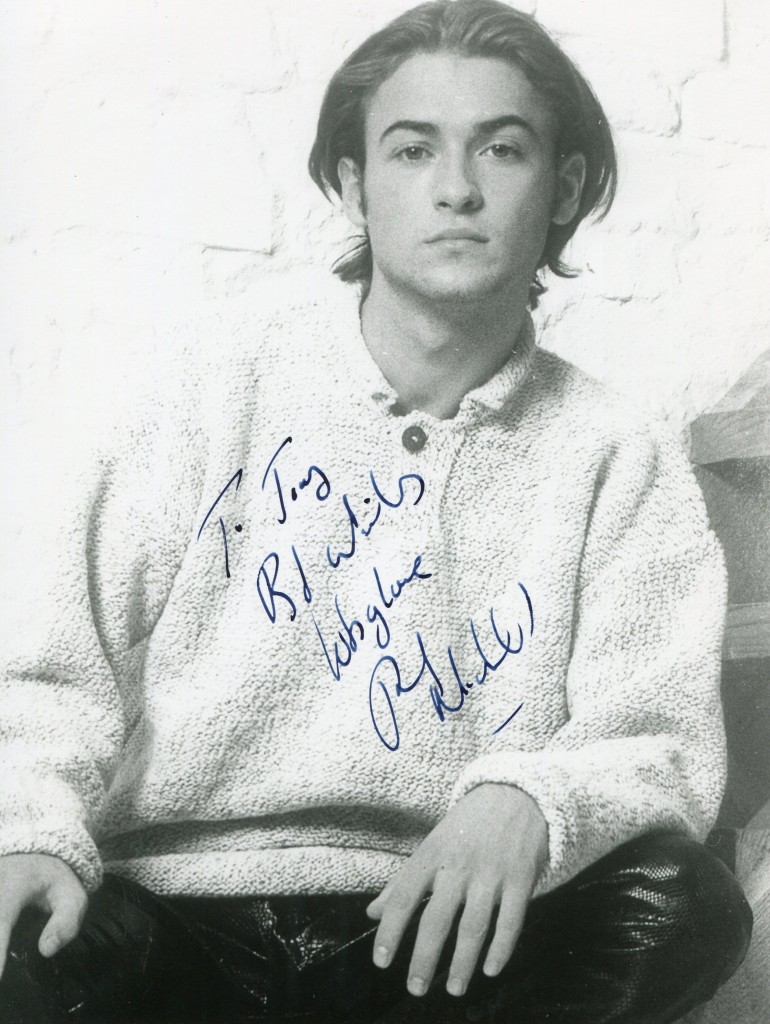
Paul Nicholls
Paul Nichols
Paul Nichols

Paul Nicholls was born in 1979 in Bolton, Lancashire.   His movies include “The Trench”, “The Clandestine Bridge.   He was  seen in “Law & Order UK up to this year.

IMDB entry:

Born to a roofer and a psychiatric nurse, Paul was born on April 12, 1979, joining his sister, Kelly who was born in 1978. Paul started acting at an early age of 10, when he joined the Oldham Theatre Workshop, but had acted before that at Church Road Primary School, Bolton and then Smithhills Dean High School. Still at the age of 10, Paul had his first television role, in “Childrens Ward” on ITV, though only saying 3 lines.

Later, he started appearing in TV shows like The Biz (1995) and became UK teenage girls’ favourite pin-up when he joined the EastEnders (1985) cast as Joe Wicks. 12 record companies have reportedly offered Paul the opportunity to record a single but they have all been turned down. Paul has publicly stated that he will never record a single, adding that his cat, Gizmo, is better at singing than him.

– IMDb Mini Biography By: Cezzie

Martin McCann
Martin McCann
Martin McCann

Martin McCann was born in 1982 in Belfast.   His movies include “Closing the Ring” in 2007 ,”Clash of the Titans”. “Killing Bono” and “Shadow Dancer”.

IFTN interview:

Belfast-born Martin McCann has worked tirelessly the last 10 years to carve a career in the film industry. With roles in Tom Hanks-narrated ‘The Pacific’, Brian Kirk’s award-winning ‘My Boy Jack’ alongside Daniel Radcliffe, and a leading role in IFTA-winning ‘Swansong: Story of Occi Byrne’, McCann is already a star in Ireland and the UK.

In what could propel him to international stardom, movie screens are getting a double dose of McCann this year, with his latest offerings ‘Shadow Dancer’, released in cinemas on August 24, and ‘Jump’ screening at the Toronto International Film Festival next month.

Ahead of both screenings McCann spoke to IFTN about why James Marsh is the “nicest man on the planet”, why wearing a shell tracksuit brought him back to his childhood, and reveals what one of the best nights of his life was.

‘Shadow Dancer’ is released in cinemas August 24. You play Brendan in the film which sees an IRA member turns MI5 informant. Would you say this is your grittiest role yet?
Grittiest, I don’t know. I didn’t have a particularly large role in ‘Shadow Dancer’, I had a small role but an important role. I just pretty much based it on a lot of people I kind of grew up with, you know Northern Irish men from Belfast, that had too much time on their hands and got roped into the wrong things at the wrong time. Through no fault of their own, I really do believe that, monkey see monkey do. I tried to basically play this young man that is not a bad person, but is someone who really is the victim of their own circumstances.

Young men think they’re doing right, this is the problem, they think that they’re doing the right thing, and the world sees it as a wrong thing, and it is a wrong thing, nobody should kill anybody in the name of anything, no man made line, no man made water should be a reason for anyone to be killed, and I truly believe that. But I do also believe that these young men are not bad people, they were just a victim of the circumstances in which they were in.

When you’re preparing for a role do you always try to find the good in the character?
Yeah, unless the character thinks that he is a bad person, you have to find reasons why the character is doing what they’re doing, what they believe in, what they want. Usually when one character is doing bad it’s because they think that that’s doing good in another end of the spectrum, so you’ve got to believe in what you’re doing. If you do that then the audience will believe in what you’re doing, even if it is a bad thing. I mean Hannibal Lecter for example, you can’t really understand why you like him, but you do. I mean he eats people! That’s an extreme example of an actor making the right choices and believing in what they’re doing. I’m not comparing myself to Anthony Hopkins whatsoever, he’s a much better actor than me!

’Shadow Dancer’ is set in 1990s Belfast, where you grew up. Was it easy for you to relate to the surroundings and the 90s clothing?
It was funny putting [the clothing] on. When I talk to people my age I always have a thing in the back of my mind where I automatically assume they’re older than me because for some reason I always feel 19 or 20, I’m 29 now. For the first time in my life when I was putting on the 90s attire in ‘Shadow Dancer’ I can remember wearing that stuff when I was a kid, and I was like ‘Oh my goodness I’m getting a little bit older here, I’m not a teenager more!”

Were there some shell tracksuits on set?
Kappa tracksuits and shell tracksuits and the bomber jackets and the jeans and that was Belfast, bomber jacket, t-shirt, jeans and a pair of black shoes maybe. We weren’t the height of fashion I can tell you that!

What was working with Oscar-winner James Marsh like?
He is literally the nicest man on the planet, and I don’t say that loosely because I’ve worked with some pretty nice people. Richard Attenborough is famous for being nice and he is super amazing nice, but James Marsh is literally the nicest man on the planet. He’s just so sweet and so gentle, so caring and appreciative of the actor’s craft and the process, and I would walk over fire to work with that man again, I really would.

Do you put that down to his vast experience working in the industry?
Well he’s predominantly a documentary maker and a well-established and Oscar-winning documentary maker, so I think he has a real sense of reality, a true sort of barometer that you see on real life situations and how people really react. He tries to make things as real as he can. He’s just a really nice person, he gives you the time and gives you the space to do that and he totally trusts you and makes you feel as an actor that you’re doing it right, which is a very important trait of a director. A director has to instil confidence, the moment that any actor gets a little inkling of self-doubt from a director it’s really damaging.

A director has to instil confidence, the moment that any actor gets a little inkling of self-doubt from a director it’s really damaging. “

When you’re working on set, do you like to work closely with the director and get feedback as you work?
I do like to work closely with the director, and some directors don’t like actors watching the scenes back on the monitor, but I do like to watch the scenes back. It never puts me off if anything, it’s nice to watch yourself back and get a gauge of what you’re doing and what direction you’re going in. It might put some actors off, but I find that generally working close with the director and watching the stuff back and maybe talking about it is beneficial for my style of acting.

You filmed ‘Shadow Dancer’ and Kieron J Walsh’s ‘Jump’ pretty much back to back. Tell me about your character in ‘Jump’.
Yeah pretty much back to back. My character’s name is Pearse Kelly and he’s just basically a young man in extraordinary circumstances. His brother went missing and he’s trying to get to the bottom of where his brother is, is his brother safe, is his brother hurt, and why is his brother missing? He kind of slowly uncovers a few things and realises it’s not a good situation, and in searching for his brother he meets this young girl whose life’s turned upside down and is contemplating suicide and it really kicks off from there, so I’d say my character’s just an ordinary young man.

Is that what attracted you to the role?
I like the fact that it was set in Derry, there’s not many films made in Derry or about Derry and the town and I just tried to bring as much as me to the character as I could. I spent nearly 29 years being me so I’m well scripted in being me, and let the circumstances and the situations just tell the story.

‘Jump’ was shot in Belfast. Do you prefer to work closer to home?
It’s got pros and cons really. As an actor it’s always nice to get away and be abroad to do a job. I was abroad last month and that was really nice but you know as an actor it sounds all glamorous, but when you’re sitting by yourself in a restaurant alone you might think, ‘well it’s really nice but you know, you’re alone’. So it’s kind of like a nomad lifestyle in many respects. When you’re working at home you can go and visit your family and you’ve people you love, and when you’re abroad you’re travelling so I suppose it’s good to have both, but both have their pros and cons.

There’s a lot of buzz surrounding ‘Jump’, it received rave reviews at the Galway Film Fleadh and has now been officially selected for the Toronto International Film Festival.

What makes it so special?
To be honest, I’ve done quite a few projects now, and any projects that I have done, a lot of them you kind of watch back and you go ‘Mmm, I wish I could have been better or that could have been funnier or I would have done this different or I would have done that different’, but the first time I watched ‘Jump’ back I really was taken aback at how good it was. It’s a really well made film and I think it’s above and beyond the standard of a lot of films in the cinema at the minute, and that’s a rare thing to say. Making a film sometimes gets lost in translation it’s not easy to make a film, and it’s certainly not easy to make a good film, and these guys have genuinely made a really brilliant film, entertaining from start to finish, it doesn’t drag, every character is well developed and it’s just a really well made film. I’d go as far to say one of the best films made in Ireland in the last few years certainly.

Looking back at some of the projects you’ve done, are there any that stick out where you feel you would have tweaked parts given the chance?
You look back at them and say ‘Mmm can that be a little better or it could have been funnier or it could have been quicker’, because obviously as an actor when you’re in a project you’ll critique yourself quite harshly. I don’t really like to watch myself back, and anything that I do I watch it once and that’s it gone, I don’t know why but that’s just the way I am as an actor. I’ve never regretted anything that I’ve done, but certainly with ‘Jump’, I couldn’t wok out ways to make it better, it was as good as it could be.

You filmed in Canada a few weeks ago, what was the project you’re working on over there?
I’m filming a television show, it’s one of my best friend’s television shows called ‘Republic of Doyle’. My friend is Alan Hawco, I did ‘Closing the Ring’ in 2006 with Alan, and Alan went on along to CDC, it’s basically Canada’s BBC, and said ‘I’m in this Richard Attenborough movie, here’s some of my scripts do you fancy working with me’ and they gave him a pilot. Five years later he’s executive producer, writes, directs, stars in his own show in his hometown beside his family. I take my hat off to anybody who would do that, he got Russell Crowe on as a guest star and the lovely Irish Sean McGinley plays his father on his show.

It’s very big in Canada, it’s on Sky on a station called Alibi, it’s basically him playing a detective and Sean McGinley plays his father; they’re a father and son duo who solve crimes in their little home town of St John. He’s wrote an episode for me called ‘From Dublin with Love’ so I went over to play his long lost cousin, there’s been a bit of trouble and he kind of helps out and they kind of rekindle their old friendship. It’s not normally the type of job that I would do, but because he’s one of my best friends, I’m looking forward to it, it’s going to be a great experience.

How are you at doing a Dublin accent?
Ah it’s alright, we’ll see. Dublin’s tough but I’ve always been confident with accents so it’ll be fine.

You’ve dipped in and out of drama and comedy, but have stuck with the comedy more so of late. Do you prefer one genre over the other?
I did comedy for ‘Whole Lotta Sole’ and I kind of started out doing comedy strangely enough in the BBC sketch show ‘Dry Your Eyes’, maybe seven or eight years ago. It’s funny, comedy’s not easy, it’s definitely not easy and I take my hat off to anybody that’s really good at it. If you’re an actor you should find the drama a little bit more natural, but sometimes it’s good to mix a little bit of comedy with the drama, it’s good to have both strings to your bow.

You’ve been recognised for both genres, and you won an IFTA Award for Best Actor in 2011 for ‘Swansong: Story of Occi Byrne’. Where do you keep your IFTA Award?
My mother keeps my IFTA Award in her living room, she keeps it on display for everyone to see, and I gave it to her because I know it’ll be safe in her hands. That was one of the best nights of my life, and I’m eternally indebted to IFTA for recognising what we did on that film and I feel really really proud that I accomplished it.

The above IFTN interview can also be accessed online here.

David Tennant
David Tennant
David Tennant

David Tennant was born in 1971 in West Lothian, Scotland.   He is best known for his performance as “Dr Who”.   He also played ‘Barty Crouch Jnr’ in “Harry Potter and the Goblet of Fire” in 2005.   His other movies include “The Decoy Bride”.

TCM overview:

To much of the world’s television viewing audience, David Tennant was the tenth and arguably most popular incarnation of England’s iconic science fiction hero “Doctor Who” (BBC One 1963-1989, 2005- ), who took audiences by storm with the venerable science fiction television series’ revival in 2005. But the Scottish actor’s c.v. also included a lengthy, award-winning string of performances in classical and modern theater as well as numerous turns in British television dramas and comedies. But it was his vigorous and frequently amusing turn as the Doctor that not only restored much of the charm and appeal of the long-running series, which had been mothballed for nearly two decades prior to 2005, but also vaulted him to international fame. Unlike many of the other actors who played the Doctor during its five decade run, Tennant was successful in finding substantive work outside of the show, including appearances in “Harry Potter and the Goblet of Fire” (2005) and such highly praised small screen efforts as “Recovery” (BBC One 2007) and “Broadchurch” (ITV 2013- ).

Born David John McDonald on April 18, 1971 in the Scottish town of Bathgate, David Tennant was the son of a Presbyterian minister, the Reverend Alexander McDonald, and Essdale Helen McLeod, whose father, Archibald McLeod, was a champion footballer for Scotland in the 1930s. His fascination for acting developed at a very early age and was inspired in part by “Doctor Who,” of which he was a devoted fan. Tennant began acting in school productions during his time in primary and secondary schools, and soon added Saturday classes at the Royal Scottish Academy of Music and Drama to his training. He was admitted to the Academy at the age of 16, the same year he made his screen debut in an anti-smoking film produced by the Glasgow Health Board. At his time, he adopted the stage name of “David Tennant,” inspired by Pet Shop Boys singer Neil Tennant, because an actor named David McDonald was already registered with the Equity union. He graduated from the Academy with a Bachelor of Arts in acting and landed his first professional role in a production of Bertolt Brecht’s “The Resistible Rise of Arturo Ui” for the agitprop 7:84 Theatre Company. Roles on television soon followed, most notably his 1993 turn as a transsexual barmaid well loved by the patrons of her pub on the comedy “Rab C. Nesbitt” (BBC Two 1988-1999, 2008- ). The following year, Tennant earned his breakthrough role as a young bipolar patient/DJ at a hospital radio station on “Takin’ Over the Asylum” (BBC Scotland 1994).

A critically acclaimed appearance in a 1995 production of Joe Orton’s “What the Butler Saw” at the Royal National Theater in London underscored Tennant’s growing reputation as a stage star on the rise, which he soon cemented by joining the Royal Shakespeare Company in 1996. By 2003, he had netted Olivier and Ian Charleson Award nominations for performances in “The Comedy of Errors” and Kenneth Lonergan’s “Lobby Hero,” which translated into regular work as a guest star on episodic television. These efforts included appearances on the revived “Randall and Hopkirk (Deceased)” (BBC One 2000-2001) and the well-praised television version of “People Like Us (BBC Two 1999-2000). In 2004 and 2005, Tennant received critical praise for his comic performances in the BBC’s adaptation of Anthony Trollope’s “He Knew He Was Right” (2004) and the musical series “Blackpool” (BBC One 2004), as well as supporting turns in more dramatic fare like the live broadcast of “The Quatermass Experiment” (BBC Four 2005) and in “Casanova” (BBC Three 2005) as the legendary lover in his younger days. The last production was written by Russell T. Davies, who cast Tennant as the tenth incarnation of the Time Lord in his revival of “Doctor Who” that same year.

Tennant replaced Christopher Eccleston as The Doctor in the second season of the new “Doctor Who” and quickly became one of the most popular actors to personify the role in the course of its five-decade history. His Doctor combined the whimsy and eccentricity of Tom Baker’s Fourth Doctor with flashes of the steely reserve seen in Jon Pertwee’s Third Doctor, but was also shot through with streaks of loneliness and romantic longing that made him positively Byronic at times. Tennant was also a devotee of the series, which imbued both his performance and his promotional appearances outside the show with an infective enthusiasm that won him numerous fans. He participated in numerous related and spin-off projects, from audio plays by Big Finish Productions to the BBC’s charity holiday specials and “The Sarah Jane Adventures” (CBBC 2007-2011), which starred former Baker companion Elisabeth Sladen reprising her turn as the intrepid Sarah Jane Smith. For his performances on “Doctor Who,” Tennant won three National Television Awards and a BAFTA Cyrmu (BAFTA in Wales), but more importantly, his performance was crucial in reviving a moribund franchise and making it relevant to modern audiences. Fans would later name him the best Doctor in the history of the series by its official house organ, Doctor Who Magazine.

While appearing as the Doctor, Tennant also remained busy with numerous other projects, most notably as the villainous Barty Crouch, Jr. in “Harry Potter and the Goblet of Fire” (2005) and a 2005 production of “Look Back in Anger.” In 2008, he won rave reviews for his performance as Shakespeare’s “Hamlet” for the Royal Shakespeare Company, which was subsequently filmed as a BBC Two production the following year; his work as a charming psychopath in “Secret Smile” (ITV 2005) and as a brain injury victim in “Recovery,” also drew critical acclaim. These, along with turns in numerous episodic television series, promotional appearances, recordings for audio books and radio plays and even television advertisements, made Tennant one of the busiest and most in-demand performers in the United Kingdom between 2005 and 2009. At the end of that four-year period, Tennant decided to part ways with the Doctor with a quartet of four special episodes, culminating in “The End of Time” (BBC One 2010), which was seen by over 10 million viewers. While his final episodes aired, Tennant filmed a pilot for an American series, “Rex is Not Your Lawyer” (NBC 2009), about a panic-stricken Chicago lawyer who coached his clients while representing themselves. Though it received considerable media attention, the pilot was not picked up for broadcast.

Tennant worked steadily in the post-Doctor years, picking up a Best Actor nomination from the Royal Television Society Programme Awards as a photographer raising five children after the death of his partner in “Single Father” (BBC One 2010) while enjoying critical praise for appearances in “United” (BBC Two 2011) and the semi-improvised “True Love” (BBC One 2012). His fame as the Doctor won him opportunities in the States, but these efforts, including a remake of the 1985 horror film “Fright Night” (2012) and an audition to play Hannibal Lecter in NBC’s “Hannibal” (2013- ), received either a lukewarm response or failed to come to fruition, save for his spirited vocal performance as Charles Darwin in the Aardman Animation film “The Pirates! Band of Misfits” (2012). The U.K. remained his most diverse showcase, as evidenced by his antagonistic police detective hunting a child murderer in “Broadchurch” and his gifted barrister in “The Escape Artist” (BBC One 2013). That same year, two different factors of Tennant’s vast fan base were thrilled to hear that 2013 would not only see the actor reprise the Doctor for “The Day of the Doctor” (BBC One, 2013), a 75-minute special celebrating the 50th anniversary of “Doctor Who” by teaming the Tenth Doctor with his successor, Eleventh Doctor Matt Smith, but also a return to the Royal Shakespeare Company in a production of “Richard II.” In 2014, Tennant made his debut on American TV by starring in “Gracepoint” (Fox 2014), a limited-run American adaptation of “Broadchurch,” which had garnered both strong ratings and solid reviews when it was broadcast on U.S. television in the summer of 2013.

The above TCM overview can also be accessed online here.

Ron Masak
Ron Masak
Ron Masak

Ron Masak was born in Chicago in 1936.   He is best known for his part as ‘Sheriff Mort Mertzger” in the late 1980’s and 1990’s.   he was Barbara Eden’s leading man in the movie “Harper Valley P.T.A.” in 1978.

IMDB entry:

Ron Masak (MAY-SACK) was born in Chicago, Illinois, the son of a salesman/musician (Floyd L.), and a mother (Mildred), who was a merchandise buyer. Ron attended Chicago City College, and studied theater at both the CCC and the Drama Guild. He made his acting debut with the Drama Guild in Chicago in Stalag 17 in 1954.

During the course of his career, he has starred in 25 feature films and guest starred in some 350 television shows. Perhaps the most beloved character, and the one for which he is most famous, is that of Sheriff Mort Metzger on the hit television series, Murder, She Wrote. Given that he has also been seen and heard in hundred of television and radio commercials (he was named, “King of Commercials” by columnist James Bacon), it is no wonder that he is often introduced as one of America’s most familiar faces.

Trained in the classics, Ron has proved to be equally at home on stage or screen with Shakespeare or slapstick. He has played everything from Stanley in Streetcar Named Desire and Sakini in Teahouse of the August Moon to Will Stockdale in No Time For Sergeants and Antony in Julius Caesar. As more proof of his versatility, in one production of Mr. Roberts, he played Ensign Pulver and in another he portrayed Mr. Roberts himself. In his hometown of Chicago, Ron was resident leading man at The Candlelight Dinner Playhouse from 1962 to 1966, never missing a single performance. As with many performers, it was the Army that provided Ron with a platform from which to display his all-around talents for performing, writing and directing. In 1960-61, Ron toured the world doing vocal impressions in the all-Army show entitled Rolling Along. Once again, he never missed a show.

Never one to be pigeonholed, Ron continued to demonstrate his incredible range of talent in such films as Ice Station Zebra, Daddy’s Gone A-Hunting, Tora! Tora! Tora!, Evel Knievel, A Time For Dying, Harper Valley PTA, Cops & Roberts and The Man From Clover Grove. It was during Clover Grove that Ron added credits as a lyric writer, as he wrote and sang the title song. He played his first big screen villain starring in No Code of Conduct. Among his many television roles, he starred as Charley Wilson in his own summer series, Love Thy Neighbor, Count Dracula on The Monkees and was submitted for an Emmy nomination for one of his ten starring roles on Police Story. He’s been seen on Magnum P.I., Webster and Columbo. His movies of the week include The Neighborhood, In the Glitter Palace, Pleasure Cove, Once An Eagle, The Law and Harry McGraw and Robert Altman’s Nightmare in Chicago.

Ron’s variety work includes emceeing hundreds of shows for, among others, Kenny Rogers, Diahann Carroll, Alabama, Billy Crystal, The Steve Garvey Classics, Tony Orlando, The Lennon Sisters, Trini Lopez, Connie Stevens, Billy Davis and Marilyn McCoo, The Michael Landon Classics and The Beau Bridges Classics.

Ron is also considered to be the most famous salesman since Willy Loman, as he starred in the four most successful sales motivational films of all time: Second Effort with Vince Lombardi, Time Management with James Whitmore, How to Control Your Time with Burgess Meredith and Ya Gotta Believe with Tommy Lasorda, which Ron wrote and directed. He is a sought after motivational speaker. He has traveled all over the country as spokesman for a major brewing company and for 15 years was the voice of the Vlasic Pickle stork. Ron played Lou Costello in commercials for Bran News, McDonald’s, and Tropicana Orange Juice.

Frequently seen on the talk and game show circuit, Ron has been a celebrity panelist on such game shows as Password, Tattletales, Crosswits, Liar’s Club, Showoffs and Match Game. He was a regular panelist on To Tell the Truth.

Ron’s private life is also one of varied interests and talents, devoting time and energy working with many charities. For eight years he was the LA host for the Jerry Lewis Telethon and recipient of MDA’s first Humanitarian of the Year Award. He has served as field announcer for the Special Olympics in support of retarded children, and was named Man of the Year by Volunteers Assisting Cancer Stricken Families. In addition, he contributes much time to work with Multiple Sclerosis, Cystic Fibrosis, Breast Cancer Awareness and hosts charity golf tournaments for among others, Childhelp USA, for whom he is a worldwide ambassador.

Relaxation for Ron includes time spent with friends on the golf course, tennis court, baseball diamond, ski slopes or at Dodger Stadium. A fine athlete, Ron was once offered a professional baseball contract with The Chicago White Sox.

Future projects include Ron starring as Mark Twain in the feature film, Mark Twain’s Greatest Adventure, which he will co-produce, and a one-man show he wrote on Twain called, At Home with Mark Twain. He created the role of Sam Belsky in the world premiere of Jay Kholo’s musical My Catskills Summer.

Ron’s favorite role remains that of husband to his lovely wife Kay, and father to their six children as well as grandfather to their nine grandchildren. They reside in Tarzana, California, where Ron has served for 35 years as, of course, its honorary sheriff.

– IMDb Mini Biography By: Tami Zaccaro

The above IMDB entry can also be accessed online here.

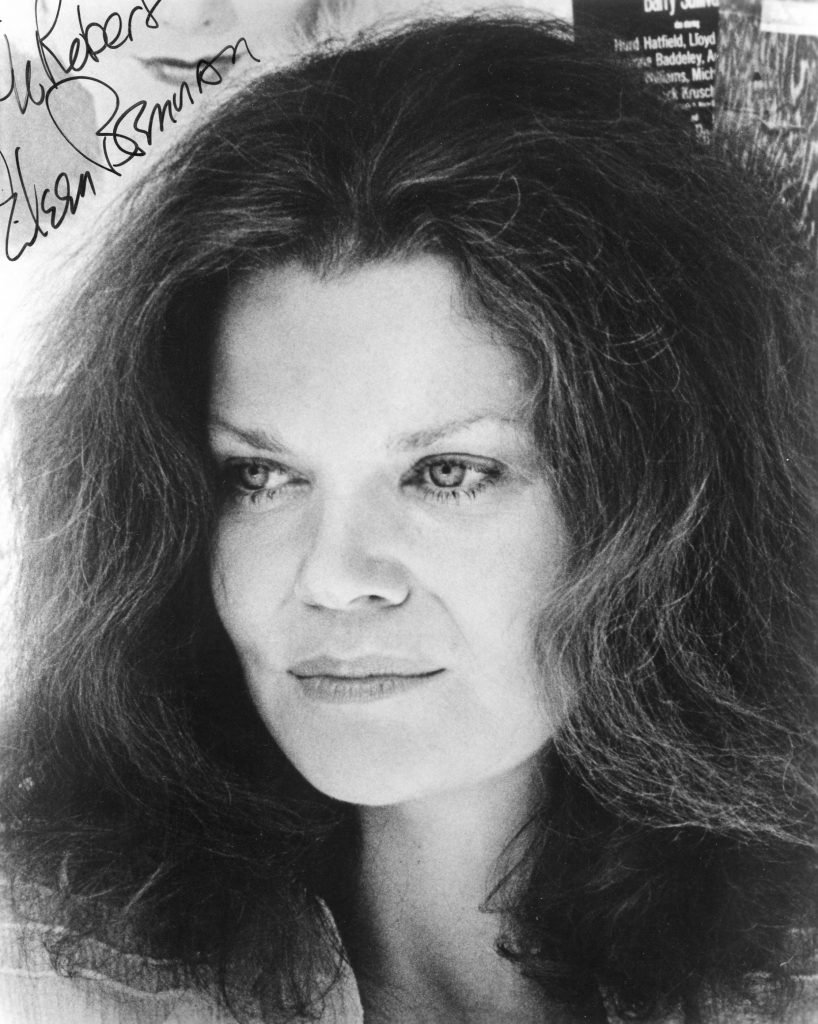
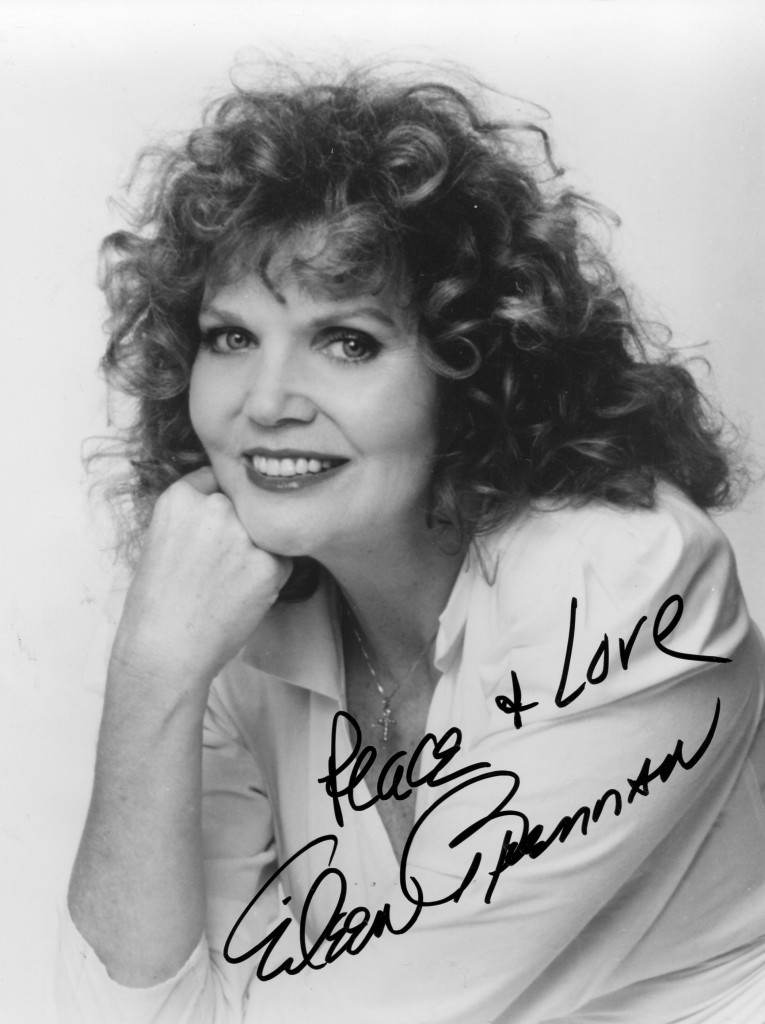
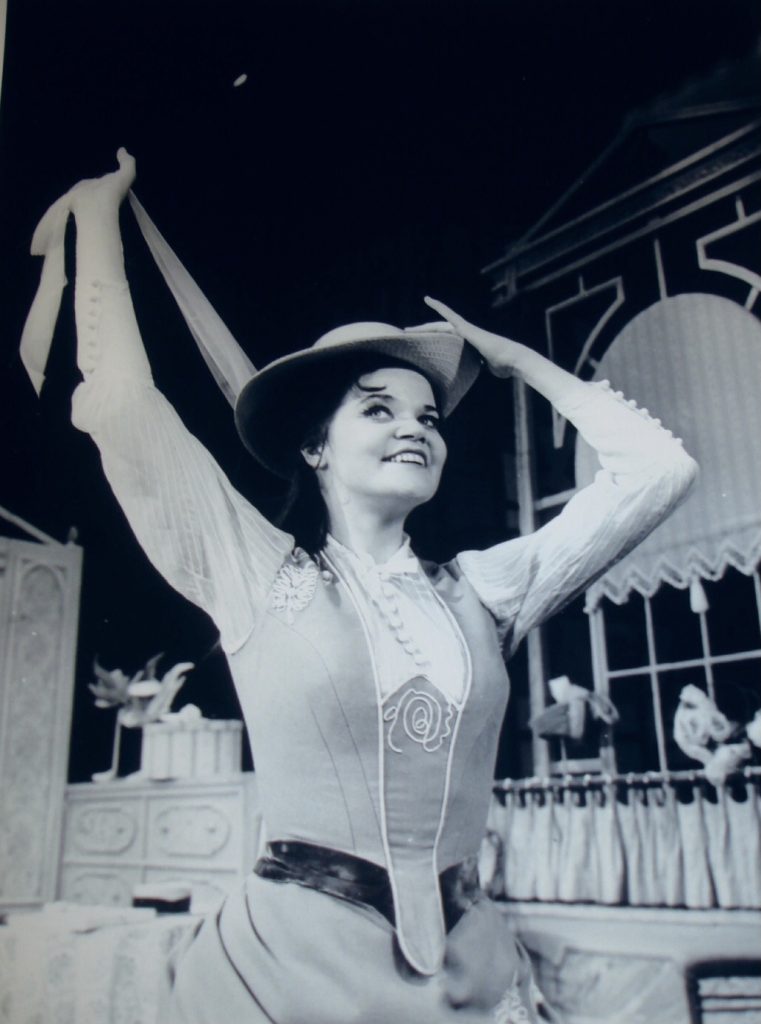
Eileen Brennan
Eileen Brennan
Eileen Brennan

Eileen Brennan obituary in “The Guardian” in 2013.

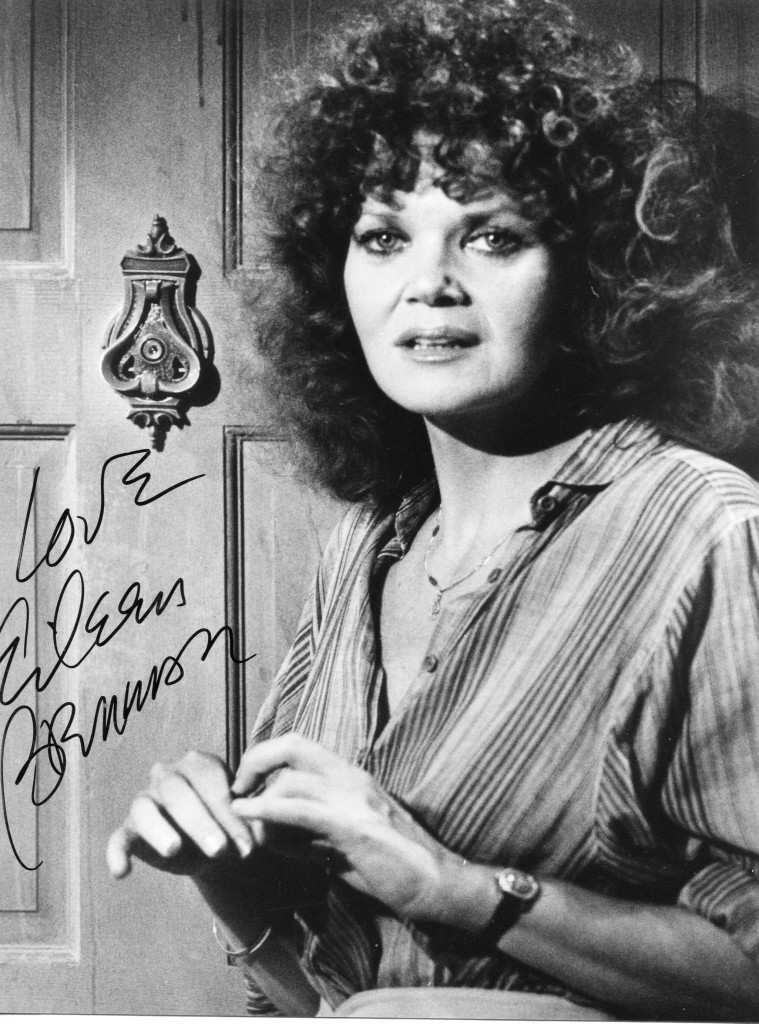
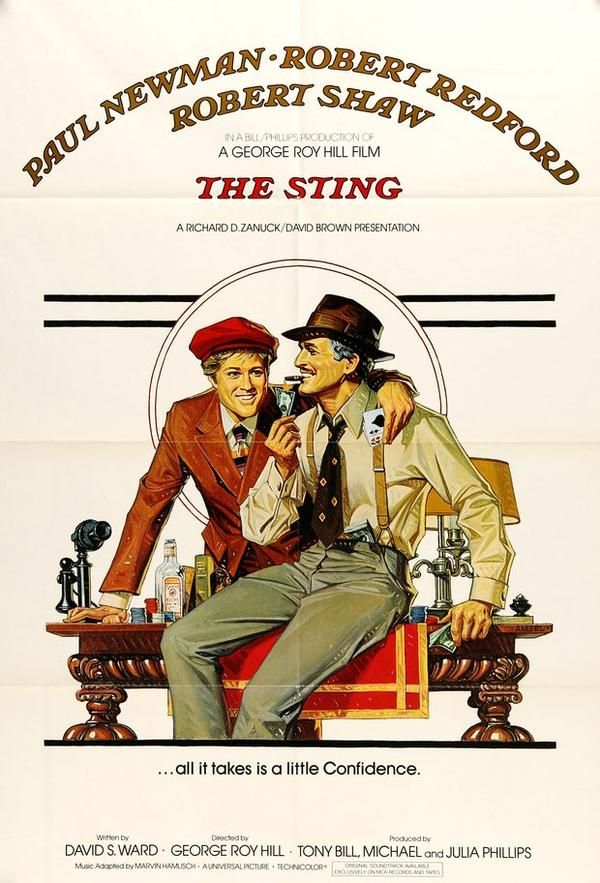
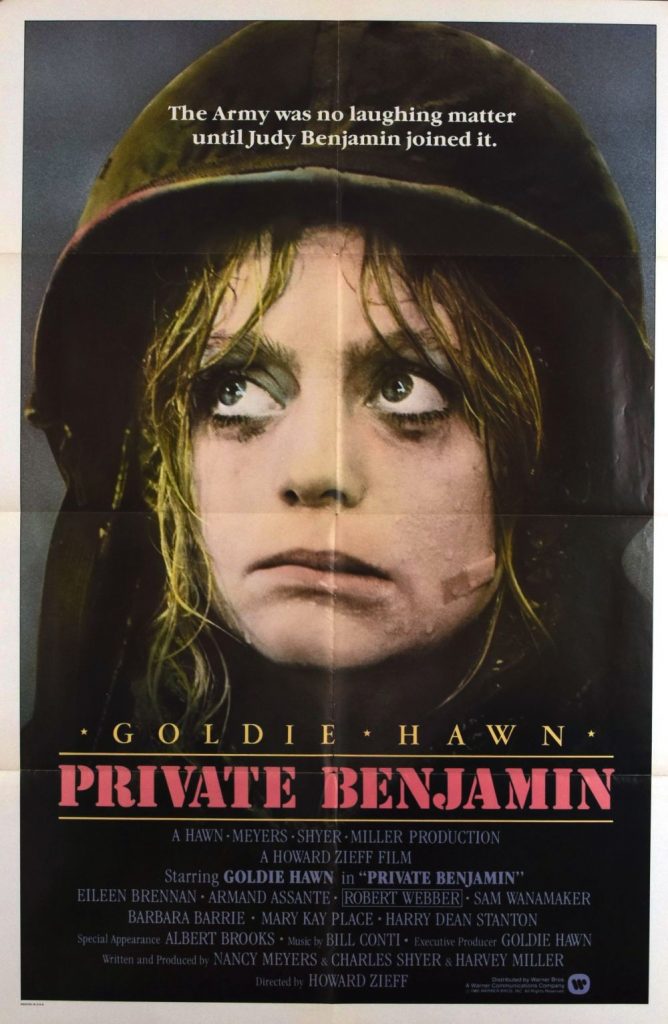
Eileen Brennan was born in 1932 in Los Angeles.   She became very popular in films and TV in the 1970’s afer her performance in “The Last Picture Show” in 1971.   In 1973 she was leading lady to Paul Newman in “The Sting” and in 1980 was nominated for an Oscar for her performance in “Private Benjamin” with Goldie Hawn.   A car accident hampered her career in the 1980’s and after a gap she resumed her career.   More recently she was seen to great effect as the acting coach ‘Zelda’ in the TV series “Will & Grace”.   Sadly Eileen Brennan died in July 2013.

Eileen Brennan’s obituary by Ryan Gibney in the Guardian:

Eileen Brennan, who has died aged 80, had been a stage actor since the late 1950s, but it was as a largely comic presence in US cinema of the 1970s and early 1980s that she was most widely admired. As the pitiless Captain Doreen Lewis, putting a dippy new recruit – Goldie Hawn – through her paces in the hit military comedy Private Benjamin (1980), she wore her trademark look: a solid frizz of red hair, a clenched, sneering smile and an expression of withering incredulity. Then there was the gravelly voice: a heard-it-all whine to match that seen-it-all face. It sounded like bourbon on the rocks. Actual rocks, that is.

Captain Lewis epitomised the sort of role Brennan was best at – and which she was still playing as late as 2001, when she made the first in a run of appearances as a scabrous acting teacher on the popular sitcomWill & Grace. “I love meanies,” she said in 1988. “You know why? Because they have no sense of humour. If we can’t laugh at ourselves and the human condition, we’re going to be mean.”

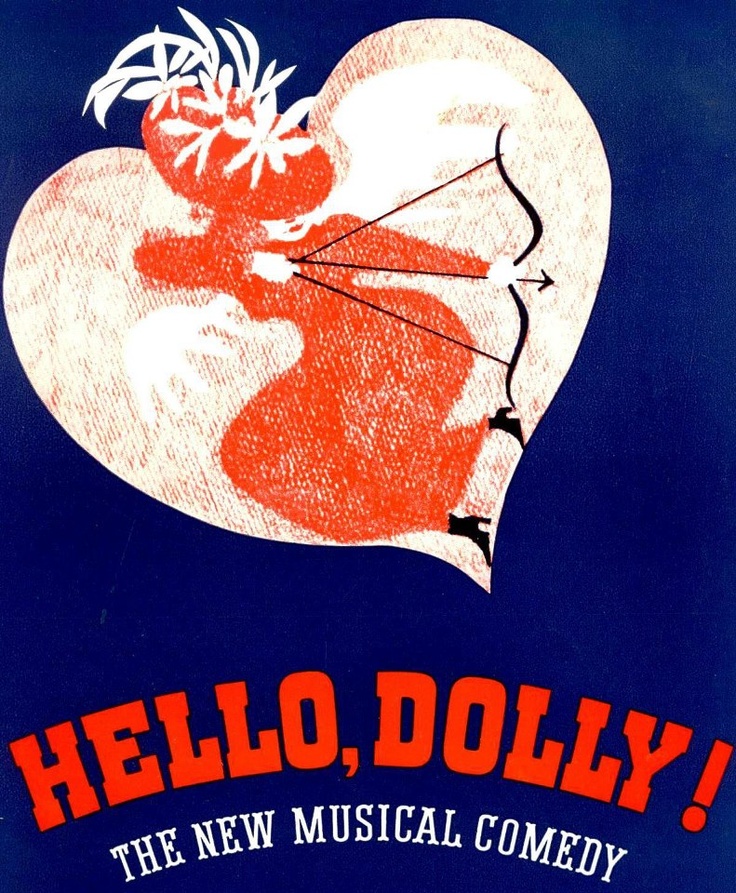
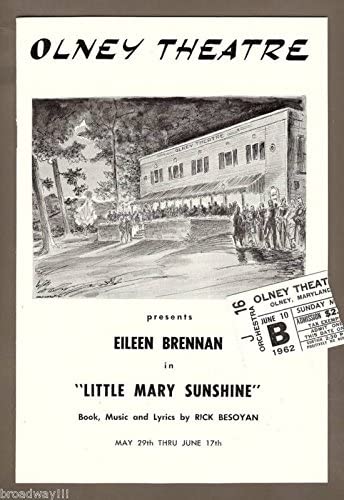
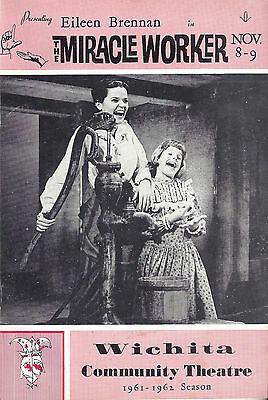
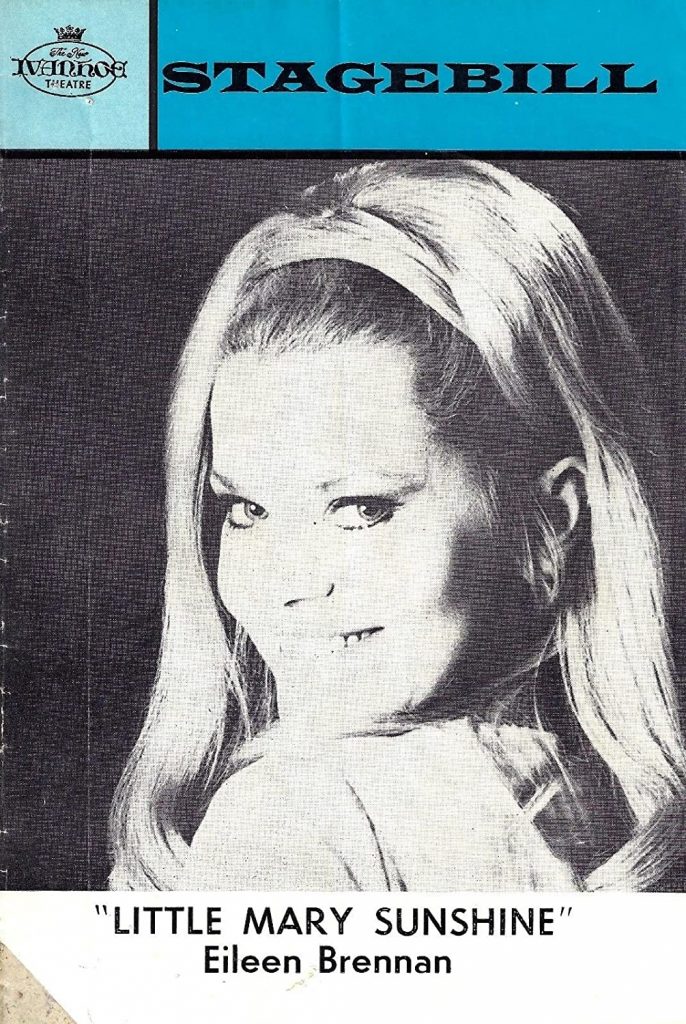
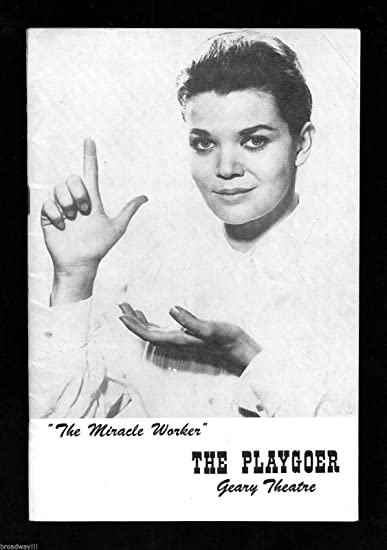
She was born Verla Eileen Regina Brennan and raised in Los Angeles, daughter of Regina Menehan, a former silent film actor, and John Brennan, a doctor. She attended Georgetown University in Washington DC, where she excelled at comedy in the Mask and Bauble dramatic society, and later the American Academy of Dramatic Arts in New York City. She was briefly a singing waitress, but theatrical success was not long in coming. She won the title role in the off-Broadway parody Little Mary Sunshine in 1959, for which she was named a Theatre World Promising New Personality. She toured in The Miracle Worker, played Anna in The King and I and co-starred in the original 1964 Broadway production of Hello, Dolly!

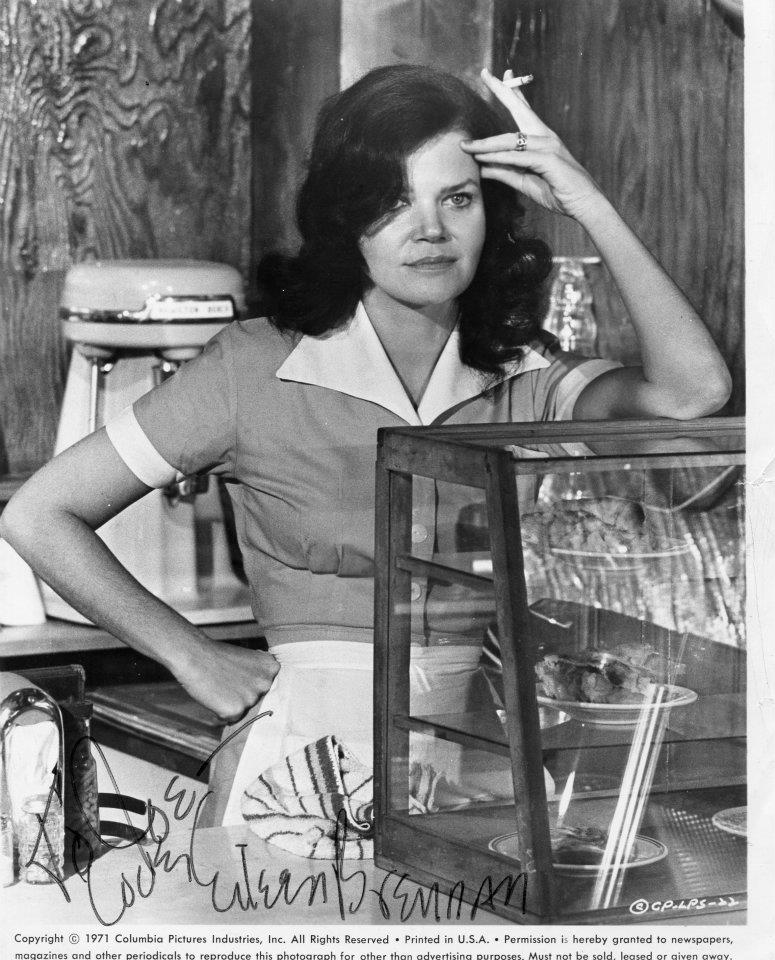
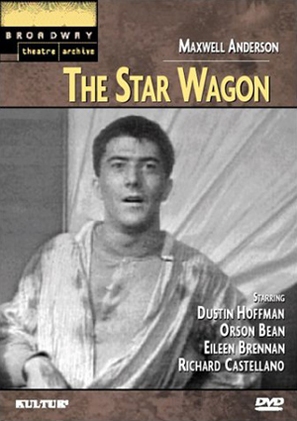
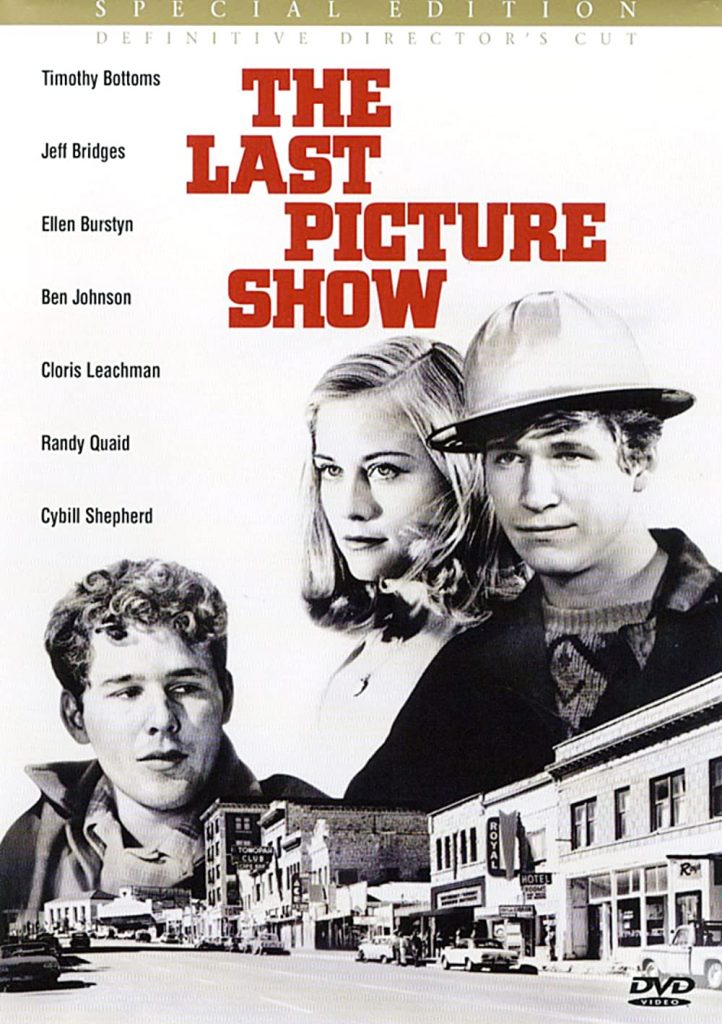
Brennan branched out into television with an adaptation of Maxwell Anderson’s play The Star Wagon (1966), in which she appeared with Dustin Hoffman, and as part of the original cast of the zany sketch showRowan and Martin’s Laugh-In (alongside her future Private Benjamin co-star, Hawn). She made her film debut in 1967 in the comedy Divorce American Style and was chosen by the up-and-coming director Peter Bogdanovich to play a kindly but bored waitress in his masterful 1971 drama The Last Picture Show.

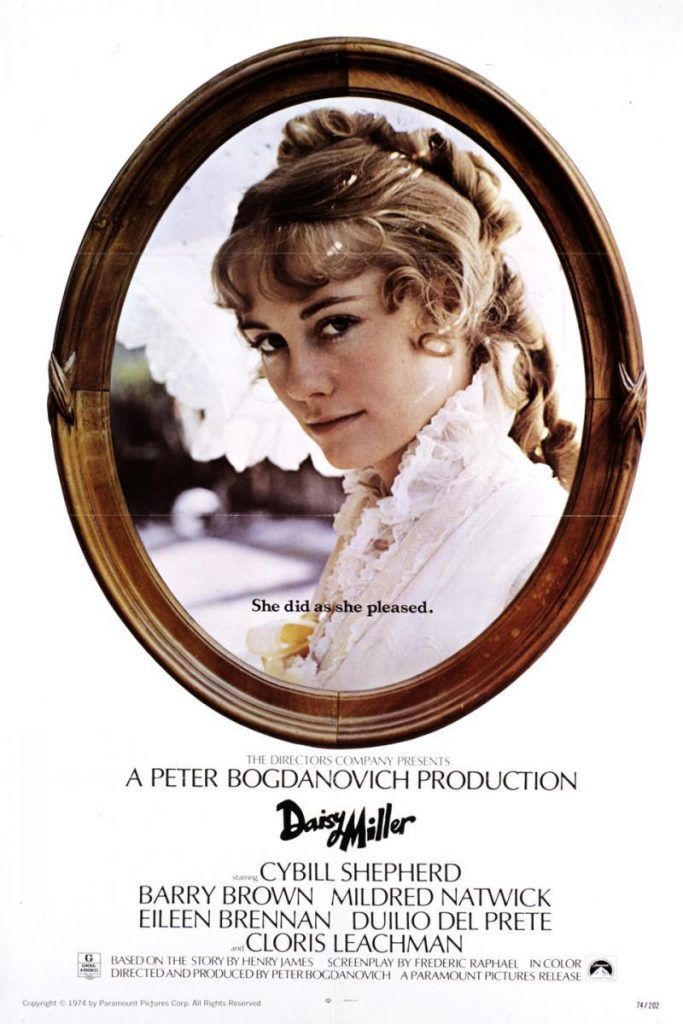
Bogdanovich also cast Brennan as a society matron in his Henry James adaptation Daisy Miller (1974) and as a singing maid in the reviled musical At Long Last Love (1975). She played the brassy madam of a brothel in the multiple Oscar-winning con-man comedy The Sting (1973). And she was one of a clutch of female character actors who brought unusual shading to Jerry Schatzberg’s Scarecrow (also 1973), which won the Palme d’Or at the Cannes film festival.

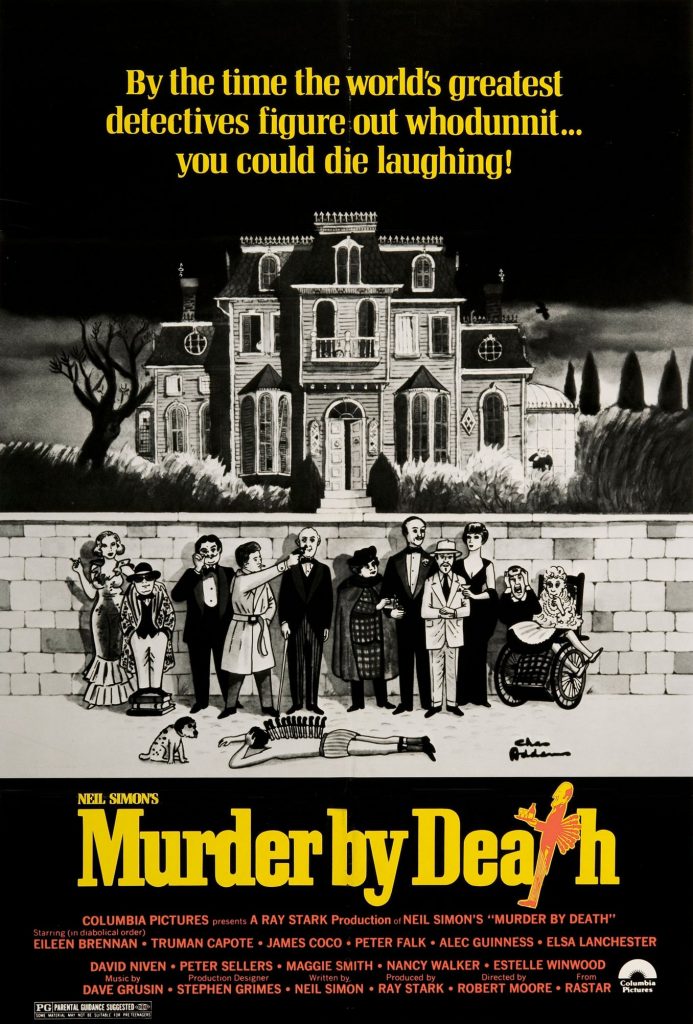
Later in the 1970s, she gravitated toward comedy, including two films written by the playwright Neil Simon: the nutty whodunit spoof Murder By Death (1976) and the Bogart homage The Cheap Detective (1978). It was Private Benjamin, though, which gave her a career-defining role, as well as an Oscar nomination for best supporting actress. Hawn’s comic fizz as the pampered Judy Benjamin was often delightful, and the film was a precision-tooled vehicle for her charms. But the key to that picture’s success was the rain that Brennan dumped on Hawn’s parade. When Private Benjamin was turned into a television sitcom, Brennan went with it, serving the same function opposite Hawn’s replacement, Lorna Patterson. Brennan’s sourness was the spoonful of medicine that helped the sugar go down. She was rewarded with two Emmy nominations and one award. (She received a further four Emmy nominations, for her work in Taxi, Newhart, Will & Grace and thirtysomething.)

Brennan left the Private Benjamin TV series prematurely in 1982, following an accident in Venice Beach, California, in which she was hit by a car. Her injuries included broken legs and a fragmented jaw; all the bones on the left side of her face were also broken. During her slow recovery, Brennan became addicted to painkillers. She returned to acting in 1984 in the sitcom Off the Rack but the show was cancelled after only six episodes and Brennan was admitted to the Betty Ford Centre for rehabilitation. “I had reached the stage where I was taking anything I could get my hands on,” she told People magazine. Poor health and injury became a recurring problem. While playing another comic tyrant – Miss Hannigan, in Annie – she fell from the stage and broke her leg. She also underwent treatment for breast cancer. Still Brennan continued to act, predominantly in television but with notable returns to theatre (the 1998 New York production of Martin McDonagh’s The Cripple of Inishmaan) and to cinema.

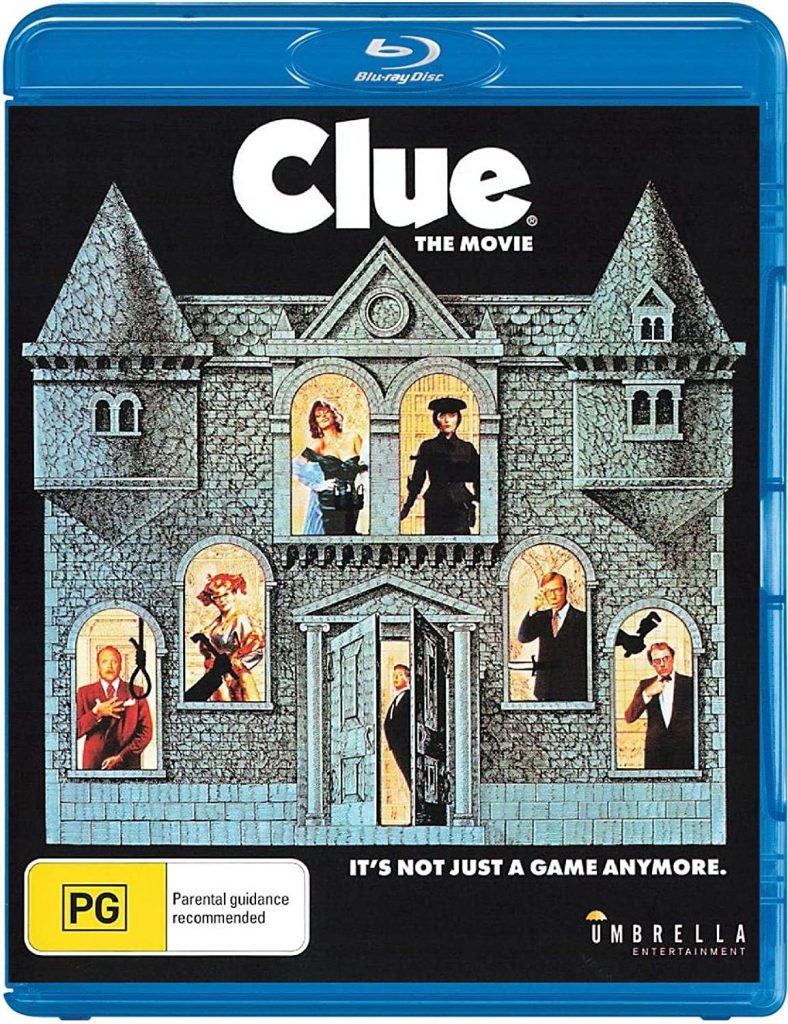
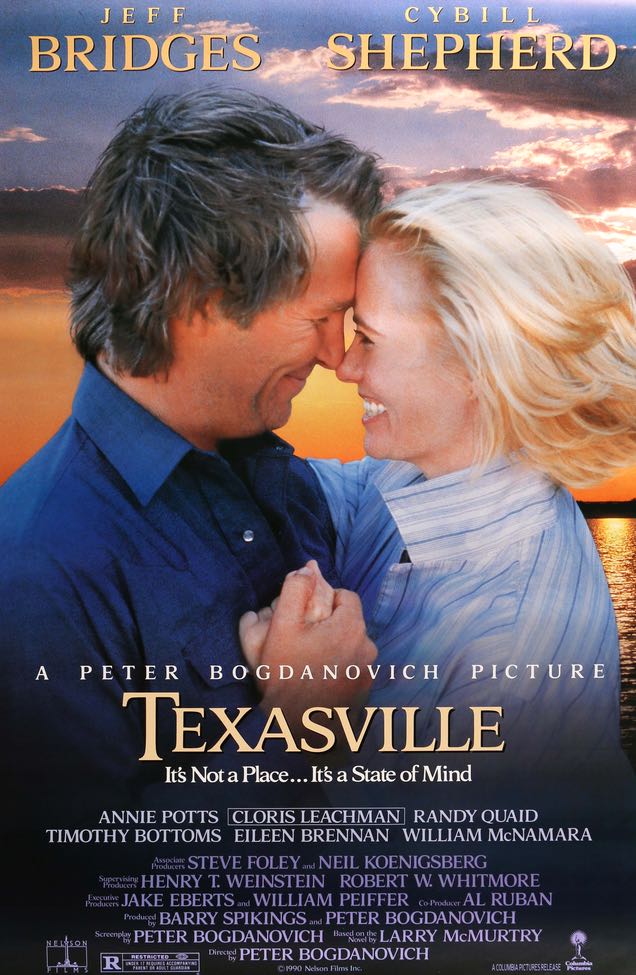
She was in the underrated ensemble comedy Clue (1985); she reprised her Last Picture Show role in the film’s 1990 sequel, Texasville; and she starred in the drama White Palace (also 1990) as the fortune-telling sister of Susan Sarandon (with whom she had enjoyed theatrical success in 1980 in the two-woman play A Coupla White Chicks Sitting Around Talking). Later roles included the Francis Ford Coppola-produced horror Jeepers Creepers (2001) and the Sandra Bullock comedy sequel Miss Congeniality 2: Armed and Fabulous (2005).

Brennan is survived by two sons, Patrick and Sam, from her marriage to David Lampson, which ended in 1974.

• Verla Eileen Regina Brennan, actor, born 3 September 1932; died 28 July 2013

For The Guardian obituary, please click here.

– IMDb Mini Biography By: Gary Brumburgh / gr-home@pacbell.net

Los Angeles Times - appreciation of eileen brennan

It is the face of Eileen Brennan that will stay with me as much as any one of the performances the quintessential character actress packed into her very long career.

Not a classic beauty, her face was arresting for its very distinct abilities. The eyes alone were scene-stealers, so often carrying the weight of the world. Whether they were being called on to condemn or forgive, Brennan somehow left you feeling that she was handling the petty frustrations of life for the rest of us.

Her voice is what got her a start in the business — singing on stage — though what lingers is the sound of a gravelly alto that seemed stained by whiskey and cigarettes whether she smoked or drank a day in her life. You knew she could say “Hey, sailor,” and make it stick

The voice fit the generous features set off by a tangle of rich auburn hair. And the actress seemed destined for roles that were long on irritation and irony. You could feel it in so many scenes, in so many characters — it was as if she couldn’t quite believe what she was being asked to deal with at that particular moment.

One of those particular moments was as Genevieve, a bone-tired waitress in a rundown West Texas café, who finds a table of obnoxious teenagers on her hands in Peter Bogdanovich’s 1971 classic “The Last Picture Show.”


Though she had more than a few choice words over the years that she saturated with knowing sarcasm, Brennan could say more with her lips than most could with a dozen lines. The smile was always slightly off-center, it never came at you straight on or full out. And the sneer….

In the 1980 comedy “Private Benjamin,” she used it full throttle. I swear it lifted Goldie Hawn’s new recruit a few feet off the ground. After that, Brennan’s character, Capt. Doreen Lewis, needn’t have bothered to dress the private down, though she did, and with flair. The supporting role would earn Brennan her only Oscar nomination

Often the confidant, Brennan was a good listener on screen. Those roles allowed her to show exactly what she could do with that malleable face. Opposite Paul Newman’s con artist in “The Sting,” she always seemed one step ahead of any joke, and one behind any surprise. Moments of realization always striking with such eyes-wide clarity, the “ahhh, I get it” signaled by the nod of her head, would become something of a signature over the years.

Characters with fuses that were already lit seemed to gravitate Brennan’s way. Sometimes it burned long, sometimes short, but you were always braced for the actress to rock things at least a little. Not one to fade into the background, any project she worked on felt Brennan’s presence.

In later years, she spent most of her time on television in comedies like “Taxi,” “Will & Grace” and “Newhart.” She kept turning up like a bad penny on the family drama series “7th Heaven” as a long-time church member. Gladys Bink tended to provide a “teaching moment” for Rev. Camden to use in counseling his flock or his brood. She made sneaking a smoke despite an oxygen tank more fun than it should have been

One of Brennan’s great appeals was the way her characters seemed to embody the realities of working-class stiffs. It was in the slump of her shoulders, a random sigh, the way she could stand as if her feet hurt but making clear she would carry on just the same.

Carry on she did, working as much as Hollywood would let her nearly to the end. Her last credit was as Gram Malone in a film called “Naked Run” in 2011. The movie is not one I saw, but from the looks of it, the comedy was about as bare as its title — but cheeky, like Brennan, which somehow seems right

Mel Gibson
Mel Gibson
Mel Gibson

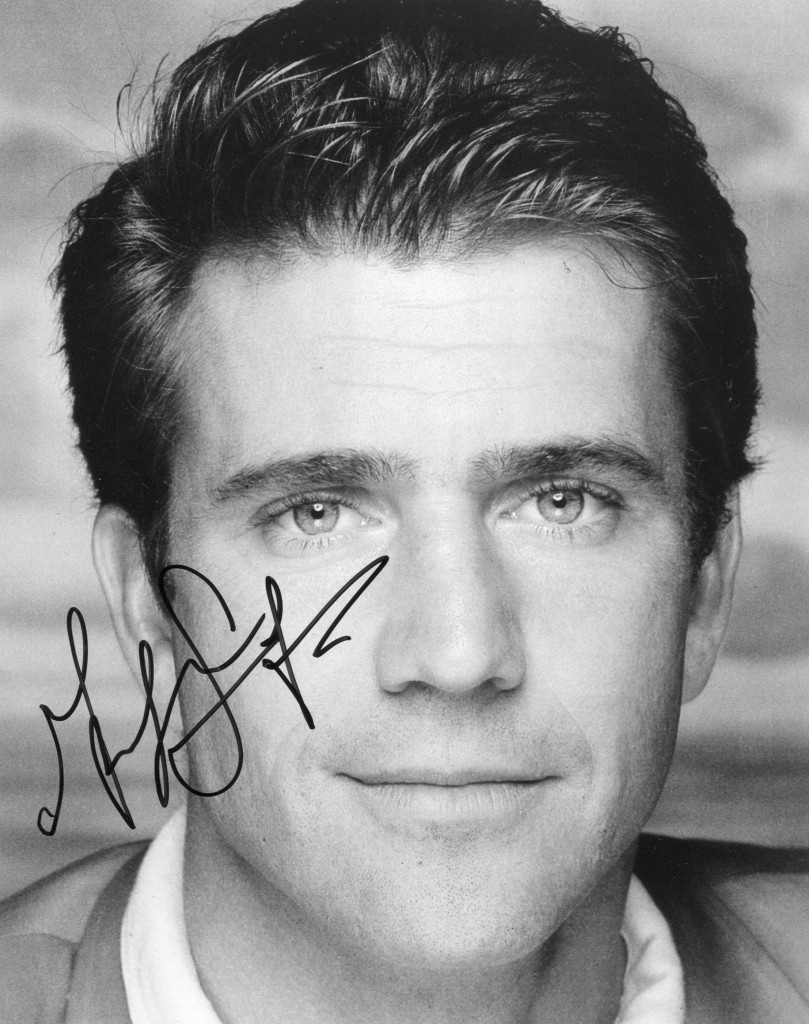
Mel Gibson was born in New York in 1956 but moved with his family to Australia in 1968.   He made his movie debut in 1979 in “Tim”.   The “Mad Max” movies brought him to the attention of Hollywood and he has been a major star/producer/director sine the 1980’s.   His movies include “Braveheart” and “What Women Want”.   My favourite movie of his is “The Yearof Living Dangerously”.   What is your’s ?

Extract from TCM Overview:

A gifted and rather complicated performer who became one of the biggest stars in the world, only to be ostracized for racist comments and anger issues, actor-director Mel Gibson rode the wave of his 20-plus years of popularity to become one of the industry’s most bankable stars. After finding fame in Australia with only his second film, “Mad Max” (1979), Gibson vaulted onto the international scene with the superior sequel, “The Road Warrior” (1981). Following an excellent performance in “The Year of Living Dangerously” (1982), Gibson staked his claim in Hollywood by starring in “Lethal Weapon” (1987), a highly successful buddy comedy by which all others would be measured. Gibson actively sought to usurp his action hero image with a wider range of roles, including playing the titular “Hamlet” (1990) and a reclusive burn victim in “The Man without a Face” (1993). He transformed himself from action star to Oscar-winning director with the historical epic “Braveheart” .

Born on Jan. 3, 1956 in Peekskill, NY, Gibson was raised by his father, Hutton, a railroad brakeman who was a leading figure in the ultra-conservative Catholic splinter group, The Alliance for Catholic Traditions, and his mother, Ann. After falling from a train and injuring his back, Gibson’s father won a workman’s compensation suit against New York Central Railroad in 1968 and moved the family to Sydney, Australia soon after. During his high school years, Gibson attended St. Leo’s Catholic College, an all-boys school founded by the Congregation of Christian Brothers. He turned to acting around this time and began studying the craft at the National Institute of Dramatic Art alongside future star Judy Davis, with whom he made his stage debut in a 1976 production of “Romeo and Juliet.” Also while attending NIDA, he tackled the role of Queen Titania in an experimental version of Shakespeare’s “A Midsummer Night’s Dream.” He soon made his feature debut in “Summer City” (1977), a teen drama about a group of students who leave Sydney for a weekend of surfing, only to find their fun derailed when they become involved in a murder.

Almost from the start, Gibson had the makings of a star, which he put on full display in only his second feature film, “Mad Max” (1979), a post-apocalyptic Western set in the Australian Outback that, while unpolished in parts, featured several stunning action sequences. Gibson played Max Rockatansky, a futuristic policeman who wants to retire and spend time with his family, only to find his world upended when a marauding gang of bikers kill his wife and son. Hell-bent on revenge, Max sets off in a supercharged V8 Interceptor in search of blood. Though initially panned by some critics, “Mad Max” became an international hit, earning over $100 million at the box office. Most importantly, however, the film turned Gibson into an overnight star. Following an about-face performance in the romantic drama, “Tim” (1979), he had an uncredited appearance as a bearded mechanic in the Mad Max-like thriller, “The Chain Reaction” (1980). He returned to starring duties with his next film, “Gallipoli” (1981), a war drama centered on the ill-fated Battle of Gallipoli in Turkey during World War I. The film marked the first of two highly regarded collaborations with fellow Australian, director Peter Weir.

Following up the success of “Mad Max,” Gibson reunited with director George Miller for the superior sequel, “Mad Max 2” (1981), known as “The Road Warrior” to American audiences. The heart-pounding action thriller was set several years past the events of the first, where the post-apocalyptic world has fallen into utter chaos as rival gangs battle each other for the rapidly dwindling supplies of gasoline. When he is brought to a fortified encampment surrounding an oil refinery, the nomad Max has every intention of taking as much gasoline as he can carry. But he finds himself with the plight of the well-intentioned inhabitants of the refinery, led by the sympathetic Pappagallo (Mike Preston), which puts Max into a position of leading a mad dash toward the coast through a violent gang of bikers. Stunning in every way, “The Road Warrior” surpassed its predecessor in terms of action, production values, and kinetic stunt sequences that featured several breakneck car chases. Though already a star Down Under, Gibson finally became a known commodity to international audiences, which resulted in the beginnings of a highly successful Hollywood career that would come with its share of trials and tribulations.

Sticking with his adopted home for his next film, Gibson starred in “The Year of Living Dangerously” (1982), an acclaimed political drama directed by Weir that starred the actor as a wire service reporter covering the 1965 coup of President Sukarno of Indonesia. While there, he pursues a romance with a British attaché (Sigourney Weaver) while being held in check by photographer Billy Kwan (played by Oscar winner Linda Hunt). While the lion’s share of accolades went to Weir and Hunt, Gibson received his fair share for his passionate performance. After a starring turn in the little-regarded World War II actioner “Attack Force Z” (1982), Gibson made his entry into American filmmaking with three films – “Mrs. Soffel” (1984), “The Bounty” (1984) and “The River” (1984) – that failed to capitalize on the star-making performances on display in “The Road Warrior” and “The Year of Living Dangerously.” He returned to Australia to finish out the “Mad Max” series with “Mad Max Beyond Thunderdome” (1985), a cumbersome satire with a bigger budget, less action and a campy Tina Turner as the chain-mailed leader of a desolate frontier city. Though glossier than the previous two films and featuring Turner’s hit song “We Don’t Need Another Hero,” “Thunderdome” failed to match its predecessor’s visceral energy.

Taking time off to concentrate on family, Gibson starring in perhaps his biggest hit, “Lethal Weapon” (1987), in which he played his most popular character, Detective Martin Riggs, an explosive and suicidal homicide cop paired with the aging and long-suffering Detective Roger Murtaugh (Danny Glover). Perhaps one of the most successful buddy cop movies of all time, “Lethal Weapon” became a huge box office hit and spawned numerous imitators over the years, as well as three sequels of diminishing quality. It also propelled Gibson into the elite status of Hollywood superstar, as his offbeat and often humorous portrayal of a cop on the edge helped reshape the modern action hero. Sandwiched between the meandering crime drama “Tequila Sunrise” (1988) and the disappointing action comedy “Bird on a Wire” (1990) was the blockbuster sequel, “Lethal Weapon 2” (1989), which again showcased uncanny chemistry between Gibson and Glover while raking in box office dollars to become another runaway hit. Gibson’s patented swagger failed to save the dismal action-comedy “Air America” (1990), in which he co-starred with Robert Downey, Jr. as a pilot flying contraband to Laos during the Vietnam War.

In a surprising career move, an aging Gibson decided to play the titular role in an abridged, but otherwise faithful adaptation of Shakespeare’s “Hamlet” (1990), which also starred Glenn Close as Queen Gertrude, Alan Bates as King Claudius and Helena Bonham Carter as the doomed Ophelia. While the film was problematic, particularly due to director Franco Zeffirelli’s committing the cardinal sin of blending scenes together, Gibson offered a ranged and finely rendered portrait of the Melancholy Dane. The film also marked the first project produced by his newly minted company, Icon Productions. Gibson continued in a more sentimental vein with the sudsy romantic fantasy “Forever Young” (1992), before scoring another huge hit with the mediocre “Lethal Weapon 3” (1993), which again highlighted a cloying Joe Pesci as the fast-talking Leo Getz from the first sequel. Meanwhile, Gibson made his directorial debut with “The Man Without a Face” (1993), a touching drama in which he hid his good looks behind the heavy makeup of a reclusive burn victim who mentors a troubled adolescent boy (Nick Stahl) determined to pass the entrance exam to an exclusive military academy. Both conventional and occasionally pedestrian, the understated film failed to foretell what was to come from the new director.

Gibson returned to his rowdy commercial ways with “Maverick” (1994), a remake of the Western-comedy television series from the 1960s, which turned the great onscreen chemistry between himself and co-stars James Garner and Jodie Foster into more box office success. He vaulted his career to far reaching new heights when he returned to the director’s chair for “Braveheart” (1995), a project far bigger than any with which he had been previously involved in any capacity. Gibson starred as the real-life Sir William Wallace, a 13th-century Scottish nobleman who led a ragtag band of fellow Scots to fight for their freedom from the tyranny of British rule. Featuring both exceedingly violent and bloody battles scenes, and moments of touching sentiment, “Braveheart” was a return for Hollywood to epic filmmaking. “Braveheart” earned a healthy chunk of international box office while renewing interest in Scottish history.. Most importantly, however, Gibson’s second film as director earned 10 Academy Award nominations and won five, including statues for Best Picture and Best Director.

Later that same year, Gibson made his first entry into feature animation, providing the voice for John Smith in Disney’s “Pocahontas” (1995). He continued to earn top box office dollars with his next few films, which included playing a vengeance-minded father trying to rescue his kidnapped son (Brawley Nolte) in Ron Howard’s “Ransom” (1996) and a New York City cab driver whose belief in U.N. black helicopters and the New World order leads to an all-too-real run-in with the CIA in Richard Donner’s “Conspiracy Theory” (1997). The latter thriller marked his fifth overall collaboration with Donner, which proved to be a surprising commercial dud compared to their previous work, especially with Julia Roberts starring opposite Gibson. The actor-director pair rebounded with “Lethal Weapon 4” (1998), the fourth installment to the creatively flagging franchise that nonetheless reaffirmed the bankability of the Riggs-Murtaugh team in terms of box office haul. Joining forces with “Conspiracy Theory” scribe Brian Helgeland for his directing debut, Gibson starred in a loose reworking of Donald Westlake’s “Payback” (1999), playing a vengeful thief looking to repay his partners for double-crossing him during a heist. Despite possessing the makings of a potentially compelling thriller, “Payback” failed to capitalize on Gibson’s dark turn into anti-hero territory.

Always looking to take on a fresh perspective with his onscreen persona, Gibson starred in “What Women Want” (2000), a romantic comedy in which he portrayed an über-alpha male and advertising executive who learns to overcome his chauvinism by falling for a rival executive (Helen Hunt). Though not a particularly inspiring film, “What Women Want” was a huge hit at the box office, taking in almost $200 million domestically. While his star power failed to make Wim Wenders’ “The Million Dollar Hotel” (2000) a mainstream success, Gibson was compelling as a strange FBI agent sporting a neck brace who investigates the apparent suicide of the son of a U.S. Senator (Tim Roth) at a seedy Los Angeles hotel. Gibson next joined tent pole specialists Dean Devlin and Roland Emmerich for the Revolutionary War drama, “The Patriot” (2000). Essentially a Western with some “Braveheart” touches, “The Patriot” cast him as a retired soldier still spooked by his memories of the French and Indian War, who clings fast to his pacifism until his son (Heath Ledger) falls into enemy hands, triggering his course of revenge.

After voicing Rocky the Rooster in the animated “Chicken Run” (2000), a feathered reimagining of “The Great Escape” (1963), Gibson appeared in the poorly-received, flag-waving war drama, “We Were Soldiers” (2002). He followed with a turn as a country farmer and reverend who, along with his family (Joaquin Ph nix, Rory Culkin and Abigail Breslin), fend off alien invaders in M. Night Shyamalan’s impossible to swallow, but ultimately successful “Signs” (2002). The actor was almost unrecognizable behind a wig of thinning hair and bulbous prosthetics in the film adaptation of Dennis Potter’s acclaimed BBC television serial, “The Singing Detective” (2003). While the film failed to burn up the box office, Gibson, who also produced the film, earned personal kudos for employing old “Air America” co-star Robert Downey, Jr., to play the lead, despite the troubled actor’s many difficulties with drug arrests at that time. Meanwhile, “The Singing Detective” marked the beginning of a long acting hiatus for Gibson, who felt at the time that he was becoming burned out on his image. He also ran into his own public legal trouble that almost spelled a certain end to his career, though he wound up weathering the storm. In the meantime, Gibson embarked on two directing projects that delivered their own share of criticism.

Gibson ignited a wildfire of public controversy with his third directorial effort “The Passion of the Christ” (2004), a hard-hitting, highly bloody depiction of the Gospels in which Gibson – a hardcore Catholic who was inspired to make the film after struggling with his own personal demons – wanted to illustrate the severe suffering and selfless sacrifice of Jesus Christ (Jim Caviezel). Studios were reluctant to back the project, not only for its explicit religious views, but because Gibson wanted to film the movie in the original Aramaic spoken at the time of Christ.

Meanwhile, critics were polarized by the film, with many citing the violence and gore as excessive, while others praised Gibson’s unflinching portrayal. With interest in the controversial film at a fever pitch when it opened, “The Passion of the Christ” debuted to box office blockbuster-sized grosses, thanks to the legions of true believers who boarded church buses and flocked to theaters in droves. “The Passion of the Christ” became a runaway sensation and perhaps the most profitable independent film of all time, taking in over $370 million in domestic box office and putting the director into the enviable position being able to make anything he wanted for his next project. Some hoped that he would return to “Braveheart” territory, but Gibson instead chose to direct “Apocalypto” (2006), a sprawling and rather bizarre-looking film set in the ancient Maya civilization that focused on a young man’s perilous journey into a world ruled by fear and oppression, where a harrowing end awaits him. Details about the story remained under tight wraps, though it became known that Gibson shot the entire film in the obscure Mayan language, again risking the alienation of American theaterg rs impatient with reading subtitles. Gibson also shot the film with unknown actors, adding further complications to an already tricky release for Disney.

Then after a seven-year absence, Gibson finally returned to acting with a leading role in the film adaptation of the BBC miniseries, “Edge of Darkness,” in which he played a Boston homicide detective trying to uncover the truth behind his daughter’s murder, leading to a government cover-up spearheaded by a shadowy operative (Ray Winstone).