
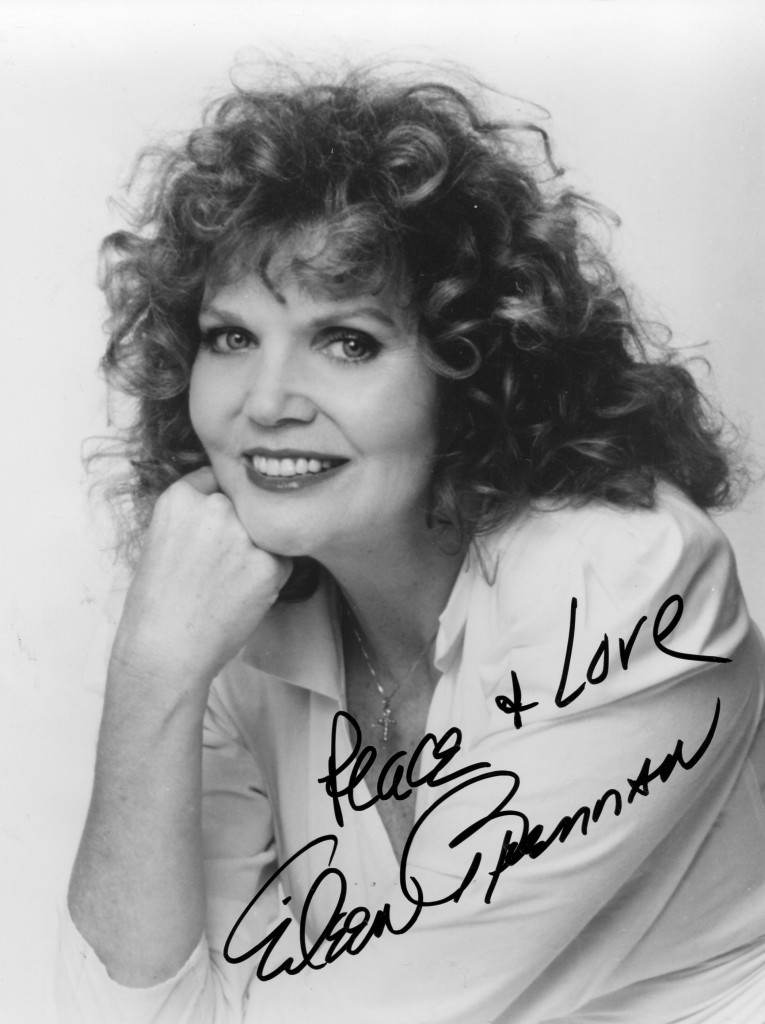
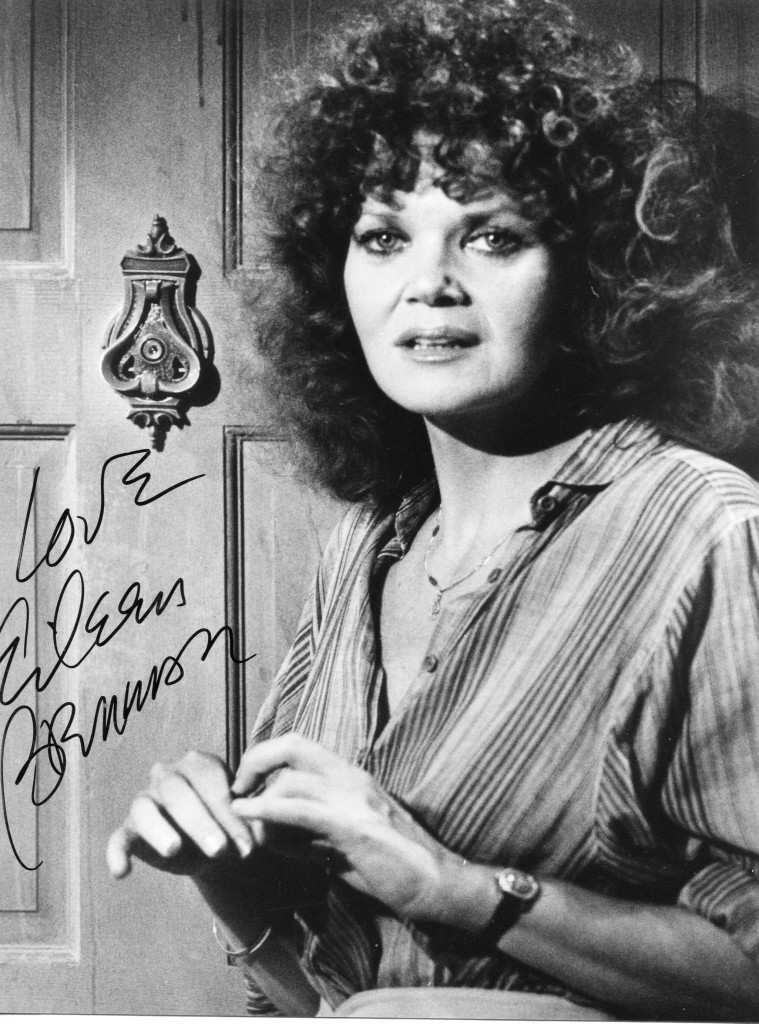
Eileen Brennan

Eileen Brennan
Eileen Brennan

Eileen Brennan obituary in “The Guardian” in 2013.

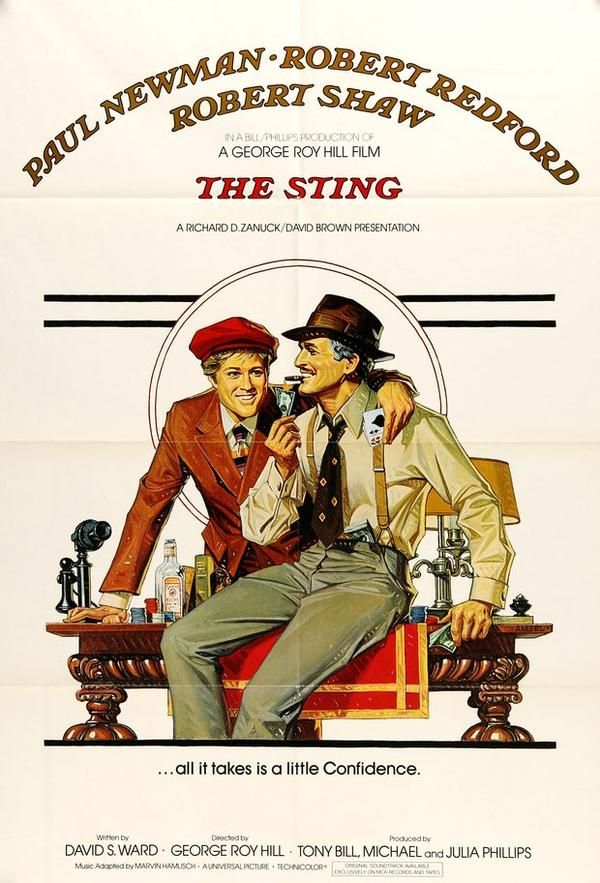
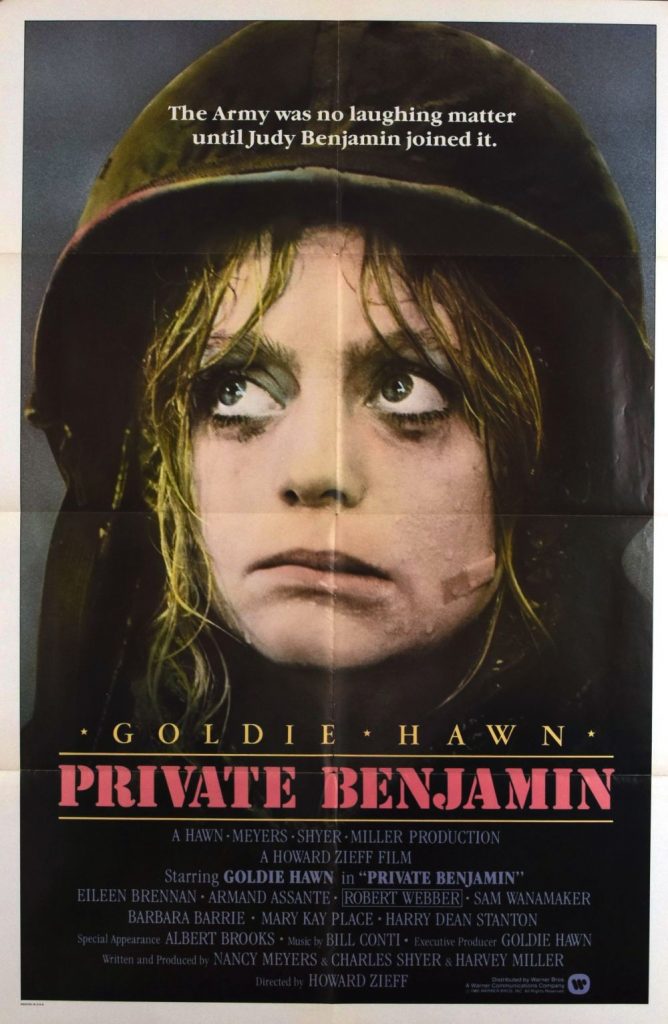
Eileen Brennan was born in 1932 in Los Angeles.   She became very popular in films and TV in the 1970’s afer her performance in “The Last Picture Show” in 1971.   In 1973 she was leading lady to Paul Newman in “The Sting” and in 1980 was nominated for an Oscar for her performance in “Private Benjamin” with Goldie Hawn.   A car accident hampered her career in the 1980’s and after a gap she resumed her career.   More recently she was seen to great effect as the acting coach ‘Zelda’ in the TV series “Will & Grace”.   Sadly Eileen Brennan died in July 2013.

Eileen Brennan’s obituary by Ryan Gibney in the Guardian:

Eileen Brennan, who has died aged 80, had been a stage actor since the late 1950s, but it was as a largely comic presence in US cinema of the 1970s and early 1980s that she was most widely admired. As the pitiless Captain Doreen Lewis, putting a dippy new recruit – Goldie Hawn – through her paces in the hit military comedy Private Benjamin (1980), she wore her trademark look: a solid frizz of red hair, a clenched, sneering smile and an expression of withering incredulity. Then there was the gravelly voice: a heard-it-all whine to match that seen-it-all face. It sounded like bourbon on the rocks. Actual rocks, that is.

Captain Lewis epitomised the sort of role Brennan was best at – and which she was still playing as late as 2001, when she made the first in a run of appearances as a scabrous acting teacher on the popular sitcomWill & Grace. “I love meanies,” she said in 1988. “You know why? Because they have no sense of humour. If we can’t laugh at ourselves and the human condition, we’re going to be mean.”

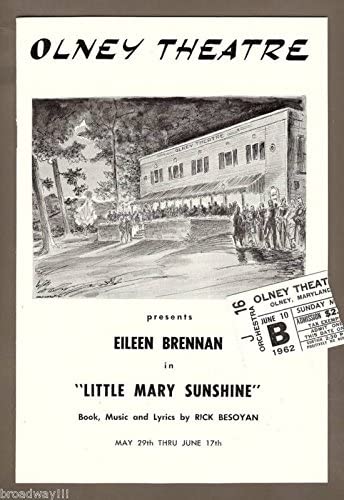
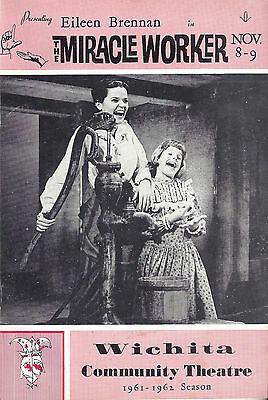
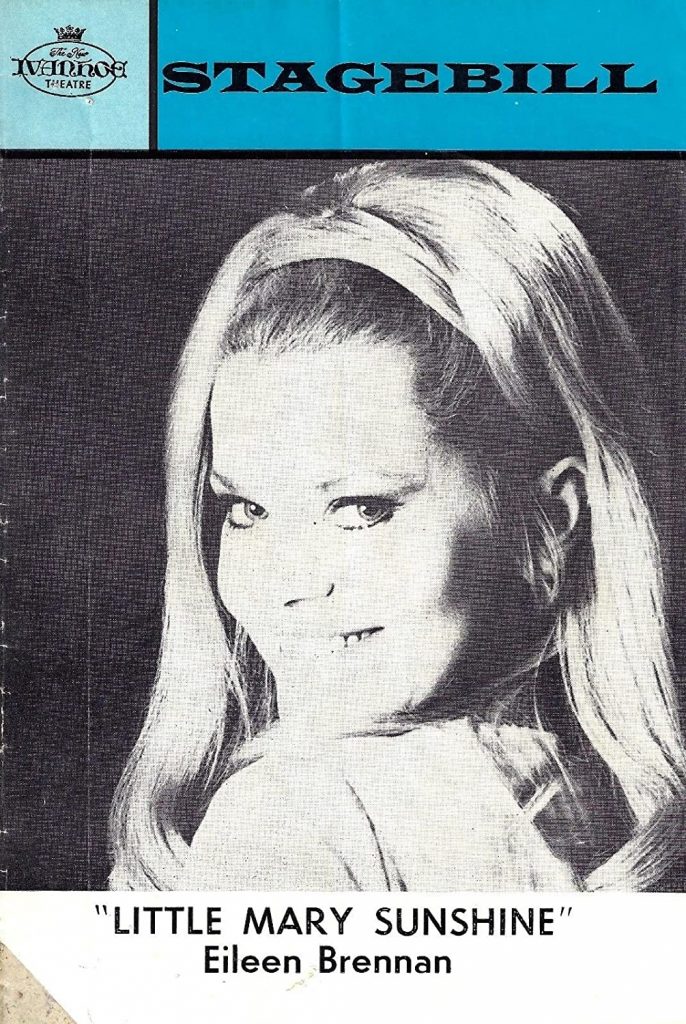
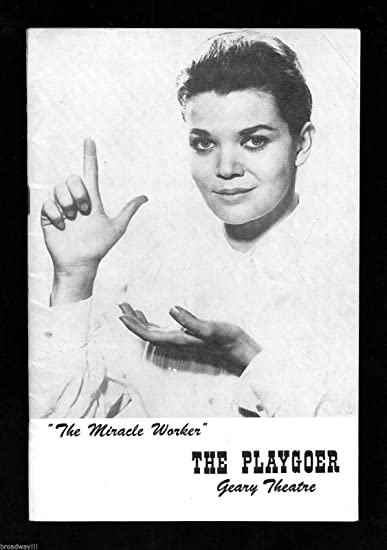
She was born Verla Eileen Regina Brennan and raised in Los Angeles, daughter of Regina Menehan, a former silent film actor, and John Brennan, a doctor. She attended Georgetown University in Washington DC, where she excelled at comedy in the Mask and Bauble dramatic society, and later the American Academy of Dramatic Arts in New York City. She was briefly a singing waitress, but theatrical success was not long in coming. She won the title role in the off-Broadway parody Little Mary Sunshine in 1959, for which she was named a Theatre World Promising New Personality. She toured in The Miracle Worker, played Anna in The King and I and co-starred in the original 1964 Broadway production of Hello, Dolly!
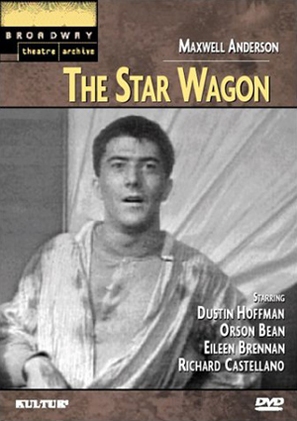
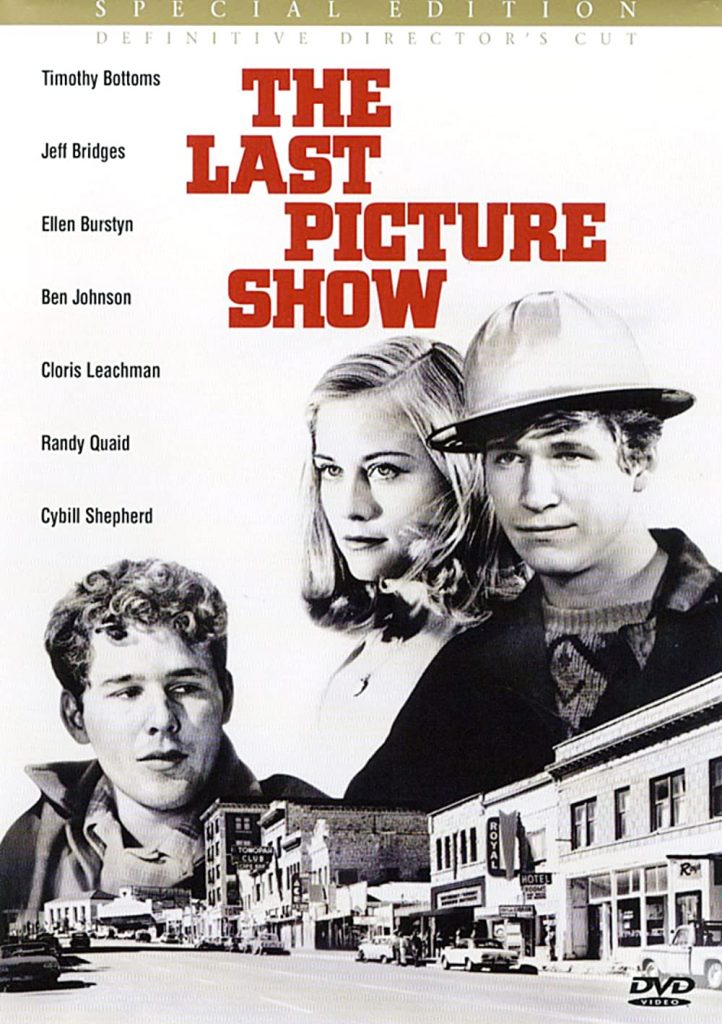
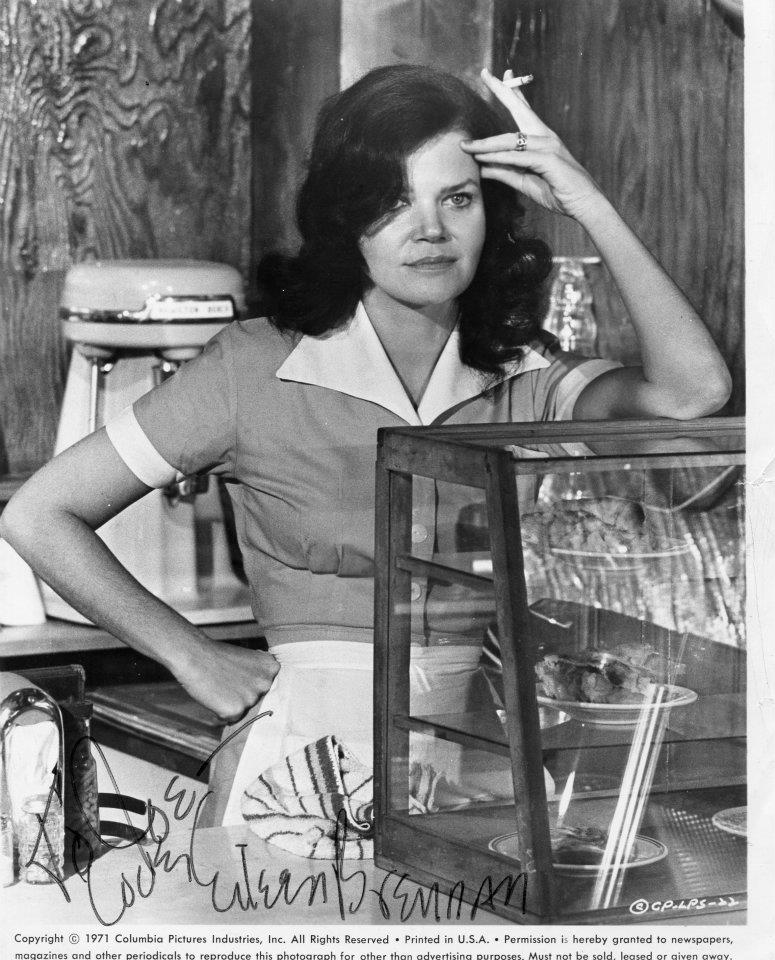
Brennan branched out into television with an adaptation of Maxwell Anderson’s play The Star Wagon (1966), in which she appeared with Dustin Hoffman, and as part of the original cast of the zany sketch showRowan and Martin’s Laugh-In (alongside her future Private Benjamin co-star, Hawn). She made her film debut in 1967 in the comedy Divorce American Style and was chosen by the up-and-coming director Peter Bogdanovich to play a kindly but bored waitress in his masterful 1971 drama The Last Picture Show.

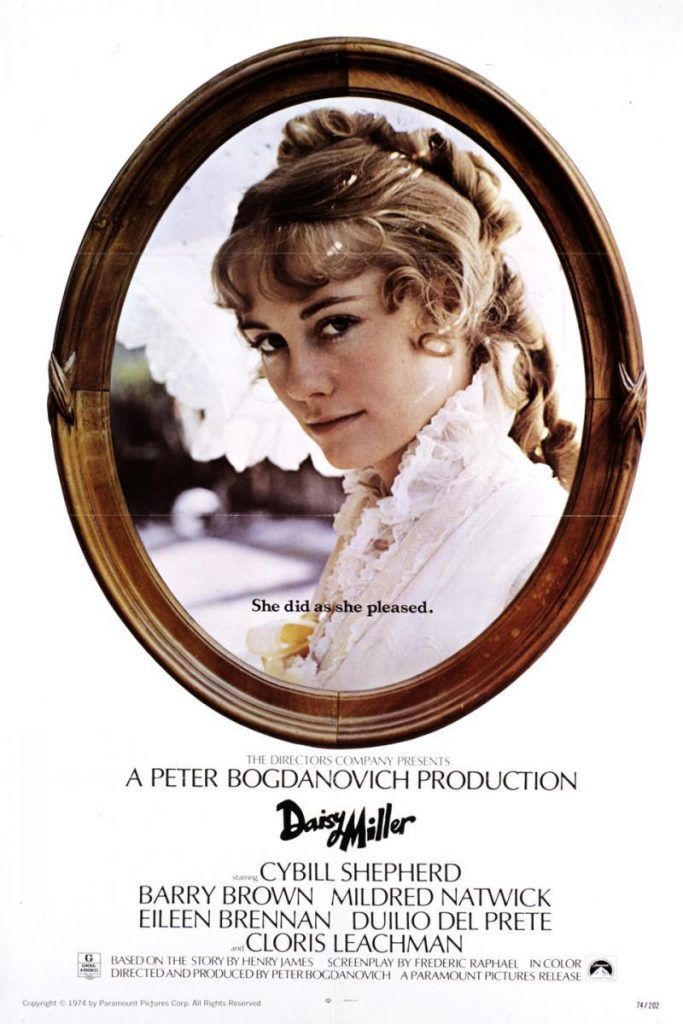
Bogdanovich also cast Brennan as a society matron in his Henry James adaptation Daisy Miller (1974) and as a singing maid in the reviled musical At Long Last Love (1975). She played the brassy madam of a brothel in the multiple Oscar-winning con-man comedy The Sting (1973). And she was one of a clutch of female character actors who brought unusual shading to Jerry Schatzberg’s Scarecrow (also 1973), which won the Palme d’Or at the Cannes film festival.

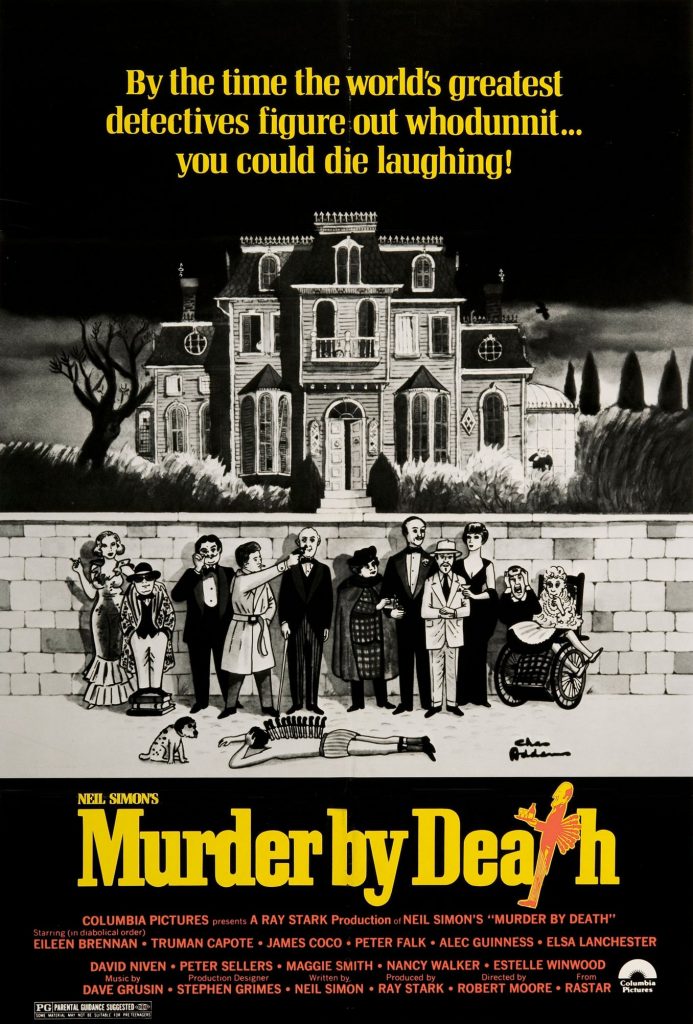
Later in the 1970s, she gravitated toward comedy, including two films written by the playwright Neil Simon: the nutty whodunit spoof Murder By Death (1976) and the Bogart homage The Cheap Detective (1978). It was Private Benjamin, though, which gave her a career-defining role, as well as an Oscar nomination for best supporting actress. Hawn’s comic fizz as the pampered Judy Benjamin was often delightful, and the film was a precision-tooled vehicle for her charms. But the key to that picture’s success was the rain that Brennan dumped on Hawn’s parade. When Private Benjamin was turned into a television sitcom, Brennan went with it, serving the same function opposite Hawn’s replacement, Lorna Patterson. Brennan’s sourness was the spoonful of medicine that helped the sugar go down. She was rewarded with two Emmy nominations and one award. (She received a further four Emmy nominations, for her work in Taxi, Newhart, Will & Grace and thirtysomething.)

Brennan left the Private Benjamin TV series prematurely in 1982, following an accident in Venice Beach, California, in which she was hit by a car. Her injuries included broken legs and a fragmented jaw; all the bones on the left side of her face were also broken. During her slow recovery, Brennan became addicted to painkillers. She returned to acting in 1984 in the sitcom Off the Rack but the show was cancelled after only six episodes and Brennan was admitted to the Betty Ford Centre for rehabilitation. “I had reached the stage where I was taking anything I could get my hands on,” she told People magazine. Poor health and injury became a recurring problem. While playing another comic tyrant – Miss Hannigan, in Annie – she fell from the stage and broke her leg. She also underwent treatment for breast cancer. Still Brennan continued to act, predominantly in television but with notable returns to theatre (the 1998 New York production of Martin McDonagh’s The Cripple of Inishmaan) and to cinema.

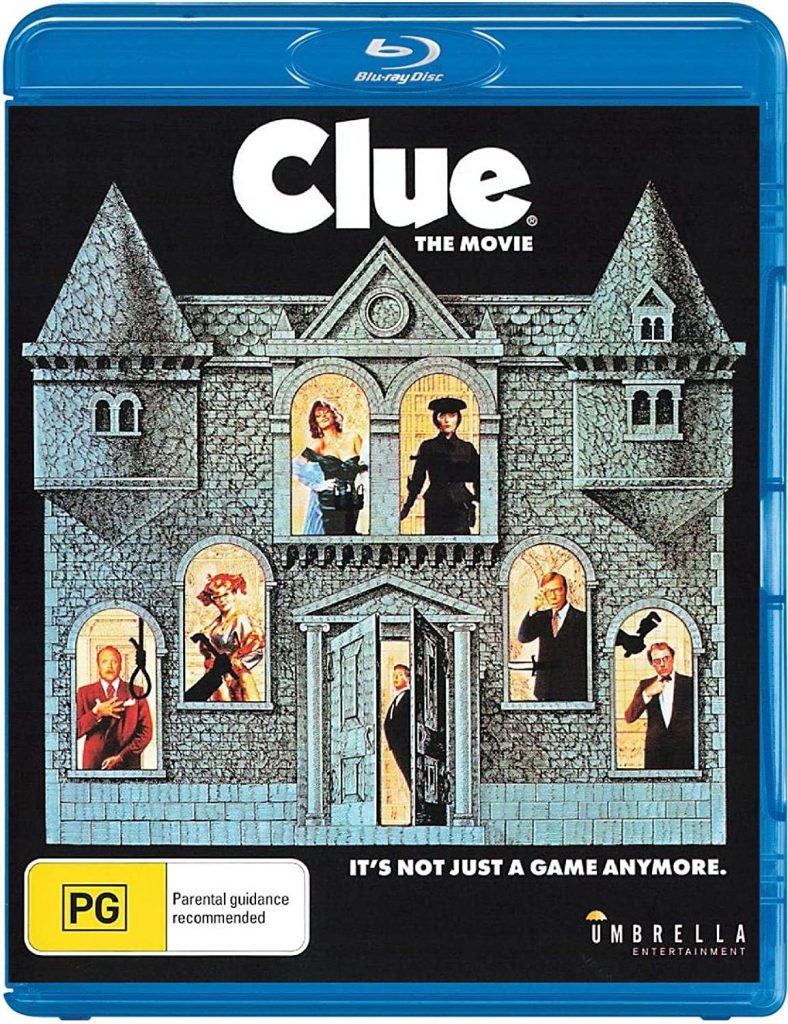
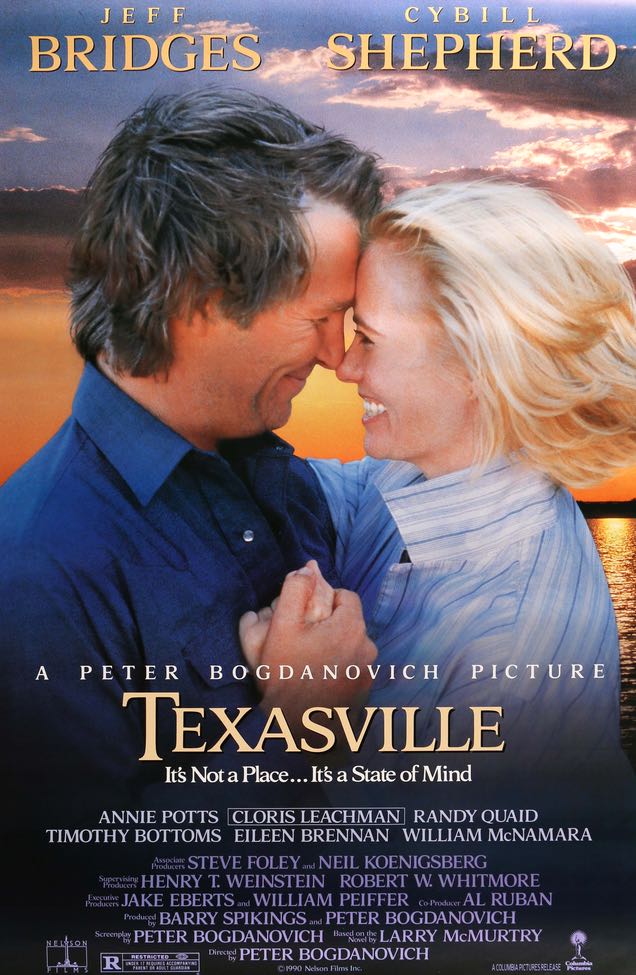
She was in the underrated ensemble comedy Clue (1985); she reprised her Last Picture Show role in the film’s 1990 sequel, Texasville; and she starred in the drama White Palace (also 1990) as the fortune-telling sister of Susan Sarandon (with whom she had enjoyed theatrical success in 1980 in the two-woman play A Coupla White Chicks Sitting Around Talking). Later roles included the Francis Ford Coppola-produced horror Jeepers Creepers (2001) and the Sandra Bullock comedy sequel Miss Congeniality 2: Armed and Fabulous (2005).

Brennan is survived by two sons, Patrick and Sam, from her marriage to David Lampson, which ended in 1974.

• Verla Eileen Regina Brennan, actor, born 3 September 1932; died 28 July 2013

For The Guardian obituary, please click here.

– IMDb Mini Biography By: Gary Brumburgh / gr-home@pacbell.net

Los Angeles Times - appreciation of eileen brennan

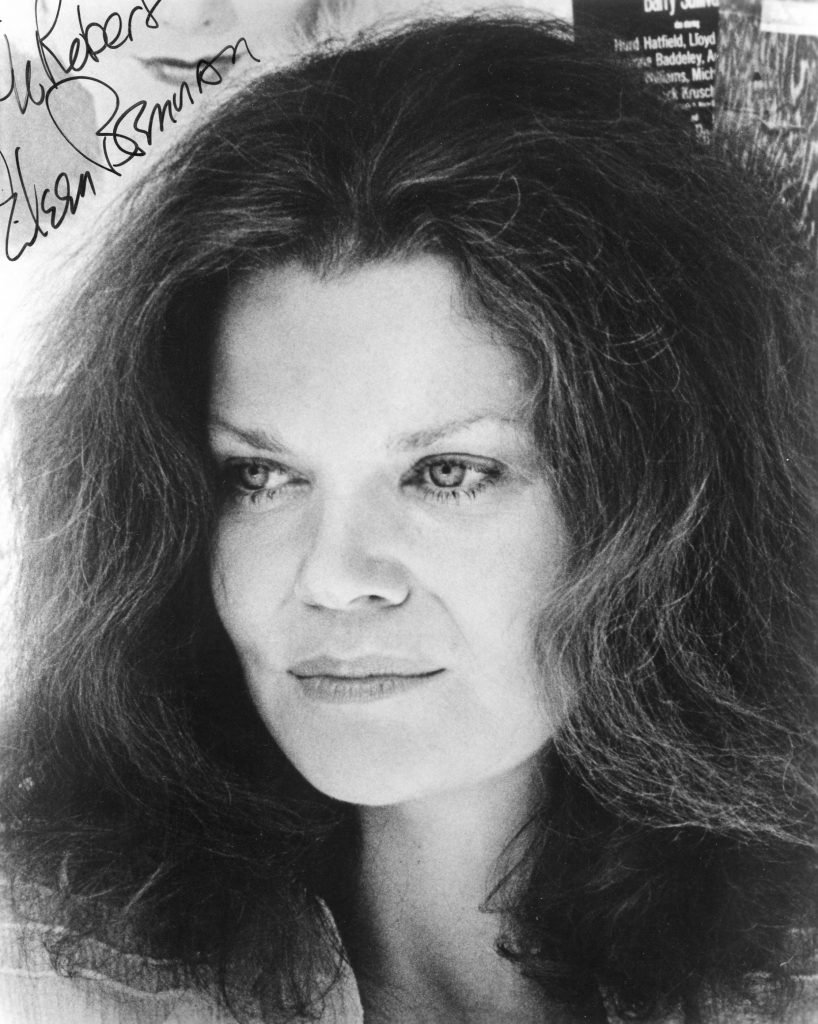
It is the face of Eileen Brennan that will stay with me as much as any one of the performances the quintessential character actress packed into her very long career.

Not a classic beauty, her face was arresting for its very distinct abilities. The eyes alone were scene-stealers, so often carrying the weight of the world. Whether they were being called on to condemn or forgive, Brennan somehow left you feeling that she was handling the petty frustrations of life for the rest of us.

Her voice is what got her a start in the business — singing on stage — though what lingers is the sound of a gravelly alto that seemed stained by whiskey and cigarettes whether she smoked or drank a day in her life. You knew she could say “Hey, sailor,” and make it stick

The voice fit the generous features set off by a tangle of rich auburn hair. And the actress seemed destined for roles that were long on irritation and irony. You could feel it in so many scenes, in so many characters — it was as if she couldn’t quite believe what she was being asked to deal with at that particular moment.

One of those particular moments was as Genevieve, a bone-tired waitress in a rundown West Texas café, who finds a table of obnoxious teenagers on her hands in Peter Bogdanovich’s 1971 classic “The Last Picture Show.”


Though she had more than a few choice words over the years that she saturated with knowing sarcasm, Brennan could say more with her lips than most could with a dozen lines. The smile was always slightly off-center, it never came at you straight on or full out. And the sneer….

In the 1980 comedy “Private Benjamin,” she used it full throttle. I swear it lifted Goldie Hawn’s new recruit a few feet off the ground. After that, Brennan’s character, Capt. Doreen Lewis, needn’t have bothered to dress the private down, though she did, and with flair. The supporting role would earn Brennan her only Oscar nomination

Often the confidant, Brennan was a good listener on screen. Those roles allowed her to show exactly what she could do with that malleable face. Opposite Paul Newman’s con artist in “The Sting,” she always seemed one step ahead of any joke, and one behind any surprise. Moments of realization always striking with such eyes-wide clarity, the “ahhh, I get it” signaled by the nod of her head, would become something of a signature over the years.

Characters with fuses that were already lit seemed to gravitate Brennan’s way. Sometimes it burned long, sometimes short, but you were always braced for the actress to rock things at least a little. Not one to fade into the background, any project she worked on felt Brennan’s presence.

In later years, she spent most of her time on television in comedies like “Taxi,” “Will & Grace” and “Newhart.” She kept turning up like a bad penny on the family drama series “7th Heaven” as a long-time church member. Gladys Bink tended to provide a “teaching moment” for Rev. Camden to use in counseling his flock or his brood. She made sneaking a smoke despite an oxygen tank more fun than it should have been

One of Brennan’s great appeals was the way her characters seemed to embody the realities of working-class stiffs. It was in the slump of her shoulders, a random sigh, the way she could stand as if her feet hurt but making clear she would carry on just the same.

Carry on she did, working as much as Hollywood would let her nearly to the end. Her last credit was as Gram Malone in a film called “Naked Run” in 2011. The movie is not one I saw, but from the looks of it, the comedy was about as bare as its title — but cheeky, like Brennan, which somehow seems right

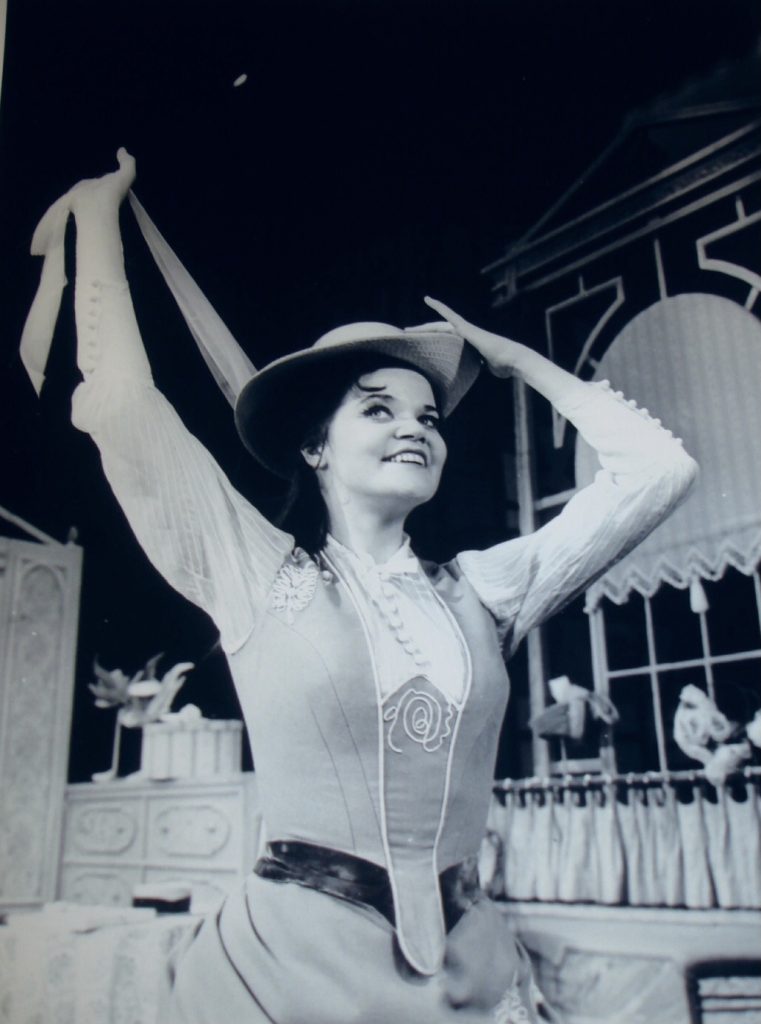
The Broadway “Snow White” Origins

Before the “sandpaper” voice became her trademark, Eileen Brennan was a lyric soprano with a “silvery” and “radiant” stage presence.

  • The Performance: In the 1959 Off-Broadway musical Little Mary Sunshine, Brennan played the titular role, a parody of the sugary-sweet heroines found in old operettas like Rose-Marie.

  • The Disney Influence: Brennan later confessed that she modeled her performance directly on Walt Disney’s Snow White. She utilized the character’s wide-eyed innocence and high-pitched vocal trills to satirize the “perfectly pure” archetype.

  • Critical Impact: Her performance was so successful that it made her the “toast of downtown.” The New York Times described her as both “radiant and comic.” This performance earned her the Obie Award for Best Actress and caught the attention of major producers, leading to her originating the role of Irene Molloy in the Broadway production of Hello, Dolly! (1964).

The 1982 Accident and Its Impact

At the height of her fame—while starring in the television adaptation of Private Benjamin—Brennan’s life and career were altered by a catastrophic event.

1. The Incident

In October 1982, after having dinner with her close friend and co-star Goldie Hawn in Venice, California, Brennan was struck by a car as she crossed a street during a temporary blackout.

2. Physical and Professional Consequences

  • Shattered Injuries: The damage was extreme: both legs were broken, her jaw was fragmented, her nose was broken, and an eyeball was literally wrenched from its socket. Every bone on the left side of her face was smashed.

  • Career Interruption: Brennan was forced to leave the Private Benjamin TV series prematurely. The show attempted to replace her character, but without her specific “combustible” energy, it was soon canceled.

  • The “Sandpaper” Evolution: While she was already known for a husky voice, the facial reconstruction and trauma deepened the “weathered” quality of her delivery, which she leaned into for her later character roles.

3. Addiction and “The Birth”

The most grueling part of her recovery was a subsequent addiction to prescription painkillers.

  • The Turning Point: In 1984, after the cancellation of her short-lived sitcom Off the Rack, Brennan admitted herself to the Betty Ford Center.

  • The Critical Perspective: She famously described this period not as a “rebirth” but as her “birth.” She claimed the accident forced a spiritual connection she had lacked, stating, “Strangely enough, I wouldn’t have missed my accident.” This profound sense of survival informed her later performances, particularly as the eccentric acting coach Zandra on Will & Grace, where she played a woman whose toughness was clearly born from having “survived it all.”


Iconic Role Transition: Post-Accident Resilience

Role Work Year Impact of Resilience
Mrs. Peacock Clue 1985 Her first major film role post-recovery; showed her comedic timing was intact despite physical trauma.
Zandra Will & Grace 2001–2006 Utilized her “weathered” intensity to create a modern cult classic character.
Gladys Bink 7th Heaven 1996–2006 Played a “tough but spiritual” parishioner, reflecting her own post-accident

Eileen Brennan (1932–2013) was an actress of singular texture—a performer who combined a “sandpaper” voice and a world-weary gaze with a background in classical Broadway musicals. Her career is a fascinating study in the “character-actor-as-star,” where she often stole scenes from A-list leads by providing the necessary “grit” to their “glamour.”


Career Overview: From “Little Mary” to the Drill Sergeant

1. The Broadway Soprano (1959–1964)

Before she was known for her gravelly delivery, Brennan was a celebrated stage singer.


  • The Breakthrough: She became an overnight star in the Off-Broadway parody Little Mary Sunshine(1959), winning an Obie Award. Her “winsome but resourceful” performance was famously modeled on Walt Disney’s Snow White.


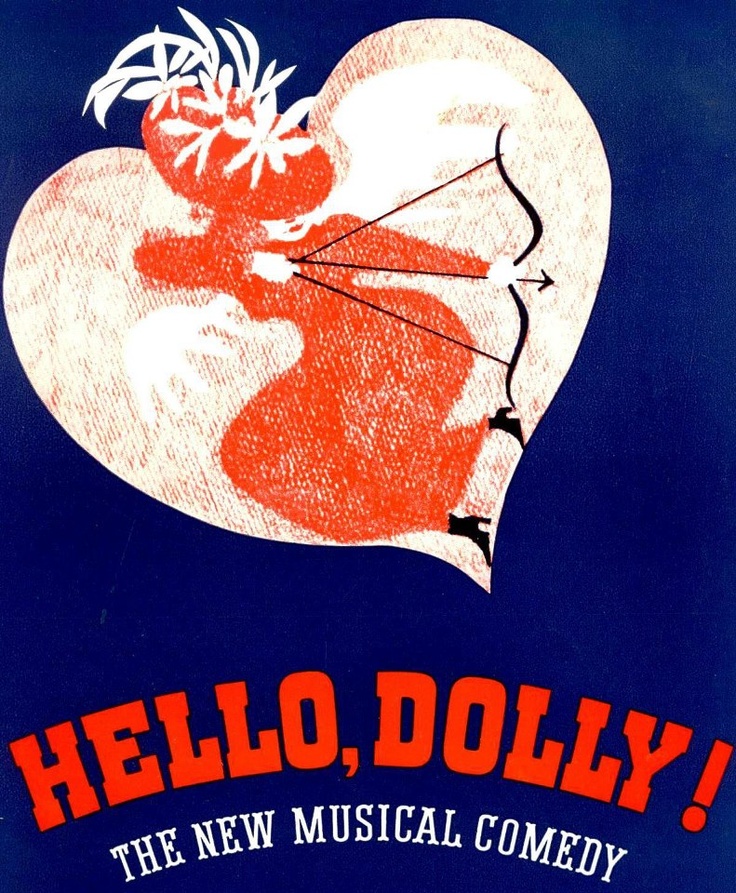
  • Hello, Dolly!: She originated the role of Irene Molloy in the original 1964 Broadway production, introducing the classic ballad “Ribbons Down My Back.”


  • The Near-Miss: Carl Reiner flew her to LA to audition for the role of Laura Petrie on The Dick Van Dyke Show. While she lost the part to Mary Tyler Moore, the audition established her as a formidable talent in the eyes of Hollywood producers.


2. The Bogdanovich Muse (1970s)

In the 1970s, Brennan became a favorite of director Peter Bogdanovich, who utilized her ability to play “weathered but wise” women.


  • The Last Picture Show (1971): As Genevieve, the world-weary waitress, she delivered a performance that earned her a BAFTA nomination. It set the template for her screen persona: a woman who has “seen it all” but hasn’t lost her heart.


  • The Sting (1973): She played Billie, the brassy brothel madam and confidante to Paul Newman’s con man. Her performance provided a grounded, maternal warmth to the film’s heist mechanics.


3. The Icon of Incredulity (1980–2000s)

The 1980 film Private Benjamin gave Brennan her career-defining role as Captain Doreen Lewis.


  • The Performance: Playing the pitiless, sneering commanding officer to Goldie Hawn’s pampered recruit, Brennan earned an Academy Award nomination.


  • TV Domination: She reprised the role in the television adaptation, winning both an Emmy and a Golden Globe. Her trademark look—a solid frizz of red hair and an expression of withering incredulity—became a staple of 80s comedy.


  • Late-Career Renaissance: She found a new generation of fans as Mrs. Peacock in the cult classic Clue(1985) and as Zandra, the eccentric, chain-smoking acting coach on Will & Grace (earning her final Emmy nomination in 2004).


Detailed Critical Analysis

1. The Aesthetic of the “Working-Class Stiff”

Critically, Brennan is analyzed for her ability to embody the physical and emotional weight of the working class.


  • Physicality: Critics often pointed to the “slump of her shoulders” or the way she stood “as if her feet hurt.”She projected a sense of indomitability—she was the woman who would keep working through a double shift, a heartbreak, or a hangover without asking for sympathy.


  • The Voice: Her voice—described as “smoky,” “sandpaper,” and “cynical”—was her greatest instrument. It allowed her to deliver a line of dialogue that was simultaneously a joke and a weary observation of human folly.

2. The “Meanies with No Sense of Humor”

Brennan famously stated, “I love meanies… because they have no sense of humor.”


  • Subverting the Villain: Her portrayal of “unsympathetic” characters like Captain Lewis or her role in Will & Grace was effective because she didn’t play them for laughs. She played them with a deadly earnestness. The humor came from the audience’s recognition of that specific type of bureaucratic or narcissistic “meanness,” making her performance both a satire and a sharp character study.


3. Resilience and the “Survivor” Narrative

Brennan’s career was nearly ended by a horrific 1982 car accident that shattered her legs and face, followed by battles with breast cancer and addiction to painkillers.


  • Aesthetic Transition: Post-accident, Brennan’s work took on an even deeper level of “weathered” intensity. Critics noted that her later performances (such as in Stella or Texasville) carried a newfound fragility that she layered over her usual toughness, making her one of the most emotionally resonant character actors of her generation.


Iconic Performance Comparison

Character Work Archetype Key Critical Element
Genevieve The Last Picture Show The Bored Waitress Established her “weathered but kind” persona.
Billie The Sting The Brassy Madam Provided the “moral anchor” to a con-man movie.
Capt. Doreen Lewis Private Benjamin The Pitiless Officer Her masterclass in “stony, comedic villainy.”
Mrs. Peacock Clue The Fraidy-Cat Socialite Displayed her gift for high-energy ensemble comedy.
Zandra Will & Grace The Eccentric Coach Proved her “indomitability” to a 21st-century audience.


Leave a Reply

Your email address will not be published. Required fields are marked *