
Chris Sarandon. IMDB


Chris Sarandon is a stylish American actor who has some very interesting cult films among his credits. He was born in 1942 in West Virginia. He began appearing on stage and on daytime television in 1965. He was nominated for an Academy Award for his performance in “Dog Day Afternoon” in 1975. He went on to star in “Fright Night” and “The Princess Bride” where he was Prince Humperdiinck. More recently he had a major role in the long-running “ER” and was on the Broadway stage in 2006 in “The Light in the Piazza”. Interview on “Moviefone” with Chris Sarandon can be accessed here.
Gary Brumburgh’s entry:
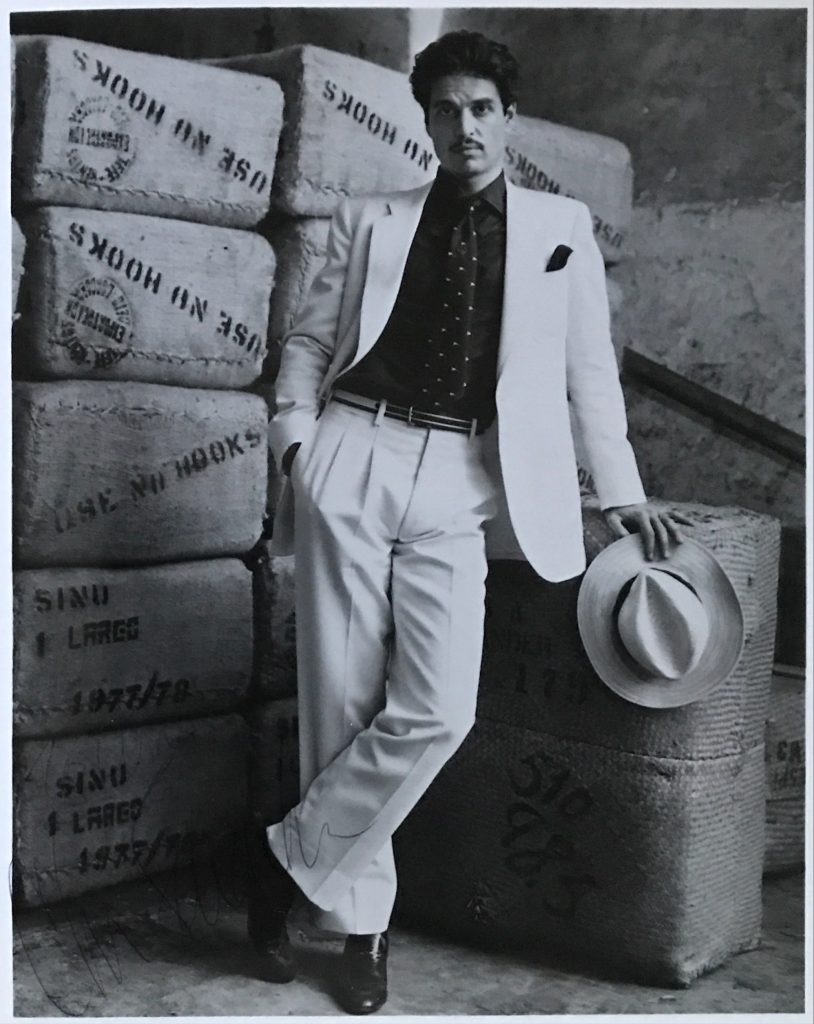
The handsome, versatile, worldly-looking Chris Sarandon has played everything from vampires to Jesus Christ in magnetic performances that have not only been controversial but hard to miss.
The son of a Greek immigrant and restaurateur, he was born and raised in Beckley, West Virginia, where, as a teen, he appeared on the musical stage and played drums and sang back-up with a local band called The Teen Tones.
Graduating from Woodrow Wilson High School in 1960, his band was so good they found themselves touring and backing up such music legends as Bobby Darin, Gene Vincent and Danny and the Juniors. Chris attended West Virginia University majoring in speech, and appeared in such musical productions as “The Music Man” as Harold Hill.
He went on to attend the Catholic University of America in Washington, DC, where he received his master’s degree in theater and met first wife Susan Sarandon. Touring with improv companies and in regional theater productions, he made his professional debut in “The Rose Tattoo” in 1965 and later joined the Long Wharf Theatre Company for a season. Moving to New York in 1968, the dark and handsome charmer immediately nabbed the role of Dr. Tom Halverson on Guiding Light (1952), a part that would last two years. Throughout the 1970s he would be rewarded with rich theater acting roles. On Broadway he appeared in “The Rothchilds” and replaced Raul Julia in “Two Gentlemen from Verona” while appearing elsewhere in various Shakespeare and Shaw festivals both here and in Canada. He made an auspicious film debut in the huge, career-risking part of Al Pacino‘s tormented, gender-confused lover in Dog Day Afternoon (1975), earning an Oscar nomination for Best Supporting Actor for his superior work.
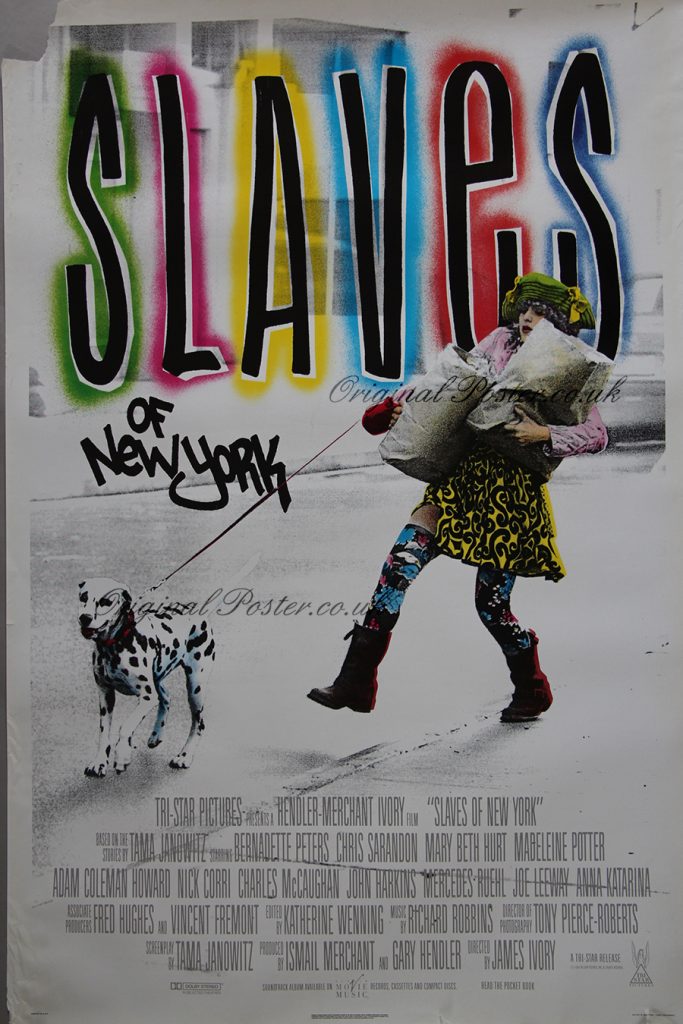

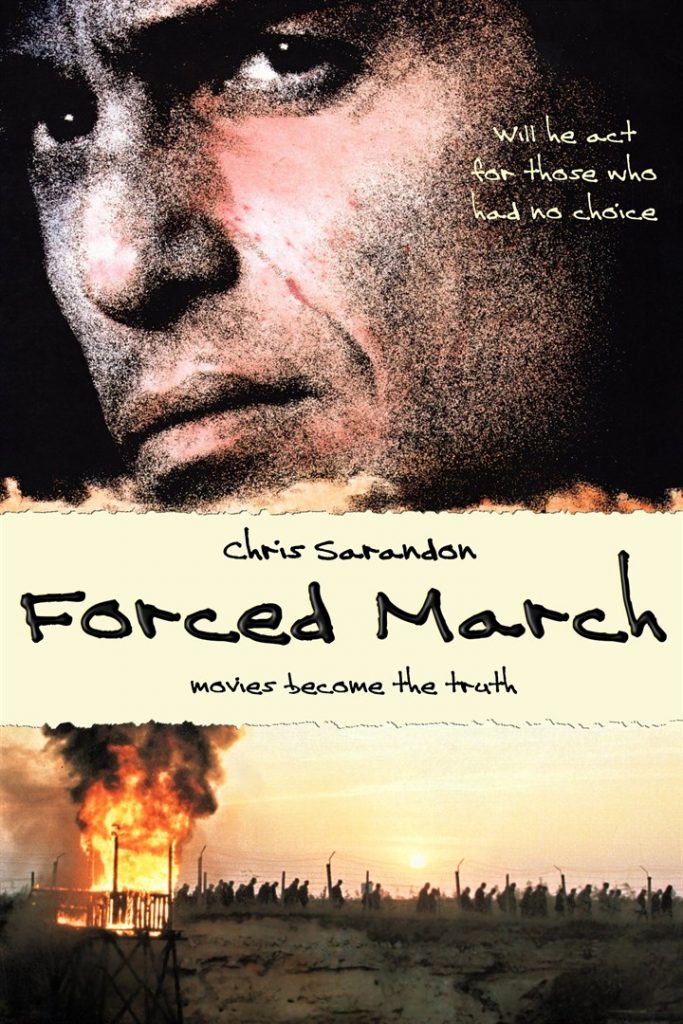
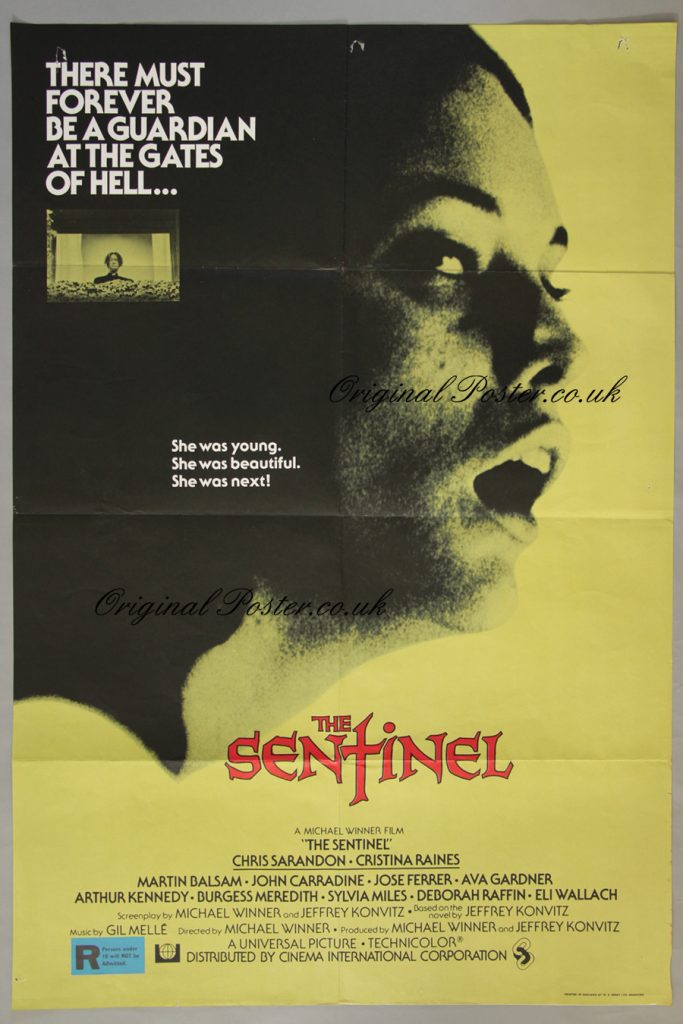
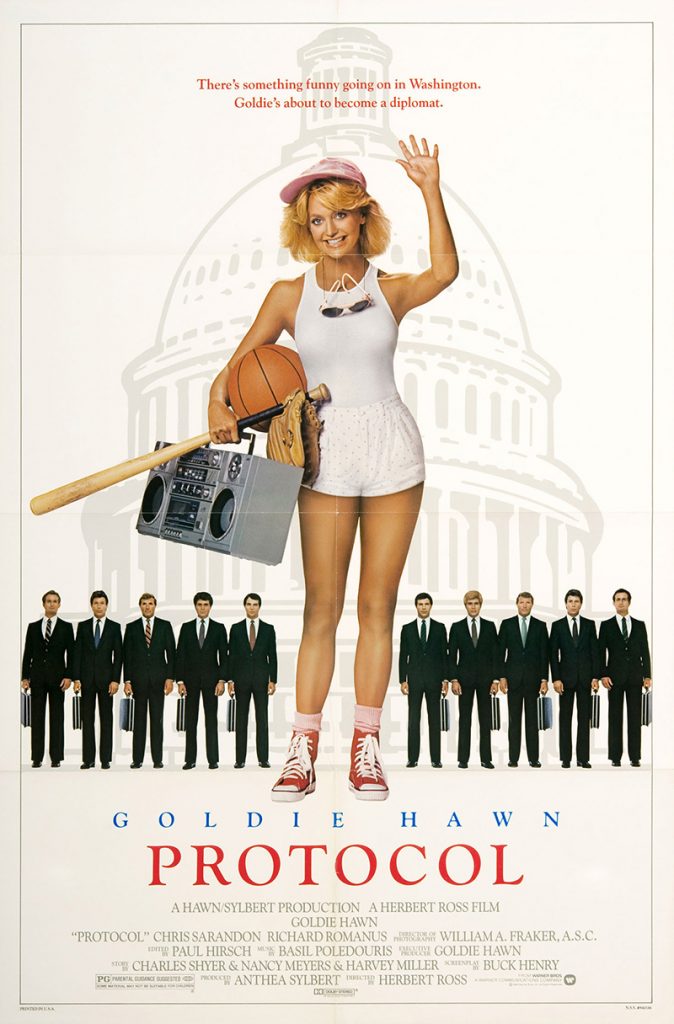

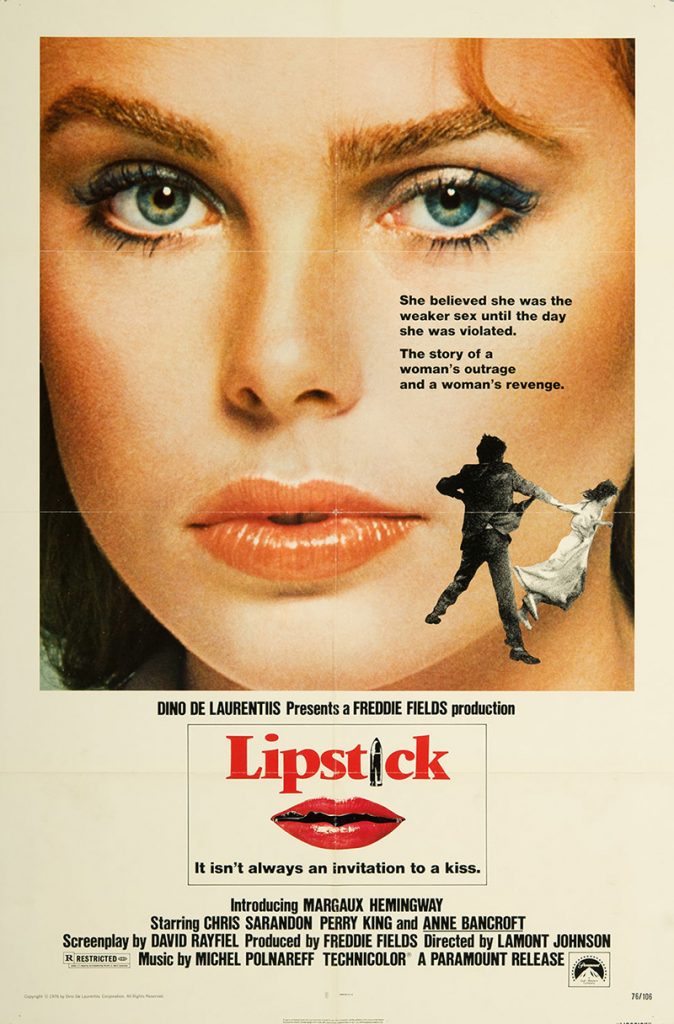

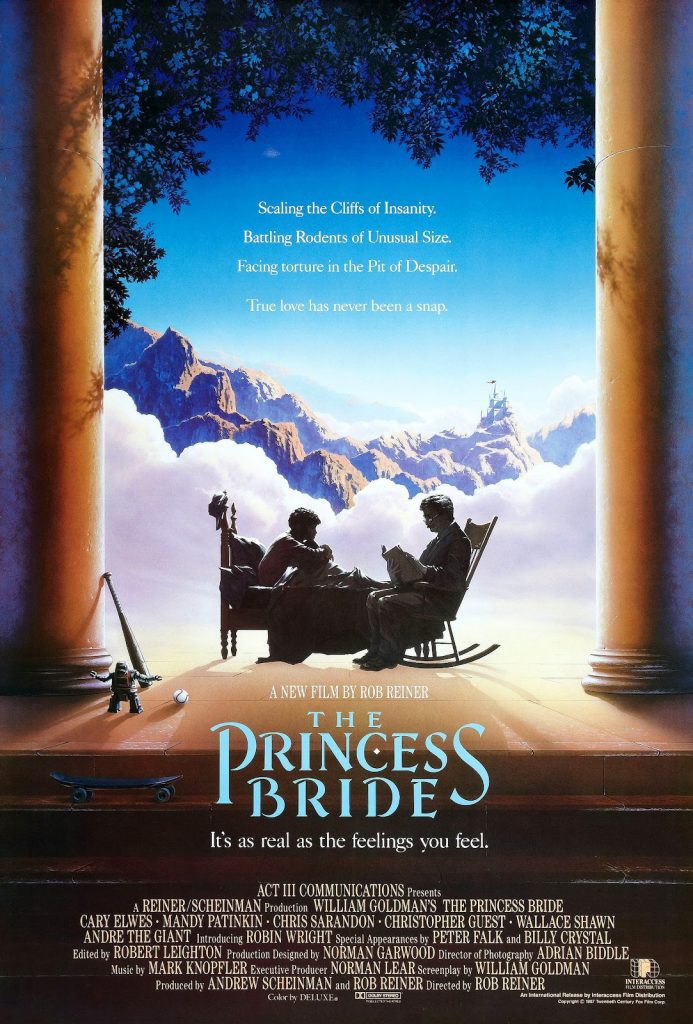
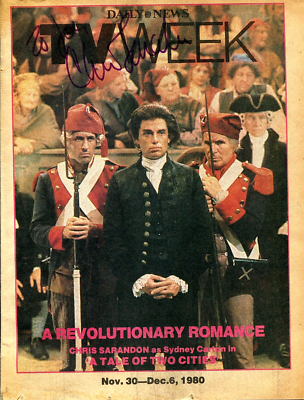
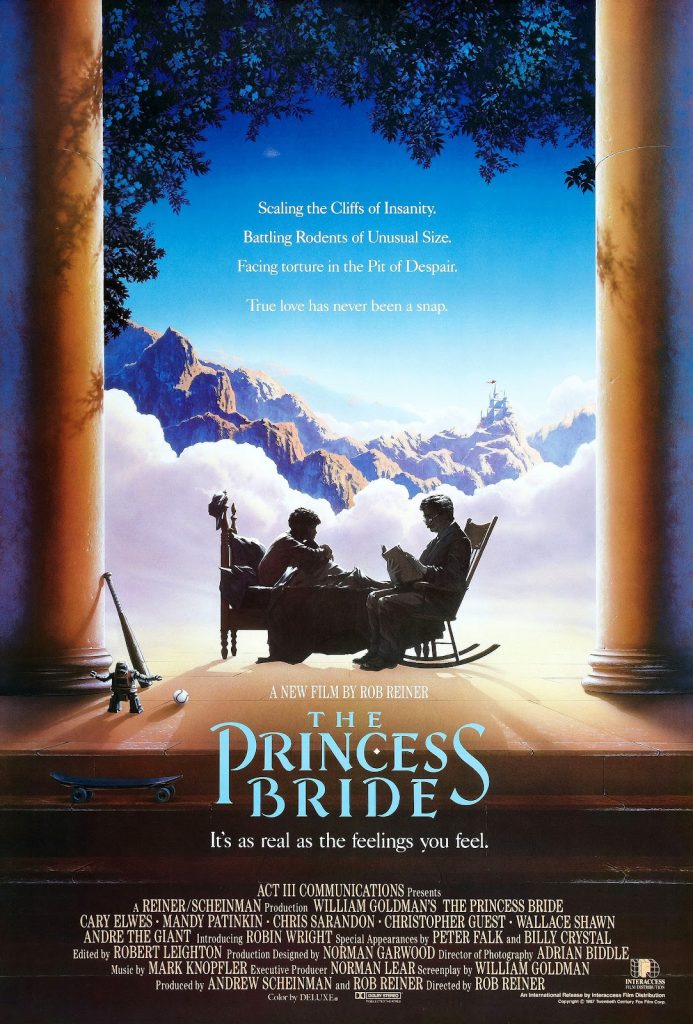
He took other sordid turns too, this time in co-leads, opposite the late Margaux Hemingway in the poorly done exploitative thrillerLipstick (1976) and as a demon in the shocker The Sentinel (1977). To avoid being typed as creepy characters, Chris extended himself brilliantly in the years to come, portraying the title role in The Day Christ Died (1980), a critically heralded TV-movie. He received high marks also for his Sydney Carton in A Tale of Two Cities (1980) and co-starred withGoldie Hawn in the more mainstream Protocol (1984). In the 1980s Chris would endear himself to a younger generation of filmgoers as the undeniably sexy, hypnotic vampire-next-door in the teen horror classic Fright Night (1985), the cruel, evil-plotting prince inRob Reiner‘s The Princess Bride (1987) and as the investigating cop in Child’s Play(1988), the first in the “Chucky” series about a murdering doll. In recent years Chris has continued steadily on stage, film and TV but at a lesser pace and in less flashy, high-profiled roles.
Divorced from Susan Sarandon in 1979, he was married and divorced from model Lisa Ann Cooper during the 1980s. In 1991 he co-starred on Broadway in the short-lived musical “Nick and Nora” with Joanna Gleason, the daughter of Monty Hall(Let’s Make a Deal (1963)). They married in 1994 and reunited on stage in “Thorn & Bloom” in 1998. They have also appeared together in a number of films, includingAmerican Perfekt (1997), Edie & Pen (1996) and Let the Devil Wear Black (1999).
– IMDb Mini Biography By: Gary Brumburgh / gr-home@pacbell.ne
Chris Sarandon (born 1942) is a quintessential “actor’s actor,” a performer whose career is defined by an uncanny ability to oscillate between heartbreaking vulnerability and flamboyant villainy. While many know him as a 1980s cult icon, a critical analysis reveals a classically trained New Yorker whose work helped break ground for LGBTQ+ representation and redefined the “suave” monster in horror.
I. Career Overview: The Character Actor’s Path
Act 1: The New York Stage and Breakthrough (1970–1975)
Sarandon cut his teeth on Broadway in musicals like The Rothschilds and Two Gentlemen of Verona. His film debut remains one of the most auspicious in cinema history: playing Leon Shermer, the trans partner of Al Pacino’s character in Dog Day Afternoon (1975). The role earned him an Academy Award nomination for Best Supporting Actor and signaled the arrival of a performer who favored psychological complexity over leading-man tropes.
Act 2: The Cult Icon (1985–1993)
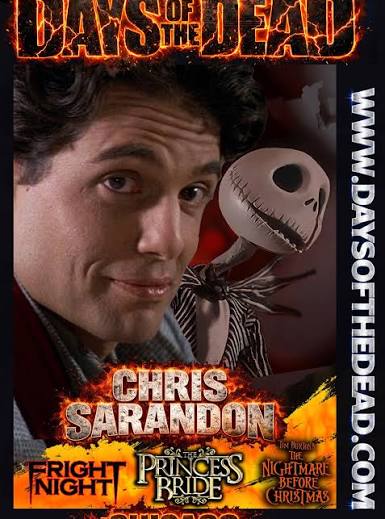
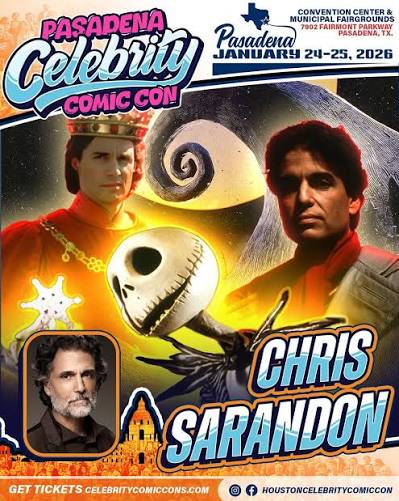
The mid-80s to early-90s saw Sarandon cement his status in the “Cult Movie Hall of Fame” with a trio of legendary roles. He transitioned from the seductive vampire Jerry Dandrige in Fright Night (1985) to the cowardly, narcissistic Prince Humperdinck in The Princess Bride (1987). He capped this era by providing the speaking voice for the “Pumpkin King,” Jack Skellington, in The Nightmare Before Christmas (1993).
Act 3: The Versatile Elder Statesman (1994–Present)
Sarandon has maintained a prolific presence across television (ER, The Good Wife) and returned to his first love, the stage, appearing in Broadway productions like The Light in the Piazza and Cyrano de Bergerac. He continues to be a fixture in the voice-acting world, reprising Jack Skellington across numerous Disney projects.
II. Critical Analysis: The Sarandon Duality
1. Breaking the “Trans” Caricature: Dog Day Afternoon
Sarandon’s performance as Leon was radical for 1975. At a time when trans characters were typically played as punchlines or predators, Sarandon brought a hollowed-out, tragic dignity to the role.
-
The Phone Call: The centerpiece of his performance is a long-distance telephone conversation with Pacino. Critics often cite this as a masterclass in passive intensity—Sarandon conveys Leon’s exhaustion, love, and fear through subtle vocal tremors rather than histrionics.
-
Analysis: He avoided the “drag” aesthetic, playing Leon as a fragile human being caught in a media circus. This empathetic approach is now viewed as a pivotal moment in the history of mainstream queer representation.
2. The “Suave Predator”: Fright Night
In Fright Night, Sarandon reinvented the vampire for the 1980s.
-
The Technique: He played Jerry Dandrige with a “snarky, sardonic sense of humor” and an underlying animalistic hunger. He famously incorporated the eating of fruit into the role, a choice meant to emphasize his “ancient” nature (like a fruit bat) and his casual, predatory comfort in his new suburban surroundings.
-
Critical View: Analysts point out that Sarandon brought a pansexual magnetism to the character. His seduction of the neighbor, Amy, was played with a genuine, sorrowful longing that suggested the character was a lonely aristocrat whose time had passed, adding layers of pathos to a traditional “monster” role.
3. The “Civilized” Narcissist: The Princess Bride
As Prince Humperdinck, Sarandon mastered the art of the “polite villain.”
-
The “Swamped” Delivery: His most analyzed moment is the casual listing of his daily tasks: “I’ve got my country’s 500th anniversary to plan, my wedding to arrange, my wife to murder, and Guilder to frame for it.I’m swamped.”
-
Analysis: Sarandon played Humperdinck not as a cackling madman, but as a bored bureaucrat. His villainy is terrifying because it is so indifferent. By playing the character with a “silver spoon” entitlement, he provided the perfect, cold antithesis to Cary Elwes’s warm, swashbuckling hero.
III. Major Credits and Comparative Roles
| Work | Medium | Role | Significance |
| Dog Day Afternoon (1975) | Film | Leon Shermer | Oscar Nominee; milestone in LGBTQ+ cinema. |
| Fright Night (1985) | Film | Jerry Dandrige | Redefined the “Sexy Vampire” for a new generation. |
| The Princess Bride (1987) | Film | Prince Humperdinck | A definitive study in comedic, narcissistic villainy. |
| Child’s Play (1988) | Film | Detective Mike Norris | Proved his capability as a grounded “hero” protagonist. |
| The Nightmare Before Christmas (1993) | Voice | Jack Skellington | Created one of the most iconic animated voices in history. |
Final Reflection
Chris Sarandon’s legacy is one of intellectual variety. He is an actor who never settled for being just a “look,” instead choosing to use his “tall, dark, and handsome” features to explore the darker, stranger corners of the human (and inhuman) condition. He remains one of the few actors who can make you feel deep sympathy for a bank robber’s lover and profound joy at the defeat of a narcissistic prince in the same breath
Chris Sarandon’s return to the Broadway stage in the 21st century—most notably in the Lincoln Center Theater production of the Tony-winning musical The Light in the Piazza (2005)—was a significant “homecoming.” For critics, it was a reminder that beneath his cinematic cult status lay a formidable, classically trained stage technician with a rich, resonant baritone.
Here is a critical analysis of the reviews regarding his performance as Signor Naccarelli.
I. The Light in the Piazza (2005): The Master of Subtext
When Sarandon took over the role of the Florentine patriarch, he was tasked with playing a character who must balance “Old World” charm with a calculating, protective fatherhood.
1. The “Seductive Authority”
Critics from The New York Times and Variety noted that Sarandon brought a “debonair, silver-fox gravity” to the role.
-
The Performance: Unlike his more flamboyant film villains, his Signor Naccarelli was a study in restraint. He utilized a “courtly grace” that made his character’s eventual pragmatic negotiation regarding the young lovers feel sophisticated rather than cold.
-
The “Sarandon” Smirk: Reviewers pointed out that he used his “trademark dark-eyed intensity” to suggest a man who knew exactly what was happening at all times, even when he remained silent.
2. Vocal Command: “Aiutami”
While Danny Elfman provided the singing for Jack Skellington, The Light in the Piazza allowed Broadway audiences to hear Sarandon’s actual singing voice.
-
Critical Reception: His delivery of the song “Aiutami” was praised for its operatic texture. Critics noted that his voice had a “woody, aged-in-oak” quality that suited a mid-century Italian aristocrat. He was credited with providing a “masculine anchor” to a show that was otherwise dominated by soprano-heavy, ethereal arrangements.
II. Cyrano de Bergerac (2007): The “Polished” Rival
In the 2007 revival starring Kevin Kline and Jennifer Garner, Sarandon played Comte de Guiche, the powerful and haughty antagonist.
1. The “Civilized” Villainy
Critics found Sarandon to be the perfect foil for Kevin Kline’s Cyrano.
-
The Contrast: While Kline was all “fire and nose,” Sarandon was “ice and lace.” * Analysis: Reviewers highlighted his ability to play “aristocratic disdain” without sliding into caricature. One critic noted that Sarandon made De Guiche feel like a “real political threat” rather than just a stage villain. He brought a “weary, worldly cynicism” to the role that made his character’s eventual redemption in the final act feel surprisingly earned