James Olson

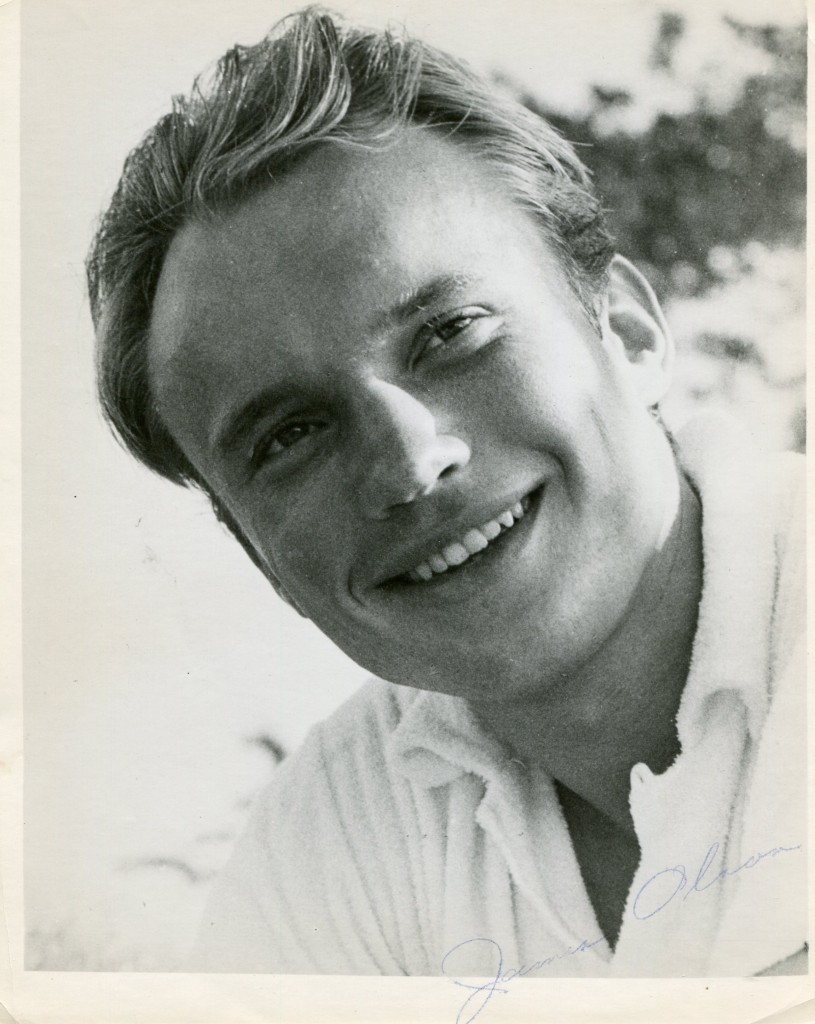
James Olson


James Olson


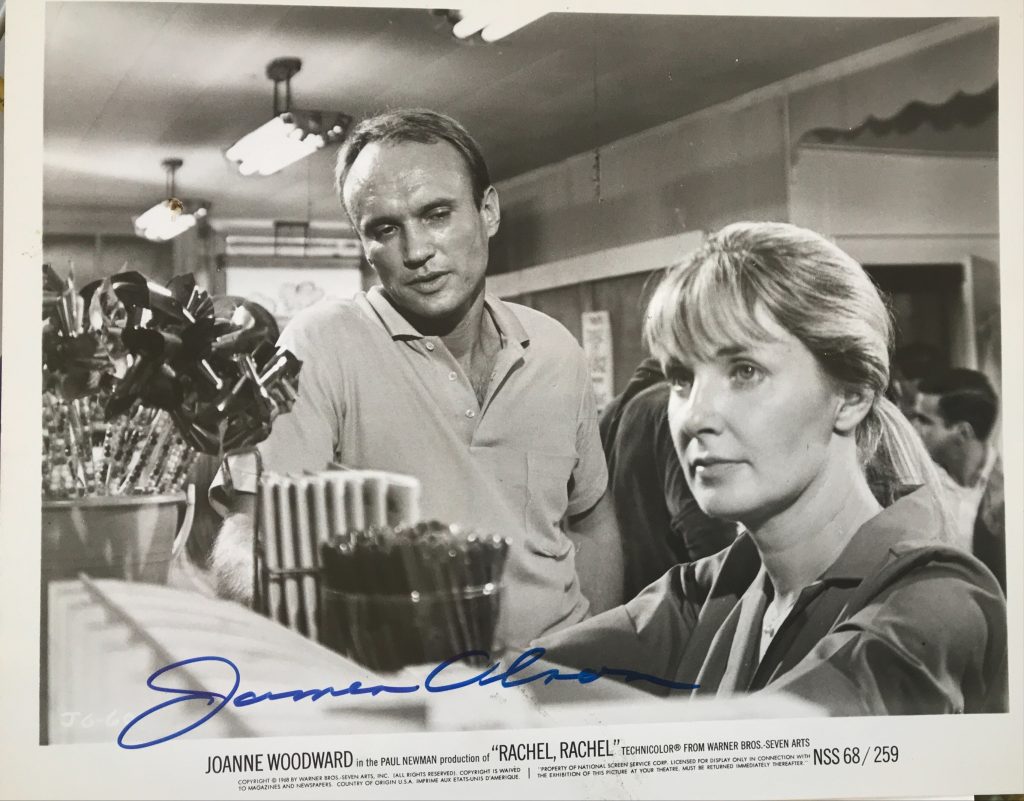
James Olson & Joanne Woodward

James Olson


James Olson

James Olson. Wikipedia

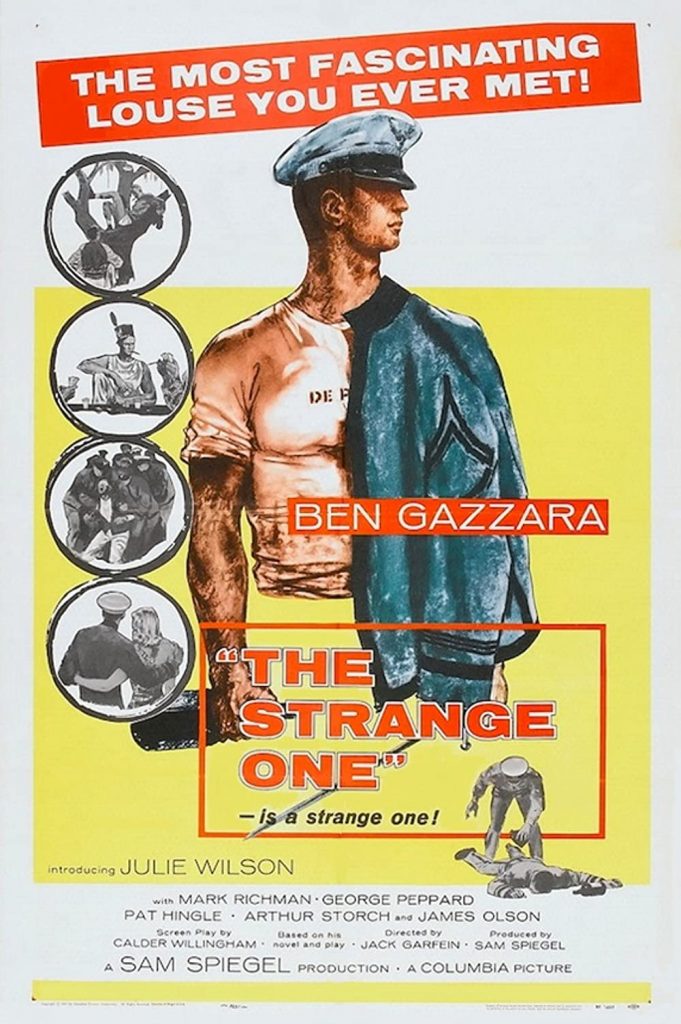
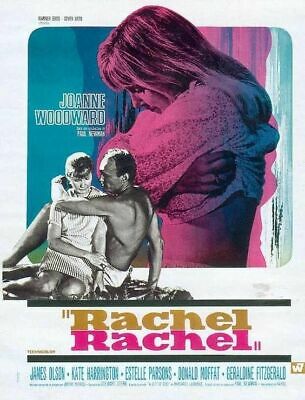
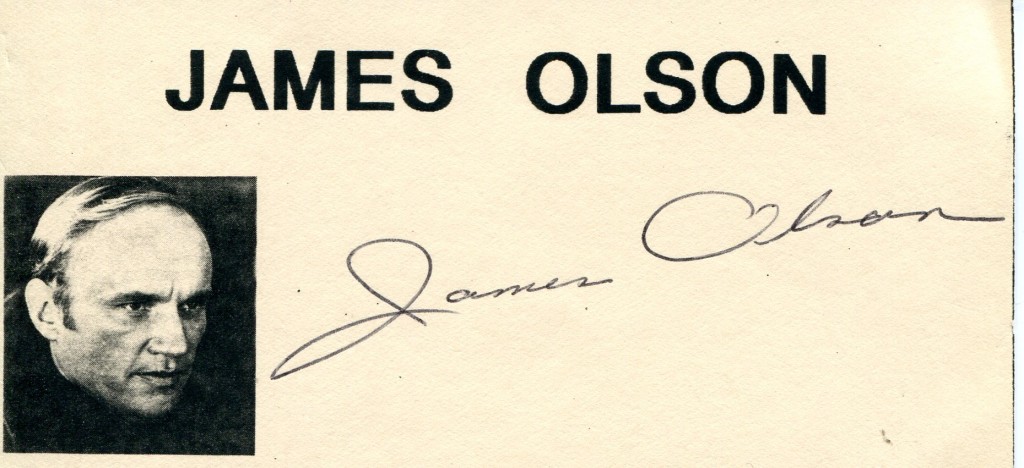
James Olson was born in 1930 in Evanston, Illinois.   He is a graduate of Northwestern University.   His first film was “The Strange One” with Ben Gazzara in 1957.   He us especially remembered for his performance opposite Joanne Woodward in “Rachel, Rachel”.   His last TV performance was in a 1990 episode of “Murder She Wrote”.

Gary Brumburgh’s entry:

He was a Chicago-based stage actor by the time he began his film career in the forgettable action drama The Sharkfighters (1956).

A reedy, sensitive-looking blond, James Olson showed an understated power in his performances that often received critical applause, but also a taciturn personality that kept audiences at bay.

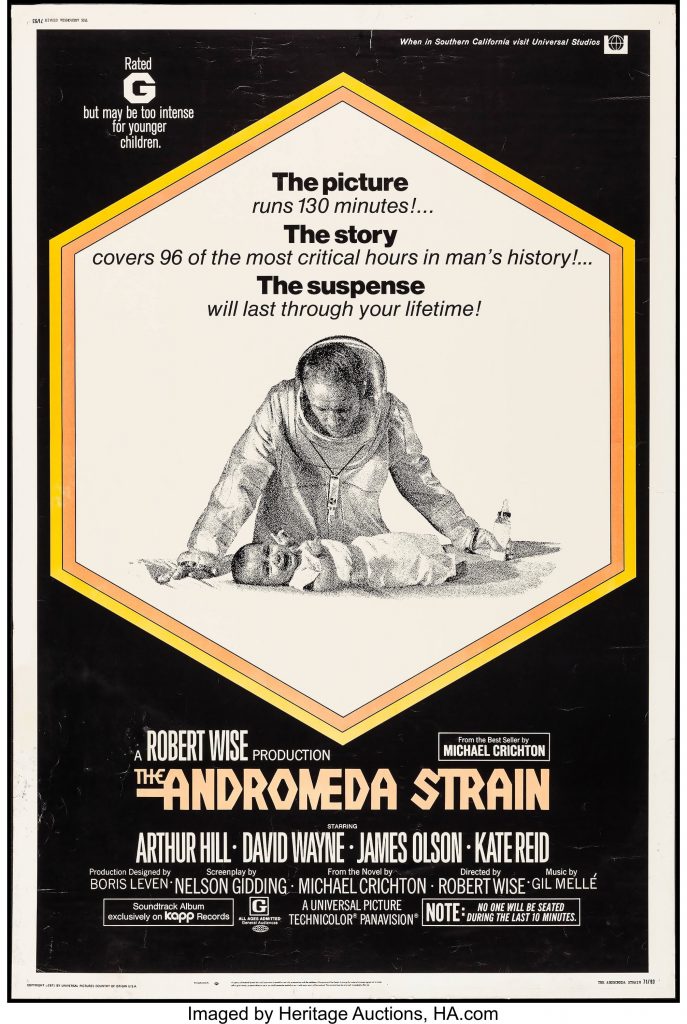
His performance as Joanne Woodward’s suitor in Rachel, Rachel (1968) gained him the best reviews of his career and it seemed he had finally earned his stripes, but despite impressive parts in The Andromeda Strain (1971) and Ragtime (1981), not to mention the TV-movies The Family Nobody Wanted (1975) and “The Court-Martial of George Armstrong Custer (1977), he never made a name for himself.

James Olson


James Olson

A durable talent, he remained a reliable presence for years with TV guest spots, but by the 1990s he had all but disappeared.

– IMDb Mini Biography By: Gary Brumburgh / gr-home@pacbell.net

James Olson died in 2022.

Obituary in 2022:

Olson was born in Evanston, Illinois, and graduated from Northwestern, where he first joined the theater. He is survived by two nieces, a nephew, and three grandnephews

James Olson (1930–2022) was the quintessential “actor’s actor.” While he never became a household name on the level of his contemporaries like Paul Newman or Robert Redford, he possessed a chillingly precise, cerebral screen presence that made him a favorite of elite directors.

He was often cast as the intellectual, the high-ranking official, or the “cold” professional—characters whose interior lives were guarded by a stiff upper lip and a sharp mind.


Key Career Highlights

Work Role Significance
The Andromeda Strain (1971) Dr. Mark Hall His most iconic role; the “surgeon with the key” who anchors the hard sci-fi realism.
Rachel, Rachel (1968) Nick Kazlik Directed by Paul Newman; Olson plays the catalyst for Joanne Woodward’s emotional awakening.
The Moon-Spinners (1964) Mark Camford A rare turn as a romantic/adventure lead for Disney opposite Hayley Mills.
The Great White Hope (1970) Kid Francis Showcased his ability to hold his own in high-intensity ensemble dramas.
Star Trek (1968) Kelinda (“By Any Other Name”) A cult-classic guest appearance as an alien Kelvan.

Critical Analysis of His Craft

1. The “Ice-Cold” Intellectualism

Olson’s greatest strength was his minimalism. In an era where many actors were leaning into the explosive “Method” style, Olson often went the other way. In The Andromeda Strain, he portrays Dr. Mark Hall not as a swashbuckling hero, but as a weary, slightly cynical professional. His performance is built on technical accuracy and a reserved temperament, which grounded the film’s high-concept premise in believable reality.

2. The Vulnerability Beneath the Starch

His performance in Rachel, Rachel is arguably his best character work. He plays a man who is worldly and perhaps a bit manipulative, yet Olson manages to inject a sense of genuine human connection that makes the heartbreak palpable. He was a master at playing men who were uncomfortable with their own emotions, making the moments they did break through all the more impactful.

3. The Character Actor in Leading Man’s Clothing

Olson had the jawline and stature of a traditional leading man, but his sensibilities were those of a character actor. He lacked the “everyman” warmth required for superstardom in the 1970s, which often resulted in him being cast as:

  • The Bureaucrat: High-ranking military or government officials.

  • The Antagonist: Not a “mustache-twirling” villain, but a logical, often cold-blooded adversary.

  • The Specialist: Doctors, scientists, or experts whose brilliance isolated them from others.


The Legacy of the “Quiet Professional”

James Olson’s career serves as a masterclass in understatement. He belonged to a generation of theater-trained actors who transitioned to film with a profound respect for the text.

“Olson didn’t need to shout to command a room; his silence was often his most powerful tool. He represented a specific type of mid-century American masculinity: educated, repressed, and intensely capable.”

While he retired from acting in the early 1990s, his work—particularly in the realm of science fiction and psychological drama—remains a benchmark for actors who wish to project intelligence without saying a word


James Olson was a staple of the “Golden Age” of episodic television. While he never headlined his own long-running series, his presence was often a signal to the audience that they were watching a “prestige” episode. He specialized in playing men of high intelligence who were often compromised by ego, clinical detachment, or a singular, dangerous obsession.


The “Guest Star” Archetypes

In guest roles, Olson typically fell into three distinct categories:

1. The Superior Alien or “Other”

Olson’s naturally regal, somewhat detached bearing made him perfect for non-human roles.

  • Star Trek: “By Any Other Name” (1968): As Rojan, the leader of the Kelvans from the Andromeda Galaxy. This is perhaps his most famous guest role. He played Rojan not as a monster, but as a hyper-logical conqueror who eventually discovers (and is overwhelmed by) human emotion. It is a masterclass in shifting from robotic stiffness to vulnerable confusion.

  • Battlestar Galactica: “The Gun on Ice Planet Zero” (1978): Playing Thane, a cynical convict whose expertise is needed for a suicide mission. He brought a “hard-boiled” noir energy to a space opera setting.


2. The High-Stakes Intellectual Antagonist

Olson was frequently cast as the man who was “too smart for his own good,” often serving as the intellectual foil to the show’s hero.

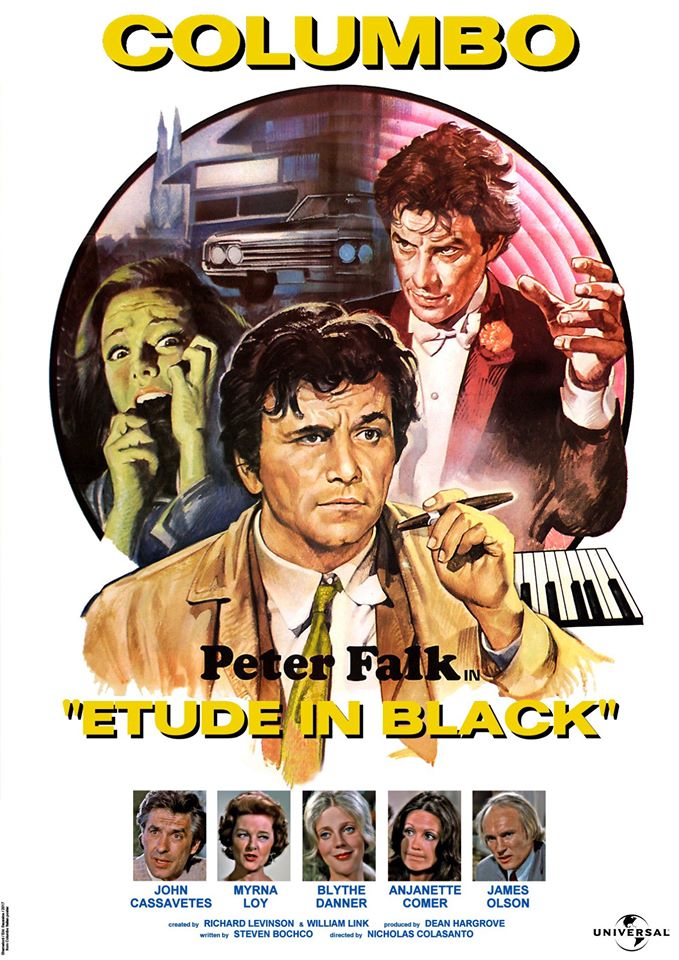
  • Columbo: “Étude in Black” (1972): As Paul Rifkin. In this classic episode, he plays the “victim-side” antagonist—the man whose murder (or involvement) triggers the investigation. He matched Peter Falk’s eccentricity with a sharp, brittle arrogance.


  • Hawaii Five-O: He appeared multiple times (most notably in “A Hawaiian Nightmare”), often playing meticulous criminals or men with technical expertise whose plans were undone by a single human variable they failed to calculate.

3. The Authority Figure with a Secret

His “stiff-upper-lip” persona made him a go-to for military or government roles where the character was hiding either a moral lapse or a mental breakdown.

  • The Bionic Woman / Wonder Woman / The Six Million Dollar Man: In these 70s action staples, he often played the “Specialist” or “Director”—the man in the suit who knows more than he’s letting on.

  • The Missiles of October (1974): As McGeorge Bundy. In this highly acclaimed TV movie/docudrama, Olson’s ability to portray high-level bureaucratic tension was used to great effect during the Cuban Missile Crisis.


Critical Analysis: Why He Worked

Olson’s television work was effective because he understood the economy of movement. On 1970s television, which often featured “big” acting and theatrical villains, Olson was a ghost.

  • The “Cold” Gaze: Olson had a way of looking through other actors. This made him genuinely intimidating in an intellectual sense. When he played a villain, you didn’t fear he would hit you; you feared he had already outthought you three steps ago.

  • Voice as an Instrument: He possessed a precise, mid-Atlantic accent that sounded authoritative and academic. He rarely raised his voice, which made his rare emotional outbursts (like Rojan’s frustration in Star Trek) feel like a seismic event.

  • The Tragic Arc: He was at his best when playing characters who believed they were in total control, only to have their logic fail them. His “guest star” career is essentially a long series of portraits of the “Hubris of Man.”


Notable “One-Off” Must-Watches

  • Little House on the Prairie: A rare chance to see him in a period drama, playing a character with more overt warmth than his usual “cold scientist” roles.


  • The F.B.I. / Cannon / Barnaby Jones: If you watch any 70s procedural, you will eventually find Olson playing a white-collar criminal who almost—but not quite—gets away with it.

James Olson was the actor you hired when the script required a character to be “the smartest person in the room,” but also the loneliest. He brought a cinematic weight to the small screen that elevated every production he joined

Leave a Reply

Your email address will not be published. Required fields are marked *