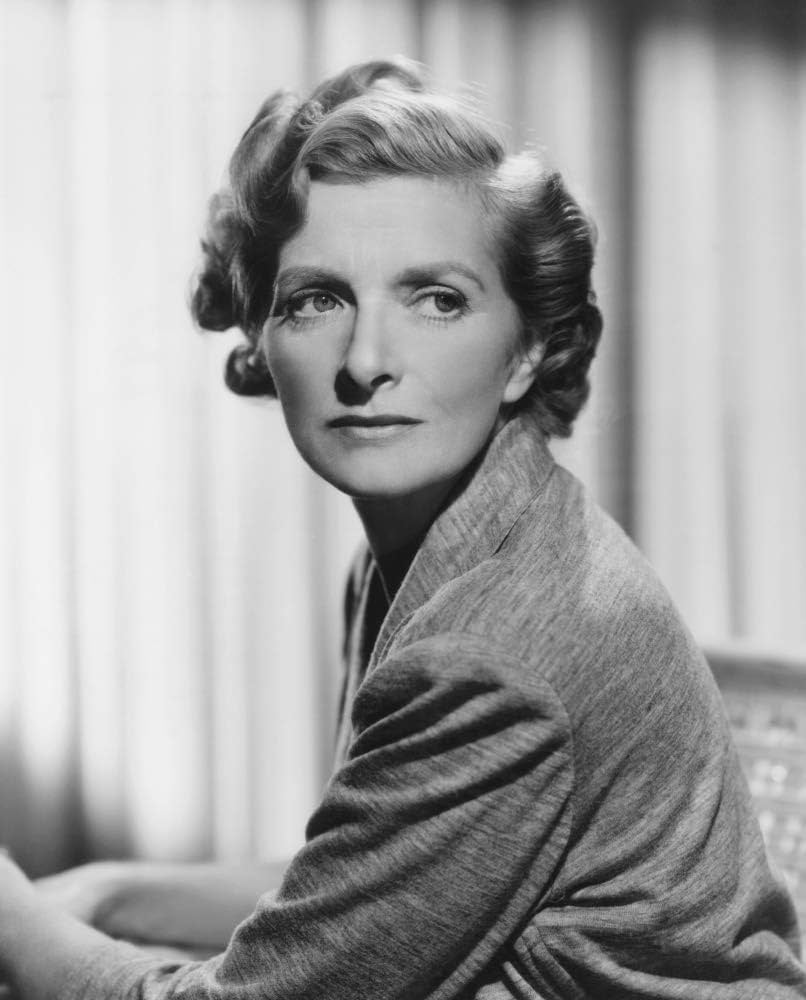
Appraisal:
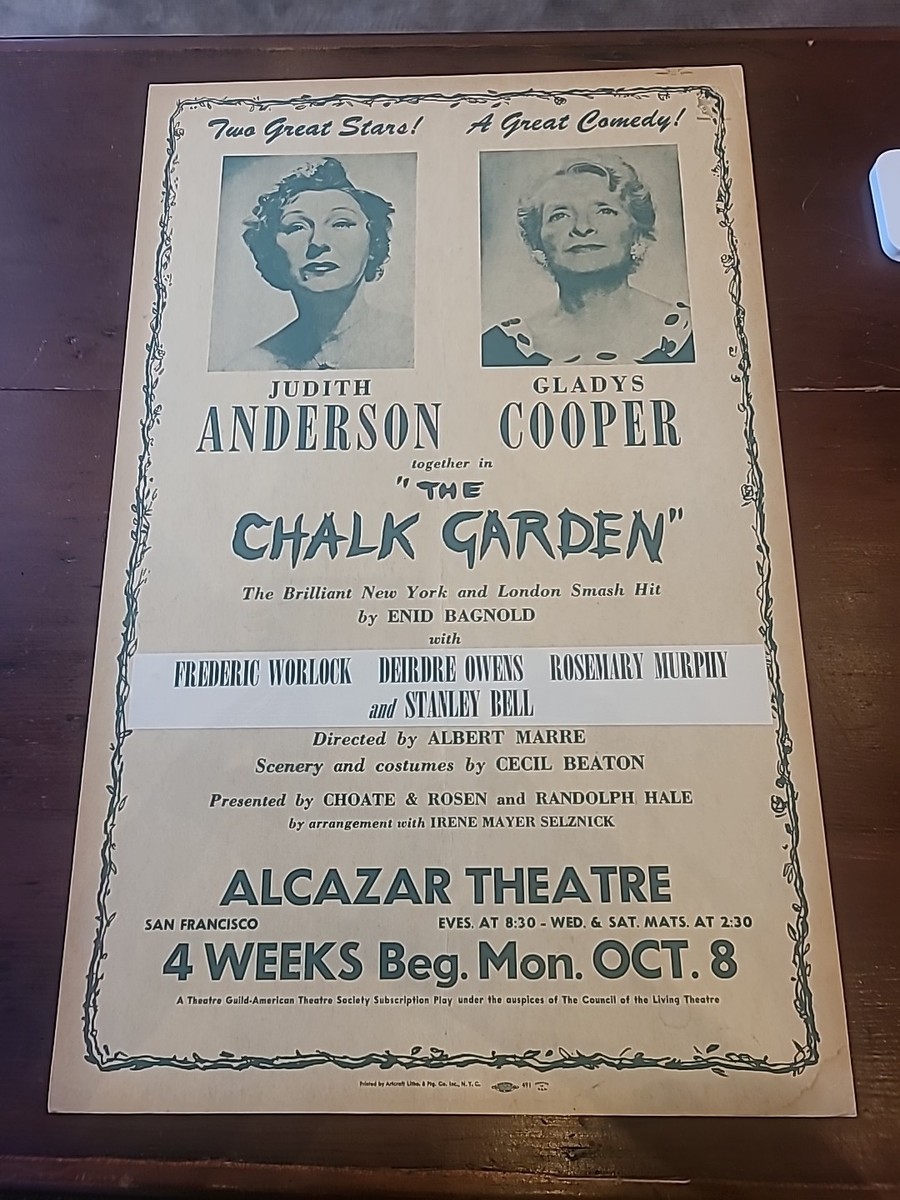
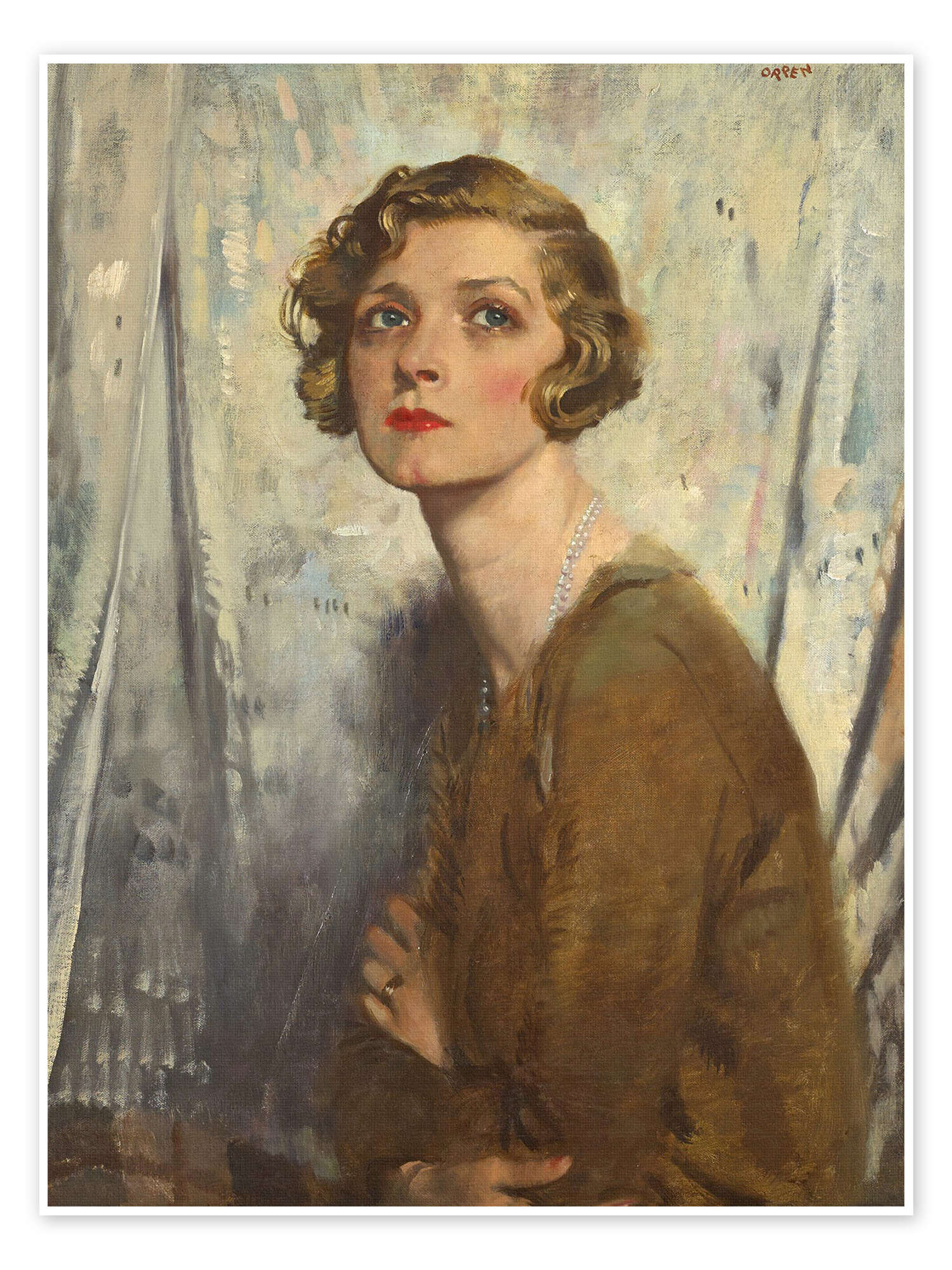
Dame Gladys Cooper (1888–1971) was a titan of the British stage whose career remarkably spanned seven decades. She is a rare example of a performer who successfully navigated three distinct lives in the public eye: first as a celebrated “postcard beauty” and musical comedy star, then as a powerful London actor-manager, and finally as a distinguished Academy Award-nominated character actress in Hollywood.
Career Overview
The “Gaiety Girl” and Postcard Icon (1905–1920)
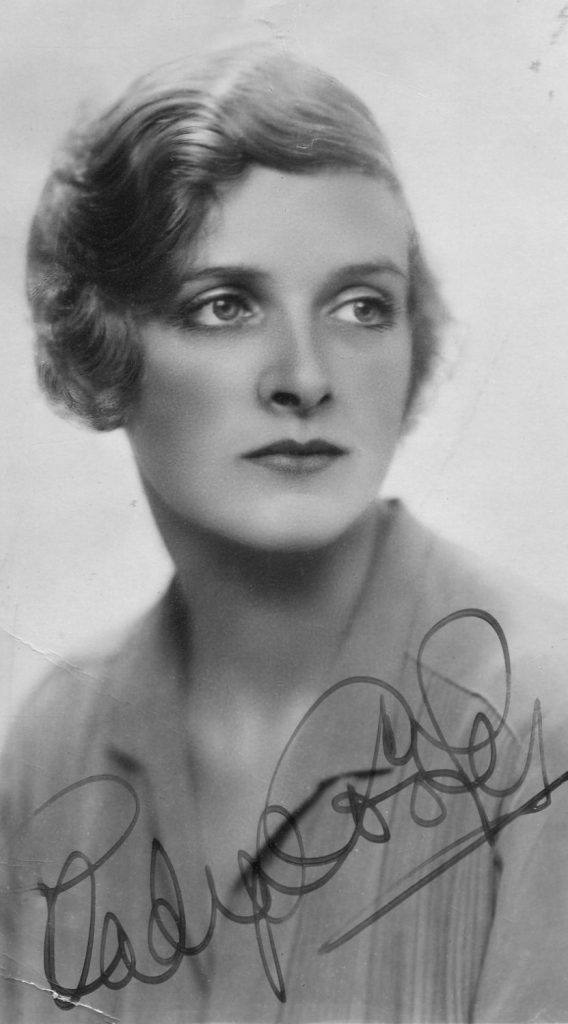
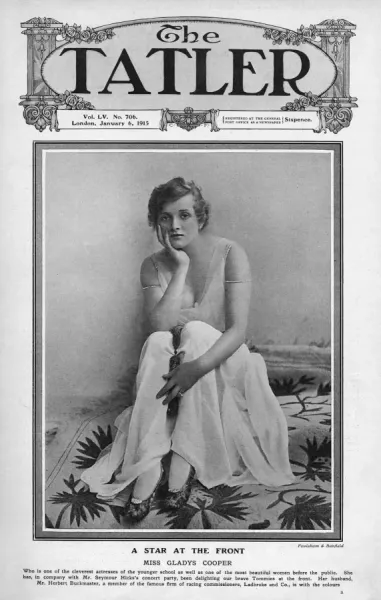
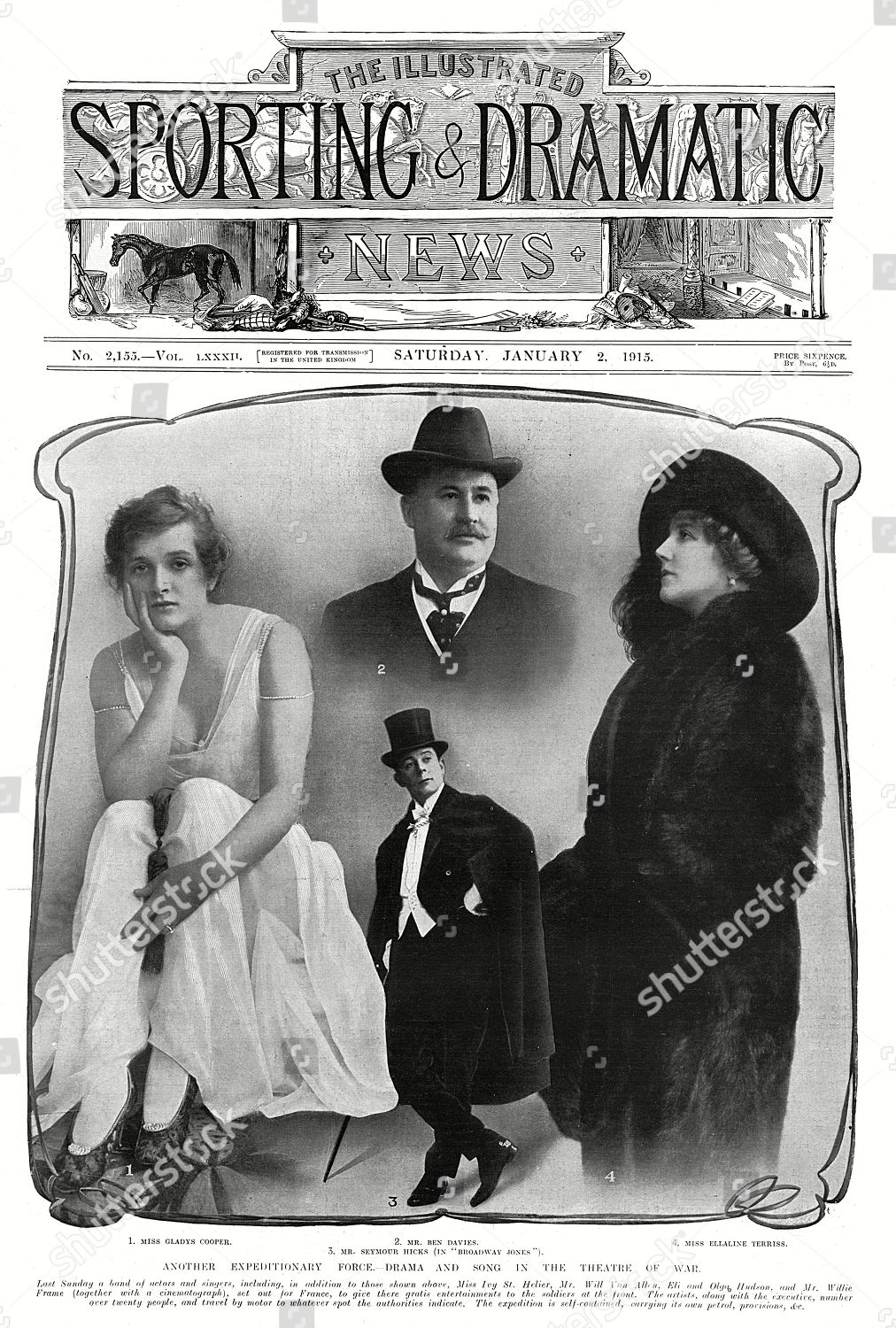
Cooper began her career as a teenager, joining the famous Gaiety Girls chorus line. During World War I, she was arguably the most photographed woman in England; her “porcelain” beauty made her the favorite pin-up for British troops. Despite this early pigeonholing as a “glamour girl,” she was fiercely ambitious, using her popularity to transition into “straight” theater and silent films.
The Actor-Manager Era (1920s–1930s)
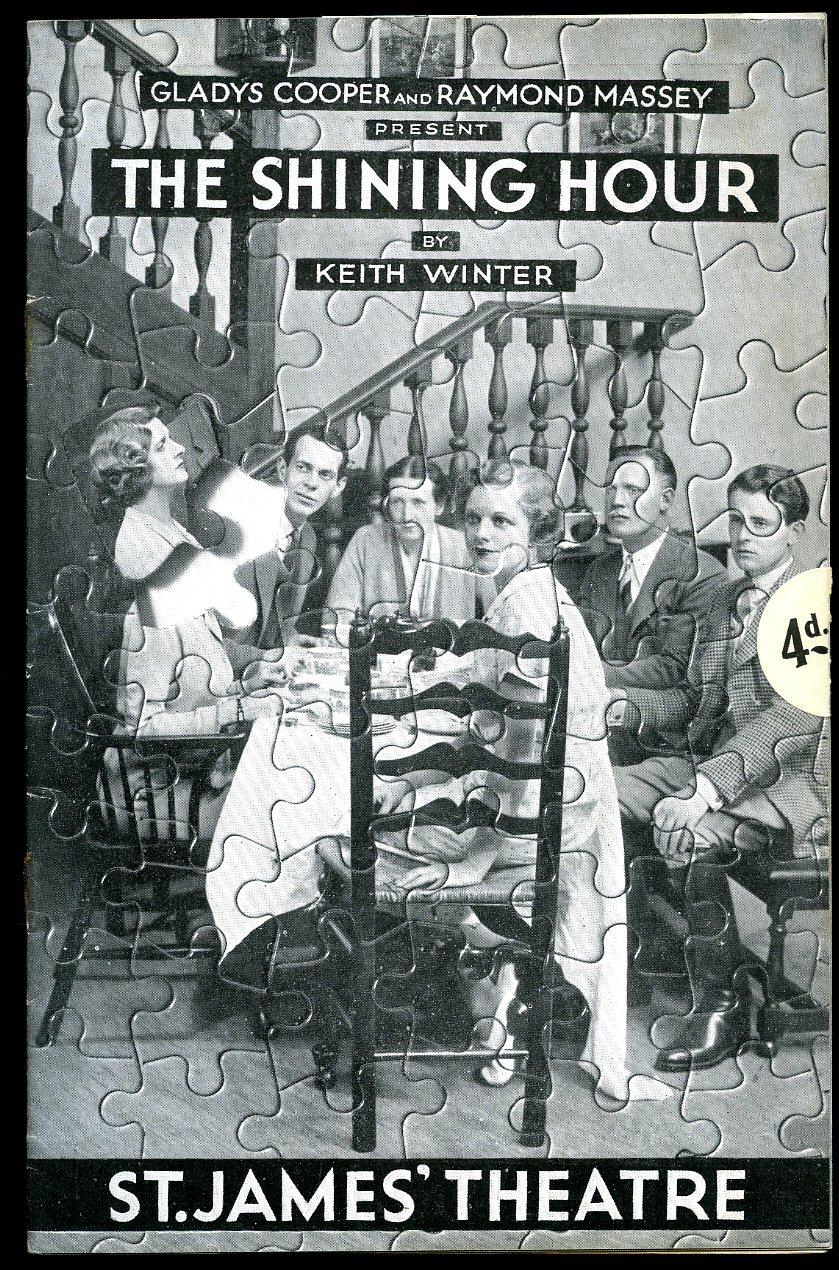
In a move that was revolutionary for a woman at the time, Cooper took over the management of The Playhouse Theatre in London (1917–1933).
The Second Mrs. Tanqueray (1922): Her performance as Paula Tanqueray proved her dramatic mettle, silencing critics who had previously dismissed her as “too statuesque” or “stiff.”
Maugham’s Muse: She became the definitive interpreter of W. Somerset Maugham’s complex female leads, premiering the role of Leslie Crosbie in The Letter (1927).
Hollywood and Character Mastery (1940–1971)
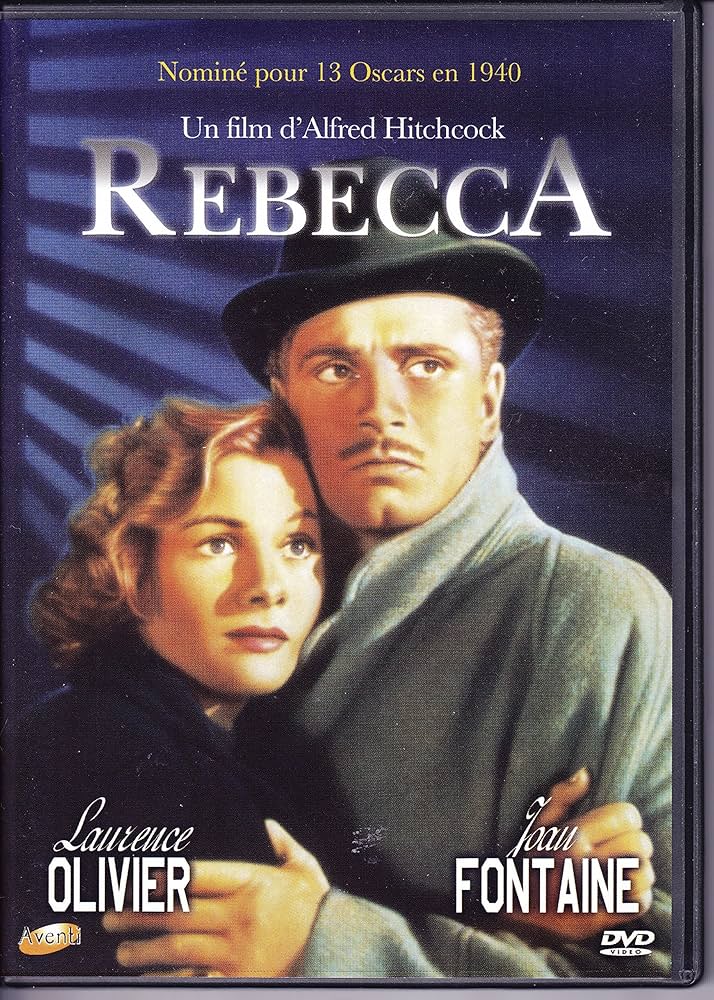
Cooper moved to Hollywood at age 51, debuting in Alfred Hitchcock’s Rebecca (1940). While her beauty had matured, her “cool, aristocratic” screen presence became her trademark. She earned three Academy Award nominations for Best Supporting Actress:
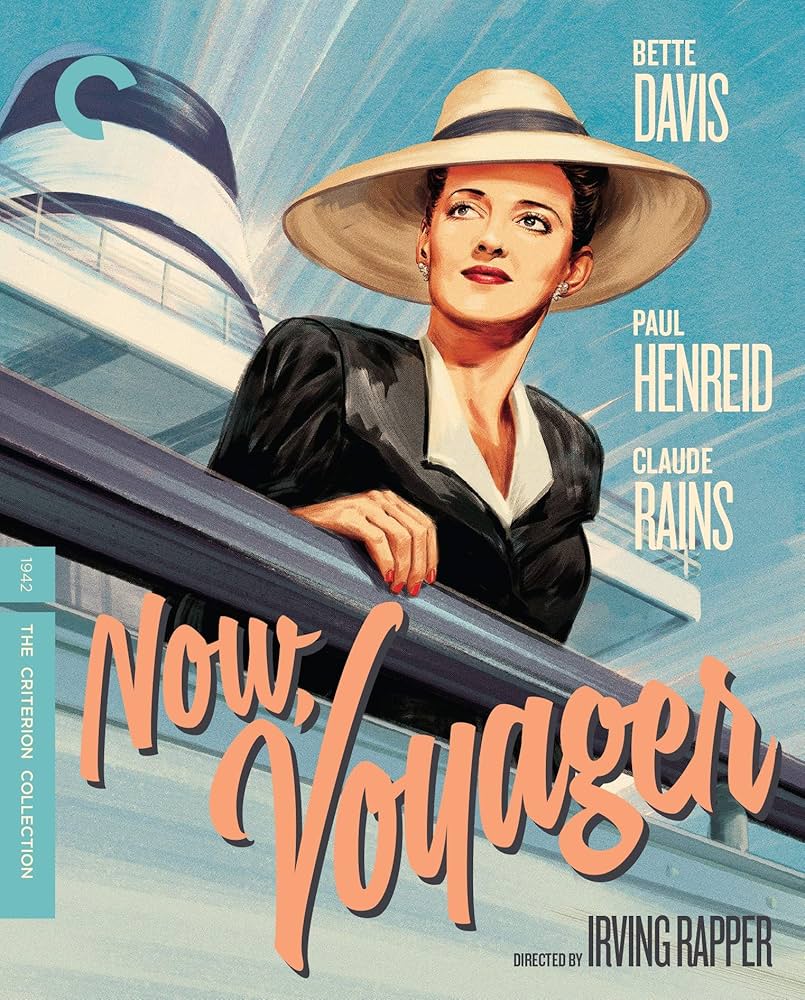
Now, Voyager (1942): As Bette Davis’s tyrannical, steel-willed mother.
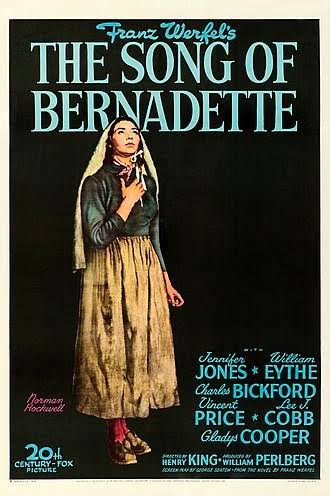
The Song of Bernadette (1943): As a skeptical, rigorous nun.
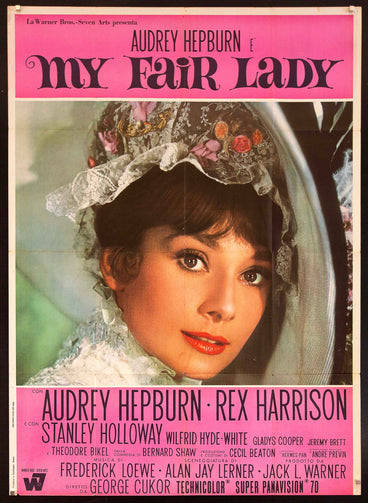
My Fair Lady (1964): As the elegant and sensible Mrs. Higgins.
Detailed Critical Analysis
1. The Architecture of “The Grand Dame”
In her Hollywood years, Cooper was the industry’s “gold standard” for the British Matriarch. Critics often noted her ability to convey immense authority with very little physical movement. Her performances were built on a foundation of vocal precision and a “chilly” elegance. However, she was more than a trope; in Now, Voyager, she managed to make her character’s cruelty feel rooted in a genuine, albeit warped, sense of duty and class preservation.
2. Transformation through Restraint
Early in her stage career, critics like Aldous Huxley complained she was “too impassive.” Over time, Cooper turned this “stiffness” into a powerful tool of understatement. By her later years, this evolved into a “calculated stillness.” In her famous Twilight Zone episode, “Nothing in the Dark” (1962), she played against her usual aristocratic type as a terrified, impoverished old woman, proving that her emotional range extended far beyond the drawing-room.
3. The Business of Acting
Cooper’s legacy is defined as much by her professionalism and autonomy as her talent. As an actor-manager, she controlled the scripts, the casting, and the finances of her productions—a level of agency few of her contemporaries achieved. This pragmatism translated to her acting; she was known as a “no-nonsense” performer who approached a scene with the efficiency of a craftswoman, avoiding the over-indulgent “Method” style that was becoming popular in the 1950s.
4. Subverting the Matriarch Archetype
While she often played “matriarchal bullies,” she was equally adept at playing the voice of reason. Her Mrs. Higgins in My Fair Lady is critically praised for being the only character who truly sees through Henry Higgins’ bullying, providing a necessary moral anchor to the film. She used her “aristocratic” features not to alienate, but to lend her characters an unshakeable dignity.
Major Awards & Recognition
DBE (Dame Commander of the Order of the British Empire): Appointed in 1967 for services to the theatre