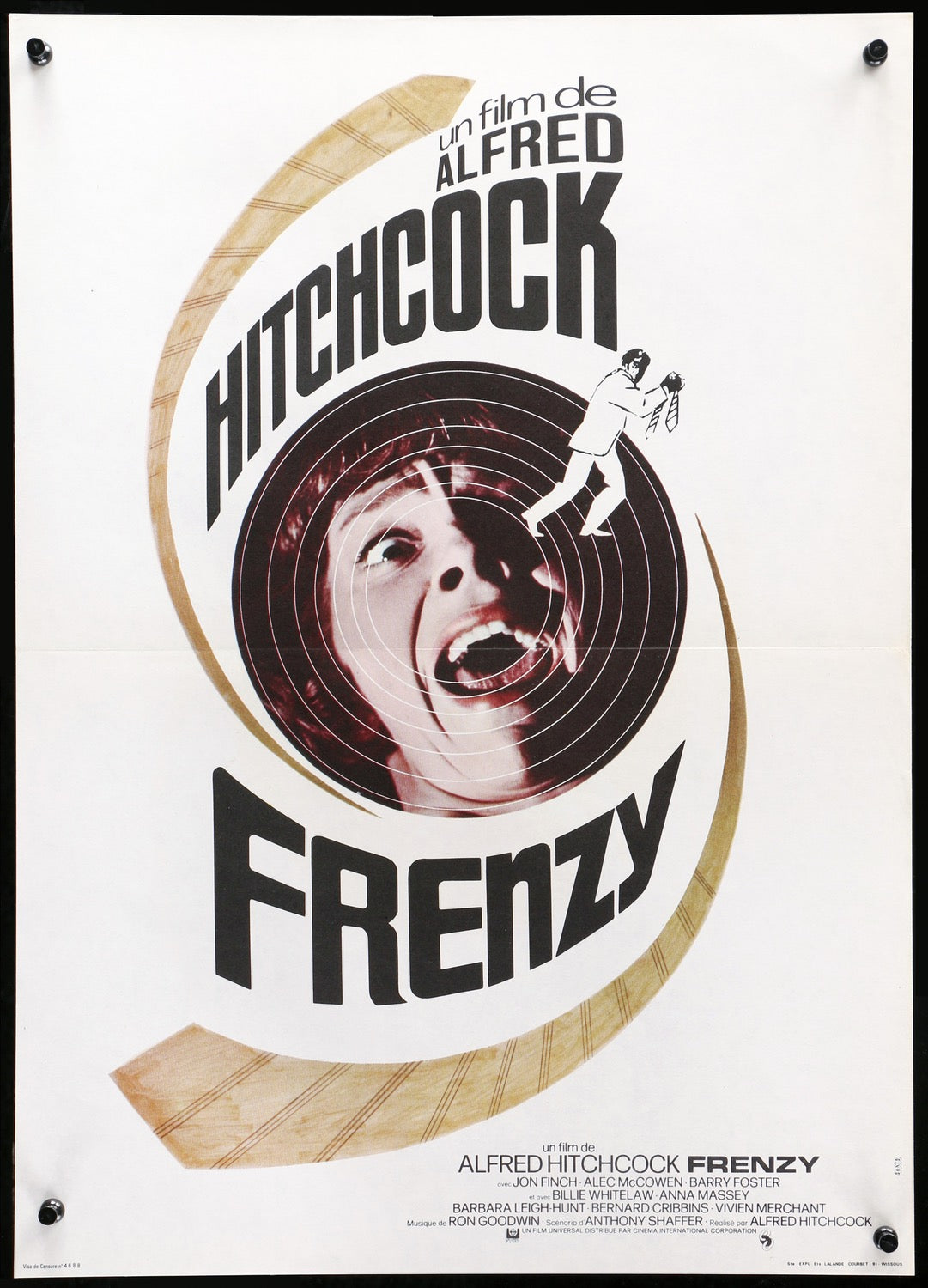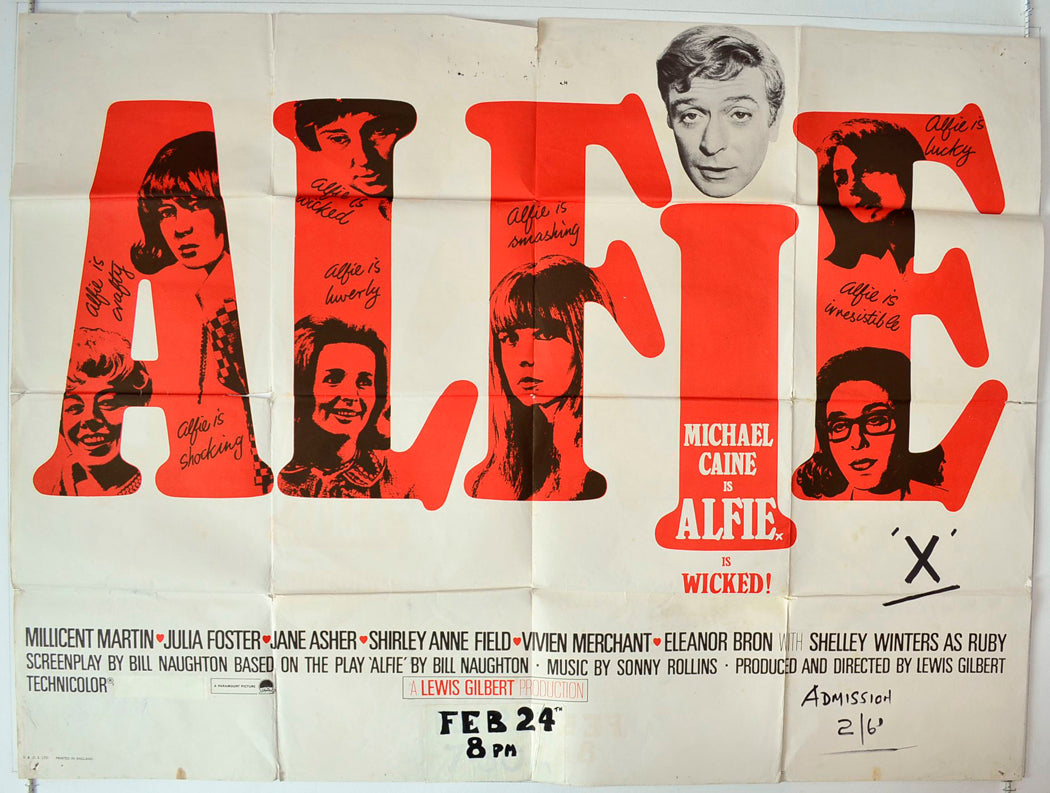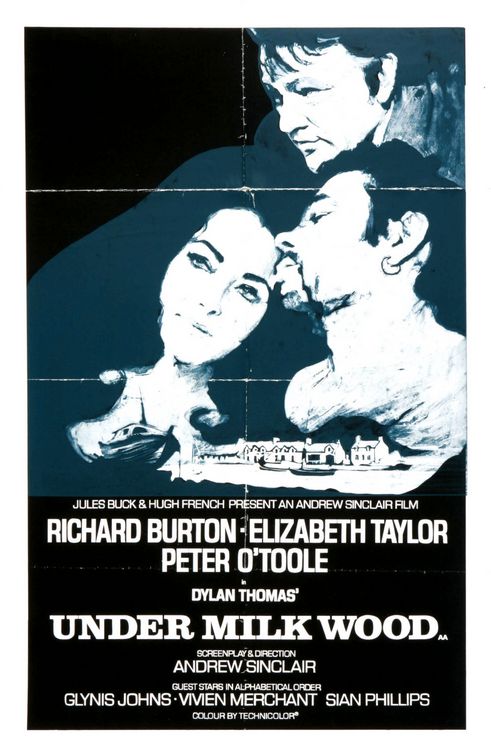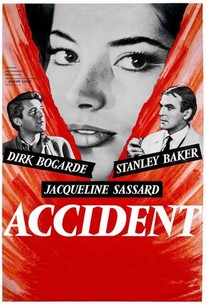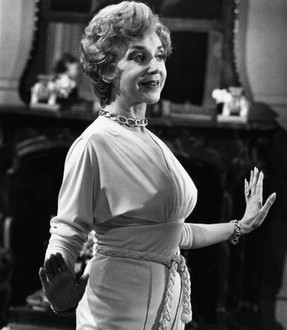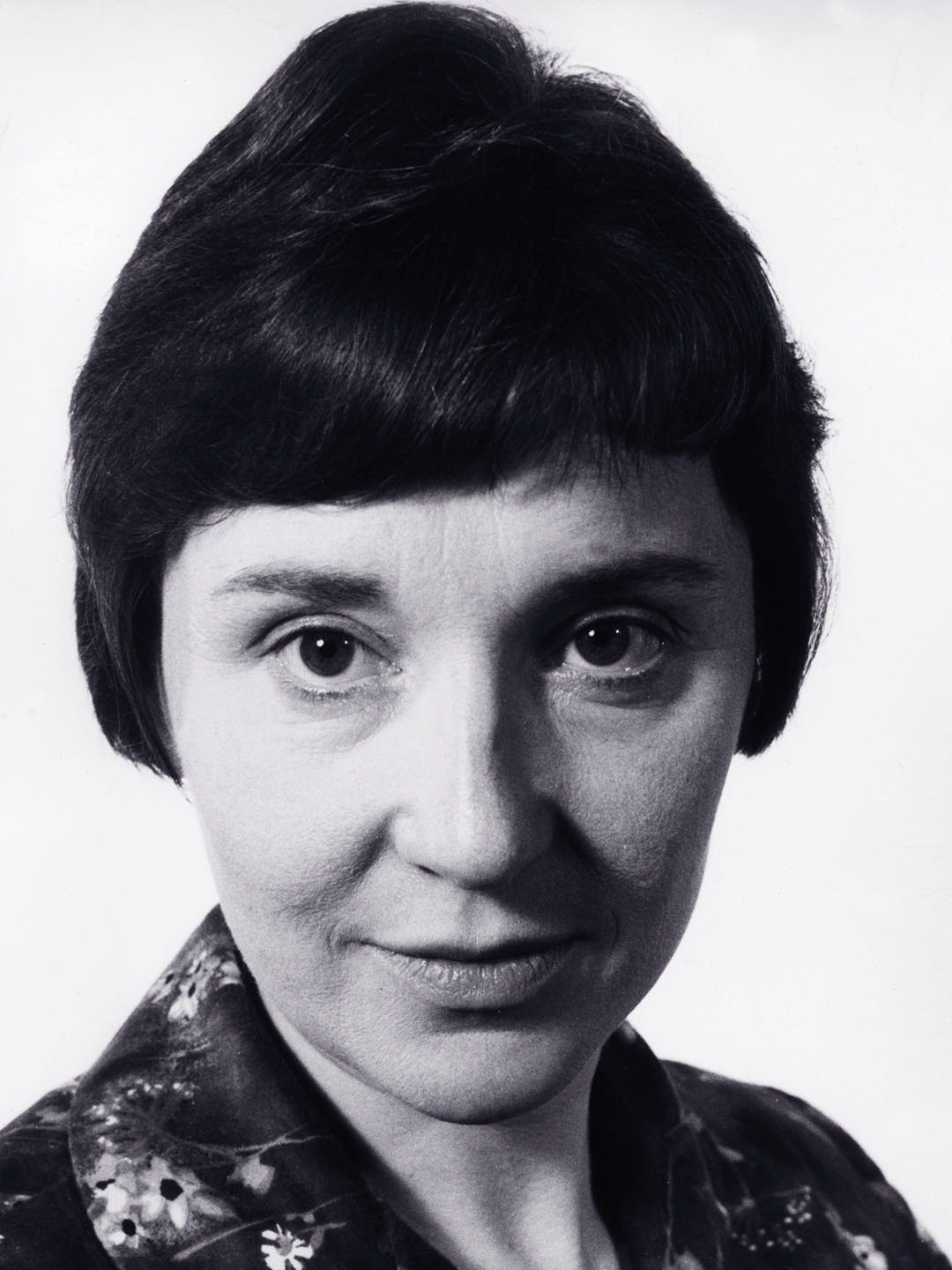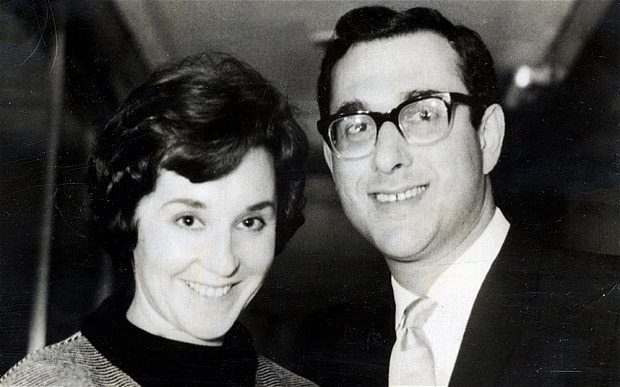

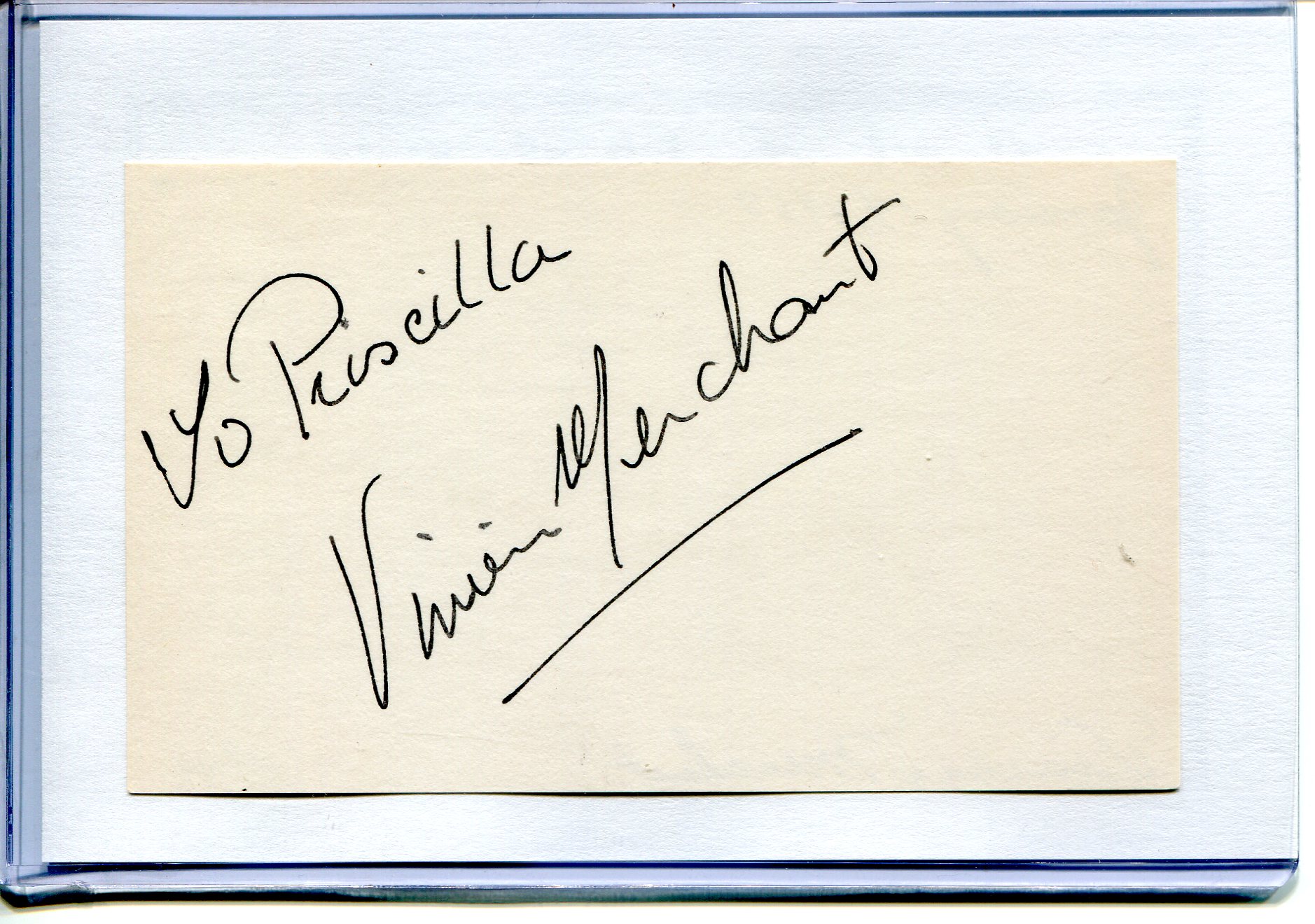
Vivien Merchent was a brilliant actress who made films in Britain mainly in the 1960’s and 70’s. She was born in Manchester in 1929. She gave searing performances in “Alfie” with Michael Caine in 1966 and “Accident” was the Oxford wife of Dirk Bogarde, directed by Joseph Losey. She died in 1982.
TCM overview:
Stage-trained actress who came to attention for her Oscar-nominated performance in “Alfie” (1966). Merchant was also memorable as the dotty housewife in Alfred Hitcock’s “Frenzy” (1972). Formerly married to playwright Harold Pinter.
“New York Times” obituary:
Vivien Merchant, the British actress who starred on the West End and Broadway in many of the enigmatic plays written by her former husband, Harold Pinter, died Sunday at her home in London, her family announced yesterday. She was 53 years old.
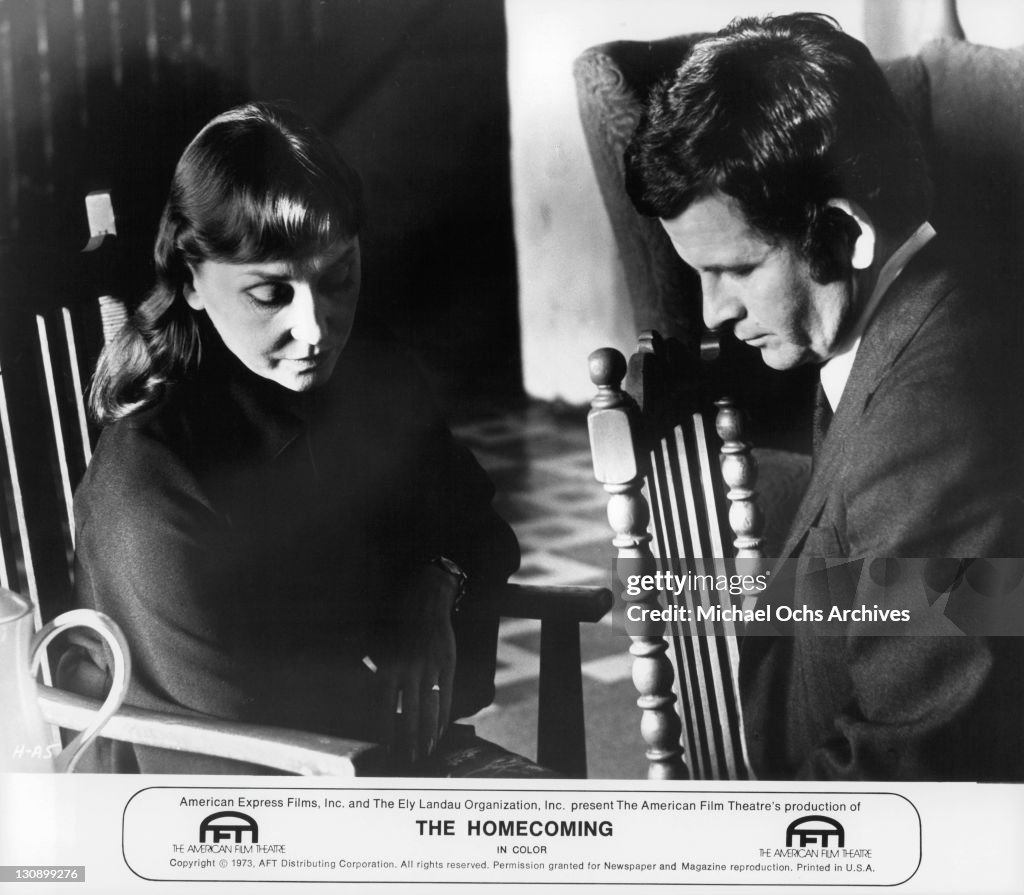
Although Miss Merchant appeared in many films, she was best remembered for her one appearance on the New York stage in 1967 in the Royal Shakespeare Company’s production of Mr. Pinter’s ”The Homecoming,” in which she played the role of what some critics called a ”whore-mother” in an otherwise all-male family on stage. Reviewing the play in The New York Times, Walter Kerr described her as ”hard-headed, cool and with great reserve.”
In England, her theatrical sensuousness caused The Sunday Times of London to describe her once as the ”sex Merchant,” but her range of roles included the classics and Shakespeare, in which she played Lady Macbeth. Her subtle emotional power made her what Mr. Pinter called his ideal interpreter in ”The Birthday Party” and ”The Caretaker.”
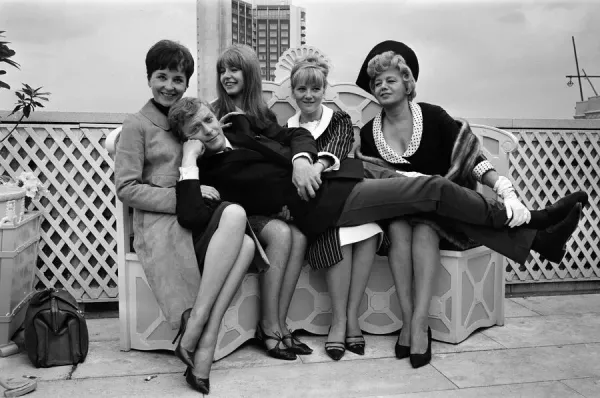
Among her movie credits were ”Alfie” with Michael Caine in 1966, for which she was nominated for an Academy Award; ”Accident” in 1967, directed by Joseph Losey from a screenplay by Mr. Pinter, and Alfred Hitchcock’s ”Frenzy” in 1972.
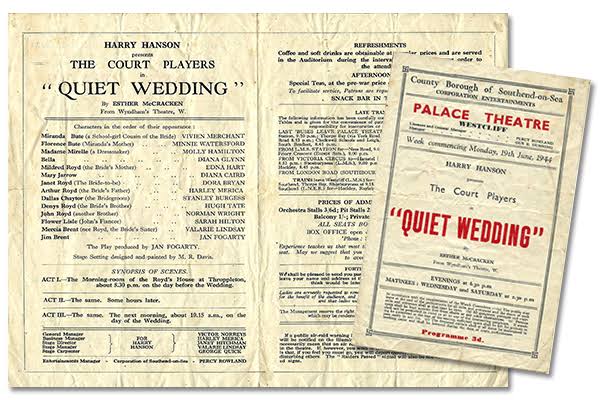
Miss Merchant, born Ada Thompson in Manchester, England, made her stage debut at the age of 14 in a touring production of ”Jane Eyre.” She chose the name Vivien after Vivien Leigh -”I thought it would give me glamour” – and Merchant because of her brother: ”I was proud of his service in the merchant marine.”
She met Mr. Pinter when they were acting in provincial companies, and they married in 1956. He began to write plays and she began to appear in them. ”If he writes a part of a secretary flashing her legs, I’ve got to do it,” she said, ”but I really preferred comedy roles.”
The couple were divorced in 1980, the same year in which Mr. Pinter married Lady Antonia Fraser, a biographer with whom he had lived for five years in a much-publicized relationship. Miss Merchant, who at one point said she thought her husband was ”possessed” by Lady Antonia, had bitterly refused to go along with a divorce.
Surviving is a son, Daniel.
The above “New York Times” obituary can also be accessed online here.
An Appraisal
Vivien Merchant (1929–1982) was one of the most intellectually rigorous and haunting actresses of the post-war British era. While her mainstream fame often stems from her Academy Award-nominated turn in Alfie, her true legacy lies in her role as the definitive interpreter of the works of her husband, Harold Pinter. She possessed a unique ability to weaponize silence and navigate the “Pinteresque” landscape with a precision few have matched.
Career Overview
The Pinter Muse (1950s–1960s)
Merchant began her career in repertory theatre, where she met Harold Pinter (then acting under the name David Baron). Following their marriage in 1956, she became the primary vessel for his early, groundbreaking work.
The Room (1957): She starred in the premiere of Pinter’s first play, establishing the template for the “Pinter woman”—composed, observant, and often possessing a terrifying inner stillness.
The Lover (1963): Her performance in this television play was a sensation, showcasing her ability to shift between a mundane suburban housewife and a high-glamour seductress within the same psychological space.
The Homecoming (1965/1967): As Ruth, Merchant delivered what many consider the definitive performance of the role on both the London and Broadway stages (earning a Tony nomination). She later reprised the role in the 1973 film.
Mainstream Breakthrough (1966–1972)
Merchant’s transition to film was brief but potent, characterized by high-impact supporting roles:
Alfie (1966): Her portrayal of Lily, the desperate, older married woman who undergoes a harrowing illegal abortion, provided the film’s moral and emotional core. It earned her an Academy Award nomination and a BAFTA for Most Promising Newcomer.
Frenzy (1972): In Alfred Hitchcock’s penultimate film, she provided brilliant dark-comedy relief as the gourmet-cooking wife of the Chief Inspector, proving her versatility outside of heavy drama.
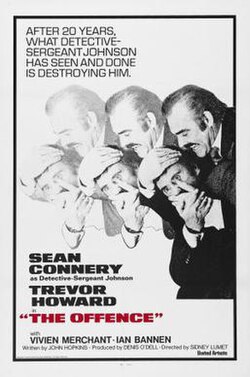
The Offence (1972): Starring opposite Sean Connery, she played the exhausted, emotionally battered wife of a collapsing police detective, a role that utilized her gift for portraying “quietly breaking” women.
Detailed Critical Analysis
1. The Architecture of Silence
The hallmark of Merchant’s style was her mastery of the pause. In the mid-20th century, when theatrical acting was often still declamatory, Merchant pioneered a style of “internalized tension.” Critics often noted that she seemed to be thinking several sentences ahead of what she was actually saying. This made her the perfect Pinter actress; she understood that the “menace” in his plays didn’t come from the dialogue, but from the gaps between the words.
2. Eroticism and Enigma
Merchant excelled at playing women who were simultaneously domestic and dangerous. In The Homecoming, her Ruth is a woman who enters a house of predatory men and, through sheer linguistic and sexual composure, eventually dominates them. Critically, she was praised for her “cool” eroticism—she never leaned into melodrama or overt vamping, instead using a level, unwavering gaze to exert power.
3. The “Lily” Archetype: Vulnerability vs. Steel
Her performance in Alfie is a masterclass in understatement. While Michael Caine’s Alfie is all charisma and motion, Merchant’s Lily is static and heavy with grief. Critics have analyzed this performance as the bridge between “Kitchen Sink Realism” and the more psychological dramas of the 70s. She managed to make a character who could have been a mere victim into a figure of profound, albeit tragic, dignity.
4. Physicality: The “Merchant Stillness”
Technically, Merchant was a very “still” actor. She rarely used grand gestures, often keeping her hands folded or her body rigid. This physicality created a sense of containment, suggesting a character who was holding herself together by a thread. This quality became more pronounced (and tragically reflective of her personal life) in her later roles, such as in The Maids (1975), where her performance was described as having a brittle, glass-like fragility.
Legacy and Recognition
Merchant’s career was cut short by a decline in her health following her high-profile divorce from Pinter in the late 1970s. However, she remains a case study for actors on how to command the screen through omission rather than addition