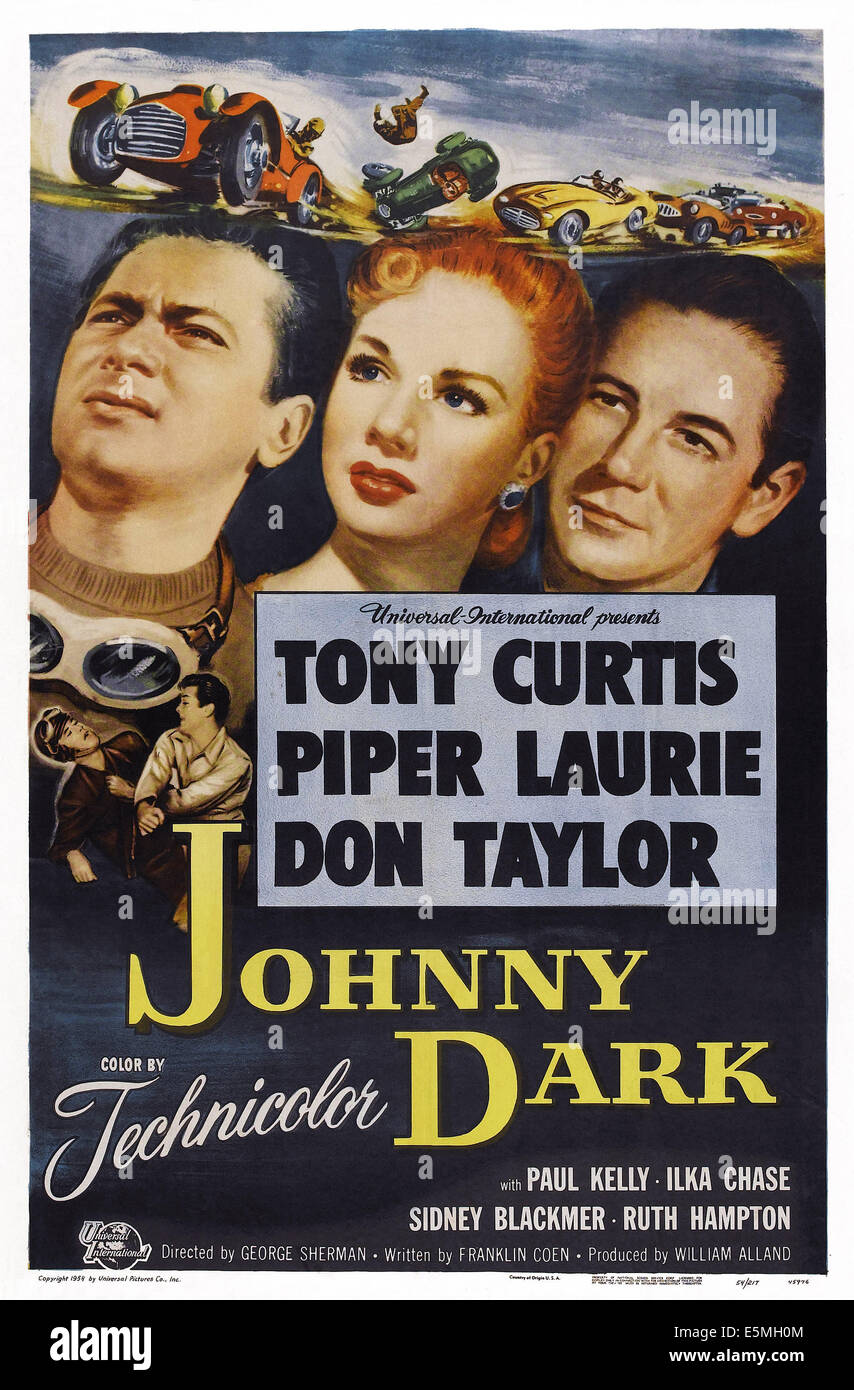


Don Taylor was born in 1920 in Freeport. He starred opposite Elizabeth Taylor in “Father of the Bride” and “Father’s Little Dividend”. He went on to become a respected director of such movies as “Damien : Omen Two” and “Escape From the Planet of the Apes”. He was married to British actress Hazel Court. He died in 1998.
Tom Vallance’s “Independent” obituary:
He later moved into directing, where his work was considered efficient rather than exciting. He directed over 400 television episodes and dramas, and 15 films, including two successful sequels, Escape from the Planet of the Apes (the third in that series) and Damien – Omen II. As a writer, his scripts included the television movie My Wicked Wicked Ways – The Legend of Errol Flynn (1985), which he also directed.
Born in 1920, in Pittsburgh, and raised in Freeport, Philadelphia, he studied law at Pennsylvania State University, along with speech and drama. A part in a college stage production determined his future. “There was never any question about it,” he said. “Once I put my foot on a stage, I knew I was going to be an actor.”
After graduation, he hitch-hiked to Hollywood, where he was given a screen- test by Warners but rejected because he was liable to be drafted for war service. MGM took him on, and immediately cast him in a tiny role as a soldier returning on leave in Clarence Brown’s touching version of William Saroyan’s The Human Comedy (1943). Small parts followed in Girl Crazy, Swing Shift Maisie, Thousands Cheer and Salute to the Marines, all in 1943, before he enlisted in the army.
While in the service he was chosen by Moss Hart to play a major role in the army air-force production of Hart’s play Winged Victory, which absorbingly followed a group of six youthful air-force recruits through their training, including interludes with their wives, sweethearts and mothers. It opened on Broadway in November 1943 and brought Taylor excellent reviews for his performance in the role of the gregarious “Pinkie” and, billed as “Corporal Don Taylor”, he recreated the role in the film version, directed by George Cukor in 1944.
“Winged Victory was a memorable evening in the theatre,” said Variety, “and the picture is no less worthy.” Proceeds from both the play and the film went to army charities and, like Michael Curtiz’s This is the Army, the film is alas rarely shown today.
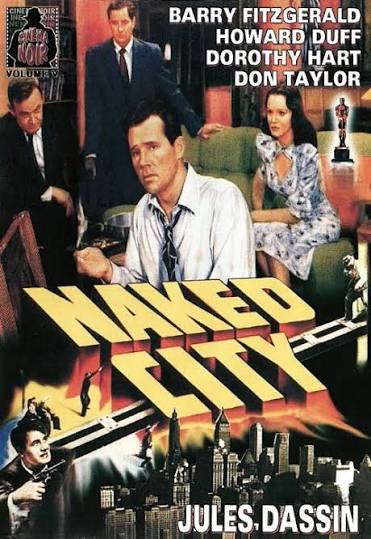
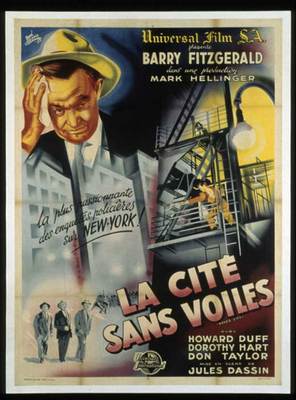
Taylor’s first post-war film was Song of the Thin Man (1947), after which he played one of Deanna Durbin’s suitors in For the Love of Mary (1948). He was a young homicide detective working with an older one (Barry Fitzgerald) in The Naked City (1948), made entirely on location in New York City and Taylor’s favourite of his films. “It was one of the first of its kind,” he stated. “It was improvisational in many ways; now it’s very ordinary to go and shoot anywhere, but Naked City did it long before anybody else. The director Jules Dassin shot a lot of it using hidden cameras.”
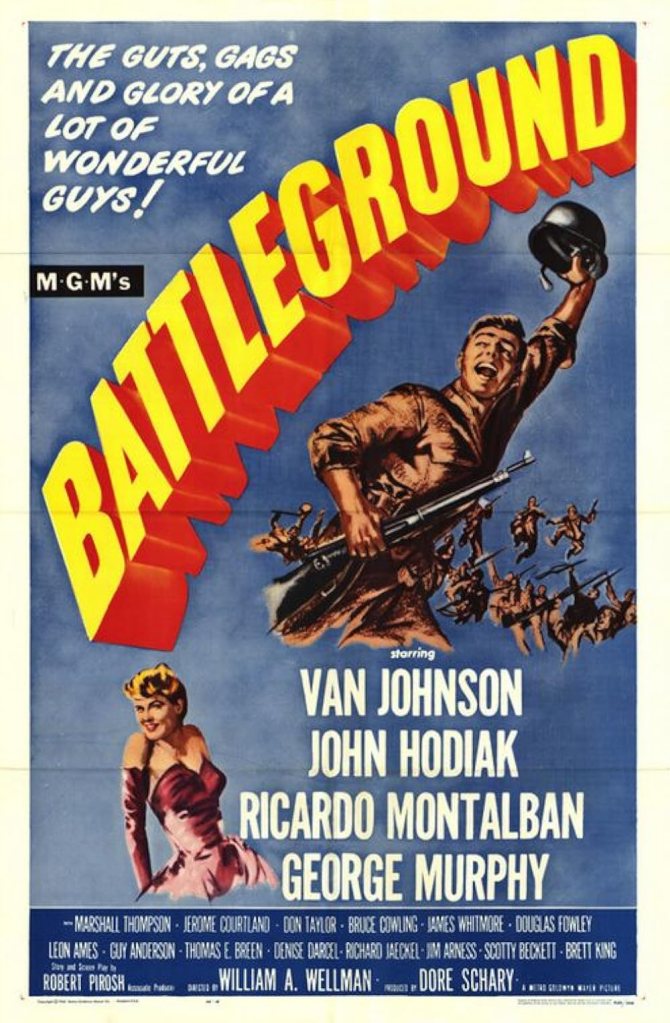
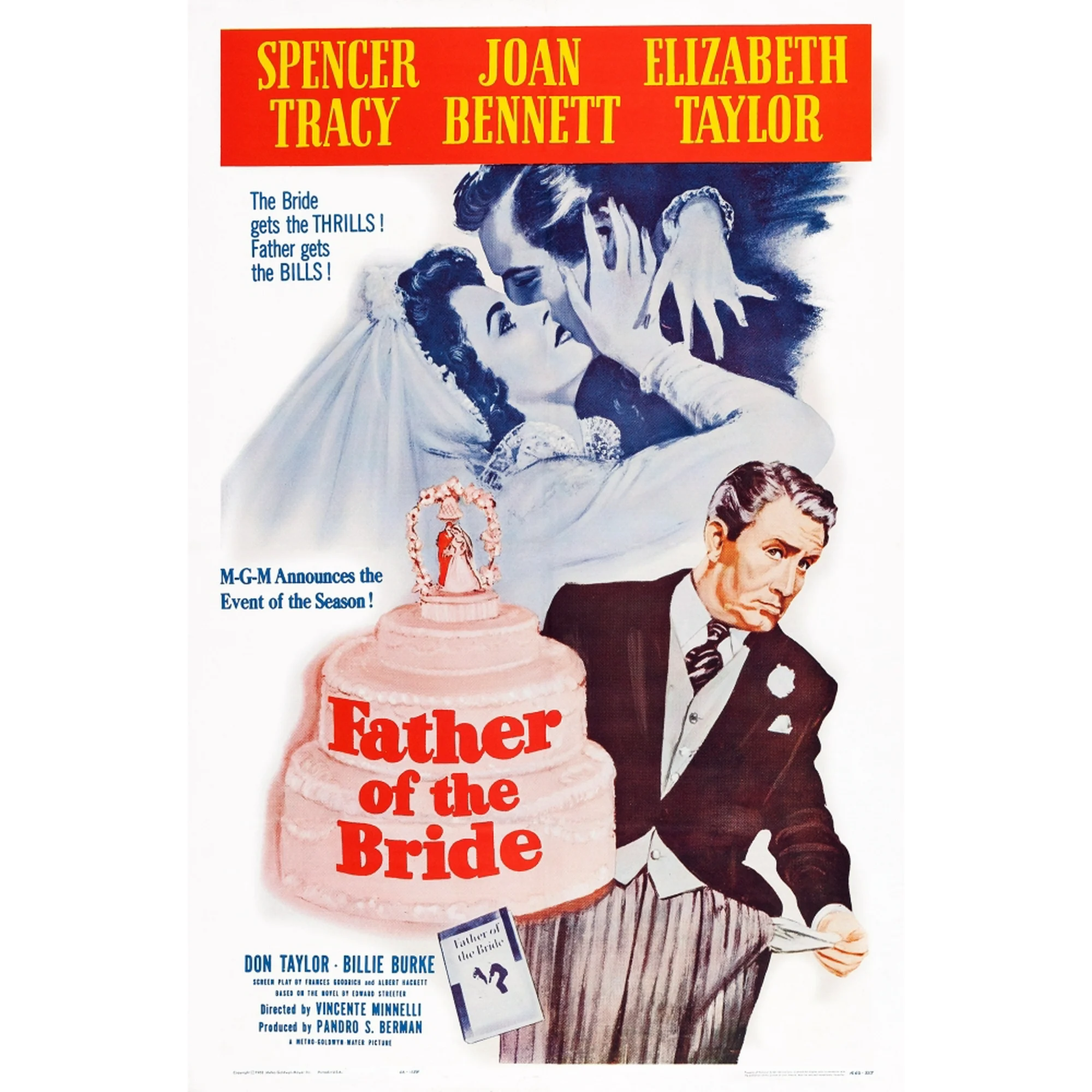
He was a young war recruit again, but this time taking part in brutal combat, in Battleground (1949), then had his best remembered role, as Elizabeth Taylor’s fiance and ultimately bridegroom, in Vincente Minnelli’s timeless, beautifully judged comedy, Father of the Bride (1950). “That film just goes on and on,” said Don Taylor recently, “and so does Liz!”
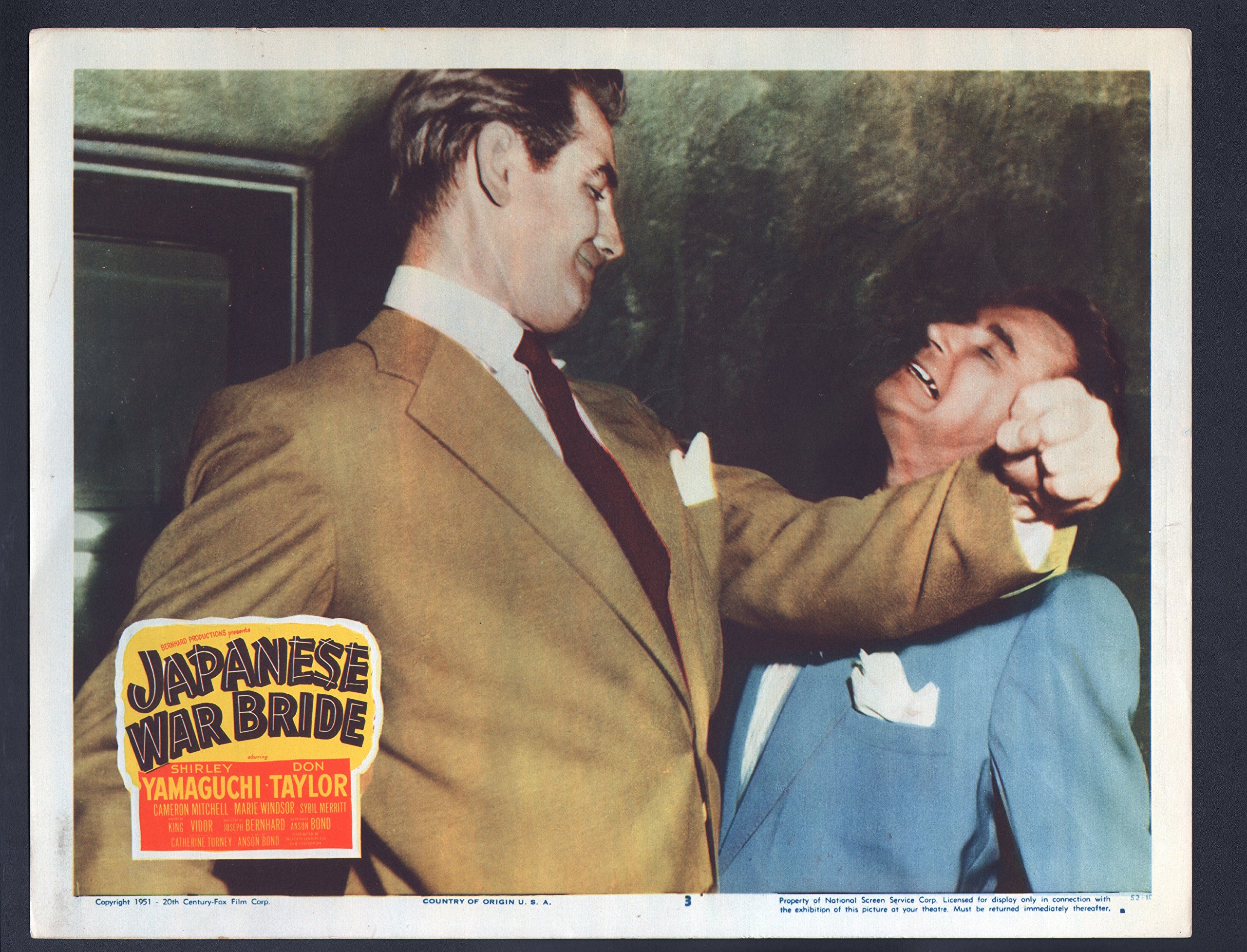
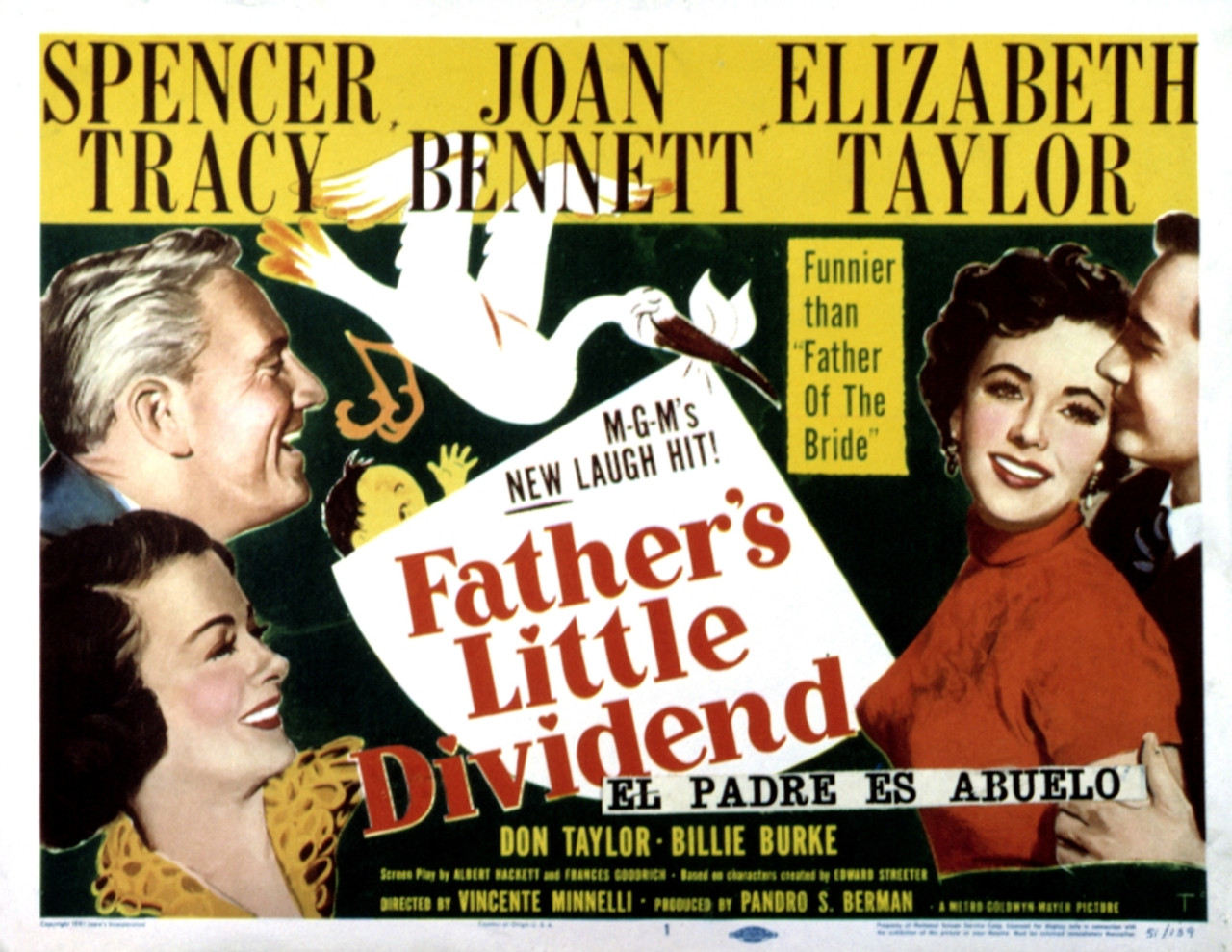
The following year he was in the sequel, Father’s Little Dividend, and he also appeared in Flying Leathernecks (1951), The Blue Veil (1951, as a former charge of lifetime nanny Jane Wyman), and King Vidor’s Japanese War Bride (1952), in which he played a GI who finds it difficult to deal with the problems that arise when he returns to the US with an Oriental wife.
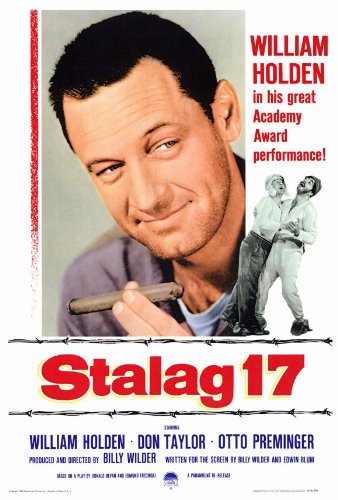
He was the missing prisoner-of-war around whom the plot pivots in Billy Wilder’s Stalag 17 (1953) and, by now a heavy drinker, he formed a close friendship with the film’s star William Holden. “Bill and I used to drink like it was going out of style,” said Taylor later. He was able to put his experience to good use when cast in I’ll Cry Tomorrow (1955), playing an aviation cadet who goes on the town with singer Lillian Roth (Susan Hayward) and wakes up in a hotel room to find that he is married to her. Not loving each other, the couple go from one party to another over the ensuing months until they divorce.
Taylor’s drinking was due in part to his career’s unsatisfactory pro- gress and it reached its nadir in 1957:
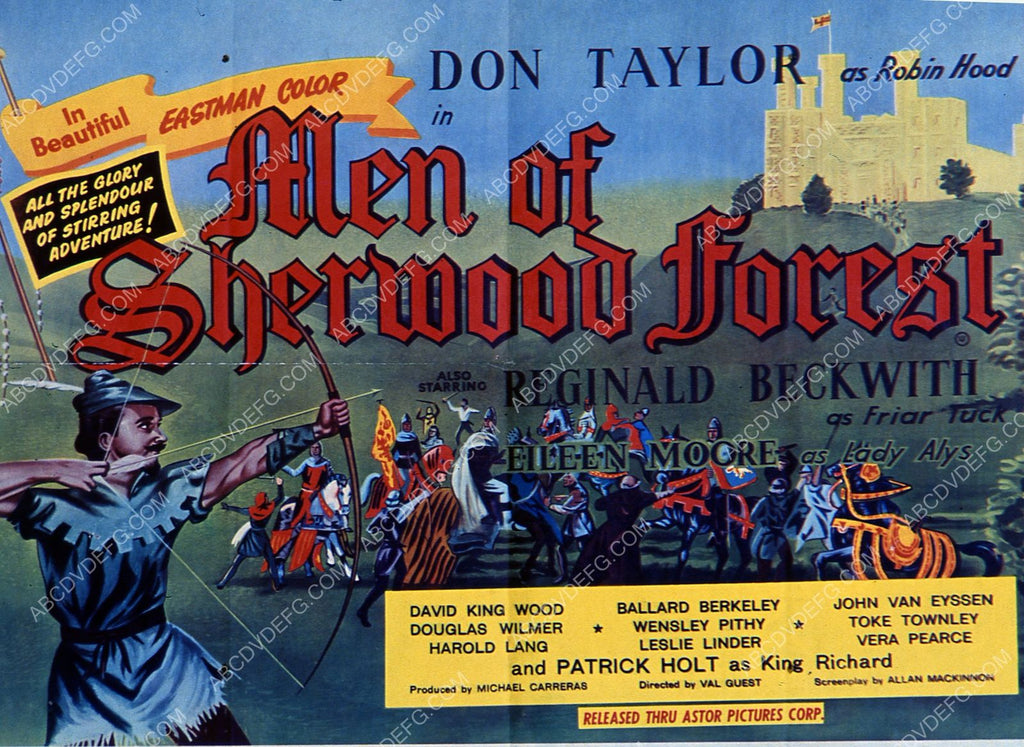
I had just done Hammer’s drecky Men of Sherwood Forest, and was getting a divorce so I called my agent and said, “Listen, I’ve had it. I want to get out of the country – do you have anything?” He said, “Yeah, we’ve got a picture that’s going in Brazil”, and I said, “That’s for me!” I didn’t even read the script, and when I got to Brazil and read it, I was ready to cut my throat.
The film, shot as Women of Green Hell but released as Love Slaves of the Amazon, featured Taylor as an explorer captured by a tribe of green- skinned warrior women. “It was later on TV all the time, and people would call me up at four in the morning laughing so hard they could barely get the words out.”
At this point the actor decided to switch careers. “I had been in about two dozen films and starred or co-starred in most of them, but no longer felt creative forces as an actor.” With the help of Dick Powell, who had formed a television production company, Taylor was given the chance to direct an episode of Four Star Playhouse, which led to further television work including an episode of Alfred Hitchcock Presents. (“I was friendly with Hitchcock, because after Naked City I had auditioned for him for a part in Rope, which I didn’t get.”)
The 30-minute episode, The Crocodile Case (1958), starred Denholm Elliott and Hazel Court (known at the time as “the scream queen of British horror”). Taylor and Court fell in love, were married in 1964 (it was Taylor’s third, his first having been to actress Phyllis Avery, who was in Winged Victory) and were still together when he died.
Taylor became a prolific television director, making occasional returns to acting. In 1961 he appeared in a three-week run of Felicien Marceau’s The Egg in Los Angeles, telling the LA Times: “Once every 30 years a part like this comes along. You read it and say to yourself, `This is the reason I got into acting in the first place.’ “
In 1961 Taylor directed his first feature, Everything’s Ducky, starring Mickey Rooney:
I was directing a TV series with Rod Taylor called Hong Kong when Mickey, who
I’d directed several times on television, called me and asked me to direct a film he was producing. I was hesitant, but Hazel urged me to do it. The trouble was Mickey and his co-star Buddy Hackett wouldn’t stop clowning, and as Mickey was the producer I couldn’t stop him. Stars sometimes have too much power. I was directing an episode of Have Gun, Will Travel with Richard Boone and suggested that he do such and such and he said “Nope, I’ll just walk over there and sit down.” He’s directing, and I’m just directing traffic.
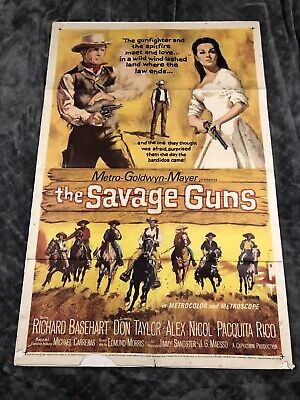
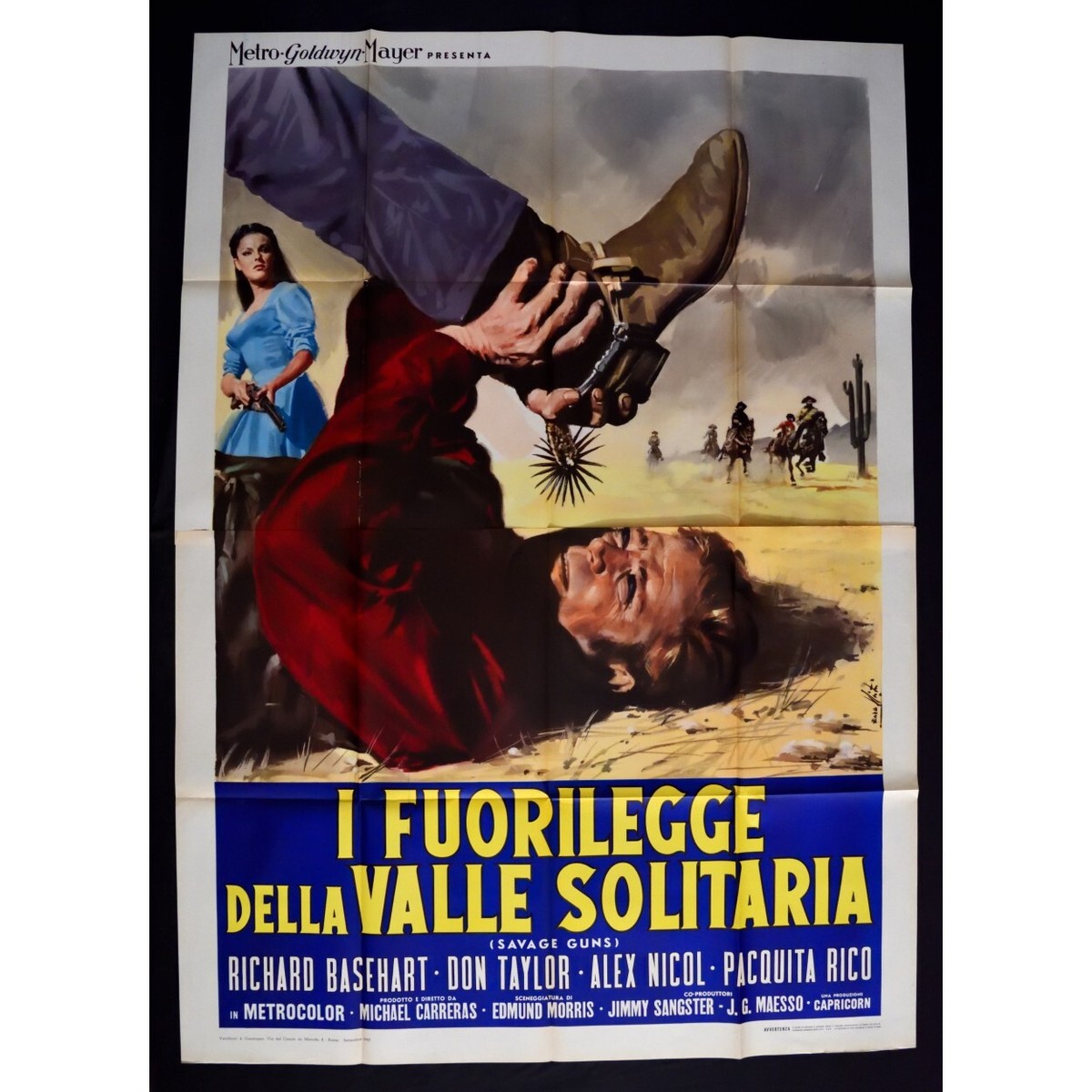
Taylor’s last major screen role was in the European western The Savage Guns (1962), after which he was solely a director (though he gave himself a bit role in his musical Tom Sawyer). He replaced the British director Mike Hodges (who was having artistic disagreements with the producer) on Damien – Omen II, though Taylor confessed later that he thought the film tried too hard to be more gory than the first. “Getting Bill Holden for the film was a plus value – we were old friends – but I had overcome my alcohol problem while he was still drinking heavily.”
Taylor also directed Five Man Army (1969), Tom Sawyer (1973, which indicated he had little flair for the musical genre), The Great Scout and Cathouse Thursday (1976), The Island of Dr Moreau (1978, starring Burt Lancaster and based on the H.G. Wells fantasy), and The Final Countdown (1980) which had an intriguing premise – an aircraft carrier enters a time-warp and finds itself in the Pacific on the eve of the Pearl Harbor attack – but, as Taylor admitted, a weak ending. “The ending had nothing to do with the whole picture – suddenly they were back in their own era just sailing blithely along. It was produced by its star Kirk Douglas – a superb actor but as a producer a pain in the ass.”
Don Taylor directed many television movies, including Heat of Anger (1972) with his friend Susan Hayward. He considered himself something of a pioneer in breaking through the barrier between acting and directing: “It upsets me when I see someone like Kevin Costner getting $25m to make a film. Apart from a few exceptions – Chaplin, Welles, Olivier – actors were not trusted to direct films in my era. Dick Powell, Ida Lupino, Paul Henried and myself were forerunners of actors becoming directors. I helped break that barrier down, and it is a directors’ medium.”
Donald Ritchie Taylor, actor, director and writer: born Pittsburgh, Pennsylvania 20 December 1920; three times married (two daughters); died Los Angeles 28 December 1998.
The above “Independent” obituary can also be accessed online here.