

Ronald Bergan’s “Guardian” obituary:
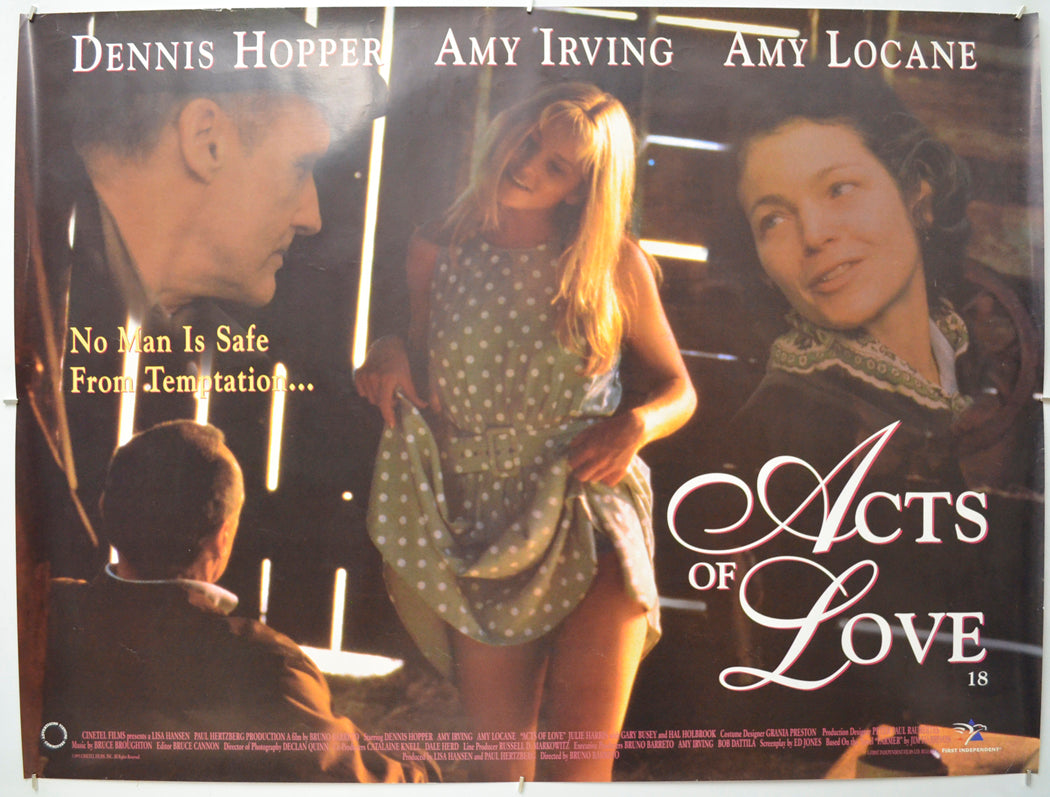
Dennis Hopper, who has died of cancer aged 74, was one of Hollywood’s great modern outlaws. His persona, on and off the screen, signified the lost idealism of the 1960s. There were stages in Hopper’s career when he was deemed unemployable because of his reputation as a hell-raiser and his substance abuse. However, he made spectacular comebacks and managed to kick his dependence on alcohol and cocaine.
Born in Dodge City, Kansas, Hopper, whose father was a post-office manager and mother a lifeguard instructor, expressed an interest in painting and acting at a young age. While still in his teens, he appeared in repertory at Pasadena Playhouse, California, and studied acting with Dorothy McGuire and John Swope at the Old Globe theatre, San Diego.
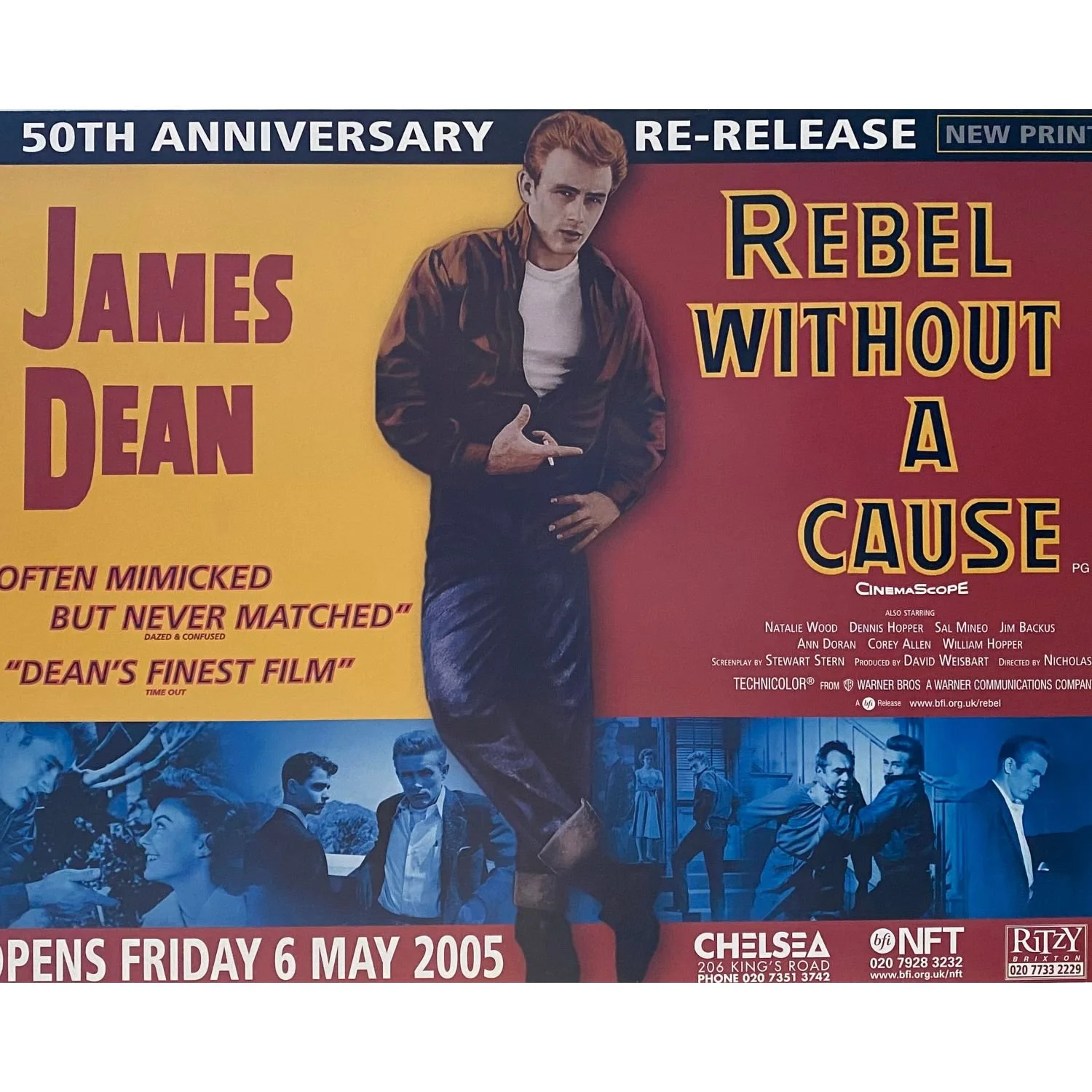
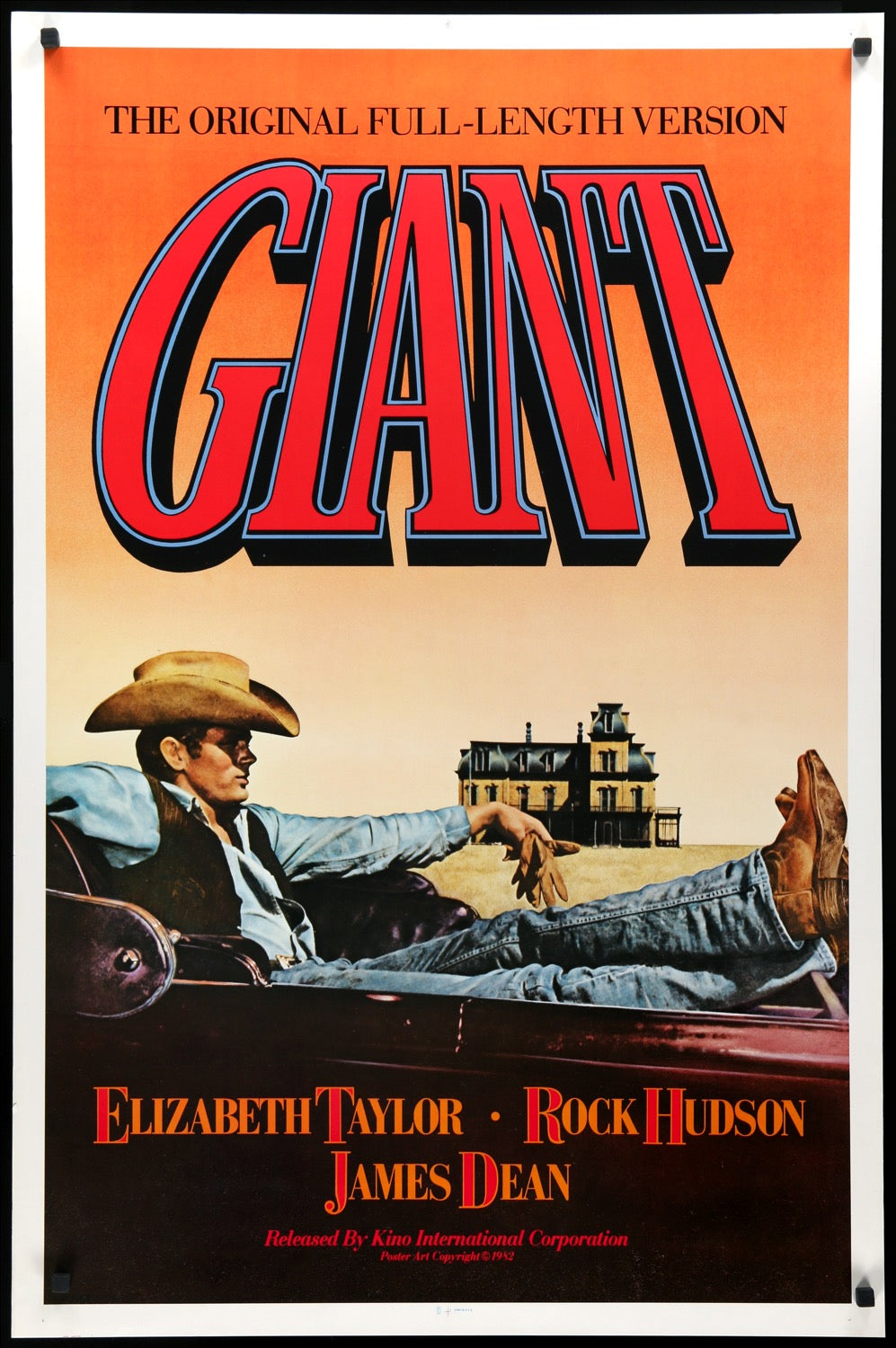
The year of his 19th birthday, 1955, was extraordinary. Not only did Hopper have substantial parts in three television dramas, but he was cast in supporting roles in James Dean‘s last two films: Rebel Without a Cause, and Giant (released in 1956). The two actors became friends over the few months before Dean, whom Hopper idolised, was killed in a car accident aged 24.
In Rebel Without a Cause, Hopper is the youngest and slightest member of the juvenile delinquent gang that provokes Dean. In Giant, he gave a sensitive performance as the son of Texan oil millionaire Rock Hudson and Elizabeth Taylor; he marries a Mexican girl and wants to “go north” to become a doctor – decisions against his father’s wishes. Although Hopper appeared only briefly with Dean in both movies, the latter had a huge influence on him.
Hopper brought some moody Method mannerisms to bear on his following roles, mostly as callow, trigger-happy villains in westerns, such as Billy Clanton in Gunfight at the OK Corral (1956) – “I don’t know why I get into gunfights. I guess sometimes I just get lonely” – and From Hell to Texas (1958), on which he got into a confrontation with director Henry Hathaway, refusing to take direction for several days. He was also a grumpy, childish Napoleon in the infamous, star-studded The Story of Mankind (1957) and the leader of a street gang, dubbed “Cowboy”, in Key Witness (1960).
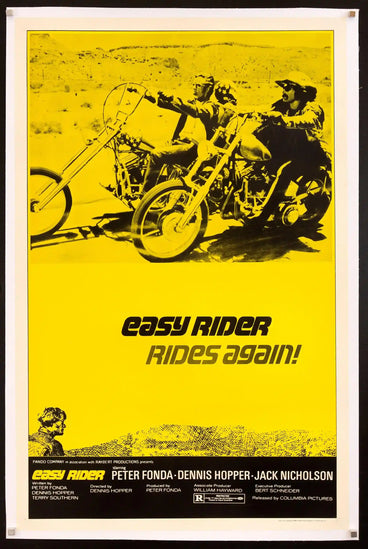
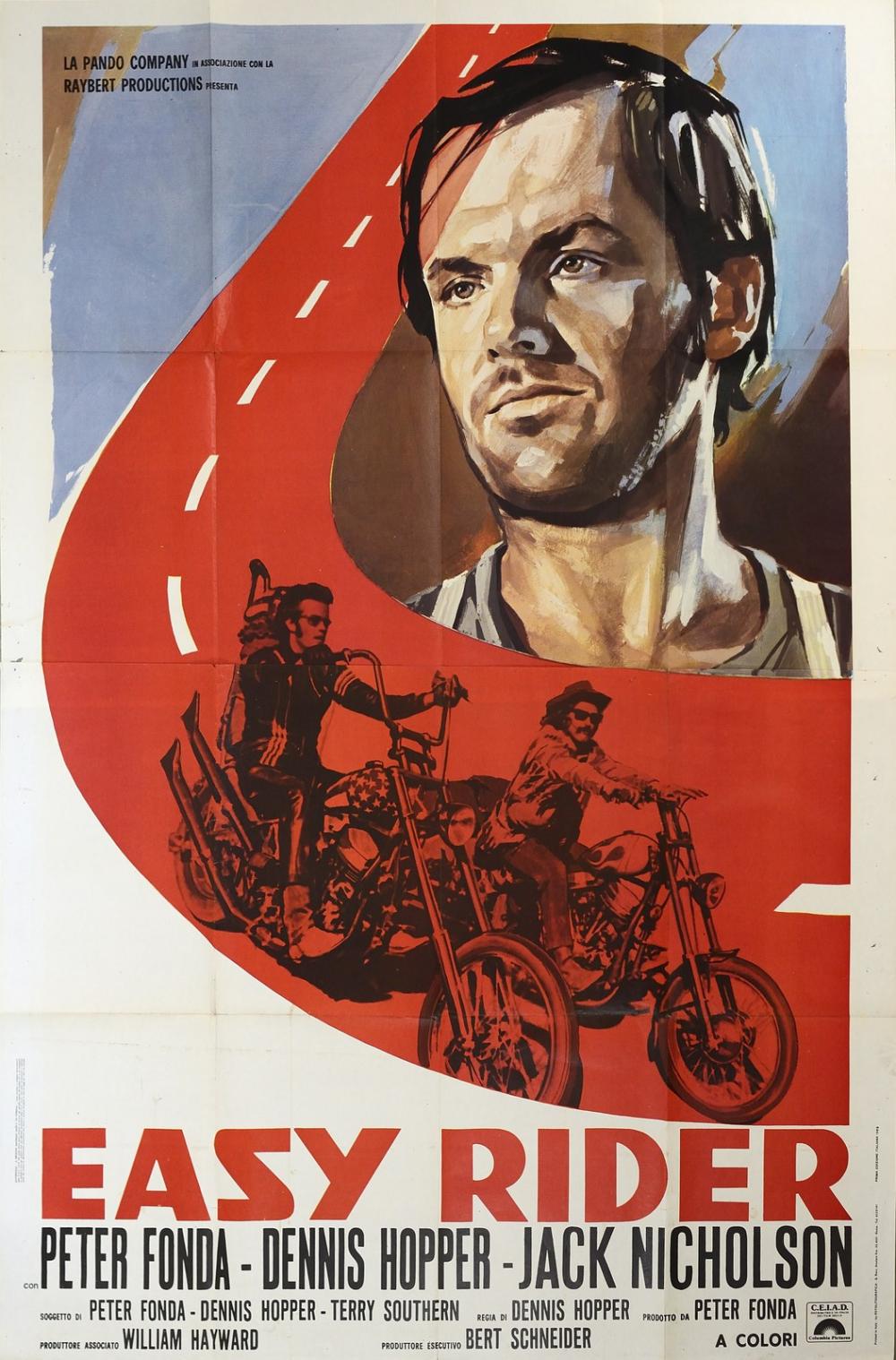
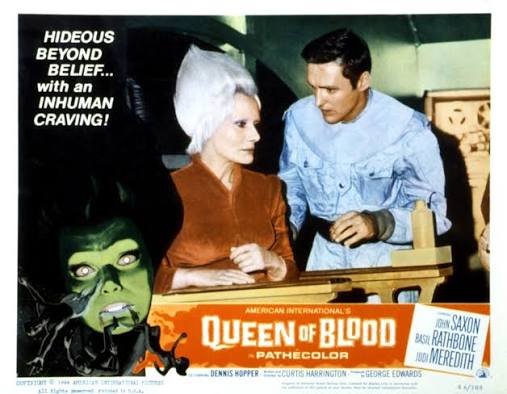
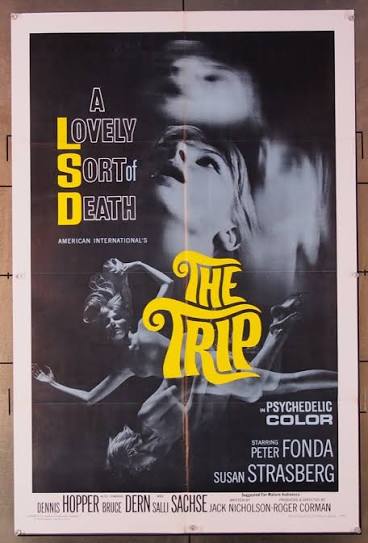
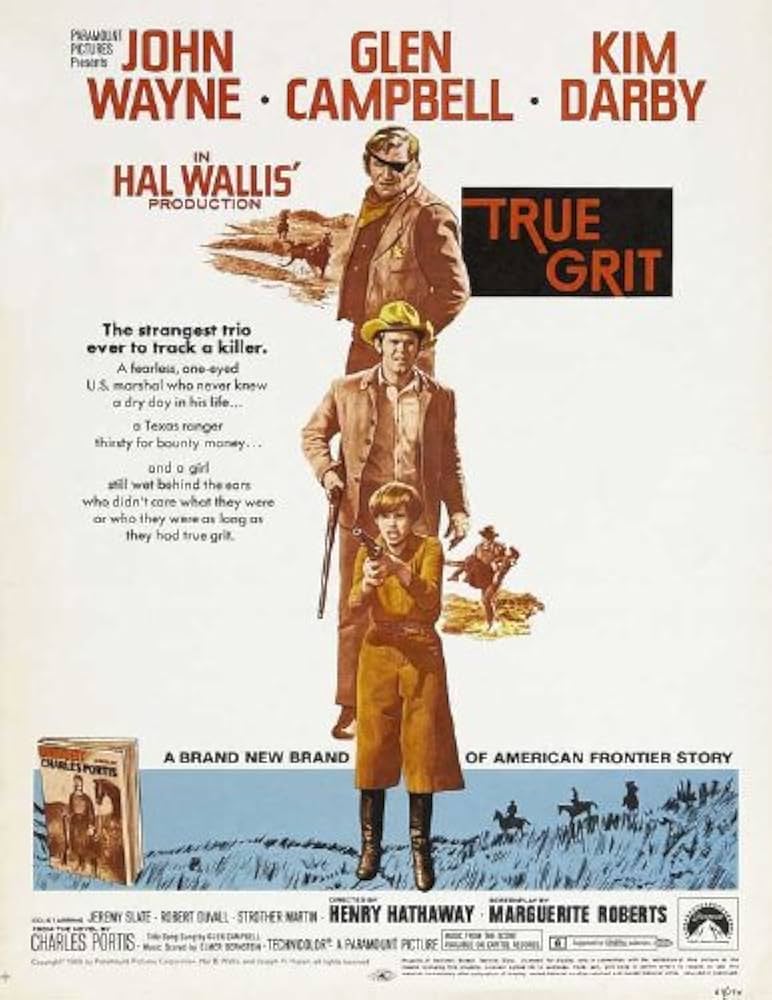
In the 1960s, Hopper, who alienated several veteran directors and producers, was pronounced difficult, argumentative and violently temperamental. However, he continued to get work, mostly in minor baddie roles, in major films including Cool Hand Luke (1963), The Sons of Katie Elder (1965) and True Grit (1969). He also turned up in the weird space vampire film Queen of Blood (1966), in which he played a clean-cut astronaut who has the blood sucked out of him. The executive producer on the film was Roger Corman, who had just begun his cycle of dope and biker movies, and cast Hopper with Peter Fonda in the seminal acid flick The Trip (1967). The duo together conceived, wrote, with Terry Southern, raised the finance for, and starred in the alienated- youth road movie Easy Rider (1969), with Hopper directing.
Made for $400,000, the film’s combination of drugs, rock music, violence, a counter-culture stance and motorcycles as ultimate freedom machines caught the imagination of the young, made pop icons of Hopper and Fonda on their bikes and took over $16m at the box office. This rose to more than $60m worldwide in the next three years. It also brought Hopper, Fonda and Southern a best screenplay Oscar nomination. Easy Rider, which led to a stream of tacky, imitative pictures with equally loud rock soundtracks, retains legendary status in Hollywood lore, although these self-pitying “flower children” of the 60s now seem as dated as the “bright young things” of the 1920s.
Hopper, meanwhile, was out of control. His eight-year marriage to Brooke Hayward, the daughter of actor Margaret Sullavan, had ended in divorce. In 1970, he married Michelle Phillips, of the Mamas & the Papas, but it lasted eight days. (“The first seven days were pretty good,” Hopper once commented.) In the same year, a raving, naked, drug-fuelled Hopper was arrested while running around Los Alamos, New Mexico.
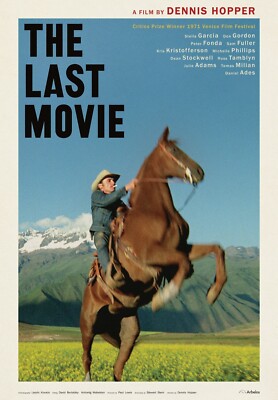
In 1971, following the success of Easy Rider, Hopper was bankrolled by Universal with $850,000 and given total creative control to make whatever kind of movie he wished. He decamped to Peru with a cast and crew for a self-penned, directed and edited meta-monstrosity, The Last Movie (1971). Starring Hopper as a stuntman with a Christ complex on the set of a western being directed by Samuel Fuller, the film, made for the stoned by the stoned, was stoned by the critics.
Before the film’s limited release, Hopper wrote and appeared in an autobiographical documentary, The American Dreamer (1971), which showed him editing The Last Movie at his home in Taos, New Mexico, spouting hippy philosophy, taking baths with women and shooting guns. This sealed his reputation as the most flipped-out man in the movies, and he spent the next 15 years in foreign films, personal projects, and low-budget arthouse or exploitation movies.
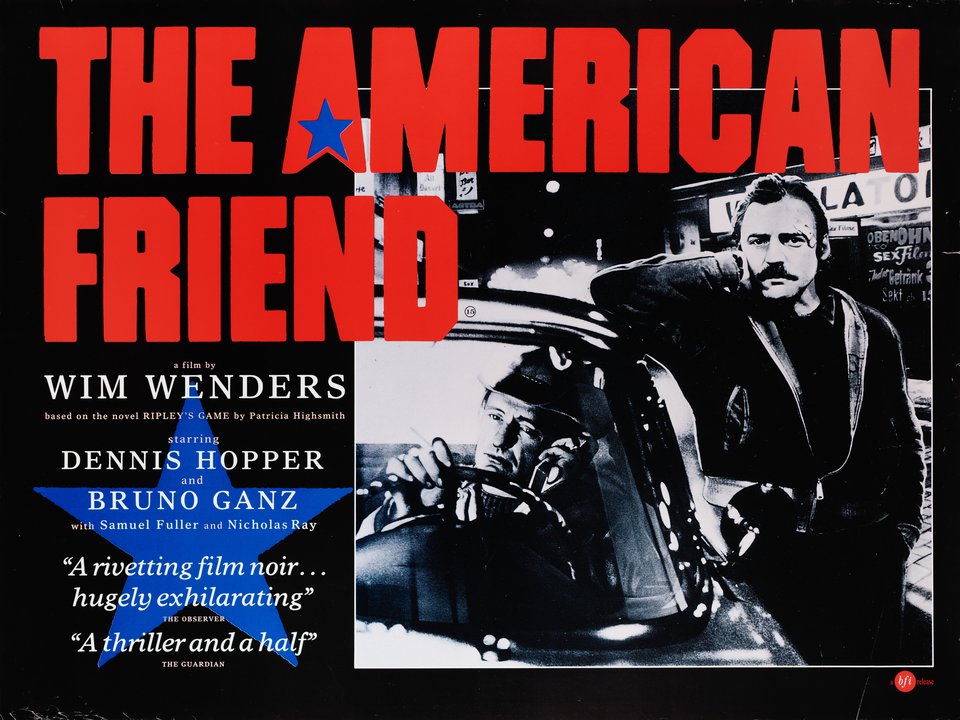
The quality of these veered wildly, but Hopper turned in one of his most memorable performances as Patricia Highsmith’s Tom Ripley character, who has the enigmatic, homicidal title role in Wim Wenders’s The American Friend (1977). High on drugs, he improvised much of his part of the photojournalist buzzing around Marlon Brando in Francis Ford Coppola’s Apocalypse Now (1979).
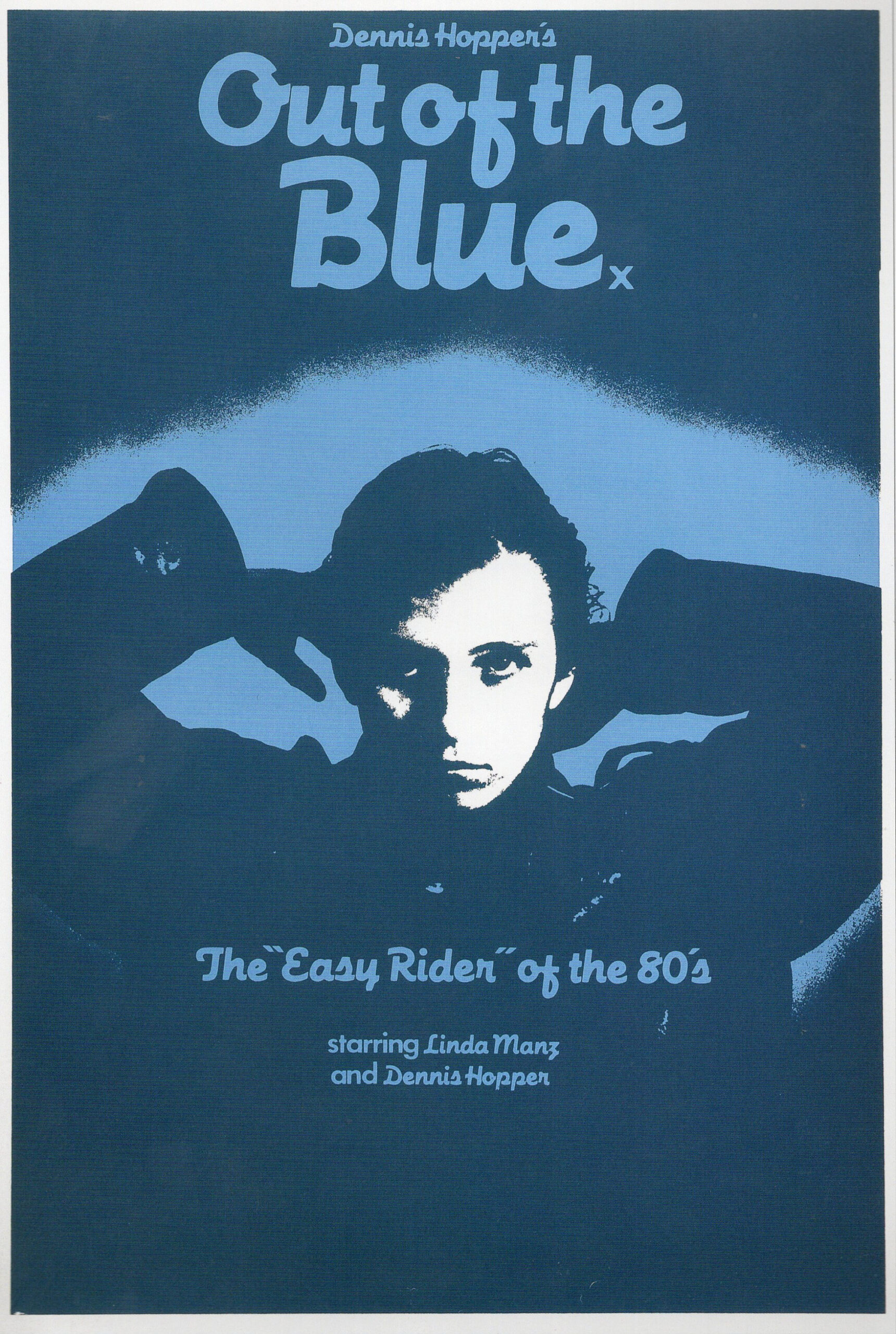
In 1980, Hopper directed his third feature, Out of the Blue, an effective piece of post-hippy American gothic, about a family well outside the mainstream. It focuses on a 15-year-old punk girl (Linda Manz) trying to survive in a world of drunks (Hopper plays an alcoholic father), drug addicts and rapists. Made in Canada, the picture was well received when it was released three years later, assisting Hopper’s reintegration into Hollywood.
In 1983, Hopper entered a drug rehabilitation programme. By then, according to Peter Biskind’s book Easy Riders, Raging Bulls, his cocaine intake had reached three grams a day, complemented by 30 beers, marijuana and Cuba Libres. After emerging relatively clean from the programme, he played another alcoholic father – this time to Matt Dillon – in Coppola’s Rumble Fish (1983), now a commanding elder statesman amid the brat-pack cast.
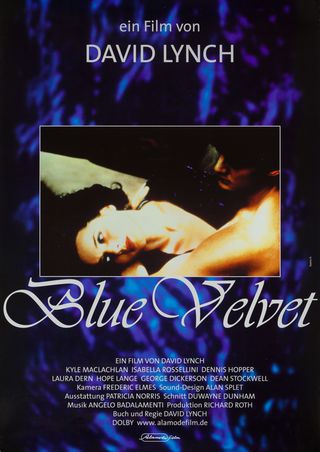
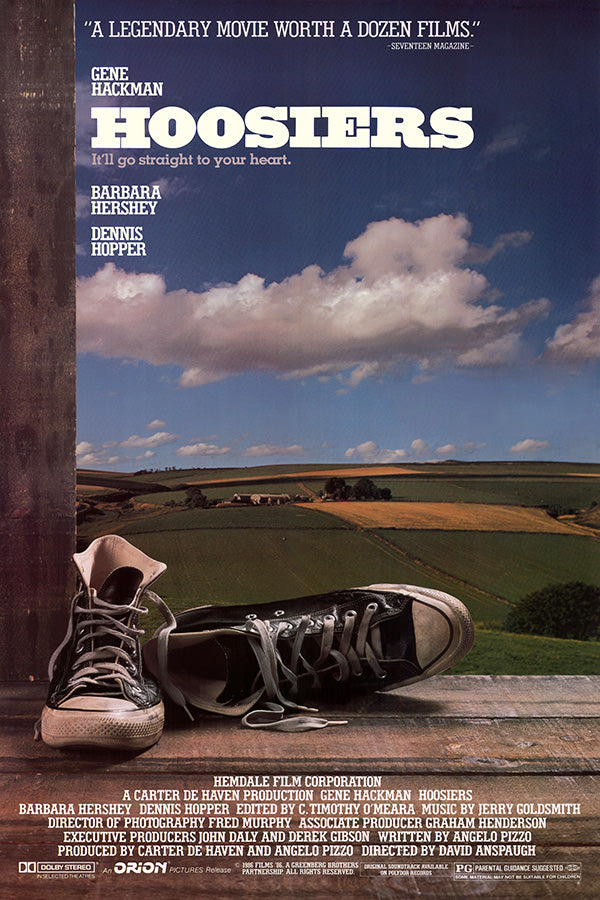
Hopper’s comeback was consecrated in 1986, with his astonishing portrayal of a psychopathic kidnapper in David Lynch‘s Blue Velvet. His performance, in which he inhales an unspecified gas and screams “Mommy” at Isabella Rossellini during bizarre sex scenes, became as much a conversation piece as the film itself. This role as a crazed, drug-dealing sadist was followed with an antithetically subdued and touching performance as an ashamed dad seeking redemption in Hoosiers in the same year. Hopper, who seemed to draw on his down-and-out years, was nominated for a best supporting actor Oscar.
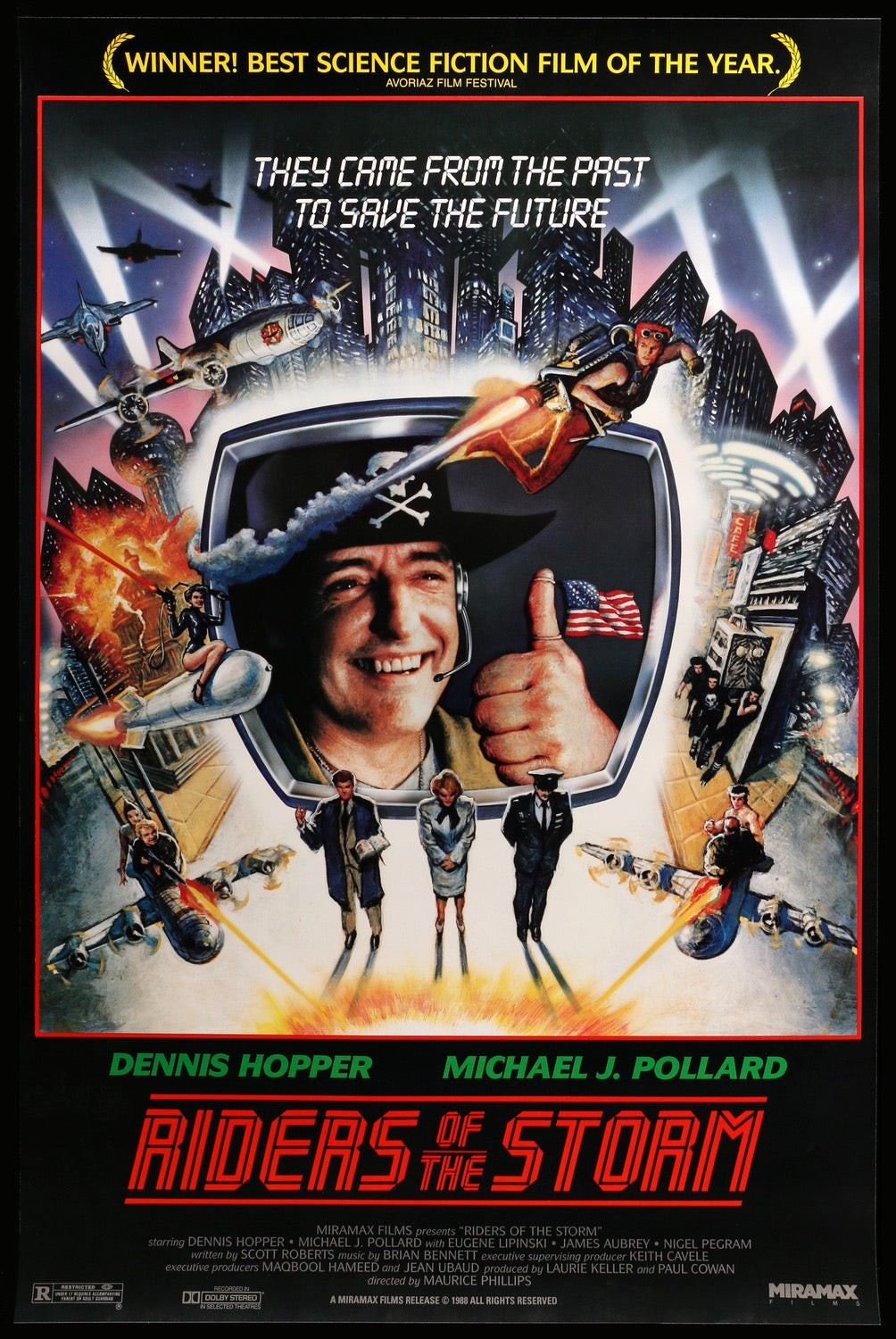
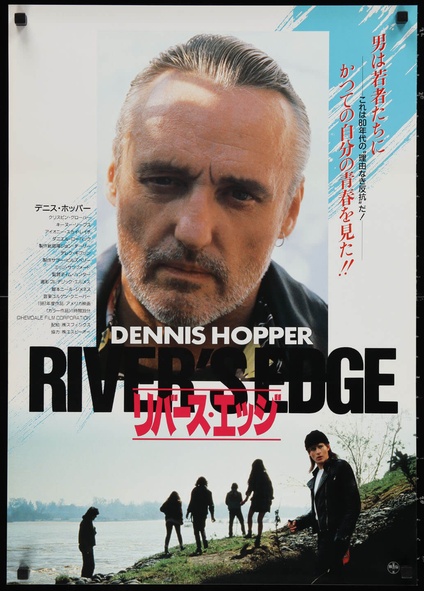
Hopper appeared in three further films in 1986 – ranging from a leftwing media terrorist in Riders of the Storm to a mad ex-biker with his own strangely moral code in River’s Edge, and the former Texas Ranger who wants revenge for the chainsaw death of his brother in The Texas Chainsaw Massacre 2. He continued to be extremely busy in the following year, playing a Texan tycoon bumped off by his wife in Black Widow and Molly Ringwald’s father in The Pick-up Artist.
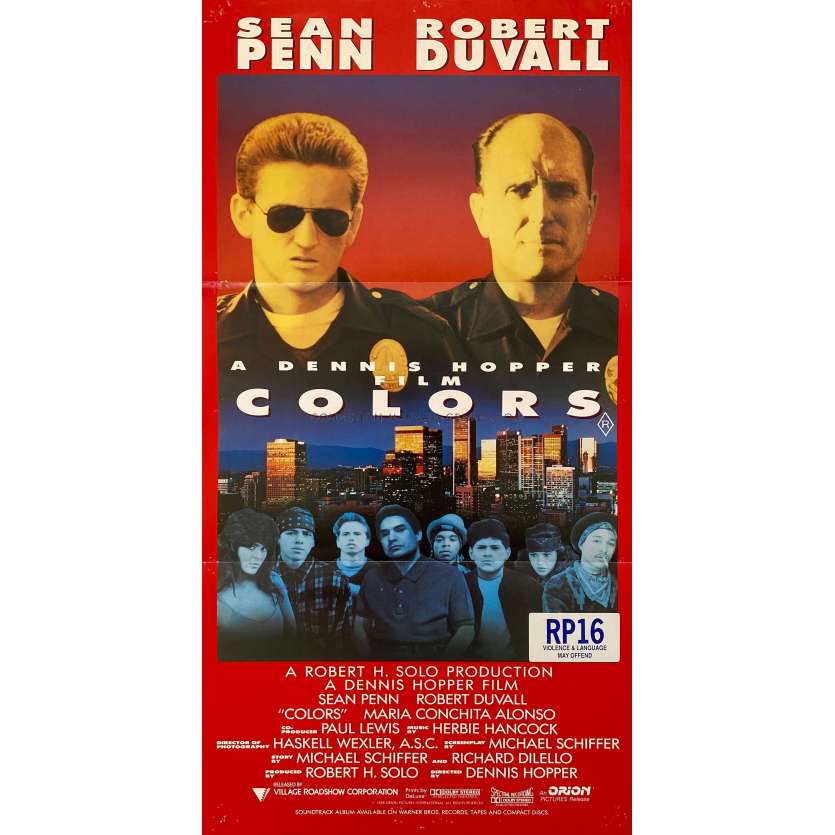
In 1988, Hopper directed Robert Duvall and Sean Penn in a violently realistic cops-versus-street gangs drama, Colors, released to a debate as to whether the film reflected or exacerbated gang conflicts in Los Angeles. A worse fate met his next directorial effort, Catchfire (1989), in which he starred with Jodie Foster as, respectively, kidnapper and responsive victim. Released in an edited version of which he did not approve, the film, at Hopper’s insistence, was attributed to Alan Smithee (the pseudonym for directors preferring to remain anonymous).
In Flashback (1990), as an erstwhile 60s radical activist gone underground, Hopper seems to be playing his own legend, drawing inspiration from his earlier characters. At one stage, he remarks, “It takes more than going down to your local video store and renting Easy Rider to become a rebel.”
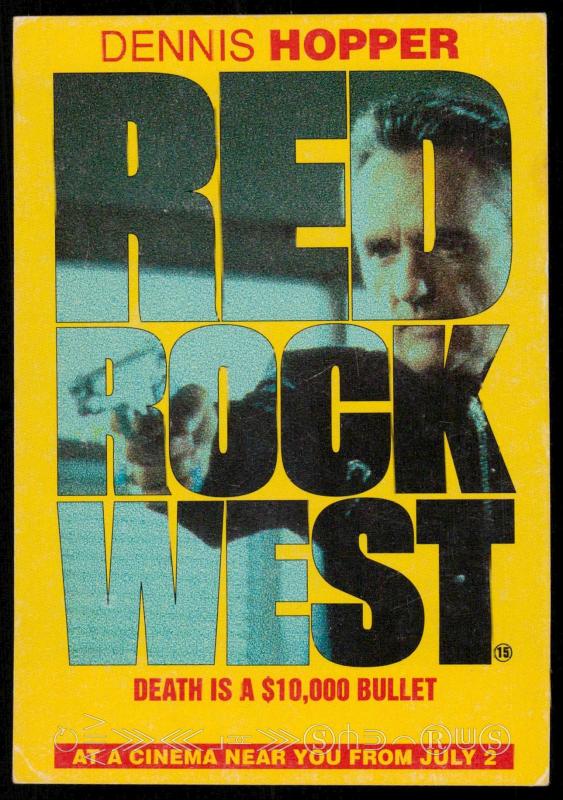
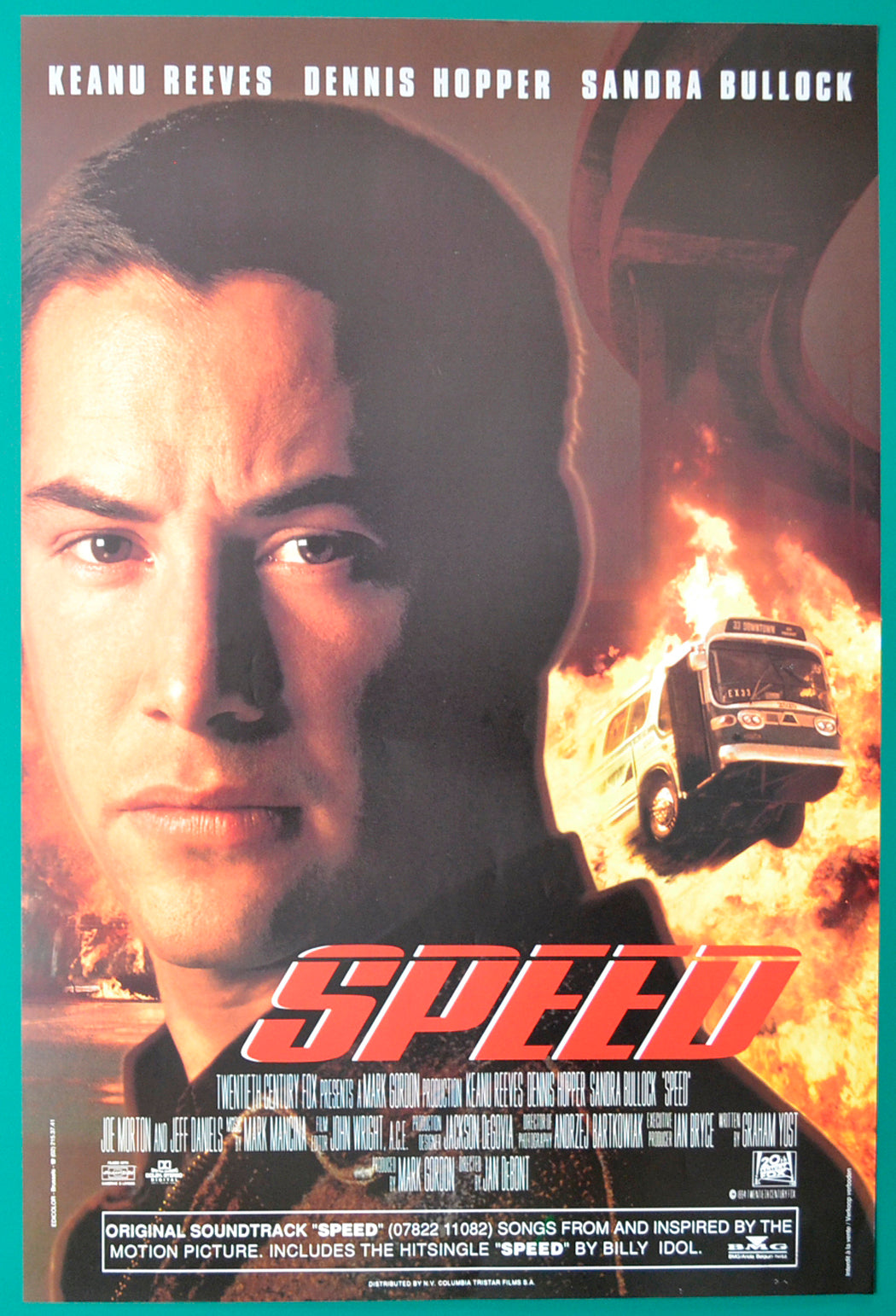
This led to similarly offbeat performances, many of them variations on the smiling, charming, cold-blooded killer with a screw loose. He stood out in supporting roles in True Romance (1993) and the box-office smash Speed (1994), and his blackly humorous edge almost redeemed some of the mediocre thrillers he appeared in throughout the 90s, though little saved Chasers (1994), a leaden naval comedy, the seventh and last of the features he directed. In 2008, Hopper appeared in the TV series Crash, the spin-off from the Paul Haggis 2004 film, as a verbose, eccentric, down-on-his-luck music producer. Hopper proudly stated that it was the craziest character he had ever played.
Despite his radical persona, Hopper was a paid-up Republican, though he voted for Barack Obama in the 2008 election. In that year, he appeared in An American Carol, a flabby, liberal-bashing comedy starring rightwing actors such as Jon Voight, Kelsey Grammer and James Woods.
Hopper, who played an art dealer in the 1996 film Basquiat, was also an accomplished painter and sculptor, and a well-connected player on the American art scene. He was a skilled photographer whose subjects included Martin Luther King; fellow artists Ed Ruscha, Roy Lichtenstein and Robert Rauschenberg; and co-stars including Paul Newman and John Wayne. In 2007, he presented the Turner prize at Tate Liverpool.
He was married five times and is survived by four children: a daughter by Brooke Hayward; a daughter by Daria Halprin (the female lead in Antonioni’s Zabriskie Point); a son by Katherine LaNasa; and a daughter by Victoria Duffy, his widow.
• Dennis Lee Hopper, actor, photographer and painter, born 17 May 1936; died 29 May 2010
The above “Guardian” obituary can also be accessed online here.