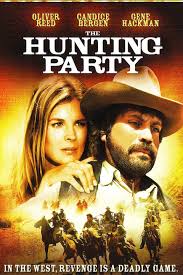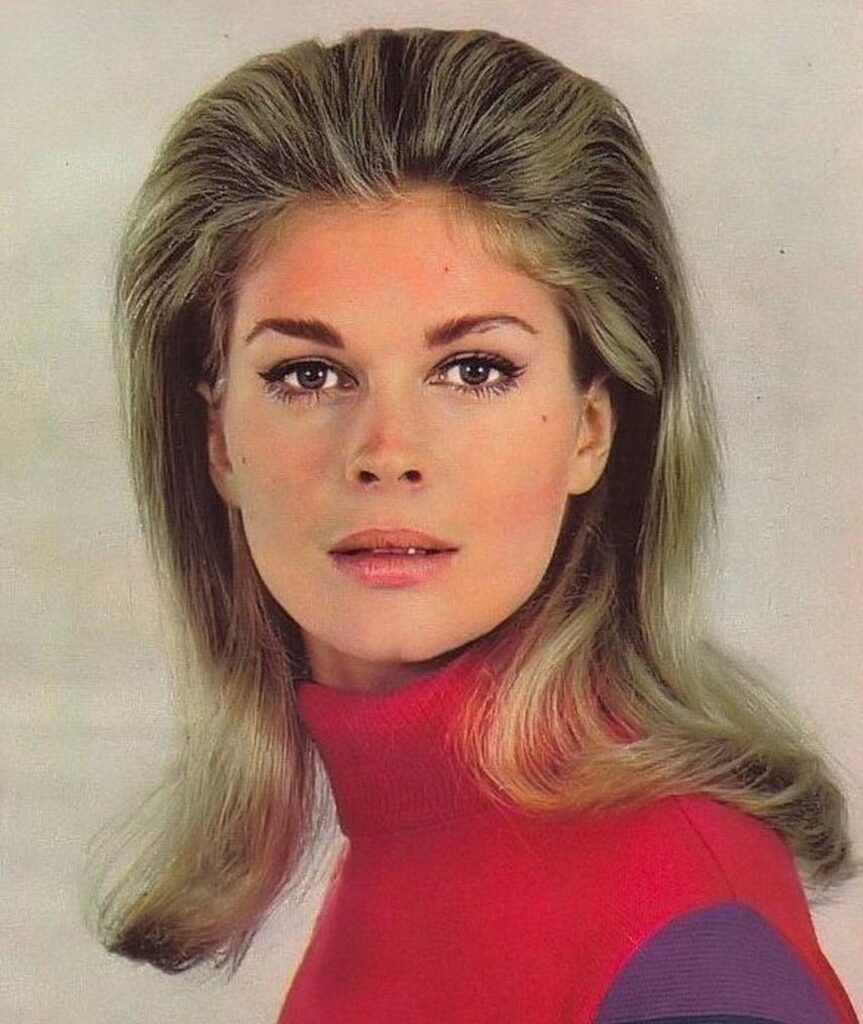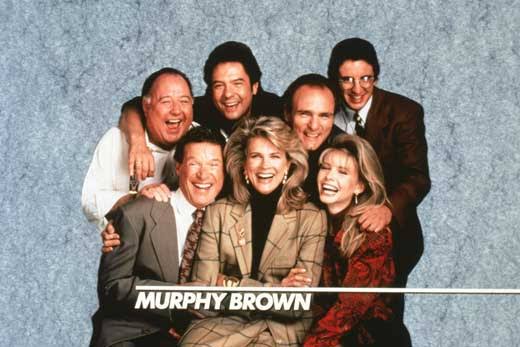

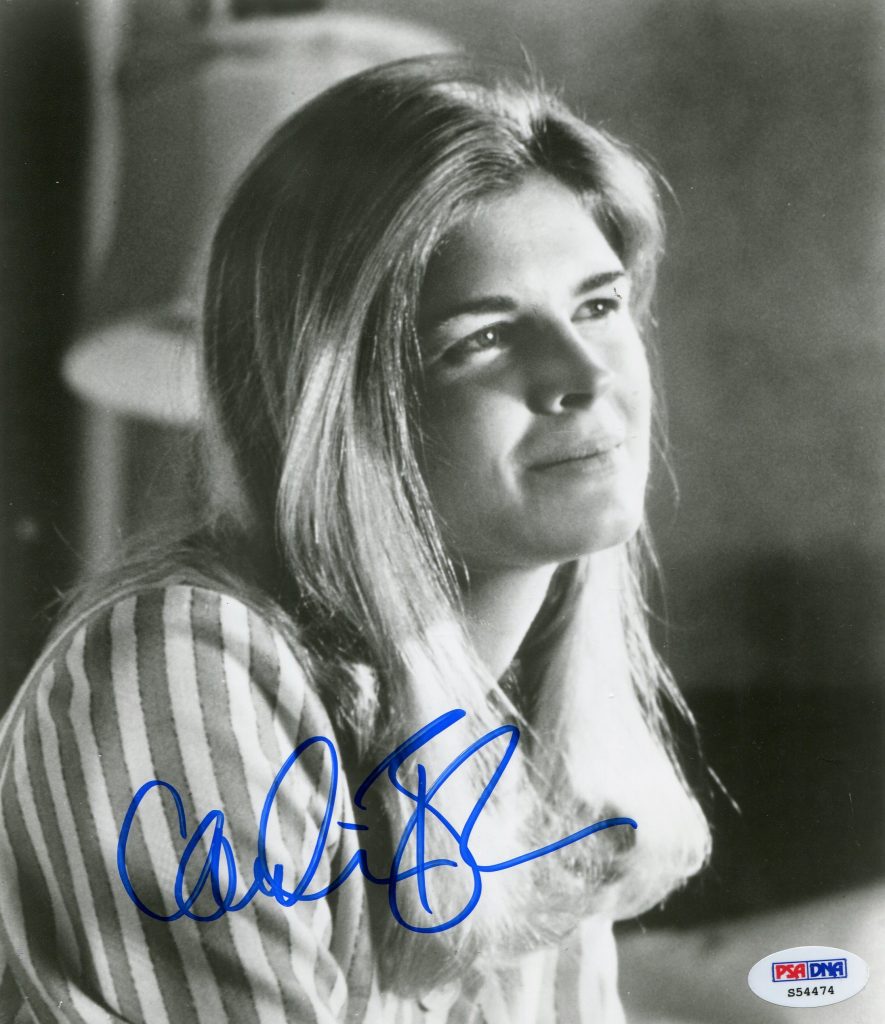
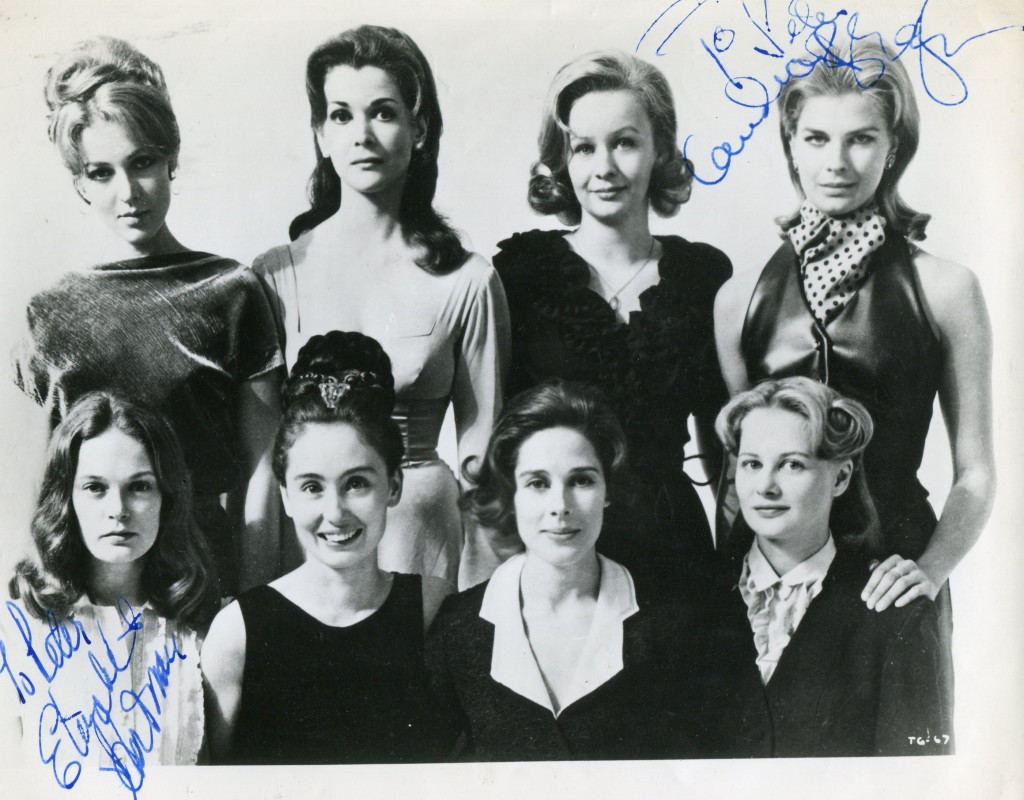

Candice Bergen was born in 1946 in Beverly Hills, California. She is the daughter of Frances Bergen and Edgar Bergen. She first came to fame as ‘Libby’ in “The Group” in 1966. Her movies include “The Sand Pebbles” opposite Steve McQueen, “Carnal Knowledge” opposite Jack Nicholson and “Starting Over” with Burt Reynolds. She also starred in the long running TV series “Murphy Brown” and “Boston Legal”.
Gary Brumburgh’s entry:
One cool, eternally classy lady, Candice Bergen was elegantly poised for trendy “ice princess” stardom when she first arrived on the screen, but she gradually reshaped that débutante image both on- and off-camera. A staunch, outspoken feminist with a decisive edge, she went on to take a sizable portion of these contradicting qualities to film and, most particularly, to late 1980s television. The daughter of famed ventriloquist Edgar Bergen and former actress and “Chesterfield Girl” Frances Bergen, the Beverly Hills born-and-bred Candice was surrounding by Hollywood glitter and glamor from day one. At the age of 6, she made her radio debut on her father’s show. Of extreme privilege, she attended Westlake School for Girls in Los Angeles, the Cathedral School in Washington, D.C., and then went abroad to the Montesano (finishing) School in Switzerland.
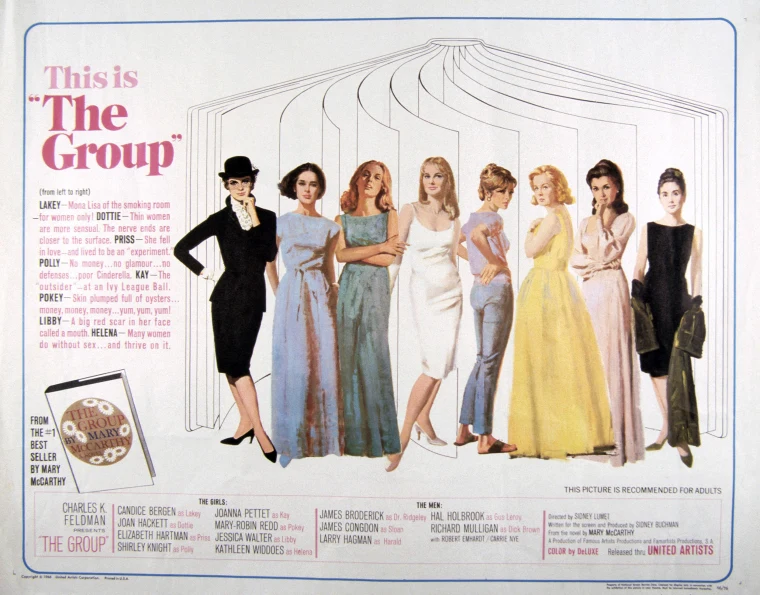
Although she began taking art history and creative drawing at the University of Pennsylvania, she did not graduate due to less-than-stellar grades. In between studies, she also worked as a Ford model in order to buy cameras for her new passion–photography. Her Grace Kelly-like glacial beauty deemed her an ideal candidate for Ivy League patrician roles, and Candice made an auspicious film debut while still a college student portraying the Vassar-styled lesbian member of Sidney Lumet‘s The Group (1966) in an ensemble that included other lovely up-and-comers including Joan Hackett, Jessica Walter and Joanna Pettet. Although that film was a box-office flop, Candice’s second film in 1966, The Sand Pebbles (1966), was a critical and commercial hit and was nominated for several Academy Awards, including Best Picture. Film offers started coming her way, both here and especially abroad (spurred on by her love for travel).
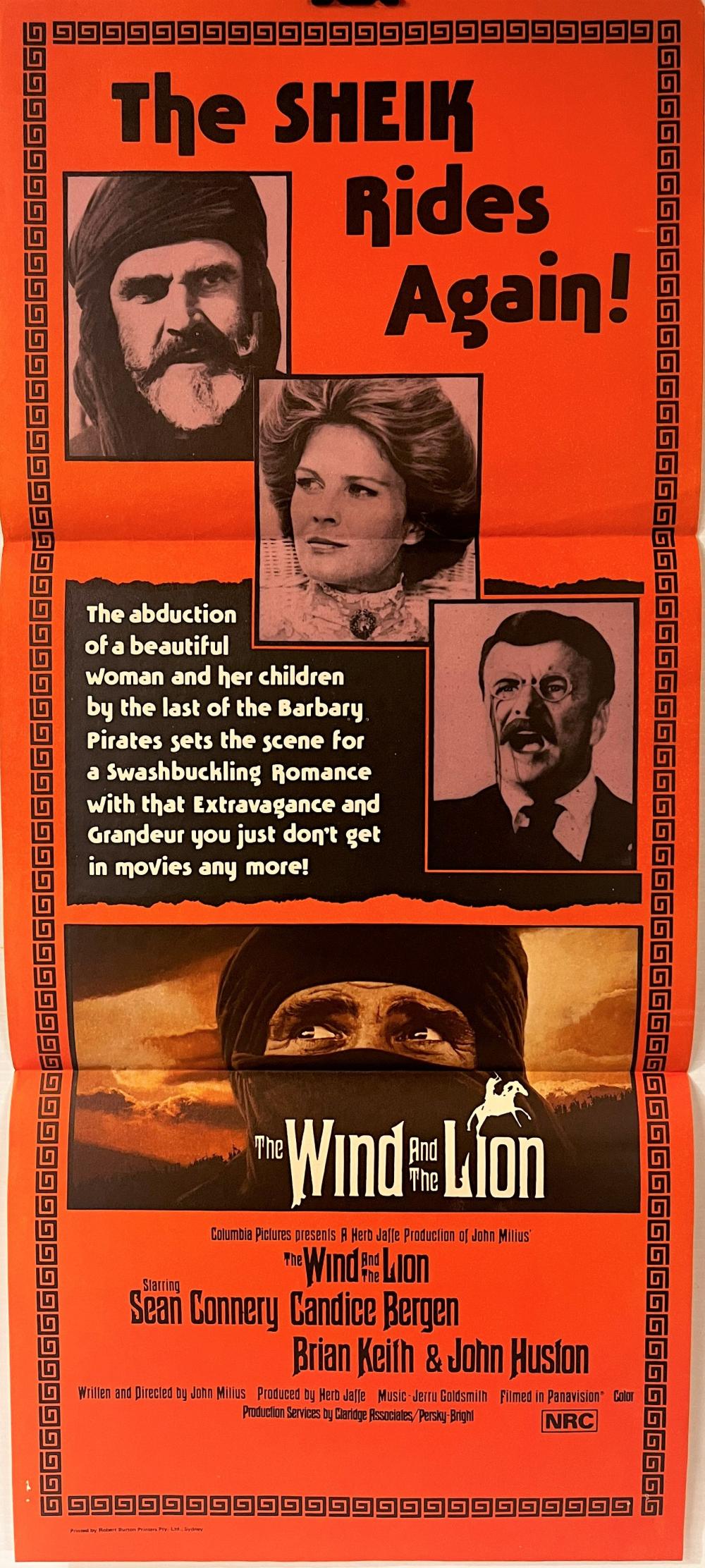
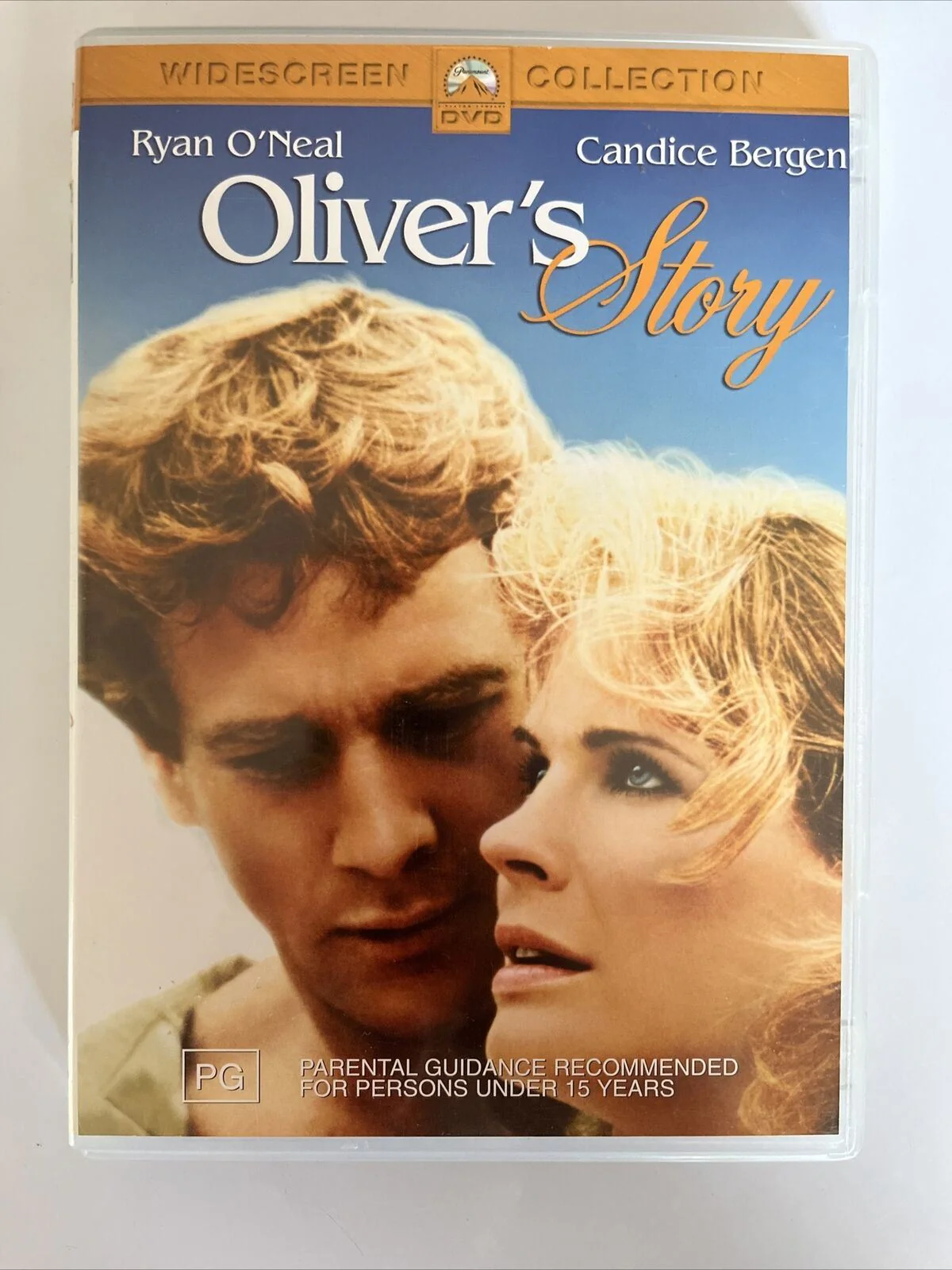
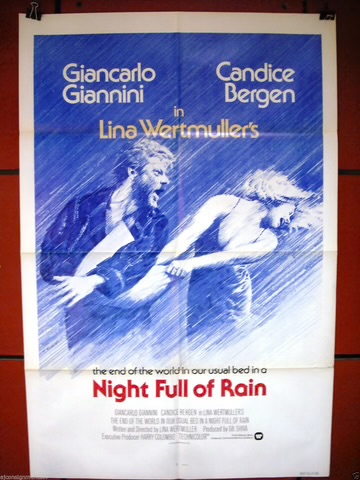
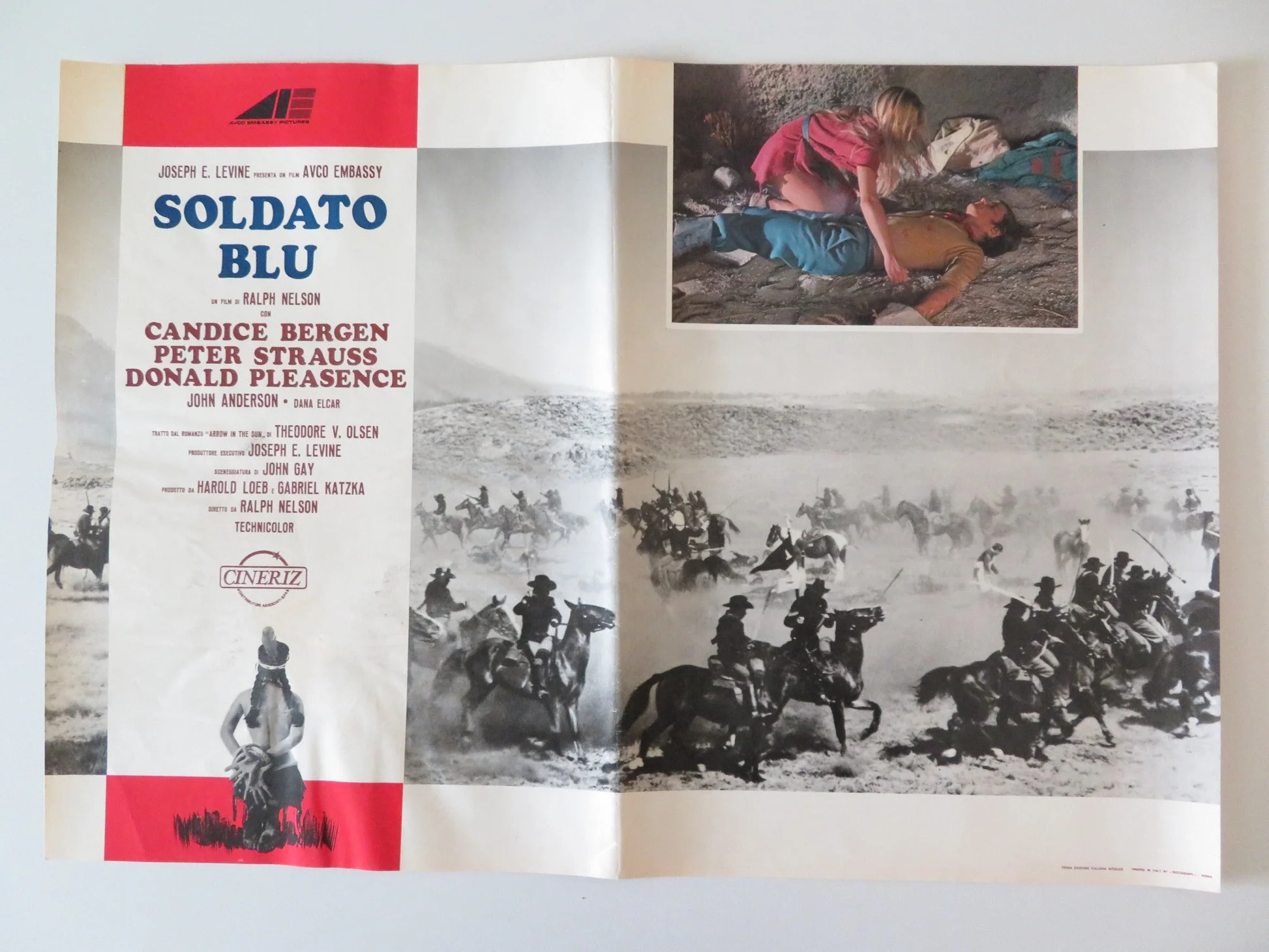
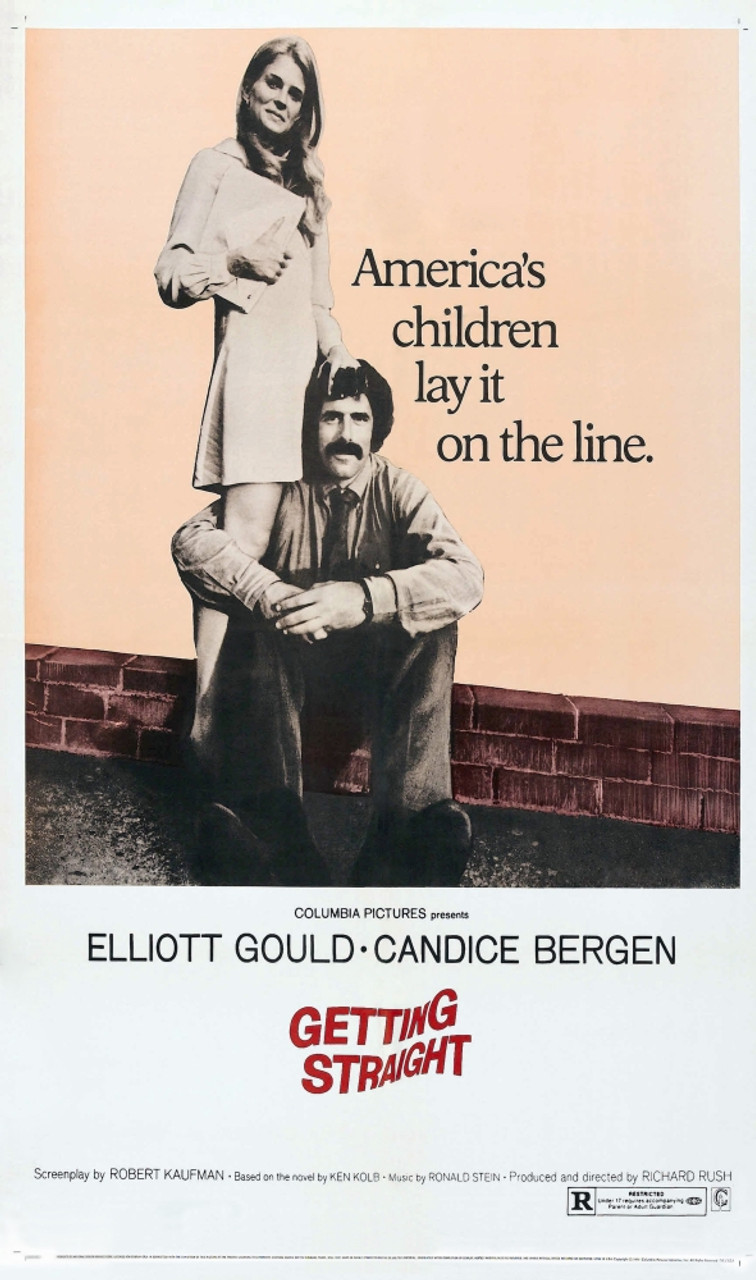
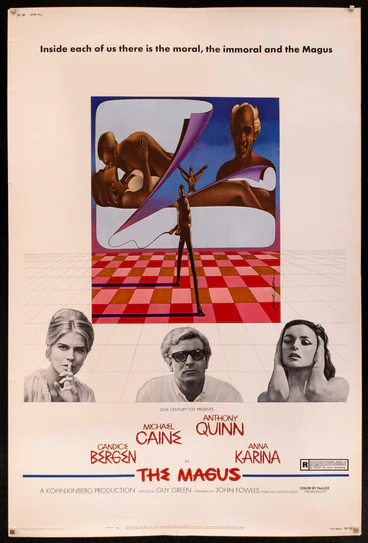
Other than her top-notch roles as the co-ed who comes between Jack Nicholson and Art Garfunkel in Carnal Knowledge (1971) and her prim American lady kidnapped by Moroccan sheik Sean Connery in The Wind and the Lion (1975), her performances were deemed a bit too aloof to really stand out among the crowd. During this time, she found a passionate second career as a photographer and photojournalist. A number of her works went on to appear in an assortment of magazines including Life, Playboy and Esquire. Most of Candice’s other late 1960s and 1970s films were either unmemorable or dismissed altogether, including the bizarre futuristic comedy The Day the Fish Came Out(1967); the forgotten mystery The Magus (1968); the epic-sized bomb The Adventurers(1970); the campus comedy Getting Straight (1970); the disturbingly violent Soldier Blue(1970); Lina Wertmüller‘s long-winded and notoriously long-titled Italian drama A Night Full of Rain (1978); and the soapy, inferior sequel to Love Story (1970), Oliver’s Story(1978).
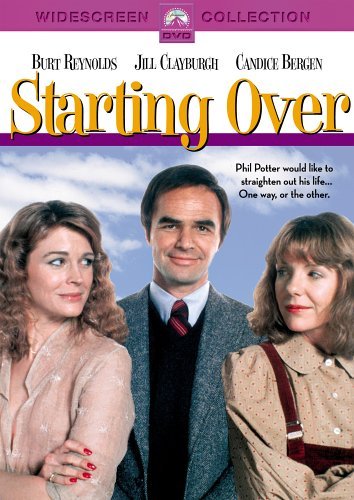
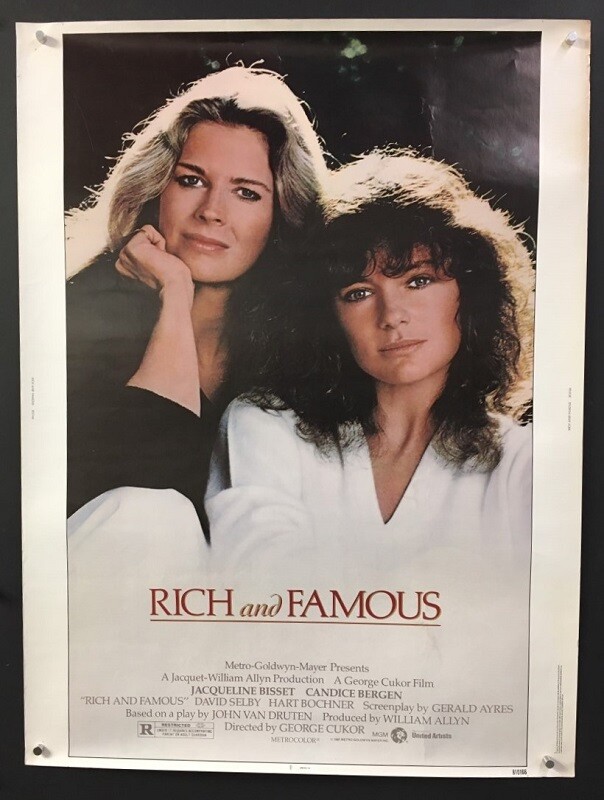
However, things picked up toward the end of the decade when the seemingly humorless Candice took a swipe at comedy. She made history as the first female guest host of Saturday Night Live and then showed an equally amusing side of her in the dramedyStarting Over (1979) as Burt Reynolds tone-deaf ex-wife, enjoying a Best Supporting Actress Oscar nomination in the process. She and Jacqueline Bisset also worked well as a team in George Cukor‘s Rich and Famous (1981), in which her mother Frances Bergencould be glimpsed in a Malibu party scene. Candice also made her Broadway debut in 1985 replacing Sigourney Weaver in David Rabe‘s black comedy Hurlyburly (1998). In 1980, Candice married Louis Malle, the older (by 14 years) French director. They had one child, a daughter named Chloe, in 1985. In the late 1980s, Candice hit a new career plateau on comedy television as the spiky title role on Murphy Brown (1988), giving great gripe as the cynical and competitive anchor/reporter of a television magazine show.
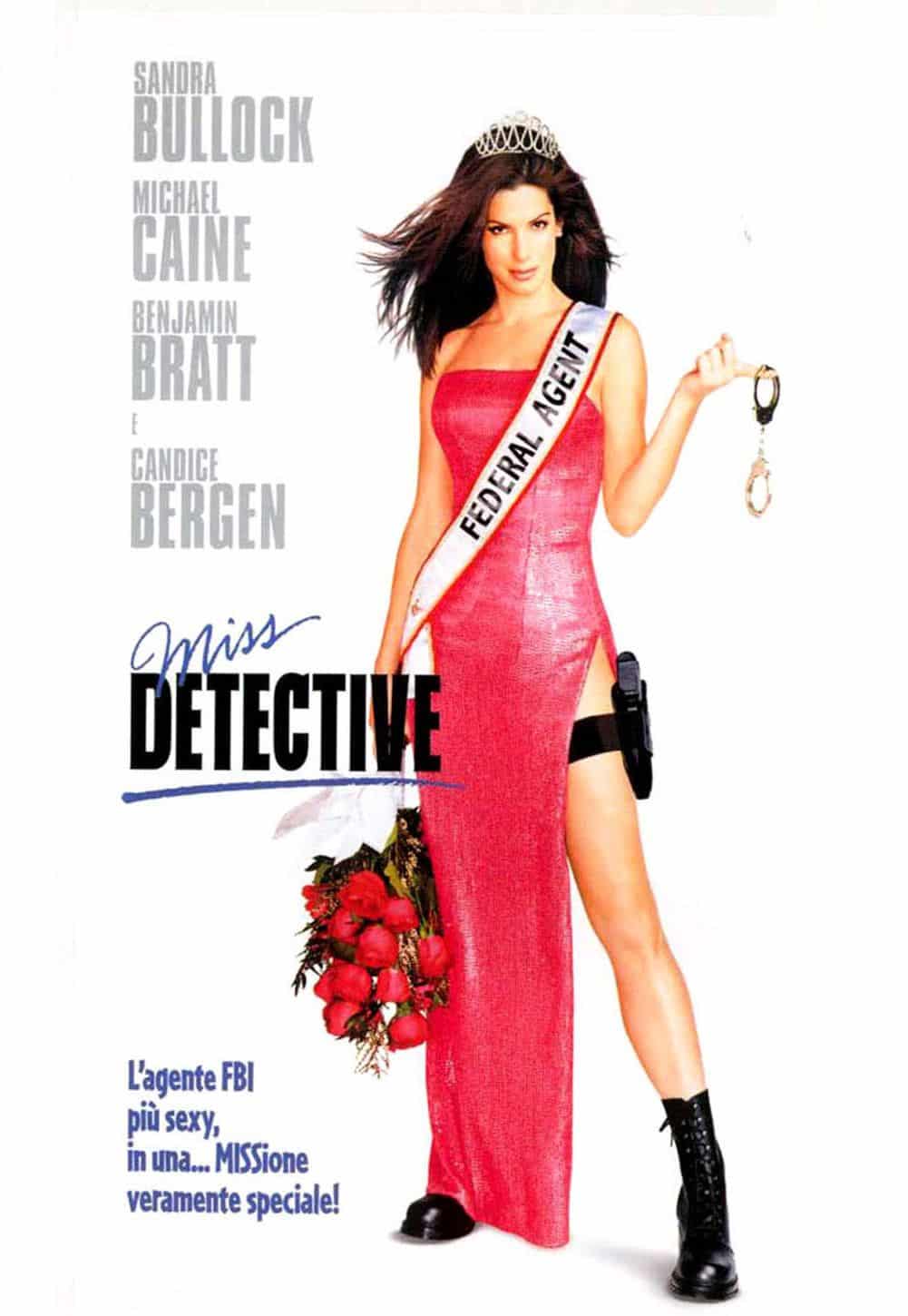
With a superlative supporting cast around her, the CBS sitcom went the distance (ten seasons) and earned Candice a whopping five Emmy Awards and two Golden Globe Awards. Television movie roles also came her way as a result with colorful roles ranging from the evil Arthurian temptress “Morgan Le Fey” to an elite, high-classed madam — all many moons away from her initial white-gloved debutantes of the late 1960s. Malle’s illness and subsequent death from cancer in 1995 resulted in Candice maintaining a very low profile for quite some time. Since then, however, she has returned with a renewed vigor (or should I say vinegar) on television, with many of her characters enjoyable extensions of her “Murphy Brown” curmudgeon. After years of working exclusively in television, she returned to the big screen, playing a former beauty queen who attempts to foil Sandra Bullock in Miss Congeniality (2000), and Reese Witherspoon‘s pretentious would-be mother-in-law in Sweet Home Alabama (2002).
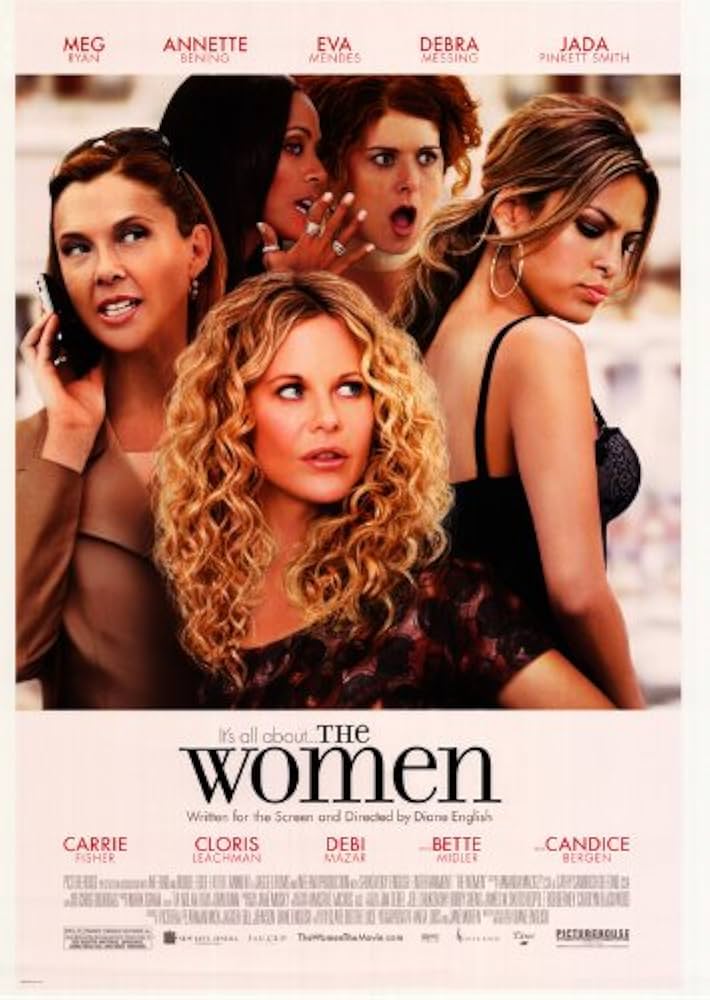
She has continued chomping at the comedy bit, appearing in The In-Laws (2003), The Women (2008), and Bride Wars (2009). In 2005, she joined the cast of Boston Legal(2004) playing a brash, no-nonsense lawyer while trading barbs with a much less seriousWilliam Shatner. She played this role for five seasons, receiving nominations for two Emmys, a Golden Globe Award and a Screen Actors Guild Award. Since 2000, she has been married to her second husband, Marshall Rose, who is a Manhattan real estate developer.
– IMDb Mini Biography By: Gary Brumburgh / gr-home@pacbell.ne

Candice Bergen (born May 9, 1946, Beverly Hills, California) stands as one of the most enduringly versatile figures in American screen culture. Over six decades, she has transformed from 1960s fashion icon to incisive dramatic actress to one of television’s most influential figures in satirical comedy. Beneath the glamour attached to her famous name (daughter of ventriloquist‑entertainer Edgar Bergen and model Frances Westerman Bergen) lies an artist whose career maps key shifts in how American media represents intelligence, gender, and self‑awareness in women.
Early Life and Formation
Raised in show‑business privilege but educated at the University of Pennsylvania, Bergen’s early interest in photography (she edited the campus magazine) suggested a self‑critical awareness of image that would underpin her acting. She studied at Lee Strasberg’s Actors Studio, yet she has always insisted her approach is intuitive rather than methodical.
From her debut in the mid‑1960s, critics noted an uncommon mix: supermodel beauty masking ironic detachment. This duality—serene surface, questioning underneath—became the through‑line of her career.
Film Debut and 1960s Stardom
The Group (1966) – Sidney Lumet
Bergen’s first film positioned her among an ensemble of educated young women negotiating gender, class, and morality. As Lakey Eastlake, the poised student with implied lesbian undertones, she exuded cool confidence free of insecurity. Critics identified her as the film’s modernist presence: minimalist, analytical, radiating self‑possession. The New York Times praised her “icy intelligence,” while Pauline Kael observed that Bergen’s “beauty seems to have ideas.”
The Sand Pebbles (1966) – Robert Wise
Opposite Steve McQueen, she played missionary Candice Evans. The role was underwritten, but Bergen’s composure amid the film’s masculine intensity impressed reviewers who saw intelligence where others might have played passivity. Even then she embodied moral witness rather than romantic decoration.
She closed the decade as among Hollywood’s most photogenic presences but resisted being typed as ornamental ingénue.
The 1970s: From Ornament to Subversive Intelligence
Realizing that looks threatened to confine her, Bergen sought parts that challenged perception of her and of female decorum.
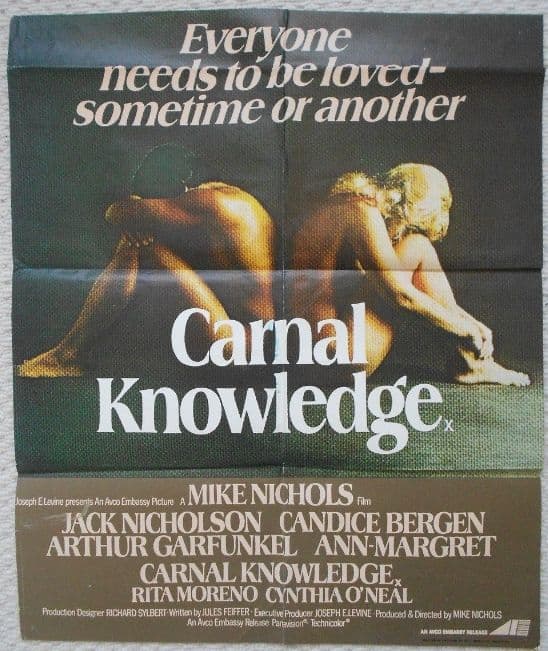
Carnal Knowledge (1971) – Mike Nichols
This remains the pivotal performance of her early career. As Susan, the young woman objectified and eventually discarded by Jack Nicholson’s misogynistic protagonist, Bergen underplayed with devastating subtlety. Critics who had dismissed her as a model discovered an actress capable of irony and pathos. Her calm poise rendered the cruelty of Nicholson’s character unmistakable.
Kael wrote, “She enters like an icon of grace and leaves like a wound.”
Roger Ebert noted her “stillness as a rebuke—the silences have fury.”
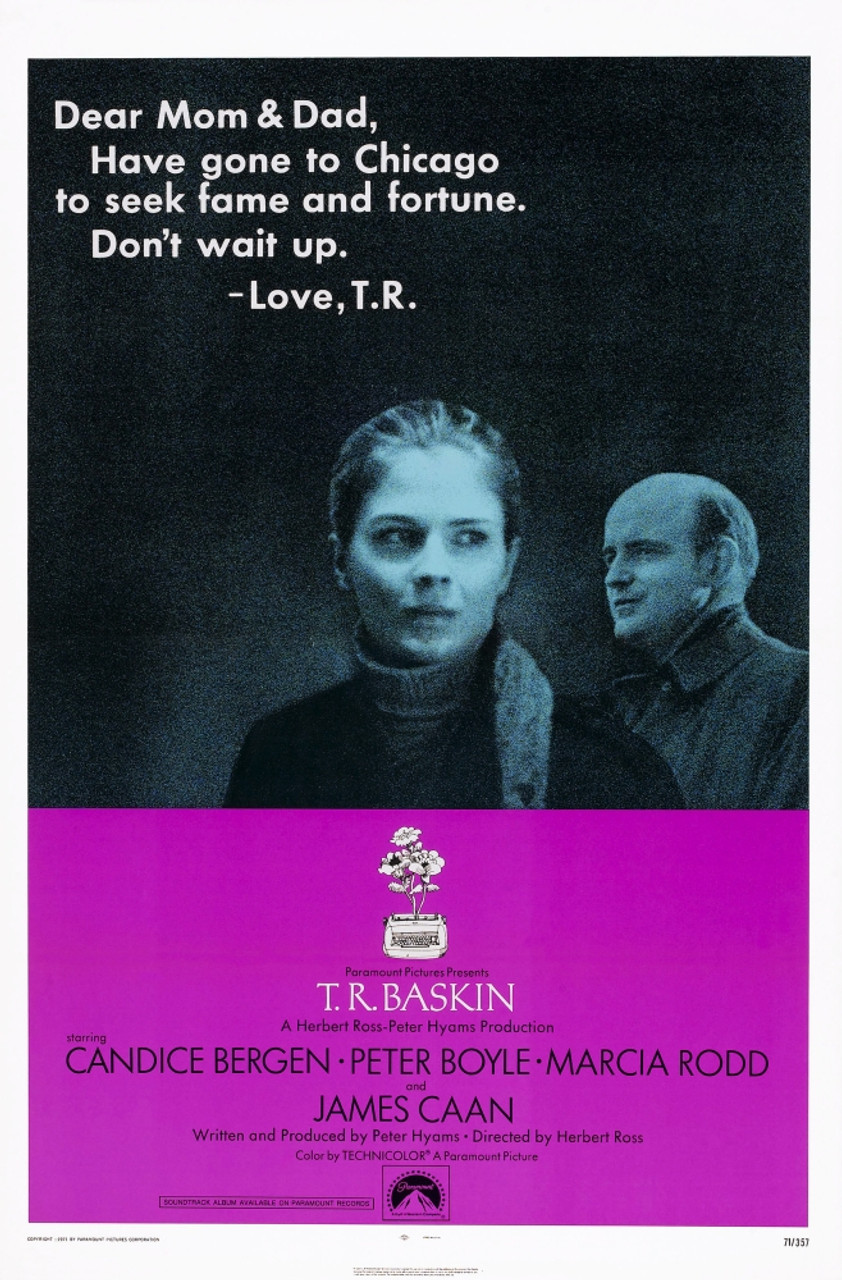
Soldier Blue (1970) and T. R. Baskin (1971)
Both films placed her in revisionist contexts—either challenging frontier mythologies or urban moral panic—wherein Bergen played conscience against systems of male violence.
The Wind and the Lion (1975) – John Milius
As Eden Pedecaris, a spirited widow abducted by Moroccan brigands (Sean Connery), Bergen combined elegance with defiance. Critics contrasted her self‑command with the film’s swashbuckling machismo. She gave the spectacle gravitas by grounding fantasy in emotional reality.
By the mid‑1970s she had matured into a sophisticated leading actress akin to Faye Dunaway or Jane Fonda: attractive but politically and psychologically awake.
The 1980s: Transition to Comedic Maturity
While drama affirmed her intelligence, comedy liberated her timing and subversive wit.
Starting Over (1979) – Alan J. Pakula
Playing still‑in‑love ex‑wife Jessica Parker, Bergen stole the film—earning an Academy Award nomination for Best Supporting Actress. Her hilariously awful rendition of “Better Than Evergone” revealed both vulnerability and irony. Critics hailed her self‑deprecating bravery. Variety observed that she “turns narcissism into comedy with a devastating wink.”
This role crystallized Bergen’s developing screen identity: a self‑aware, articulate woman navigating the absurdities of ego and expectation.
Gandhi (1982) – Richard Attenborough
Her cameo as journalist Margaret Bourke‑White reaffirmed her cultural cachet as intelligent observer rather than romantic accessory.
Yet through the decade she found substantial roles scarce—Hollywood offered limited space for middle‑aged women who were not maternal archetypes. This scarcity, alongside her journalistic curiosity, led her toward television.
Television Breakthrough: Murphy Brown (1988–1998, 2018 Revival)
Taking on Diane English’s concept of a volatile, brilliant broadcast journalist returning to work after rehab, Bergen redefined American situation‑comedy acting.
Character Analysis
Murphy Brown fused journalistic gravitas with caustic humour and feminist candour. Bergen delivered rapid‑fire dialogue with a precision that balanced satire and sincerity. Her gestures—tight smiles, sharp eye rolls—registered moral impatience and defensive vulnerability.
Critical Impact
- Emmy Awards: 5 wins, 10 nominations.
- Critics credited her with advancing the portrayal of professional women on television.
- Sociologists cited the “Murphy Brown effect” as evidence of evolving perceptions of female authority. In 1992, Vice President Dan Quayle’s infamous denunciation of the character’s single motherhood underscored her cultural potency.
Bergen’s performance is remarkable for emotional flexibility: behind the sarcasm lies empathic melancholy. Episodes addressing aging, illness, and workplace ethics displayed her dramatic discipline within sitcom framing—television acting of a quality rarely equaled in its era.
Post‑Murphy Brown Diversification (2000s–2020s)
Following the show’s first run, Bergen pivoted elegantly into character roles on screen and prestige television.
Boston Legal (2005–08)
As Shirley Schmidt, a senior partner and former flame to James Spader’s iconoclast, she blended sensual poise and managerial authority. The role earned two Emmy nominations and positioned her as TV’s image of age‑graced intelligence: witty, sexual, unapologetically commanding.
Critics admired her ability to render moral clarity comic. David Edelstein termed her “the humane anchor in a world addicted to provocation.”
Cinema Return
- Miss Congeniality (2000) and its sequel reintroduced her to younger audiences as steely mentor humorously disillusioned by pageantry—self‑parody of her modeling past.
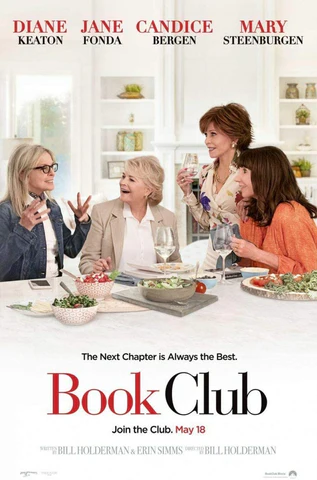
- Bride Wars (2009) and Book Club (2018)* drew on her authority and comic timing; though light vehicles, they depended on her capacity to play irony without cynicism.
- Let Them All Talk (2020) under Steven Soderbergh displayed late‑career subtlety. As Roberta, she balanced regret and humor against Meryl Streep’s aloof novelist. Reviewers noted that Bergen, with minimal affectation or vanity, “quietly walks away with the film.” The Los Angeles Times called her performance “a model of transparent emotion—every breath a thought in motion.”
Stage Work
Bergen has periodically returned to theatre, including revivals of Love, Loss and What I Wore and Tea at Five, demonstrating crisp delivery and emotional economy.
Acting Style and Craft Analysis
| Aspect | Characteristics |
|---|---|
| Vocal Precision | Low contralto with impeccable diction—every line carries intellectual shaping. |
| Comedic Rhythm | A master of timing through pause and understated reaction; her deadpan wit anticipates modern television irony. |
| Emotional Control | Prefers minimal gesture; conveys feeling through modulation of tone and micro‑expression rather than overt display. |
| Self‑Awareness | Often plays women conscious of their image—mirroring her life as celebrity’s daughter and model. This meta‑layer adds authenticity. |
| Moral Clarity | Her characters—Murphy Brown, Shirley Schmidt, even secondary movie roles—are defined by ethical intelligence rather than sentiment. |
Bergen’s greatest gift is balance: intellect tempered by warmth. Even when sardonic, she never alienates the viewer; her irony invites complicity.
Thematic Through‑Line
- Women and Work – From The Group to Murphy Brown to Boston Legal, Bergen dramatizes professional female identity navigating patriarchal structures.
- Beauty and Self‑Definition – She continually reframes her physical allure as a subject of critique rather than commodity.
- Irony as Defense – Her comedy masks vulnerability; sarcasm operates as moral intelligence at war with sentimental norms.
- Aging with Agency – Later roles confront mortality and relevance without apology, modeling a new paradigm for actresses beyond mid‑life.
Critical Standing and Influence
Critics consistently hail Bergen as the definitive modern comedic actress of American television, often compared to Lucille Ball and Mary Tyler Moore for sociocultural influence but distinguished by acerbic sophistication. Academic studies of TV feminism cite her as the performer who brought journalistic realism and political argument into prime‑time comedy.
Film scholars also note her subtle correction of 1960s glamour archetypes: rather than reject femininity, she infused it with intellect and irony, paving the way for later actresses like Diane Keaton, Holly Hunter, and Emma Thompson in combining authority with wit.
Representative Roles
| Year | Work | Role | Significance |
|---|---|---|---|
| 1966 | The Group | Lakey Eastlake | Debut; poised modern woman introducing analytical detachment |
| 1971 | Carnal Knowledge | Susan | Breakthrough dramatic realism; subversion of objectified femininity |
| 1979 | Starting Over | Jessica Parker | Comic reinvention; Oscar nomination |
| 1988–1998; 2018 | Murphy Brown | Murphy Brown | Landmark feminist television role; 5 Emmys |
| 2005–08 | Boston Legal | Shirley Schmidt | Mature authority merged with humor |
| 2020 | Let Them All Talk | Roberta | Late‑career masterclass in restraint and emotional truth |
Summary: Critical Appraisal
Candice Bergen’s career achieves something exceptionally rare: she redefined herself with each cultural decade without betraying her essential intelligence. Initially emblem of 1960s composure, she became 1970s realism’s moral witness, 1980s television’s feminist consciousness, and the 2000s–2020s model of aging wit.
Her artistry resides less in transformation than in articulating awareness—of roles, institutions, and gendered expectation. She turned self‑knowledge into drama. In doing so, Bergen secured a singular place in American acting: the performer who proved that intellect, irony, and beauty need not compete but can, in harmony, redefine what it means to be both woman and professional in modern entertainment.