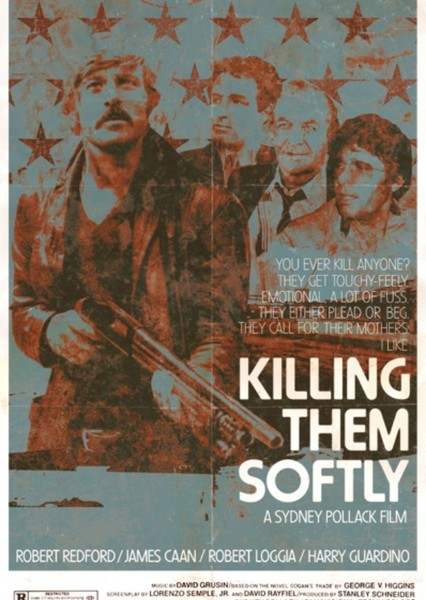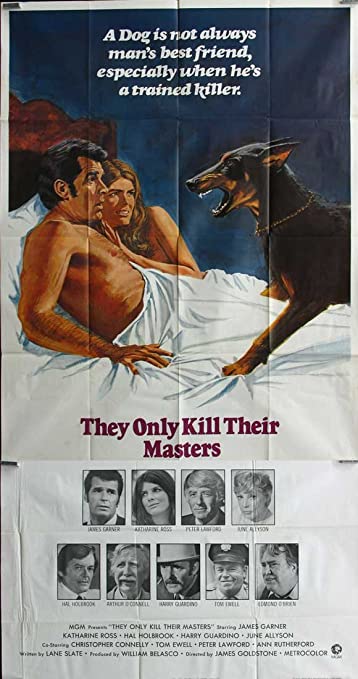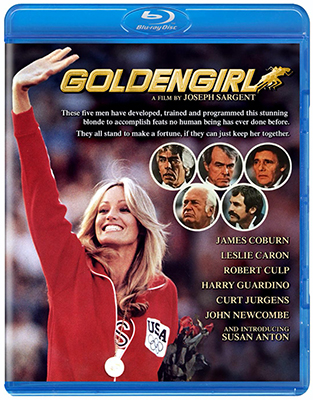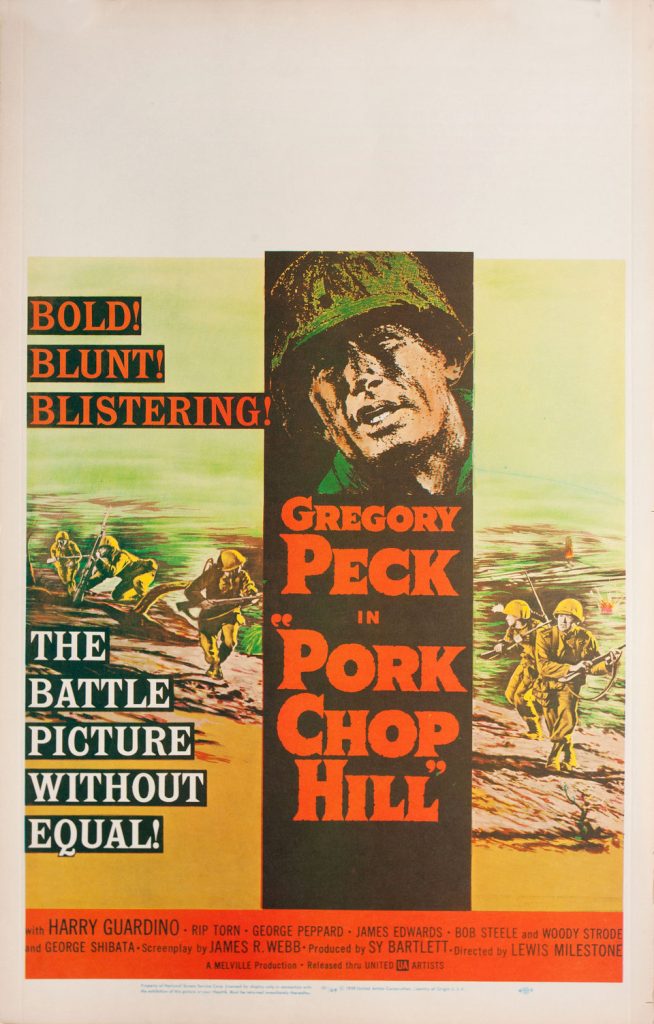

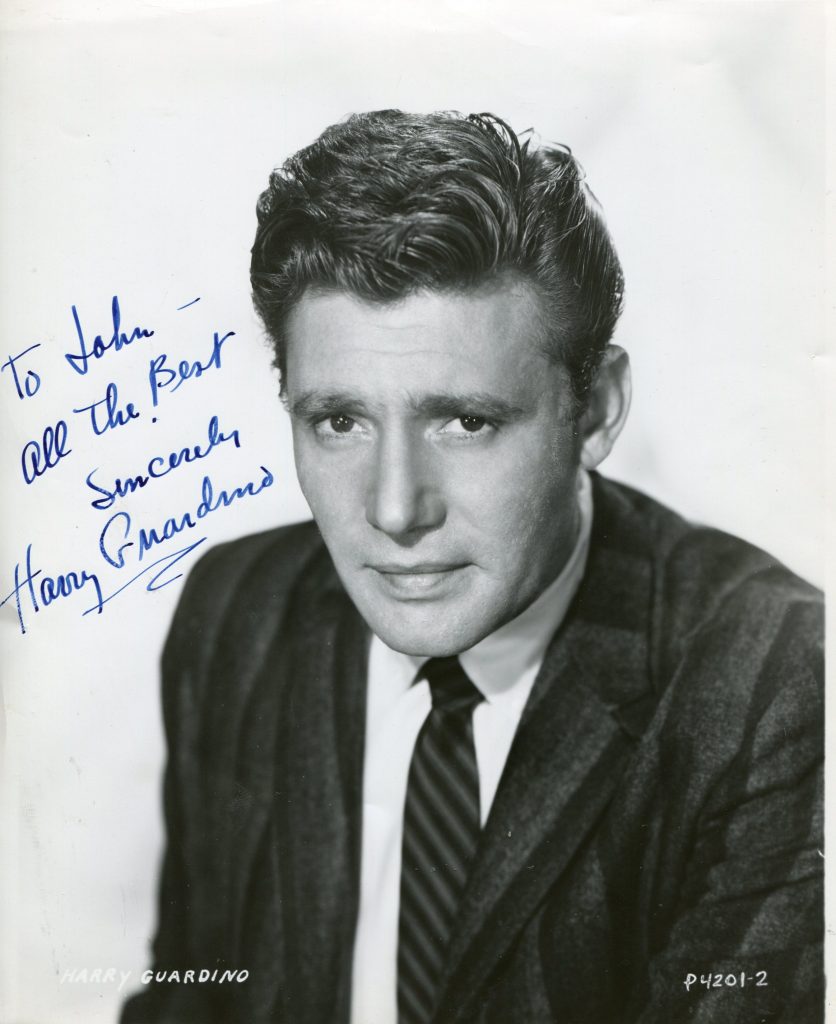
Gary Brumburgh’s entry:
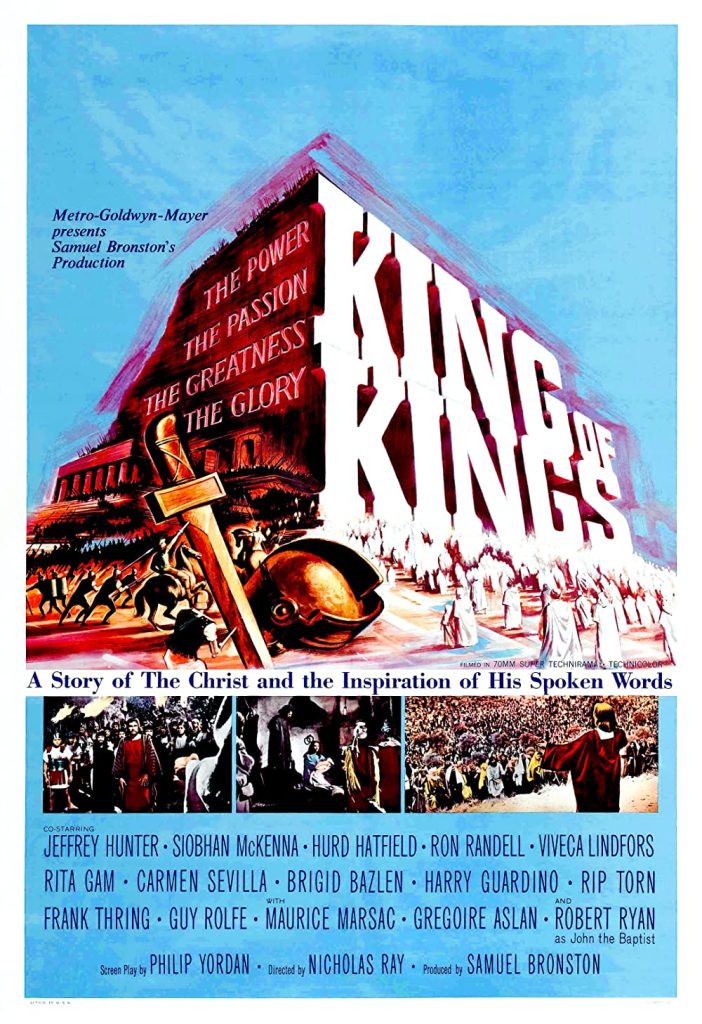
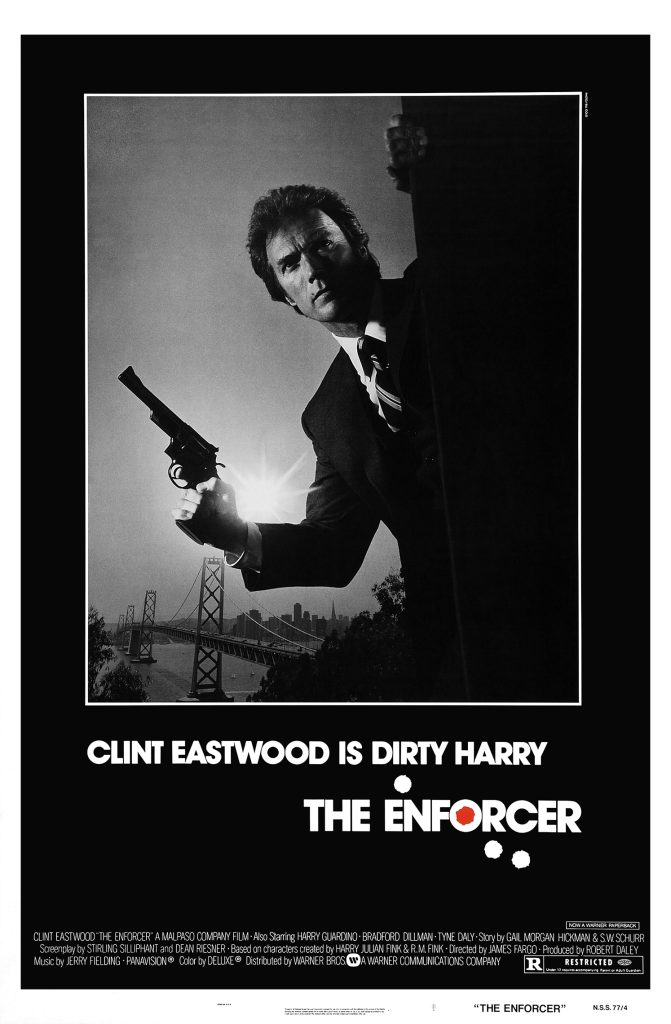
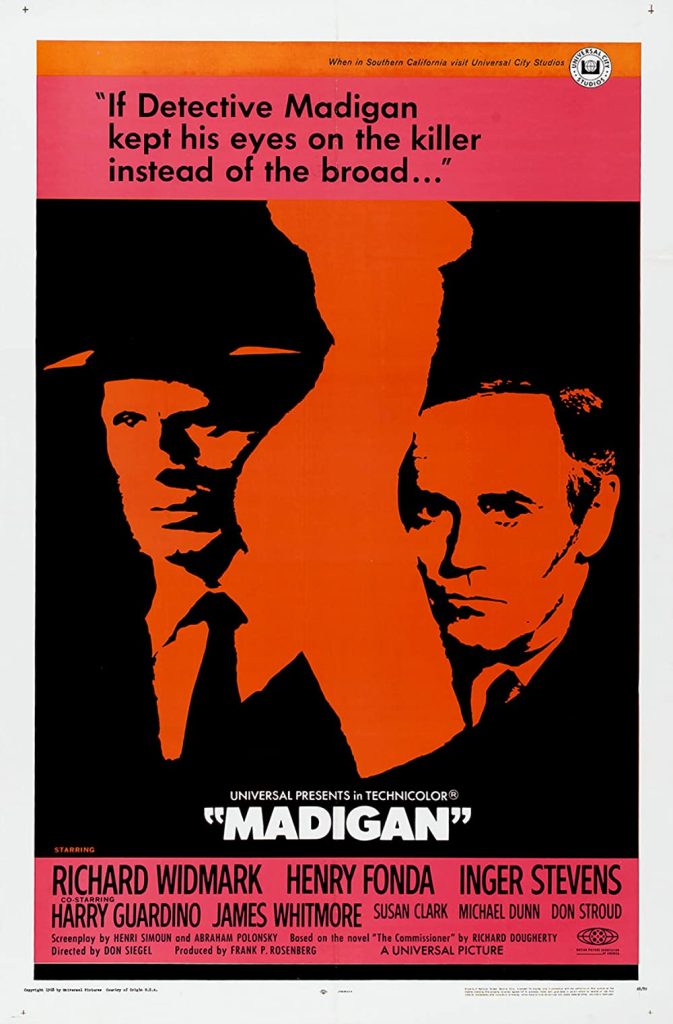
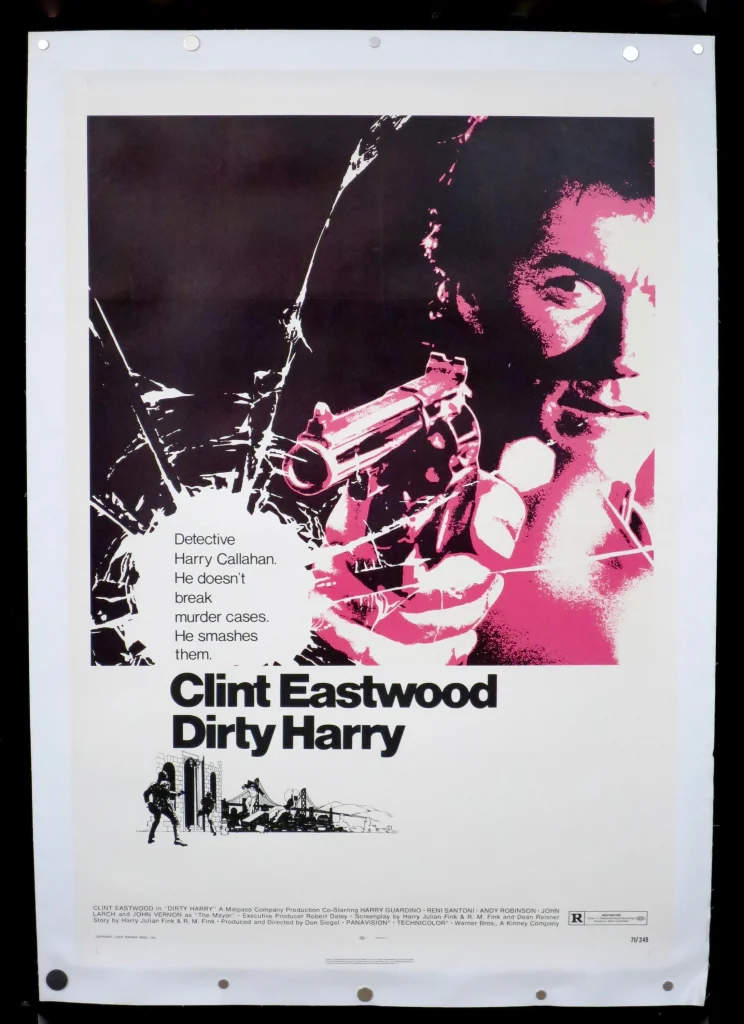
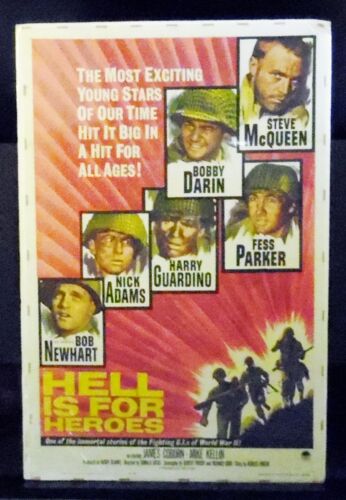
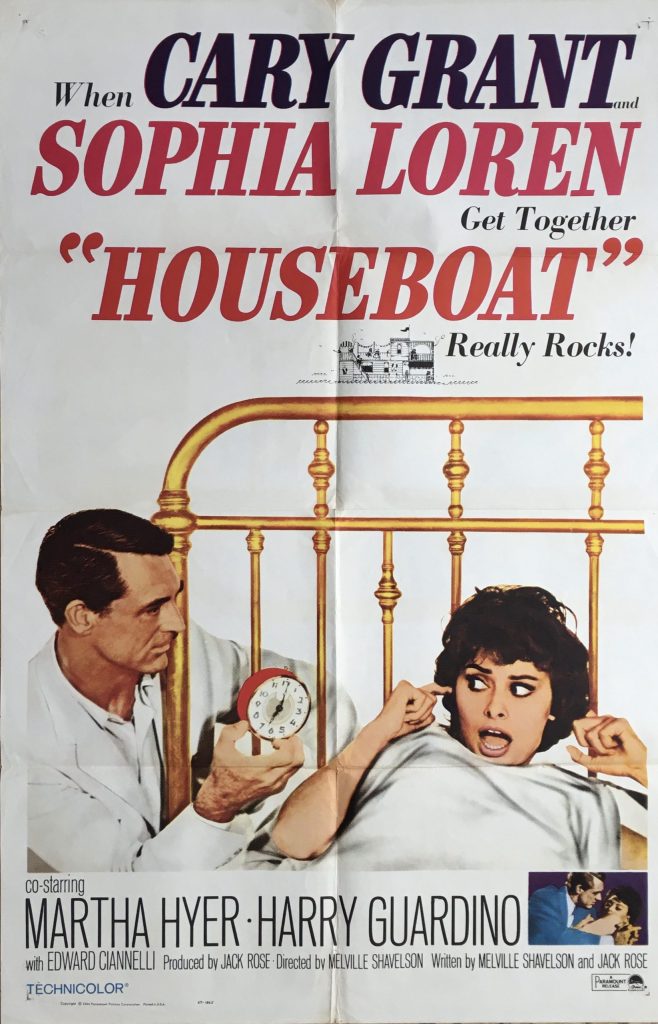
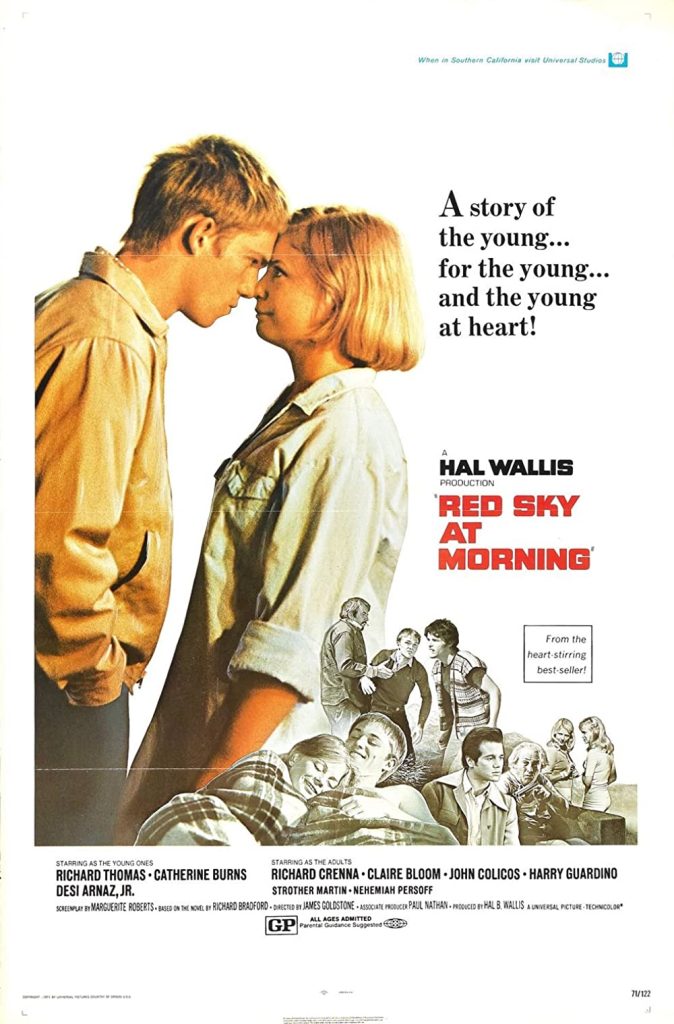
Virile Brooklyn-born actor Harry Guardino, with dark, wavy hair and a perpetual worried look on his craggy-looking mug, started out in the acting school of hard knocks, slumming for nearly a decade in small, obscure ‘tough guy’ film parts in the early to mid 50s. A definite man’s man, he finally attracted some attention on the Broadway stage with “A Hatful of Rain” (1956) and was nominated for a Tony for “One More River” in 1960. By then, juicier film roles began to gravitate his way, stealing the thunder out from under Cary Grant and Sophia Loren as a comic handyman in Houseboat (1958). Harry went on to play other brash guys with and without a comic edge to them in both crime and war stories such as Pork Chop Hill (1959), 5 Branded Women (1960), Hell Is for Heroes (1962), Madigan (1968), Dirty Harry (1971) and The Enforcer (1976), the last two pairing up with Clint Eastwood. He even played “Barabbas” in the classic bible epic King of Kings (1961) for a change of pace and scenery. More and more, however, TV became Harry’s favorite medium. He portrayed district attorney “Hamilton Burger” in the 70s revival series of “Perry Mason” and co-starred in dozens of grim, rugged mini-movies often as a street-smart cop. Not so true to nature, he found an unlikely outlet in musical theatre in later years, going on to star in productions of “Woman of the Year” and “Chicago”. A solid, durable, all-round actor, he died of lung cancer in 1995 at age 69.
– IMDb Mini Biography By: Gary Brumburgh / gr-home@pacbell.net
Guardino owed his role in the first of these to the director, Don Siegel, who had originally cast him Hell is for Heroes (1962), as the decent sergeant who gets killed (the film was set in France in 1944). Siegel used him again in Madigan (1968), as Rocky Bonaro, assistant to another eccentric police detective (Richard Widmark). Bonaro had found him easier to handle than Callahan – amused and tolerant and fiercely loyal, but inclined to be edgy when he’s reminded of his lesser status.
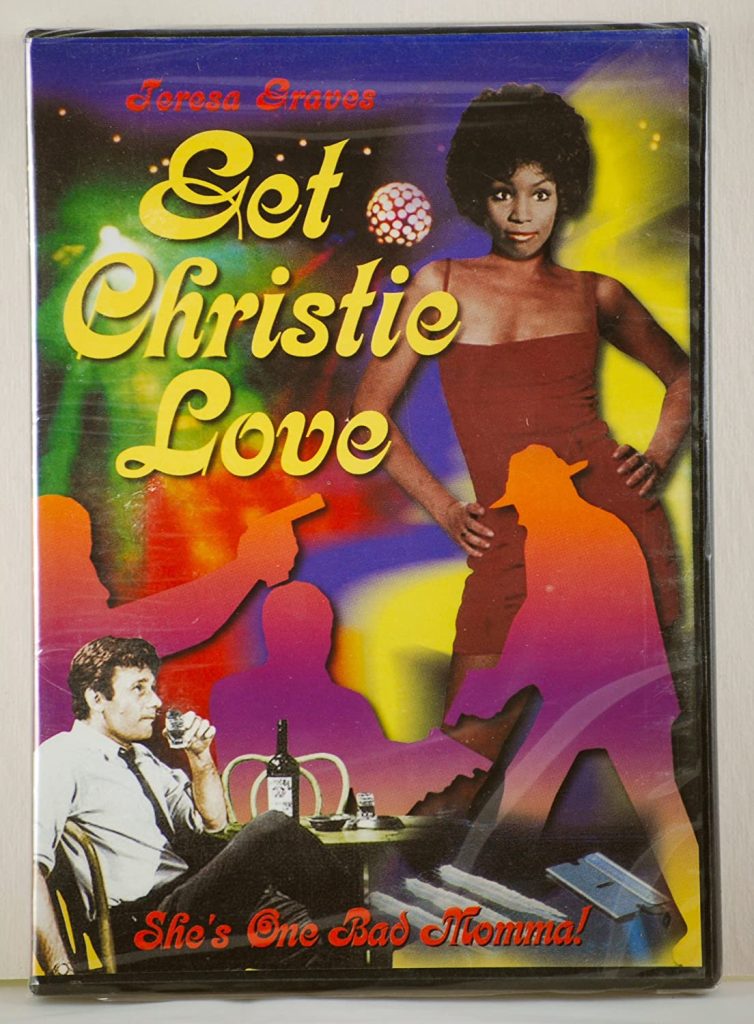
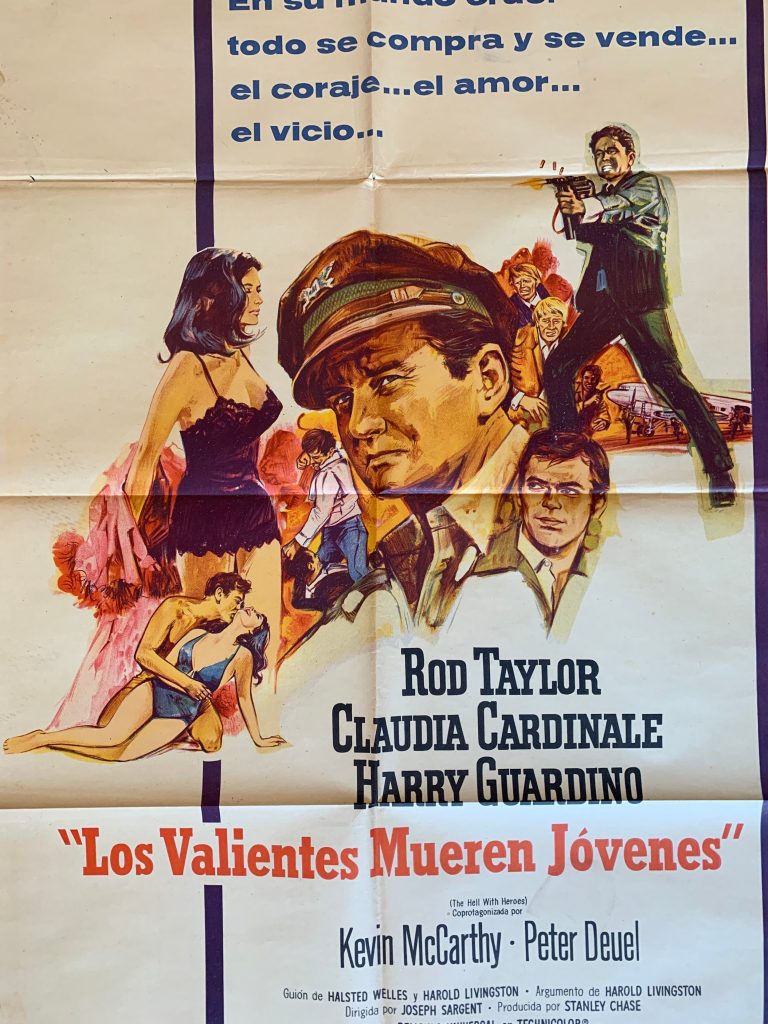
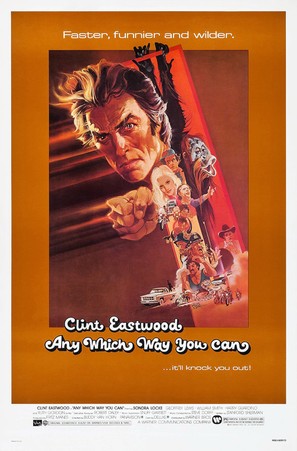
Guardino was an engaging actor, always convincing but typecast in movies and television: of the 50 or so roles he played in both media all but a dozen were top cops, men of integrity – so much so that it seems strange to come across him in another 1968 movie, The Hell with Heroes, in which he played a ruthless racketeer, or in Any Which Way You Can (1980), an Eastwood vehicle in which Guardino is a New York mobster.
He made his movie debut in Flesh and Fury (1952), in which Tony Curtis played a prizefighter, but was not really noticed till he was seen being understandably impressed by Sophie Loren’s physique in Houseboat (1958), directed by Melville Shavelson. As the boat’s Italian owner (and handyman) he stole every scene in which he appeared; Shavelson cast him as the band player who befriends Red Nichols (Danny Kaye) in The Five Pennies (1959), and in 1961 Guardino played Barabbas in King of Kings (1961).
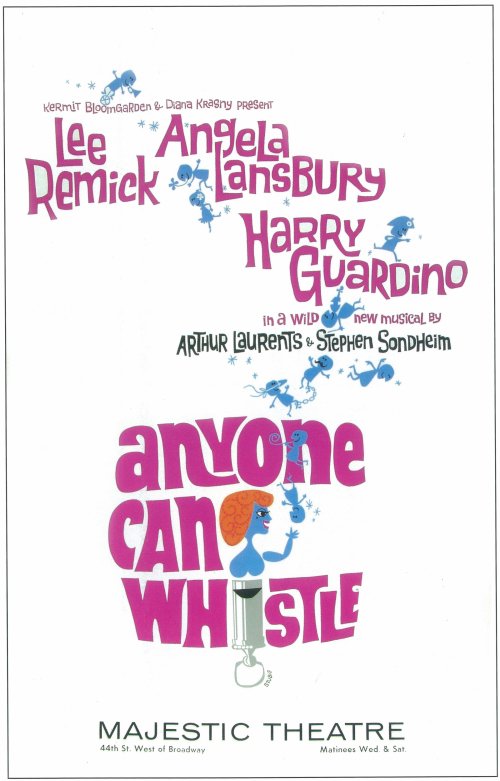
Throughout this period he commuted between Hollywood and the television studios (such series as Dr Kildare, The Untouchables, The Dick Powell Show and a dozen television movies). He first appeared on Broadway in End as a Man (1953), followed a year later by A Hatful of Rain. With his movie successes under his belt he returned to star in the Stephen Sondheim / Arthur Laurents musical Anyone Can Whistle (1964), playing a visiting physician recruited by the mayoress, Angela Lansbury, to help her solve the town’s problems. Lee Remick was also in the cast, and it was the first musical for the three of them, if for only nine performances. The reviews indicated some self-indulgence, to which Sondheim later admitted, but because of the recording made the day after it closed it is probably the biggest “cult” item of all failed shows.
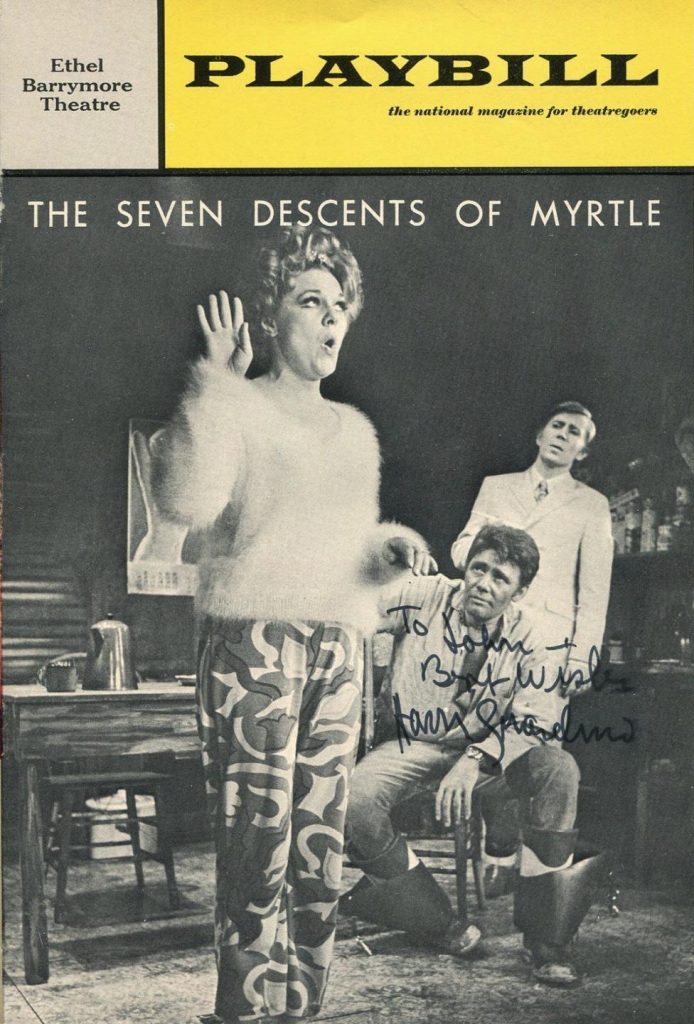
Guardino was to have better luck in his second musical, but in the meantime he was on Broadway in The Rose Tattoo (1966), in which Maureen Stapleton reprised the role she had first played in 1951. He was less happily employed in another Tennessee Williams play in 1968, The Seven Descents of Myrtle, as the dying Lot whose new wife, Estelle Parsons, dallies dangerously with his despised brother, Chicken, played by Brian Bedford – an odd concoction of bizarre obsessions and incestuous passions which moves dangerously close to self-parody.
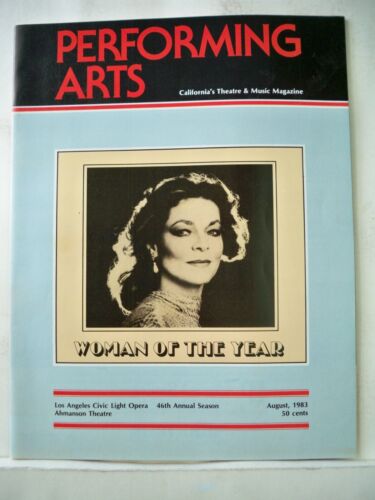
In 1981 he was in a musical with Lauren Bacall, Woman of the Year, based on the Tracy-Hepburn movie of 1942, about two journalists of opposing tastes and views who embark on a stormy marriage. Once, when asked why the lady didn’t get top-billing, Tracy replied “This is a movie, not a lifeboat, dunderhead”; in this case Bacall was billed above the title and Guardino below: but as with their predecessors this was not a barrier to a close friendship during the Broadway run and the tour.
David Shipman
His “Independent” obituary can be accessed online here.